October 19, 2025
October 19, 2025


Catechesis for Catholic Teens
Catechesis for Catholic Teens
- CATHOLIC ANSWERS
- Bishop O’CONNELL
- LIFETEEN
- RELIGION TEACHER
CATHOLIC
ANSWERS

Sunday Catholic Word is the only podcast that looks at the Sunday Mass readings and focuses on the details that are relevant to explaining and defending the Catholic faith.
29th Sunday of Year C

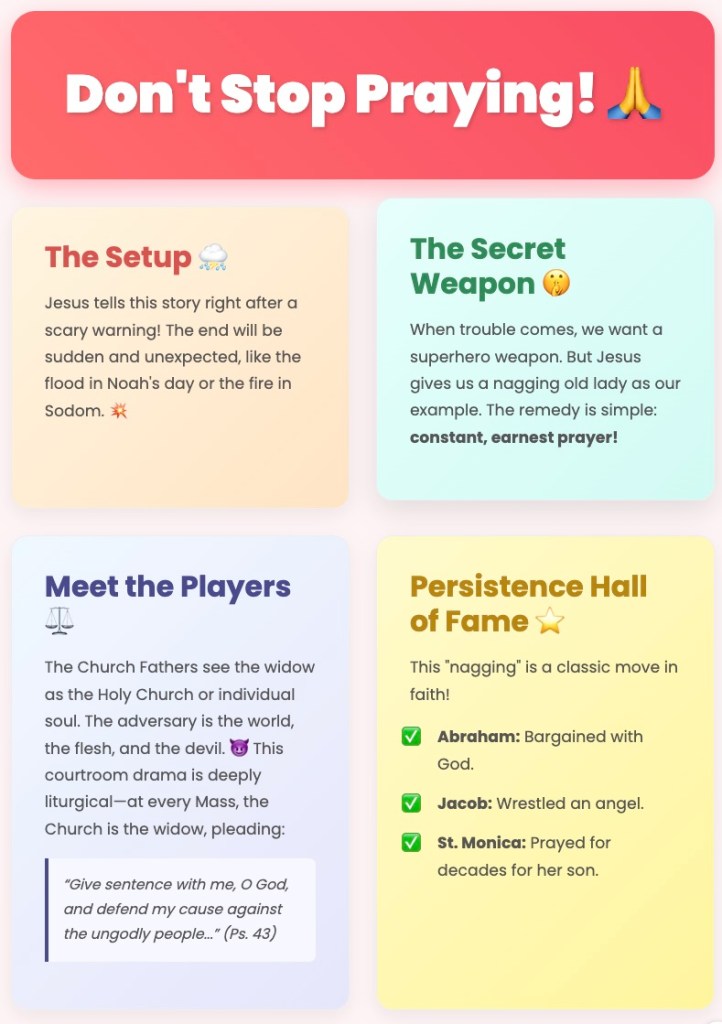

BISHOP MARK
O’CONNELL

29th Sunday of Year C


Generated using Google’s AI Gemini 2.5 Pro (w/ Chart.js and Tailwind CSS). Permission for use in any non-profit ministry w/ link to THE WORD THIS WEEK.
LIFE TEEN

Life Teen’s “Summit” is a lectionary-based discipleship program for high school teenagers designed to help them develop a deeper understanding of the Holy Mass and Sacred Scripture.
Videos (2022)
29th Sunday of Year C


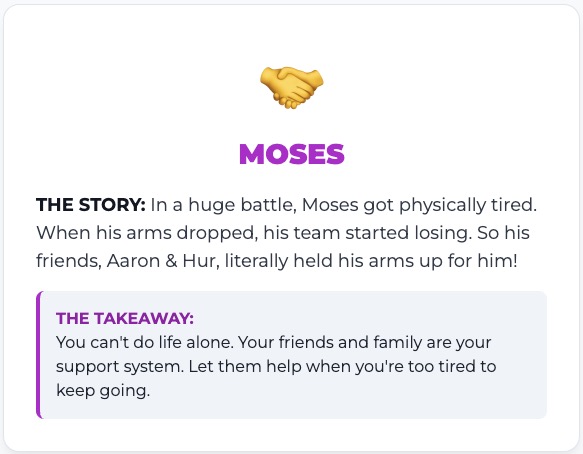

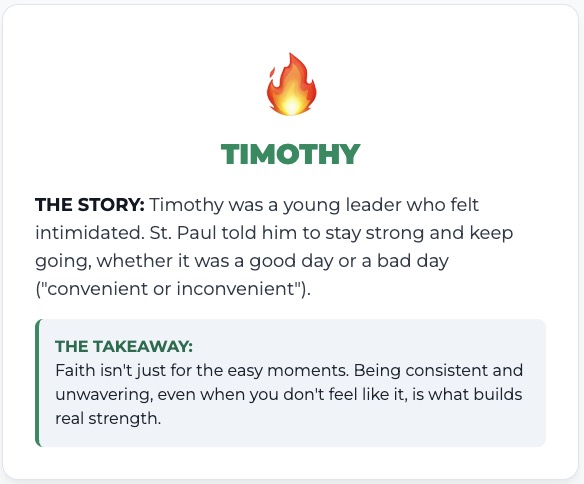

Generated using Google’s AI Gemini 2.5 Pro (w/ Chart.js and Tailwind CSS). Permission for use in any non-profit ministry w/ link to THE WORD THIS WEEK.
THE RELIGION
TEACHER

JARED DEES provides practical resources and teaching strategies to religious educators.
29th Sunday of Year C

Generated using Google’s AI Gemini 2.5 Pro (w/ Chart.js and Tailwind CSS). Permission for use in any non-profit ministry w/ link to THE WORD THIS WEEK.
Group / Classroom Discussion

29th Sunday of Year C
Perspectives on the Sunday Readings
Bishop Barron | Fr. Kevin Rettig | Msgr. Peter Hahn
Fr. Geoffrey Plant | Priests for Life
PDF Handouts
Reflection Questions
and Commentary
These study guides are the fruit of over a decade of working with students. They are a great resource for classroom group discussion.


Tips for Catechists
Be Real and Relatable
- Authenticity is Key: Don’t try to be someone you’re not or use slang you don’t know. Youth can spot inauthenticity immediately, so be yourself.
- Be You: Let your personality shine through to make your sermon more relatable and impactful.
- Meet them in their world: Understand the cultural context of the young people you’re speaking to.
Structure for Engagement
- Have One Big Idea: Focus your sermon around a single, clear point to help students remember it.
- Use a Clear Outline: Provide a simple, three-point outline with an introduction, body, and conclusion to help them follow along.
- Keep it Concise: Shorter messages are generally more effective for maintaining engagement and focus.
Make the Message Stick
- Tell Stories: Like Jesus, share stories that illustrate biblical truths and help make personal connections between the message and their lives.
- Use Visuals and Interaction: Engage multiple senses by using movie clips, objects, or games to make the message more memorable.
- Encourage Participation: Involve the audience through actions like raising hands, shouting answers, or taking polls to foster interaction.
29th Sunday of Year C
The Hook: Grab Their Attention (Start with Their World)
The goal is to connect the concept of persistence to their everyday lives before even opening the Bible. Start with a relatable, modern scenario.
- Opener Option 1: The “Parental Nag.”
- Ask: “Think about the time you wanted something really badly—a later curfew, a new phone, tickets to a concert. How many times did you have to ask? Did you feel like you were nagging? What was the final outcome?” Let a few teens share their stories.

- Opener Option 2: The “Left on Read” Feeling.
- Ask: “Have you ever felt like you were ‘left on read’—not by a friend, but by God? You pray for something, and it feels like you’re getting… silence.” This taps into a common feeling and sets the stage for the parable’s message.
- Key Question to Bridge to Scripture: “Why do we feel like we have to be annoying to be heard sometimes? Today, Jesus tells a story about someone who was a professional at not giving up, and it teaches us something surprising about how God listens.”

Unpacking the Scripture: Go Beyond the Surface
Break down the story using the New American Bible (NAB) translation. Focus on the extreme characters to make the point clear.
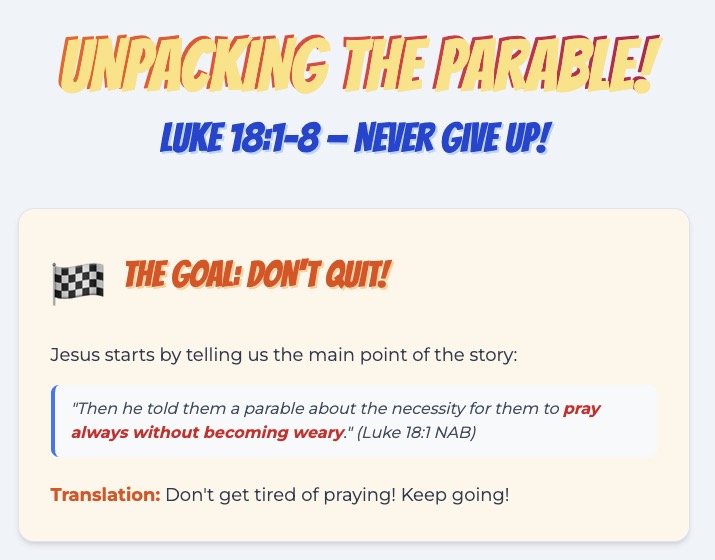
Introduce the Goal (Verse 1):
- Start by reading Luke 18:1: “Then he told them a parable about the necessity for them to pray always without becoming weary.”
- Explain: Jesus tells us the point of the story upfront: This is about not getting tired of praying or giving up.
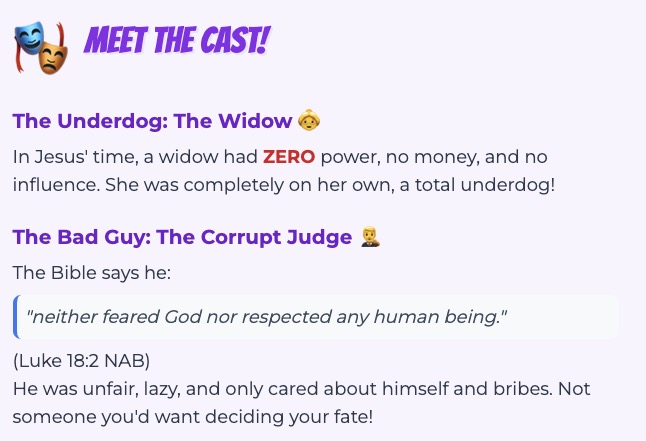
Set the Scene: The Characters:
- The Underdog (The Widow): Describe her situation. In that society, widows had zero social power, no money, and no influence. She was completely vulnerable. She’s the ultimate underdog.
- The Corrupt Judge: Read Luke 18:2: “a judge…who neither feared God nor respected any human being.” Explain that this isn’t just a grumpy judge; he’s a corrupt official who couldn’t care less about justice or people. He only responds to power and bribes, two things the widow doesn’t have.

The Conflict & The Strategy:
- The widow’s only tool is her voice. She can’t bribe him or force him. So, she decides to become a major inconvenience.
- Read Luke 18:4-5, where the judge complains: “because this widow keeps bothering me I shall deliver a just decision for her lest she finally come and strike me.”
- Emphasize: He doesn’t help her because it’s right. He helps her because she wore him down! Her persistence was her superpower.

Jesus’s Mic Drop Moment (The Contrast):
- This is the most critical point. God is NOT the judge. Jesus is using a “how much more” argument.
- Read Luke 18:6-7: “Pay attention to what the dishonest judge says. Will not God then secure the rights of his chosen ones who call out to him day and night?”
- Clarify: If even a terrible person like this judge will give in to persistence, how much more will a loving, just God—who is the complete opposite of the judge—listen to you when you call on Him? The point isn’t that we have to annoy God into action; it’s that our persistence is a sign of faith that He deeply honors.

Activities & Discussion Starters for Teens
- Discussion Questions:
- Why do you think Jesus used such a flawed character (the judge) to teach such an important lesson about God?
- What’s the difference between being persistent in prayer and being impatient with God?
- When you pray, does it feel more like you’re talking to the “judge” (who you have to convince) or a loving Father (who wants to listen)? Be honest.
- The parable ends with Jesus asking if He will find faith on earth. How does persistent prayer prove that faith exists?

- Activity 1: Modernize the Parable.
- Divide teens into small groups. Have them create a modern-day version of the parable.
- Examples: A student trying to get a stubborn principal to approve a new club; a person endlessly calling customer service to fix a major issue; a teen trying to convince their parents to trust them with a big responsibility.
- Have them share their modern stories and explain the lesson.

- Activity 2: The Prayer “Glow Up.”
- Give each teen an index card. On one side, have them write “The Judge.” On the other, “The Father.”
- Under “The Judge,” have them write words that describe praying as if God is a grumpy judge (e.g., “demanding,” “impatient,” “annoying,” “transactional”).
- Under “The Father,” have them write words that describe persistent prayer to a loving God (e.g., “trusting,” “relational,” “patient,” “hopeful,” “conversational”). Discuss the difference.
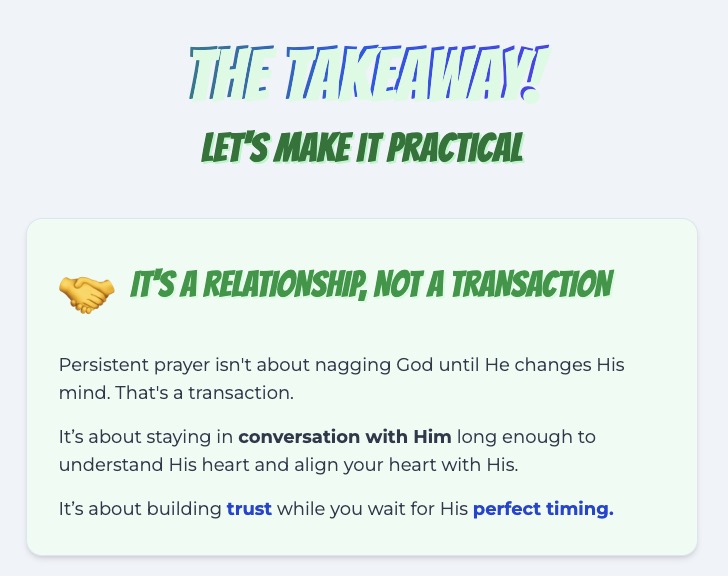
The Takeaway: Make It Practical
Connect the lesson to their lives for the upcoming week.
- It’s a Relationship, Not a Transaction: Persistent prayer isn’t about changing God’s mind. It’s about staying in conversation with Him long enough to understand His heart and align your heart with His. It’s about building trust while you wait for His perfect timing.
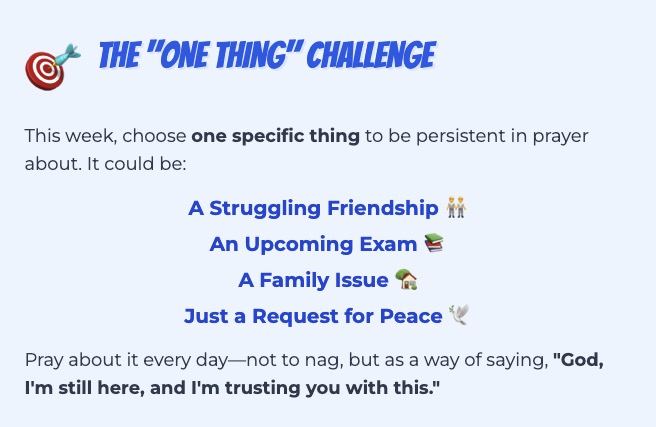
- The “One Thing” Challenge:
- Challenge every teen to choose one specific thing to be persistent in prayer about this week. It could be a struggling friendship, an upcoming exam, a family issue, or just asking for peace.
- Encourage them to pray about it every day, not as a nag, but as a way of saying, “God, I’m still here, and I’m trusting you with this.”
- Closing Thought: End by re-reading the final verse: “But when the Son of Man comes, will he find faith on earth?” Frame it as a personal question. Our persistence in prayer—our refusal to give up on the conversation with God—is our “YES.” It’s how we show Him we’re still here, still listening, and still trusting.