September 21, 2025


Liturgy Notes Sunday Prep
Liturgy Notes Sunday Prep

INTERCESSIONS
The Church
Governments and Salvation of the World
Those Burdened by Adversity
Local Parish / Faith Community
Sunday
TV Mass

Location: Crypt Church in the Basilica of the National Shrine (Washington D.C.)
Celebrant & Homilist: Rev. Msgr. Kevin T. Hart
Guest Choir: St. Theresa Catholic Church Choir, Ashburn, VA
Date: September 22, 2019
CALENDAR
SEPTEMBER
- September 21 (Third Sunday in September; USA) — Catechetical Sunday / See Also
- September 22-28 (Last Week in September) — National Migration Week (USA)
- September 28 (Last Sunday in September) — World Day of Migrants and Refugees
OCTOBER
- Domestic Violence Awareness Month
- Respect Life Month
- October 5 — Respect Life Sunday
- October 19 — World Mission Sunday
NOVEMBER
- Black Catholic History Month; Native American Heritage Month
- November 1: Solemnity of All Saints. See below.
- November 2: Commemoration of all the Faithful Departed (“All Souls”). See below. Daylight Savings Time Ends.
- November 9: Feast of the Dedication of St. John Lateran (replaces the 32nd Sunday in Ordinary Time)
- November 15: Feast of the Dedication of the Cathedral (a Solemnity at the Cathedral itself)
o The texts for the Anniversary of the Dedication of a Church are used. - November 16: World Day of the Poor (33rd Sunday in Ordinary Time)
- November 23: Solemnity of Our Lord Jesus Christ, King of the Universe
- November 30: First Sunday of Advent (Year A)
SOURCE: Diocese of Davenport

Liturgy Links
- Art & Architecture
- Canon Law
- Centers of Study
- Gateways / Collections
- Liturgical Ministries (including Music)
- Liturgy of the Hours
- Mulitucultural / Intercultural Ministry
- Persons with Disabilities
- Professional Groups
- Publishers (Music, Resources, Ritual Texts)
- Recursos liturgicos en Español
- Sacraments (including RCIA)
- U.S. Church
- Websites of Individual Liturgists
- Youth in Liturgy
Preaching Links
Catechetical Sunday (September 21)
Catechetical Sunday is an annual celebration in the United States that always takes place on the third Sunday of September.
- It is a day set aside for the Church community to commission those who will serve as catechists—people who teach the faith in a variety of settings, including parishes, schools, and homes.
- The community prays for the catechists and reflects on the broader role of all baptized Catholics to pass on the faith.
- In 2025, the theme for Catechetical Sunday is “Always be ready to give an explanation…for a reason for your hope” (1 Peter 3:15).
Jubilee of Catechists (September
26–28)
The Jubilee of Catechists is a special event that is part of the larger Jubilee Year 2025, a worldwide celebration in the Catholic Church.
- Pope Francis declared 2025 a Jubilee Year with the theme “Pilgrims of Hope,” and it includes special days dedicated to different groups, including catechists.
- While Catechetical Sunday is a national event, the Jubilee for Catechists is an international event, with official celebrations taking place in Rome.
- The event recognizes and honors catechists from around the world and includes special masses, pilgrimages, and opportunities for spiritual renewal.




25th Sunday of Year C

Music
25th Sunday of Year C
OCP | WILLOW | GIA | CANTICA NOVA


Penitential Rite
25th Sunday of Year C
- Lord Jesus, you recognized your disciples’ attraction to worldly goods: Lord, have mercy.
- Christ Jesus, you taught them that money is to be used wisely: Christ, have mercy,
- Lord Jesus, you call us to serve God and others above all: Lord, have mercy.
SOURCE: CELEBRATION
Fr. Lawrence Mick

25th Sunday of Year C

1923-2017
This Sunday is designated in the United States as Catechetical Sunday, a day to recognize and commission those who are involved in the various catechetical ministries of the parish. Materials are available online at USCCB website.
Planners need to decide just how broadly to interpret the title “catechist.” Certainly it should include all those who have a formal catechetical role in the parish…

Blessing for Catechists
25th Sunday of Year C
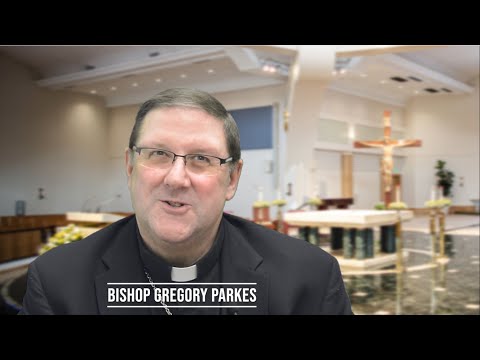
DIOCESE OF ST. PETERSBURG (01:21) – Catechist is a Greek word that means instructor and within our parishes, we have dedicated catechists who teach the Catholic faith and share the love of Jesus Christ. In this video, Bishop Gregory Parkes imparts a special blessing upon our catechists and thanks them for their ministry.