


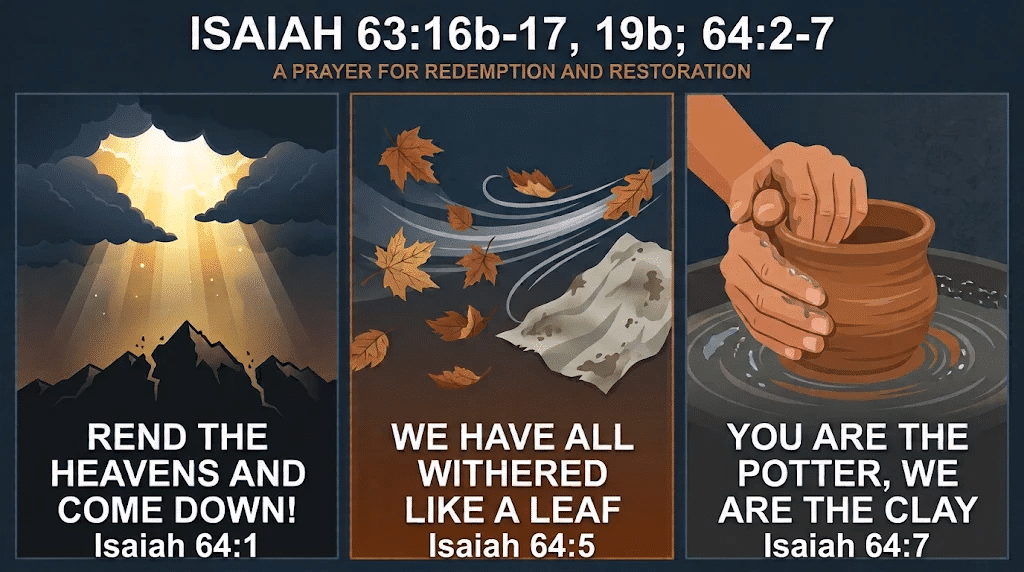
FIRST READING
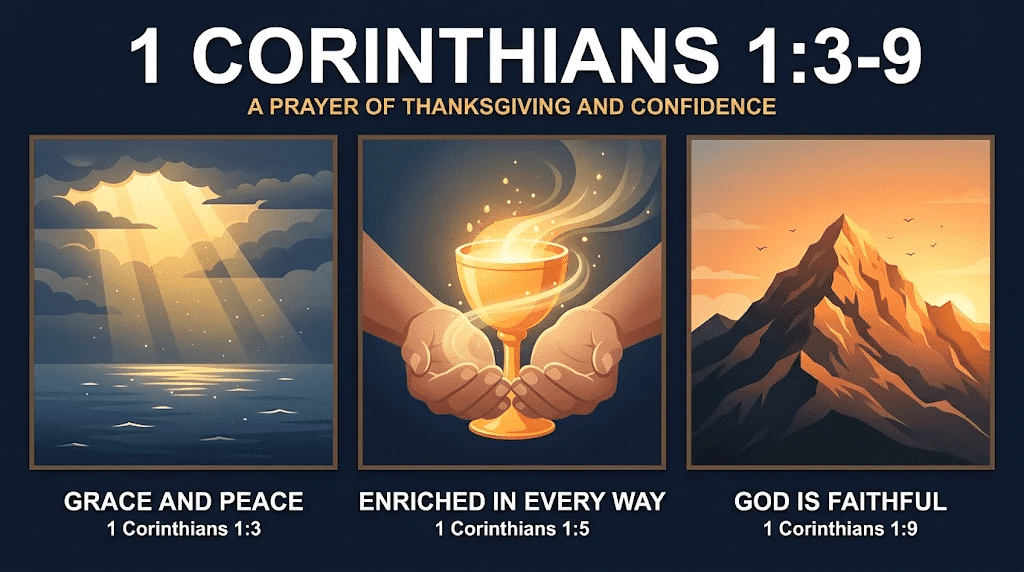
SECOND READING
GOSPEL

Four bulletin inserts
each week
The Church
Governments and Salvation of the World
Those Burdened by Adversity
Local Parish / Faith Community
Our Sunday Readings
Edrianne Ezell
Catholic Scripture Study
Vince Contreras
Hearers of the Word
Fr. O’Mahony OSA
Friar Musings, OFM
Fr. George Corrigan, OFM
Echoing God’s Word
Fr. Clement Thibodeau

OPEN INDEX
35 TOPICS / 105 Bulletin Inserts and Images
INDEX
35 TOPICS / 105 Bulletin Inserts and Images
- 1. Addiction & Recovery
- 2. Artificial Intelligence
- 3. Bereavement & Loss
- 4. Care for the Sick & Homebound
- 5. Catholic Education & Parish Formation
- 6. Church Doctrine
- 7. Civil Unrest
- 8. Digital Media & Social Ethics
- 9. Discipleship & Evangelization
- 10. Elderly
- 11. Environment
- 12. Eucharistic Adoration & Prayer
- 13. Families
- 14. Forgiveness & Reconciliation
- 15. Foster Care & Adoption
- 16. Growth in Holiness
- 17. Hospitality & Parish Community
- 18. Immigrants & Refugees
- 19. Marriage & Marital Spirituality
- 20. Mental Health & Well-being
- 21. Needs of Marginalized
- 22. Poverty & Almsgiving
- 23. Prison Ministry & Criminal Justice
- 24. Redemptive Suffering & Patience
- 25. Sacraments
- 26. Sanctity of Life
- 27. Sports, Leisure & Sabbath Rest
- 28. Stewardship of Time & Talents
- 29. Teenagers
- 30. Theology of the Body
- 31. Unity in the Parish & Church
- 33. Widowhood & Single Life
- 34. Workplace Ethics & Integrity
- 35. World Peace
1. Addiction & Recovery
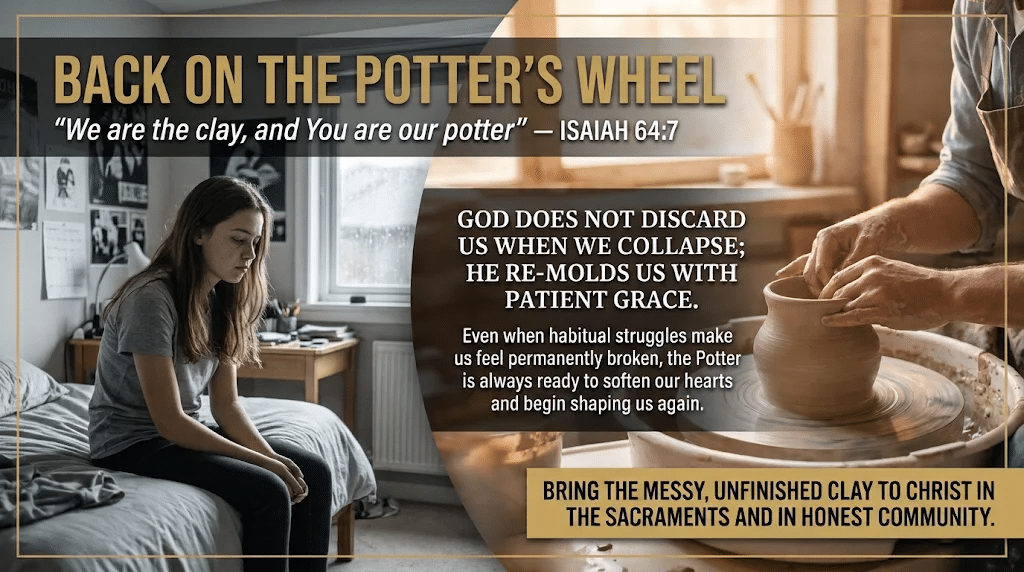
Back on the Potter’s Wheel (Isaiah 64:7) Compulsive habits have a cruel way of convincing a person that they are permanently broken—hardened beyond repair. Isaiah pushes back against that lie with one of Scripture’s most tender images: we are the clay, and God is the potter. A skilled potter never discards clay just because it collapses on the wheel; instead, the potter adds water, softens the lumps, and begins shaping again with patient hands. Advent begins in that exact workshop of mercy. Recovery is rarely a straight line, and willpower alone almost always runs dry. Catholic spirituality reminds us that grace does not erase our weakness overnight, yet it constantly re-molds us when we stay on the wheel. If you or someone you love is fighting addiction this season, bring the messy, unfinished clay to Christ in the sacraments and in honest community. The Potter is not finished with you.
Kept Firm When Your Grip Fails (1 Corinthians 1:8-9) Anyone who has walked the road of sobriety knows how fragile human promises can feel by Tuesday afternoon. St. Paul offers a steadier anchor to the struggling Christians in Corinth: God is faithful, and He is the one who keeps us firm to the end. Notice where the weight rests—not on our flawless willpower, but on God’s fidelity. In Catholic teaching, perseverance is itself a gift of grace, nourished through daily prayer, the Eucharist, and the accountability of brothers and sisters in Christ. Paul also reminds us that we are called into fellowship with Jesus, which directly confronts the secrecy and isolation where addiction thrives. This Advent, stop trying to white-knuckle your way to freedom alone. Lean into the faithfulness of a Savior who holds onto you even when your own hands are shaking, and take the next right step in the light.
Guarding the Gate of the Heart (Mark 13:34) In Jesus’ brief parable, the master departs and leaves a specific servant at the door: the gatekeeper, ordered to stay on watch. Recovery depends heavily on that exact role. Relapse seldom happens out of nowhere; it begins when small compromises slip past an unguarded gate—an unchecked resentment, a familiar trigger, a skipped meeting, or a quiet excuse. Advent wakefulness is not anxious paranoia; it is loving vigilance over a soul worth protecting. The Church gives us practical tools for keeping watch, especially a nightly examination of conscience and regular Confession, where we clear out what does not belong before it takes root. Today, ask yourself what you are letting through the door of your mind and schedule. Station Christ beside you at the threshold, and treat your sobriety—or your support of a loved one in recovery—as a sacred post entrusted to you by the Lord.
2. Artificial Intelligence

Enriched in Wisdom, Not Just Data (1 Corinthians 1:5) St. Paul thanks God that the Corinthians have been enriched in Christ with all discourse and all knowledge. In an era when artificial intelligence can flood our screens with endless text in seconds, Paul’s distinction matters more than ever. Information is cheap; wisdom is costly. True Christian knowledge is not simply assembling clever answers—it is knowing Christ, discerning truth from fabrication, and speaking words that build up the Body of Christ. Because AI tools can generate convincing falsehoods alongside helpful summaries, Catholics are called to practice intellectual virtue: verify what you share, think critically, and refuse to outsource your conscience or your prayer life to a screen. This Advent, let Christ—the Eternal Word—enrich your mind first. Spend at least as much time listening to Scripture in quiet reflection as you spend asking machines for quick solutions.
Made by Hands, Not Algorithms (Isaiah 64:7) Smart software can now draft letters, paint portraits, and mimic human voices with eerie speed, tempting us to wonder what makes a person unique. Isaiah answers in a single breath: we are all the work of God’s hands. No machine is breathed into life by the Creator, bears the image and likeness of God, or can be called His child. As artificial intelligence reshapes offices, classrooms, and homes, Advent slows us down to remember our true origin and dignity. A tool can calculate, but it cannot repent, forgive, sacrifice, or love. Catholic social teaching welcomes genuine innovation while insisting that technology must always serve the human person, never replace or diminish us. Before you adopt the next time-saving app this week, ask whether it frees you to love your neighbor more deeply—or quietly trains you to treat people like data points to be optimized.
Do Not Sleepwalk Through the Future (Mark 13:33, 37) Jesus’ crisp command—“Be watchful! Be alert!”—cuts straight through the passive habits of modern life. New technologies rarely announce how they will reshape our attention, our jobs, or our children’s imaginations; they simply arrive wrapped in convenience, and we drift along half-asleep. Christian vigilance refuses to drift. When we use artificial intelligence at work or at home, staying alert means asking moral questions before habits harden: Does this respect truth and human authorship? Does it protect the vulnerable? Does it preserve honest human work and real face-to-face relationships? Advent reminds us that we are stewards of a world Christ will one day return to judge and renew. We do not need to fear new tools, nor should we worship them. Stay awake, keep your moral compass set on the Gospel, and make sure you remain the servant of Christ rather than the servant of an algorithm.
3. Bereavement & Loss
Crying Out in the Quiet (Isaiah 63:19b; 64:2) The weeks leading into Christmas can feel impossibly loud when an empty chair sits at your table. If your heart is heavy with grief, listen closely to Isaiah’s raw, unfiltered prayer: “Oh, that you would rend the heavens and come down!” Notice that Scripture never asks mourners to put on a cheerful mask. Advent begins not with forced festivity, but with longing—with honest people admitting that the world feels torn apart and begging God to step into the ache. Even when sorrow makes God feel distant, the prophet reminds us that no eye has seen what God prepares for those who wait for Him. Our Catholic faith does not bypass the cross of loss; it places our tears right inside the promise of the Resurrection. Bring your unedited grief to Mass this week. God is not offended by your longing—He hears it as prayer.
Held Together in Communion (1 Corinthians 1:9) Grief often feels like a severed cord, as though death has permanently cut us off from someone we love. St. Paul writes a quiet lifeline into that ache: God is faithful, and by Him we were called into fellowship with His Son, Jesus Christ. In Catholic theology, that fellowship—the Communion of Saints—is stronger than the grave. Because your loved one belonged to Christ, and you belong to Christ, you are still connected in Him, most deeply whenever the Church gathers around the altar at the Eucharist. Every Mass unites heaven and earth in a single act of worship. This Advent, when waves of memory hit unexpectedly, let your longing turn into prayer for the faithful departed and gratitude for the love that never dies. Death changes how we are present to one another, yet in the faithfulness of God, no bond forged in Christ is ever lost.
Waiting Through the Night Watches (Mark 13:35) Mark’s Gospel names the four watches of the Roman night: evening, midnight, cockcrow, and morning. Anyone who has walked through bereavement recognizes those hours—the long stretches when darkness seems immovable and daylight feels far away. Jesus does not promise that the night will be short; He promises that the Lord of the house is coming, and that the night will not last forever. Staying watchful in grief does not mean suppressing your sorrow or rushing past it. It means keeping a small candle of hope lit in the window, trusting that Christ meets us even in the midnight watch. If you are mourning this Advent, let your parish family keep watch with you. And if you know a neighbor enduring their first holiday season after a loss, reach out with a simple phone call or a shared meal—becoming a quiet sign that dawn is on the way.
4. Care for the Sick & Homebound
When You Feel Hidden Away (Isaiah 63:16) Chronic illness, limited mobility, or a long stay in a care facility can make a person feel forgotten by the bustling world outside. Yet Isaiah opens today’s reading with a declaration that reaches behind every closed door and hospital curtain: “You, Lord, are our father, our redeemer you are named forever.” God does not lose track of His children when they can no longer drive to Sunday Mass or keep up with old routines. You are not a burden on the margins of the parish; you remain a beloved son or daughter, and your quiet prayers offered from a recliner or bedside carry immense spiritual weight for the whole Church. If you are healthy and mobile this Advent, take Isaiah’s reminder to heart: represent the Father’s faithful presence by visiting a homebound parishioner, bringing them the parish bulletin, or arranging for an Extraordinary Minister to bring them Holy Communion.
No Spiritual Gift Lacking (1 Corinthians 1:7) Illness often strips away the roles we once used to measure our usefulness—our careers, our volunteer schedules, our independence. St. Paul speaks directly against the temptation to feel “less than” when he assures the faithful that in Christ, they are not lacking in any spiritual gift as they wait for the Lord. A homebound Catholic who prays the Rosary for struggling families, offers up physical discomfort in union with Christ’s cross, or listens patiently to a stressed caregiver is exercising a vital ministry inside the Body of Christ. You do not need full physical stamina to bear extraordinary spiritual fruit. This Advent, let us honor the sick among us not merely as recipients of charity, but as powerful intercessors. And if you are carrying an illness yourself, ask for the Sacrament of the Anointing of the Sick—a tangible outpouring of Christ’s strength, peace, and grace.
Each Servant Given a Work (Mark 13:34) When the master leaves home in today’s Gospel, he places his servants in charge, “each with his own work.” Caregiving is one of the most demanding—and most overlooked—works in the Kingdom of God. Whether you are managing medications for an aging parent, driving a spouse to chemotherapy, or checking in on a sick neighbor, the daily repetition can leave you exhausted and unseen. Jesus sees your post. In Catholic life, tending the body of a suffering neighbor is literally tending to Christ Himself. At the same time, staying alert as a caregiver means recognizing your own limits so burnout does not steal your peace. Ask your parish for help, accept a dropped-off meal, and carve out a few quiet minutes to breathe in Christ’s presence. Your faithful, hidden service at the bedside is preparing the way of the Lord every bit as much as any public ministry.
5. Catholic Education & Parish Formation
Shaped by Truth, Not the Wind (Isaiah 64:5, 7) Isaiah paints a striking contrast in just two verses: without God, we wither like dry leaves carried away by the wind; with God, we are clay shaped steadily by the Potter’s hands. Look at how easily modern culture blows young people—and adults—from one passing trend to the next. Authentic Catholic education and parish faith formation exist to anchor the soul so it does not drift with every cultural breeze. Whether through a Catholic school, weekly religious education, OCIA, or an adult Bible study, formation is never just about memorizing facts for a test; it is about letting the Master Potter shape how we think, pray, and love. This Advent, resist the idea that learning the faith ended at Confirmation. Pick up the Catechism, join a parish study group, or read a chapter of the Gospels with your family, and let God form your mind anew.
Confirming the Testimony in Every Generation (1 Corinthians 1:4-6) St. Paul rejoices that the grace of God has enriched the Corinthians so that “the testimony to Christ was confirmed among you.” Notice that word: confirmed. Faith is not meant to remain a vague childhood memory; it is meant to grow sturdy enough to answer hard questions and guide real-world choices. Every parish catechist, Catholic school teacher, and parent who takes time to explain why we believe what we believe is helping confirm Christ’s testimony in a new generation. Good formation pairs clear teaching with a living witness—showing children and adults alike that Catholic doctrine is not a list of arbitrary rules, but a map to joy and freedom. This week, thank a teacher or catechist who invests in our parish’s young people, and consider how you might share your own faith story with someone who is still searching for answers.
Keeping the Lamp Lit in the Classroom and Home (Mark 13:33, 36) Jesus warns His disciples not to be caught sleeping when the Lord arrives. Spiritually, sleepiness often looks like coasting on autopilot—assuming our children will absorb the faith by osmosis, or assuming we already know everything we need to know about God. Advent wakes us up. Formation is an active, lifelong practice of keeping our minds and hearts alert to Christ’s voice. In the home—what the Church calls the domestic church—even small habits make a lasting difference: lighting an Advent wreath candle before dinner, explaining a part of the Mass to a curious child, or talking openly about how a Sunday reading applies to the week ahead. Don’t wait for a crisis to discover what you actually believe. Invest in your Catholic formation now, while there is time, so that when life tests your faith, you are wide awake and ready.
6. Church Doctrine
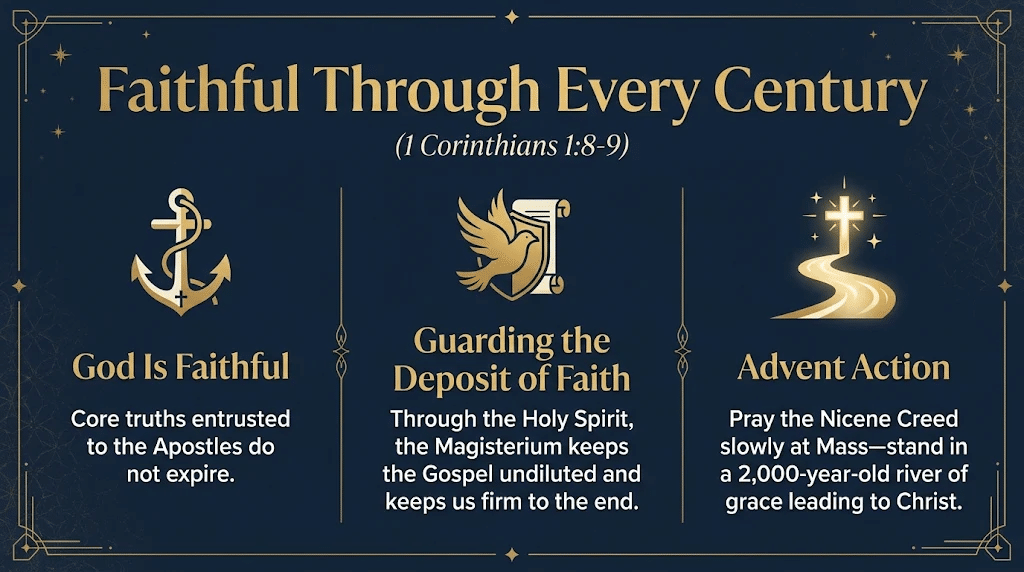
Faithful Through Every Century (1 Corinthians 1:8-9) Trends expire in months, and popular opinions flip within a decade, yet St. Paul anchors our confidence in three simple words: “God is faithful.” Because God does not contradict Himself, the core truths entrusted to the Apostles do not expire with the passing of an era. Through the guidance of the Holy Spirit, the Magisterium—the teaching office of the Church—guards the Deposit of Faith so that every generation receives the authentic Gospel, undiluted by the pressures of the moment. That faithfulness is what keeps us “firm to the end.” When the world feels dizzyingly unstable, the timeless truth of the Catholic faith offers solid ground beneath your feet. This Advent, pray the Nicene Creed at Mass slowly and intentionally, letting each line remind you that you stand in a two-thousand-year-old river of grace that leads directly to Christ.
Meeting Us on the Right Path (Isaiah 64:4) “Would that you might meet us doing right, that we were mindful of you in our ways!” Isaiah’s longing captures the real purpose of Church doctrine. Many people today hear the word doctrine and picture a dusty rulebook designed to restrict freedom. In truth, Catholic teaching is the Church’s faithful preservation of the paths where God promises to meet us. Just as trail markers keep hikers from wandering off a cliff in the fog, the Creed and the moral teachings handed down from the Apostles keep us mindful of God’s ways when our own instincts get clouded. Advent invites us to rediscover doctrine not as an obstacle to a relationship with Jesus, but as the very language of that relationship. When a teaching of the Church challenges you, don’t walk away—lean in, study the “why” behind it, and trust that the Lord who gives the truth is the same Lord who loves you.
Entrusted With the Master’s House (Mark 13:34) Before leaving on his journey, the master in Mark’s Gospel places his servants in charge of the household—not to invent a new house, or tear down its walls, but to keep it faithful until he returns. That image neatly summarizes the Catholic understanding of Sacred Tradition and Church doctrine. The Apostles and their successors did not manufacture the Gospel; they received it from Christ and were commanded to guard it intact. Every baptized Catholic shares in that stewardship. Staying watchful means testing the messages we hear on podcasts, social media, and television against the solid teaching of Scripture and the Catechism. Advent reminds us that we do not own the faith—we are its caretakers. Treat the truths of the Church like a treasured heirloom entrusted to your care, passing them on clearly, charitably, and faithfully to those who come after you.
7. Civil Unrest
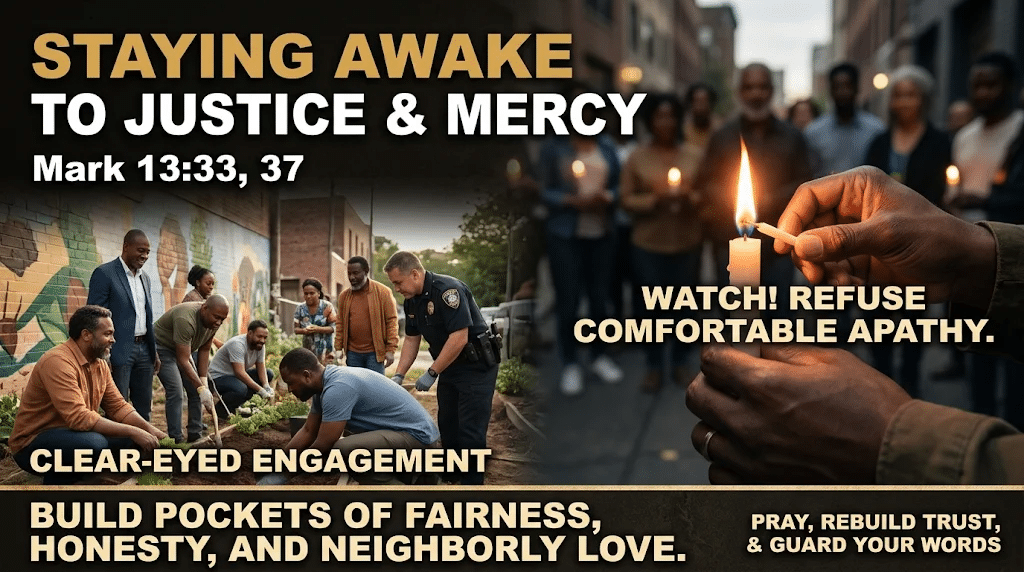
Staying Awake to Justice and Mercy (Mark 13:33, 37) Civil unrest often exposes wounds that a society has slept through for too long—ignored poverty, broken trust, or simmering resentment. Jesus’ command to “Watch!” calls Catholics out of comfortable apathy. Being alert in a turbulent time means refusing two opposite temptations: the temptation to tune out completely behind locked doors, and the temptation to let outrage hijack our Christian charity. Instead, Christ calls us to clear-eyed engagement. Pray for civic leaders, law enforcement, and community organizers; support local efforts that rebuild trust across racial and economic lines; and refuse to spread rumors or inflammatory clips online. Advent proclaims that a righteous King is coming to set all things right. Until that day, we keep watch by building pockets of fairness, honesty, and neighborly love right where God has planted us.
When the Mountains Quake (Isaiah 63:19b) Protests, polarized rhetoric, and sudden flare-ups of public anger can make the civic landscape feel like shaking ground. Isaiah knew that tremor well, crying out for God to come down “with the mountains quaking before you.” Notice where the prophet looks when society feels unstable: he does not place ultimate salvation in political factions or human force, but in the living God who alone can remake hardened hearts. As Catholics navigating a tense public square, Advent teaches us to be people of steady hope rather than frantic panic. We care deeply about justice, the rule of law, and the dignity of every neighbor, yet we never confuse an earthly kingdom with the Kingdom of God. This week, before reacting to breaking news with anger or despair, pause and pray Isaiah’s plea—asking Christ to step into our divided communities and bring the peace no ideology can manufacture.
Grace and Peace Before Arguments (1 Corinthians 1:3) St. Paul wrote to a Corinthian community notorious for bitter cliques, status battles, and loud divisions—yet look at how he opens his letter: “Grace to you and peace from God our Father and the Lord Jesus Christ.” He refuses to match their hostility with more hostility. In times of civil unrest, Christians are called to be a non-anxious, peacemaking presence in their neighborhoods and workplaces. That does not mean ignoring genuine injustice or staying silent about evil; it means speaking truth without dehumanizing those who disagree with us. Catholic social teaching insists that true peace is the fruit of justice and charity working together. This Advent, ask yourself whether your conversations about current events pour gasoline on the fire or carry the grace and peace of Christ. Choose to listen with patience, defend the vulnerable, and treat every person—even an opponent—as someone for whom Christ died.
8. Digital Media & Social Ethics
Rousing Ourselves to Cling to God (Isaiah 64:6) Isaiah laments a spiritual drowsiness that sounds uncannily modern: “There is none who calls upon your name, who rouses himself to cling to you.” Endless scrolling has a quiet way of numbing the soul—filling every spare thirty seconds with noise, outrage, or distraction until prayer feels strangely inconvenient. When our thumbs reach for a screen before our hearts reach for God, we slowly lose our spiritual grip. Advent is the Church’s gentle alarm clock, inviting us to rouse ourselves and cling to what is real. Practical digital ethics starts with personal discipline: set your phone aside during family meals, keep it out of the bedroom at night, and refuse to let algorithms dictate your mood before breakfast. Reclaim a few quiet pockets of silence each day this week, and discover how refreshing it feels to cling to the living God instead of a glowing screen.
Using Our Speech to Build Up (1 Corinthians 1:5) St. Paul praises the gift of “all discourse and all knowledge” given in Christ. Online, discourse has never been faster—or easier to weaponize. Behind a keyboard, it takes barely a second to post a sarcastic jab, share an unverified rumor, or pile onto a stranger’s mistake. Yet the Eighth Commandment does not disappear when we log on; gossip, rash judgment, and detraction still wound real people made in God’s image. Catholic social ethics calls us to bring Christian courtesy, honesty, and restraint into every comment section and group chat. Before you hit “send” or “share” this Advent, run your words through a simple three-part filter: Is it true? Is it necessary? Does it serve the common good? Let your digital footprint reflect a person enriched by Christ’s grace, bringing clarity and charity to spaces that desperately need both.
Refusing to Be Found Asleep by Distraction (Mark 13:36) “May he not come suddenly and find you sleeping.” In our hyper-connected world, spiritual sleep rarely looks like lying in bed—it looks like losing two hours to short videos while the people sitting in the same living room go unnoticed. Digital media is a wonderful servant when it connects distant families, shares Catholic teaching, or helps us do our work; it becomes a terrible master when it steals our attention from the present moment. Staying watchful this Advent means practicing intentionality with our screens. Notice what apps leave you anxious, envious, or irritable, and take a deliberate break from them during these four weeks before Christmas. Trade thirty minutes of evening screen time for a conversation, a phone call to a lonely relative, or a decade of the Rosary. Stay awake to the real people God has placed right in front of you.
9. Discipleship & Evangelization
The Deeds Nobody Saw Coming (Isaiah 64:3) “No ear has ever heard, no eye ever seen, any God but you doing such deeds for those who wait for him.” Evangelization begins right there—not with a polished sales pitch, but with genuine wonder at what God has actually done in your life. People today are flooded with opinions, yet they remain deeply hungry for authentic witnesses who have encountered the living Christ. You do not need a theology degree to share the Gospel; you simply need to speak honestly about how Jesus has steadied you in a storm, forgiven your past, or given meaning to your ordinary week. Advent is a natural season to invite someone closer—a coworker, a neighbor, or a family member who has drifted from Mass. Don’t pressure or lecture. Simply share your joy in what God has done for you, and invite them to “come and see” this Sunday.
Confirmed by How We Live (1 Corinthians 1:6-7) Notice how St. Paul describes the spread of the Gospel in Corinth: “the testimony to Christ was confirmed among you.” In other words, people believed the message because they could see its fruit in the community’s life. Every baptized Catholic is a missionary disciple, and often our daily habits speak far louder than our words. Patience in a crowded checkout line, integrity at the office, warmth toward a newcomer in the pew—these ordinary acts confirm that Christ is alive and actively transforming human hearts. Paul also reminds us that we lack no spiritual gift for this mission; the Holy Spirit has already equipped you with the exact temperament, relationships, and opportunities needed to reach someone no one else can reach. This Advent, ask the Lord to show you one person in your daily circle who needs a tangible sign of His love, and step forward with courage.
Sent Out With a Clear Assignment (Mark 13:34) When the master leaves home in Mark’s Gospel, he does not tell his servants to sit in a circle waiting passively; he puts them in charge, “each with his own work.” Discipleship is never a spectator sport. While we wait for Christ’s return in glory, He entrusts the mission of evangelization to our hands right now. Your “work” might look like welcoming visitors at the church doors, inviting a friend to an Advent penance service, praying openly before lunch at work, or mentoring a younger Catholic. The urgency in Jesus’ voice—“Watch!”—is not meant to make us frantic, but purposeful. We do not know how many seasons we have to share the Good News with the people we love. Don’t put off that gentle invitation or that honest conversation about faith until “someday.” Today is the day the Lord has entrusted to you.
10. Elderly
Redeemer Forever, Through Every Season (Isaiah 63:16) A culture obsessed with youth and speed often treats aging as a quiet fade into irrelevance. Isaiah shatters that mindset by anchoring our identity in God’s unchanging love: “You, Lord, are our father, our redeemer you are named forever.” Notice that word—forever. Your worth before God does not peak at forty and decline at seventy-five; you remain His cherished son or daughter in every decade of life. Senior parishioners are a living treasure in the Church, carrying decades of hard-won wisdom, answered prayers, and faithful endurance through times of trial. This Advent, if you are in your later years, resist any voice that tells you your best days of service are behind you. Your faithfulness, your stories of God’s providence, and your steady witness at Mass anchor younger generations more deeply than you may ever realize.
Firm to the Very End (1 Corinthians 1:8) St. Paul offers a deeply comforting promise for those walking into the autumn and winter of life: Christ “will keep you firm to the end.” Aging brings real losses—diminished energy, the passing of lifelong friends, and changes in independence—that can quietly test a person’s spirit. Yet Paul reminds us that God’s grace does not retire when we do. In Catholic spirituality, the later years are a privileged season of ripening: stripping away petty ambitions so the soul can focus on what truly lasts—love of God and love of neighbor. Just as Simeon and Anna waited faithfully in the Temple until they held the infant Jesus in their arms, our elders teach the whole parish what patient, hopeful waiting looks like. Let us surround our senior parishioners with honor, practical support, and unhurried conversation, learning from the firmness God has cultivated in them.
Watching With Seasoned Eyes (Mark 13:35, 37) A young watchman easily gets distracted by noise in the distance, while a seasoned watchman knows how to read the horizon and stay steady through the night. Jesus’ call to “Watch!” takes on special beauty in the lives of older Catholics. Having lived through enough seasons to know how quickly earthly things pass away, elders often see with clearer eyes what actually matters when the Lord comes. Advent invites our seniors to embrace this role of spiritual watchkeepers for their families and our parish—praying for grandchildren navigating a confusing world, offering quiet encouragement to overwhelmed young parents, and modeling joyful readiness to meet Christ. And for the rest of us, staying alert means noticing the older folks in our pews and neighborhoods: offer a ride to Mass, shovel a walkway, or sit down for a cup of coffee and listen to their story.
11. Environment
The Clay Beneath Our Feet (Isaiah 64:7) When Isaiah calls us the clay and God the potter, he reminds us of a humbling truth: human beings are not separate from creation—we are literally fashioned from the dust of the earth and breathed into life by its Creator. Caring for the environment is not a passing political fashion; it is basic gratitude toward the Master Craftsman who entrusted this common home to our care. Advent invites us to look at the created world with fresh eyes, recognizing that the same God who shaped the mountains and rivers is coming to dwell among us in the flesh. Wastefulness and reckless consumption treat God’s handiwork as disposable. This week, practice simple, concrete stewardship: reduce food waste at your family table, repair something instead of tossing it, or spend ten quiet minutes outdoors thanking God for the beauty of winter’s stillness.
Grateful for Every Gift Given (1 Corinthians 1:4) St. Paul begins his letter to Corinth not with demands, but with thanksgiving: “I give thanks to my God always on your account for the grace of God bestowed on you.” Gratitude is the soil where genuine ecological responsibility grows. When we view clean water, fertile soil, and energy resources as unearned gifts from a generous Father, we naturally use them with restraint and respect—especially knowing that pollution and waste harm the poor first and hardest. As Christmas shopping ramps up this Advent, the culture pushes us toward clutter and excess. Counter that impulse with Christian simplicity. Choose fewer, more meaningful gifts, support local makers, and ask whether your daily habits leave the earth healthier for your grandchildren. A grateful heart never takes more than it needs.
Caretakers of the Master’s House (Mark 13:34) In Mark’s Gospel, the traveling master leaves his servants in charge of the household, expecting them to care for it faithfully until his return. Earth is that household. We are tenants and stewards, never absolute owners, and one day we will render an account of how we treated the property entrusted to us. Staying alert this Advent means waking up from the habit of convenience at any cost. Small choices add up when practiced by an entire parish: turning off unused lights, recycling faithfully, carpooling to parish events, or cutting back on single-use plastics at coffee-and-donuts Sunday. Caring for creation is a concrete way of loving both God and our neighbors—present and future—while we wait joyfully for the Lord to make all things new.
12. Eucharistic Adoration & Prayer
Tearing Open the Silence (Isaiah 63:19b) “Oh, that you would rend the heavens and come down!” Isaiah’s cry has echoed through centuries of Advent liturgy, and in Catholic faith, it has already received an astonishing answer. God did not stay safely above the clouds; He came down in Bethlehem, and He continues to come down onto every Catholic altar at Mass, remaining quietly present in the tabernacle and monstrance. Eucharistic Adoration is where our longing meets His nearness. You do not need eloquent words to sit before the Blessed Sacrament; simply bring your distracted mind, your gratitude, and your unspoken aches into the quiet light of His presence. This Advent, carve out even twenty unhurried minutes to visit the church outside of Sunday Mass. Let the silence strip away the seasonal noise, and allow the Lord who tore open the heavens to gently remake your heart.
Called Into Living Fellowship (1 Corinthians 1:9) St. Paul reminds us that God has called us “to fellowship with his Son, Jesus Christ our Lord.” Prayer is not a one-way status report we file with a distant boss; it is real friendship with a living Person. Just as human friendships wither without unhurried time together, our relationship with Christ grows thin when prayer gets squeezed into thirty rushed seconds before sleep. Eucharistic Adoration offers a rare gift in a frantic world: face-to-face fellowship with Jesus, Body, Blood, Soul, and Divinity. Whether you pray the Rosary, read the upcoming Sunday Gospel, or simply sit quietly looking at Him while He looks at you, that time changes you from the inside out. This week, treat your daily prayer and time before the Eucharist not as another chore on your Advent list, but as an appointment with the Friend who never fails you.
Keeping Watch One Hour (Mark 13:33, 37) “Be watchful! Be alert!” Jesus’ words in today’s Gospel foreshadow another night not long after—in Gethsemane, when He would ask His closest friends if they could not keep watch with Him for even one hour. That invitation still stands every time the Blessed Sacrament is exposed on the altar. In a season pulled in ten directions by shopping, parties, and deadlines, choosing to keep watch in prayer is a quiet act of spiritual rebellion. It declares that Christ—not our calendar—is Lord of our time. If a full holy hour feels daunting, start with fifteen minutes of focused, phone-free prayer each morning or a brief stop in the parish chapel on your way home from work. Stay awake with the Lord now, and you will recognize His voice clearly in every ordinary hour of the day.
13. Families
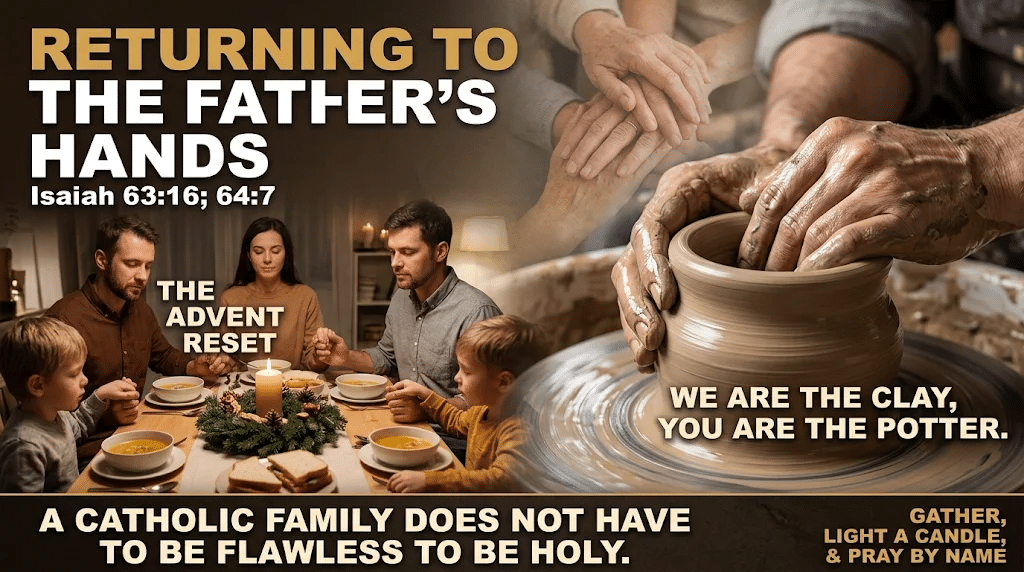
Returning to the Father’s Hands (Isaiah 63:16; 64:7) Family life is rarely as tidy as a holiday card. Between conflicting schedules, short tempers, and the weariness of daily responsibilities, even loving households can feel frayed around the edges. Isaiah offers a steadying anchor for every home: “You, Lord, are our father… we are the clay and you the potter.” A Catholic family does not have to be flawless to be holy; it simply has to stay willing to be shaped by God together. Advent gives parents and children a natural reset button. Gather around an Advent wreath at the dinner table—even if dinner is just soup and sandwiches—light a candle, and take two minutes to pray for one another by name. When a family regularly places itself back in the Father’s hands, grace turns ordinary, messy evenings into sacred ground.
Enriched Together in Grace (1 Corinthians 1:4-5) St. Paul thanks God for the grace bestowed on the community in Christ, enriching them in every way. Inside a family, that grace often looks wonderfully ordinary: an older sibling helping a younger one with homework, a parent apologizing sincerely after losing their patience, or grandparents passing down stories of faith over Sunday dinner. In Catholic teaching, the family is the domestic church—the very first place children learn what forgiveness, generosity, and prayer look like in practice. You do not need elaborate programs to build a strong Catholic home this Advent. Focus on speaking words that build up rather than tear down, keeping Sunday Mass non-negotiable, and choosing one small act of charity you can do together as a household. Grace multiplies when a family shares it.
Every Member Has a Role (Mark 13:34) In Jesus’ parable, the master leaves each servant in the household “with his own work.” Healthy families thrive on that same principle. When one person carries every chore while everyone else treats the house like a hotel, resentment quietly builds; when everyone pitches in according to their age and strength, a home becomes a school of love. Advent is an ideal time to invite children and teens into meaningful responsibility—not just setting the table or shoveling the walk, but preparing the home spiritually for Christ’s coming. Let the kids lead grace before meals, help choose gifts for a parish giving tree, or pick a family saint to learn about this week. Teaching our children that they have real, dignified work to do for God and their family prepares them to stay spiritually awake for life.
14. Forgiveness & Reconciliation
Turning Back to a Merciful Father (Isaiah 64:4-5) Isaiah does not sugarcoat human sin: he admits plainly that we have wandered, grown stained, and drifted like dry leaves. Yet notice that his confession never ends in despair—it turns straight back toward God’s mercy. That is the exact movement of the Sacrament of Reconciliation. Too many Catholics stay away from Confession out of embarrassment, thinking they need to clean themselves up first before approaching God. In truth, Confession is the very place where Christ does the cleaning. Advent is a penitential season precisely so we can clear away the clutter of old sins and resentments before Christmas arrives. Don’t let pride or fear keep you from the confessional this month. Walk in honestly, lay down what has been weighing on your conscience, and walk out lighter, forgiven, and free.
Irreproachable by His Grace (1 Corinthians 1:8) How could any ordinary, flawed human being ever stand “irreproachable on the day of our Lord Jesus Christ”? St. Paul gives the only possible answer: Christ Himself makes us so. We do not earn a clean slate by pretending we have never failed; we receive it through the blood of Jesus poured out on the Cross and applied to our souls in the sacraments. Receiving that mercy also changes how we treat the people who have hurt us. When we remember how generously God wipes away our own debts, holding onto a grudge against a sibling, coworker, or spouse begins to feel painfully small. This Advent, let Christ’s mercy flow all the way through you—receive His forgiveness in Confession, and then take one concrete step toward forgiving someone who has wounded you.
Do Not Put Off Making Peace (Mark 13:35-36) “You do not know when the lord of the house is coming.” Jesus’ warning is a gentle, urgent nudge against spiritual procrastination. We are experts at postponing reconciliation—telling ourselves we will make that phone call after the holidays, apologize when the other person softens first, or go to Confession once life slows down. Yet none of us is guaranteed tomorrow, and carrying bitterness into another year quietly drains the joy out of our souls. Staying watchful this Advent means keeping short accounts with God and with our neighbors. If there is a broken relationship in your life where you can safely take the first step toward peace, don’t wait. Offer a sincere apology, extend an olive branch, or pray for the grace to let go of an old offense today.
15. Foster Care & Adoption
A Father to Every Child (Isaiah 63:16) “You, Lord, are our father, our redeemer you are named forever.” For a child in foster care or waiting for adoption, the word family can sometimes carry confusion or pain. Yet Scripture reveals a God who takes fatherhood personally—who claims every vulnerable child as His own and calls His Church to make that love visible. Catholic tradition has always treasured adoption, because spiritually, every baptized Christian is an adopted son or daughter of God. Not every parishioner is called to become a foster or adoptive parent, yet every parishioner can stand behind the families who do. This Advent, pray for children waiting for safe, permanent homes, and ask how you can support local foster families—whether through a warm meal, babysitting, donating needed supplies, or simply offering a welcoming smile in the pew.
No Gift Lacking for Love (1 Corinthians 1:7) Opening your home to a child who has experienced trauma or instability can feel intimidating; many willing couples hesitate, wondering if they have enough patience, skill, or strength. St. Paul’s assurance to the Corinthians speaks directly into that hesitation: in Christ, you are “not lacking in any spiritual gift.” God does not call us to love vulnerable children on our own human reserves alone; He supplies the wisdom, endurance, and tenderness we need one day at a time. When foster and adoptive parents lean on the sacraments and a supportive parish community, they discover that grace stretches a home wider than they ever imagined. If you have ever felt a quiet tug toward foster care or adoption, bring that question to prayer this Advent and talk with a Catholic Charities caseworker to learn what the first step looks like.
Opening the Door When Christ Knocks (Mark 13:34) Jesus highlights the gatekeeper ordered to stay on watch at the door. In a real sense, foster and adoptive families are gatekeepers of mercy—standing ready to open their front door when a child in need arrives, often with very little notice. Advent celebrates the Holy Family, including St. Joseph, who welcomed Jesus as his own foster son with quiet courage and total devotion. Just as Joseph protected and raised the Christ Child, families who open their homes to foster or adopted children reflect the very heart of the Gospel. Stay alert this season to the quiet needs in your own community. Whether you open your home, mentor an older youth aging out of care, or support agencies that protect children, you are welcoming Christ Himself at the threshold.
16. Growth in Holiness
Soft Clay in Willing Hands (Isaiah 64:7) Holiness is not about polishing ourselves into stiff, impressive statues; it is about staying soft enough for God to shape. Isaiah’s image of the potter and the clay reveals the secret of spiritual growth: the clay’s only job is to stay centered on the wheel and yield to the potter’s touch. When we resist God’s gentle nudges—clinging to pride, stubborn habits, or self-sufficiency—we dry out and crack. Advent invites us to soften our hearts again through prayer, fasting, and almsgiving. Ask yourself this week: Where has my heart grown a little hard or impatient lately? Offer that exact spot to the Lord in prayer. Growth in holiness happens quietly, day by day, whenever we let God reshape our reactions, our priorities, and our love.
Steadied Until the Day of Christ (1 Corinthians 1:8) Many well-meaning Catholics grow discouraged in the spiritual life because they keep stumbling over the same faults month after month. St. Paul offers a deeply freeing perspective: it is Christ who “will keep you firm to the end.” Holiness is not a solo self-improvement project; it is a partnership in which God’s grace does the heavy lifting while we cooperate faithfully. St. Francis de Sales reminded ordinary laypeople that holiness belongs in kitchens, offices, and commuter traffic just as much as in monasteries. You grow in holiness by doing your ordinary duties with extraordinary love, getting back up immediately when you fall, and staying close to the Eucharist. Don’t measure your Advent by how impressive your resolutions look—measure it by how steadily you keep turning back to Christ.
Small Acts of Daily Wakefulness (Mark 13:33, 37) Jesus does not tell His disciples to perform dramatic heroics while they wait; He simply tells them to stay awake. In the spiritual life, holiness is built out of small, alert choices repeated faithfully. Pausing to pray before answering a sharp email, choosing honesty when a convenient half-truth would be easier, offering a quiet sacrifice without complaining—these are the habits that keep the soul wide awake. Spiritual drowsiness creeps in when we live on autopilot and save God for one hour on Sunday morning. This Advent, pick one concrete daily practice—five minutes with the daily Gospel, a morning offering before your feet hit the floor, or a brief examination of conscience at night—and stick with it. Little by little, wakefulness becomes your natural posture before God.
17. Hospitality & Parish Community
Meeting Us With Joy (Isaiah 64:4) Isaiah speaks of a God who gladly meets those who walk in His ways. A healthy parish ought to feel like a living echo of that welcome—a place where newcomers, returning Catholics, and longtime regulars alike sense immediately that they are glad to be seen. Yet if we are honest, it is easy to slip into comfortable parish routines: sitting in the same pew, chatting only with the same three friends, and hurrying to the parking lot after the final hymn. Advent is a wonderful season to widen the circle. Many people who have been away from the Church for years feel a quiet pull to return during the weeks before Christmas. A warm smile at the door, sliding over to make room in a crowded pew, or inviting a visitor to coffee after Mass can be the exact moment they feel God meeting them again.
Called Into One Fellowship (1 Corinthians 1:3, 9) Notice that St. Paul addresses the entire community at Corinth as one body called into fellowship with Jesus Christ. Catholic faith is deeply personal, yet it is never private or solitary. We need one another—not just to run parish ministries, but to carry one another’s burdens, celebrate milestones, and keep each other encouraged when life gets heavy. True Christian hospitality goes deeper than polite small talk; it means genuinely caring about the person kneeling beside you. This week, look around during the Sign of Peace and commit to learning the name of one parishioner you recognize by face but have never met. When a parish practices real fellowship, it becomes a refuge of grace and peace in a lonely world.
Welcome at the Threshold (Mark 13:34) In today’s Gospel, the master assigns a specific servant to watch the door. Every parish has its official greeters and ushers, yet in a broader sense, every baptized member is a gatekeeper of hospitality. The way we welcome a frazzled parent with a crying toddler, a teenager walking in alone, or an elderly neighbor moving slowly up the aisle tells them more about Jesus than any banner on the front lawn ever could. Staying alert at Mass means looking outward rather than staying locked in our own bubble. This Advent, arrive five minutes early, greet the people around you warmly, and keep an eye out for anyone sitting alone. When we guard the door with Christ’s own warmth, our parish becomes a true home for the soul.
18. Immigrants & Refugees
All the Work of His Hands (Isaiah 64:7) Political debates over borders and immigration policy often reduce human beings to statistics, headlines, or talking points. Isaiah cuts through the noise with a foundational truth of our faith: “We are all the work of your hands.” Every migrant, refugee, and asylum seeker carries the exact same God-given dignity as a fifth-generation citizen. Catholic social teaching holds two truths in balance: nations have a right and duty to maintain orderly, just borders, and at the same time, every human person has an inviolable right to life, dignity, and compassionate treatment—especially those fleeing violence or desperate poverty. This Advent, as we prepare to celebrate a Savior whose own family soon fled as refugees into Egypt, let us refuse harsh, dehumanizing language and pray for wise, humane solutions that honor both justice and mercy.
Grace and Peace Beyond Every Border (1 Corinthians 1:3) St. Paul’s greeting—“Grace to you and peace from God our Father”—was written to a bustling port city filled with travelers, laborers, and newcomers from across the Mediterranean world. In Christ, the Church has always been truly catholic—universal, welcoming people of every language, culture, and homeland around a single Eucharistic table. When immigrant families join our parish or neighborhood, they do not arrive empty-handed; they bring vibrant faith, rich traditions, and a deep devotion to family and hard work that enrich the entire Body of Christ. This week, look for a practical way to extend Christ’s peace across cultural lines: greet a newcomer warmly after Mass, support Catholic Charities’ refugee resettlement efforts, or pray for families separated across borders during the holiday season.
Watching for Christ in the Stranger (Mark 13:35, 37) Jesus warns us that the Lord of the house can arrive at an unexpected hour, in ways we did not anticipate. Throughout the Gospels, Christ reminds us that He frequently comes to us disguised in the stranger, the displaced, and the vulnerable. Staying spiritually alert this Advent means refusing to let comfort or fear numb our compassion. We may not be able to solve global migration crises from our living rooms, yet we can respond faithfully to the neighbors God places in our path—donating warm winter coats, volunteering as an English tutor, or advocating respectfully for policies that keep families safe and united. When we keep watch with open eyes and generous hearts, we are ready to recognize and serve Christ whenever He arrives.
19. Marriage & Marital Spirituality
Shaped Together Over a Lifetime (Isaiah 64:7) No two people enter marriage already finished; every husband and wife arrive at the altar as unfinished clay. Isaiah’s image of the Potter gently shaping His work captures the real beauty of Catholic marriage. Over the years, shared joys, financial pressures, parenting exhaustion, and quiet sacrifices become the very hands through which God molds a couple into saints. When disagreements flare up, it is tempting to wish your spouse would simply change to fit your mold. Instead, Advent invites both spouses to place their marriage back on the Potter’s wheel together—asking God to soften stubborn edges and deepen mutual patience. Set aside fifteen quiet minutes with your spouse this week to pray together, thank God for one specific way your partner blessed you today, and let the Lord keep shaping your love.
Faithfulness Anchored in God (1 Corinthians 1:8-9) “God is faithful.” Those three words are the bedrock of Christian marriage. Wedding vows—“in good times and in bad, in sickness and in health”—would be impossibly heavy if they depended solely on romantic feelings or human willpower. In the Sacrament of Matrimony, Christ enters the covenant directly, pouring out daily grace to keep husband and wife firm to the end. Feelings ebb and flow across the decades, yet sacramental faithfulness holds steady when a couple chooses to serve, forgive, and honor one another even on ordinary, unglamorous Tuesdays. This Advent, renew your commitment in small, concrete ways: put the phones away for an evening conversation, speak kindly about your spouse to others, and thank God for the grace that binds your two lives into one.
Staying Awake to One Another (Mark 13:36) “May he not come suddenly and find you sleeping.” One of the quietest dangers in a long marriage is not dramatic betrayal—it is simply falling asleep to each other. Work deadlines, kids’ sports schedules, and household logistics can slowly turn a loving couple into tired business partners who barely look up from their calendars. Advent calls husbands and wives to wake up and notice the gift sitting across the kitchen table. Stay alert to your spouse’s unspoken stress, listen without rushing to fix or interrupt, and guard regular time just for the two of you—even a simple walk or a cup of coffee after the kids are asleep. Keeping watch over your marriage with tender attention prepares your home to welcome Christ with genuine joy.
20. Mental Health & Well-being
When the Darkness Feels Heavy (Isaiah 63:19b; 64:6) The shorter days of winter and the pressure to feel cheerful before Christmas can weigh heavily on anyone struggling with anxiety, depression, or emotional exhaustion. If you feel worn thin right now, take comfort in Isaiah’s honesty: he does not pretend everything is fine. He cries out to God from the middle of his weariness, asking the Lord to come down into the struggle. Catholic faith never treats mental health struggles as a lack of faith or a moral failure; we are a unity of body, mind, and soul, and sometimes the mind needs medical care, counseling, and rest just as much as a broken bone does. Bring your honest fatigue to God in prayer this Advent, and do not hesitate to reach out to a doctor, a trusted therapist, or a compassionate priest. God meets you right where you are.
Steadied by Grace and Community (1 Corinthians 1:3, 9) Anxiety thrives in isolation, whispering that you are completely alone and that everything depends on your fragile control. St. Paul speaks a gentler truth: “Grace to you and peace from God our Father… by him you were called to fellowship with his Son.” Peace is not something you have to manufacture by worrying harder; it is a gift God offers, often mediated through caring people who walk beside you. In our parish community, we are called to listen without judgment and remove the stigma around mental health. If a friend or family member is struggling emotionally this season, resist quick clichés and simply offer your steady presence—a check-in text, a walk together, or help with a practical errand. Grace often arrives wearing the face of a patient neighbor.
Watchful, Not Anxious (Mark 13:33) There is a world of difference between Christian watchfulness and anxious hyper-vigilance. Anxiety stares at the future in fear, trying to control every possible disaster; Jesus’ call to “Be watchful! Be alert!” is rooted in trust, knowing that the One who is coming loves us. When your thoughts start racing at two in the morning, practice handing tomorrow back to Christ. Ground yourself in the present moment with a simple breath prayer—“Come, Lord Jesus”—and take care of your body with adequate sleep, nourishing food, and time away from stressful news feeds. Staying spiritually awake means knowing when to work, when to rest, and when to let God carry the weight you were never meant to hold alone.
21. Needs of Marginalized
Seen by the Father Who Never Forgets (Isaiah 63:16) Society has an unfortunate habit of pushing certain people to the edges—adults with intellectual disabilities, the chronically homeless, or struggling single parents who rarely get invited to the table. Isaiah pushes back against that invisibility by naming who God is: “You, Lord, are our father, our redeemer you are named forever.” In God’s household, there are no second-class children and no disposable lives. Advent begins by reminding us that Christ chose to enter the world not in a palace, but on the margins of Bethlehem, surrounded by shepherds whom respectable society ignored. This week, look closely at who sits on the fringes of your workplace, neighborhood, or parish. A genuine conversation, an invitation to sit together at Mass, or advocating for better accessibility in our community is a concrete way of reflecting the Father’s eyes.
Every Member Enriched for the Whole Body (1 Corinthians 1:4-5) St. Paul thanks God for the grace poured out on the entire Corinthian community—a church made up largely of laborers, freed slaves, and people with little social standing. Notice that Paul never treats the marginalized as mere projects for the wealthy to pity; he recognizes them as people enriched by Christ’s grace with gifts the whole Church needs. Catholic social teaching calls this solidarity: walking beside one another as equals in dignity rather than looking down from a distance. When we listen to people who are often spoken over, we discover wisdom, resilience, and deep faith that challenge our own comfort. This Advent, ask how your parish or family can move beyond writing a quick check to building real, respectful relationships with those living on the margins.
Looking Beyond the Threshold (Mark 13:34) In Mark’s Gospel, the master posts a gatekeeper at the door with orders to stay alert. A good gatekeeper does not stare inward at the warm hearth; they keep their eyes on the road outside, watching for who is approaching. Too often, comfortable routines narrow our vision until we only notice people who look, live, and vote like us. Advent wakefulness widens our gaze. Staying alert means noticing the coworker who eats lunch alone, the neighbor whose heat might be shut off this winter, or the family quietly struggling to afford groceries. Christ rarely arrives with trumpets; He often comes quietly to the edge of our path. Keep your eyes on the threshold this week, ready to welcome and serve whoever God sends your way.
22. Poverty & Almsgiving
Walking Where God Meets Us (Isaiah 64:4) “Would that you might meet us doing right, that we were mindful of you in our ways!” In Scripture, doing right before God is inseparable from caring for the poor. Throughout the Old and New Testaments, almsgiving is not an optional hobby for the unusually generous—it is one of the primary paths where we encounter the living God. As holiday advertisements urge us to upgrade everything we own, Advent offers a liberating counterweight: generosity that actually costs us something. Giving away our leftovers rarely changes our hearts, but sacrificing a luxury so a struggling family can pay a utility bill or buy warm winter boots reshapes us from the inside out. This week, review your Christmas budget and make sure your giving to the poor stands at the top of the list, not at the bottom.
Enriched to Be Shared (1 Corinthians 1:5) St. Paul reminds the Corinthians that they have been “enriched in every way” in Christ. In Catholic spirituality, every blessing we hold—our paycheck, our home, our education, our pantry—is a gift meant to circulate, not stagnate. St. Basil the Great famously wrote that the extra coat hanging unused in our closet belongs to the person shivering in the cold. Almsgiving is not about guilt; it is about gratitude spilling over into justice. When we give cheerfully to St. Vincent de Paul, a local food pantry, or a parish giving tree, we acknowledge that everything we have came from God’s open hand in the first place. Before you add another item to an online shopping cart this Advent, pause and ask how your abundance can lift a neighbor’s burden today.
Awake to the Hunger Next Door (Mark 13:35-36) Jesus warns His disciples not to be caught sleeping when the Lord of the house returns. Material comfort can act like a warm blanket that lulls the conscience to sleep, making it easy to drive past poverty without really seeing it. Advent jolts us gently awake. Poverty is not an abstract statistic; it has a face, a name, and a story right here in our own county. Keeping watch means refusing to grow numb to the rising cost of rent, groceries, and healthcare affecting families in our very own pews. Look for one tangible way to stay awake this week: donate high-protein staples to the parish pantry, slip a grocery gift card to a family you know is stretched thin, or volunteer an afternoon sorting winter coats.
23. Prison Ministry & Criminal Justice
No One Beyond the Potter’s Reach (Isaiah 64:7) Our justice system rightly holds people accountable for serious harm, yet our culture often goes a step further—writing off incarcerated men and women as permanently ruined. Isaiah refuses to let us give up on any human soul: “We are the clay and you the potter: we are all the work of your hands.” No crime, however grave, erases the image of God in a person, and no prison wall can keep out the grace of conversion. Catholic teaching balances two essential truths: victims deserve justice, protection, and healing, and offenders deserve the chance for true rehabilitation and redemption. This Advent, pray for victims of crime, for correctional officers working in difficult conditions, and for incarcerated men and women longing to be remade by the Master Potter.
Faithful Even Behind Locked Doors (1 Corinthians 1:8-9) Isolation is one of the heaviest weights of incarceration, convincing many inmates that they have been forgotten by both family and God. St. Paul’s words carry extraordinary power inside a prison chapel: “God is faithful, and by him you were called to fellowship with his Son.” Fellowship with Christ does not require a clean record; it requires an open heart. Through diocesan prison ministries, volunteers bring the Eucharist, Scripture study, and simple human dignity behind the wire, reminding the incarcerated that the Church has not abandoned them. Even if you never step inside a correctional facility, you can support this Gospel work—by donating Catholic books and rosaries, supporting families left behind when a parent is incarcerated, or welcoming returning citizens back into parish life without judgment.
Recognizing Christ in the Watch (Mark 13:33, 37) Jesus’ command to “Watch!” calls us to see the world with the eyes of faith rather than fear. In another Gospel, Christ tells us plainly that He identifies Himself with the imprisoned: “I was in prison and you visited me.” Staying alert as a Catholic citizen means caring about whether our criminal justice system truly serves the common good—protecting the innocent while also offering pathways to education, addiction treatment, and honest work after release. When a man or woman finishes their sentence and tries to rebuild their life, a parish community that offers encouragement and practical support can make the difference between hope and despair. This Advent, stay awake to the power of mercy, trusting that Christ is still at work in the darkest places.
24. Redemptive Suffering & Patience
Waiting for Unseen Deeds (Isaiah 64:3) “No ear has ever heard, no eye ever seen, any God but you doing such deeds for those who wait for him.” Waiting is hard enough when life is comfortable; waiting in the middle of chronic pain, family heartache, or unanswered prayer can feel unbearable. Yet Isaiah reminds us that God is never idle while we wait. Even when we cannot see a single inch of progress, the Lord is quietly weaving good out of our endurance. In Catholic theology, suffering is never good in itself, yet when united to Christ’s Cross, it becomes redemptive—a hidden source of grace for ourselves and for the world. If you are carrying a heavy cross this Advent, do not waste it in bitterness. Offer it to Jesus each morning, trusting that He is preparing something far greater than your eyes can yet see.
Kept Firm Through the Long Stretch (1 Corinthians 1:7-8) St. Paul describes Christians as people “waiting for the revelation of our Lord Jesus Christ,” and he immediately adds a promise: Christ “will keep you firm to the end.” Patience is not passive resignation or gritting your teeth until a hard season passes; it is active trust that God’s strength will outlast our weakness. When a medical diagnosis drags on, or a strained relationship refuses to heal quickly, our own patience runs out fast. That is precisely when we lean on Christ’s firmness instead of our own. Advent trains our hearts in this holy patience—lighting one candle at a time rather than rushing straight to Christmas morning. Let this season teach you to take your cross one day at a time, leaning steadily on the grace that never runs dry.
Enduring the Night Watches (Mark 13:35) Notice that Jesus mentions four different times the master might arrive: evening, midnight, cockcrow, or morning. Some trials resolve by evening; others stretch all the way past midnight into the cold hour before dawn. Staying watchful during a long season of suffering does not mean pretending it doesn’t hurt. It means refusing to abandon your post of faith when the night feels endless. Every tear offered in trust, every quiet prayer whispered in the dark, unites you more closely to the Savior who kept watch in Gethsemane. If you are walking through a midnight watch right now, hold on—morning is coming. And if you are currently in a bright season, look around for a neighbor enduring the dark, and sit patiently beside them until the light breaks.
25. Sacraments
Heaven Touching Earth (Isaiah 63:19b) “Oh, that you would rend the heavens and come down!” Every time we celebrate a Catholic sacrament, we witness God answering Isaiah’s ancient prayer in real time. Because we are creatures of body and soul, God does not save us through abstract ideas alone; He comes down through ordinary physical signs—water, oil, bread, wine, and spoken words of absolution—and fills them with His own divine life. Baptism washes us clean, Confirmation seals us with the Spirit, Reconciliation restores our friendship with God, and the Eucharist feeds us with Christ Himself. Advent is a wonderful time to wake up from taking the sacraments for granted. The next time you dip your fingers in holy water or step forward to receive Communion, pause for a second and marvel: the God of the universe has come down to meet you right here.
Grace Bestowed in Abundance (1 Corinthians 1:4, 7) St. Paul marvels at “the grace of God bestowed on you in Christ Jesus,” leaving the faithful “not lacking in any spiritual gift.” The seven sacraments are the primary channels through which that exact grace flows into our daily lives. Think of them not as empty rituals or boxes to check, but as living encounters with Jesus at every major turn of human life—birth, maturity, daily nourishment, healing, forgiveness, and vocation. When life feels spiritually dry, we don’t need to invent a brand-new technique to feel closer to God; we simply need to return to the wellsprings Christ Himself established. This Advent, make a point to receive the Sacrament of Reconciliation and attend one extra weekday Mass, opening your hands to receive the abundant gifts God is eager to pour out.
Entrusted to the Church Until He Returns (Mark 13:34) Before departing on his journey, the master in Mark’s Gospel leaves his servants in charge of the house, giving each his own work. Before ascending into heaven, Jesus did the same for His Apostles and their successors, entrusting them with the ministry of the sacraments so that every generation could touch His healing power until He comes again. Every time a priest absolves sins, anoints the sick, or consecrates the Eucharist, Christ Himself is acting through His Church to keep the household nourished and ready. Staying watchful this Advent means staying close to these lifelines of grace. Don’t try to run the Christian race on an empty tank; let the sacraments strengthen your soul for the journey ahead.
26. Sanctity of Life
Every Life Shaped by God’s Hands (Isaiah 64:7) “We are the clay and you the potter: we are all the work of your hands.” Those simple words form the foundation of the Church’s unwavering defense of human life from conception to natural death. A human being is never an accident, a burden, or a commodity—whether an unborn child in the womb, a newborn with a difficult diagnosis, or an elderly grandparent nearing the end of life. Every single person is hand-crafted by the Creator and destined for eternity. Advent celebrates this truth in the most tender way imaginable: God Himself became a tiny, vulnerable unborn child beneath Mary’s heart. This season, let our pro-life witness be marked by both conviction and deep compassion—praying for the protection of the unborn and offering generous, practical support to mothers and families facing unexpected pregnancies.
Gifted With Dignity From the Start (1 Corinthians 1:4) St. Paul gives thanks for the grace God bestows on every person in Christ. Notice that human worth in the Gospel is always bestowed, never earned by productivity, physical perfection, or independence. When a culture begins measuring a person’s value by how useful or convenient they are, the most vulnerable—the unborn, the severely disabled, and the terminally ill—are always the first to be placed at risk. Catholic teaching insists that every life carries an inviolable dignity simply because God willed it into existence and loves it. This Advent, support a local pregnancy resource center, volunteer with hospice care, or speak gently and clearly when conversations about human dignity arise. Defending life means making sure no one feels they have to walk through a crisis alone.
Keeping Watch Over the Vulnerable (Mark 13:33) “Be watchful! Be alert!” When we hear Jesus’ command, it is easy to think only of our own personal readiness—yet Christian vigilance also means standing guard over those who cannot speak for themselves. Throughout history, great injustices have taken root when good people fell asleep and looked the other way. Building a genuine culture of life requires wide-awake love: noticing a stressed young mother who needs childcare and encouragement, visiting an aging relative who fears becoming a burden, and advocating respectfully for laws that protect both mothers and children. Advent reminds us that every human life is a sacred arrival. Stay alert to the ways you can cherish, protect, and celebrate life right in your own community.
27. Sports, Leisure & Sabbath Rest
Rousing Ourselves to True Rest (Isaiah 64:6) Isaiah’s lament—“there is none who calls upon your name, who rouses himself to cling to you”—strikes close to home in a culture that turns even weekends into an exhausting race. Between travel sports tournaments, packed calendars, and endless errands, Sunday often ends with families more drained than when Friday began. Authentic leisure is not mindless collapse on the couch, nor is it frantic busyness; it is the freedom to pause, breathe, and cling to God and the people we love. The Third Commandment—keeping the Lord’s Day holy—is God’s gift to protect us from burnout. This Advent, reclaim Sunday as a true day of worship and unhurried joy: put Mass first, share a relaxed meal, play a game together, and let your soul catch up with your body.
Grace and Peace Beyond the Scoreboard (1 Corinthians 1:3) Sports and hobbies are wonderful gifts—they build teamwork, discipline, health, and genuine friendship. Yet anyone who has watched youth sports or followed a favorite team knows how quickly healthy competition can curdle into anger, pride, or obsession. St. Paul’s greeting—“Grace to you and peace from God our Father”—reminds us where our true identity rests. Whether your team wins the championship or loses in the final minute, whether your child starts or sits on the bench, your worth as a beloved child of God never fluctuates with the scoreboard. This week, bring Christian sportsmanship and peace onto the sidelines and into your living room. Cheer generously, respect officials and opponents, and never let a game crowd out Sunday Mass or family harmony.
Rested in Body, Awake in Spirit (Mark 13:36) Jesus warns us not to be caught sleeping when the Lord comes—yet He never condemns healthy physical rest. In fact, Jesus Himself regularly stepped away from the crowds to rest and pray. The “sleep” Christ warns against is spiritual numbness: letting entertainment, hobbies, or nonstop activity dull our awareness of God. Good leisure actually wakes us up—refreshing our minds through a walk in the crisp winter air, a good book, music, or laughter with friends so we can love God and neighbor with renewed energy. This Advent, take an honest look at how you spend your free time. Choose forms of rest and recreation that leave you genuinely refreshed and grateful, rather than empty and distracted.
28. Stewardship of Time & Talents
Shaped for a Specific Purpose (Isaiah 64:7) A potter never shapes a bowl, a pitcher, and a lamp by accident; each vessel is formed for a distinct, useful purpose. When Isaiah calls us the clay in God’s hands, he invites us to look at our own abilities, personality, and life experiences with fresh gratitude. The knack you have for fixing things, organizing spreadsheets, comforting a grieving friend, singing in harmony, or teaching children did not happen by chance—God shaped those talents in you to bless others. Advent is an ideal moment to ask whether we are hoarding our gifts for ourselves or letting God put them to work. You do not need to do everything in the parish; you simply need to offer the exact shape God has given you.
Not Lacking Any Spiritual Gift (1 Corinthians 1:5, 7) It is remarkably easy to talk ourselves out of volunteering: Someone else is more qualified. I’m too busy. I don’t have much to offer. St. Paul gently dismantles every one of those excuses, reminding the faithful that in Christ they are “not lacking in any spiritual gift.” Every parish already has within its pews every talent needed to thrive—it simply waits for ordinary Catholics to step forward and say yes. Stewardship is not about giving God our leftover minutes once everything else is finished; it is about offering Him the first fruits of our time and energy. This week, look at the parish ministry list and pray about one concrete way you can serve—whether as a lector, usher, choir member, catechist, or behind-the-scenes helper.
Each Servant Given His Own Work (Mark 13:34) Notice the personal detail in Jesus’ parable: the master leaves his servants in charge, “each with his own work.” God does not hand out identical assignments, nor does He ask you to copy your neighbor’s ministry. He gives you a particular corner of the vineyard to tend during this season of your life—whether that is raising young children, serving faithfully in your career, caring for an aging parent, or leading a parish group. Staying watchful means taking that assignment seriously while we have the time. Advent reminds us that our days are a priceless, limited trust. Ask the Lord today: What is the specific work You have placed in my hands right now? Then do it with joy, excellence, and love.
29. Teenagers
Knowing Whose You Are (Isaiah 63:16) Being a teenager today means living under a constant spotlight—measured by grades, athletic stats, friend groups, and likes on a screen. When your identity depends on what peers think of you this week, life feels exhausting and unstable. Isaiah offers a rock-solid anchor that no trend can shake: “You, Lord, are our father, our redeemer you are named forever.” Before you ever walk into a hallway, step onto a court, or open an app, you are already deeply loved and claimed by God. You don’t have to audition for His approval or pretend to be someone you’re not. This Advent, let your deepest identity rest in being God’s son or daughter—it will give you the quiet confidence to stand tall even when the crowd goes the other way.
Faith That Is Real Right Now (1 Corinthians 1:6-7) Adults sometimes tell teenagers that they are “the future of the Church,” as if their faith only starts counting after college. St. Paul would disagree—he celebrates that the testimony to Christ is confirmed now, and that believers lack no spiritual gift while they wait for the Lord. You are not the future of the Church; you are a vital part of the Church today. Your energy, your honest questions, your compassion for classmates who feel left out, and your courage to live differently are powerful gifts God wants to use right now. This Advent, don’t keep your faith on the sidelines. Get involved in youth group, serve at Mass, or simply be the friend who refuses to join in gossip and invites others to belong.
Staying Awake in a Noisy World (Mark 13:33, 37) Jesus’ sharp call—“Be watchful! Be alert!”—speaks directly to a generation surrounded by nonstop notifications, late-night scrolling, and pressure to fit in. It is easy to drift through high school on autopilot, letting your phone and your schedule decide who you become. Staying awake means taking charge of your own soul. It means asking real questions about where your life is heading, choosing friends who pull you upward, and making space for God even when nobody else in your circle does. Try a simple Advent challenge this week: spend five quiet minutes each morning reading the daily Gospel before you check a single message on your phone. You’ll be surprised how much clearer the whole day becomes.
30. Theology of the Body
The Goodness of Being Hand-Crafted (Isaiah 64:7) Our culture swings between two unhealthy extremes regarding the human body: either obsessing over appearance as if looks define our worth, or treating the body like a disposable machine we can use however we please. Isaiah restores the truth in one stroke: “We are the clay and you the potter: we are all the work of your hands.” In St. John Paul II’s Theology of the Body, our bodies are not accidental shells trapping our souls—they are sacred, visible expressions of who we are as men and women created in God’s image. Advent celebrates this dignity at its highest peak: the Eternal Son of God took on a real human body in Mary’s womb. Treat your own body—and every other person’s body—with reverence, gratitude, and respect, honoring the Master Potter who formed us.
Called to Authentic Communion (1 Corinthians 1:8-9) St. Paul reminds us that God calls us into “fellowship with his Son” and keeps us “irreproachable on the day of our Lord Jesus Christ.” The Theology of the Body teaches that we are created for genuine communion—to make a sincere, loving gift of ourselves rather than using others for selfish pleasure. That is why the Church’s teaching on chastity is never a harsh “no” to love; it is a resounding “yes” to real, lasting love that respects the whole person—body, mind, and soul. Whether you are single, dating, or married, chastity frees you to love without manipulation or regret. This Advent, ask Christ for the grace to see every person not as an object to be consumed, but as a brother or sister made for eternal fellowship with God.
Guarding the Senses With Love (Mark 13:34) Jesus highlights the gatekeeper ordered to stay on watch at the door. In our daily lives, our eyes, ears, and imaginations are the gates of the heart. In a world saturated with explicit images and shallow messages about human sexuality, drifting through life unguarded quickly clouds how we see ourselves and others. Staying watchful means practicing healthy custody of the eyes and heart—turning away from media that degrades human dignity and choosing what is pure, honest, and life-giving. If you have stumbled in this area, remember that Christ’s mercy in Confession restores and heals what sin has wounded. Keep watch at the door of your heart this Advent, so your capacity to love remains clear, free, and whole.
31. Unity in the Parish & Church
One Father, One Household (Isaiah 63:16; 64:7) Parishes are filled with people who would never otherwise share a room—different generations, political leanings, musical tastes, and backgrounds all kneeling side by side. When disagreements over parish life or Church trends flare up, it is easy to retreat into camps and forget what holds us together. Isaiah brings us back to the root: “You, Lord, are our father… we are all the work of your hands.” Unity in the Church does not mean uniformity; a potter shapes many different vessels from the same clay, each with its own beauty and use. What unites us is not identical opinions, but one Baptism, one Faith, and one Eucharistic table. This Advent, resist the urge to gossip or keep score inside the parish. Pray by name for someone in the Church who tests your patience, and let our shared Father draw us closer together.
Fellowship Deeper Than Preferences (1 Corinthians 1:9) St. Paul wrote to a Corinthian church that was famously splintered into factions, with members arguing over which preacher they preferred. Notice how Paul addresses their division right from the opening lines: “God is faithful, and by him you were called to fellowship with his Son, Jesus Christ our Lord.” Christian unity is never built on everyone agreeing about every minor detail; it is built on our shared fellowship with Jesus. When Christ stands at the center of a parish, our personal preferences shrink to their proper size. We begin to see the person across the aisle not as a rival, but as a brother or sister for whom Christ shed His blood. This week, be a bridge-builder in our parish community—speak gently, assume the best of your neighbors, and protect the peace of the Body of Christ.
One House, Many Tasks (Mark 13:34) In Mark’s Gospel, the master leaves his servants in charge of a single household, giving “each his own work.” A household falls apart quickly when the servants start competing over whose job is more important or criticizing how someone else sweeps the floor. The same is true in parish life. Whether you sing in the choir, count the collection, teach second-grade catechism, or quietly pray the Rosary in the back pew, we are all tending the same Master’s house. Advent calls us to stay alert to our shared mission rather than getting bogged down in petty turf wars. Take a moment this week to thank someone serving in a parish ministry different from your own, celebrating the diverse ways Christ works through our entire community to prepare His way.
32. Vocations
Letting the Potter Shape Your Future (Isaiah 64:7) Choosing a path in life can feel overwhelming, especially when the world tells young people that success is all about maximizing income and keeping every option open forever. Isaiah offers a far more peaceful approach to discernment: “We are the clay and you the potter.” A vocation—whether to the priesthood, consecrated religious life, holy matrimony, or generous single life—is not something you invent from scratch; it is something you discover by staying close to the One who made you. God already knows the exact shape that will bring you the deepest joy and bear the most fruit for others. This Advent, if you are discerning your next step, quiet the noise and ask the Lord a simple, courageous question in prayer: Lord, what are You shaping me to become? Then listen with an open heart.
Equipped for Whatever He Asks (1 Corinthians 1:4, 7) Many men and women quietly brush off a nudge toward the priesthood, religious life, or a deeper commitment in the Church because they feel unqualified. I’m not holy enough. I’m not a good speaker. Someone else would do it better. St. Paul speaks straight into that self-doubt, reminding believers that in Christ they are “not lacking in any spiritual gift.” God never calls someone to a vocation and then abandons them to figure it out on their own; He supplies the grace, courage, and wisdom needed for the journey. As a parish family, we also play a vital role in vocations. This week, pray intentionally for our seminarians, priests, and religious sisters—and if you see genuine gifts for ministry in a young person you know, tell them. A single word of encouragement can open a door for a lifetime.
Ready When the Call Arrives (Mark 13:33, 34) “Be watchful! Be alert!” Vocations rarely arrive with a neon sign in the sky; more often, God’s call comes as a quiet, persistent tug on the heart during Mass, in service to the poor, or in a moment of silence. If we are spiritually half-asleep—buried in distractions and endless noise—it is easy to miss the Master’s voice altogether. In today’s Gospel, each servant receives his own specific work from the Lord. Staying awake this Advent means keeping your heart tuned to God’s promptings, willing to say “yes” like Mary even when you cannot see the whole road ahead. Whether you are still discerning your state in life or living out vows you made decades ago, renew your readiness today to do the exact work Christ has placed in your hands.
33. Widowhood & Single Life
Claimed by an Unchanging Love (Isaiah 63:16) Holidays and family-centered seasons can sometimes make single adults and widows or widowers feel like outsiders looking in through a frosted window. Isaiah speaks a steady, tender truth into that loneliness: “You, Lord, are our father, our redeemer you are named forever.” Your value, your belonging, and your dignity in the Catholic Church never depend on wearing a wedding ring. You are not an incomplete half waiting for someone else to make you whole; you are a fully beloved son or daughter of God, redeemed and cherished right now. This Advent, let that truth anchor your heart—and for married parishioners, remember to widen your holiday tables and parish circles, making sure single and widowed friends know they are deeply valued members of our family of faith.
Deep Communion in Christ (1 Corinthians 1:9) St. Paul reminds us that God has called every baptized person “to fellowship with his Son, Jesus Christ our Lord.” While single life and widowhood can carry real stretches of quiet and solitude, Catholic spirituality has always recognized them as fertile ground for deep friendship with God and generous service to others. Without the daily demands of a spouse or young children, single and widowed Catholics often possess a unique freedom to pray deeply, mentor younger generations, care for aging neighbors, and anchor vital parish ministries. At the same time, no one is meant to walk alone. Lean into the fellowship of the parish this Advent—join a small group, accept an invitation to coffee, and let the Body of Christ walk beside you.
Watching With an Undivided Heart (Mark 13:35, 37) Jesus’ call to stay awake and watch through every hour of the night echoes the quiet strength of St. Anna in the Gospel of Luke—a widow who remained in the Temple, praying and waiting faithfully until she saw the infant Messiah with her own eyes. Whether you have embraced single life for a season, for a lifetime, or through the sorrow of losing a spouse, your watchful presence in the Church is a powerful witness to the world. You remind all of us that our ultimate home and fulfillment are found in Christ alone. This Advent, offer your quiet hours to the Lord, trusting that He sees every hidden sacrifice and is preparing a joy no earthly circumstance can take away.
34. Workplace Ethics & Integrity
Mindful of God on the Clock (Isaiah 64:4) “Would that you might meet us doing right, that we were mindful of you in our ways!” It is surprisingly easy to split life into two separate compartments: Sunday morning at church, and Monday through Friday at the office, job site, or shop floor. Yet Isaiah reminds us that God wants to meet us right in the middle of our ordinary ways. Workplace integrity is simply bringing your Catholic conscience to work with you—refusing to pad an expense report, giving an honest day’s labor for an honest day’s wage, treating junior employees with genuine respect, and speaking truthfully even when a shortcut looks tempting. This Advent, offer your daily work to Christ before you clock in, turning spreadsheets, customer calls, and craftsmanship into a quiet prayer of honesty.
Blameless When Nobody Is Checking (1 Corinthians 1:8) St. Paul prays that Christ will keep the faithful “irreproachable on the day of our Lord Jesus Christ.” In the workplace, character is revealed most clearly when no supervisor is watching and no audit is scheduled. Cutting corners on safety, taking credit for a coworker’s idea, or joining in bitter break-room gossip may seem harmless in the moment, yet small compromises slowly erode the soul. Catholic ethics calls us to a higher standard: working as though Christ Himself were the customer, the coworker, and the employer. When you choose fairness, transparency, and kindness under pressure, people notice—even if they never say a word. Let your integrity this week be a quiet, steady witness to the One who keeps you firm.
Faithful While the Master Is Away (Mark 13:34, 36) Mark’s Gospel paints a vivid workplace scene: the master goes away on a journey, leaving his servants in charge of the property, expecting them to stay diligent until he returns. Every job—whether managing a company, driving a delivery truck, teaching a classroom, or running a cash register—is a share in God’s ongoing care for the world. Staying awake at work means resisting both apathy and workaholism. Do your work with care and excellence, refuse to exploit others for profit, and remember that people are always more important than deadlines. This Advent, ask yourself: If the Lord walked into my workplace today unannounced, would He be pleased with how I treat my colleagues and handle my responsibilities?
35. World Peace
Longing for the Prince of Peace (Isaiah 63:19b) Turn on the evening news for five minutes, and Isaiah’s ancient cry rises naturally in the heart: “Oh, that you would rend the heavens and come down!” Wars, terrorism, ethnic hatred, and fragile ceasefires remind us daily how powerless human treaties alone are to heal a wounded world. Advent does not ask us to look away from global suffering with naive optimism; it teaches us to pray with fierce, honest hope for the Prince of Peace. Catholic faith insists that lasting peace is never merely the absence of gunfire—it is the fruit of justice, truth, and respect for human dignity. This week, refuse to grow numb to headlines of war. Offer a daily decade of the Rosary for world leaders, for innocent families caught in conflict, and for the conversion of hardened hearts.
Peace That Begins in Grace (1 Corinthians 1:3) “Grace to you and peace from God our Father and the Lord Jesus Christ.” Notice the order in St. Paul’s greeting: grace always comes first, and peace follows. We cannot manufacture world peace on our own while nursing bitterness, pride, and hostility in our own hearts. As St. Teresa of Calcutta reminded the world, peace begins with a smile—and with how we treat the people right under our own roof. When we let Christ’s grace disarm our own anger, we become small outposts of His Kingdom in a fractured world. This Advent, practice peacemaking where you actually have influence: refuse to spread hatred toward other nations or peoples, pray for enemies as Jesus commanded, and bring calm, charitable speech into tense conversations.
Staying Awake to the Work of Peace (Mark 13:33, 37) Jesus’ final word in today’s Gospel is a single, ringing command: “Watch!” In a world weary of conflict, it is tempting to fall asleep in cynicism—shrugging our shoulders and deciding that nothing we pray or do can make a difference. Christian watchfulness refuses that despair. While we wait for Christ to return and establish His kingdom of eternal peace, He calls us to be active peacemakers right now. Support Catholic Relief Services in bringing food and medical aid to war-torn regions, welcome refugees fleeing violence, and keep praying persistently even when peace seems impossible. Every act of mercy, every prayer for reconciliation, keeps a light burning in the dark until the Lord of Peace comes again.
.
.
.


Click image to toggle between
B&W and COLOR


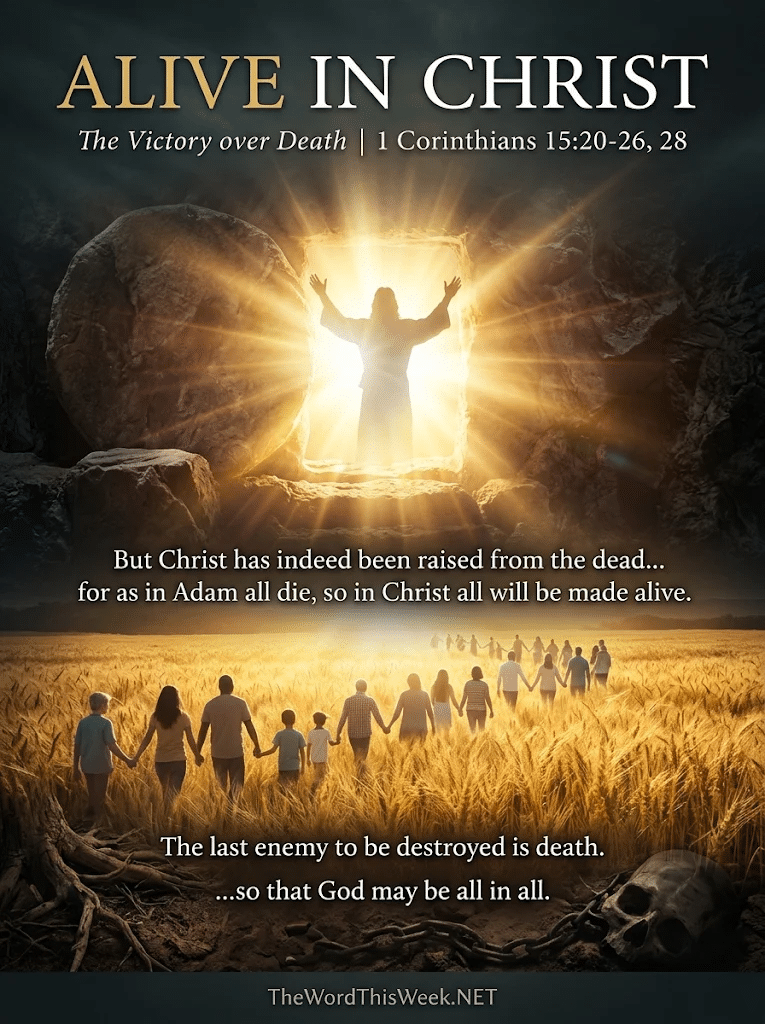
Click image to toggle between
B&W and COLOR


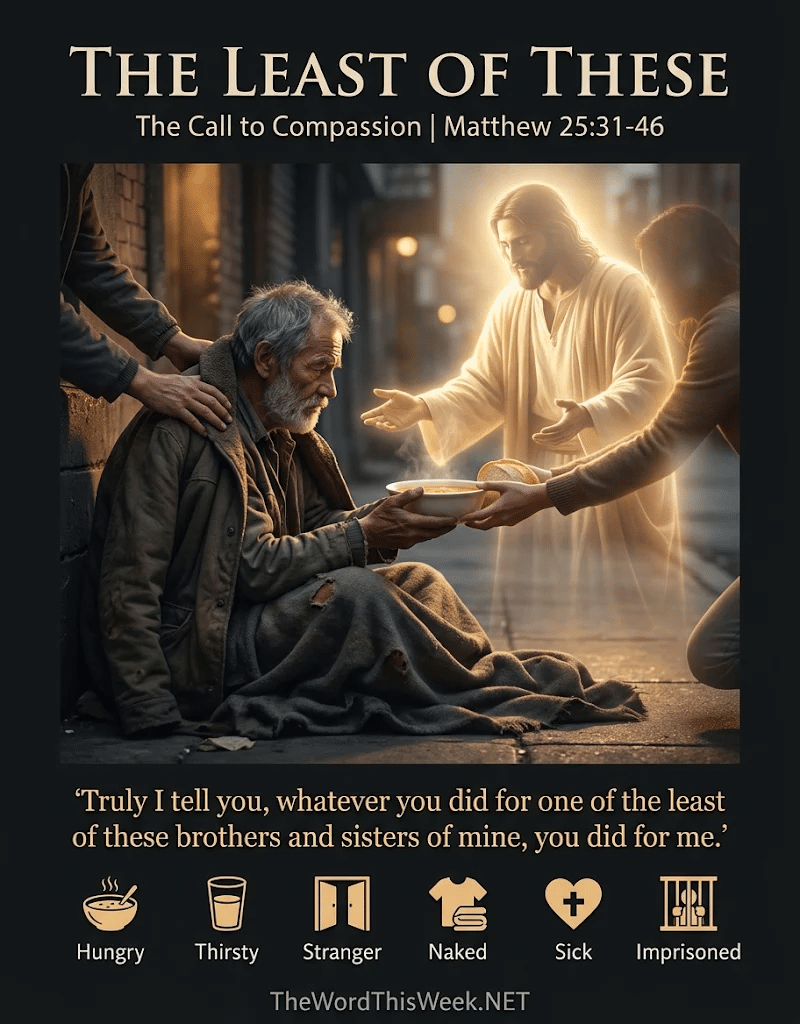
Click image to toggle between
B&W and COLOR
 Highlight text or double-click a paragraph anywhere on the site to ADD TO NOTES. You can also click ASK AI to copy your selection to the clipboard with a command prompt, ready for you to paste manually into the chat above.