October 5, 2025
October 5, 2025


Catechesis for Teens
Catechesis for Teens
- Bishop O’CONNELL
- RELIGION TEACHER
- LIFETEEN
BISHOP MARK
O’CONNELL

27th Sunday of Year C


Generated using Google’s AI Gemini 2.5 Pro (w/ Chart.js and Tailwind CSS). Permission for use in any non-profit ministry w/ link to THE WORD THIS WEEK.
THE RELIGION
TEACHER

JARED DEES provides practical resources and teaching strategies to religious educators.
27th Sunday of Year C


Generated using Google’s AI Gemini 2.5 Pro (w/ Chart.js and Tailwind CSS). Permission for use in any non-profit ministry w/ link to THE WORD THIS WEEK.
LIFE TEEN

Life Teen’s “Summit” is a lectionary-based discipleship program for high school teenagers designed to help them develop a deeper understanding of the Holy Mass and Sacred Scripture.
Videos (2022)
Welcome (PDF)
27th Sunday of Year C

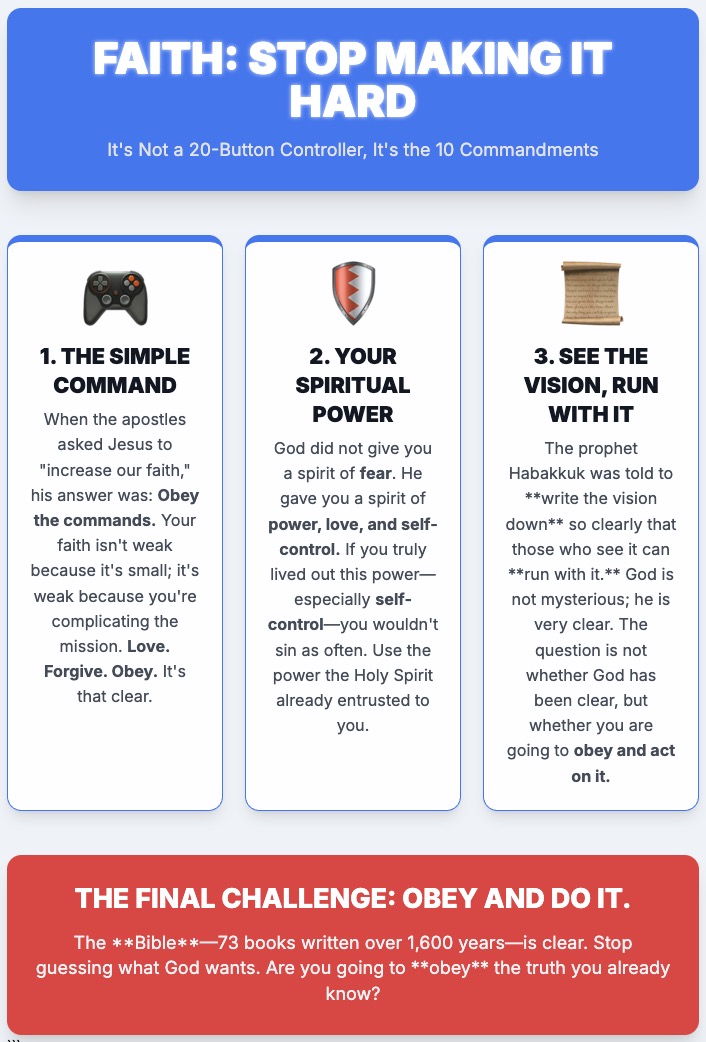
Generated using Google’s AI Gemini 2.5 Pro (w/ Chart.js and Tailwind CSS). Permission for use in any non-profit ministry w/ link to THE WORD THIS WEEK.
Group / Classroom Discussion

27th Sunday of Year C
Perspectives on the Sunday Readings
Bishop Barron | Fr. Kevin Rettig | Msgr. Peter Hahn
Fr. Geoffrey Plant | Priests for Life
Sunday Reading Connections

Shawshank Redemption
& Mustard Seed Faith

PDF Handouts
Reflection Questions
and Commentary
These study guides are the fruit of over a decade of working with students. They are a great resource for classroom group discussion.


Sunday Readings Tips
Youth-centric
Preaching
Tips
Be Real and Relatable
- Authenticity is Key: Don’t try to be someone you’re not or use slang you don’t know. Youth can spot inauthenticity immediately, so be yourself.
- Be You: Let your personality shine through to make your sermon more relatable and impactful.
- Meet them in their world: Understand the cultural context of the young people you’re speaking to.
Structure for Engagement
- Have One Big Idea: Focus your sermon around a single, clear point to help students remember it.
- Use a Clear Outline: Provide a simple, three-point outline with an introduction, body, and conclusion to help them follow along.
- Keep it Concise: Shorter messages are generally more effective for maintaining engagement and focus.
Make the Message Stick
- Tell Stories: Like Jesus, share stories that illustrate biblical truths and help make personal connections between the message and their lives.
- Use Visuals and Interaction: Engage multiple senses by using movie clips, objects, or games to make the message more memorable.
- Encourage Participation: Involve the audience through actions like raising hands, shouting answers, or taking polls to foster interaction.
27th Sunday of Year C

Focus on Power and Courage
Frame faith as the ultimate “power-up” that gives them the courage to live against the grain.
Draw comparisons between faith and elements in popular culture that they’re familiar with, such as video game power-ups or superhero abilities. Emphasize that faith fortifies their spirit and grants them the strength to overcome challenges, just as these power-ups enable characters to conquer seemingly insurmountable obstacles.
Challenge Against Complacency
Address the command to “fan into flame the gift of God” (2 Timothy 1:6) directly.
In a fast-paced culture, idleness is the enemy of faith. Challenge them to commit to an action that is visible and sacrificial. Link the mustard seed (Luke 17:6) to the need to not be ashamed of witnessing to Christ (2 Timothy 1:8). What is the “tree” they need to uproot in their school, social circle, or online life (e.g., gossip, apathy, or fear of speaking out)?
Reframe “Duty” as Authenticity
The idea of being an “unworthy servant” can be difficult.
Frame it as living an authentic life. Instead of a transaction (“I do this, so God gives me that”), it’s about identity. “I am a child of God, so serving Him is what I do. It’s who I am.” This shifts the focus from drudgery to a genuine response of a loving heart. Redefine obedience (the servant parable) not as stifling rules, but as the fidelity necessary to be truly effective. The “unprofitable servant” is actually the most
Validate Impatience, Teach Trust
The world can seem overwhelming.
Acknowledge that the cry, “How long, O Lord?” reflects the frustration they may experience when spiritual progress seems slow. Assure them that these feelings are natural and remind them of the counter-cultural power in choosing to wait and trust in God’s plan. Emphasize that faith is not a passive act, but an active decision to live courageously according to divine wisdom.