October 5, 2025
October 5, 2025


Commentary Intro to Mass Readings for Sunday
CommentaryIntro to Mass Readings for Sunday

27th Sunday of Year C
Habakkuk 1:2-3; 2:2-4
Habakkuk 1:2-3; 2:2-4
POP-UP Video | NAB w/ Notes | LECTIONARY
Click graphic above to view intro to reading

Fr. Paul introduces the first reading from the prophet Habakkuk, explaining it as a powerful lament where the prophet cries out to God in frustration. He draws a direct parallel to modern times, suggesting Habakkuk's cry—"How long, O Lord, I cry for help, but you do not listen"—is similar to how people today might view the war in Ukraine and ask why God allows such violence and misery to continue.
He frames the prophet's central question as, "Why do bad countries prosper and the good ones like Israel suffer?"
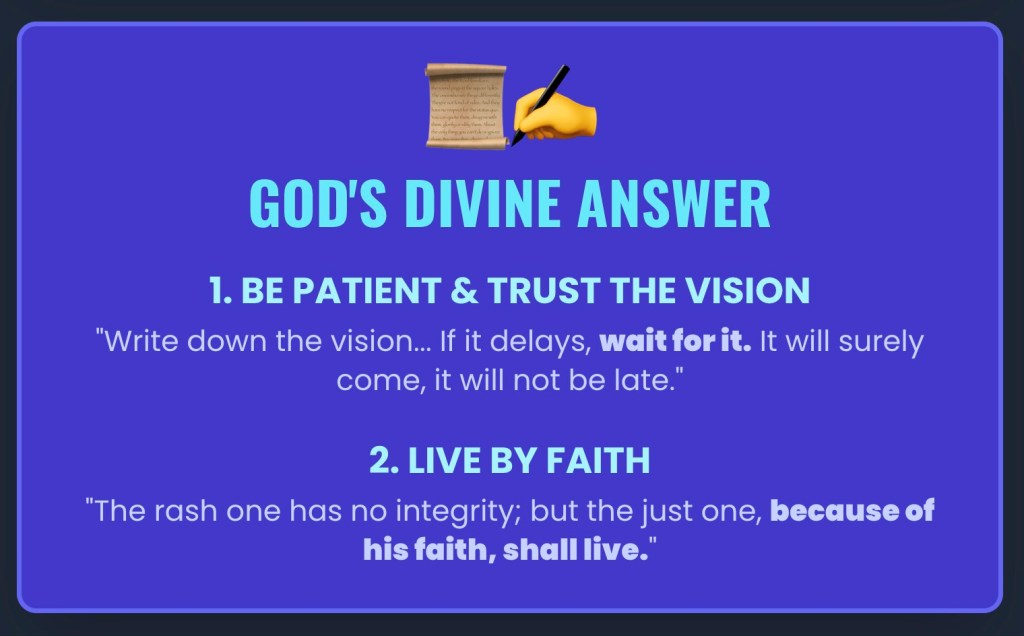
Fr. Paul then explains God's two-part answer in the reading:
- Be Patient: God instructs the prophet to write the vision down on tablets for all time and to wait for it, promising that justice "will surely come" and will not be late, even if it seems delayed.
- Live by Faith: God provides the core message for survival and righteousness: "the just one because of his faith shall live."
Finally, Fr. Paul interprets this act of lament not as a loss of faith, but as a profound expression of hope, because one only cries out to a God they believe can truly help. The ultimate answer, he concludes, is that evil will eventually be punished, and the good will be saved by remaining faithful even in difficult times.
Clipart by Fr. Richard Lonsdale



Understanding God’s Will
by Larry Broding

How do we answer the most agonizing question from the pews: “If God is good, why do tragedies happen?”
In his insightful commentary, Larry Broding explores this timeless cry through the eyes of the prophet Habakkuk, who watched his world crumble and demanded to know why God seemed silent.
Broding unpacks the prophet’s raw lament and God’s surprising response. The answer isn’t a neat explanation for suffering, but a profound promise of presence. For those preparing a homily on faith amidst chaos, this reflection offers a powerful way to speak to a congregation grappling with uncertainty. It reminds us that even when God’s ways defy logic, His comfort is always near.

Fr. Tim Peters teaches at Saint John’s Seminary in Camarillo
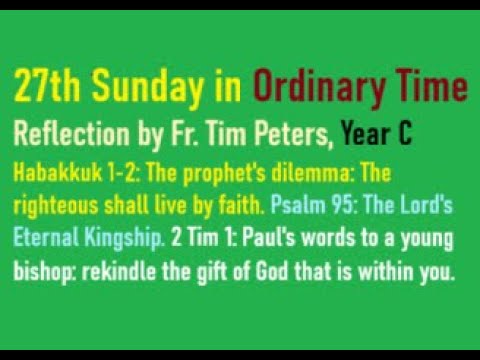
Fr. Tim Peters

Fr. Francis Martin
27th Sunday of Year C
2 Timothy 1:6-8, 13-14
2 Timothy 1:6-8, 13-14
POP-UP Video | NAB w/ Notes | LECTIONARY
Click graphic above to view intro to reading
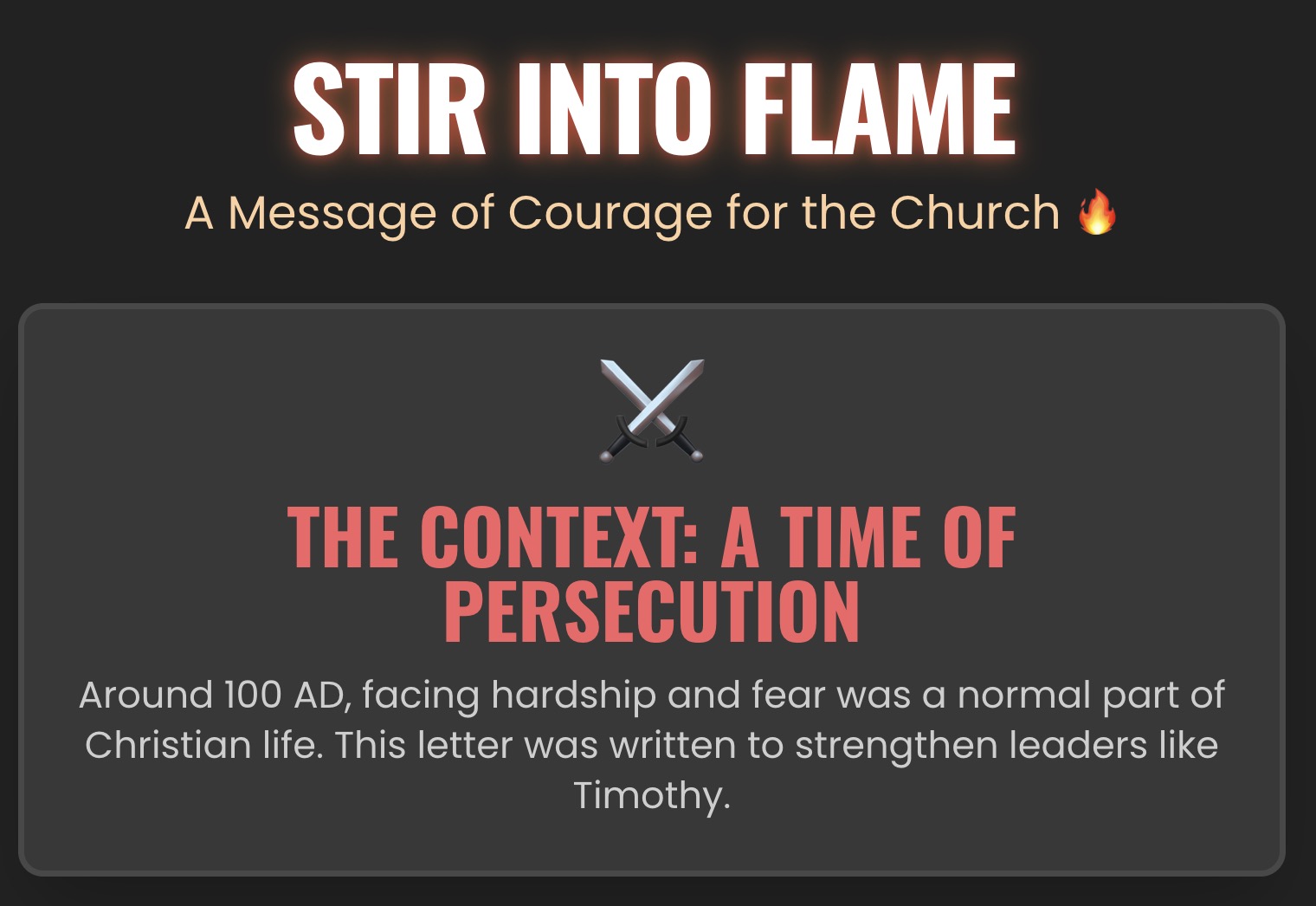
Fr. Paul explains that this letter was written around 100 AD, a time when persecution was an ordinary part of life for Christians. The letter's primary purpose is to encourage leaders like Timothy to be courageous.

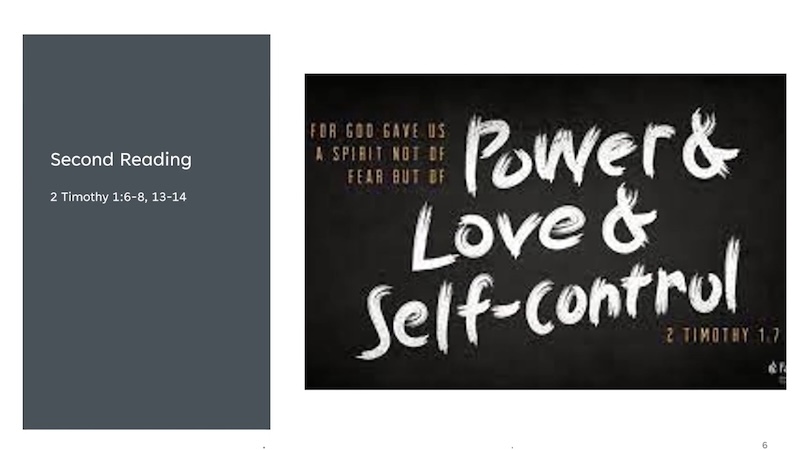
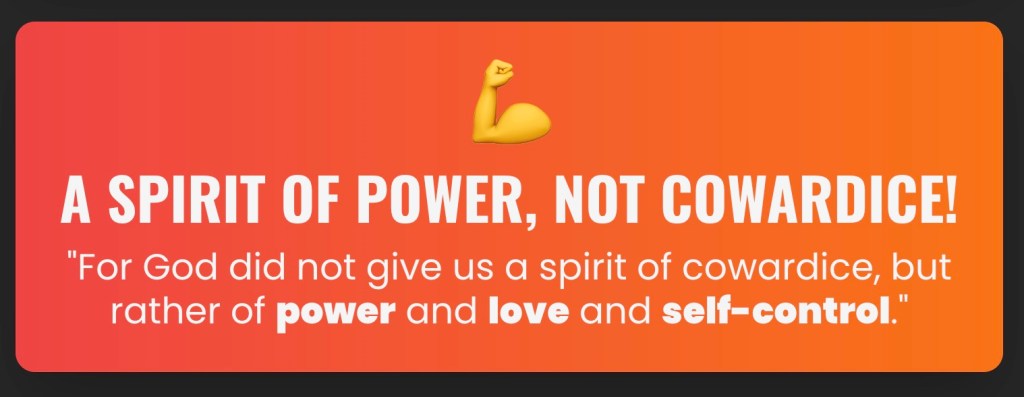
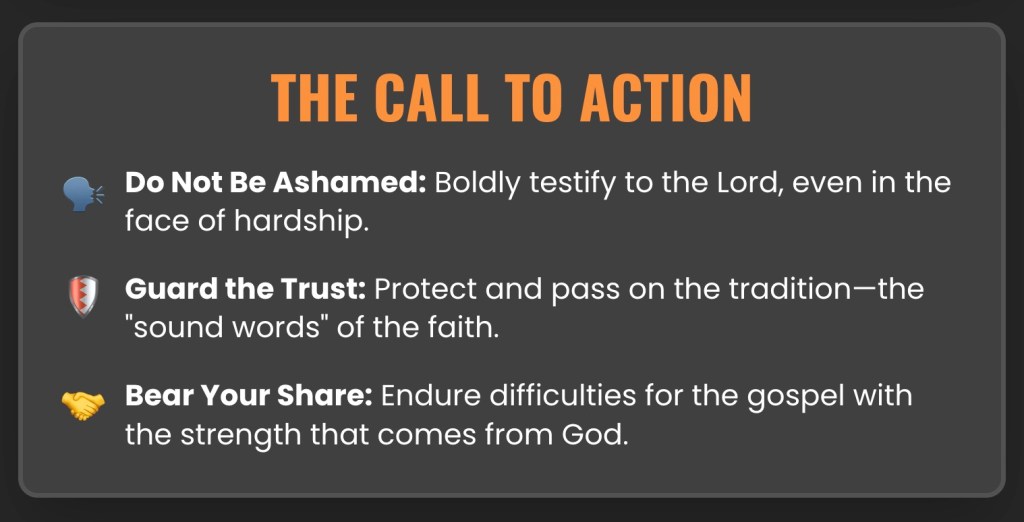
He highlights the core message: "God did not give us a spirit of cowardice, but rather of power and love and self-control." This is a call for Christians to stand firm and not be ashamed of their faith, even when facing hardship.
Fr. Paul notes that the author was likely a disciple of Paul, not Paul himself. The author uses Paul's endurance as a powerful example to inspire the community. He also points out that phrases like "guard this rich trust" signify a shift in the early church toward preserving and formally passing down a fixed tradition. The "imposition of hands" mentioned in the letter is identified as a sign of ordination, linking Timothy's leadership role to the practices still used in the Church today.l is to remain faithful to the baptismal commitment to Jesus until the very end.
Clipart by Fr. Richard Lonsdale
Be Strong In the Lord
by Larry Broding
Have you ever felt the fire of your faith burning low, feeling more like a flickering ember than a confident flame? In a world that often questions belief, have you ever been tempted to hide your faith or felt a moment of shame for it?
Every faith journey has its moments of doubt. Larry Broding’s commentary on 2 Timothy speaks directly to the heart of this struggle, using the powerful image of a “preacher’s son”—someone so close to the faith yet tempted by indifference or shame.
This reflection is a must-read for any preacher preparing a homily on perseverance, especially for congregations feeling the weight of public scandal or personal uncertainty. Broding masterfully unpacks the letter’s urgent call to Timothy—and to us—to “fire up” the gift of faith we’ve received. It’s a reminder that courage in the face of ridicule doesn’t come from our own strength, but from the Spirit dwelling within us.
Use this commentary to craft a message that acknowledges the reality of a tentative faith while inspiring your community to guard their commitment and find strength in the Holy Spirit.
Fr. Tim Peters teaches at Saint John’s Seminary in Camarillo
Fr. Tim Peters

Fr. Francis Martin
27th Sunday of Year C
Luke 17:5-10
Luke 17:5-10
POP-UP Video | NAB w/ Notes | LECTIONARY
Click graphic above to view intro to reading
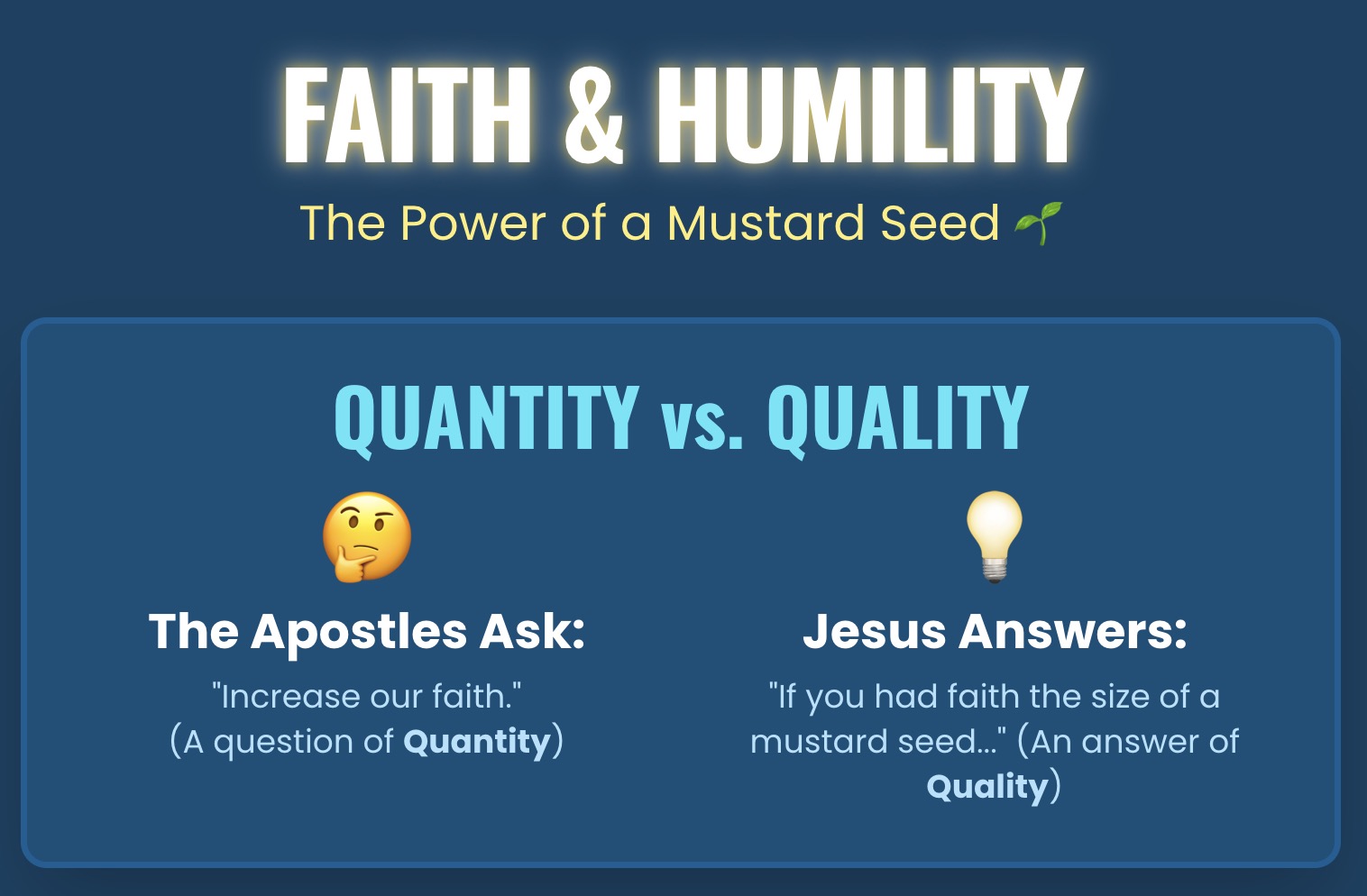
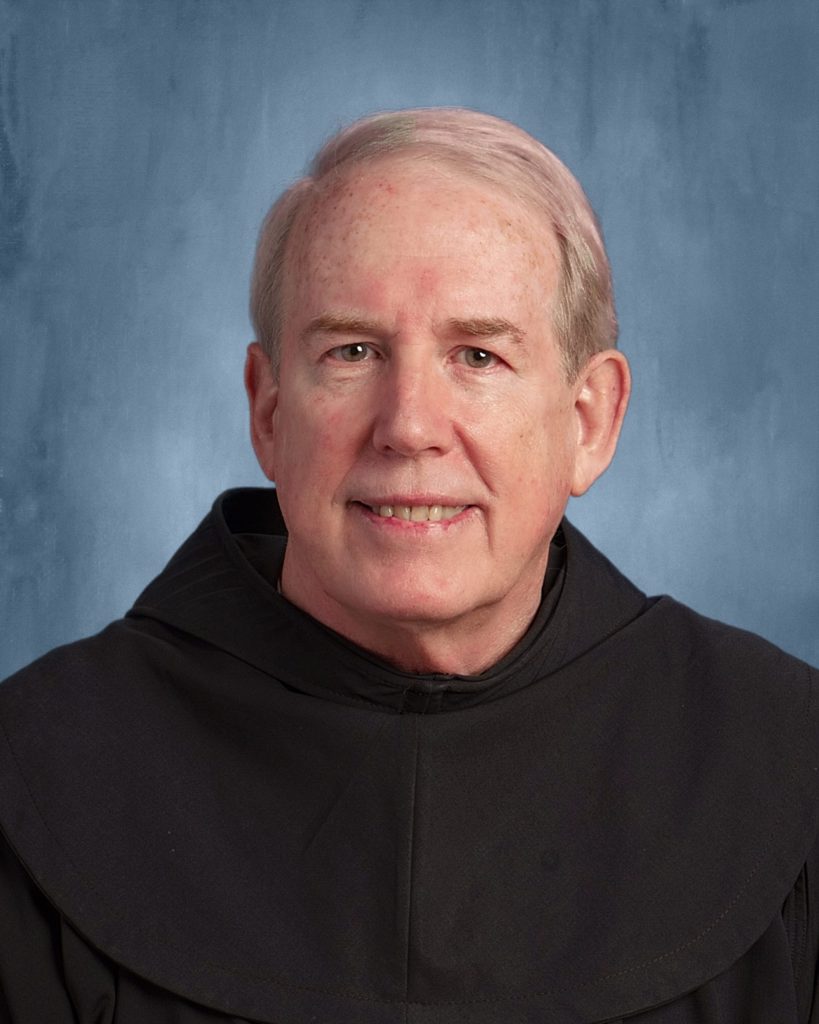
Fr. Paul explains that the Gospel reading addresses the nature of true faith. He points out that when the apostles ask Jesus to "Increase our faith," they are asking a question of quantity. Jesus responds with an answer about quality, explaining that even a tiny amount of faith, the size of a mustard seed, is incredibly powerful.

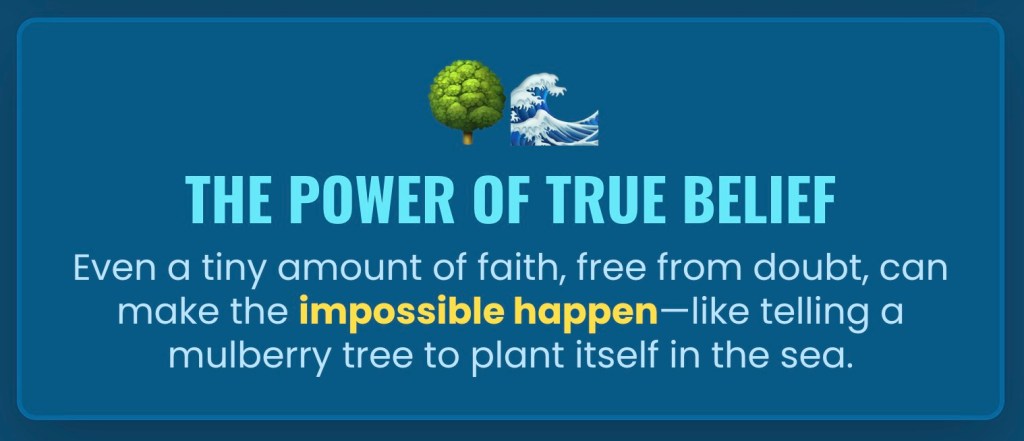
He describes Jesus's example of the mulberry tree transplanting itself into the sea as intentionally absurd to make a powerful point: genuine belief, free from doubt, can achieve the seemingly impossible.
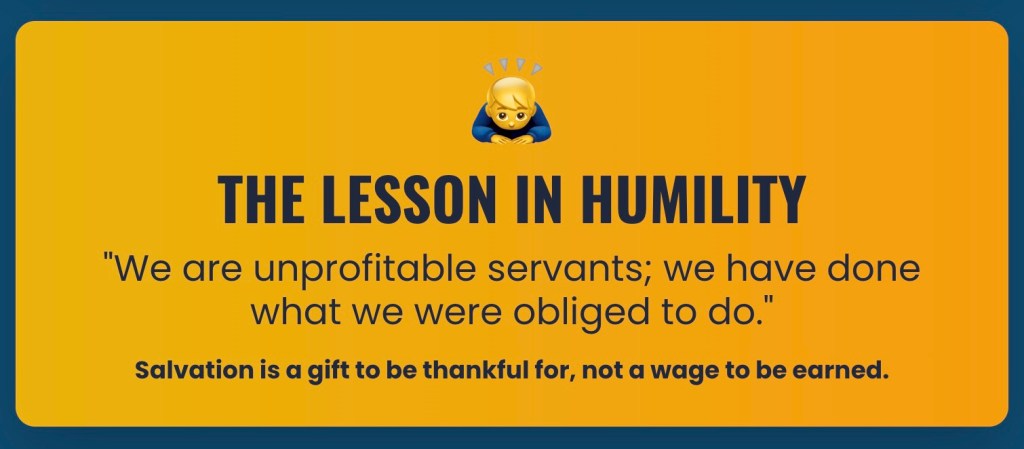
Fr. Paul then interprets the second part of the Gospel, the parable of the servant, as a lesson in humility. It illustrates that salvation is a gift for which we should be thankful, not something we can earn or merit more of than others. By doing what our faith calls us to do, we are simply fulfilling our obligation. The proper attitude is to see ourselves as "unprofitable servants," recognizing that faith and humility go hand-in-hand, which avoids the problem of comparing ourselves to others.
Finally, he connects this back to the day's first reading from Habakkuk, stating that "the just person should live by faith," and finds the message personally fitting for his role as a pastor.
Clipart by Fr. Richard Lonsdale
More Faith
by Larry Broding
Have you ever felt frustrated by the lack of your own faith? Have you ever felt you didn’t trust God enough in a certain area of life?
These are questions that echo in the hearts of many in our congregations. We often treat faith like a possession—something we can have more or less of—leading to a cycle of comparison and spiritual inadequacy.
In his commentary, Larry Broding dives deep into the disciples’ plea, “Increase our faith!” and unpacks Jesus’s surprising, action-oriented response. For preachers looking to shift their community’s perspective from a passive desire for “more faith” to an active life of service, this reflection is invaluable. It directly addresses the temptation to measure our spiritual lives and reveals Jesus’s radical call: if you want a stronger faith, get involved!
Explore this commentary to craft a powerful homily that liberates your listeners from the anxiety of “not having enough faith” and empowers them to live it out through humble, transformative service.


Scandal, Faith and Forgiveness
In Luke 17 the audience for the lesson is the disciples (v.1). Luke draws together four sayings: a call to the exercise of faith (vv.5-10), a warning against causing others to stumble (vv.1-2), a challenge to be forgiving (vv.4-5), a reminder of the duties of discipleship (vv.11-19; next Sunday’s gospel).
PDF COMMENTARY
(Luke 17:5-10)
Fr. Tim Peters teaches at Saint John’s Seminary in Camarillo

Fr. Tim Peters

Hector Molina | Catholic Evangelist

Fr. Francis Martin


Diocese of Phoenix
27th Sunday of Year C

Christ in Our Neighborhood
Bishop John Dolan
This program aims to foster deeper relationships with Christ through weekly Scripture study and prayer in small faith communities. It was introduced in December 2022

More Discussion Guides
Fr. Thibodeau
Bible Study Notes
Bp. John P. Dolan
Fr. Tobin
Fr. Conley Bertrand
27th Sunday of Year C
Cycle C (PDFs)
📖 Old Testament (43 pp.)
📖 Epistles (87 pp.)
📖 Gospels (182 pp.)
📖 Daily Gospels (208 pp.)
SOURCE: Come, Lord Jesus
Carmelite Reflections and Prayers
Lectio Divina

78-page PDF with reflections and prayers for each day of the month
Lectio Divina OCTOBER 2025 (PDF)
Lectio Divina OCTOBER 2025 [Mobi]
Lectio Divina OCTOBER 2025 [ePub]
______________
“Lectio divina is an authentic source of Christian spirituality recommended by our Rule. We therefore practise it every day, so that we may develop a deep and genuine love for it, and so that we may grow in the surpassing knowledge of Christ. In this way we shall put into practice the Apostle Paul’s commandment, which is mentioned in our Rule: “The sword of the Spirit, too, which is the word of God, is to dwell abundantly in your mouth and in your hearts; and whatever things you have to do, let them be done in the word of the Lord.” (Carmelite Constitutions (2019), n. 85.)
Source: Carmelites

The presented text is a contemporary adaptation of St. Thomas Aquinas’ Catena Aurea, incorporating biblical excerpts from the English Standard Version (ESV). It features modern language and paraphrasing throughout the dialogue, while integrating relevant contemporary examples.
On Faith Like a Mustard Seed
(Luke 17:5–6)
5 The apostles said to the Lord, “Increase our faith!” 6 And the Lord said, “If you had faith like a grain of mustard seed, you could say to this mulberry tree, ‘Be uprooted and planted in the sea,’ and it would obey you.”
“Increase Our Faith”

Disciples Ask Jesus to Boost Their Faith
THEOPHYLACT. The disciples had just listened to Jesus lay out some very challenging teachings—things like embracing poverty and being incredibly careful not to cause others to sin. They realized they needed a spiritual upgrade to even attempt this. So, they ask Him to boost their faith, because faith and hope are the foundations for living a truly radical Christian life.

It’s like their SPIRITUAL CELL PHONE was at 10% battery, and they knew they were about to head into the wilderness. They’re not asking for an easier path; they’re asking for a bigger power bank to walk the path He’s laid out. It’s a moment of profound self-awareness. They know they can’t do it on their own power.
FAITH is Not A One-Time Download, It is…
An Ongoing Software Update
GREGORY. Their request is key: they want the faith they already have to grow and mature. Faith isn’t a one-time download; it’s an ongoing software update, constantly improving and reaching for perfection.
AUGUSTINE. We can think about this in two ways. First, they’re asking for a stronger belief in the things they can’t see. But on a deeper level, they’re also asking for the kind of faith that comes from a direct encounter with the truth—the kind of unshakable confidence we’ll have when we finally see God face-to-face.

THEOPHYLACT. Jesus affirms that they’re asking for the right thing. He tells them that faith is incredibly powerful. His example is almost absurd: uprooting a tree and planting it in the ocean. He picks two impossible tasks to show that with genuine faith, the impossible becomes possible.

The Mustard Seed
CHRYSOSTOM. He specifically mentions a mustard seed because, while it’s tiny, it grows into something immense and powerful. He’s saying that even the smallest spark of genuine faith can accomplish incredible things. And don’t get hung up on the fact that the apostles never literally moved a mulberry tree. Jesus wasn’t giving them a command, but explaining their capability. They went on to do far greater things, like transforming hearts and building the Church.

Symbolism of the
Mulberry Tree
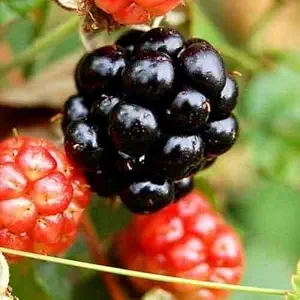
BEDE. There’s a rich symbolic layer here. The mulberry tree, with its dark, blood-red fruit, can represent the message of the Cross. Through the apostles’ faith and preaching, this message was “uprooted” from its origins with the Jewish people and “planted” in the vast “sea” of the Gentile world.
AMBROSE. You can also see the mulberry tree as a symbol for the devil. Its fruit starts white in the blossom, then turns red, and finally blackens as it ripens. In the same way, the devil fell from the pure, white light of an angel into the dark stain of sin.
CHRYSOSTOM. Taking that a step further, the mulberry tree’s leaves feed silkworms. In a similar way, the devil feeds us with temptations and dark thoughts, which in turn nourish the “never-dying worm” of sin in our souls. But faith has the power to rip this tree out by its roots and drown it in the sea.


Unprofitable Servants (Luke 17:7–10)
7 “Will any one of you who has a servant plowing or keeping sheep say to him when he has come in from the field, ‘Come at once and recline at table’?” 8 “Will he not rather say to him, ‘Prepare supper for me, and dress properly, and serve me while I eat and drink, and afterward you will eat and drink’?” 9 “Does he thank the servant because he did what was commanded?” 10 “So you also, when you have done all that you were commanded, say, ‘We are unworthy servants; we have only done what was our duty.’”
THEOPHYLACT. Jesus knows human nature. He knows that faith produces miracles and good works, and that with great works comes the great temptation of pride. So He gives the apostles this parable as a spiritual guardrail to keep them from boasting about their accomplishments.
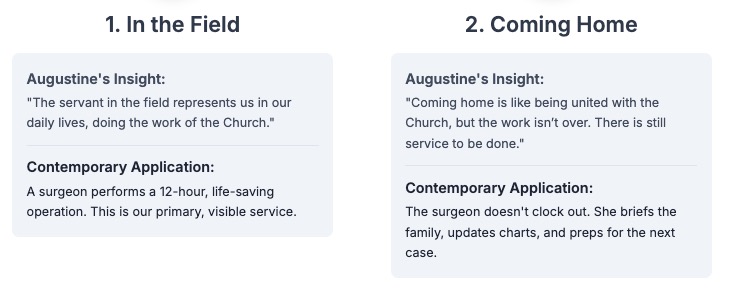
AUGUSTINE. This parable also addresses the shift from our earthly faith to our heavenly reward. The servant working in the field represents us in our daily lives, doing the work of the Church. Coming home from the field is like being united with the Church community. But the work isn’t over. We don’t get to immediately sit down for the heavenly banquet. There is still service to be done.
Think of it like a dedicated surgeon. She spends 12 hours in a life-saving operation (plowing the field). When she’s done, she doesn’t just clock out. She has to brief the family, update the chart, and prepare for the next day’s cases (preparing the master’s supper). The work of a disciple is never truly “done” in this life. We are always on call.
BEDE. Preparing the master’s supper is a beautiful image for self-reflection. After the “public” work of preaching, the servant must go inward and examine his own heart. That’s the meal that truly feeds the Lord. “Girding yourself” means getting rid of all the mental clutter and distracting thoughts that can trip you up. And to “serve” God is to humbly admit that all our strength comes from Him.
AUGUSTINE. While we are serving Him—preaching the Gospel—our Lord is “eating and drinking” the faith and conversion of the people we reach. Only after He is satisfied with our work will He say to us, “Now, you come and feast with me for eternity.”
CYRIL OF ALEXANDRIA. Jesus is teaching us that a master has every right to expect his servants to do their jobs. It’s their duty. He’s cutting the legs out from under our pride. Why would you boast about paying a debt you owe? If you don’t pay it, you’re in trouble. If you do pay it, you’ve just done what was expected. St. Paul said the same thing: “If I preach the gospel, this is no reason for me to boast, for an obligation has been imposed on me, and woe to me if I do not preach it!” (1 Cor 9:16).
AMBROSE. So don’t pat yourself on the back for being a “good servant.” You did what you were supposed to do. The sun rises, the moon cycles, the angels serve—they all do their job. Let’s not seek praise for simply fulfilling our purpose.
BEDE. We call ourselves “unprofitable servants” for two reasons. First, because we were bought at a price, we are His. Second, God doesn’t actually need our good deeds. And ultimately, our greatest sacrifices in this life are nothing compared to the glory that awaits us. This is the heart of perfect faith: to do everything God asks, and at the end of the day, to humbly recognize that we are still imperfect and utterly dependent on His grace.
