November 2, 2025
November 2, 2025


Commentary Intro to Mass Readings for Sunday
CommentaryIntro to Mass Readings for Sunday

Click to enlarge



Deep Dives
Click on timestamp links to watch different sections of the video.

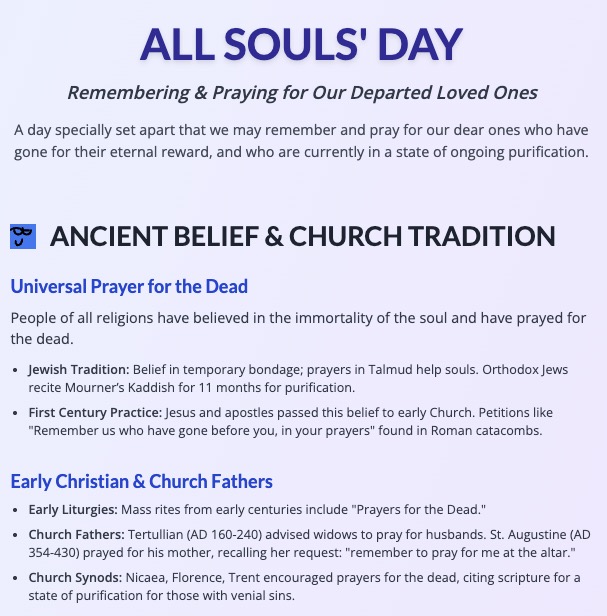
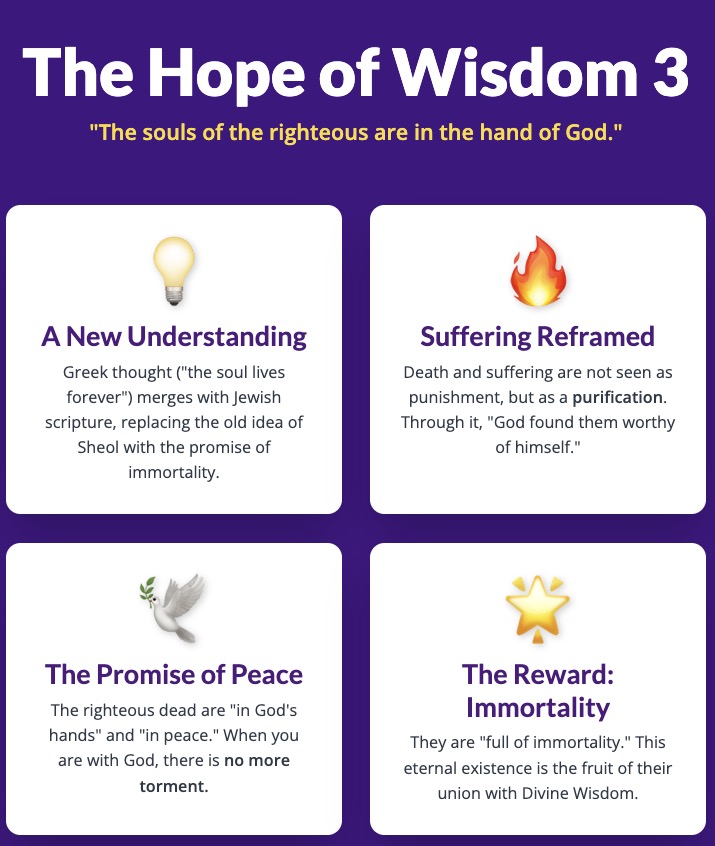
According to the Book of Wisdom, the souls of the departed are in the hand of God, at peace, and have hope of immortality, and that understanding this truth can bring comfort and guidance to those who trust in God, especially in the face of mortality and uncertainty.
- 00:00 The Book of Wisdom, written in Greek, provides clarity on the fate of the dead, influenced by Greek philosophy and contrasting the foolish with the righteous.
- 02:07 The body may die, but something in humans suggests eternal life, as hinted in the reading where the just man is persecuted for speaking out against the injustices of those who believe only in earthly power.
- 03:18 The souls of the departed are in the hand of God, experiencing no torment, and are actually in peace, contrary to the foolish view that they cease to exist.
- 05:07 The book of Wisdom teaches that the righteous, though chastised, have hope of immortality and will be greatly blessed, shining like sparks and ruling over nations with the Lord as their king forever.
- 06:24 Our existence and prosperity depend on being just, and for those in between, prayer and purification, either in life or Purgatory, prepare us for eternal life with God.
- 08:28 The departed may seem dead to the foolish, but they are actually in peace, and understanding this truth helps to overcome anger and revolt at the prospect of our own mortality.
- 09:11 Those who trust in God will understand truth and be led by Him, even in times of uncertainty and sorrow, and will ultimately abide with Him in love.
- 10:43 Early Christian sages used Greek wisdom to articulate key mysteries, including the Incarnation and Trinity, and the Council of Ephesus proclaimed Mary as the Mother of God.
- Interaction with Greek natural wisdom helped early sages articulate Christian mysteries, including the Incarnation (one person, two natures in Jesus Christ) and the Trinity (one God, three divine persons).
- The Council of Ephesus proclaimed Mary as the Mother of God, recognizing that she gave birth to a divine person who became human, not the divinity itself.


Click to enlarge


Deep Dives
Click on timestamp links to watch different sections of the video.

Through faith in Jesus Christ, Christians can find hope, peace, and salvation, and ultimately attain union with God, even in the face of tribulations and imperfection, through the power of the Holy Spirit, prayer, and the Church’s support.
- 01:30 Through faith in Jesus Christ, we have peace with God, and even in tribulations, we can find hope and patience that ultimately lead us to glory.
- 03:10 God’s love and mercy give us hope and encouragement to surrender to Him, despite our failures, through the Holy Spirit and Jesus’ sacrifice.
- Hope, a gift from God, gives us assurance that does not disappoint, as the love of God has been poured into our hearts through the Holy Spirit.
- God proves his love by dying for us while we were still sinners, and this mercy encourages us to surrender to God and gives hope for blessings despite our failures.
- 05:30 Justification through Christ’s blood saves us from God’s wrath, but being “saved” means being in the immediate, unbreakable presence and union with God forever, which is the ultimate goal of full salvation.
- 07:23 Through prayer and the Holy Spirit’s work, Christians are purified, and those who have died in a state of grace but not perfectly purified are aided by the Church’s prayers to attain God’s presence.
- 09:05 Through baptism and reconciliation, we are saved and purified, and continue to work out our salvation through prayer and self-discipline, ultimately obeying God to be with Him forever.
- 10:46 Mortification helps free us from self-indulgence, allowing us to prioritize love for God and our eternal destiny, and highlighting the importance of prayers for others, especially those in purgatory.
- 11:44 The Feast of All Souls Day highlights the distinction between being reconciled to God and being saved, emphasizing the importance of striving for sanctity and praying for the deceased and for oneself.
Click to enlarge

Deep Dives
Click on timestamp links to watch different sections of the video.

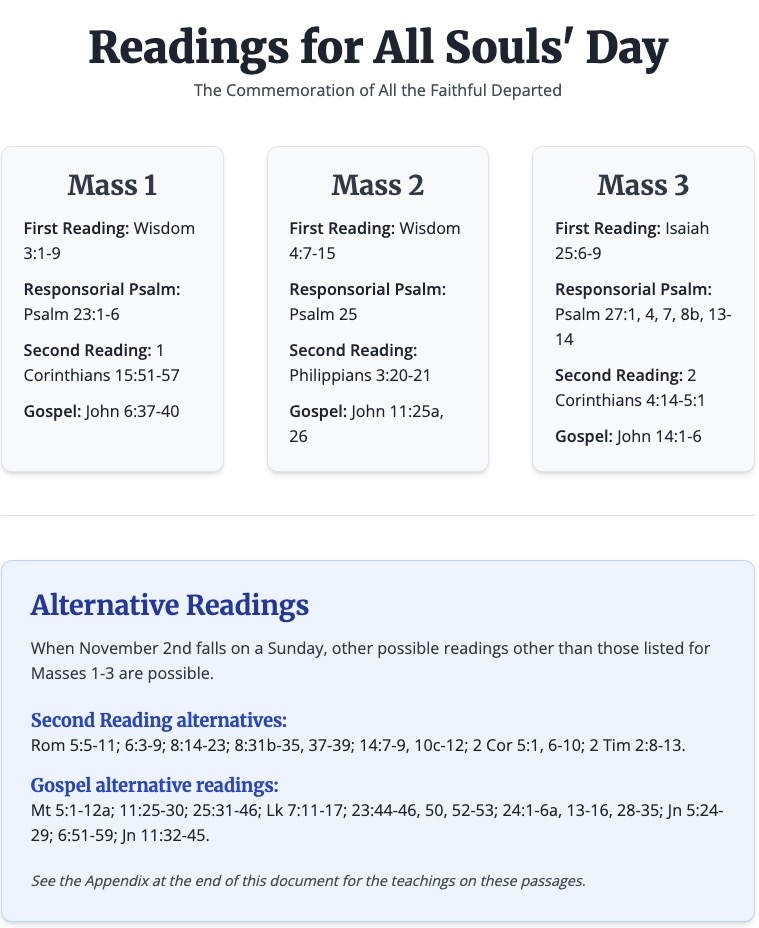
Believing in Jesus Christ and having faith in Him is the key to obtaining eternal life, escaping condemnation, and ultimately being raised up on the last day.
- 00:00 Those who hear Jesus’ words and believe in the Father have eternal life, have passed from death to life, and will not face condemnation.
- 01:53 Believing in God through the Gospel enables one to pass from eternal death to life, as those who hear the Son of God’s voice will live.
- 03:12 Jesus, as the Son of Man, has the power to give life and exercise judgment, and those who have been united to Him through faith will ultimately experience eternal life, while those who have rejected Him will face condemnation.
- 04:31 The Eucharist contains the principle of resurrection, and Jesus will not reject those who come to him, as he came to save and raise them on the last day.
- The Eucharist, which is key to understanding eternal life and the resurrection of the body, contains the principle of resurrection, making it impossible for a body that has received Christ’s body and blood to remain in the tomb forever.
- Jesus will not reject those who come to him, as he came to do the Father’s will, which is to save all those given to him and raise them on the last day.
- 06:38 Believing in Jesus and gazing on Him means having eternal life, which is a consolation for those grieving and an encouragement to deepen their faith.
- 09:02 Eternal life comes from believing in Jesus with the eyes of faith, and those who do will be raised up on the last day.
- 10:28 The will of the Father is for Jesus to keep and raise up on the last day all those given to Him, and those who see and believe in Jesus will have eternal life.
- 11:50 Consuming Christ’s body and blood enables forgiveness of sins and eternal life if received with an open heart and will.
- Eucharistic terminology indicates that through consuming Christ’s body and blood, sins are forgiven and one is on the path to eternal life, unless they turn away from the Lord.
- Receiving the body and blood of Jesus Christ with an open heart and will enables us to live eternal life, do the will of the father, and be raised on the last day.


Diocese of Phoenix
All Souls Day

Christ in Our Neighborhood
Bishop John Dolan
This program aims to foster deeper relationships with Christ through weekly Scripture study and prayer in small faith communities. It was introduced in December 2022

More Discussion Guides
Fr. Thibodeau
Bible Study Notes
Bp. John P. Dolan
Fr. Tobin
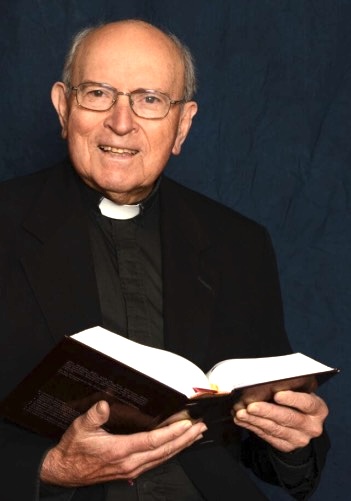
Fr. Conley Bertrand
All Souls Day
Cycle C (PDFs)
📖 Old Testament (43 pp.)
📖 Epistles (87 pp.)
📖 Gospels (182 pp.)
📖 Daily Gospels (208 pp.)
SOURCE: Come, Lord Jesus
Carmelite Reflections and Prayers
Lectio Divina
85-page PDF with reflections and prayers for each day of the month
Lectio Divina NOVEMBER 2025 (PDF)
Lectio Divina NOVEMBER 2025 [ePub]
______________
“Lectio divina is an authentic source of Christian spirituality recommended by our Rule. We therefore practise it every day, so that we may develop a deep and genuine love for it, and so that we may grow in the surpassing knowledge of Christ. In this way we shall put into practice the Apostle Paul’s commandment, which is mentioned in our Rule: “The sword of the Spirit, too, which is the word of God, is to dwell abundantly in your mouth and in your hearts; and whatever things you have to do, let them be done in the word of the Lord.” (Carmelite Constitutions (2019), n. 85.)
Source: Carmelites
Divine Assurance:
Christ’s Promise of Eternal Life
John 6: 37-40 (ESV) | NABRE | GNT | NCB | RSVCE

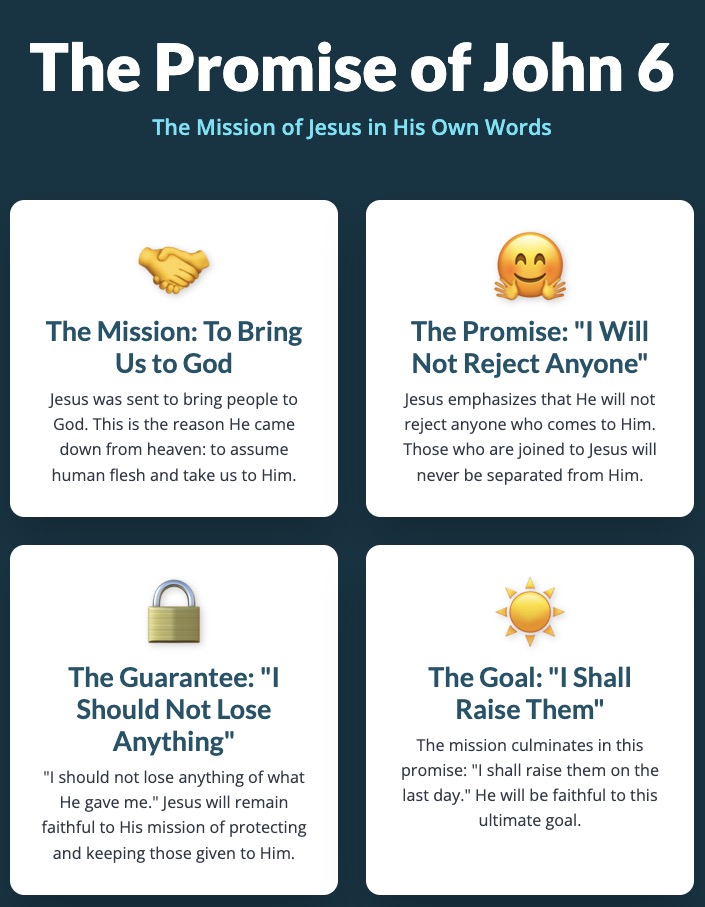
37 All that the Father gives me will come to me, and whoever comes to me I will never cast out.
38 For I have come down from heaven, not to do my own will but the will of him who sent me.
39 And this is the will of him who sent me, that I should lose nothing of all that he has given me, but raise it up on the last day.
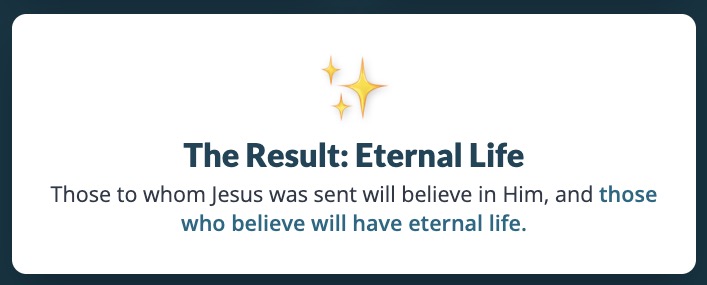
40 For this is the will of my Father, that everyone who looks on the Son and believes in him should have eternal life, and I will raise him up on the last day.”
The Great Exchange
AUGUSTINE. (Tr. xxv. 14) But, because ye have seen Me, and believed not, I have not therefore lost the people of God: All that the Father giveth Me, shall come unto Me; and him that cometh to Me, I will in no wise cast out.
BEDE. All, He saith, absolutely, to shew the fulness of the number who should believe. These are they which the Father gives the Son, when, by His secret inspiration, He makes them believe in the Son.
ALCUIN. Whomsoever therefore the Father draweth to belief in Me, he, by faith, shall come to Me, that he may be joined to Me. And those, who in the steps of faith and good works, shall come to Me, I will in no wise cast out; i. e. in the secret habitation of a pure conscience, he shall dwell with Me, and at the last I will receive him to everlasting felicity.
AUGUSTINE. (Tr. xxv. 14) That inner place, whence there is no casting out, is a great sanctuary, a secret chamber, where is neither weariness, or the bitterness of evil thoughts, or the cross of pain and temptation: of which it is said, Enter thou into the joy of thy Lord. (Mat. 25)
All Souls Day
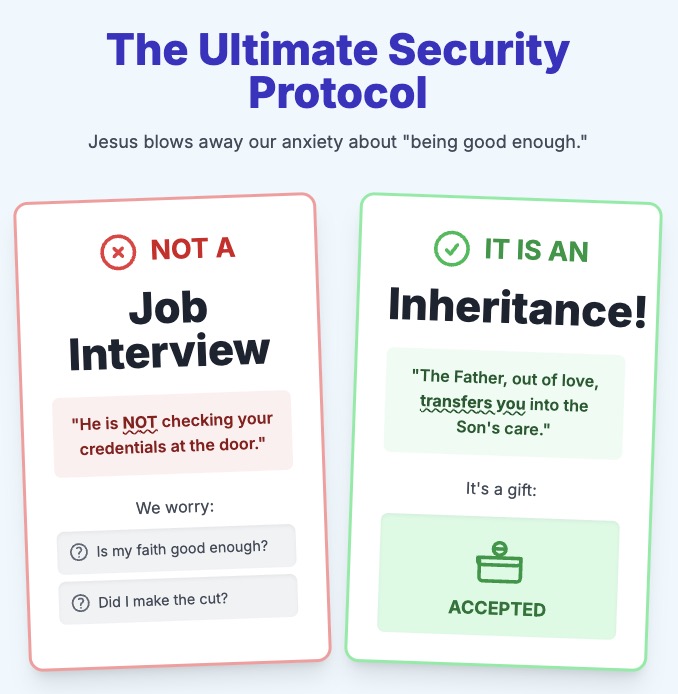
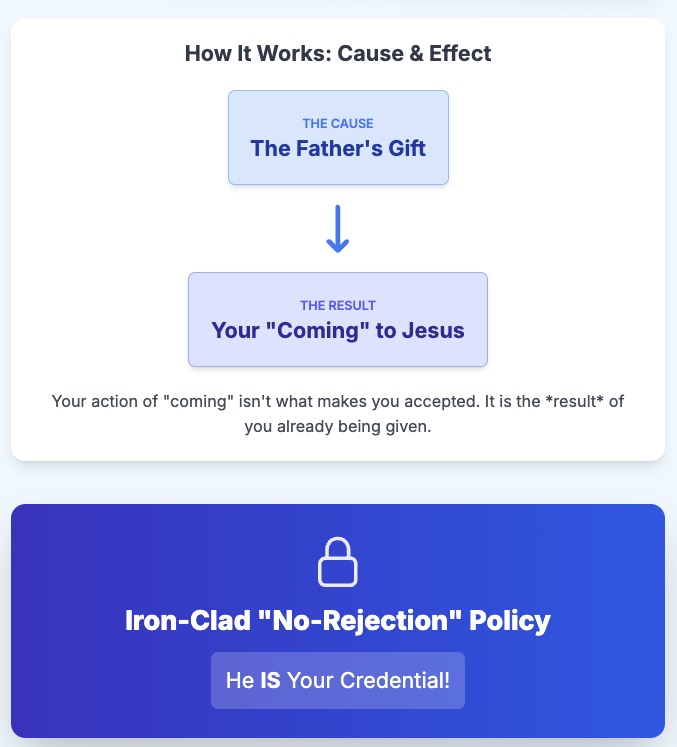
AUGUSTINE: Despite witnessing my presence and yet failing to comprehend, do not hastily conclude that God’s plan has been thwarted. The faithful will indeed come to recognize and embrace the truth, as affirmed by Jesus Himself: “All that the Father gives me will come to me, and whoever comes to me I will never cast out” (John 6:37, ESV). This divine assurance underlines the unwavering nature of God’s purpose and the promise of salvation for those who seek Him.
BEDE: Jesus’s use of the word “all” is no mere exaggeration; it is an assertion of the totality of individuals who will ultimately embrace belief. Those whom the Father bestows upon the Son are compelled by a concealed, spiritual influence that stirs faith within their hearts, leading them towards a journey of spiritual awakening and acceptance.
ALCUIN: Every individual whom the Father leads towards faith in Jesus will, through that very faith, come to be united with Christ. Those who adhere to Him, treading the path of faith and virtue, shall never be cast out. In the present, they dwell in the sacred space of a guiltless conscience, relishing in their spiritual union with Christ. Ultimately, He will usher them into an everlasting joy that transcends time and earthly existence.
AUGUSTINE: The promised “inner place,” this divine sanctuary wherein one is safeguarded from being “cast out,” is a sacred haven within one’s soul. It is a secluded chamber where spiritual exhaustion ceases, bitter cynicism fades, and the crushing burden of temptation and suffering dissipates. This inner sanctum mirrors the very place Christ refers to in Matthew 25:21, 23, “Enter into the joy of your master,” a realm where true contentment and spiritual repose reign supreme.
“The Father Gives Me”
CHRYSOSTOM. (Hom. xliv. 2) The expression, that the Father giveth Me, shews that it is no accident whether a man believes or not, and that belief is not the work of human cogitation, but requires a revelation from on high, and a mind devout enough to receive the revelation. Not that they are free from blame, whom the Father does not give, for they are deficient even in that which lies in their own power, the will to believe. This is a virtual rebuke to their unbelief, as it shews that whoever does not believe in Him, transgresses the Father’s will. Paul, however, says, that He gives them up to the Father: When He shall have given up the kingdom to God, even the Father. (1 Cor. 15:24) But as the Father, in giving, does not take from Himself, so neither does the Son when He gives up. The Son is said to give up to the Father, because we are brought to the Father by Him. And of the Father at the same time we read, By Whom ye were called unto the fellowship of His Son. (1 Cor. 1:9) Whoever then, our Lord says, cometh to Me, shall be saved, for to save such I took up flesh: For I came down from heaven not to do Mine own will, but the will of Him that sent Me. But what? Has thou one will, He another? No, certainly. Mark what He says afterwards; And this is the will of Him that sent Me, that every one which seeth the Son, and believeth on Him, should have everlasting life. And this is the Son’s will too; For the Son quickeneth whom He will. (c. 5:21) He says then, I came to do nothing but what the Father wills, for I have no will distinct from My Father’s: all things that the Father hath are Mine. But this not now: He reserves these higher truths for the end of His ministry.
All Souls Day
CHRYSOSTOM: The expression, “the Father gives me,” illuminates that an individual’s faith is not a mere coincidence or the product of human intellect alone. Rather, it necessitates a heavenly revelation and a humble heart capable of receiving such divine insight. However, this does not absolve unbelievers of their responsibility. Those whom the Father does not “give” remain accountable for their choices, as they falter in the one aspect within their control: their willingness to believe. Here, Jesus tenderly admonishes those who reject Him, underscoring that in doing so, they consciously resist the Father’s will.
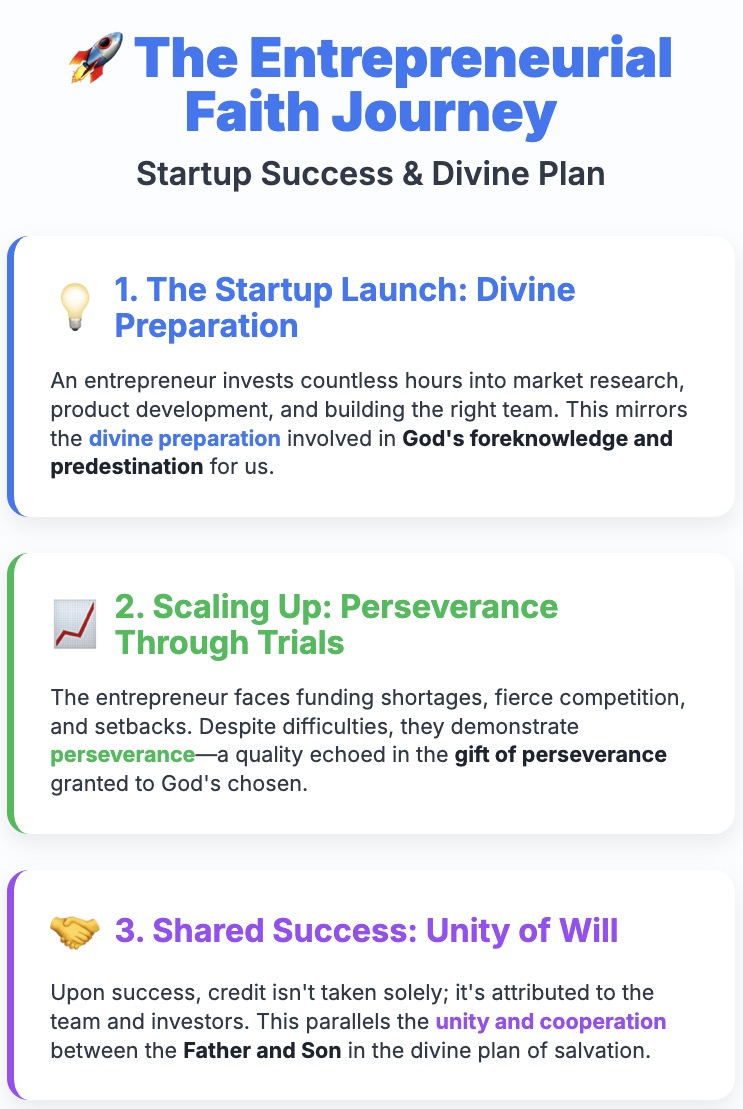
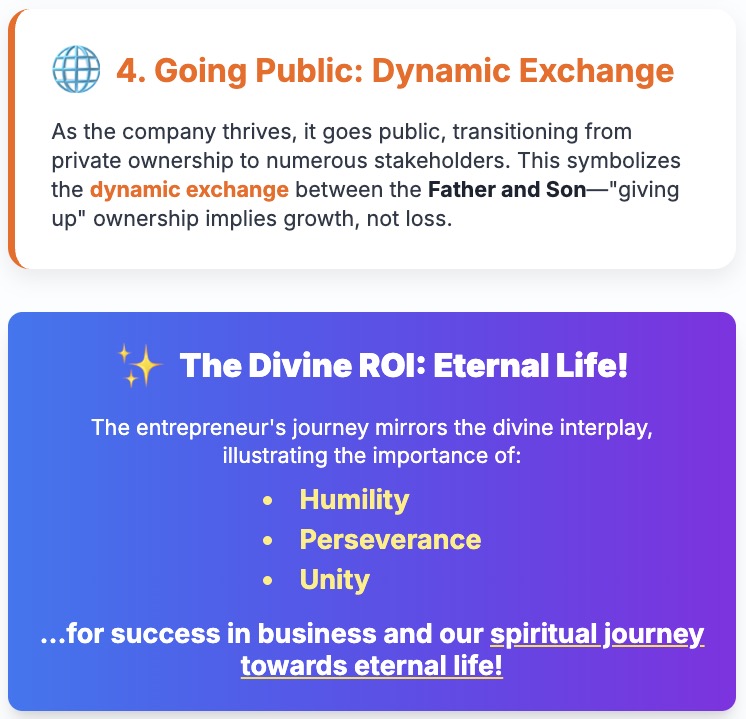
One might inquire about the apparent contradiction between the notion of the Father giving the kingdom to the Son and Paul’s assertion that Jesus gives the kingdom back to the Father (1 Corinthians 15:24). However, this reciprocity does not imply loss or separation. Just as the Father does not forsake those He “gives” to the Son, the Son does not relinquish us when He “presents” us to the Father. The Son’s role in delivering us to the Father is highlighted by the description of Him “giving us up.” Yet, we must also consider that it is the Father who calls us “into the fellowship of His Son” (1 Corinthians 1:9). This dynamic exchange underscores the unity and cooperation between the Father and the Son in the divine plan of salvation.
In this passage, Jesus asserts that anyone who approaches Him shall be saved, attributing this promise to His divine mission: “For I have come down from heaven, not to do my own will but the will of him who sent me” (John 6:38). However, this statement might raise questions about the unity of will between the Father and the Son.
To address this, Jesus immediately clarifies: “And this is the will of him who sent me, that everyone who looks on the Son and believes in him should have eternal life” (John 6:40). This clearly demonstrates that the will of the Father and the Son are not distinct; rather, they are perfectly aligned in their shared desire for our salvation. As Jesus previously affirmed, “the Son gives life to whom he will” (John 5:21).
In essence, Jesus communicates that His mission on earth is to carry out the Father’s will, not as a separate entity, but as one whose will is united with the Father’s. While the full revelation of His complete unity with the Father is yet to be disclosed at this point in His ministry, He provides glimpses into their shared purpose and divine harmony.
The Antidote to Our Fall
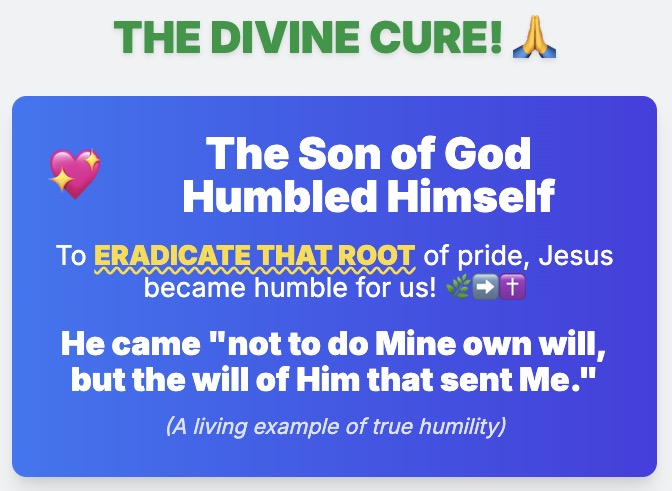
AUGUSTINE. (Tr. xxv. 15) This is the reason why He does not cast out those who come to Him. For I came down from heaven not to do Mine own will, but the will of Him that sent Me. The soul departed from God, because it was proud. Pride casts us out, humility restores us. When a physician in the treatment of a disease, cures certain outward symptoms, but not the cause which produces them, his cure is only temporary. So long as the cause remains, the disease may return. That the cause then of all diseases, i. e. pride, might be eradicated, the Son of God humbled Himself. Why art thou proud, O man? The Son of God humbled Himself for thee. It might shame thee, perhaps, to imitate a humble man; but imitate at least a humble God. And this is the proof of His humility: I came not to do Mine own will, but the will of Him that sent Me. Pride does its own will; humility the will of God.
HILARY. (iii. de Trin. c. 9) Not that He does what He does not wish. He fulfils obediently His Father’s will, wishing also Himself to fulfil that will.
All Souls Day
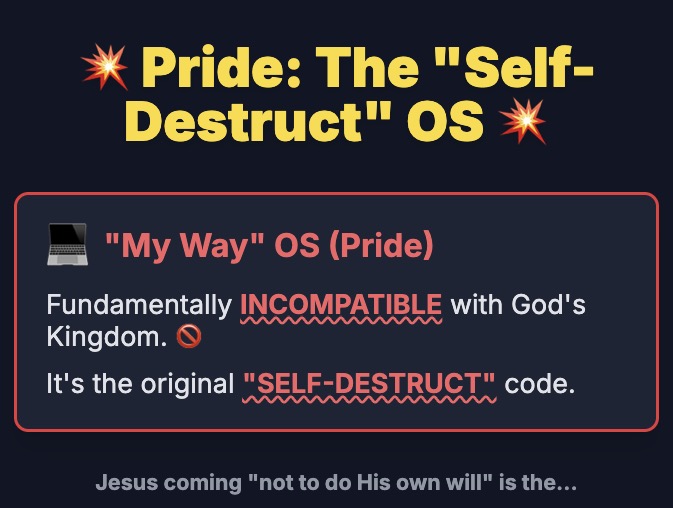

AUGUSTINE: The assurance that Jesus will not cast out anyone who comes to Him is intrinsically linked to His purpose: “For I have come down from heaven, not to do my own will but the will of him who sent me” (John 6:38). This statement bears great significance as it addresses the core issue that led to humanity’s spiritual estrangement from God.
Pride, being the root cause of our spiritual affliction, is what initially distanced us from God. Conversely, humility serves as the path to restoration and unity with Him. Just as a doctor treating only the symptoms of a disease leaves the patient vulnerable to future illness, addressing pride as the underlying cause of our spiritual malady is crucial for lasting healing.
Jesus’s unwavering commitment to the will of the Father exemplifies the humility required for spiritual restoration. By adhering to this divine will, He models the very remedy to the pride that once severed our connection with God. In doing so, Jesus offers a powerful invitation to partake in this redemptive humility and foster a renewed relationship with the divine.
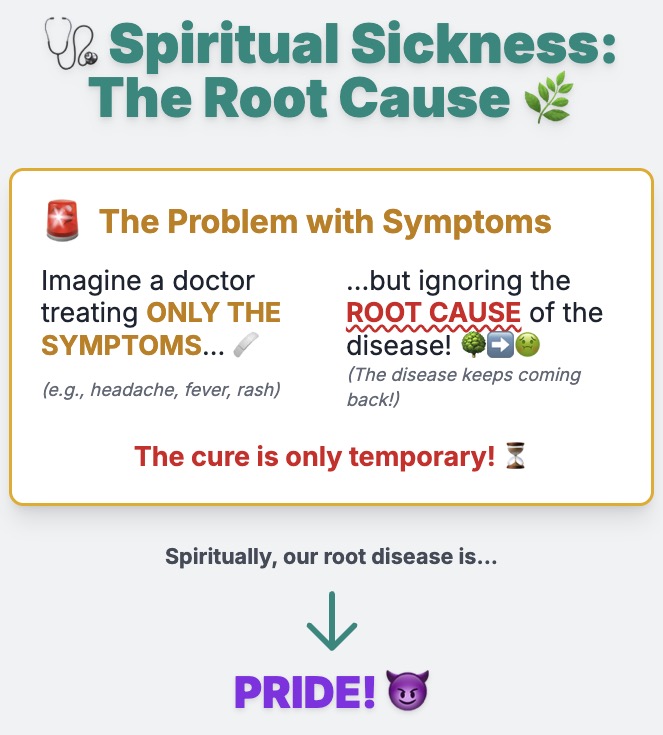
To rip that root out, the Son of God humbled Himself.
Why persist in pride, therefore, O mortal? Consider the humility demonstrated by the Son of God, who humbled Himself on your behalf. Though you might hesitate to emulate a fellow humble human, let your pride dissolve in the face of a humble God who invites your imitation. Jesus’s declaration, “I came not to do my own will,” stands as a testament to His humility (John 6:38). Pride is characterized by an unwavering insistence on one’s own will, whereas humility is marked by the submission to God’s divine will.
HILARY: Obedience does not imply that Jesus acts against His own desires. Instead, it highlights the perfect alignment between the will of the Father and the Son. Jesus’s fulfillment of the Father’s will is not a reluctant act, but a voluntary expression of His own desire, stemming from the unity of their divine wills. This profound harmony between the Father and Son offers a compelling example of the transformative power of humility in our spiritual lives.
Kept Safe: The Will of the Father
AUGUSTINE. (Tr. xxv in Joan. 16) For this very reason therefore, I will not cast out Him that cometh to Me; because I came not to do Mine own will. I came to teach humility, by being humble Myself. He that cometh to Me, is made a member of Me, and necessarily humble, because He will not do His own will, but the will of God; and therefore is not cast out. He was cast out, as proud; he returns to Me humble, he is not sent away, except for pride again; he who keeps his humility, falleth not from the truth. And further, that He does not cast out such, because He came not to do His will, He shews when He says, And this is the Father’s will which hath sent Me, that of all which He hath given Me, I should lose nothing. (Mat. 18:14) Every one of an humble mind is given to Him: It is not the will of your Father, that one of these little ones should perish. The swelling ones may perish; of the little ones none can; for except ye be as a little child, ye shall not enter into the kingdom of heaven. (Mat. 18:3, 5)
All Souls Day

AUGUSTINE: In other words, the assurance that “I will not cast him out” is inextricably linked to the humble purpose for which Jesus came: “I came not to do my own will” (John 6:38). His mission embodies humility, serving as a powerful example for all to follow. Those who approach Him become united with Him and, in doing so, embrace humility as a defining trait. By prioritizing God’s will over their own, they secure their place in Him and are not cast out.
The individual who was once cast out due to pride returns to Jesus in humility, marking a transformative shift in their spiritual journey. As long as they maintain this humility, they will not be sent away or stumble from the truth. Humility acts as an anchor, safeguarding their newfound connection to Christ and fostering continued growth in their spiritual lives.
In essence, Jesus invites us to exchange pride for humility, modeling this transformative shift through His own life and mission. By embracing this call to humility and aligning our will with God’s, we are promised a secure place in Him and the transformative power that accompanies such a spiritual rebirth.
Our Spiritual Journey to Heavenly Summit
AUGUSTINE. (de Cor. et Gratia, c. ix) They therefore who by God’s unerring providence are foreknown, and predestined, called, justified, glorified, even before their new birth, or before they are born at all, are already the sons of God, and cannot possibly perish; these are they who truly come to Christ. By Him there is given also perseverance in good unto the end; which is given only to those who will not perish. Those who do not persevere will perish.
CHRYSOSTOM. (Hom. xliv. 3) I should lose nothing; He lets them know, he does not desire his own honour, but their salvation. After these declarations, I will in no wise cast out, and I should lose nothing, He adds, But should raise it up at the last day. In the general resurrection the wicked will be cast out, according to Matthew, Take him, and cast him into outer darkness. (Mat. 22:13) And, Who is able to cast both soul and body into hell. (Mat. 10:28) He often brings in mention of the resurrection for this purpose: viz. to warn men not to judge of God’s providence from present events, but to carry on their ideas to another world.
AUGUSTINE. (Tr. xxv. 19) See how the twofold resurrection is expressed here. He who cometh to Me, shall forthwith rise again; by becoming humble, and a member of Me. But then He proceeds; But I will raise him up at the last day. To explain the words, All that the Father hath given Me, and, I should lose nothing, He adds; And this is the will of Him that hath sent Me, that every one which seeth the Son, and believeth on Him, may have everlasting life: and I will raise him up at the last day. Above He said, Whoso heareth My word, and believeth on Him that sent Me: (c. 5:24) now it is, Every one which seeth the Son, and believeth on Him. He does not say, believe on the Father, because it is the same thing to believe on the Father, and on the Son; for as the Father hath life in Himself, even so hath He given to the Son to have life in Himself; and again, That whoso seeth the Son and believeth on Him, should have everlasting life: i. e. by believing, by passing over to life, as at the first resurrection. But this is only the first resurrection, He alludes to the second when He says, And I will raise him up at the last day.
All Souls Day

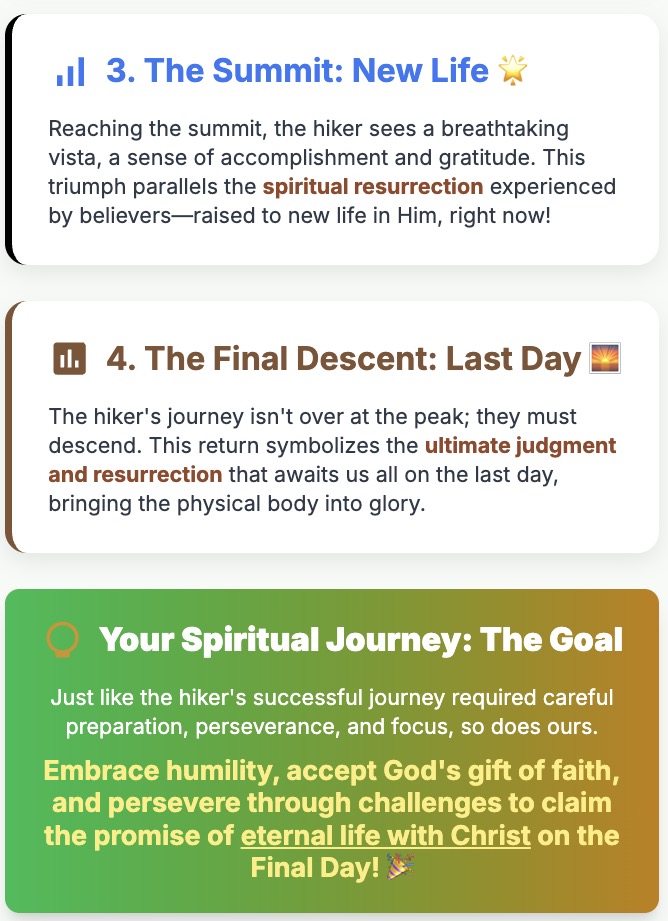
AUGUSTINE: In accordance with God’s perfect wisdom, there are individuals who, even before their birth, were foreknown and predestined, called, justified, and glorified. These chosen ones are already considered children of God and cannot be lost. Those who genuinely come to Christ are among this chosen group and are granted the gift of perseverance—the ability to maintain their faith until the end. This gift of perseverance is exclusively bestowed upon those who will not succumb to spiritual death. Conversely, those who do not persevere and instead fall away from their faith will ultimately face spiritual demise.
CHRYSOSTOM: When Jesus says “I should lose nothing,” He’s showing them He’s not interested in His own honor; He’s interested in their salvation. This is key. After promising “I will never cast out” and “I should lose nothing,” He says, “but raise it up on the last day.” (John 6:39, ESV). At the time of the general resurrection, those who have led wicked lives will face God’s judgment and be removed from His presence, as referenced in Matthew 22:13, “Bind him hand and foot and cast him into the outer darkness” and Matthew 10:28, “fear him who can destroy both soul and body in hell.” Jesus consistently emphasizes the significance of resurrection to caution us against making judgments about God’s plan based solely on our current circumstances. Instead, He urges us to focus on the hope and vision of the world yet to come, where ultimate justice will prevail.
AUGUSTINE: Do you see how Jesus is describing a two-part resurrection here?
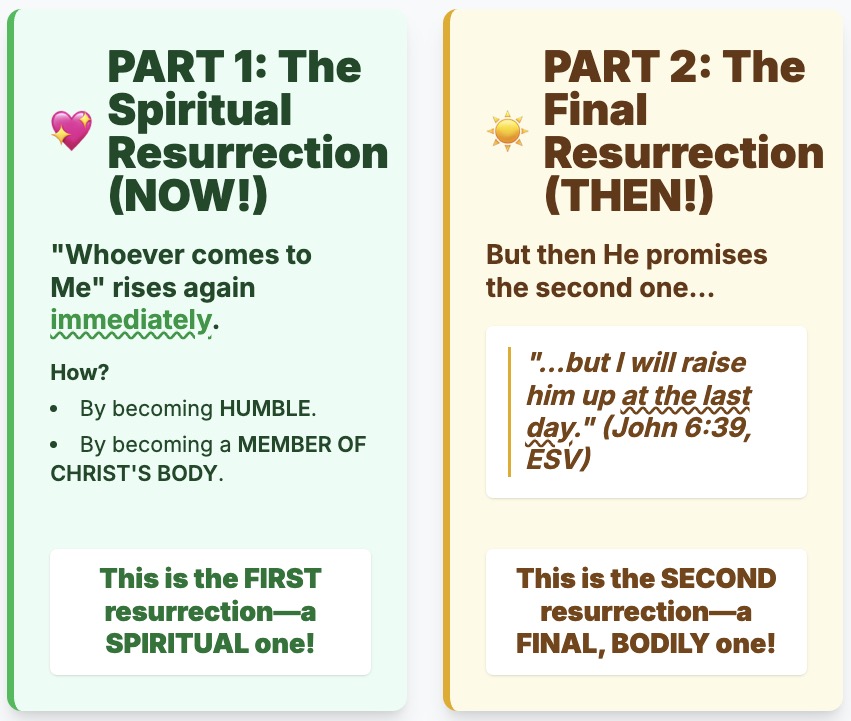
So, “everyone who looks on the Son and believes in him may have eternal life”—this life starts now, by believing, by passing from death to life in that first resurrection. But that’s not the end of the story. He confirms the second resurrection when He promises, “And I will raise him up at the last day.”
- Ordained in 1967
- Started the “Scriptural Homilies” ministry in 2003 while serving as a chaplain
- Applied scientific methodology to homily ministry+ Reached hundreds of priests and Deacons through word-of-mouth, eventually reaching the Vatican Radio website and four other websites
- Distributed weekly homilies to nearly 3000 priests and Deacons via direct email
- His commentary and reflections were posted on the Vatican News website for several years.
Sunday and Daily Homily Resources
- Eight Minute Homily
- Introduction
- Scripture Summaries
- Exegesis
- Life Messages
- Homily Starter Anecdotes
- Jokes of the Week
Fr. Tony’s
Jokes of the
Week
NOT AVAILABLE
THIS WEEK