July 20, 2025
July 20, 2025


Homilies
Homilies
- Bp. Barron
- FR. RUTTIG
- 2-Min Homily
- MSGR. Hahn
- Fr. LANGEH
BISHOP
BARRON

16th Sunday of Year C

FR. KEVIN
RUTTIG
16th Sunday of Year C


TWO MINUTE
HOMILY

16th Sunday of Year C


MSGR. PETER
HAHN
16th Sunday of Year C


FR. JUDE
LANGEH, CMF


Deacon Greg’s blog has garnered some 20 million readers from around the world since its inception in 2007.
16th Sunday of Year C

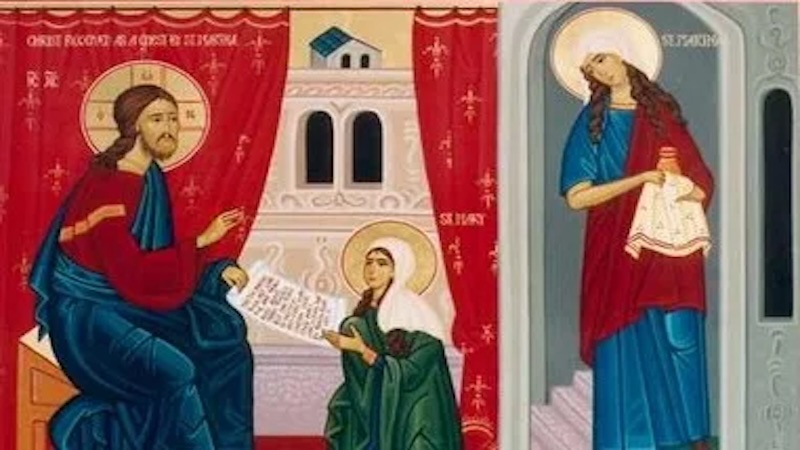
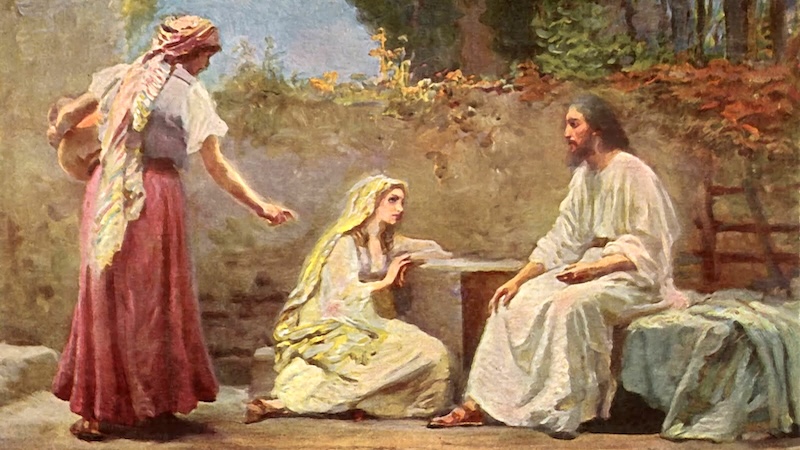
Image: “In the House of Martha and Mary” by Eileen Kennedy.
Listen
This discussion guide has been generated by the WORD THIS WEEK'S Catholic AI Assistant based on Deacon Greg's homily.
1. Reflect on the role of Bob Sheppard at Yankee Stadium. Why do you think the speaker likened him to the "Voice of God"?
- Consider the impact of Bob Sheppard's consistent and reassuring presence during games.
- How does this analogy help us understand the influence of divine presence in our lives?
2. The sermon contrasts Martha and Mary in their encounter with Jesus. What do their actions reveal about different ways of serving and listening to God?
- Discuss how Mary’s choice to listen represents devotion and focus on spiritual nourishment.
- How does Martha’s busyness reflect our current distractions and worries?
3. The speaker highlights the importance of listening. What makes it difficult to hear God’s voice in today’s world?
- Share personal experiences or challenges participants face when trying to listen to God.
- Explore strategies to create space for listening in our noisy and frantic lives.
4. Consider the diversity within the Church as represented by Martha and Mary. How does this diversity strengthen the Church?
- Discuss how differences in personality, background, and approach can lead to a richer faith community.
- How can we better embrace and celebrate diversity within our church communities?
5. The sermon ends with a call to action, encouraging the congregation to pray for openness and better listening. How can we cultivate a heart that wants to serve with both our hands and hearts?
- Reflect on specific actions or changes participants can make in their lives to become more open to God's voice.
- Encourage a discussion on communal practices that can help individuals and groups listen more attentively to God’s will.
Homily Excerpt
2013 HOMILY— Preached to a gathering of deacons in Ohio and focused on the notion of the deacon as servant—how we are too often Martha, not Mary.
How many of us here would give anything to experience that moment, to be transported to Bethany for just a few minutes, to hear what she heard – and to have the opportunity, that blessed opportunity, to place ourselves in the presence of God…and just listen.
One of the tragedies of modern life is that listening for God’s voice has become increasingly difficult. God has too much competition: earbuds, iPads, iPhones, Androids, and on and on. And those are just the electronic ones. There’s the boss, the neighbor, the crazy person screaming at you on the subway. And like Martha, we are worried and anxious about many things. The mortgage, the weird noise in the car, the melting of the polar ice caps, skyrocketing debt, school bake sales, Syria, George Zimmerman, the HHS, the IRS, the CIA.
And then — in the middle of all that — your daughter comes home with a ring in her nose.
Yes. We are worried and anxious about many things!
But we cannot forget…to listen. Listen. Listen for the voice that spoke to Mary. The voice that called out to Moses. The voice that spoke to countless believers and seekers across the centuries, down through history. The voice that said, “Be still. Know that I am God.” The voice that said, “Be not afraid.”
16th Sunday of Year C
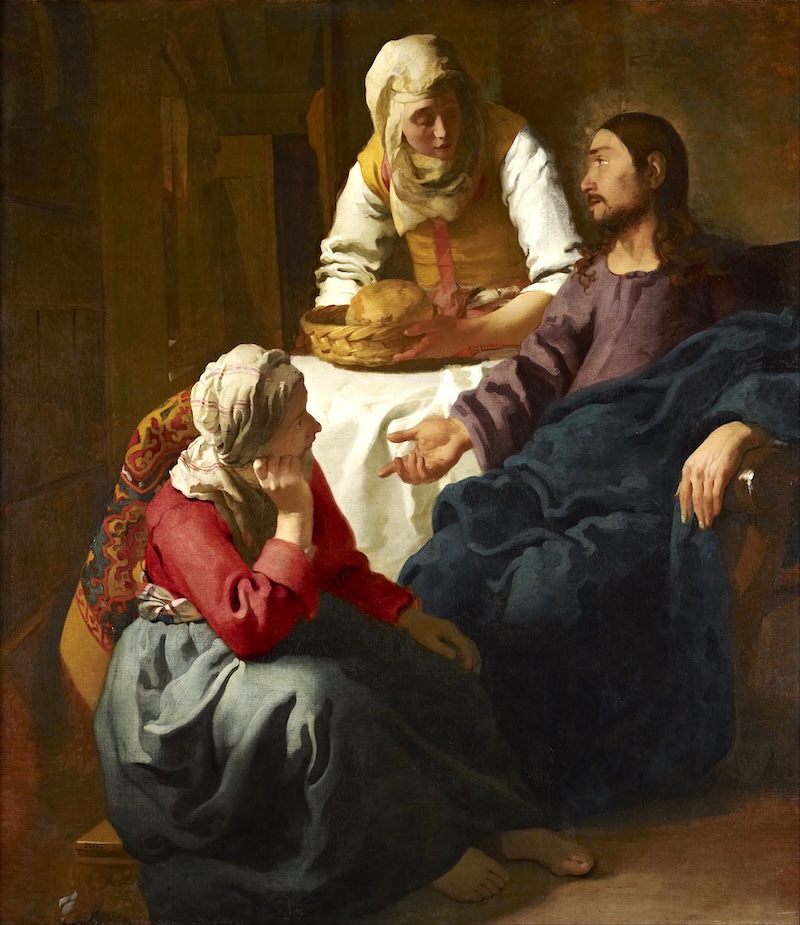
Martha and Mary
This discussion guide has been generated by the WORD THIS WEEK'S Catholic AI Assistant based on Deacon Peter's homily.
1. The Context of Jesus’ Visit
- How does understanding Jesus' frequent visits to Bethany enrich our perception of His relationship with Martha and Mary?
- Why might this particular visit be significant given that it is his last?
2. Differing Reactions to Martha and Mary
- Discuss Rudyard Kipling’s view of the story favoring Martha. Do you agree with his concerns about spiritual people avoiding work?
- Explore John Newton’s perspective. How does his hymn “Martha and Mary” suggest we often forget what is truly important?
3. Symbolism of Martha and Mary
- In what ways do Martha and Mary symbolize different approaches to discipleship?
- Compare Martha to St. Peter and St. Teresa of Avila and Mary to St. John the Apostle and St. John of the Cross. How do these comparisons highlight their roles?
4. Life Stages
- Reflect on Ron Rolheiser’s view that Martha and Mary represent different life stages. How do you see this concept in the context of your own life or those around you?
5. Integration of Action and Contemplation
- Discuss the early Church father Origen’s view that both action and contemplation are essential. How can we integrate both in our lives?
6. Lessons from Martha and Mary's Actions
- Discuss Martha’s qualities of offering hospitality and service. How does her interaction with Jesus reflect honesty and strong faith?
- Consider Mary’s choice to sit with Jesus. What can we learn from her prioritization of spiritual nourishment?
7. The Connection with Neighborly Love and Prayer
- How does the proximity of the parable of the Good Samaritan and Jesus teaching about prayer to this story instruct us on the balance of action and contemplation?
Personal Reflection:
- Identify qualities of both Martha and Mary within yourself. How can you cultivate both active service and spiritual contemplation in your daily life?
- Share a time when you felt like Martha, overwhelmed by duties, or like Mary, focused on spiritual nourishment. What did you learn from that experience?
Conclusion:
The story of Martha and Mary is not about choosing between action and contemplation, but rather understanding the importance of both. As we aim to embody both aspects, we will be better equipped to serve others and nurture our relationship with God.
Homily Excerpt
Through the centuries, people have reacted to this story in many different ways.
The British author Rudyard Kipling, for instance, considered it unfair to Martha. He thought it allowed ‘spiritual’ people like Mary to be lazy and to avoid doing their fair share of work.
In his poem, The Sons of Martha, Kipling wrote: ‘They have cast their burden upon the Lord, and – the Lord he lays it on Martha’s Sons.’
Others, however, have sided with Mary, recognising that it is important to periodically sit quietly with Jesus, recharging our spiritual batteries. John Newton, the former slave trader who wrote Amazing Grace, wrote this in his hymn Martha and Mary:
How oft are we like Martha vexed,
Encumbered, hurried, and perplexed!
While trifles so engross our thought,
The one thing needful is forgot.

The Better Part
This discussion guide has been generated by the WORD THIS WEEK'S Catholic AI Assistant based on Deacon Peter's homily.
Setting the Scene:
1. Martha and Mary’s Roles:
- Martha is busy with hospitality tasks.
- Mary listens intently at Jesus' feet.
- Jesus' response: Encourages Martha to focus on what truly matters.
2. Discuss:
- How do you interpret Martha's actions and emotions?
- What can we learn from Mary's choice to be present with Jesus?
Key Themes for Reflection:
1. Presence vs. Activity:
- Explore how Martha's busyness prevented her from being truly present with Jesus.
- Consider Jesus' suggestion that Mary has chosen the "better part."
Discussion Questions:
- How can being overly busy with tasks cause you to miss important moments?
- In what ways do you relate with either Martha or Mary in your spiritual and daily life?
2. Living in the Moment:
- Insights from Richard Rohr emphasize the importance of being present.
- Being present means being aware of oneself, others, and God.
Discussion Questions:
- What do you think it means to be truly present?
- How does presence with oneself, others, and God influence your life

BRUTAL SCENE as a young child watches Alisdair cut off Ada's finger in the movie, The Piano (1993)
3. Modern-Day Application:
- Comparison with Ada from "The Piano" highlights the struggles contemplatives face in a busy world.
- Ada's silent connection to her piano parallels Mary’s contemplative nature.
Discussion Questions:
- How does the character of Ada resonate with the story of Mary?
- What societal pressures make it difficult to live a contemplative life today?
Final Reflections:
1. Resilience of the Contemplative Life:
- The power and strength of a contemplative lifestyle that Mary and Ada embody.
Discussion Questions:
- How can embracing stillness and quietude be revolutionary in today's world?
- How might you incorporate the "better part," or contemplative moments, into your routine?
2. Honoring the Marthas:
- Recognize the value and necessity of Martha's work.
Discussion Questions:
- How can balancing the roles of both Martha and Mary contribute to a fulfilling life?
- Discuss the importance of both action and reflection in your spiritual journey.
Conclusion:
- Encourage the group to reflect on how they might “sit quietly with Jesus” and prioritize moments of presence, contemplation, and prayer in their lives. Invite participants to share personal takeaways from the discussion and any actionable steps they plan to take.
Homily Excerpt

Our noisy and anxious world has little patience for contemplatives like Mary. We can see this in Jane Campion’s hauntingly lyrical movie The Piano.
Set in the 1800s, it tells the story of Ada, a mute Scottish woman who is sent into an arranged marriage in New Zealand. Ada is a withdrawn, reflective figure with a deep and silent connection to mystery and beauty, rather like Mary. Her inner life centres on one thing: her piano. It’s her sanctuary, her prayer, and how she expresses what she cannot say.
The colonial society she has joined, however, including her husband and the other settlers, are all busy like Martha, doing, expecting and controlling. For them, life is all about work, practicality and obedience. They don’t understand Ada at all.
There’s one confronting scene where her husband is infuriated by her refusal to conform, and he destroys part of the piano and even chops off one of her fingers. It’s a brutal moment, but it symbolises what can happen when the world tries to silence the inner voice and quiet spirit of the Mary within us.
────── ⋆⋅☆⋅⋆ ──────
Fr. Austin Fleming
16th Sunday of Year C

Radical Hospitality
Homily Excerpt
2016 HOMILY — Who among us doesn’t have a brother or a sister a husband or a wife a son or a daughter mother or father a colleague at work a fellow volunteer or commit on a committee or a sports team about whom we haven’t said or at least thought how come. I always get stuck doing all the work while so and so is taking it easy. I can tell by your smiles. You can think of someone right away in your own experience sure enough in many cases so and so is taking it easy while you and maybe a few others are doing all the work [Applause] but today’s gospel is not about fair and unfair division of labor. It’s not about who’s going to be named employee of the month. It’s not about justice in the workplace. It’s not about the tension between contemplation and activity.
Today’s gospel isn’t even so much about martha and mary as it is about jesus and how we come to know him to love him and to serve him. Let’s turn the familiar story we just heard let’s turn it around and see what we might learn imagine for a moment that in the story in the gospel today it’s martha keeping busy about for cooking and cleaning and mary who turns to jesus and says lord. I really want to apologize for all the noise maka’s making in the kitchen. I’m so embarrassed that she thinks she’s so busy that she can’t come out here and visit with you for a while. I think maybe you ought to say something to her at which point. I think jesus would have turned to mary and said lady what is your problem. Martha’s working hard out there to prepare a nice meal for us. She’s doing what you and I are talking about she’s serving other people out of love for god besides which I’m hungry and I can’t wait to eat as is so often the case. There are two sides to the story just one coin [Applause] We often approach this gospel asking am I more like martha or more like mary as if we are to choose between the two of them.
────── ⋆⋅☆⋅⋆ ──────

16th Sunday of Year C

Homily Excerpt

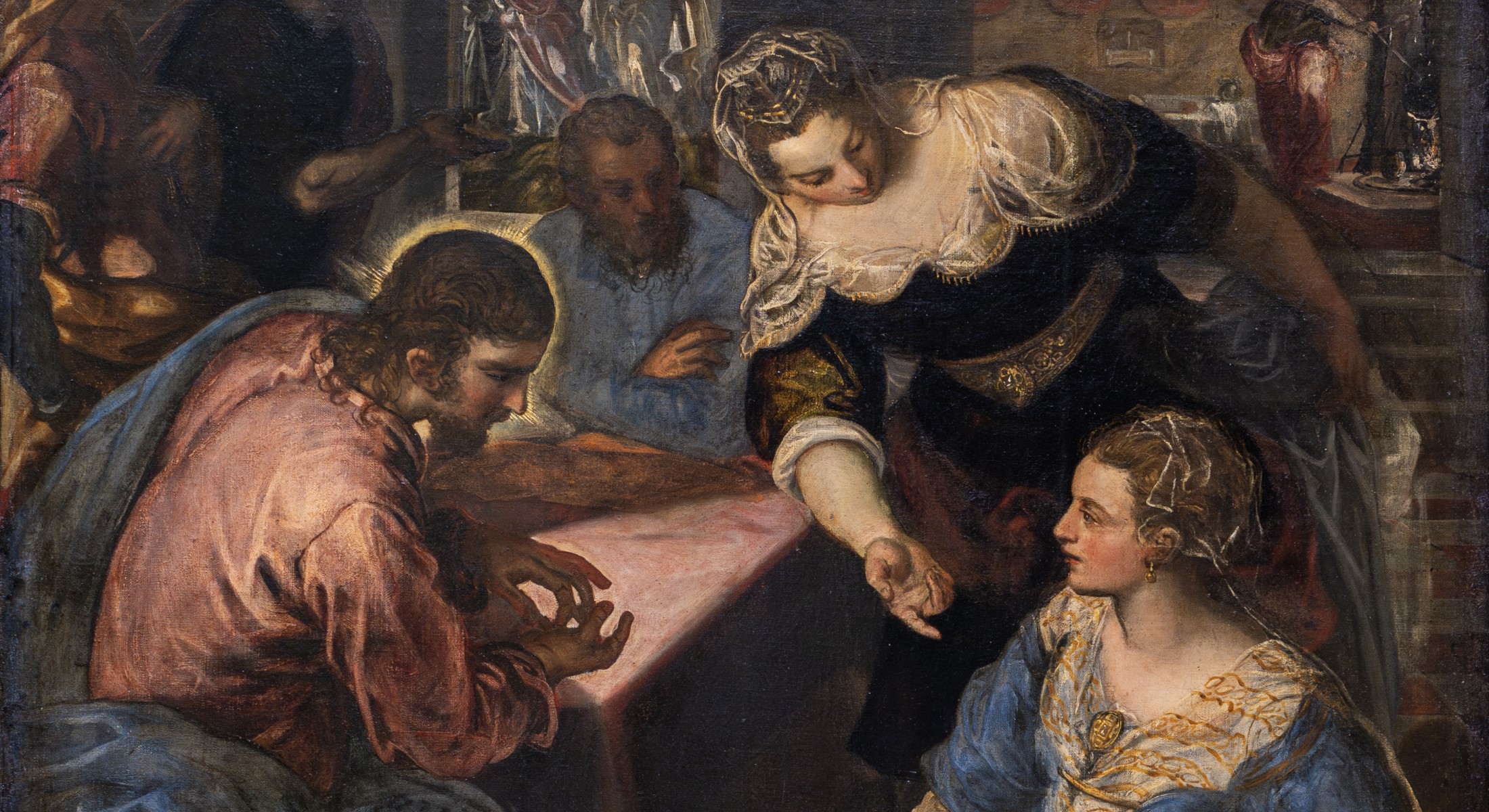
Sixteenth Sunday of the Year. Fr Oliver Keenan ponders what makes Mary’s welcome to Jesus the better part.
I feel a deep sympathy with Martha. She’s been the victim of too many sermons that contrast her supposed anxiety with Mary’s faith-filled contemplative repose. There are many problems with this, not least that faith and anxiety often co-exist. But the biggest problem is textual. Although the common translation of Martha as ‘distracted’ might give the impression that her anxiety is neurotic, there’s very limited support for this reading in the text itself. St Luke presents Martha’s being overwhelmed as an objective matter of fact rather than a subjective matter of perception or opinion. There is simply too much for Martha to do; anyone could have acknowledged that. And anyone who’s worked as part of a team—in a hospital, factory, or school—will know very well the outrage of laziness and the sheer injustice of doing another’s work alongside one’s own. On a basic human level, Martha surely had a right to appeal to the Lord for Mary’s help?
Homily Excerpt
Sixteenth Sunday of the Year. Fr John O’Connor invites us to consider how we make space for God in our lives.
Martha is so taken up with her anxieties about the meal and about Mary’s behaviour that she fails to be present to Jesus; she unwittingly fails to be a good host and is impolite by putting Jesus on the spot to side with her against her sister.
On this interpretation, the Gospel passage is concerned with the general spirit and dynamics present in both busy activity and the quieter aspects of life. The care worker busy helping the needy, or the employee doing their work with love and care, or the contemplative monk or nun in the silence of the monastery, can all be deeply present to God in their different ways.
No life can be wholly taken over by contemplation: it would not be feasible – even the strictest monastics need to carry out some tasks. But lives can be almost wholly taken over by busyness, with hardly a moment for quiet and contemplation. The price is that we end up living on the surface and dominated by varieties of anxiety whether acknowledged or not. We need a combination of both contemplation and activity, the relative proportions depending on the type of person and the type of life being led.
────── ⋆⋅☆⋅⋆ ──────
Fr. Jude Siciliano, O.P.

16th Sunday of Year C
Homily Excerpt
Do Not Neglect Hospitality
The Letter to the Hebrews alludes to Abraham’s story when it says, “Do not neglect hospitality, for through it some have unknowingly entertained angels” (13:2).
In today’s Genesis reading, Abraham welcomes three strangers under the heat of the day. He leaves his tent, approaches them, and offers generous hospitality. They didn’t ask for help – Abraham took the initiative. There’s a lesson here: stay alert, keep your eyes open, and offer help before it’s requested—even when it means leaving our comfort zones. Abraham and Sarah’s hospitality is lavish and joyful. They don’t know yet that their visitors are messengers from God bearing the promise of life. Their kindness expects no reward.
In the Gospel, Jesus is not a stranger to Martha and Mary, but he is a traveler in need. The well-known story of their welcome shows two responses: Martha springs into action to provide hospitality, while Mary sits at Jesus’ feet to listen. Martha’s frustration with Mary is understandable. Wouldn’t many of us react the same way?
────── ⋆⋅☆⋅⋆ ──────
Fr. Charles E. Irvin
16th Sunday of Year C

Hospitality, presence, and being personally attentive. All of these are qualities of character that should be a part of our living in relationships with others.
In today’s readings the theme that comes to my mind is that of hospitality, hospitality in the sense of personal presence, an openness of heart that allows guests into the inner home of our hearts and souls. In my years of pastoring souls I have come to recognize that the way we treat others is the way we treat God and the way we treat God is the way we treat others. The Gospel account of Martha and Mary along with the Old Testament account of Abraham meeting God in his three guests give us an occasion to examine the notion of personal presence to others, and our personal presence to God in Jesus Christ.
This discussion guide has been generated by the WORD THIS WEEK’S Catholic AI Assistant based on Fr. Irvin’s homily.
1. Introduction to Themes
– Reflect on the qualities of hospitality, presence, and personal attentiveness.
– Consider their importance in relationships with others and with God.
2. Hospitality as Presence
– Discuss the concept of hospitality as an openness of heart.
– How does personal presence allow us to invite others into our lives?
3. Biblical Perspectives
– Reflect on the Gospel account of Martha and Mary. What does each sister’s approach teach us about presence?
– Examine the Old Testament story of Abraham and his response to the three visitors.
– How does Abraham’s faith shape his perception of God’s presence?
– What can we learn from his hospitality and perseverance?
4. The Nature of Presence
– Define presence as a quality of the soul, emphasizing mental and spiritual attentiveness.
– Explore the concept of creating space within oneself for others.
– Discuss the difference between conditional and unconditional presence.
5. Personal and Practical Applications
– How do social settings, like conversations between family members, illustrate the challenges of being truly present?
– Identify examples of how people often talk at rather than listen to each other.
– Discuss how attentive presence can facilitate healing from isolation and loneliness.
6. Hospitality as a Virtue
– Reflect on hospitality as a lifelong virtue and its significance beyond categorizing others.
– Evaluate how genuine hospitality transcends seeing it as a mere obligation.
– Relate hospitality to living a life integrated with religious beliefs.
7. The Role of Discipleship
– How does discipleship influence the way we practice presence and hospitality?
– Consider Abraham’s mindset of perceiving God’s hand in life’s events.
8. Questions for Reflection
– How welcoming are you to God’s presence in your life?
– In what ways can you become more conscious of God’s presence, power, and love?
– Reflect on the relationship between how we treat others and how we perceive our connection with God.
9. The Challenge of Being Attentive to God
– Consider the importance of being personally attentive to God every day.
– Reflect on personal time management and priorities regarding God’s presence.
10. Final Thoughts
– Discuss how love, both towards others and towards God, is at the core of hospitality and presence.
– Challenge each group member to ponder their personal approach to God and others in the context of hospitality and attentiveness.
────── ⋆⋅☆⋅⋆ ──────
Fr. George Smiga
16th Sunday of Year C

2004 HOMILY – Today’s gospel is perhaps the most dangerous passage in all of the scriptures. I have been a priest now for over [forty-five years, 2025] and I have had to speak on many touchy issues. But no gospel strikes greater fear into my heart than this one. Why? Well you know the story. Jesus goes to the home of the two sisters, Mary and Martha. Mary sits at his feet to listen to his words while Martha is responsible for all the tasks of hospitality. However, when Martha comes to complain and ask that Mary help her with the work, Jesus sides with Mary, saying that she has chosen the better part and it shall not be taken from her.
Why is this so dangerous? Because I know that there are Marthas here this morning. They are the workers of the world. They are not only women but men as well. They are the first people to say yes when you have a need. They are willing to roll up their sleeves and get things done. They take pride in their work. They do not complain. They ask for little in return. Often they do not even expect a thank you. BUT– if they ever did ask for a helping hand, if they ever humble themselves enough to say, “Would you assist me?” and someone were to dismiss that request as lightly as Jesus did to Martha in today’s gospel and instead point to some sweetie laying on the couch contemplating the mysteries of life and say, “She has chosen the better part,”—well you wouldn’t want to be there. It would get ugly.
This discussion guide has been generated by the WORD THIS WEEK’S Catholic AI Assistant based on Fr. Smiga’s homily.
Introduction
– Begin by reading the story of Mary and Martha from the gospel.
– Discuss initial reactions to the narrative, particularly the tension between Mary’s contemplation and Martha’s service.
Understanding Martha’s Perspective
– Discuss the characteristics of “Marthas” as described in the sermon: workers, helpers, those who take pride in their responsibilities.
– How do Marthas contribute to their communities, and why is their role vital?
– Reflect on why Marthas might feel dismissed by Jesus’ reaction in the gospel.
Exploring Mary’s Choice
– Consider why Jesus says Mary has chosen the better part. What does sitting at Jesus’ feet symbolize?
– Discuss the value of contemplation, reflection, and the pursuit of understanding life’s mysteries.
Balancing Work and Contemplation
– How can individuals find a balance between being a Martha and a Mary?
– Reflect on the importance of taking time for oneself, as suggested by the sermon.
– Discuss practical ways to incorporate both work and rest into daily life.
Personal Reflection
– Invite group members to share whether they identify more with Martha or Mary and why.
– Encourage sharing of personal experiences where they faced tension between responsibilities and self-care.
The Message of Love and Self-Worth
– Reflect on the sermon’s message about being valuable for who you are, not just what you do.
– How can group members embrace this message in their own lives?
Actionable Steps
– Encourage each member to set a small goal to either rest more or engage more thoughtfully, aiming for a balance between work and contemplation.
– Plan a follow-up session to discuss progress and reflections on their chosen goals.
Closing Thoughts
– Conclude with a discussion on how the story of Mary and Martha continues to be relevant today.
– Consider ending with a prayer or meditation focusing on balance and self-worth.
────── ⋆⋅☆⋅⋆ ──────
16th Sunday of Year C

Welcoming the Other
EXCERPT: The First Reading and Gospel of this weekend speak to us about welcome and hospitality. In the exercise of welcoming the other, we welcome God himself. The New Testament urges us in various passages not to fail to exercise hospitality. The Letter to the Hebrews says, “Do not forget to entertain strangers, for by so doing some people have entertained angels without knowing it” (Heb. 13:2).
Today’s homily can point out that “hospitality” is more than just a natural virtue or integral part of good manners. There is a “hospitality” that goes to the very depths of our relationship with God and our neighbor. The example of Abraham, Sarah, Martha, and Mary today point us to several key truths.
────── ⋆⋅☆⋅⋆ ──────
16th Sunday of Year C

It is Christ We Seek
Homily Excerpt

In today’s second reading, from Paul’s letter to the Colossians, Paul writes that his suffering is filling up what is lacking in the afflictions of Christ on behalf of his body, which is the church. The question that came to my mind when I first read this passage many years ago was “How can there be anything lacking in the suffering of Christ?” The answer is that the Body of Christ consists in Jesus as the head and the Church as the rest of the Body. What Paul is saying is that his own suffering is doing his part in the suffering of the Body of Christ. We in our Chistian, Catholic understanding of suffering recognize that we can and need to unite our own suffering to the Lord’s. When we are in pain we are told, “Offer it up.” By that we mean that we unite our sufferings to the Lord making up what is lacking in the suffering of the Body of Christ.
────── ⋆⋅☆⋅⋆ ──────
16th Sunday of Year C
The Priority of Personal Prayer
Today’s Gospel at Mass is the very familiar one of Martha and Mary. Martha is the anxious worker seeking to please the Lord with a good meal and hospitality. Mary sits quietly at his feet and listens. One has come to be the image of work, the other of prayer.
Misinterpreted? In my fifty-two years I have heard many a sermon that interpreted this Gospel passage as a call for a proper balance between work and prayer. Some have gone on to state that we all need a little of Martha and Mary in us and that the Church needs both Marthas and Marys.
But in the end it seems that such a conclusion misses the central point of this passage. Jesus does not conclude by saying, “Martha, Now do your thing and let Mary do hers.” He describes Mary as not only choosing the better part but also as doing the “one thing necessary.” This does not amount to a call for “proper balance” but instead underscores the radical priority and primacy of prayer. This, it would seem is the proper interpretive key for what is being taught here. Many other passages of the Scripture do set forth the need to be rich in works of charity but this is not one of them.
With that in mind let’s take a look at the details of the Lord’s teaching today on the Priority of Personal Prayer.
I. PROMISING PRELUDE
II. PORTRAIT OF PRAYER
IIII. PERTURBED and PRESUMPTUOUS
IV. PRESCRIBED PRIORITY
────── ⋆⋅☆⋅⋆ ──────
Fr. Michael Chua
16th Sunday of Year C
Homily Excerpt

“From Hostility to Hospitality”. A few years ago, our parish adopted this tagline as one of two focal projects for our parish transformation and renewal. When I first mooted it, I could sense the reticence and tension within the room. Should I even be surprised by this response if “hostility” were not an accurate assessment of our parish condition? How have we fared since then? Well, I jokingly tell Fr Dominic and some of the leaders, instead of growth in hospitality, after repeated goading and “instigation” from the Parish Priest, we seem to have made progress, “From Hostility to Greater Hostility.” I acknowledge that I must also take some blame for this, for either causing more hostility through my policies or words, or failing, through omission, to handle the hostility in a more expedient or prudent manner.

Homily Excerpt
One of the most famous of all Russian icons by the great 15th century Russian iconographer, Andre Rublev, is a beautiful and compelling visual expression of the passage we’ve just heard in the first reading that describes Abraham’s hospitality to three travellers. Although the icon is most commonly titled by our Orthodox brethren as “the Hospitality of Abraham,” it is better known in the West as the icon of the Most Holy Trinity. How can we reconcile these two seemingly irreconcilable epithets? The first title seems to focus on the action of Abraham as the main actor, whereas the second focuses on the Three persons of the Most Holy Trinity. The most obvious connexion between these two realities is that the number of travellers whom Abraham welcomes, corresponds to the number of persons which make up the Divine Trinity. But is that all?

Homily Excerpt
In wanting to show hospitality to the Lord, Martha expresses hostility towards her own sister whom she believes is unsympathetic to her hard work in the kitchen. For Martha, the “better part” of hospitality is to make her guest feel welcomed, accepted, and loved. Many of us would agree with her.
But our Lord by pointing to the action of Mary shows us that the “better part” is to sit at His feet and listen to His life-giving Word. The best hospitality we can give to the Lord is to listen to Him, which is another way of saying, to accept His hospitality.
Throughout scriptures, it is God who offers hospitality to us. The two bookends of the Bible speak of God’s hospitality – Eden and the Heavenly Jerusalem, both representative of God’s desire to dwell with us and among us. Everything that comes in-between shows God’s unwavering attempt to draw estranged fallen humanity home – whether it be through the establishment of a family of nations under the patriarchs, the call of the prophets to return to the covenants and finally the sending of His only begotten Son to save mankind.
16th Sunday of Year C
Prayer is the Oxygen of Life
Without oxygen we die. Without prayer, the oxygen of our spiritual life, we die spiritually. We are spiritually dead if we do not pray. There is so much happening in people’s lives, with sports fixtures competing with Mass sometimes, and people are so busy that we need a Gospel like today’s from time to time to remind us to give time to God every day and put God first. No wonder that on a number of occasions during the Gospels we hear Jesus giving similar advice to today’s Gospel. In Matthew 6:33 we hear Jesus say, “seek first the Kingdom of God and his righteousness, and all these things will be given you besides.” John 15 is Jesus speaking to the apostles during the Last Supper, but his words are also timeless and for all ages. Some of what he said is this: “Remain in me, as I remain in you. Just as a branch cannot bear fruit on its own unless it remains on the vine, so neither can you unless you remain in me.” (John 15:4) So, if we do not remain attached to Jesus the vine, we are dead branches, we are spiritually dead. Prayer is the oxygen of life. Without prayer, the oxygen of our spiritual life, we die spiritually.
Sixteenth Sunday
Prayer is the oxygen of life 2022
Prayer: Sitting at the Feet of Jesus like Mary 2019
Mary at the feet of Jesus: Consecrated Contemplative Life 2010
Martha, Mary and Prayer
Homilies on Listening to the Word of God
Second Reading: Sharing in the sufferings of Christ 2008
stories about prayer
────── ⋆⋅☆⋅⋆ ──────
16th Sunday of Year C
Homily Excerpt
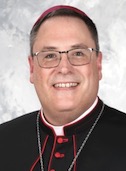
St. Augustine seems to suggest that, for the Church to be healthy, the Church needs both the Marys and the Marthas. The Church needs both the contemplative side of the Church and the active side of the Church. Further, the Marys and the Marthas both need each other. Mary can’t pray in the Church unless a Martha opened the Church. Mary can’t grow closer to the Lord through the Liturgy unless there are a fleet of Marthas preparing every detail with care.
Now, in my mind, it would do well for the Marys of our Church to lend a hand to the Marthas from time to time, while staying rooted in their relationship with the Lord. On the other hand, it is important for the Marthas of a parish to remember they are first called to be Marys, because it is difficult, if not futile, to be active ministers in a church if that active ministry isn’t originating from the heart of a disciple, a disciple who spends significant time attentively at the feet of the Lord. If you read about the lives of saintly Catholics who were very active in their ministries, like Saint Teresa of Calcutta or Dorothy Day, you may be surprised at how much time they spent in a chapel each day, praying at the feet of the Lord, before engaging in their ministries of service.
Please note that the provided video clips serve as additional resources to complement the homily. They may not have a direct correlation with the contributor’s original content. They aim to inspire preachers to enrich their own homilies, drawing ideas and insights from both the written material and the visual content explored.