July 27, 2025
July 27, 2025


Homilies
Homilies
- Bp. Barron
- 2-Min Homily
- FR. RUTTIG
- MSGR. Hahn
- Fr. LANGEH
BISHOP
BARRON

17th Sunday of Year C

This discussion guide has been generated by GOOGLE'S AI Gemini 2.5 Flash LLM based on Bishop Barron's homily.
Theme: This guide explores Bishop Barron's insights into the profound meaning of each phrase of the Lord's Prayer (Our Father), emphasizing its origin in Jesus' own prayer life and its role in drawing us into an intimate relationship with God and aligning us with His will.
Opening Prayer: Leader: Loving God, your Son Jesus taught us to pray and invited us into the deepest relationship with you. As we reflect on the prayer He gave us, open our hearts and minds to its profound meaning. Fill us with your Holy Spirit, that our prayer may be sincere and transformative. We ask this through Christ our Lord. Amen.
I. The Origin and Intimacy of the Prayer
Bishop Barron begins by explaining that the Lord's Prayer comes directly from Jesus' own prayer life, prompting his disciples to ask him to teach them to pray.
- Bishop Barron states that the prayer originates from Jesus' own intense prayer life, prompting the disciples' request. [00:41] What do you think characterized Jesus' prayer that made his disciples want to learn from him?
- Addressing God as "Father" signifies an invitation to share in an intimate relationship. [01:18, 01:52] How does calling the Creator of the universe "Father" impact your personal sense of relationship with God?
- How can we cultivate this sense of intimacy and privilege when we pray the "Our Father"?
II. Hallowing God's Name and Seeking His Kingdom
The homily explores the first two petitions of the Lord's Prayer, emphasizing God's supreme value and the desire for His reign.
- "Hallowed be your name": Bishop Barron clarifies this isn't about making God holy, but about always holding God's name as supremely valuable. [02:20] What does it mean for God to be the "central value" in your life, and how does this affect everything else? [03:50]
- "May your kingdom come": This refers to God's reign, with Jesus himself as the embodiment of this kingdom. [04:25, 04:44] What does it mean to pray for God's kingdom to come, and how does this prayer invite us to be drawn into the "power of Jesus"?
III. Daily Bread, Forgiveness, and Our Forgiveness
Bishop Barron delves into the petitions for daily sustenance and the crucial link between receiving God's forgiveness and extending it to others.
- "Give us each day our daily bread": Bishop Barron suggests the Greek term "epi-ousion" refers to "super-substantial bread," specifically the Eucharist. [06:16, 07:28] How does understanding this petition to include the Eucharist deepen its meaning for you?
- "Forgive us our sins": Bishop Barron emphasizes that only God can truly forgive all sins. [08:27, 09:47] How important is it for you to seek God's divine forgiveness regularly?
- "As we forgive those who trespass against us": This is presented as a crucial implication of receiving God's forgiveness. [10:44, 11:17] What challenges do you face in extending forgiveness to others, and how can receiving Christ's forgiveness empower you to do so?
IV. Protection from the Final Test
The homily concludes by explaining the final petition, "Do not subject us to the final test," as a prayer for protection from internal spiritual resistance.
- "Do not subject us to the final test": Bishop Barron explains this as acknowledging a period of trial or internal resistance when Christ enters our lives. [11:57, 13:24] How do you experience this "internal resistance" or spiritual struggle in your own life?
- How does praying for protection from this internal resistance help us in our spiritual journey?
V. Personal Reflection and Application
- Bishop Barron encourages praying the Lord's Prayer slowly, meditating on each phrase, as it encapsulates the entirety of the spiritual life. [14:10] What is one phrase from the "Our Father" that resonates most deeply with you after this discussion?
- What is one specific way you can incorporate a more meditative approach to the Lord's Prayer into your daily prayer life this week?
- How can a deeper understanding of the "Our Father" help you to live out your faith more fully and align your desires with God's will?
Concluding Prayer: Leader: Lord Jesus, you taught us this perfect prayer. Help us to pray it not just with our lips, but with our hearts, understanding its depth and allowing it to transform us. May we always call upon our Father, hallow His name, seek His kingdom, rely on His provision, receive His forgiveness, extend forgiveness to others, and persevere through all trials, always seeking deeper communion with you. Amen.

This discussion guide has been generated by GOOGLE'S AI Gemini 2.5 Flash LLM based on Bishop Barron's homily.
I. The Intimacy of "Father" & Sanctifying God's Name:
- Bishop Barron emphasizes the "intimacy and tenderness" of addressing God as "Father" [00:52]. What does it mean for you to pray "in union" with Jesus, sharing in His unique relationship with the Father [02:11]?
- How does Bishop Barron define "Hallowed be your name" [03:27]? Why is correctly understanding this petition crucial for one's entire spiritual life [04:07]?
II. God's Kingdom and Daily Bread:
- Bishop Barron calls "Your kingdom come, your will be done on earth as in heaven" the "core of the Christian spiritual life" [05:32]. What does it mean to pray for God's ordering of things in heaven to become the ordering of the earth [06:13]?
- How does the Mass embody this petition, seeking a "union of heaven and earth" [07:09]?
- Regarding "Give us each day our daily bread," Bishop Barron discusses the Greek term "epiousion" as "super-substantial bread" [08:23, 09:11]. How does this interpretation connect to the Eucharist and spiritual nourishment [10:14]?
III. Forgiveness and the Final Test:
- Why does Bishop Barron state that a primary reason Jesus came was for the forgiveness of sins [11:05]? How does the petition "Forgive us our sins as we forgive those who trespass against us" order us to this truth [11:20]?
- What is the "final test" that Luke's version of the prayer references [12:31]? How does Bishop Barron describe the spiritual struggle and the purpose of this prayer in relation to it [12:44, 13:46]?
IV. Personal Reflection & Application:
- What is one practical way you can apply a deeper understanding of one of these petitions to your daily prayer life this week?
- Bishop Barron encourages reading the Lord's Prayer "slowly and with spiritual attention" [14:02]. How might this approach deepen your own experience of this familiar prayer?
- Which of Bishop Barron's insights into the Lord's Prayer resonated most with you, and why?
TWO MINUTE
HOMILY
17th Sunday of Year C

This discussion guide has been generated by GOOGLE'S AI Gemini 2.5 Flash LLM.
Theme: This guide explores Fr. Michael Kelly's homily, which highlights prayer as the foundation of our intimate relationship with God, a relationship built on honesty and leading to personal transformation and the ability to love others, especially the unlovable, through the gift of the Holy Spirit.
Opening Prayer: Leader: Loving God, you desire to connect with us in the deepest way through prayer. Open our hearts and minds today to understand more fully this precious gift. Help us to be honest and persistent in our dialogue with you, and to receive your love so that we may share it with all. We ask this through Christ our Lord. Amen.
I. Prayer: The Foundation of Relationship with God
The homily emphasizes prayer as the cornerstone of Jesus' life and ministry, and the basis for our deepest connection with God.
- Fr. Kelly states that prayer is the "foundation of Jesus's life and ministry, representing an intimate relationship with God." [00:00] What does this tell you about the importance of prayer in your own life?
- The disciples, noticing Jesus' prayer, asked him to teach them how to pray. [00:08] What do you think they observed in Jesus' prayer life that inspired them to ask this?
- The homily says our relationship with God, "like any other, must be built on trust and complete honesty." [00:30] How challenging or easy is it for you to be completely honest with God in prayer? Why?
II. The "Our Father" and the Call to Perseverance
Fr. Kelly discusses the "Our Father" as a perfect prayer, but also stresses the need for perseverance to avoid superficiality.
- Jesus provided the "Our Father" as a perfect example of prayer due to its "simplicity and directness, which discourages evasiveness." [00:37] How can the simplicity of the "Our Father" actually help us to be more direct and honest in our prayer?
- Even with the "Our Father," we can avoid a true encounter with God if we pray "superficially and without perseverance." [00:59] What does "superficial" prayer look like for you, and how can we guard against it?
- Jesus emphasizes persistence in prayer, not because God is reluctant, but because "we are often reluctant to reveal our weaknesses and needs to God." [01:05] Do you agree with this assessment? Why or why not?
III. Prayer's Transformative Power: Loving the Unlovable
The homily highlights how persistent prayer opens our hearts, leading to self-awareness, compassion for others, and the ability to love as God loves.
- "Through repeated prayer, our hearts open, allowing us to see ourselves and others from God's perspective, acknowledging our poverty and becoming sensitive to others' needs." [01:27] Can you recall a time when prayer helped you see yourself or others in a new, more compassionate light?
- The story of Abraham bargaining with God illustrates how conversation with God can lead to "seeking mercy even for enemies, learning to love the unlovable." [01:42] How does regular conversation with God help us to extend mercy to those who are difficult to love?
- "It is only by constantly receiving God's love in prayer that we can truly love others, especially those who are not 'lovable' by human standards." [02:04] What does this statement mean for your daily interactions and relationships?
IV. Commitment to Prayer and Receiving the Holy Spirit
The homily concludes with an encouragement to reaffirm commitment to prayer and to receive the gift of the Holy Spirit.
- Fr. Kelly encourages viewers to "reaffirm their commitment to prayer, making time to encounter God's love." [02:26] What specific steps can you take this week to make more intentional time for prayer?
- The "gift of the Holy Spirit" is promised by Jesus. How do you understand the Holy Spirit to be integral to your prayer life and your ability to love others?
- How can encountering God's love in prayer empower you to live out your faith more fully and love those around you, especially the "unlovable"?
Concluding Prayer: Leader: Loving God, we thank you for the gift of prayer and for the Holy Spirit who dwells within us. Strengthen our commitment to prayer, that our hearts may be open to your transforming love. Help us to see ourselves and others as you do, and empower us to love generously and unconditionally, through Christ our Lord. Amen.

This discussion guide has been generated by GOOGLE'S AI Gemini 2.5 Flash LLM.
Theme:
FR. KEVIN
RUTTIG
17th Sunday of Year C

This discussion guide has been generated by GOOGLE'S AI Gemini 2.5 Flash LLM.
Theme: This guide explores the homily's insights into the profound meaning of "Amen" as an act of embracing, connecting, and commissioning, illustrated by Paul McCartney's "Let It Be," and its role in fostering peace and transforming both ourselves and the world.
Opening Prayer: Leader: Loving God, you invite us to open our hearts to your presence and to trust in your will. As we reflect on the power of "Amen," help us to embrace what is, to find peace in your divine presence, and to be empowered to work for a new and better world. We ask this through Christ our Lord. Amen.
I. The Deep Meaning of "Amen"
The homily begins by explaining that "Amen" is far more than a simple ending to a prayer, stemming from a Hebrew root signifying belief, firmness, and trustworthiness.
- The homily states that "Amen" signifies belief, firmness, trustworthiness, and reliability [01:25]. How does this deeper understanding change your perspective on saying "Amen" at the end of a prayer?
- "Saying 'Amen' is an act of embracing the words, connection, and sentiments of the prayer, and the God to whom one has connected." [01:37] What does it mean for you to "embrace" the words of a prayer and your connection to God?
- The homily suggests "Amen" is "not an end, but a new beginning that commissions and empowers individuals to transform the world." [02:09] How can saying "Amen" at the end of prayer empower you for action in your daily life?
II. "Let It Be": An Authentic "Amen"
The homily uses the story of Paul McCartney's "Let It Be" as a powerful illustration of the meaning of "Amen" in practice.
- Paul McCartney wrote "Let It Be" after a dream where his deceased mother offered him those comforting words during a difficult time. [03:55, 04:04] Can you recall a time when comforting words or a moment of peace helped you through a dark period?
- The speaker suggests that "Let It Be" encapsulates the true meaning of "Amen" – to embrace what is, find peace, and be consoled. [05:04, 05:18] How can embracing difficult situations (or "letting them be") lead to peace and consolation?
- The homily clarifies that "Let It Be" doesn't end in complacency, but envisions a new, better world emerging. [05:28, 05:35] How can embracing what is also be a step towards positive change and transformation?
III. Prayer and the Flow of the Divine
The homily concludes by linking prayer to finding peace, embracing the moment and God, and allowing the divine to flow through us to transform the universe.
- "Prayer is linked to finding peace, embracing the moment and God, and allowing a new world to come into being." [06:09] How does your prayer life contribute to finding peace in challenging moments?
- The homily presents Paul McCartney's dream and his mother's words as an "authentic 'Amen'," teaching us to pray, live, and allow the divine to flow through us to transform the universe. [06:42, 07:23] What does it mean to "allow the divine to flow through us," and what impact could this have on the world?
- How does understanding "Amen" as an active embrace and a call to transformation encourage you to engage with your faith and the world around you?
IV. Personal Reflection and Application
- What is one specific situation or challenge in your life right now where you feel called to truly "let it be" in the spirit of "Amen"?
- How can you integrate a deeper understanding of "Amen" into your daily prayers, moving beyond simply reciting the word?
- What is one way you can allow the "divine to flow through you" this week to bring peace, love, or positive change to your immediate environment or relationships?
Concluding Prayer: Leader: Loving God, we thank you for the gift of prayer and the profound meaning of "Amen." Help us to truly embrace your presence, to find peace in your will, and to allow your divine love to flow through us. Commission us by your Spirit to be instruments of transformation in the world, that your kingdom may come. We ask this through Christ our Lord. Amen.

This discussion guide has been generated by GOOGLE'S AI Gemini 2.5 Flash LLM.
I. Our Approach to Prayer:
- The video opens with a humorous story about Sally and her red bicycle [00:01]. How do we, similar to Sally, sometimes try to "manipulate God to get what we want" [01:18]?
- Can you recall a time when you thought you knew what was best for you, and a prayer was "unanswered" in the way you expected, but later turned out to be a blessing [01:42, 02:06]?
- Oscar Wilde's idea is mentioned: "There are only two tragedies in life: one is not getting what one wants, and the other is getting it" [02:25]. How does this relate to our prayers and God's wisdom?
II. The Purpose and Power of Prayer:
- The Garth Brooks song "Unanswered Prayers" is referenced [03:03]. What does this song, and the example of priests who later felt grateful their prayers to become bishops weren't answered [03:33], teach us about God's plan?
- The core message of the video is that "prayer doesn't change God; it changes us" [03:50, 04:00]. What does this statement mean to you in a practical sense?
- How does prayer "unite us with God" and "open us to His activity in our lives" [04:09]? Why is this particularly important "when things are going well" [04:34]?
III. Understanding God's Answers:
- What is one takeaway from this video that you will try to apply to your personal prayer life?
- The video concludes that God answers all prayers, "though not always in the way or timeframe we desire" [05:09]. What does this understanding mean for how you approach prayer?
- The speaker suggests that sometimes God's answer is "silence" [05:19]. How can silence be an answer from God?
- How can we cultivate greater trust in God's wisdom, believing that "He knows what is best, sees the bigger picture, and cares for us deeply" [05:49], even when our prayers aren't answered as we wish?
MSGR. PETER
HAHN
17th Sunday of Year C

This discussion guide has been generated by GOOGLE'S AI Gemini 2.5 Flash LLM.
Theme: This guide explores Fr. Hahn's homily, which emphasizes prayer as an act of absolute reliance on God, the "Our Father" as a framework for intimate communion, and intercessory prayer as a powerful means of personal transformation and experiencing God's grace.
Opening Prayer: Leader: Loving God, you know our deepest needs and desires. As we reflect on the gift of prayer, help us to humbly acknowledge our reliance on you and to approach you with open hearts. Fill us with your Holy Spirit, that our prayers may be sincere and transformative. We ask this through Christ our Lord. Amen.
I. The Necessity of Asking for Help and Relying on God
Fr. Hahn begins by addressing the human difficulty in asking for help and highlights that recognizing our need for God's grace is the essence of prayer.
- The homily points out that it can be difficult for anyone to ask for help, especially in our spiritual lives. [00:00:00 - 00:00:38] Why do you think it's challenging for us to admit our constant need for God's grace and help?
- Prayer is presented as the expression of our "absolute reliance on God for everything." [00:00:49 - 00:01:04] What does "absolute reliance" mean for your daily life and prayer practices?
- Jesus himself demonstrates this reliance and invites us to share in his intimate union with the Father and Holy Spirit. [00:01:04 - 00:01:19] How does Jesus' example inspire your own prayer?
II. The "Our Father": A Framework for Intimacy
The homily breaks down the "Our Father," emphasizing its role in establishing an intimate relationship with God and guiding our petitions.
- Acknowledging God as Father: The prayer starts by recognizing God as "Abba, Father," emphasizing the "remarkable and intimate familial relationship" established through baptism. [00:01:29 - 00:02:03] How does consciously calling God "Abba" (Daddy) deepen your sense of intimacy in prayer?
- Asking for Daily Bread: This petition covers both physical and spiritual sustenance, particularly the Eucharist. [00:02:22 - 00:02:48] How does understanding "daily bread" to include the Eucharist enrich this petition for you?
- Asking for Forgiveness: This requires honest self-assessment and is qualified by our willingness to forgive others. [00:02:58 - 00:03:45] Why is genuine self-assessment and forgiving others so crucial to experiencing God's forgiveness and joy?
- Asking for Deliverance from Temptation: We pray not to be subjected to the "final test" and to be brought to heavenly glory. [00:03:53 - 00:04:06] How does this petition offer comfort and strength in times of spiritual struggle?
III. The Efficacy and Transformative Power of Intercession
Fr. Hahn discusses the effectiveness of prayer and uses Abraham's intercession to explain how prayer changes us and our experience of God's grace.
- The homily assures us that prayer is "effective," using examples like the persistent friend and the father who gives good gifts. [00:04:15 - 00:04:35] What does this assurance mean for your trust in God's response to your prayers, even if the answer isn't what you expect?
- Abraham's intercession for Sodom and Gomorrah is presented as an example of intercessory prayer. [00:04:41 - 00:05:48] Fr. Hahn clarifies that intercessory prayer doesn't change God, but it "changes us, leading to a deeper experience of God's grace and a conversion of heart." [00:04:41 - 00:05:48] Can you share an experience where praying for others (or a situation) transformed your heart or perspective?
- The homily notes that "sinful conduct leads to destruction" and emphasizes the need to turn from sins. [00:05:11 - 00:05:29] How does intercessory prayer, by changing us, also contribute to a desire for repentance and moral living?
IV. God's Forgiveness and The One Essential Thing
Fr. Hahn reminds us of God's ultimate forgiveness through Christ and the simple, fundamental step required to access all these graces.
- St. Paul teaches that God has forgiven our transgressions through Christ's suffering and death, offering eternal life. [00:05:54 - 00:06:18] How does the profound truth of Christ's sacrifice underpin all our prayer and our ability to seek forgiveness?
- The homily concludes with the fundamental step: "Before any of this can happen, we must turn to God in prayer and simply ask, 'God, can you help me?'" [00:06:28 - 00:06:38] What does this simple act of turning to God in humility represent for you?
- How can cultivating this attitude of simple, honest dependence on God transform your entire spiritual life?
Concluding Prayer: Leader: Heavenly Father, we thank you for the gift of prayer and for your constant desire to help us. Teach us to rely completely on your grace. Through the "Our Father," draw us into deeper intimacy with you, and transform our hearts through intercession. May we always turn to you, saying, "God, can you help me?" in every moment of our lives. We ask this through Christ our Lord. Amen.

This discussion guide has been generated by GOOGLE'S AI Gemini 2.5 Flash LLM.
Theme:

This discussion guide has been generated by GOOGLE'S AI Gemini 2.5 Flash LLM.
Theme: This guide explores the homily's deep dive into the Lord's Prayer, emphasizing prayer as a divine gift and an invitation to Trinitarian relationship, and clarifying the efficacy and transformative power of intercessory prayer.
Opening Prayer: Leader: Loving God, you have given us the gift of prayer and invited us into your divine life. As we reflect on the sacred words of the "Our Father" and the mystery of intercession, open our hearts to deepen our union with you and to experience more fully your love. We ask this through Christ our Lord. Amen.
I. The Lord's Prayer: A Gift and an Invitation
The homily begins by reflecting on the frequent recitation of the "Our Father," cautioning against rote prayer, and highlights it as a gift that invites us into the relationship of the Trinity.
- The homily cautions against praying the "Our Father" in a "rote or inattentive" manner. [00:01, 00:19] What are some common distractions or habits that can make our prayer rote, and how can we overcome them?
- Prayer is described as a "wondrous gift from God, an invitation to participate in the relationship of the Trinity." [00:43, 00:51] What does it mean to "participate in the relationship of the Trinity" through prayer?
- Through baptism, we become children of God and can call God "Father," establishing us as brothers and sisters in Christ. [01:12] How does this foundational truth deepen your sense of identity and relationship with both God and fellow Christians?
II. Key Petitions and Their Meaning
The homily delves into specific petitions of the Lord's Prayer, revealing their profound theological and practical implications.
- "Give us this day our daily bread": This petition encompasses basic sustenance but also has a Eucharistic meaning, with Jesus as the "bread of life." [01:41, 02:02] How does understanding this twofold meaning deepen your appreciation for daily bread and the Eucharist? The homily also notes it teaches us to focus on the present moment. [02:10] What challenges do you face in living in the present, and how can this petition help?
- "Forgive us our sins as we forgive those who sin against us": This is described as vital for spiritual growth, linking our forgiveness to God's mercy. [02:30, 03:00] Why is our willingness to forgive others a qualification for receiving God's forgiveness? [03:10]
- "Lead us not into temptation but deliver us from evil": This is a prayer to be spared the final test and brought to heaven's glory. [03:28] How does this petition offer comfort and hope in times of struggle and temptation?
III. The Efficacy and Nature of Intercessory Prayer
The homily discusses the efficacy of prayer and uses Abraham's intercession to clarify how prayer changes us, not God.
- Prayer is presented as "an opportunity to grow in God's life" and is "efficacious." [03:47, 03:54] What does it mean for prayer to be "efficacious," and how does this encourage your own prayer?
- Referencing the persistent friend and the father who gives good gifts, the homily emphasizes that God, as our Father, wants to give us "every good gift." [04:03, 04:09] How does this assurance impact your trust in God's response to your prayers?
- Using Abraham's intercession for Sodom and Gomorrah, the homily clarifies that intercessory prayer "doesn't change God or His plan, but it changes us and deepens our union with Him and our experience of His love, prompting conversion." [04:16, 05:14] Can you share an experience where intercessory prayer changed you or your perspective, even if the external situation didn't change as expected?
- "God desires conversion, not destruction." [04:49] How does this understanding of God's desire inform your approach to praying for others, especially those you consider "lost" or "sinful"?
IV. God's Forgiveness and The Call to Prayer
The homily concludes with an emphasis on God's forgiveness through Christ and a strong call to make prayer the most important part of our day.
- Saint Paul's writings are mentioned, emphasizing that God has forgiven our transgressions through Christ's sacrifice on the cross. [05:29, 05:37] How does this central truth of our faith empower your ability to seek forgiveness and to forgive others?
- The homily encourages us to "accept the gift of prayer and spend more time each day with God," calling it "the most important thing we can do." [05:57, 06:06] What is one practical step you can take this week to prioritize spending more time in prayer each day?
- How does a deeper, more intentional prayer life connect you to the life and love of Jesus, as the homily suggests?
Concluding Prayer: Leader: Lord God, we thank you for the incredible gift of prayer and for inviting us into your very life. Teach us to pray the "Our Father" with sincerity and understanding. Strengthen our faith in the efficacy of prayer, knowing that you desire to give us every good gift. Transform us through our intercession, making us more deeply united with you and filled with your love. We ask this through Christ our Lord. Amen.

This discussion guide has been generated by GOOGLE'S AI Gemini 2.5 Flash LLM.
Theme:
FR. JUDE
LANGEH, CMF

17th Sunday of Year C

This discussion guide has been generated by GOOGLE'S AI Gemini 2.5 Flash LLM.
Theme: This guide explores the homily's central message about the power of persistent prayer, drawing on biblical examples and practical advice for how to ask, seek, and knock with faith, even when faced with perceived delays or "no" answers from God.
Opening Prayer: Leader: Loving God, you invite us to persevere in prayer and to approach you with confidence. As we reflect on the power of asking, seeking, and knocking, strengthen our faith and our persistence. Open our hearts to your will and help us to trust in your perfect timing and love. We ask this through Christ our Lord. Amen.
I. The Call to Perseverance in Prayer
The homily begins by emphasizing the biblical call to persistent prayer, using Abraham's example.
- The homily states that the scriptures encourage us to persevere in prayer. [00:26] What does "perseverance" in prayer mean to you in practice?
- Abraham's persistent prayer for Sodom and Gomorrah is highlighted as softening God's heart. [00:40] What does Abraham's "negotiation" with God teach us about boldness and persistence in our own prayers? [01:17]
- The homily warns that "often, we give up asking just when God is about to act." [01:27] Can you recall a time when you almost gave up on a prayer, but then persisted? What was the outcome?
II. How and What to Ask For
The homily uses the "Our Father" and a parable to teach us the principles of asking, seeking, and knocking.
- The Gospel teaches us how to pray and what to ask for, starting with the "Our Father." [01:51] How does the structure of the "Our Father" guide our petitions?
- A story is shared about persistence leading to receiving what is needed from a hesitant neighbor. [02:03] What does this parable tell us about the importance of not giving up?
- The principle is clear: "ask and you will receive, seek and you will find, knock and the door will be opened." [02:14] What is the difference between "asking," "seeking," and "knocking" in your spiritual life?
III. Reasons for Unanswered or Delayed Prayers
The homily addresses common reasons why we might not receive what we ask for, or why God's response might be different than expected.
- The homily suggests we might not receive because "we don't ask at all or don't know how to ask." [02:32, 02:42] How can we become more direct and specific in our prayer requests?
- "We ask for the wrong things (e.g., asking God to help with something immoral)." [03:08] How do we discern if our requests are aligned with God's will and what is truly good for us?
- "We don't ask in faith" [03:24] or "we don't seek God's will in our requests" [03:51, 04:05]. How do faith and seeking God's will go hand-in-hand in prayer?
- "We haven't forgiven others." [04:05] Why is forgiveness an integral part of prayer, particularly in relation to the "Our Father"?
- Sometimes God's answer is "no" because what we ask for isn't good for us due to our selfishness or limited perspective. [04:26, 04:44] How can we grow in accepting God's "no" as a loving response?
- God may test the authenticity of our requests by requiring persistence over time. [04:53, 05:13] How does this understanding help you interpret periods of apparent silence from God?
IV. The Nature of Persistent Prayer and Final Encouragement
The homily defines persistent prayer as a continuous turning towards God with confidence.
- Persistent prayer means "praying without ceasing," applying the "PUSH" formula: Pray Until Something Happens. [05:21] What does "praying without ceasing" look like in daily life?
- The homily clarifies that persistent prayer is "not about pushing God, but pushing ourselves towards God." [05:38] What does it mean to "push ourselves towards God" through prayer?
- It's described as "desperate, hungry prayer, confident in God's word." [05:51, 05:58] How can desperation in prayer, combined with confidence in God, lead to profound spiritual experiences?
- The homily concludes with encouragement: "Be confident because the Lord is always ready to give what we ask for." [06:26] How does this final assurance strengthen your resolve to pray persistently?
V. Personal Reflection and Application
- What is one specific prayer intention that you feel called to pray for with greater persistence after reflecting on this homily?
- What is one obstacle to persistent prayer that you identify in your own life, and what is a practical step you can take to overcome it this week?
- How can the insights from this homily transform your attitude towards seemingly unanswered prayers or periods of spiritual dryness?
Concluding Prayer: Leader: Loving God, we thank you for the gift of prayer and for inviting us to approach you with confidence and persistence. Strengthen our faith, that we may always ask, seek, and knock according to your will. Help us to persevere in prayer, trusting that you are always ready to give us what we truly need for our salvation. We ask this through Christ our Lord. Amen.

17th Sunday of Year C

The Lord’s Prayer

This discussion guide has been generated by the WORD THIS WEEK'S Catholic AI Assistant based on Deacon Peter's homily.
Introduction of Jesus' Great Journey and Discipleship Theme
- Discuss the significance of Jesus' "Great Journey" to Jerusalem as described in Luke's Gospel. Why do you think Luke dedicates a third of his Gospel to this journey?
- Reflect on the theme of discipleship. What does being a disciple of Jesus mean to you in today's context?
The Importance of Prayer
- Examine the role of prayer in a Christian's life as emphasized in the sermon. Why do you think prayer was crucial to Jesus, despite his busy life?
- What challenges do you face when it comes to maintaining a consistent prayer life, and how might you overcome them?
The 'Our Father' and Its Variations
- Compare the Lucan and Matthean versions of the 'Our Father'. What stands out to you in these different versions?
- Discuss why both versions might have been preserved in the Gospels. How do you interpret the differences?
Petitions in the 'Our Father'
- Analyze the seven petitions in Matthew's version of the 'Our Father'. How do these petitions cover the essentials of Christian prayer?
- Reflect on the symbolism of the number seven in religious contexts. How does this enhance your understanding of the 'Our Father' as the "perfect prayer"?
Community Aspect of the Prayer
- Consider the communal language used in the 'Our Father'. What is the significance of the prayer being written in plural terms?
- How can incorporating the communal aspect of this prayer influence your personal and group prayer practices?
Simplicity and Depth of the Prayer
- Explore the idea presented by various saints and theologians about the simplicity and depth of the 'Our Father'. How can you apply this understanding in your own prayer life?
- Discuss Melannie Svoboda’s observation on the simplicity of the prayer's language. What might Jesus be conveying through the short and simple nature of this prayer?
Practical Application and Reflection
- Spend a moment in silence to pray the 'Our Father', focusing on the idea that the Father you are praying to is not only Jesus’ Father but also yours.
- Share any personal reflections or insights you gain from this time of prayer with the group.
References
- As a further study, delve into resources such as Flor McCarthy’s "New Sunday & Holy Day Liturgies" and Melannie Svoboda’s "Everyday Epiphanies" to deepen your understanding. How do these resources help enhance your interpretation of the 'Our Father'?
Homily Excerpt

In today’s Gospel, Jesus is still on his ‘Great Journey’ to Jerusalem, which takes up a third of Luke’s Gospel. A central theme through these ten chapters is discipleship, so it provides lots of useful advice for anyone who is serious about following Jesus.
Today’s reading reminds us that prayer is essential for any Christian. Many of us know this, but we’re often too busy or too distracted to pray well. It can be a struggle.
Jesus was a busy man, but he always made time for quiet prayer. His relationship with his Father depended on it, and he encouraged his disciples to do the same.
The truth is, you cannot do your best work without God. That’s why we all need to withdraw regularly to somewhere quiet, to receive his divine nourishment and inspiration.
In Luke’s Gospel, when the disciples ask Jesus how to pray, he teaches them the ‘Our Father’. This Lucan version is shorter than the one we use today, which comes from Matthew (Mt.6:9-13). We use Matthew’s version because it’s more complete, but there’s nothing unusual in there being two versions. As a teacher, Jesus often repeated his lessons and sometimes used different words.
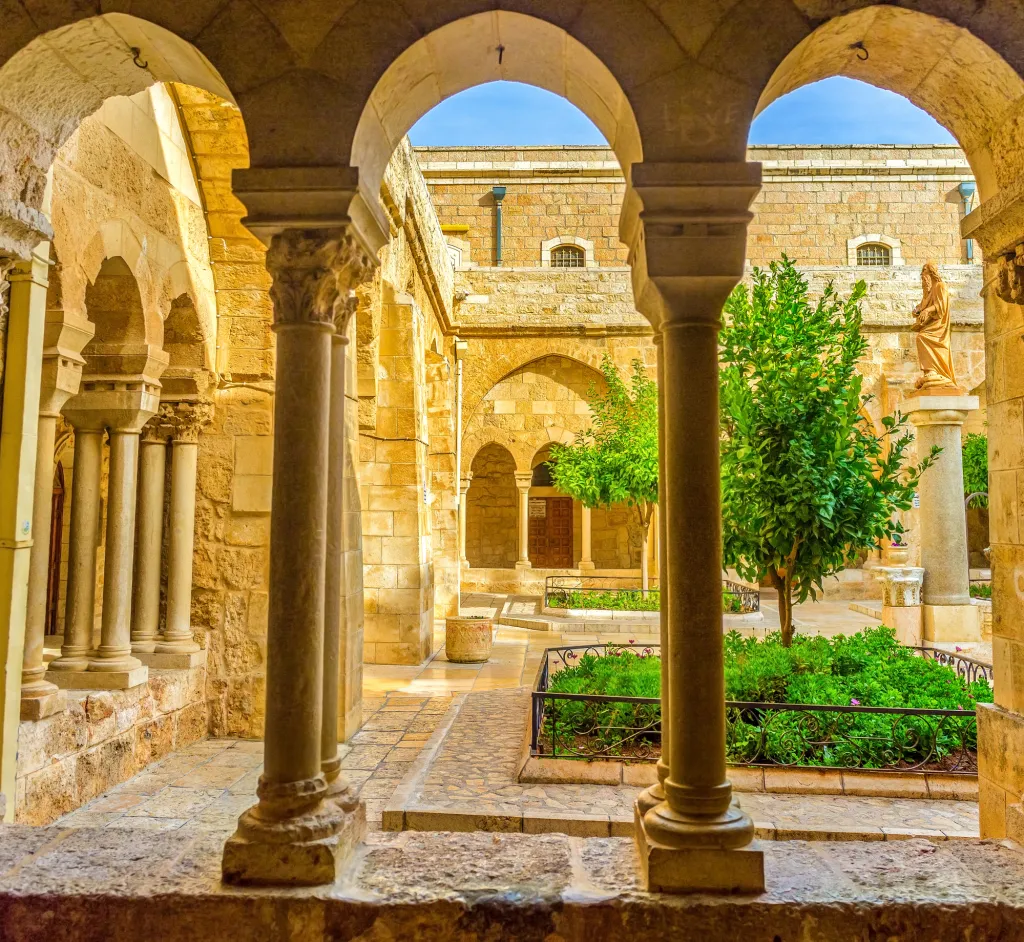
A Life of Prayer
This discussion guide has been generated by the WORD THIS WEEK'S Catholic AI Assistant based on Deacon Peter's homily.
Theme: This guide explores the profound nature of Christian prayer, particularly the "Our Father," as a pathway to deeper union with God and a lived expression of our faith. We will delve into Deacon Peter's insights on how each petition of the "Our Father" is illuminated by Jesus' Kingdom Parables.
Opening Prayer: Leader: Lord God, you are the source of all good, and you invite us into intimate conversation with you. Open our hearts and minds today to understand more deeply the gift of prayer, especially the prayer Jesus taught us. Send your Holy Spirit to guide our discussion and transform our lives, that we may truly live out the "Our Father." We ask this through Christ our Lord. Amen.
I. Understanding Prayer
Deacon Peter begins by defining prayer as "uniting ourselves with God," "recognizing His presence," and "conversing with Him." He emphasizes that prayer originates from God's unconditional love for us.
- How do you typically define prayer in your own words? How does Deacon Peter's definition resonate with or challenge your understanding?
- Deacon Peter states that prayer is God's initiative, not ours. What does this mean to you? How does this perspective influence your approach to prayer?
II. The "Our Father": A Way of Life
The homily highlights that while Luke's version of the "Our Father" has five petitions, Matthew's (the one we commonly use) has seven, and these seven represent a "way of life."
- Were you aware that there are different versions of the "Our Father" in the Gospels? How does thinking of the "Our Father" as a "way of life" rather than just a set of requests change your perspective on this prayer?
III. The Petitions and the Kingdom Parables
Deacon Peter uniquely connects each petition of the "Our Father" (from Matthew's Gospel) to one of Jesus' Kingdom Parables from Matthew 13. Let's explore these connections:
1. "Hallowed Be Thy Name" (Sanctification of God's Name)
- Connection: Parable of the Sower (Matthew 13:1-9, 18-23)
- Homily Insight: Our lives, like the good soil, should allow God's name to be made holy.
- Discussion Questions:
- What does it mean to "hallow God's name" in your daily life?
- How does the Parable of the Sower help you understand the different ways people respond to God's presence and holiness in the world? How can we be "good soil"?
2. "Thy Kingdom Come" (The Coming of God's Kingdom)
- Connection: Parable of the Weeds and the Wheat (Matthew 13:24-30, 36-43)
- Homily Insight: The Kingdom is already here, growing amidst good and evil, and we are called to be part of its growth.
- Discussion Questions:
- Where do you see signs of God's Kingdom "coming" in the world today? Where do you see the "weeds" of evil?
- How does this parable encourage patience and trust in God's ultimate judgment and victory?
3. "Thy Will Be Done" (Doing God's Will)
- Connection: Parable of the Mustard Seed (Matthew 13:31-32)
- Homily Insight: God's will, like the mustard seed, may start small in our lives but grows into something vast and encompassing.
- Discussion Questions:
- What challenges do you face in discerning and accepting God's will in your life?
- How does the image of the small mustard seed growing into a large tree offer encouragement when God's will seems daunting or insignificant at first?
4. "Give Us This Day Our Daily Bread" (Our Daily Needs)
- Connection: Parable of the Yeast (Matthew 13:33)
- Homily Insight: "Bread" refers to spiritual nourishment, which, like yeast, transforms our whole being.
- Discussion Questions:
- Beyond physical sustenance, what "daily bread"—spiritual, emotional, relational—do you most seek from God?
- How does the Parable of the Yeast illustrate the subtle yet powerful way God's grace and spiritual nourishment can transform our entire lives?
5. "Forgive Us Our Trespasses, As We Forgive Those Who Trespass Against Us" (Forgiveness)
- Connection: Parable of the Treasure Hidden in a Field (Matthew 13:44)
- Homily Insight: Forgiveness, both receiving and giving, is a treasure worth everything.
- Discussion Questions:
- How does the idea of forgiveness as a "treasure" deepen your understanding of this petition?
- What does it mean to "sell everything" (like the man in the parable) to gain this treasure of forgiveness, both for yourself and for others?
6. "Lead Us Not into Temptation" (Guidance Away from Temptation)
- Connection: Parable of the Pearl of Great Price (Matthew 13:45-46)
- Homily Insight: Avoiding temptation means prioritizing Christ, the "pearl of great price," above all else.
- Discussion Questions:
- What are some common temptations you or others face in today's world?
- How does the Parable of the Pearl of Great Price guide your approach to overcoming temptation by focusing on the supreme value of Christ?
7. "Deliver Us from Evil" (Deliverance from Evil)
- Connection: Parable of the Net (Matthew 13:47-50)
- Homily Insight: This petition acknowledges the reality of evil and looks forward to God's ultimate deliverance and judgment.
- Discussion Questions:
- How does the Parable of the Net, with its imagery of final separation, offer comfort or challenge when you pray "Deliver us from evil"?
- What does it mean to be "delivered" from evil in your daily life, even before the final judgment?
IV. Living the "Our Father"
Deacon Peter concludes by encouraging us to pray the "Our Father" mindfully, allowing Jesus' words and parables to nourish and transform us.
- After this discussion, how might you approach praying the "Our Father" differently?
- What is one concrete step you can take this week to live out one of the petitions of the "Our Father" more intentionally?
Concluding Prayer: Leader: Gracious God, we thank you for the gift of prayer and for the wisdom shared through Deacon Peter's reflection. May our hearts be ever more attuned to your presence, and may the "Our Father" truly become the blueprint for our lives. Strengthen us by your Spirit to live as your beloved children, always seeking your Kingdom and doing your will. We ask this through Christ our Lord. Amen.
Homily Excerpt
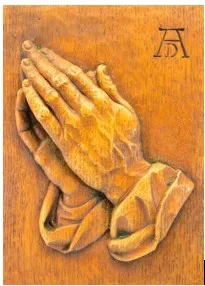
What is prayer? Essentially, it’s uniting ourselves with God. It’s raising our heart and mind to him, recognising his presence and conversing with him.
We tend to think that prayer begins with us, that somehow we must make it happen. But prayer doesn’t start with us. It starts with God. It starts with his constantly open arms and his unconditional love for us.
Prayer is about falling in love with God, who already loves us totally.
In today’s Gospel, Jesus’ disciples ask him how to pray and he teaches them the ‘Our Father.’ With its 5 petitions, Luke’s Our Father is shorter than Matthew’s version which we all use today. Matthew’s Our Father has 7 petitions (Mt.6:9-13).
Now, the Our Father isn’t just a prayer to recite, for it actually represents a way of life. We can see this in Matthew 13, where Jesus gives us seven parables.
────── ⋆⋅☆⋅⋆ ──────
Fr. Austin Fleming
17th Sunday of Year C

Prayer
Homily Excerpt
2016 HOMILY — Have you ever prayed for something and got just what you asked for? Or have you ever prayed for something and didn’t get what you asked for or worse – you got something you didn’t want at all?
I remember praying earnestly for my father when he was diagnosed with cancer and for my mother when a simple surgical procedure went wrong and she was battling a persistent and serious cardiac infection. I prayed – and God answered – but his answer wasn’t the one I hoped for. Neither of my parents survived their illness, God called them to himself.
When it comes to calling on God in prayer, priests, just like you often get a busy signal on God’s phone or God’s phone rings and rings and rings – and it doesn’t even switch over to voice mail. Or so it seems, when God’s slow to respond, or when God’s answer just ain’t the one you were praying for.
Sometimes when we pray, we try to bargain with God: Lord, if you grant me this, I promise I’ll never again (fill in the blank). We go back and forth with God, like Abraham in the first reading. But that story isn’t so much about getting what you pray for as it is about persistent familiarity with God in prayer. And if nothing else, Abraham was persistent!
────── ⋆⋅☆⋅⋆ ──────

17th Sunday of Year C

This discussion guide has been generated by the WORD THIS WEEK'S Catholic AI Assistant based on the Dominican Blackfriars' homily.
Theme: This guide explores Fr. Jarvis's homily, which delves into the complexities of how God answers prayers, emphasizing God's immense generosity and persistent desire for friendship with humanity, and challenging us to consider our own "Yes" or "No" to His call.
Opening Prayer: Leader: Loving God, you constantly seek to draw us into deeper friendship with you. Open our hearts and minds today to understand your boundless generosity and the profound call to respond to your love. May your Holy Spirit guide our discussion and strengthen our resolve to say "Yes" to your will. We ask this through Christ our Lord. Amen.
I. God's Answers and Our Perceptions
Fr. Jarvis begins by addressing the common belief that God always answers prayers, even if the answer is "No," and touches on biblical examples of God's responsiveness.
- What is your typical understanding of how God answers prayers? Have you ever felt that God's answer was "No" or simply unclear?
- The homily references Abraham's negotiation with God over Sodom and Gomorrah. What does this story reveal about Abraham's relationship with God and God's willingness to engage with humanity?
- Fr. Jarvis addresses the idea of God "seeming ignorant or changing His mind." How does the homily clarify that God is omniscient and that His actions are always just and purposeful, even when they seem otherwise to us?
II. God's Immense Generosity and Saving Plan
The homily emphasizes God's generosity, highlighting that His salvation through Jesus Christ far exceeds any human bargaining.
- The homily states that God's generosity "far exceeds Abraham's bargaining." In what ways do you see God's generosity in your own life or in the broader story of salvation history?
- Fr. Jarvis reminds us that the "entire world is saved through Jesus Christ, the one truly righteous person." How does this ultimate act of salvation, given through the Holy Spirit in baptism, reframe our understanding of individual prayers and requests?
- What does it mean for our "debts to be forgiven" and to be offered "a new chance at life" through this salvation? How does this foundational gift impact how we should approach prayer?
III. Our Response: "Yes" or "No"
The homily concludes by suggesting that God is persistently seeking friendship with humanity, and the ultimate question is whether we respond to His call with a "Yes" or a "No."
- Fr. Jarvis uses the image of God "persistently seeking friendship with humanity, knocking at our door." What are some ways God "knocks" at our door in daily life?
- What does it look like in practical terms to give God a "Yes" in your daily life? Conversely, what might a "No" look like?
- Are there areas in your life where you feel God is "knocking" particularly strongly right now, inviting you to a deeper "Yes"?
IV. Personal Reflection and Application
- After reflecting on this homily, how has your understanding of God's answers to prayer evolved?
- What is one specific way you can make your "Yes" to God more intentional and consistent this week?
- How can we, as individuals and as a community, be more attentive to God's persistent invitation to friendship and encourage each other to respond with an open heart?
Concluding Prayer: Leader: Gracious God, we thank you for your boundless generosity and your patient pursuit of our hearts. Fill us with your Holy Spirit, that we may always be ready to respond to your knock. Strengthen our faith, help us to trust in your perfect wisdom, and empower us to live out our "Yes" to you in all circumstances. We ask this through Christ our Lord. Amen.
Homily Excerpt

Seventeenth Sunday of the Year. Fr Matthew Jarvis asks how God answers our prayers, and how we answer him.
Does God answer prayers? The Psalmist seems to think so: ‘On the day I called, you answered me, O Lord.’ A wise person once said that God always answers prayers; it’s just that the answer sometimes is No!
In today’s gospel, God answers at least one simple request: the disciples ask Jesus to teach them to pray, and he answers them, giving them the great gift of the Lord’s Prayer. In the first reading, too, Abraham gets an answer from God, or several answers, in response to his bold negotiating for the salvation of Sodom and Gomorrah.
But what about when God seems to answer ‘No’ to what seems to me to be a perfectly legimitate, holy and faithful request? Did I lack faith? Or is God calling me to a deeper and more courageous faith, trusting that he really wants the best for me? Actually, the exchange between God and Abraham might trouble us further, on two points: God seems ignorant, and God seems to change his mind. Neither would be good news!

This discussion guide has been generated by the WORD THIS WEEK'S Catholic AI Assistant based on the Dominican Blackfriars' homily.
Theme: This guide explores Fr. Kenrick's homily, which delves into the disciples' request to "teach us to pray," emphasizing that authentic Christian prayer, inherited from Jewish tradition, is characterized by intimacy with God as a loving Father and unwavering perseverance, ultimately drawing us into the Trinitarian life.
Opening Prayer: Leader: Loving God, you constantly invite us into deeper communion with you. As we reflect on the nature of prayer, teach us to be sincere and to persevere, just as you desire. Open our hearts to the intimacy of your presence and guide our discussion by your Holy Spirit. We ask this through Christ our Lord. Amen.
I. The Disciples' Question: Beyond Rote Prayer
The homily begins by addressing the disciples' request to Jesus, "Lord, teach us to pray," recognizing that they were already familiar with Jewish prayer traditions.
- Fr. Kenrick notes that the disciples would have learned basic prayers from childhood. Why do you think they still asked Jesus to "teach us to pray"? What might they have observed in Jesus's own prayer life that prompted this request?
- The homily mentions both public and private dimensions of Jewish prayer. What is the importance of both communal (public) and individual (private) prayer in our Christian lives today?
- How might our own understanding of prayer need to move beyond simply "saying prayers" to a more profound engagement, similar to what the disciples sought?
II. Intimacy and Perseverance: Lessons from Abraham and Jesus
Fr. Kenrick highlights intimacy with God as a loving Father and perseverance as key characteristics of prayer, drawing examples from Abraham and Jesus.
- The homily describes Abraham's interaction with God as demonstrating both "intimacy" and "the prayer of protest." What does "prayer of protest" mean in this context, and how can it be a legitimate form of prayer?
- How does Abraham's persistent negotiation with God for Sodom exemplify perseverance in prayer? What can we learn from his boldness and continued conversation with God?
- Luke's account of the Lord's Prayer emphasizes "intimacy with God as a loving Father." What does it mean to approach God as "Father" in prayer, and how does this affect our trust and willingness to be vulnerable?
III. The Our Father: Summary and Invitation
The homily explains that the "Our Father" summarizes core Jewish prayer principles while also drawing Christians into Jesus's own prayer life.
- Fr. Kenrick states that Luke's brief version of the Lord's Prayer "summarizes core Jewish prayer principles: sincere communication acknowledging God's greatness and asking for necessities." What are some specific petitions in the "Our Father" that reflect these principles?
- How does the "Our Father" not only teach us what to pray but also how to pray, specifically in terms of sincerity and trust?
- The homily concludes that the "Our Father" draws Christians into "Jesus's own prayer, made possible through Christ and the Holy Spirit." What does it mean to pray with Jesus or in Jesus, through the Holy Spirit?
IV. Prayer as Participation in Trinitarian Love
The homily culminates in the idea that prayer leads to participation in the eternal communication of love and joy within the Trinity.
- What does it mean to participate in the "eternal communication of love and joy within the Trinity" through prayer? How does this elevate our understanding of prayer beyond simple requests?
- How does perseverance in prayer, combined with sincere intimacy, help us to enter more deeply into this Trinitarian relationship?
- If prayer is ultimately about participating in God's Trinitarian life, what implications does this have for how we live our daily lives?
V. Personal Reflection and Application
- After reflecting on this homily, what is one aspect of your own prayer life (sincerity, intimacy, perseverance) that you feel called to focus on and strengthen?
- How can you intentionally invite the Holy Spirit to help you pray more like Jesus this week?
- What is one way you can encourage others in your community to pursue a deeper, more sincere, and persistent prayer life?
Concluding Prayer: Leader: Heavenly Father, we thank you for the gift of your Son, Jesus, who teaches us to pray. Send your Holy Spirit to dwell within us, making our prayers sincere, persistent, and intimate. Draw us ever deeper into the communion of your Trinitarian love, that our lives may glorify your name. We ask this through Christ our Lord. Amen.
Homily Excerpt
Seventeenth Sunday of Year. Fr John Patrick Kenrick preaches on the Our Father.
St Luke’s account of the Lord’s prayer puts the emphasis on two things – on intimacy and perseverance. On intimacy because God is our loving Father with whom we can speak on intimate terms and on perseverance because if we truly desire something we don’t make a few feeble requests – we persist in asking for it.
For the Son of God, intimacy with the Father is the norm, but the first reading from the book of Genesis tells us not to underestimate the ability of the creature to be on intimate terms with the Creator. Abraham is completely at ease with God. He is engaging in what Jews call the prayer of protest. Protest is against what seems unjust. Abraham trusts God to be just and merciful and so he knows that he is on solid ground when bargaining with the Almighty.
────── ⋆⋅☆⋅⋆ ──────
Fr. Jude Siciliano, O.P.

17th Sunday of Year C
Homily Excerpt
The Lord’s Prayer
Preachers need not treat today’s Gospel as one tightly connected unit. Luke appears to have drawn together separate sayings and teachings on prayer. For clarity, choose one theme: the Lord’s Prayer, the parable of persistence, or the brief teachings that conclude the passage.
If you choose the Lord’s Prayer, notice its communal language. This is a “we” prayer: “Give us,” “forgive us,” “subject us not to the trial.” A community anxiously awaiting the Lord’s return prays this together. We pray it as people striving to remain faithful amid trials. We are “hanging in there,” especially when the Church feels fragile and flawed. We pray that we will not lose heart or become lukewarm during testing times. This communal prayer reminds us that Christ has not abandoned us—and will return.
The petition, “Give us each day our daily bread,” is the prayer of the poor. Luke emphasizes the poor throughout his Gospel—those who rely on God each day for sustenance. But the prayer also calls a whole community to solidarity, to share what they have so that none are in need. The preacher might reflect on the physical and spiritual hungers around us and how we are called to respond.
────── ⋆⋅☆⋅⋆ ──────
Fr. Charles E. Irvin
17th Sunday of Year C
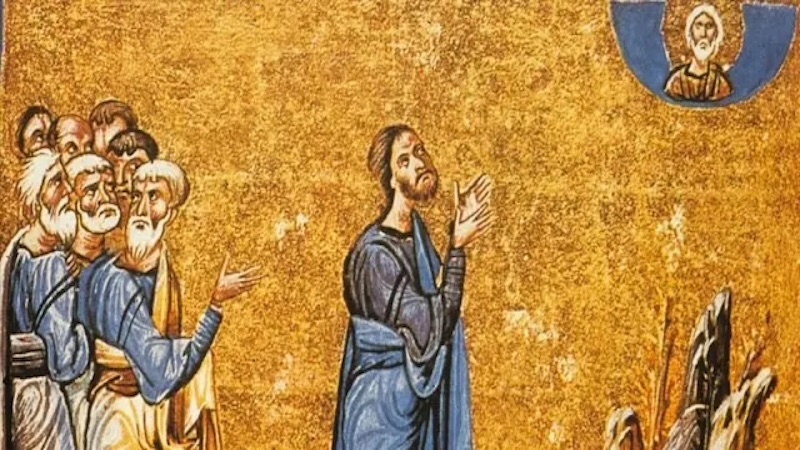

Do we take God seriously? Do we need God? I think we should. I think we need a higher power in order to extract ourselves from sinking further into the quicksand as we thrash about, sinking further and further down. I think we need our daily bread — the Bread of Life along with all those daily gifts that nourish and strengthen us. I think we need that which causes us to grow as persons. And I daresay each and every soul here in this church will admit they need forgiveness.
If prayer is to change anything at all, it is to change us — to change our minds, to change our attitudes, to change the way we live. Genuine prayer puts us at God’s disposal. It allows us to see what God dreamed we could be when He created us in the first place. Ask yourself what is more real, the self you see, or the self God sees? The self God sees is what we can be, not what we have been, or done, or accomplished. Prayer, in other words, takes hold of God’s presence and gives us power over ourselves, not over God. Prayer gives us the chance to see ourselves in God’s eyes and therefore to live with self-respect, to leave in peace, and to live with the power not only to change ourselves but also the power to heal, love, and free others so they can see themselves in the same Light of God. Prayer liberates us.
This discussion guide has been generated by the WORD THIS WEEK’S Catholic AI Assistant based on Fr. Irvin’s homily.
Theme: This guide explores the homily’s central message: prayer is fundamentally about our relationship with God, a relationship that God desires and that has the power to transform us and enable us to bring healing and love to others.
Opening Prayer: Leader: Loving God, you invite us into friendship with you through prayer. As we gather to discuss your word, open our hearts to understand the depth of your love and the power of communion with you. Help us to grow in our prayer lives, that we may be instruments of your grace in the world. We ask this through Christ our Lord. Amen.
I. Prayer as a Relationship with God
Fr. Irvin emphasizes that prayer is not just about asking for things, but about being in a relationship with God. He highlights Abraham’s “bargaining” with God as an example of a deep, familiar relationship.
- Fr. Irvin states that Abraham was “on good terms with God.” What does this phrase mean to you in the context of prayer? How might our own relationship with God compare to Abraham’s?
- The homily suggests that many people today are “indifferent” to God. What are some reasons you think people might feel indifferent towards God or prayer?
- Fr. Irvin says that “not to pray is to reject a gift from God.” What “gift” do you think he is referring to? How does this idea challenge or affirm your understanding of prayer?
II. The Nature of God and Our Response
The homily describes God as “the one who loves us, the one who is the source of all good, the one who is the giver of every good and perfect gift.”
- How does understanding God in this way (as loving, good, and generous) influence your desire to pray?
- Fr. Irvin asserts that “prayer acknowledges a relationship with God.” In what ways does your prayer life reflect your relationship with God? Are there areas where you feel your prayer could more deeply acknowledge this relationship?
- The homily mentions that prayer is “the most important activity of our lives.” Do you agree with this statement? Why or why not?
III. The Transformative Power of Prayer
Fr. Irvin concludes by emphasizing that prayer changes us and empowers us to be agents of God’s love in the world.
- The homily states that prayer “can change us.” In what ways have you experienced prayer changing you, rather than just changing circumstances?
- Fr. Irvin says prayer gives us “the power to heal, to love, and to free others.” How do you understand this connection between personal prayer and our ability to impact the world around us? Can you think of examples from your own life or from the lives of saints where this has been evident?
- The homily suggests that prayer helps us to “see with God’s eyes, hear with God’s ears, and love with God’s heart.” How can cultivating a deeper prayer life help us to develop these qualities?
IV. Personal Reflection and Application
- What is one new insight about prayer that you gained from this homily or our discussion today?
- What is one practical step you can take this week to deepen your personal prayer life, based on the insights from this homily?
Concluding Prayer: Leader: Heavenly Father, we thank you for the gift of prayer and for calling us into relationship with you. Help us to embrace prayer not as a burden, but as a joyful conversation with the One who loves us most. Transform us through your grace, so that our lives may be a living prayer, bringing your healing, love, and freedom to all we meet. We ask this through Christ our Lord. Amen.
────── ⋆⋅☆⋅⋆ ──────
Fr. George Smiga
17th Sunday of Year C

2007 HOMILY – Today’s first reading from the book of Genesis is one of my favorite passages in all the scriptures. It describes Abraham interceding before God on behalf of Sodom, lest it be destroyed. I do not know of any other scriptural passage that more succinctly defines our relationship to God and the importance of prayer. The narrative unfolds like a drama, perhaps even like an extended comedy routine with increasing tension.
Abraham has a strategy. If he can get God to agree to spare Sodom for a certain number of just people, he can push God to reduce the number. Abraham succeeds in persuading God to spare the city for fifty just people. But, knowing that it would be difficult to find fifty good people in Sodom, he keeps lowering the number. He moves from fifty to forty-five, then forty, then thirty, then twenty, then ten. His boldness and his persistence are amazing. With each verse the tension rises. We think to ourselves, “Abraham, quit while you’re ahead!” We expect God at each request to say, “No! Enough! I’ve given too much already!” But none of that happens. Verse by verse, Abraham succeeds, so that God agrees that only a handful of just people are necessary to spare all of Sodom.
This discussion guide has been generated by the WORD THIS WEEK’S Catholic AI Assistant based on Fr. Smiga’s homily.
Theme: This guide explores Fr. Smiga’s central message about the importance of bold, persistent, and heartfelt prayer, using Abraham’s intercession for Sodom as a powerful model. It challenges us to move beyond simply “saying prayers” to truly “praying” with intensity and sincerity.
Opening Prayer: Leader: Gracious God, you invite us to approach you with confidence and to lay before you our deepest needs. Open our hearts and minds today to understand the power of persistent prayer, and grant us the courage to speak with you as Abraham did. May our discussion draw us closer to you and strengthen our faith. We ask this through Christ our Lord. Amen.
I. Abraham: A Model of Bold Prayer
Fr. Smiga describes Abraham’s intercession for Sodom (Genesis 18:20-32) as a “drama, perhaps even like an extended comedy routine,” highlighting Abraham’s “boldness and his persistence.”
- What stands out to you most about Abraham’s interaction with God in this passage? How does Fr. Smiga’s description of it as a “comedy routine” or “bartering with a merchant” help you understand Abraham’s approach?
- Fr. Smiga notes that we might expect God to say, “No! Enough!” but “none of that happens.” What does God’s patient response to Abraham teach us about His nature and His willingness to listen?
- Have you ever prayed with the kind of “aggressiveness” or “intensity” that Abraham displayed? What holds us back from praying in this way?
II. “Do You Pray?” Moving Beyond Saying Prayers
Fr. Smiga poses a direct and challenging question: “Do you pray?” distinguishing it from merely “saying prayers.” He suggests many of us are reluctant to truly entrust our needs to God.
- What is the difference between “saying prayers” and truly “praying” as Fr. Smiga defines it?
- Fr. Smiga suggests common reasons for our reluctance to pray intensely: “I don’t want to bother God. Things are going along pretty well. I can handle things myself.” Do any of these resonate with you? Are there other reasons you might hold back from deep, sincere prayer?
- The homily states that “both the Jewish and Christian traditions speak against such reluctance.” What does this tell us about the importance of prayer in our faith traditions?
III. Prayer as Reality and Relationship
Fr. Smiga emphasizes that prayer moves our beliefs about God “from theory to reality” and is essential for a real relationship with Him.
- Fr. Smiga says that we believe God is Creator and Savior “in our head, but it is only in prayer that they move from theory to reality.” What does this mean for your personal faith journey? How does prayer make your beliefs more real?
- “One of the great advantages of prayer is that it allows us to identify what is most important to us.” How does the act of vocalizing our needs and desires to God help us to understand ourselves better?
- “It is in vocalizing our needs and desires that they become prayer.” Why is this act of speaking our needs aloud (or in our hearts) so important in prayer?
IV. The Nature of God’s Response and Our Call
Fr. Smiga clarifies that prayer is not magic, but an act of faith, and that while we receive, it may not always be exactly what we ask for.
- “Prayer is not magic.” What is the difference between viewing prayer as magic and viewing it as an act of faith?
- Jesus teaches, “Ask and you will receive.” Fr. Smiga adds, “Notice he does not say you will receive what you ask for. But he does say you will receive. You will receive what God gives you, and what God gives you will be good.” How does this distinction help you when your prayers seem unanswered in the way you expected?
- “Without prayer you cannot be a real Jew or a real Christian.” What does this strong statement mean to you? How central is prayer to your identity as a Christian?
- Fr. Smiga concludes, “Don’t hold back. You may save Sodom.” What is your “Sodom” – the situation, person, or need for which you are called to pray with all your strength and without holding back?
Concluding Prayer: Leader: Merciful God, we thank you for the example of Abraham and for the teaching of your Son, Jesus, who invites us to ask with boldness. Strengthen our faith, Lord, and help us to overcome any reluctance in our prayer. May we entrust our deepest needs to you, knowing that you hear us and will give us what is good. Inspire us to pray with our whole heart, for ourselves and for the needs of the world. We ask this through Christ our Lord. Amen.
────── ⋆⋅☆⋅⋆ ──────
17th Sunday of Year C

When we Ask, We Receive
EXCERPT: Jesus told us that if we ask, we will receive. That is what Abraham also knew and carried out in the first reading. His prayer called upon the mercy of God. Jesus says that the greatest good we can ask for is the Holy Spirit. The Spirit brings that mercy, and enables us to say “Our Father.” When we pray in that way, we are (like Abraham) calling down God’s mercy on all our brothers and sisters. We are in fact defining ourselves as brothers and sisters because of the fact that we all have one Father.
This has implications. No longer can we exclude any person from our love. Love is indivisible, and must be extended to every human being. This is the basis of our pro-life convictions. In its broadest sense, the acknowledgment of God as Father extends to his role as Creator and affirms the responsibility we have to every human being (whether Christian or not) because he/she was made by and is loved by God.
────── ⋆⋅☆⋅⋆ ──────
17th Sunday of Year C

Prayer
Homily Excerpt

“Teach us how to pray,” the disciples asked Jesus. This is the longing of our souls. We want to pray. We want to be with God.
Prayer is what we are about, not just here in Church but as people committed to Jesus Christ. We need to nurture our dialogue with him, our prayer Life. We come to Mass to pray the Lord’s Supper as a community and to reverence the Lord within us in communion. We call out to the Lord throughout our day whether it is simply grace before meals, or speaking to the Lord the three meditations: God loves me unconditionally, God forgives me and God is with me, or whether it is devotional prayers like the Rosary, or night prayer. Our days are meant to be united to God in prayer. Prayer expresses who we are, the People of God.
────── ⋆⋅☆⋅⋆ ──────
17th Sunday of Year C

Three Teachings from the Lord on Prayer
Homily Excerpt
Last week’s Gospel featured the Lord insisting that prayer was the “one thing necessary.” In this week’s gospel we see, then, the request by the disciples that the Lord teach them on prayer. In answer the Lord gives us three basic teachings or prescriptions for prayer.
Lets look at these three prescriptions he gives.
I. Pattern of Prayer
II. The Persistence of Prayer
III. The Point of Prayer
────── ⋆⋅☆⋅⋆ ──────
Fr. Michael Chua
17th Sunday of Year C
This discussion guide has been generated by the WORD THIS WEEK'S Catholic AI Assistant based on Fr. Chua's homily.
Theme: This guide delves into Fr. Chua's homily, which challenges the misconception of prayer as a magical tool and instead reveals it as an invitation to participate in God's providential work, deepening our relationship with the Holy Trinity, and aligning our will with His.
Opening Prayer: Leader: Heavenly Father, you are the source of all wisdom and love. As we gather to reflect on the mystery of prayer, free us from our limited understandings. Open our minds and hearts to the true nature of communion with you, that we may grow in friendship with the Father, Son, and Holy Spirit. We ask this through Christ our Lord. Amen.
I. The Illusion of Prayer as Magic
Fr. Chua begins with striking anecdotes that illustrate how people sometimes treat prayer like a magical formula, even in seemingly reasonable ways.
- Fr. Chua shares stories about using holy water for gambling or praying in tongues for jackpot winnings. What was your initial reaction to these extreme examples?
- The homily states that "we often treat prayer too much like it is magic even when our method seems reasonable." What are some more subtle or "reasonable" ways you might have personally (or seen others) approach prayer as if it were magic or a transaction?
- "Magic seeks to assert control over others, our environment, our lives and even God. Prayer, on the other hand, is allowing God to take charge. Prayer is submitting ourselves to His control." How does this distinction challenge your understanding of power and surrender in your spiritual life?
II. Reinterpreting Scriptural Examples
Fr. Chua re-examines the story of Abraham's bargaining with God, and contrasts it with Jesus's example of prayer.
- In the story of Abraham bartering with God for Sodom, it "does appear that God had changed His mind." How does Fr. Chua re-interpret this, suggesting God "just wanted to get Abraham into the act" to test "Abraham’s tenacity"? How does this re-interpretation change your understanding of that biblical event?
- The homily contrasts Abraham's method with Jesus as a "strikingly prayerful figure." How does Jesus' prayer (e.g., in Gethsemane) demonstrate submission to God's will, even in the face of fear and suffering?
- Jesus teaches us to address God intimately as "Abba" (Father). What does this "simple and intimate address" reveal about the nature of our relationship with God through Christ? How does it refute the idea of God as a "vending machine" or a "terrifying despotic God"?
III. The Purpose and Outcome of Prayer
Fr. Chua addresses the fundamental question: If God knows everything and can solve every problem, why do we pray?
- If God already knows what we need and what's good for us, what "good does prayer actually do" according to Fr. Chua?
- The homily connects prayer to our "Catholic understanding of justification," where "the grace of God does not exclude human cooperation." What does it mean for us to "participate in His grand work of redemption and salvation" through prayer?
- St. Thomas Aquinas is quoted saying that God "gives us the dignity of being able to share in His work of providence by our own actions, in praying for things to come about." How does this idea of co-laboring with God impact your motivation to pray?
- Fr. Chua acknowledges that God "does answer all our prayers," but often the answer is "no" to our specific request, and the outcome is "very different from any expectation and understanding we might already have." How do you reconcile this truth with the persistent prayer Jesus invites us to ("Ask... search... knock...")?
- What is the "greatest gift He wishes to offer us" through our asking, searching, and knocking? Why is this gift so crucial to our Christian life?
IV. Prayer as Alignment and Friendship
Ultimately, prayer is about affirming God's sovereignty and aligning ourselves with His divine plan, drawing us into the intimacy of the Holy Trinity.
- "Prayer is not about making God more aligned to our human thinking and ways, but about us aligning our thoughts, words and actions to His." What are the practical implications of this shift in perspective for your daily life?
- How does prayer help us to "rest the whole of our lives, our tragedies, our petty desires and our hopes... upon the mercy of God"?
- The homily concludes with the beautiful image of growing in "friendship of the Holy Trinity" and burning "in the leaping flames of the love of God." How does the understanding that prayer leads to deeper intimacy with God transform your desire to pray?
V. Personal Reflection and Application
- What is one specific misconception about prayer that this homily has helped you to clarify?
- What is one practical way you can adjust your approach to prayer this week to better align with God's will and participate in His providence?
- How can you encourage others to move beyond a "magic" view of prayer towards a deeper, more transformative relationship with God?
Concluding Prayer: Leader: Almighty God, we thank you for the gift of your Word and for the wisdom shared through Fr. Chua's homily. Teach us to pray not for our own will to be done, but for your Kingdom to come and your will to be done in all things. Draw us ever closer into the intimate friendship of the Father, the Son, and the Holy Spirit, that our lives may burn with your love. We ask this through Christ our Lord. Amen.
Homily Excerpt
I recalled an enquirer in the RCIA sharing how she received her first lesson in prayer; it was quite the unfortunate experience, I must say. Her friend, a Catholic, had given her some advice on prayer – “take some holy water collected from the Shrine of St Anne’s and sprinkle them on the four tyres of your car, then buy the number of the car registration plate and you will be assured of a jackpot.” I heard something similar at a coffee shop once. Two men at a neighbouring table were talking about their gambling exploits in Genting Highlands. The Christian turned to the other and said that his secret for winning was praying in tongues. “When I pray in tongues as the dice is rolled, I win BIG!” I know both these stories may seem like extreme examples and most of you good folks would obviously find them ridiculously hilarious. But the truth of the matter is that we often treat prayer too much like it is magic even when our method seems reasonable.
Prayer is the foundation of our Christian life. No question about this. However, some carry this to an extreme and jump to the conclusion that prayer is something of a magic wand, that if we do prayer with the right words, in the right manner, with the right phrases, and in the right posture, God is obligated to answer. The idea seems to be that we have the capacity to coerce God into doing for us whatever it is we want Him to do, and that we can either strike a deal with Him or convince Him to change His mind. But the truth is that prayer is not magic. Magic seeks to assert control over others, our environment, our lives and even God. Prayer, on the other hand, is allowing God to take charge. Prayer is submitting ourselves to His control.

Theme: This guide explores Fr. Chua’s homily, which delves into the meaning of persistence in prayer, distinguishing between “saying prayers” and authentic prayer, and emphasizing that consistent prayer transforms us, aligning us with God’s will and preparing us for ultimate salvation.
Opening Prayer: Leader: Loving God, you invite us to pray without ceasing and to place all our trust in you. As we reflect on the mystery of persistent prayer, deepen our understanding of your loving will. Help us to persevere, even when answers are not what we expect, and to allow your grace to transform us. We ask this through Christ our Lord. Amen.
I. The “Our Father” and the Call to Prayer
The homily begins by noting the context of the “Our Father” prayer in Luke’s Gospel and the disciples’ desire to be taught how to pray like Jesus.
- Fr. Chua mentions that Jewish men were expected to pray multiple times a day, yet John’s and Jesus’s disciples still needed to be taught how to pray. What does this suggest about the difference between rote prayer and authentic prayer?
- The homily states that “distinctive prayers help create and maintain a sense of identity and community.” How does communal prayer, especially the “Our Father,” contribute to our identity as Christians and the unity of the Church?
- Why do you think Jesus teaches his disciples the “Our Father” at a crucial point in his journey to Jerusalem, as he prepares them for his suffering and death?
II. The Challenge of Unanswered Prayers and Persistence
A significant portion of the homily addresses the common struggle with unanswered prayers and the true meaning of persistence.
- Fr. Chua uses the parable of the reluctant neighbor knocking at midnight. How does this parable, often interpreted as God being reluctant, actually serve to highlight our need for persistence, rather than God’s unwillingness?
- The homily suggests that God, like a wise parent, may say “no” or “wait” if a request is not truly needed or the timing is not right. How do you personally grapple with the concept of unanswered prayers or prayers answered differently than you expected?
- Can you recall a time when a seemingly “unanswered” prayer later revealed a greater good or a different path that was ultimately beneficial?
III. Prayer That Changes Us
Fr. Chua emphasizes that persistent prayer changes the individual, helping them conform to God’s will and deepen their relationship with Jesus.
- “Persistence in prayer changes the individual.” In what ways has your own persistent prayer changed you over time, rather than just changing external circumstances?
- How does sustained prayer help us to conform more closely to God’s will? What does this “conformation” look like in daily life?
- The homily distinguishes between asking for “earthly pleasures” and God’s desire to give us “the gift of salvation and eternal life.” How does persistence in prayer reorient our desires toward what truly matters eternally?
IV. Living the Prayerful Life
The homily concludes with the ultimate outcome of persistent prayer: finding strength, bearing crosses, and reaching heaven.
- “Through persistent prayer, we find the strength to bear daily crosses.” How does a consistent prayer life equip us to face challenges and difficulties with greater resilience?
- What does it mean to pray with the understanding that our “deepest longings will be answered” at the gates of heaven, even if not fully realized on earth?
- Fr. Chua distinguishes between “saying prayers by rote” and being “a person of prayer.” What steps can you take to move from simply “saying prayers” to truly becoming “a person of prayer”?
V. Personal Reflection and Application
- What is one insight from this homily that most resonated with you regarding your own prayer life?
- What is one specific way you commit to practicing greater persistence in prayer this week?
- How can our persistent prayer, even for seemingly small things, contribute to our growth in holiness and our readiness for eternal life?
Concluding Prayer: Leader: Almighty God, we thank you for the gift of your presence and the invitation to prayer. Grant us the grace of persistence, that we may continually turn to you in all circumstances. Help us to trust in your perfect wisdom, even when our requests are not met as we expect. Transform us through our prayer, that our lives may increasingly reflect your will and lead us closer to our heavenly home. We ask this through Christ our Lord. Amen.
Homily Excerpt
The Our Father prayer, which we usually pray at Mass or when reciting the rosary, comes from the Gospel of St Matthew. St Luke’s version is shorter and certainly more stark and direct in its wording. If St Matthew has his version of this prayer at the beginning of our Lord’s ministry while He was preaching the Sermon on the Mount, St Luke places the Lord’s Prayer about halfway through his Gospel. At this point, the Lord is on His journey to Jerusalem where He knows He will have to suffer before His mission can be accomplished. He has predicted His death twice. He has told His disciples that if they want to follow Him, they will have to suffer too. At this crucial point, a disciple asks our Lord to teach them how to pray. Our Lord then provides a catechesis on prayer.
“Lord, teach us to pray, just as John taught his disciples.” This request raises a question. Why do John’s and Jesus’s disciples need to be taught to pray? Adult Jewish males were expected to pray morning, afternoon and evening in the direction of Jerusalem, three times a day and before and after meals. Like the Pharisees and scribes, John’s disciples fasted and prayed. The Lord’s disciples, on the other hand, had been criticised because they did not seem to be as fastidious in these pious practices.
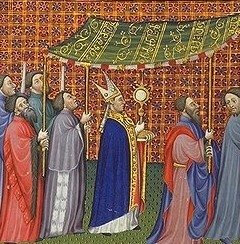
Homily Excerpt
The Solemnity of Corpus Christi allows the faithful to look at Our Eucharistic Lord with a greater sense of appreciation for the Blessed Sacrament and to tell the world: “this is exactly what you are missing in your lives!” That is why this celebration is marked by Eucharistic processions. These processions specifically are a reminder that we are to share the gift of the Eucharist with the world and make a bold proclamation of our belief in the Real Presence. We cannot control how other people react to Jesus but we can control how we respond to indifference, and our response should ultimately be one of charity. Public processions provide us with an opportunity to be a faithful witness to Christ in a world that has become indifferent or in some cases hostile towards Him. We are declaring to the world: “Without Sunday, without the Eucharist, we cannot live!”
In a world so obviously confused about the nature and purpose of human life, where so many sense something deeply missing and struggle to grasp at straw to fill that empty space, the sacred liturgy rightly celebrated is a most effective tool of evangelisation. In the sacred liturgy it is our Lord Himself who speaks to us and whose grace is at work in and through us, perfecting our nature and transforming it so that it might participate in the very life of God Himself. Thus, the Mass brings our Heavenly Lord down to earth but it also takes us up to Heaven. When the Mass is celebrated with reverence, love and devotion it truly becomes the most beautiful thing this side of Heaven.
17th Sunday of Year C
Prayer can Change the Course of the Future
This discussion guide has been generated by the WORD THIS WEEK'S Catholic AI Assistant based on Fr. Lane's homily.
Theme: This guide explores Fr. Tommy Lane's homily, which emphasizes the profound power of prayer to connect us with God, influence events, and shape our future, highlighting the importance of persistence and trust in God's timing and will, as exemplified in the Lord's Prayer.
Opening Prayer: Leader: Loving God, you invite us into a powerful dialogue with you through prayer. Open our hearts and minds today to understand how our prayers can truly impact the future, both our own and the world's. Strengthen our faith and perseverance, that we may always trust in your loving plan. We ask this through Christ our Lord. Amen.
I. The Power and Purpose of Prayer
Fr. Lane begins by asserting that prayer can "change the course of the future," emphasizing its ability to connect us with God.
- What does it mean to you that "prayer can change the course of the future"? Can you recall any instances in your life or in history where you believe prayer influenced an outcome?
- The homily states that prayer allows individuals to "connect with God." How do you personally experience this connection when you pray?
- Why do you think persistence in prayer is important, even if God answers in His own way and time? What does persistence teach us?
II. The Lord's Prayer: A Blueprint for Life
The homily delves into the petitions of the Lord's Prayer, seeing them as foundational requests for our relationship with God and our daily lives.
- "Hallowed be Thy Name": What does it mean to "hallow God's name" in our daily lives? How does our life of prayer contribute to this?
- "Thy Kingdom Come": How do we pray for God's Kingdom to come, and what does this look like in the world around us?
- "Give us this day our daily bread": Beyond physical food, what other "daily needs" do we ask God for in this petition?
- "Forgive us our trespasses, as we forgive those who trespass against us": The homily highlights the importance of forgiving others. Why is our willingness to forgive others so crucial to receiving God's forgiveness?
- "Lead us not into temptation": How does this petition acknowledge our human weakness and our reliance on God's protection?
III. Trusting God's Plan and Shaping Our Future
Fr. Lane concludes by emphasizing trust in God's plan and the role of our decisions and prayers in shaping our future.
- The homily suggests that God answers prayers in "His own way and time." How does trusting in God's timing and wisdom help us when our prayers seem unanswered or are answered differently than we expect?
- "Our future depends on the decisions we make and our prayer." How do our daily choices and our prayer life intertwine to shape the course of our lives?
- Can you think of a decision you made that you believe was guided by prayer, and how it impacted your future?
IV. Personal Reflection and Application
- What is one aspect of your prayer life that this homily has inspired you to deepen or change?
- Choose one petition from the Lord's Prayer. How can you pray this petition more intentionally this week, allowing it to guide your actions and attitudes?
- How can you encourage others in your community to embrace the power of prayer to "change the course of the future," both personally and communally?
Concluding Prayer: Leader: Almighty God, we thank you for the gift of prayer and for the assurance that you hear us. Teach us to pray with sincerity and persistence, trusting always in your perfect will and timing. May our prayers and our decisions align with your divine plan, that we may contribute to the coming of your Kingdom and live lives transformed by your grace. We ask this through Christ our Lord. Amen. Sources
Homily Excerpt
Sometimes people see the hand of God afterwards in the way situations worked themselves out. As Christians believing in the power of prayer we know that our futures are not controlled by the stars, or by tealeaves in a cup, or by the lines on the palm of our hand. Our futures depend on decisions we make and we know and believe that when we pray we can change the future course of events.
One of the prayers that has special significance for us is the Lord’s Prayer—the Our Father—because it was taught to us by Jesus. Although we listened to the Lord’s Prayer today in Luke’s Gospel, the version the Church uses is the one in Matthew which is slightly longer than Luke’s version.
Seventeenth Sunday
Continue praying with faith 2022
Prayer: come before God just as you are 2019
Prayer can change the course of the future 2007
Prayer is good for you: keep praying
Homilies on Prayer
────── ⋆⋅☆⋅⋆ ──────
17th Sunday of Year C
This discussion guide has been generated by the WORD THIS WEEK'S Catholic AI Assistant based on Bishop Schuster's homily.
Theme: This guide explores Bishop Schuster's homily, which uses personal anecdotes to illuminate Jesus' teaching to "Ask, Seek, Knock," emphasizing that God, like a loving parent, sometimes answers "no" for our good, and persistently searches for us when we are lost.
Opening Prayer: Leader: Loving God, you know our deepest desires and our greatest needs. As we reflect on your Son's invitation to ask, seek, and knock, open our hearts to trust in your perfect wisdom and love. Help us to hear your voice, even when the answer is not what we expect, and to always seek your presence. We ask this through Christ our Lord. Amen.
I. The Wisdom of God's "No"
Bishop Schuster begins with childhood anecdotes, including a visit to Disneyland, to illustrate the experience of being told "no" for our own good.
- Bishop Schuster recalls being denied certain rides at Disneyland as a child. Can you think of a time in your own childhood when you were told "no" for something you desperately wanted, and later realized it was for your own good?
- The homily suggests that "a lot of the problems, addictions, and travesties we get ourselves into as adults could be because there is no one around to tell us 'no' when we need it." How do we, as adults, "train ourselves to hear the voice of Jesus in our heart...and then follow him" when we need to hear "no"?
- How does understanding God's "no" as a loving parental response change your perspective on prayers that seem unanswered or answered differently than desired?
II. The Invitation to "Ask, Seek, Knock"
The homily then directly addresses Jesus' famous invitation to "Ask and you will receive. Seek and you will find. Knock and the door will open for you."
- How do you typically approach "asking" God for what you need? Is it with boldness, hesitation, or something else?
- What does it mean to "seek" God? How is seeking different from just asking? What are some ways you actively "seek" God in your life?
- What does it mean to "knock" on God's door? What kind of persistence or trust does this imply?
III. God's Persistent Search for Us
Bishop Schuster uses a vivid personal story of getting lost at a fireworks display to illustrate God's persistent search for us.
- Bishop Schuster describes his panic when lost at the fireworks, grasping onto a stranger's ankle. Have you ever felt "lost and grasping in panic to something that isn't God" in your life? Describe that feeling.
- He compares God to his mom, who was "just as frightened as I was about my disappearance" and searched for him. How does this image of God as a passionately searching parent resonate with you?
- The homily references John 3:16: "God so loved the world that he gave his only Son, so that everyone who believes in him might not perish but might have eternal life." How does this verse reinforce the idea of God's active and loving search for us?
IV. Responding to God's Invitation
The homily concludes by encouraging a bold response to the Lord's words: "Ask and you shall receive. Seek and you shall find. Knock, the door will open."
- How does understanding God's loving "no" and His persistent search for us empower you to "boldly respond to the Lord's words: 'Ask and you shall receive. Seek and you shall find. Knock, the door will open'"?
- What is one specific thing you feel called to "ask" God for this week, with renewed trust?
- How can you more intentionally "seek" God's presence and "knock" on His door in your daily life, confident in His loving response?
Concluding Prayer: Leader: Loving Father, we thank you for your boundless love and for always seeking us, even when we are lost. Grant us the grace to ask with faith, to seek with diligence, and to knock with perseverance. Help us to trust in your wisdom, knowing that you always give us what is truly good for our salvation. We ask this through Christ our Lord. Amen.
Homily Excerpt
I remember when I was five years old on my first visit to Disneyland. I spent the whole day watching my older sister and her friends going on the rides I was not allowed to go on. I could jump up as high as I could and still not reach the height limit on many of the rides. Not understanding why my sister could go on the ride and not me, I spent quite a few moments announcing my disgust. I could not get my parents to intervene for me. It was like the whole world was in it together, conspiring to destroy my childhood. This was clearly not the happiest place on earth. Thank goodness for Tigger, who came bouncing by at the right moment and stuck around until I was perfectly cheered up. My parents then let me go with my sister to the Haunted Mansion, I walked out traumatized.
Over forty years later, I find it helpful to remember that the answer “no” we often got as kids was often the best answer we could have ever received, even if we felt rotten about the answer at the time, or even disagreed with it. Honestly, I think a lot of the problems, addictions, and travesties we get ourselves into as adults could be because there is no one around to tell us “no” when we need it. As adults, we have to train ourselves to hear the voice of Jesus in our heart …and then follow him
Please note that the provided video clips serve as additional resources to complement the homily. They may not have a direct correlation with the contributor’s original content. They aim to inspire preachers to enrich their own homilies, drawing ideas and insights from both the written material and the visual content explored.