Homilies
Homilies
November 23, 2025
November 23, 2025
Jesus Christ, King of the Universe (C)


Bishop Robert Barron


Christ the King (C)
2007 ၊၊||၊ Podcast
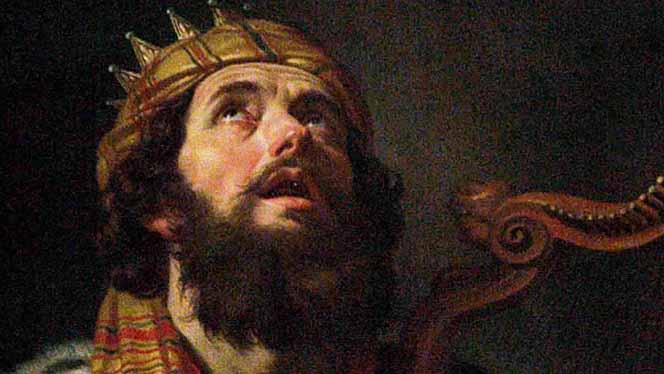
David and Jesus
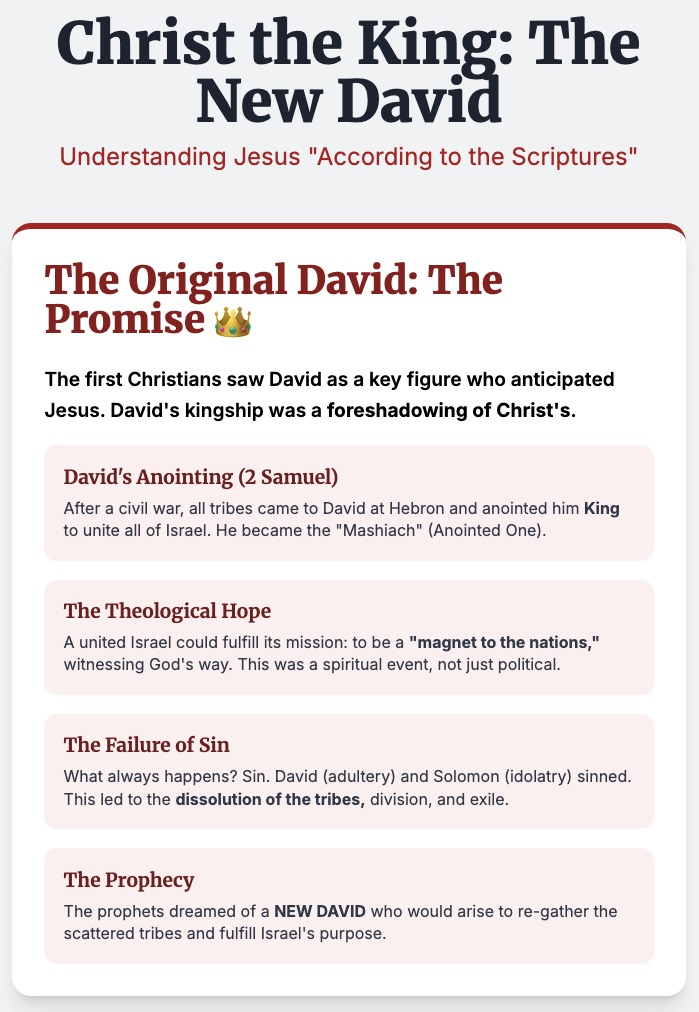

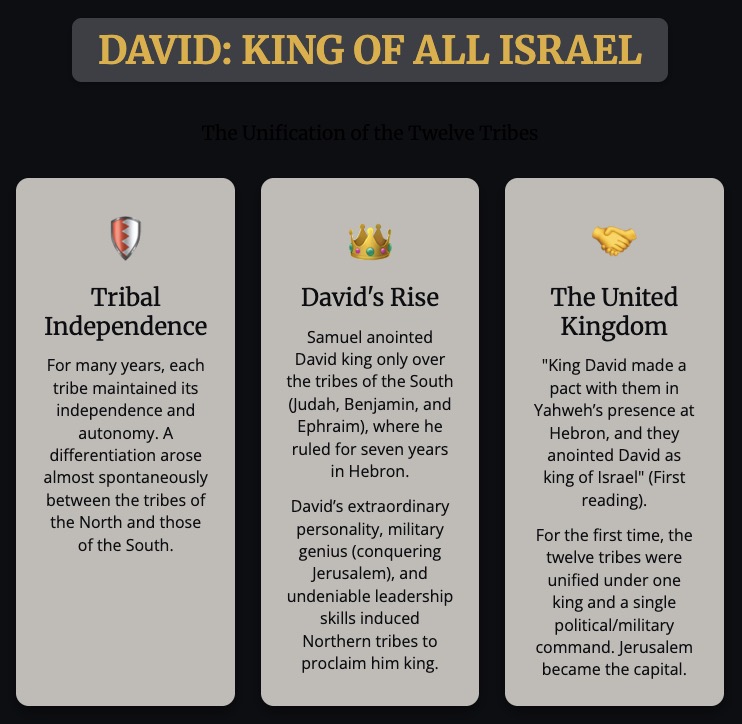
Along with Moses and Abraham, David is the most important figure in the Old Testament. The first Christians read Jesus in light of these heroes of the Old Testament.

2010 ၊၊||၊ Podcast
Christ the King

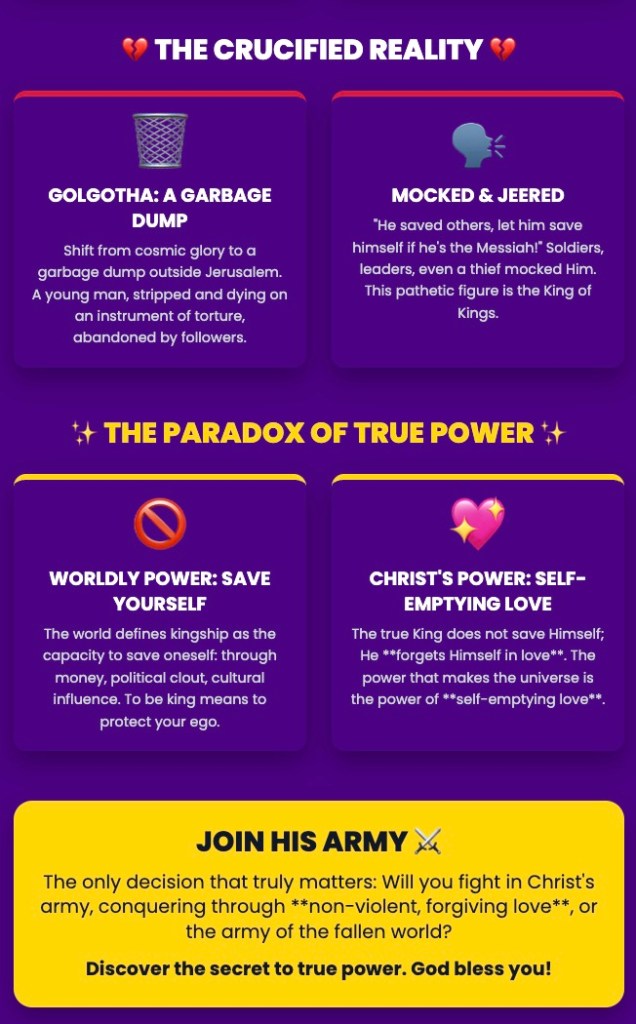
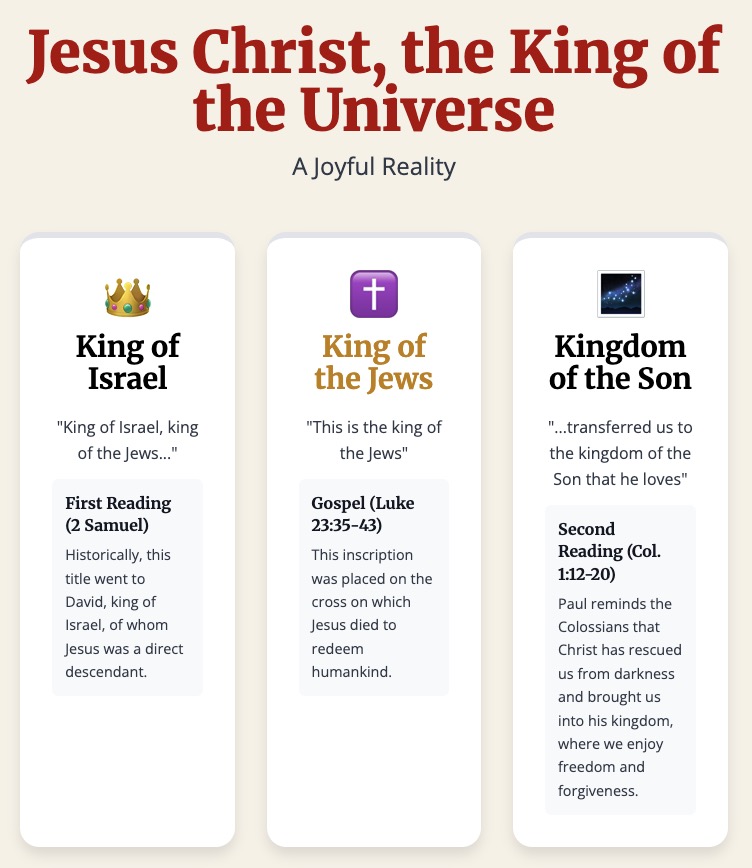
The second reading for Mass this Sunday is taken from the opening chapter of Paul’s letter to the Colossians. There is no stronger statement of the absolute primacy, centrality, and importance of Jesus Christ in the entire New Testament. Jesus, Paul tells us, is the beginning and the end, the icon of the invisible God, the one in whom all things exist and for whom they are destined. And then the Gospel shows us this cosmic King nailed to the cross. This wonderful irony is at the heart of the Christian proclamation: the King of the Universe is a crucified criminal, who utterly spends himself in love.

King of All, Warriors of Mercy
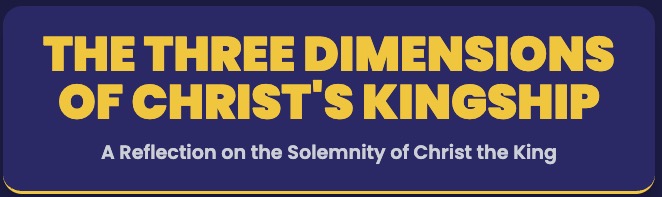

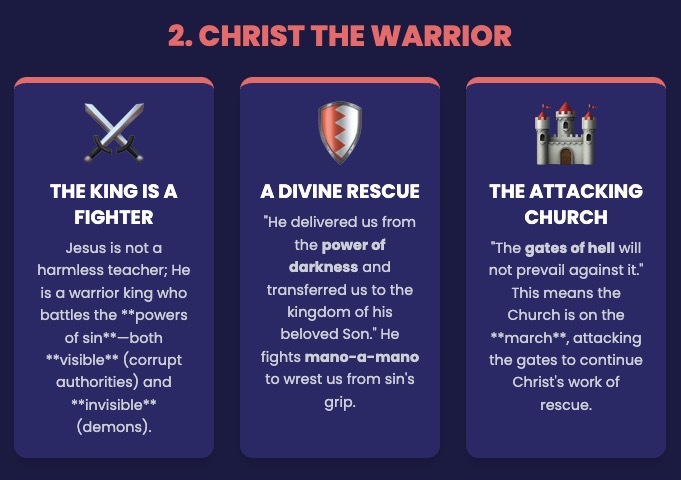

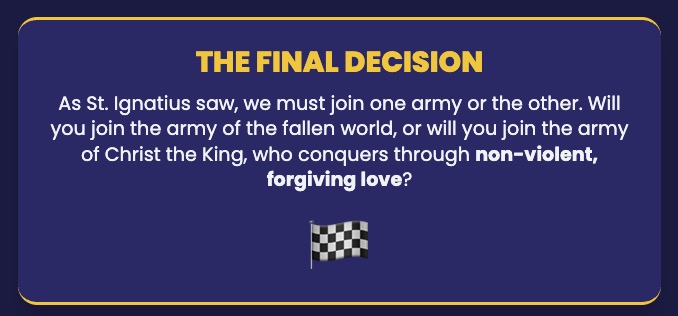
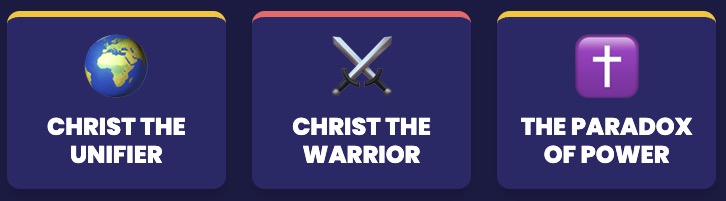
Bishop Barron’s homily for the Solemnity of Christ the King Year C emphasizes Jesus’ unique kingship: uniting people through his personhood and love, transcending politics. His kingdom draws all to him, fostering unity beyond human divisions. As a warrior king, Jesus battles evil with self-sacrifice and forgiveness, triumphing on the cross through mercy. Followers must choose love and service over worldly ways, embracing Christ’s path instead of earthly temptations.

The Marks of Spiritual Leadership
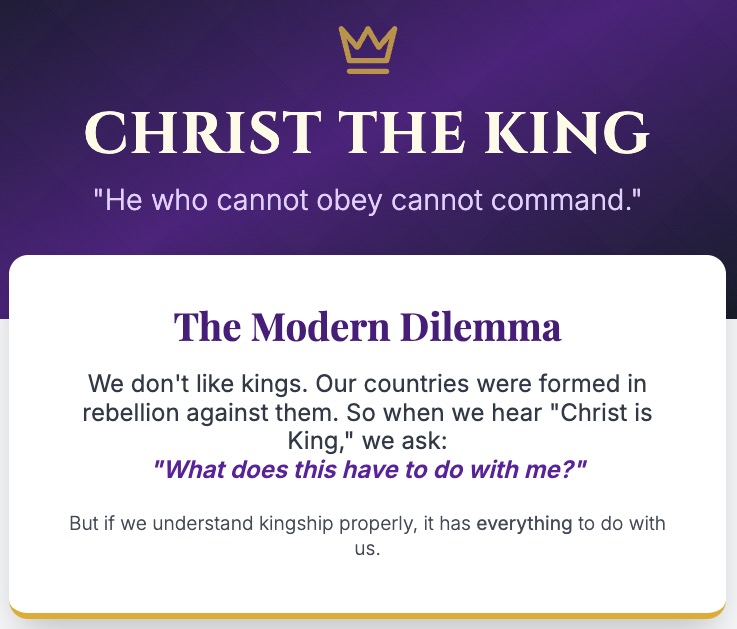
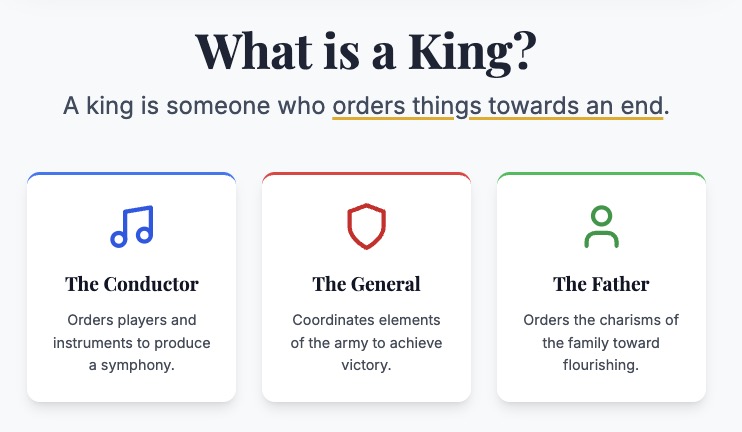
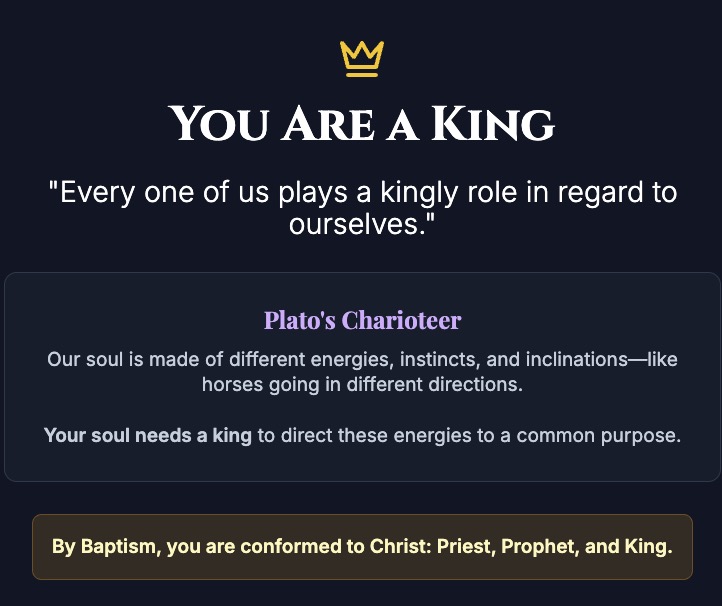
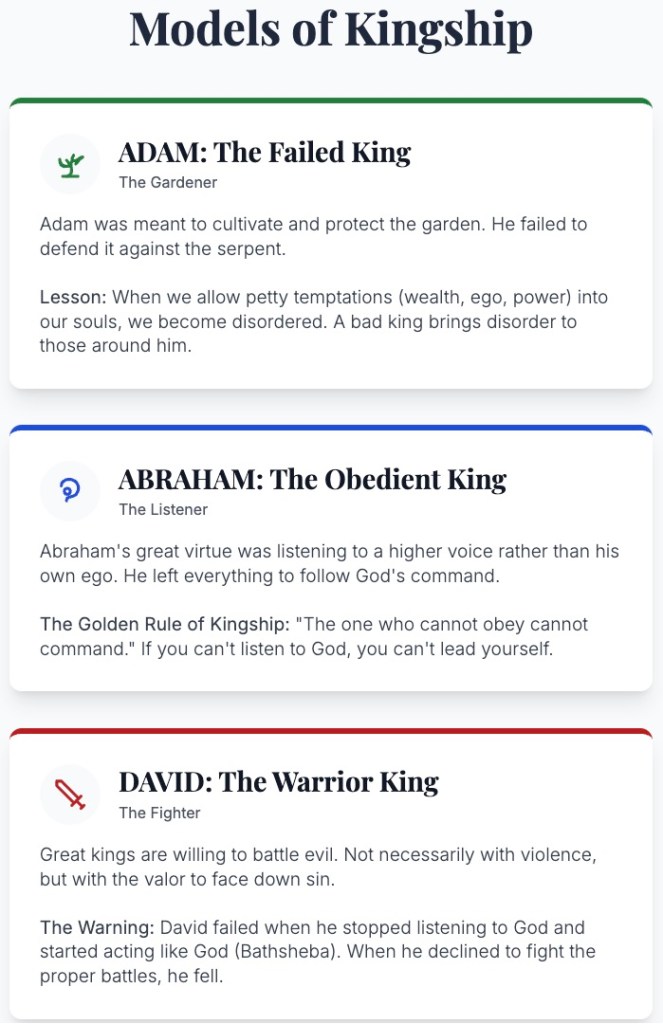
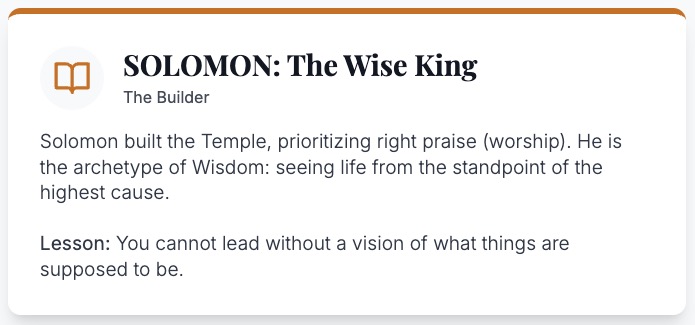
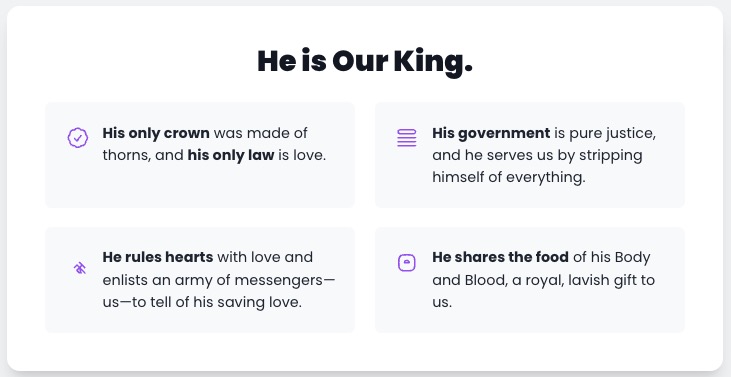
Friends, we come to the final weekend of the liturgical year and the celebration of the Solemnity of Christ the King. Now, our country was formed in rebellion against a king, and kingship as a political reality is far removed from us. But what does kingship mean for us spiritually? In a word, everything. If you’re baptized, you’re a king, because you’re conformed to Christ, who is priest, prophet, and king. And your job, wherever God puts you, is to order things—first and foremost in your own soul—toward the end of God’s kingdom.

DOWNLOAD PDF (8.5 x 11″ Format)
This TWTW Infographics with images was created using Nano Banana Pro with Gemini. Permission is granted to non-profits to use them in their ministry. Please credit TWTW website and Bishop Barron’s homily on which the graphic is based.
Deacon Greg’s blog has garnered some 20 million readers from around the world since its inception in 2007.
Christ the King (C)


Click on infographics to enlarge them
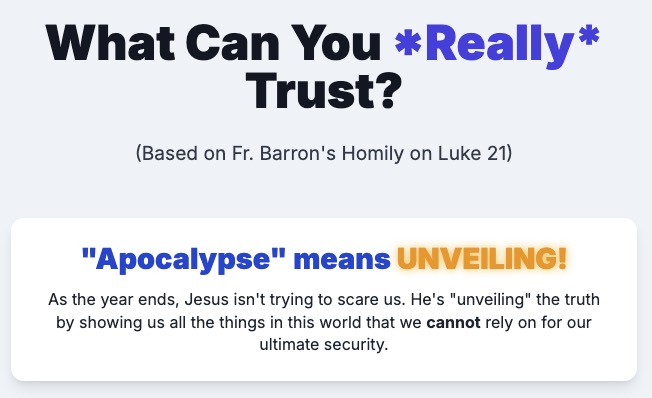
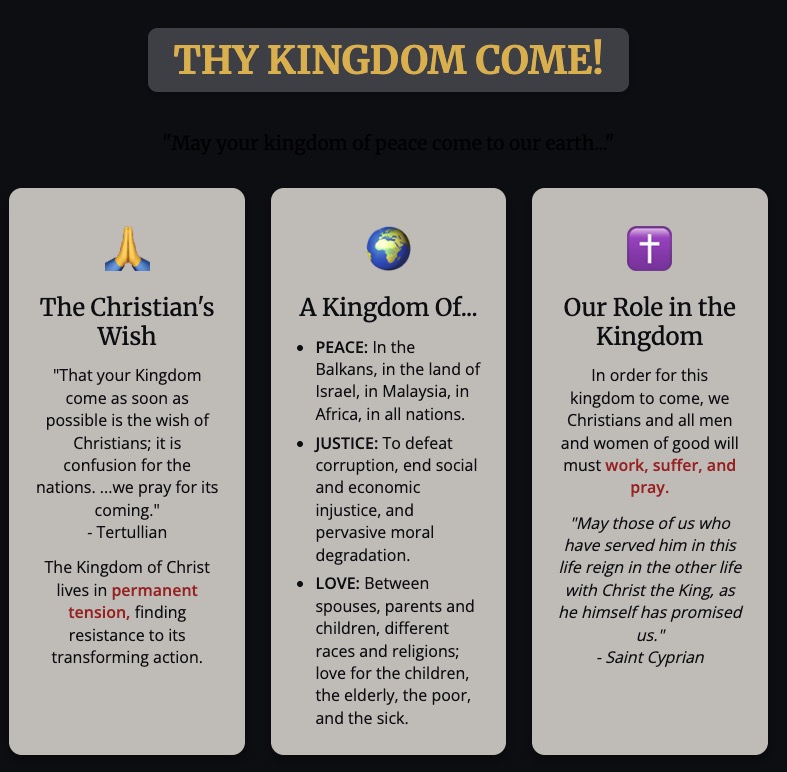
“Who – or WHAT — really rules our lives?” That’s a question we could spend all of Advent asking ourselves, and praying over. And maybe we should. But today, I want to spend a few minutes considering not just Christ the King – but Christ’s kingdom. Because this feast reminds us what we pray for, day after day, week after week, when we pray “thy kingdom come.”
— originally preached in 2013

DOWNLOAD PDF (8.5 x 11″ Format)
This TWTW Infographics with images was created using Nano Banana Pro with Gemini. Permission is granted to non-profits to use them in their ministry. Please credit TWTW website and Bishop Barron’s homily on which the graphic is based.
────── ⋆⋅☆⋅⋆ ──────
Deacon Peter McCulloc
Christ the King (C)
Click on infographic to enlarge it
Infographics on this page have been created using AI generative tools (i.e. GOOGLE'S AI Gemini 2.5 Flash LLM, Chart.js and Tailwind CSS). They are free to use for any non-profit ministry. THE WORD THIS WEEK kindly requests that you show your appreciation by sharing a link to the website.
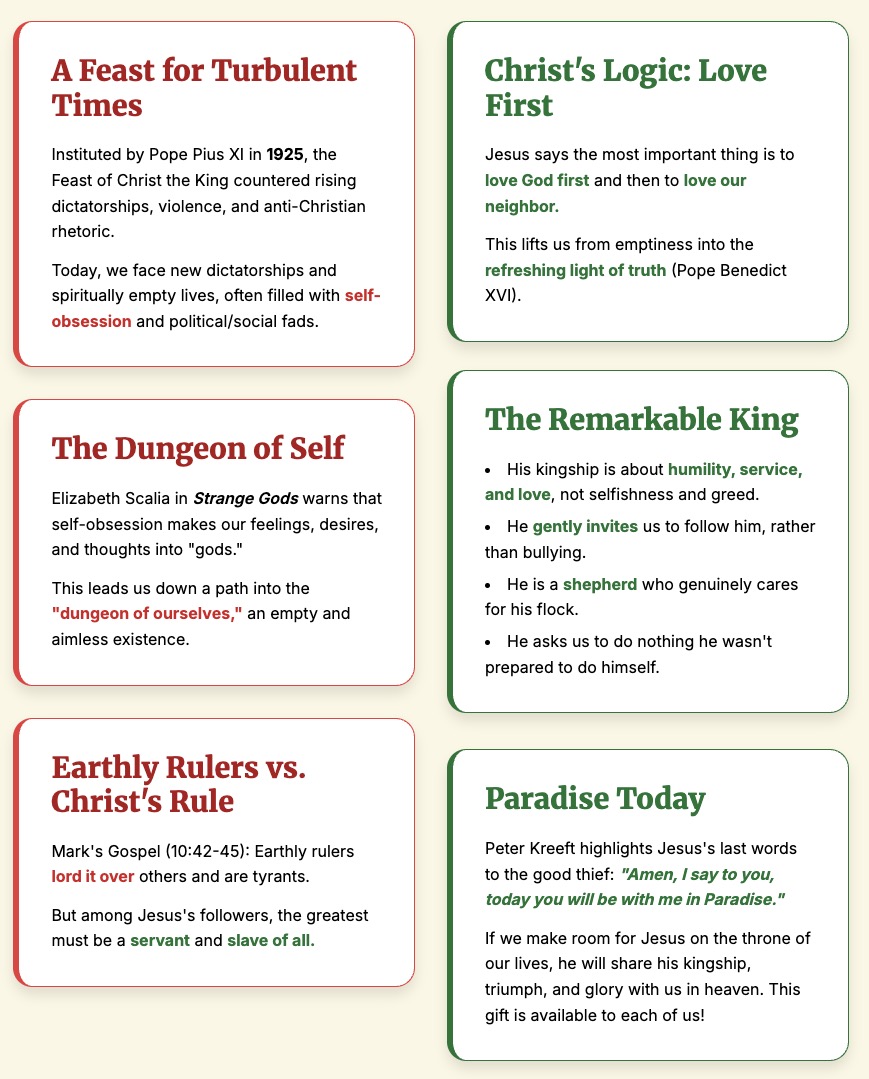
In his book Food for the Soul, Peter Kreeft draws our attention to the last sentence in today’s Gospel. He notes that it’s the last sentence of the last reading of the last Sunday of our liturgical year, and it’s Jesus’ answer to the good thief who was crucified next to him: ‘Amen, I say to you, today you will be with me in Paradise.’
Kreeft says that these are the words we will be hearing from Jesus on the last day of our own lives, if we accept him as our King.

Click on infographic to enlarge it
Infographics on this page have been created using AI generative tools (i.e. GOOGLE'S AI Gemini 2.5 Flash LLM, Chart.js and Tailwind CSS). They are free to use for any non-profit ministry. THE WORD THIS WEEK kindly requests that you show your appreciation by sharing a link to the website.

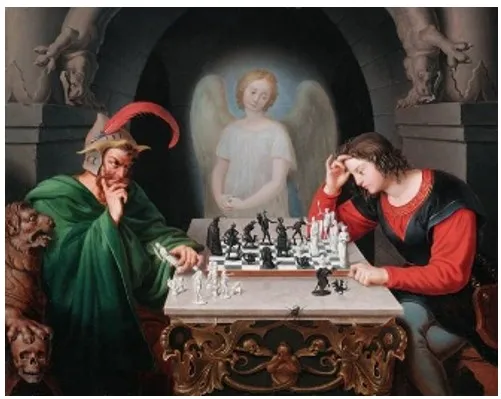
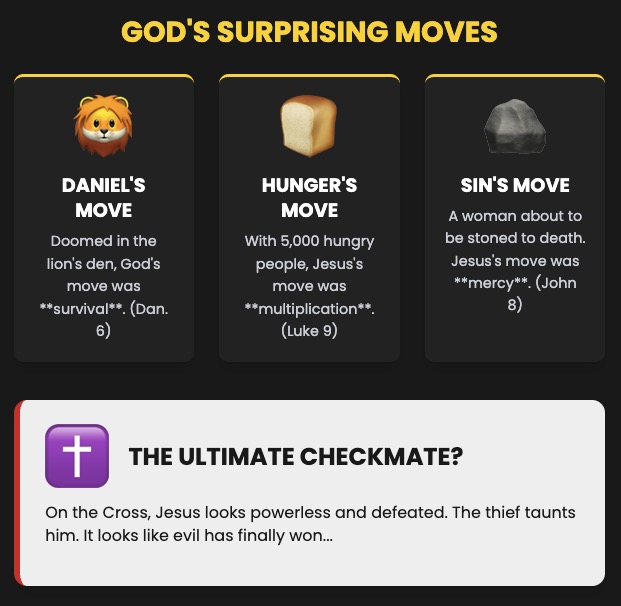
In the game of chess, the goal is to trap your opponent’s king. When he cannot move, you declare ‘checkmate’ and the game is over. In 1822, the German artist Friedrich Moritz Retzsch (1779 – 1857) captured this moment in a famous artwork he called Die Schachspieler (The Chess Players). Today, it’s more commonly called Checkmate, but this picture depicts two chess players – a sneering devil and a worried young man, often said to be Goethe’s Faust. If the devil wins, the prize is the young man’s soul.

DOWNLOAD PDF (8.5 x 11″ Format)
This TWTW Infographics with images was created using Nano Banana Pro with Gemini. Permission is granted to non-profits to use them in their ministry. Please credit TWTW website and Deacon Peter’s homily (above) on which the graphic is based.
────── ⋆⋅☆⋅⋆ ──────

Christ the King (C)
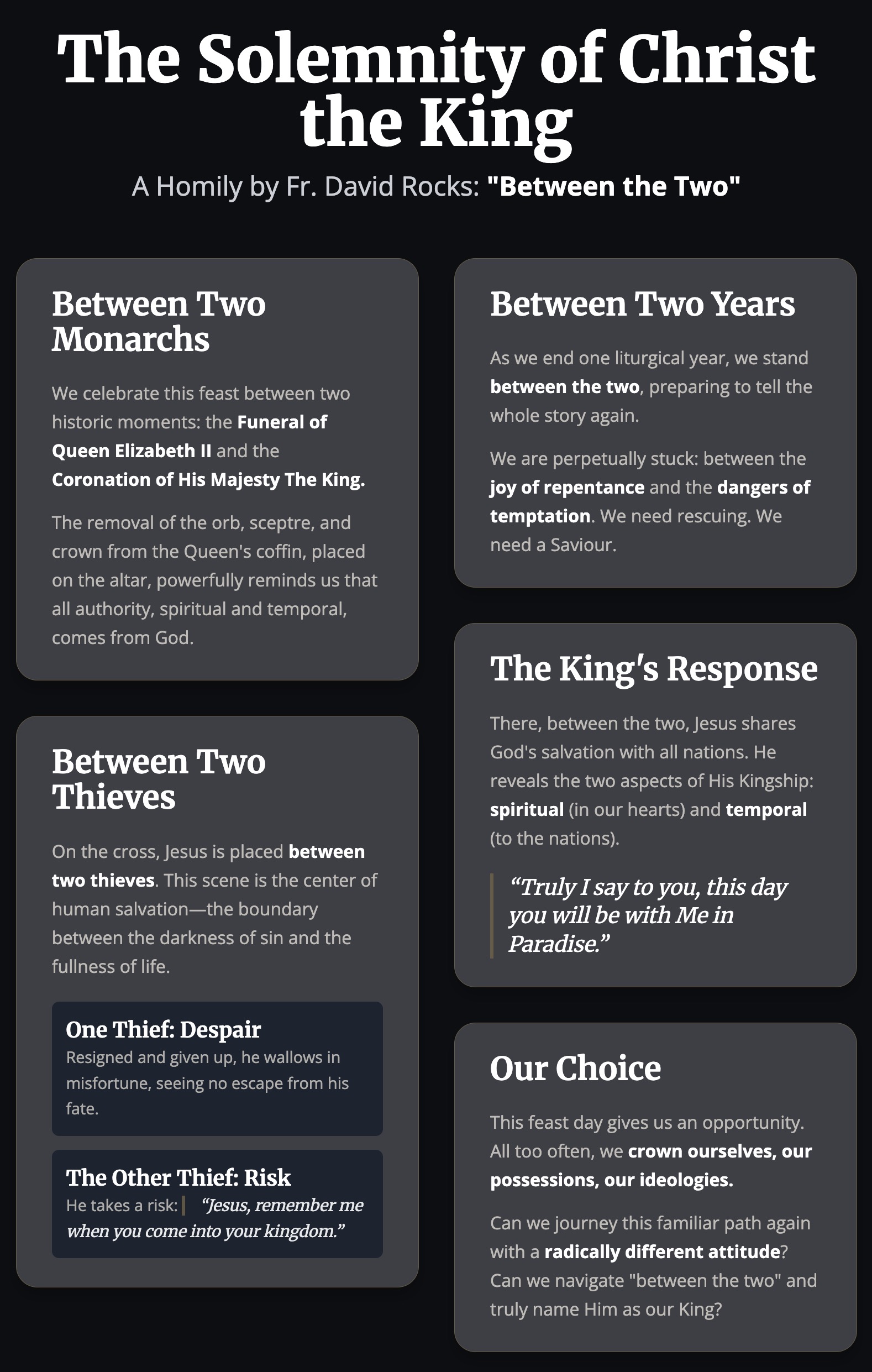
Between the Two
Click to enlarge

The Solemnity of Christ the King. Fr David Rocks preaches on the turn of the year.
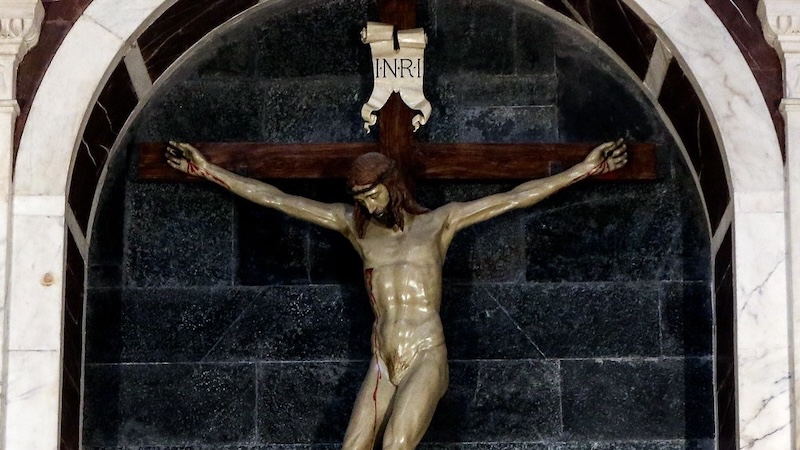
On this Solemnity of Our Lord Jesus Christ, Universal King, we name Him as our King and proclaim Him to the nations. Caught up in a desire to share His reign and to live forever, all too often as individuals. and as a race, we fall into the temptation to crown ourselves, our possessions, our ideologies. This feast day gives us the opportunity to prepare to journey the familiar path again, perhaps with slightly different words – but with radically different attitudes? Who knows what might change in the world if somehow we can navigate between the two…
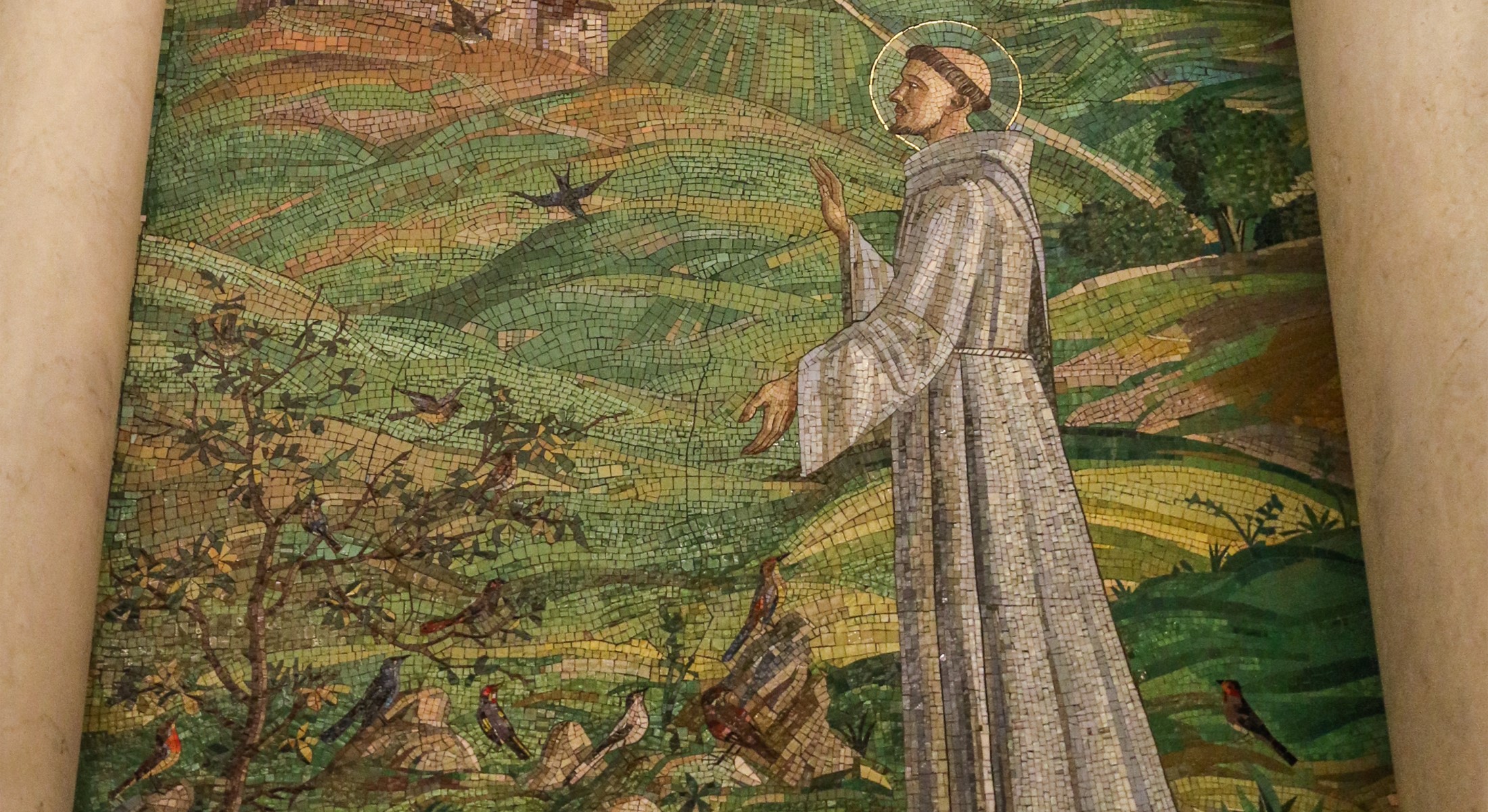
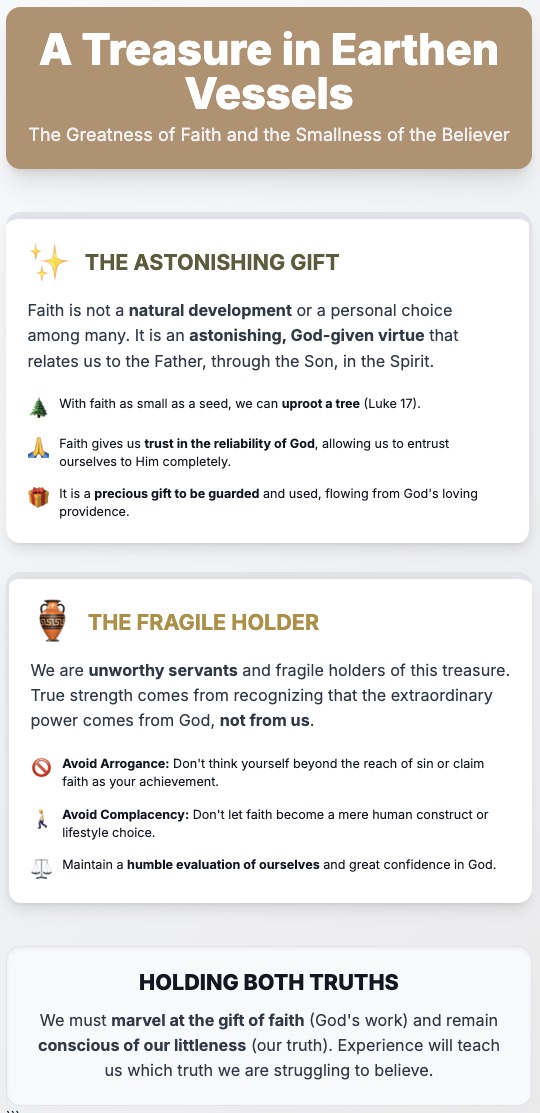
Twenty-seventh Sunday of the Year. Fr Robert Ombres preaches on the extraordinary gift of faith.
Two truths are given to us today, one about God and one about us, and we need to hold on to both of them because they are interconnected. We should marvel at the extraordinary gift of faith we have received from God, yet be conscious that we are only the fragile holders of something precious. Experience teaches us which of these two truths is proving hard to believe and accept.
────── ⋆⋅☆⋅⋆ ──────
Dicastery for the Clergy

────── ⋆⋅☆⋅⋆ ──────
Fr. Joe Jagodensky, SDS
Fr. Joe Jagodensky, SDS

Priest of the
MIlwaukee Archdiocese
A Roman Catholic priest since 1980 and a member of the Society of the Divine Savior (Salvatorians). His six books on the Catholic church and U.S. culture are available on Amazon.com.
Christ the King (C)
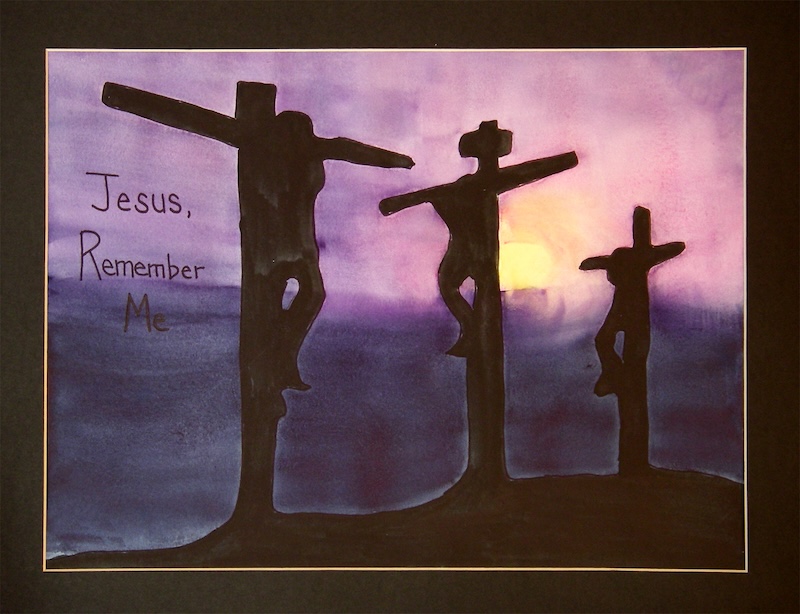
The Cross & the Two Thieves
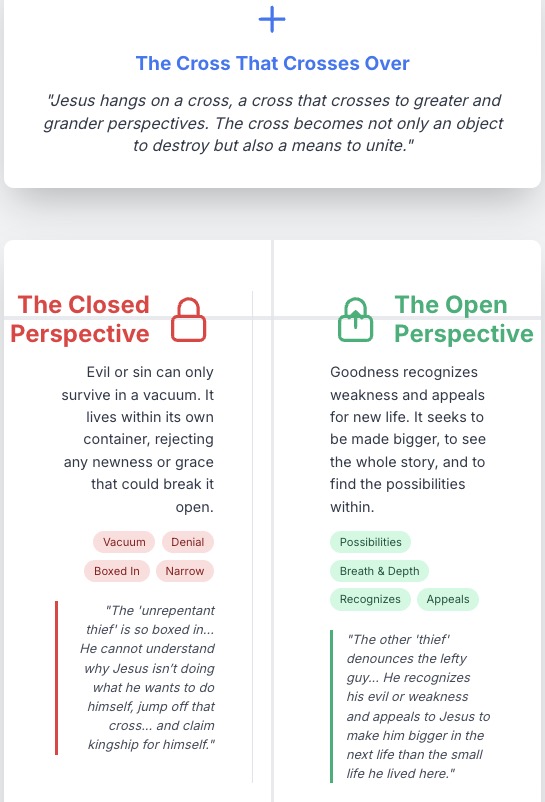

Evil or shortcomings or weakness or sin or the blind spots in our lives – whatever you wish to call them – can only survive in a vacuum. To stay alive it only needs itself, no oxygen or input. No ventilation to open eyes or hearts. It can only live on its own terms, it’s own limited and narrow perspective. That’s why as often as “denial” is thrown at us during a personal discussion or argument our evil or sin cannot allow any new information or broadening to be planted in our hearts. It can only live within its own container. Whether we call this newness grace or information it is the process that opens that tightly held lid and breaks the container that keeps us from being more than we are or said spiritually, “blessed by God.”
────── ⋆⋅☆⋅⋆ ──────
Fr. Austin Fleming
Christ the King (C)

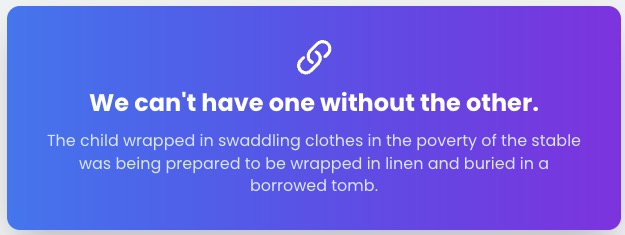
Fr. Austin notes society’s preference for the comforting “newborn King” of Christmas (angels, manger) over the harsh realities of the adult “Christ the King” (soldiers, Cross). The central argument is that these two aspects are inseparable: “we can’t have one without the other.” The child in “swaddling clothes” was being prepared for the “linen” of the tomb. Christ’s reign is paradoxical: a King with no palace, army, or throne. His crown was thorns, and his law is love. He rules by serving and dying for “the guilty.” The homily concludes that while we “cradle” the infant, the adult Christ of Calvary, who “reigns from the throne of the Cross,” now asks us to “be cradled in his arms,” ruling our hearts with the “royal, lavish gift” of his love.
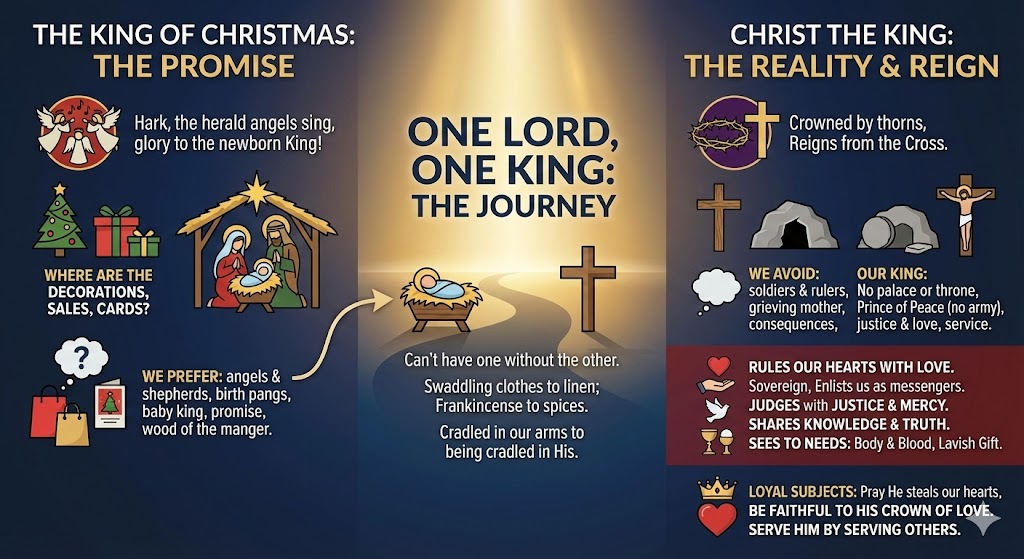
TWTW Infographics with images created using Nano Banana Gemini AI generator. Permission is granted to non-profits to use them in their ministry. Please give credit to TWTW website and Fr. Austin’s homily (above) on which the graphic is based.
────── ⋆⋅☆⋅⋆ ──────
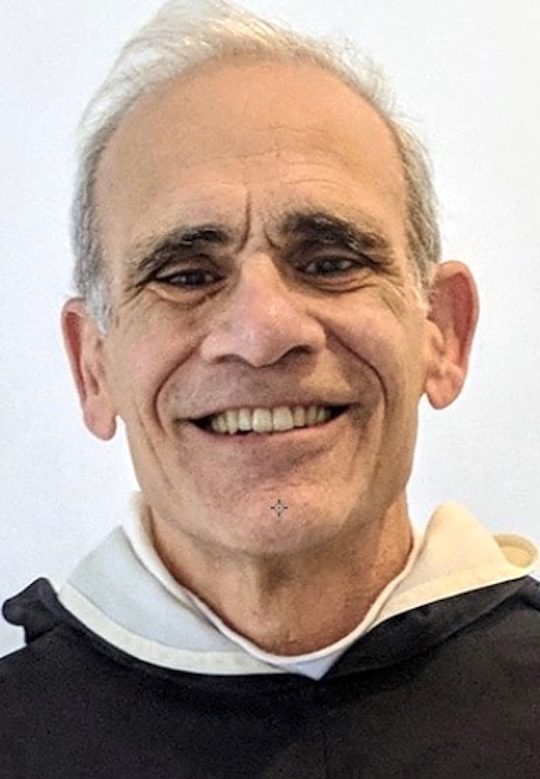
Fr. Carmen Mele, O.P.
Christ the King (C)

Click to enlarge
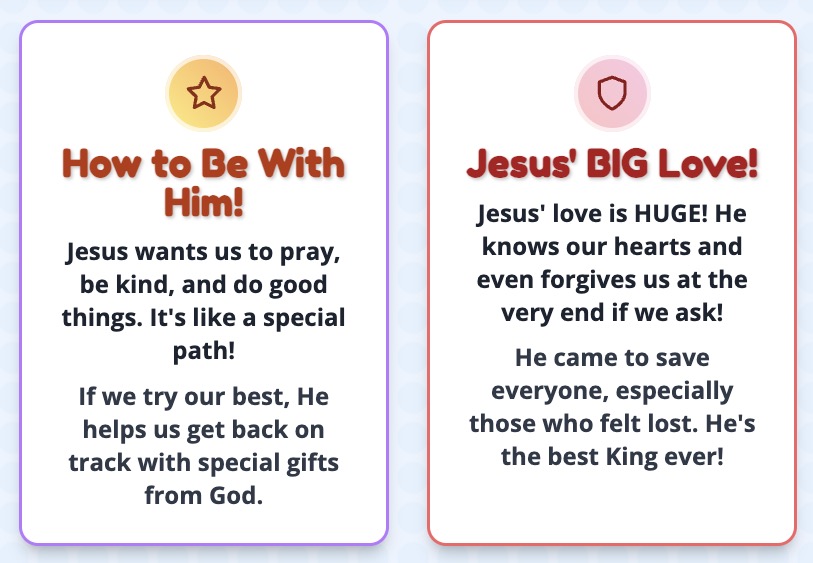
Fr. Mele reflects on the immeasurable compassion of Christ, the ultimate king, who wields the power to grant forgiveness and eternal life to those who seek it. Drawing on the gospel and the Letter to the Colossians, he emphasizes the importance of aligning oneself with Christ through prayer, penance, and good deeds, acknowledging that many may attempt but fail to do so.
Despite our shortcomings, Christ’s mercy surpasses human understanding and extends to even the gravest of sins when repentance is genuine. His redemptive mission reminds us that salvation is possible, and that love, justice, and benevolence reign supreme in His kingdom. This reflection offers comfort to all, including those mourning loved ones who may have faced challenges in faith during their earthly lives.
────── ⋆⋅☆⋅⋆ ──────
Fr. Charles E. Irvin
Christ the King (C)
A Modern Imperative

Click to enlarge

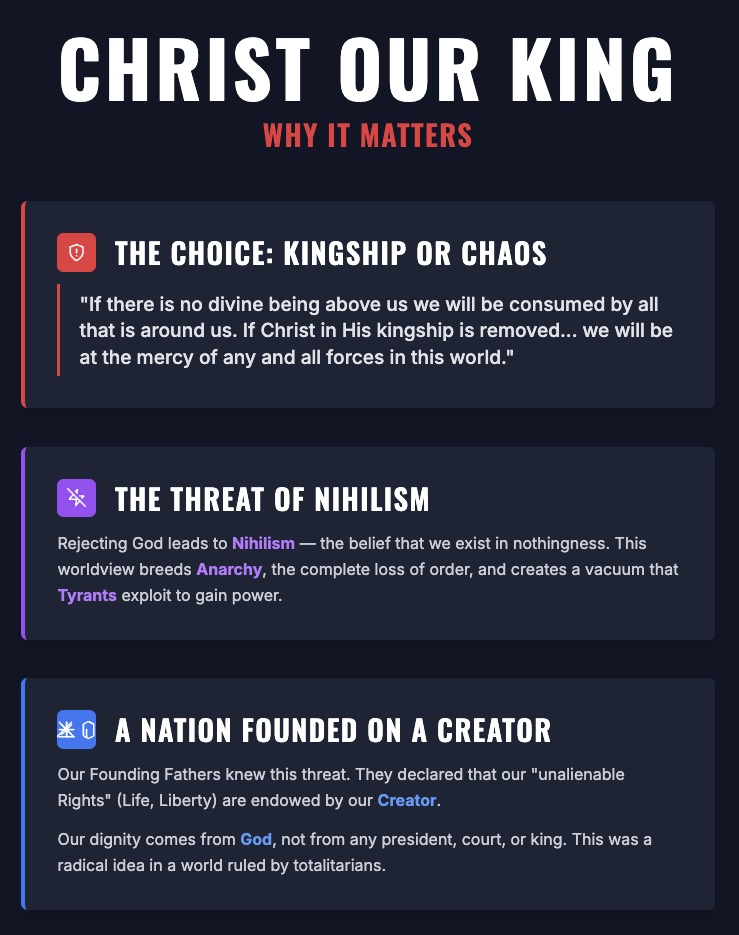
Our human dignity, our rights and our freedoms come to us not from any President, or Congress or Supreme Court; they come to us from God our Creator. No king, ruler, president or potentate confers our basic human rights upon us. Perhaps that concept does not seem to be very bold to us today, but it was the foundation of our Declaration of Independence, the beginning of what back then was known as the American Experiment. Experiment? Yes! What our Founding Fathers asserted back then was radical because people in the rest of our world were governed in those days by kings, dictators and totalitarians who ruled as if people were their possessions, as if their subjects belonged to them and not to God. Even now there are those in our world who despise our American democratic ideals.
Fr. George Smiga
Christ the King (C)
Click to enlarge

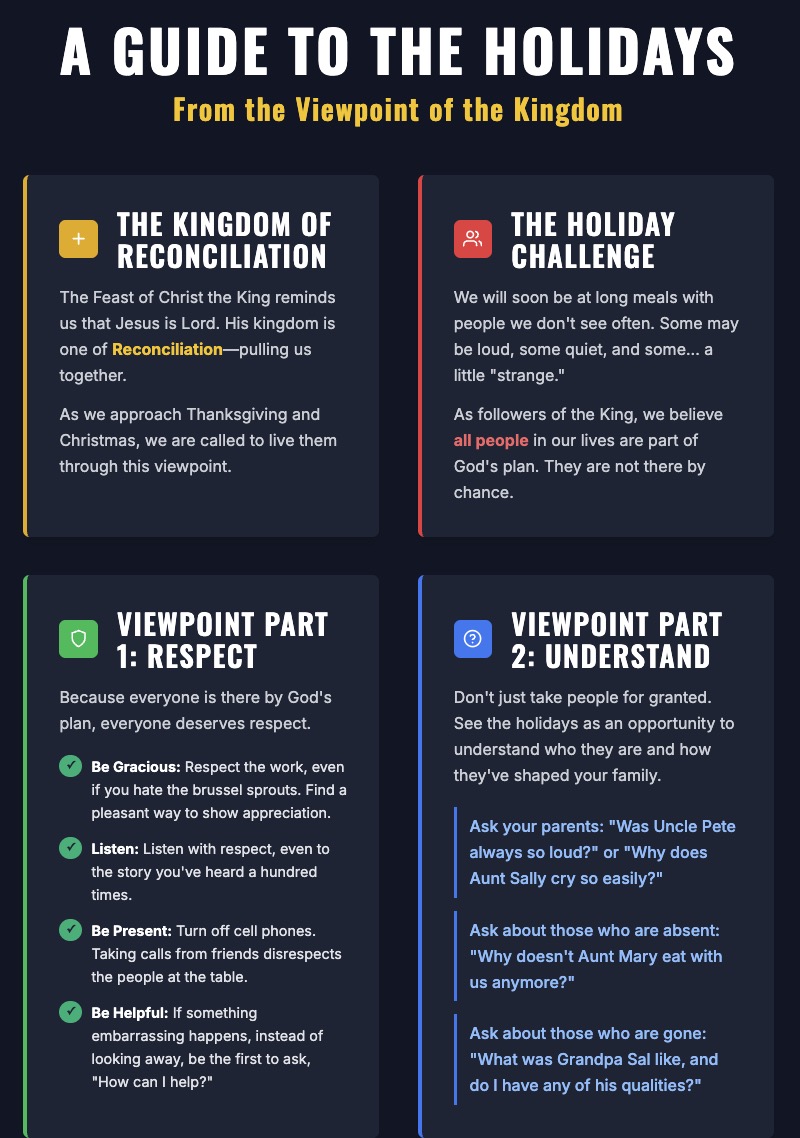
2004 HOMILY – We who follow Christ intend to live our lives according to the principles of Christ’s kingdom. What is this kingdom about? Today’s second reading states it clearly. God is reconciling all things to God’s self through the blood of Jesus’ cross. The kingdom of Christ is a kingdom of reconciliation, of pulling us together. Therefore as we approach these upcoming holidays of Thanksgiving and Christmas we should live them through the viewpoint of the kingdom. We try to live them as followers of Christ the King.

TWTW Infographics with images created using Nano Banana Gemini AI generator. Permission is granted to non-profits to use them in their ministry. Please give credit to TWTW website and Fr. Smiga’s homily (above) on which the graphic is based.
Father Kevin Rettig
Christ the King (C)

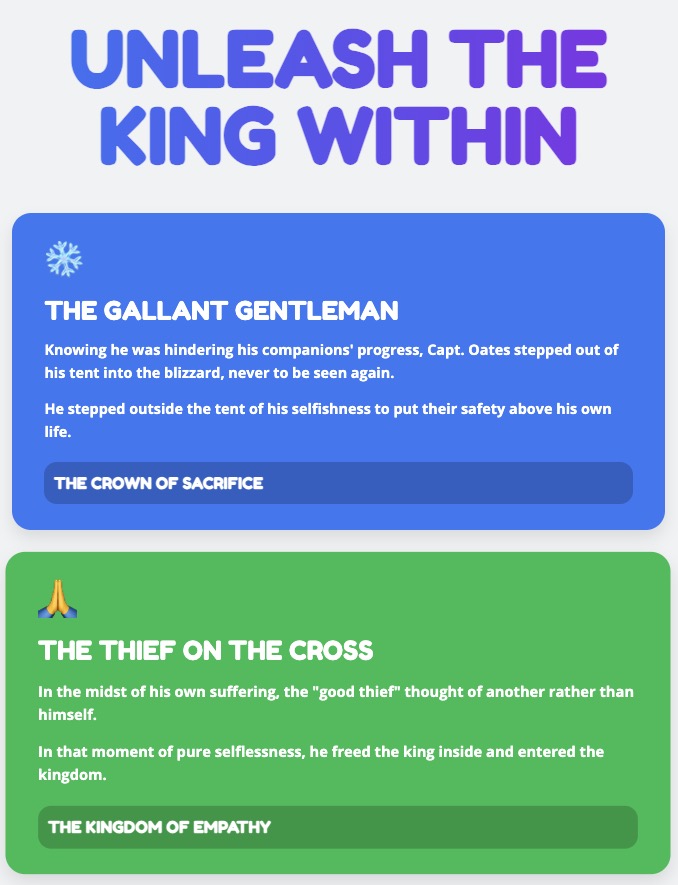
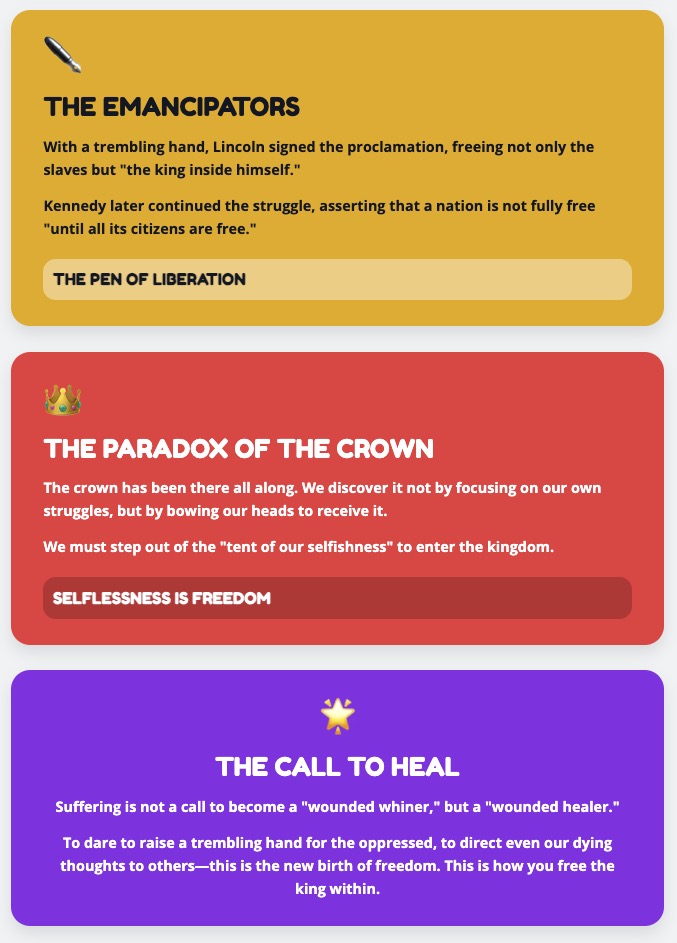
Fr. Kevin’s homily explores how true freedom and “kingship” are found in selfless sacrifice for others. It highlights heroes who stepped “outside the tent of our selfishness,” like Captain Oates, who died to save his team, and the Good Thief, who showed empathy while suffering. This idea is furthered by Lincoln and Kennedy, who worked to liberate others. The homily’s core message is that suffering is a call to become a “wounded healer,” and by working to free others, we find the “new birth of freedom” and unleash the “king” within ourselves.

Beyond Our Pain
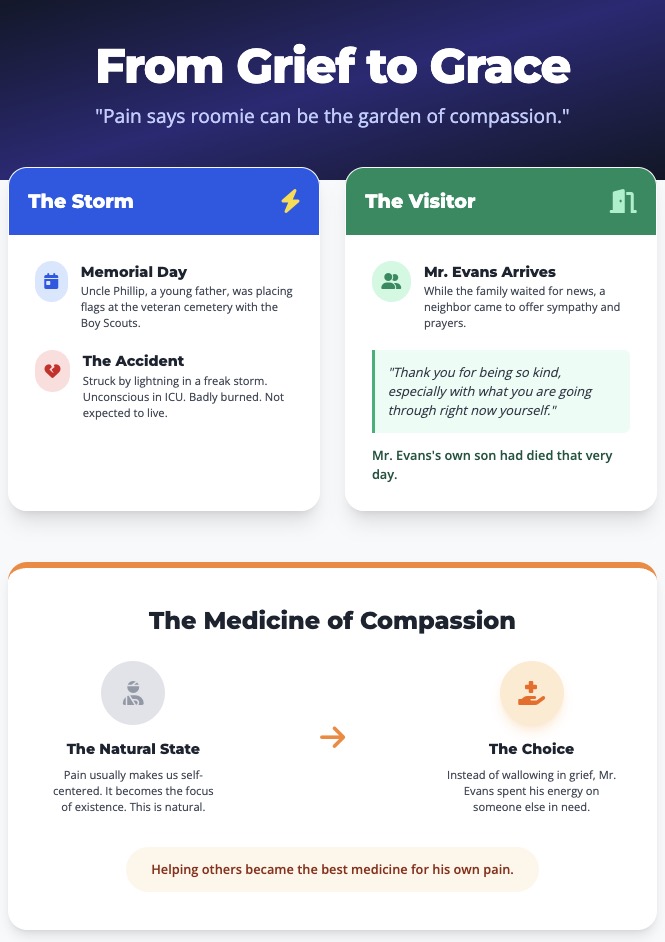
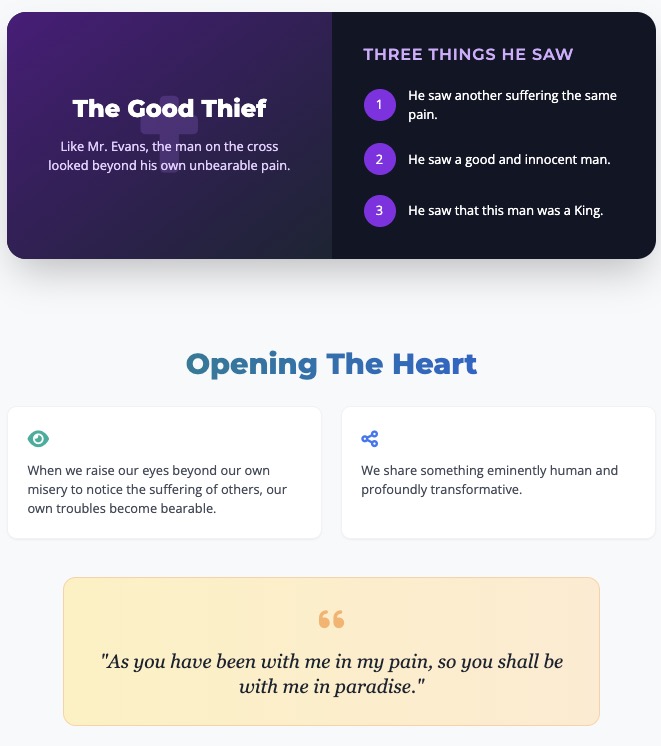
Fr. Ruttig’s homily explores how focusing on others’ suffering and showing kindness and compassion can help alleviate our own pain and transform it into something positive.
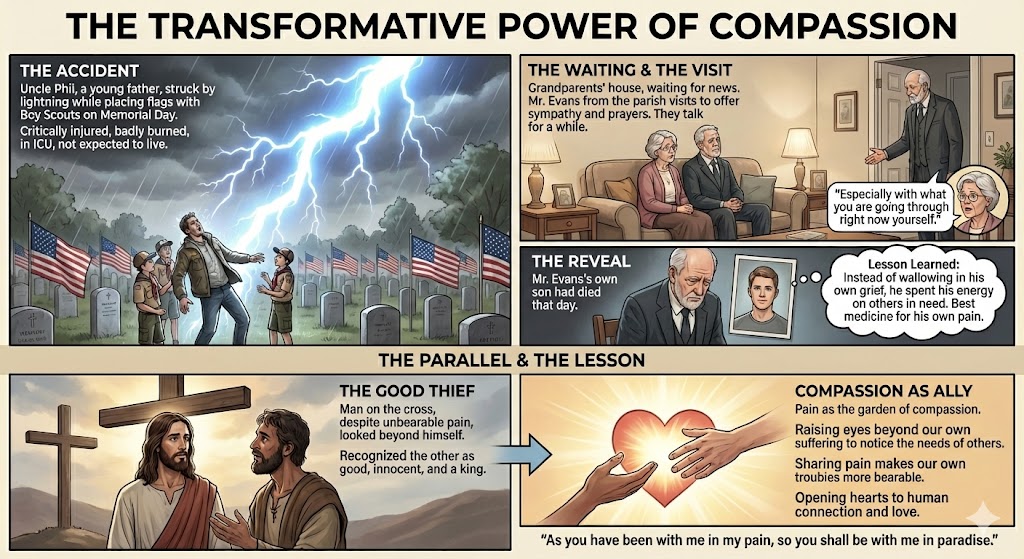
TWTW Infographics with images created using Nano Banana Gemini AI generator. Permission is granted to non-profits to use them in their ministry. Please give credit to TWTW website and Fr. Kevin Rettig’s homily (above) on which the graphic is based.
Monsignor Peter Hahn
Christ the King (C)

Christ: The True King


This homily for the Feast of Christ the King observes that the feast is often overlooked in favor of the civil calendar, like Thanksgiving. It contrasts the world’s distorted view of power with Christ’s true authority.
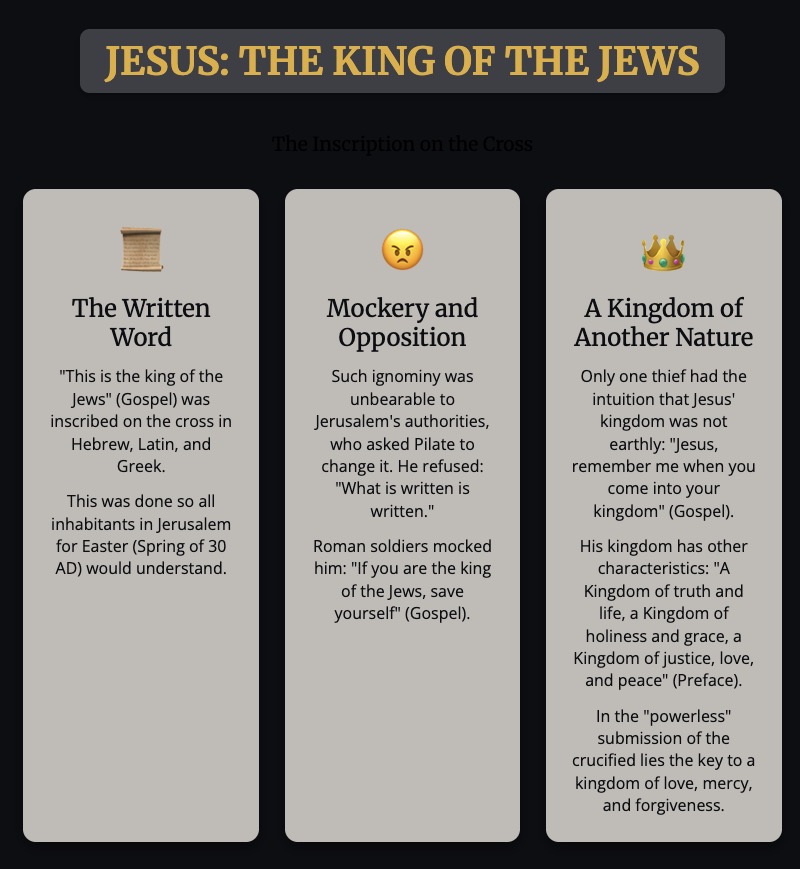
Ironically, the Gospel reveals Christ’s kingship not in glory, but on the cross. While the inscription “King of the Jews” was meant as a final, mocking insult, Christ performed his most powerful royal act: a pronouncement of infinite mercy to the good thief (“Today you will be with me in paradise”). This mercy, which reconciles the world, is his true power.
As we begin Advent, the homily calls us to prepare our “inner selves” for this true King, rather than just getting lost in “busyness.”

The King’s True Treasure
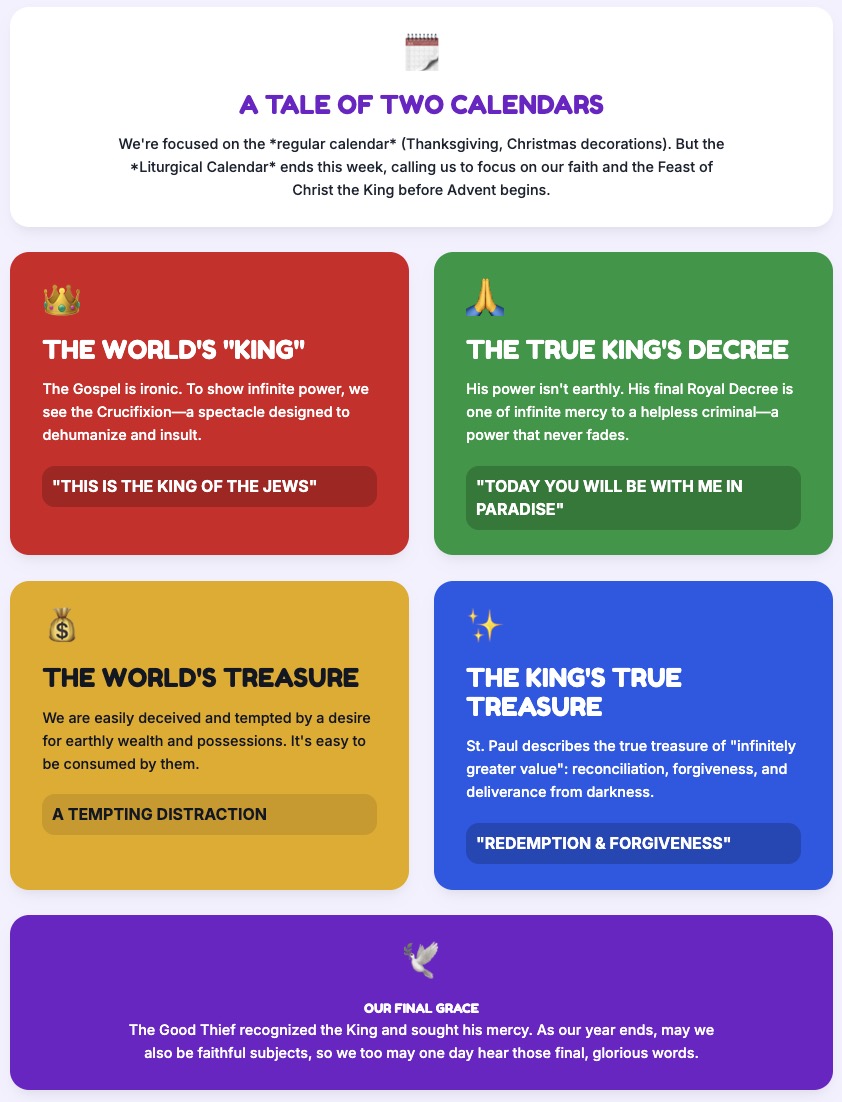
The homily contrasts the “regular calendar” (Thanksgiving, Christmas) with the “Liturgical Calendar,” which is ending with the Feast of Christ the King. It highlights the irony that Christ’s infinite power is revealed not as worldly force, but at the Crucifixion.
While the inscription “This is the King of the Jews” was meant as an insult, Christ performed his true Royal Decree: offering infinite mercy to the helpless criminal (“Today you will be with me in Paradise”). The homily urges us to avoid being consumed by the world’s treasure (earthly wealth) and instead seek the King’s true treasure of “infinitely greater value”: reconciliation, forgiveness, and deliverance from darkness.
────── ⋆⋅☆⋅⋆ ──────
Msgr. Joseph Pellegrino
Christ the King (C)
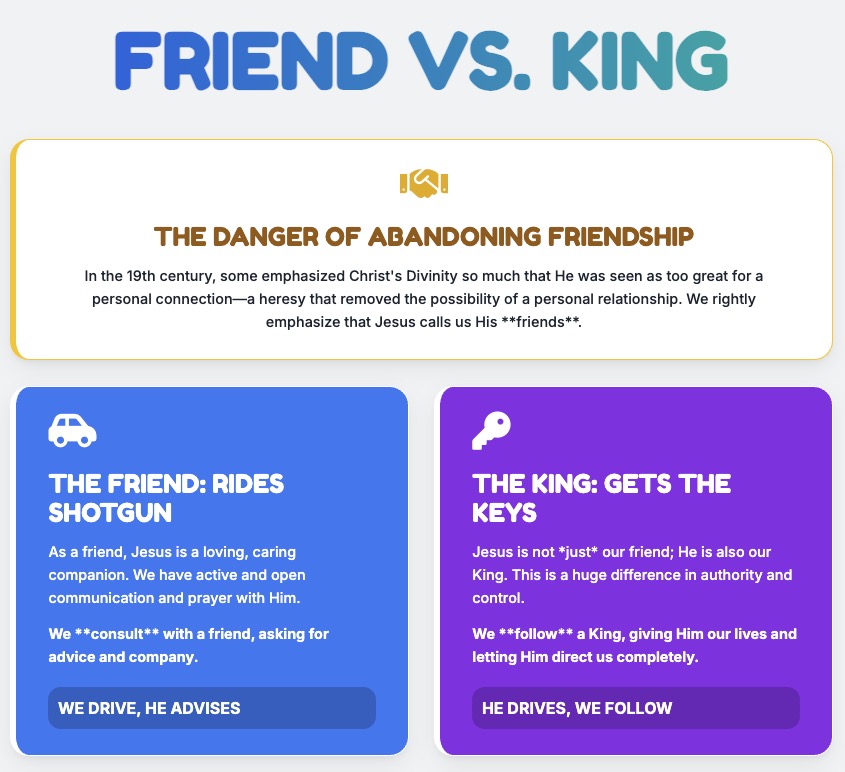
Click to enlarge


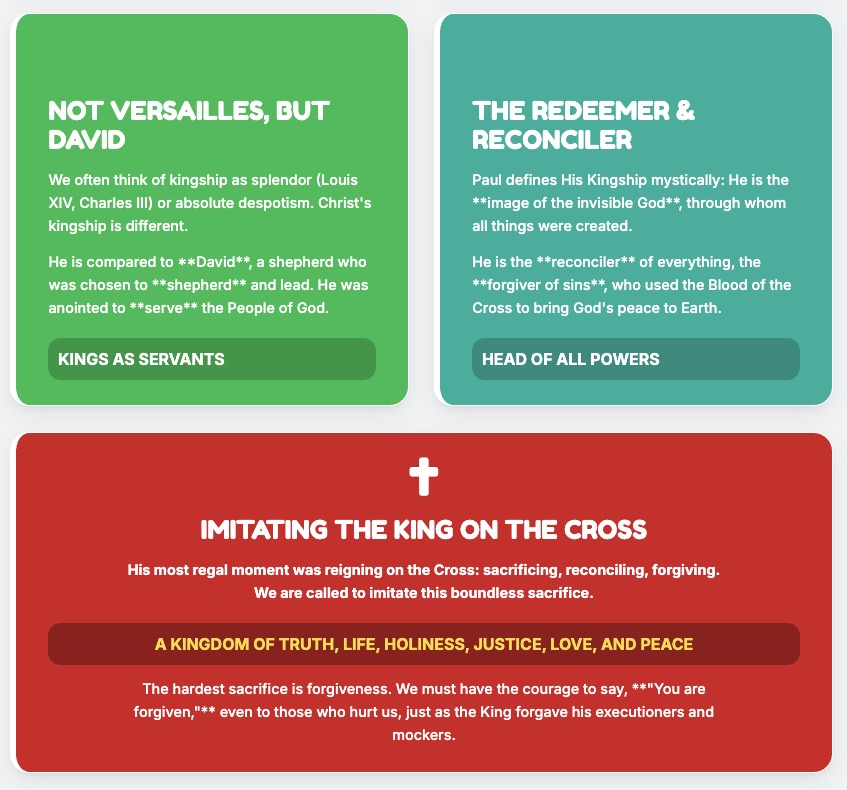
The homily first acknowledges a historical tendency to overemphasize Christ’s divinity, which wrongly made a personal relationship seem impossible. It affirms that Jesus is our loving, caring Friend, urging us to have open communication with Him.
We are called to imitate this King by realizing His Kingdom of truth, life, holiness, justice, love, and peace. This requires boundless sacrifice, especially the difficult act of forgiving those who have hurt us, just as Christ forgave His executioners and mockers. The year concludes by proclaiming that Jesus is the central mystery of our faith and calls us to be faithful members of His Kingdom.
────── ⋆⋅☆⋅⋆ ──────
Christ the King (C)

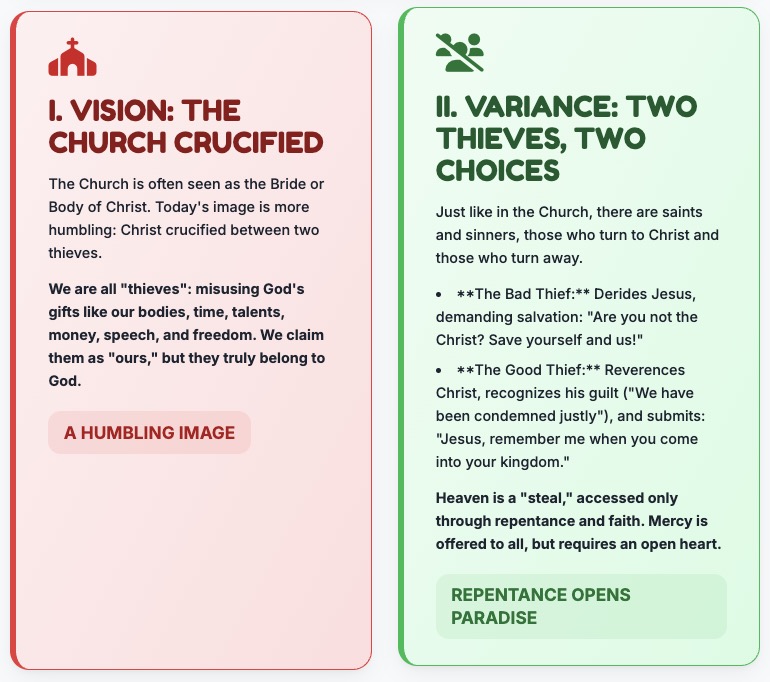

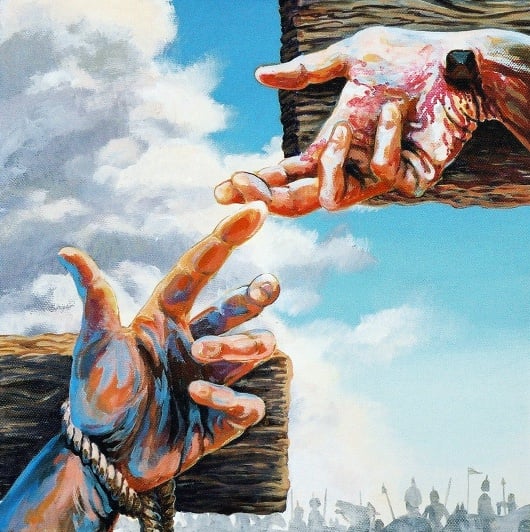
Jesus Christ is King of Thieves, though He never stole. He is savior of sinners, though He never sinned.
Today’s Gospel chosen presents Jesus as reigning from the cross. Nothing could be more paradoxical. Let’s look at it from four perspectives:
I. Vision –Today’s Gospel presents a vision or image of the Church.
II. Variance –Consider, also, that the two thieves were very different.
III. Veracity –Is Christ really your king?
IV. Victory
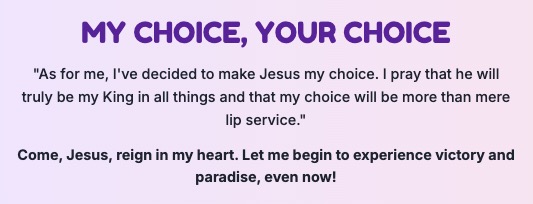
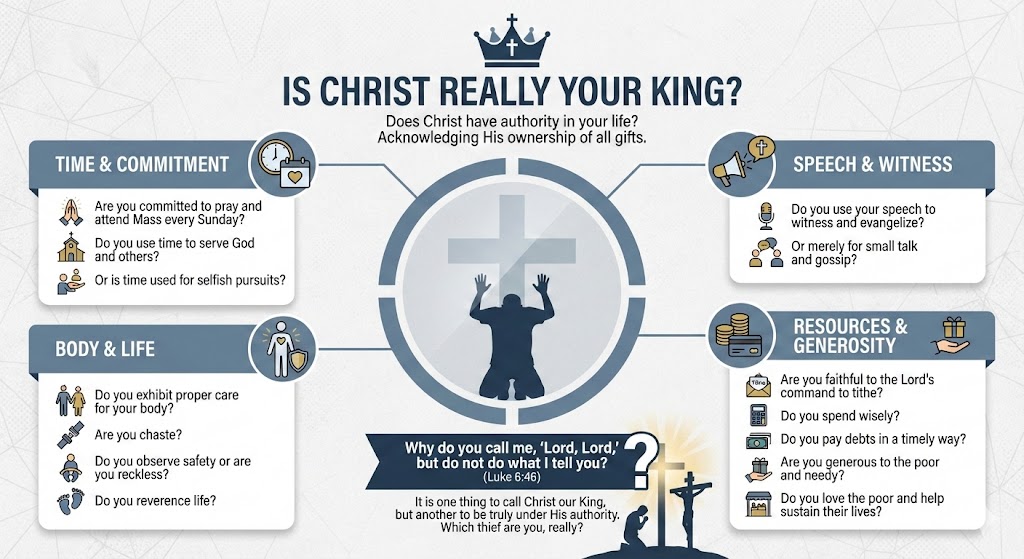
TWTW Infographics with images created using Nano Banana Gemini AI generator. Permission is granted to non-profits to use them in their ministry. Please give credit to TWTW website and Msgr. Pope’s homily (above) on which the graphic is based.
────── ⋆⋅☆⋅⋆ ──────
Fr. Michael Chua
Christ the King (C)
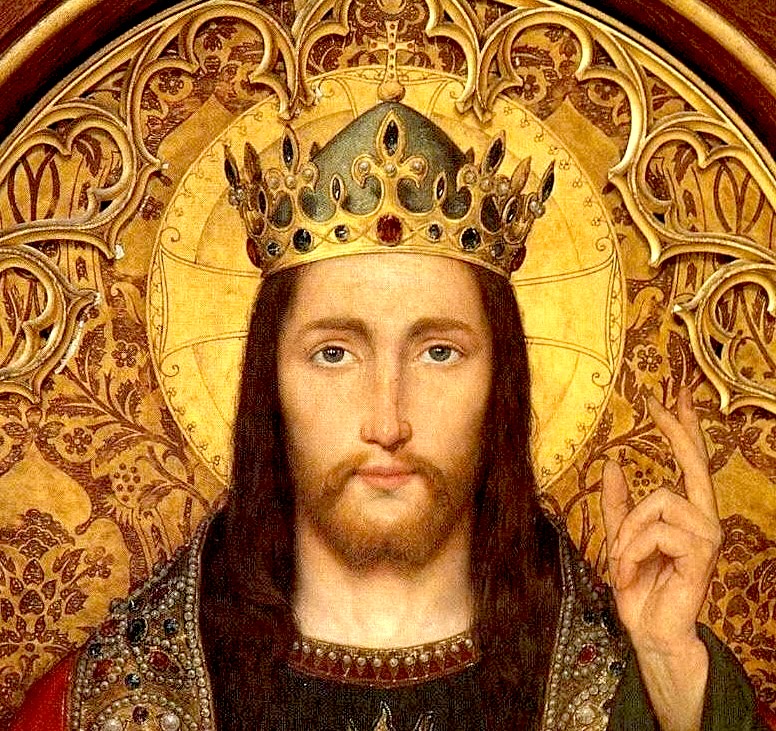
Recently, I’ve been following a Taiwanese miniseries playing on the HBO Channel – The Teenage Psychic. I know – the name sounds “cheesy” and the plotline, perhaps, even ‘cheesier’. The protagonist is a teenage school girl, who also happens to work as a temple medium, a psychic who communicates with the spirit world. In its second season, we are witnessing a growing rivalry between our heroine’s guardian and care-giver, and his techno-savvy brother, both of them owners and operators of temples based on entirely different philosophies – the former runs a conventional traditional temple dedicated to a pantheon of Taoist deities and his techno-savvy younger brother operates a digital age New Age Spirituality centre – no stuffy incense smoke nor scary effigies – a modern religion for the modern man.
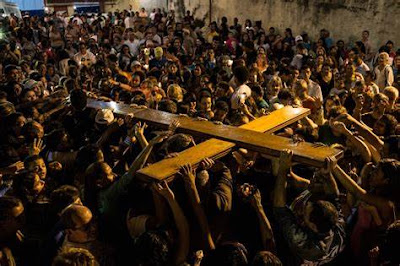
This year we witnessed the death of Queen Elizabeth II, whom many hailed as the last truly Christian monarch of the world, as many other nominally Christian monarchs had long abdicated their responsibilities as defenders of the Christian faith over the decades. In the midst of all the pomp and pageantry of the State funeral that stretched over a period of 10 days, there were two main reactions to the proceedings. Some could say that the comments, especially those coming from critics, were painstakingly predictable, as if being read off a script.

Christ will return in glory at the end of time to judge the living and the dead. There will be a resurrection of the body, and God’s justice and mercy will be fully revealed. This is the true meaning of the end of the world—not fear of cosmic disaster but confident hope in the ultimate triumph of our Lord Jesus Christ. Rather than becoming preoccupied with signs and speculations, Catholics are called to live in a state of grace, anchored in the sacraments, guided by Sacred Scripture, and sustained by the theological virtues of faith, hope, and love. We do not need to fear the end. We belong to a Church that already knows how the story ends: Christ is victorious as He was “in the beginning, is now and ever shall be, world without end. Amen.”
────── ⋆⋅☆⋅⋆ ──────
Fr. Jude Langeh, CMF

Christ the King (C)

Merciful King
Christ the King Sunday merciful King the mercy of God is mentioned so many times in the Bible maybe around 400 times. So the Bible is full of many episodes about Mercy. The mercy of God doesn’t end the gospel shows us that even at the last minute one can still benefit from the mercy of God until we draw our last breath. We can still see Jesus remember me when you come into your kingdom and we can see here these counseling words. Indeed I promise you today you’ll be with me in Paradise. A criminal was crucified with Jesus seized the last opportunity to even steal the mercy of God and steal his entrance into the kingdom of God.
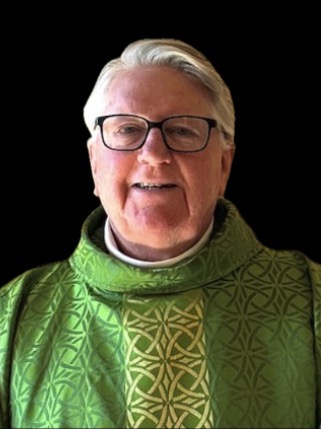
Father Geoffrey Plant
Christ the King (C)


Today You Will Be With Me In Paradise
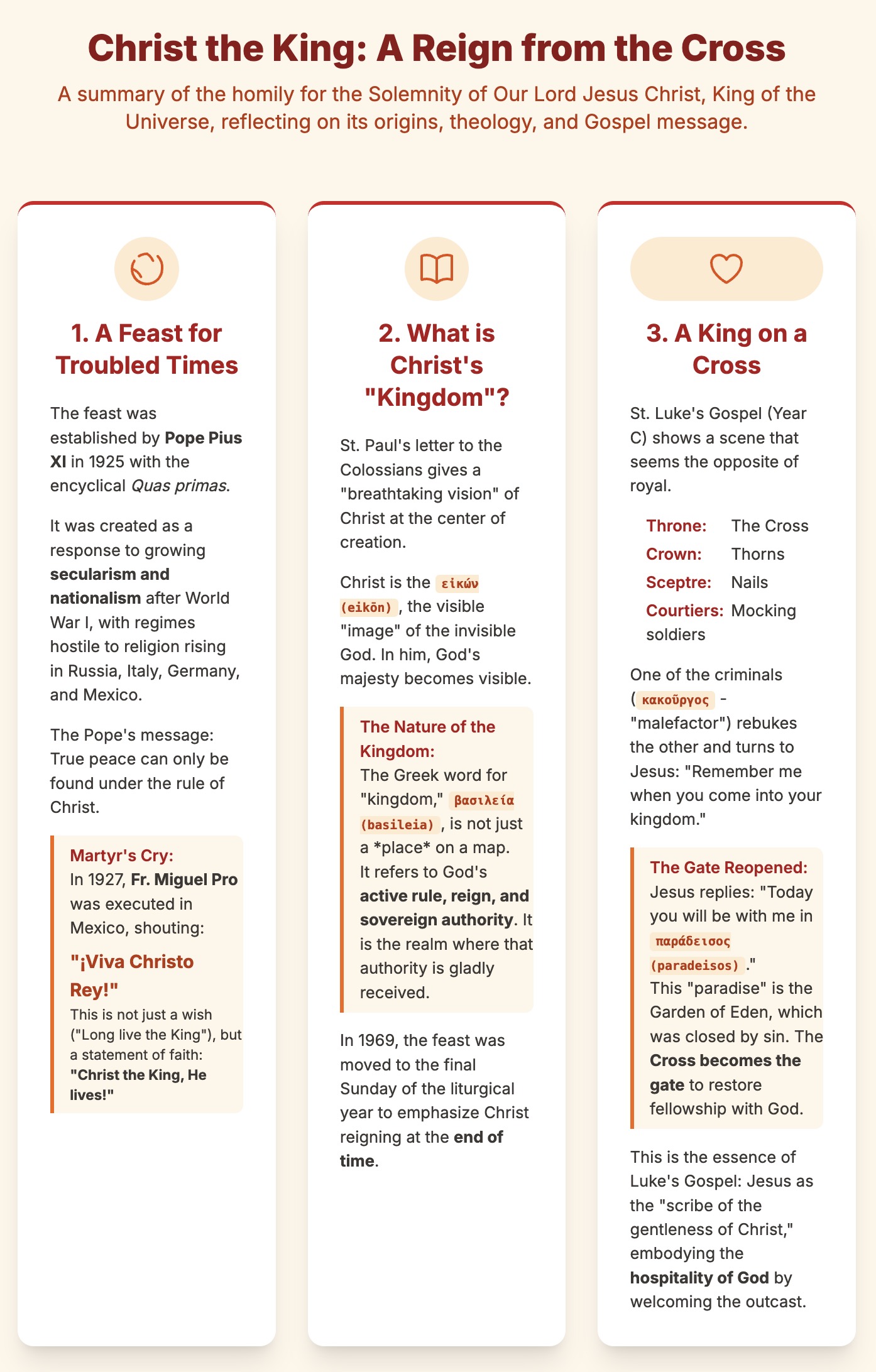
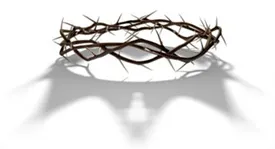
The feast of Christ the King is a comparatively recent addition to the Church’s liturgical calendar. In fact, this year we celebrate the centenary of Quas Primas, the encyclical of Pius XI which established the feast in 1925. In today’s Gospel for the feast of Christ the King the scene could hardly seem less regal. There is no crown of gold, but a crown of thorns; there is no throne, but a cross. There is no retinue of courtiers, but jeering soldiers and mocking onlookers.
Additional Sunday Homilies & Resources


The reflection questions and infographics featured in this section have been created with the help of Google Gemini 2.5 AI tools, using Chart.js and Tailwind CSS. THE WORD THIS WEEK is happy to offer these resources to any non-profit ministry for use, and kindly request that you provide credit to the website and the respective contributors whose content is illustrated.