JAN 26, 2025


A massive donation center at Santa Anita Park is growing as volunteers continue to help and donate basic necessities and clothing to wildfire victims.
3rd Sunday of Year C
Finding Solace in Faith and Community amid Devastation
An AI generated essay relating this Sunday’s readings to the 2025 Los Angeles fire
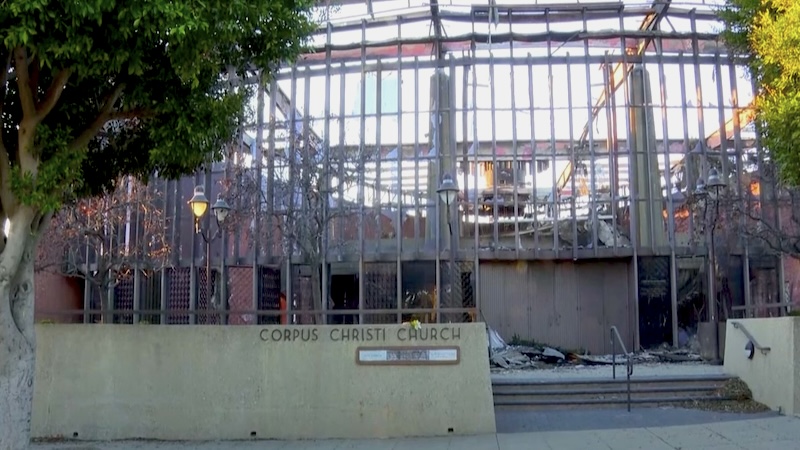
In the wake of the recent wildfires that ravaged Los Angeles, countless individuals returned to their homes only to find them reduced to charred remains. The emotional toll of this loss can be overwhelming, leaving many feeling hopeless and alone. However, the Bible offers solace in times of hardship, reminding us that faith and community can provide the strength needed to rebuild and move forward. Drawing upon passages from Nehemiah 8:2-4a, 5-6, 8-10, 1 Corinthians 12:12-30, and Luke 1:1-4; 4:14-21, we are reminded of the importance of unity, empathy, and hope in the face of adversity.
FIRST READING CONNECTION
Those who have lost everything in the wildfires of Los Angeles find themselves in a situation that mirrors Nehemiah 8:2-4a, 5-6, 8-10. Just as the Israelites returned to a city in ruins, many residents of Los Angeles have come back to find their homes and neighborhoods utterly devastated by the fires.
The people’s emotional response upon hearing Ezra read the book of the law signifies their deep connection to their faith and heritage. Despite the ruin surrounding them, the Israelites find hope in the words of the law and the shared experience of listening to it together. This passage emphasizes the power of faith and communal support in overcoming the despair brought on by loss and destruction.
For those affected by the wildfires in Los Angeles, maintaining faith despite losing everything can serve as a source of resilience and hope. By turning to their faith and the support of their community, these individuals can find the strength to rebuild their lives, much like the Israelites in Nehemiah. Commentators note that the Israelites’ obedience to the law and their celebration of the feast demonstrate their unwavering trust in God’s guidance and providence, even in the face of adversity.
In a similar manner, those affected by the wildfires can find comfort and strength in their faith and in the support of their neighbors. By uniting in prayer and sharing in the burdens of loss, these communities can draw on the hope found in their shared experiences and their trust in God’s plan. The passage from Nehemiah serves as a powerful reminder that, even when faced with devastation, faith and community can provide the foundation for renewal and rebuilding.
SECOND READING CONNECTION
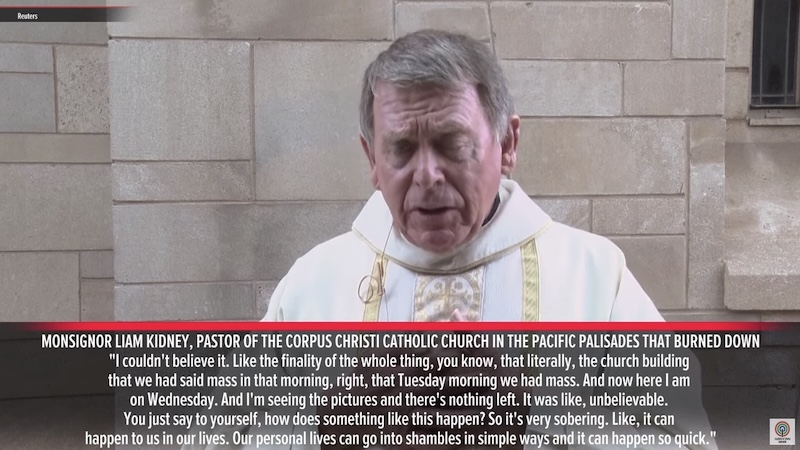
In 1 Corinthians 12:12-30, St. Paul’s teachings on the interconnectedness of the body of Christ resonate deeply with the experiences of the Los Angeles community in the aftermath of the wildfires. Just as St. Paul emphasizes that each member of the body has unique gifts and contributions, we have witnessed various individuals, groups, and organizations coming together to offer their unique skills, resources, and support to those affected by the fires.
For instance, local businesses have donated essential items such as food, clothing, and shelter, providing relief and comfort to those who have lost everything. Volunteer groups are working tirelessly to clear debris, making plans to rebuild homes, and restoring hope to devastated neighborhoods. Mental health professionals have offered counseling and emotional support, helping survivors process their trauma and grief. Each of these contributions is essential to the collective healing and recovery of the community.
St. Paul’s message that “when one member suffers, we all suffer together, and when one member is honored, we all rejoice together” rings true in the way the community has united during this difficult time. By empathizing with the suffering of those impacted by the wildfires and actively working to alleviate their burdens, the people of Los Angeles have demonstrated the power of unity and compassion in the face of hardship. This solidarity echoes the spirit of interconnectedness within the body of Christ that St. Paul emphasized.
In essence, the passage from 1 Corinthians serves as a reminder of the importance of empathy and mutual support within a community, especially during times of crisis. The people of Los Angeles have exemplified this spirit of unity and collective healing, providing hope and inspiration to others facing similar challenges. By working together and caring for one another, we can help to rebuild not only the physical structures that have been lost but also the emotional and spiritual well-being of those affected.
GOSPEL CONNECTION
In Luke 1:1-4; 4:14-21, Jesus’ mission to proclaim the Good News and bring liberty to captives serves as a powerful source of inspiration and hope for those affected by the wildfires in Los Angeles. The devastation caused by the fires has left many feeling lost and hopeless. Yet, Jesus’ words and actions remind us that God’s love and mercy are ever-present, even in the midst of suffering.
Jesus’ reading from the scroll of Isaiah and His subsequent ministry demonstrate His commitment to healing the brokenhearted and setting captives free. In the context of the wildfires, this message speaks to the emotional and spiritual healing that is so desperately needed by those who have experienced loss and trauma. The efforts of first responders, mental health professionals, and faith-based organizations in providing support and care to survivors reflect Jesus’ compassionate example.
Moreover, Jesus’ mission to bring the Good News to the poor and oppressed challenges us to reach out to those in need, both within our own communities and beyond. This call to action is reflected in the outpouring of support from across the nation and around the world in response to the wildfires. Donations, volunteer efforts, and messages of solidarity have demonstrated a shared commitment to helping the people of Los Angeles heal and rebuild.


ADDICTION AND
RECOVERY
1—Admission of Powerlessness
2—Recognition of a Higher Power
3—Decision to Turn Life Over to a Higher Power
4—Taking a Moral Inventory
5—Admission of Wrongdoings
6—Willingness to Remove Character Defects
7—Asking for Spiritual Help
8—List of Amends
9—Compensation for Past Harms
10—Continuing Inventory and Admissions
11—Seeking Prayer and Meditation
12—Carry the Message Forward
3rd Sunday of Year C
The content below has been generated by THE WORD THIS WEEK Catholic Assistant, employing advanced AI technology.
Step 1: Admitting Powerlessness and Unmanageability
- Luke 1:1-4; 4:14-21: In Luke, Jesus demonstrates humility as He undergoes baptism and embarks on His mission. This mirrors the first step, where individuals admit their powerlessness over alcohol and embrace the need for change.
Step 2: Believing in a Higher Power for Restoration
- Nehemiah 8:2-4a, 5-6, 8-10: The Israelites recognize the power of God’s Word and its ability to bring comfort, much like the higher power acknowledged in the second step.
Step 3: Making a Decision to Turn to a Higher Power
- Nehemiah 8:2-4a, 5-6, 8-10: The Israelites put their trust in God’s Word and wisdom, just as individuals in the third step entrust their lives to their higher power.

Step 4: Taking a Moral Inventory
- 1 Corinthians 12:12-30: St. Paul emphasizes self-reflection and awareness within the body of Christ, which aligns with the introspection called for in the fourth step.
Step 5: Admitting Wrongdoings
- 1 Corinthians 12:12-30: The honesty and accountability encouraged in the fifth step parallel St. Paul’s teachings on transparency and unity within the community.
Step 6: Willingness to Remove Defects of Character
- Luke 1:1-4; 4:14-21: Just as Jesus demonstrated willingness to embrace His mission, individuals in the sixth step prepare to face their shortcomings and seek healing.
Step 7: Asking for Spiritual Help
- Nehemiah 8:2-4a, 5-6, 8-10: The Israelites’ humility in listening to God’s Word serves as an example for the seventh step, where individuals humbly request the removal of their character defects.
Step 8: Making a List of People Harmed
- 1 Corinthians 12:12-30: The emphasis on empathy and repairing relationships within the body of Christ aligns with the eighth step’s focus on making amends.
Step 9: Offering Amends
- Luke 1:1-4; 4:14-21: Jesus’ mission of healing and reconciliation serves as an inspiration for individuals in the ninth step as they seek to make amends and heal relationships.

Step 10: Continuing Moral Inventory and Admitting Mistakes
- Nehemiah 8:2-4a, 5-6, 8-10: The Israelites’ attentiveness to the Word of God encourages ongoing self-reflection and humility, which parallels the tenth step.
Step 11: Seeking Connection with a Higher Power through Prayer and Meditation
- 1 Corinthians 12:12-30: The importance of spiritual connection and discernment emphasized by St. Paul aligns with the spiritual growth and guidance sought in the eleventh step.
Step 12: Carrying This Message to Others and Practicing These Principles
- Luke 1:1-4; 4:14-21: Jesus’ proclamation of the Good News serves as a model for individuals in the twelfth step as they share their experiences and support others in their recovery journey.

THE CHOSEN (14:02) – A scene from The Chosen season 3 episode 3 “Physician, Heal Thyself” where Jesus announces to those in Nazareth His Messiahship. This video clip includes the entire pericope. The second part is found on the 4th Sunday in Ordinary Time (Year C) which is eclipsed this year by the Presentation of the Lord.
ADVANTAGES OF WATCHING
THE CHOSEN
By juxtaposing the original text with a visual adaptation, one can gain fresh perspectives on the characters, context, and emotions that underlie the sacred stories. This comparative approach allows for a more holistic appreciation of the scriptural accounts, as it enables viewers to connect with the human experiences of the characters while simultaneously engaging with the divine messages embedded within the text.
NOTABLE FILMS
TV Series:
- Jesus of Nazareth (1977)
- The Bible (2013)
- A.D. The Bible Continues (2015)
- The Chosen (2017-present)
- Jesus: His Life (2019)
Movies:
- The Greatest Story Ever Told (1965)
- Jesus Christ Superstar (1973)
- Godspell (1973)
- The Last Temptation of Christ (1988)
- The Passion of the Christ (2004)
Comparison and Contrast between the TV Series and Scripture

In The Chosen, the focus on the emotional reactions of the people in the synagogue adds depth and richness to the story. As Jesus delivers His sermon, we witness a range of emotions, including doubt and disbelief, which begin to surface among the listeners. This portrayal emphasizes the challenging nature of Jesus’ teachings and the resistance He encountered, even among His own people. The gradual shift in the crowd’s emotions helps to build tension and foreshadows the eventual rejection of Jesus by His hometown, a theme that becomes more prominent in the series.
In contrast, the Gospel account in Luke 4:16-30 primarily highlights the amazement and questioning of the people in response to Jesus’ words. While their initial reaction is one of wonder, the text only briefly mentions their growing skepticism and disagreement with Jesus’ message.
Furthermore, The Chosen takes the opportunity to delve deeper into the stories of the widow of Zarephath and Naaman the Syrian, which Jesus references in His sermon. By exploring these stories in greater detail, the series emphasizes the inclusive and universal nature of Jesus’ ministry. This approach highlights the significance of God’s plan of salvation extending beyond the Jewish people to Gentiles as well.
Finally, The Chosen offers additional context and backstory to the characters present in the synagogue, allowing viewers to form connections with their individual struggles and aspirations. This focus on character development humanizes the narrative, creating a more relatable and engaging experience for modern audiences. Through this approach, the series not only presents the biblical story but also allows viewers to see themselves within the context of Jesus’ ministry.

JUSTICE TOPICS
RELATED TO
THE READINGS
Nehemiah 8:2-4a, 5-6, 8-10
- Community rebuilding and restoration
- Religious unity and tolerance
- Equity and access to religious education
1 Corinthians 12:12-30
- Social equality and interdependence
- Solidarity and communal support
- Empathy and compassion for marginalized groups
Luke 1:1-4; 4:14-21
- Liberation and justice for the oppressed
- Universal access to spiritual nourishment
- Empowerment through education and knowledge sharing
VATICAN
WEBSITE
COMPENDIUM
OF THE SOCIAL DOCTRINE
OF THE CHURCH
3rd Sunday of Year C
A Right to Justice

EXCERPT: Sunday’s liturgy juxtaposes the story of Jesus reading in the synagogue with the story of Ezra reading the law to people upon their return from exile. The suggestion is that Jesus’ program is a kind of law, a rule that should govern our lives. Bringing good news to the poor, liberating people from all their oppressions, this is not some optional activity that one can engage in only if one is inclined. It is “the law of the Lord,” it is the program for which we have all been anointed.
The unity and peace we pray for at the beginning of Mass will only come if Jesus’ followers accept his program as their own.
SOURCE: Sunday Website
3rd Sunday of Year C

EXCERPT: The people celebrating the Torah had just returned from exile in Babylon. What lay before them was a destroyed Jerusalem, including its essential structure: the Temple.
It must have seemed that God had abandoned them, letting them be taken into exile, only to return to the destruction of their former lives. How could their leaders now tell them that this day was “holy” to the Lord their God and say, “Do not be sad and do not weep”? The people were not weeping because of the awful exile, or the destruction around them, but because “they heard the words of the law.” Then they were instructed to feast and not be sad. Why? “Rejoicing in the Lord must be your strength.”
“Today”
You may notice that Luke is the only Gospel writer who uses the word “TODAY” in describing this event. This Gospel is very present-tense oriented. Remember: the angel’s announcement about “today” a savior is born; to Zacchaeus, Jesus says, “today” salvation has come to his house; and to the thief beside him on the cross, Jesus says that “today” he will be with Jesus in Paradise.
The “today” of Jesus is not only the day he was speaking. It is our “today” as well. Each time we hear the Word of God proclaimed before our assembly, what it is saying is fulfilled in our presence. So: today things are being fulfilled in our lives; today, we can expect God’s response to us in some manner; today, justice and mercy are being made available to the world. Let’s hope we have something to do with this vision.

LIFE ISSUES — TOPICAL LIBRARIES
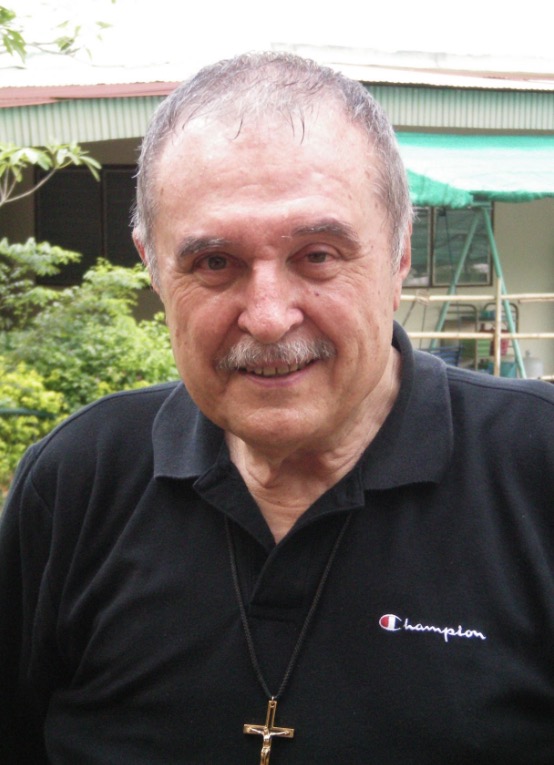
Editor: Jerry Novotny OMI, LifeIssues.Net
Currently, 13511 articles organized into the following Topical libraries:
3rd Sunday of Year C
Homily Suggestions:
The Gospel reading today fits perfectly with the call for protection of children living in the womb. Such advocacy is at the heart of the Gospel and of Jesus’ mission. “He has anointed me to bring glad tidings to the poor, to proclaim liberty to captive…to let the oppressed go free.”
Nobody is more oppressed in our world today than the unborn child. The Spirit of the Lord, who is our Advocate in heaven, fills us and makes us advocates for these lives. And that advocacy takes so many numerous forms in the wide variety of activities in the pro-life movement. Just as the second reading reminds us of the diversity of the one Body of Christ, so is that diversity manifested in the pro-life movement which, driven by the same Spirit who is “Father of the poor,” seeks the same ultimate goal.
We need to remind ourselves of the extent of this tragedy, and of the fact that it is “our business” to intervene for the victims of abortion, no less than it is our business to help the victims of crime, war, drugs, poverty, AIDS, and any other type of violence.
Even abortion supporters admit that it is an act of violence. Ron Fitzsimmons, for example, who served as Executive Director of the National Coalition of Abortion Providers was quoted in the New York Times decades ago, saying, “…The abortion-rights folks know it, the anti-abortion folks know it, and so probably, does everyone else. One of the facts of abortion is that women enter abortion clinics to kill their fetuses. It is a form of killing …you’re ending a life.”
In the name and by the power of the God who has saved us, let us strive to save our brothers and sisters in need, starting with those in the womb.
SOURCE: Priests for Life
LifeIssues.Net Homilies
Editor: Jerry Novotny OMI
Release to the Captives
Proclaim Sermons
Jesus wants the oppressed to go free, and for our eyes to be opened to his will for our lives. His mission is challenging and dangerous work, then and now.
SOURCE: LifeIssues.net Homilies