Bible Study Discussion Questions
Bible Study Discussion Questions
Bible Study Discussion Questions
March 15, 2026
March 15, 2026
4th Sunday of Lent (A)


Divine Vision & Path of Light
PEASBWITU – Brief Summaries of Sunday’s Readings from Mike Fletcher

PEASBWITU (05:17) – In this short Lenten reflection for the Fourth Sunday of Lent (March 15, 2026), Mike Fletcher, a Catholic from Ontario, Canada meditates on Divine Vision & Path of Light — drawing from the Gospel reading John 9:1–41 (the healing of the man born blind), where Jesus declares “I am the light of the world” and opens eyes to physical and spiritual sight.
Matt Zemanek | Fr. Geoffrey Plant | Hector Molina | Brant Pitre
Edrianne Ezzell | Vince Contreras | Fr. Kieran J. O’Mahony | Fr. Tim Peters
Matt Zemanek
WEEKLY BIBLE STUDY (St. Timothy Catholic Church, Laguna Niguel, CA)

Matt Zemanek | Fr. Geoffrey Plant | Hector Molina | Brant Pitre
Edrianne Ezzell | Vince Contreras | Fr. Kieran J. O'Mahony | Fr. Tim Peters
Fr. Geoffrey Plant
HOMILY PRESENTATIONS (PDF Transcripts)


Matt Zemanek | Fr. Geoffrey Plant | Hector Molina | Brant Pitre
Edrianne Ezzell | Vince Contreras | Fr. Kieran J. O'Mahony | Fr. Tim Peters
Hector Molina
A WALK IN THE WORD

Matt Zemanek | Fr. Geoffrey Plant | Hector Molina | Brant Pitre
Edrianne Ezzell | Vince Contreras | Fr. Kieran J. O'Mahony | Fr. Tim Peters
Brant Pitre
MASS READINGS EXPLAINED

Matt Zemanek | Fr. Geoffrey Plant | Hector Molina | Brant Pitre
Edrianne Ezzell | Vince Contreras | Fr. Kieran J. O'Mahony | Fr. Tim Peters
Discussion Study Guides
Edrianne Ezell

Matt Zemanek | Fr. Geoffrey Plant | Hector Molina | Brant Pitre
Edrianne Ezzell | Vince Contreras | Fr. Kieran J. O’Mahony | Fr. Tim Peters
Vince Contreras
Matt Zemanek | Fr. Geoffrey Plant | Hector Molina | Brant Pitre
Edrianne Ezzell | Vince Contreras | Fr. Kieran J. O’Mahony | Fr. Tim Peters
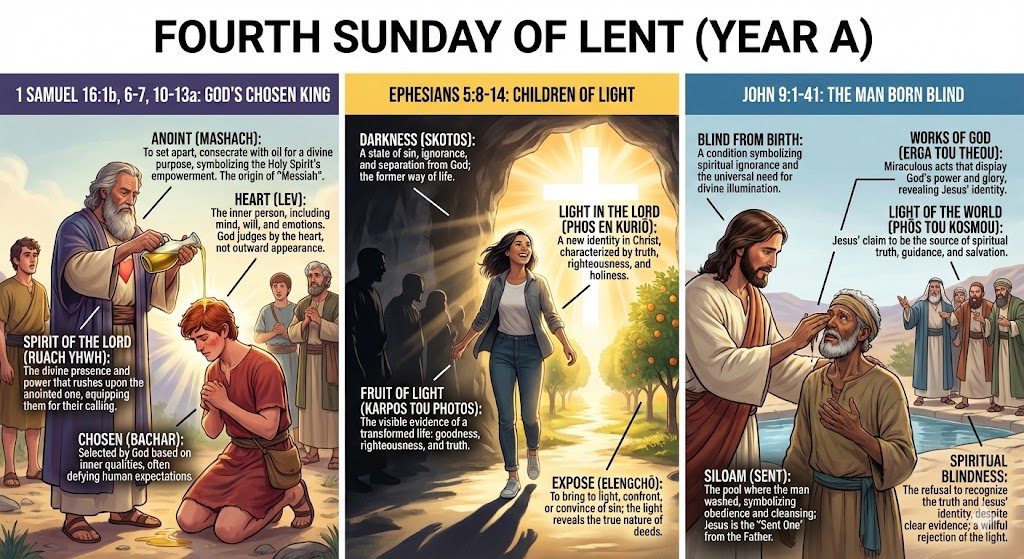
Feel free to use TWTW‘s AI generated visual summaries of Vince Contreras’ commentary. They are not intended to replace it. Please use them in conjunction with his guide. You can cut, copy and paste any portion of an infographic to use as clip art for your bulletin, or use each as is. When using them please give credit to TWTW and Sunday Scripture Study for Catholics.
Siloam
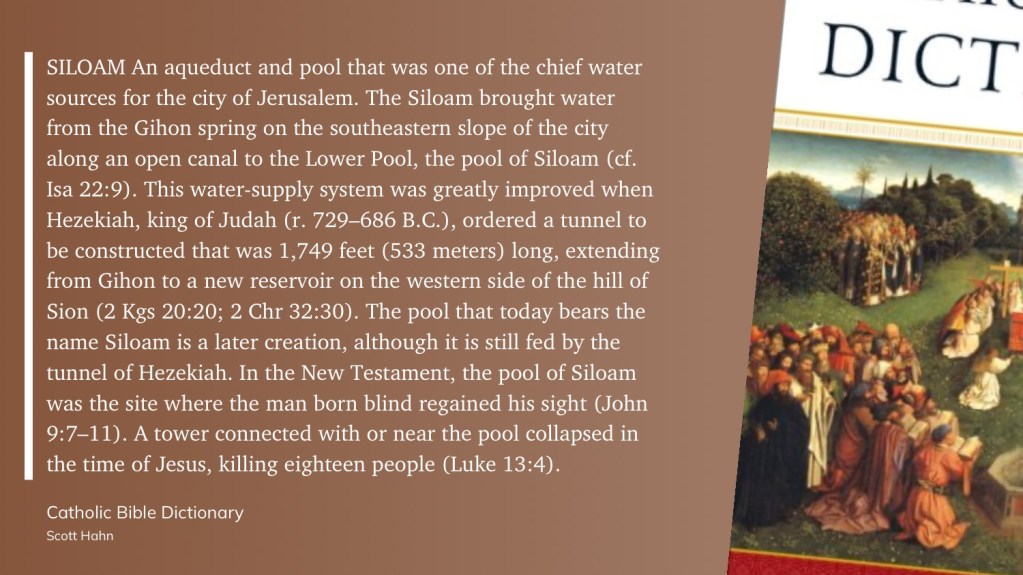
Catholic Bible Dictionary

Scott Hahn, internationally renowned theologian and biblical scholar, has inspired millions with his insight into the Catholic faith. Now he brings us this important reference guide, written specifically for Catholics, which contains more than five thousand clear and accessible entries and covers a wide range of people, places, and topics.From Genesis to Revelation, the whole of salvation history is presented and explained in smart, easy-to-understand prose.
The Man’s Response – “I Am”

The Word of the Lord

In The Word of the Lord: Reflections on the Sunday Mass Readings for Year A, biblical scholar Dr. John Bergsma provides commentary on each Sunday’s unique presentation of readings. Whether you are a homilist seeking insight into the meaning of difficult scriptural passages or a pew Catholic desiring a deepened understanding of the readings you hear at Mass, The Word of the Lord serves as an invaluable guide.
The One Sent

Jesus of Nazareth

In this bold, momentous work, the Pope––in his first book written as Benedict XVI––seeks to salvage the person of Jesus from recent “popular” depictions and to restore Jesus’ true identity as discovered in the Gospels. Through his brilliance as a theologian and his personal conviction as a believer, the Pope shares a rich, compelling, flesh-and-blood portrait of Jesus and incites us to encounter, face-to-face, the central figure of the Christian faith.
Spousal Love Removes the “Ick Factor”


Word Made Flesh

In Word Made Flesh, West offers distinctive reflections on all fifty-two Sunday readings from the first Sunday of Advent through Christ the King Sunday. Some weeks he focuses primarily on the Gospel, while in others he emphasizes a specific passage or verse from one of the other readings. The reflections naturally and deeply connect with the human experience of living with body and soul in the world while also contemplating the nature of the glorified body in the eternal kingdom to come.
Darkness and Light
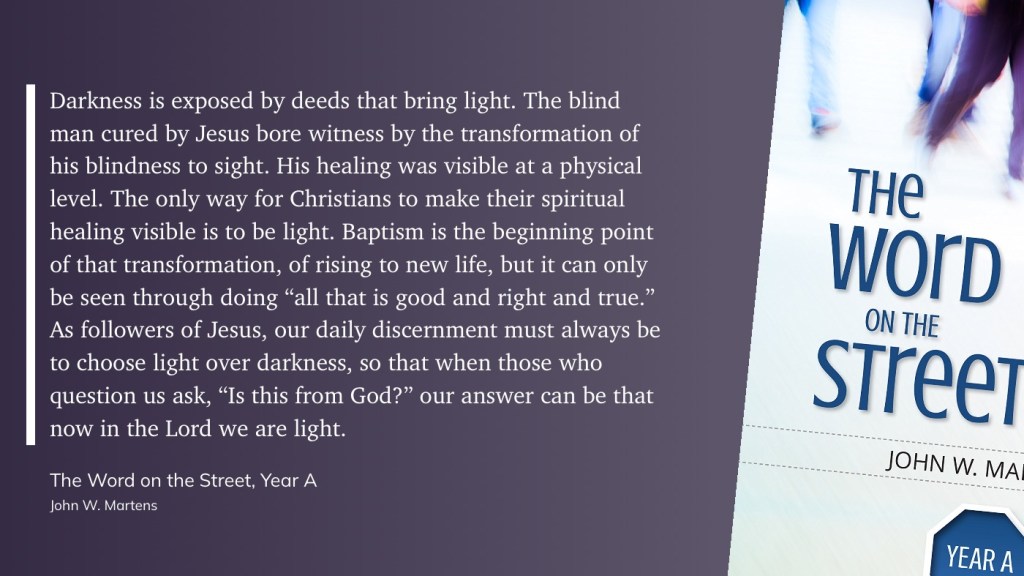
The Word on the Street

In The Word on the Street, John Martens brings the Bible to where people live: in the church, at home, at work, and in the broader world. This Lectionary commentary for every Sunday of the liturgical year will help readers understand the Bible in light of their daily lives, experiences, and challenges and will help Sunday Mass preachers find new ways to articulate God’s work in the world. John Martens is known for his contributions to “The Word,” a popular column in America magazine.
Family and Community
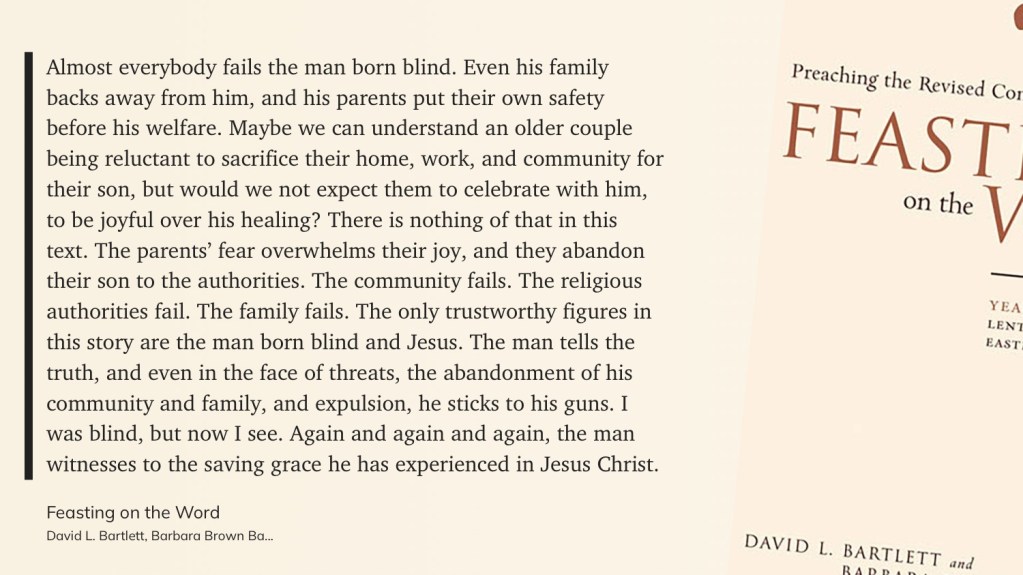
Feasting on the Word

With this twelve-volume series, Westminster John Knox Press offers one of the most extensive and well-respected resources for preaching on the market today. The twelve volumes cover all of the Sundays in the three-year lectionary cycle, along with moveable occasions. The page layout is truly unique. For each lectionary text, preachers will find brief essays–one each on the exegetical, theological, pastoral, and homiletical challenges of the text.
Women in African Culture

Africa Bible Commentary

The first one-volume Bible commentary produced in Africa by African theologians to meet the needs of African pastors, students, and lay leaders. Interpreting and applying the Bible in the light of African culture and realities, the Africa Bible Commentary furnishes powerful and relevant insights into the biblical text that transcend Africa in their significance.
More Commentaries


Disclosure: As an “Amazon Associate,” Fr. Felix Just, S.J. who compiled the above bibliography earns a very small commission from qualifying purchases made after someone clicks on the above product links.
Fr. Kieran O’Mahony
Gospel
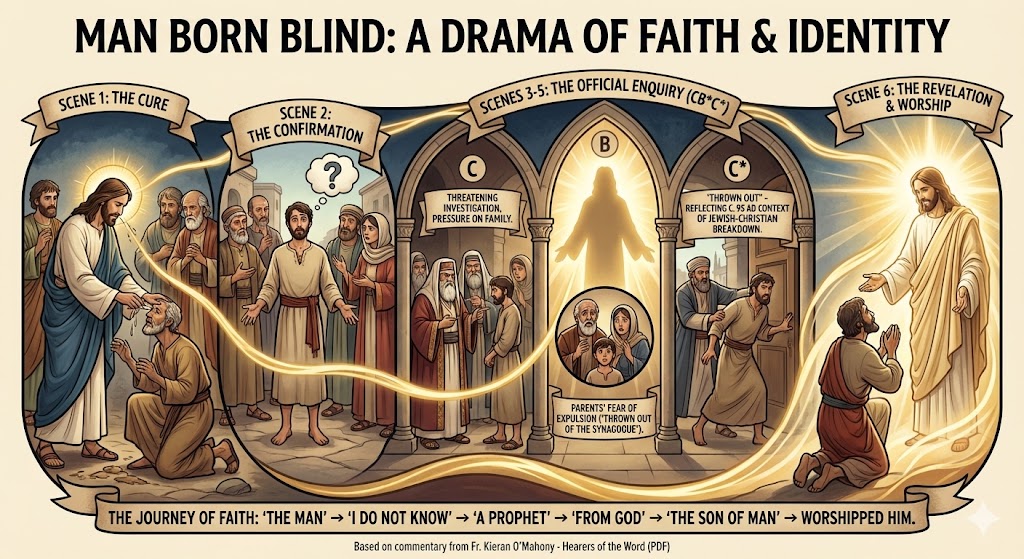
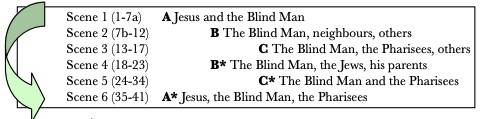
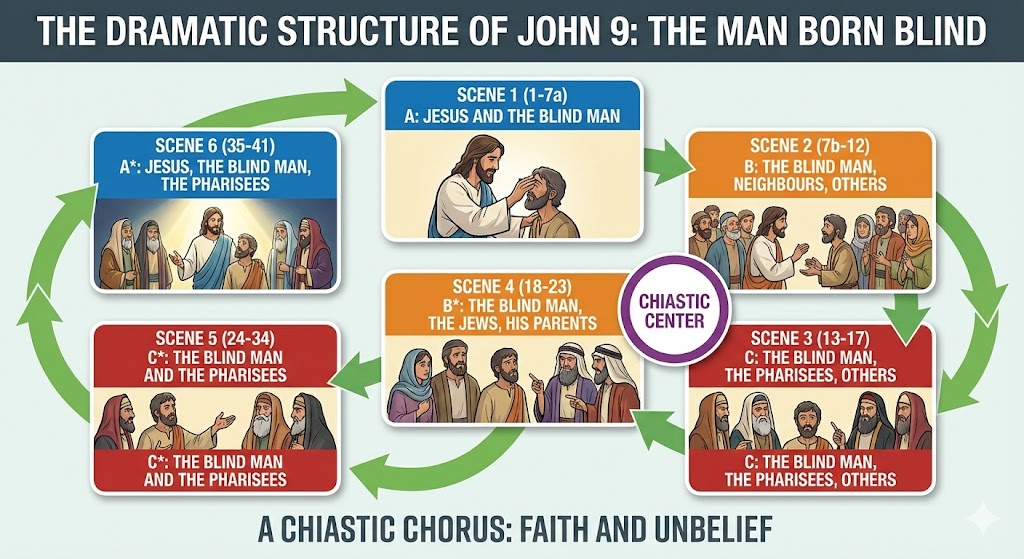
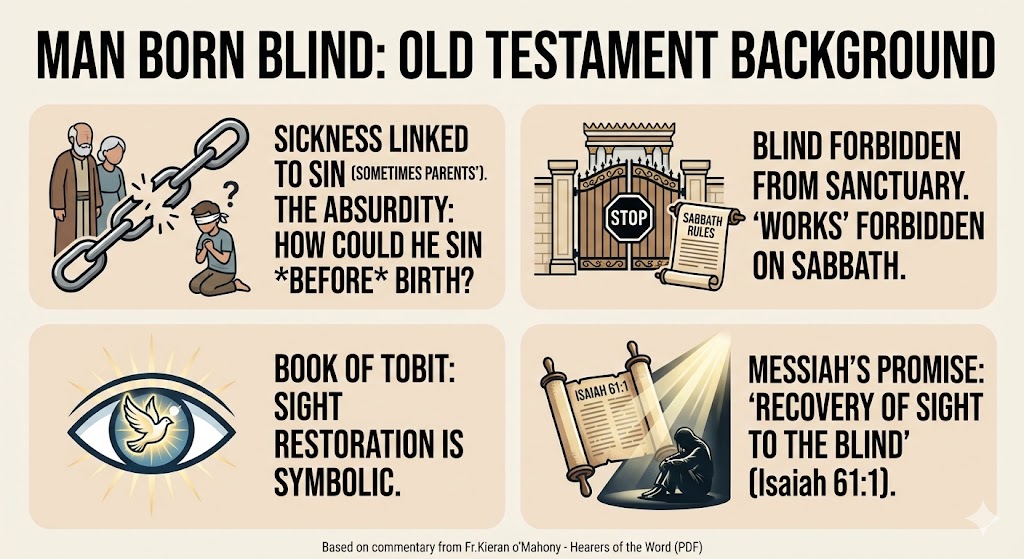


TWTW infographics on this page present Fr. Kieran’s “GOSPEL COMMENTARY” and “POINTER FOR PRAYER” which are presented after each reading’s commentary. Please cross-reference the slides with the PDF if you notice any errors. Non-profits are welcome to utilize the provided graphics in their materials and presentations. Please acknowledge Fr. Kieran O’Mahony, OSA, and his website, taurus.ie. The graphics were designed by TheWordThisWeek.net using Gemini Pro 3 and Nano Banana. Proper attribution is appreciated.
Fr. Clement Thibodeau
Discussion Pointers / Answers
Echoing God’s Word – Portland Diocese

Catholic Doctrine
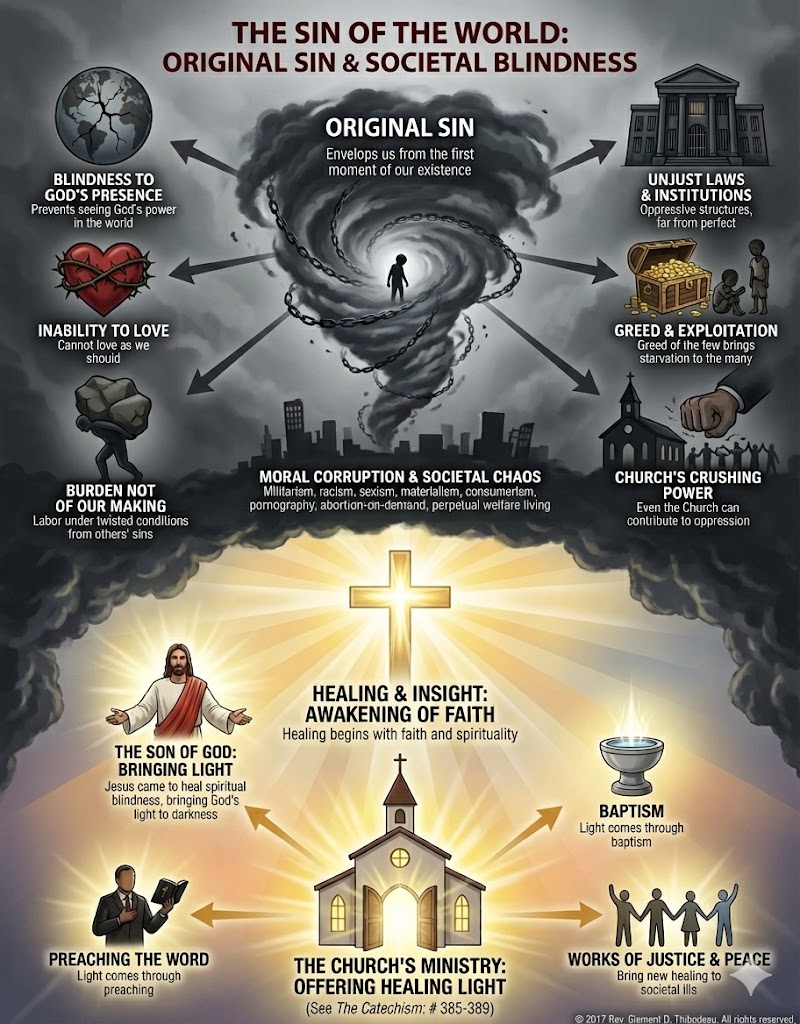
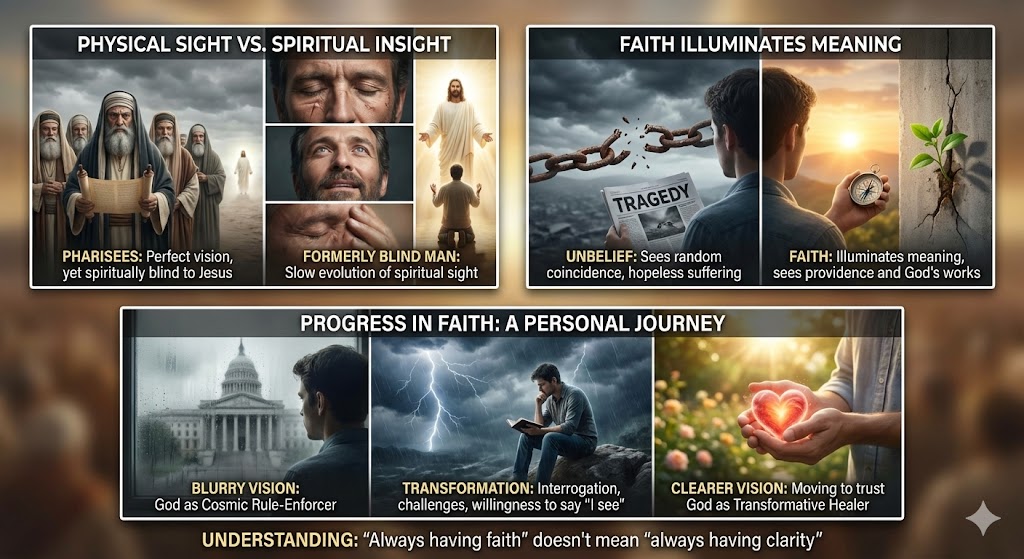
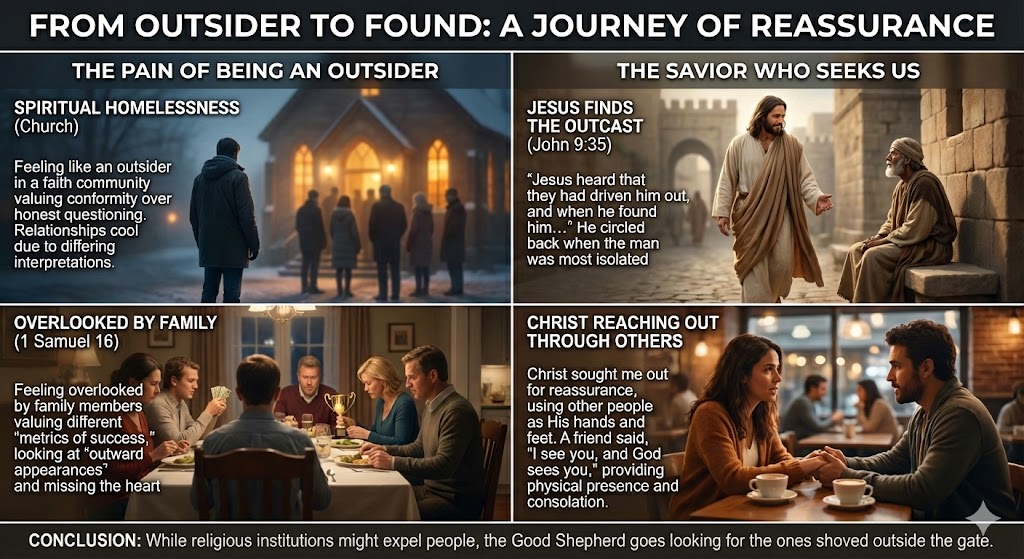
The above bulletin insert was created using Nano Banana Pro with Gemini 3.0. The infographics draw inspiration from the content found in Fr. Clement Thibodeau’s Echoing The Word weekly column which was published nearly a decade ago. It may be used by any non-profit ministry.
Father Corrigan, OFM
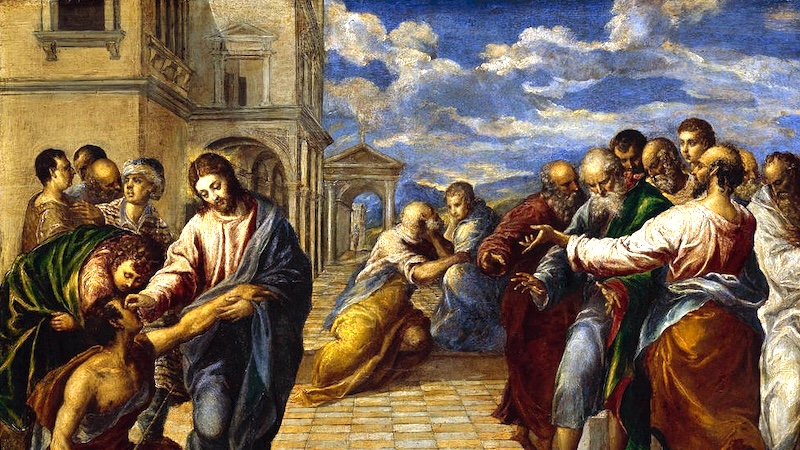
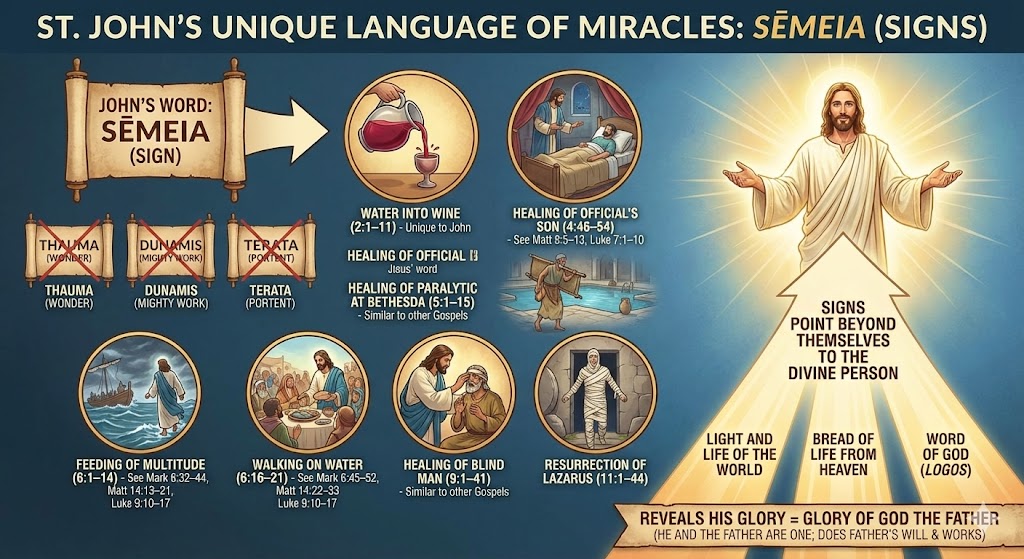
Miracles/Signs
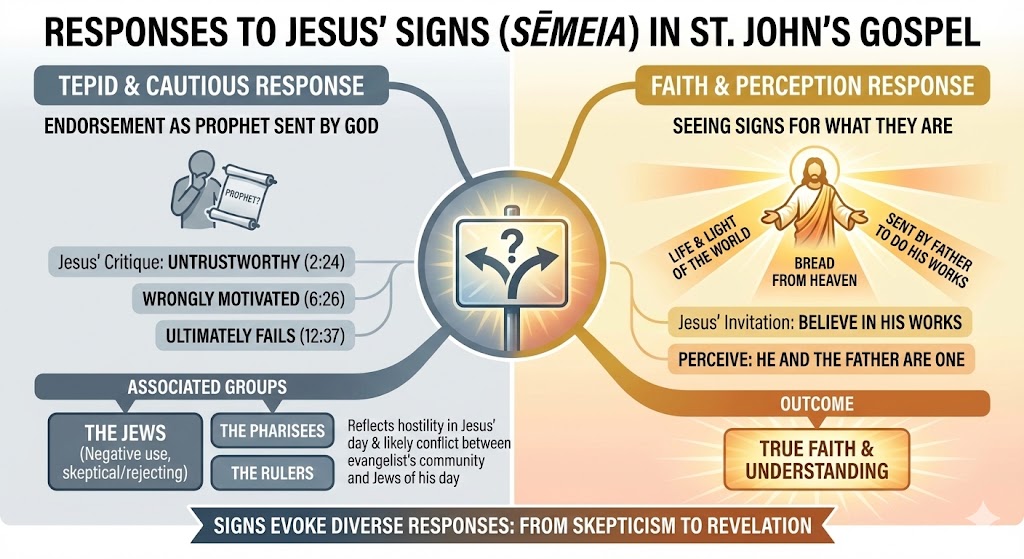
Sin
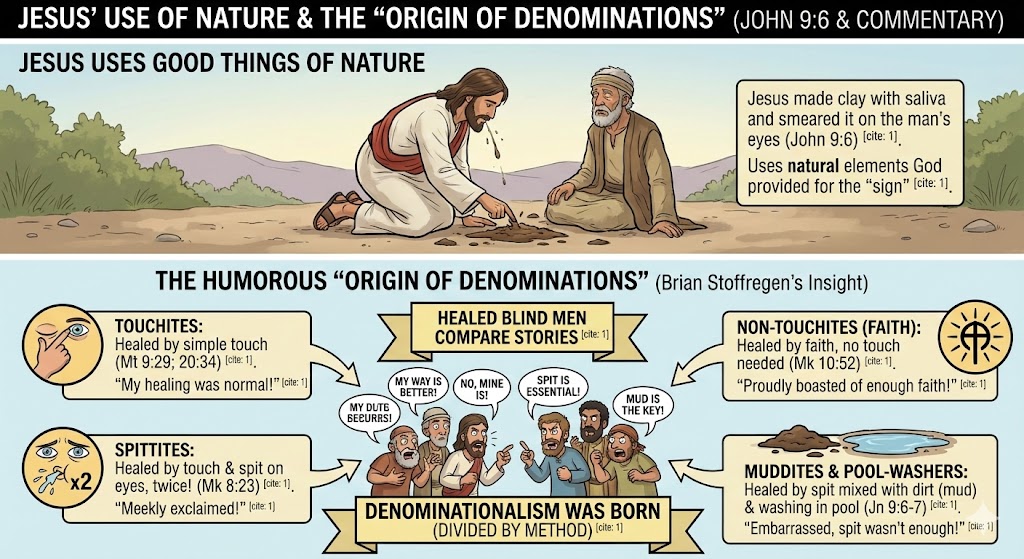
The Setting and Healing
Interrogations: Part 1
Interrogations: Part 2
Decision: Faith or Disbelief
Missing the Mark


1st Reading – View 4 Slides


Toggle slides with the chevron banner. Click slides to zoom.
Responsorial – View 3 Slides
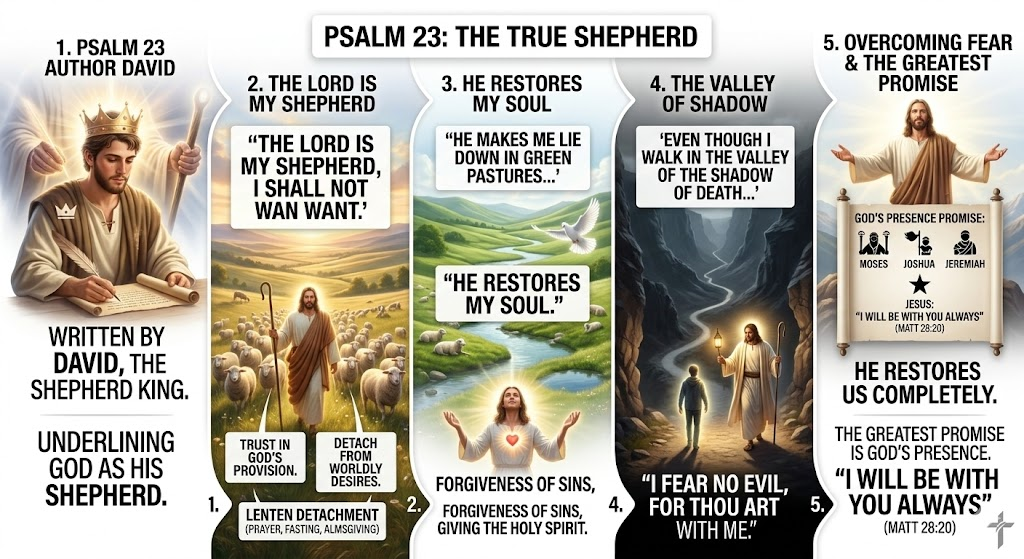


Toggle slides with the chevron banner. Click slides to zoom.
2nd Reading – View 4 Slides
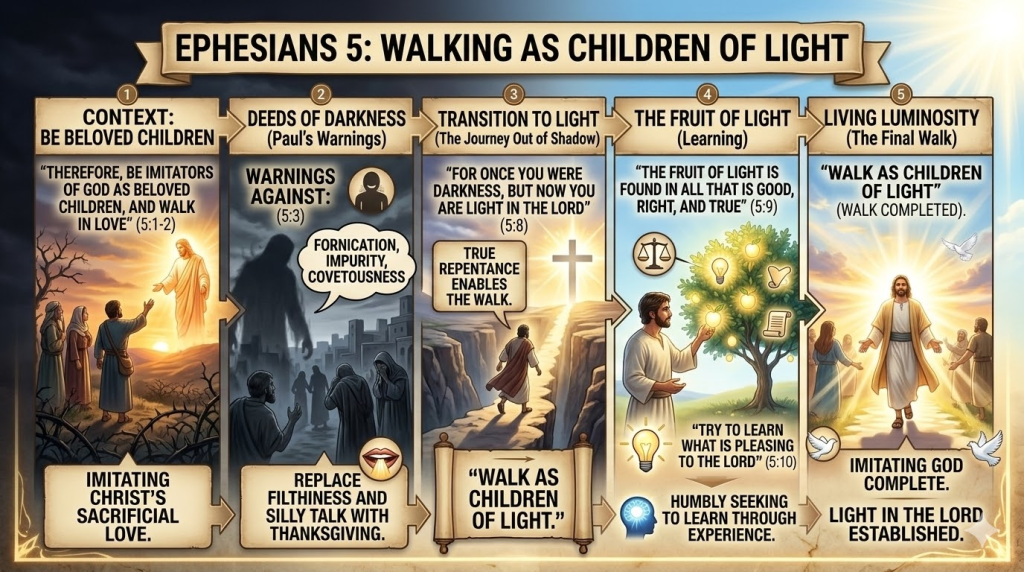

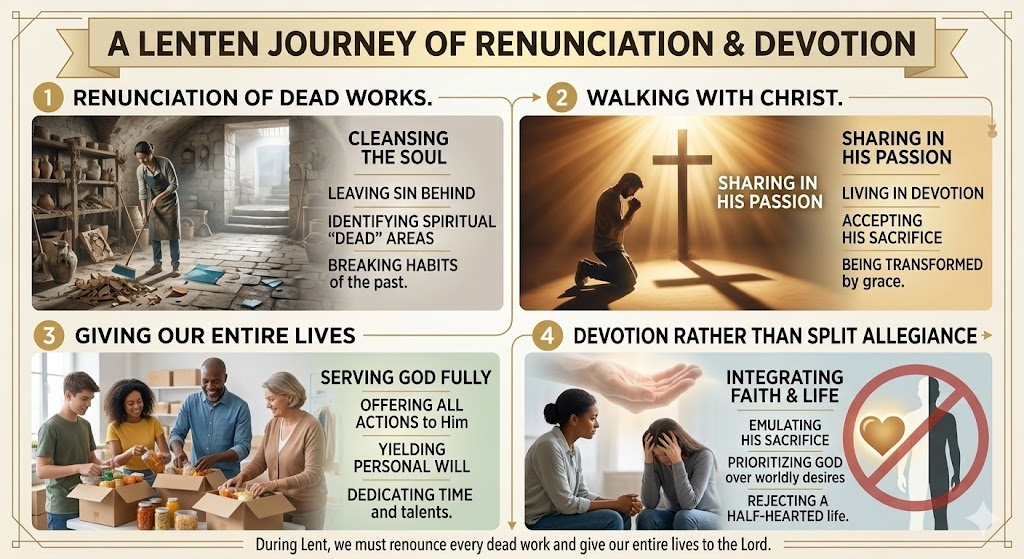
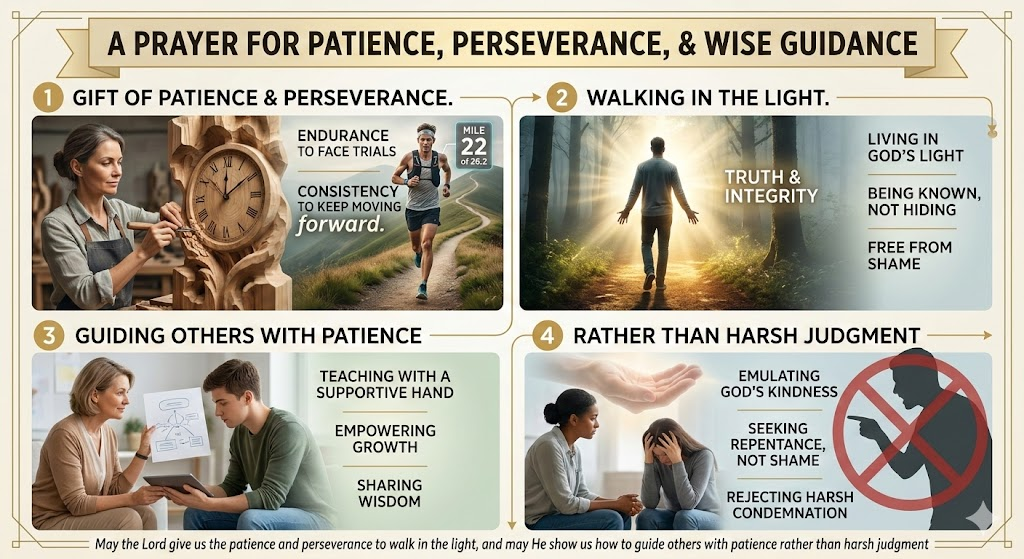
Toggle slides with the chevron banner. Click slides to zoom.
Gospel – View 11 Slides
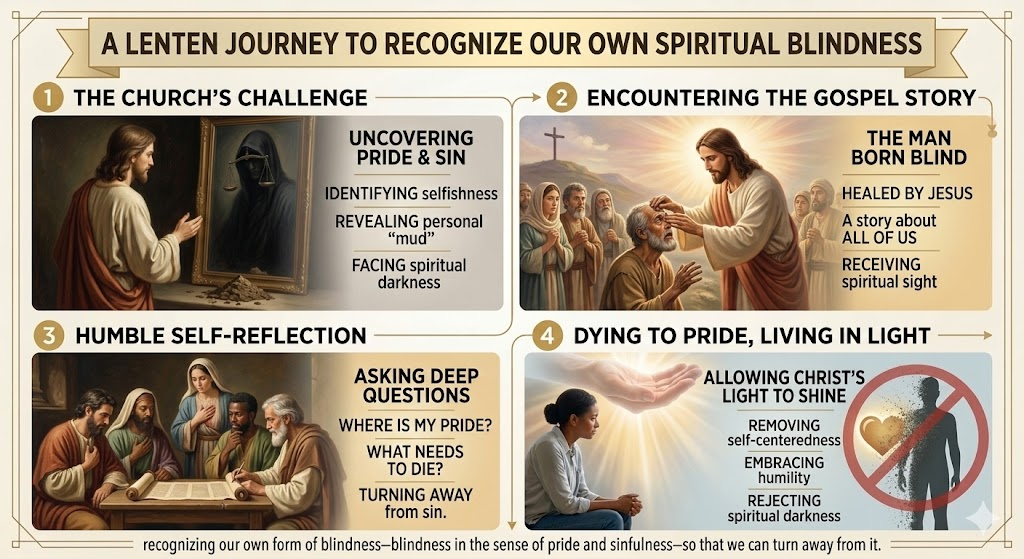
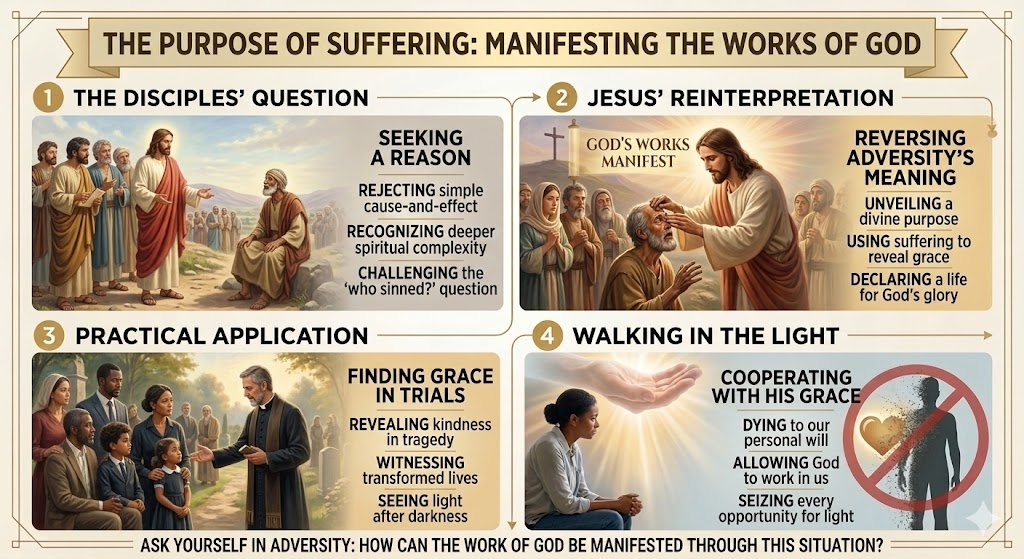
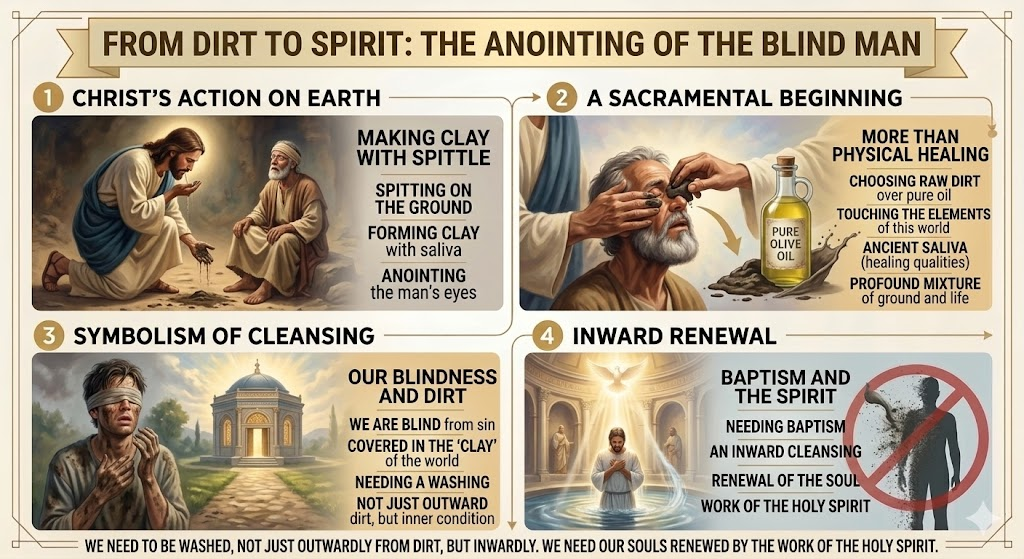

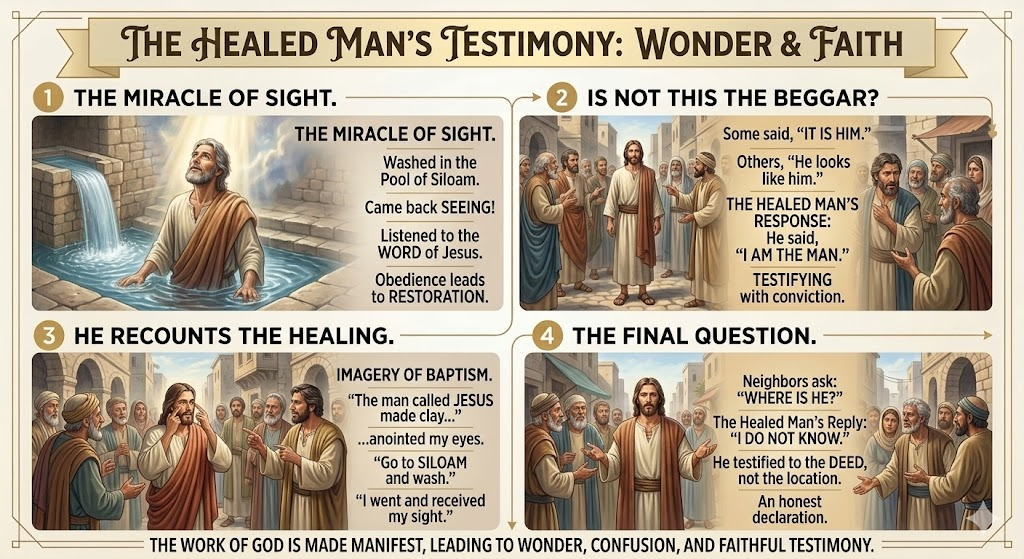

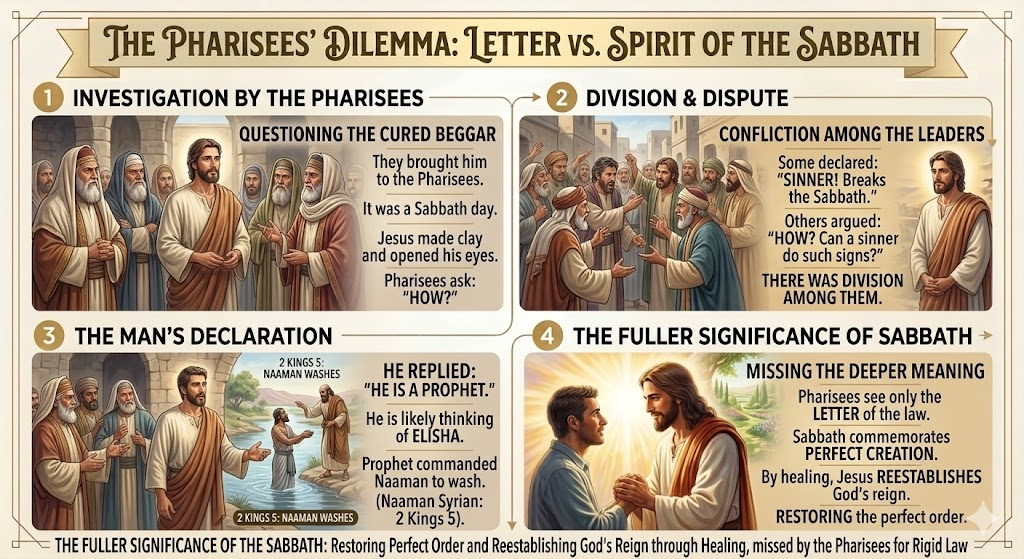
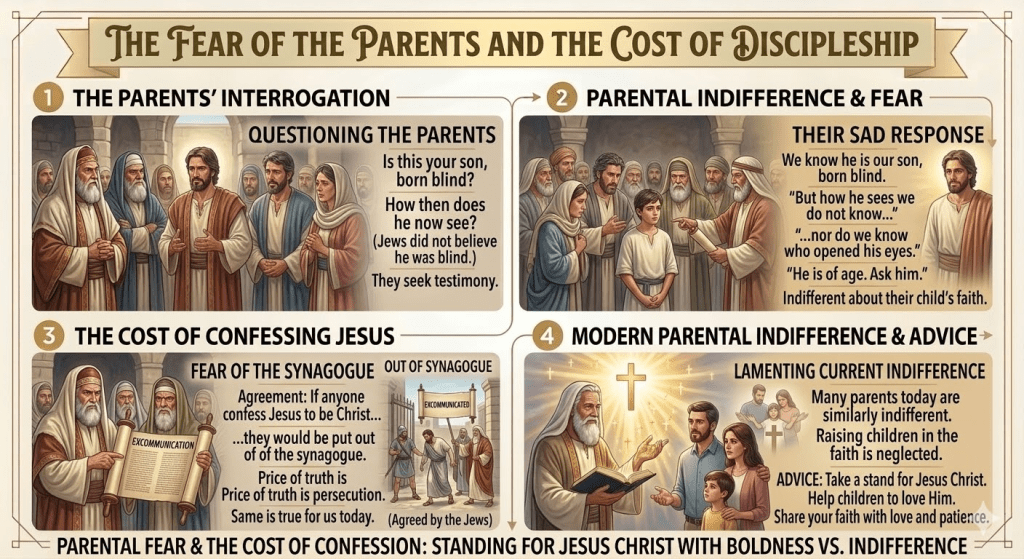


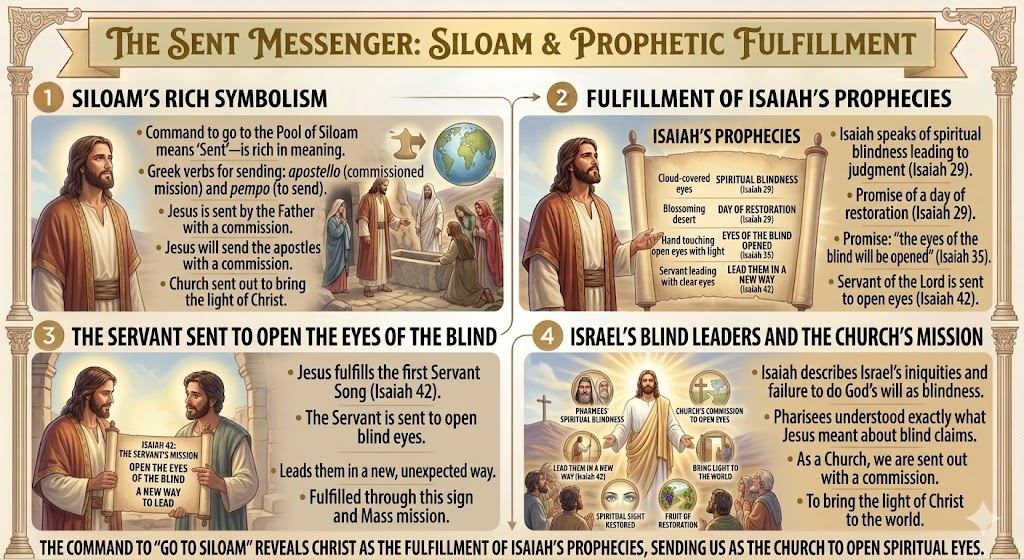
Toggle slides with the chevron banner. Click slides to zoom.
THE WORD THIS WEEK infographics are based off Father Peters’ presentation. They were created using using GOOGLE’S AI Gemini 3 Pro. You are free to use the them in any non-profit ministry. Proper attribution, however, must be given to Father Tim Peters, S.Th.D and THE WORD THIS WEEK.
Michal E. Hunt
Preview Only: Links and text selection are disabled. Visit the website for full access.
Wikipedia