Bible Study Discussion Questions
Bible Study Discussion Questions
Bible Study Discussion Questions
April 5, 2026
Easter Sunday


STUDYCOMMENTARY EXCERPTS
PEASBWITU (04:34 – In this short reflection for April 4, 2026 (Easter Sunday / The Resurrection of the Lord), we celebrate The Victory of Life — the triumphant culmination of the Triduum, when Jesus rises from the dead, conquering sin, death, and the grave forever.
VIDEOS
Hector Molina
Matt Zemanek
FEATURED
Easter Story in Scripture
Brief Summaries of Sunday’s Readings from Mike Fletcher
I. Introduction: Seeking the Scriptural Source
- The Premise: Moving beyond cultural traditions to examine the foundational biblical texts.
- The Core Question: What is the actual event, proclamation, and implication that has echoed for 2,000 years?
- The Sources: A unified picture drawn from the New Testament (Gospels, Acts, and the Letters of Paul).
II. The Event: The Empty Tomb (The Gospel of John)
- The Setting: A quiet, early morning discovery by Mary Magdalene.
- The Initial Reaction: Confusion and fear that eventually transform into understanding as Peter and John arrive.
- The Catalyst: The Easter message begins with an absence—the empty tomb—rather than a grand divine vision.

III. The Proclamation: Public Testimony (The Book of Acts)
- The Messenger: The Apostle Peter transitions the event from a private mystery to a bold, public testimony.
- The Core Message (Three Steps):
- Credibility: Establishing the apostles as chosen, direct witnesses.
- Simplicity: Proclaiming that Jesus, who was crucified, was raised by God.
- Mission: Revealing the command to preach this news to the entire world.
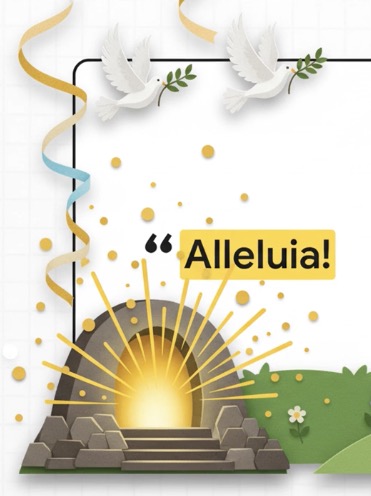
IV. The Implication: Personal Transformation (The Letters of Paul)
- The Theological Backbone: Explaining why the ancient event matters.
- Key Metaphors for Change:
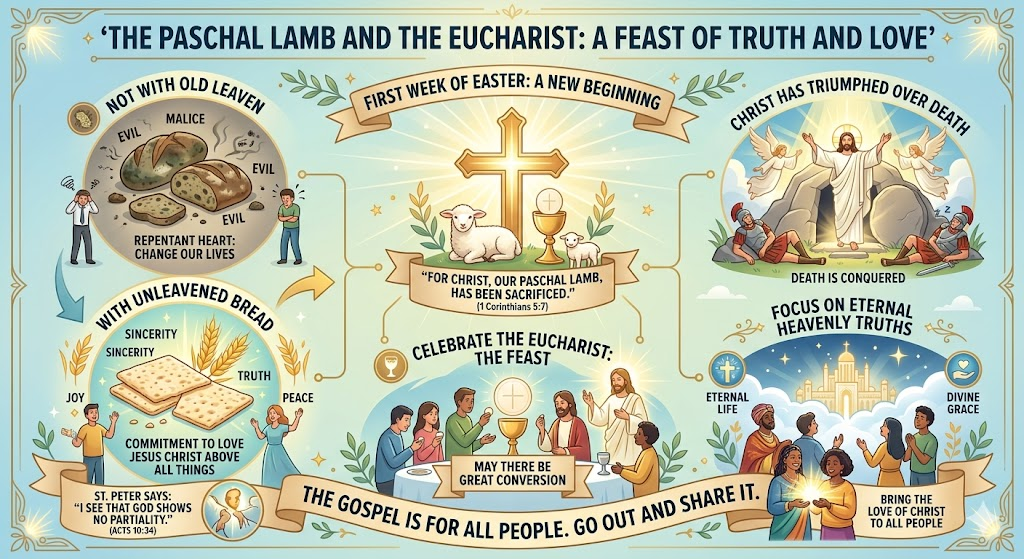
- Corinthians: Clearing out "old yeast" to make a fundamental break from corruption and old ways of living.
- Colossians: Seeking "what is above" to completely reorient one's life.
- The Takeaway: The resurrection is not a historical footnote, but a catalyst for radical, day-to-day personal transformation.
V. Conclusion: Alleluia and the Ultimate Victory
- The Definitive Response: "Alleluia" as the ancient, triumphant exclamation of praise, joy, and victory.
- The Context: Easter as the ultimate triumph that the preparatory season of Lent leads directly toward.
- Final Reflection: A call to consider how this ancient narrative continues to shape modern understandings of joy and victory.
Edrianne Ezell

Vince Contreras
Fr. Kieran O’Mahony
Father Corrigan, OFM
Father Clement Thibodeau

The above bulletin insert was created using Nano Banana Pro with Gemini 3.0. The infographics draw inspiration from the content found in Fr. Clement Thibodeau's Echoing The Word weekly column which was published nearly a decade ago. It may be used by any non-profit ministry.


Enhance Your Study for this Sunday
TheWordThisWeek.NET has put together 32 visual slides drawn directly from Fr. Tim Peters’ comprehensive lectures. Here are a few ways to use this resource:
- Follow Along: View the slides while listening to Fr. Tim’s commentary for a richer learning experience.
- Teach & Share: Mix and match the slides to build your own engaging presentations for classrooms or Bible study groups.
- Publish: Parishes and non-profits have full permission to crop and feature these visuals in weekly bulletins or print publications. Please credit Father Tim Peters and TWTW.
1st Reading – 8 Slides

Permission for use granted to non-profit ministries. Please credit Father Tim Peters, STD. and TWTW.
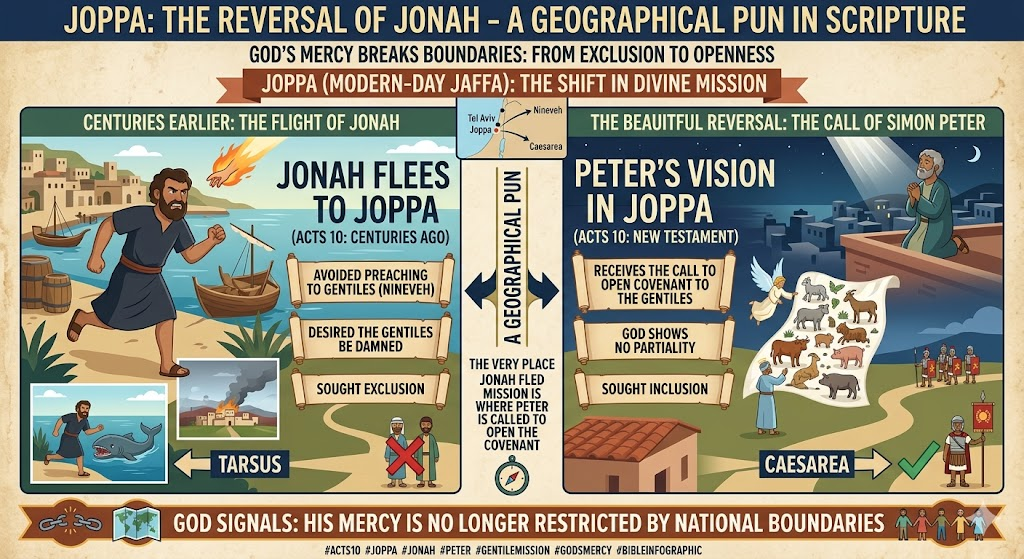
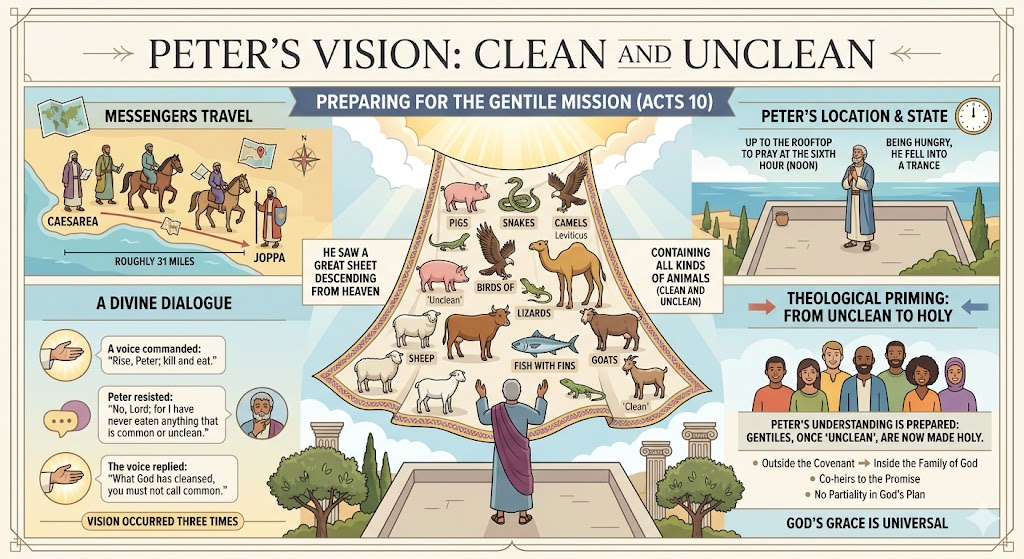
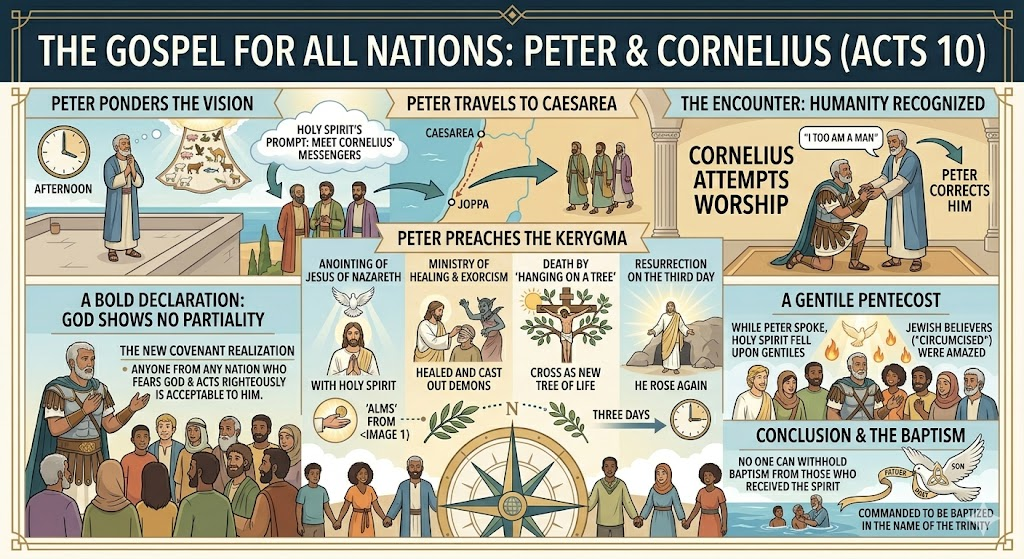

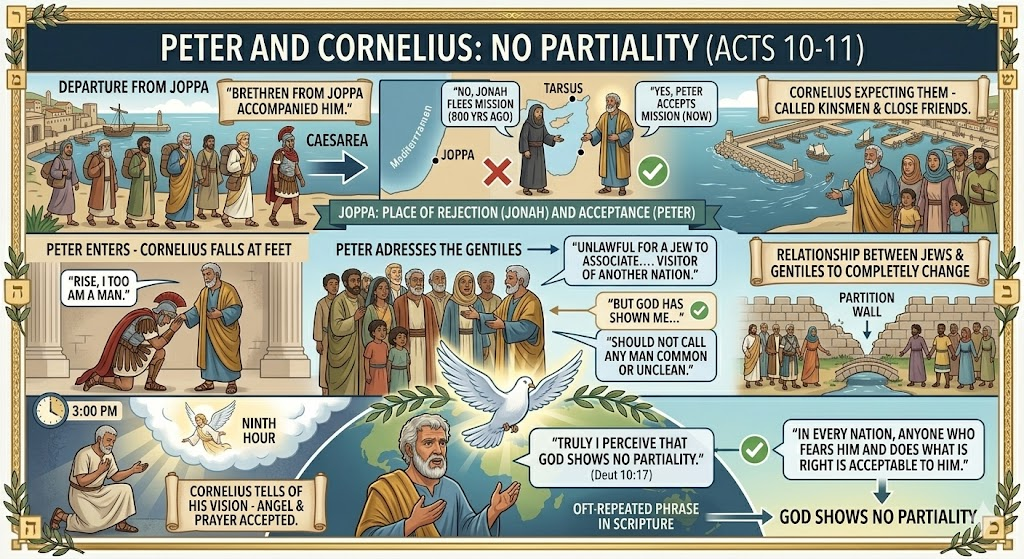

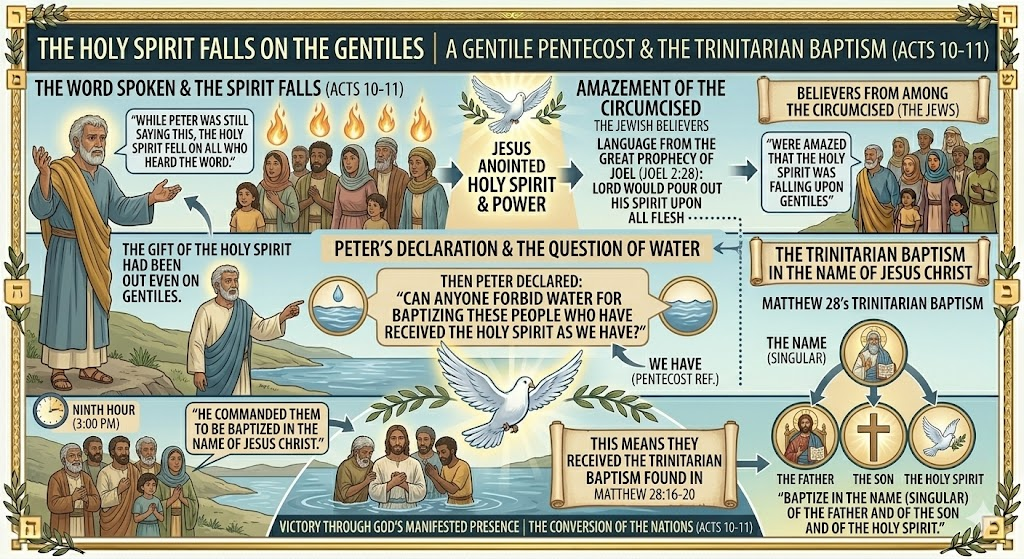
Toggle slides with the chevron banner. Click slides to zoom.
Responsorial – 4 Slides
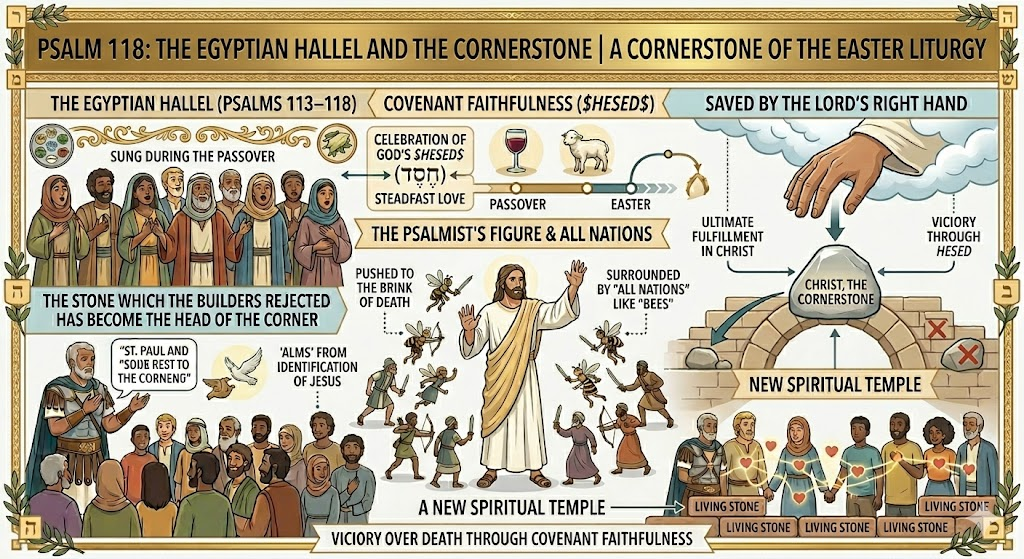
Permission for use granted to non-profit ministries. Please credit Father Tim Peters, STD. and TWTW.
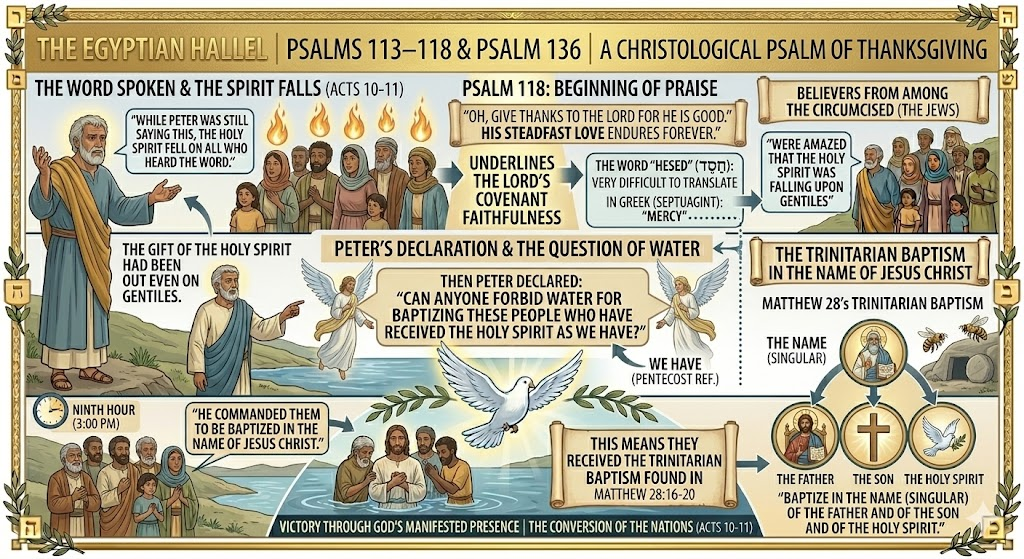
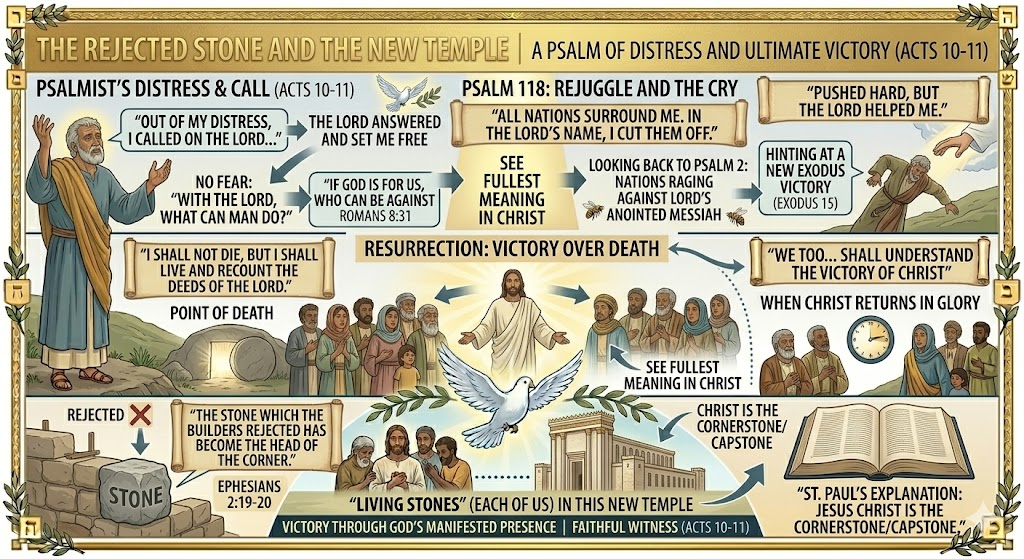
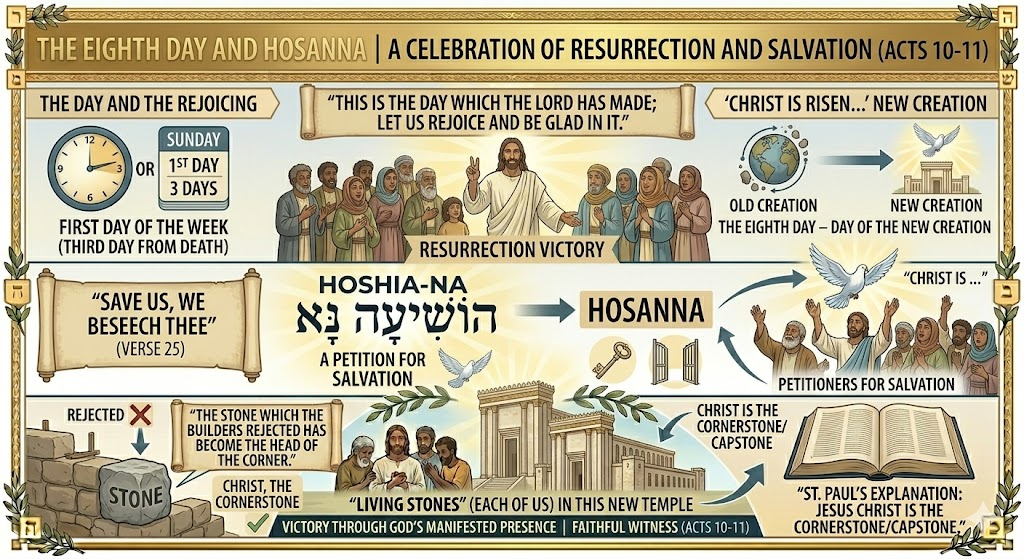
Toggle slides with the chevron banner. Click slides to zoom.
2nd Reading – 3 Slides
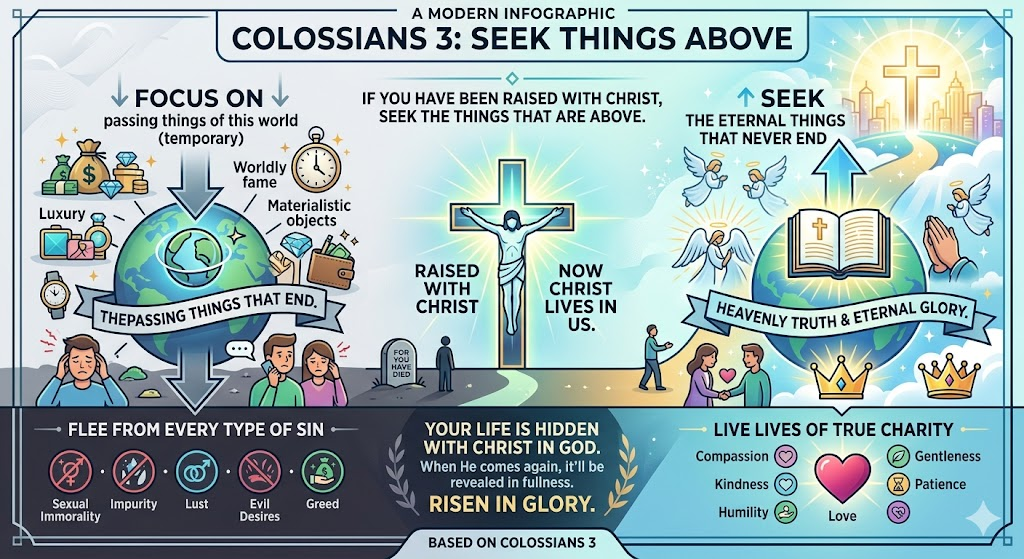
Permission for use granted to non-profit ministries. Please credit Father Tim Peters, STD. and TWTW.

Toggle slides with the chevron banner. Click slides to zoom.
Gospel – 11 Slides
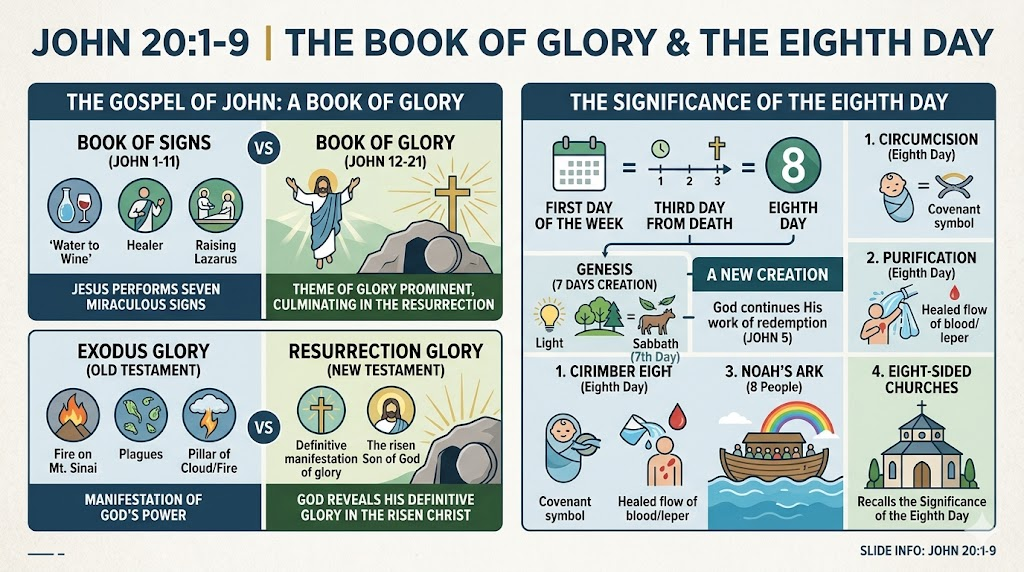
Permission for use granted to non-profit ministries. Please credit Father Tim Peters, STD. and TWTW.
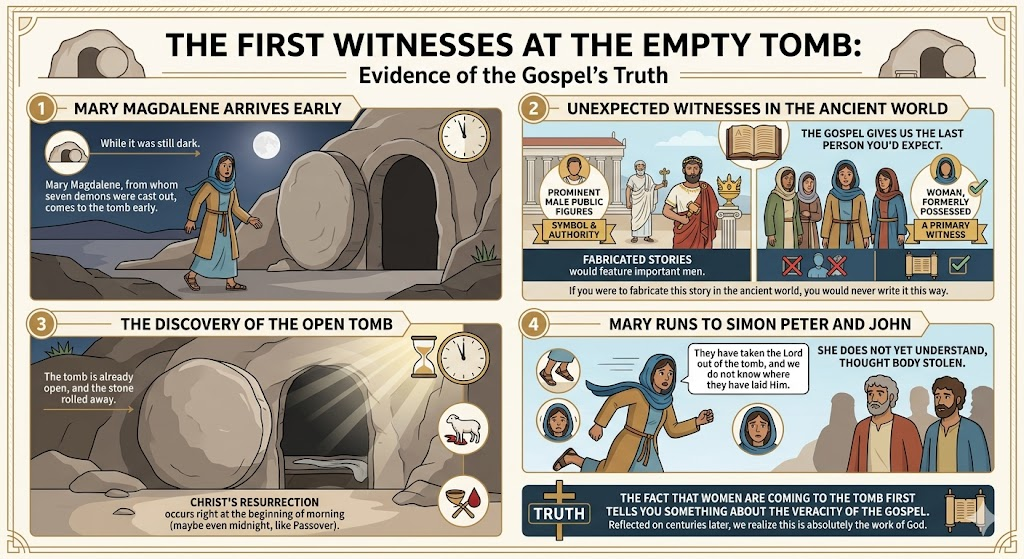

THE WORD THIS WEEK infographics are based off Father Tim Peters' presentation. They were created using using GOOGLE’S AI Gemini 3 Pro. You are free to use them in any non-profit ministry. Please give credit to Father Tim Peters, S.Th.D and THE WORD THIS WEEK.
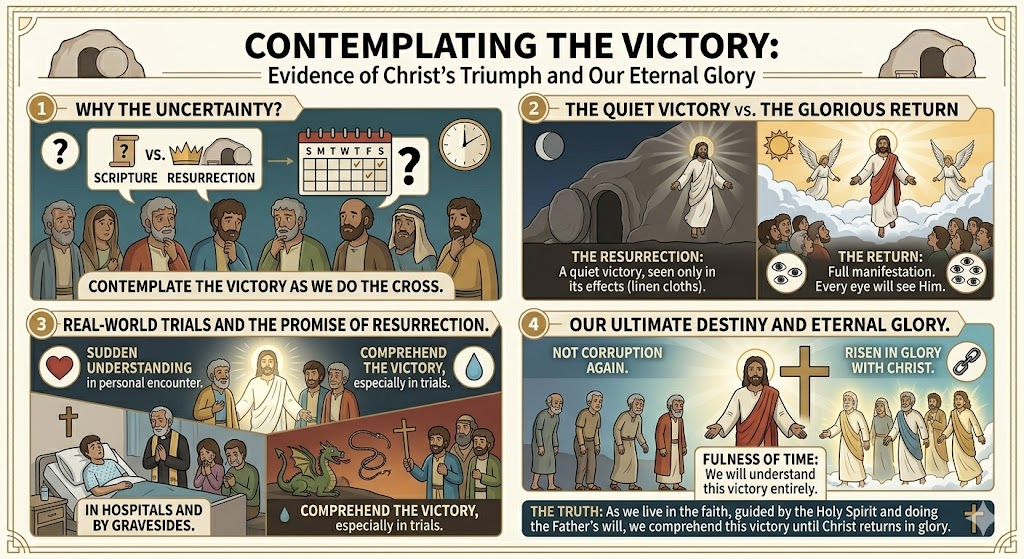
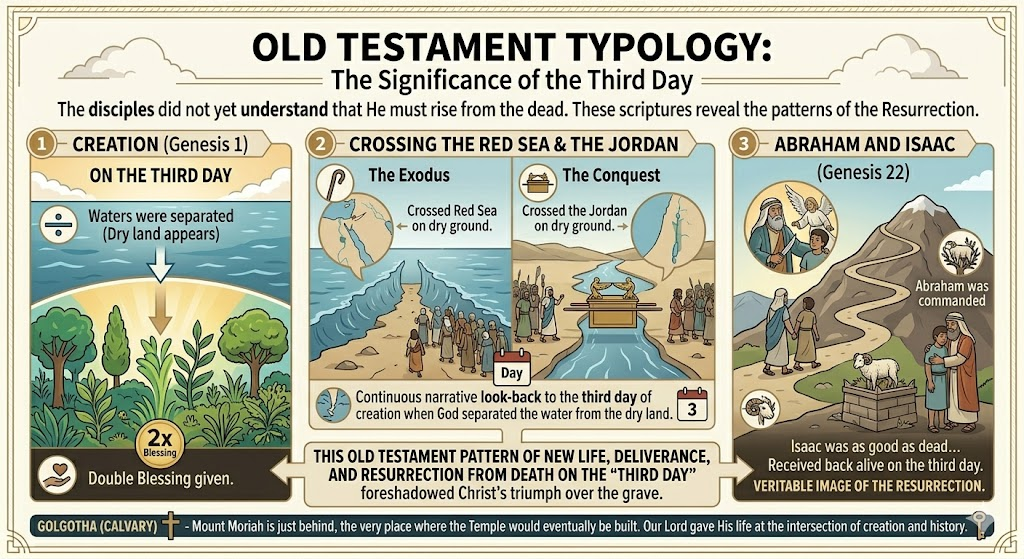


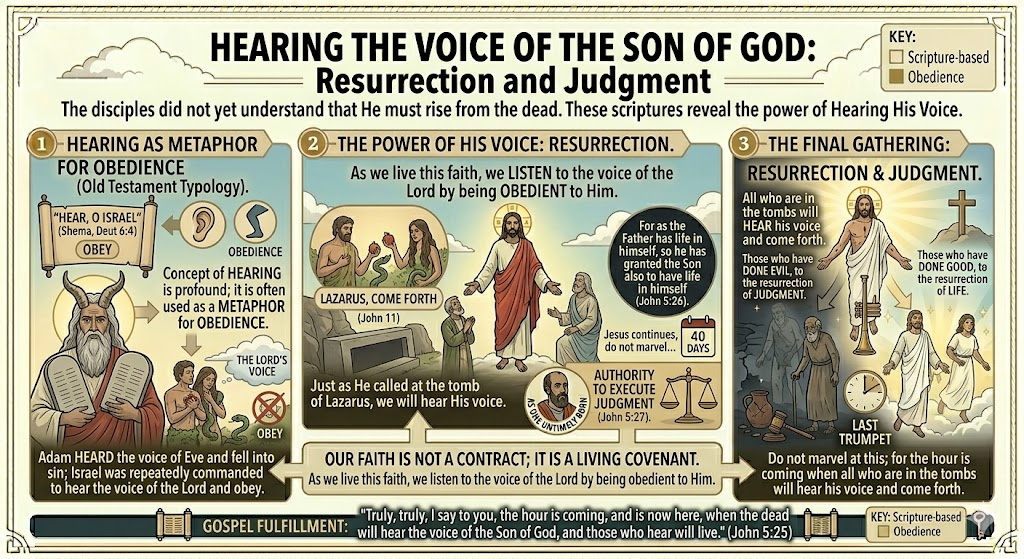
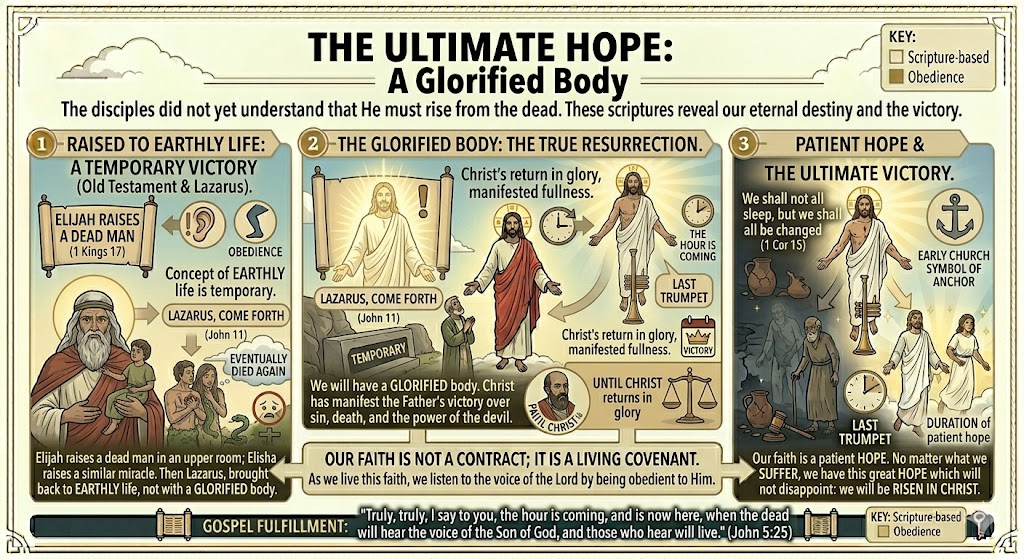
Toggle slides with the chevron banner. Click slides to zoom.
Preview Only: Links and text selection are disabled. Visit the website for full access.
EASTER SUNDAY
The Empty Tomb
Catholic Bible Dictionary

Scott Hahn, internationally renowned theologian and biblical scholar, has inspired millions with his insight into the Catholic faith. Now he brings us this important reference guide, written specifically for Catholics, which contains more than five thousand clear and accessible entries and covers a wide range of people, places, and topics.From Genesis to Revelation, the whole of salvation history is presented and explained in smart, easy-to-understand prose.
The Basis of Christian Hope
The Word of the Lord

In The Word of the Lord: Reflections on the Sunday Mass Readings for Year A, biblical scholar Dr. John Bergsma provides commentary on each Sunday’s unique presentation of readings. Whether you are a homilist seeking insight into the meaning of difficult scriptural passages or a pew Catholic desiring a deepened understanding of the readings you hear at Mass, The Word of the Lord serves as an invaluable guide.


Our Own Stench

Word Made Flesh

In Word Made Flesh, West offers distinctive reflections on all fifty-two Sunday readings from the first Sunday of Advent through Christ the King Sunday. Some weeks he focuses primarily on the Gospel, while in others he emphasizes a specific passage or verse from one of the other readings. The reflections naturally and deeply connect with the human experience of living with body and soul in the world while also contemplating the nature of the glorified body in the eternal kingdom to come.
Jesus’ Empathy
The Word on the Street

In The Word on the Street, John Martens brings the Bible to where people live: in the church, at home, at work, and in the broader world. This Lectionary commentary for every Sunday of the liturgical year will help readers understand the Bible in light of their daily lives, experiences, and challenges and will help Sunday Mass preachers find new ways to articulate God’s work in the world. John Martens is known for his contributions to “The Word,” a popular column in America magazine.
Spirit of Life!

Feasting on the Word

With this twelve-volume series, Westminster John Knox Press offers one of the most extensive and well-respected resources for preaching on the market today. The twelve volumes cover all of the Sundays in the three-year lectionary cycle, along with moveable occasions. The page layout is truly unique. For each lectionary text, preachers will find brief essays–one each on the exegetical, theological, pastoral, and homiletical challenges of the text.
Jesus Shouted, Lazarus, Come Out!

Africa Bible Commentary

The first one-volume Bible commentary produced in Africa by African theologians to meet the needs of African pastors, students, and lay leaders. Interpreting and applying the Bible in the light of African culture and realities, the Africa Bible Commentary furnishes powerful and relevant insights into the biblical text that transcend Africa in their significance.
More Commentaries

Disclosure: As an “Amazon Associate,” Fr. Felix Just, S.J. who compiled the above bibliography earns a very small commission from qualifying purchases made after someone clicks on the above product links.