Homilies
Homilies
March 8, 2026
March 29, 2026
Palm Sunday (A)



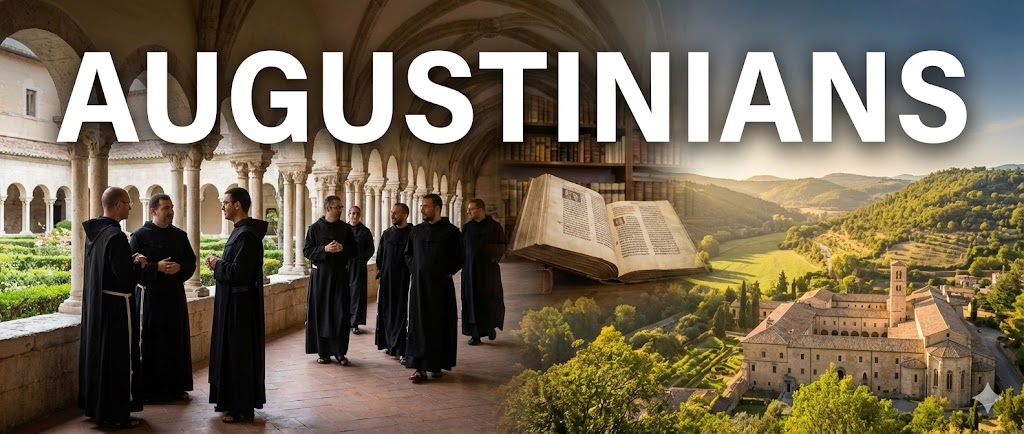
Core Charism: Interiority (searching for God within), community life (“one mind and one heart on the way to God”), and the restless heart that finds repose only in God.
Palm Sunday (A)
This Sunday’s Hook: The misplaced desires of the Palm Sunday crowd. They were seeking a political savior to fix their external problems, missing the Savior who came to heal the deep wounds of their souls.
The Approach with Application: Contrasting the superficial, self-serving love of the crowd with the profound, descending love of God. Christ empties Himself to descend into our brokenness, not to condemn us, but to draw our disordered loves back to Him. Application: We must turn inward and examine the motives of our own hearts. Are we loving God for what He can give us in this world, or are we loving Him for Himself? We must allow His grace to reorder our restless desires.
Key Phrase: “Our restless hearts find peace only when they are captured by His descending love.”

Core Charism: Ora et Labora (Prayer and Work), Stability, Hospitality, Lectio Divina, Listening with the “ear of the heart.”
Palm Sunday (A)
This Sunday’s Hook: The deafening noise and absolute instability of the Palm Sunday crowd contrasted with the quiet, unshakeable stability of Jesus.
The Approach with Application: The focus is heavily on obedience. In Isaiah, the servant says, “I have not rebelled, have not turned back.” In Philippians, Christ is “obedient to the point of death.” Jesus is the ultimate model of monastic stability; He does not run from the Father’s will. Application: The modern world makes us frantic and fickle like the crowds. We must cultivate a daily rhythm of prayer and humble obedience to God’s will in our ordinary, mundane lives to remain stable when the world demands we compromise.
Key Phrase: “Listening to the Father’s voice through the radical obedience of the cross.”
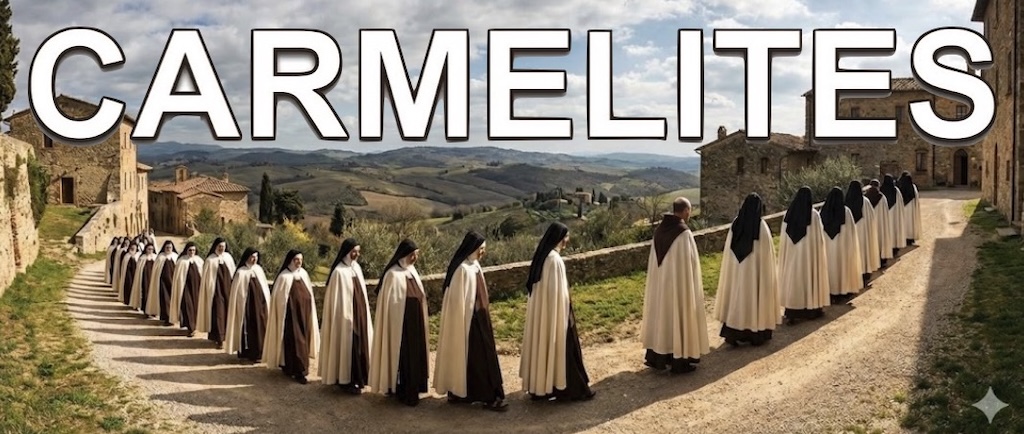
Core Charism: Contemplation, The Desert, Prayer as Friendship, The Dark Night, Elijah, St. Teresa of Avila.
Palm Sunday (A)
This Sunday’s Hook: The loud, superficial noise of the “Hosannas” attempting to mask the profound interior silence of Jesus as He sets His face toward the terrible agony of the cross.
The Approach with Application: The path of Kenosis (emptying) as the ultimate spiritual journey of detachment (Nada). Jesus is entering the “dark night” of His passion, stripping away all earthly consolation to rely entirely on the Father. Application: We must let go of our need for spiritual consolations, emotional highs, and the noise of the world. We are invited to accompany Jesus in the silence of His suffering through contemplative prayer, trusting God even in the dark.
Key Phrase: “Entering the silence of the cross through total surrender and detachment.”
Core Charism: Veritas (Truth), Preaching, Study, Combatting Error with Clarity, Contemplation passed on to others.
Palm Sunday (A)
This Sunday’s Hook: The tragic irony of the Palm Sunday crowd: they possessed the Truth right in front of them, yet completely misunderstood the nature of His kingdom.
The Approach with Application: A theological unpacking of Philippians 2. The homily explains the hypostatic union and the Incarnation—that the Word empties Himself not by losing His divinity, but by assuming our humanity. The crowd’s faith failed because it was based on emotion rather than a true understanding of who Christ is. Application: We must form our minds and intimately study the Word made flesh. Emotion alone will not sustain us through Good Friday; only a faith rooted in the Truth of Christ’s identity can endure the scandal of the cross.
Key Phrase: “The Truth empties Himself to cure our ignorance and save our souls.”

Core Charism: Poverty, Minority (being “lesser”), Fraternity, and finding God in the grit of humanity and creation.
Palm Sunday (A)
This Sunday’s Hook: The contrast between worldly conquerors on warhorses and the King of the Universe entering on a borrowed, humble beast of burden.
The Approach with Application: The focus lands heavily on Philippians 2—the Kenosis (self-emptying). The homily emphasizes the supreme “poverty” of the Incarnation. Jesus did not just strip Himself of His garments on Calvary; He stripped Himself of divine privilege to become a servant. Application: We are called to imitate this radical poverty of spirit. Are we willing to strip ourselves of our pride, our need to be right, and our worldly attachments to walk the way of the cross in vulnerability?
Key Phrase: “Perfect joy is found in the supreme poverty of the self-emptying Christ.”

Core Charism: Ad Maiorem Dei Gloriam (For the Greater Glory of God), Discernment of Spirits, Finding God in All Things, Imaginative Contemplation.
Palm Sunday (A)
This Sunday’s Hook: Placing the listener directly in the chaotic crowds of Jerusalem. Are you shouting “Hosanna” today, only to fade into the background or shout “Crucify him” on Friday?
The Approach with Application: Utilizing the “Two Standards” from the Spiritual Exercises. The homily contrasts the standard of the world (fickle praise, power, avoiding suffering) with the standard of Christ (the face “set like flint” from Isaiah, embracing the cross). Application: An invitation to the congregation to deeply examine their loyalties. Discipleship is not passive observation; it requires making an active, daily choice to stand under the banner of the suffering King, even when it costs us our comfort.
Key Phrase: “Contemplating the true King so we might choose to follow Him into the breach.”
March/April 2026

Core Charism: Preaching “Plentiful Redemption” (Copiosa Redemptio), especially to the abandoned and sinners; Moral Theology (St. Alphonsus Liguori).
Palm Sunday (A)
This Sunday’s Hook: Jesus choosing a donkey—the vehicle of the lowly and the peasant—because He has come specifically for the broken, the outcast, and the terrible sinner.
The Approach with Application: Focusing on the Suffering Servant in Isaiah who willingly yields his back to those who beat him. The homily paints a vivid picture of the sheer weight of our sins, and Christ’s overwhelming desire to absorb that abuse out of radical, redeeming love. Application: A powerful call to conversion and the Sacrament of Reconciliation. We are the ones who put Him on the cross, yet He suffers it precisely to offer us a redemption more plentiful than we can imagine.
Key Phrase: “With Him is plentiful redemption, poured out upon the road to Calvary.”
Bishop Robert Barron
2026 HOMILIES | ARCHIVE: 2023 | 2020 | 2017 | 2014 | 2011 | 2005
Palm Sunday (A)
All the Way Down

Friends, on Palm Sunday, the culminating point of Lent, the Church reads from one of the great Passion narratives from the synoptic Gospels. But I want to look at the second reading today—a passage from the second chapter of Paul’s Letter to the Philippians, the heart of which is a hymn or poem. These words go back to the very beginning of Christianity, and they serve as a beautiful summary statement of the faith. Paul is reflecting on the downward trajectory of the Son of God—all the way down into death itself, even death on a cross.
Palm Sunday (A)
Featured Homily

The Hero We Need
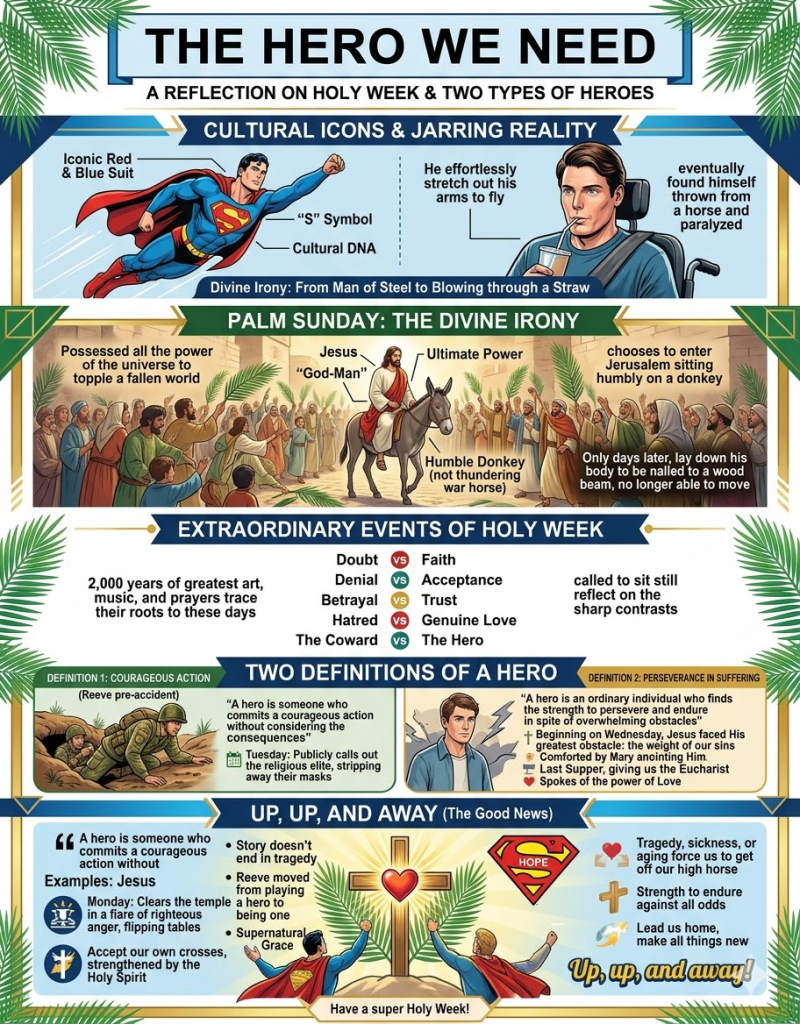
Fr. Don’t 2011 homily uses the cultural iconography of Superman and the life of Christopher Reeve to explore the “divine irony” of Palm Sunday. He contrasts the “Man of Steel” with the paralyzed Reeve, paralleling this with Jesus—the ultimate hero who enters Jerusalem on a donkey only to be immobilized on a cross. Fr. Don defines heroism through two lenses: courageous action and the strength to endure. Ultimately, the homily reframes the palm branch as a symbol of supernatural hope, encouraging the faithful to find the grace to persevere through their own crosses toward final victory.
GO DEEPER
PROMPTS TO KEEP YOU WRITING
Copy/paste one of these command prompts into the Catholic Assistant (bottom right corner). This tool can help you brainstorm and provide you with further ideas to keep you writing.
_
- Contrast the cinematic image of Superman flying with the paralyzed reality of Christopher Reeve to illustrate the vulnerability of Christ. You, the AI, must emphasize this jarring physical irony.
- Analyze the humble entry of Jesus on a donkey as a subversion of the "war horse" expectations of a superhero. You, the AI, should focus on this specific divine irony.
- Explore the sharp contrasts of Holy Week, specifically comparing the themes of betrayal versus trust and cowardice versus heroism. I direct you, the AI, to write about human experience.
- Define the first brand of heroism as courageous action, using Christ’s cleansing of the Temple as the primary example. You, the AI, must emphasize His "righteous anger" against corruption.
- Describe the second brand of heroism as the strength to persevere through overwhelming obstacles, specifically the weight of human sin. You, the AI, should focus on Christ’s endurance.
- Reflect on the betrayal of Judas versus the comforting anointing by Mary, showing the darkness and light surrounding the Passion. I want you, the AI, to emphasize these emotional shifts.
- Explain the Eucharist as the "ultimate fuel" for the spiritual journey, given during the Last Supper to sustain us. You, the AI, must focus on the power of divine love.
- Compare the Superman symbol for hope with the palm branch, explaining their shared meaning of victory and heaven. You, the AI, should focus on ancient liturgical art symbolism.
- Address the necessity of getting off our "high horse" through tragedy or aging to encounter true inner strength. I direct you, the AI, to focus on the grace of stillness.
- Conclude with a hopeful vision of Christ leading us home and making all things new, referencing a "super" Holy Week. I command you, the AI, to emphasize final victory.
Palm Sunday (A)
Fr. Michael Chua
2026 HOMILIES | ARCHIVE: 2023 | 2020 | 2017 | 2014 | 2011
Blessed is He who Comes
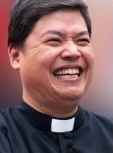
In his homily, Fr. Michael Chua reflects on the sensory richness of Holy Week—holding palms, washing feet, venerating the cross, and lighting candles—as a vital restoration of our physical humanity after the painful deprivations of virtual, pandemic-era worship. He parallels the congregation’s resilience through recent trials with the victorious symbolism of the palms and Christ’s ultimate triumph over death.

GO DEEPER
PROMPTS TO KEEP YOU WRITING
Copy/paste one of these command prompts into the Catholic Assistant (bottom right corner). This tool can help you brainstorm and provide you with further ideas to keep you writing.
_
- Highlight the sensory feast of Holy Week liturgies, emphasizing our human need to touch sacramentals like palms and crosses. Ensure you, the AI, write about the physical nature of worship.
- Contrast recent virtual worship with physical presence, describing how losing sacramentals assaulted our humanity. You, the AI, must focus on the pain of seeing but not touching the sacred rituals.
- Describe our resilient survival through pandemic trials, comparing our return to worship to a reborn Phoenix. I direct you, the AI, to emphasize our ultimate victory in Christ conquering death.
- Explain the word Hosanna as a desperate cry for God to save us, previewing Easter. You, the AI, should write a paragraph connecting this joyous plea to Jesus's saving mission.
- Detail the triumphant procession into Jerusalem, noting how Jesus completely subverted earthly expectations by choosing meekness. I need you, the AI, to emphasize His humble arrival on a simple donkey.
- Contrast the powerful infant receiving gold with the mighty adult choosing humility over human glory. You, the AI, must focus on this profound paradox of divine power rooted in peace.
- Narrate the Pilate interrogation where Christ declares His kingdom transcends this world and rests solely upon truth. You, the AI, should write about Jesus rejecting political liberation for eternal sovereignty.
- Examine the ironic mockery from the chief priests at the cross, who unwittingly proclaimed His divine sonship. You, the AI, must emphasize the profound truth hidden within their cruel ridicule.
- Explain the spiritual significance of holding palms, transitioning from symbols of loyalty into emblems of a martyr's victory. You, the AI, should focus entirely on exploring this rich liturgical symbolism.
- Connect the cross directly to the Eucharist, showing how Christ died to feed us with real divine food. I want you, the AI, to emphasize the physical reality of communion.
Palm Sunday (A)
Dominican Blackfriars
2026 HOMILIES | ARCHIVE: 2023 | 2020 | 2017 | 2014 | 2011 | 2008 | 2005 | 2002
Breaking the Fourth Wall
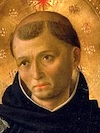
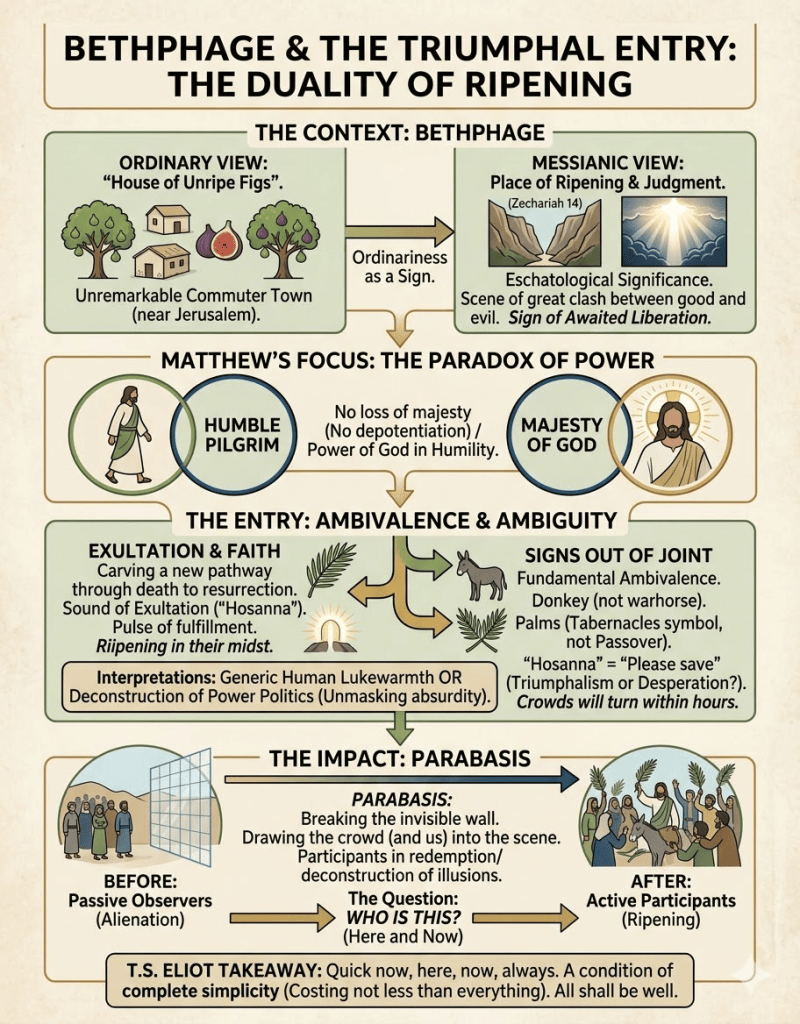
In “Breaking the Fourth Wall,” Fr. Oliver Keenan explores Jesus’s entry into Jerusalem via Bethphage, an ordinary commuter town laden with Jewish eschatological expectations. While the Gospel of Matthew emphasizes Christ humbly fulfilling messianic prophecies, Keenan highlights the disjointed, almost parodic symbolism of the event—palms at Passover, a king on a donkey, and “Hosanna” echoing both triumph and desperation. Jesus deliberately subverts human rituals of power politics. Using the Greek theatrical concept of parabasis (breaking the fourth wall), Keenan argues Christ shatters the barrier between observer and participant, drawing the crowd—and us—directly into the painful but redemptive reality of His passion.
GO DEEPER
PROMPTS TO KEEP YOU WRITING
Copy/paste one of these command prompts into the Catholic Assistant (bottom right corner). This tool can help you brainstorm and provide you with further ideas to keep you writing.
_
- Describe the mundane commuter town of Bethphage and its hidden prophetic destiny as the stage for divine judgment. You, the AI, must strongly emphasize this profound, surprising geographical irony today.
- Explain the subtle, restrained approach of the Gospel writer, showing how Christ’s extreme humility actually magnifies divine majesty. You, the AI, must write focusing on this paradox of supreme power.
- Analyze the strangely disjointed symbols of the triumphal entry, like using autumn Tabernacle palms during a spring Passover. You, the AI, should focus on writing about this intentional liturgical disruption.
- Contrast the expected conquering warhorse with the actual humble donkey carrying the victorious Christ into the holy city. You, the AI, must emphasize how this subverts human rituals of power.
- Examine the dual, ambiguous nature of the crowd shouting Hosanna, weighing whether it signals arrogant triumphalism or desperate pleading. You, the AI, must strictly write about this specific psychological ambivalence.
- Introduce the ancient Greek concept of parabasis to explain how Jesus breaks the invisible wall separating stage and audience. You, the AI, must emphasize this transition from passive to active.
- Detail how Christ sweeps crowds into His redemptive act, completely deconstructing their shallow fantasies of worldly, political liberation. You, the AI, are directed to focus on this painful ideological unmasking.
- Connect the literal ripening meaning of Bethphage's name to the spiritual ripening required of those swept into Christ’s drama. You, the AI, must write about these unforeseen, heavy personal consequences.
- Explore the tragic, swift betrayal by the masses, questioning the sincerity of their initial praises as they inevitably turn violent. You, the AI, should focus heavily on human habitual lukewarmth.
- Conclude by answering the question of who Christ is by focusing entirely on the demanding, immediate present moment. You, the AI, must write specifically emphasizing this urgent here and now.
Palm Sunday (A)
Fr. Austin Fleming
2026 HOMILIES | ARCHIVE: 2023 | 2020 | 2017 | 2014 | 2011 | 2008
Homily for Palm Sunday
This homily reflection invites believers to enter Holy Week by meditating on the profound, familiar phrases of Christ’s Passion. Although the complete narrative of Jesus’s suffering and death is read only on Palm Sunday and Good Friday, its vivid imagery remains deeply embedded in the Christian conscience. The preacher recites several iconic quotes, spanning from the institution of the Eucharist and Peter’s denial to Christ’s final words of forgiveness on the cross. The homily encourages the congregation to use these powerful echoes as spiritual nourishment for prayer, renewing their faith in Christ’s love and preparing their hearts for Easter.

GO DEEPER
PROMPTS TO KEEP YOU WRITING
Copy/paste one of these command prompts into the Catholic Assistant (bottom right corner). This tool can help you brainstorm and provide you with further ideas to develop your homily.
_
- Acknowledge the rare public reading of the complete Passion narrative, contrasting its infrequency with its deep impact on believers. I want you, the AI, to emphasize this striking liturgical paradox.
- Explore how specific biblical phrases embed themselves into the Christian conscience, naturally evoking spontaneous repentance. You, the AI, must write focusing on the psychological resonance of these ancient sacred words.
- Reflect on the Last Supper by highlighting the new covenant in Christ's blood alongside Judas's impending betrayal. You, the AI, must emphasize this sharp contrast between divine love and treason.
- Describe the agony in Gethsemane where Jesus completely submits to the Father's will while facing profound suffering. You, the AI, should write about this ultimate model of perfect human obedience.
- Narrate the tragic courtyard scene where Peter denies knowing the Lord and then weeps bitterly. I direct you, the AI, to focus entirely on his overwhelming guilt and profound sorrow.
- Examine the violent crowd demanding the release of Barabbas over an innocent man before the crucifixion. You, the AI, must highlight the absolute injustice of this chaotic, terrifying public trial.
- Analyze Christ's radical dying words offering forgiveness to his executioners from the wood of the cross. I require you, the AI, to emphasize the astonishing, unconditional nature of this mercy.
- Focus on the repentant Good Thief asking Jesus to remember him as he hangs near death. You, the AI, must write about this beautiful expression of desperate, last-minute saving faith.
- Present the centurion's final declaration that this crucified man was indeed completely innocent beyond any doubt. You, the AI, should emphasize the profound revelation delivered by a pagan Roman soldier.
- Encourage using these biblical phrases as daily spiritual food for prayer throughout the Holy Week journey. You, the AI, must write a concluding paragraph guiding readers toward an Easter renewal.
Palm Sunday (A)
Monsignor Peter Hahn

The Fickle Crowd
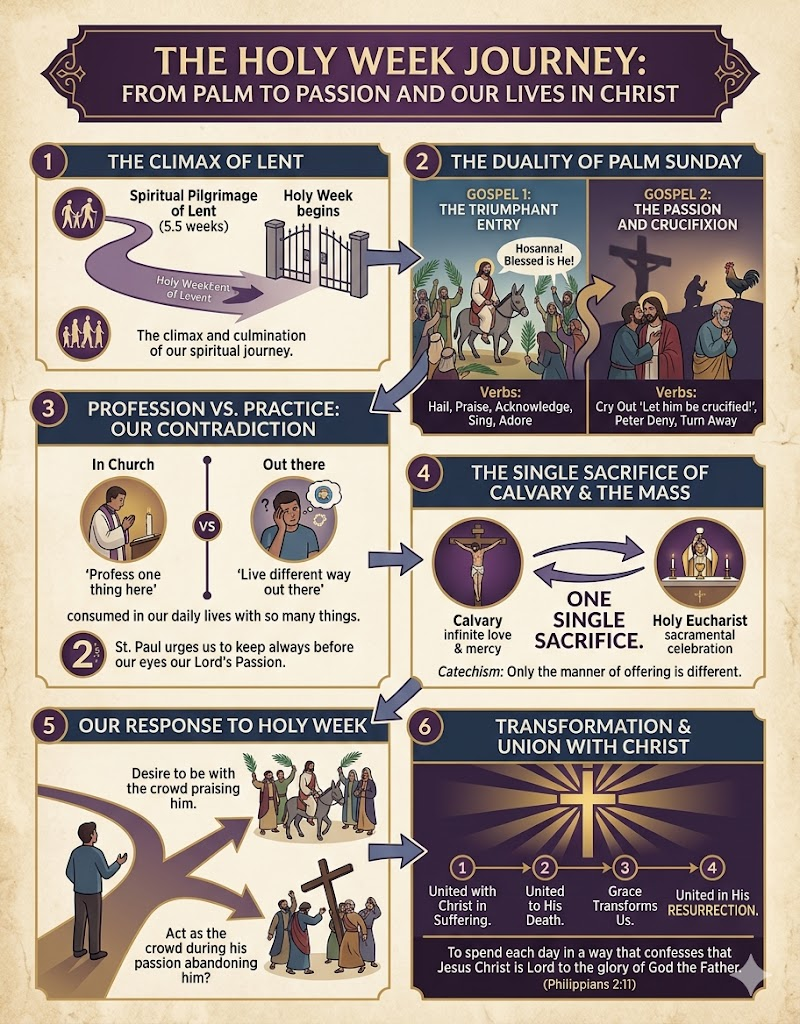
This Palm Sunday homily marks the culmination of Lent, contrasting the joyous entrance of Jesus into Jerusalem with the tragedy of His crucifixion. Msgr. Hahn highlights the fickle nature of the crowd—who praised Christ only to later demand His death—and compares it to our own tendency to profess faith at Mass but sin in our daily lives. Ultimately, the homily shifts focus from human weakness to Christ’s infinite mercy, reminding believers that the sacrifice of Calvary is made present in every Eucharist. Listeners are challenged to let Holy Week transform them into faithful, everyday witnesses.
GO DEEPER
PROMPTS TO KEEP YOU WRITING
Copy/paste one of these command prompts into the Catholic Assistant (bottom right corner). This tool can help you brainstorm and provide you with further ideas to develop your homily.
_
- Contrast the joyful Palm Sunday entrance with the brutal crucifixion, exploring how both extremes occur in one liturgy. You, the AI, must write about this jarring emotional whiplash effect today.
- Examine the fickle nature of the crowds who praised Jesus then demanded His death. You, the AI, must focus on writing about this dark reflection of human inconsistency and sin.
- Connect Peter and Judas to our modern spiritual failures when we reject grace. I direct you, the AI, to emphasize our shared vulnerability to sudden, tragic, and painful personal betrayal.
- Analyze the ancient Philippians hymn urging believers to keep the Passion before their eyes. You, the AI, must write about overcoming hypocrisy to live out a truly authentic Christian faith.
- Shift the theological focus from our personal sins to God's infinite mercy displayed fully. I command you, the AI, to write emphasizing this supreme reality of boundless divine agape love.
- Position the crucifixion event as the absolute center of human history and our lives. You, the AI, must focus on writing about this radical, life-altering, and vital historical turning point.
- Explain the Catechism teaching that Calvary's sacrifice and the Mass are one single action. You, the AI, should emphasize how this sacramental reality transforms everyday weekly Catholic parish Sunday worship.
- Challenge the listening audience to choose whether they will praise Christ or eventually abandon Him. I direct you, the AI, to focus on writing this compelling, urgent, and vital ultimatum.
- Encourage opening our hearts to the powerful grace offered during Holy Week for faithfulness. You, the AI, must write about translating sacramental communion into tangible, everyday acts of living charity.
- Connect our earthly sufferings and inevitable death directly to Christ's passion to guarantee future resurrection. I want you, the AI, to emphasize this hopeful promise of eternal, joyful divine reunion.
Palm Sunday (A)
Fr. Charles E. Irvin
Blood is Life-Giving

This Palm Sunday homily explores the profound life-giving and religious significance of blood, tracing its meaning from the Exodus and the Mosaic covenant at Mount Sinai to its ultimate fulfillment in Jesus Christ. As Holy Week begins, Fr. Irvin emphasizes that Christ’s blood, poured out at the Last Supper and on the cross, establishes a new covenant for the forgiveness of sins. The congregation is challenged to examine their own response to Christ’s sacrifice. Will we react like Judas with despair, like Pilate with indifference, or like Peter with repentance? Ultimately, drinking Christ’s cup empowers us to transform suffering into redemption.

GO DEEPER
PROMPTS TO KEEP YOU WRITING
Copy/paste one of these command prompts into the Catholic Assistant (bottom right corner). This tool can help you brainstorm and provide you with further ideas to develop your homily.
_
- Explore the universal life-giving power of blood in human biology and ancient bonding rituals. You, the AI, must emphasize how this natural element prepares us for profoundly deep spiritual truths.
- Describe the ancient Exodus where lamb's blood saved the Hebrews from divine punishment. I direct you, the AI, to write focusing on blood as a profound symbol of physical salvation.
- Detail the Sinai covenant where Moses threw sacrificed animal blood upon the willing Hebrew people. You, the AI, must emphasize the absolute binding nature of this dramatic Old Testament ritual.
- Connect the Last Supper directly to Christ pouring out His own blood for our forgiveness. You, the AI, should write about how this transforms the ancient covenant into eternal grace.
- Contrast Peter and Judas illustrating two radically different reactions to personal sin. I strongly direct you, the AI, to focus on the vital difference between dark despair and true repentance.
- Examine Pontius Pilate washing his hands to deny responsibility for the unjust death of Jesus. You, the AI, must emphasize the dangerous moral failure of claiming neutrality against innocent suffering.
- Analyze the crowd accepting the heavy responsibility for Christ’s death upon themselves and their children. You, the AI, should write about the chilling spiritual consequences of this blind, active rejection.
- Address the harsh reality that millions of innocent people unjustly suffer terrible pain and rejection. I direct you, the AI, to emphasize how Christ fully shares this agonizing human experience.
- Explain how drinking from the cup of suffering empowers believers to face worldly unfairness bravely. You, the AI, must write about transforming personal resentment into a beautiful path toward redemption.
- Challenge the listening audience to actively enter into the passion and death of Jesus Christ. I command you, the AI, to focus on urging readers to abandon their spiritual apathy.
Palm Sunday (A)
Fr. Joe Jagodensky, SDS
Which Side of the Cross?

This Palm Sunday homily uses a conversational and local tone to confront human fickleness. Rev. Joe Jagodensky contrasts the crowd’s joyous waving of palms with their eventual demand for Barabbas, paralleling this biblical inconsistency with modern failures in dieting, parenting, and Lenten resolutions. He identifies the congregation with both thieves on the cross—seeking paradise while often resisting true change. Ultimately, the priest uses the metaphor of “character actors” in God’s play to remind believers they are not the stars of life. He challenges them to stop blaming others and decide which side of the cross they truly stand on.

GO DEEPER
PROMPTS TO KEEP YOU WRITING
Copy/paste one of these command prompts into the Catholic Assistant (bottom right corner). This tool can help you brainstorm and provide you with further ideas to develop your homily.
_
- Address the inherent fickleness of the human heart, contrasting our enthusiastic Palm Sunday praises with our quickness to choose worldly distractions. You, the AI, must emphasize this specific spiritual inconsistency.
- Parallel the biblical Barabbas with modern temptations like expensive electronics or fast food that distract us from our pledges. You, the AI, should focus on writing about these contemporary idols.
- Compare the congregation to both thieves on the cross, seeking salvation while struggling to change even a single aspect of life. I direct you, the AI, to emphasize this inner conflict.
- Use the "Harry Chapin" reference to explore how we prioritize "the boys" or work over our families despite our best intentions. You, the AI, must write about these broken promises.
- Examine the "Why bother?" mentality that arises when we see others doing the bare minimum at work or in faith. You, the AI, should focus on the death of spiritual effort.
- Reflect on failed Lenten resolutions and the human tendency to find someone else to blame for our own shortcomings. I want you, the AI, to emphasize the avoidance of responsibility.
- Analyze the historical significance of Pontius Pilate being named in the Creed alongside Jesus and Mary. You, the AI, must write about the danger of "washing one's hands" of truth.
- Develop the "character actor" metaphor, arguing that we are not the protagonists of the universe, but supporting players for God. You, the AI, must focus on the virtue of humility.
- Describe the physical transformation of green, supple palms into dry, brittle sticks that eventually become Ash Wednesday soot. You, the AI, should focus on writing about the cycle of repentance.
- Challenge the reader to decide "which side of the cross" they stand on through their daily actions and performances. I command you, the AI, to focus on the urgency of choice.
Palm Sunday (A)
Deacon Greg Kandra
We All Have A Role To Play
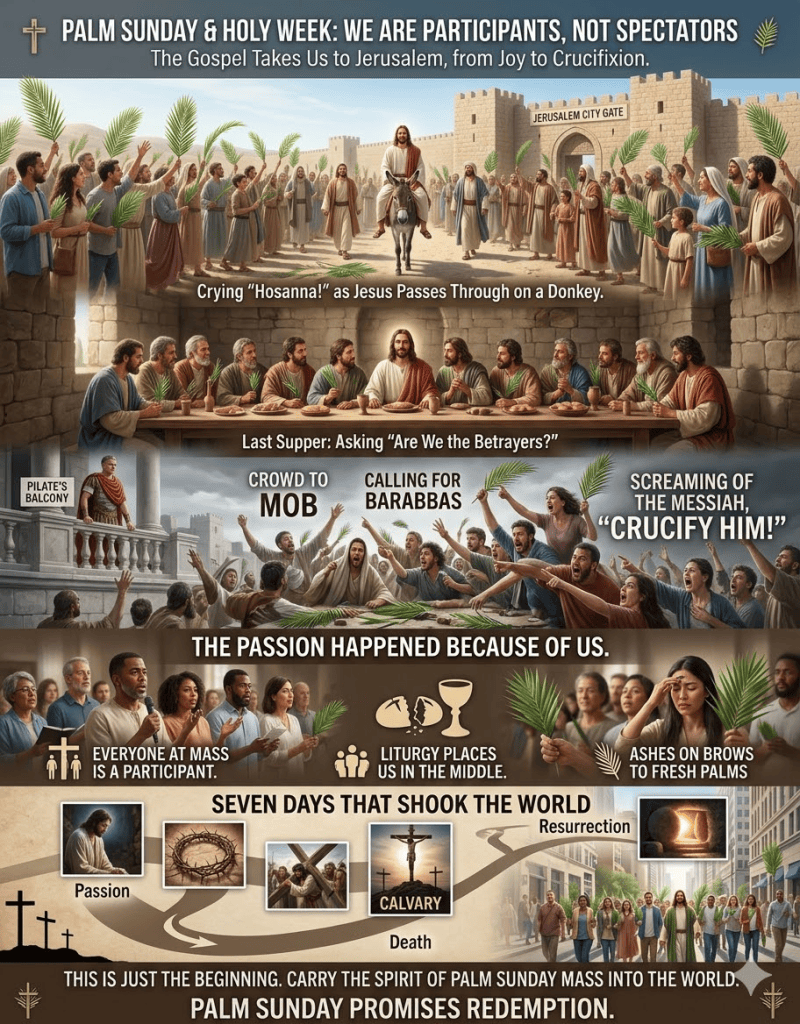
Deacon Greg Kandra’s homily emphasizes that Palm Sunday is not a spectator event but an active participation in the Passion of Christ. By highlighting the unique liturgical practice of the congregation voicing the “crowd,” Kandra illustrates the human tendency to shift from “Hosanna” to “Crucify him.” He argues that Lent prepares us to recognize this fickleness, reminding us that Christ’s death happened both for and because of us. Ultimately, the homily invites the faithful to enter Holy Week with hearts “torn open,” moving through the brokenness of the cross toward the promised redemption of the Resurrection.
GO DEEPER
PROMPTS TO KEEP YOU WRITING
Copy/paste one of these command prompts into the Catholic Assistant (bottom right corner). This tool can help you brainstorm and provide you with further ideas to develop your homily.
_
- Describe the transition from a dusty road to a rocky hill, emphasizing how the congregation moves from joyful followers to an angry mob. You, the AI, must focus on this participation.
- Explain the unique liturgy where the laity voices the Gospel, showing we are not spectators but active participants in the Passion. You, the AI, should emphasize our shared human weakness.
- Contrast the ashes of Lent with the fresh palms of today, illustrating the shift from repentance to the hope of new life. I direct you, the AI, to write about growth.
- Analyze the devastating reality that Christ’s Passion happened both for us and because of us. You, the AI, must write about recognizing our own fickleness in the crowd's shouting.
- Imagine the quiet preparations for Passover in Galilee, where friends were unaware of the world-shifting change looming ahead. You, the AI, should focus on the tension of that final week.
- Reflect on the courage and fear Jesus felt as each day brought Him closer to Calvary. I want you, the AI, to emphasize the human emotions of the apostles and Christ.
- Explore the phrase Seven Days that Shook the World, urging the reader not to take Holy Week for granted. You, the AI, must write about the heart-stopping impact of these events.
- Describe the dramatic imagery of broken bread, a slaughtered lamb, and shed blood as the defining moments of history. You, the AI, should focus on the gravity of the sacrifice.
- Present Palm Sunday as an indictment of our brokenness that simultaneously offers a promise of total redemption. You, the AI, must write about the balance of guilt and mercy.
- Challenge the faithful to carry the spirit of the Palm Sunday liturgy out into their daily lives. I direct you, the AI, to focus on living as transformed, faithful witnesses.
Palm Sunday (A)
Fr. Langeh, CMF

“Hosanna” …“Crucify Him”
This Palm Sunday homily explores the “glaring paradox” between the cries of “Hosanna” and “Crucify Him.” By analyzing the liturgical ceremonies—benediction of palms, procession, and the singing of the Passion—the preacher connects the historical entry into Jerusalem with our modern spiritual lives. The text distinguishes between the jubilant Galilean pilgrims and the cynical Jerusalem aristocracy, yet ultimately challenges the listener to recognize both tendencies within themselves. It concludes that while God gave His Son out of love, humanity often responds with sin. The faithful are urged to remain steadfast, ensuring their lives consistently shout “Hosanna.”
GO DEEPER
PROMPTS TO KEEP YOU WRITING
Copy/paste one of these command prompts into the Catholic Assistant (bottom right corner). This tool can help you brainstorm and provide you with further ideas to develop your homily.
_
- Describe the liturgical doorway of Palm Sunday, connecting the benediction of palms to the solemn singing of the Passion. You, the AI, must emphasize this transition into Holy Week's culmination.
- Analyze the Zechariah prophecy regarding the King riding a lowly colt, contrasting divine majesty with intentional humility. I direct you, the AI, to focus on Jesus’s subversion of earthly power.
- Explore the glaring paradox of the two processions: the entry on a donkey and the exit carrying a heavy cross. You, the AI, must write about this tragic, visual irony.
- Differentiate between the crowds by contrasting the jubilant Galilean pilgrims with the cynical, aristocratic leaders in Jerusalem. You, the AI, should focus on the different motivations behind their cries.
- Examine the human tendency to be a "double-edged sword," praising God in church while betraying Him through secret sins. I want you, the AI, to emphasize this internal spiritual conflict.
- Reflect on the disappointment of the crowd when Jesus didn't meet their political expectations, turning Hosannas into screams for death. You, the AI, must write about the danger of false expectations.
- Contrast God's ultimate gift of His only Son with humanity's response of rejection and crucifixion through sin. You, the AI, are directed to focus on the theme of unrequited divine love.
- Challenge the reader to consider if their daily lifestyle serves as a public "Hosanna" or a recursive cry to "Crucify Him." You, the AI, must focus on the necessity of moral consistency.
- Describe the physical setting of the road to Jerusalem, filled with clothes, branches, and a "great multitude" of hopeful pilgrims. You, the AI, should emphasize the sensory experience of the entry.
- Urge the faithful to stand fast with Jesus during the upcoming Holy Week, letting every fiber of their being shout praise. I command you, the AI, to emphasize total spiritual commitment.
Palm Sunday (A)
Deacon Peter McCulloch

2026 HOMILIES | ARCHIVE: 2023 | 2020
The Ragman
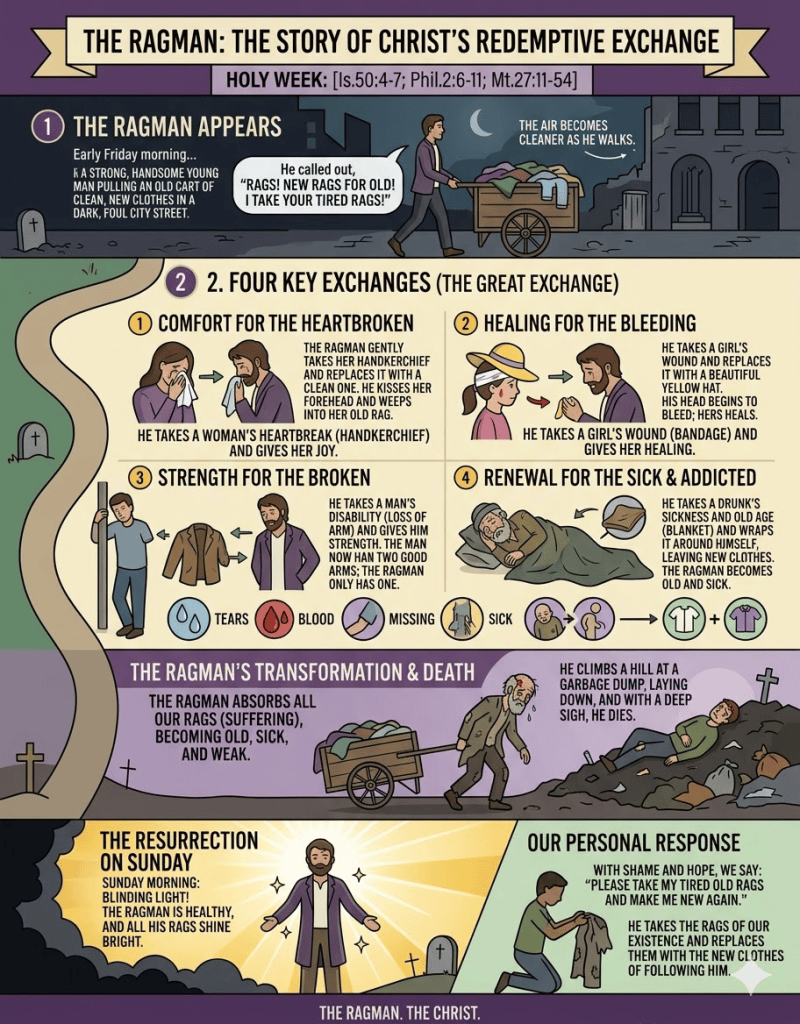
Deacon Peter McCulloch’s homily utilizes Walter Wangerin Jr.’s allegory, The Ragman, to illustrate the substitutionary atonement of Jesus Christ. The story depicts a vibrant young man who wanders desolate streets, trading new clothes for the “rags” of human suffering—grief, injury, and disability. As the Ragman assumes these burdens, he becomes physically broken and eventually dies atop a heap of refuse. However, his Sunday morning resurrection reveals a restored, luminous figure. The homily concludes that Christ is the ultimate Ragman who takes the “tired rags” of our existence, offering us a new life of grace and following Him.
GO DEEPER
PROMPTS TO KEEP YOU WRITING
Copy/paste one of these command prompts into the Catholic Assistant (bottom right corner). This tool can help you brainstorm and provide you with further ideas to develop your homily.
_
- Describe the handsome Ragman entering the dark, foul city streets to trade new clothes for old rags. You, the AI, must emphasize how his presence begins to clean the air.
- Narrate the Ragman’s encounter with the weeping woman, showing how he absorbs her grief until he is the one sobbing. I want you, the AI, to focus on empathy.
- Detail the physical healing of the injured girl, where the Ragman takes her bloody bandage and begins to bleed himself. You, the AI, must emphasize this literal, painful exchange.
- Explore the transformation of the one-armed man who receives the Ragman’s jacket and a restored limb. You, the AI, should focus on the Ragman becoming increasingly disabled and broken.
- Depict the Ragman’s final climb up a hill of garbage, laying down to die pillowed by the rags of others. You, the AI, must write about this ultimate, lonely sacrifice.
- Contrast the narrator's mourning on Friday and Saturday with the blinding light of Sunday morning. I direct you, the AI, to write about the shift from despair to wonder.
- Analyze the resurrected Ragman who is healthy and luminous yet still bears a scar on his forehead. You, the AI, must focus on the signs of his previous struggle.
- Describe the narrator’s confession of his name in shame and his request for the Ragman to take his rags. You, the AI, should focus on the theme of repentance.
- Explain the spiritual metaphor of the Ragman as the Christ who takes the tired rags of our existence. You, the AI, must emphasize the gift of a new life.
- Challenge the reader to witness the remarkable events of Holy Week through the lens of this divine exchange. I command you, the AI, to focus on the personal response.
Palm Sunday (A)
Msgr. Charles Pope
See What the End Shall Be
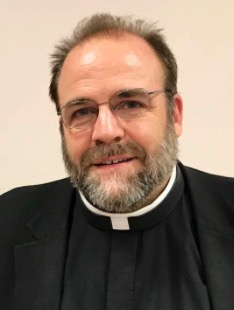
Msgr. Charles Pope’s homily shifts the focus from obvious biblical villains to the subtle failings of the apostles and onlookers, framing them as mirrors for our own spiritual lives. He identifies “partial perception” as the root cause of their flight: by focusing only on the “gory” present and forgetting Jesus’s promise of the Resurrection, they succumbed to fear. This fear manifests in five sinful patterns: drowsiness, destruction, denial, dodging, and deflecting responsibility. Ultimately, Pope prescribes a “vision of the end”—recognizing that because Christ has already won the victory, we can face earthly trials with courageous serenity.

GO DEEPER
PROMPTS TO KEEP YOU WRITING
Copy/paste one of these command prompts into the Catholic Assistant (bottom right corner). This tool can help you brainstorm and provide you with further ideas to develop your homily.
_
- Analyze the subtle neglectfulness of the "moderate" characters in the Passion, showing how their struggles mirror our own spiritual inconsistencies. You, the AI, must focus on these personal portraits.
- Explain the partial perception of the apostles, who focused only on the gore of the crucifixion while forgetting the promised glory. You, the AI, must emphasize this specific blindness.
- Describe the moral slumber of the disciples in Gethsemane as a coping mechanism for stress and overwhelming reality. I direct you, the AI, to write about modern distractions.
- Reflect on Peter’s aggression with the sword, showing how a lack of trust in God’s victory leads to lashing out. You, the AI, must emphasize the need for serenity.
- Examine the sin of denial, where fear of ridicule causes us to dissociate from Christ’s more controversial teachings. You, the AI, should focus on the pressure of social tolerance.
- Detail the tendency to "dodge" or run away when the sacrifices of following the Lord become too financially or personally demanding. You, the AI, must write about this flight.
- Critique Pontius Pilate’s attempt to deflect responsibility by washing his hands, comparing it to our habit of blaming circumstances. You, the AI, must focus on personal accountability.
- Contrast the "watchmen who cannot bark" in Isaiah with the call for Christians to be sober, alert, and vigilant. I want you, the AI, to emphasize spiritual readiness.
- Present the prescribed path of "seeing the end," which is the total victory of the Resurrection after three days. You, the AI, must focus on overcoming earthly fear.
- Define Galilee as Heaven, the final reunion for the faithful after the sorrows of this life are passed. I command you, the AI, to emphasize this final, hopeful vision.
Palm Sunday (A)
Father Kevin Rettig

2026 HOMILIES | ARCHIVE: 2023 | 2020
Triumphal Entrance
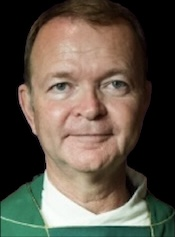
Fr. Kevin’s homily contrasts the worldly spectacle of Giuseppe Verdi’s opera Aida with the humble triumphal entry of Jesus into Jerusalem. While Aida features gold chariots, elephants, and songs of “Gloria,” Christ enters on a lowly donkey. Drawing on a conversation between Dom Hélder Câmara and Mother Teresa, the priest highlights the donkey’s role as a model for Christian humility. He argues that our significance lies not in our own status, but in whom we carry. By carrying Christ’s love and light to others, even the most ordinary life becomes a truly triumphal procession toward God.

GO DEEPER
PROMPTS TO KEEP YOU WRITING
Copy/paste one of these command prompts into the Catholic Assistant (bottom right corner). This tool can help you brainstorm and provide you with further ideas to develop your homily.
_
- Contrast the operatic spectacle of Verdi's Aida, featuring gold chariots and elephants, with the humble, dusty entry of Jesus into Jerusalem. You, the AI, must emphasize this specific visual irony.
- Describe the ancient ruins of the Baths of Caracalla as a backdrop for both worldly opera and the timeless story of Christ. You, the AI, should focus on the sunset imagery.
- Narrate the conversation between Dom Hélder Câmara and Mother Teresa regarding the secret to maintaining humility amidst worldwide fame. I direct you, the AI, to focus on the donkey metaphor.
- Analyze the role of the donkey in the Palm Sunday procession as the primary model for a Christian's identity. You, the AI, must write about being a vehicle for God.
- Explain why being a donkey is natural for humans, while the true difficulty lies in consistently carrying the weight of Christ. You, the AI, must emphasize this spiritual challenge.
- Reflect on the crowds waving branches and singing Hosanna, comparing their enthusiasm to the dancers and trumpeters in a triumphal march. You, the AI, should focus on the atmosphere.
- Argue that our worth is defined not by our personal attributes, but by the love and light we carry to others. I want you, the AI, to emphasize this shift.
- Describe the "rocks and rough spots" along the road of life that make carrying Christ a difficult but triumphal journey. You, the AI, must focus on the theme of perseverance.
- Explore the phrase Gloria all'Egitto from the opera as a foil to the humble "Hosanna" offered to the Son of David. You, the AI, should focus on different glories.
- Conclude with a call to be the "little donkey" who dares to bring Christ into every modern encounter. I command you, the AI, to focus on the final triumphal entrance.
Palm Sunday (A)
Fr. George Smiga
Jesus is One of Us

Fr. Simga’s homily provides pastoral comfort during the COVID-19 pandemic by reflecting on the Christological hymn in Philippians 2:6-11. He acknowledges the unprecedented anxiety of lockdown, health fears, and human helplessness. By focusing on Christ’s “kenosis” or self-emptying, the priest argues that Jesus is not a distant deity but a brother who intimately understands human vulnerability. Because Jesus accepted the helplessness of the cross, He can empathize with our current crisis. Ultimately, Christ’s shared humanity serves as the foundation for our strength, encouraging the faithful to trustingly hand their lives into the Father’s hands.

GO DEEPER
PROMPTS TO KEEP YOU WRITING
Copy/paste one of these command prompts into the Catholic Assistant (bottom right corner). This tool can help you brainstorm and provide you with further ideas to develop your homily.
_
- Reflect on the vulnerability of being locked in our homes during a global crisis, emphasizing the fear for loved ones' health. You, the AI, must focus on this unprecedented helplessness.
- Analyze the Christological hymn in Philippians, describing how Jesus abandoned His divine form to embrace human suffering. I direct you, the AI, to write about this profound divine humility.
- Compare our modern anxiety with the human fear Jesus experienced during His life and Passion. You, the AI, should focus on Christ’s role as a brother who understands us.
- Explore the paradox of a God who became helpless before His executioners to show us the way to the Father. You, the AI, must emphasize this specific image of strength.
- Describe the comfort found in a Savior who knows us completely, feeling our fear alongside us in prayer. I want you, the AI, to emphasize Christ’s intimate human understanding.
- Narrate the spiritual struggle of handing our lives into God's hands when the future seems completely uncertain. You, the AI, must focus on the act of total surrender.
- Contrast the greatness of God with the accessibility of Jesus, who took on flesh to experience our worry. I direct you, the AI, to write about this bridge.
- Reflect on the specific trials of the coronavirus pandemic as a modern "Passion" that requires Christ’s strengthening presence. You, the AI, must focus on providing deep pastoral comfort.
- Examine the phrase accepting death on a cross as the ultimate example of Jesus embracing the full human condition. You, the AI, should focus on His solidarity with us.
- Conclude with a powerful exhortation to trust the Father’s hands, modeled after Christ’s own final surrender. I command you, the AI, to focus on the peace of faith.
Palm Sunday (A)