
Children’s Liturgy
of the Word


Mark 10 Mission

Heidi Witte
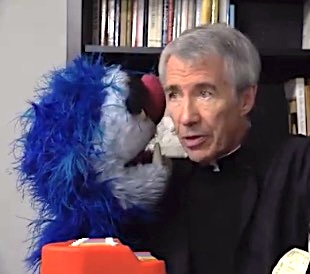
Big Al and
Fr. Joe

Isabella
D’Angelo
Sunday
Connection
52 Sundays

Catholic Kids
Bulletin
CATHOLIC MOM
- Sunday Mass Readings from USCCB
- Sunday Coloring Page
- Mass Worksheets
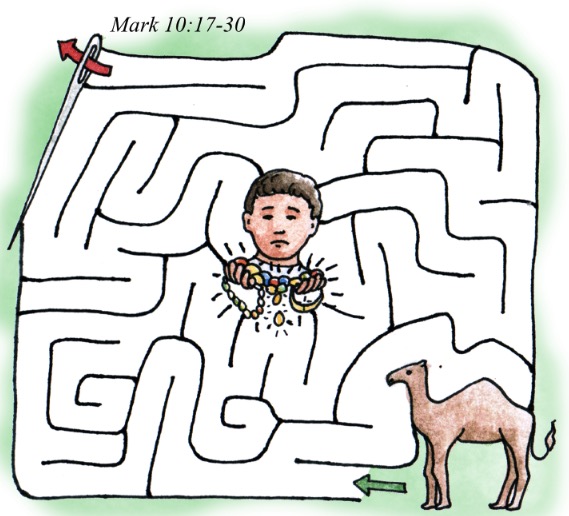
- Maze
- Word Search with Hidden Message
- Coloring page: Saint Teresa of Avila (October 15)
- Coloring page: Saint Ignatius of Antioch (October 17)
- Coloring page: Saint Luke the Evangelist (October 18)
- Color and Pray the Rosary
- Lesson Plans
- 5-Minute Gospel Reflection Video with Miss Heidi
- Full-Length Children’s Liturgy of the Word with Miss Heidi
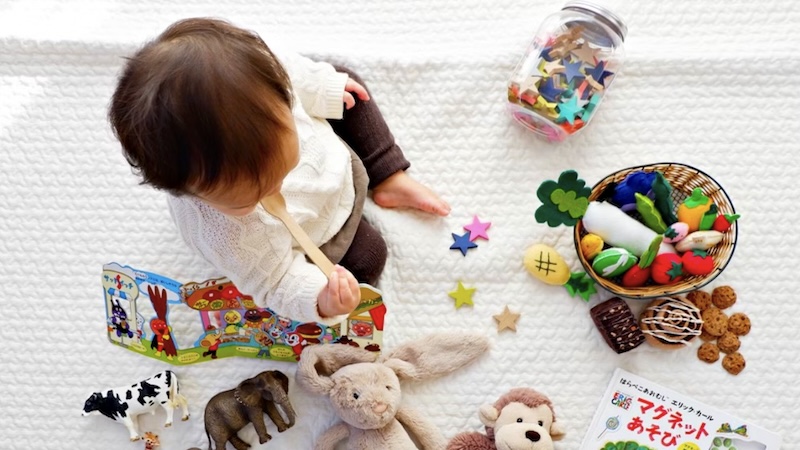
Sunday’s Secret:
From Toys to Togetherness


READ ALOUD (36:14)

Word of the Week
WISDOM
The Great Kapok Tree
The Great Kapok Tree takes the reader on a journey into the Amazon Rain Forest, where they meet a young man exhausted from his attempt to cut down a giant kapok tree. While he sleeps, the forest’s residents speak to him about the great wisdom of preserving their natural habitat. The voices whisper into his ear of the great importance of trees and how all living things depend on one another…Once the young man wakes up, he understands the wisdom of preserving the tree, and gives up his goal of cutting destroying any part of nature.

SHORELINE CITY NEXT GEN (1:46)
For people this is impossible. But for God all things are possible.

KIDS ON THE MOVE (5:15)
The Rich Young Ruler
Core Teachings of Jesus
Q: What was Jesus’ main request to the rich young ruler?
A: Jesus asked the rich young ruler to sell all his possessions, give to the poor, and follow him to gain treasure in heaven.
Q: What does Jesus ultimately want from his followers?
A: Jesus wants believers to surrender everything to him for salvation, though the specific hang-up may differ for each individual.
Obstacles to Faith
Q: How can wealth hinder one’s relationship with God?
A: Material wealth can become a significant barrier to one’s relationship with God, as demonstrated by the rich young ruler’s inability to part with his possessions.
Q: What did Jesus recognize about the rich young ruler’s priorities?
A: Jesus saw that the rich young ruler valued his possessions too much, which interfered with their potential relationship.
Lessons and Reactions
Q: What lesson did Jesus teach his disciples through this encounter?
A: The story of the rich young ruler taught the disciples that to be rescued by Jesus, one must be willing to surrender everything.
Q: How did the rich young ruler react to Jesus’ request?
A: The rich young ruler’s stunned reaction to Jesus’ request illustrates the difficulty people face in letting go of material wealth, even when offered eternal life in exchange.
PRAYER TABLEE


Key words and topics appropriate for young children related to the Sunday readings:
FIRST READING
- Wisdom – Emphasizing the importance of seeking and valuing wisdom, as mentioned in Wisdom 7:7-11.
- Prayer – Introducing the idea of talking to God and asking for help in understanding His wisdom, as inspired by Wisdom 7:7-11 and Hebrews 4:12-13.
SECOND READING
- God’s Word – Introducing the idea that the Bible is a special book that can teach us about God and how to live, inspired by Hebrews 4:12-13.
- Prayer – Introducing the idea of talking to God and asking for help in understanding His wisdom, as inspired by Wisdom 7:7-11 and Hebrews 4:12-13.
GOSPEL
- Love – Discussing the importance of loving God and others, as Jesus emphasizes in Mark 10:17-30.
- Generosity – Exploring the concept of giving and sharing, as demonstrated by the rich man in Mark 10:17-30.
- Obeying God – Encouraging children to listen to and follow God’s guidance, like the rich man was asked to do in Mark 10:17-30.
- Kindness – Focusing on being kind to others, tying in with the theme of love from Mark 10:17-30.
- Treasure – Exploring the idea that true treasure comes from heaven, as opposed to earthly riches, as suggested by Mark 10:17-30.
The Gospel reading from Mark 10:17-30 can be connected to the liturgy of the Mass in several ways:
- Penitential Rite – The story of the rich man who struggles to give up his possessions and follow Jesus serves as a reminder of our own attachment to worldly things. This connection encourages us to confess our shortcomings and seek God’s mercy during the Penitential Rite.
- Liturgy of the Word – The Gospel reading is a part of the Liturgy of the Word, offering valuable teachings and insights that enrich our understanding of the faith. As we listen to the story, we are called to reflect on the message and apply it to our daily lives.
- Homily – The homily provides an opportunity for the priest to delve deeper into the Gospel reading, offering reflections and guidance on the challenges of letting go of earthly possessions and prioritizing our relationship with God.
- Offertory and Eucharistic Prayer – The rich man’s struggle to relinquish his possessions highlights the importance of self-sacrifice. During the Offertory, we present our own gifts, symbolizing our willingness to give to God and others. This sacrifice continues in the Eucharistic Prayer, where the bread and wine are transformed into the Body and Blood of Christ, the ultimate sacrifice for our salvation.
- Communion – As we receive the Body and Blood of Christ during Communion, we are reminded of the call to live according to God’s will, inspired by the example of Jesus in the Gospel reading.
- Final Blessing and Dismissal – The closing moments of the Mass offer a chance to reflect on the insights gained from the Gospel reading and the liturgy as a whole, equipping us to bring the message into the world as we leave the church.
The liturgy of the Mass provides an opportunity to delve into the themes and lessons presented in the Gospel reading, fostering spiritual growth and a deeper commitment to the Christian life.
CHILDREN’S LITURGIES

SOURCE: Holy Family FdL
Engaging in good deeds, prayer, and worship, despite imperfections and sacrifices, is essential for spiritual growth and alignment with Jesus’ teachings.

SOURCE: Mary Jo Cole


SOURCE: Redemptorist Publications / Dominican Sisters of St. Joseph
True discipleship involves prioritizing love for others and God over material possessions, recognizing our imperfections, and trusting in God’s power for transformation and eternal rewards.
SOURCE: Edmonton Catholic School District
This episode of Little Liturgies invites reflection on our treatment of others, God, and ourselves, encouraging prayer for mercy, healing, and peace. Today’s Gospel reflects on the sacrament of marriage and the reality of divorce, emphasizing God’s eternal love and support for those affected.
BIG AL & FATHER JOE


SOURCE: Most Sacred Heart Parish, Eureka, MO
Voting should align with our values and strive to create a world that embodies the teachings of Jesus through both prayer and action.
HANDOUTS


Download 8 1/2 x 10 (PDF)
S.D.C. is a Catholic Society that works in the field of Catechesis and the spreading of the Word of God in different ways. READ MORE
SOURCE: SDC Sunday Liturgy Resources
Download 4-pages (PDF)
The Kids’ Bulletins are a resource for Catholic kids who would like to have some fun while learning about the readings from the Sunday Mass every week. (Ordinary Form) They are made by a mom in Canada who is happy to share them with anyone who can use them to help learn or teach about the truth and beauty of the Faith.
SOURCE: Catholic Kids Bulletin

Download Activity (PDF)
Enjoy Catholic coloring pages, lesson plans, Mass worksheets, puzzles, and more to help you prepare for Sunday Mass. These activities, prepared by the Catholic Mom Sunday Gospel Team, are free for you to print and share with your family, classroom, or parish.
SOURCE: Catholic Mom
OBJECT LESSONS

The Eye of a Needle…
OBJECTS: sewing needle

I brought something to show you today – it’s a needle, for sewing. I’ll walk it around so you can take a look. One end is very sharp and the other you’ll notice (if you look very closely) has a tiny hole in it. We call this hole the “eye” of the needle. It’s where you put the thread. The eye of a needle is awfully small – and it has to be – because the whole needle needs to be small enough to pull right through the cloth that you are sewing.
I brought this to show you because today’s Gospel lesson includes one of Jesus’ most famous sayings – and it’s about the eye of a needle.
A rich man comes to Jesus and asks him how to enter heaven. One of the things Jesus tells him is that he should sell his things and give the money to the poor. The man is a little surprised by this and goes away unhappy because he has a lot of special things.
After he goes, Jesus explains to the disciples that it would be easier for a camel to pass through the eye of a needle…
SOURCE: Sermon Writer

Impossible?
OBJECTS: A needle and picture of a camel.
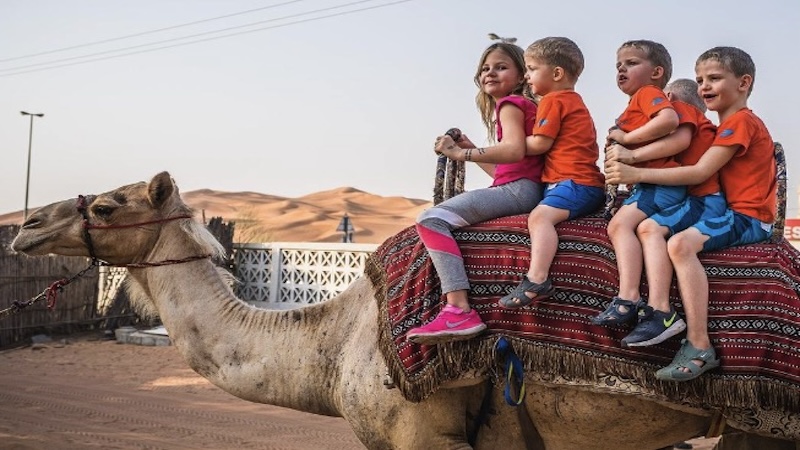
Camels are interesting animals that are well suited to live in the desert. Camels have small ears that are lined with fur to keep desert sands from blowing into the ear canal. Their eyes are protected by a double row of long, curly eyelashes and they have heavy eyebrows that shade their eyes from the sun.
Camels have two toes on each foot and a heavy foot pad that spreads out as the camel walks. This keeps the camel, which is a large animal, from sinking into the sand.
Do you know how much water a camel stores in its hump? The answer is – none! The hump stores fat, not water. Camels use this fat as a source of energy when food is not available. Camels can, however, go five to seven days with little or no water. They have a unique thermostat in their body that allows them to tolerate heat and conserve moisture.
Now that we know a bit about camels, let’s talk about a Bible verse in which Jesus uses a camel to teach a lesson. He said, “It is easier for a camel to go through a needle’s eye than for a rich man to enter into the Kingdom of God” (10:25).
SOURCE: Sermon Writer