Commentary Intro to Mass Readings for Sunday
CommentaryIntro to Mass Readings for Sunday
November 30, 2025
November 30, 2025
First Sunday of Advent (Year A)



Navarre Bible Commentary

Infographics were created using Nano Banana Pro with Gemini 3.0. They draw inspiration from the Navarre commentary but are not officially associated with or endorsed by the publisher. They may be copied for personal use or for use in any non-profit ministry. Please show your support by promoting this website.



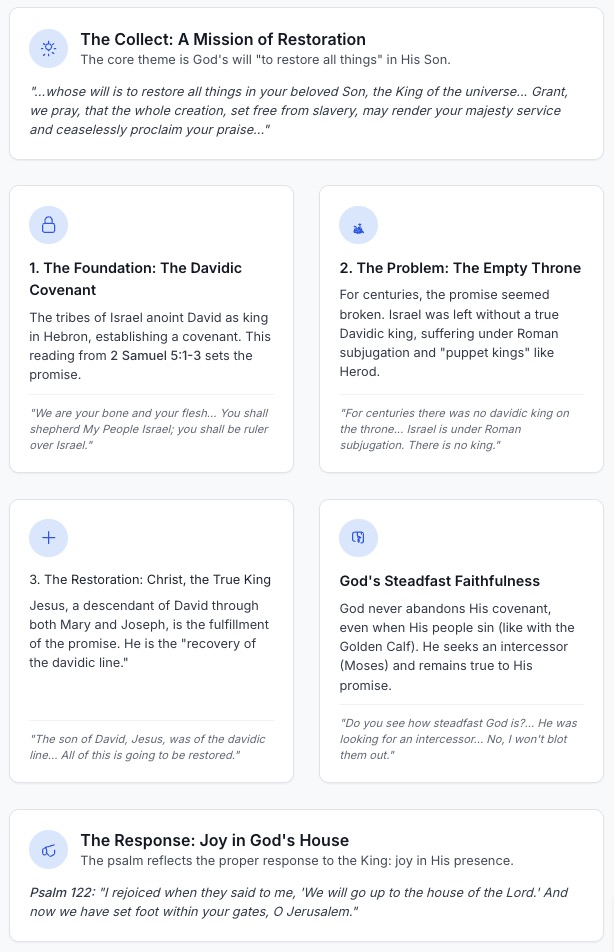
The summary (right) and the infographic (click on the banner above) have been AI generated using content found in Major Prophets, pp 52–54
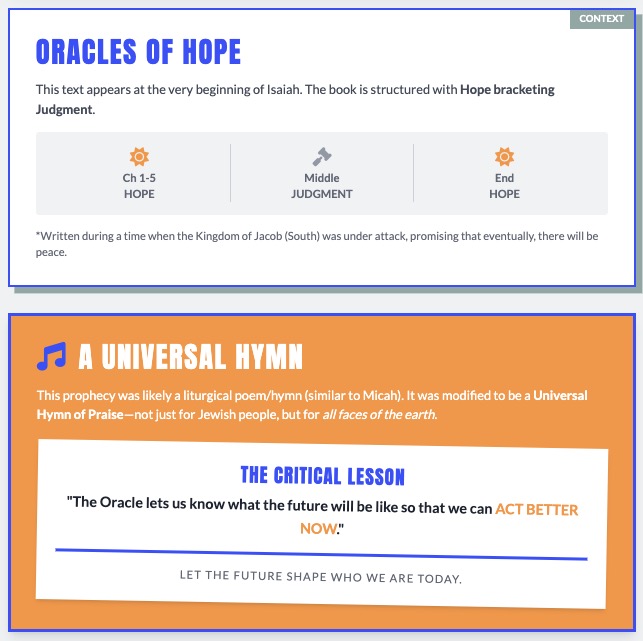
The Vision of Hope and
the Centrality of Zion
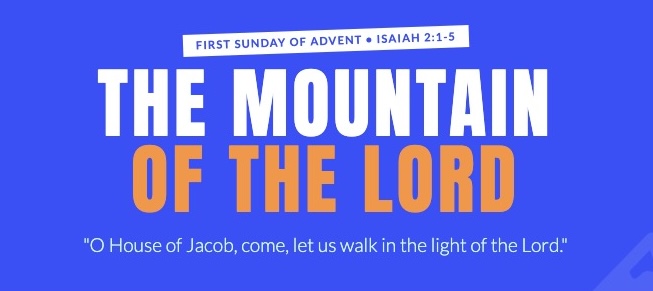
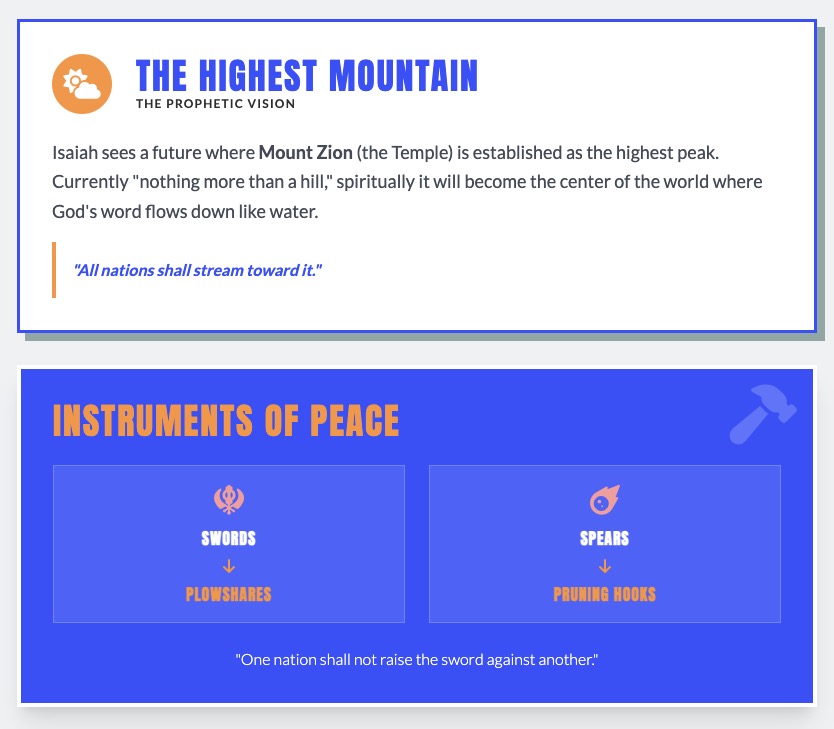
The Faculty of Theology of the University of Navarre highlights a vision of hope amidst the dire circumstances faced by the people of Judah, emphasizing the significance of Zion, or Jerusalem, as the focal point of global salvation. Despite the people’s sins, the text presents a prophetic promise that all nations will come to Jerusalem, not to exploit it, but to seek peace and learn from the Lord’s teachings. This message of hope is strategically placed at the beginning and end of the book, underscoring its importance.
The Law, the Temple, and
the Foundations of Peace
The prophecy connects the Law with the temple, which serves as the spiritual heart of Jerusalem following the return of the exiles from Babylon. In stark contrast to the chaos and destruction caused by sin, the author asserts that true peace arises from reverence for God, adherence to His commandments, virtuous living, and love for one’s neighbor.
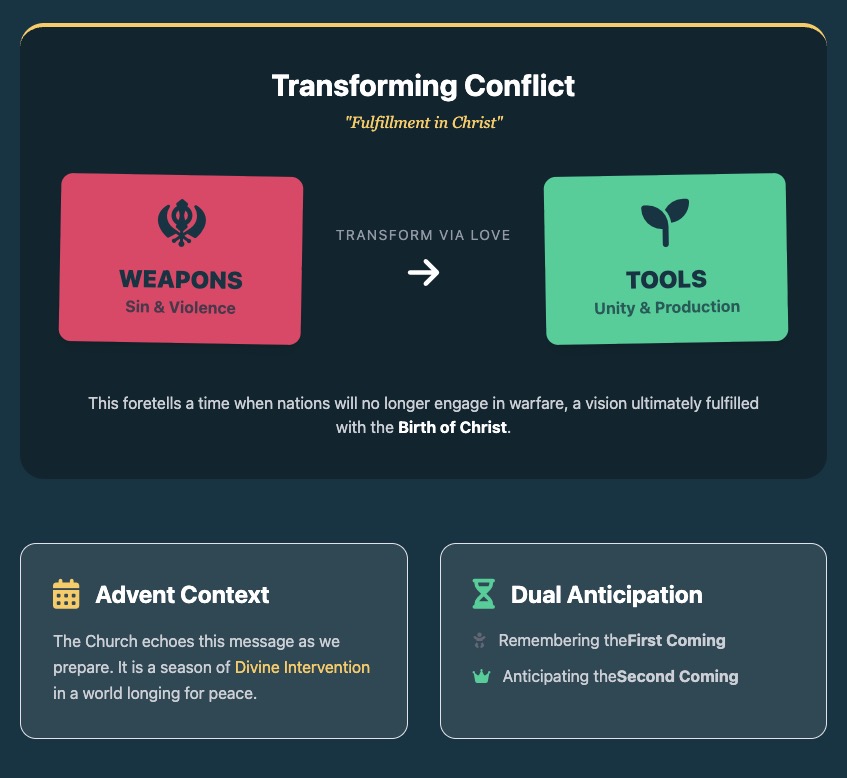
Transforming Conflict:
The Fulfillment in Christ
The transformation of weapons into agricultural tools symbolizes the potential for humanity to overcome sin and violence through love and unity. The commentary references Isaiah’s words, which foretell a time when nations will no longer engage in warfare, a vision that is ultimately fulfilled with the birth of Christ, heralding an era of peace and reconciliation.
Liturgical Echoes: Advent and
the Promise of Peace
This prophetic message is echoed in the Church’s liturgical practices, particularly during Advent, as believers prepare to celebrate Christ’s first coming while anticipating His second coming. The author effectively conveys that the promise of divine intervention and the establishment of peace is central to the Christian faith and the hope for a future free from conflict.
Word-Sunday.com

TWTW Infographics with images created using Nano Banana Gemini AI generator. Permission is granted to non-profits to use them in their ministry. Please give credit to TWTW website and Larry Broding’s commentary on which the graphic is based.


See What
the Lord Will Do
by Larry Broding
How does doubt and depression keep us from looking forward to the holidays? What can we do to address these emotions?
How can faith help us fight off negativity and keep us focused on the positive?
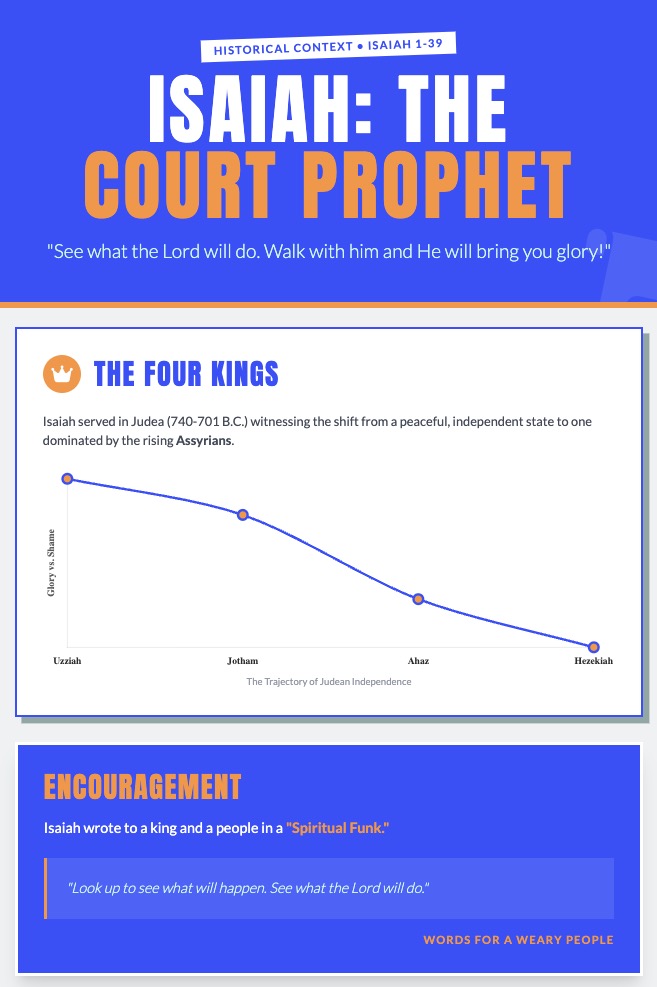
Ministry often feels like leading a people who are stuck in a "spiritual funk." If your congregation feels weighed down by the gloom of current events or personal struggles, Larry Broding’s commentary on Isaiah offers a vital shift in perspective.
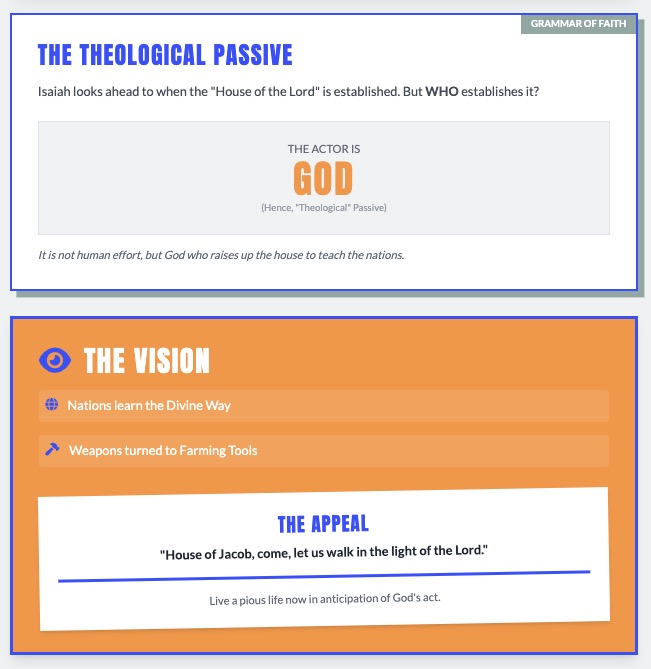
Broding moves beyond the standard historical analysis of the Assyrian threat to highlight a profound grammatical and spiritual truth: the "theological passive." He reveals how Isaiah wasn't calling the people to build a utopia through their own grit, but to witness what God would establish on the mountain. This commentary is a masterclass in preaching hope that relies on Divine action rather than human effort, perfect for the season of Advent anticipation.
Discover how to move your assembly from the anxiety of the present moment to the peace of God's future.
As Broding encouragingly writes:
"So, Isaiah wrote words of encouragement for a king and a people in a spiritual funk. 'Look up to see what will happen,' Isaiah seemed to say. 'See what the Lord will do. Walk with him and he will bring you glory!'"
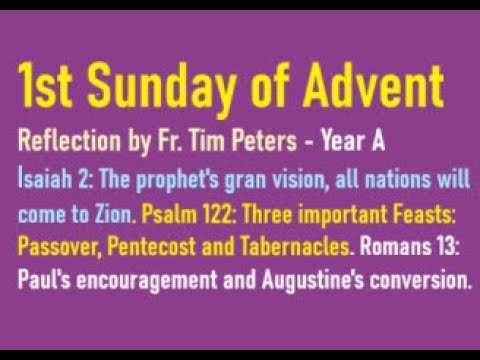
Father Tim Peters




Navarre Bible Commentary
Infographics were created using Nano Banana Pro with Gemini 3.0. They draw inspiration from the Navarre commentary but are not officially associated with or endorsed by the publisher. They may be copied for personal use or for use in any non-profit ministry. Please show your support by promoting this website.

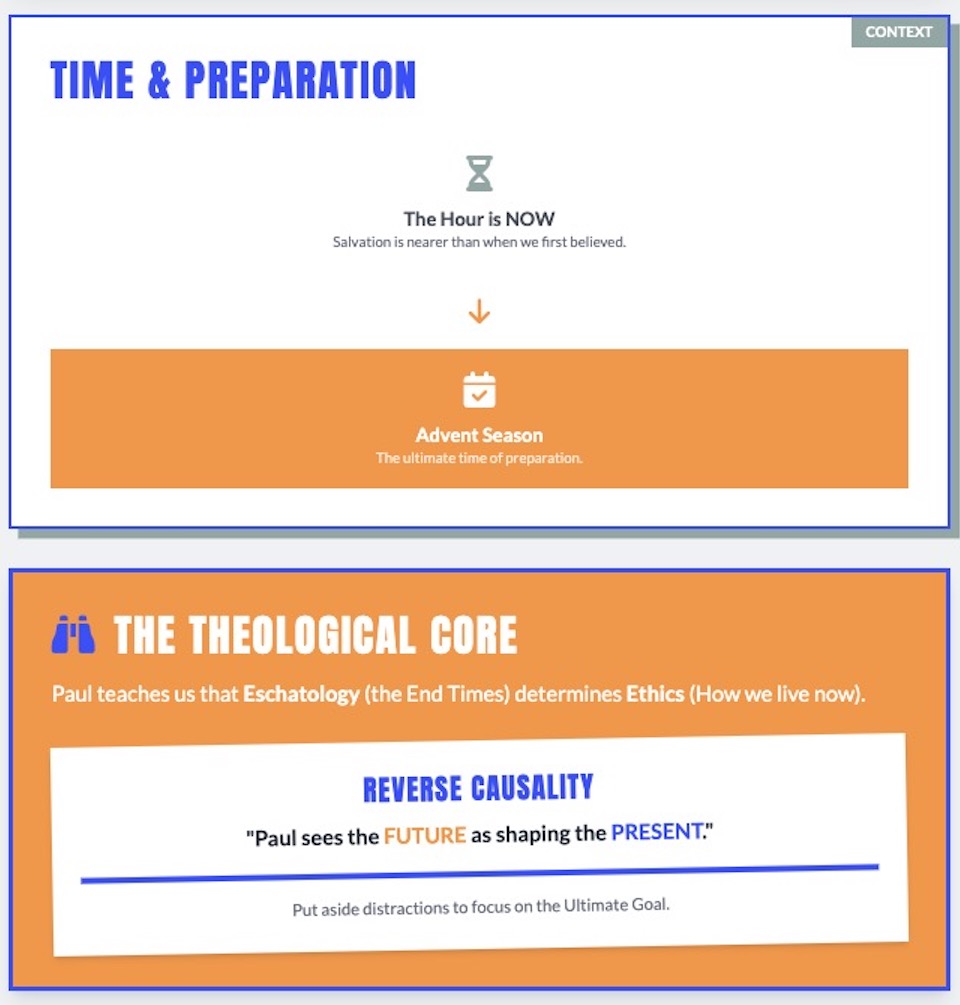
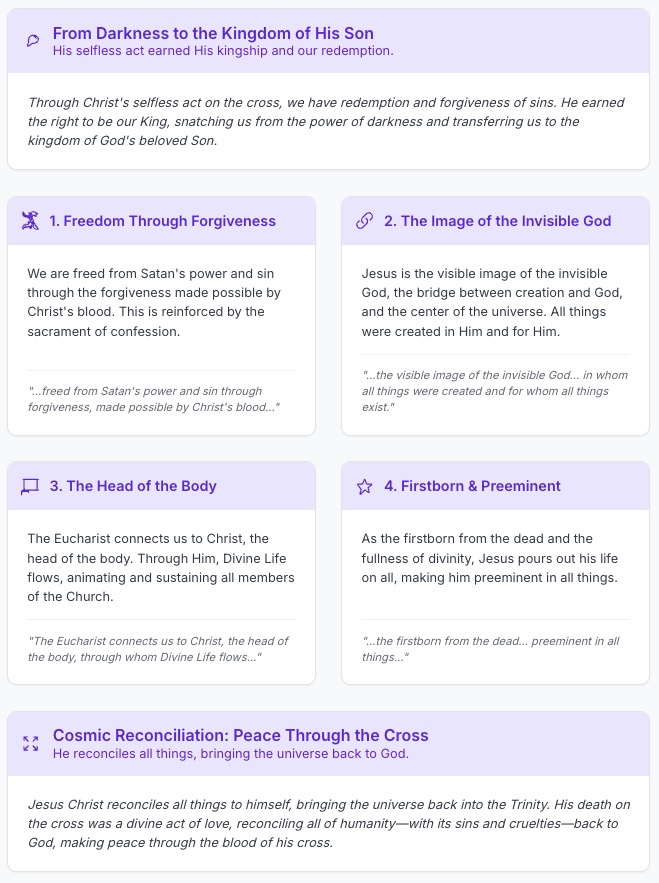
The summary (right) and the infographic (click on the banner above) have been AI generated using content found in Saint Paul’s Letters to the Romans & Galatians, pp 126–127
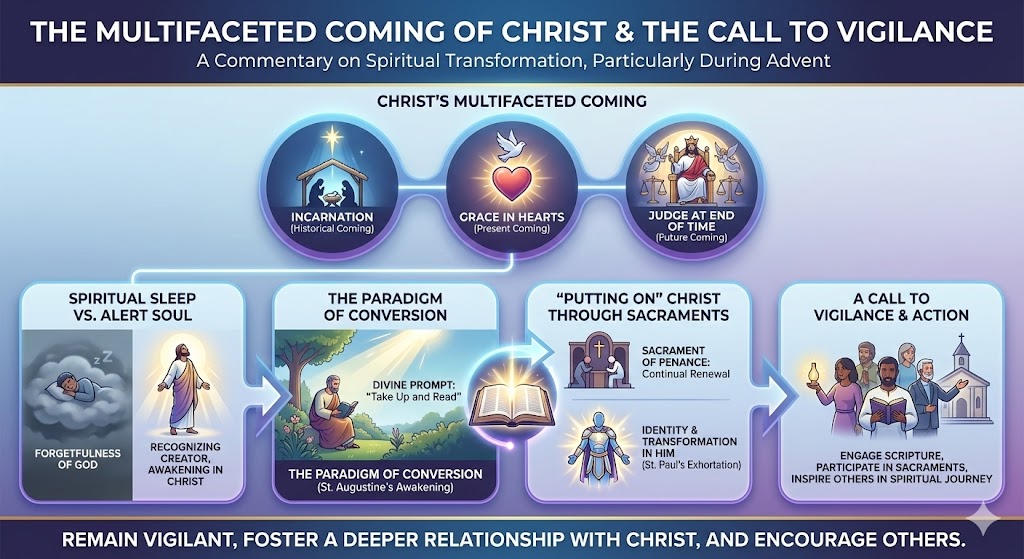
The Multifaceted Coming of Christ
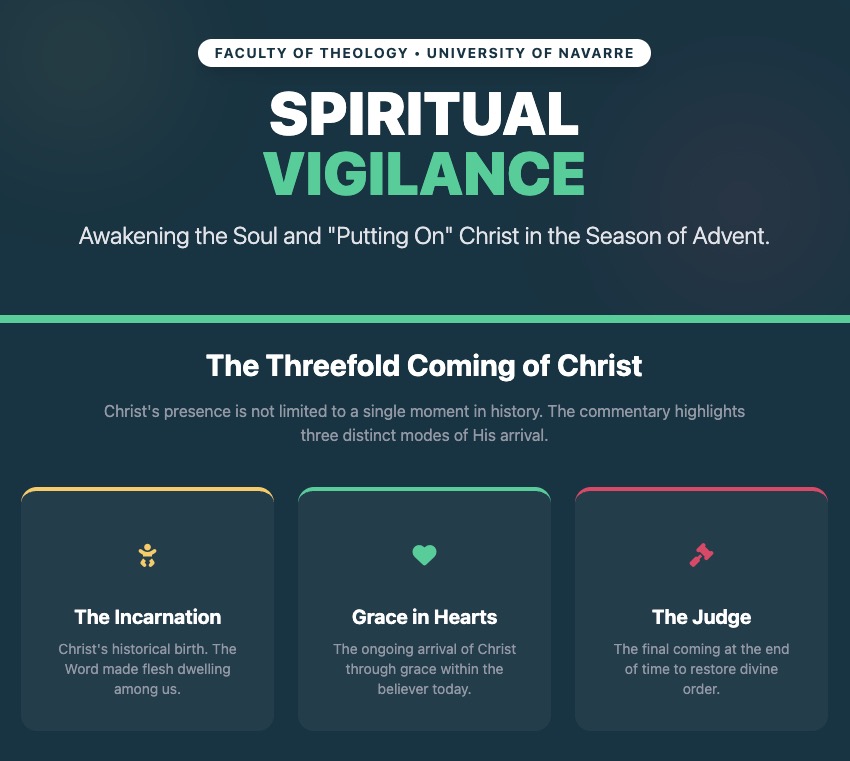
The Faculty of Theology of the University of Navarre emphasizes the significance of spiritual vigilance and transformation in the life of a Christian, particularly during the Advent season. The commentary highlights that Christ’s coming is multifaceted: through his Incarnation, through grace in the hearts of believers, and ultimately as the Judge at the end of time.
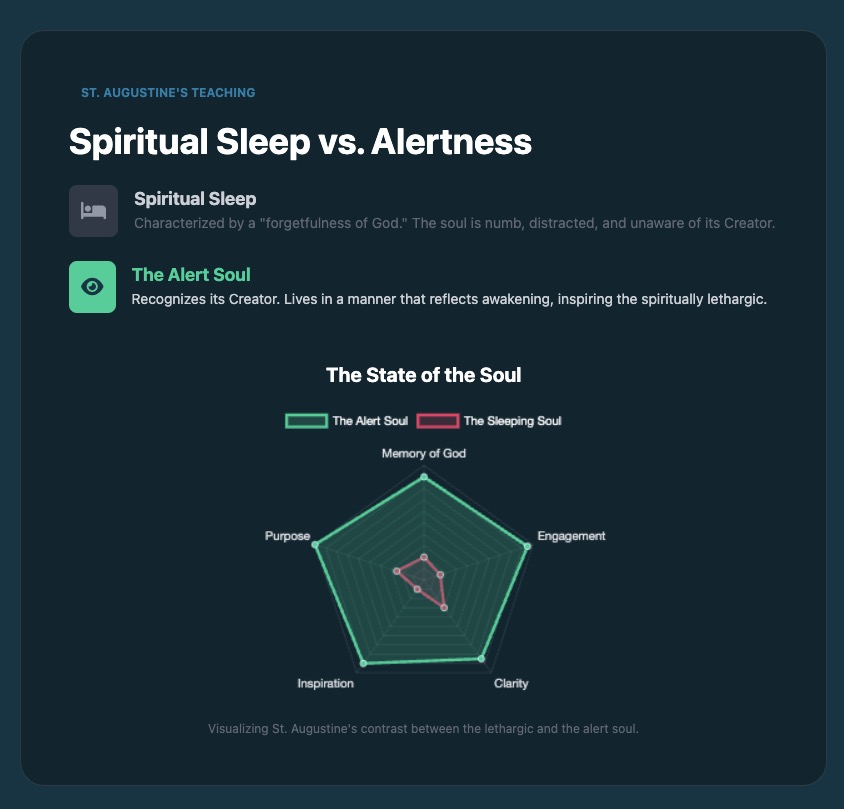
Spiritual Sleep vs. The Alert Soul
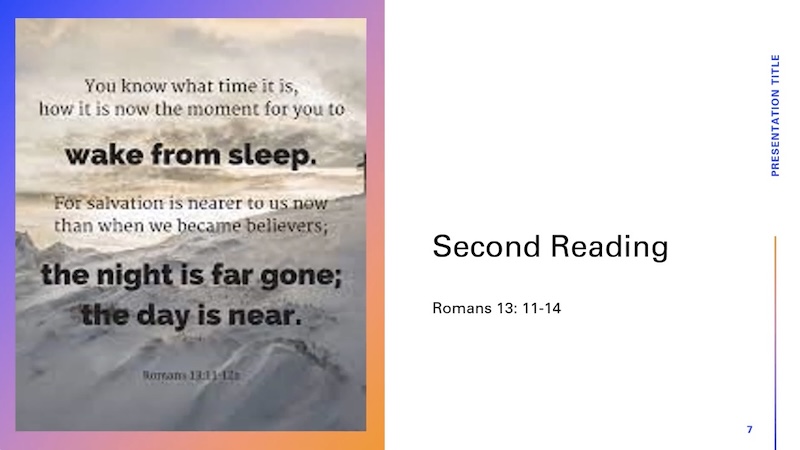
The author references St. Augustine’s notion of spiritual sleep, which is characterized by a forgetfulness of God, contrasting it with the alertness of a soul that recognizes its Creator. This awareness is crucial, as Christians are called to live in a manner that reflects their awakening in Christ, thereby inspiring others who may be spiritually lethargic.
The Paradigm of Conversion:
St. Augustine's Awakening
The text also discusses the ongoing need for conversion among baptized individuals, illustrating this with St. Augustine’s personal experience of awakening through Scripture, which led him to a profound transformation. His encounter with a divine prompt to “take up and read” catalyzed a significant change in his life, dispelling his previous doubts.
"Putting On" Christ
Through the Sacraments
Furthermore, the commentary underscores the importance of the sacrament of Penance as a means for Christians to continually “put on” Christ, reinforcing their identity and transformation in Him. The author cites St. Paul’s exhortation to “put on the Lord Jesus Christ,” indicating that this process is essential for spiritual growth and renewal.
A Call to Vigilance and Action
Overall, the commentary serves as a reminder of the necessity for Christians to remain vigilant, engage with Scripture, and participate in the sacraments to foster a deeper relationship with Christ and to encourage others in their spiritual journeys.
Word-Sunday.com
TWTW Infographics with images created using Nano Banana Gemini AI generator. Permission is granted to non-profits to use them in their ministry. Please give credit to TWTW website and Larry Broding’s commentary on which the graphic is based.

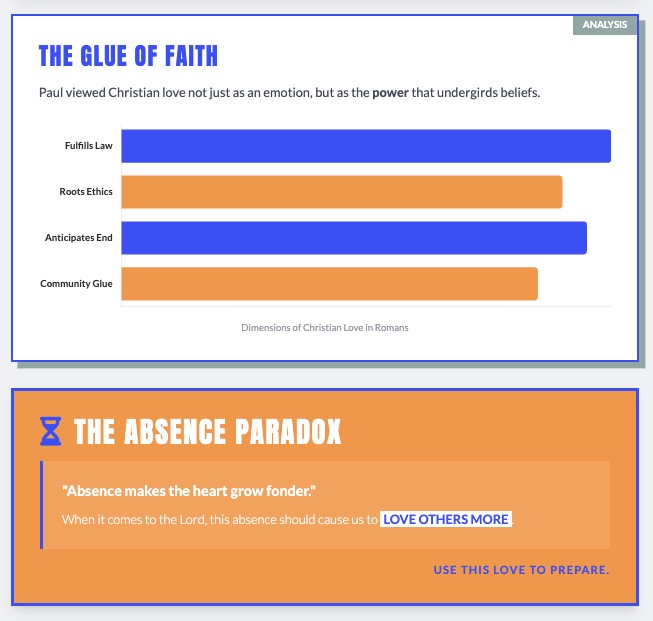
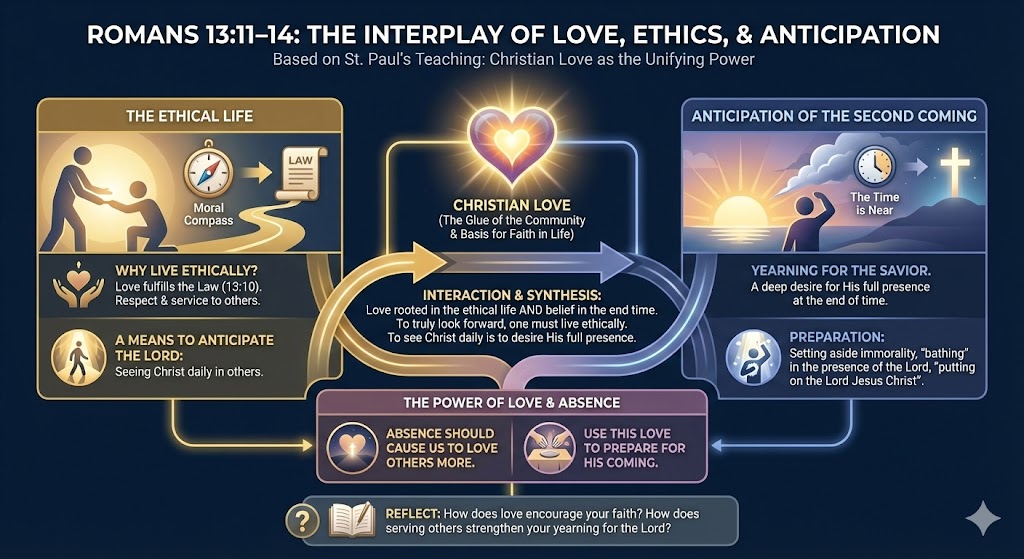
Love and Anticipation
by Larry Broding
Absence makes the heart grow fonder. Is this true? Why or why not?
How does love encourage your faith? How does serving others strengthen your yearning for the Lord?
Why live an ethical life? In a world that often separates morality from mysticism, Larry Broding’s commentary on Romans offers a unifying vision that is pure gold for the pulpit. Broding masterfully explains how Paul fuses two major themes—daily ethics and the anticipation of the End Times—through the single, binding power of Christian love.
This commentary challenges preachers to move beyond simple moralism. It reveals that an ethical life isn't just about rule-following; it is the primary method of anticipation. Broding illustrates how the "absence" of Christ in the flesh should not lead to despair or laxity, but to a fiercer love for our neighbor. Discover how to preach a homily where treating others with respect becomes a direct act of yearning for the Savior's return.
As Broding beautifully articulates the connection between our longing for God and our treatment of others:
"Absence does make the heart grow fonder. But, when it comes to the Lord, absence should cause us to love others more. And to use this love to prepare for his coming."
Father Tim Peters



Navarre Bible Commentary
Infographics were created using Nano Banana Pro with Gemini 3.0. They draw inspiration from the Navarre commentary but are not officially associated with or endorsed by the publisher. They may be copied for personal use or for use in any non-profit ministry. Please show your support by promoting this website.

The summary (right) and the infographic (click on the banner above) have been AI generated using content found in Saint Luke’s Gospel, pp 192–194.
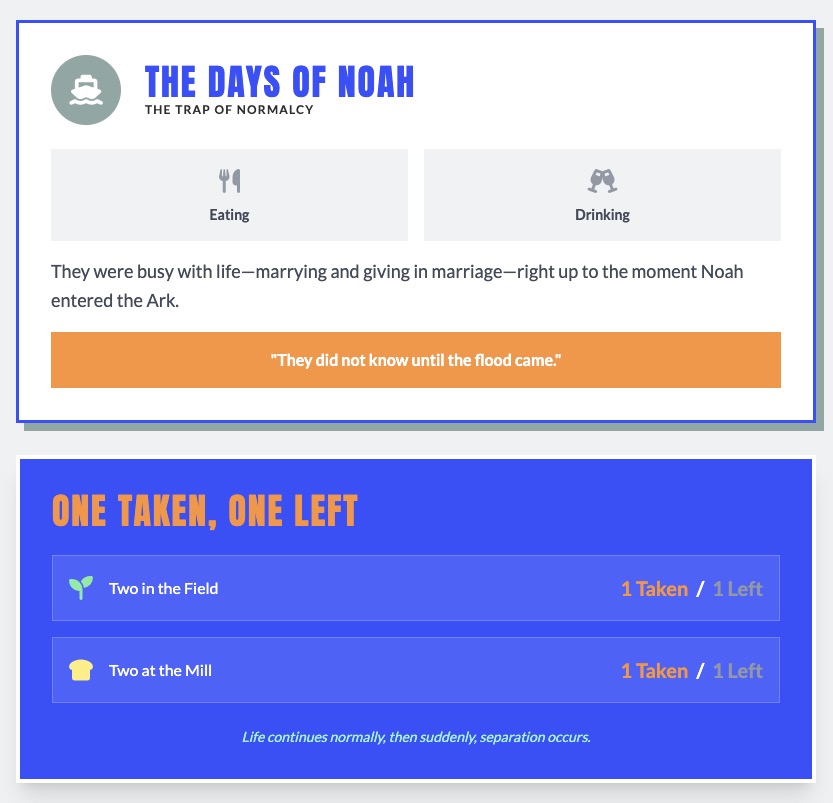
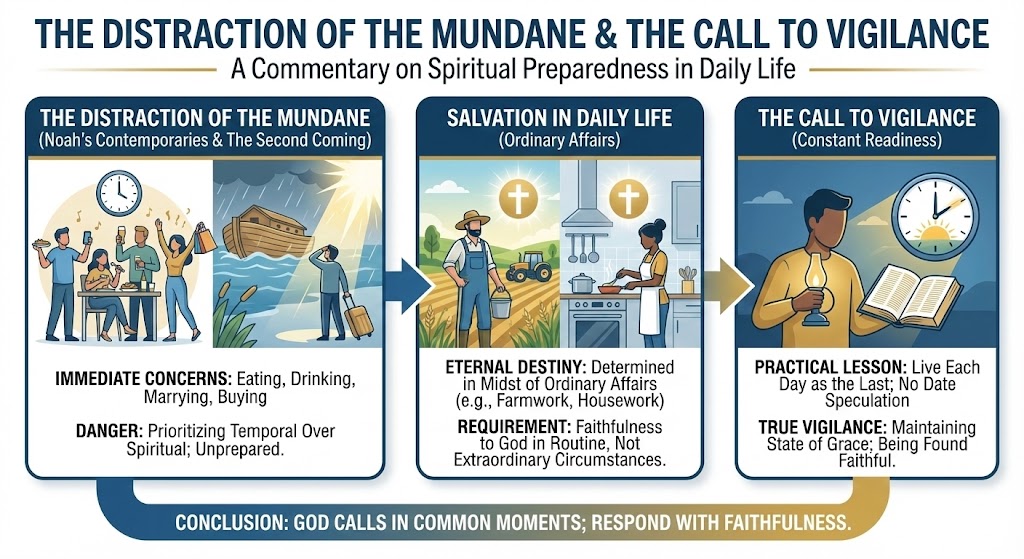
The Distraction of the Mundane
Jesus highlights humanity’s tendency to become absorbed in the immediate concerns of life—eating, drinking, and marrying—at the expense of the eternal. Just as the flood caught Noah’s contemporaries unaware, the Second Coming will be sudden and unexpected. The danger lies not in daily activities themselves, but in an attitude that prioritizes the temporal over the spiritual, leaving the soul unprepared.
Salvation in Daily
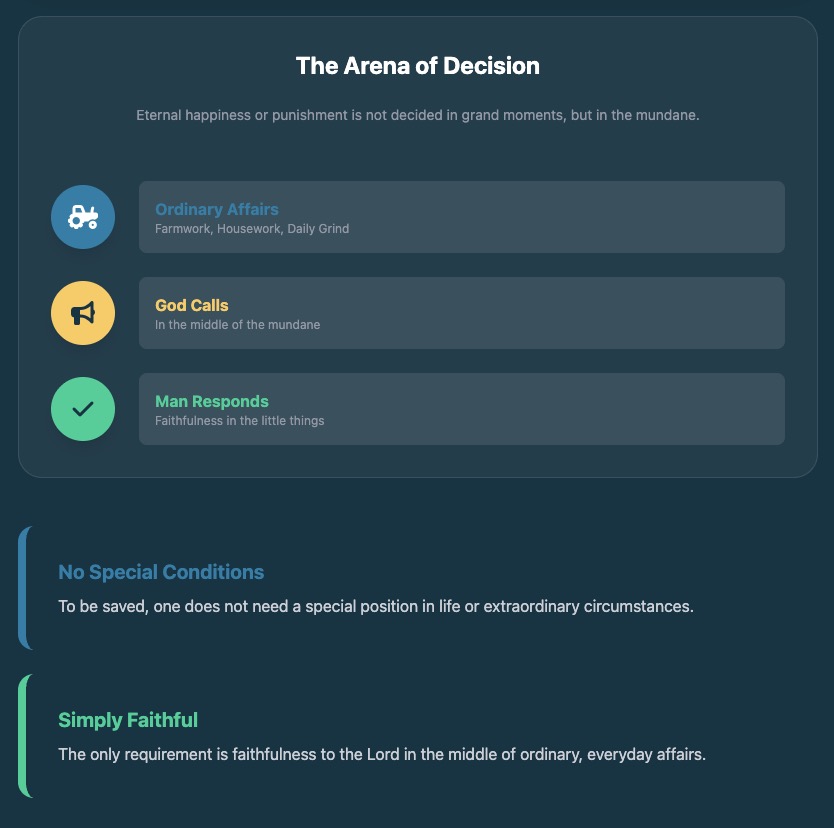
Eternal destiny is determined in the midst of ordinary affairs, such as farmwork or housework. Salvation does not require extraordinary circumstances or special social status; rather, it requires faithfulness to God within the routine of everyday life. It is in these common moments that God calls and the human heart responds.
The Call to Vigilance
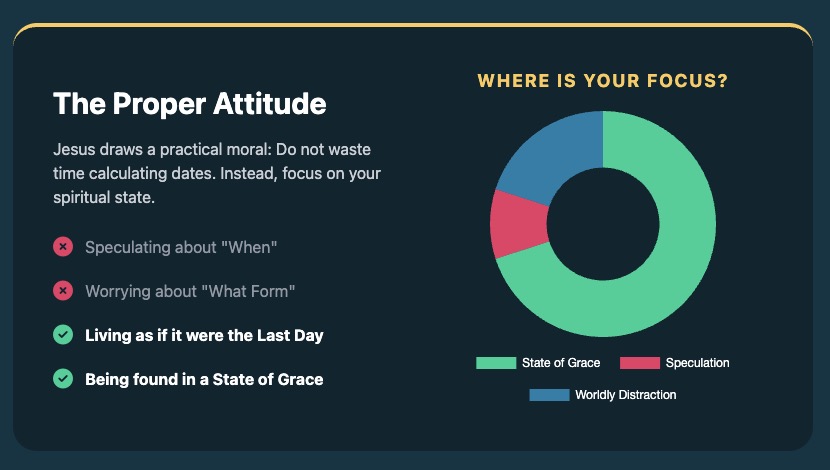
The practical lesson is one of constant readiness. Instead of speculating about dates or signs, a Christian is called to live each day as if it were the last. True vigilance means maintaining a state of grace, ensuring that whenever the Lord arrives, He finds us faithful.
Word-Sunday.com
TWTW Infographics with images created using Nano Banana Gemini AI generator. Permission is granted to non-profits to use them in their ministry. Please give credit to TWTW website and Larry Broding’s commentary on which the graphic is based.

by Larry Broding
What recent turn of events has taken you by surprise? Why were you caught off guard?
What images do you have of Christ's return in glory? What would happen if he arrived in a way unexpected?
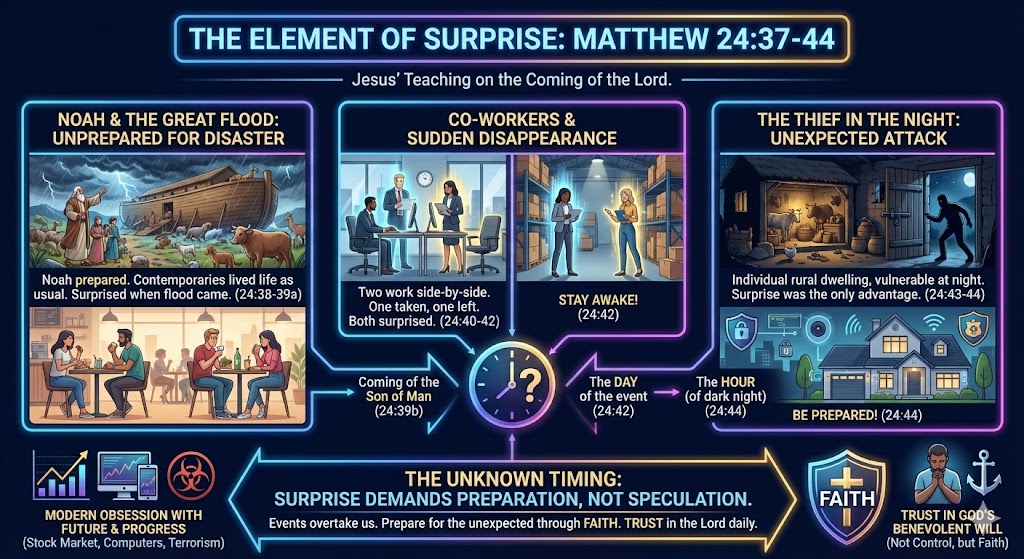
In a culture obsessed with controlling the future—from stock market predictions to 24-hour news cycles—Larry Broding’s commentary hits like a breaking news alert. Broding opens with a sharp cultural observation: "Real TV" (disasters, wars, and shocks) has killed "Reality TV." We are fascinated, and terrified, by what we cannot predict.
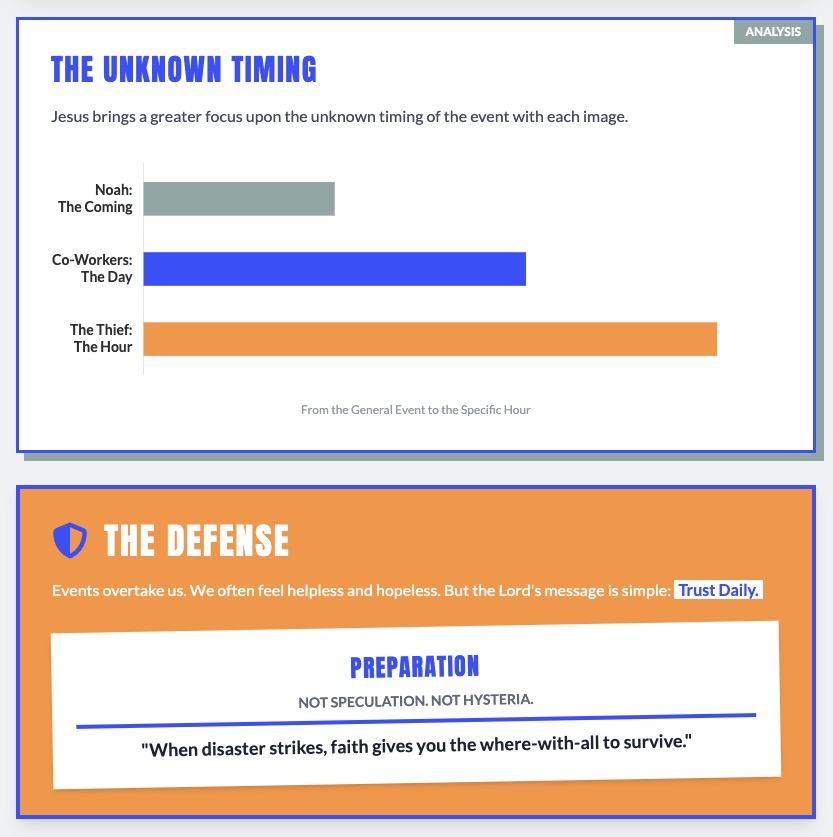
Broding uses this modern anxiety to unpack Jesus’ three striking images of surprise: the oblivious generation of Noah, the suddenly separated co-workers, and the thief in the night. He challenges preachers to move their congregations past the "speculation and hysteria" of the End Times and into a posture of deep, daily trust. This commentary is essential for anyone trying to bridge the gap between the American obsession with progress and the biblical reality that God alone holds the future.
Read this to learn how to comfort a congregation that feels helpless in the face of change, pointing them toward the only stability that exists when the unexpected strikes.
As Broding powerfully concludes:
"Events overtake us. Many times we do not seem to be in control; we feel helpless, and sometimes hopeless. The Lord's message is simple. Prepare for the unexpected through faith. Trust in the Lord daily and, when disaster strikes, you will have the where-with-all to survive."
friarmusings.com

Christ the King
- Background
- Alliances against Jesus
- Crucifixion
- Father, Forgive Them
- Standing Against the Messiah
- The Penitent Thief
- Amen
- The King of Hearts
PDF COMMENTARY | INDEX
(Luke 23:35-43)

A Walk in the Word

FIRST SUNDAY OF ADVENT (A): THE COMING OF THE SON OF MAN
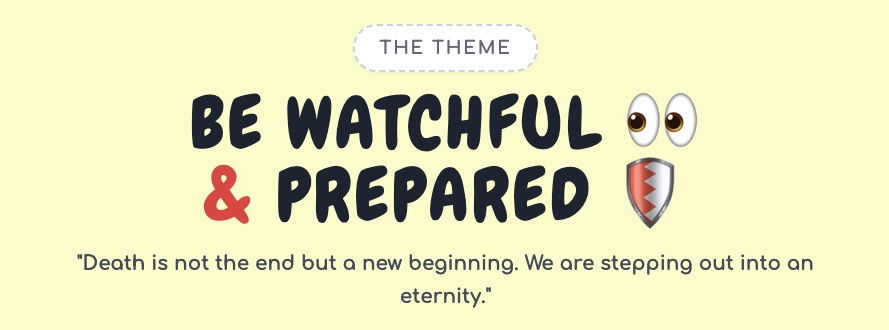
Advent calls believers to watchful, repentant, and faithful readiness for the unexpected return of Christ, the Son of Man, who brings judgment and salvation.


Scroll to Read More