October 26, 2025
October 26, 2025


Commentary Intro to Mass Readings for Sunday
CommentaryIntro to Mass Readings for Sunday


30th Sunday of Year C
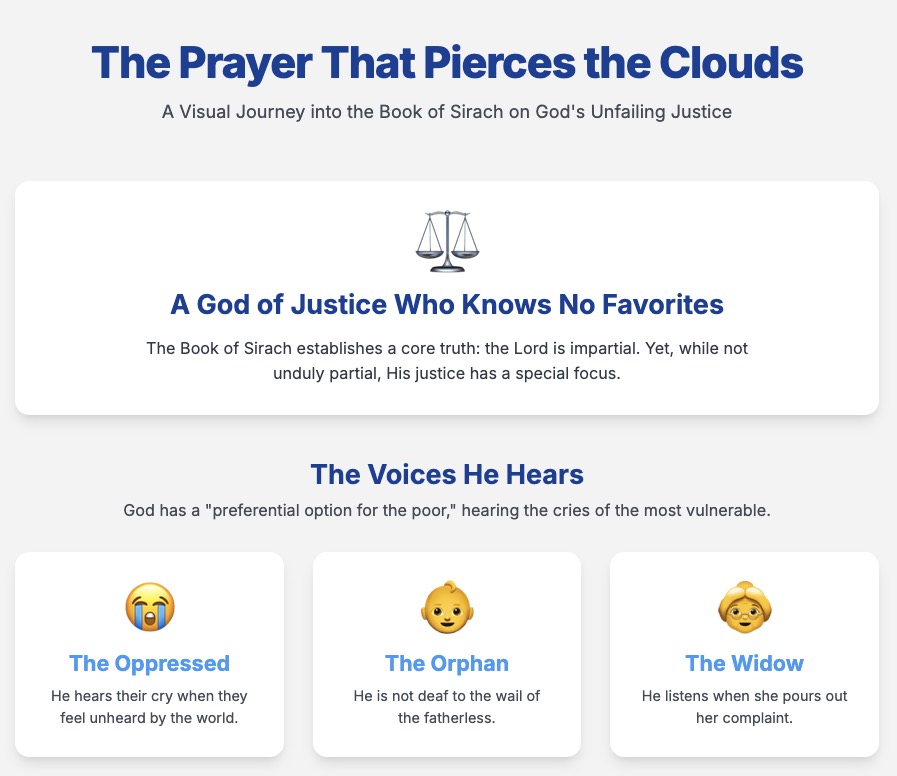
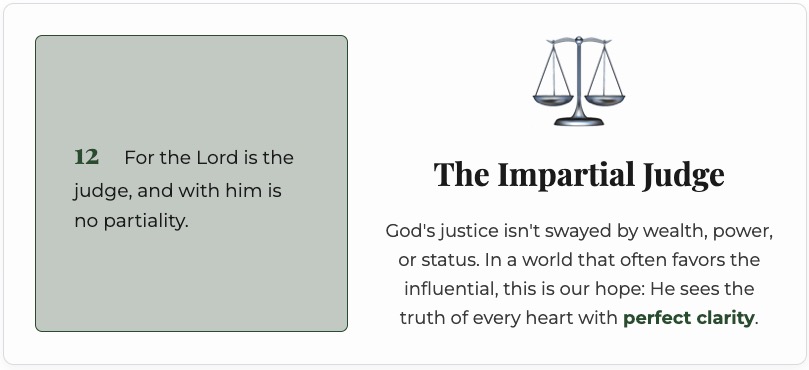
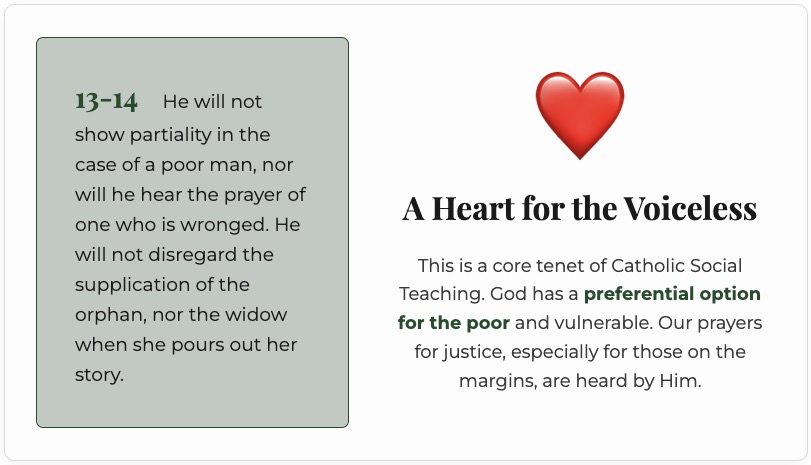
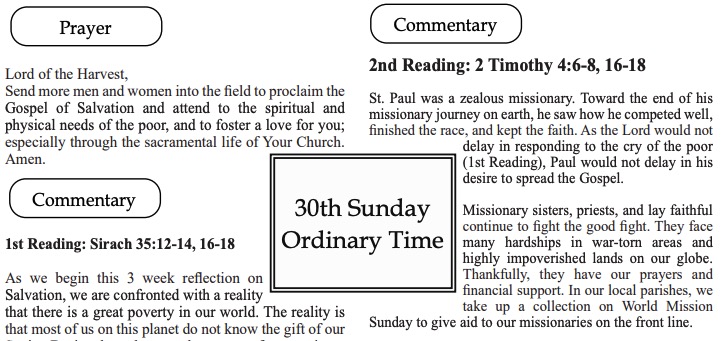
The central message of the passage, according to Fr. Paul, is that God is a just judge who shows no favoritism but has a “preferential option for the poor.” While God is not partial, He hears the cry of the oppressed, the orphan, and the widow.
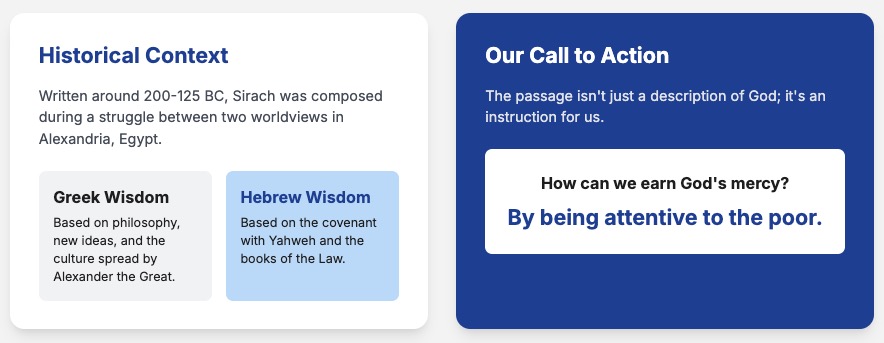
In his commentary, Fr. Paul offers insights into the historical context of the reading from the Book of Sirach, composed around 200 BC during a time marked by cultural conflict between the Greek and Hebrew societies. He highlights that Hebrew wisdom is deeply rooted in the covenant with God and divine law.
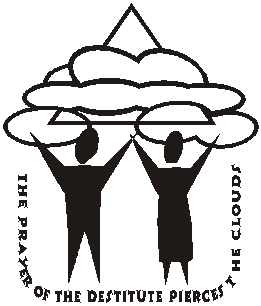
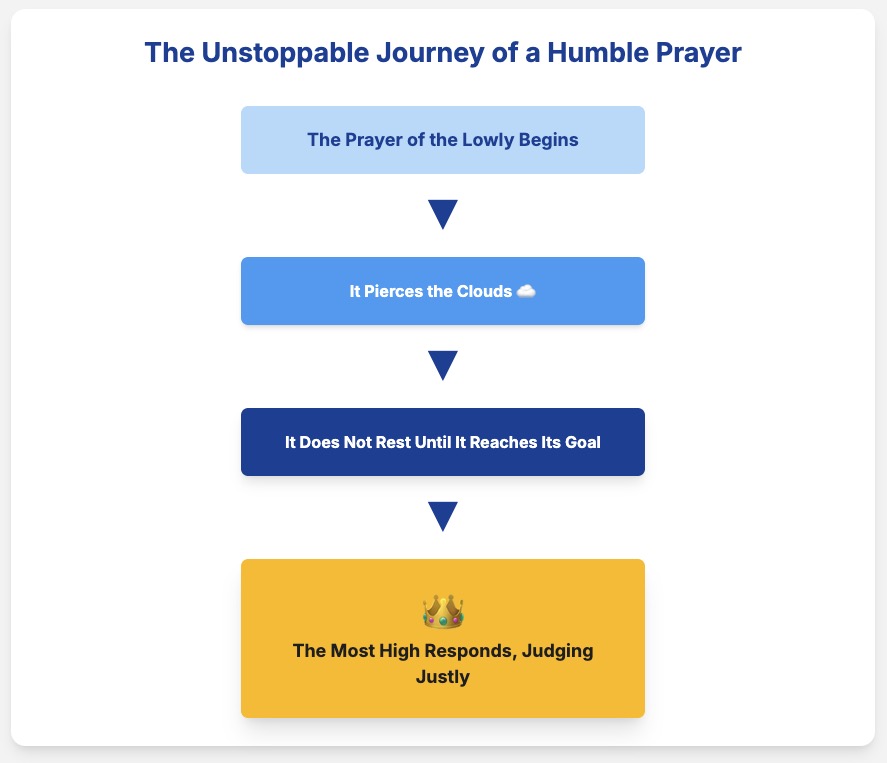
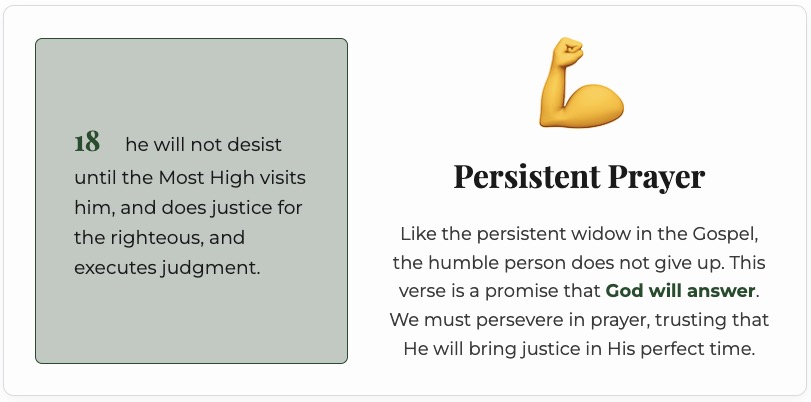
Fr. Paul underscores the importance of attending to the needs of the poor as a means to receive God's mercy. This perspective aligns with the prophetic tradition, which vehemently denounced the oppression and mistreatment of the marginalized. He emphasizes that the poor and humble place their trust in God, seeking strength through prayer, and in turn, they experience divine attention and care.
By bridging the cultural tensions in the period during which the Book of Sirach was written, Fr. Paul brings to light the universal wisdom that transcends cultural differences. His insights underline the core message that compassion for the less fortunate remains an essential aspect of spirituality and is a testament to the enduring values of faith, justice, and mercy.
Clipart by Fr. Richard Lonsdale
Click to enlarge

The Call of Humility
by Larry Broding

Take time to simply be with God. What is he telling you in your heart?
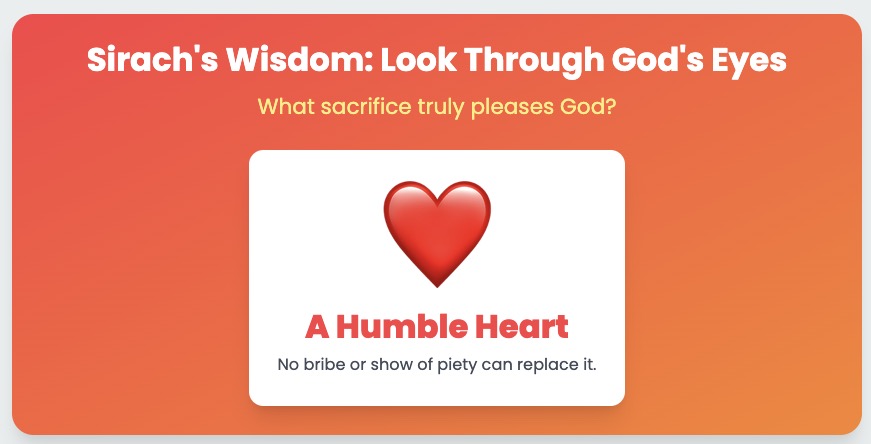
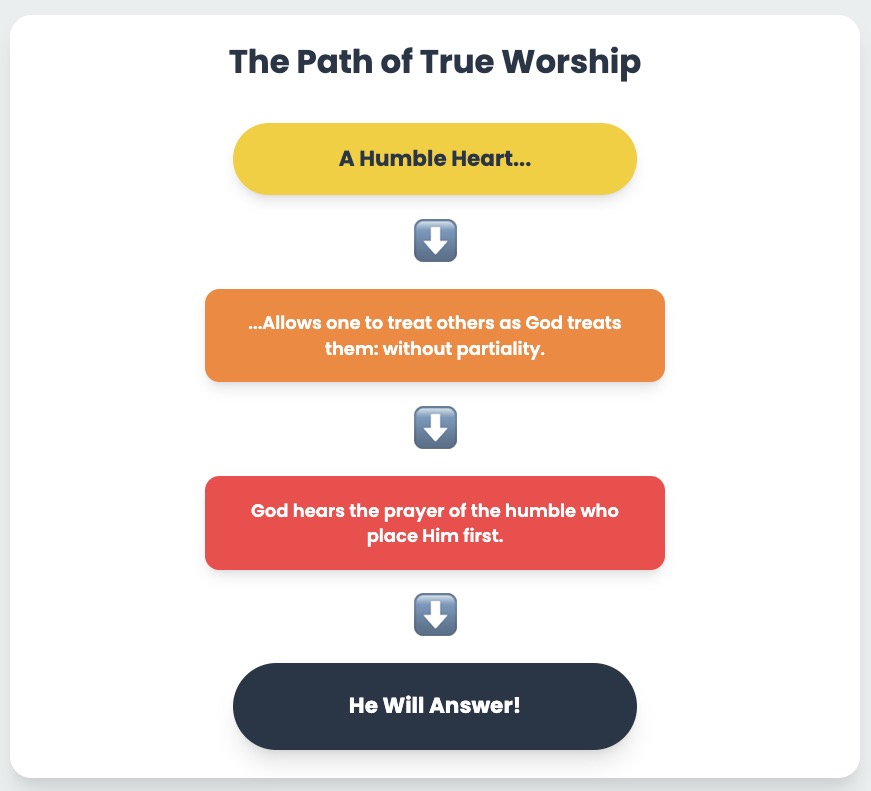
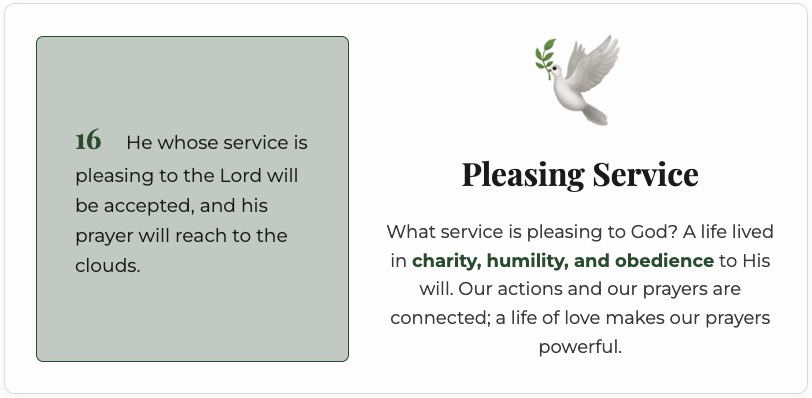
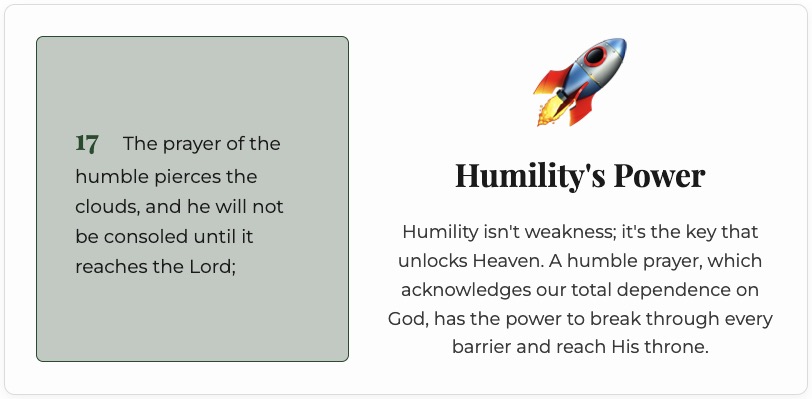
Sirach tried to adjust the view of the rich. He instructed his reader to look at worship through the eyes of God. What sort of sacrifice would please him? A humble heart.


Featured Videos


Verse by Verse Analysis

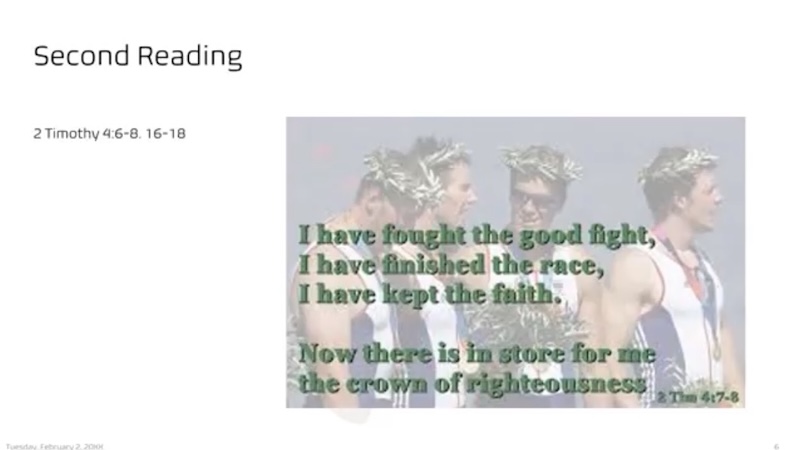
30th Sunday of Year C
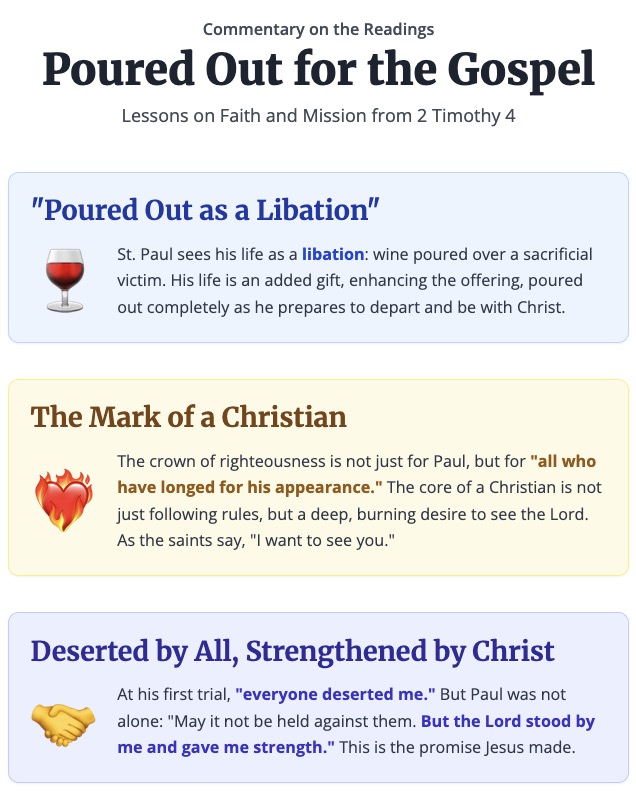
In his commentary on the second letter to Timothy, Fr. Paul notes that while the letter itself may not have been written by Paul, this specific passage is considered genuine due to its classic Pauline style, language, and metaphors.
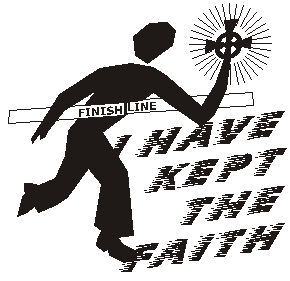
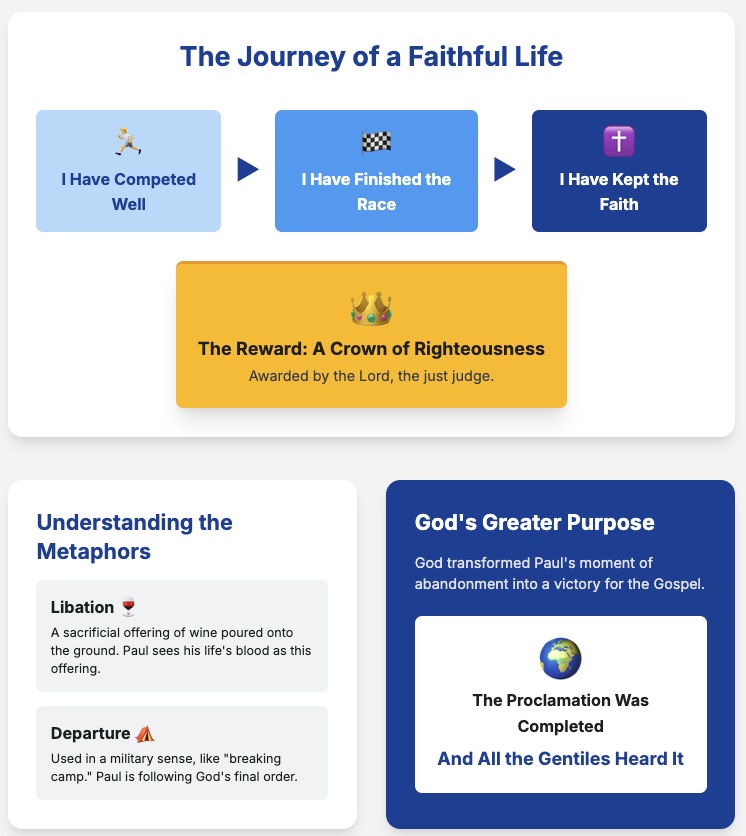
Fr. Paul explains that when Paul describes himself as "being poured out like a libation," he is referring to a sacrificial offering of wine, seeing his life as that offering to God. The word "departure" is used in a military sense, as if Paul is breaking camp under God's orders.
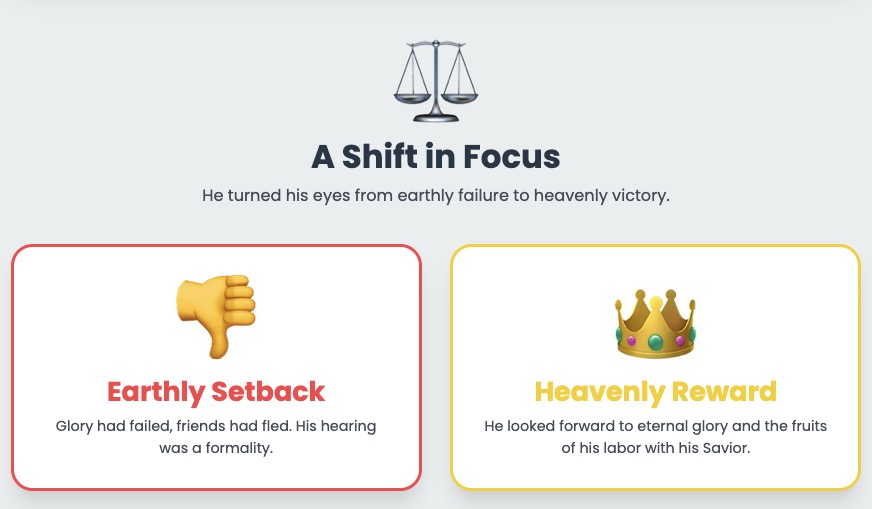
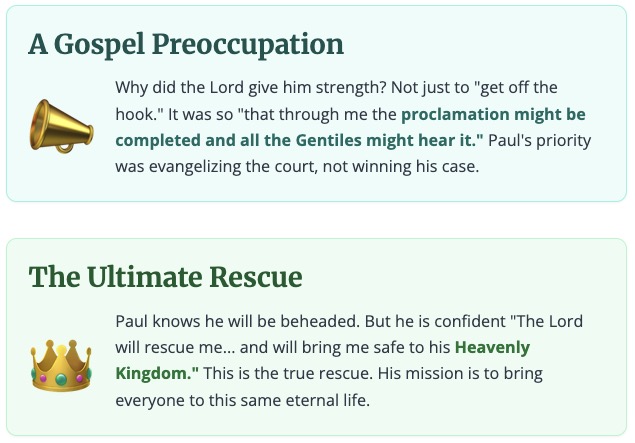
A central theme is that despite being deserted by everyone during his first defense, Paul was not alone. The Lord stood by him and gave him strength. This allowed the proclamation of the gospel to be completed as all the Gentiles in the court heard his testimony. Paul knows his death is near, and like Christ, he is left without human support but remains faithful. He is confident that the Lord will rescue him and that a "crown of righteousness" awaits not only him but all who are faithful.
Clipart by Fr. Richard Lonsdale

Click to enlarge
“When the World Lets You Down, Look to God.”
by Larry Broding
Have you ever felt alone in your faith? What (or who) gave you the power to persevere?
These few verses present Paul’s farewell. The author saw the walls closing in on the apostle to the Gentiles. Paul was in prison and he could see the legal wheels turning toward his death.


Featured Videos

Verse by Verse Analysis


30th Sunday of Year C
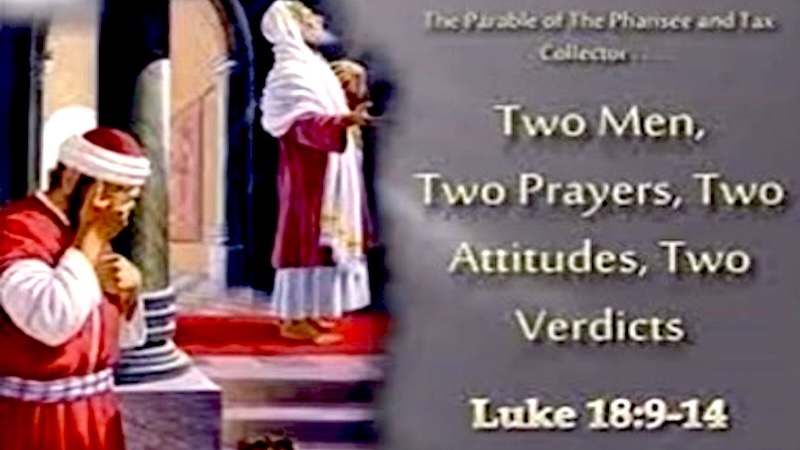
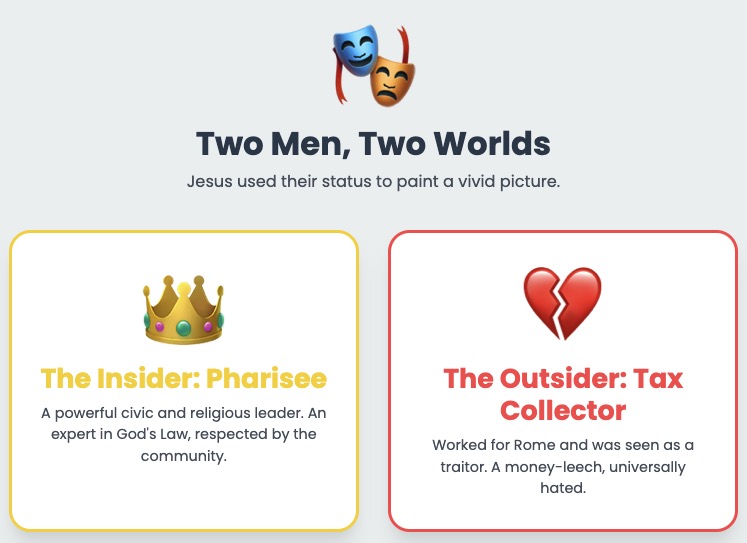
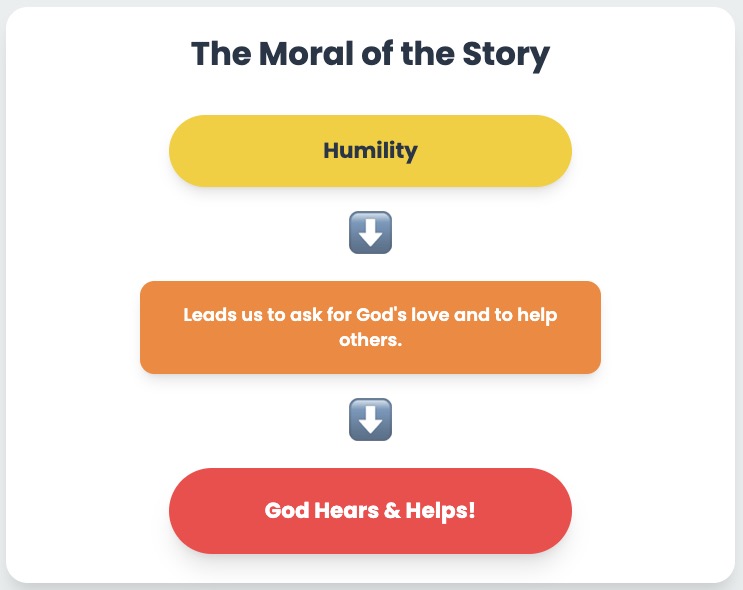
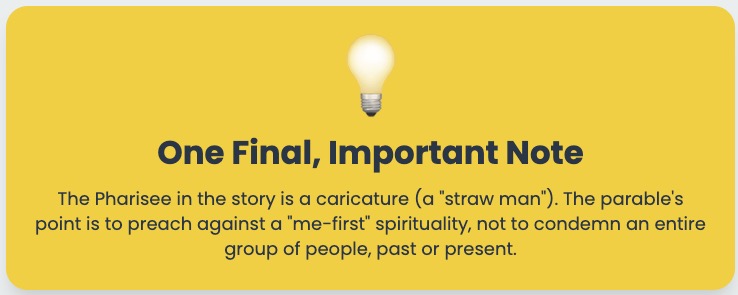
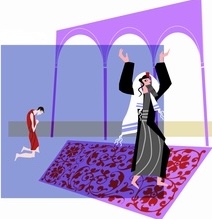
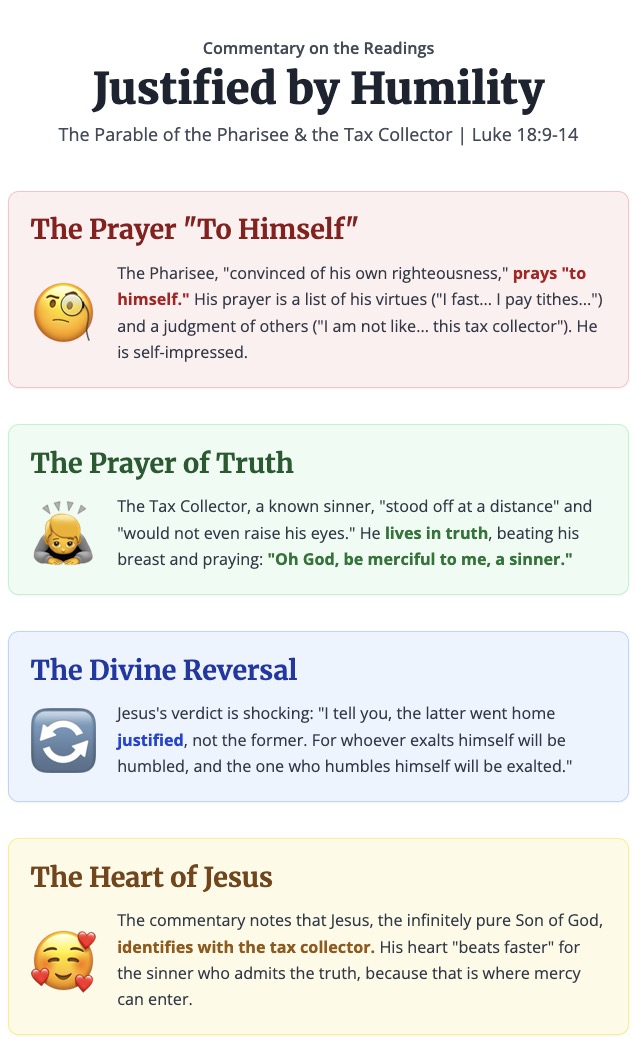
Fr. Paul explains that Jesus addresses the parable of the Pharisee and the tax collector to those who are convinced of their own righteousness and look down on others. The story is not truly about prayer, but about self-righteousness and how God will judge us.
Fr. Paul explains that Jesus addresses the parable of the Pharisee and the tax collector to those who are convinced of their own righteousness and look down on others. The story is not truly about prayer, but about self-righteousness and how God will judge us.
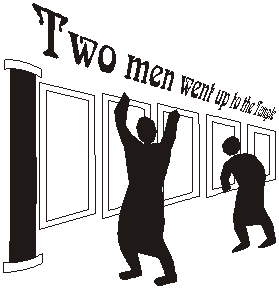
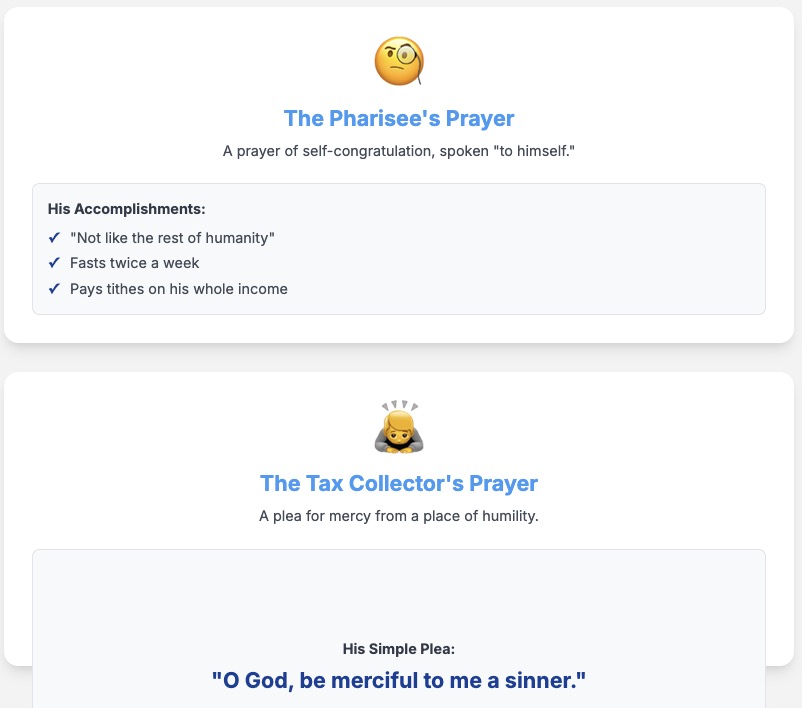
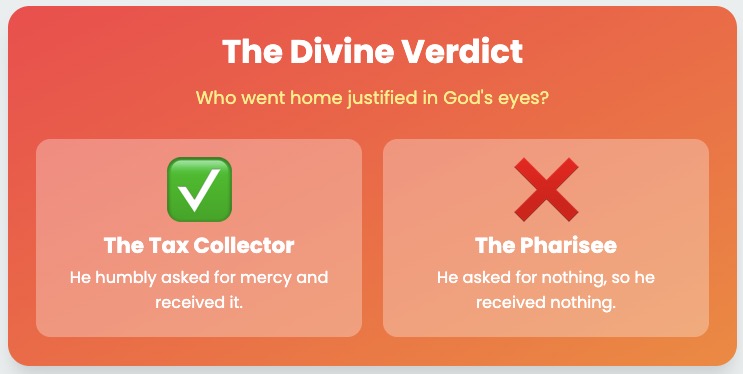
He points out the contrast between the two figures: the Pharisee, a respected religious authority, and the tax collector, who was despised for working with the Romans. While the Pharisee does everything right on the surface—standing to pray, fasting twice a week, and tithing his entire income—his attitude is wrong. Fr. Paul highlights a key line: the Pharisee "spoke this prayer to himself," indicating it was a self-congratulatory speech, not a genuine conversation with God.
The Pharisee's holiness is based on comparing himself to others he considers sinners, raising himself up by putting them down. In contrast, the tax collector stands at a distance, full of humility, and simply asks for God's mercy.
The central lesson, Fr. Paul concludes, is that justification comes from God's mercy, not our own works. The Pharisee, who asked for nothing, received nothing. The tax collector, who humbled himself and begged for mercy, went home justified.
Clipart by Fr. Richard Lonsdale


Click to enlarge

When was the last time you bragged? Or acted humble? Were either justified? Why?
Let’s face it. We all brag at times. And we all act humble at other times. Sometimes the brag or the humble voice is justified. Parents brag about their children. Leaders exercise direction through quiet service. Both can be appropriate, depending upon the context.
FEATURED VIDEOS
A Walk in the Word
Hector Molina

The Word Proclaimed
Fr. Francis Martin

Verse by Verse Analysis




Diocese of Phoenix
30th Sunday of Year C

Christ in Our Neighborhood
Bishop John Dolan
This program aims to foster deeper relationships with Christ through weekly Scripture study and prayer in small faith communities. It was introduced in December 2022

More Discussion Guides
Fr. Thibodeau
Bible Study Notes
Bp. John P. Dolan
Fr. Tobin
Fr. Conley Bertrand
30th Sunday of Year C
Cycle C (PDFs)
📖 Old Testament (43 pp.)
📖 Epistles (87 pp.)
📖 Gospels (182 pp.)
📖 Daily Gospels (208 pp.)
SOURCE: Come, Lord Jesus
Carmelite Reflections and Prayers
Lectio Divina
78-page PDF with reflections and prayers for each day of the month
Lectio Divina OCTOBER 2025 (PDF)
Lectio Divina OCTOBER 2025 [Mobi]
Lectio Divina OCTOBER 2025 [ePub]
______________
“Lectio divina is an authentic source of Christian spirituality recommended by our Rule. We therefore practise it every day, so that we may develop a deep and genuine love for it, and so that we may grow in the surpassing knowledge of Christ. In this way we shall put into practice the Apostle Paul’s commandment, which is mentioned in our Rule: “The sword of the Spirit, too, which is the word of God, is to dwell abundantly in your mouth and in your hearts; and whatever things you have to do, let them be done in the word of the Lord.” (Carmelite Constitutions (2019), n. 85.)
Source: Carmelites
The Parable of the Pharisee
and the Tax Collector
Luke 18: 9-14 (ESV)

9 He also told this parable to some who trusted in themselves that they were righteous, and treated others with contempt:
10 “Two men went up into the temple to pray, one a Pharisee and the other a tax collector.
11 The Pharisee, standing by himself, prayed thus: ‘God, I thank you that I am not like other men, extortioners, unjust, adulterers, or even like this tax collector.
12 I fast twice a week; I give tithes of all that I get.’
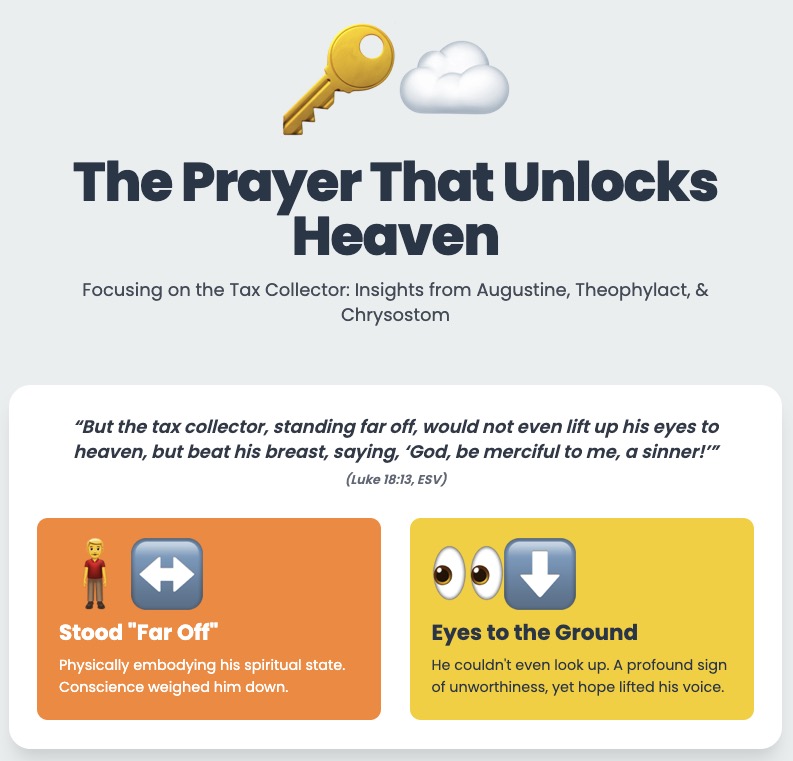
13 But the tax collector, standing far off, would not even lift up his eyes to heaven, but beat his breast, saying, ‘God, be merciful to me, a sinner!’
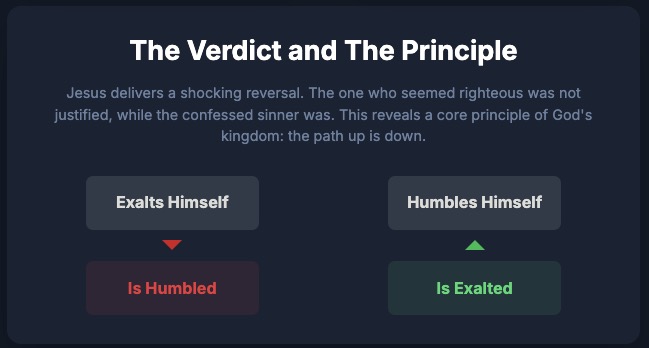
14 I tell you, this man went down to his house justified, rather than the other. For everyone who exalts himself will be humbled, but the one who humbles himself will be exalted.”
Introduction

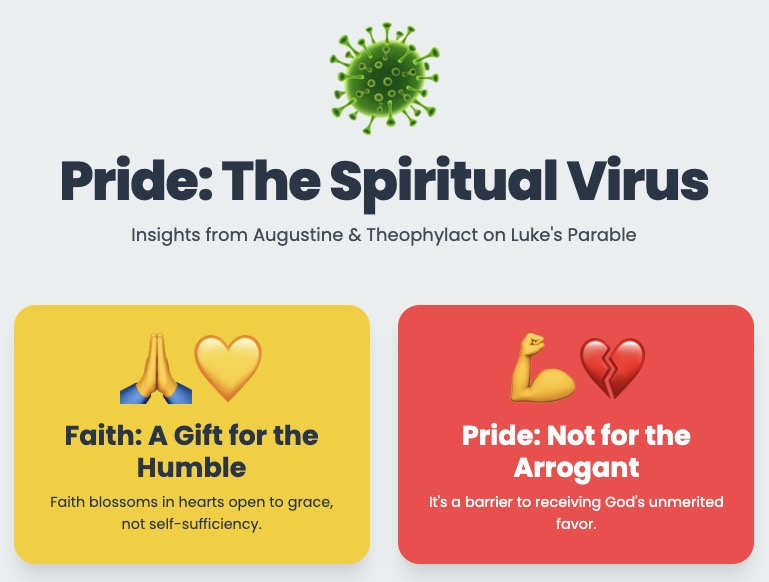
AUGUSTINE. Because faith isn’t something proud people have, but rather a gift for the humble, Jesus went on to tell a story about humility and against pride.
THEOPHYLACT. More than any other emotion, pride messes with a person’s mind, which is why we’re warned about it so often. Pride is basically a way of showing contempt for God. After all, when someone takes credit for the good things they do instead of giving God the credit, what is that other than acting like God doesn’t exist?
So, for the sake of those who trust in themselves so much that they won’t give God all the credit—and who look down on others as a result—Jesus tells a parable. He wants to show that even if your good deeds bring you close to God, being full of pride will drag you right back down.
30th Sunday of Year C
The Posture of the Pharisee

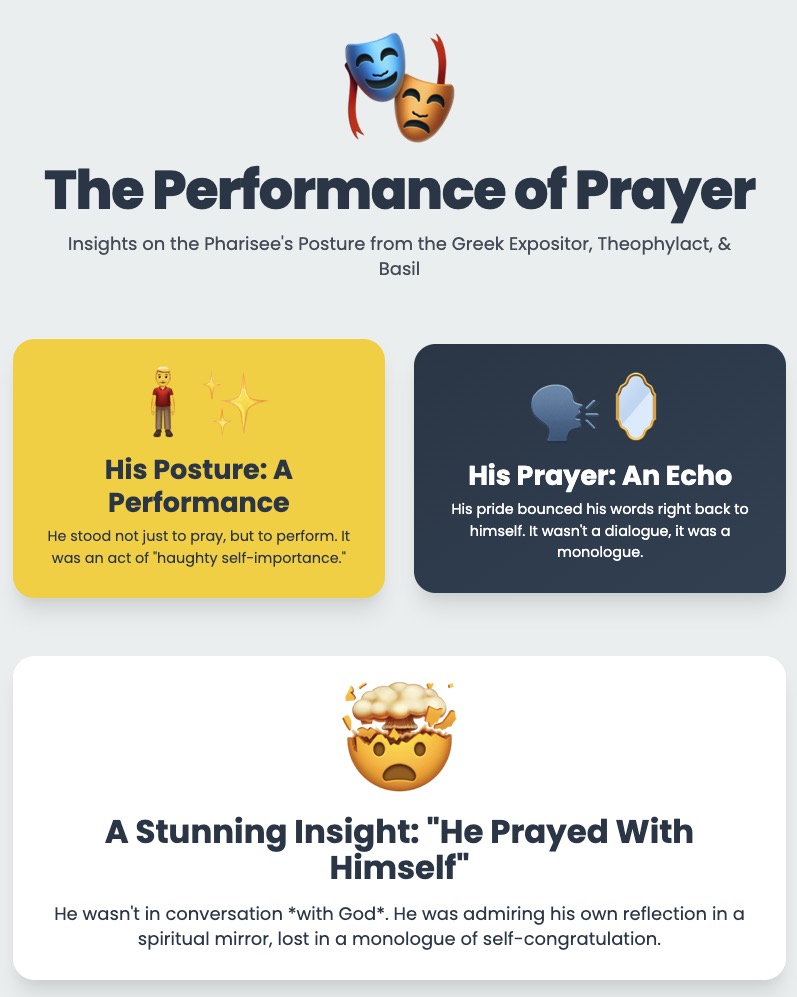
GREEK EXPOSIT. In the parable of the widow and the judge (last Sunday’s Gospel), Jesus taught the lesson of being persistent in prayer. Now, He teaches us how to direct our prayers to Him so they won’t be pointless. The Pharisee was condemned because he prayed without thinking, as the text says, “The Pharisee stood and prayed with himself.”
THEOPHYLACT. It mentions he was “standing” to highlight his arrogant attitude. His very posture is a sign of his extreme pride.
BASIL. “He prayed with himself” means he wasn’t praying to God; his sin of pride turned him inward on himself. He then continues, “God, I thank you.”
30th Sunday of Year C
The Words of the Pharisee
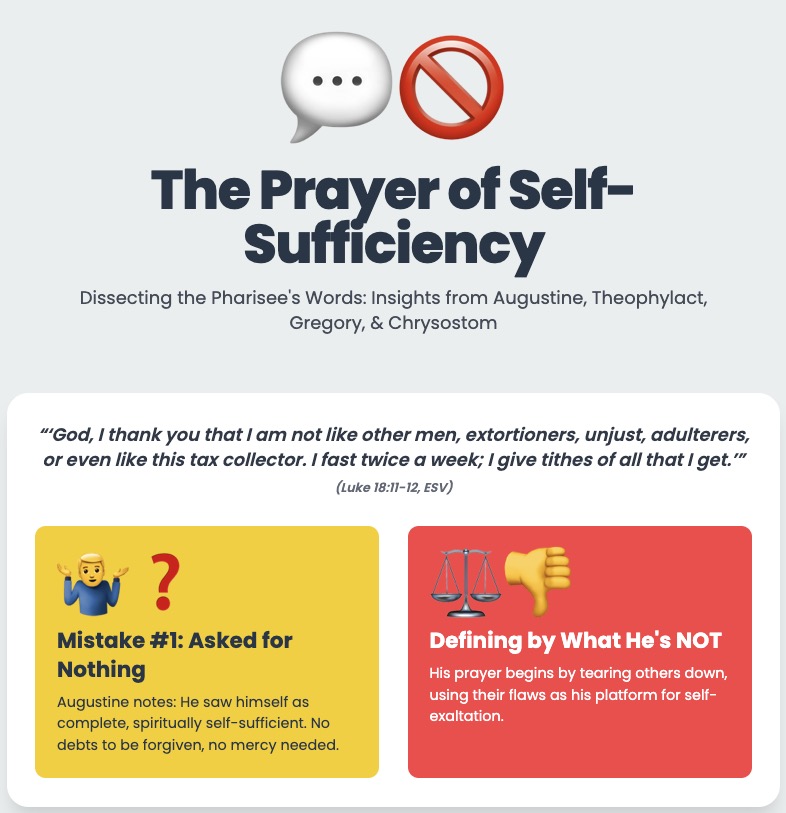
AUGUSTINE His mistake wasn’t thanking God, but that he didn’t ask for anything more. When you think you’re full and have everything, you don’t feel the need to say, “Forgive us our sins.” So, how guilty is someone who actively fights against grace, when even the person who proudly gives thanks is condemned? Let this be a lesson for those who say, “God made me human, but I made myself righteous.” That is worse and more hateful than the Pharisee, who proudly called himself righteous but at least thanked God for it.
THEOPHYLACT Notice the order of the Pharisee’s prayer. He first talks about what he isn’t, and then about what he is. He says, “That I am not as other men are.”
AUGUSTINE He could have at least said, “like many men.” What does he mean by “other men,” except everyone but himself? He’s saying, “I am righteous, the rest are sinners.”
GREGORY The pride of self-confident people shows up in different ways: sometimes they think the good in them comes from themselves; other times, they believe it’s a gift from God but think they earned it through their own merits. Sometimes they boast about having qualities they don’t actually possess. And finally, they look down on others to make themselves seem unique in what they have. In this case, the Pharisee gives himself special credit for his good works.
AUGUSTINE See how he uses the tax collector near him as another reason to be proud. He continues, “Or even as this Publican,” as if to say, “I stand alone, and he is just one of the others.”
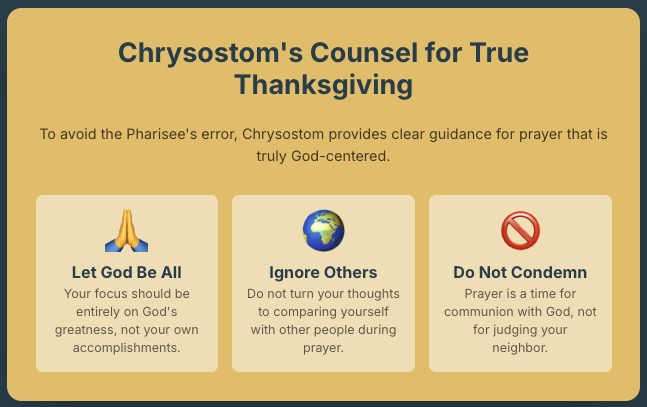
CHRYSOSTOM It wasn’t enough for him to look down on all of humanity; he had to attack the tax collector as well. He would have still sinned, but far less, if he had just spared the Publican. But with one comment, he attacks people who aren’t there and insults the one who is. Giving thanks to God isn’t about heaping insults on others. When you thank God, let Him be everything to you. Don’t turn your thoughts to other people or condemn your neighbor.
CHRYSOSTOM. (Hom. 2. de Pœn.) To despise the whole race of man was not enough for him; he must yet attack the Publican. He would have sinned, yet far less if he had spared the Publican, but now in one word he both assails the absent, and inflicts a wound on him who was present. (Hom. 3. in Matt.). To give thanks is not to heap reproaches on others. When thou returnest thanks to God, let Him be all in all to thee. Turn not thy thoughts to men, nor condemn thy neighbour.
30th Sunday of Year C
Gregory’s Insight
John Chrysostom

The Tax Collector
BASIL The only real difference between a proud person and someone who scoffs at others is how they show it. One tears others down, while the other arrogantly builds themselves up.
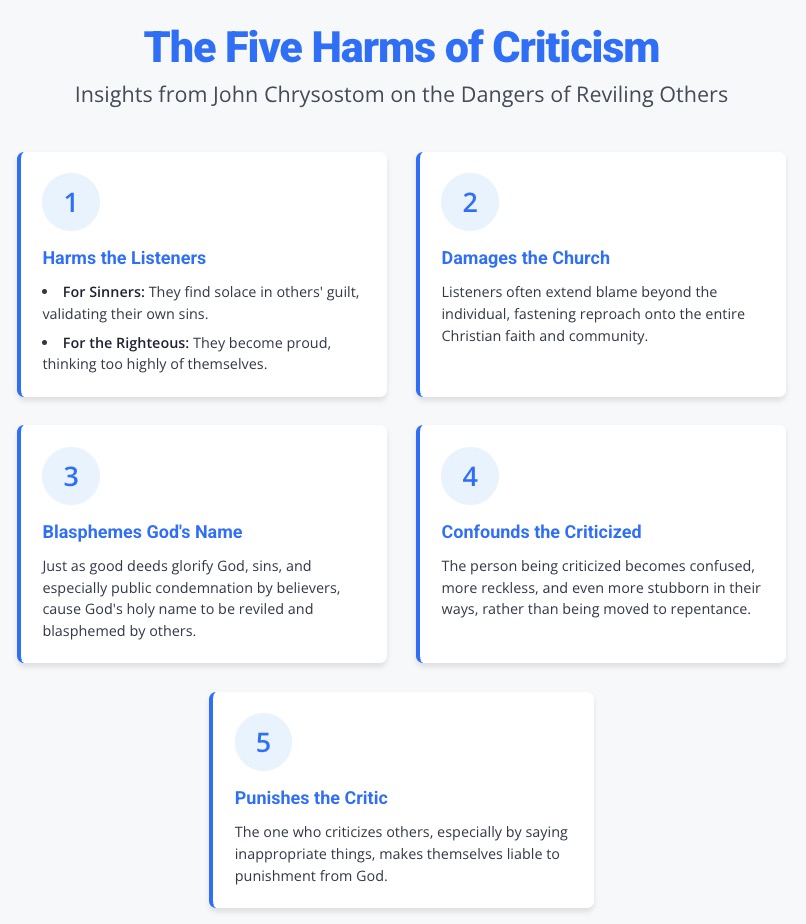
CHRYSOSTOM Someone who criticizes others does a lot of harm, both to themselves and to everyone else. First, the people who listen become worse off. If they’re sinners, they’re happy to find someone else just as guilty. If they’re righteous, they start to think too highly of themselves because of the other person’s sins. Second, the Church as a whole suffers, because listeners don’t just blame the guilty person; they start to blame the entire Christian faith. Third, God’s reputation is damaged. Just as our good actions bring glory to God’s name, our sins cause it to be cursed. Fourth, the person being criticized gets confused and becomes even more reckless and stubborn. Fifth, the person doing the criticizing is setting themselves up for punishment for saying inappropriate things.
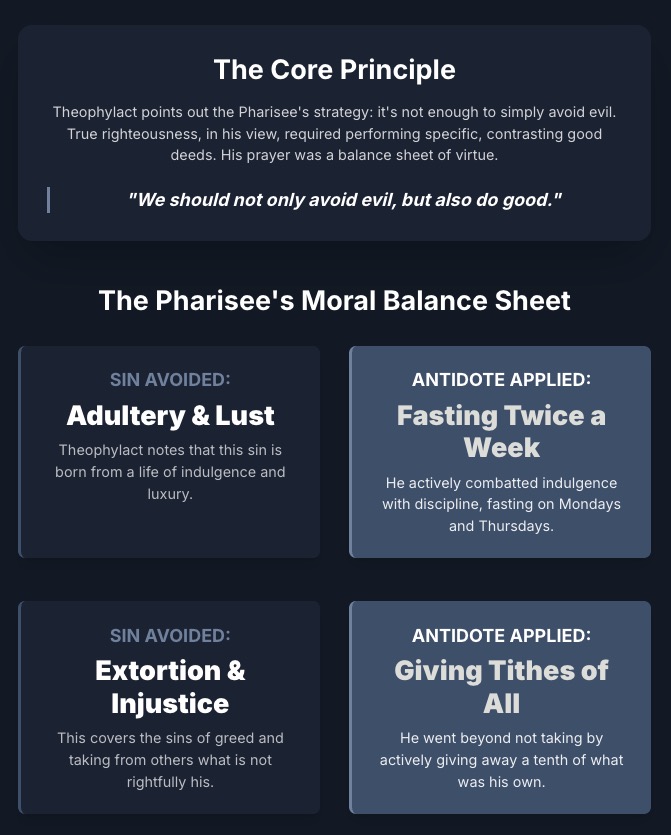
THEOPHYLACT We should not only avoid evil but also do good. So after saying, “I am not like other men—extortioners, unjust, adulterers,” he adds a contrast: “I fast twice a week.” Back then, they called the week “the Sabbath” after the final day of rest. The Pharisees fasted on Mondays and Thursdays. He used fasting to fight against the passion of adultery, since lust comes from indulgence. Against extortion and greed, he contrasted it with paying tithes, saying, “I give a tenth of all I have.” It’s as if he’s saying, “I’m so far from cheating or hurting others that I actually give away what is mine.”
GREGORY So, it was pride that exposed the fortress of his heart to his cunning enemies, a fortress that prayer and fasting had tried in vain to protect. All other defenses are useless as long as there’s one unguarded spot for the enemy to get through.
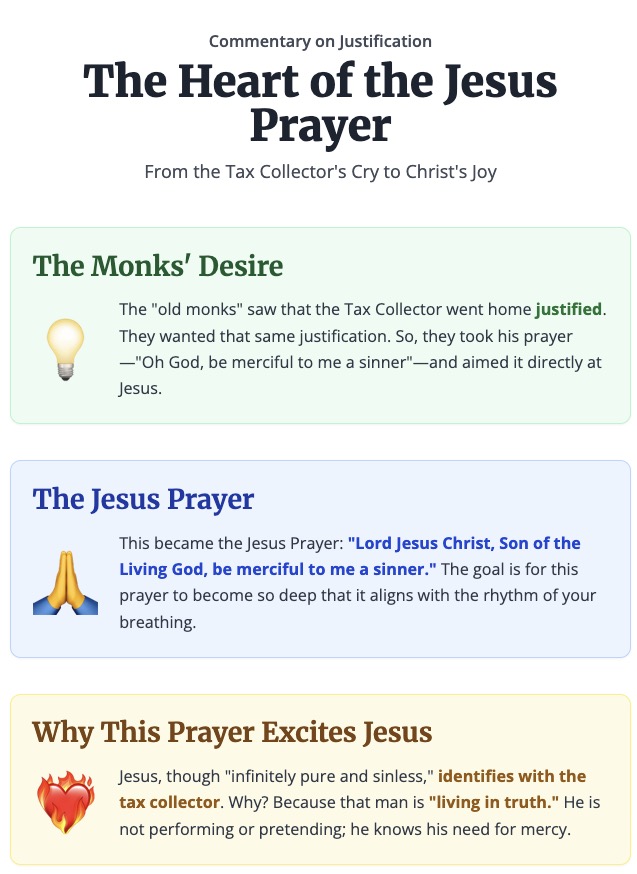
AUGUSTINE If you really listen to what he says, you’ll notice he didn’t ask God for anything. He went up to pray, but instead of making a request, he just praised himself and even insulted the man who was actually asking for help. The tax collector, on the other hand, was kept at a distance by his guilty conscience but was brought close to God by his humility.
THEOPHYLACT Even though the tax collector was also standing, he was completely different from the Pharisee in his posture, his words, and his repentant heart. He was afraid to even look up to heaven, feeling that his eyes, which had been so focused on earthly things, were unworthy of a heavenly sight. He also beat his chest, as if to punish it for his evil thoughts and to wake it up from its spiritual sleep. All he wanted was for God to be at peace with him, saying, “God, be merciful.”
CHRYSOSTOM He heard the Pharisee say, “I am not like this tax collector.” He wasn’t angry, but his heart was pierced. One man exposed the wound, while the other looked for the cure. So, let no one ever make the lame excuse, “I don’t dare,” “I’m ashamed,” or “I can’t speak.” That’s the kind of fear demons have. The devil wants to shut every door you have to God.
30th Sunday of Year C

John Chrysostom
Theophylact
Jesus’ Verdict
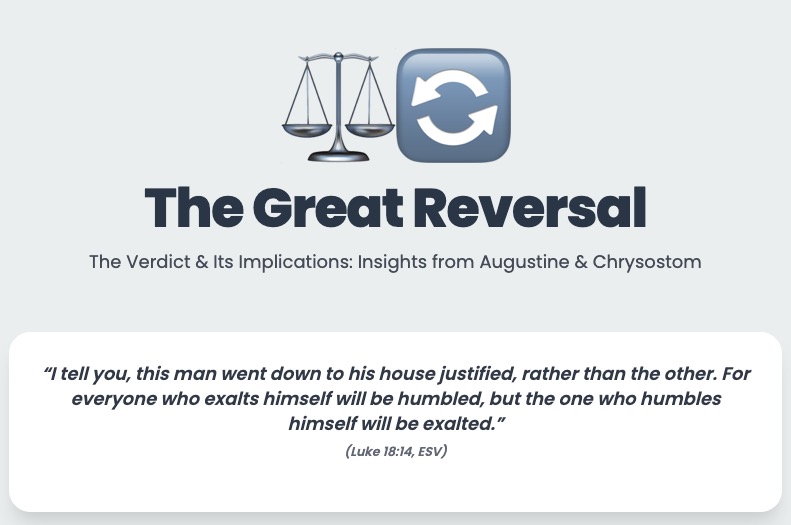
AUGUSTINE So why are you surprised that God forgives, since He’s the one who acknowledges it? The tax collector stood far away, yet he drew near to God. And the Lord was close to him and heard him, because even though the Lord is on high, he pays attention to the lowly. He didn’t even lift his eyes to heaven; so that he might be seen by God, he didn’t look up himself. His conscience weighed him down, but hope lifted him up. He beat his own chest, passing judgment on himself. That’s why the Lord spared the repentant man. You’ve heard the proud man’s accusation and the humble confession of the accused. Now hear the Judge’s verdict: “Truly I tell you, this man went down to his house justified rather than the other.”
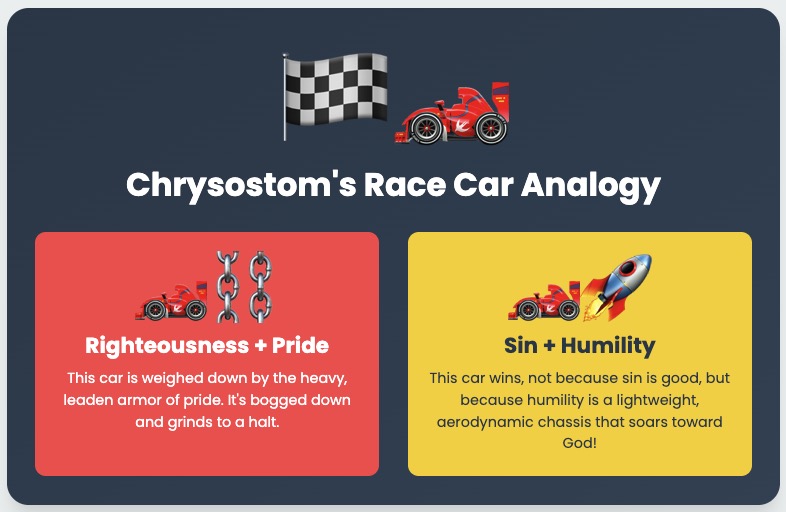
CHRYSOSTOM This parable shows us two chariots in a race, each with two drivers. In one chariot, it puts righteousness with pride; in the other, sin with humility. You see the chariot of sin beat the chariot of righteousness, not by its own strength but by the excellence of the humility combined with it. The other is defeated not because of righteousness, but by the heavy weight and swelling of pride. For just as humility by its own lightness rises above the weight of pride and leaps up to God, so pride with its great weight easily crushes righteousness. Therefore, even if you are earnest and constant in doing good, if you think you can boast about it, you are completely without the fruits of prayer. But you, who carry a thousand loads of guilt on your conscience, and only think of yourself as the lowest of all people, will gain much confidence before God. And then He gives the reason for His sentence: “For everyone who exalts himself will be humbled, and he who humbles himself will be exalted.” The word humility has various meanings. There is the humility of virtue, as in, “A humble and contrite heart, O God, you will not despise.” There is also a humility that comes from sorrows, as in, “He has humbled my life upon the earth.” There is a humility that comes from sin, and the pride and insatiable greed for riches. For can anything be more low and debased than those who grovel in riches and power, and consider them great things?
BASIL Similarly, it’s possible to be honorably uplifted when your thoughts are not lowly, but your mind, through greatness of soul, is lifted up toward virtue. This loftiness of mind is seen in a cheerfulness amidst sorrow, a kind of noble fearlessness in trouble, a contempt for earthly things, and a focus on heaven. And this loftiness of mind seems to differ from the elevation produced by pride, just as the firmness of a well-conditioned body differs from the swelling of the flesh that comes from disease.
CHRYSOSTOM This inflation of pride can cast down even from heaven the person who doesn’t take warning, but humility can raise a person up from the lowest depth of guilt. The first saved the tax collector before the Pharisee, and brought the thief into Paradise before the Apostles; the second affected even the spiritual powers. But if humility, even when added to sin, has made such rapid advances as to pass by pride united with righteousness, how much swifter will its course be when you add righteousness to it? It will stand by the judgment seat of God among the angels with great boldness. Moreover, if pride joined to righteousness had the power to push it down, to what a hell will it thrust people when it is added to sin? I say this not so that we should neglect righteousness, but so that we should avoid pride.
THEOPHYLACT But should anyone marvel that the Pharisee is condemned for uttering a few words in his own praise, while Job, though he poured forth many, is crowned, I answer that the Pharisee spoke these at the same time that he baselessly accused others. Job, however, was compelled by an urgent necessity to list his own virtues for the glory of God, so that people might not fall away from the path of virtue.
BEDE Symbolically, the Pharisee is the Jewish people, who boast of their righteousness under the law. The tax collector is the Gentiles, who, being at a distance from God, confess their sins. The first, for his pride, returned humbled; the other, for his contrition, was considered worthy to draw near and be exalted.
30th Sunday of Year C


 Highlight text or double-click a paragraph anywhere on the site to ADD TO NOTES. You can also click ASK AI to copy your selection to the clipboard with a command prompt, ready for you to paste manually into the chat above.