33rd Sunday of Year B

November 17, 2024

Grades 7-12

Grades 7-12

NEW FEATURE: Access our site-specific AI Assistant
via the bottom-right corner or click here.

How to Use

🔵 ASK A QUESTION related to this week's Mass readings.

🔵 EXPAND TEXT: Copy and paste any text or insights from a page to generate a more in-depth look at a topic.

🔵 FOR BEST RESULTS: Indicate the specific Sunday in question if it differs from the upcoming one. Refresh chatbot when switching to a different Sunday.

LEARN MORE


YouTube player
THE MARK 10 MISSION (13:39)

In partnership with the Franciscan Friars of the Renewal

Multiple Choice Questions

write a series of multiple choice questions (four choices A,B,C,D) based on xxxxxxxxxxxx. Give answers to all the questions at the end. Write out entire answer.
QUESTIONS - 1ST READING

Daniel 12:1-3

33rd Sunday of Year B

1. According to Daniel 12:1, who will arise during a time of unprecedented distress?

A. Michael, the great prince

B. The Son of Man

C. The prophet Daniel

D. The King of the North

2. What happens to those whose names are found written in the book?

A. They are condemned to eternal punishment.

B. They are granted eternal life.

C. They are given positions of authority in heaven.

D. They are sent back to earth as angels.

3. In Daniel 12:2, what is the contrast between those who awake to everlasting life and those who awake to shame and everlasting contempt?

A. Their social status on earth

B. Their faithfulness to God

C. Their wealth and possessions

D. Their knowledge of scripture

4. What does the passage in Daniel 12:2-3 teach about the afterlife?

A. Everyone will be granted eternal life.

B. There will be a separation between the righteous and the wicked.

C. The afterlife is determined by one's earthly accomplishments.

D. The concept of the afterlife is not mentioned.

5. In Daniel 12:3, who are described as shining like the brightness of the heavens?

A. The wise who lead many to righteousness

B. The powerful rulers of the earth

C. The angels who guard the heavenly realms

D. The souls of the departed

ANSWERS

  1. A. Michael, the great prince - According to Daniel 12:1, Michael, the great prince, will arise during a time of unprecedented distress.
  2. B. They are granted eternal life - Those whose names are found written in the book are granted eternal life.
  3. B. Their faithfulness to God - In Daniel 12:2, the contrast between those who awake to everlasting life and those who awake to shame and everlasting contempt is based on their faithfulness to God.
  4. B. There will be a separation between the righteous and the wicked - The passage in Daniel 12:2-3 teaches that there will be a separation between the righteous and the wicked in the afterlife.
  5. A. The wise who lead many to righteousness - In Daniel 12:3, the wise who lead many to righteousness are described as shining like the brightness of the heavens.
QUESTIONS - 2ND READING

Hebrews 10:11-14, 18

33rd Sunday of Year B

1. According to Hebrews 10:11-12, what is the main difference between the priests under the old covenant and Christ under the new covenant?

A. The old covenant priests had to stand daily, while Christ sat at the right hand of God.

B. The old covenant priests offered sacrifices for their sins, while Christ offered one sacrifice for all.

C. The old covenant priests served in an earthly sanctuary, while Christ served in a heavenly sanctuary.

D. The old covenant priests wore elaborate garments, while Christ wore simple robes.

2. In Hebrews 10:14, what does it say has been done to those who are being made holy?

A. They are perfected forever.

B. They are forgiven once and for all.

C. They are given eternal life.

D. They are set apart from the world.

3. According to Hebrews 10:11, what did the old covenant priests do daily?

A. They stood and offered sacrifices.

B. They sat and heard confessions.

C. They walked and prayed for the people.

D. They knelt and repented of their sins.

4. What does Hebrews 10:18 say there is no longer any need for?

A. A high priest

B. An offering for sin

C. A sacrifice for atonement

D. All of the above

5. What does Hebrews 10:12 emphasize about Christ's sacrifice?

A. Its once-for-all nature

B. Its ability to save only a select few

C. Its dependence on the individual's faith

D. Its requirement for repeated offerings

ANSWERS

  1. A. Its once-for-all nature
  2. B. The old covenant priests offered sacrifices for their sins, while Christ offered one sacrifice for all.
  3. A. They are perfected forever.
  4. A. They stood and offered sacrifices.
  5. D. All of the above
QUESTIONS - GOSPEL

Mark 13:24-32

33rd Sunday of Year B

1. What event will occur before the coming of the Son of Man?

A. The sun and moon will turn to blood.

B. The stars will fall from the sky.

C. The heavenly bodies will be shaken.

D. All of the above.

2. According to the passage, who will gather the elect from the four winds?

A. The angels

B. The Son of Man

C. The Father

D. The prophets

3. In the Parable of the Fig Tree, what does the sprouting of new leaves literally signify?

A. The beginning of summer

B. The end of the world

C. The return of the Son of Man

D. The second coming of the prophets

4. What is the symbolic message of the Parable of the Fig Tree in this passage?

A. The importance of agriculture in the end times

B. The unpredictability of the end times

C. The need for constant prayer and fasting

D. The importance of recognizing signs of the end times

5. Who, according to the passage, knows the exact hour of the Son of Man's return?

A. The angels

B. The Son of Man

C. The Father

D. The disciples

ANSWERS

  1. D. All of the above
  2. A. The angels
  3. A. The beginning of summer
  4. D. The importance of recognizing signs of the end times
  5. C. The Father

Teen-Friendly Homilies &
Group Discussions

Each week, THE WORD THIS WEEK will be using AI generative technology
to transform homilies from the following preachers
into fun and easy-to-understand messages for young teens.

“And then they will see ‘the Son of Man coming in the clouds’
with great power and glory.”

GOSPEL

FEATUREDRELATED VIDEO
List three bullet points related this Sunday’s Mass Readings XXXXXXXXXXXXX. and the news story XXXXXXXXXXXXXXXX End with a paragraph on how episode is NOT like the gospel reading.
YouTube player
YouTube player
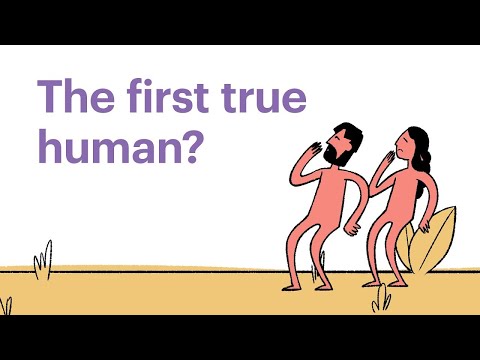
BIBLE PROJECT (5:50) – If you thought “Christ” was Jesus’ last name or the title he gave himself, think again! The title Jesus most often used for himself is the “Son of Man.” In this video, we’ll explore the meaning of this fascinating phrase and see how it invites us into the larger biblical story.

Jesus’ Identity and Mission

Q: Why did Jesus call himself the “Son of Man”?
A: Jesus chose this title to claim he was the truly human one on a mission to confront the beast, representing humanity’s capacity for both good and evil.

Q: How did Jesus overcome the “beast”?
A: Jesus overcame the beast by allowing it to do its worst on the cross, exposing the subhuman nature of evil, and then triumphing with divine life and love.

Biblical Context and Symbolism

Q: What is the origin of the “Son of Man” phrase in the Bible?
A: The phrase comes from the Old Testament book of Daniel, where it appears in a prophetic dream about violent, prideful kings and their empires, symbolizing humans behaving like animals.

Jesus’ Paradoxical Approach

Q: How does Jesus’ approach to ruling differ from traditional power structures?
A: Jesus demonstrated a paradoxical way of ruling by dying to rule the beast, emphasizing service, humility, and self-giving love over traditional power dynamics.

New Humanity and Discipleship

Q: What is Jesus’ vision for his followers?
A: Jesus is summoning a new humanity that can overcome the beast in the same paradoxical way, discovering that his life and power can become their own.

Q: How does Jesus envision his followers ruling the world?
A: Jesus envisions his followers ruling as God’s partners through the power of service, humility, and self-giving love, rather than through traditional forms of dominance.


Enhancing Classroom and Homeschool Discussion through Diverse Perspectives and Creative Insights

Grades 7-12

Grades K-6

Putting A.I. To the Test

write a 700 word essay relating XXXXXXXXXX to “List three bullet points related this Sunday’s Mass Readings Dn 12:1-3 Mk 13:24-32. and the news story which follows. End with a paragraph on how episode is NOT like the gospel reading.
YouTube player
NEWS.COM.AU (3:20) – Blind mystic Baba Vanga, the legendary medium allegedly credited with foreseeing many of the biggest events in history, including the Chernobyl disaster, 9/11, the Covid pandemic and the death of Princess Diana, is said to have foreseen when the world will begin its demise.

Baba Vanga’s shocking 2025 prediction: The beginning of the end revealed

Ways to Connect This Story
to Sunday’s Readings

33rd Sunday of Year B

Baba Vanga’s prediction about the onset of humanity’s end in 2025 might prompt individuals to examine the relevance of such prophecies within the context of scriptural passages like Daniel 12:1-3, Hebrews 10:11-14, 18, and Mark 13:24-32. Though these scriptural passages share the theme of eschatology, their focus and message differ from Baba Vanga’s predictions.

Daniel 12:1-3 speaks of a period of great distress, stating that “there shall be a time of anguish, such as has never occurred since nations first came into existence.” The passage emphasizes the importance of faithfulness and righteousness, highlighting that those whose names are written in the book of life will be delivered. As verse 2 asserts, “And many of those who sleep in the dust of the earth shall awake, some to everlasting life, and some to shame and everlasting contempt.” This passage stresses the divine judgment that will determine individuals’ fate and encourages the faithful to remain steadfast in their righteousness.

Hebrews 10:11-14, 18 sheds light on the ultimate sacrifice of Jesus Christ and its impact on the forgiveness of sins. The passage contrasts the repetitive animal sacrifices of the old covenant with the perfect sacrifice of Christ, emphasizing the completeness of his atonement. Verse 14 proclaims, “For by a single offering he has perfected for all time those who are being sanctified.” This passage focuses on the hope and assurance believers have in Christ, as his sacrifice has made them perfect forever.

Mark 13:24-32 recounts Jesus’s teachings about the end times, emphasizing the need for watchfulness and preparedness. Jesus warns of the signs that will precede his return and encourages his followers to remain alert, as no one knows the precise day or hour when these events will unfold. In verse 32, Jesus states, “But concerning that day or that hour, no one knows, not even the angels in heaven, nor the Son, but only the Father.” This passage serves as a call to maintain faith and be ready for Christ’s return.

Baba Vanga’s predictions, while sharing a focus on the future, differ from these scriptural passages in their source and purpose. The biblical texts draw their authority from divine revelation, whereas Baba Vanga’s predictions stem from her own mystical experiences and insights. Furthermore, the scriptural passages emphasize the importance of faith, righteousness, and hope in God’s ultimate plan, whereas Baba Vanga’s predictions focus more on specific events and outcomes.
HOME