32nd Sunday of Year B

November 10, 2024

Grades 7-12

NEW FEATURE: The AI Assistant at the bottom right corner
has been specifically trained for this website.

YouTube player
THE MARK 10 MISSION (13:39) – Fr Henry shares the Gospel and Liam invites us to imagine how Jesus will appear when he comes in the clouds with great power and glory. We also reflect upon how we can always trust in Jesus’s promises. Our liturgy concludes with a beautiful time of worship led by Angel.
INTROSPRESENTATIONQ&A

Outlines
Sunday Readings

write a roman numeral outline with bullet points for xxxxxxxxxxxxxx. Give a title. Do not use alphabet notations.
OUTLINE - 1ST READING

Faith, Obedience, and God's Provision in 1 Kings 17:10-16

32nd Sunday of Year B

I. The Circumstances at Zarephath

  • A widow gathering sticks (v. 10)
  • A desperate situation during the famine (v. 12)

II. Elijah's Request

  • Elijah asks for water and bread (v. 11)
  • The widow's response reveals her limited resources (v. 12)

III. God's Promise through Elijah

  • God's provision of flour and oil (v. 14)
  • The test of faith for the widow (v. 13)

IV. The Miracle of God's Provision

  • The lasting supply of flour and oil (v. 16)
  • The impact on the widow, her son, and Elijah (v. 15)

Clipart by Fr. Richard Lonsdale

OUTLINE - 2ND READING

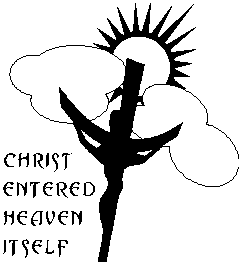
Christ's Eternal Sacrifice in Hebrews 9:24-28

32nd Sunday of Year B
I. The Uniqueness of Christ's Sacrifice

  • Christ enters heaven itself (v. 24)
  • A once-for-all sacrifice, not repeated like earthly priests (v. 25)

II. The Timing of Christ's Appearance

  • Christ appears at the end of the ages (v. 26)
  • His sacrifice is a definitive event in history (v. 26)

III. The Purpose of Christ's Sacrifice

  • To put away sin by his sacrifice (v. 26)
  • To bear the sins of many (v. 28)

IV. The Uniqueness of Christ's Death

  • All humans die once, then face judgment (v. 27)
  • Christ was offered once to bear the sins of many (v. 28)

V. The Significance of Christ's Sacrifice

  • Christ's sacrifice is superior to those of earthly priests (v. 27)
  • He will appear a second time, not to deal with sin, but for salvation (v. 28)

Clipart by Fr. Richard Lonsdale

OUTLINE - GOSPEL

The Widow's Offering and True Generosity in Mark 12:38-44

32nd Sunday of Year B

I. The Context of Jesus' Teaching

  • Jesus observes people putting money into the treasury (v. 41)
  • The contrast between the rich and the widow (vv. 41-42)

II. The Example of the Widow's Offering

  • The widow gives two small coins (v. 42)
  • Her offering is a significant portion of her livelihood (v. 44)

III. Jesus' Commentary on the Widow's Offering

  • Jesus highlights the widow's offering (v. 43)
  • He emphasizes the value of her sacrifice despite its small monetary worth (v. 44)

IV. Lessons from Mark 12:38-44

  • The importance of humility in giving
  • The value of giving sacrificially
  • God's perspective on true generosity

Clipart by Fr. Richard Lonsdale

1ST READING | 2ND READING | GOSPEL
Tap the links above to view an OUTLINE for each reading.

YouTube player

SOURCE:  Fr. Geoffrey Plant Homily Presentations | Website

DOWNLOAD TRANSCRIPT (PDF)

2024 HOMILY – Jesus’ final week in Jerusalem emphasizes the importance of genuine sacrifice and true discipleship, as exemplified by a poor widow’s offering, which contrasts with the hypocrisy of religious leaders and the wealthy.

KEY INSIGHTS

Critique of Religious Hypocrisy

Q: How did Jesus criticize the scribes' behavior?
A: Jesus condemned scribes' ostentatious displays like wearing long robes and seeking public honors, calling such actions sham and un-Christian, while denouncing their exploitation of widows as brutal and demonic.

Widow's Sacrifice

Q: What was significant about the widow's offering?
A: The widow's donation of two small coins (lepta), the smallest denomination, represented her entire livelihood, demonstrating reckless generosity and foreshadowing Jesus' ultimate sacrifice.

Discipleship and Commitment

Q: How does the widow's offering relate to Jesus' teachings on discipleship?
A: Jesus emphasized total commitment in discipleship, contrasting the widow's sacrifice of everything she had with the rich man who remained trapped by his wealth.

Temple Treasury

Q: Where was the Temple treasury located?
A: The Temple treasury was situated in the Courtyard of the Women, featuring trumpet-shaped offering boxes labeled for specific purposes.

Religious Authority Challenge

Q: How did Jesus challenge religious authorities?
A: Jesus confronted chief priests, scribes, and elders in the Portico of Solomon, questioning the origin of John's baptism to challenge their authority.

Scribes' Role and Criticism

Q: What was the role of scribes and why did Jesus criticize them?
A: Scribes were Torah scholars and guardians of tradition, but Jesus criticized their fraudulent management of widows' estates, accusing them of cheating widows out of their rightful property.

PRACTICAL LIFE APPLICATIONS

Generosity and Giving

Q: What is the essence of true giving according to Jesus?
A: True giving involves reckless generosity, exemplified by the widow who gave all she had (two small coins), rather than focusing on the amount given.

Q: How can one embody the first and second commandments through giving?
A: Embody love for God and neighbor by giving sacrificially, following the example of the two widows who gave everything they possessed.

Religious Hypocrisy

Q: What behavior did Jesus condemn in religious leaders?
A: Jesus criticized scribes for their ostentatious behavior and fraudulent activities, such as devouring widows' houses while making lengthy prayers for show.

Q: How should disciples avoid imitating hypocritical religious leaders?
A: Disciples should reject sham and ostentation, avoiding the power-seeking and prestige-focused behaviors of religious leaders who opposed Jesus.

Wealth and Discipleship

Q: What did Jesus teach about wealth and eternal life?
A: Jesus taught the rich man to sell his possessions, give to the poor, and follow Him to gain eternal life, challenging the societal goal of accumulating wealth.

Q: How did Jesus demonstrate true discipleship?
A: Jesus exemplified discipleship by giving His whole life, foreshadowing His fate and contrasting with religious leaders who sought personal gain.

CULTURAL/RELIGIOUS CRITIQUES

Controversial Religious Practices

Q: Are religious leaders exploiting vulnerable people?
A: Jesus condemns scribes for devouring widows' houses, cheating widows of their estates, and mismanaging their property under the guise of religion, calling these practices brutal and demonic.

Q: Is prolonged prayer a form of financial exploitation?
A: Jesus criticizes scribes for taking money for prolonged prayer, suggesting that some religious figures may be profiting from performative piety.

Wealth and Discipleship

Q: Should Christians give up all their possessions?
A: Jesus instructs a rich man to sell all and give to the poor, implying that material wealth can obstruct true discipleship.

Q: Is the Temple establishment corrupt?
A: Jesus' cleansing of the money changers and condemnation of scribes in the Temple demonstrate his radical critique of the Temple establishment and contemporary power structures.

Sacrifice and Generosity

Q: Is extreme financial sacrifice necessary for true faith?
A: Jesus praises a poor widow for giving her "whole life" by donating two small coins, suggesting that complete financial sacrifice may be viewed as the highest form of devotion.

Q: Are outward displays of piety inherently wrong?
A: Jesus warns against scribes' ostentatious behavior like wearing long robes and seeking honor, calling such displays "sham" and "not Christian".

Multiple Choice Questions
Sunday Readings

write a series of multiple choice questions (four choices A,B,C,D) based on xxxxxxxxxxxx. Give answers to all the questions at the end.
QUESTIONS - 1ST READING

1 Kgs 17:10-16

32nd Sunday of Year B

1. In 1 Kings 17:10-16, who does Elijah meet at the entrance of the city gate?

A. A wealthy merchant

B. A group of children

C. A widow gathering sticks

D. A soldier

2. What does Elijah request from the widow?

A. Shelter for the night

B. A new set of clothes

C. Water and bread

D. Directions to the nearest town

3. How much flour and oil does the widow initially have?

A. An abundance of flour and oil

B. None at all

C. A handful of flour and a little oil

D. Enough to feed her family for a month

4. What instruction does Elijah give the widow after she explains her limited resources?

A. To sell her belongings

B. To make a small loaf of bread for Elijah first, and then make something for herself and her son

C. To gather more sticks for a larger fire

D. To ask her neighbors for help

5. What is God's promise to the widow through Elijah?

A. That she will become wealthy

B. That her flour and oil would not run out until the drought ends

C. That she will never face difficulties again

D. That she will be famous in the town

ANSWERS

  1. C. A widow gathering sticks
  2. C. Water and bread
  3. C. A handful of flour and a little oil
  4. B. To make a small loaf of bread for Elijah first, and then make something for herself and her son
  5. B. That her flour and oil would not run out until the drought ends
QUESTIONS - 2ND READING

Hebrews 7:23-28

32nd Sunday of Year B

1. In Hebrews 9:24-28, where does Christ enter to offer his sacrifice?

A. The temple in Jerusalem

B. A sanctuary made with human hands

C. Heaven itself

D. The desert

2. What makes Christ's sacrifice different from the sacrifices of earthly priests?

A. It is repeated multiple times

B. It is offered in a different location

C. It is made once for all time

D. It is offered to a different god

3. When does Christ appear to offer his sacrifice?

A. At the beginning of time

B. In the middle of history

C. At the end of the ages

D. In the future

4. What is the purpose of Christ's sacrifice?

A. To bring judgment on humanity

B. To demonstrate his power

C. To put away sin

D. To fulfill a personal goal

5. How does the author contrast Christ's sacrifice with human life and death?

A. Human beings live once, but Christ lives multiple times

B. Human beings die multiple times, but Christ dies once

C. Human beings face judgment, but Christ does not

ANSWERS

  1. C. Heaven itself
  2. C. It is made once for all time
  3. C. At the end of the ages
  4. C. To put away sin
  5. D. Human beings are appointed to die once, and then face judgment, while Christ was offered once to bear the sins of many
QUESTIONS - GOSPEL

1ST READING | 2ND READING | GOSPEL
Tap the links above to view QUESTIONS for each reading.

Enhancing Classroom and Homeschool Discussion through Diverse Perspectives and Creative Insights

Grades 7-12

Grades K-6

FEATUREDRELATED VIDEOS
List three bullet points related this Sunday’s Mass Readings XXXXXXXXXXXXX. and the news story XXXXXXXXXXXXXXXX End with a paragraph on how episode is NOT like the gospel reading.
YouTube player
YouTube player
BIBLE PROJECT (3:25) – Is hearing and listening the same thing? In this video, discover how sound entering your ear-drums isn’t synonymous with “listening”, at least from a biblical perspective. This video is the first installment of our Word Studies series, a six-part exploration of the ancient biblical prayer called “The Shema.”
SHORT ANSWER QUESTIONS

Linguistic Depth

🔊Q: What does "shema" mean in Hebrew beyond just "hear"?
A: "Shema" encompasses paying attention, focusing, and responding to what you hear, making it a universal activity connected with the ear.

🎭Q: How does the Bible view listening?
A: In the Bible, listening involves giving respect to the speaker and taking action based on what was said, requiring effort and active engagement.

Cultural Significance

🙏Q: What is the Shema prayer?
A: The Shema is a prayer recited twice daily by Jewish people for thousands of years, expressing their devotion to God.

Biblical Usage

📖Q: How is "shema" used in biblical context?
A: "Shema" is used to mean listen closely when God asks people to fully hear him and keep his covenant, often repeated twice for emphasis.

Linguistic Uniqueness

🗣️Q: How does Hebrew express the concept of obedience?
A: Hebrew has no separate word for "obey"; the single word "shema" encompasses both listening and doing, viewing them as two sides of the same coin.

Divine Interaction

🌟Q: How is "shema" used in addressing God?
A: When asking God to "shema," it simultaneously requests Him to listen and act, as seen in Psalm 27:7 where the psalmist asks for God's mercy and answer.

YouTube player
CHICAGO RABBINIC WRITERS LAB (3:25) – The Shema is the most important prayer in Judaism and is recited often multiple times a day, reaffirming the Jewish people to Judaism. Learn the meaning behind the most important Jewish prayer in this video featuring Rabbi Lizzi Heydemann, the rabbi and founder of Mishhkan Chicago.
SHORT ANSWER QUESTIONS

Core Concepts

What is the Shema prayer and why is it significant? The Shema is the most important prayer in Judaism, recited twice daily to reaffirm the Jewish people's connection to Judaism and remind them of their oneness with God.

How does the Shema relate to listening? The Shema is a call to listen to God, using the metaphor of God's unspeakable name to point to the universal life force that pervades the universe.

Spiritual Practice

How does the prayer "Ahava Rabah" complement the Shema? "Ahava Rabah" (big love) precedes the Shema and reminds Jews to notice and appreciate God's love, helping them to listen and feel God's presence through the act of listening.

What is the practical application of the Shema in daily life? The Shema encourages Jews to listen to God's laws and ways, connecting them to their roots while giving them wings, and to ask God to teach and help them understand.

Deeper Meaning

How does the Shema address modern challenges? The Shema calls for paying attention and listening deeply to God's voice, which is often drowned out by distractions and the pressure to have answers.

How does the Shema relate to the concept of oneness with God? The Shema teaches that oneness with God can be accessed through listening and paying attention, with breathing being the closest thing to speaking God's name and reminding us of our connection to that oneness.

YouTube player
THE JEWISH CATHOLIC (13:03) – More than just a “remake”. This video digs into my journey understanding the prayer of The Shema as well as to it’s significance for Christians today. I also include how to sing it within the video it you are interested in learning. There is a bonus, less known, way of singing it.

Enhancing Classroom and Homeschool Discussion through Diverse Perspectives and Creative Insights

Grades 7-12

Grades K-6

Putting A.I. To the Test

Each week, we challenge our artificial intelligence bot to bridge the Sunday readings with stories in the news, seeking creative connections and insightful perspectives. While the AI generates engaging essays, it occasionally stretches the bounds of plausibility. These attempts at weaving together scripture and current events present a unique opportunity for students to develop their critical thinking skills.

Students can engage with these essays by analyzing the connections made between the Sunday readings and the news stories, evaluating their validity and relevance. By identifying instances where the connections seem forced or unlikely, students can enhance their ability to discern between solid arguments and those that are less convincing.

Students can take on the role of editors, refining and improving the AI-generated essays. By suggesting ways to strengthen the connections between scripture and current events, they will cultivate their creativity and problem-solving abilities.

NEWSWEEKESPN
List three bullet points related this Sunday’s Mass Readings XXXXXXXXXXXXX. and the news story XXXXXXXXXXXXXXXX End with a paragraph on how episode is NOT like the gospel reading.

The Intersection of Faith and Science in Pursuit of Football Safety

List three bullet points related this Sunday’s Mass Readings XXXXXXXXXXXXX. and the news story XXXXXXXXXXXXXXXX End with a paragraph on how episode is NOT like the gospel reading.
YouTube player

Stephanie White told me she’s ‘very excited’ to coach Caitlin Clark & the Indiana Fever | NBA Today

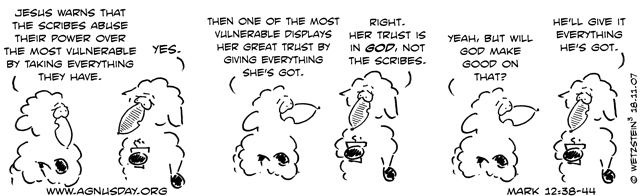
AGNUS DAY LECTIONARY COMIC

32nd Sunday of Year B

SOURCE: James Wetzstein

HOME