MAR 2, 2025

SOURCE: Catholic Resources by Rev. Felix Just, S.J.


Homilies
Homilies
- Bishop Barron
- MORE
- 1-MINUTE HOMILY
- 2-Minute Homily
- Fr. Peter Hahn
- Fr. Jude Langeh
- Fr. RUTTIG
- FR. McCarthy, OSA
BISHOP
BARRON
8th Sunday of Year C


8th Sunday of Year C


ONE
MINUTE
HOMILY

TIME-STAMPED VIDEOS
The Jesuit-Post
8th Sunday of Year C


TWO
MINUTE
HOMILY

8th Sunday of Year C


FR. PETER
HAHN
8th Sunday of Year C


FR. JUDE
LANGEH

8th Sunday of Year C

Homily preached by Rev Placid Muntong, cmf
FR. KEVIN
RUTTIG

8th Sunday of Year C


FR. TOM
McCARTHY

8th Sunday of Year C


Deacon Peter McCulloch

Deacon of the
Diocese of Broken Bay, Australia
Unlock Inspiration with Google Gemini AI
Links
Enhance your homily preparation with our newest addition: Google Gemini AI Links are now integrated within THE WORD THIS WEEK’s homily excerpts. By harnessing the potential of the Google AI Gemini ecosystem, the pop-up links✨ will revolutionize your research experience, connecting you to valuable resources, insights, and inspiration from across the web.
8th Sunday of Year C

On a Small Peace
Click below to show/hide questions.
This discussion guide has been generated by the WORD THIS WEEK'S Catholic AI Assistant based on Deacon McCulloch's homily.
Introduction:
1. Reflect on the 1914 Christmas Truce during WWI. How does this historical event highlight the potential for peace, even in times of extreme conflict?
Historical Context:
2. Discuss the significance of the spontaneous ceasefires during WWI. What does this reveal about the common humanity shared by the soldiers on both sides?
3. Reflect on the refusal of an official truce by the leaders compared to the soldiers’ actions. What does this say about leadership and grassroots movements?

Film Reference:
4. Consider the reaction to Christian Carion’s film 'Joyeux Noel'. Why might a military institution be wary of engaging with a film about peace during war?
Christian Heritage and Peace:
5. Explore Andy Rudall's argument about the Christian heritage influencing the truce. How does the message of Christmas relate to reconciliation and peace?
6. In today’s Gospel reading, Jesus instructs to love our enemies. Why is this considered a radical command?
Understanding Agape:
7. Differentiate between storge, eros, philia, and agape. Why is agape significant in the context of loving our enemies according to Jesus’ teachings?
8. Discuss the challenges of practicing agape love. How is it different from natural emotional responses?
Practical Applications:
9. From Lynn R. Davis' book, list and discuss practical ways to show agape love to those we dislike or perceive as enemies. Which strategies resonate most with your personal experience?
10. Reflect on the statement, "Without an enemy there can be no war." How might adopting a mindset of peace and reconciliation transform personal and communal conflicts?
Life Decisions:
11. Consider the sermon’s closing message about choosing to love others as Jesus loves us. What steps can individuals and communities take to commit to this choice in daily life?
Reflective Questions:
12. Share personal stories or experiences where reconciliation or peace triumphed over conflict. How did agape love play a role?
13. How can this message of peace and love be applied to current global or personal conflicts? Discuss the potential impact of individual actions inspired by this sermon.
Conclusion:
14. Summarize the key insights gained from this discussion. How can these insights inspire future actions towards peace and reconciliation?
Homily Excerpt

In 1914, the first year of WWI, over 600,000 men died. That December, Pope Benedict XV begged the warring leaders of Europe for an official truce. Or at least, he pleaded, let the guns fall silent at Christmas. But they refused, saying the war must go on.
Then something odd happened. On Christmas Eve, near Ypres in Belgium, German troops began decorating their trenches. They erected Christmas trees, lit candles and started singing ‘Stille Nacht, Heilege Nacht’.
On the other side, British soldiers started singing Christmas carols, too. And both sides shouted Christmas greetings at each other. Then men started crossing the mud and barbed wire of no-man’s-land to shake hands and exchange gifts of food, tobacco and souvenirs with the enemy. In some places they buried their dead together, and elsewhere they even played soccer…

Words from the Heart
Click below to show/hide questions.
This discussion guide has been generated by the WORD THIS WEEK'S Catholic AI Assistant based on Deacon McCulloch's homily.
Opening Story Reflection
- Consider the story of Dante Gabriel Rossetti and the elderly man. How does this story illustrate the impact of words on a person's life and decisions?
- Discuss how Rossetti's feedback, if given earlier, could have changed the old man's life. What does this tell us about the timing and nature of encouragement?
The Power of Words
- Reflect on the quote by Rudyard Kipling regarding words as a powerful drug. How have words acted as a "drug" in your own experiences, either positively or negatively?
- How can words "infect, egotise, narcotise, and paralyse" in our daily interactions?
Biblical Insights
- Discuss the passage from Luke 6:45 and its implication that words flow from our hearts. How do you ensure that your heart is a source of strength in your speech?
- Reflect on St. John’s assertion that "In the beginning was the Word…” How is this foundational for understanding the power of words in shaping the world?
Understanding Jesus’ Parables
- Explore the three parables in Luke’s Gospel about the blind leading the blind, noticing a splinter in others' eyes, and trees producing fruit. How do these parables underscore the importance of being mindful of our words?
- How can we apply the lessons from these parables to our daily communication?
The Formation of Our Hearts
- According to the first reading, our conversations test our quality and purity. Discuss how the condition of our hearts affects what we say.
- What practices or influences can help ensure our hearts are well-formed and free of pollutants?
God’s Guidance in Speech
- Reflect on John 14:6 and the importance of seeking Jesus for guidance in speaking truthfully and lovingly. How do you incorporate this guidance into your life?
- Share experiences where divine guidance influenced your choice of words in a significant way.
The Everyday Impact of Words
- Mother Teresa said, “Kind words can be short and easy to speak, but their echoes are truly endless.” Share examples of when you’ve witnessed the lasting impact of kind words.
- Discuss situations where unkind words had a lasting negative impact. How can these experiences guide us in our use of language?
Practical Application
- Identify situations in daily life where you can be more mindful of the words you choose. What steps can you take to ensure your words are more encouraging and life-giving?
- Develop a personal or group action plan for monitoring and adapting language habits for positive outcomes.
Homily Excerpt

In Luke’s Gospel today, Jesus offers us three very brief parables. Firstly, he asks if the blind can lead the blind. Then he warns us about noticing a splinter in someone else’s eye, while overlooking the log in our own. And finally, he says that a healthy tree cannot produce rotten fruit.
Together, these three parables remind us that we must choose our words very carefully. We must make sure we know what we’re talking about, because it’s so easy to hurt others and to lead them astray if we ourselves are misled…
Our words are powerful symbols of life, of culture and of everything we think and feel. They come from our hearts.
Every day, most of us speak thousands of words. That gives us plenty of scope to either help or hurt others.
So, let’s remember what Mother Teresa once said: ‘Kind words can be short and easy to speak, but their echoes are truly endless.’

The Power of Words
Click below to show/hide questions.
This discussion guide has been generated by the WORD THIS WEEK'S Catholic AI Assistant based on Deacon McCulloch's homily.
Opening Reflection Questions:
- Reflect on the saying, 'Sticks and stones may break my bones, but words will never hurt me.' Do you agree or disagree? Why?
- Can you recall a time when words deeply affected you, either positively or negatively? Share briefly with the group.
Story of the Frogs:
- Summarize the story of the frogs. Why do you think the reaction of the two frogs was different?
- Discuss the significance of perception in how we interpret words. How does this apply to the deaf frog who thought he was being encouraged?

Importance of Words:
- In what ways can words help and heal, or hurt and harm?
- Discuss Luke 6:45, which states that words reflect our hearts. How can being aware of this idea change the way we speak?
Rudyard Kipling's View on Words:
- Kipling describes words as a powerful ‘drug’. What do you think he means by that?
- How do you see words as playing a role in shaping our thoughts, behaviors, and the world around us?
Biblical Context:
- Discuss John 1:1 ('In the beginning was the Word, and the Word was with God, and the Word was God'). What does this say about the significance of words in creation and our lives today?
- Reflect on the three parables from Jesus: Can the blind lead the blind? Noticing splinters vs. logs in eyes, and trees bearing good vs. bad fruit. How do these illustrate the careful use of words and leadership?
The Role of the Heart:
- How does the analogy of a sieve and a fiery kiln relate to the test of our words?
- In what ways can we work towards ensuring our hearts produce good words?
Continuous Learning and Guidance:
- Why is continued learning and seeking guidance important for ensuring our words are aligned with what is good and true?
- Reflect on John 14:6 and how God's guidance can influence our conversations and interactions.
Practical Application:
- Most people speak thousands of words daily. How can we consciously choose to use our words to build up others?
- Discuss Mother Teresa’s quote about kind words. Can you think of a situation where a kind word had a lasting impact?
Closing Reflection:
- In what specific ways will you be more mindful of your words this week?
- How can you actively encourage others to use words positively?
Prayer:
- End with a group prayer asking for guidance to use words wisely and to have hearts filled with goodness to inspire uplifting and healing communication.
Homily Excerpt

Why are words so powerful? It’s because they flow from our hearts (Lk.6:45). Whether written or spoken, our words reflect who we really are. They reveal our character, our innermost thoughts. Words expose what’s deep inside us and they unveil what we really think about the world and the people around us.
Rudyard Kipling once described words as, ‘…the most powerful drug used by mankind. Not only do (words) infect, egotise, narcotise, and paralyse, but they enter into and colour the minutest cells of the brain…’✨
Yes, words are powerful. They create and shape everything, even the universe. As John’s Gospel tells us, ‘In the beginning was the Word, and the Word was with God, and the Word was God…’ (Jn.1:1)✨. Everything around us began with God’s divine Word, and today our world is shaped by the words we use.
Fr. Austin Fleming
8th Sunday of Year C
Insides and outsides… Right before us, right on our doorstep, is Ash Wednesday and the beginning of Lent, and Lent is an “inside – outside” season. A little longer than a month, the 40 days of Lent are set aside to help us look at our lives – inside and out. To look on the outside and take an inventory of our words and our deeds: are they loving and just? are they true and pure? are they faithful and gracious? are they genuine and sincere? And to look on the inside to find, to see, to understand the source of whatever fruit hangs outside, on the trees of our lives.
Lent is a time to take a look inside, a season to do some spring-cleaning of our minds and hearts, Spring-cleaning for the soul✨ – that’s what Lent is.
Lent is a season for spring training✨, a season to exercise, by way of prayer, fasting and generous giving, to exercise and get our Christian lives in shape – inside and out! Even the Red Sox are in spring training – certainly we can join them in some spring training for the soul.
This discussion guide has been generated by the WORD THIS WEEK’S Catholic AI Assistant based on Father Austin’s homily. NEED HELP? Copy and paste a question into the chat bot in the lower right corner of the screen and have our Catholic Assistant help you.
1. Introduction
– Icebreaker: Have you or anyone you know ever tried Oreo Cookie Pancakes? What was the experience like?
2. Brody Simoncini’s Story
– Discuss the significance of Brody’s story and his triumph over medical challenges.
– How might Brody’s creation of a winning recipe symbolize overcoming obstacles?
3. Personal Experiences and Connections
– Reflect on the speaker’s own medical experience and the gratitude expressed towards medical professionals and community.
– How can personal physical experiences lead to deeper spiritual introspection?
4. Scriptural Insights
– Explore the call from Sirach to examine the “inside source” of our actions.
– In what ways can looking inward affect our outward behavior?
5. The Gospel Message
– Discuss the metaphor of cataracts clouding our spiritual vision. How might one identify and remove these “cataracts”?
– Examine the “soil of our hearts” analogy. What changes might be necessary to produce good fruit?
6. Lent: A Season for Reflection
– Define Lent and its purpose as described in the sermon.
– How can the practices of prayer, fasting, and generous giving serve as tools for spiritual renewal?
7. Practical Application
– Discuss specific ways you plan to engage in “spring-cleaning” of the soul throughout Lent.
– Identify one or two areas of your life, either inside or outside, where you feel inspired to seek transformation.
8. Looking Forward to Easter
– Contemplate how Lent prepares us for Easter. What does a spiritually prepared heart look like to you?
– Share ways to maintain these practices beyond the Lenten season.
9. Conclusion
– Reflect on the statement: “God is about to do something in your life and in mine.” What are your personal expectations or hopes for this journey?
– If you’re considering trying Oreo Cookie Pancakes, discuss the playful suggestion of enjoying them before Lent begins. How do small indulgences fit within the larger framework of sacrifice and reflection?
Encourage each participant to share their thoughts and insights, creating an open and reflective environment for everyone involved. Finish with a group prayer or moment of silence to reflect on the upcoming changes and commitments for the Lenten season.
Dominican Blackfriars

8th Sunday of Year C

Photograph by Fr Lawrence Lew OP
Click below to show/hide questions.
This discussion guide has been generated by the WORD THIS WEEK'S Catholic AI Assistant based on the Dominican Blackfiars' homily for this week. NEED HELP? Copy and paste a question into the chat bot in the lower right corner of the screen and have our Catholic Assistant help you.
Discussion Guide
Introduction
This discussion guide is designed to explore the themes of hypocrisy, self-knowledge, humility, and truthfulness as presented in the sermon. The guide aims to facilitate small group discussions, encouraging participants to engage deeply with the material and apply its insights to their lives.
Understanding Hypocrisy
1. Traditional vs. Modern Conception:
- Discuss the original meaning of "hypocrite" as a stage actor from Greek origins.
- How has the modern understanding of hypocrisy shifted to focus on the gap between moral standards and behavior?
- Why does this newer definition create a dilemma for moral teachers, including parents?
2. Self-Knowledge as a Solution:
- Why is self-knowledge essential in bridging the gap between actions and professed standards?
- How does acknowledging one's own weaknesses prevent hypocrisy?
Scriptural Reflection
1. Speck and Log Analogy:
- Reflect on the metaphor of the speck and the log. How does this relate to personal self-awareness and moral teaching?
- Discuss how this analogy underscores the importance of addressing one's flaws before pointing out others'.
2. St. Paul's Example:
- Examine the reference to 1 Corinthians 15:58. How does perseverance in faith relate to the discussion on hypocrisy?
- Discuss how awareness of one's imperfections can still coexist with a commitment to moral and religious ideals.
Applications for Today
1. Role of Humility and Truthfulness:
- What is the relationship between humility and reality? How does humility serve as an antidote to hypocrisy?
- How can individuals practice truthfulness in their daily lives to foster humility?
2. Lessons from the Church's Scandals:
- How do recent scandals within the Church highlight the need for humility and truthfulness?
- Discuss the notion that a tree is known by its fruit. How can individuals and institutions ensure their actions align with their professed values?
Personal Reflection
1. Self-Examination:
- Encourage participants to consider areas in their lives where there may be a discrepancy between their beliefs and actions.
- How can individuals cultivate greater self-awareness and humility?
2. Community and Accountability:
- Discuss the role of community in holding each other accountable and promoting growth.
- How can group members support each other in addressing and overcoming personal challenges related to hypocrisy?
Action Steps
1. Implementing Change:
- What concrete steps can individuals take to align their behavior more closely with their moral and spiritual beliefs?
- How can the group commit to regular check-ins or discussions to foster growth and accountability?
2. Fostering Humility:
- Suggest practices that encourage humility, such as service, reflection, and prayer.
- How can these practices be incorporated into daily life to promote lasting change?
This guide aims to inspire thoughtful discussion and introspection, encouraging participants to strive for authenticity and integrity in their moral and spiritual lives.
Homily Excerpt
Eighth Sunday of Ordinary Time (C) | Fr Matthew Jarvis says that our current understanding of hypocrisy lacks self-knowledge and requires humility so that we can all be helped and healed.

‘Hypocrite!’ This word strikes fear into the heart of every preacher. Or at least it should. Anyone who stands up in public and offers spiritual or moral teaching faces the occupational pitfall of ‘hypocrisy’. Their lofty words can never be matched by the reality of their life. And not only the preacher but every Christian, indeed every person striving to be good, faces the same test. You dare to observe the speck in your brother’s eye, while the log remains in your own eye.
So I find it unsurprising, as well as uncomfortable, that the dictionary highlights ‘matters of religion or morality’ as the most common habitat of the hypocrite. The concept of ‘hypocrite’, however, seems to have shifted awkwardly in our time. Properly speaking, in line with its original connotation of a stage actor (hypokrites in Greek), the hypocrite is the person who pretends to have a virtue that in reality they lack. So a hypocrite dissembles, hiding their real self behind a facade of respectability.

Image: detail from ‘Hand Gesture and Book’ by MTSOfan
Click below to show/hide questions.
This discussion guide has been generated by the WORD THIS WEEK'S Catholic AI Assistant based on the Dominican Blackfiars' homily for this week. NEED HELP? Copy and paste a question into the chat bot in the lower right corner of the screen and have our Catholic Assistant help you.
Introduction to Teacher-Student Relationships
- Discuss the unique nature of the relationship between teachers and students, where nicknames often reflect familiarity and personal connections.
- How does this differ from other professional relationships, such as with lawyers or accountants? Explore the transactional versus personal nature of different relationships.
Transactional Relationships vs. Teaching Relationships
- What makes the teacher-student relationship fundamentally different from relationships formed with service providers like lawyers and accountants?
- Why is personal interaction more significant in education compared to other fields?
The Necessity of Teaching
- Reflect on the idea that teaching is indispensable, contrasting it with other skills that may be self-taught.
- Discuss the importance of having a starting point in learning and the role of prior exposure or observation.
Education's Central Role in Society and Scriptures
- Why is education a key activity in human life across different societies?
- Investigate the significance of teachers, particularly Jesus Christ, in the Gospels and other religious texts.
Transformation Through Learning
- Explore the idea that all learning induces change, and discuss different degrees of personal transformation.
- What distinguishes surface-level skills from deeper, interior learning that alters one's very nature?
Interior Change and Wisdom
- Discuss the connection between teaching, interior life, and change using Jesus's teachings and wisdom literature (e.g., Ecclesiasticus).
- How is interior change essential for becoming "a good man" who draws goodness from the heart?
Authority and Tradition in Religious Teaching
- Consider the importance of establishing teaching credentials and authority within tradition, as seen in Ecclesiasticus.
- How is Jesus's authority, as both true God and true man, foundational to his role as a transformative teacher?
The Eternal Nature of Jesus's Teachings
- Reflect on the permanence of Jesus’s teachings compared to the temporal nature of human laws and practices.
- Discuss how Jesus’s teachings invite followers to share in his life-giving wisdom and transformation, aiming to become like the teacher.
Application to Personal and Group Life
- How can we apply the transformational aspects of Jesus's teachings to our own lives and within study groups or other communities?
- Encourage participants to share experiences of personal change through learning and teaching, drawing parallels to how they cultivate wisdom and goodness in daily life.
Homily Excerpt
Eight Sunday of the Year. Fr David Goodill considers the relationship between teacher and pupil.
Students tend to coin nick-names for their teachers, particularly for the teachers who are most eccentric or memorable. Such names express a variety of attitudes depending on the teacher, the student’s relationship to the teacher and the wider context. They mark the fact that the relationship between teacher and student is not an impersonal, transactional relationship, but one in which teachers and students get to know each other – normally over prolonged periods of time.
Contrast this with the kind of relationship you have with an accountant or a lawyer. It is not just the fact that such relationships generally involve only adults, but the more transactional nature of the relationship marks it out from the teaching relationship. This is not to say that lawyers and accountants are merely faceless bureaucrats; personal integrity is key to both professions and speaking to a familiar person who has proved trustworthy in the past is far preferable to being put on hold until an operator is available. Nor does it mean that lawyers and accountants are just in it for material gain: many care deeply about their work and those they help through it. However, professional relationships formed with lawyers and accountants do not generally depend on the quality of the relationship to the extent that the teacher-student relationship does.
Click below to show/hide questions.
This discussion guide has been generated by the WORD THIS WEEK'S Catholic AI Assistant based on the Dominican Blackfiars' homily for this week. NEED HELP? Copy and paste a question into the chat bot in the lower right corner of the screen and have our Catholic Assistant help you.
Discussion Guide for Sermon: Authenticity in Christian Discipleship
Introduction
- Reflect on the theme of authenticity as discussed in the sermon and its importance in today’s society.
1. Understanding Authenticity from a Modern Perspective
- Discuss Charles Taylor’s concept of the 'culture of authenticity'.
- How does Taylor define authenticity in modern terms?
- Explore the emphasis on discovering one’s unique path and living in accordance with one’s inner feelings.

2. Biblical Perspective on Authenticity
- Review Jesus’ teaching in the Sermon on the Plain regarding the relationship between inner life and outward expression.
- What does the Gospel say about how our actions reflect our internal state?
- Discuss the biblical image of a tree and its fruit and its significance in understanding personal integrity.
3. Integrity and Authenticity: Are They the Same?
- Contrast Taylor’s notion of authenticity with the integrity described in the sermon.
- How does the concept of being created in the 'image and likeness of God' influence our understanding of authenticity?
4. The Good Disciple
- Examine the characteristics of a good disciple as presented in the Sermon on the Plain.
- Discuss the role of the beatitudes and the command for gratuitous love in shaping a disciple's life.
- How does this vision align with the idea of ‘being like his teacher’?
5. Christian vs Modern Notions of Authenticity
- Compare and contrast the cultural notion of living in one’s own way with the Christian call to live like Christ.
- Discuss St Paul’s assertion: ‘It is no longer I who live, but Christ who lives in me’. How does this perspective redefine authenticity?
6. Living the Abundance of the Heart
- Reflect on the Gospel’s conclusion, ‘out of the abundance of the heart his mouth speaks.’
- Discuss how St Paul’s conviction that Christ dwells within impacts our speech and actions.
Conclusion
- Summarize insights on how authenticity in Christian life might differ from modern secular views.
- Encourage participants to reflect on what it means to live a life that embodies both personal integrity and Christ-like authenticity.
Homily Excerpt
Eighth Sunday of the Year. Br John Bernard Church offers an authentically Christian view of authenticity.
Over the past few Sundays we have been reading through Jesus’ great proclamation of the Christian moral life in St Luke’s Gospel, the Sermon on the Plain. Today we come to the final section, and here the focus is on the disciple. What kind of person is the good disciple? Jesus’ words touch on a peculiarly modern concern: authenticity.
The Canadian philosopher Charles Taylor✨ has observed a phenomenon that he labels the ‘culture of authenticity’,✨ which he argues is deeply embedded in modern society. The basic idea is that each person has his or her own way of living out their humanity, and authenticity comes from discovering one’s own unique path. As Taylor puts it:
‘There is a certain way of being human that is my way. I am called upon to live my life in this way, and not in imitation of anyone else’s.’
Central to this idea is the priority given to one’s inner feelings. The ‘authentic person’ lives outwardly in accordance with what they discover to be the ‘true self’ within.
Fr. Charles E. Irvin

8th Sunday of Year C

This week’s homily by Fr. Paul Werley

Without paying undue attention to anyone in particular, I just want to point out that there is a statistical possibility that at least one of us in this chapel may have a close friend, or at least an acquaintance, who is a Mount Everest expedition enthusiast. Such people might aspire to climb the world’s tallest mountain even though their knowledge about doing this Herculean undertaking is superficial and limited…
Contrast this with a Sherpa. A Sherpa is a native Tibetan and an expert climber, who acts as a guide for hikers as they ascend Mt. Everest. If we should find ourselves on our first expedition and we had to choose between following the Mt. Everest enthusiast, also there for the first time, and following a Sherpa, who knows the mountain by heart, who would we choose to follow? Knowing the choice was a matter of life or death, who would we follow?
This discussion guide has been generated by the WORD THIS WEEK’S Catholic AI Assistant based on Fr. Irvin’s homily. NEED HELP? Copy and paste a question into the chat bot in the lower right corner of the screen and have our Catholic Assistant help you.
1. Understanding the Metaphor:
– What parallels can be drawn between Everest enthusiasts and novice Christians?
– How does a Sherpa represent the ideal guide in both mountaineering and spiritual journeys?
2. Analyzing the Parables:
– Discuss the three parables mentioned (the blind leading the blind, the brother with a beam in his eye, and the tree known by its fruit). How do these parables relate to the theme of true spiritual guidance?
– Why does Jesus choose to use parables, and how do they serve to reveal the condition of one’s heart?
3. Jesus as the Way:
– Explore the idea that Jesus himself is the way, rather than merely being a teacher of principles. What implications does this have for personal spiritual growth and discipleship?
– How does this affect the way we understand the relationship between knowledge and faith?
4. Heart vs. Mind:
– Why does the sermon emphasize the heart over the mind in understanding and living out the Christian life?
– How can our words reflect the state of our heart and our connection with the Holy Spirit?
5. Role of a Disciple:
– In what ways are disciples called to be like Sherpas, knowing Jesus by heart and providing guidance to others?
– Discuss the role of repentance, daily crosses, and the purification of desires in cultivating a heart that welcomes Christ.
6. Application to Daily Life:
– How can we as individuals and as a community ensure our words build up the body of Christ?
– What practical steps can be taken to cultivate a heart that is open to Jesus and aligned with his teachings?
Closing Reflection:
Invite group members to reflect on how they can become better “Sherpas” in their own spiritual journeys by fostering a welcoming heart for Christ and guiding others with love and humility.
Prayer Focus:
Encourage a prayer for humble repentance, asking for the grace needed to welcome Jesus into our hearts, embodying his way, truth, and light in our lives.
Fr. George Smiga
- The Blind Leading the Blind (2019)
8th Sunday of Year C
Each week, THE WORD THIS WEEK presents an excerpt from Fr. Smiga’s homily archive. To access all of the homilies for this Sunday, click on the title above. Then scroll down the page to find the text of this homily.

2019 HOMILY – Often in his teaching, Jesus will throw out a parable or an image. He wants us to play with that image, turning it over in our minds until some valuable truth is perceived. This is true of today’s gospel. Jesus presents us with this image: “Can a blind person guide a blind person? Will they not both fall into a pit?” Jesus’ image offers us two blind people, one leading the other. How should we understand it? Let’s ask some questions. If the person who is being led is blind, does he realize that the person leading him is also blind? If the blind person leading really wants to lead, is he inclined to share the fact of his blindness with the one he leads? In Jesus’ image there is blindness all around, and it seems that both characters are unaware of the danger that they are in, unaware that they are likely to fall into a pit.
The key to the image is this: We are the blind persons; sometimes leading, sometimes being led. This parable tells us that none of us have complete sight. All of us in some sense are blind. It is only by claiming the blindness around us that we can move forward. It is only when we realize that everyone is blind that we will work together to help each other, lest we fall into a pit.
This discussion guide has been generated by the WORD THIS WEEK’S Catholic AI Assistant based on Fr. Smiga’s homily.
1. Introduction to the Parable
– Discuss the primary image presented by Jesus: “Can a blind person guide a blind person? Will they not both fall into a pit?”
– Explore initial impressions of this parable. What might be the key message Jesus wants to convey?
2. Understanding Blindness
– Reflect on the concept of blindness as presented in the sermon. How does it relate to our own lives?
– In what ways can acknowledging our blindness lead to personal and communal growth?
3. Examining Leadership and Blindness
– Discuss the roles of leaders—parents, bishops, community figures. How does their “blindness” impact their leadership?
– Consider the relationship dynamics when both leaders and followers are blind. How can transparency and mutual acknowledgment improve these dynamics?
4. Blindness in Family Dynamics
– Analyze the specific example of parents and children. How does mutual recognition of blindness facilitate better communication and understanding in families?
– Share experiences where recognizing parental or personal limitations led to growth.
5. Blindness in Institutional Leadership
– Delve into the Church’s leadership challenges, such as addressing sexual abuse.
– Evaluate the importance of accountability between bishops and laity to overcome institutional blindness.
6. Social Blindness: Addressing Racism and Prejudice
– Discuss the concept of social blindness using racism as a lens.
– How can admitting and confronting our societal blind spots help in dismantling structural sin and prejudice?
7. Paradox of Blindness and Sight
– Explore the paradox “if we want to see, we must realize that we are blind.”
– How can this realization help in fostering a community where everyone supports each other to avoid falling into metaphorical pits?
8. Personal Reflection and Application
– Reflect on personal areas of blindness and discuss how acknowledging these areas can promote personal growth.
– Identify steps individuals and groups can take to work towards greater awareness and collaboration within their communities.
9. Group Activity
– Encourage the group to pair up and share personal experiences of acknowledged blindness. How did it lead to growth or change in perspective?
– Plan a community initiative where group members can practice mutual support and acknowledgment of each other’s blind spots.
10. Closing Thoughts
– Summarize key takeaways from the session.
– Highlight actions or changes participants are inspired to implement based on the discussion.
Pro-Life Homily Resources
8th Sunday of Year C

The Power of Words
Building the Culture of Life,✨ which is the irrevocable and fundamental commitment of the Church, is a matter of proclaiming, in word and deed, the victory that has already been won in Christ, and applying it to every sector of society. “Death is swallowed up in victory,”✨ as the second reading declares. That is the starting point for the Church and the pro-life movement. If death is swallowed up in victory, then so is abortion.
This victory changes the way we respond to the gift of human life. We proclaim the victory of life, and we work to defend it from the lingering destructive effects of the kingdom of death.✨ We do so not only in action, but also in speech.
The first reading and the Gospel today reveal the power of words. They are a revelation of the heart, of the person, and they have a profound impact on others. In the Culture of Life, we respect and exalt life in the way that we speak about it. We use words that welcome the burdensome. We use words that reflect that our hearts are with the children, and with the weak and defenseless. It is a language of affirmation.
Msgr. Joseph Pellegrino
8th Sunday of Year C

Some Aphorisms of the Lord

This is the Eighth Sunday of Ordinary Time. Usually, Lent would have begun by now, but this year it is late. Also, when we return to ordinary time in June, we usually begin with the 9th or 10th Sunday of the year, so poor number 8 rarely is celebrated.
The readings for today are full of aphorisms. An aphorisms is an adage, or a tersely phrased statement of the truth. Let’s look at three of the aphorisms found in the Gospel of Luke.
- “Can a blind man act as a guide to a blind man. Will they not both fall into a ditch?”
- “Why look at the speck in your brother’s eye when you miss the plank in your own?”
- “A good tree does not produce decayed fruit anymore than a decayed tree produces good fruit. Each tree is known by its yield.”
This discussion guide has been generated by the WORD THIS WEEK’S Catholic AI Assistant based on Fr. Pellegrino’s homily.
1. Understanding Guidance and Learning:
– Reflect on the aphorism: “Can a blind man act as a guide to a blind man?” In what areas of your life do you find this idea most relevant?
– Discuss the role of the Magisterium as described in the sermon. How does the teaching authority of the Church influence your personal faith journey?
– Consider the role of the Holy Spirit in learning and growing in faith. How do personal study and prayer contribute to deeper understanding and guidance?
2. Self-Reflection and Judgment:
– Analyze the aphorism: “Why look at the speck in your brother’s eye when you miss the plank in your own?” How can this principle be applied to avoid unnecessary judgment of others?
– Discuss personal experiences where you realized projecting your own faults onto others. How did you address these situations to promote personal growth?
– In what ways can we use this period of Lent as an opportunity for self-reflection and spiritual cleansing?
3. Assessing Our Actions and Fruits:
– Reflect on the aphorism: “A good tree does not produce decayed fruit anymore than a decayed tree produces good fruit.” How do our actions reveal our character and faith?
– Discuss the concept of being “in the process of being saved.” How does this mindset influence the way you approach your daily life and interactions with others?
– Consider how the fruits of our actions align with our professed beliefs. What areas of your life might need more attention to reflect genuine conversion?
Msgr. Charles Pope
8th Sunday of Year C

Bite Your Tongue!
FIRST READING: What we say reveals a great deal about us—more than we imagine. Speech is among our greatest gifts, yet self-mastery in speech is among the rarest. Some of the most common sins we commit are related to speech: gossip, idle chatter, lies, exaggeration, harsh attack, and uncharitable remarks.✨ With our tongue we can spew hatred, incite fear, spread misinformation, tempt, discourage, promote error, and ruin reputations. With a gift capable of bringing such good, we can surely cause great harm!
Here are some common sins of the tongue:
I. The Lying Tongue
II. The Backbiting Tongue
III. The Indiscreet Tongue
IV. The Flattering Tongue
V. The Proud Tongue
VI. The Overused Tongue
VII. The Rash Tongue
VIII. The Quarrelsome Tongue
IX. The Cursing Tongue
X. The Piercing Tongue
XI. The Silent Tongue
Fr. Jude Siciliano, OP

8th Sunday of Year C
First Impressions
EXCERPT: Jesus’ words are not meant only for individuals, but also for our church communities. Do our actions and public witness reveal Jesus to others? Are all truly welcome in our gatherings—regardless of economic status, political beliefs, sexual orientation, race, or citizenship? How can the Christian community be a “good tree” that produces “good fruit”?
Pope Francis offers insight into this call to bear good fruit. He has consistently spoken out for the humane treatment of refugees and migrants. Reflecting on Jesus’ care for outsiders, strangers, and foreigners, the Pope emphasizes the dignity of all people and calls us to act on their behalf.✨ He challenges us to see those fleeing violence, poverty, and climate change not as threats, but as our sisters and brothers. What “good fruit” would a “good tree” bear in this situation? One such fruit is hospitality. Francis reminds us that Christ himself was a refugee.
Bishop John Kobina Louis
8th Sunday of Year C
Sunday Homilies

Bishop John Kobina Louis, PhD, is an auxiliary bishop of the Archdiocese of Accra, Ghana. He was ordained as an auxiliary bishop on 19th April 2023.
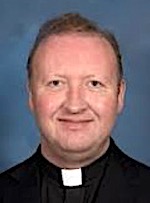
Fr. Michael Chua
8th Sunday of Year C
Homily Excerpt

What a treasure trove we have today –everyone’s favourite topic – Is it Christian to judge?✨ And I believe the congregation would be divided in giving an answer. I guess almost everyone agrees that being ‘judgmental’ is always necessarily a negative trait, but does that mean precluding all types of judgments? If it does, then would any discussion of morality in today’s context be considered judgmental? And since religion, including the Catholic faith, is pretty much about morality, would that mean that we are a judgmental lot?
It was the Protestant best-selling author and mega-Church pastor, Rick Warren, who beautifully summarizes the Catch 22 situation✨ we face, when talking about morality today,
“Our culture has accepted two huge lies. The first is that if you disagree with someone’s lifestyle, you must fear or hate them. The second is that to love someone means you agree with everything they believe or do. Both are nonsense. You don’t have to compromise conviction to be compassionate.”

Homily Excerpt
We often protest at how others are being judgmental. We hate being judged. But the truth is that, everyone expresses some form of judgmentalism. Accusing someone else of being judgmental merely exposes our own judgmentalism. Aren’t we judging the other when we accuse them of being judgmental? Of course, many of us are fond of excusing ourselves. It’s always “Rules for Thee, but not for me!” But the bigger question should be: “Can we judge without being judgmental?” And the answer is “we most certainly can and we should”.
Homily Excerpt
One of the most common accusations and attacks heaped by modern folks on Christians, especially Catholics, is that we are too judgmental. What makes this accusation most stinging is that we are rebuked with the assertion that “Jesus never judged anyone.” Is this a valid accusation? How should we respond to it? For many Catholics, the only way to deflect the accusation is to remain silent or adopt a relativistic approach to morality – “there is no right or wrong” or “there is no absolute truth,” or “it depends on how you look at it.”
But perhaps the most common argument to avoid being seen as judgmental is to cite our Lord on this issue. Didn’t our Lord Himself say: “judge not, that you be not judged?” (Matthew 7:1). Or perhaps His most famous warning on the hypocrisy of blind judgmentalism which we just heard in today’s gospel: “Why do you observe the splinter in your brother’s eye and never notice the plank in your own?” It is quite convenient to take this saying out of context but if we continue reading the rest of the text, we realise that our Lord is actually proposing to us a correct way of judging rather than forbidding all forms of judgment.



8th Sunday of Year C
Fr. John Kavanaugh, S.J.
8th Sunday of Year C

A topic of contention in moral theology today involves what has come to be known as the theory of the “fundamental option.” It becomes a debate. One viewpoint, considerably simplified here, maintains that there are a number of human actions so grave that they indicate the entire state of soul of a person in relationship to God. Sometimes this has been associated with the notion of mortal sin, an action weighty enough to determine a person’s eternal destiny.
The other side stresses the life-orientation of a person, a fundamental option, which is not necessarily summed up in any particular human act, even one that in itself might be considered grave. Thus, someone basically oriented to doing God’s will might break a solemn marriage vow; and yet this might not mean that the person has totally lost the state of grace. A particular moral act need not indicate that the sinner has wholly rejected the will of God.
This discussion guide has been generated by the WORD THIS WEEK’S Catholic AI Assistant based on Fr. Kavanaugh’s homily. NEED HELP? Copy and paste a question into the chat bot in the lower right corner of the screen and have our Catholic Assistant help you.
Introduction and Context
– Begin with understanding the topic of “fundamental option” in moral theology.
– Discuss the two main viewpoints:
– Certain human actions indicate the entire state of a person’s soul in relation to God, akin to the notion of mortal sin.
– The life-orientation of a person that isn’t solely summed up by any particular human act.
Discussion Questions
1. Understanding Different Perspectives
– What are the potential strengths and weaknesses of viewing morality through the lens of individual grave actions as opposed to a broader life-orientation?
– How does the concept of “mortal sin” influence both sides of the debate on fundamental option?
2. The Role of Judgment
– Reflect on Jesus’ warning against judging the human heart. Why might this distinction between judging actions and judging the heart be significant in our moral considerations?
– How can Scriptural imagery of trees and their fruit inform our understanding of personal actions and moral character?
3. Theological Critique
– Discuss the criticisms levied against Pope John Paul II’s views on the fundamental option as presented in Veritatis Splendor.
– Why might some theologians view the focus on freely committed acts as harsh or rigid?
4. The Paradox of Human Nature
– How does the dual existence of good and evil within each person impact the debate on moral theology?
– How does the story of St. Peter relate to human fallibility and redemption?
5. Moral Reflection and Self-Awareness
– Reflect on the imagery of the speck and plank in one’s eye. What does this teach us about self-awareness and humility in moral judgment?
– How might this passage challenge participants to reflect on their own actions and judgments?
6. Salvation and Hope
– Discuss the sermon’s conclusion that all might merit condemnation but also salvation. How does this viewpoint reconcile with the debate on the fundamental option?
– What role does repentance and the openness to salvation play in this theological discussion?
Activities
1. Group Reflection
– Encourage group members to share personal experiences where they struggled between judging actions and understanding intentions. How can these experiences inform one’s moral outlook?
2. Scriptural Analysis
– Have one or more group members read the Gospel passages referenced. Discuss how these passages might influence participants’ understanding of moral theology.
3. Personal Commitment
– Invite group members to reflect on one moral area or behavior they want to work on, considering the insights from the sermon. Encourage them to create a personal action plan for growth.
Conclusion
– Summarize the nuanced positions in the fundamental option debate and emphasize the importance of self-awareness and humility.
– Remind participants of the overarching message of love, forgiveness, and the warning against judgment as taught by Jesus.
Bishop Frank Schuster
8th Sunday of Year C
Homily Excerpt
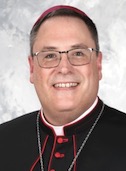
How do we discern who to follow? Jesus gives us very good advice. Stop focusing on words and start looking at the fruit. A good tree produces good fruit. A bad tree produces bad fruit. Very good advice. The ancients knew this very well. There is an ancient saying from Aristotle that St. Thomas Aquinas frequently employed from his doctrine of God to moral theology. That saying is, agere sequitur esse.✨ From Latin, it is literally translated as “action follows being”. You can tell what a tree is by its fruit. Our actions tell people who we are.

8th Sunday of Year C

Words Reveal the Heart
The words a person chooses to speak are a window through which to see and know their heart. According to statisticians, the average man speaks about 25,000 words a day, and the average woman 30,000. From the first “good morning” to the last “good night,” each engages in approximately 30 conversations a day. So given these figures, the average person spends about 15 years, or about one-fifth, of his or her life talking.
Armed with this statistical information, we could ask ourselves, what am I saying with these 25,000 or 30,000 words? What are my words saying about me? Jesus says each person speaks from their heart’s abundance: what am I disclosing when I speak? What is revealed of my heart’s abundance when I open my mouth? Do my words calm, soothe, heal and uplift, or do they wound and berate? Do my words encourage, enlarge and edify? Or do they dampen others hopes, belittle, and tear down?
Fr. Jagodensky, SDS
8th Sunday of Year C
Homily Excerpt

We say of someone, “How can he live with himself?” Meaning that something is missing in that person’s life. We can easily fool ourselves. Self-honesty is not a given in this life’s journey. I keep telling myself that I look like Brad Pitt but hopefully some truth and sincerity will one day win me over. That $10.00 the waiter undercharged you and you respectfully return to the restaurant. That fake compliment about her hair. Taking credit for a job you barely helped create. Our relationship with the Trinity. Perhaps our relationship with the last statement has an effect on all the previous statements. The words we use, the actions we perform. Elements in life we ignore and elements that we embrace. It all adds up to one of my favorite words: integrity. It has strength when it’s spoken and it has character when it filters throughout your life. “She’s a person of integrity.” What a compliment to pay someone or to believe about yourself.
Please note that the provided video clips serve as additional resources to complement the homily. They may not have a direct correlation with the contributor’s original content. They aim to inspire preachers to enrich their own homilies, drawing ideas and insights from both the written material and the visual content explored.