August 10, 2025
August 10, 2025


Intro to Mass Readings for Sunday
Intro to Mass Readings for Sunday
Catholic Infographics and Deep Dive at bottom of page

19th Sunday of Year C
Wisdom 18:6-9
Wisdom 18:6-9
POP-UP Video | NAB w/ Notes | LECTIONARY
Click graphic to view intro to reading
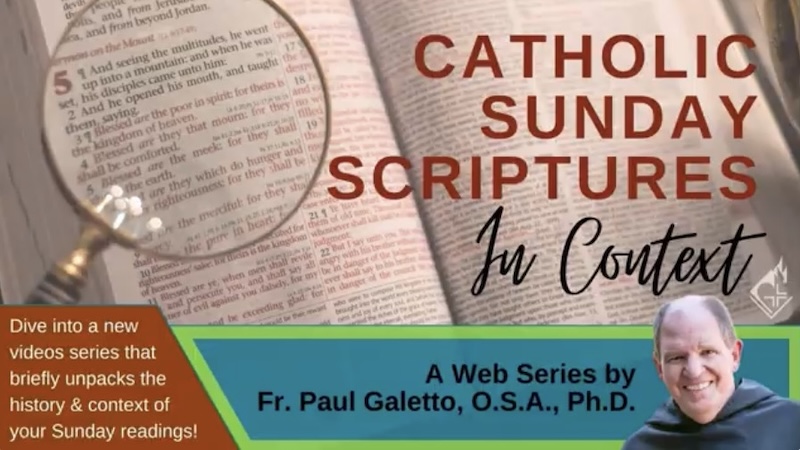
Fr. Paul explains that the core theme of the reading is God’s faithfulness to His people. The passage reminds the audience that God’s people were rewarded for their faith during the Passover, and that God stood by them then and continues to stand by them now.

Salvation in the Midst of Destruction
by Larry Broding
Larry Broding’s reflection on the First Reading from the Book of Wisdom offers a powerful and unique perspective on suffering and salvation, perfect for preparing a meaningful homily. This engaging commentary dives into the historical context of the text, written for Jewish boys in a Greek culture, to help them understand the superiority of their faith.
Broding highlights how the reading glorifies God’s power in a paradoxical way: by simultaneously destroying the Egyptians and freeing His own people. He connects this ancient event to our own lives, revealing the “paradox of living faith.”
Here is an excerpt from the reflection:
“The text reminds us that in life’s dark and painful moments, like suffering and death, there is the potential for joy, peace, and freedom.”
This resource encourages a deeper understanding of how to find hope in difficult times and reminds us to be thankful for God’s presence, so we can see the “greater picture” of His plan. It’s a great tool for crafting a message that speaks directly to the challenges and triumphs of a modern faith journey.
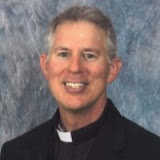
Fr. Tim Peters
FIRST READING


19th Sunday of Year C
TWTW Deep Dive (1st Reading)
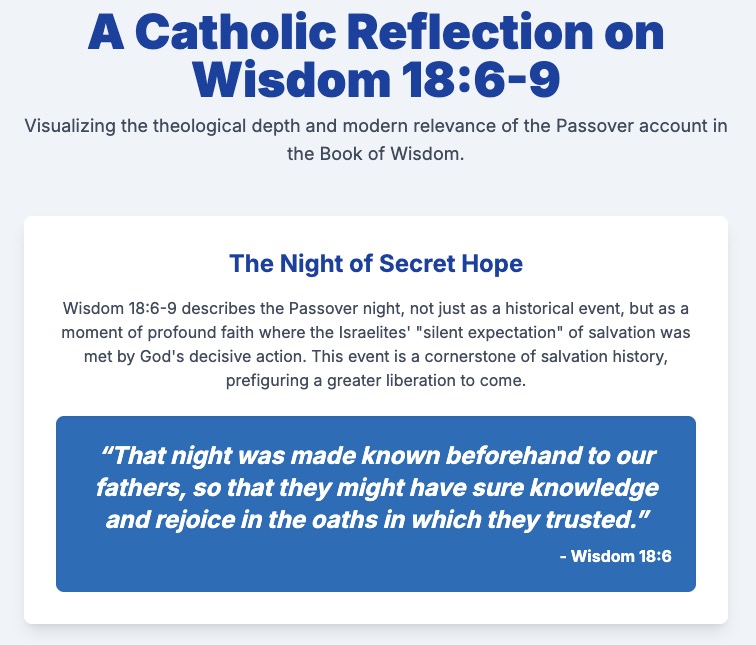
Wisdom 18:6-9 vividly recounts the night of the Passover, where God’s “holy people awaited the salvation” (Wisdom 18:7) while their enemies faced destruction. In Roman Catholic theology, this passage is deeply significant as a profound prefigurement of Christ’s Paschal Mystery.
The Book of Wisdom, a profound meditation on the divine order and God’s relationship with humanity, holds a special place within the Roman Catholic theological tradition. As part of the Deuterocanonical books, Wisdom is regarded as inspired Scripture, offering insights into God’s saving actions throughout history. Wisdom 18:6-9 provides a particularly evocative passage, describing the Israelites’ night of anxious waiting on the eve of the Passover in Egypt. The text recounts how the just people “anticipated the salvation of the righteous,” while their enemies were struck down. This ancient narrative, far from being a mere historical account, serves as a powerful theological lens through which Catholics can examine divine promise, justice, and the ongoing call to a life of expectant faith.
Within a Roman Catholic theological context, this passage is inextricably linked to the broader drama of salvation history, finding its ultimate fulfillment in the Paschal Mystery of Christ. The vigil described in the verses—a communal act of waiting in darkness for divine deliverance—is a powerful foreshadowing of the Easter Vigil, the most solemn night of the liturgical year. Just as the Israelites awaited their freedom from slavery, Catholics today stand vigil, anticipating Christ’s victory over sin and death. This is not a passive waiting but an active, hopeful one, rooted in the certainty of God’s covenantal promises. The dual outcome of the passage—salvation for the faithful and judgment for the wicked—is understood not as a call for human vengeance, but as a testament to God’s ultimate justice and the radical importance of choosing a life in conformity with His will.

For contemporary Catholics, the spiritual lessons of this passage remain profoundly relevant. The Israelites’ vigil provides a powerful model for navigating a world that can often feel hostile or uncertain. The “plagues” of our time—secularism, moral relativism, and personal suffering—can cast a shadow over faith. Yet, Wisdom 18:6-9 calls us to a hopeful anticipation, to be a people who, like the Israelites, maintain a shared confidence in God’s promises even in the darkest night. This manifests in active participation in the communal life of the Church, particularly through prayer and the sacraments, which serve as modern-day signs of God’s saving power. A Catholic in a challenging workplace, for instance, can draw strength from this passage, trusting that their righteous witness is part of a larger divine plan, even if the results are not immediately apparent. The passage reminds us that God’s justice and mercy are at work, and we are called to be a vigilant, hopeful community, always awaiting the dawn of His salvation.


THE WORD THIS WEEK’S Catholic Infographics were created using an AI generative tools (i.e. Chart.js and Tailwind CSS. Content may be copied for personal use or for use in any non-profit ministry. Materials may not be sold or used for personal financial gain.
Catholic Infographics and Deep Dive at bottom of page

19th Sunday of Year C
Hebrews 11:1-2, 8-19
Hebrews 11:1-2, 8-19
POP-UP Video | NAB w/ Notes | LECTIONARY
Click graphic to view intro to reading

The reading highlights the letter’s famous definition of faith as “the realization of what is hoped for and evidence of things not seen.” It then presents Abraham as the best example of this faith through three key moments in his life: obeying the call to a new land without knowing where he was going, believing he would have a child in his old age, and his willingness to sacrifice his son, Isaac, which the commentator calls the “archetype of the sacrifice of Jesus.”
Clipart by Fr. Richard Lonsdale
Two Aspects of Faith
by Larry Broding
Larry Broding’s reflection on the Second Reading, “Two Aspects of Faith,” is an invaluable resource for preachers preparing their homilies. This insightful commentary dives into the author of Hebrews’ definition of faith and brings it to life through the stories of the patriarchs.
Broding explains that faith is not just a single belief, but a powerful combination of two key aspects: conviction and hope. Conviction is the belief that God is at work in unseen ways right now, while hope is the assurance that He will fulfill His promises in the future. He masterfully uses the lives of Abraham and the patriarchs to illustrate this, showing how their obedience was a form of conviction and their yearning for a “heavenly homeland” was hope for the future.
Here is a powerful excerpt from the reflection:
“The author of Hebrews defines faith as a conviction that God is working in unseen ways, and a hope that God will fulfill his promises.”
This resource is a perfect tool for crafting a homily that helps your congregation move beyond a simple understanding of faith and see it as a dynamic, two-part force that anchors us in God’s present and future promises.
Fr. Tim Peters
SECOND READING

Fr. Peters teaches at Saint John’s Seminary in Camarillo, CA.

19th Sunday of Year C

TWTW Deep Dive (2nd Reading)
Hebrews 11, often called the “Hall of Faith,” opens with a profound definition: “Now faith is the assurance of things hoped for, the conviction of things not seen” (Hebrews 11:1). This foundational statement introduces a chapter rich with examples of those who lived by profound trust in God.

Following this, the text highlights Abraham, who “obeyed when he was called to go out to a place that he was to receive as an inheritance; and he went out, not knowing where he was to go” (Hebrews 11:8). His journey, marked by promise, patience, and profound sacrifice, serves as a quintessential model of biblical faith, extending through his wife Sarah and their descendants, all of whom “died in faith, not having received what was promised, but having seen it and greeted it from afar” (Hebrews 11:13).

In Roman Catholic theology, faith, as described in Hebrews 11:1, is understood as a supernatural gift and a theological virtue, infused by God’s grace. It is not merely a belief in God’s existence, but a firm assent of the intellect and will to all that God has revealed, because of the authority of God who reveals it. The “assurance of things hoped for” speaks to the virtue of supernatural hope, which looks forward to eternal life and the promises of God, even when their fulfillment is not yet visible. The “conviction of things not seen” refers to our acceptance of divine truths that transcend human reason, such as the Trinity or the Real Presence in the Eucharist, relying entirely on God’s trustworthiness. Abraham’s example (Hebrews 11:8-19) is central to this understanding. His willingness to leave his homeland, his unwavering trust in God’s promise of descendants despite Sarah’s barrenness, and supremely, his readiness to sacrifice Isaac (Hebrews 11:17-19), demonstrate an active, obedient faith that trusts God’s fidelity even when His commands seem incomprehensible. Abraham “looked forward to the city that has foundations, whose designer and builder is God” (Hebrews 11:10), embodying the Catholic understanding of our ultimate pilgrimage towards the heavenly Jerusalem.
For contemporary Catholics, the lessons from Hebrews 11 are profoundly applicable. Living in a world that often demands immediate gratification and tangible proof, the call to “faith is the assurance of things hoped for, the conviction of things not seen” (Hebrews 11:1) challenges us to cultivate spiritual vision. This means trusting God’s providence amidst financial uncertainty, like a family facing job loss who still believes God will provide, or a young person discerning a religious vocation without a clear path ahead. Abraham’s journey inspires us to step out of our comfort zones in obedience to God’s call, whether it’s embracing a difficult marriage, committing to a life of service, or speaking truth in a hostile environment, trusting that God will guide our steps. We are called to endure trials with perseverance, much like those who “died in faith” (Hebrews 11:13), holding onto the promise of eternal life even when faced with suffering, illness, or the death of loved ones.
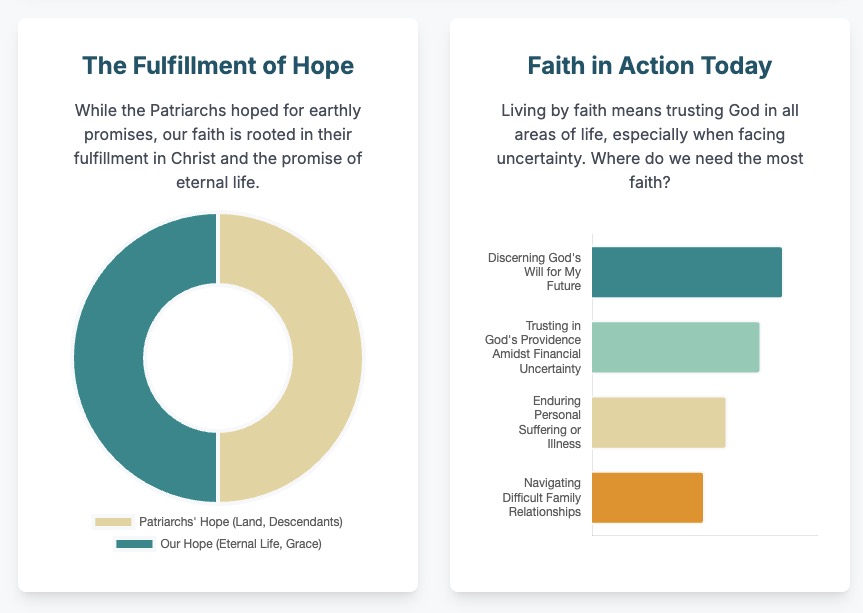
Ultimately, Hebrews 11:1-2, 8-19 serves as a powerful reminder for Catholics to live with an eschatological perspective, prioritizing our eternal destiny over fleeting earthly gains. It encourages us to join the “cloud of witnesses” (Hebrews 12:1), drawing strength from the saints who have gone before us, and to cultivate a deep, abiding trust in God’s promises, knowing that He is faithful even when we cannot see the full picture. Our journey of faith, like Abraham’s, is a pilgrimage of trust towards the ultimate “city that has foundations” (Hebrews 11:10), our true home with God.
THE WORD THIS WEEK’S Catholic Infographics were created using an AI generative tools (i.e. Chart.js and Tailwind CSS. Content may be copied for personal use or for use in any non-profit ministry. Materials may not be sold or used for personal financial gain.
Catholic Infographics and Deep Dive at bottom of page

19th Sunday of Year C
Luke 12:32-48
Luke 12:32-48
POP-UP Video | NAB w/ Notes | LECTIONARY
Click graphic to view intro to reading

Fr. Paul notes that this passage, written at a time when Christians were expecting Christ’s imminent return, addresses the idea of a delay. The commentary highlights several key themes: Jesus’ loving concern for his “little flock,” the importance of focusing on “an inexhaustible treasure in heaven” rather than earthly wealth, and the model of Jesus as a servant leader.
Clipart by Fr. Richard Lonsdale
Get Ready!
by Larry Broding
Larry Broding’s reflection on the Gospel provides a thought-provoking and timely approach to the theme of the End Times, perfect for crafting a compelling homily. Rather than relegating this topic to the Advent season, Broding skillfully uses the natural anticipation of seasonal change—like the coming of fall—to ground the concept of Christ’s return in our everyday lives.
He invites preachers to consider how the belief in the Second Coming should actively shape our present actions and our outlook on the future. The reflection then draws a powerful connection between this ultimate hope and our weekly celebration of the Eucharist, revealing how we “taste” Christ’s return every time we receive Communion.
Here is an excerpt from the reflection:
“In the Eucharist, we have a ‘partially realized eschatology.'”
This resource is an excellent guide for helping your congregation connect their longing for Jesus’ final return with the tangible reality of His presence in the Eucharist, making the anticipation of the End Times a source of hope and active preparation rather than fear.
Fr. Tim Peters
GOSPEL


19th Sunday of Year C

TWTW Deep Dive (Gospel)
The Gospel of Luke (Luke 12:32-48) calls Catholics to radical readiness for Christ’s return and final judgment. Jesus reassures His “little flock” (Luke 12:32) but immediately follows with a challenging directive: “Sell your possessions and give alms” (Luke 12:33), urging us to store “treasure that will not fail… in heaven” (Luke 12:33). This passage underscores core Catholic teachings on eschatology, stewardship, and vigilance.
For Catholics, this readiness is not merely passive waiting but an active anticipation of Christ’s return, expressed through faithful living and diligent use of God-given gifts. The Catechism of the Catholic Church highlights stewardship as a fundamental aspect of Christian life, recognizing all possessions and talents as gifts to be used for God’s glory and the good of others.
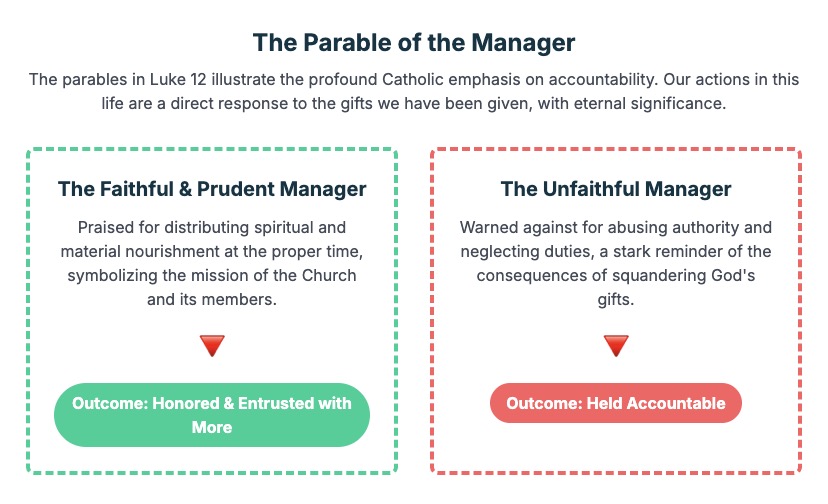
The parables of the watchful servants and the faithful and unfaithful managers (Luke 12:36-48) further illustrate the Catholic emphasis on accountability. The “faithful and prudent manager” (Luke 12:42) is praised for distributing food at the proper time, symbolizing the Church’s mission to dispense spiritual nourishment and material aid. The warning against the unfaithful servant, who abuses his authority and neglects his duties, serves as a stark reminder of the consequences of neglecting one’s responsibilities, especially for those entrusted with leadership. This aligns with Catholic teaching on the particular judgment, where each soul will account for their life’s actions.
For contemporary Catholics, Luke 12:32-48 offers practical guidance. It challenges us to detach from material wealth (“Sell your possessions and give to the poor,” Luke 12:33) and invest in eternal treasures. This can manifest in prioritizing charitable giving, volunteering time in service to the marginalized, or advocating for social justice. It also calls for vigilance in maintaining one’s spiritual life through prayer and the Sacraments, ensuring one is always prepared for Christ’s coming, whether at the end of time or in daily encounters. The message is clear: true faith is active, prudent, and always ready to serve.

THE WORD THIS WEEK’S Catholic Infographics were created using an AI generative tools (i.e. Chart.js and Tailwind CSS. Content may be copied for personal use or for use in any non-profit ministry. Materials may not be sold or used for personal financial gain.


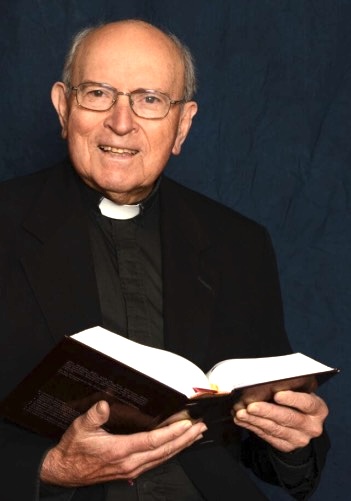
Fr. Conley Bertrand
19th Sunday of Year C
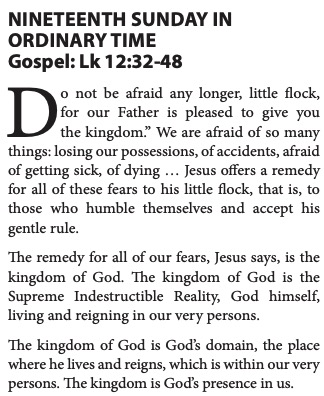
Cycle C (PDFs)
📖 Old Testament (43 pp.)
📖 Epistles (87 pp.)
📖 Gospels (182 pp.)
📖 Daily Gospels (208 pp.)
SOURCE: Come, Lord Jesus
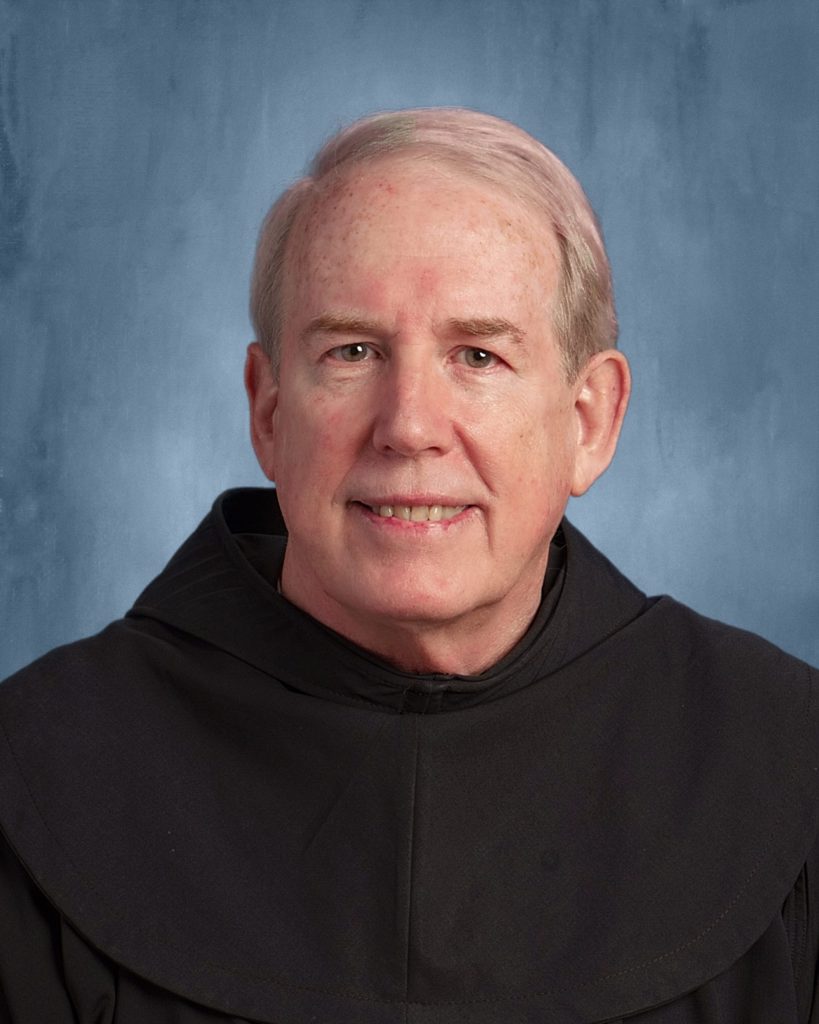
Fr. George Corrigan, OFM
19th Sunday of Year C

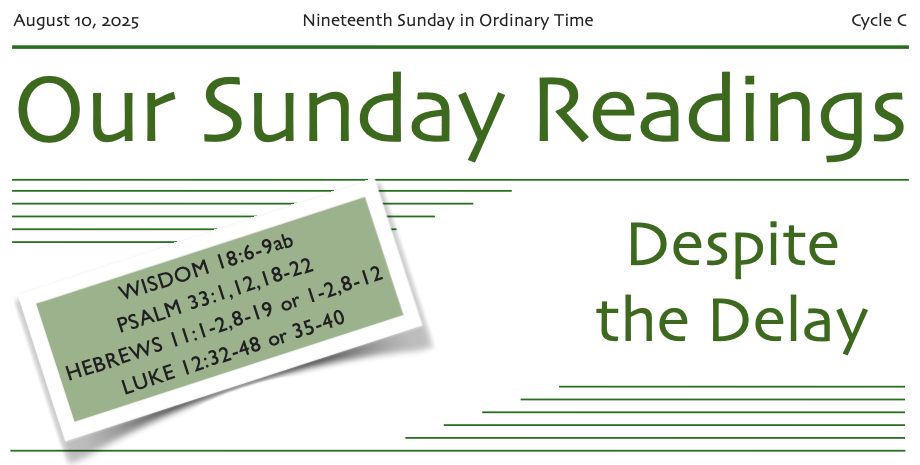
Fr. Thibodeau
Bible Study Notes
Small Group Discussion Guide


Bp. John P. Dolan
Fr. Tobin
Carmelite Reflections and Prayers
Lectio Divina
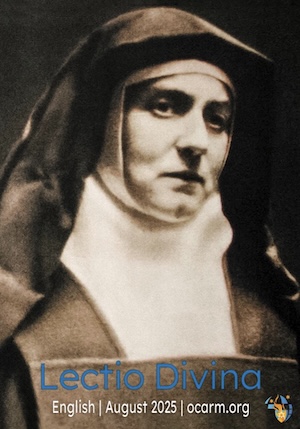
90-page PDF with reflections and prayers for each day of the month
Lectio Divina AUGUST 2025 (PDF)
Lectio Divina AUGUST 2025 [Mobi]
Lectio Divina AUGUST 2025 [ePub]
______________
“Lectio divina is an authentic source of Christian spirituality recommended by our Rule. We therefore practise it every day, so that we may develop a deep and genuine love for it, and so that we may grow in the surpassing knowledge of Christ. In this way we shall put into practice the Apostle Paul’s commandment, which is mentioned in our Rule: “The sword of the Spirit, too, which is the word of God, is to dwell abundantly in your mouth and in your hearts; and whatever things you have to do, let them be done in the word of the Lord.” (Carmelite Constitutions (2019), n. 85.)
Source: Carmelites
FIRST READING | SECOND READING | GOSPEL