December 3, 2023 – YEAR B
HOMILIESTOPICSCONNECTIONSPAPAL HOMILIES

Theology of the Body
Life Recovery Notes
Vocations

Catholic CultureJohn Paul IIMoral TheologyStewardshipTheology of
the Body

Catholic Culture

YouTube player

Journey through Advent – First Sunday of Advent 2023

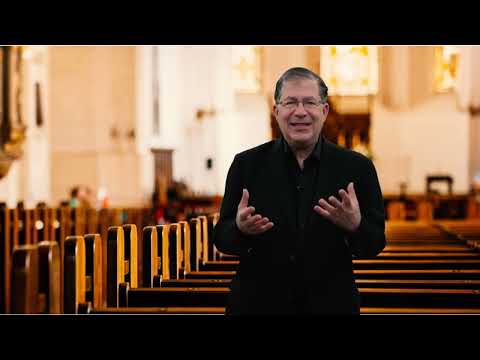
The Canadian Conference of Catholic Bishops presents Journey through Advent with the Most Rev. Bishop Jon Hansen, CSsR, Bishop of Mackenzie-Fort Smith. Join us as we reflect on the Scriptures for the Sundays of Advent 2023. A joint initiative of the National Liturgy Office, the Office national de liturgie and the Office for Evangelization and Catechesis.

SOURCE: CCCB_CECC

GOSPEL COMMENTARY

Verse 33: "Be watchful! Be alert! You do not know when the time will come."

This verse encompasses the essence of the season of Advent. Advent is a time of anticipation and preparation for the coming of Jesus Christ, both in His birth at Christmas and His second coming. It calls us to be watchful and alert, awakening our hearts to the mystery of the Incarnation and reminding us that we do not know the exact time when Christ will come.

Verse 34: "It is like a man traveling abroad. He leaves home and places his servants in charge, each with his own work, and orders the gatekeeper to be on the watch."

This verse can be related to Advent by highlighting the responsibility given to each member of the Church. Just as the man traveling abroad entrusts his servants with specific tasks, God has entrusted us, as members of His Church, with unique roles and responsibilities. During Advent, we reflect on the individual callings and contributions we can bring to the mission of the Church.

Verse 35: "Watch, therefore; you do not know when the lord of the house is coming, whether in the evening, or at midnight, or at cockcrow, or in the morning."

In Advent, this verse calls us to heightened awareness and anticipation of Christ's coming. It mirrors the longing and expectation for the Messiah in the Old Testament and highlights the different times of day when the Lord may arrive. In the same way, Advent invites us to vigilant awaiting, not only for Christ's first coming in Bethlehem but also in our daily lives and the final coming of Christ at the end of time.

Verse 36: "May he not come suddenly and find you sleeping."

This verse serves as a reminder to be spiritually awake and active during the Advent season. Advent invites us to examine our lives and ensure that we are not spiritually "asleep" or complacent. In this season of preparation, we are called to repentance and renewal, so that we may be fully receptive to the transformative power of Christ's birth.

Verse 37: "What I say to you, I say to all: 'Watch!'"

In the context of Advent, this verse reinforces the universal call to all believers to actively engage in the season's themes of hope, joy, peace, and love. The call to "watch" applies to everyone, regardless of age or background, as we collectively anticipate and prepare for the coming of Christ. Advent is a time for the whole Church to unite in watchfulness and await the fulfillment of God's promises.

DISCLAIMER: To avoid falling into the trap of eisegesis, it is recommended to employ exegesis beforehand. Exegesis involves studying the context, language, historical background, and cultural setting of the text to derive accurate meaning. Seeking guidance from scholars or experts in the field can also provide valuable insights and prevent subjective interpretation.

John Paul II

Ecclesia de Eucharistia

The Eucharist anticipates the final coming of the Lord, for as St. Paul taught, we celebrate the Eucharist “until you [Lord] come in glory” (1 Cor. 11:26). This is the eschatological dimension of the Eucharist—a “straining towards the goal, a foretaste of the fullness of joy promised by Christ (cf. Jn. 15:11)” (18). As with the Holy Spirit, in the Eucharist we receive a share of the life of heaven and are already, in a veiled way, united with Mary and the saints gathered around God’s throne in worship: “The Eucharist is truly a glimpse of heaven appearing on earth” (19).

However, this in no way causes Catholics to lessen our sense of responsibility for the world today, but rather increases it. In a world with so little hope and where so many of the poor are oppressed, the Eucharist is a source of hope. “For this reason too, the Lord wished to remain with us in the Eucharist” (20.2).

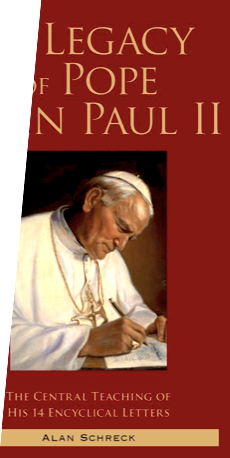
SOURCE: Schreck, Alan. The Legacy of Pope John Paul II: The Central Teaching of His 14 Encyclical Letters (p. 234). Emmaus Road Publishing.

SHOW/HIDE COMMENTARY

Verse 33: "Be watchful! Be alert! You do not know when the time will come."

In the encyclical Ecclesia de Eucharistia, John Paul II highlights the importance of being watchful and alert in anticipation of Christ's coming, both in the Eucharist and at His final return. This verse calls us to spiritual attentiveness and readiness, recognizing that we do not know when the appointed time will come for us to encounter Christ in the Eucharist or to meet Him in His glorious return.

Verse 34: "It is like a man traveling abroad. He leaves home and places his servants in charge, each with his own work, and orders the gatekeeper to be on the watch."

This verse echoes the themes of Ecclesia de Eucharistia as it emphasizes the role of the Church in safeguarding and enriching the Eucharistic celebration. Just as the man traveling abroad entrusts his servants with specific duties, Christ entrusts the Church with the responsibility of preserving and proclaiming the sacrament of the Eucharist. The gatekeeper symbolizes the watchfulness and vigilance needed to protect and guide the faithful in their encounter with the Eucharistic Lord.

Verse 35: "Watch, therefore; you do not know when the lord of the house is coming, whether in the evening, or at midnight, or at cockcrow, or in the morning."

This verse links directly to John Paul II's encyclical as it underscores the need for constant vigilance and preparedness for the coming of the Lord. As we approach the Eucharist, we should be fully awake and aware, oriented toward encountering the Lord in every moment of the Eucharistic liturgy. The Variations of time mentioned represent the unknown hour of Christ's coming, urging us to always be ready for His presence.

Verse 36: "May he not come suddenly and find you sleeping."

In Ecclesia de Eucharistia, John Paul II warns against the danger of approaching the Eucharist with indifference or spiritual lethargy. This verse echoes that sentiment, urging us to remain spiritually awake and alive in our encounter with Christ. Our hearts should be open and receptive, avoiding a state of spiritual "sleep" that would hinder our readiness to receive Him in the Eucharist or at His final coming.

Verse 37: "What I say to you, I say to all: 'Watch!'"

In this final verse, Jesus extends His directive to all believers, emphasizing the universal call to watchfulness and encountering Him in the Eucharist. John Paul II's encyclical similarly addresses the entire Church, inviting all faithful to engage with the Eucharist with deep reverence and devotion. The call to watch applies to each and every member of the Church, highlighting the Eucharist's significance as the focal point of our faith and our anticipation of Christ's return.

DISCLAIMER: To avoid falling into the trap of eisegesis, it is recommended to employ exegesis beforehand. Exegesis involves studying the context, language, historical background, and cultural setting of the text to derive accurate meaning. Seeking guidance from scholars or experts in the field can also provide valuable insights and prevent subjective interpretation.

Moral Theology

Happy new year. It is interesting to think about why the readings start with a warning to be alert. In our culture, we associate the new year with new starts, with beginnings, with things we are resolved to do. Instead, the “start” here is one of remaining in the household and waiting – but alertly – for the return of the master. Readers likely know that the readings of the early Sundays of Advent connect us to the second coming of Christ; before we hear about John the Baptist and march to the manger, we are given readings that speak of the final coming of the king.

SOURCE: CatholicMoralTheology.com

SHOW/HIDE COMMENTARY

Verse 33: "Be watchful! Be alert! You do not know when the time will come."

St. Thomas Aquinas would interpret this verse in light of the principle of prudence, which is a virtue of moral theology. Being watchful and alert refers to the importance of cultivating prudence in our lives. Prudence enables us to discern the most appropriate actions to take in any given situation, as we cannot anticipate when the time for decision-making or moral action will arise.

Verse 34: "It is like a man traveling abroad. He leaves home and places his servants in charge, each with his own work, and orders the gatekeeper to be on the watch."

Building upon the principle of prudence, St. Thomas Aquinas would relate this verse to the concept of justice as a moral virtue. The man traveling abroad represents God, who entrusts His servants with different tasks and responsibilities. Justice requires that each individual fulfills their assigned duty with integrity and righteousness, understanding their role and remaining watchful, just as the gatekeeper watches over the household.

Verse 35: "Watch, therefore; you do not know when the lord of the house is coming, whether in the evening, or at midnight, or at cockcrow, or in the morning."

St. Thomas Aquinas would connect this verse to the virtue of temperance, another essential moral virtue. Watching and waiting for the lord of the house symbolizes our need for self-control and moderation in our actions and desires. Temperance helps us avoid excesses or inappropriate behaviors, as we do not know when we will be held accountable by the master of the house, representing God's judgment.

Verse 36: "May he not come suddenly and find you sleeping."

St. Thomas Aquinas would address this verse in relation to the principle of fortitude, which is the moral virtue that strengthens us in facing and overcoming difficulties. Sleeping here is symbolic of laziness or spiritual sloth, which hinders our moral progress and readiness to meet God's call. Fortitude empowers us to remain vigilant, steadfast, and active in our pursuit of virtue, ensuring that we are prepared when the Lord comes.

Verse 37: "What I say to you, I say to all: 'Watch!'"

In this final verse, St. Thomas Aquinas would emphasize the universal call to moral living for all individuals. The command to "watch" relates to the overarching virtue of moral theology, which is charity or love. Love motivates us to live virtuously and follow God's commandments, cultivating a deep awareness of the moral implications of our actions. It is through charity that we remain watchful, seeking to align our lives with God's will and fulfill our moral obligations.

DISCLAIMER: To avoid falling into the trap of eisegesis, it is recommended to employ exegesis beforehand. Exegesis involves studying the context, language, historical background, and cultural setting of the text to derive accurate meaning. Seeking guidance from scholars or experts in the field can also provide valuable insights and prevent subjective interpretation.

Stewardship

SOURCE: CatholicSteward.com

SHOW/HIDE COMMENTARY

Verse 33: "Be watchful! Be alert! You do not know when the time will come."

This verse reminds us of the principle of stewardship of time. As Catholics, we are called to be good stewards of the time that has been entrusted to us by God. We must be watchful and alert, using our time wisely and intentionally, as we do not know when the time to give an account of our lives will come.

Verse 34: "It is like a man traveling abroad. He leaves home and places his servants in charge, each with his own work, and orders the gatekeeper to be on the watch."

In this verse, the image of a man leaving his house and assigning tasks to his servants highlights the principle of stewardship of talent. Just as the man entrusts his servants with specific tasks, God has entrusted each of us with unique talents and abilities. As good stewards, it is our responsibility to recognize and develop these talents, using them to serve God and others.

Verse 35: "Watch, therefore; you do not know when the lord of the house is coming, whether in the evening, or at midnight, or at cockcrow, or in the morning."

This verse brings to our attention the principle of stewardship of treasure. While it alludes specifically to the coming of the Lord, it also reminds us that we do not know when unexpected events or opportunities will arise that require us to steward our material possessions. We must be prepared to use our financial resources in ways that align with God's will and the building of His kingdom.

Verse 36: "May he not come suddenly and find you sleeping."

Here, the concept of stewardship of time is reiterated. As good stewards of the time we have been given, we must not be lazy or idle, but actively engaged in fulfilling our duties and responsibilities. We should not be caught off guard, but rather ready and vigilant in our stewardship of time.

Verse 37: "What I say to you, I say to all: 'Watch!'"

In this final verse, Jesus emphasizes the universal call to stewardship for all believers. Whether it is our time, talent, or treasure, we are all called to be attentive and responsible stewards. Just as Jesus calls all of us to "watch," He invites us to be active participants in the responsible management of the gifts and resources He has entrusted to us.

DISCLAIMER: To avoid falling into the trap of eisegesis, it is recommended to employ exegesis beforehand. Exegesis involves studying the context, language, historical background, and cultural setting of the text to derive accurate meaning. Seeking guidance from scholars or experts in the field can also provide valuable insights and prevent subjective interpretation.

Theology of the Body

Watching, Waiting, Desiring

MK 13:33-37 – What keeps us alert and watchful? Desire. The final words of the Bible express the summation of human longing: “The Spirit and the bride say come!” Great saints such as Augustine, Gregory, and Bernard all tell us that Christ keeps his bride waiting to increase and stretch her desire. Desire is the faculty that not only pines after the divine gift but also receives it when it is given, so the wider our desire, the more we are capable of receiving. Christ wants us to be as wide open to his gift as possible, stretched in our desire unto infinity, because that’s what he has to offer us: the wild ecstasy of infinite bliss in union with him. Come, Lord Jesus, come!

SOURCE: West, Christopher. Word Made Flesh: A Companion to the Sunday Readings (Cycle B) . Ave Maria Press. Kindle Edition.

SHOW/HIDE COMMENTARY

Verse 33: "Be watchful! Be alert! You do not know when the time will come."

Christopher West's interpretation of John Paul II's Theology of the Body emphasizes the need for vigilance in our pursuit of understanding the meaning of human existence and our own personal call to holiness. This verse reminds us to be watchful and alert, as we never know when we will be faced with opportunities to learn and grow in our understanding of our bodies and sexuality.

Verse 34: "It is like a man traveling abroad. He leaves home and places his servants in charge, each with his own work, and orders the gatekeeper to be on the watch."

Here, Jesus uses the analogy of a man traveling abroad to highlight the importance of assigning responsibilities and remaining vigilant. Similarly, in John Paul II's Theology of the Body, he emphasizes the importance of properly stewarding our bodies and pursuing our vocations with purpose and intentionality.

Verse 35: "Watch, therefore; you do not know when the lord of the house is coming, whether in the evening, or at midnight, or at cockcrow, or in the morning."

This verse tells us to watch attentively for the coming of the lord of the house. Likewise, in John Paul II's Theology of the Body, he encourages us to continually seek the presence of God in our lives and be open to His will, recognizing that we do not know when or how He will reveal Himself to us.

Verse 36: "May he not come suddenly and find you sleeping."

This verse cautions against spiritual lethargy and apathy. In John Paul II's Theology of the Body, he emphasizes the need for active engagement with our faith and a firm commitment to living out God's plan for our lives. We should be prepared and awake, ready to receive the gifts and graces that God wants to bestow upon us.

Verse 37: "What I say to you, I say to all: 'Watch!'"

In this final verse, Jesus emphasizes the universality of His message, inviting all to be watchful and attentive to the voice of God speaking in their lives. Similarly, John Paul II's Theology of the Body is addressed to all, with its teachings offering profound insights into the meaning and purpose of human sexuality for all people. Both Jesus and John Paul II urge us to remain vigilant and open to the truth about our bodies and our eternal destiny.

DISCLAIMER: To avoid falling into the trap of eisegesis, it is recommended to employ exegesis beforehand. Exegesis involves studying the context, language, historical background, and cultural setting of the text to derive accurate meaning. Seeking guidance from scholars or experts in the field can also provide valuable insights and prevent subjective interpretation.

Climate & EnvironmentConflict & PeaceCurrent EventsJusticePro-life

Climate & Environment

The Hand of God in All Creation

Indeed, God is certainly present in the universe formed as though clay in the hands of an artist. We may find it somewhat less challenging to recognize God’s presence in the saints, particularly in Mary whose Immaculate Conception is celebrated this week. And the season of Advent provides the opportunity to discover and acknowledge the hand of God in all creation: in each of us and also in nature itself.

As Pope Francis reminds us in Laudato Si’: “The human person grows more, matures more and is sanctified more to the extent that he or she ethers into relationships, going out from themselves to live in communion with God, with others and with all creatures.” (240)

These weeks ahead are a time to develop new habits in appreciation of the gift which is cause for great joy and celebration. We have time to understand ourselves more fully as coworkers with God in making this planet a better place for all to live. That involves a deep conversion which encompasses dying to the habit of overconsumption and waste, while opening ourselves to a different lifestyle – one that recognizes God’s presence and respects that presence in all people, and also cares for our common home.

READ MORE

SOURCE: Catholic Climate Covenant

SHOW/HIDE COMMENTARY

Verse 33: "Be watchful! Be alert! You do not know when the time will come."

In the context of climate and environmental advocacy, this verse invites believers to be watchful and alert to the signs of our times. Pope Francis reminds us in Laudato Si' that we are living in a critical moment where the Earth is calling for our attention and care. It urges us to be vigilant and attentive to the urgency of addressing the ecological crisis, recognizing that the time for action is now, as we do not know when irreparable damage may occur.

Verse 34: "It is like a man traveling abroad. He leaves home and places his servants in charge, each with his own work, and orders the gatekeeper to be on the watch."

This verse draws a parallel with the responsibility entrusted to humanity as stewards of God's creation. Pope Francis emphasizes in Laudato Si' that we are entrusted with the task of caring for our common home, ensuring its sustainability and promoting the well-being of all living creatures. Just as the servants have their own tasks, each of us has a role to play in environmental advocacy, whether it be through sustainable lifestyle choices, advocating for policy changes, or supporting conservation efforts. This verse calls us to fulfill our roles faithfully and collectively, recognizing the interconnectedness of our responsibilities.

Verse 35: "Watch, therefore; you do not know when the lord of the house is coming, whether in the evening, or at midnight, or at cockcrow, or in the morning."

In the context of climate and environmental advocacy, this verse reminds us of the unpredictability of the environmental changes we face. Pope Francis states in Laudato Si' , "Often economic interests prove more powerful than the common good" (LS, 54). We cannot predict the exact timing or intensity of environmental crises, but we must remain vigilant and prepared to respond. Our collaborative efforts in raising awareness, advocating for sustainable policies, and promoting ecological conversion must persist, regardless of the immediate results, because the well-being of our planet and future generations is at stake.

Verse 36: "May he not come suddenly and find you sleeping."

This verse serves as a wake-up call, reminding us of the danger of inaction and indifference in the face of environmental challenges. Pope Francis, in Laudato Si' , decries the "throwaway culture" and urges us to overcome the temptation to remain ignorant or passive in the face of ecological degradation. We must not be negligent or apathetic, but rather be actively engaged in environmental advocacy, working to protect and restore our planet for the flourishing of all life.

Verse 37: "What I say to you, I say to all: 'Watch!'"

In the final verse, Jesus extends His message to all people, encapsulating the universal call for environmental stewardship and care. This call to watch is an invitation for individuals, communities, and societies to heed the urgent cries of the Earth and adopt sustainable practices. Pope Francis affirms this inclusive call in Laudato Si' , urging a dialogue that engages everyone, from grassroots movements to political and business leaders. He emphasizes that caring for the environment is a shared responsibility, and we must work together to address the climate crisis and protect our common home.

DISCLAIMER: To avoid falling into the trap of eisegesis, it is recommended to employ exegesis beforehand. Exegesis involves studying the context, language, historical background, and cultural setting of the text to derive accurate meaning. Seeking guidance from scholars or experts in the field can also provide valuable insights and prevent subjective interpretation.

Conflict & Peace

When Unspoken Threats Loom Before Us

Today’s text can read like something from a piece of fiction: the Hunger Games, or Star Wars, or some other fantastical drama. The images — darkness; lightless suns; lightless moons; stars falling from heaven; visions in the clouds; angels coming to gather the chosen — conjure up distressing images of unpredictability, as well as the unspoken threat of the fate of those who are not the chosen. 

Interestingly, the word for elect or chosen in Greek is eklektos a word meaning “selected” or “chosen” or “possessing excellence” but a word which has influenced modern English’s word “eclectic”. It demonstrates to us, even in the history of language, how what is seen as superior or favoured in one era can be seen as marginal or even peculiar in the next. 

This detour into etymology is appropriate in the consideration of dystopia. While the melodrama of the first Sunday of Advent’s gospel text seems distant, it isn’t. In the air as we prepare for this most luscious of church seasons are threats of war, immature leaders throwing their bruised egos around, rising awareness of the impact of plastic on seas, a refugee crisis that is causing widespread displacement, policies on asylum being written by people whose forebears sought asylum, and inflated bluster that is threatens even peaceful countries. And this is only what is making the headlines: there are countless wars and skirmishes, bombs and bewilderments that are everyday for many but make the headlines for none. 

READ MORE

SOURCE: Spirituality of Conflict Readings

SHOW/HIDE COMMENTARY

Verse 33: "Be watchful! Be alert! You do not know when the time will come."

In this verse, Jesus is urging his disciples to be vigilant and attentive. Similarly, in our conflict-ridden and dystopian world, it is crucial to remain watchful and aware of the various challenges we face. We cannot predict when peace will be achieved, so we must be prepared and actively seeking it.

Verse 34: "It is like a man traveling abroad. He leaves home and places his servants in charge, each with his own work, and orders the gatekeeper to be on the watch."

Here, Jesus uses the analogy of a master leaving his servants in charge. Just as the servants have their responsibilities, we too have our roles to play in building a peaceful society. Each of us has a unique contribution to make, and we must fulfill our duties with diligence. The gatekeeper mentioned represents the watchful presence that we need to maintain, constantly discerning the signs and opportunities for peace.

Verse 35: "Watch, therefore; you do not know when the lord of the house is coming, whether in the evening, or at midnight, or at cockcrow, or in the morning."

Jesus emphasizes the uncertainty of when the "lord of the house" or peace will arrive. Similarly, in our present world, we cannot predict when conflicts will be resolved and peace will reign. We must maintain our watchfulness, regardless of the time of day, as peace can unexpectedly emerge in the darkest moments.

Verse 36: "May he not come suddenly and find you sleeping."

This verse serves as a warning against complacency and apathy. Jesus urges us to remain awake and active in our pursuit of peace. In the face of conflict and dystopia, it is easy to become disheartened and withdraw from the fight for peace. However, this verse reminds us not to be caught off guard, but rather to stay engaged and proactive in our longing for a harmonious world.

Verse 37: "What I say to you, I say to all: 'Watch!'"

Jesus concludes his teachings by emphasizing the importance of vigilance and watchfulness for all people. These words resonate deeply in our current world, where peace can seem elusive and conflicts prevail. It is a call to action for everyone to actively pursue peace, regardless of their background or circumstances. We are all responsible for fostering a peaceful environment and must each contribute to its realization.

In summary, these verses highlight the need for ongoing watchfulness, active engagement, and diligence in our pursuit of peace amidst the conflicts and dystopia in our world. They serve as a reminder that peace may come unexpectedly, and it is our collective responsibility to remain awake, prepared, and committed to making it a reality.

DISCLAIMER: To avoid falling into the trap of eisegesis, it is recommended to employ exegesis beforehand. Exegesis involves studying the context, language, historical background, and cultural setting of the text to derive accurate meaning. Seeking guidance from scholars or experts in the field can also provide valuable insights and prevent subjective interpretation.

Current Events

YouTube player

NOVEMBER 27, 2023 – Pope Francis remains in a hospital in Rome following a weekend diagnosis of breathing difficulty and inflammation of the lungs. The 86 year old is in good and stable condition and the Vatican says a CT scan has ruled out pneumonia. This morning, the Holy Father met with the president of Paraguay. The Vatican released photos of the pope’s meeting with Paraguayan President Santiago Peña, which showed the pope smiling and using a cane to walk. Pope Francis also continues to prepare for the apostolic journey to Dubai later this week. However, Vatican spokesperson said, “To facilitate the pope’s recovery, some important engagements scheduled for these days have been postponed so that he can devote the desired time and energy to them.” EWTN Vatican News Correspondent, Colm Flynn has more.

SOURCE: EWTN News Nightly

SHOW/HIDE COMMENTARY

Verse 33: "Be watchful! Be alert! You do not know when the time will come."

In this verse, Jesus urges his disciples to be watchful and alert, emphasizing the uncertainty of when a particular event will occur. Similarly, as Pope Francis undergoes intravenous antibiotic treatment for pulmonary inflammation, his condition improving but with the possibility of unforeseen complications, the need for vigilance and attentiveness is heightened. It reminds us of the unpredictability of life and the transient nature of our existence.

Verse 34: "It is like a man traveling abroad. He leaves home and places his servants in charge, each with his own work, and orders the gatekeeper to be on the watch."

Jesus compares his disciples' situation to that of a man traveling abroad, entrusting his servants with specific responsibilities. In a similar vein, Pope Francis entrusts his medical team and staff with the care of his health, recognizing the importance of their expertise. The gatekeeper's role of remaining vigilant also echoes the pope's request for prayers and the postponement of certain engagements, acknowledging the possibility of unforeseen health complications.

Verse 35: "Watch, therefore; you do not know when the lord of the house is coming, whether in the evening, or at midnight, or at cockcrow, or in the morning."

Continuing the analogy, Jesus urges his disciples to watch carefully, emphasizing the uncertainty of the master's return. Likewise, with Pope Francis's medical condition, there is an awareness of unforeseen developments, including the potential risk of a serious or fatal outcome. This verse reminds us of the transient nature of life and the importance of being prepared for any eventuality.

Verse 36: "May he not come suddenly and find you sleeping."

Jesus cautions against being caught off guard or unprepared when the master returns. Similarly, the pope's health condition demands constant attention, focusing on prompt medical intervention and ongoing monitoring to avoid any lapses or oversights. It is a reminder of the need to be ever watchful and proactive in managing the pope's health, given the awareness of the possibility of more severe complications or even death.

Verse 37: "What I say to you, I say to all: 'Watch!'"

In his final statement, Jesus extends the call for watchfulness to all his disciples, emphasizing its universal relevance. Likewise, with Pope Francis's health condition, it serves as a reminder for everyone to be alert, supportive, and prayerful. This verse prompts us to recognize the uncertainty of life and to be prepared for the potential outcomes, including the possibility of his recovery, as well as the possibility of more severe health issues or even his passing.

DISCLAIMER: To avoid falling into the trap of eisegesis, it is recommended to employ exegesis beforehand. Exegesis involves studying the context, language, historical background, and cultural setting of the text to derive accurate meaning. Seeking guidance from scholars or experts in the field can also provide valuable insights and prevent subjective interpretation.

Justice

The Possibility of a Better World

Advent is an expression of our faith in the possibility of a better world. We don’t have to be at each other’s throats. We can ‘do right’ in the areas of race relations, family obligations, and personal responsibilities. We can ‘do good’ to the poor, the elderly, the homeless, and to all our brothers and sisters at home and abroad. We can become blameless, beacons of social justice, examples of faith and love, peacemakers.

The message of Advent is to “be constantly on the watch!” We base this constant watch not on fear but on hope in God’s “promise of eternal life.” The promise of Christmas is a joyful anticipation that “The Lord will shower his gifts, and our land will yield its fruit.”

READ MORE

SOURCE: Gerald Daring, The Sunday Website at Saint Louis University

SHOW/HIDE COMMENTARY

Verse 33: "Be watchful! Be alert! You do not know when the time will come."

Promoting justice in the world, especially in our cities and the fight against crime, requires vigilance and attentiveness. It is essential to be watchful and alert to the signs of injustice, inequality, and criminal activities that plague our communities. By remaining vigilant, we can actively identify and address these issues before they escalate, safeguarding the well-being and welfare of all individuals.

Verse 34: "It is like a man traveling abroad. He leaves home and places his servants in charge, each with his own work, and orders the gatekeeper to be on the watch."

In the quest for justice in our cities and combating crime, we can draw upon this analogy as motivation. Similar to a traveler entrusting his servants with specific tasks, it is essential for us to identify our roles and responsibilities. Each individual has a unique part to play in the pursuit of justice, whether it be through community organizing, advocacy, law enforcement, or providing social services. Like a gatekeeper, we must remain vigilant and be on the watch, ensuring that justice and safety prevail within our towns and cities.

Verse 35: "Watch, therefore; you do not know when the lord of the house is coming, whether in the evening, or at midnight, or at cockcrow, or in the morning."

This verse emphasizes the uncertainty of when change may come. In the struggle for justice and the fight against crime, there will be moments that demand immediate action. It could be during the darkest hours, when crime rates are at their highest, or in the morning, when vulnerable communities face systemic injustices. Thus, as individuals dedicated to promoting justice, we should not wait for convenient moments to act. Instead, we should be prepared to respond to any situation that requires our commitment to building a just society.

Verse 36: "May he not come suddenly and find you sleeping."

In our collective fight against crime and injustice, complacency can be detrimental. This verse serves as a reminder to remain awake and actively engaged in addressing the challenges within our cities. We must not allow ourselves to become complacent or ignorant towards the issues affecting our communities. Our commitment to justice should be unwavering, even in the face of adversity and weariness. Remaining awake means continuously seeking opportunities to make a difference and diligently working towards a more just society.

Verse 37: "What I say to you, I say to all: ‘Watch!’"

This concluding verse emphasizes the responsibility shared by all individuals to promote justice in the world. The call to "watch" is universal; it applies to every person in society. It is an invitation for all individuals, regardless of their background or profession, to actively engage in the pursuit of justice, particularly in our cities and the fight against crime. Recognizing the importance of vigilance and collective action, we can work together to create safer and more just communities for all._

DISCLAIMER: To avoid falling into the trap of eisegesis, it is recommended to employ exegesis beforehand. Exegesis involves studying the context, language, historical background, and cultural setting of the text to derive accurate meaning. Seeking guidance from scholars or experts in the field can also provide valuable insights and prevent subjective interpretation.

Pro-Life

YouTube player

Repentance from the Works of Death

The beginning of the Advent season focuses our attention on the future coming of Christ in glory, and echoes a theme of repentance as a preparation for that coming. Christ’s coming ushers in the final triumph of life over death. The preparation for that coming, therefore, includes repentance from the works of death, including abortion. Not only individuals but nations likewise need to repent. 

When we battle against the Culture of Death in its various forms, we may often pray as in today’s First Reading, “Lord, rend the heavens and come down!” Why, for example, does the Lord just not appear from the sky to stop the abortions from happening? The fact is that he did come down in the Incarnation of Jesus Christ, and through the Lord’s clear teachings continues to put the truth in our minds, and the grace in our hearts, so that we can be the ones who bear witness to life amid the Culture of Death, work tirelessly to transform that culture, and intervene to save the helpless. 

SOURCE: Priests for Life

SHOW/HIDE COMMENTARY

Verse 33: "Be watchful! Be alert! You do not know when the time will come."

This verse reminds us of the importance of vigilance and being alert to the challenges that confront those who support the pro-life movement and resist the culture of death. Just as we do not know when Jesus will come again, we do not know when new threats to life will emerge. Therefore, it is essential to remain watchful and vigilant in our efforts to protect the dignity and sanctity of every human life.

Verse 34: "It is like a man traveling abroad. He leaves home and places his servants in charge, each with his own work, and orders the gatekeeper to be on the watch."

This verse compares the pro-life supporters to servants entrusted with specific responsibilities. Just as the man traveling abroad places trust in his servants, God entrusts us with the task of defending life. Each of us has a unique role to play in this mission, and we are called to carry out our duties diligently. In addition, we are called to be gatekeepers, being watchful and attentive to any threats to the culture of life.

Verse 35: "Watch, therefore; you do not know when the lord of the house is coming, whether in the evening, or at midnight, or at cockcrow, or in the morning."

Here, Jesus emphasizes the uncertainty of when these challenges may arise. It could be during times of apparent darkness, like evening or midnight, or even during times that seem hopeful, like cockcrow or morning. This verse reminds us that, regardless of the timing, we must remain continually watchful and ready to defend life from any assault, no matter the circumstances.

Verse 36: "May he not come suddenly and find you sleeping."

Just as Jesus cautions his disciples not to be caught sleeping, we, too, are reminded not to be complacent or indifferent towards the threats against life. We cannot afford to be passive or apathetic in the face of the culture of death. Instead, we must be active and engaged, working tirelessly to protect and promote the dignity of every human being.

Verse 37: "What I say to you, I say to all: 'Watch!'"

Finally, Jesus declares that this message of watchfulness applies to all. It is not solely the responsibility of a select few, but a call to action for every follower of Christ. This verse emphasizes that the challenge to support pro-life initiatives and resist the culture of death is a universal calling.

DISCLAIMER: To avoid falling into the trap of eisegesis, it is recommended to employ exegesis beforehand. Exegesis involves studying the context, language, historical background, and cultural setting of the text to derive accurate meaning. Seeking guidance from scholars or experts in the field can also provide valuable insights and prevent subjective interpretation.

Addiction & RecoveryMarriage & FamilyTeensVocationsWork

Addiction & Recovery

Faith and Patience

Isa 64:1-4 We see two key elements in this passage that are essential to recovery: faith and patience. The people of Israel looked at their awesome, powerful, incomparable God. This increased their faith. Then they patiently waited for him to bring about their deliverance. Such matters often don’t happen instantly or according to our timetable. If we persevere in doing our part, God will bring us victory in due time. If we are faithful and trust God, he will help us to achieve our goals in recovery.

Isa 64:5 Isaiah admitted that he and his people were all sinners, and he asked how they could be saved. The answer includes the first two steps in the recovery process: admitting they were powerless, that life was unmanageable, and that only God could restore them. Of course we must go further than this if we are to succeed in recovery. We need to give our lives to God and let him work in us. He can and will deliver us from our dependencies.

1 Cor 1:4-9 Although there were problems among the Corinthian believers, Paul began his letter to them on a positive note. He understood that confronting others about their failures is more effective when we approach them diplomatically. We need to gain a hearing by recognizing the good things in the lives of those we need to confront. In this way, we show that we are concerned about them and value them as people. Our interventions will be effective only when we first show that we love the people we want to help.

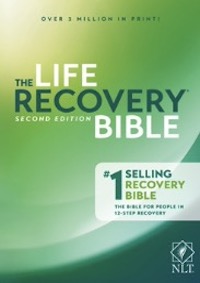
SOURCE: The Life Recovery Bible, Stephen Arterburn, David Stoop

SHOW/HIDE COMMENTARY

Verse 33: "Be watchful! Be alert! You do not know when the time will come."

In the context of addiction and recovery, this verse emphasizes the need for vigilance and mindfulness. Just as those in recovery must remain watchful of triggers and temptations, it is essential to be aware of the potential pitfalls that can lead to relapse. Being alert to one's personal vulnerabilities and staying connected to a support network helps individuals in recovery navigate their journey towards healing and sobriety.

Verse 34: "It is like a man traveling abroad. He leaves home and places his servants in charge, each with his own work, and orders the gatekeeper to be on the watch."

Similar to how a person in recovery assigns trusted individuals to help oversee their daily commitments and responsibilities, this verse reminds us of the significance of having a support system in addiction recovery. Each person in recovery has their own role to fulfill, such as attending meetings, practicing self-care, or engaging in therapy. A reliable support network can include sponsors, therapists, and recovery groups, all working together to assist and remind the individual to stay committed to their recovery journey.

Verse 35: "Watch, therefore; you do not know when the lord of the house is coming, whether in the evening, or at midnight, or at cockcrow, or in the morning."

This verse relates to the unpredictability of addiction. Substance abuse disorders can strike at any time, even during moments of vulnerability or when least expected. It reminds those in recovery that they need to remain vigilant and mentally prepared, knowing that their addictive tendencies may resurface at various times, including moments of stress, celebration, or emotional turmoil. It reinforces the importance of constantly being mindful and taking proactive steps to safeguard one's recovery.

Verse 36: "May he not come suddenly and find you sleeping."

In the context of addiction and recovery, "sleeping" symbolizes complacency or a lack of commitment to remaining sober. This verse urges individuals in recovery to stay proactive and avoid becoming too comfortable or overconfident. It serves as a reminder to continuously examine one's progress, evaluate personal weaknesses, and be proactive in implementing the tools and coping strategies learned in the recovery process. It underscores the need for ongoing self-reflection and growth.

Verse 37: "What I say to you, I say to all: 'Watch!'"

Jesus' concluding statement in this passage holds significance for anyone struggling with addiction and pursuing recovery. It reaffirms the universal nature of vigilance and mindfulness. Addiction knows no boundaries and affects people from all walks of life. This verse encourages everyone on the path of recovery to stay alert, actively engage in their healing journey, and remain committed to the principles of the 12 steps or any other recovery program that provides structure and support. It is a call to persevere, learn, and grow, as one navigates the ongoing challenges of addiction and embraces a life of sobriety._

DISCLAIMER: To avoid falling into the trap of eisegesis, it is recommended to employ exegesis beforehand. Exegesis involves studying the context, language, historical background, and cultural setting of the text to derive accurate meaning. Seeking guidance from scholars or experts in the field can also provide valuable insights and prevent subjective interpretation.

Marriage & Family

On Dec. 3, the season of Advent will start. Advent is a sacred season where we call to mind the importance of Christ in our lives and prepare our hearts and minds for the celebration of Christ’s birth at Christmas and His Second Coming. This Advent is the shortest it can be since the fourth Sunday of Advent is on Christmas Eve. Advent is such a busy time and can feel like a whirlwind of activities and to-do lists to be ready for Christmas with gifts to buy or prepare, food to make, parties to attend, and clothing to sort out.

Sometimes we can arrive at Christmas Eve and not know what happened as Advent has disappeared. We may still have a lot of preparations to do for Christmas or are prepared yet feel rather stressed or frazzled from pushing ourselves to get everything done. This year, there could be an even greater likelihood of that happening since Advent is so short. How can you take time to prepare for the coming of Christmas and Jesus’ Second Coming in a more intentional way as a couple this Advent? — READ MORE

SOURCE: Focus on the Family; RELATED: Catholic Mom; For Your Marriage; Fierce Marriage

SHOW/HIDE COMMENTARY

Verse 33: "Be watchful! Be alert! You do not know when the time will come."

In the context of busy lives of married couples and the upbringing of children, this verse reminds us of the need to be vigilant and attentive to the present moment. We often get caught up in the busyness of our lives, juggling work, family responsibilities, and raising children. However, Jesus urges us to remain watchful and alert, keeping in mind that we do not know when significant moments or opportunities may arise amidst our daily routines.

Verse 34: "It is like a man traveling abroad. He leaves home and places his servants in charge, each with his own work, and orders the gatekeeper to be on the watch."

In the same way that a man entrusts his servants with specific tasks and appoints a gatekeeper to remain alert while he is away, married couples also divide responsibilities and tasks among themselves. Each partner has their own role to fulfill in managing the household and raising children. This verse reminds us that proper delegation and clear communication within a partnership can help ensure that all tasks are handled efficiently and that no important matters are overlooked or neglected.

Verse 35: "Watch, therefore; you do not know when the lord of the house is coming, whether in the evening, or at midnight, or at cockcrow, or in the morning."

Just as a married couple does not know when their "lord of the house" (symbolizing the arrival of significant events or challenges) may come, parents also face unexpected situations regarding their children's upbringing. It could be a difficult moment, a decision that needs to be made promptly, or an opportunity for growth and learning. This verse cautions us to be prepared at all times, staying attentive to the needs of our children and ready to respond appropriately, even in the most unexpected circumstances.

Verse 36: "May he not come suddenly and find you sleeping."

This verse serves as a reminder for parents to avoid complacency in their roles. It is crucial to remain actively engaged with one's children, ensuring their well-being, imparting important values and teachings, and being present in their lives. Being "sleeping" metaphorically represents being neglectful or disengaged from one's responsibilities as parents. Therefore, this verse urges us to be attentive and not to lose sight of our duties and commitments towards our children.

Verse 37: "What I say to you, I say to all: 'Watch!'"

Jesus concludes this passage by reiterating the importance of vigilance and attentiveness. This message applies to all individuals, including busy married couples and parents. It encourages us not to lose sight of our priorities amidst the demands and distractions of life. It is a call to keep a constant watch over our relationships, our children's nurturing, and our own personal growth. By doing so, we can create a balanced and purposeful life for ourselves and our families._

DISCLAIMER: To avoid falling into the trap of eisegesis, it is recommended to employ exegesis beforehand. Exegesis involves studying the context, language, historical background, and cultural setting of the text to derive accurate meaning. Seeking guidance from scholars or experts in the field can also provide valuable insights and prevent subjective interpretation.

Teens

SHOW/HIDE COMMENTARY

Verse 33: "Be watchful! Be alert! You do not know when the time will come."

This verse encourages teenagers to stay attentive and vigilant in their lives. It reminds them to be mindful of their choices and actions, as they do not know when important events will occur. It encourages them to live with purpose and awareness.

Verse 34: "It is like a man traveling abroad. He leaves home and places his servants in charge, each with his own work, and orders the gatekeeper to be on the watch."

Just as a man entrusts various tasks to his servants and appoints a gatekeeper to be watchful, teenagers can relate to their responsibilities and roles. They may have different duties at home, school, or within their communities. This verse reminds them to handle their responsibilities diligently, and to always be watchful for opportunities to grow and serve.

Verse 35: "Watch, therefore; you do not know when the Lord of the house is coming, whether in the evening, or at midnight, or at cockcrow, or in the morning."

This verse encourages teenagers to live with a sense of readiness, recognizing that important moments or encounters can happen at any time. It reminds them to be prepared in their relationships, studies, and personal growth. They should remain open to new experiences and encounters, embracing the unpredictability of life.

Verse 36: "May he not come suddenly and find you sleeping."

This verse warns teenagers against complacency or laziness in their lives. It urges them to avoid wasting time or ignoring their responsibilities. Instead, they should strive to be active and awake, making the most of their opportunities and potential.

Verse 37: "What I say to you, I say to all: 'Watch!'"

This concluding verse emphasizes that the call to be watchful applies to all individuals, including teenagers. It serves as a reminder that everyone should be attentive to their actions, attitudes, and choices. Teenagers are encouraged to be present in their lives, actively seeking growth and purpose.

DISCLAIMER: To avoid falling into the trap of eisegesis, it is recommended to employ exegesis beforehand. Exegesis involves studying the context, language, historical background, and cultural setting of the text to derive accurate meaning. Seeking guidance from scholars or experts in the field can also provide valuable insights and prevent subjective interpretation.

Vocations

Protecting our frail priestly vocation

A very respected vocation director was here visiting the North American College once and expressed concern in this very area. Lamenting the departure of two of his young priests, he commented, “How could they think their priesthood could survive when they went out six nights a week and did not roll in until after midnight? How could they think their celibacy would survive when they kept exclusive company with attractive women? I worry,” he concluded, “that some of our young priests are overly confident, almost cocky, and do not realize the delicacy of their own vocation. Why are they not more vigilant?” Vigilance — yet another synonym for prudence.

So the wise man knows his limitations. We used to call them “occasions of sin,” defined as any person, place, or thing that makes sin easier. Certain people lead us to gossip, griping, cynicism — we best avoid them; when we go to a certain place where we tend to drink too much — we avoid it; when we feel ourselves attracted sexually to another person — we avoid her — or him. Because the prudent priest knows that his uncompromised priority is eternal life through fidelity to his vocation, and that pearl of great price must be protected at all costs!

I read an excellent article by Father Dominic Maruca, S.J., on just this point. “It is considered a mark of wisdom,” Father Dominic says, “not to overestimate one’s own strength or underestimate the vehemence of passion.” He then goes on to elaborate four danger signs that, from his experience, usually result in a priest leaving the active ministry. They are:

  1. an absorption in secular activities instead of the classically priestly ones of preaching, teaching, and celebrating the sacraments, with a consequent desire to live alone and shun external signs of the clerical state such as dress and title;
  2. plenty of money;
  3. a declining interest in prayer and the sacraments, especially Mass and confession; or
  4. an exclusive affective relationship.

What this sage spiritual director exhorts is that we be prudent in protecting our frail priestly vocation, because we cannot do it alone.

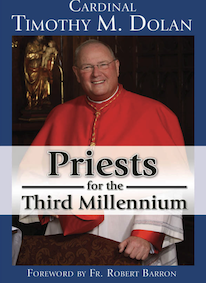
SOURCE: Dolan, Timothy M., Cardinal. Priests for the Third Millennium (pp. 122-123). Our Sunday Visitor.

GOSPEL COMMENTARY

Verse 33: "Be watchful! Be alert! You do not know when the time will come."

This verse reminds those considering a vocation to the priesthood or religious life to be vigilant and attentive to God's calling. It emphasizes the importance of being aware of His promptings and signals, as the timing of one's vocation may not always be immediately apparent. It encourages individuals to remain open and receptive to God's call, ready to discern and respond when the moment arises.

Verse 34: "It is like a man traveling abroad. He leaves home and places his servants in charge, each with his own work, and orders the gatekeeper to be on the watch."

Here, the analogy of a man traveling abroad highlights the responsibility and role of those called to priesthood and religious life. Just as the man entrusts his servants with specific tasks, so too does God entrust specific roles and responsibilities to those discerning a vocation. Each person is unique, with their distinct work to contribute to the Kingdom. This verse suggests that individuals discerning a calling must be willing to fulfill their designated duties and prepare themselves for the responsibilities that come with their chosen vocations.

Verse 35: "Watch, therefore; you do not know when the lord of the house is coming, whether in the evening, or at midnight, or at cockcrow, or in the morning."

This verse reinforces the need for constant vigilance in discerning a vocation to the priesthood or religious life. Just as the lord of the house could return at any time, so too can a vocational calling present itself unexpectedly. It emphasizes the importance of being spiritually prepared and open to God's timing, realizing that it can come at any moment, day or night.

Verse 36: "May he not come suddenly and find you sleeping."

This verse serves as a gentle warning against complacency or negligence in discernment. It stresses the importance of remaining actively engaged in the discernment of a vocation by seeking God's will and actively pursuing the necessary steps towards discernment and formation. It encourages individuals to be spiritually awake and responsive to God's leading, avoiding a state of spiritual slumber.

Verse 37: "What I say to you, I say to all: 'Watch!'"

In the final verse, Jesus addresses His words not only to the disciples but also to all believers. It underscores the universal call to be watchful and attentive to God's calling, regardless of the specific vocation one is discerning. This verse reaffirms the invitation for those considering a vocation to the priesthood or religious life to maintain a state of spiritual readiness, watchfulness, and responsiveness to God's promptings.

DISCLAIMER: To avoid falling into the trap of eisegesis, it is recommended to employ exegesis beforehand. Exegesis involves studying the context, language, historical background, and cultural setting of the text to derive accurate meaning. Seeking guidance from scholars or experts in the field can also provide valuable insights and prevent subjective interpretation.

Theology of Work

God’s gifts empower

For our purposes, it is especially important to note that Paul is con­vinced that the believers in Corinth have received the spiritual resources they need to fulfill their calling. God has called them, and he has given them gifts that will enable them to be “blameless on the day of our Lord Jesus Christ” (1 Cor. 1:8). Although the day of perfection has not arrived yet, whether at work or anywhere else, Christians already have access to the gifts that will come to complete fruition on that day.

It is hard to imagine that all Corinthian Christians felt as if their work was a special occupation designed individually for them by God. Most of them were slaves or common laborers, as we will see. What Paul must mean is that whether or not each person’s occupation seems special, God gives the gifts needed to make everyone’s work contribute to God’s plan for the world. No matter how insignificant our work seems, no matter how much we long to have a different job, the work we do now is important to God.

READ MORE

SOURCE: Theology of Work Project

SHOW/HIDE COMMENTARY

Verse 33: "Be watchful! Be alert! You do not know when the time will come."

This verse, when connected to a theology of work, reminds us to be attentive and diligent in our work. Just as we do not know when the time for Christ's return will come, we also do not know when opportunities and challenges will arise in our work. We are called to be vigilant and ready to fulfill our responsibilities and duties, recognizing the significance of our work in the greater plan of God.

Verse 34: "It is like a man traveling abroad. He leaves home and places his servants in charge, each with his own work, and orders the gatekeeper to be on the watch."

This verse, in relation to a theology of work, highlights the importance of each individual's unique role and contribution in the workplace. Just as the man entrusts different tasks to his servants, God has given each of us specific gifts, talents, and vocations. Our work is not by chance; it is a divine calling that contributes to God's overall plan. Additionally, the role of the gatekeeper signifies the need for attention and vigilance in the workplace, protecting and safeguarding the integrity of our labor.

Verse 35: "Watch, therefore; you do not know when the lord of the house is coming, whether in the evening, or at midnight, or at cockcrow, or in the morning."

This verse, when connected to a theology of work, emphasizes the need for discipline and consistency in our efforts. We must remain alert and watchful throughout the entire span of our work, not only during specific times or shifts. Just as the lord of the house may come at any hour, our commitment to excellence in our work should be unwavering, regardless of the time or circumstance.

Verse 36: "May he not come suddenly and find you sleeping."

This verse, in relation to a theology of work, warns against sloth or laziness in our professional endeavors. We are called to be active and engaged in our work, avoiding mediocrity or complacency. We should not be caught unprepared or caught off-guard, but rather demonstrating an attitude of dedication, enthusiasm, and readiness in our tasks.

Verse 37: "What I say to you, I say to all: 'Watch!'"

This concluding verse, when considered within the framework of a comprehensive theology of work, forcefully underscores the inherent responsibility we all have to remain watchful and dedicated in our labor. Irrespective of the particular vocations or positions we occupy, each and every one of us is summoned to approach our work with a steadfast commitment that extends beyond mere job titles or responsibilities.

DISCLAIMER: To avoid falling into the trap of eisegesis, it is recommended to employ exegesis beforehand. Exegesis involves studying the context, language, historical background, and cultural setting of the text to derive accurate meaning. Seeking guidance from scholars or experts in the field can also provide valuable insights and prevent subjective interpretation.