FEB 16, 2025


preaching topics
sermon topics
“Given the exhorbitant costs of Super Bowl advertising, the decision by “He Gets Us” to run commercials during the game − rather than donating the money to community programs or charities − has repeatedly drawn criticism.”
Tom Schad
USA TODAY

6th Sunday of Year C
“He Get’s Us”
The Super Bowl commercial “Greatness” offers a profound reflection on the true meaning of greatness, which resonates remarkably with the teachings of Jesus in Luke 6:17-26, the Gospel for the 6th Sunday of Ordinary Time in Year C. Both the commercial and the Gospel passage challenge conventional notions of greatness, shifting the focus from personal achievement and recognition to the transformative power of love, humility, and service.
Preachers could begin the homily as follows:
Good morning! I bet many of you watched the Super Bowl last Sunday. Did you see the “Greatness” ad? What does true greatness look like? The commercial, featuring the haunting cover of “Personal Jesus” by Johnny Cash, answers this question by highlighting the power of compassion, generosity, and selflessness. The concept of greatness is redefined as serving others, lifting the broken, and living with purpose, which parallels the powerful message found in today’s Gospel passage—the Beatitudes. As we reflect on the striking similarities between the commercial and Jesus’ teachings, let us dive deeper into the Beatitudes and discover how they challenge conventional notions of greatness, inspiring us to live authentic, purposeful lives rooted in love, humility, and service.
In Luke 6:17-26, Jesus delivers the Beatitudes, proclaiming the blessedness of those who are poor, hungry, and persecuted. This radical redefinition of greatness emphasizes the spiritual rewards that come from living a life grounded in faith, humility, and compassion. Similarly, the commercial redefines greatness as the commitment to serve others, lift the broken, and live with purpose—qualities that echo the values embodied by Jesus in his ministry. As the ad unfolds with a series of moving and inspiring images—from strangers offering warm meals to those in need, to children helping their elderly neighbors—we are reminded that the greatest impact comes not from personal achievements or material wealth, but from lifting up those around us.
Jesus’ example of true greatness is characterized by love, humility, and sacrifice, even in the face of adversity. The commercial mirrors this understanding, highlighting that true strength comes from acts of selflessness and compassion, rather than the pursuit of power or status. Both the commercial and the Gospel challenge societal norms, encouraging individuals to embrace a more meaningful and authentic understanding of greatness.
Moreover, Jesus’ life and teachings continue to inspire people to live with purpose, serve others, and demonstrate compassion and forgiveness. The commercial similarly emphasizes the impact and inspiration of such a transformative understanding of greatness, as it has the potential to uplift others and effect positive change in the world.
While society often measures success by fame or power, the He Gets Us campaign encourages us to redefine greatness through the lens of Jesus’ teachings, emphasizing the transformative potential of everyday acts of kindness. By embracing compassion and humility in our daily lives, we can make a lasting difference in the world, one small act at a time.
RELATED VIDEOS

EWTN (1:27) – Pope Francis shares 8 Beatitudes for Bishops, giving a model for the 21st-century pastor. (November 25, 2021).

6th Sunday of Year C
VIDEO: Journeying Through the Beatitudes with the 12 Steps
Scripture & Sobriety
Each Sunday THE WORD THIS WEEK offers insights relating the readings to the 12 Steps. The content has been generated by our Catholic Assistant, employing advanced AI technology. FEEL FREE to add your own comments at the bottom of the page to help make it better.

Step 1: Admitting Powerlessness and Unmanageability
- In Jeremiah 17:5-8, the prophet uses the imagery of a tree to illustrate the importance of relying on God for strength and stability. Those who trust in the Lord are likened to a tree planted by the water, with deep roots that enable it to weather storms and bear fruit in due season. Conversely, those who trust in their own strength are likened to a shrub in the desert, which quickly withers away.
- This passage serves as a powerful metaphor for Step 1, as individuals must acknowledge their own limitations and turn to a higher power for help. By recognizing that they cannot face their struggles alone, they open themselves up to the guidance and support of their higher power, just as the tree by the water thrives through its reliance on a stable and nourishing source.
Step 2: Believing in a Higher Power for Restoration
- Paul’s words in 1 Corinthians 15:12, 16-20 emphasize the transformative power of Christ’s resurrection, serving as a potent illustration of Step 2. In this passage, Paul reminds the Corinthians of the gospel he preached to them, which centers on the belief that Jesus rose from the dead, conquering death itself.
- This belief in Christ’s resurrection is a source of hope and strength for Christians, much like the hope that individuals in recovery find in Step 2. By trusting in a higher power for restoration, those in recovery can draw upon the same faith that St. Paul espoused—a faith in the power of transformation, new beginnings, and the ultimate triumph over adversity.
- As individuals embrace this belief, they gain the confidence and resolve needed to embark on their journey to recovery, trusting that their higher power will guide them through the challenges they face, just as Christ’s resurrection serves as a source of strength and hope for Christians.
Step 3: Making a Decision to Turn to a Higher Power
- In Luke 6:17-26, Jesus delivers the Beatitudes, a series of teachings that outline the values and attitudes expected of his followers. These teachings emphasize the importance of humility, compassion, and reliance on God, offering a powerful framework for Step 3 in recovery.
- As individuals embark on their journey to recovery, they must let go of their need for control and surrender their will to a higher power. This surrender is vividly illustrated in the Beatitudes, particularly in verses 20 and 21: “Blessed are you who are poor, for the kingdom of God is yours” and “Blessed are you who are now hungry, for you will be satisfied.”
- These teachings underscore the transformative power of humility and reliance on God, echoing the core message of Step 3. By embracing these virtues, individuals in recovery acknowledge their dependence on their higher power and open themselves up to divine guidance and transformation.
- Just as the Beatitudes offer a roadmap for a life of humility and service, Step 3 provides a foundation for recovery built on trust, faith, and the willingness to let go of control. By aligning their lives with these principles, individuals can find the strength and guidance needed to navigate the challenges of recovery and experience the blessings promised in the Beatitudes.
Step 4: Taking a Moral Inventory
- Jeremiah 17:5-8 presents the vivid imagery of a tree planted by the water, drawing a parallel to the importance of self-reflection and growth in a person’s life. As the tree’s roots deepen and absorb nourishment, it flourishes and bears fruit—a powerful metaphor for the personal growth and transformation that occur when one commits to self-reflection and a moral inventory.
- Step 4 in recovery requires individuals to take a deep, honest look at themselves and their past actions, acknowledging their flaws and the consequences of their choices. Just as the tree by the water thrives through its connection to a stable source of nourishment, individuals in recovery can find strength and growth through a thorough and honest self-assessment.
- As they examine their past experiences and actions, individuals gain a clearer understanding of their true selves and the areas where growth is needed. This introspective process aligns with the image of the well-watered tree in Jeremiah 17:5-8, as both emphasize the importance of deep roots and nourishment for lasting growth.
- Step 4 ultimately serves as a vital foundation for recovery, providing individuals with the self-awareness and clarity needed to move forward and embrace the transformative journey ahead. By engaging in this process, they demonstrate the same commitment to growth and self-reflection embodied by the thriving tree, laying the groundwork for a more balanced and fruitful life.
Step 5: Admitting Wrongdoings
- In 1 Corinthians 15:12, 16-20, St. Paul emphasizes the transformative power of confessing one’s faith in the resurrection of Christ, highlighting the importance of acknowledging and sharing one’s beliefs. This message aligns with Step 5 in recovery, where individuals must openly admit their wrongdoings to God, themselves, and others.
- This process of confession and repentance allows individuals to take ownership of their actions, acknowledging their past mistakes and committing to personal transformation. Just as St. Paul encouraged the Corinthians to proclaim their faith in Christ’s resurrection, individuals in recovery must admit their wrongdoings with honesty and humility.
- Through this admission, individuals experience the cleansing power of confession, as they release feelings of guilt, shame, and denial that may have been weighing them down. In doing so, they open themselves up to the transformative grace of their higher power, mirroring the spiritual renewal that comes from embracing the truth of Christ’s resurrection.
- Step 5 serves as a pivotal moment in one’s recovery journey, as it signifies a commitment to honesty, self-awareness, and growth. By confessing their wrongdoings, individuals demonstrate the same courage and faith that St. Paul extolled, fostering healing and transformation as they move forward on their path to recovery.
Step 6: Willingness to Remove Defects of Character
- In Luke 6:17-26, Jesus presents the Beatitudes, highlighting the values and attitudes that his followers should embrace. Among these teachings is a call for humility, mercy, and a commitment to righteousness, which aligns with Step 6 in recovery—the willingness to remove character defects and cultivate new, positive traits.
- As individuals progress in their recovery journey, they must identify and address the character defects that may have contributed to their struggles. In doing so, they commit to personal growth and transformation, reflecting the call for righteousness and virtue found in the Beatitudes.
- In Luke 6:22-23, Jesus declares, “Blessed are you when people hate you… Rejoice in that day and leap for joy, because great is your reward in heaven.” This teaching emphasizes the spiritual benefits of living a virtuous life, even in the face of adversity.
- Similarly, Step 6 encourages individuals to persevere through the challenges of personal growth, as they strive to replace their character defects with positive attributes, such as compassion, humility, and self-control. This dedication to personal transformation mirrors the values extolled in the Beatitudes and the promise of spiritual fulfillment that accompanies them.
- By embracing the principles of Step 6, individuals commit to a life of continuous growth and improvement, fostering the same virtues and values that Jesus imparted to his followers. As they work to remove their character defects and cultivate new strengths, they embody the transformative spirit of the Beatitudes and move closer to lasting recovery.
Step 7: Asking for Spiritual Help
- In 1 Corinthians 15:12, 16-20, St. Paul emphasizes the transformative power of Christ’s resurrection and its profound impact on the lives of believers. This message resonates with Step 7 in recovery, where individuals seek the help of a higher power to overcome their shortcomings and embrace personal transformation.
- As individuals engage in Step 7, they humbly acknowledge their limitations and ask their higher power for guidance and strength. This act of surrender and faith reflects the central message of 1 Corinthians 15, which highlights the profound spiritual renewal that accompanies belief in Christ’s resurrection.
- Paul writes, “If Christ has not been raised, your faith is futile; you are still in your sins” (1 Corinthians 15:17). This passage underscores the importance of trusting in a higher power and relying on divine grace for transformation.
- In the same way, Step 7 encourages individuals to place their trust in a higher power, acknowledging that true and lasting change comes from submitting to God’s will and accepting His guidance. By seeking their higher power’s help in overcoming their shortcomings, individuals demonstrate a deep faith that mirrors the conviction expressed by St. Paul.
- As they commit to transformation through the help of their higher power, individuals in recovery experience the same spiritual renewal and hope that come from belief in Christ’s resurrection. Step 7 serves as a testament to the power of faith and surrender, fostering personal growth and healing as individuals progress on their recovery journey.
Step 8: Making a List of People Harmed
- In Luke 6:17-26, Jesus delivers the Beatitudes, which include powerful messages about love, forgiveness, and compassion. These teachings connect with Step 8 in recovery, where individuals create a list of those they have harmed, demonstrating a commitment to repairing relationships and seeking reconciliation.
- In Luke 6:27-28, Jesus says, “Love your enemies, do good to those who hate you, bless those who curse you, pray for those who mistreat you.” This call for radical love and forgiveness applies directly to Step 8, as individuals strive to make amends and extend compassion to those they have wronged.
- By creating a list of those they have harmed, individuals in recovery demonstrate a willingness to take responsibility for their actions and seek restoration in their relationships. This process aligns with Jesus’ teachings on love and forgiveness, as found in the Beatitudes, and emphasizes the importance of humility and empathy in the healing process.
- As individuals work through Step 8, they embody the values that Jesus imparted to his followers—values that challenge conventional wisdom and call for a deeper, more transformative love. By seeking reconciliation with those they have harmed, individuals in recovery practice the radical forgiveness and compassion that Jesus modeled, fostering healing and growth in their relationships and their own lives.
Step 9: Offering Amends
- Jeremiah 17:5-8 emphasizes the importance of turning away from sin and embracing righteousness, using the metaphor of a well-watered tree that flourishes and bears fruit. This imagery connects to Step 9 in recovery, where individuals seek forgiveness from those they have harmed and make amends for past wrongdoings.
- Just as the tree planted by the water symbolizes growth and renewal, Step 9 allows individuals to embark on a journey of transformation and healing in their relationships. By acknowledging their mistakes and seeking reconciliation, individuals demonstrate a commitment to personal growth and a desire to repair the harm they have caused.
- Jeremiah’s call for righteousness serves as a powerful reminder of the importance of turning away from past mistakes and embracing new, positive behaviors. In the same way, Step 9 encourages individuals to make a sincere effort to change their ways and foster healthier relationships with those they have hurt.
- By actively working to make amends and seek forgiveness, individuals in recovery embody the transformative spirit of Jeremiah’s message. They demonstrate a willingness to learn from their past mistakes, grow in their relationships, and embrace a new way of life rooted in humility, empathy, and love.
Step 10: Continuing Moral Inventory and Admitting Mistakes
- In 1 Corinthians 15:12, 16-20, St. Paul emphasizes the transformative power of Christ’s resurrection and its impact on the lives of believers. This message resonates with Step 10 in recovery, which involves a commitment to continuous personal growth and spiritual development through self-reflection and prayer.
Paul writes, “But by the grace of God I am what I am, and his grace to me was not without effect” (1 Corinthians 15:10). This passage underscores the importance of divine grace in the process of transformation, which aligns with Step 10’s focus on spiritual growth and reliance on a higher power.
As individuals continue their journey of recovery, they commit to ongoing self-reflection and prayer, nurturing their connection with their higher power and seeking guidance for personal growth. This dedication to spiritual development mirrors the transformation that St. Paul attributes to belief in Christ’s resurrection.
In embracing Step 10, individuals acknowledge that personal growth is a lifelong process and that true transformation requires a deepened relationship with their higher power. By prioritizing self-reflection and prayer, they cultivate the spiritual fruits of humility, empathy, and love, embodying the message of hope and renewal found in 1 Corinthians 15.ss in their recovery journey.
Step 11: Seeking Connection with a Higher Power through Prayer and Meditation
- The Beatitudes, as presented in Luke 6:17-26, emphasize the value of humility, compassion, and reliance on God. These teachings connect with Step 11 in recovery, which involves deepening one’s relationship with their higher power through prayer and meditation.
- In Luke 6:21, Jesus says, “Blessed are you who weep now, for you will laugh.” This passage highlights the importance of acknowledging one’s vulnerabilities and seeking solace in God, which aligns with Step 11’s focus on spiritual connection and growth.
- As individuals progress in their recovery journey, they commit to nurturing their relationship with their higher power through consistent prayer and meditation. This practice allows them to access the spiritual strength and guidance necessary for personal transformation, echoing the Beatitudes’ emphasis on humility and reliance on God.
- By engaging in Step 11, individuals embrace the transformative power of a deepened connection with their higher power. They demonstrate a commitment to spiritual growth and healing, reflecting the values and teachings presented in the Beatitudes and fostering a life rooted in love, compassion, and hope.
Step 12: Carrying This Message to Others and Practicing These Principles
- Jeremiah 17:5-8 emphasizes the importance of turning away from sin, embracing righteousness, and bearing fruit as a result of one’s trust in God. This message connects with Step 12 in recovery, which involves sharing the hope of recovery with others and helping them on their own journeys.
The passage compares those who trust in God to a well-watered tree that flourishes and bears fruit, providing a powerful metaphor for the transformative impact of sharing hope and serving others. As individuals in recovery reach out to help those in need, they exemplify the values of compassion, empathy, and love found in Jeremiah’s message. - Step 12 encourages individuals to pay forward the hope and support they received during their recovery journey, recognizing that their experiences can inspire and guide others. This dedication to service aligns with Jeremiah’s emphasis on bearing fruit as a result of one’s connection to God.
- By embracing Step 12, individuals in recovery demonstrate their commitment to making a positive impact in the lives of others, embodying the spirit of love and transformation found in Jeremiah 17:5-8. As they share their stories and offer support, they serve as living examples of the power of hope and faith in the journey toward healing and growth.
Bishop Robert Barron

This is a clip from the CATHOLICISM Series by Bishop Robert Barron, Disk no. 2: “Happy are We – The Teachings of Jesus”
ADVANTAGES OF WATCHING
THE CHOSEN
By juxtaposing the original text with a visual adaptation, one can gain fresh perspectives on the characters, context, and emotions that underlie the sacred stories. This comparative approach allows for a more holistic appreciation of the scriptural accounts, as it enables viewers to connect with the human experiences of the characters while simultaneously engaging with the divine messages embedded within the text.
NOTABLE FILMS
TV Series:
- Jesus of Nazareth (1977)
- The Bible (2013)
- A.D. The Bible Continues (2015)
- The Chosen (2017-present)
- Jesus: His Life (2019)
Movies:
- The Greatest Story Ever Told (1965)
- Jesus Christ Superstar (1973)
- Godspell (1973)
- The Last Temptation of Christ (1988)
- The Passion of the Christ (2004)
6th Sunday of Year C
TV Series vs. Scripture
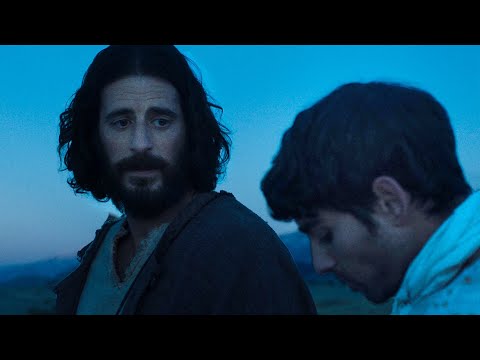
THE CHOSEN (2:21) – Season 2 Finale
Similarities:
- Both “The Chosen” finale and the Gospel accounts of Matthew and Luke present the Beatitudes as a key teaching of Jesus.
- They emphasize the importance of humility, mercy, and peacemaking in the life of a disciple.
- The Beatitudes are presented as a countercultural message, challenging conventional notions of success and greatness.
Differences:
- The Beatitudes in Luke’s Gospel include both blessings and woes, while “The Chosen” finale focuses on the blessings, as in Matthew’s account.
- “The Chosen” finale personalizes the Beatitudes by having Jesus address some of them directly to his disciples, while in the Gospels, they are announced in the third person.
- In the show, Jesus collaborates with Matthew to compose the Beatitudes, while the Gospels do not depict such a direct involvement of the disciples in their formulation.
- The finale focuses on the transformative power of the Beatitudes in the lives of the disciples, while the Gospel accounts emphasize their universal relevance for all followers of Jesus.
The Beatitudes: A Comparative Analysis
The Beatitudes, as presented in both Matthew’s and Luke’s Gospels, offer a transformative vision of what it means to be a follower of Jesus Christ. They challenge the conventional understanding of success and greatness, emphasizing the importance of humility, mercy, and peacemaking in the life of a disciple. In the finale of the second season of the series “The Chosen,” this vision is brought to life through a unique portrayal of the Beatitudes, both echoing and diverging from the Gospel accounts in significant ways.
In both “The Chosen” and the Gospels, the Beatitudes are presented as central to Jesus’ teachings. The series underscores their significance by having Jesus collaborate with Matthew in composing them, highlighting the importance of the disciples’ role in transmitting these teachings to future generations. This approach adds a personal dimension to the Beatitudes, making them more relatable to the audience.
Furthermore, “The Chosen” finale emphasizes the transformative power of the Beatitudes in the lives of the disciples. As Jesus speaks each beatitude, he addresses some of them directly to his followers, inviting them to embrace these countercultural values in their own lives. This personal approach differs from the Gospel accounts, where the Beatitudes are announced in the third person, emphasizing their universal relevance for all followers of Jesus.
One notable difference between the series and the Gospels is the focus on the blessings in the former, echoing Matthew’s account. Luke’s Gospel, however, presents the Beatitudes in a more balanced way, including both blessings and woes. This broader perspective serves as a reminder of the challenges and responsibilities that come with following Christ, encouraging readers to examine their own lives in light of these teachings.
Additionally, the series depicts the disciples’ active involvement in the formulation of the Beatitudes, which adds an element of human collaboration and emphasizes the importance of their role in preserving and sharing Jesus’ teachings. This stands in contrast to the Gospels, which present the Beatitudes as divinely inspired words spoken directly by Jesus.
In conclusion, while “The Chosen” finale and the Gospel accounts of the Beatitudes share a common focus on the centrality of these teachings in the life of a disciple, they differ in their presentation and emphasis. The series offers a more personalized and relatable portrayal of the Beatitudes, inviting viewers to see themselves in the disciples and embrace the transformative power of these teachings in their own lives. The Gospels, on the other hand, emphasize the universal relevance of the Beatitudes, challenging readers to examine their lives in light of these timeless teachings and embrace a life of humility, mercy, and peacemaking. Together, these diverse depictions of the Beatitudes offer a rich and nuanced understanding of what it means to be a follower of Jesus Christ.
JUSTICE TOPICS
RELATED TO
THE READINGS
Isaiah 6:1-2a, 3-8
- The importance of humility and repentance in pursuing justice
- Speaking truth to power and addressing social injustices
- Advocating for the marginalized and oppressed
1 Corinthians 15:1-11
- Promoting the dignity of human life and the value of resurrection
- Working towards reconciliation and unity within communities
- Fostering hope and resilience in the face of adversity
Luke 5:1-11
- Embracing stewardship and responsibility for God’s creation
- Pursuing vocations that align with God’s call and promote justice
- Extending compassion and support to those in need, inspired by Jesus’ example
VATICAN
WEBSITE
COMPENDIUM
OF THE SOCIAL DOCTRINE
OF THE CHURCH
6th Sunday of Year C
The Advantage of
the Poor

EXCERPT: Jesus used the word blest when speaking of the poor, and he used the word woe when speaking of the rich. Obviously he saw some kind advantage to being poor, and some kind of disadvantage to being rich.
What truth was he expressing? That poverty keeps one open to one’s need for God? That riches turn one’s heart away from God? That happiness is found closer to poverty than to wealth?
SOURCE: Sunday Website
The Beatitudes are
a Portrait of Jesus on the Cross
SOURCE: Bishop Robert Barron
6th Sunday of Year C

EXCERPT: Jesus declares, “Blessed are the poor, hungry, weeping, and persecuted.” These are not the people we typically consider “blessed.” In our world, those with health, wealth, and security are often seen as blessed. Many attribute their comfort and success to God, saying, “God has blessed me with [fill in the blank].”
But Jesus offers a radically different perspective. In Luke’s Gospel, those who are poor, hungry, weeping, and persecuted are the “blessed.” This “reversal theme” runs throughout Luke’s Gospel. It is proclaimed in Mary’s Magnificat (Luke 1:46-55) and reiterated here: the poor will inherit the kingdom, the hungry will be filled, and those who weep will laugh.
Did Luke expect these conditions to change quickly? Likely not. Instead, his Beatitudes challenge the divisions between those the world deems “blessed” and those Jesus calls “blessed.” Jesus’ ministry, as presented in Luke, seeks to alleviate the suffering of those who turn to him, and he calls his disciples to do the same. As Jesus says in Acts 1:8, “You will receive power when the Holy Spirit comes upon you, and you will be my witnesses in Jerusalem, throughout Judea and Samaria, and to the ends of the earth.” Jesus’ message is clear: disciples must persevere until the end, when all evil will be defeated.
SOURCE: First Impressions

Priests for Life
Frank Pavone, Director
6th Sunday of Year C
Defending the “Poorest of the Poor
Embracing the Beatitudes in the Fight Against Abortion
Abortion is not only a sin against life; it is a sin against hope. We trust our own (or others’) evaluation of the problems in our lives and in the world, and decide that the world is too inhospitable for a child to be welcomed into it. The first reading, therefore, with its exhortation to hope in the Lord, speaks right to the heart of the culture of life. The pro-life movement is focused on inspiring the hope that brings the courage to say yes to life.
This hope is based ultimately in what the second reading identifies as the foundation of our faith: Christ is indeed raised from the dead. The evils we fight, like abortion, are ultimately defeated already at their root, because the kingdom of death has already been overturned.
These truths of the first and second readings provide the basis for the beatitudes, each of which can be applied to the pro-life witness of the Church:
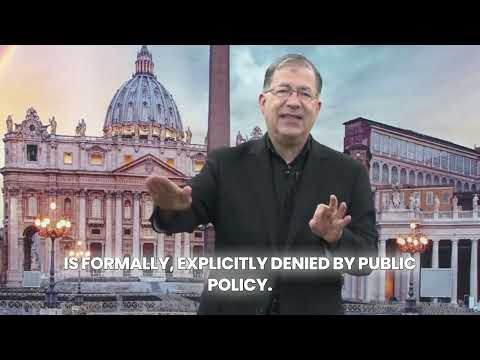
“Blessed are you poor.” Biblically, the “poor” are those who have no help but God. The “poor” are not simply the materially disadvantaged, but rather those who are marginalized by society. The children living in the womb are truly the poorest of the poor, and the Church’s preferential option for the poor requires that we give them priority attention. These children are the only group of people in our society whose very right to life is formally and explicitly denied by public policy.
“Blessed are you who are now hungry.” We are hungry for justice to be established; the unborn are hungry for their most basic rights to be recognized.
“Blessed are you who weep.” If we are to be builders of the culture of life, we must first learn to weep over the culture of death. The evil of abortion must break our hearts. Only then are our hearts opened to receive the grace and strength to witness and battle against this evil.
“Blessed are you when people hate you.” Defenders of the unborn are hated by many in the world today, who see them as a threat to human rights, as enemies of women’s rights and health, as opponents of freedom itself. Few movements can give one as direct an experience of this particular beatitude than the pro-life movement – which is precisely why it is a blessing to be involved in it.
SOURCE: Priests for Life
LIFE ISSUES — TOPICAL LIBRARIES
Editor: Jerry Novotny OMI, LifeIssues.Net
Currently, 13511 articles organized into the following Topical libraries:
6th Sunday of Year C

Editor: Jerry Novotny OMI
Woe to you who evade suffering and the works of charity
6th Sunday in Ordinary Time
Douglas McManaman
Our life is not for this world, anymore than the life of a fetus is ultimately for the womb. The womb is temporary, it is a preparation for another world. What Christ is saying today is woe to you who spend your life evading suffering and the works of charity, evading the long and difficult work of preparing your soul for the moment of death, woe to you who sell your soul for the sake of pleasing your employer or your peers, so that they speak well of you, so that they like you and laugh with you, eat and drink with you.
Everything has context
Tom Bartolomeo
Context is everything. Everyone one else has context, other things defining them. For example, “Mommy, mommy, mommy, mommy, mommy . . . Mom!” You may smile knowing what the mother will say before she actually says, “What!” You suspect that the mother may be physically present but her mind may be off in the clouds somewhere until her daughter or son breaks the spell with “Mommy . . . Mom!” All you moms experienced that in one variation or another. You put it in context.
Be a Blessing (Ordinary Times 6)
Proclaim Sermons
The Beatitudes demonstrate God’s commitment to valuing the people he created. Will we hold up our responsibility to show love to each other?
SOURCE: LifeIssues.net Homilies

Fr. Kevin Ruttig
SUNDAY
CONNECTION

6th Sunday of Year C
Spirit Houses
Southeast Asia’s spirit houses symbolize a deep cultural connection to the spiritual realm, emphasizing the importance of honoring the divine and fostering spiritual awareness in everyday life.
- 00:00 Southeast Asia’s unique culture features double houses, where a miniature spirit house stands in front of family homes, reflecting rich traditions and a connection to the spiritual world.
- 00:00 This house serves a purpose beyond just sheltering birds or children.
- 00:00 Spirit houses serve as vital connections to the spiritual realm, reminding us of the importance of honoring the divine in everyday life.
- 00:00 These lovingly crafted spirit houses symbolize our connection to the spiritual world and the importance of honoring those who have passed.
- 00:00 There exists a profound, unseen world alongside our physical reality, fulfilling deeper human needs that transcend mere material existence.
- 00:00 Spirit houses and various forms of art serve as reminders from prophets throughout history, urging us to reconnect with the spiritual aspects of life.
- 00:00 Spiritual awareness and respect for the divine are essential, urging us to embody and create a welcoming home for the spirit in our daily lives.