FEB 9, 2025


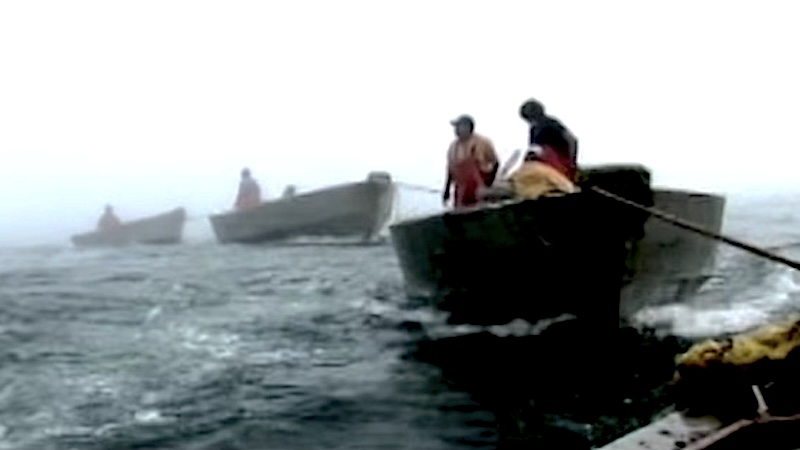
“Come Follow Me, And I Will Make You Fishers of Men” Fishers of Men is a film intended to renew priests’ sense of fulfillment in their vocation and to encourage them to draw on that satisfaction to invite other men to pursue the priesthood. The project was developed by the Bishops’
Committee on Vocations. USCCB

Fishers of Men
Young people are encouraged to embrace the priesthood as a sacrificial vocation that allows them to serve others, share Christ's message, and find true fulfillment amidst modern distractions.
- 00:00 Young people are encouraged to embrace the priesthood as a sacrificial vocation amidst modern distractions to serve others and share Christ's message.
- Young people are called to pursue the priesthood as a supernatural vocation that challenges them to sacrifice their desires for the sake of serving others and spreading Christ's message.
- Modern culture is filled with constant distractions from media and technology, leaving little room for rest.
- 00:00 Young people struggle with a Godless culture, facing challenges that hinder their ability to hear God's call, which flourishes in silence and proper evangelization.
- 00:00 The speaker, inspired by their Catholic upbringing, transitioned from baseball and acting to embrace the profound responsibility of the priesthood in 2000, highlighting its vital role in spiritual guidance and mentorship.
- Growing up in a strong Catholic family, the speaker always aspired to be a priest, reflecting on their diverse experiences as a professional baseball player and actor before realizing the profound responsibility and opportunity of their ordination in 2000.
- The Catholic priesthood is essential for spiritual guidance and the Eucharist, serving as a vital role model and mentor for the youth.
- 00:00 A vibrant example of faith, John Paul II inspired many to embrace the priesthood by embodying love, truth, and devotion to the Blessed Mother while administering God's sacraments.
- 00:00 The Catholic priesthood is a profound calling of sacrifice and service, dedicated to bringing people closer to Jesus Christ and addressing the spiritual and human needs of society.
- 00:00 A priest navigates the emotional spectrum of life events, from joyous celebrations to tragic emergencies, ultimately guiding souls to God.
- 00:00 Young people are drawn to the priesthood by the desire to embody Christ's love and serve others, embracing the sacrifices required to lead and inspire.
- 00:00 Finding fulfillment and true treasure in life comes from embracing the priesthood and following the Lord wholeheartedly.
RELATED PODCAST from THE WORD ON FIRE
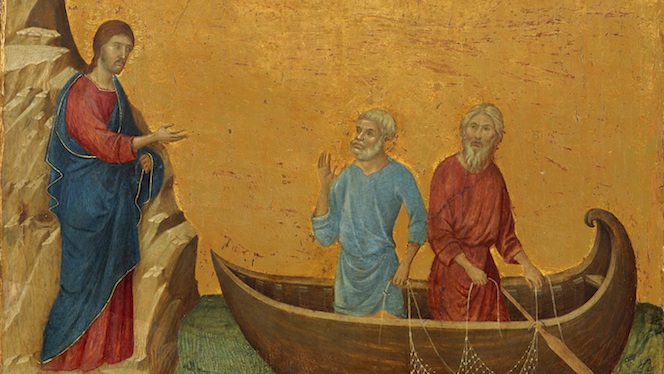
Fishers of Men
BISHOP BARRON: Christians are meant to be fishers of men, but when we operate according to our own agendas and efforts we will catch nothing. We must act under the Lord’s direction. If we follow Christ we will do great good indeed.
ADDICTION AND
RECOVERY
1—Admission of Powerlessness
2—Recognition of a Higher Power
3—Decision to Turn Life Over to a Higher Power
4—Taking a Moral Inventory
5—Admission of Wrongdoings
6—Willingness to Remove Character Defects
7—Asking for Spiritual Help
8—List of Amends
9—Compensation for Past Harms
10—Continuing Inventory and Admissions
11—Seeking Prayer and Meditation
12—Carry the Message Forward
5th Sunday of Year C
Steps to Transformation
through Discipleship
The content below has been generated by THE WORD THIS WEEK Catholic Assistant, employing advanced AI technology.
Step 1: Admitting Powerlessness and Unmanageability
- Isaiah’s vision of God in the temple (Isaiah 6:1-4) reveals his sense of powerlessness before the divine majesty. Upon acknowledging his own inadequacy and the sins of his people, Isaiah cries out, “Woe is me, I am doomed! For I am a man of unclean lips” (Isaiah 6:5). This sincere admission of his sinfulness and need for help connects with Step 1, where individuals recognize their powerlessness over their struggles and reach out for support.
Step 2: Believing in a Higher Power for Restoration
- Step 2 focuses on faith in a higher power, much like St. Paul’s unwavering belief in the power of Christ’s resurrection. In 1 Corinthians 15:1-2, he proclaims, “I am reminding you, brothers and sisters, of the gospel I preached to you… Through it, you are also being saved, if you hold fast to the word I preached to you, unless you believed in vain.” This passage emphasizes the crucial role of faith in the redemptive power of Jesus, mirroring the importance of trusting a higher power in one’s recovery journey.
Step 3: Making a Decision to Turn to a Higher Power
- In Luke 5:1-11, Simon Peter demonstrates Step 3 by surrendering control and following Jesus’ call. Despite initial doubts, he follows Jesus’ instruction and witnesses a miraculous catch of fish. Overwhelmed, Simon Peter falls to his knees, professing his unworthiness and acknowledging Jesus’ divine authority (Luke 5:8). This act of humility and submission exemplifies the essence of Step 3, where individuals commit to trust and follow the guidance of a higher power.
Step 4: Taking a Moral Inventory
- Isaiah’s confession of his and his people’s sins (Isaiah 6:5) aligns with Step 4, as individuals engage in self-reflection and honestly assess their actions and attitudes. In Isaiah’s case, his encounter with God compels him to acknowledge the shortcomings of himself and his community, paving the way for transformation and healing.
Step 5: Admitting Wrongdoings
- St. Paul’s willingness to admit his past sins, acknowledging that he is “the least of the apostles” and “not worthy to be called an apostle” (1 Corinthians 15:9), exemplifies Step 5. By openly recognizing and addressing his mistakes, he paves the way for personal growth and transformation, mirroring the importance of honesty and humility in the recovery process.
Step 6: Willingness to Remove Defects of Character
- Simon Peter’s journey from humble fisherman to disciple (Luke 5:1-11) embodies Step 6, as he seeks to learn from Jesus and grow in faith. Overcoming his initial doubts and fears, he embraces his calling as a “fisher of men” (Luke 5:10), committing to a new life of discipleship and service. This transformation mirrors the growth and healing sought by individuals in recovery as they work to overcome personal challenges and embrace positive change.
Step 7: Asking for Spiritual Help
- Isaiah’s acceptance of God’s mission (Isaiah 6:8) signifies his commitment to ongoing spiritual growth and obedience. By embracing his role as a prophet, he turns away from sin and dedicates himself to serving God’s will. Similarly, in Step 7, individuals commit to continued personal growth and spiritual development, seeking guidance from a higher power to maintain progress in their recovery journey.
- Psalm 138 is a prayer of gratitude and praise to God for His steadfast love and faithfulness. Throughout the psalm, the psalmist expresses trust in God’s guidance and protection, aligning closely with Step 7.
- Key themes in the psalm include:
- Thanks to God for His love and guidance (Psalm 138:1-2)
- Acknowledgment of God’s strength and support in times of trouble (Psalm 138:2-3)
- Trust in God’s plan and protection (Psalm 138:4-5)
- Recognition of God’s saving power and unfailing love (Psalm 138:7-8)
Step 8: Making a List of People Harmed
- St. Paul’s transformation from a persecutor of Christians to a dedicated apostle (1 Corinthians 15:9-10) reflects the spirit of Step 8, as he works tirelessly to spread the Gospel and make amends for his past actions. By dedicating his life to the service of Christ, he demonstrates the importance of seeking forgiveness and striving to repair relationships damaged by past wrongdoings.
Step 9: Offering Amends
- In Luke 5:8, Simon Peter, overwhelmed by the miraculous catch of fish, falls to his knees and says, “Depart from me, Lord, for I am a sinful man.” This act of humility and repentance illustrates Step 9, as he recognizes his own shortcomings and seeks healing and forgiveness. This example encourages individuals in recovery to honestly confront their past mistakes and embrace the potential for growth and change.
Step 10: Continuing Moral Inventory and Admitting Mistakes
- Isaiah’s mission as a prophet (Isaiah 6:8) highlights the importance of maintaining spiritual growth, as he continues to listen to God’s guidance and share His message with others. This ongoing commitment to growth and transformation parallels Step 10, where individuals strive to stay grounded in their spiritual practices and values, seeking continual progress in their recovery journey.owth.
Step 11: Seeking Connection with a Higher Power through Prayer and Meditation
- In 1 Corinthians 15:3-4, St. Paul speaks of the saving power of Christ, affirming that “he was raised on the third day in accordance with the Scriptures.” This emphasis on the hope and strength found in faith aligns with Step 11, where individuals deepen their connection with a higher power through prayer and meditation, finding the strength and guidance to maintain their recovery.
Step 12: Carrying This Message to Others and Practicing These Principles
- Step 12 encourages individuals to pay it forward by offering support and guidance to others, much like Simon Peter and the first disciples. In Luke 5:10, Jesus calls them to become “fishers of men,” and they embark on a life of discipleship and service. This spirit of outreach and ministry inspires those in recovery to share their experiences, offering hope and encouragement to others on their own journey of healing and transformation.

THE CHOSEN (5:10) – Season 1, Episode 4
ADVANTAGES OF WATCHING
THE CHOSEN
By juxtaposing the original text with a visual adaptation, one can gain fresh perspectives on the characters, context, and emotions that underlie the sacred stories. This comparative approach allows for a more holistic appreciation of the scriptural accounts, as it enables viewers to connect with the human experiences of the characters while simultaneously engaging with the divine messages embedded within the text.
NOTABLE FILMS
TV Series:
- Jesus of Nazareth (1977)
- The Bible (2013)
- A.D. The Bible Continues (2015)
- The Chosen (2017-present)
- Jesus: His Life (2019)
Movies:
- The Greatest Story Ever Told (1965)
- Jesus Christ Superstar (1973)
- Godspell (1973)
- The Last Temptation of Christ (1988)
- The Passion of the Christ (2004)
Comparison and Contrast between the TV Series and Scripture

Living a Life of Faith and Discipleship: Insights from Luke 5:1-11 and The Chosen Episode 4
In both Luke 5:1-11 and The Chosen Episode 4, we witness the transformative power of faith and discipleship in the lives of Simon Peter and the first disciples. These narratives offer valuable lessons for our own spiritual journeys, as we seek to deepen our relationship with Christ and live out our calling as His followers in our daily lives.
In the Gospel passage and the episode, Simon Peter exemplifies the importance of humility and obedience in the life of a disciple. Despite his doubts and reservations, he chooses to trust in Jesus and follow His instructions, ultimately leading to a miraculous catch of fish. This event serves as a powerful reminder of the need to trust in God’s wisdom, even when it contradicts our human understanding. By embracing humility and obedience in our own lives, we open ourselves to the transformative power of Christ and the possibility of experiencing His divine intervention in our daily struggles and challenges.
The narratives also highlight the significance of fellowship and community in the journey of faith. Simon Peter’s relationship with his fellow fishermen-turned-disciples, James and John, demonstrates the importance of shared experiences and mutual support in following Christ. As we navigate our own spiritual paths, we can draw strength and encouragement from the fellowship of believers, recognizing that we are not alone in our pursuit of a life centered on Christ.

The Chosen Episode 4 further emphasizes the personal transformation that occurs through encounters with Jesus. The episode’s portrayal of Simon Peter’s spiritual journey offers a powerful testament to the life-changing impact of faith and discipleship. As we seek to follow Christ in our daily lives, we can look to Simon Peter’s example as a source of inspiration, embracing the call to grow in faith and allow our lives to be shaped by our relationship with Christ.
Finally, both narratives remind us of the ultimate purpose of discipleship: becoming “fishers of men.” Just as Simon Peter and his companions were called to share the Good News with others, we too are called to be witnesses of Christ’s love and mercy in the world. By living out our faith in our daily interactions and striving to make a positive impact on the lives of others, we contribute to the ongoing mission of spreading the Gospel and building the Kingdom of God.
In conclusion, the key themes and events of Luke 5:1-11 and The Chosen Episode 4 offer valuable insights for our own spiritual journeys. By embracing humility, fostering fellowship, pursuing personal transformation, and living out our calling to be fishers of men, we can follow in the footsteps of Simon Peter and the first disciples, allowing our faith to shape our daily lives and guide us in our mission as followers of Christ.

JUSTICE TOPICS
RELATED TO
THE READINGS
Isaiah 6:1-2a, 3-8
- The importance of humility and repentance in pursuing justice
- Speaking truth to power and addressing social injustices
- Advocating for the marginalized and oppressed
1 Corinthians 15:1-11
- Promoting the dignity of human life and the value of resurrection
- Working towards reconciliation and unity within communities
- Fostering hope and resilience in the face of adversity
Luke 5:1-11
- Embracing stewardship and responsibility for God’s creation
- Pursuing vocations that align with God’s call and promote justice
- Extending compassion and support to those in need, inspired by Jesus’ example
VATICAN
WEBSITE
COMPENDIUM
OF THE SOCIAL DOCTRINE
OF THE CHURCH
5th Sunday of Year C
To Raise the World

EXCERPT: The First Reading is about the call of Isaiah: “Whom shall I send?” The next two readings are about the apostles, those who were sent by Jesus to carry his message and carry on his work.
Who are Jesus’ apostles in our world? Whom will God send today?
When God wants to send a message of love to the outcasts of this world who will say “Here I am; send me!”
When God wants someone to speak out in the halls of government on behalf of the voiceless who will say “Here I am; send me!”
When all the world marches out to war and God needs someone to march in the opposite direction, a messenger of peace who will say “Here I am; send me!”
As the world suffers from the ill effects of the injustice it has caused, and the Church offers a way out through its social teaching, where are the Catholics who will bring that message to the world? Who will say “Here I am; send me!”
SOURCE: Sunday Website
5th Sunday of Year C

EXCERPT: Today we have stories of vocational calls, from the prophet Isaiah and the Gospel of Luke. What stands out in these stories is that God initiates the call, and humans hear and respond. It is not through their own initiative that people seek God; instead, they are recipients of grace. How and when they respond is up to them…
We can ask ourselves: Do I identify more with Isaiah or Simon in this moment of my life? Like Isaiah, do I feel unworthy but strengthened by God’s cleansing touch to serve others? Or, like Simon, am I aware of my shortcomings yet encouraged by Jesus’ assuring words, “Do not be afraid”? Jesus’ word frees us from preoccupation with our worthiness, enabling us to leave behind doubts and follow him.
Luke’s Gospel emphasizes the totality of the disciples’ response. Unlike Mark and Matthew, who describe the disciples leaving their boats, nets, and families, Luke notes that they left “everything” to follow Jesus. The word of Jesus freed them to surrender all and embrace his mission to make disciples of all nations. That same word would strengthen them in the face of opposition and even death.
Each of us is loved by God and called by Jesus for a purpose known to God from all eternity. We have the freedom to accept, postpone, or reject this call. As we gather for the Eucharist and hear Jesus call his disciples to sacrifice and follow him, his invitation carries the strength we need to respond. Each of us has a vocation and, once again, we hear Jesus inviting us to follow. We receive his word gratefully, along with the grace to live our present Christian vocation more fully.
The experience of God’s word—whether audible or visible—transformed Isaiah and the fishermen into channels of God’s love for a needy world. Their response likely seemed nonsensical to their families, peers, and communities. Imagine the bewilderment of experienced fishermen, who had “worked hard all night and caught nothing,” being told by a carpenter to “put out into deep water and lower your nets.” Sometimes, following Jesus’ call doesn’t make sense to us either.
This reminds me of the daily tasks we face that seem to have lost their meaning or energy—things we began with enthusiasm but now struggle to continue. Think of couples persevering in their relationship, parents remaining steadfast despite their children’s indifference or hostility, or those enduring long illnesses while trying to keep faith. Consider those who persist in good works despite overwhelming odds—against racism, environmental degradation, violence, and addiction. They’ve heard Jesus’ call and trust his promise to be with them.
We, too, need to listen again to Jesus’ words: “Do not be afraid.” Trusting his presence and promise, we can continue to follow him, no matter the challenges we face.
LIFE ISSUES — TOPICAL LIBRARIES
Editor: Jerry Novotny OMI, LifeIssues.Net
Currently, 13511 articles organized into the following Topical libraries:
5th Sunday of Year C

Editor: Jerry Novotny OMI
“You did not receive a spirit of slavery to fall back into fear” (Romans 8,15)
Tom Bartolomeo
Our day of reckoning is coming, actually began last January first and will take another turn on this August first. I am speaking about the implementation of the federal government’s Health and Human Services mandate that we all pay and provide for contraceptives, abortions and sterilizations – free of charge to all takers. That’s how far we have come in this nation, a mandate for health insurance so a girl as young as twelve can get some contraceptive pill or have an abortion without her parents’ knowledge or consent. Think about it. It’s the law, The Affordable Health Care Act at work because we did not speak up loudly enough. The problem is this law is being inserted into our lives a little at a time–enacted over a span of four years so we wouldn’t feel the impact all at once or comprehend the depth of its perversity.
A Joyful Paradox
Douglas McManaman
All these people experienced something extraordinary, much larger than their own lives; they encountered the divine holiness, and it was against this background that they felt their own profound unworthiness. It was a negative experience, but it was a necessary condition that made possible the magnificent and awe-inspiring experience of the divine.
Change: of Occupation, of Direction, of Life (Ordinary Times 5)
Proclaim Sermons
Jesus calls Simon Peter from fishing for fish to fishing for people. This remarkable exchange illuminates how there is hope for everyone, especially those who, hailing from the margins of society, see themselves as sinful and worthless. Jesus is looking for exactly them … and he’s still looking today.
Not ‘Out of Nowhere,’ but ‘Now! Here!’ (Ordinary Time 5)
Proclaim Sermons
This passage from Luke shows in vivid detail how the call of Jesus works in the lives of those who give him their attention. The call comes in the midst of everyday life. It seems to come out of nowhere, but it does not.
SOURCE: LifeIssues.net Homilies
Priests for Life
Frank Pavone, Director
5th Sunday of Year C

SOURCE: Priests for Life
Acknowledging our own sinfulness and embracing God’s holiness fosters humility and compassion, empowering us to advocate for life and support others in their struggles.
- 00:00 Acknowledging our sinfulness in the light of God’s holiness reveals the need for repentance and humility.
- 00:00 God’s holiness invites renewal and purpose, transforming sinners like Isaiah and Peter into prophets and apostles.
- 00:00 Embracing a pro-life stance fosters a culture of life, countering misconceptions of self-righteousness within the church.
- 00:00 We must recognize our own sins before calling others to repentance, acknowledging that we all answer to a higher moral standard set by God.
- 00:00 Pro-life counselors, familiar with their own struggles against evil, approach women considering abortion with compassion and repentance, praying for themselves and others rather than to intimidate.
- 00:00 Speaking up in love and humility is essential to prevent abortion and inspire others to join the pro-life mission.
SOURCE: Priests for Life

Fr. Kevin Ruttig
SUNDAY
CONNECTION
5th Sunday of Year C

Go Into the Deep
Embracing the fear of the unknown and venturing beyond our comfort zones can lead to personal growth, profound discoveries, and a richer, more fulfilling life.
- 00:00 Michael Phelps, the most decorated Olympian, overcame his childhood fear of deep water to achieve 23 gold medals.
- 00:51 Fear of deep water mirrors our reluctance to venture beyond comfort zones in life.
- 02:05 Embrace the challenge of venturing into the unknown depths, as comfort near the shore can hinder growth and faith.
- 02:50 Embracing the unknown can lead to profound discoveries, much like diving into the depths of love in marriage.
- 03:29 Embracing the fear of change and venturing into the unknown can lead to discovering the incredible treasures that lie beneath the surface.
- 04:16 Jesus invites us to leave our comfort zones and venture into deeper waters to truly connect with others and fulfill our purpose.
- 05:08 Embrace the unknown and venture into deeper experiences for a richer, more fulfilling life.
- 05:44 Embrace your inherent greatness and potential by exploring the profound depths of your soul and the universe to discover divine love.

Overcoming Fears and Embracing Growth
Q: How did Michael Phelps overcome his fear of deep water?
A: Michael Phelps conquered his fear of deep water as a child by learning backstroke first, ultimately leading to his 23 gold medals and demonstrating how facing fears can unlock limitless potential.
Q: What does the preference for shallow waters represent metaphorically?
A: The preference for shallow waters near the shore, shared by 68% of American adults according to a 1998 Gallup poll, metaphorically represents staying in one's comfort zone in life.
Spiritual Growth and Exploration
Q: How does Jesus use the fishing metaphor to encourage personal growth?
A: Jesus uses the metaphor of fishing to call believers to "catch people", urging them to leave the shallow waters of comfort and venture into the deeper waters of faith and service.
Q: What do mystics and saints suggest about personal transformation?
A: Mystics and saints, like the Sufi poet Rumi, encourage soaring to new heights by first exploring the depths of one's soul, the universe's secrets, and the heart of God to discover divine love.
Embracing Change and Challenges
Q: Why is it important to venture into "deeper waters" in life?
A: Venturing into deeper waters in life, as Jesus called Peter to do, leads to discovering riches and depths of love that can only be found by leaving the shallow, comfortable shore.
Q: How can embracing change lead to personal growth?
A: While change and exploration can be terrifying, embracing the depths can lead to rich, transformative experiences, whereas staying in shallow, familiar waters limits one's potential for growth and discovery.