Catholic Digest, Homily Themes
Catholic Digest, Homily Themes
March 8, 2026
April 12, 2026
2nd Sunday of Easter (A)

⬅️  ➡️
➡️

Theology, Apologetics & Evangelization
These channels focus on explaining and defending the Catholic faith, often engaging with modern culture and other viewpoints.
- Bishop Robert Barron (Word on Fire): One of the most influential voices in the Church, offering cultural commentary, movie reviews, and deep theological deep-dives.
- Ascension Presents: A powerhouse channel featuring popular figures like Fr. Mike Schmitz (known for the “Bible in a Year” and “Catechism in a Year” podcasts) and Fr. Josh Johnson, offering accessible videos on faith and life.
- Catholic Answers: The premier channel for Catholic apologetics, featuring live Q&A shows where apologists answer tough questions from callers.
- Pints with Aquinas (Matt Fradd): Long-form interviews and discussions on theology, philosophy, and culture, often over a drink.
- The Counsel of Trent (Trent Horn): Trent Horn, a Catholic Answers apologist, provides rebuttals to atheist and Protestant arguments, as well as commentary on current events.
- Jimmy Akin: A senior apologist at Catholic Answers known for his fairness and deep knowledge, covering everything from bizarre questions to deep theology.
- Breaking In The Habit (Fr. Casey Cole, OFM): A young Franciscan friar who offers fresh, accessible reflections on faith, vocations, and everyday life.
- Thomistic Institute: Excellent, high-quality animated videos and lectures explaining the philosophy and theology of St. Thomas Aquinas.

Rome Reports – Divine Mercy Sunday, celebrated on the Sunday after Easter, is a special day when Catholics can obtain total forgiveness of sins through a plenary indulgence.

The Catholic Crusade – The Litany to the Divine Mercy prayer is a invocation of God’s merciful nature, expressing trust and seeking mercy through various aspects of Catholic faith and life experiences.

Catholic Productions – The early Apostolic Church’s devotion to apostolic teaching, fellowship, prayer, and sacraments provides a model for authentic Christian discipleship, emphasizing the importance of doctrine, sacramental life, and prayer in the life of believers.

Catholic Productions – Jesus gives the apostles, and by extension his followers, the divine authority to forgive or retain sins, a power and authority that he himself received from his Heavenly Father.

Father Richard Gonzales – When confessing your sins in the sacrament of reconciliation, it is important to focus on your own sins, avoid blaming others, and refrain from giving lengthy backstories or confessing emotions, in order to have a more rewarding and graceful experience.

The Benedict Project – Through Jesus’ resurrection and the power of the Holy Spirit, believers can experience forgiveness, peace, and transformation of their wounds, and are empowered to spread God’s mercy and peace to others.
Education, History & Scripture
Channels that offer deep-dive educational content on the Bible, Church history, and theology.
- St. Paul Center for Biblical Theology (Dr. Scott Hahn): In-depth biblical teaching from one of the world’s leading Catholic Scripture scholars.
- Catholic Productions (Dr. Brant Pitre): Excellent, scholarly yet accessible videos on the Jewish roots of Jesus, the Eucharist, and Mary.
- Augustine Institute: Producer of high-quality video series like “Symbolon” and a vast library of Catholic educational content.
- FORMED: Often called the “Catholic Netflix,” their YouTube channel features clips and trailers from their massive library of movies, studies, and audiobooks.
- Institute of Catholic Culture: Offers hundreds of hours of free, in-depth video lectures on theology, history, philosophy, and literature.
- What Every Catholic Should Know: A channel dedicated to teaching the basics of the Catechism and Catholic tradition.
- Catholic History: Documentaries and presentations on key figures and events in Church history.

The Minister of Peace and Mercy: A Deacon’s Reflection for Divine Mercy Sunday (Year A)
Gospel: John 20:19–31 Theme: Peace be with you.
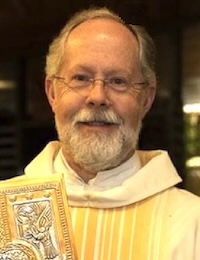
McCulloch
(Diocese of Broken Bay)
On the evening of Easter, the disciples are not celebrating. They are hidden, fearful, and locked in a room, barricaded by their own grief and terror. Into this tomb of their own making, the
Risen Christ enters. He does not rebuke them for their desertion; He does not scold them for their doubt. His first and only gift is a word: ‘Peace be with you.’
This is the peace that comes after the crucifixion, a peace that knows suffering and has conquered it. He then breathes on them, giving them the Holy Spirit and a new mission: ‘As the Father has sent me, so I send you… Whose sins you forgive are forgiven.’
The deacon is a man ordained to carry this specific, post-Resurrection peace. He is sent into the ‘locked rooms’ of the parish and of the world – the rooms of anxiety, grief, division, and sin – and he is commissioned to be a tangible minister of Christ’s mercy.
1. The Proclamation of Peace (At Mass)
At Mass, the deacon is the herald of the Risen Lord’s first words.
• Proclaiming the Peace: When the deacon proclaims this Gospel, he is not just reading a story. He is Christ’s ambassador, entering the locked rooms of the assembly’s hearts and speaking that same, powerful word: ‘Peace be with you.’
• Leading the Sign of Peace: The deacon invites the assembly to share the Sign of Peace. On this Sunday, that act is a profound commission. He is asking the community to take the peace that they have just received from the altar and immediately giveit to one another, breaking down any locked doors between them.
• The Dismissal: The deacon’s dismissal, ‘Go in peace,’ is the fulfillment of the Gospel. It is the command to leave the locked room of the church and to be the peace of Christ in a fearful world.
2. The Ministry of Mercy (In the Parish)
This Sunday is the feast of Divine Mercy. As St. Faustina wrote, ‘The greater the sinner, the greater the right to My mercy.’ The deacon is so often the parish’s animator of charity, which is the active, lived form of mercy.
• The Voice of Mercy: The deacon’s homily on this day is a call to trust. He must be the voice that reminds the parish that no sin is bigger than God’s mercy.
• Pointing to Forgiveness: The deacon is sent, as the apostles were, to ‘bring forgiveness.’ While he does not absolve, he is a primary minister of reconciliation. His work in the RCIA, his pastoral counselling, and his gentle, non-judgmental presence are all designed to breathe peace on the fearful and invite them back to the room of grace, especially the Sacrament of Reconciliation.

3. The Encounter with the Wounded (At the Margins)
The story of Thomas is essential. Peace is not found by ignoring the wounds, but by encountering them. The Risen Christ is not a ghost; He is a wounded, glorified Saviour. The deacon, too, is a minister whose faith is forged in the presence of wounds.
• The Wounded Healer: The deacon’s faith grows not in a locked room, but in the ‘wounds’ of his community – the hospital ward, the prison, the home of the grieving, and the park bench of the lonely. His own doubts are transformed into faith, like Thomas’s, when he touches the suffering of Christ in the ‘least of these.’
• The Hands of Christ: The deacon’s ministry is the hands of Christ extended in mercy. His touch, in bringing the Eucharist to the sick, is Christ inviting the doubting to ‘put your finger here.’ His words of comfort are Christ’s ‘Peace be with you.’
• From Doubt to Belief: The deacon is a living witness that the Risen Lord is found inthe wounds of humanity. His service is a constant proclamation, made not just with his voice but with his life: ‘My Lord and my God!’