Free clip art, comics, graphics for bulletins, web pages, presentations, etc. for 4th Sunday of Zephaniah 2:3; 3:12-13 1 Corinthians 1:26-31 Matthew 5:1-12a

Clip art, comics, Bulletin Inserts for Sunday

Clip art, comics, Bulletin Inserts for Sunday

Clip art, comics, Bulletin Inserts for Sunday

Clip art, comics, Bulletin Inserts for Sunday

February 1, 2026

February 1, 2026

4th Sunday of Year A

FR. LONSDALE'S CLIPARTSUNDAY GRINSBULLETIN INSERTS

First Reading

Zephaniah 2:3; 3:12-13

CLICK HERE FOR A MORE DETAILED ANALYSIS

1. The Central Thesis: God's Sovereign Promise

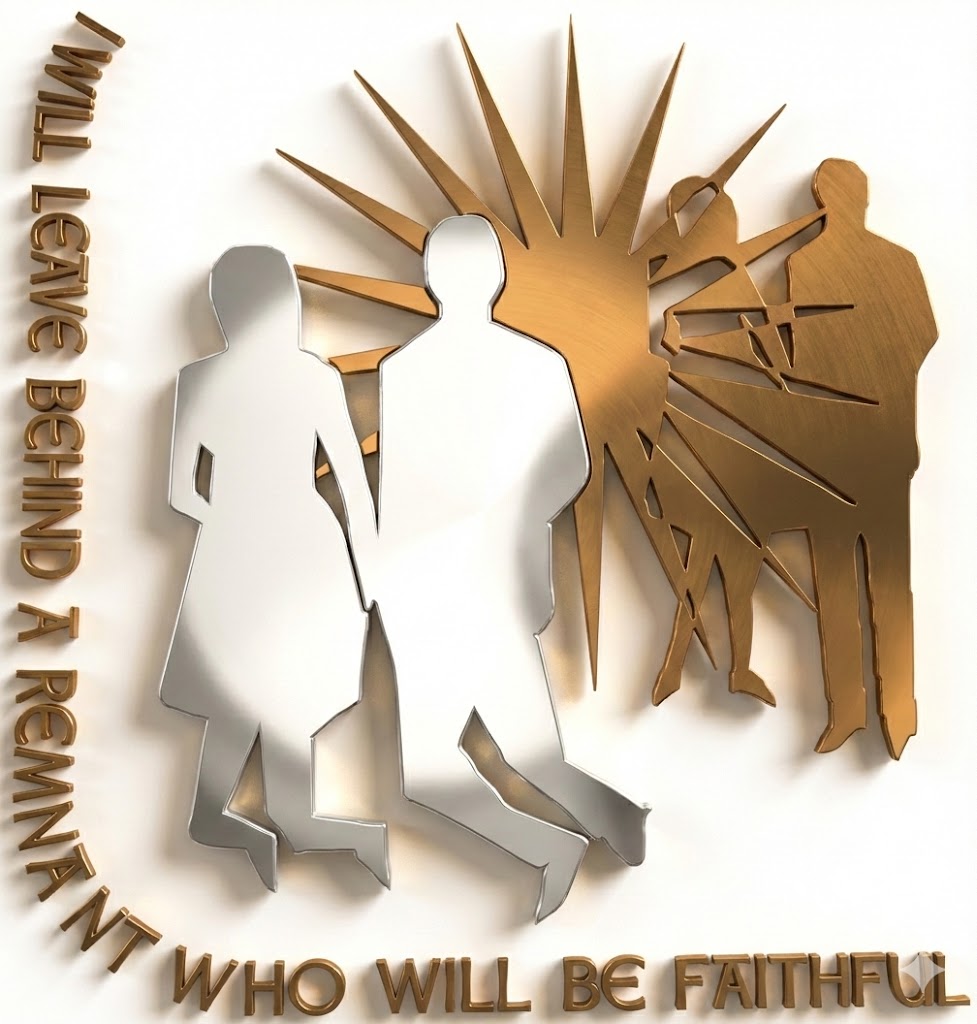
The most direct element of the artwork is the text that frames the figures: "I WILL LEAVE BEHIND A REMNANT WHO WILL BE FAITHFUL."

  • The Biblical Connection: This is a direct paraphrase and synthesis of Zephaniah 3:12-13. God is the active subject ("I will leave"), indicating that the existence of this group is not due to human effort but divine grace and election amidst judgment.
  • Visual Function: The text serves as the title and interpretive key for the entire image. It declares the identity of the figures and the promise that secures their future. The curved placement suggests an embracing or encompassing promise that surrounds the faithful.

2. The Character of the Remnant: Humility and Seeking

The two figures in the foreground are the primary visual focus, representing the "remnant" mentioned in the text. Their depiction is a direct commentary on the required character described by Zephaniah.

  • Posture of Humility: The figures are kneeling. This is the universal physical expression of humility, submission, and dependence. This perfectly visualizes Zephaniah 2:3, which commands, "seek humility," and Zephaniah 3:12, which describes the remnant as "a people humble and lowly." Their posture is their defining spiritual characteristic.
  • Action of Seeking: The kneeling posture is also one of prayer and supplication. Zephaniah 2:3 begins with the imperative to "Seek the LORD." These figures are not passive; their active pursuit of God is demonstrated through their humble stance.
  • Anonymity and Universality: The figures are featureless silhouettes. This suggests that the remnant is not defined by race, gender, or status, but solely by their fidelity and humility before God. They represent a type of person rather than specific individuals.

3. The Divine Presence: Refuge and Security

Behind the kneeling figures is a large, radiating sunburst or starburst element, integrated with other standing figures.

  • Source of Refuge: Zephaniah 3:12 states the remnant "shall seek refuge in the name of the LORD." The large, radiating element symbolizes the divine presence—God's glory, light, and power. The kneeling figures are positioned directly in front of it, illustrating them finding shelter and "refuge" in God.
  • Promise of Protection: The composition suggests safety. Zephaniah 2:3 offers the hope that the humble "may be hidden on the day of the LORD's anger," and 3:13 promises a time when "none shall make them afraid." The overwhelming presence of the sunburst behind the vulnerable kneeling figures visually secures this promise of divine protection.

4. Material Symbolism: Purification and Value

The rendering of the image in polished metals adds a layer of theological depth related to the context of Zephaniah's prophecy.

Divine Bronze/Gold: The background elements—the sunburst, text, and standing figures—are rendered in a warm bronze or gold. These materials are often associated with divinity, royalty, and unchangeable glory in the Bible (e.g., the furnishings of the Tabernacle/Temple). This distinction in material emphasizes the difference between the human remnant (silver, refined) and the divine promise and presence (gold/bronze, eternal and glorious) in which they trust.odern device, the screen background resembles aged parchment, and the title font ("How to Become A Saint...") is archaic and calligraphic, suggesting ancient monastic manuscripts. The background shows a blurred library, implying deep study and tradition.

Refined Silver: The kneeling remnant figures are rendered in bright, reflective silver. In biblical imagery, silver is often purified in a crucible (Psalm 12:6, Proverbs 17:3). This alludes to the context of Zephaniah, where the remnant is what is "left" after the purifying judgment of the "Day of the Lord." They have endured the refining process and come out precious and reflecting God's light.

The image is a symbolic representation of the biblical concept of the “faithful remnant,” a central theme in the prophetic book of Zephaniah. The artwork uses composition, posture, text, and material symbolism to interpret the character and destiny of this group.


Second Reading

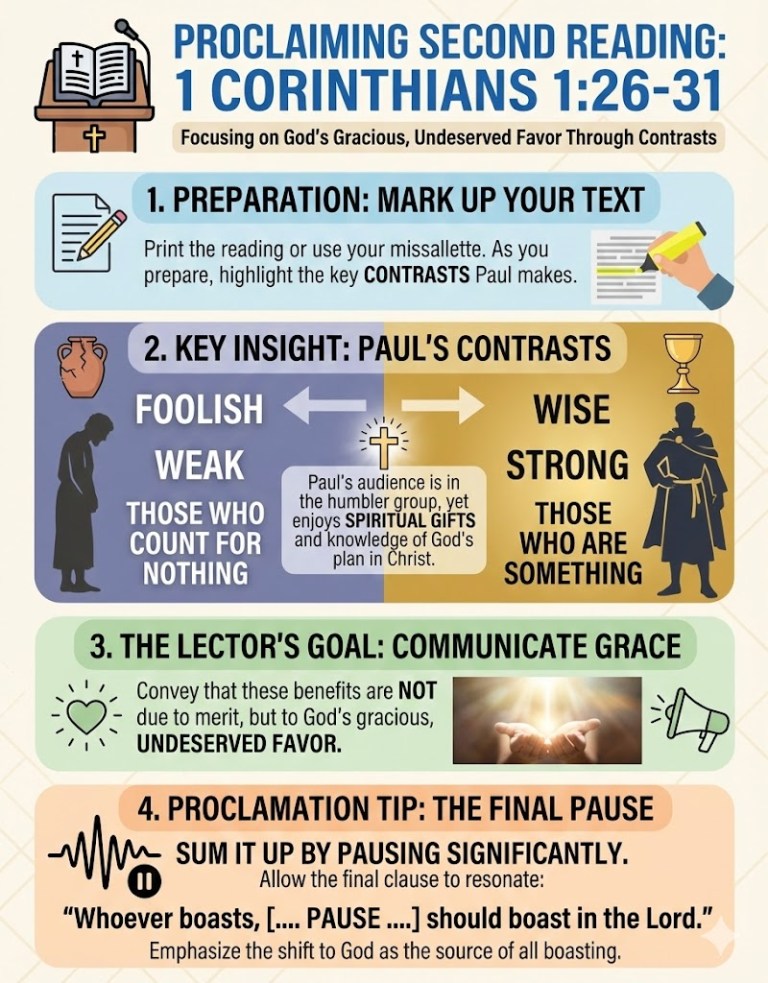
1 Corinthians 1:26-31

CLICK HERE FOR A MORE DETAILED ANALYSIS

1. The Foreground: The Posture of the Chosen (1 Corinthians 1:26-31)

The foreground of the image is dominated by a single kneeling figure and a block of text, which together provide a visual interpretation of Paul's message to the Corinthians.

  • The Textual Basis: The text "WHOEVER BOASTS SHOULD BOAST IN THE LORD" is a direct quotation from 1 Corinthians 1:31, which itself is a summary of Jeremiah 9:24. This command is the culmination of Paul's argument that God chooses "the foolish things of the world to shame the wise" and "the weak things of the world to shame the strong" so that "no one may boast before him" (1 Cor 1:27-29).
  • The Visual Posture: The foreground figure is depicted kneeling in prayer or submission, with hands clasped. This posture is a physical manifestation of the "lowly" and "despised" status mentioned in 1 Corinthians 1:28. The figure has nothing of its own to offer and is in a state of complete dependence. By kneeling, the figure demonstrates that its only confidence, its only "boast," is not in its own wisdom, strength, or noble birth, but solely "in the Lord."

2. The Background: The Promise of the Remnant (Zephaniah 2:3; 3:12-13)

The background of the image features a different set of figures and text, representing the prophetic promise from Zephaniah.

  • The Textual Basis: The curved text "I WILL LEAVE BEHIND A REMNANT WHO WILL BE FAITHFUL" is a paraphrase of God's promise in Zephaniah 3:12-13. This passage describes a future where God will purify His people, leaving a "meek and humble" remnant who "trust in the name of the LORD."
  • The Visual Representation: The background shows three figures standing together, with a bright, radiating sunburst behind them. This visualizes the "remnant" that God preserves. The light behind them represents the divine presence in which they have found refuge, as prophesied in Zephaniah 3:12 ("they will seek refuge in the name of the LORD"). They are the fulfillment of the command in Zephaniah 2:3 to "seek righteousness, seek humility."

3. The Theological Connection: Humility as the Common Denominator

The artwork powerfully connects the two biblical passages by showing that they describe the same spiritual reality.

Visual Synthesis: The image positions the foreground kneeling figure as a present-day example of the background promise. The kneeling figure is how one becomes part of the faithful remnant. The attitude of humble dependence shown in the foreground (1 Corinthians) is the defining characteristic of the remnant promised in the background (Zephaniah). The two parts together declare that from the Old Testament prophets to the New Testament church, God's people are always defined by their humility and their exclusive trust in Him.ul concludes this section by saying he preaches the gospel so that "the cross of Christ might not be emptied of its meaning."

Identity of the People: The "foolish," "weak," and "lowly" of 1 Corinthians 1 are the same group as the "meek and humble" remnant of Zephaniah 3. Both texts describe a people who have no confidence in human power or status.

Source of Salvation: In both parts of the image, salvation and identity are derived entirely from God. The foreground figure boasts only "IN THE LORD", while the background remnant is preserved because "I [God] WILL LEAVE" them behind to be faithful.

The image on the right is a composite work that visually links the Old Testament prophecy of a faithful remnant with the New Testament teaching on God’s election of the lowly. It uses distinct foreground and background elements to demonstrate that the character of God’s people remains consistent across the biblical covenants.


Gospel

Matthew 5:1-12a

CLICK HERE FOR A MORE DETAILED ANALYSIS

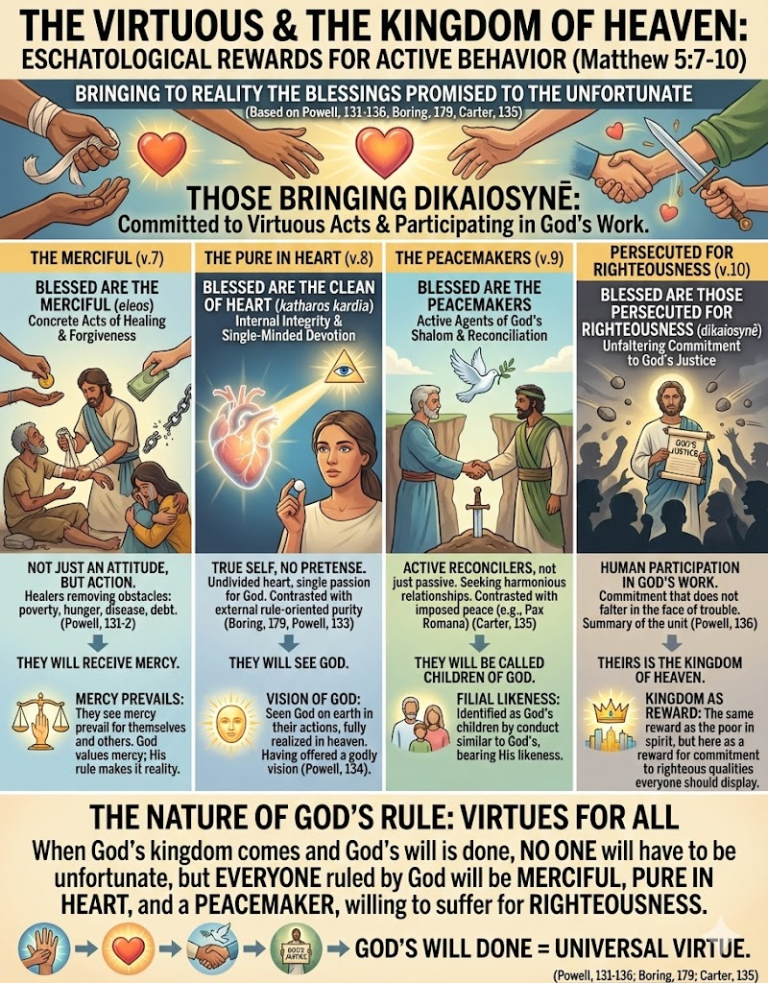
einterpreting the Beatitudes as a "How-To" Guide

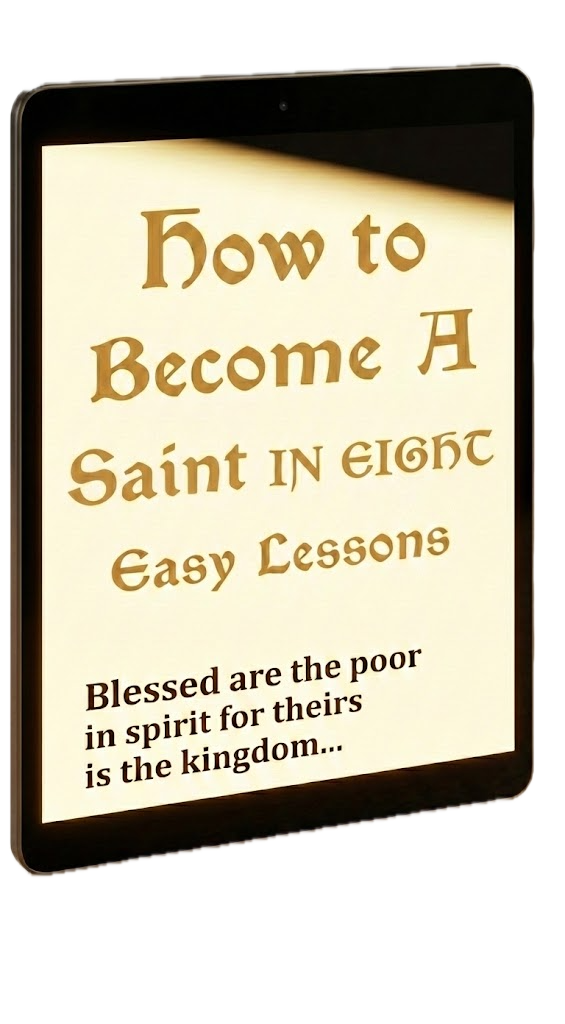
The central feature of the image is the title: "How to Become A Saint IN EIGHT Easy Lessons."

  • The Biblical Connection (The Number Eight): The reference to "Eight Lessons" directly corresponds to the structure of Matthew 5:1-12a. While the passage contains nine "Blessed are..." statements, biblical scholars traditionally identify eight primary characteristic Beatitudes (verses 3–10) that define the citizen of the Kingdom of Heaven. (Verses 11-12 switch from the third person "they" to the second person "you" and are often seen as a commentary on/application of the eighth beatitude regarding persecution).
  • Defining "Saint": In the context of the Sermon on the Mount, Jesus is describing the character of those who belong to God. The rewards promised in Matthew 5—possessing the kingdom of heaven, being comforted, inheriting the earth, obtaining mercy, seeing God, and being called sons of God—are the ultimate descriptors of holiness, or "sainthood." The image correctly identifies the Beatitudes as the blueprint for this state.
  • Reframing as "Lessons": Jesus presented the Beatitudes as pronouncements of blessing upon existing spiritual conditions (e.g., "Blessed are the poor in spirit"). The image reframes these pronouncements instrumentally as "lessons" or steps to achieve a goal. It turns descriptive statements of character into prescriptive steps for self-improvement.

2. The Central Theological Tension: The Word "Easy"

The most analytically significant word in the image is "Easy." This creates a profound tension, perhaps even irony, when contrasted with the actual text of Matthew 5:1-12a.

  • The Marketing Language: The phrase "Eight Easy Lessons" borrows the language of modern self-help, infomercials, or quick-fix guides. It suggests a process that is accessible, painless, and conveniently achievable via a tablet.
  • The Biblical Reality: A close reading of Matthew 5:1-12a reveals requirements that are diametrically opposed to being "easy."
    • Mourning (v.4): Requires deep grief over sin and the brokenness of the world.
    • Meekness (v.5): Requires a radical submission of power and rights, contrary to human instinct.
    • Hungering for Righteousness (v.6): Implies a desperate, starving craving for God's will rather than worldly satisfaction.
    • Persecution (v.10-11): Jesus explicitly states that living this way will result in being reviled and persecuted.
  • Analysis of the Contrast: By labeling these radical demands as "easy," the image highlights the gap between the consumerist desire for instant spirituality and the costly, transformative reality of the path Jesus laid out. The path is simple in its structure (eight clear points), but incredibly difficult in its practice, requiring divine grace rather than just human effort.

3. The Foundational Lesson: "Poor in Spirit"

The bottom half of the screen provides the evidence for the "lessons" by quoting the first Beatitude: "Blessed are the poor in spirit for theirs is the kingdom..." (Matthew 5:3).

  • The Starting Point: In Matthew's text, this is the foundational Beatitude upon which all others rest. To be "poor in spirit" is to acknowledge one's complete spiritual bankruptcy and utter dependence on God. It is the opposite of self-sufficiency.
  • Visual Function: By placing this specific verse below the title, the image establishes that the journey to "sainthood" begins not with acquiring strength or knowledge, but with an admission of emptiness. This further complicates the title's claim of being "easy," as admitting total spiritual poverty is one of the most difficult human acts.

4. Modern Medium vs. Ancient Message

The visual setting emphasizes the timeless nature of the text being analyzed.

Synthesis: This juxtaposition suggests that while the methods of delivery change (tablet vs. scroll), the ancient, challenging truths of Jesus' Sermon on the Mount remain the standard for holiness. The image packages an ancient, difficult path in a modern, accessible format.

The Medium: The text is presented on a modern tablet, symbolizing contemporary access to information and convenience.

The Aesthetics: Despite the modern device, the screen background resembles aged parchment, and the title font ("How to Become A Saint...") is archaic and calligraphic, suggesting ancient monastic manuscripts. The background shows a blurred library, implying deep study and tradition.

The images are of a book (left) and digital tablet (right) displaying what appears to be the cover (left) title section (right) of a spiritual guide. Click on the banner to read an analysis which focuses on how the text on the screen interprets and presents the biblical passage known as the Beatitudes (Matthew 5:1-12a).

SOURCES: Clip art on the left is from Father Richard Lonsdale © 2000. AI enhanced colorized reimagined clip art of Father Lonsdale’s original images are on the right. To copy the clipart images, click with your right mouse button and use “save picture (or image) as…” To view a complete list of clipart images and commentaries: Lonsdale Commentaries and Clipart

TEXT VERSION

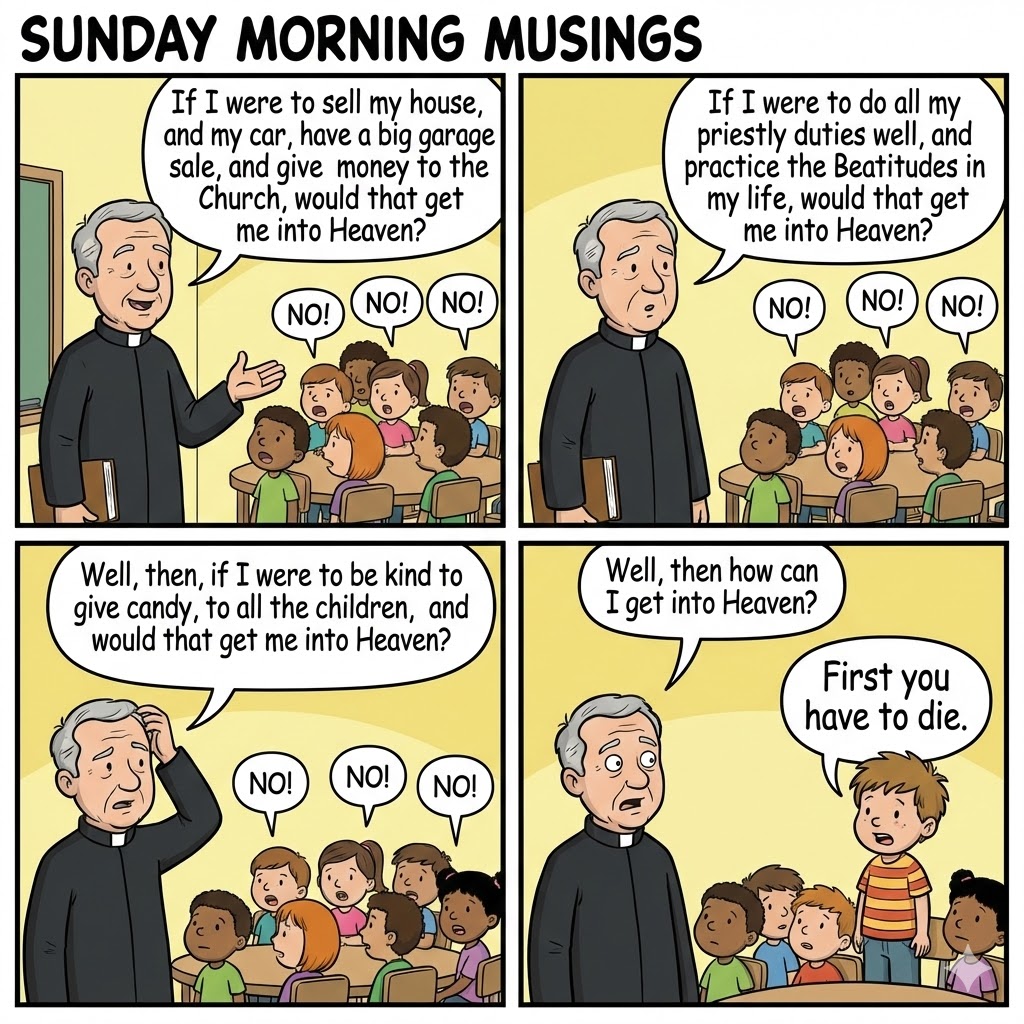
Beatitude in Heaven:   Fr.  Charlie was teaching his Sunday school class.  He asked the class, “If I were to sell my house and my car, have a big garage sale and give all my money to the Church, would that get me into Heaven?”  “NO!” the children all answered.  “If I were to do all my priestly duties well, and practice the Beatitudes in my life, would that get me into Heaven?” the Pastor asked.  Again, the answer was, “NO!”  “Well, then, if I were to be kind to animals, give candy to all the children, and love and serve my parish, would that get me into Heaven?”  Again, the answer was, “NO!” “Well”, he continued, “then how can I get into Heaven?”  Five-year-old little Johnny shouted out, “First you have to die.”


TEXT VERSION

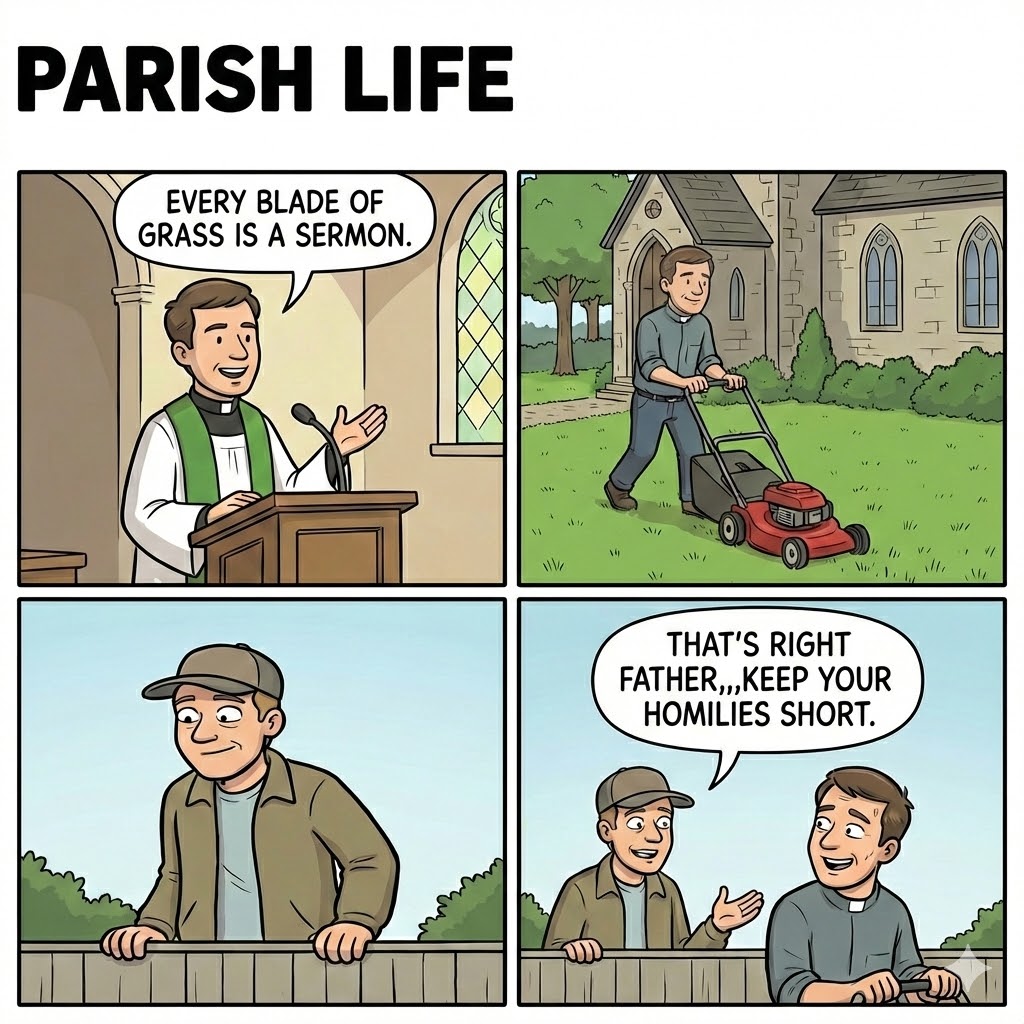
A famous preacher once told his congregation, “Every blade of grass is a sermon.” — A few days later, a parishioner saw him mowing his lawn. ‘That’s right, Father,’ the man said, ‘cut your sermons short.’ 

TEXT VERSION

Beatitude in marriage: In his book, On This Day, Carl D. Windsor includes this anecdote:  Even the most devoted couple will experience a “stormy” bout once in a while.  A grandmother, celebrating her golden wedding anniversary, once told the secret of her long and happy marriage.  “On my wedding day, I decided to make a list of ten of my husband’s faults which, for the sake of our marriage, I would overlook,” she said.  A guest asked the woman what some of the faults she had chosen to overlook were.  The grandmother replied, “To tell you the truth, my dear, I never did get around to listing them.  But whenever my husband did something that made me hopping mad, I would say to myself, ‘Lucky for him that’s one of the ten!’”–  Today, the words of the Beatitudes invite us to consider anew our dependence on God, to acknowledge Him as the Supreme Authority in our lives, and to recognize in Him the Source of our identity and happiness.


TEXT VERSION

A pastor told his congregation, “Next week I plan to preach about the sin of lying.  To help you understand my sermon, I want you all to read Mark 17.” The following Sunday, as he prepared to deliver his sermon, the minister asked for a show of hands.  He wanted to know how many had read Mark 17.  Every hand went up.  The minister smiled and said, “Mark has only 16 chapters. I will now proceed with my sermon on the sin of lying.”


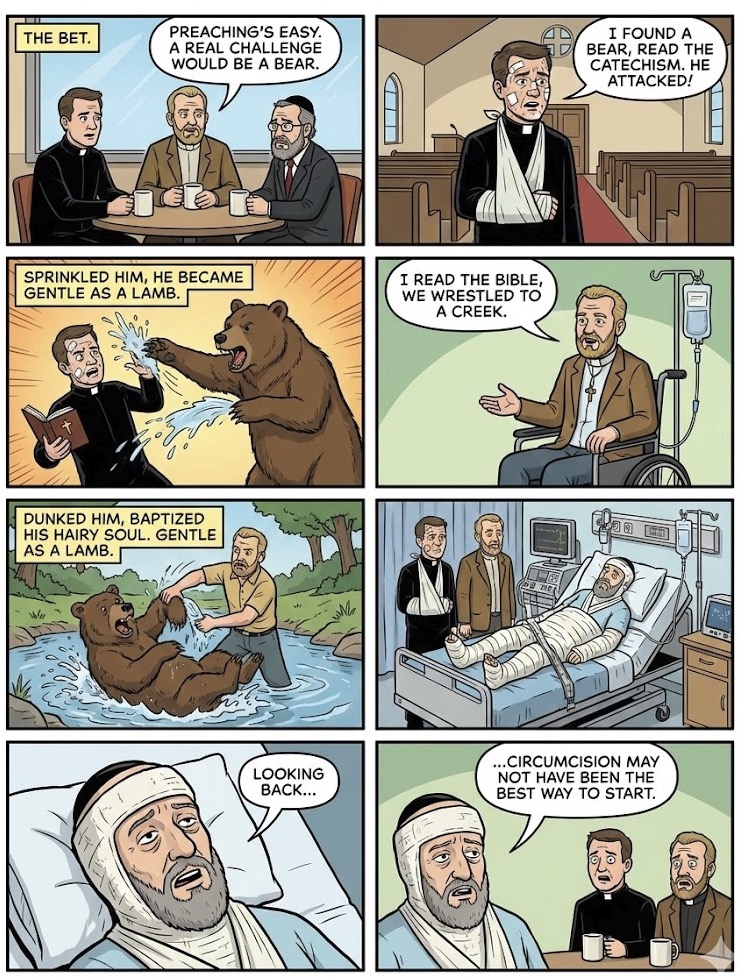
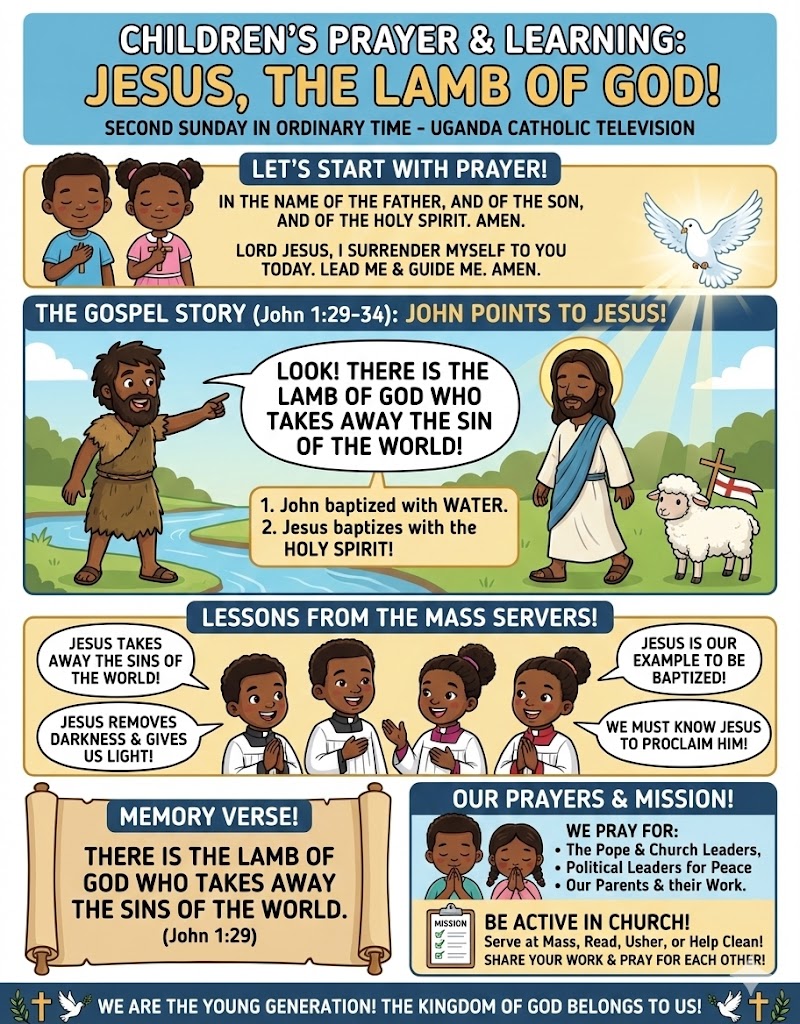
BAPTISM: Catholic, Baptist, Jewish

TEXT VERSION

A Catholic Priest, a Baptist Preacher and a Rabbi were sitting around drinking coffee. Someone made the comment that preaching to people isn’t really all that hard, a real challenge would be to preach to a bear. One thing led to another, and they decided that each would find a bear and attempt to convert it to their religion. Seven days later, they all came together to discuss their experiences.

Father Flannery, who had his arm in a sling and had various bandages on his body and limbs, went first. ‘Well,’ he said, ‘I went into the woods to find me a bear. And when I found him, I began to read to him from the Catechism. Well, that bear came after me and began to slap me around. So I quickly grabbed my holy water, sprinkled him and, Holy Mary Mother of God, he became as gentle as a lamb.’

Reverend Billy Bob the Baptist spoke next. He was in a wheelchair and had an IV drip. ‘I went out and found me a bear. And then I began to read to my bear from the Bible! But that bear came after me. We wrestled down one hill, until we came to a creek. So, I quickly dunked him and baptized his hairy soul. And just like you said, he became as gentle as a lamb.

The Priest and the Reverend both looked down at the Rabbi, who was lying in a hospital bed. He was in a body cast and traction with IV’s and monitors running in and out of him. The Rabbi looked up and said: “Looking back on it, circumcision may not have been the best way to start? 

SOURCE: Comic panels were created using AI based on anecdotes/jokes found at Father Tony’s Homilies. Permission is given for them to be freely copied in any publication for non-commercial use.

Free Clip Art

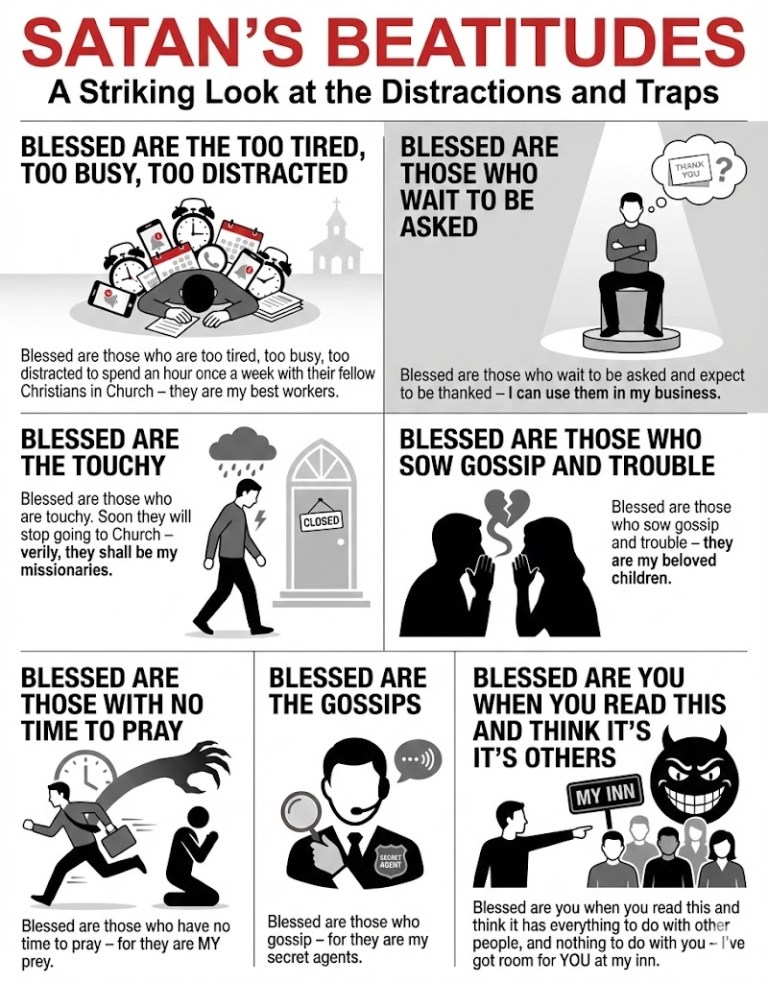
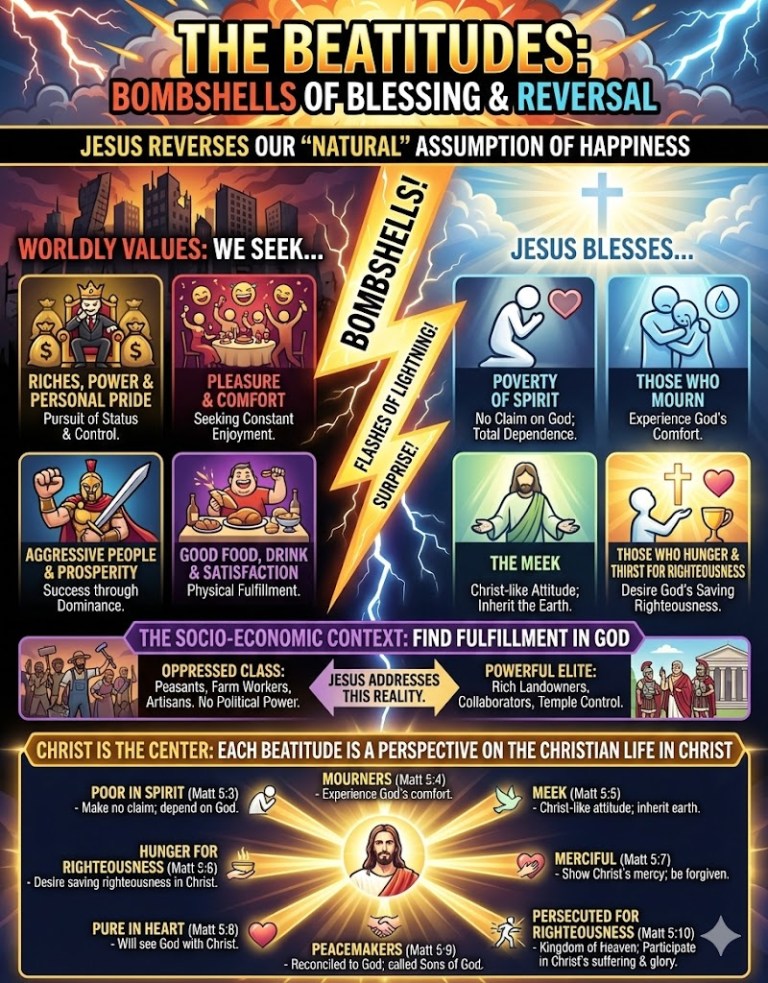
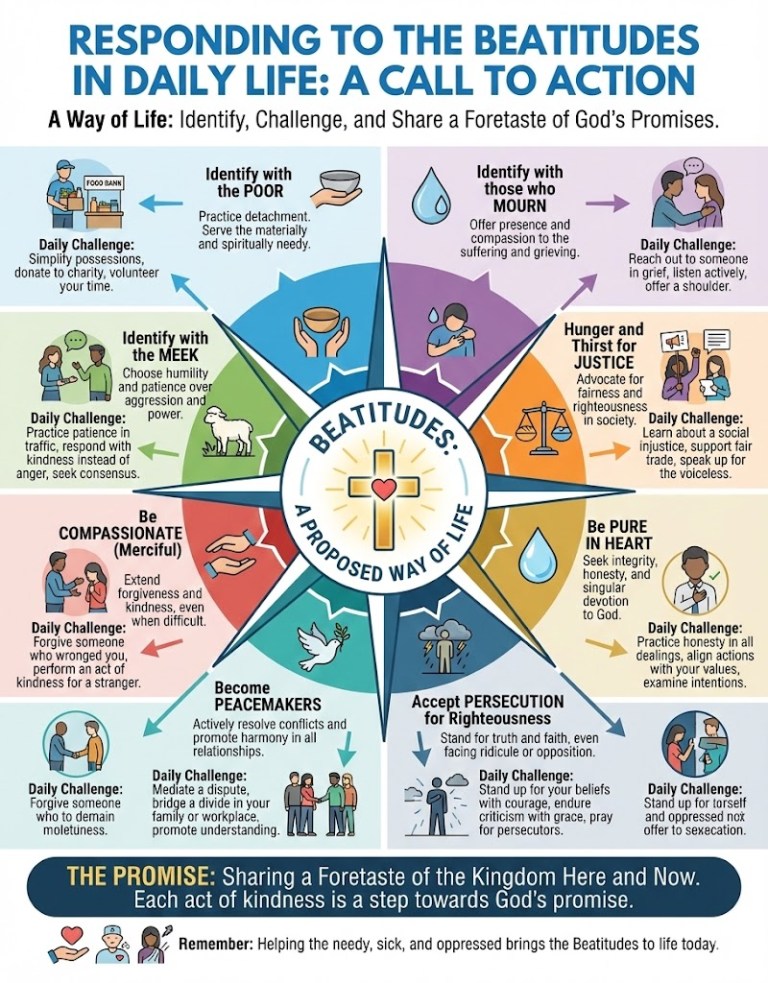
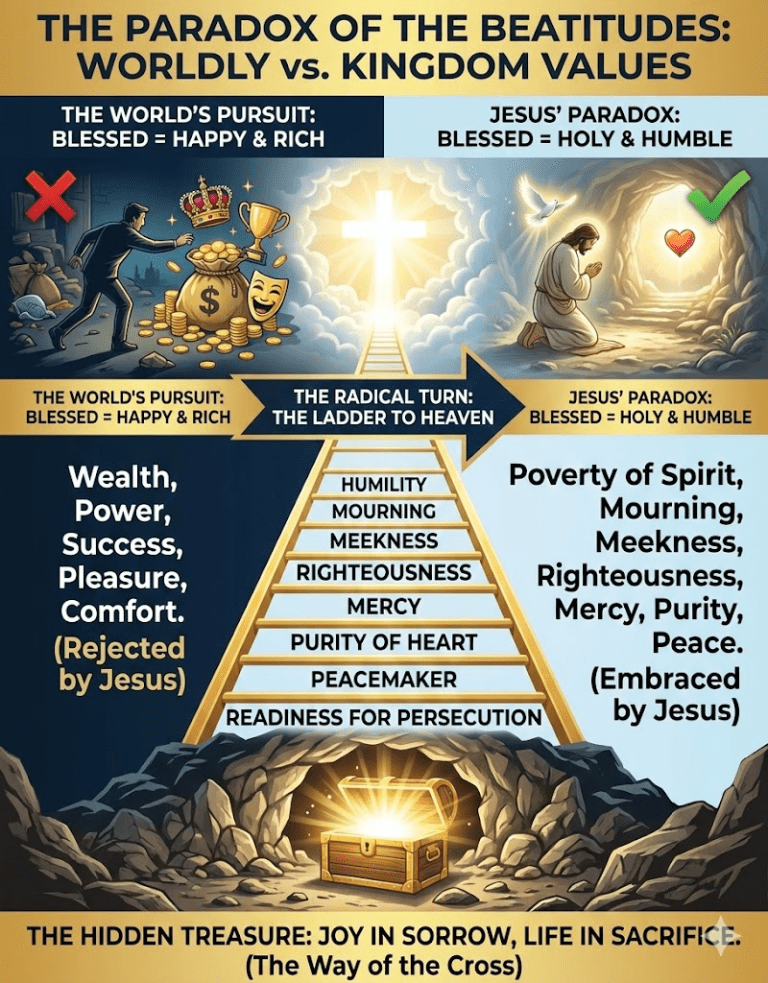
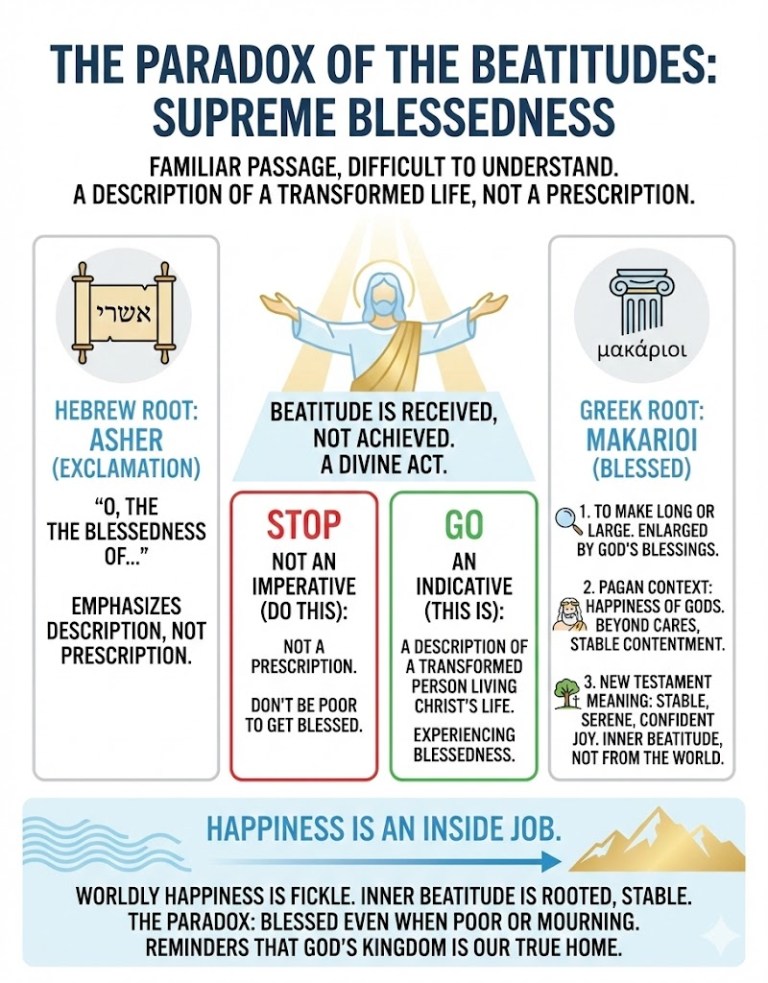
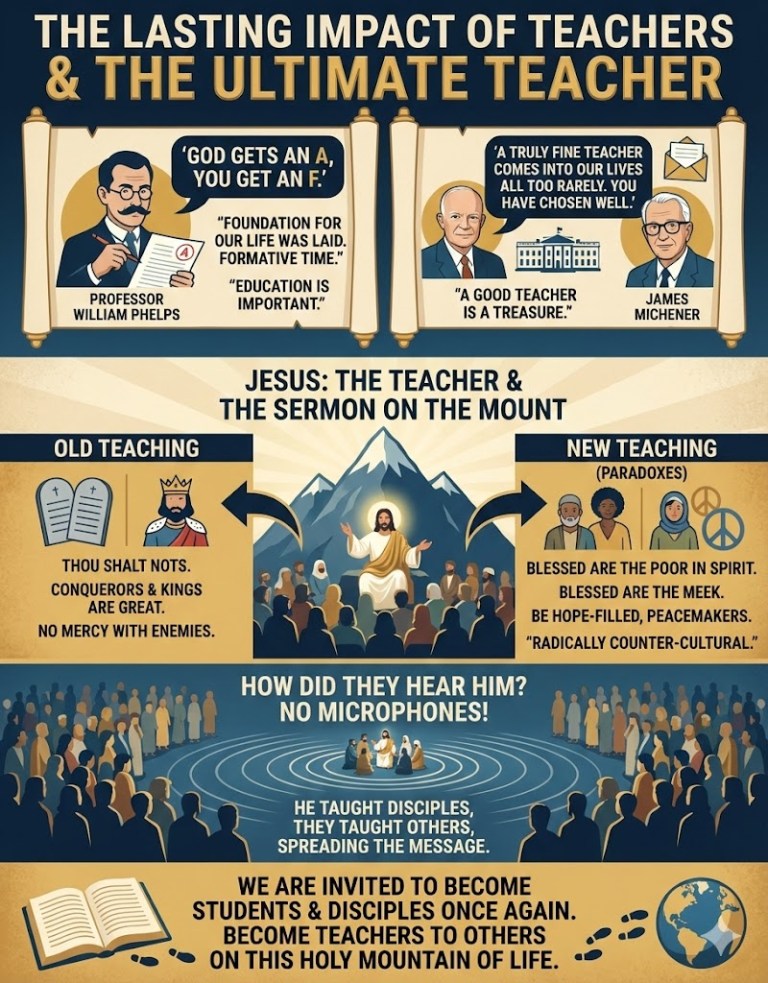
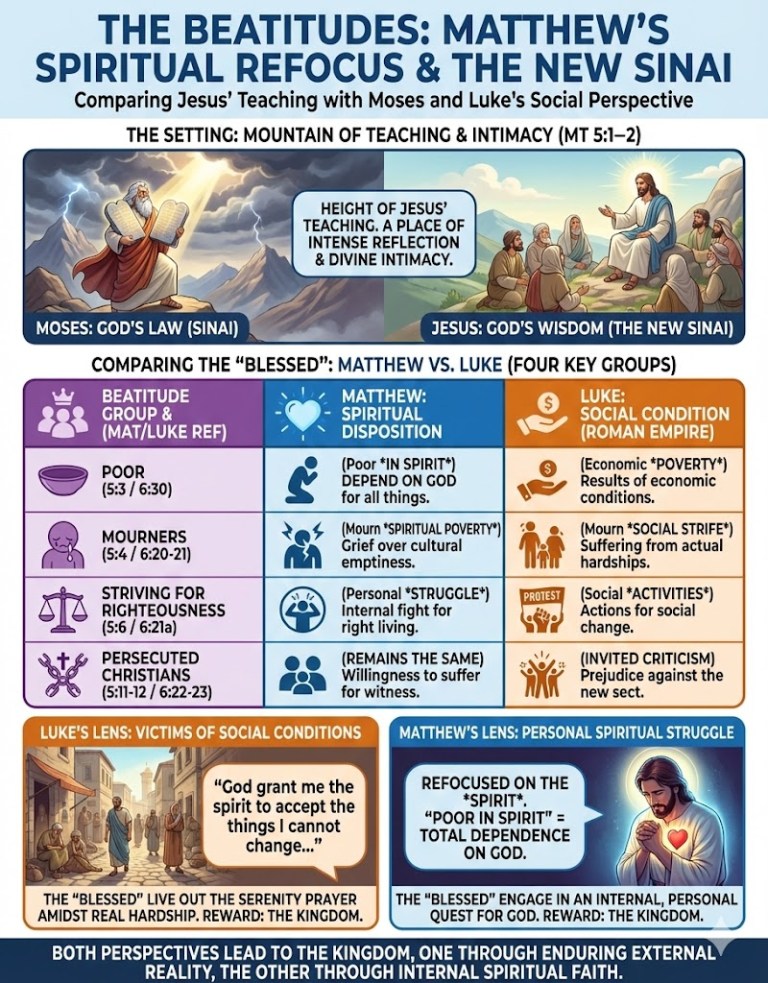
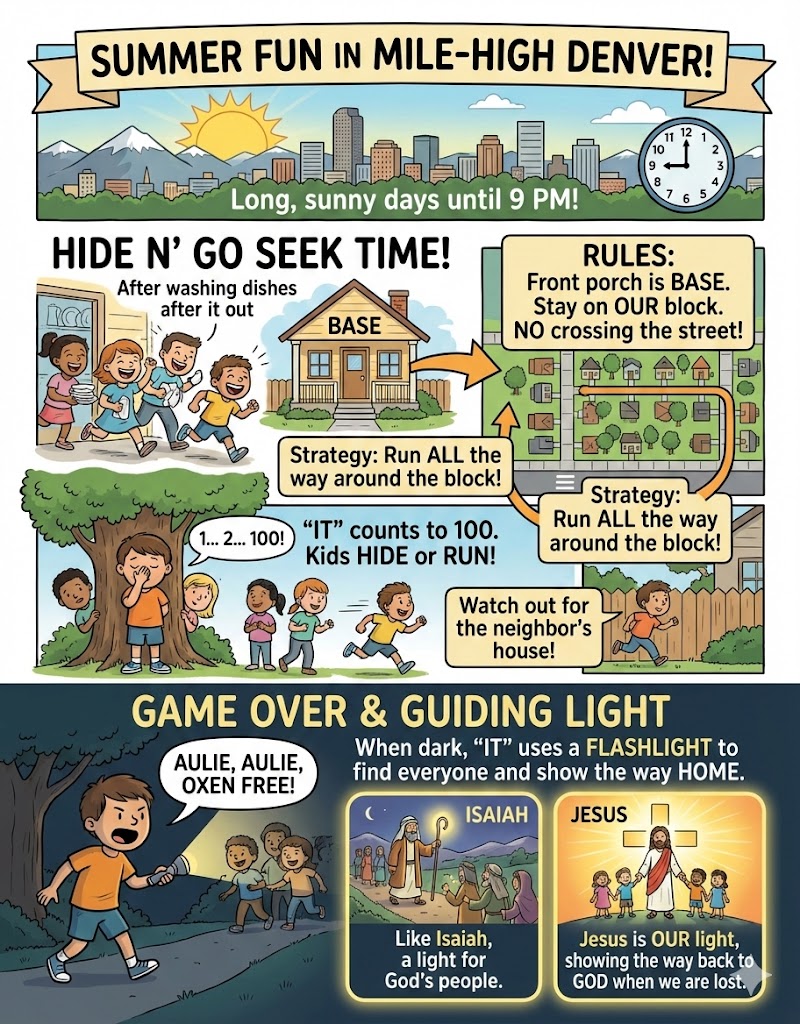
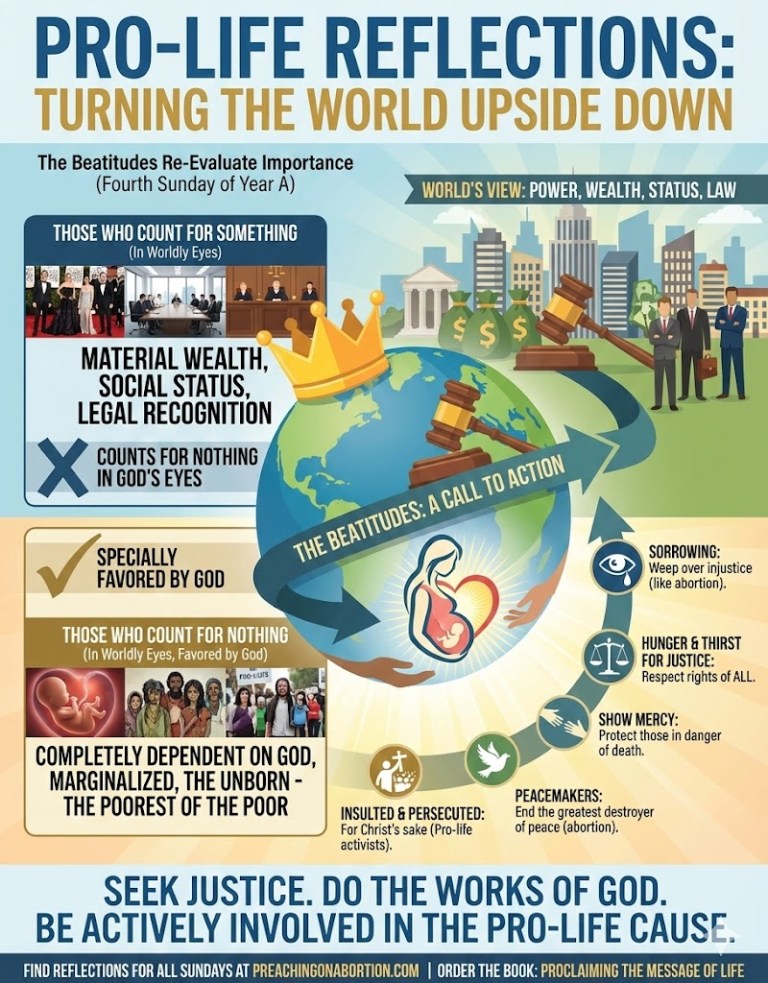
TWTW bulletin inserts on this page were created using Nano Banana and Gemini AI 3.0 Pro. Permission is granted to non-profits to copy, paste them in their publications and websites. Please credit TWTW website.

Free Clip Art