Commentary Intro to Mass Readings for Sunday
CommentaryIntro to Mass Readings for Sunday
February 1, 2026
February 1, 2026
4th Sunday of Year A



1st Reading | 2nd Reading | Gospel
Click on links for a short VIDEO CLIP.
CATHOLIC BIBLE STUDIES
Michal Hunt
Edrianne Ezell
Vince Contreras
Fr. Kieran O’Mahoney
Fr. Thibodeau
Hector Molina

Dr. Scott Hahn

Dr. John Bergsma
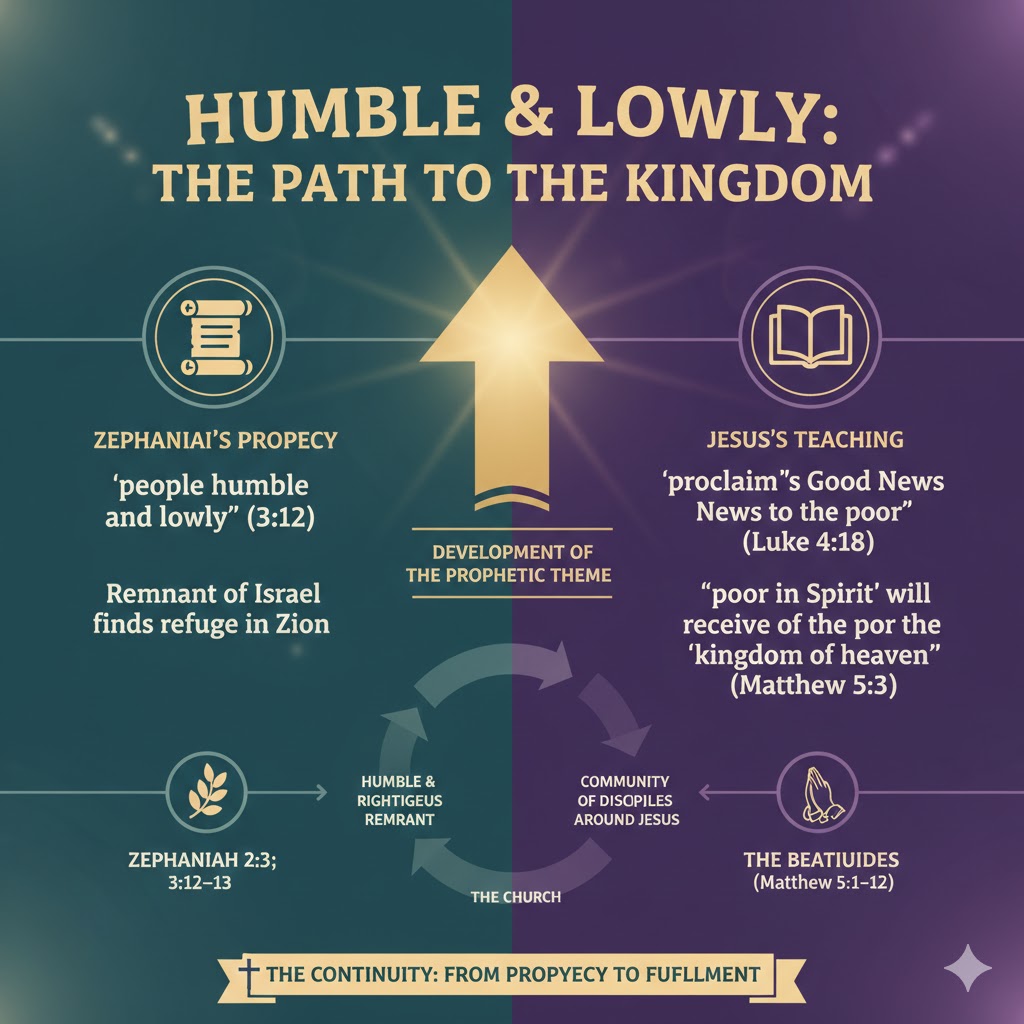

Pope Francis
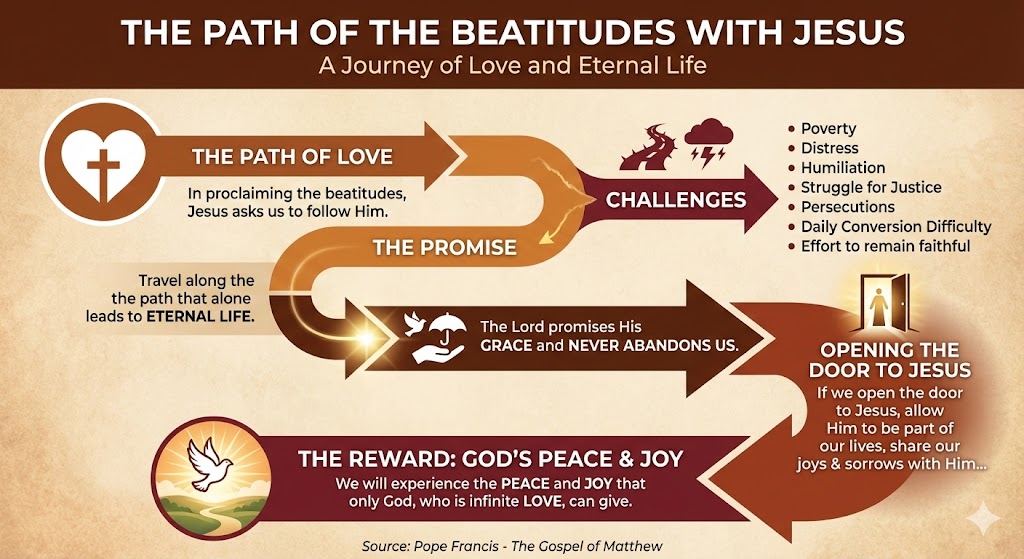

Christopher West – Theology of the Body


THE WORD THIS WEEK infographics on this page were created using using GOOGLE’S AI Gemini 2.5 Pro. You are free to use the them in any non-profit ministry. Proper attribution, however, must be given to sources.

Larry Broding
Word-Sunday.com
Zephaniah 2:3; 3:12-13
The Promise of the Poor
When have you felt powerless? How did you address your situation?
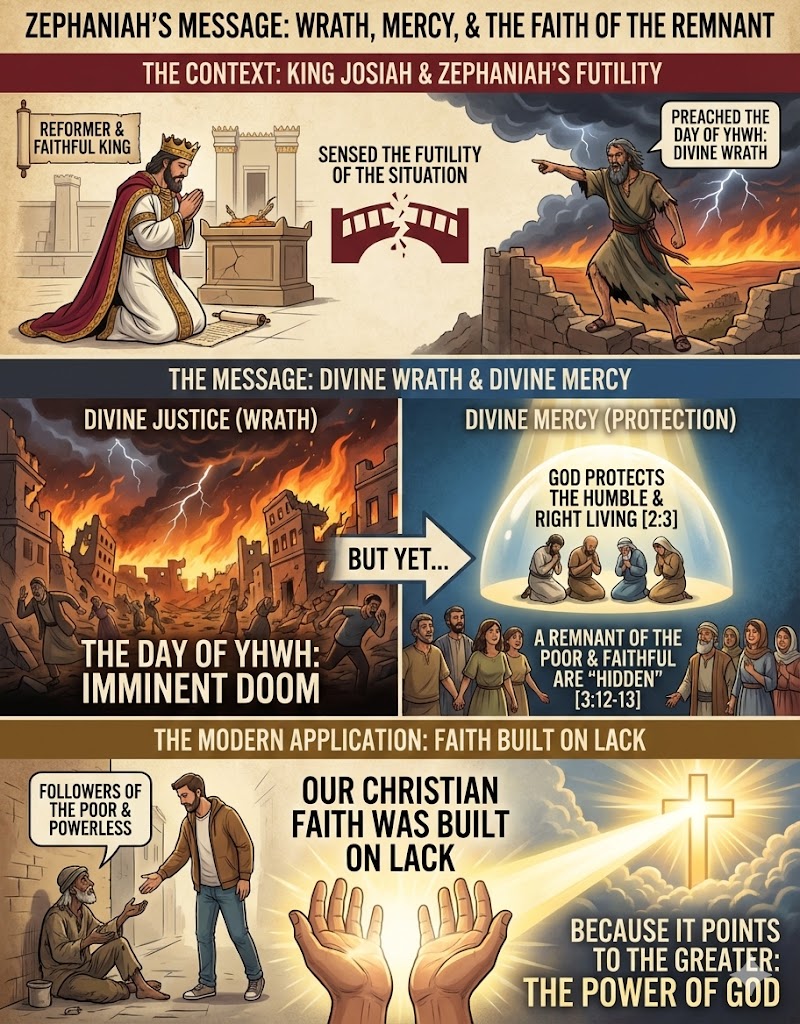
Here is an engaging description of this commentary on Zephaniah, crafted to help preachers illuminate this often-overlooked prophet for their congregations.
Finding Hope in the Rubble: The Promise of the Remnant
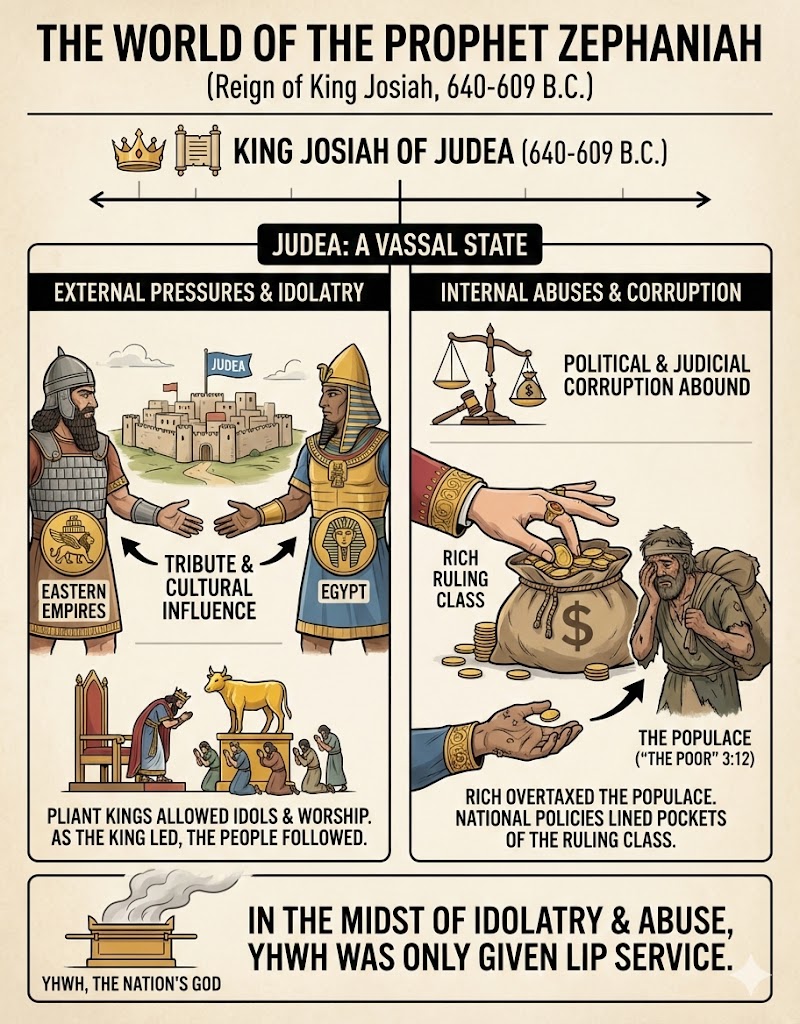
Zephaniah is a prophet for an age of corruption.
If you are preaching on Zephaniah 2:3; 3:12-13, Larry Broding’s commentary provides a vital historical backdrop that feels uncomfortably modern. He paints a picture of a nation where political and judicial corruption abound, the rich overtax the poor, and national policy is designed solely to line the pockets of the ruling class.
In the midst of this societal decay—where God receives only “lip service”—Zephaniah stands up to announce the Day of YHWH.
Why this commentary matters for your sermon:
- Contextualizing the Wrath: Broding explains that even though King Josiah was a reformer, Zephaniah sensed the deep-seated rot in the culture. This helps preachers explain why the “Day of Wrath” was necessary, not just a burst of divine anger, but a cleansing of systemic injustice.
- The Theology of the “Remnant”: This is the heart of the passage. Broding highlights the concept of the remnant—the humble, common people who remain faithful when the structures around them collapse. God promises to “hide” these humble few from the imminent doom.
- Defining True Wealth: The commentary draws a powerful line between the “movers and shakers” who fall and the “poor and powerless” who survive. It challenges the modern listener to question where their true security lies.
The Core Message: Broding’s reflection culminates in a paradox essential for Christian faith: Our faith is built on lack.
While we may be educated and comfortable today, we are followers of a poor and powerless Savior. Zephaniah teaches us that acknowledging our spiritual poverty is the only way to access the true power of God. The “remnant” aren’t saved by their strength, but by their reliance on YHWH.
“Our Christian faith was built on lack, because it points to the greater. It points to the power of God.”
Read Larry Broding’s full commentary to help your congregation find their place among the faithful remnant.
THE WORD THIS WEEK infographics below were created using using GOOGLE’S AI Gemini 2.5 Pro. You are free to use the them in any non-profit ministry. Proper attribution, however, must be given to Larry Broding at Word-Sunday.com.

Larry Broding
Word-Sunday.com
In Brief
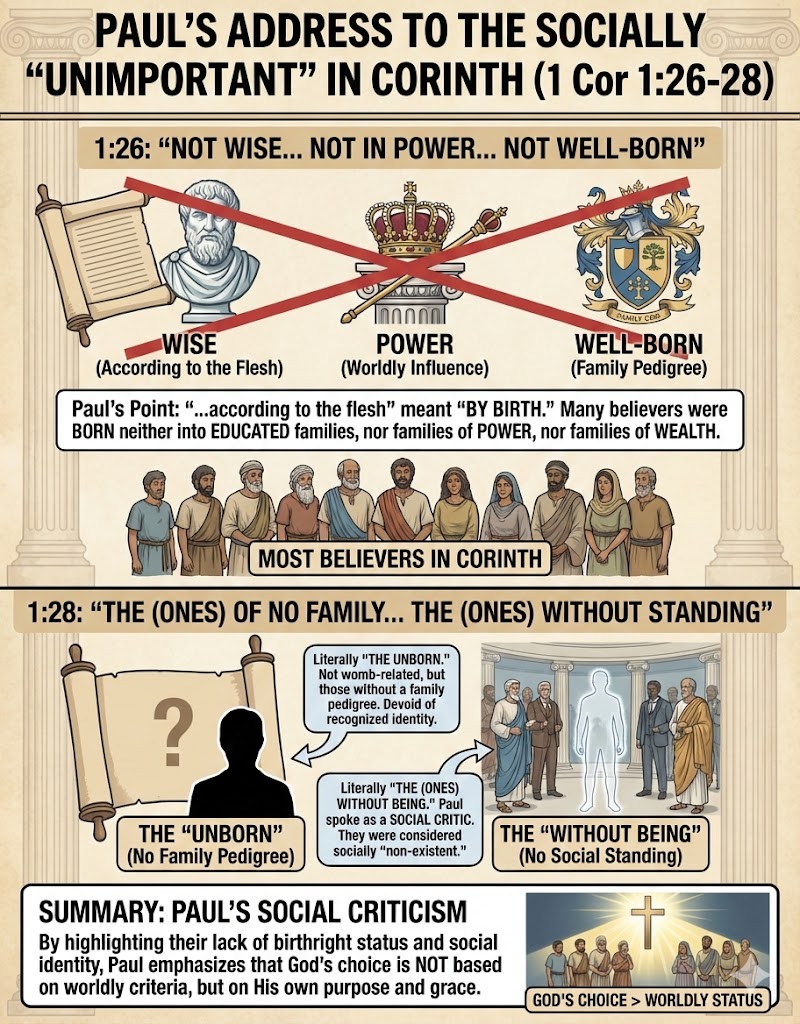
1:26 “that many (of you were) not wise according to the flesh, nor (were) many in power, nor (were) many well-born” Paul simply pointed out the station most of the believers in Corinth were born to. “…according to the flesh” meant “by birth.” So the phrase could be translated: “many of you were born neither into educated families, nor families of power, nor families of wealth.”
1:28 ” the (ones) of no (important) family” is literally “the unborn.” In this case, Paul was not speaking of those still in the womb, but those without a family pedigree. Even the poor bragged about their family lineage. Those without such a family tree were considered to be without identity.
“the (ones) without (social) standing” is literally “the (ones) without being.” Paul spoke as a social critic in this context.
1 Corinthians 1:26-31
Our Place Before God
What advantages have you received in life?
Here is an engaging description of this commentary, tailored to help preachers frame a homily on 1 Corinthians 1:26-31 (the likely source text).
The Privilege Paradox: When “Wisdom” Becomes a Barrier to Grace
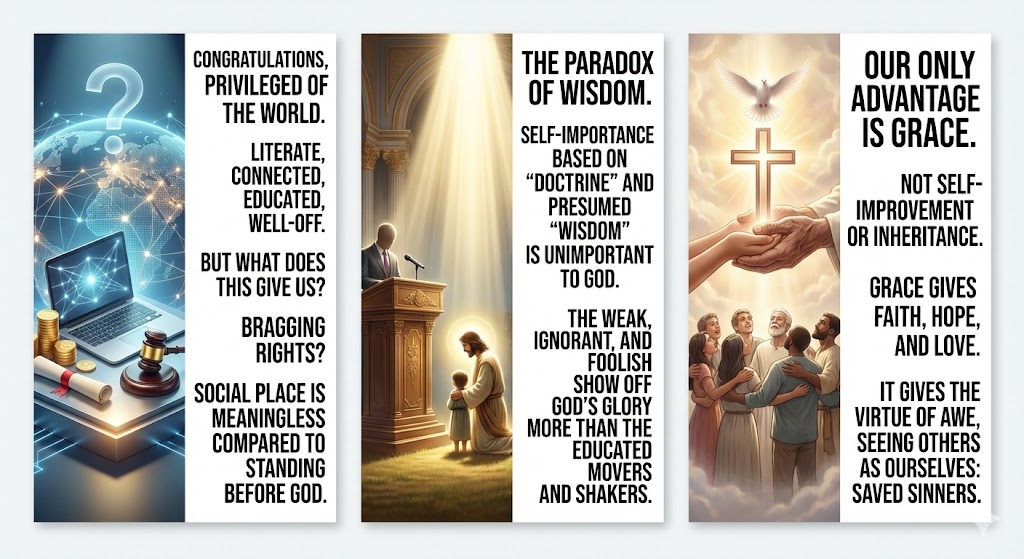
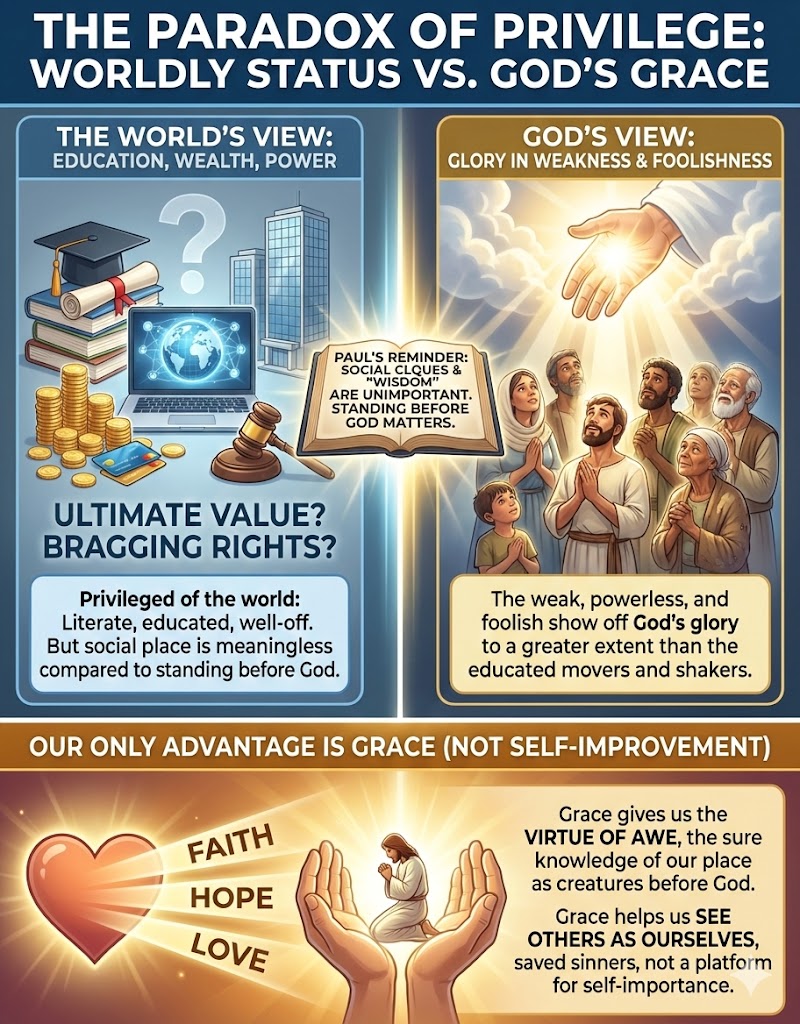
“Congratulations! If you are reading this, you belong to the privileged of the world.”
With these opening words, Larry Broding captures the uncomfortable truth of our modern lives. We are literate, connected, and relatively powerful. But in his reflection on St. Paul’s letter to the Corinthians, Broding forces us to ask: What is all this status actually worth?
If you are preaching to a congregation that struggles with intellectual pride, social cliques, or the subtle idolatry of “success,” this commentary provides the perfect counterbalance.
Why this commentary matters for your sermon:
- A Mirror for Modernity: Broding draws a sharp line between the ancient cliques of Corinth—divided by “doctrine” and “presumed wisdom”—and our modern reliance on education and influence. He helps you show your congregation that their “bragging rights” might be spiritual stumbling blocks.
- The Theology of the “Foolish”: The commentary highlights the great Pauline inversion: that God uses the weak, the ignorant, and the powerless to display His glory, shaming the “movers and shakers” of the world.
- Defining Grace Correctly: Move your listeners away from self-improvement and inheritance. Broding defines grace not as a tool for self-promotion, but as the “virtue of awe”—the humbling realization that we are merely creatures standing before a Creator.
The Core Message: This text challenges the preacher to strip away the “street corner pulpit” of self-importance. It reminds us that our only true advantage is Grace. It is Grace that turns us from critics into believers, and from elites into “saved sinners.”
“Grace helps us see others as ourselves, saved sinners.”
Read Larry Broding’s full commentary to find the words that will humble the proud and lift up the lowly in your next homily.
THE WORD THIS WEEK infographics below were created using using GOOGLE’S AI Gemini 2.5 Pro. You are free to use the them in any non-profit ministry. Proper attribution, however, must be given to Larry Broding at Word-Sunday.com.
Larry Broding
Word-Sunday.com
In Brief
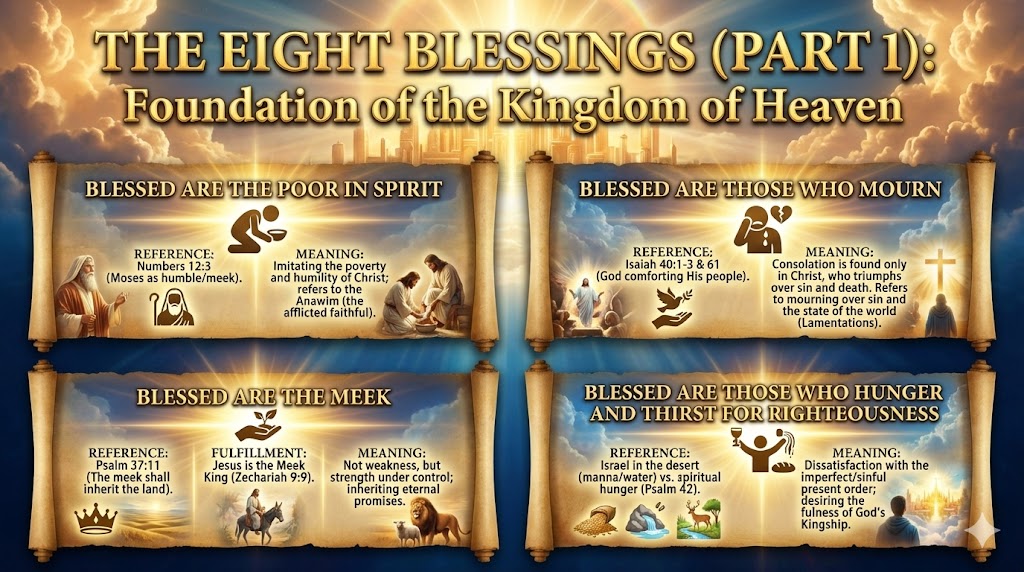
5:6 “righteousness” is the equivalent to God’s will and human cooperation with his will. It can be loosely translated “to do God’s will.”
5:8 The word “clean” means “kosher.” Psalm 24:3-4 emphasized the importance of clean (“kosher”) hands and heart to worship the Lord in the Temple:
5:9 With the Jewish-Christian undertones of Matthew, peace was the equivalent to “Shalom,” the sense that all was right between God and humanity, all was right within the human community. But, there was a problem. Only God could give true peace, just as only God could call humans his “children.” Matthew seemed to imply the “peacemakers” are those who participate in God’s Shalom.
5:11 “revile” meant slander as well as direct verbal abuse. Later Jewish rabbis considered these insults (both direct and indirect) more evil than idolatry, sexual infidelity, and bloodshed combined! Such comments robbed one of reputation and even of livelihood.
Matthew 5:1-12a
The Beatitudes
Which best describes your idea of happiness: self-fulfillment, contentment, or a lack of want? Explain your answer.
Everyone wants to be happy. In our modern world, we chase it through wealth, status, physical fitness, and mindfulness. But in the Gospel of Matthew, Jesus offers a definition of happiness that contradicts almost every instinct of our culture.
If you are preparing a homily on the Beatitudes (Matthew 5:1-12), Larry Broding’s commentary offers a compelling framework to help your congregation move from a pursuit of “convenience” to a life of “commitment.”
Why this commentary matters for your sermon:
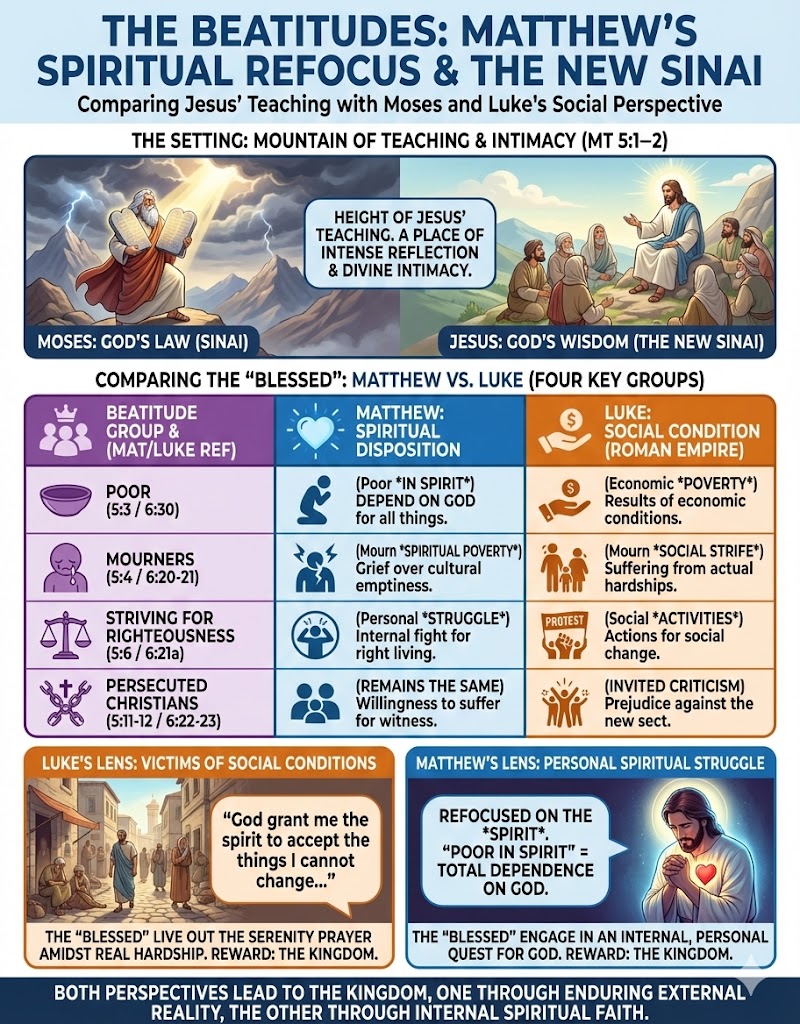
- The “New Moses” Connection: Broding vividly sets the scene of Jesus on the mountain, paralleling God giving the Law to Moses on Mt. Sinai. This isn’t just a list of sayings; it is the height of divine intimacy and the new law for the Kingdom.
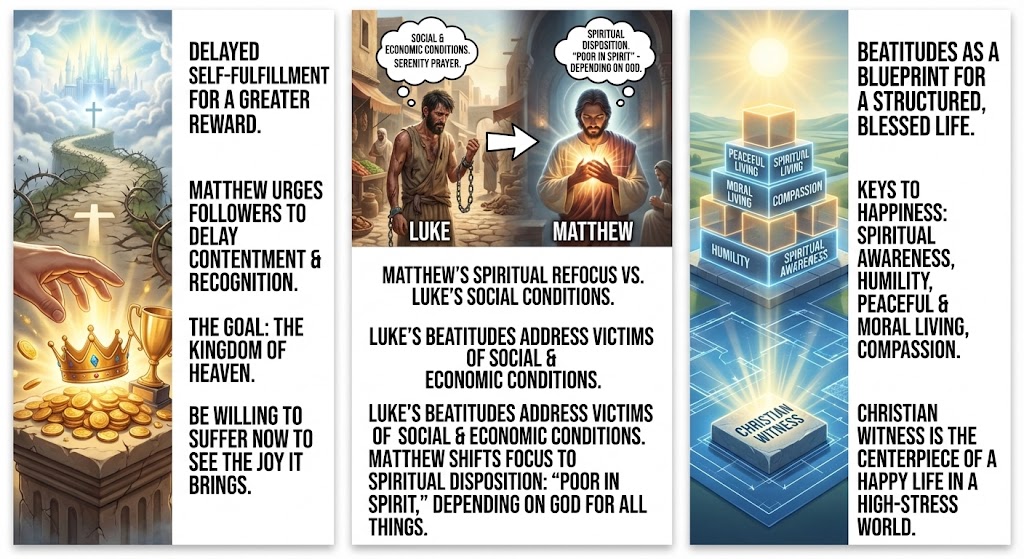
- Matthew vs. Luke: Broding provides a sharp contrast between Luke’s focus on social conditions (the actual poor) and Matthew’s pivot to spiritual dispositions (the “poor in spirit”). This distinction is crucial for helping modern believers apply these ancient texts to their internal spiritual lives.
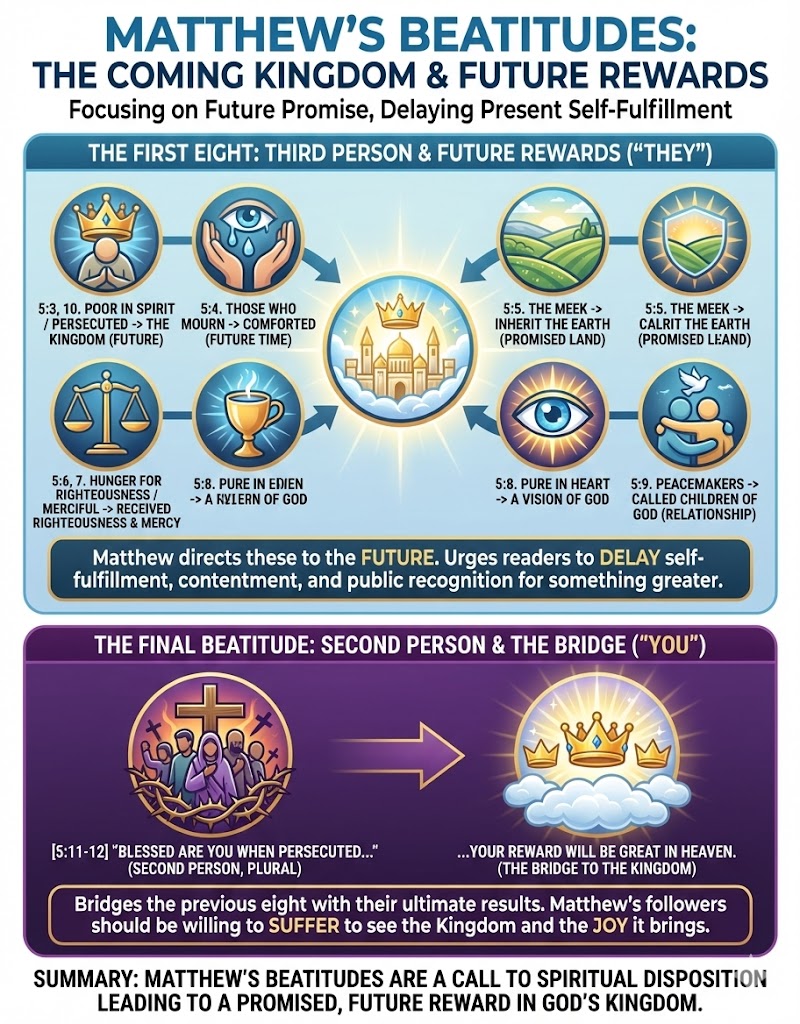
- The Architecture of Grace: Discover how Matthew structures the beatitudes, moving from the third person (“they”) to a direct, challenging second person (“you”) when addressing persecution—bridging the gap between spiritual theory and the hard reality of discipleship.
The Core Message: Broding argues that Matthew’s “blessedness” requires a delay of self-fulfillment. It asks the believer to trade public recognition and immediate contentment for a future reward: The Kingdom.
Whether exploring the “meek” who inherit the earth or the “pure of heart” who see God, this commentary reveals that the Beatitudes are not just platitudes—they are a survival guide for maintaining a Christian witness in a high-stress world.
“Those who lived a life based upon commitment instead of convenience… would be saved.”
Read Larry Broding’s full commentary to discover how the Beatitudes can transform our definition of the happy life. Gospel.
THE WORD THIS WEEK infographics below were created using using GOOGLE’S AI Gemini 2.5 Pro. You are free to use the them in any non-profit ministry. Proper attribution, however, must be given to sources.
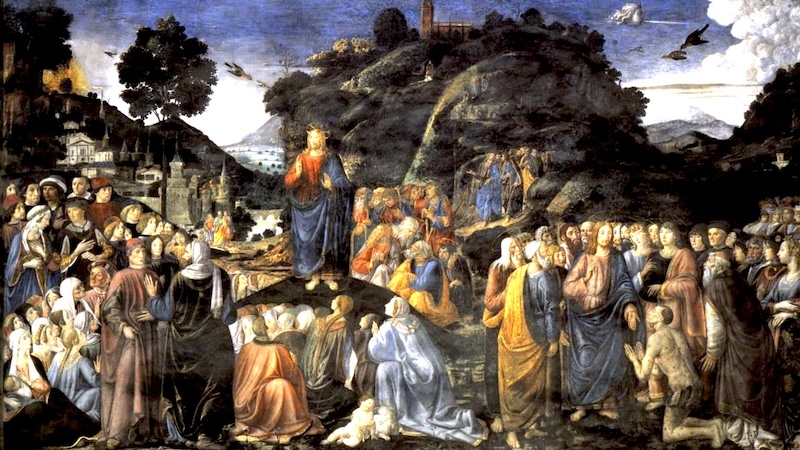
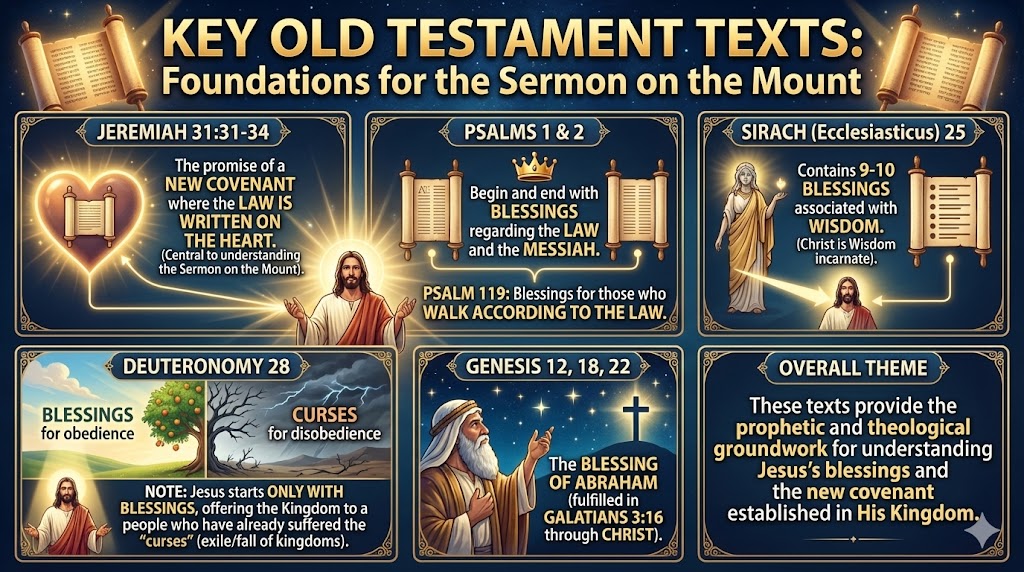
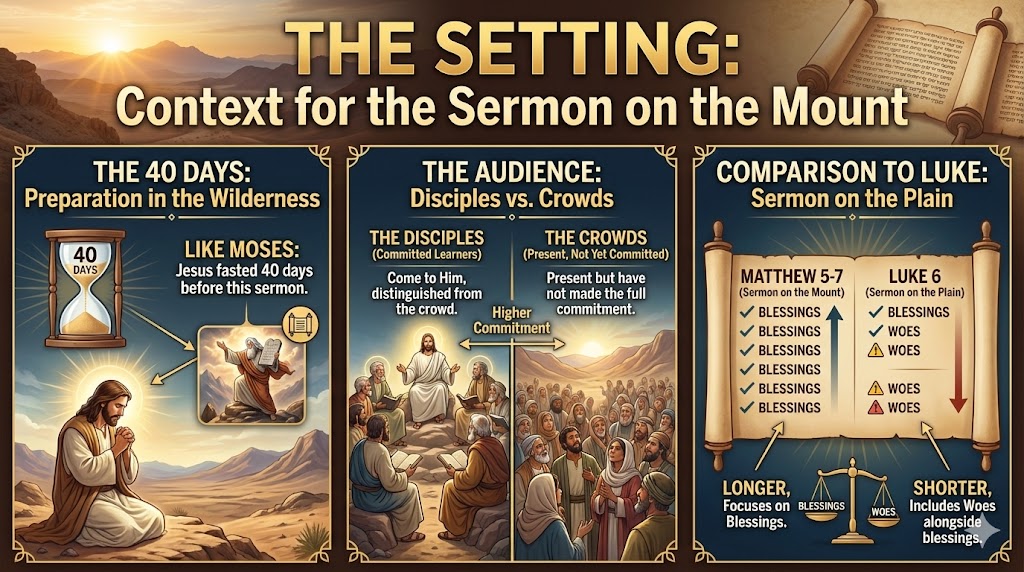
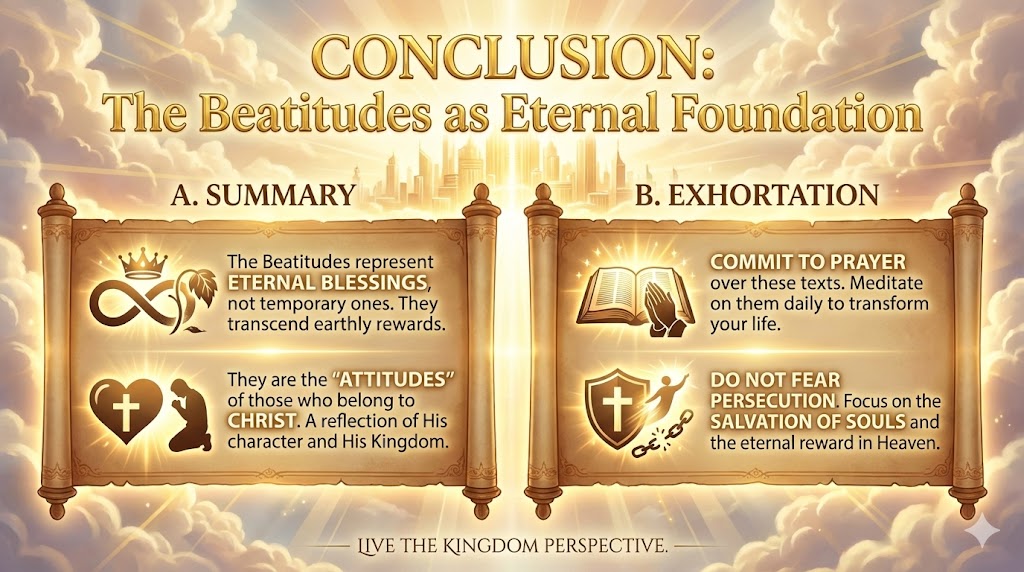
Sermon on the Mount
THE WORD THIS WEEK infographics below were created using using GOOGLE’S AI Gemini 2.5 Pro. You are free to use the them in any non-profit ministry. Proper attribution, however, must be given to Fr. Corrigan, OFM.
The First Stanza

The Second Stanza

The Relationship of the Two Stanzas


Catholic Biblical
Studies
Father Tim Peters, S.Th.D.
Professor of Biblical Theology
St. John’s Seminary
Camarillo, CA
1st READING | PSALM | 2nd READING | GOSPEL
Presentation Slides
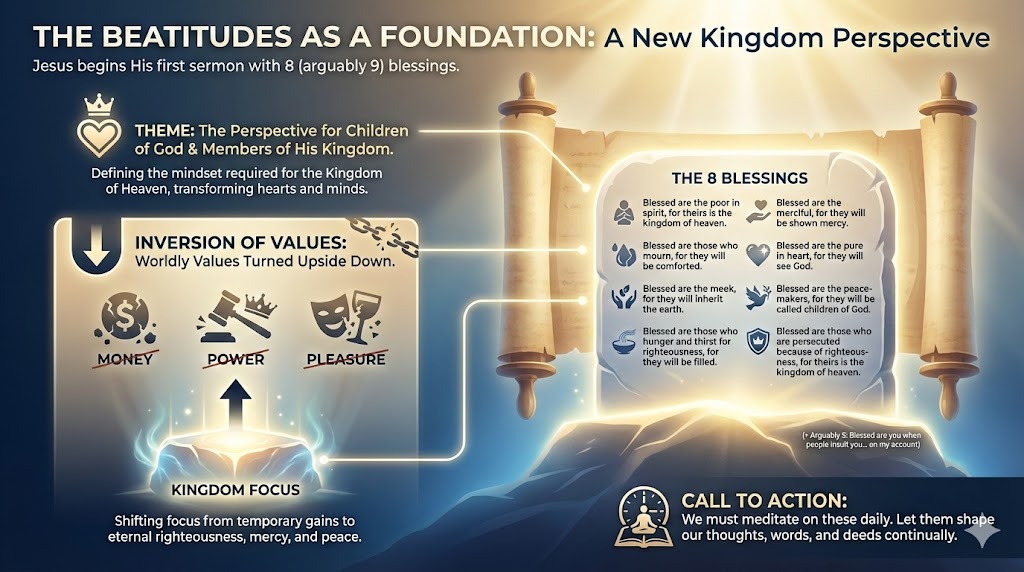
THE WORD THIS WEEK infographics are based off Father Peters’ presentation. They were created using using GOOGLE’S AI Gemini 2.5 Pro. You are free to use the them in any non-profit ministry. Proper attribution, however, must be given to Father Tim Peters, S.Th.D.