
Click INDEX TAB
in right corner of browser to view featured homilists.

FEATURED HOMILIES

SOURCE: The Jesuit Post
There is no magic fix or silver bullet for life’s challenges, but believing in Jesus and being in a dynamic relationship with God can bring about meaningful change and growth.

SOURCE: Archdiocese of Brisbane
Jesus emphasized the need for spiritual nourishment over material needs and warned against making material possessions the focus of life.

SOURCE: Fr. Peter Hahn Archive of Homilies
Our faith in God and acceptance of his timeless truths, despite the presence of sin and betrayal, is our greatest supernatural gift and brings us into intimate union with Christ through the sacrament of the Holy Eucharist.
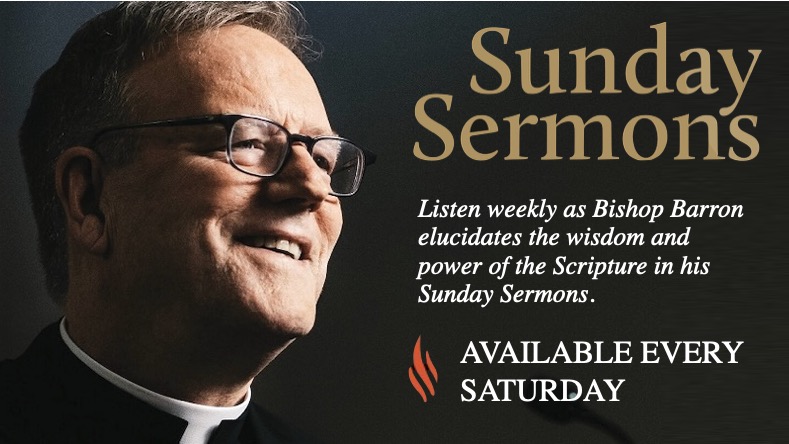

SOURCE: Word on Fire
We should work for the food that endures for eternal life, not for the temporary and fleeting pleasures of this world.


SOURCE: Fr. Jude Thaddeus Langeh Basenbang
Jesus offers the bread of life, a gift of food that will not leave people hungry, and invites them to partake in the eternal food given by grace and the heavenly father.



SOURCE: The Word in the World
Jesus is the ultimate source of spiritual nourishment and eternal life, and we are called to seek him for fulfillment and satisfaction rather than temporary gains.

SOURCE: A Jesuit Adventure
Christians are called to live differently from the world, rejecting worldly thinking and embracing a life aligned with God’s values, relying on God’s daily provision and finding spiritual nourishment in Jesus as the bread of life.

SOURCE: Fr. Kevin’s Homilies
Encountering different people and experiences can awaken a hunger for something deeper and lead to a reconnection with the divine within ourselves.
Homiletic Pastoral Review
Homiletic Pastoral
Review
Satisfying Spiritual Hunger Beyond Miracles
Faith in Jesus vs. Preoccupation with Signs and Miracles: Deacon Greydanus highlights the distinction between having genuine faith in Jesus and being overly focused on signs and miracles. This is illustrated by the Gospel reading where the crowd is more interested in the signs Jesus performs than in understanding his true identity.
Physical Needs vs. Spiritual Growth: The Deacon discusses the crowd’s desire for Jesus to fulfill their physical needs, such as providing food, instead of focusing on spiritual growth and understanding his teachings. This is shown when the crowd asks Jesus for more food instead of seeking his guidance.
Importance of Prayer: Greydanus emphasizes the importance of prayer and seeking a deeper relationship with God. While it is good to turn to God with our needs and wants, our primary focus should be on prayer and recognizing that the Giver is more important than the gifts we receive.
Preconceived Notions about Christ’s Kingship: The homily points out that modern Catholics can sometimes become preoccupied with miraculous signs and treat oracles as equal to Church teaching or the Word of God. This can lead to having our own ideas about what Christ’s kingship should mean in our lives and our world.
Focus on Spiritual Growth: Greydanus stresses the need to let go of our preconceived notions about Christ’s kingship and what the Kingdom of God should be like. Instead, he calls for a focus on spiritual growth and understanding that our ultimate need is not the gifts we receive, but the Giver Himself.
Unity and Community: The Deacon emphasizes the value of unity and the importance of working together to build a strong, thriving community. This is illustrated by the “Stone Soup” folktale, where individuals come together to share limited resources for the benefit of all.
Cooperation, Faith, and Provision in Scripture: By comparing the multiplication of barley loaves in 2 Kings 4:42-44 and the feeding of the multitude in John 6:1-15, Greydanus illustrates the shared message of cooperation, faith, and provision in both scripture passages.
Reflection on the Kingdom of God: Greydanus suggests that, particularly during an election year, Catholics should reflect on their understanding of the Kingdom of God and how it translates into their lives and society.
Encouragement of a More Profound Faith: The homily encourages a more profound faith and a focus on prayer and a relationship with God, rather than seeking signs or focusing solely on personal needs and desires.
Balancing Needs and Spiritual Growth: Deacon Greydanus acknowledges the value of turning to God with our needs and wants but emphasizes the importance of focusing on prayer and the Giver Himself.
Deacon Peter McCulloch
Deacon Peter
McCulloch
On the Bread of Life

The Significance of Bread in Biblical Times: In the past, acquiring daily bread was a laborious task, making Jesus’ reference to bread in the Lord’s Prayer significant for both physical and spiritual sustenance.
The Crowd’s Misguided Focus: In the Gospel, Jesus highlights the importance of seeking eternal nourishment through faith in Him, rather than solely focusing on physical needs like the crowd requesting more bread.
Following Jesus for the Right Reasons: A true relationship with Jesus involves prioritizing spiritual growth and seeking eternal life over temporary satisfaction.
The Modern Search for Fulfillment: Many people today, despite having their material needs met, still experience emptiness and restlessness, emphasizing the need for spiritual fulfillment.
Jesus as the Bread of Life: By accepting Jesus as the Bread of Life, believers can find true satisfaction and purpose in their lives, addressing the restlessness described by St. Augustine.
Hunger Beyond Physical Needs: As highlighted by Pope Francis, human hunger extends beyond physical needs and includes spiritual desires for love, life, and eternity.
The Role of the Church: To receive the spiritual fulfillment offered by Jesus, one can engage with the Church, Holy Eucharist, and his Word.
Overcoming Fear and Anxiety: Trusting in Jesus, the Bread of Life, can provide comfort, calming fears and anxieties, as illustrated by the post-World War II orphan story.
TWTW Podcast
The Word
This Week
Podcast with
Fr. Don & Tonya

Fr. Andrew Ricci
Fr. Andrew Ricci
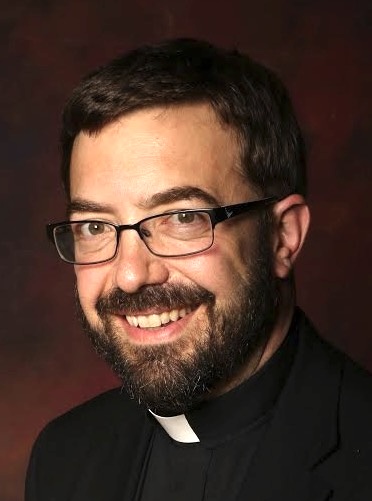
PODCAST: In the sixth chapter of John’s Gospel Jesus says that he is the Bread of Life, and as we hear these words in the context of the New Testament and the early Church we come to the awareness that this bread – our reception of Holy Communion at Mass – is the Real Presence of Jesus Christ!
Fr. Austin Fleming
Fr. Austin Fleming
A Sacrifice of Blessing, Breaking and Sharing

From Ordinary to Holy: Sacrificing something ordinary by offering it to God and sharing it with others in need transforms it into a holy gift, as seen in the story of Jack sharing his lunch with the children.
Eucharistic Symbolism: The act of blessing, breaking, and sharing draws parallels to the Eucharist and Christ’s sacrifice on the cross, emphasizing the importance of unity and sacrifice in Christian faith.
Responding to God’s Call: Scripture challenges us to address the needs of others by generously sharing from our resources and finding ways to contribute to the greater good.
Overcoming Hesitation: The personal struggle to decide how much to sacrifice and share highlights the ongoing journey of understanding and growth in one’s faith.
Archived homily from 2011
Dominican Blackfriars

Dominican Blackfriars

Inner Restlessness and Its Consequences: According to Pascal, humanity’s miseries stem from our inability to find inner peace, leading to various forms of strife and conflict.
Success in Novel Policing Methods: Addressing inner restlessness has proven successful in reducing violent crime through focusing on education, community-building, and transforming ways of responding to social issues.
The Church’s Role: Christianity has long recognized the importance of addressing both physical needs and inner maladies, as echoed in Jesus’ teachings about seeking food that endures to eternal life.
Unrecognized Needs: People often overlook their deep inner needs, and addressing them is crucial for personal development and attaining true inner peace.
Bishop Robert Barron
Bishop Robert Barron


Food that Will Never Parish (2003 PODCAST)

Embracing Change and Spiritual Nourishment

Fear and Resistance to Change: Humans experience internal conflict between the desire for change and fear of the unknown, as illustrated by the Israelites’ dissatisfaction during their journey out of Egypt.
Trusting in God’s Provision: Despite the challenges faced in times of change, the faithful can find strength in trusting God’s provision, like the manna bread provided to the Israelites.
Transformation Through Christ: St. Paul’s teachings emphasize the importance of leaving behind old ways of life and embracing a renewed spirit through Christ’s example.
Seeking the Bread of Life: Instead of solely focusing on physical sustenance, believers are encouraged to seek spiritual nourishment through the Bread of Life offered by Jesus, which provides true fulfillment.
God’s Desire for Intimacy: The revolutionary message of Christ encourages a deep, personal relationship with God, who longs to live within each person.
Conversion and Change: Embracing this new understanding of God’s presence requires ongoing conversion and transformation in how we interact with others and the world.
Sharing the Bread of Life: As recipients of God’s love, we are called to share the spiritual sustenance of the Bread of Life with those who are seeking or in need.

Fr. George Smiga
Fr. George Smiga
A Gift Only God Can Give

The Unprovable Nature of Faith: Faith in God and divine love cannot be scientifically verified, and even miraculous signs cannot force belief.
Faith as a Gift from God: The ability to believe in God and His plan is a grace bestowed upon individuals by God, rather than a result of human intelligence or effort.
Comfort and Hope in Faith: Recognizing that faith is God’s gift allows believers to find comfort when loved ones do not share their faith, as it is ultimately a matter between the individual and God. Hope arises from the understanding that God cares for all people and may still touch the lives of non-believers.
God’s Pursuit of the Lost: Believers trust that God continues to reach out to those who do not yet believe, providing solace and assurance that divine love extends to all.
Fr. Anthony Ekpunobi, C.M.

Fr. Anthony
Ekpunobi, C.M.
The importance of the bigger picture: The homily emphasizes the significance of focusing on the larger, overarching perspective in life rather than being confined to immediate needs and desires.
Materialism and short-term satisfaction: It highlights the human tendency to concentrate on instant gratification, as depicted in the story of people seeking Jesus for material gains.
Long-term spiritual fulfillment: The gospel reading encourages working towards eternal life and seeking the spiritual nourishment offered by Jesus Christ, emphasizing the enduring satisfaction that comes from faith.
Rejecting the old life and embracing truth: The second reading invites listeners to let go of their past lives, marred by fleeting desires, and instead embrace the truth found in Christ as the bread of life.
Msgr. Joseph Pellegrino
Msgr. Pellegrino

What Makes a Person a Christian?

Misguided Motives: Jesus criticizes the crowds seeking him for more free food, highlighting the superficial nature of their belief.
Active Faith and Parish Membership: True membership in a parish and the Christian community is not merely determined by baptism or paperwork but by living out one’s faith through active participation and worship within the community.
Emptiness and Sin: Those who give away the Life of God within them through serious sin may feel empty and attempt to fill their lives with other experiences or material possessions, often without satisfaction.
True Christian Identity: Being a Christian or a Catholic is not defined solely by performing rituals or signing documents; rather, it involves embracing the Life of God and demonstrating faith through a committed lifestyle.
Encountering Jesus’ Burning Love: Encounters with Jesus ignite a fire within believers, as experienced by the disciples on the road to Emmaus. These encounters can occur through spiritual events, daily life experiences, or recognizing His presence in special moments, such as holding a newborn baby.
The Eucharist as the Bread of Life: The Eucharist is the primary way Catholics receive the Bread of Life, Jesus Christ, as it represents the union with His love and sacrifice on the cross.
The Ultimate Unifying Force: It is not a “what” but a “Who” that connects people to God’s intimate love – Jesus Christ, who gives life, ignites divine love within us, and provides the essential nourishment for our souls.
Msgr. Charles Pope
Msgr. Charles Pope
Msgr. Charles Pope
Come Over Here Where the Feast of the Lord Is Going On
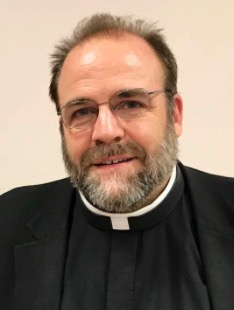
I. THE HUNGER OF DESIRE – Today’s Gospel begins where last week’s left off. (To refresh your memory, Jesus had multiplied the loaves and fishes and satisfied the crowd with abundant food but then slipped away and headed across the lake to Capernaum.) Today’s text begins, When the crowd saw that neither Jesus nor his disciples were there, they themselves got into boats and came to Capernaum looking for Jesus.
II. THE HEALING OF DESIRE – As already noted, desire is good and God-given, but due to our fallen condition, our desires are often unruly, and our darkened minds often misinterpret what our desire is really telling us.
III. THE HEART OF DESIRE – So they said to him, “Sir, give us this bread always.” Jesus said to them, “I am the bread of life; whoever comes to me will never hunger, and whoever believes in me will never thirst.”
Bishop John Louis

Bishop John Louis
Obedience Over Material Satisfaction: The Scripture emphasizes obedience to God’s commands as more important than fulfilling physical desires, as demonstrated in the story of Moses and the Israelites.
Jesus’ True Purpose: Jesus Christ came not only to satisfy physical hunger but also to address the deeper spiritual hunger in our souls, offering eternal life and access to God’s presence.
Jesus as the Bread of Life: As the eternal Word of God, Jesus is the Bread of life that gives eternal satisfaction and joy, nourishing our souls, and providing sustenance beyond death.
Finding Ultimate Satisfaction: We can only find true satisfaction in Jesus Christ, as nothing else, material or spiritual, can fulfill our deepest desires and provide everlasting joy.
Fr. Michael Chua
Fr. Michael Chua

The Discourse on the Bread of Life: This unique discourse in the Gospel of John presents Jesus expounding a theological truth through dialogue, addressing the real source of life-giving bread.
The Crowd’s Misunderstanding: Despite eagerly seeking Jesus for more miracles, the crowd fails to grasp the true meaning of His words, eventually turning away from Him.
Jesus as the Bread of Life: Jesus declares Himself as the Bread of life, offering eternal satisfaction to those who come to Him and believe in Him.
The Challenge of Faith: This episode highlights the challenge of accepting and understanding the spiritual nourishment offered by Jesus, which transcends physical desires and provides everlasting fulfillment.
Entitlement vs. Gratitude: Both the Israelites and the crowd in the Gospel demonstrate a sense of entitlement rather than gratitude for the provisions of God, emphasizing the need to recognize and appreciate divine blessings.
The Eucharist as a Privilege: Receiving Holy Communion is a privilege, not a right, and should be approached with reverence and a sense of unworthiness as emphasized in the prayers of the Church.
Worthiness and Communion: Catholics must be in a state of grace to receive Holy Communion, highlighting the importance of repentance, forgiveness, and holiness in being properly disposed to receive the Eucharist.
The Risk of Unworthy Reception: The Church’s teaching on the Eucharist emphasizes the need for authentic, coherent Christian living and the risk of condemnation for those who receive the Eucharist unworthily.
Archived homily from 2018
Fr. Vincent Hawkswell
Fr. Vincent Hawkswell

Christ as the Bread of Life: Jesus declares Himself as the bread of life, offering eternal life through the consumption of His flesh and blood in the Holy Eucharist.
The Eucharist and the Catholic Church: The Church teaches that the body, blood, soul, and divinity of Christ are truly and substantially present in the Eucharist, which is the real presence of Christ.
Adoration and Contemplation: Catholics express faith in the real presence through acts of adoration, contemplation, and care for the consecrated hosts, both during and outside of the Mass.
Renewal and Transformation: The Eucharist provides spiritual nourishment and strength to live a supernatural life, putting away the old self and being renewed in righteousness and holiness.
Fr. Tommy Lane
Fr. Tommy Lane
Jesus is the Bread of Life and his words our Nourishment

Signs and Belief: The crowd, despite witnessing Jesus’ miracle of multiplying loaves and fish, asks for a sign to believe in Him, referencing the manna provided during Moses’ time.
Correcting Misconceptions: Jesus clarifies that it is not Moses, but His Father who provides the true bread from heaven, offering life to the world.
The Importance of John 6: The Gospel reading focuses on Jesus’ teachings about the Eucharist in John 6, emphasizing its significance and the nourishment it provides to believers.
Bread of Life: Jesus, as the bread of life, offers eternal sustenance through His words in the Gospels and His presence in the Eucharist, satisfying spiritual hunger and thirst.
Fr. John Kavanaugh, S.J.
Fr. John
Kavanaugh, S.J.
The Bread of Labor

Bread as Sustenance and Salvation: Bread represents both physical sustenance and the pursuit of salvation through work, virtue, and following rules.
Perishable and Eternal Food: Physical bread and human efforts eventually perish, but the bread of life offered by Christ provides eternal sustenance and salvation.
The Challenge of Faith: Believing in Christ as the bread of life requires letting go of the illusion of self-sufficiency and accepting God’s gift of salvation through faith in Christ.
The Work of Faith in the Eucharist: Participating in the Eucharist means believing and receiving Christ’s gift, acknowledging that He is our real food and drink, and accepting that faith is our vital labor as Christians.
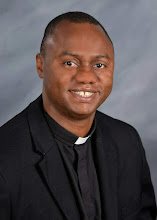
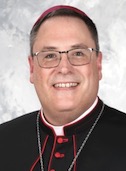
Bishop Frank Schuster
Bishop Frank Schuster
What Do You Hunger for Most? – Part Two
Our Deepest Hunger: Our ultimate hunger should be for salvation, both for ourselves and our loved ones.
Misunderstanding the Messiah: People during Jesus’ time desired a political savior, while Jesus sought to liberate them from spiritual slavery to sin and death.
Beyond Temporary Motivations: While good things like providing for our families, having nice things, and working for society are worthwhile, they are ultimately temporary.
Eternal Legacy Through Faith: By passing down our faith to future generations, we create a legacy that endures, connecting us to both our ancestors and descendants who share the same faith.
The Work of God: Jesus teaches us that true work is to believe in Him and spread that belief, which produces eternal fruit and spiritual nourishment that never perishes.
Father Bob Warren, SA

Disappointing Jesus: People often seek Jesus for temporary satisfaction, overlooking the eternal spiritual nourishment He offers.
Misguided Priorities: We can be easily distracted by worldly desires and pursuits, missing the importance of developing a spiritual relationship with Christ.
Jesus Understands Our Needs: While God cares for our physical well-being, He desires for us to seek Him beyond material goods and worldly success.
The Bread of Life: True satisfaction and peace come from accepting Christ as our spiritual sustenance, believing in Him, and cultivating a deep, meaningful relationship with Him.
