October 19, 2025
October 19, 2025


Homilies
Homilies
Visual Summaries
Videos & Reflection Questions
Bishop Barron | Fr. Kevin Rettig | Msgr. Peter Hahn
Fr. Geoffrey Plant | Fr. Jude Langeh | Priests for Life
Homilies with Transcripts



────── ⋆⋅☆⋅⋆ ──────
Deacon Peter McCulloch


29th Sunday of Year C

GRAVITY (01:05) – In the film, Gravity, Sandra Bullock’s character, Ryan Stone, finds herself in a desperate situation, stranded all alone in outer space. She is almost certainly about to die. She knows she needs help beyond herself. But she doesn’t know how to ask for it.nce.
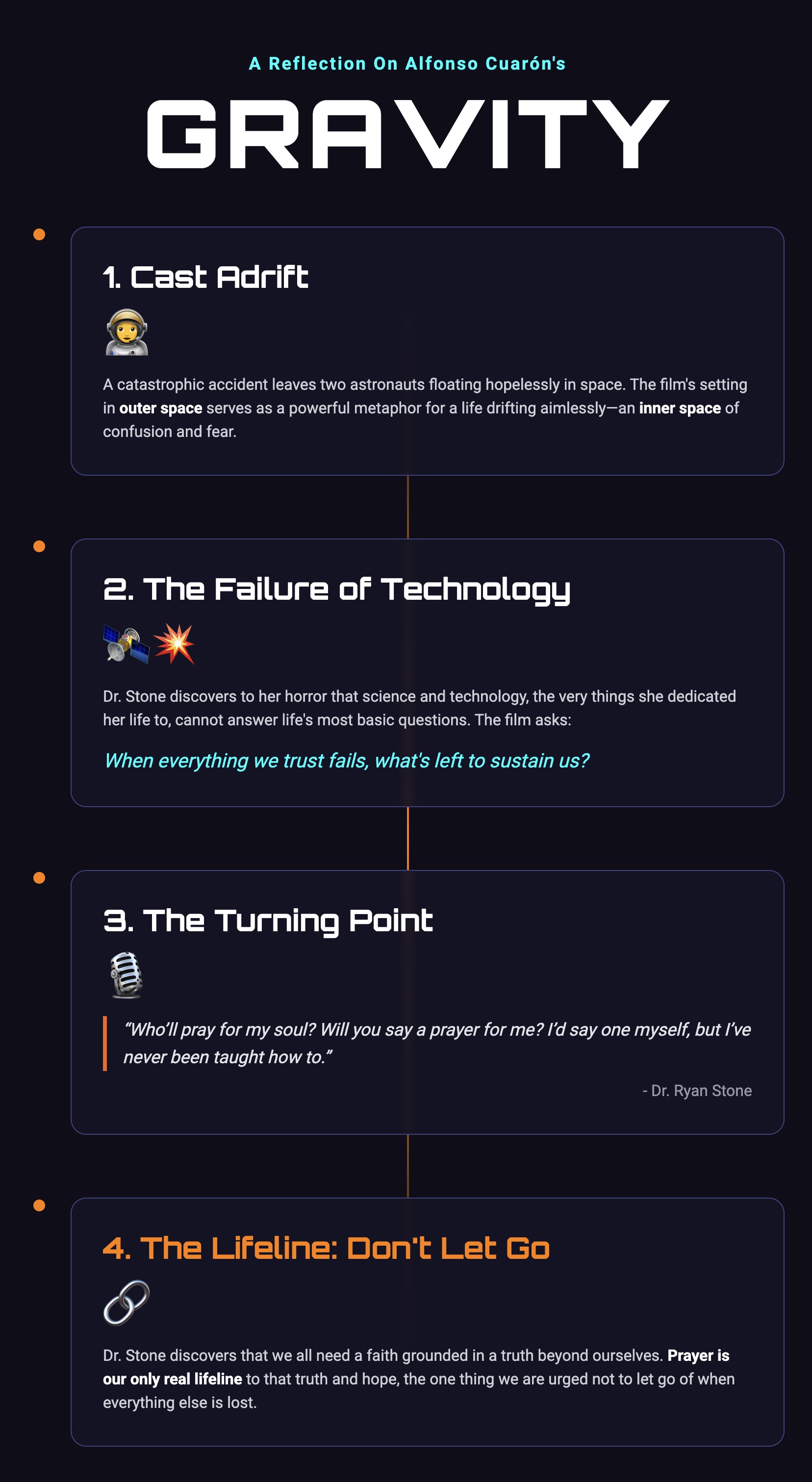
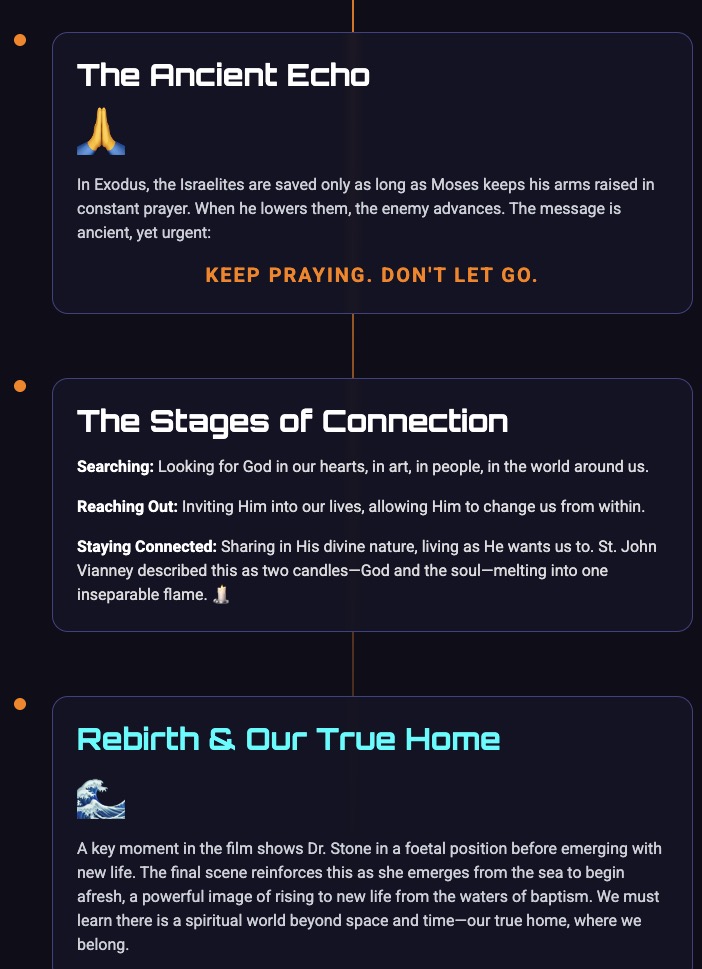
Click on infographic to enlarge it
Infographics on this page have been created using AI generative tools (i.e. GOOGLE'S AI Gemini 2.5 Flash LLM, Chart.js and Tailwind CSS). They are free to use for any non-profit ministry. THE WORD THIS WEEK kindly requests that you show your appreciation by sharing a link to the website.

Being cast adrift can be a scary experience. That’s what we see in Alfonso Cuarón’s movie Gravity. It won seven Oscars in 2014.
Sandra Bullock stars as a young astronaut, Dr Ryan Stone, on her first space mission. George Clooney is her commander, a veteran astronaut on his last space expedition.
Disaster strikes while they’re investigating the Hubble Space Telescope. Their space shuttle is destroyed, they lose contact with the world and they start floating hopelessly into space. It’s a frightening thought.
The film is set in outer space, but the real story is about the inner life of this young woman. Her drifting through space serves as a metaphor for human life, for so many people today do seem to be drifting aimlessly through life…
There’s a similar message for us in today’s reading from Exodus.

DISCOVER MONTREAL (13:15) – Founded in Montreal in 1904 by Brother André Bessette in Saint Joseph’s honour, the Oratory’s monumental scale spanned six decades of construction and attracts more than 2 million pilgrims from around the world every year.


Click on infographic to enlarge it
Infographics on this page have been created using AI generative tools (i.e. GOOGLE'S AI Gemini 2.5 Flash LLM, Chart.js and Tailwind CSS). They are free to use for any non-profit ministry. THE WORD THIS WEEK kindly requests that you show your appreciation by sharing a link to the website.

Deacon Peter’s homily illustrates the power of persistence in prayer through the stories of Marlin in Finding Nemo and the relentless widow in the Gospel. The central message is to “pray always and never lose heart,” a persistence fueled not by nagging, but by a stubborn love for God that refuses to give up, even when the path is dark.
The prime example is St. André Bessette, the “Miracle Man of Montreal.” From his humble position as a sickly doorkeeper, his deep faith and constant prayer led to countless healings and the construction of the magnificent St. Joseph’s Oratory. His life proves that love-fueled endurance is powerful and that God hears the cries of His children. The homily calls us to identify where we need this persistence in our own lives, reminding us to “just keep swimming” in our faith when faced with our own struggles.
────── ⋆⋅☆⋅⋆ ──────

29th Sunday of Year C

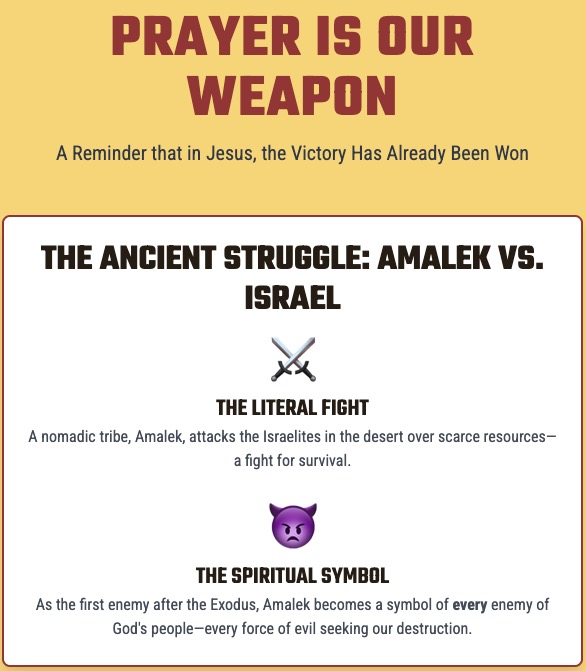
Click to enlarge

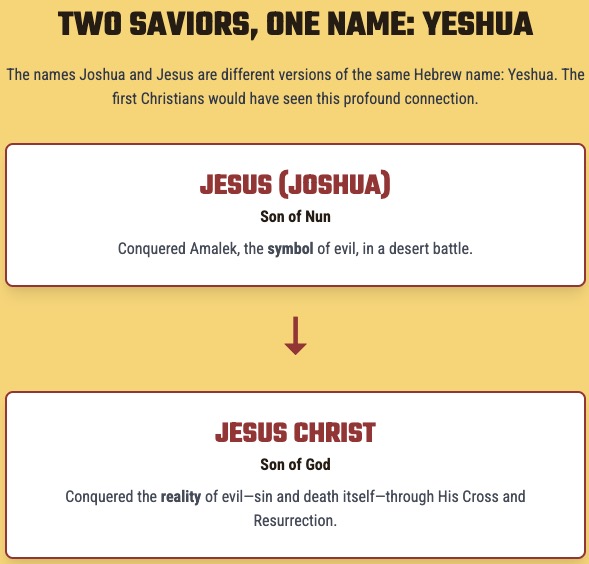
Twenty-ninth Sunday of the Year. Fr Nicholas Crowe reminds us that prayer is our weapon against every enemy.
We heard in our first reading that the first Jesus, Joshua, gains the upper hand in the battle against the Amalekites as long as Moses prayed with his arms stretched out in the sign of the cross. In our Gospel reading, the widow never tired of demanding justice from the unjust judge and so she too was ultimately vindicated. Both readings point us to the utmost importance of persevering in prayer. If our life is a struggle, we must know that in Jesus the victory has already been won. To be in the struggle is to be winning the struggle because we rely not on our own strength but on the cross of Christ. As long as our hands are raised in prayer, then in this life or the next we will share in Christ’s victory.

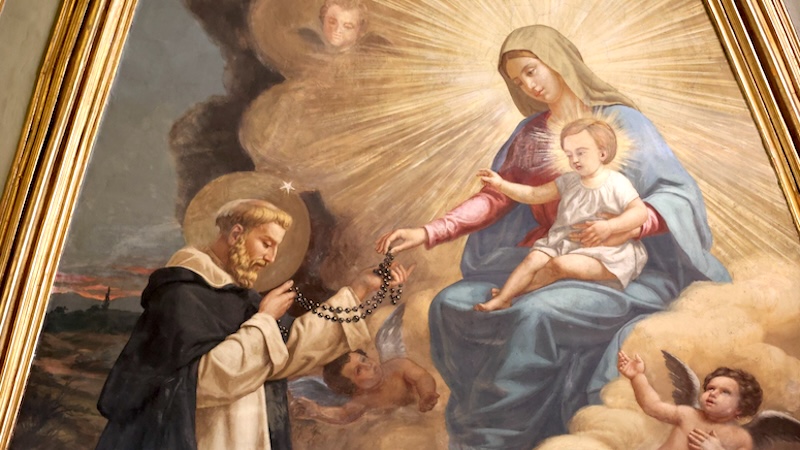
Image: St Dominic receiving the Rosary – painting from the Basilica of Nuestra Señora del Rosario in Cordoba, Argentina, photographed by Fr Lawrence Lew OP


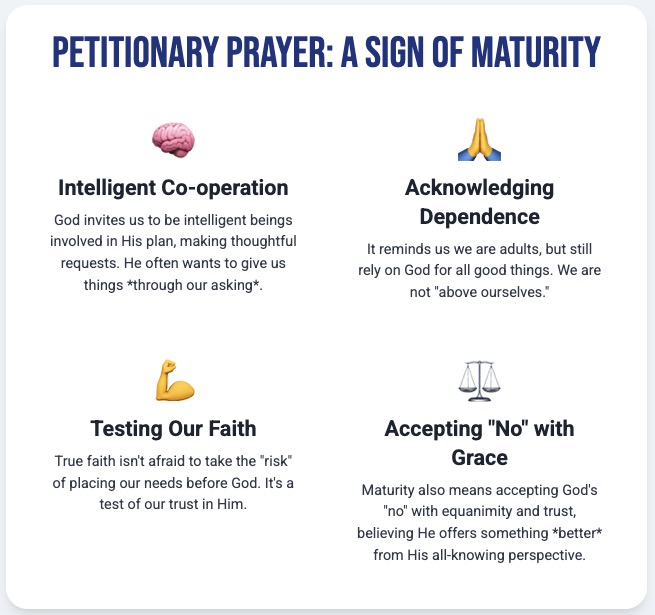
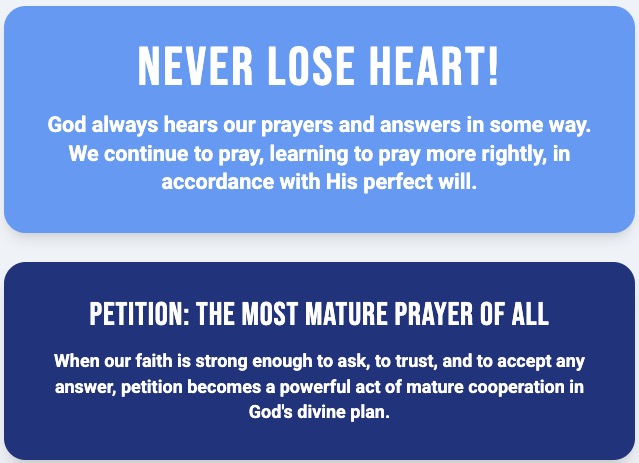
Twenty-ninth Sunday of the Year. Fr Simon Gaine reassures us that we can and should ask God for the things we want.
Sometimes it is easy to feel that praying for things is not quite the best way to pray. Sometimes we can feel that asking God for things is somehow immature. It may be that if we keep asking God for things, we will always remain like little children, unable to take responsibility for ourselves as adults. As a child, I often remember being told that God was not like a coin-in-the-slot machine. It was a temptation to treat God like that: we put the prayer-coin in the slot, and out comes the answer to our prayer, almost automatically. But that was a bad way to treat God, I was told. We must resist the temptation to infantile religion.
────── ⋆⋅☆⋅⋆ ──────
Fr. Austin Fleming
29th Sunday of Year C

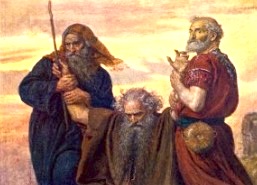
Aaron and Hur
Spotting for Moses


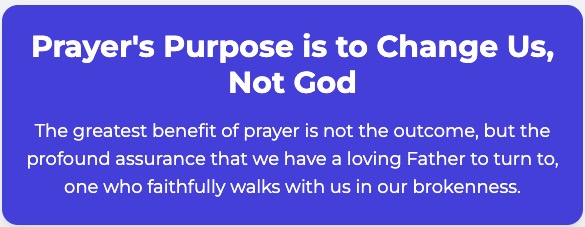
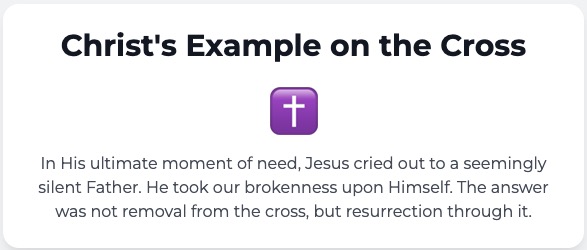
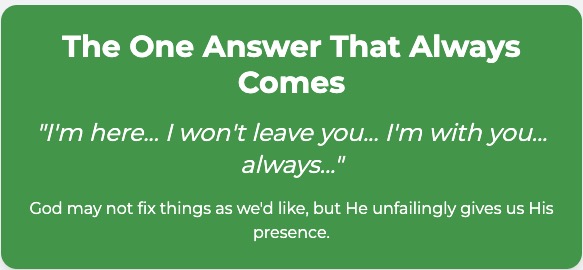
2016 — This homily addresses the common and difficult pastoral issue of unanswered prayer and reframes the purpose of prayer from a transactional request to a relational encounter.
The primary purpose of prayer is not to change God’s mind or get the outcome we want, but to draw us into a deeper relationship with God, who faithfully promises His presence and comfort, especially when walking with us through our brokenness.
Fr. Austin tackles the widespread feeling of discouragement, doubt, and even abandonment that Christians feel when their fervent prayers seem to be ignored, delayed, or answered in a way they did not hope for. It acknowledges the temptation to give up on prayer, or even on God, when this happens.
────── ⋆⋅☆⋅⋆ ──────
Fr. Jude Siciliano, O.P.

29th Sunday of Year C


The Persistent Widow
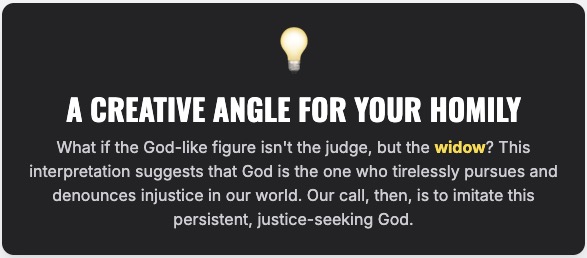
Fr. Siciliano, O.P. argues that the biggest trap is to read the parable as a literal allegory where the unjust judge represents God. This popular reading paints a false and damaging picture of a hard-hearted, reluctant God who must be worn down by our incessant “nagging” prayers. This interpretation preaches a “strange god,” not the loving Father of Jesus, and can leave the faithful feeling isolated and unheard.
Instead, the Dominican preacher explains that this is a “how-much-more” parable, common in Luke’s Gospel. The power lies in the stark contrast between the corrupt judge and God. The logic is: If a despicable judge who cares for nothing eventually gives in to a powerless widow’s persistence, how much more will our just and loving God listen to and secure the rights of His children who cry out to Him?
────── ⋆⋅☆⋅⋆ ──────
Fr. Charles E. Irvin
29th Sunday of Year C


Click to enlarge
Prayer: First Response

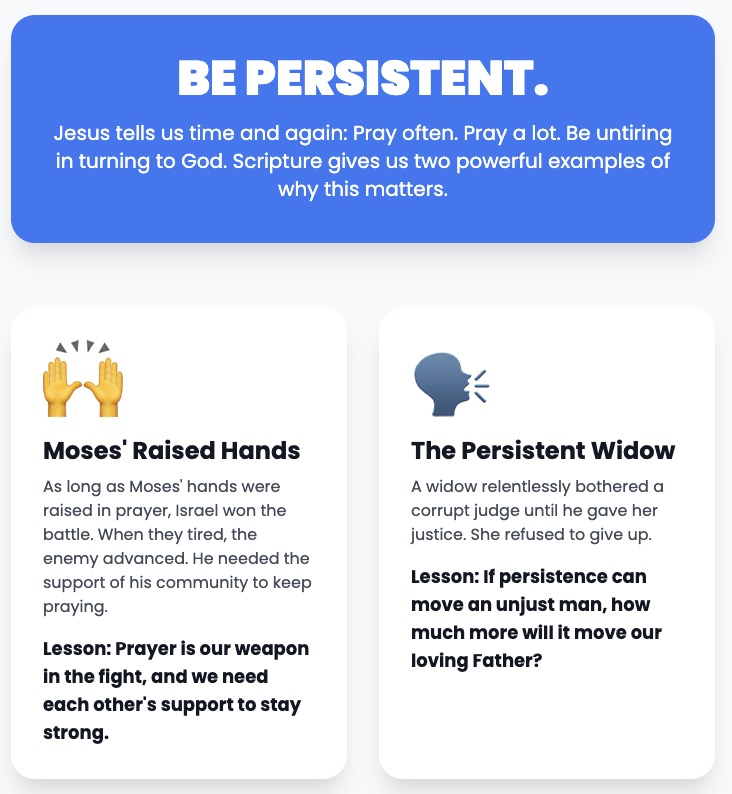
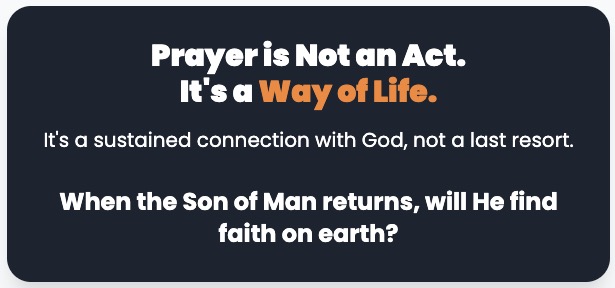
This homily challenges the common tendency to treat prayer as a last resort, used only when our own flawed and often childish methods fail. Instead, it powerfully argues that prayer should be our first response—a constant, persistent way of life. It draws on two key biblical examples to illustrate this point: Moses, whose community-supported prayer secured victory for Israel in battle, and the persistent widow, whose refusal to give up eventually moved a corrupt judge to grant her justice.
These stories reveal that prayer is our most effective weapon and requires steadfastness. The homily contrasts this patient, faithful approach with our modern world of instant gratification, which makes perseverance feel unnatural. It concludes by reframing prayer not as an isolated act for emergencies, but as a sustained connection with God, the very evidence of the living faith Christ hopes to find upon His return.
Fr. George Smiga
29th Sunday of Year C


Click to enlarge
Trust and Community

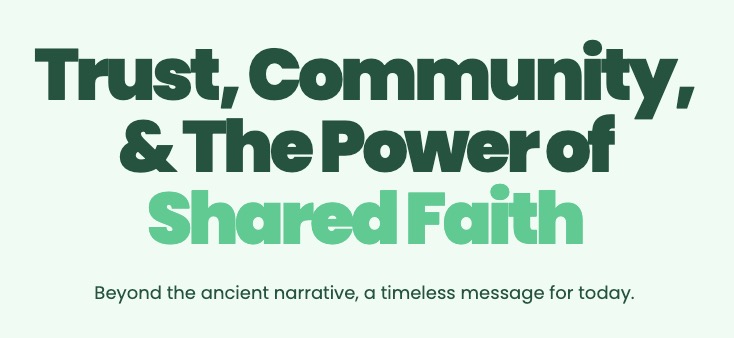
2013 HOMILY – Fr. Smiga begins by honestly acknowledging the difficult aspects of the Exodus reading—divine violence and magical thinking. By naming the historical and cultural distance of the text, He earns the congregation’s trust to then pivot to the deeper, timeless spiritual message: trust in God and the importance of community. The central focus is shifted from the battle itself to Moses’ raised hands. This gesture is skillfully reframed as the universal posture of prayer.
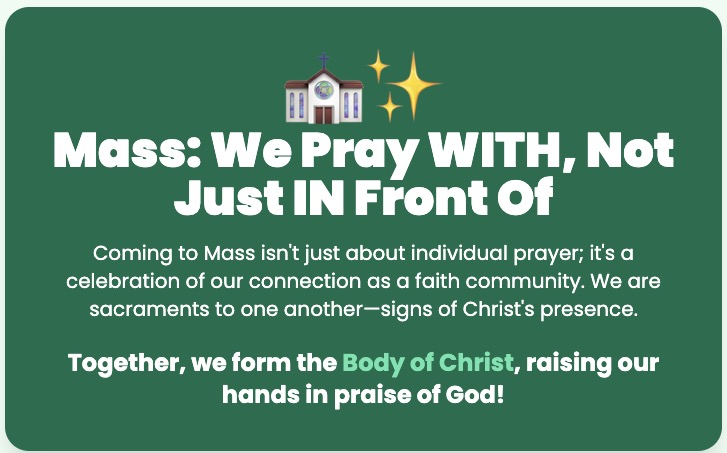
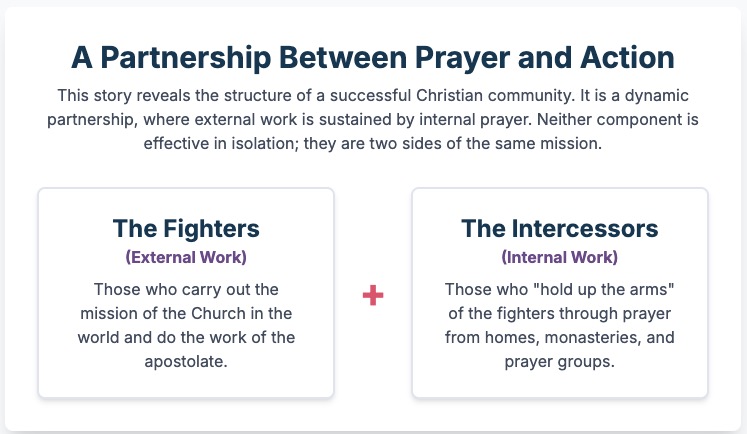
The homily’s core message is that spiritual fatigue is real, and the solution is not greater individual effort, but communal support. Moses couldn’t do it alone; he needed Aaron and Hur to hold his arms up. Fr. Smiga makes this abstract concept concrete with modern, relatable examples. Fr. Smiga does this effectively by mentioning marriage counseling, 12-step programs, and relying on friends during a health crisis. The key takeaway for the congregation is powerful: “When our faith is too weak, we need to depend upon the faith of others.” Fr. Smiga then masterfully brings the message home by connecting it directly to the Mass itself. He makes a crucial distinction: we don’t just pray in the presence of others; we pray with them.
29th Sunday of Year C

Click to enlarge

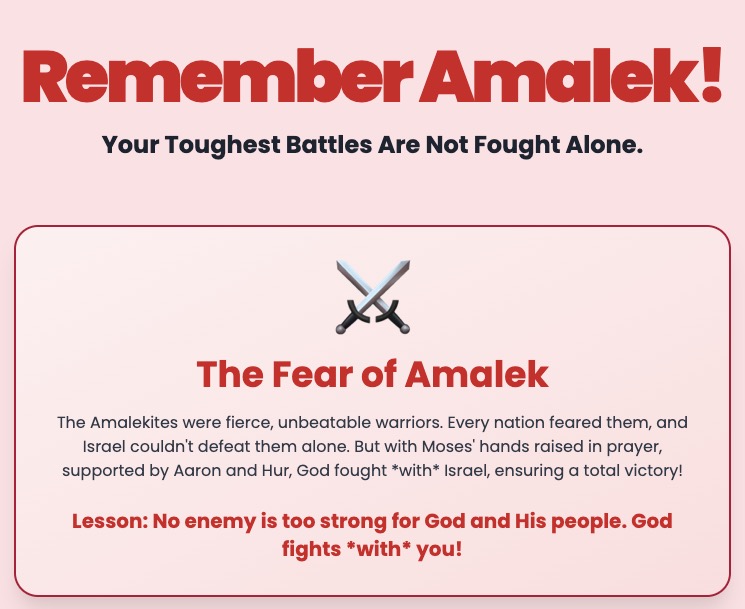
Remember Amalek!

Msgr. Pellegrino’s homily uses the biblical cry, “Remember Amalek!” as a powerful exhortation to persevere in our spiritual battles. It frames the historical defeat of the unbeatable Amalekites—achieved through Moses’ prayer supported by his community—as a timeless lesson: with God’s help, no enemy is too strong.
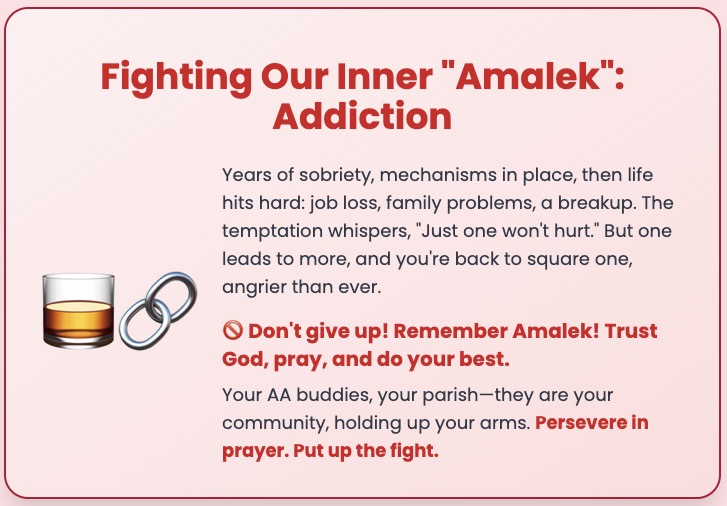
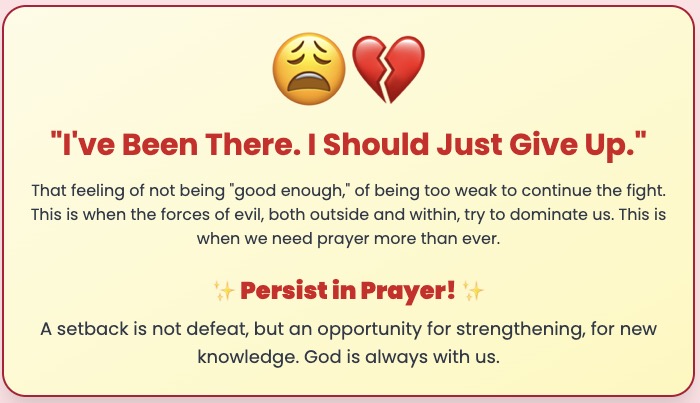
The homily applies this to our modern “inner Amalek,” specifically the recurring struggles with anger and addiction. It acknowledges the profound temptation to give up after a relapse, when we feel we are back at square one and not good enough.
The core message is a call to action: Don’t give in! Instead, remember God’s power and lean on your community—be it your parish or support groups like AA—as your modern-day Aaron and Hur, holding your arms up in prayer when you are too weak. Through persistent prayer and communal support, even the fiercest personal enemies can be overcome.
────── ⋆⋅☆⋅⋆ ──────
29th Sunday of Year C


The Practices of Prayer
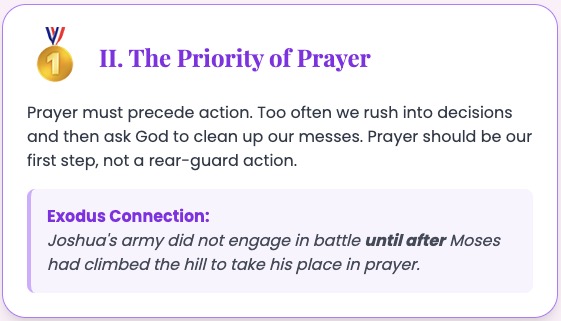
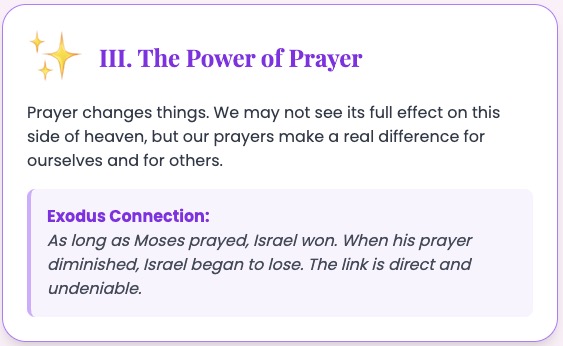
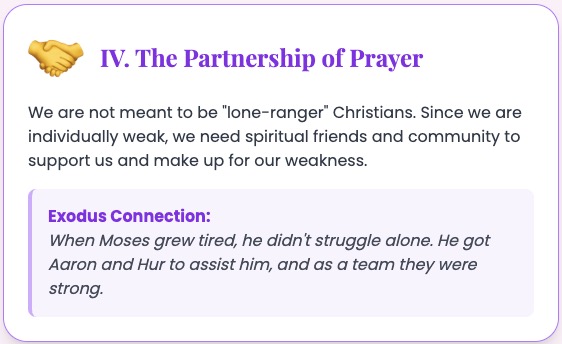
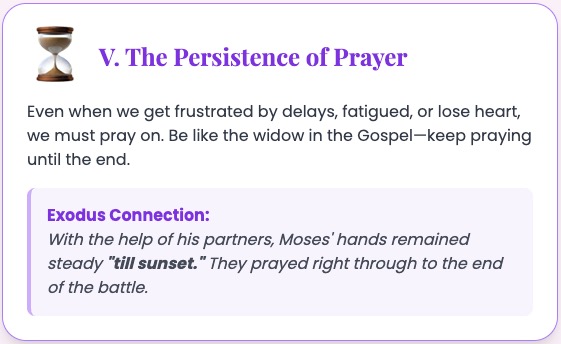
The readings today speak to us of the power of persistent prayer. In particular the first reading from Exodus pictures prayer powerfully. We can notice here six practices related to prayer, six fundamental teachings on prayer:
I. The Problem for Prayer.
II. The Priority of Prayer.
III. The Power of Prayer.
IV. The Partnership of Prayer.
V. The Persistence of Prayer.
VI. The Product of Prayer.
────── ⋆⋅☆⋅⋆ ──────
Fr. Michael Chua
29th Sunday of Year C


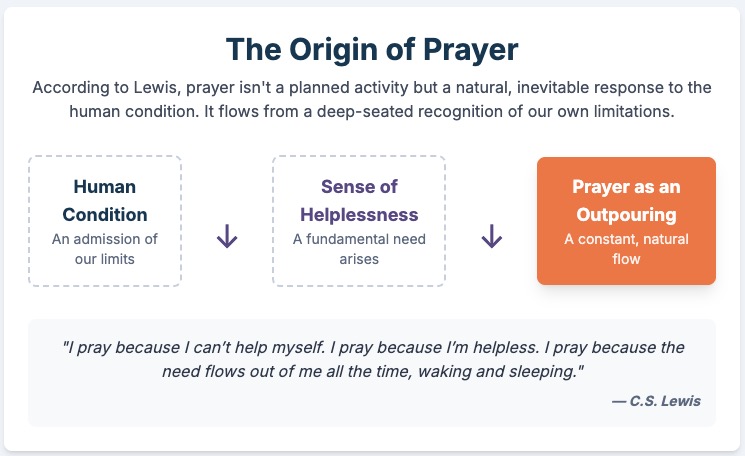



Some of you may remember the movie Shadowlands, a moving tale of the great Christian writer, C. S. Lewis, and his wife Joy. At one point in the film, after finding out that Joy’s cancer had gone into remission, one of Lewis’ friends says to him, “I know how hard you have been praying, and now God is answering your prayer.” Lewis, brilliantly played by Anthony Hopkins, replies, “That’s not why I pray, Harry. I pray because I can’t help myself. I pray because I’m helpless. I pray because the need flows out of me all the time, waking and sleeping. It doesn’t change God. It changes me.”
Returning to the character of C.S. Lewis in Shadowlands, he says, later in the movie, “We pray to know we are not alone.” Yes, prayer is about not being alone, we pray because we believe that God is with us even in our darkest and hardest moments. Prayer is about Jesus crying out on the cross, “My God, my God, why have you abandoned me?” God is with us even in the most trying moments which feel like abandonment.
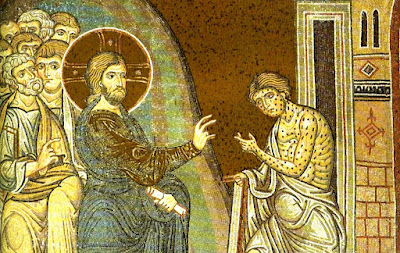
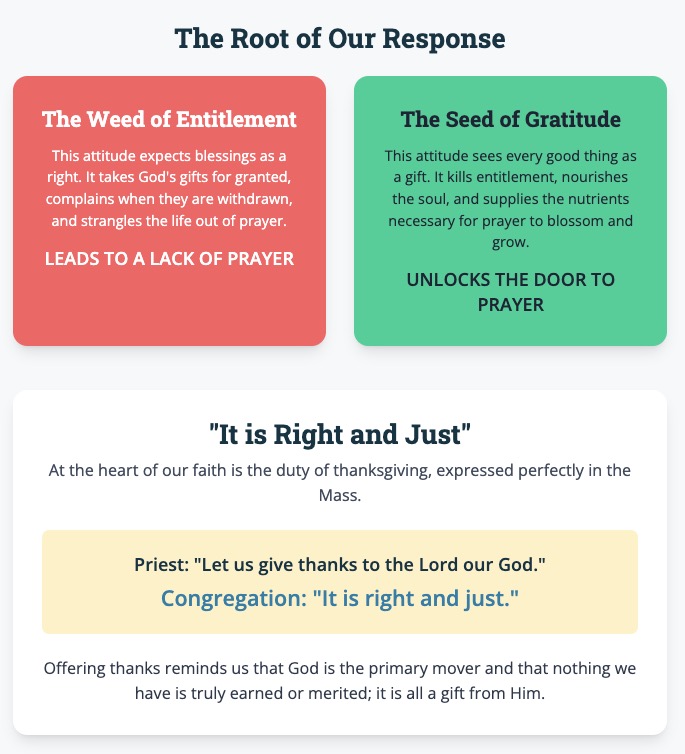

Fr. Chua’s homily highlights the story of ten lepers healed by Jesus, emphasizing that the only one who returned to give thanks was a Samaritan—a despised outcast. This narrative contrasts the Samaritan’s profound gratitude with the other nine’s sense of entitlement. Unable to present himself to a Jewish priest, the Samaritan’s only course of action was to return to the source of his miracle, Jesus.
This act exposes our modern culture of entitlement, which strangles gratitude and prayer. We often take blessings for granted and complain when they cease. The homily posits that true prayer flows from gratitude and desperation, which difficulties can often reveal. Ultimately, the Samaritan’s thankfulness earned him a greater gift than healing: salvation. Jesus’s words, “Your faith has saved you,” reveal that gratitude is the soil in which the gift of saving faith grows and blossoms.

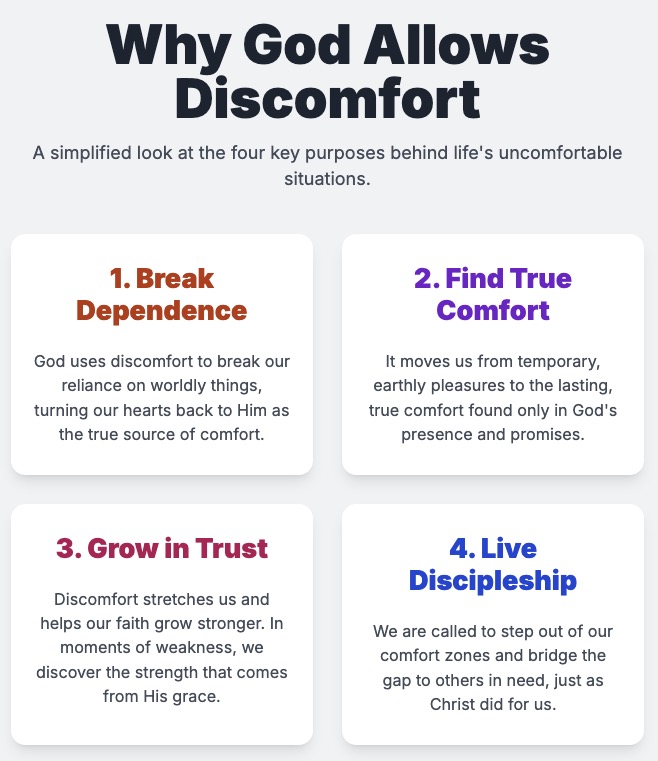
God’s desire is not to give you a life of comfort; He desires to be your comfort. In the first reading, the prophet Amos warns the people of Judah and Israel against feeling so comfortable that they have insulated themselves from the suffering and poverty of those around them and for this reason they have also insulated themselves from God’s Word. In the second reading, St Paul reminds the young bishop Timothy of the need to strive in making progress in Christian virtue and sanctity, “to fight the good fight.” Christianity is not about lazing around like spiritual couch potatoes waiting for the next blessing to drop on our laps without any effort on our part. Faith can’t be manipulated via remote control.
────── ⋆⋅☆⋅⋆ ──────
Fr. Jude Langeh, CMF

29th Sunday of Year C

More Resources for Preachers
The reflection questions and infographics featured in this section have been created with the help of Google Gemini 2.5 AI tools, using Chart.js and Tailwind CSS. THE WORD THIS WEEK is happy to offer these resources to any non-profit ministry for use, and kindly request that you provide credit to the website and the respective contributors whose content is illustrated.