JAN 19, 2025


Bishop Barron
VIDEO
Fr. Kevin Ruttig
VIDEO

1-Minute Homily
VIDEO
Two Minute Homily
VIDEO
Fr. Peter Hahn
VIDEO

Fr. Langeh, CMF
VIDEO
HOMILY EXCERPTS | DISCUSSION GUIDES | YOUTH VERSIONS
⬇️ Deacon Peter McCulloch

2019 | 2022 | 2025
2nd Sunday of Year C
Is.62:1-5;
1Cor.12:4-11;
Jn.2:1-11
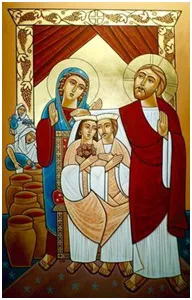
Think about it – there were 6 stone jars, each holding ‘20 to 30 gallons’. That means a total of between 450 and 680 litres of excellent wine – the equivalent of 600 to 900 bottles. For a village party! God was indeed hugely generous.
Some have wondered why Jesus would ‘waste’ a miracle on providing wine at a wedding. But all Jesus’ miracles had a purpose beyond relieving immediate suffering: they were a display of God’s power and glory, and they demonstrated his great love for ordinary people.
At a deeper level, too, these signs teach us about Jesus and help us to build our relationship with him.
At the start of the wedding celebration, Jesus’ disciples were following him for their own reasons. However, once they witnessed this miracle, they really believed he was someone very special.
So, not only does Jesus transform water into wine, he also transforms his disciples from being mere companions into those who believe in him. He changed them, and they will never be the same again.
And so he changes us, too. If we follow the signs and really get to know Jesus, we will never be the same again, either.
This discussion guide has been generated by the WORD THIS WEEK'S Catholic AI Assistant based on Deacon McCulloch's homily.
Discussion Guide on the Wedding at Cana
Opening Reflection:
1. Begin by reflecting on the role of signs and symbols in your everyday life. How do they guide your understanding or actions?
2. Consider how these signs might be present in religious or spiritual contexts. Are there specific examples you remember from your experiences?
Biblical Context:
- Isaiah 62:1-5: Reflect on the transformation and promise of delight mentioned in Isaiah. How does this connect with the themes of renewal and celebration at the wedding in Cana?
- 1 Corinthians 12:4-11: Discuss the diversity of gifts and how each gift serves a purpose in the greater plan. How might this relate to the variety of ways God reveals Himself through the 'signs' discussed in the sermon?
- John 2:1-11: Examine the account of the wedding at Cana. What stands out to you about this passage? How does it serve as a 'sign' in John's Gospel?
Signs and Symbols in the Church:
1. The sermon mentions various signs in the church (bread, wine, oil, etc.). Discuss how each of these elements symbolizes deeper meanings in the Christian faith.
2. Reflect on the significance of the color green used in vestments and its representation of life and abundance. How does this symbolism enhance your understanding of God's kingdom?
God's Revelation through Jesus’ Early Life and Ministry:
1. Explore how God revealed Himself during key events like the nativity, epiphany, and baptism of Jesus. How do these events collectively expand our understanding of God's nature?
2. Discuss the importance of Jesus’ first miracle. How does reframing the miracle at Cana as a 'sign' affect your understanding of this event?
The Miracle at Cana as a Sign:
1. Consider why John refers to Jesus' miracles as 'signs'. How does this terminology shape the narrative of John's Gospel?
2. Discuss the transformation of water into wine as a symbol of God's power to make the ordinary extraordinary. What implications does this have for understanding God’s work in everyday life?
Generosity and Abundance:
1. The abundance of wine at Cana is highlighted as an example of God's generosity. How does this act challenge our perceptions of divine abundance?
2. Reflect on moments in your own life where you have experienced unexpected generosity or abundance. How do these experiences connect to your faith journey?
The Transformation of the Disciples:
1. Before witnessing the miracle, the disciples had their reasons for following Jesus. How did seeing the miracle at Cana change their relationship with Him?
2. Discuss the theme of personal transformation. How does following Jesus and recognizing His 'signs' lead to change in your own life?
Conclusion and Personal Application:
1. Reflect on how understanding the signs of Jesus can deepen your personal relationship with Him. What is one specific way you can respond to this reflection in the coming week?
2. Close with a prayer, asking for open hearts to recognize the signs of God's presence in daily life and the courage to be transformed by them.
This 300 word adaptation of Deacon McCulloch's homily was generated by our Catholic Assistant AI bot, to help preachers share key insights from the homily with children and teens.

Hey everyone! Let's talk about the awesome story of the wedding at Cana, where Jesus turns water into wine. It's more than just a cool party trick.
In the church, there are many signs that help us understand who Jesus is and how God wants to connect with us. After Christmas, our Gospel readings focus on these signs. Jesus was born in a stable, showing God cares about people who have it tough, like the poor or lonely. The first visitors were shepherds, who were outsiders back then, but they understood Jesus.
Then, at the Epiphany, wise men from far away visited, showing Jesus is for everyone. Jesus' baptism in the Jordan River was like his kickoff event. A dove appeared, and God said, “This is my beloved Son.”
Today’s Gospel talks about Jesus turning water into wine at a wedding. This is not just about having a good time. John’s Gospel calls such events “signs” because they show who Jesus is. The miracle at Cana was the first of seven key moments in John’s book. Jesus transformed normal water into fancy wine, showing God’s power to turn ordinary into amazing. It shows how much God cares about regular folks.
Some might wonder why Jesus would make wine at a party, but his miracles were never just about solving problems. They offer a glimpse of God's power and love. At the wedding, Jesus' disciples, who were unsure, saw this miracle and began to believe he was extraordinary.
So, it’s not only about transforming water into wine—it's about changing lives. Jesus made his followers believe in him, transforming them. He can do the same for us. If we focus on who Jesus is, we can change for the better too. Let's watch for these signs and see how they can change our lives.
DISCLAIMER: Adaptations (like translations), may not fully capture the nuances or precise meanings of the original text. It's essential to read the original homily which can be accessed by clicking on the title above
2019 | 2022 | 2025
2nd Sunday of Year C
Is.62:1-5;
1Cor.12:4-11;
Jn.2:1-11
Think about it – there were 6 stone jars, each holding ‘20 to 30 gallons’. That means a total of between 450 and 680 litres of excellent wine – the equivalent of 600 to 900 bottles. For a village party! God was indeed hugely generous.
Some have wondered why Jesus would ‘waste’ a miracle on providing wine at a wedding. But all Jesus’ miracles had a purpose beyond relieving immediate suffering: they were a display of God’s power and glory, and they demonstrated his great love for ordinary people.
At a deeper level, too, these signs teach us about Jesus and help us to build our relationship with him.
At the start of the wedding celebration, Jesus’ disciples were following him for their own reasons. However, once they witnessed this miracle, they really believed he was someone very special.
So, not only does Jesus transform water into wine, he also transforms his disciples from being mere companions into those who believe in him. He changed them, and they will never be the same again.
And so he changes us, too. If we follow the signs and really get to know Jesus, we will never be the same again, either.
This discussion guide has been generated by the WORD THIS WEEK'S Catholic AI Assistant based on Deacon McCulloch's homily.
Discussion Guide on the Wedding at Cana
Opening Reflection:
1. Begin by reflecting on the role of signs and symbols in your everyday life. How do they guide your understanding or actions?
2. Consider how these signs might be present in religious or spiritual contexts. Are there specific examples you remember from your experiences?
Biblical Context:
- Isaiah 62:1-5: Reflect on the transformation and promise of delight mentioned in Isaiah. How does this connect with the themes of renewal and celebration at the wedding in Cana?
- 1 Corinthians 12:4-11: Discuss the diversity of gifts and how each gift serves a purpose in the greater plan. How might this relate to the variety of ways God reveals Himself through the 'signs' discussed in the sermon?
- John 2:1-11: Examine the account of the wedding at Cana. What stands out to you about this passage? How does it serve as a 'sign' in John's Gospel?
Signs and Symbols in the Church:
1. The sermon mentions various signs in the church (bread, wine, oil, etc.). Discuss how each of these elements symbolizes deeper meanings in the Christian faith.
2. Reflect on the significance of the color green used in vestments and its representation of life and abundance. How does this symbolism enhance your understanding of God's kingdom?
God's Revelation through Jesus’ Early Life and Ministry:
1. Explore how God revealed Himself during key events like the nativity, epiphany, and baptism of Jesus. How do these events collectively expand our understanding of God's nature?
2. Discuss the importance of Jesus’ first miracle. How does reframing the miracle at Cana as a 'sign' affect your understanding of this event?
The Miracle at Cana as a Sign:
1. Consider why John refers to Jesus' miracles as 'signs'. How does this terminology shape the narrative of John's Gospel?
2. Discuss the transformation of water into wine as a symbol of God's power to make the ordinary extraordinary. What implications does this have for understanding God’s work in everyday life?
Generosity and Abundance:
1. The abundance of wine at Cana is highlighted as an example of God's generosity. How does this act challenge our perceptions of divine abundance?
2. Reflect on moments in your own life where you have experienced unexpected generosity or abundance. How do these experiences connect to your faith journey?
The Transformation of the Disciples:
1. Before witnessing the miracle, the disciples had their reasons for following Jesus. How did seeing the miracle at Cana change their relationship with Him?
2. Discuss the theme of personal transformation. How does following Jesus and recognizing His 'signs' lead to change in your own life?
Conclusion and Personal Application:
1. Reflect on how understanding the signs of Jesus can deepen your personal relationship with Him. What is one specific way you can respond to this reflection in the coming week?
2. Close with a prayer, asking for open hearts to recognize the signs of God's presence in daily life and the courage to be transformed by them.
This 300 word adaptation of Deacon McCulloch's homily was generated by our Catholic Assistant AI bot, to help preachers share key insights from the homily with children and teens.
Hey everyone! Let's talk about the awesome story of the wedding at Cana, where Jesus turns water into wine. It's more than just a cool party trick.
In the church, there are many signs that help us understand who Jesus is and how God wants to connect with us. After Christmas, our Gospel readings focus on these signs. Jesus was born in a stable, showing God cares about people who have it tough, like the poor or lonely. The first visitors were shepherds, who were outsiders back then, but they understood Jesus.
Then, at the Epiphany, wise men from far away visited, showing Jesus is for everyone. Jesus' baptism in the Jordan River was like his kickoff event. A dove appeared, and God said, “This is my beloved Son.”
Today’s Gospel talks about Jesus turning water into wine at a wedding. This is not just about having a good time. John’s Gospel calls such events “signs” because they show who Jesus is. The miracle at Cana was the first of seven key moments in John’s book. Jesus transformed normal water into fancy wine, showing God’s power to turn ordinary into amazing. It shows how much God cares about regular folks.
Some might wonder why Jesus would make wine at a party, but his miracles were never just about solving problems. They offer a glimpse of God's power and love. At the wedding, Jesus' disciples, who were unsure, saw this miracle and began to believe he was extraordinary.
So, it’s not only about transforming water into wine—it's about changing lives. Jesus made his followers believe in him, transforming them. He can do the same for us. If we focus on who Jesus is, we can change for the better too. Let's watch for these signs and see how they can change our lives.
DISCLAIMER: Adaptations (like translations), may not fully capture the nuances or precise meanings of the original text. It's essential to read the original homily which can be accessed by clicking on the title above
2019 | 2022 | 2025
2nd Sunday of Year C


Is. 62:1-5
1Cor. 12:4-11
Jn. 2:1-11
According to the Gospels, Jesus performed 37 miracles before his crucifixion. Seven of them are in John’s Gospel, but he doesn’t call them miracles. He calls them ‘signs,’ because they all point to something profound about God and our relationship with him.
Today, John gives us the story of Jesus’ first recorded miracle, at the Wedding at Cana. It’s sometime around the year 30AD, and Jesus, Mary and the disciples are at a Jewish wedding feast near Nazareth.
In those days, such celebrations typically lasted for seven days, however this time the wine is running out. It’s a grave embarrassment for the hosts and an insult to the guests, so Mary decides to do something about it. (This suggests that she must have been a relative or close friend of the hosts.)
This discussion guide has been generated by the WORD THIS WEEK'S Catholic AI Assistant based on Deacon McCulloch's homily.
Key Themes and Questions:
1. Miracles as Signs:
- Why does the Gospel of John refer to Jesus' miracles as "signs"? What deeper meanings do they convey about God and our relationship with Him?
- Discuss how the miracle at Cana might point to qualities or aspects of God’s nature.
2. The Role of Mary:
- Analyze Mary's role in the story. What do her actions and words reveal about her relationship with Jesus and her faith?
- Consider Mary’s last recorded words: "Do whatever he tells you." How can these words guide our own approach to prayer and intercession?
3. Symbolism of the Stone Jars:
- Explore the significance of the stone jars used for Jewish purification rituals. What do they represent in the context of the Old Covenant versus the New Covenant?
- Discuss how the transformation of water to wine symbolizes a shift from old to new—a theme evident elsewhere in scripture.
4. The New Age of Hope and Joy:
- How does Jesus’ miracle signify the arrival of a new era? What does the abundance of wine tell us about God's grace?
- Reflect on the symbolism of the wine. Why is wine associated with joy and celebration according to scripture?
5. Jesus as the Bridegroom:
- Discuss the imagery of Jesus as the Bridegroom of God’s people. How does this align with Old Testament prophecies and expectations?
- How does this imagery deepen our understanding of the relationship between Christ and the Church?
Reflections:
1. God’s Care and Transformation:
- Reflect on how this story shows God’s care for ordinary people and their needs. Can you share examples from your own life where you have experienced God's care in seemingly mundane or challenging situations?
- In what ways does God transform the ordinary into something extraordinary in our lives today?
2. Anticipation of Something Greater:
- Consider the words of the chief steward, ‘You have kept the best wine until now.’ What hope and promise do these words hold for our spiritual lives?
- Discuss how this anticipation of receiving ‘the best’ in the future shapes your faith journey.
This 300 word adaptation of Deacon McCulloch's homily was generated by our Catholic Assistant AI bot, to help preachers share key insights from the homily with children and teens.
Let's dive into a cool story from the Bible about Jesus and a wedding. You might’ve heard about Jesus doing miracles, right? The Gospels talk about 37 of them, and John's Gospel calls some "signs" that show us clues about God and our connection with Him.
So, here’s what happened: It’s around the year 30 AD, and Jesus, his mom Mary, and his friends, the disciples, are at a wedding near Nazareth. Weddings back then were week-long parties! But at this one, they’re running out of wine. Awkward!
Mary notices and tells Jesus, “They have no wine.” She doesn’t say what to do, just gives Jesus a nudge. She trusts him big time. Then she tells the helpers, “Do whatever he tells you.” That shows her faith that Jesus will handle things the best way.
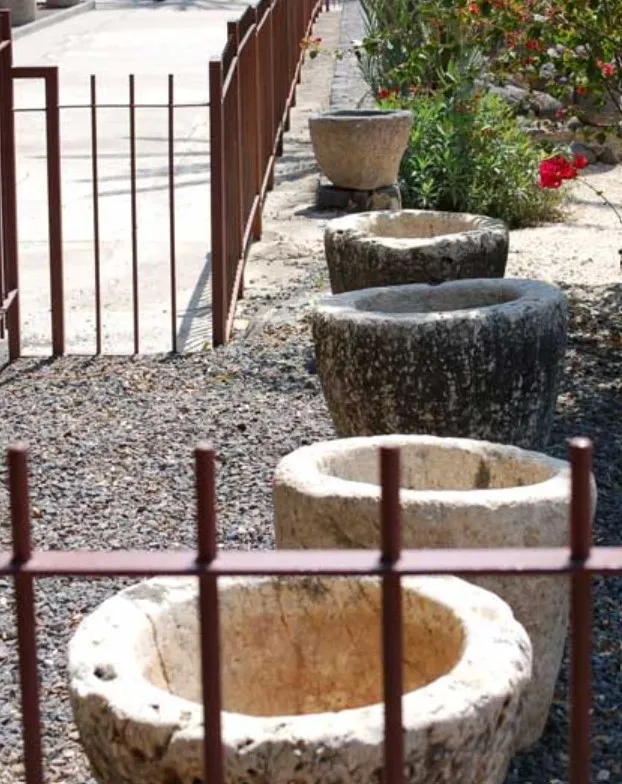
Then, Jesus does something amazing. He doesn’t touch the empty wine barrels but looks at six big stone jars used for washing hands. He turns all that water into awesome wine!
Those stone jars were special because they couldn’t get dirty, like old rules and traditions. Water keeps you alive, but wine brings joy. Jesus turning water into wine shows a new era of happiness and hope.
Why six jars? Seven is perfect, but six is just one step away. Jesus fills the gap with God’s grace, bringing generous amounts—about 600 to 900 bottles of wine—to share.
By doing this, Jesus says, "Things are changing! I’m bringing new, exciting stuff." Solving the wine problem suggests that he’s like the ultimate bridegroom for God’s people, showing how much God cares.
And the steward’s comment, "You have kept the best wine until now," hints that with Jesus, the best is yet to come. So, trust in Jesus. He’s got great plans for you!
DISCLAIMER: Adaptations (like translations), may not fully capture the nuances or precise meanings of the original text. It's essential to read the original homily which can be accessed by clicking on the title above
⬇️ Fr. Austin Fleming
2nd Sunday of Year C

EXCERPT: We believe Jesus changed water into wine.
And we believe that in a few moments
he will take our gifts of bread wine, as they are,
and with the seal of the Holy Spirit upon them
he makes of them his sacrifice of praise,
the gift of his Body and Blood in the Eucharist.
Pray with me that what we receive at the altar today
will change our hearts and change our lives.
This discussion guide has been generated by the WORD THIS WEEK’S Catholic AI Assistant based on Father Austin’s homily. NEED HELP? Copy and paste a question into the chat bot in the lower right corner of the screen and have our Catholic Assistant help you.
Discussion Guide for the Sermon: Embracing Transformation
Introduction:
Begin your discussion by reflecting on the central theme of transformation in the sermon, focusing on how it relates to personal growth and spiritual development.
1. Reflect on the Song and its Significance:
– Discuss the lyrics of the song mentioned in the sermon. What do they mean to you personally?
– How can this song become a part of your daily prayer or meditation?
2. Miracles and Meaning:
– How does the story of Jesus turning water into wine serve as a metaphor for personal transformation?
– What does this miracle reveal about the nature of Jesus and his power to change not just substances, but lives?
3. Jesus Takes Us as We Are:
– Explore the concept that Jesus takes us ‘as we are.’ How does this idea make you feel?
– What are the ‘basic’ or ‘ordinary’ aspects of yourself that you believe Jesus can transform?
4. Resisting Change:
– Discuss the ways in which we might resist change. Why might we hold on to our ‘old selves’?
– Reflect on personal experiences where you resisted change. What were the reasons, and how did you eventually overcome them?
5. The Sculptor Analogy:
– How does the analogy of the sculptor working on a marble block apply to personal growth?
– Identify parts of your life where you feel God might be ‘chipping away’ to reveal your true self.
6. Assets and Liabilities:
– Analyze how God uses both our strengths and weaknesses in the process of transformation.
– Share experiences where your perceived weaknesses turned into strengths through God’s grace.
7. Trusting the Divine Process:
– Discuss the importance of trusting that God is not finished with us. How can this belief impact your life at any age?
– Reflect on the process of asking God to ‘summon out’ the person you are meant to be. What steps can you take to align more with this potential?
8. Eucharistic Transformation:
– Reflect on how the transformation of bread and wine into the Body and Blood of Christ ties into personal transformation.
– How can receiving the Eucharist inspire change in our hearts and lives?
Conclusion:
Wrap up your discussion by summarizing the key insights and personal commitments you derived from the sermon. Encourage each group member to consider how they can become a ‘work of art’ with God’s guidance and grace.
Prayer of Reflection:
Conclude with a shared prayer, inviting God to continue working in your lives, helping you trust, transform, and become the individuals He intends for you to be.
This 300 word adaptation of Fr. Smiga’s homily was generated by our Catholic Assistant AI bot, to help preachers share key insights from the homily with children and teens.
Hey everyone! Let’s dive into a super cool story about Jesus from the Bible. It’s about his first miracle at a wedding where he turned water into wine. Imagine going to a party, and they run out of soda. That’s what was happening at this wedding. But then Jesus, being awesome, turned ordinary water into the best drink ever. He took something simple and made it extraordinary.
Here’s the cool part: Jesus can do the same with us. He takes us just as we are, with all our good and not-so-great stuff, and sees our potential. Like a sculptor with marble, he wants to create something amazing out of us.
Here’s something to think about: Unlike water or marble, we get to choose if we want to change. Sometimes, we might not want to because we’re comfy just the way we are. But what if, like a sculptor, Jesus sees something truly special inside us?
Think about these questions: Do you believe Jesus accepts you as you are? Do you trust that God is helping you grow, no matter your age? Are you ready to let God bring out the amazing person you were made to be?
Imagine being like fine wine or beautiful art. With God’s help, that’s possible! Remember, Jesus will do something special at Mass, transforming bread and wine. Let’s pray for our hearts and lives to be changed.
Let’s trust Jesus to help us become everything we were created to be, living with him every day. Would you pray with me? Feel free to listen to the music and think about how to be open to change and let Jesus work in us. Thanks for being here. Let’s support each other on this journey!
DISCLAIMER: Adaptations (like translations), may not fully capture the nuances or precise meanings of the original text. It’s essential to read the original homily which can be accessed by clicking on the title above

2nd Sunday of Year C
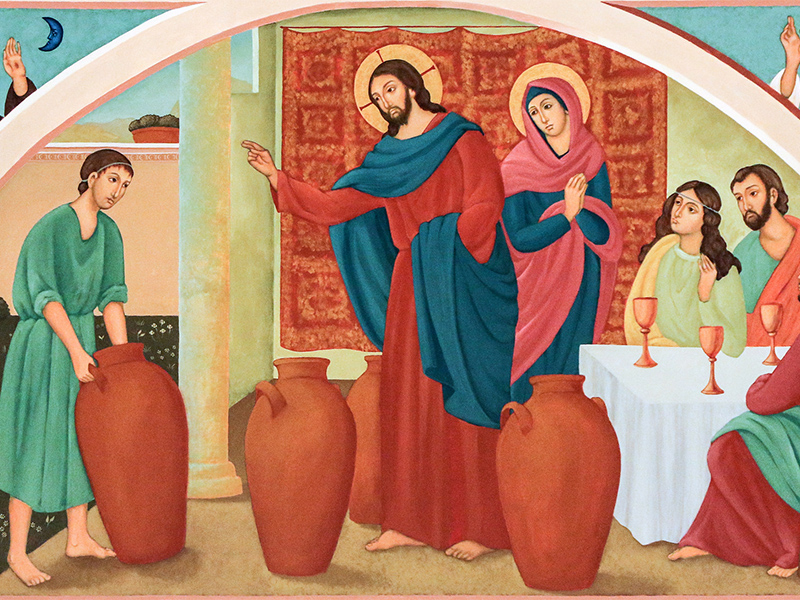
The following adaptation of the Dominican Blackfiars' homily for this week, generated by our Catholic Assistant AI bot, is provided to help preachers share key insights from the homily with children and teens.
Hey everyone, let's dive into a cool Bible story about Jesus at a wedding in Cana. Imagine the celebration: music, dancing, and suddenly, uh-oh—they run out of wine! That's a big problem, like running out of pizza at a birthday bash.
Jesus is there with his mom, Mary. She notices the problem and nudges Jesus to help out. At first, He says, "It's not my time yet," but Mary believes in Him and encourages Him. So, Jesus performs a miracle—He turns water into wine! This miracle shows His divine power and hints that He's here to bring something new.
The water Jesus uses is in big jugs for Jewish rituals, which were part of old customs. By transforming water into wine, Jesus is saying, "I'm bringing something new and better." It's like He's bringing a new way to live—a life filled with grace and goodness.
Mary plays a big role too. She doesn't just stay on the sidelines; she speaks up. Her actions show us that when we ask her for help, she can guide us to Jesus. It's comforting to know we have her support.
Then, there are the servants at the party. They're the ones who actually see the miracle happen. While everyone else enjoys the party, the servants witness something amazing. This teaches us to pay attention to small miracles in our lives. By being involved and observant, we can see where Jesus is working around us.
So, the wedding at Cana isn’t just about a miracle; it’s about Jesus revealing who He is, Mary's important role in connecting us with Him, and the need to notice incredible moments in our daily lives. Let's try to see these amazing moments and let them enrich our lives every day.
DISCLAIMER: Adaptations (like translations), may not fully capture the nuances or precise meanings of the original text. It's essential to read the original homily which can be accessed by clicking on the title above.
This discussion guide has been generated by the WORD THIS WEEK'S Catholic AI Assistant based on the Dominican Blackfiars' homily for this week. NEED HELP? Copy and paste a question into the chat bot in the lower right corner of the screen and have our Catholic Assistant help you.
Discussion Guide: The Wedding Feast at Cana
Introduction:
The story of the wedding feast at Cana is a pivotal moment in the Gospel, where Christ performs his first public miracle by turning water into wine. This act symbolizes the beginning of Christ's divine mission and provides multiple layers of symbolic meaning.
Key Themes for Discussion:
1. The Miracle of Water into Wine
- Divine Intervention: Reflect on the significance of transforming water into wine and how this act signifies Christ's divine power. How does this miracle reveal Christ's true nature?
- Theological Implications: Discuss the theological meaning of this miracle as an implicit affirmation of Christ’s divinity. In what ways does this act reflect God’s power?
2. Symbolism of the Water Jars
- Old vs. New Law: Explore the symbolic meaning of using containers meant for Jewish ritual cleansing. How does this transition from water (Old Law) to wine (New Law) represent the fulfillment of Jewish ceremonial practices through Christ?
- Abundance of Grace: Discuss the symbol of abundance represented by converting over 100 gallons of water. What does this excessive amount of wine tell us about the grace offered in the New Covenant?
3. Role of Mary and Intercession
- Mary’s Influence: Examine Mary's role in prompting Jesus to perform his first miracle. What does her intercession imply about her influence in the history of salvation?
- Modern Implications: Consider how this story can inspire us to seek Mary’s intercession. What comfort and strength does this bring to modern-day believers?
4. The Witness of the Servants
- Recognizing Miracles: Reflect on the servants' role in witnessing the miracle. Why is their role significant, and what does it teach us about being aware of Christ’s work in our lives?
- Active Participation: Discuss the importance of being involved in Christ-centric actions and living. How can being engaged in our faith help us see Christ’s actions more clearly?
Conclusion:
The wedding feast at Cana illustrates three important elements: Christ’s divine revelation, Mary’s significant role, and the need for personal involvement to witness Christ's work. Each part of this story provides insights into living a faith-filled life and challenges us to apply these lessons in our everyday lives.
Reflective Questions:
- How can Christ’s transformation at Cana inspire us in our own lives?
- In what ways can we rely on Mary’s intercession today?
- What steps can we take to become more aware of and involved in Christ’s work in our daily lives?
Homily Excerpt
Fr Dominic Ryan analyses the various elements of today’s Gospel to show us the significance of this miracle.

Today’s gospel recounts the famous story of the wedding feast at Cana. It’s the first manifestation of Christ’s divine power and I’m sure we all know the story well. Jesus was attending a wedding with his mother when the hosts ran out of wine. At Mary’s suggestion Jesus changed water into wine, so that their hosts could avoid the embarrassment of not being able to serve wine to their guests. In some ways it’s a strange miracle. Jesus was clearly reluctant to intervene, pointing out that his “hour had not yet come” and in the end appeared only to act because Mary encouraged him to do so. So what’s this all about?
Well, take the act itself, converting water into wine. That’s not something any of us can do. Certainly, we can add a few grapes, jump up and down on them, heat the mixture up, and do whatever else is necessary to make wine. But that’s not the same as converting water into wine, not by a long chalk. What we have here is the power of God manifesting itself in the world to bring about something only God could do, namely change a quantity of water into the same amount of wine. It’s about God acting through Christ in a way that gives us a sign of who is at work here; only God can act in this way and since Christ is acting in this way then Christ must be God. So it’s about an implicit confirmation of who Christ is. And it’s about Christ beginning the public phase of his mission. Christ will redeem the world from sin. He’s got the power to do that and this wedding feast is a demonstration of that very power.
2nd Sunday of Year C
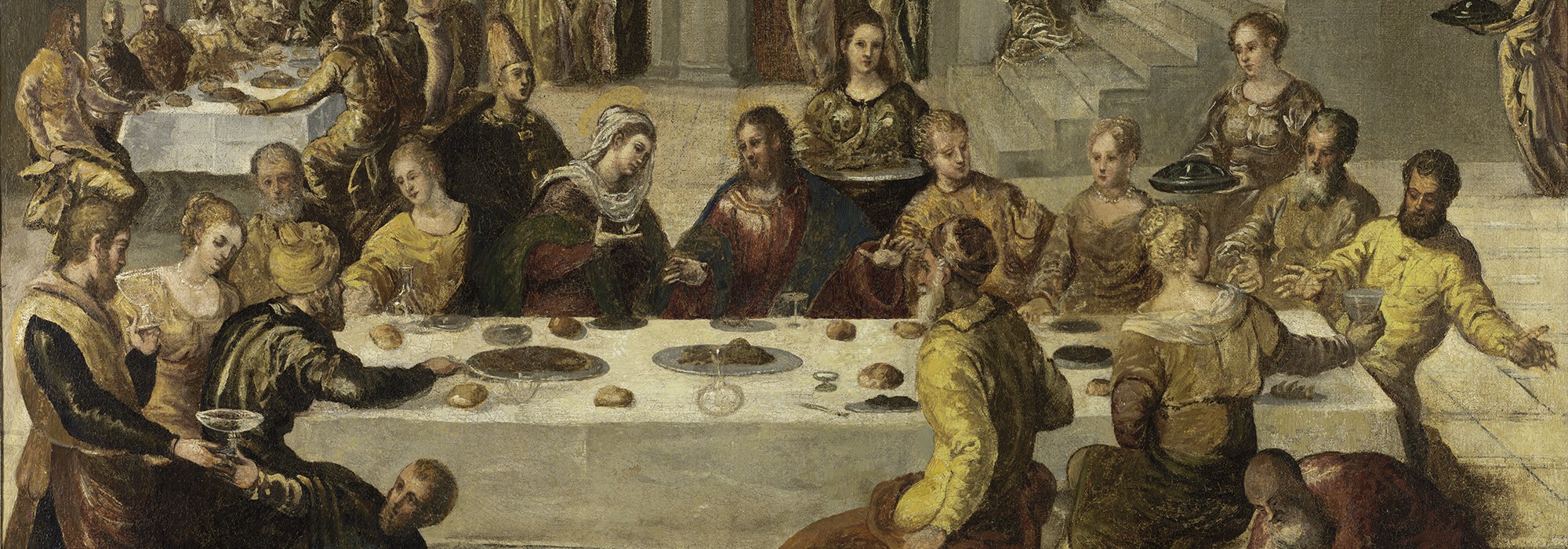
The following adaptation of the Dominican Blackfiars' homily for this week, generated by our Catholic Assistant AI bot, is provided to help preachers share key insights from the homily with children and teens.
Hey everyone, let's dive into a fun Bible story about a wedding party! Have you ever been to a wedding where everything’s going great, and suddenly you run out of soda or snacks? This happened in a story from the Bible in a place called Cana.
Jesus was at this wedding with his mom and friends, just hanging out. Suddenly, they ran out of wine, which was a big deal back then. Jesus’ mom told him about it. Even though he seemed a bit reluctant at first, he ended up saving the day by turning water into wine. This showed he wanted everyone to enjoy the party.
Some might think this is about drinking, but it’s really about making sure people can celebrate and enjoy life. Jesus ensured the wedding was fun and went smoothly. This story is relatable because we all know how it feels when something goes wrong, and someone steps up to fix it. Jesus was the hero of the day, making sure everyone kept having fun.
This isn't just about having a good time. It’s a reminder that Jesus was a real, ordinary guy who liked enjoying life like we do. It shows that God wants us to live happily, not boring lives. He wants us to have the best life, which can be found through Jesus.
When you think about this story, remember it’s not just about a miracle. It’s about living fully and being true to ourselves, just like Jesus did. Even when things got tough, he stayed honest and showed everyone that being good to each other is what matters. Next time you’re at a celebration or in a situation that needs a little help, think about being like Jesus—helpful, caring, and enjoying life to the fullest. That’s the real ‘good wine’ of life!
DISCLAIMER: Adaptations (like translations), may not fully capture the nuances or precise meanings of the original text. It's essential to read the original homily which can be accessed by clicking on the title above.
This discussion guide has been generated by the WORD THIS WEEK'S Catholic AI Assistant based on the Dominican Blackfiars' homily for this week. NEED HELP? Copy and paste a question into the chat bot in the lower right corner of the screen and have our Catholic Assistant help you.
Setting the Scene of the Wedding at Cana
a. Discuss why the story of the Wedding at Cana is often recognized even by those less familiar with the Bible.
b. Explore the parallels between the biblical story and modern wedding receptions. How does this familiarity help in understanding the narrative?
2. Theological Implications of Jesus' Miracle
a. Consider the story’s relationship to the Christian temperance movement. What arguments can be made for and against the consumption of alcohol using this passage?
b. What does the miracle of turning water into wine say about Jesus' stance on celebrating and enjoying life?
3. Understanding Contextual Challenges
a. Reflect on the difficulties people face when attempting to engage with the Bible without understanding its historical and cultural context.
b. Why is it significant that the Wedding at Cana is a relatable scene for modern audiences?
4. Jesus' Relationship with His Mother and Others
a. Discuss the interaction between Jesus and Mary in this passage. How is this dynamic relatable to modern family interactions?
b. Consider how viewing Jesus as a young man enjoying a wedding with friends changes or reinforces your perception of him.
5. Human and Divine Nature of Jesus
a. Analyze how the sermon describes Jesus' dual nature as both fully human and fully divine. What examples from this passage support this duality?
b. Explore the idea that Jesus lived a fulfilling human life and how this can be an example for us.
6. Signs and Misunderstandings
a. Discuss the significance of the wedding feast at Cana being the first of Jesus' signs.
b. Why do you think people asked for a sign from Jesus despite witnessing many? What does this suggest about human nature and expectations?
7. The Good Wine as a Metaphor
a. What does the concept of Jesus as the "good wine" symbolize in terms of living a fulfilled life?
b. How can compromising with falsehood and hypocrisy be seen as rejecting this "good wine"?
8. Application to Modern Life
a. In what ways can this story guide us in our personal lives when we encounter a lack of humanity or falsehood?
b. How can we strive to appreciate and live out the "good wine" in our day-to-day interactions and decisions?
Encourage group members to share personal reflections and examples related to each discussion point. If appropriate, summarize key insights or revelations discovered during the discussion.
Homily Excerpt
Fr Dominic Ryan considers the difference between Christ and John the Baptist as the key to understanding Advent joy.
John the Baptist represented the culmination of prophecy in Israel. He called Israel to repentance and as we can see in the gospel he exhorted Israel to moral behaviour, insisting that people should be just, honest, and generous.
But as important as all that John did was, moral goodness alone – which effectively was what John preached – would not change the world. There is no shortage of morally good people who can testify to this. Moral goodness alone, for all its value and importance, won’t free human beings from sin and it certainly won’t make eternal life with God possible.
For that something more is needed and that’s what Our Lord offered through his life, death, and resurrection. The grace unleashed by Our Lord’s sacrifice perfected our moral life, it elevated our nature, and it made possible eternal life with God.
2nd Sunday of Year C

The following adaptation of the Dominican Blackfiars' homily for this week, generated by our Catholic Assistant AI bot, is provided to help preachers share key insights from the homily with children and teens.
Hey everyone, let's chat about a cool Bible story that happened at a wedding in Cana, in Galilee. Jesus had just left Judah, where he'd been with John the Baptist, and this amazing baptism took place. After a few days' journey, Jesus, his mom Mary, and his friends (the disciples) arrived at a wedding in Cana. Back then, Jewish weddings often happened on Wednesdays and could last a whole week. Imagine the fun!
But then, they ran out of wine—super awkward for the groom! Mary noticed and mentioned it to Jesus. He called her "Woman," which sounds harsh now, but it was deeper than that. Jesus was talking about "his hour," hinting at big future events like his death and resurrection. When calling her "Woman," he also hinted at her important role later on.
Mary knew Jesus could help, so she told the waiters, "Do whatever he tells you." Jesus then turned about 120 gallons of water into amazing wine! This wasn't just a magic trick. It was Jesus's first "sign," showing the incredible generosity of God. It’s about how God gives us more than we can imagine. This miracle made Jesus's disciples start to really see who he was.
This story isn't just about a miracle. It shows how Jesus reveals God's huge generosity and love for us. The extra-awesome wine at the wedding is just a glimpse of how generous and loving God is. So when you think of this story, remember that it’s about God showing up in our lives with awesome surprises and teaching us who Jesus really is.
DISCLAIMER: Adaptations (like translations), may not fully capture the nuances or precise meanings of the original text. It's essential to read the original homily which can be accessed by clicking on the title above.
This discussion guide has been generated by the WORD THIS WEEK'S Catholic AI Assistant based on the Dominican Blackfiars' homily for this week. NEED HELP? Copy and paste a question into the chat bot in the lower right corner of the screen and have our Catholic Assistant help you.
Context and Setting
- Discuss the significance of the setting: Cana in Galilee.
- Explore the cultural backdrop of weddings during this period, focusing on their social significance and typical customs.
- Consider the implications of Jesus and his mother being invited to the wedding and the potential relationships or connections suggested.
The Journey from Judaea to Galilee
- Reflect on the journey Jesus took from Judaea to Galilee, including his baptism by John the Baptist.
- Discuss how this background sets the stage for the events at the wedding.
The Role of Mary
- Analyze Mary's role in alerting Jesus to the problem of the wine running out.
- Discuss Mary's faith and expectation in her directive to the waiters, "Do whatever he tells you."
The Interaction between Jesus and Mary
- Explore the significance of Jesus addressing Mary as "Woman" and its uncommon nature.
- Connect this form of address to other instances in the Gospel, particularly at the Crucifixion.
The Miracle and Its Symbolism
- Examine the miracle of turning water into wine: why this was considered a miraculous sign and its deeper symbolic meaning.
- Discuss what this act reveals about the nature of Jesus' ministry and the concept of divine generosity.
The Disciples’ Belief
- Reflect on the importance of the disciples' realization and belief as a result of the miracle.
- Debate the significance of this moment as the beginning of Jesus' signs and the revelation of his glory.
Implications of Divine Generosity
- Discuss how the story illustrates the overwhelming generosity of God, both on a domestic scale and in the broader context of salvation.
- Consider how this theme is relevant in understanding Jesus' mission.
The Open Universe Concept
- Explore the idea that the universe is open to interaction with its Creator, as implied in the possibility of miracles.
- Discuss the church's perspective on miracles and divine intervention.
Application to Life Today
- Reflect on what lessons from the wedding at Cana can be applied in contemporary life and faith experiences.
- Discuss how understanding this story can impact personal belief, trust in divine provision, and engagement with others in the community.
Homily Excerpt
Second Sunday of the Year. Fr Aidan Nichols considers the role of Our Lady in the story of the wedding at Cana.
There is no rudeness here, but a relativisation of the significance of a domestic problem in the light of the destiny [Mary] is to share with her Son in the plan of God.
Nevertheless, [Jesus] agrees to do something. She says to the waiters, ‘Do whatever he tells you’. The spiritual assurance the grace of her Immaculate Conception gives her allows her to rely on a response. The generosity of God can embrace things as small as domestic disappointments as well as things as large as the salvation of the world, and in any case this little domestic drama is, as it happens, filled with symbolic possibilities which the Messiah now exploits in his first ‘sign’. The result is one hundred and twenty gallons of what a connoisseur found quite excellent wine.
⬇️ Fr. Charles E. Irvin
2nd Sunday of Year C
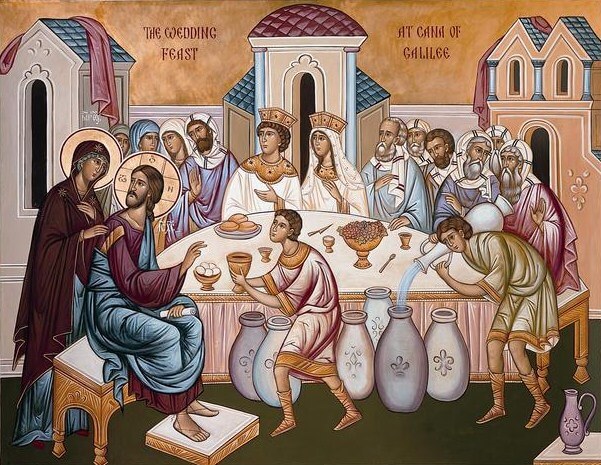

In the culture wars going on in the world around us, the secularist argument is dominant in the movies, on television, and in the newspaper media, while the arguments of believers are to be found more in the radio talk shows. Oh, there are some exceptions to be sure. I am just speaking here of what is usually to be found.
So when you hear talk about abortion, promiscuity, adultery, premarital sex, the gay lifestyle, contraception, divorce and remarriage, and now cloning, realize that they each have some disconnection with the central meaning, value, and purpose of marriage. Is Christ to be invited to the celebration of your life, or do you want Him to stay away? For if He comes to the party, then all that we have watered down and degraded in terms of human values and purposes in life, all those gallons of water in the stone water jars of our cold hearts will be changed. Are you unsatisfied with watered down faith in others? Watered down trust? A watered-down marriage, watered down love, or a watered-down life? If so, invite Christ into your celebration of life and all those gallons of watered-down human living will be changed.
This discussion guide has been generated by the WORD THIS WEEK’S Catholic AI Assistant based on Fr. Irvin’s homily. NEED HELP? Copy and paste a question into the chat bot in the lower right corner of the screen and have our Catholic Assistant help you.
Introduction to the Gospel of St. John
– Discuss the central theme of God’s love in the Gospel of John.
– Explore how John emphasizes God’s commitment to care, cherish, and belong to us if we reciprocate His love.
2. Miracles at the Wedding Feasts
– What is the significance of Jesus’ first miracle at the wedding feast in Cana of Galilee?
– How does the transformation of water into wine relate to the change of wine into Jesus’ blood at the Last Supper?
– Discuss the thematic purpose of bracketing the Gospel with the miracles of these two wedding feasts.
3. Cultural and Societal Importance of Marriage
– Why is marriage considered vital in the structure of human societies?
– How do marriage ceremonies reflect human commitments to love and cherish?
– Examine how the family serves as a nurturing ground for children’s development.
4. Jesus’ Role and His Hour
– Reflect on Jesus’ presence at the wedding in Cana and its implications for marriage.
– Analyze Jesus’ statement, “My hour has not yet come,” and how it connects to the Last Supper and His crucifixion.
– What does it mean when Jesus speaks of an “unbreakable union” with us?
5. Marriage Versus Secular Individualism
– Contrast marriage’s role in fostering community and love with secular individualism.
– Discuss how secular culture often opposes God’s vision for marriage and community.
6. Cultural Impacts on Marriage Concepts
– Examine how current cultural narratives around issues like abortion, promiscuity, and divorce relate to marriage values.
– How can one invite Christ into their personal “celebration of life” to transform it?
7. Core Religious Beliefs
– What do events like Cana, the Last Supper, and the birth of Christ teach about belonging to God’s family?
– How do these events form the foundation of Christian beliefs regarding marriage and family?
8. Personal Reflection and Discussion
– Consider the role of family and community in experiencing God’s love.
– To whom or what do our hearts belong, and how does that reflect in our daily lives?
– Discuss how one’s “heart compass” aligns with God’s love in the face of life’s distractions.
Use these points as a guide to facilitate in-depth discussions and personal reflections within your small group or study session, focusing on understanding the essence of marriage and community through a Christian lens.
This 300-400 word adaptation of Fr. Irvin’s homily was generated by our Catholic Assistant AI bot to help preachers share key insights from the homily for young people.
Hey everyone! We’re talking about a cool story from the Bible about Jesus and love. It comes from the Gospel of John, known as the “Gospel of Love.” Let’s dive into Jesus’ first miracle at a wedding in Cana, where He turned water into wine. Amazing, right? This miracle shows how much God cares for us.
Think about what makes a family special: love, caring, and commitment. These are the things that matter. When Jesus goes to a wedding, He highlights the importance of love and commitment. Remember, when Jesus says to His mom, “My hour has not yet come”? He’s hinting at important events like the Last Supper, where He turned bread and wine into His Body and Blood, and when He gave His life for us. It’s like Jesus telling us, “I’ve got your back, no matter what.”
Real love is about helping and sacrificing for others, not just doing what feels good for you. Our world offers many opinions on relationships, but inviting Jesus into your life changes everything. Just like water turned to wine, weak trust or fake love can become something amazing with Jesus.
This isn’t just a “pretty” story. It’s God showing up in our lives. At Christmas, we celebrated Jesus being born into a family. Throughout these stories, the theme is God’s love and family importance.
So, what’s in your heart? Who or what do you truly care about? When all distractions fade, what holds your heart? God is all about love and waits for us to love Him back. Think about how you can welcome more of God’s love into your life.
DISCLAIMER: Adaptations (like translations), may not fully capture the nuances or precise meanings of the original text. It’s essential to read the original homily which can be accessed by clicking on the title above
⬇️ Fr. George Smiga
2nd Sunday of Year C
Each week, THE WORD THIS WEEK presents an excerpt from Fr. Smiga’s homily archive. To access all of the homilies for this Sunday, click on the title above. Then scroll down the page to find the text of this homily.

2007 HOMILY – I would like to suggest to you two questions for you to reflect upon this week. The first question is this – Do you believe that the world is moving forward or backward? Do you believe that human civilization is becoming better or worse? There are different ways to answer that question. Certainly if you center in on some of the horrors of recent times such as the Holocaust, Hiroshima, or genocide in Africa, a pessimistic answer seems appropriate. But is that pessimism the only perspective which is possible?
There is a French theologian by the name of René Gérard who has made it his life’s work to chronicle the positive developments in history. In Gérard’s view such forward movement is a sign of God acting in our world. Gérard would argue that we who live in the world today have more potential for a good life than any other generation before us—that it is better living in the 21st century than in the 12th century or the 2nd century. This is certainly because we have electricity, air conditioning, medical advancements, and education. But Gérard points out that the progress is not simply in science and material things. He asserts that there are more people living in the world today who respect the rights of others then at any other time in human history. That there are more people living in the world today who believe that every human being has a value, even if that human being is not of my family, or of my tribe, or of my country.
- God's Abundance (2004)
- Looking for the Best Wine (2007)
- God as Spouse (2010)
- The Arc of Life (2013)
- When God Says No (2016)
- Water and Wine (2019)
- Deserving a Good Beginning (2022)
This discussion guide has been generated by the WORD THIS WEEK’S Catholic AI Assistant based on Fr. Smiga’s homily.
Discussion Guide: Exploring Perspectives
Introduction:
This discussion guide is designed to facilitate thoughtful conversations in small groups or study sessions, based on the sermon theme of multiple perspectives and optimism about life and faith.
1. Understanding Multiple Perspectives:
– Reflect on the story of the elderly man taking the psychological test. Discuss how his answers illustrate the concept of multiple perspectives.
– Consider how this idea applies broadly to questions and situations in life. Have you experienced or witnessed a similar situation where a different perspective provided a unique solution or insight?
2. The Wedding Feast at Cana:
– Discuss the Gospel story of the wedding feast at Cana and the significance of the steward’s phrase, “You have kept the best wine until now.”
– How does this story convey an optimistic outlook on life and faith? How does it challenge or reinforce your current perspectives?
3. Optimism in Christianity:
– Explore how the sermon suggests that Christians are encouraged to have an optimistic view of the world because of Jesus’ death and resurrection.
– Reflect on your personal belief: Do you view the world as moving forward or backward? What influences your perspective?
4. René Gérard’s Perspective:
– Review Gérard’s argument that history shows positive developments and that the world today offers more potential for a good life than ever before.
– Discuss the examples given (e.g., respect for human rights) and whether you agree with Gérard’s assessment.
5. Personal Reflections on Progress:
– Consider the second question: Is your personal life getting better or worse?
– Share personal challenges or joys, and discuss how perspective might influence whether you view your life as progressing positively or negatively.
6. The Role of Aging and Experience:
– Discuss how aging is often viewed as a decline, but the sermon suggests it can bring growth in wisdom, patience, and other valuable attributes.
– How can adopting this perspective alter one’s experience of aging or dealing with life’s difficulties?
7. Making the Choice:
– Reflect on the importance of choosing to believe in the optimistic message that the best is yet to come. How might this choice shape your life and interactions with others?
– Discuss practical ways to cultivate and maintain an optimistic outlook, both in personal life and in the broader view of the world.
8. Final Reflection:
– Does the idea that “the best wine is now” resonate with you? How can this perspective influence your daily life and faith journey?
Encourage participants to share personal insights and stories that align with or challenge the themes discussed. This guide aims to foster a deeper understanding of the sermon’s message and how it applies to each individual’s life.
This 300 word adaptation of Fr. Smiga’s homily was generated by our Catholic Assistant AI bot, to help preachers share key insights from the homily with children and teens.
Hey everyone! Let’s talk about how there’s more than one way to see things. Life is full of different perspectives, which is exciting! Here’s a quick story: A young psychologist tested a 91-year-old man’s thinking. He asked for two days of the week starting with ‘T’. The man smartly answered, “today and tomorrow.” When asked how many seconds are in a year, he said “twelve,” because of the 2nd day of each month. This shows unexpected answers can make sense if we think differently.
In a Bible story, Jesus is at a wedding and turns water into wine. The message is about hope: the best is yet to come. As Christians, we believe things are always getting better toward the kingdom of God.
Think about these two questions this week. First, do you believe the world is getting better? Sure, bad things happen, but good changes too. A thinker named René Gérard says history shows progress, like more respect for people’s rights. This could be God working in the world.
Second, is your life getting better or worse? Tough times happen, but even then, things like wisdom and thankfulness can grow. Like the best wine, these might be in the future, but it’s something to look forward to.
So, is the world becoming a better place? And is your life moving forward? According to Jesus, the best is yet to come. We can choose to believe in that promise and let it guide how we see everything. Let’s decide to move forward into the light and life waiting for us!
DISCLAIMER: Adaptations (like translations), may not fully capture the nuances or precise meanings of the original text. It’s essential to read the original homily which can be accessed by clicking on the title above
2nd Sunday of Year C
Life-Issue Homilies for Sunday
Lifeissues.net is mainly concerned with publishing articles directly related to issues raised in Evangelium Vitae, but also offers weekly pro-life homilies.
RELATED PAGE:
Frank Pavone Video/Notes on Abortion
2nd Sunday of Year C

Homily Excerpt

How different this type of marriage is then marriage as portrayed in many of our television shows or by many of those whom we call celebrities. To these, marriage consists in what an individual is going to get, not in what an individual is allowed to give. These marriages are basically selfish. This is seen when the husband or wife is no longer has his or her desires met. Then he or she seeks an end to the marriage that really never existed in the first place. At least it never existed as a Christian, sacramental marriage. The essence of a sacramental marriage is forming a life of giving, a life of true love. The essence of a sacramental marriage is the very presence of Jesus Christ.
It is a wonderful paradox in life that the more someone takes, the less he or she has and the more someone gives, the more he or she has. Those who are really married understand this. Having someone to give to is infinitely more important and infinitely more mature than having someone from whom a person can take.
2nd Sunday of Year C
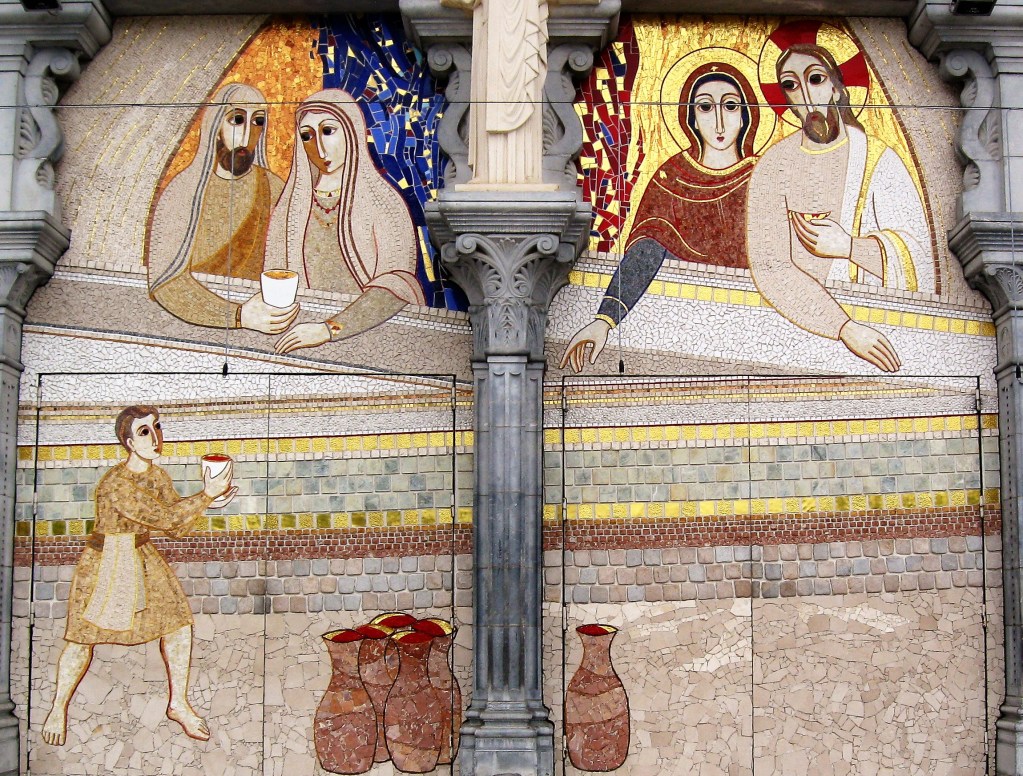
In this Sunday’s Gospel passage of the wedding feast at Cana, there is a theological portrait of both Mother Mary and prayer. Let’s look at the Gospel along five lines:
I. The place that Mary has
II. The prayer that Mary makes
III. The portrait of Mary
IV. The power of Mary’s prayer
V. The product of Mary’s prayer
This discussion guide has been generated by the WORD THIS WEEK’S Catholic AI Assistant based on Msgr. Pope’s homily. NEED HELP? Copy and paste a question into the chat bot in the lower right corner of the screen and have our Catholic Assistant help you.
Discussion Guide for “Biblical Basics about Mother Mary – A Homily for the Second Sunday of the Year”
I. The Place That Mary Has
– Reflect on the setting at the wedding feast at Cana. What might it suggest that Mary’s presence seems to dominate while Jesus’ presence is secondary?
– St. Thomas Aquinas calls Mary the “go-between” in the mystical marriage. How can we relate this to Mary’s role in leading us to her Son?
– Personal Reflection: Can you identify a time in your life when Mary played a role in drawing you closer to Jesus? Share with the group if comfortable.
II. The Prayer That Mary Makes
– Discuss the three qualities of Mary’s prayer: discernment, diligence, and deference. How do these qualities manifest in the Gospel narrative?
– Why is it significant that Jesus waits for us to ask, according to the sermon? Share examples of when bringing your needs to God required you to pray persistently.
– Group Activity: Identify areas in your life where you need to exercise more discernment, diligence, or deference in prayer. Pray together using Mary’s example.
III. The Portrait of Mary
– Consider Jesus addressing Mary as “Woman.” What is the deeper theological implication of this title, as explained in the sermon?
– How does the notion of Mary as the new Eve resonate with your understanding of Jesus’ mission? How does this enhance your appreciation of Mary’s role?
– Discuss Mary’s tenacity. Can you think of instances from your life or from Scripture that exemplify similar tenacity in prayer and faith?
IV. The Power of Mary’s Prayer
– Reflect on the abundance of Jesus’ response: 150 gallons of the best wine. What does this outcome teach us about the potential power of our prayers?
– Share experiences within the group where perseverance in prayer led to unexpected blessings. What does this teach us about God’s timing and abundance?
– Explore the tradition of Mary as a special intercessor within Catholic faith. How does recognizing her role impact your approach to prayer?
V. The Product of Mary’s Prayer
– Discuss the outcome of the miracle at Cana on those present and its implications on faith. How do these outcomes reflect Mary’s essential role?
– Reflect on the initiation of faith as an inceptive process, guided by Mary. How can you incorporate a deeper devotion to Mary in nurturing your faith journey?
– Group Reflection: Share a prayer or intention with the group, asking for Mary’s intercession. Remember her instruction: “Do whatever he tells you.”
Concluding Thought
– Sum up Mary’s roles and virtues highlighted throughout the sermon. How do these inspire you individually and as part of your faith community?
– How can you carry Mary’s instructions and example into your daily life, particularly in your relationships and prayer practices?
This guide aims to facilitate a meaningful discussion and deeper understanding of Mary’s role in the Gospel narrative and in our lives. Encourage openness and respect for diverse viewpoints during your group interaction.
This 300 word adaptation of Msgr. Pope’s homily was generated by our Catholic Assistant AI bot to help preachers share key insights from the homily for young people.
Imagine going to a wedding with Jesus and His friends. Before Jesus takes the spotlight, His mom, Mary, is already there, almost like a VIP guest. Mary is like a matchmaker, connecting people with Jesus. She simply says, “Do whatever he tells you.” Have you ever felt like someone guided you to find Jesus?
When the party runs out of drinks, it’s Mary who notices first and tells Jesus. She’s like that friend who spots problems early. Mary plays a special role in asking Jesus to help us. How she prays is important:
Discernment: Mary sees the problem early. Jesus knows everything but wants us to ask for help.
Diligence: Mary goes straight to Jesus, trusting Him.
Deference: She doesn’t tell Jesus how to fix it, just that there’s a problem. It’s about trusting Jesus with our challenges.
Ask yourself, what are you missing in life? Do you bring it to God, or wait until it gets bad? Mary shows us the power of prayer.
When Jesus calls Mary “woman,” it’s respectful, linking her to God’s plan to bring good into the world. Mary’s belief in Jesus is strong. Even when His words seem distant, she trusts Him. Jesus turns water into wine, about 150 gallons! Sometimes we wait so God can give us more than imagined.
Lastly, many believe in Jesus because of this miracle. That’s Mary’s role—leading us to Jesus and sparking our faith. She advises, “Do whatever he tells you.” Mary has a special part in our faith story, always pointing us to trust Jesus.
These highlights from the wedding at Cana remind us how Mary guides us to Jesus and inspires our faith journey.
DISCLAIMER: Adaptations (like translations), may not fully capture the nuances or precise meanings of the original text. It’s essential to read the original homily which can be accessed by clicking on the title above

2nd Sunday of Year C
Justice Homilies for Sunday
Fr. Jude Siciliano, O.P. was ordained in 1969. For fourteen years he taught homiletics at the Graduate Theological Union in Berkeley, CA, and is a past president of the Catholic Association of Teachers of Homiletics. He was a volunteer chaplain at San Quentin Prison and was actively involved with “People of Faith Against the Death Penalty,” in North Carolina. He preaches parish retreats and also travels throughout the country giving preaching workshops.
⬇️ Bishop John Louis
2nd Sunday of Year C
Marriage—Profound Value in Christ
Homily Excerpt

Marriage for the Christian has a value which goes beyond the social event of the wedding day. Indeed, it has a value that is more profound than a man and a woman living together for life. This is a message that the wedding at Cana in Galilee (John 2:1-11) inspires. By transforming water into wine, our Lord Jesus Christ calls our attention to the spiritual transformation that takes place when a Christian man and Christian woman celebrate their commitment of love and life on the day of their Holy Matrimony. This means that the “wedding” is not a mere social event of the gathering of family, friends, church members and the priest to witness the exchange of “vows” or consent by the couple. More than that, the gathering involves Jesus Christ, Mother Mary and the saints (disciples of Jesus) in glory, as was in the case of the wedding at Cana. And Christ is not merely present, for He transforms the two persons (symbolized by water) into one (symbolized by wine) through the power of the Holy Spirit.
⬇️ Fr. Michael Chua
2nd Sunday of Year C
Homily Excerpt

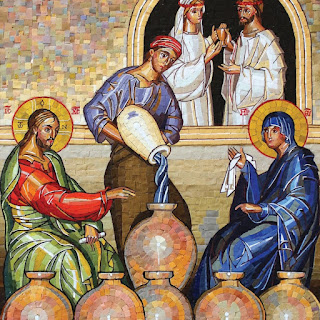
What do we do when the wine runs out? What do we do when the thrill is gone? What do we do when the faith dissipates? Many look for substitutes, only to find themselves disappointed once again because the wine will also run out. ‘Running away’ is no solution too. Mary shows us the way. The strength of Mary’s faith is when she tells the servants to follow the instructions of her Son. We run to Jesus with faith that He can do even the impossible, even outmatching the miracle of transforming water into wine. Mary teaches us to come to Him in humble submission, ready to listen to what He has to tell us, even though it may go against our better judgment. So, when the wine runs out, don’t attempt to brew some more, don’t look for cheap alternatives and don’t run away. It’s not over. The best wine has been saved for the last – it is Jesus.
2nd Sunday of Year C

Homily Excerpt
Although Year C should take us through the Gospel of St Luke, our lectionary this Sunday provides us with this passage from the Fourth Gospel – the Wedding at Cana. The liturgy still wishes to unravel the mystery of Christ’s manifestation in the world during Epiphany.
If you imagine that Epiphany is like a triptych, a three-panelled screen, today we are invited to look at the final panel of the three events that comprise the Feast of the Epiphany: the coming of the Magi, the baptism of Jesus in the Jordan, and the marriage feast of Cana. In speaking of these three events, St Peter Chrysologus explains the rationale of divine pedagogy: “the great events we celebrate today disclose and reveal in different ways the fact that God himself took a human body. Mortal man, enshrouded always in darkness, must not be left in ignorance, and so be deprived of what he can understand and retain only by grace. In choosing to be born for us, God chose to be known by us.”
2nd Sunday of Year C
Homily Excerpt
Sometimes when we are presented with an opportunity to speak up, we would rather choose to remain silent. There are a myriad of reasons why we do so. Sometimes we tell ourselves, ‘We don’t have all the information to make an informed decision,’ or perhaps, we feel powerless to effect any change, or perhaps we fear rejection or risk being pulled beyond our comfort zone of anonymity. In any event, we think, ‘I’m not even on the committee – should I make this my business?’ The self-preserving spirit is constantly whispering in my ear – ‘Of what concern is this to me?’ We don’t speak up or get involved because we’ve been taught from a young age – ‘Better to remain silent and be thought a fool than to speak and remove all doubt.’
In a world that chooses to silence any attempt at reminding us of our sins, what seems to have suffered more than the lack of cognizance of sins of commission, is that of, sins of omission. Catholics are very familiar with sins against charity by saying things we should not say: gossip, calumny, detraction and the like. But holding your tongue when you should say something is just as evil. Many people fail to understand that you can sin by omission as well as by commission. To not say what needs to be said when it should be said is a sin against justice and is a cooperation with evil. Unfortunately, our indifference, our lack of positive action, and especially our silence doesn’t let us off the hook. The Civil Rights activist and preacher Martin Luther King, Jr. wrote: “Not only will we have to repent for the sins of bad people; but we also will have to repent for the appalling silence of good people.”
2nd Sunday of Year C
Homily Excerpt

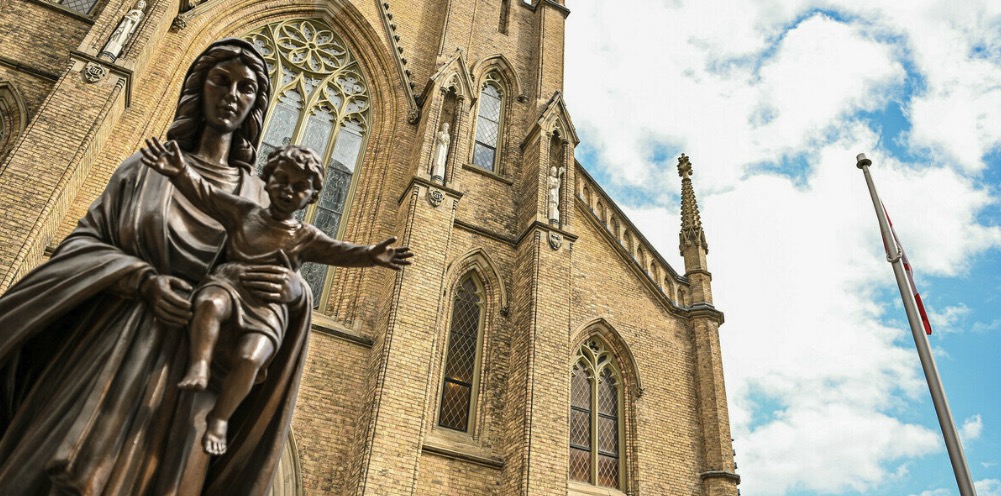
2025 HOMILY—In this Sunday’s Gospel Reading, Mary tells Jesus at a wedding feast, “They have no wine.” Jesus replies, “My hour has not yet come,” but Mary says to the servants, “Do whatever he tells you,” and Jesus miraculously changes water into wine.
Jesus’ response seems “far out of proportion” to his mother’s “simple statement of fact,” notes Scripture scholar Scott Hahn. To understand this, he says, we must be familiar with the Kingdom of David.
When God chose Jesse’s son David to be king of Israel, he promised, “Your house and your kingdom shall endure forever before me; your throne shall stand firm forever.” At the Annunciation, Gabriel told Mary that God would give her Son “the throne of David his father” and that he would “rule over the House of Jacob forever.”
The following adaptation of Fr. Hawkswell's homily, generated by our Catholic Assistant AI bot, is provided to help preachers share key insights from the homily with children and teens.
Hey everyone! Let's dive into a super cool story from the Bible where Jesus does something amazing—He turns water into wine at a wedding. Here's how it goes: during the celebration, Mary, Jesus’s mom, notices they've run out of wine. It was a big deal since wine was the main drink for celebrations back then. Mary tells Jesus, “They have no wine.” Jesus seems hesitant at first, saying, “Not my time yet,” but Mary knows He’ll help. She tells the servants, “Do whatever he tells you.” And then, Jesus turns water into wine!
Why could Mary do this? It's linked to something called the Kingdom of David. Long ago, God picked David to be king and promised his kingdom would last forever. When Jesus came, He was seen as the continuation of this kingdom. Back then, the king’s mom had a special role and was called the Gebirah, or “Great Lady.” She could advise the king and ask for favors, just like Mary asked Jesus to help at the wedding.
So how does this connect to us today? Think of Jesus as the head of a big team, and we’re all part of it. Mary plays a special role on this team because she’s in tune with what God wants. After Mary went to heaven, she's been seen as a Queen. Pope Benedict XVI even said she always made space for God. That means we can ask Mary to talk to Jesus for us whenever we need help. She’s the best team player, looking out for us. So, whenever you're feeling stuck, remember to ask Mary for help. She's always ready to chat with Jesus for you!
DISCLAIMER: Adaptations (like translations), may not fully capture the nuances or precise meanings of the original text. It's essential to read the original homily which can be accessed by clicking on the title above.
This discussion guide has been generated by the WORD THIS WEEK'S Catholic AI Assistant based on Fr. Hawskwell's homily. NEED HELP? Copy and paste a question into the chat bot in the lower right corner of the screen and have our Catholic Assistant help you.
Discussion Guide for Small Groups and Study Sessions
Introduction
Begin by reading the passage from the Gospel where Mary informs Jesus, "They have no wine," and explore Jesus' response and eventual miracle of turning water into wine at the wedding feast at Cana. Use this passage as a foundation to delve deeper into the role and significance of Mary as understood in both historical and theological contexts.
Discussion Questions
1. Understanding Jesus' Response
- Why do you think Jesus' response to Mary's statement was described as "far out of proportion"?
- How does understanding the Kingdom of David help clarify this interaction?
2. The Role of the Queen Mother
- Discuss the role and significance of the Gebirah, or "Great Lady," in the Kingdom of David. How does this historical context enhance our understanding of Mary's role?
- Reflect on the story of King Solomon and his mother Bathsheba. What parallels can you draw between this story and Mary's intercession at Cana?
3. Mary's Role in the Kingdom of God
- How does Scott Hahn describe the continuity of the Davidic line from Solomon to Jesus concerning their mothers?
- Why is Mary's role as the Queen Mother significant in the context of Jesus' reign?
4. Mary's Magnification of the Lord
- Discuss Pope Benedict XVI's assertion regarding Mary's life motto, "My soul magnifies the Lord." How does this mindset reflect her actions at Cana?
- How does Mary exemplify putting God's initiatives first, according to Pope Benedict XVI?
5. Mary's Unique Contribution
- According to the Catechism of the Catholic Church, what makes Mary's role "pre-eminent" and "wholly unique"?
- How does Vatican II describe Mary's contribution to the salvation of the world? Discuss the significance of her Assumption and title as "Queen over all things."
6. Intercession and Cooperation with Christ
- Why is it important to seek Mary’s intercession, as suggested by Scott Hahn and Vatican II?
- How does Mary "co-operate" with Christ in restoring supernatural life to souls?
Reflection and Personal Application
- Share with the group any personal experiences or thoughts about seeking Mary's intercession. How has this practice impacted your spiritual life?
- In what ways can we emulate Mary's faithfulness and openness to God's will in our own lives?
Conclusion
Conclude the session by reflecting on the significance of Mary's role both in the life of Jesus and in our spiritual lives. Encourage the group to think about how understanding these biblical and theological contexts might deepen their faith and relationship with both Jesus and Mary.
Click banners to access AI generated content.
⬇️ Fr. Denis J. Hanly

Father Denis J. Hanly (1932-2014) was a Maryknoll Missionary for over 55 years.
2nd Sunday of Year C
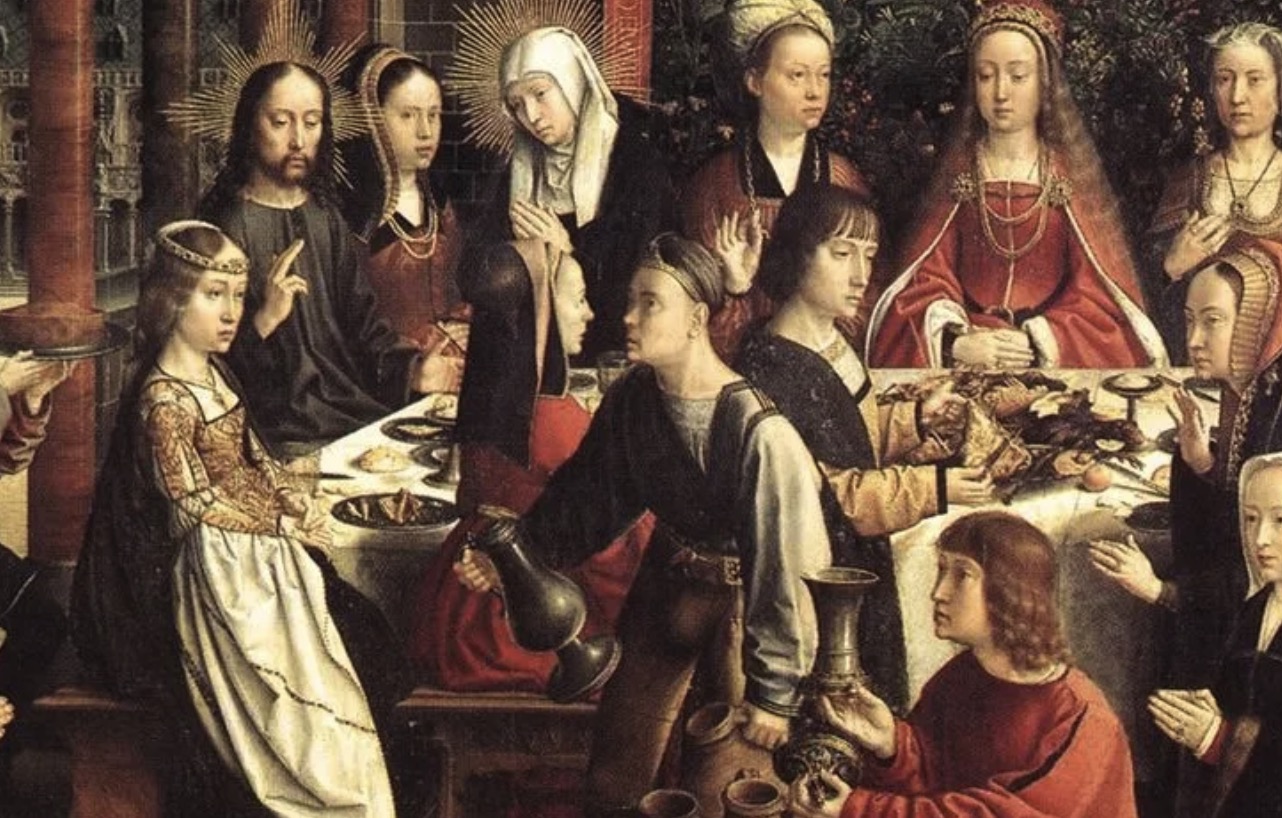
Homily Excerpt
Perhaps the most important thing that can be said about this Gospel is it shows the warmth of Jesus — the warmth of Jesus — and it shines through.
Now there are really two basic subjects: the first one is Jesus changes water into wine, which we all know pretty well, and the second one is life is a wedding banquet and Jesus is the host.
We are all familiar, in this parish, with wedding banquets, because we have so many of them. But to say that life is a wedding banquet, could be (inaudible). I think what you would have to add is life is a wedding banquet if you learn how to live it, and how to love it, and how to care for others.
⬇️ Fr. Tommy Lane
2nd Sunday of Year C
Mary, the Mother of Jesus, the Woman of the New Covenant
Homily Excerpt
Jesus bestows a huge honor on his mother Mary in the Gospel today during the wedding at Cana (John 2:1-11). At first it might be difficult to see the honor Jesus gives to Mary when he says, “Woman, how does your concern affect me? My hour has not yet come.” (John 2:4) In our culture it would be disrespectful to address a lady as “woman” and above all one’s mother as “woman”, but throughout the Gospels Jesus called many ladies “woman.” (Matt 15:28; Luke 13:12; John 4:21, 8:10, 20:13) Jesus intends to teach us something when he calls Mary woman. He does it for us.
2nd Sunday of Year C

This first sign of Jesus revealed his glory, and thenceforth the disciples believed in him. The glory revealed is that of the great God of transformations, a God who takes a mere creature for beloved spouse, who becomes our food and drink as if our bread and wine.
We have a God who refashions the human body into a temple of flesh inhabited by divine life. We are new arks of the covenant.
Jesus himself, of course, is the greatest sign of all. He, in one body, true God and true man, is the marriage of heaven and earth. He is the nuptials of God and flesh. He is the reason why, after Christmas, every new child bears the one Spirit wherein God calls each one, “My delight, my joy, flesh of my flesh, my spouse.”
This discussion guide has been generated by the WORD THIS WEEK’S Catholic AI Assistant based on Fr. Kavanaugh’s homily. NEED HELP? Copy and paste a question into the chat bot in the lower right corner of the screen and have our Catholic Assistant help you.
Discussion Guide for Sermon on Covenant of Love in Isaiah
Introduction to Prophetic Imagery
– Discuss the use of covenantal love imagery in prophetic literature, specifically Hosea and Ezekiel.
– How does Isaiah’s portrayal of God’s relationship with Israel as a celebration of nuptials differ from other prophets?
Understanding Isaiah’s Imagery
– Reflect on the specific language Isaiah uses: What does it mean to be called “My Delight” and “Espoused”?
– How does Isaiah’s depiction enhance our understanding of God’s unwavering commitment and love for humanity?
God’s Transformative Love
– Explore the concept of God refashioning the human body into a temple of divine life. How does this transform our identity and purpose?
– Discuss Paul’s writings about the Spirit in Christ that unites us in body, worship, and common endeavors.
The Wedding at Cana as a Sign
– Examine the significance of Jesus’ first miracle at the Cana wedding. How does this event function as a sign of God’s transformative power?
– Consider the symbolism of Jesus turning water into wine. What does this reveal about God’s glory and the covenant of marriage?
Reflection on Jesus as the Ultimate Sign
– In what ways is Jesus the marriage of heaven and earth, and how does this reflect the theme of nuptials in the sermon?
– How do we see ourselves as “new arks of the covenant” in light of Jesus’ embodiment of divine and human unity?
Prayer and Personal Application
– How does this understanding of covenantal love and transformation challenge personal faith and daily living?
– End with a prayer or reflection seeking personal and communal growth toward the ideals presented in the sermon.
Quote to Ponder
– Reflect on the lines from Gerard Manley Hopkins: How do they encapsulate the divine-human relationship celebrated in the sermon?
This 300 word adaptation of Fr. Kavanaugh’s homily was generated by our Catholic Assistant AI bot to help preachers share key insights from the homily for young people.
Hey there! Today, we’re talking about a super cool story from the Bible—the amazing love story between God and us. A lot of prophets, like Isaiah, Hosea, and Ezekiel, share how God is always there for us with a promise or covenant. Imagine God saying, “I promise to love you forever, with kindness.” That’s pretty awesome, right?
Isaiah talks about our relationship with God like a wedding celebration. God’s love for us is never-ending and super loyal. Just like a young man celebrates marrying someone he loves, God feels the same joy about being with us. He says, “You’re special to me, and I’m so happy to be with you!”
Think of our bodies like little temples. God wants to hang out with us and be there for all of life’s ups and downs. When we’re connected with God through Jesus, it’s like having a friend who totally understands us and wants to be a big part of our lives.
This might be why Jesus’ first miracle happened at a wedding! In a town called Cana, he helped make a party better by turning water into wine when they ran out. And it wasn’t just any wine—it was the best wine! By doing this, Jesus showed he’s all about making things awesome and transforming them.
Jesus is like the ultimate sign of God’s love. He brings heaven and earth together in one amazing person. Through him, God says to each of us, “You’re my joy, my happiness, and I’m with you all the way.”
So next time you think about your relationship with God, remember it’s like the best kind of love story, with promises and celebrations that never end. Isn’t that something really encouraging to think about?
DISCLAIMER: Adaptations (like translations), may not fully capture the nuances or precise meanings of the original text. It’s essential to read the original homily which can be accessed by clicking on the title above
2nd Sunday of Year C
Homily Excerpt
My friends, if we were to identify the greywater in our souls right now, what would it be? Think about it. What is the greywater in my soul right now? Maybe it isn’t just in my soul but perhaps something going on in my relationships at home, in my marriage, religious life, etc. Maybe that greywater represents my fears, my anxieties, my prejudices and pridefulness? What is the greywater in my heart right now? The invitation this Sunday is to truly allow Jesus to be our bridegroom as the Church is his bride. Have you considered that in the sacrament of baptism, our souls were espoused to the Lord like a wedding when the two become one. The Good News is on the days we are unfaithful, Jesus always remains faithful. On the days we fall down Jesus is always there to pick us up. What we celebrate this Sunday is: Jesus can take any greywater we give him and turn it into fine wine.
2nd Sunday of Year C
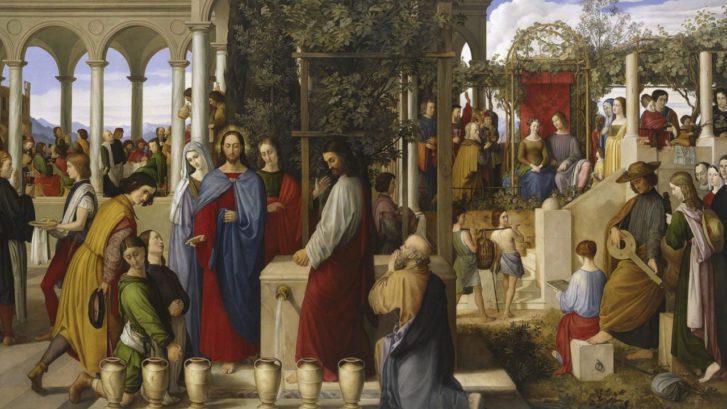

This Gospel is more than about a wedding; this Gospel is about emptiness. And people are dying of emptiness, more spiritual than physical. So when people come to you and say they have no more wine there is something you can do to fill that void. You can assist the Lord, you can pray, you can invite, you bear witness to what God has done for you in your life.
And so, now in a few moments we will begin our ancient meal. We are going to break the bread and share the cup because we are the people of God. As we do this, think of all the people for whom that piece of bread, the Eucharist, would be so nourishing to their spirits, and remember these words of Mary, her last words in the New Testament:
“Do whatever He tells you.”
This discussion guide has been generated by the WORD THIS WEEK’S Catholic AI Assistant based on Fr. Warren’s homily. NEED HELP? Copy and paste a question into the chat bot in the lower right corner of the screen and have our Catholic Assistant help you.
Introduction:
The sermon addresses the transition from the joyful celebration of Christmas to the more subdued period known as “ordinary time” in the church calendar. Even as the excitement of Christmas fades, the sermon emphasizes that it is not an end but a beginning. It invites reflection on the ongoing journey of faith and transformation, drawing on the story of Jesus’ first miracle at Cana.
Discussion Questions:
1. Reflecting on Ordinary Time:
– How do you personally feel about the transition from Christmas to ordinary time in the church calendar?
– What challenges do you face during this period when the excitement of Christmas has passed?
2. Understanding Christmas as a Beginning:
– The sermon suggests that Christmas is a beginning rather than an end. How do you interpret this idea in your own faith journey?
– In what ways might you allow the message of Christmas to bring transformation into your daily life after the holiday season?
3. Role of Jesus Beyond Christmas:
– Consider Jesus’ life beyond his birth. What does his journey from Bethlehem to Nazareth signify for your understanding of his mission?
– Why do you think the sermon emphasizes the miracle at Cana as Jesus’ first public act in his ministry?
4. The Symbolism of Wine:
– The sermon uses the metaphor of “running out of wine” to describe feeling emptiness or loss in different aspects of life. Can you identify areas in your life where you feel the wine may have run out?
– How might you find renewal or restoration in those areas you feel lack fulfillment or energy?
5. Participation in the Miracle:
– Jesus asks for help to perform the miracle at Cana. Reflect on a time when you felt called to collaborate in bringing about change or healing with Jesus.
– What are some practical ways you might assist in creating miracles, not just in your own life, but for others as well?
6. Ministering to Others Whose Wine Has Run Out:
– How do you recognize when someone around you is dealing with emptiness, and how can you support them?
– What actions can you take in your community to reach out to those who may feel spiritually dry or disconnected?
Conclusion:
Reflect on the notion that ordinary time is an opportunity for transformation, collaboration, and renewal of faith. The Eucharist, a central part of church life, embodies Jesus’ call for us to be active participants in His work. Consider how you can heed Mary’s words, “Do whatever He tells you,” in your life and service to others.
This 300 word adaptation of Fr. Warren’s homily was generated by our Catholic Assistant AI bot to help preachers share key insights from the homily for young people.
Hey everyone! Today feels a bit different at church, doesn’t it? Christmas vibes have dialed down; the nativity scene is packed away, and we’re stepping into “ordinary time.” But wait! Christmas wasn’t the end—it’s the start of something bigger.
Jesus didn’t stay a baby in Bethlehem forever. He started His journey with a simple miracle: turning water into wine at a wedding. Jesus can change sadness into joy, fear into belief, and even bring people back to life.
Mary, Jesus’ mom, said, “They have no wine.” This might speak to times when celebrations in our lives fade. Whether it’s marriage, jobs, or friendships feeling blah, we can all feel drained sometimes. But here’s the cool part—Jesus can flip things around.
And did you notice? Jesus asked for help with the miracle. Without the servants filling jars with water, it wouldn’t have happened. It shows us that Jesus can restore love and joy, but He often wants us to pitch in.
So, imagine Jesus asking you, “Will you help Me out?” When people feel empty, do we lend a hand or pray for them? Do we invite them to join us at church to hear God’s word? A lot of people are feeling spiritually empty. When someone says, “I have no more wine,” you can fill that gap. Help Jesus by praying, inviting, and showing them how God works in your life.
Soon, we’ll share bread and a cup together, celebrating as God’s people. As we do this, think of those who need God’s word. Remember Mary’s last message in the New Testament: “Do whatever He tells you.”
DISCLAIMER: Adaptations (like translations), may not fully capture the nuances or precise meanings of the original text. It’s essential to read the original homily which can be accessed by clicking on the title above
⬇️ Fr. Joe Jagodensky, SDS
2nd Sunday of Year C
Homily Excerpt

Cana. The first miracle of Jesus Christ. Also, what also is the first, of what we know about. is a disagreement between mother and son.
Hmmm. A disagreement between mother and son. Sounds like Jesus proved both his divinity and humanity all at one event. A wedding, no less which normally means a union. But there you have it in scriptural writing.
Says the Son of God, “It’s not my time, Mom, so please leave me alone.” Mary, being the wise mother that she is, knows in her heart that her son will do the right thing. “Just do what he tells you to do,” dictates the Mother of God to the catering service.
The following adaptation of Fr. Joe's homily, generated by our Catholic Assistant AI bot, is provided to help preachers share key insights from the homily with children and teens.
Hey everyone! Let's dive into a cool Bible story about Jesus at a wedding. It’s where he does his first miracle and even has a little disagreement with his mom, Mary. Sounds relatable, right? Even Jesus had some family tension!
So here's what happened: Jesus and Mary are at a wedding, and they run out of wine, which is a big deal. Jesus says, "Mom, it's not my time yet," but Mary trusts him. She tells the servers, “Do whatever he tells you.” Talk about faith!
If you've ever felt like your family doesn't understand you, remember even heroes have stand-offs! It’s normal. Disagreements can happen, and it’s part of being human. A funny sign I saw says, “The more people I meet, the more I love my cat.” Sometimes people can be frustrating!
But what matters is how we handle these disagreements. Shouting won’t solve anything. Look at politics; it often shows arguing doesn’t work. We should try to come together, find common ground, and compromise so everyone is happy.
In today’s readings, there’s an amazing bond, like between God and Israel, described as “my delight.” It's about harmony and using everyone’s strengths. In the wedding story, Mary’s nudge helps Jesus perform his first miracle. It shows how a little push can lead to great things!
So, let’s nudge ourselves to be kinder, more patient, and listen when things get tough. It might not be what we always do, but it’s part of our faith and love for others. What do you think? Can we try nudging ourselves toward being better?
DISCLAIMER: Adaptations (like translations), may not fully capture the nuances or precise meanings of the original text. It's essential to read the original homily which can be accessed by clicking on the title above.
This discussion guide has been generated by the WORD THIS WEEK'S Catholic AI Assistant based on Fr. Joe's homily. NEED HELP? Copy and paste a question into the chat bot in the lower right corner of the screen and have our Catholic Assistant assist you.
Discussion Guide for the Sermon on the Miracle at Cana
Introduction
The sermon explores the first miracle of Jesus at Cana, which simultaneously showcases Jesus' divinity and humanity. This event is set against the backdrop of a wedding, symbolizing union, yet it also highlights the first recorded disagreement between Jesus and His mother, Mary.
Discussion Questions
1. The Nature of Disagreements:
- How does the disagreement between Jesus and Mary reflect the duality of Jesus' nature?
- The sermon mentions disagreements in various relationships (e.g., mother and son, among people, in politics). How can we relate these examples to our personal experiences?
2. Role of Mary:
- In what ways did Mary’s actions demonstrate wisdom and faith in Jesus' abilities?
- How can Mary's approach to nudging Jesus inform our interactions with those we care about?
3. Human Nature and Conflict:
- The sermon implies that disagreements and frustration are part of human nature. How can we align this understanding with our faith?
- Consider times when a disagreement led to positive outcomes or deeper understanding. Share examples.
4. Nudging and Encouragement:
- How can gentle nudging, as portrayed by Mary, be more effective than direct confrontation?
- Can you recall a moment when someone gently nudged you towards the right decision?
5. Union and Community:
- The sermon discusses the idea of union "between" and "with." How do these concepts influence our relationships?
- Reflect on St. Paul’s idea of different gifts blending to build unity. How can we apply this in our communities?
6. Contrasting Perspectives on Soap:
- The sermon humorously contrasts past disciplinary actions with the idea of nudging. What are some modern "nudging" equivalents in our interactions today?
Reflection Activities
- Role Play: Break into pairs and simulate a gentle nudge versus a direct confrontation. Discuss the outcomes.
- Group Sharing: Share a personal story about a time when you nudged someone or were nudged in a positive direction.
- Meditation: Reflect on personal experiences of disagreements and consider how compassion and patience were or could be applied.
Conclusion
Reflect on the idea that while conflicts are inevitable, the approach we take can align with our faith. The miracle at Cana not only reminds us of Jesus' first public display of power but also of the relational dynamics that call us to strive for understanding and unity.
Click banners to access AI generated content.
Please note that some video clips on this page serveas an additional resource to complement the homilies. THey might not have a direct correlation with the contributor’s original content. These videos aim to inspire preachers to enrich their own homilies, drawing ideas and insights from both the written material and the visual content they’ve explored.