JAN 19, 2025
SOURCE: Catholic Resources by Rev. Felix Just, S.J.
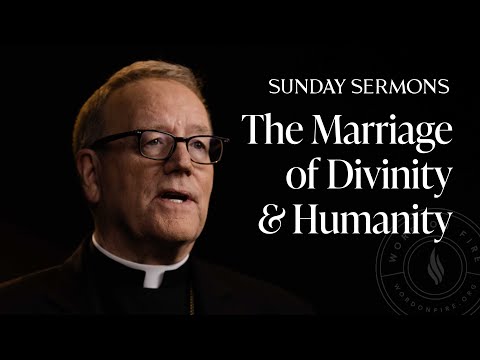
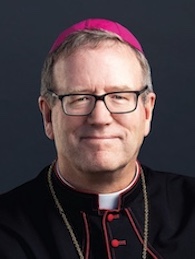
Bishop Barron
VIDEO
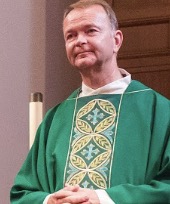
Fr. Kevin Ruttig
VIDEO

1-Minute Homily
VIDEO

Two Minute Homily
VIDEO
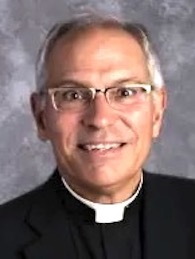
Fr. Peter Hahn
VIDEO

Fr. Langeh, CMF
VIDEO
RELATED PAGE: HOMILY EXCERPTS | DISCUSSION GUIDES
BISHOP BARRON

SUNDAY
SERMON
PODCASTS
Bishop Barron
2nd Sunday of Year C

The Wedding of Heaven and Earth
January 14, 2001
When Jesus appears at the Wedding Feast of Cana, he signals the marriage of heaven and earth. When God moves into our experience, he transfigures humanity, elevating art, philosophy, science and politics into bearers of the sacred. He changes the water of earth into the wine of heaven.

The Task of the Church
January 14, 2007
As we enter into ordinary time, we reflect with St. Paul on the ordinary task of the church: the discernment and exercise of the gifts of the Holy Spirit. How do we use the gifts of wisdom, knowledge, healing, and faith?
2nd Sunday of Year C
Jesus' first miracle at the wedding at Cana symbolizes the transformative power of divine grace, inviting humanity to bring their humble offerings to Christ for extraordinary blessings and a deeper relationship with God.
- 00:00 Jesus' first miracle at the wedding at Cana, providing more wine, signifies his divinity and invites deeper theological reflection.
- 01:19 God desires an intimate relationship with humanity, exemplified by Jesus' first miracle at a wedding, symbolizing the union of divinity and humanity.
- God reveals Himself to His people with a personal and intimate love, likening His relationship with them to that of a bridegroom rejoicing over his bride.
- God desires an intimate relationship with humanity, symbolized by Jesus' first miracle at a wedding, reflecting the union of divinity and humanity.
- 04:02 Jesus' first miracle at the wedding in Cana represents the resurrection and God's desire for unity with His people, symbolizing the church as the new Israel.
- Jesus' first miracle at the wedding in Cana symbolizes the resurrection and God's desire to unite with His people.
- In Galilee, the presence of Jesus, his mother Mary, and the disciples symbolizes the church as the new Israel in the context of resurrection.
- 05:48 Running out of wine at the wedding symbolizes a loss of joy and divine life, highlighting the importance of spiritual abundance.
- 06:58 Mary's plea at Cana reflects Israel's desire for divine life, highlighting the importance of obeying God's commands through Jesus' guidance.
- Mary's plea at the wedding feast of Cana symbolizes Israel's longing for divine life, urging people to follow Jesus' guidance to receive it.
- Obedience to God's commands is essential for humanity, as exemplified by the failures of ancient Israel and the call to follow Jesus' instructions.
- 09:21 Jesus transforms our contributions, symbolized by water in jars, into something greater, emphasizing that divine grace perfects and elevates human nature rather than discarding it.
- 10:56 Bring your achievements and desires to Christ, and He will transform them into something extraordinary, just as water becomes wine.
- 12:54 Bringing your humble offerings to Christ transforms them into abundant blessings, symbolized by the miraculous 180 gallons of wine at the wedding in Cana.
Transforming Human Experience
Q: How does Jesus' first miracle symbolize his role in human life?
A: Jesus turning water into wine at Cana symbolizes the marriage of heaven and earth, transforming human flourishing into divine life, as described in Isaiah 62:5 and Ephesians 5:31-32.
Q: What does Mary's intervention at Cana represent?
A: Mary pointing out the lack of wine represents Israel's longing for God's presence, as expressed in Psalm 40:2 and Isaiah 62:10, with her instruction to "do whatever Jesus tells us" being key to experiencing divine life.
Divine Abundance and Grace
Q: What does Jesus' instruction to fill jars with water symbolize?
A: Filling jars with water represents bringing our human achievements to God, allowing Him to elevate and transform them, as per Saint Thomas Aquinas' quote "grazia supponent at perfect not torah".
Q: What does the abundance of wine at Cana signify?
A: The 180 gallons of wine produced symbolizes the excess and abundance of divine life when tapping into God's grace, which increases 30, 60, and 100 fold.
Jesus' Divinity and Marriage Symbolism
Q: How does the Cana miracle relate to Jesus' divinity?
A: The miracle at Cana is the first of seven signs in John's Gospel indicating Jesus' divinity and the marriage of heaven and earth.
Q: What broader symbolism does the wedding at Cana represent?
A: The wedding symbolizes the marriage between God and humanity, with Jesus' presence representing his role as the bridegroom who has come to marry his people, as described in Isaiah 62:5 and Ephesians 5:31-32.
Introduction:
- Introduce the story of the Wedding at Cana, where Jesus performs his first public miracle by turning water into wine.
- Discuss the importance of this story in the Gospel of John and its significance in Christian theology.
Discussion Points:
1. Theology of Miracles
- Explore the theological significance of Jesus' first miracle.
- Discuss the concept of transformation in the context of water becoming wine.
- How do miracles serve as signs of God's presence and power?
2. The Role of Mary
- Reflect on Mary's role during the event.
- Discuss her faith and trust in Jesus' ability to address the situation.
- How does Mary's intervention guide us in our approach to faith and prayer?
3. Transformative Power of Faith
- Discuss how faith can transform ordinary experiences into extraordinary ones.
- Explore personal experiences where faith has led to transformation in difficult times.
- How can we invite this transformative power into our own lives?
4. Symbolism of Wine
- Examine the symbolism of wine in the biblical context.
- Discuss how wine represents joy, celebration, and the abundance of God’s grace.
- How does this symbolism apply to our spiritual lives today?
Reflective Questions:
- How do you perceive the role of miracles in your faith journey?
- In what ways can we emulate Mary's faith and approach to intercession in our lives?
- What ordinary aspects of your life can you invite God to transform?
- How is the abundance of God’s grace evident in your life?
Application:
- Identify a situation in your life that feels like "ordinary water" and pray for God's transformative power.
- Share a personal story or testimony of transformation through faith with your study group.
- Consider creating a small personal project that symbolizes transformation and growth, inspired by this biblical passage.
Prayer and Reflection:
- Conclude with a prayer, asking for the ability to trust in God’s transformative power in our lives, just as Mary did.
- Spend a moment in silent reflection on areas in your life needing transformation and God’s grace.
This guide encourages participants to delve deeper into the theological meanings of the Wedding at Cana, reflect on their personal faith journeys, and apply these insights to everyday life.
2nd Sunday of Year C

The wedding feast at Cana serves as a profound illustration of God's desire for a deep, transformative relationship with humanity, highlighting the themes of divine grace, love, and the union of divinity and humanity.
- 00:00 God's desire to unite with humanity is beautifully illustrated in the wedding feast at Cana, emphasizing the significance of this moment in understanding Christianity.
- 00:51 God’s love is a free gift that requires no performance to earn, contrasting with the Promethean myth of divine rivalry and punishment.
- 02:25 God passionately desires the fullness of life for His people, delighting in their victory and transformation.
- 03:29 God seeks a deep, life-giving relationship with humanity, exemplified in Jesus' transformative miracle at the Wedding at Cana.
- God desires an intimate, life-giving relationship with humanity, likened to a marriage, rather than merely seeking followers or obedience.
- The reading from Isaiah prepares us to understand the deeper significance of Jesus' miracle at the Wedding at Cana, which goes beyond merely restoring happiness to the couple.
- 05:36 Jesus' first sign at the wedding feast of Cana symbolizes the profound union of divinity and humanity, setting the tone for his miraculous works.
- 06:53 The wedding at Cana symbolizes the importance of grace and spiritual life, as the shortage of wine represents a deeper need for divine abundance.
- 08:13 Mary symbolizes Israel's plea for divine intervention, urging humanity to reconnect with grace by following God's guidance.
- 10:08 Jesus' transformation of water into wine at Cana symbolizes divine grace and the union of humanity and divinity, exemplified in the Mass through Christ's sacrificial offering.
- Jesus transforms water into wine at the wedding in Cana, symbolizing the superabundance of divine grace and the culmination of Revelation, which is mirrored in the Mass where humanity and divinity unite through the sacrificial offering of Christ's blood.
- God desires a deep union with humanity, exemplified in Jesus, who offers this transformative relationship through his sacrifice.
Divine-Human Union
Q: What is the central theme of God's relationship with humanity in the Bible?
A: God desires to marry his people, delighting in them and wanting them to be fully alive, as expressed in Isaiah 62:1-5 and 1 Corinthians 12:4-11.
Q: How does the wedding at Cana symbolize God's relationship with humanity?
A: Jesus' first sign at Cana (John 2:1-11) represents God's desire to marry humanity, with Jesus embodying the marriage of heaven and earth and the union of divine and human natures.
Symbolism and Grace
Q: What does wine symbolize in the Bible?
A: Wine represents the outpouring of grace, spiritual life, and the life of God, with the 180 gallons at Cana symbolizing Christ's overflowing blood offered throughout history.
Q: What is Mary's symbolic role at the wedding in Cana?
A: Mary represents Israel's longing for God's grace, highlighting the loss of connection with grace and the need to follow the Lord's instructions.
Liturgical Significance
Q: How does the Mass reflect the wedding feast theme?
A: The Mass is a wedding feast uniting divinity and humanity, combining the altar (sacrifice) and table (meal) aspects simultaneously.
Q: Why are Jesus' acts in John's Gospel called "signs" instead of "miracles"?
A: They are meant to be wondered at and amazed by, rather than merely impressing God, culminating in the raising of Lazarus.
Opening Question:
- What are your initial thoughts and feelings when transitioning back to ordinary time after Advent and Christmas?
The Promethean Problem
1. How does the Promethean myth compare to our understanding of God within Christianity?
2. Discuss Thomas Merton’s concept of the "Promethean problem" in religion.
3. How does the Bible's concept of grace challenge the idea that we must earn God’s love?
God's Desire to Marry His People
1. Reflect on the passage from Isaiah: What does God’s commitment to Israel tell us about His nature?
2. How does Bishop Barron contrast the ancient Greek and Roman gods with the God of Israel?
3. Discuss the significance of the marriage metaphor in relation to God’s relationship with humanity.
The Wedding at Cana as a Sign
1. How do you interpret the symbolism of the Wedding at Cana?
2. Discuss the concept of Jesus as the marriage of divinity and humanity.
3. Why might the Wedding at Cana be considered the first of Jesus’ signs, setting the tone for his ministry?
The Role of Wine and Mary
1. What does wine symbolize in the Bible, and why is it significant in this story?
2. How does Mary’s role at the wedding at Cana represent Israel’s longing for divine grace?
The Abundance of Grace
1. What is the significance of the superabundance of wine in the story?
2. How does the abundance of new wine relate to Jesus’ mission and revelation?
3. In what ways is the Mass a representation of the wedding feast and union of divinity and humanity?
FATHER
KEVIN
RUTTIG
2nd Sunday of Year C
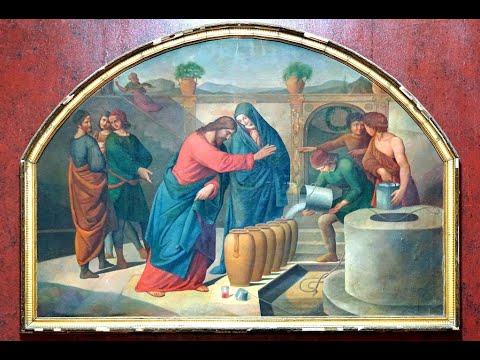
Water to Wine

“Something has run out on us…we find ourselves running out of what it takes.”
The transformation of water into wine serves as a metaphor for how our hopes, dreams, and meaningful experiences can be elevated into something extraordinary when we seek help and guidance in times of need.

- 00:00 Wine is often reserved for special occasions in some cultures, while in others, it is a daily staple for meals and toasts.
- 00:59 Admiral Togo was honored with a clever toast of water by teetotaler William Jennings Bryan, symbolizing respect for his victory while humorously deferring a toast with champagne until a future triumph.
- 02:23 Jesus transformed water into wine at a wedding, saving the hosts from embarrassment and highlighting the story's deeper meanings.
- 03:12 A young John Dryden, despite being a poor student, impressively captured the miracle of Jesus turning water into wine in a spontaneous poem that reflects our shared feelings of inadequacy.
- 04:23 A wedding party faces a crisis when they run out of wine, reminiscent of a personal experience at a restaurant where the owner asked for help.
- 04:46 Sometimes, we feel inadequate not because we lack wine, but because we run low on the essential things that make life meaningful and impactful.
- 05:24 Running out of resources and hope leads us to seek help, just as the wedding guests turned to Christ in their moment of need.
- 06:26 Fill your life with hopes, dreams, love, and experiences, and watch as they transform into something extraordinary in the presence of the divine.
Spiritual Transformation
Q: What does Jesus turning water into wine symbolize?
A: It symbolizes transforming modest water into something wonderful, precious, and amazing when filled with hopes, dreams, experiences, acts of love, charity, good intentions, prayers, and times of help.
Q: How does John Dryden's poem describe the water's transformation?
A: Dryden's poem describes the water as "awed by power divine" and "blushing itself to wine", highlighting the touching and multifaceted nature of the story.
Life's Challenges and Christ's Support
Q: What does running out of wine represent in our lives?
A: Running out of wine represents depleting patience, time, money, interest, steam, and what it takes to make a difference in the world.
Q: How can we relate to the people at the wedding banquet?
A: We often turn to Christ with similar complaints, saying "I have no more wine" or "I can't take it anymore", expressing our feelings of emptiness or exhaustion.
Christ's Response and Our Potential
Q: What is Christ's answer to our complaints of emptiness?
A: Christ reminds us that while we may not have more wine, we have a container - our life - which we can fill with the water we have, such as our hopes, dreams, experiences, and acts of kindness.
Q: How can we apply the water-to-wine miracle in our lives?
A: We can turn to Christ for help in filling our empty containers with meaningful experiences and actions, transforming our modest resources into something wonderful and impactful.

Icebreaker:
- Begin with a lighthearted question: "Have you ever experienced a situation where you unexpectedly ran out of something crucial during a special event?"
Cultural Context
- Discuss cultural differences concerning wine consumption, as highlighted by the speaker. How do these differences influence the way we perceive social customs?
- Reflect on the anecdote involving William Jennings Bryan and Admiral Togo. How did Bryan cleverly navigate cultural and personal beliefs during a toast? What does this teach us about diplomacy and respecting cultural norms?
Biblical Story Analysis
- Examine the story of Jesus turning water into wine at the wedding at Cana. Why was running out of wine considered a significant social issue in that cultural context?
- Discuss the role of Jesus’s mother in the story. How does her involvement highlight different aspects of human interaction and divine intervention?
- Invite participants to share their personal interpretations of the miracle. How does this story resonate with their understanding of faith and provision?
John Dryden’s Interpretation
- Reflect on John Dryden’s poetic interpretation: "The modest water awed by power divine beheld its god and blushed itself to wine." How does this imagery deepen our understanding of the miracle?
- Explore the concept of modesty and divine transformation within the poem. What can we learn about human inadequacy and divine grace?
Personal Application
- Identify areas in your life where you feel you are "running out"—whether it be patience, motivation, or resources. How do these feelings align with the sermon's messages?
- Discuss the metaphor of life as a container. In what ways can you fill your "container" with the water of hopes, dreams, acts of charity, or prayers?
- Share personal experiences where faith and reliance on a higher power brought transformation or renewal during times of inadequacy.
2nd Sunday of Year C

The Smile of God

Perhaps we sometimes dwell too much on the heavier aspects of life. God’s smile is actually all around us.

- 00:00 A visit to the remote B own Temple in Cambodia, approached on an elephant, reveals its magnificent beauty.
- 00:54 The Temple of Bion captivates visitors with its 54 towering structures, each adorned with four smiling faces looking in every direction.
- 01:26 God's smile is a unique and awe-inspiring presence that surrounds us, revealing diverse expressions of joy and warmth.
- 02:07 God's loving presence is felt through smiles that connect with us at our level during both joyful and challenging moments.
- 02:59 The enduring presence of the divine is symbolized by the ancient temple built by King Gavar, reflecting centuries of God's visible grace upon His people.
- 03:23 We have shifted from celebrating joyful symbols of faith to focusing on darker, more violent representations in Christian art since the Middle Ages.
- 03:56 The terrifying image of God's eye in a church instilled fear in children, overshadowing the beauty and significance of faith.
- 04:37 The loving smile of God surrounds us in joy and sorrow, inviting us to recognize His presence in our lives.
Symbolism in Architecture
Q: What is unique about the Bion Temple in Cambodia?
A: The Bion Temple features 54 towers with four smiling faces each facing the four cardinal directions, symbolizing the omnipresent smile of God.
Religious Imagery
Q: How does the Bion Temple's imagery contrast with some Christian art?
A: While some Christian art focuses on bloody crucifixions and scourgings, the Bion Temple emphasizes joyful symbols and the loving presence of God.
Q: What alternative imagery is suggested for Christian churches?
A: Churches could be adorned with images of Christ embracing children, laughing, dancing, and celebrating, representing the joyful aspects of faith.
Divine Presence
Q: How is God's smile described in relation to human experiences?
A: God's smile is portrayed as heartfelt, joining in our joys, filled with wisdom, and encouraging us through our struggles.
Cultural Insights
Q: What can modern believers learn from the ancient Bion Temple builders?
A: The temple suggests that ancient people understood the importance of representing God's loving presence in a visible and joyful manner.
Emotional Impact
Q: How is the visual effect of the Bion Temple described?
A: The temple's design is characterized as a startling, awe-inspiring, and impactful sight that emphasizes God's omnipresent smile.

Introduction:
- What is your initial reaction to the idea of seeing God’s smile in your surroundings?
- Have you ever felt the presence of God in unexpected places or through unexpected symbols?
Exploration of Temples and Symbols:
- Consider the description of temples in Cambodia, especially the Temple of Bayon. How do architectural elements like towers and faces affect your perception of spirituality?
- Discuss the significance of the four smiling faces on each tower. What might they symbolize about God’s presence?
The Personal Experience of God's Smile:
- The speaker describes varying expressions on the faces. How do these variations mirror the complexities of experiencing divine presence?
- Reflect on the different expressions: wide-open joyful smiles and compassionate, tearful smiles. How do they resonate with your understanding of God’s presence during different life situations?
Historical Context:
- The sermon mentions that these temples date back to the 12th century. Discuss how ancient symbols and structures can still convey spiritual truths in modern times.
- How does the sermon suggest that historical and cultural elements shape religious artistic expressions?
Reflecting on Modern Religious Symbols:
- Evaluate the shift from joyful religious symbols to more somber imagery in certain traditions. Why might this shift have occurred?
- How can embracing joyful symbols and images of God alter your spiritual or religious experience?
Personal Reflection and Application:
- The speaker suggests adorning churches with symbols of joy and compassion rather than fear and sorrow. Do you agree with this approach? What symbols would you find meaningful?
- How can you incorporate the concept of God’s smile into your daily life or spiritual practice?
Vision of Faith:
- Consider the idea of the "ideal symbol" of faith as proposed in the sermon. What do you think is an ideal representation of faith that you connect with personally?
- Discuss how the concept of God’s smile can encourage and support you through personal challenges and joys.
ONE
MINUTE
HOMILY

TIME-STAMPED VIDEOS
The Jesuit-Post
2nd Sunday of Year C
The Wedding at Cana: Jesus Provides for Us | One-Minute Homily
God meets our needs and offers guidance during difficult times, exemplified by His actions at the Wedding at Cana.
- 00:00 God provides for our needs and guides us through trials, just as He did at the Wedding at Cana.
God's Provision
Q: How does Jesus' first miracle at Cana reveal God's nature?
A: It shows God quietly provides for needs, often without us realizing, as Jesus turned water into wine to save hosts from embarrassment and supply others' needs.
Trust in Divine Support
Q: What does St. Francis de Sales teach about trusting God?
A: He advises that the God who cares for us today will care for us tomorrow, so we should trust that if God brings us to a challenge, He will see us through it.
Perspective on Challenges
Q: How does Christopher Smith reflect on worry in light of Jesus' miracle?
A: Smith acknowledges his tendency to make "molehills out of mountains", realizing Jesus reveals a God who makes all things work for our good, even in seemingly difficult situations.
Opening Reflection
Begin by reflecting on the central theme of the sermon: faith in God's guidance and provision through life's challenges. Consider how personal worries can be transformed by trusting in divine support.
Discussion Questions
1. Personal Worries and Concerns
- What are some of the personal worries or "molehills into mountains" you often struggle with?
- How do these worries impact your daily life and spiritual well-being?
2. Understanding Jesus’ Miracle at Cana
- Why do you think Jesus’ first miracle was turning water into wine at a wedding in Cana?
- What does this act suggest about Jesus’ understanding and response to human needs?
3. Divine Provision
- Can you recall a situation in your life where you felt God provided for your needs in an unexpected way?
- What role does gratitude play in recognizing and acknowledging divine provision?
4. Contemplating St. Francis de Sales’ Words
- Discuss the statement: “The same God who takes care of us today will take care of us tomorrow and every other day.”
- How can this reflection shape your approach to future challenges and uncertainties?
5. Trust and Faith
- What does it mean to fully trust that if the Lord brought you to a situation, He will bring you through it?
- Share a story or example where trust in God helped you persevere through a difficult time.
Practical Application
- Reflect on an area of your life where you struggle to trust in God's provision.
- Identify one practical step you can take this week to entrust that situation to God.
- Consider setting aside a moment each day for quiet reflection or prayer, focusing on gratitude for current provisions and trust in future guidance.
2nd Sunday of Year C

COMING SOON
COMING SOON
COMING SOON
TWO
MINUTE
HOMILY
2nd Sunday of Year C

Jesus' miracle of turning water into wine at the wedding in Cana symbolizes his divine nature and emphasizes the importance of joy, love, and community in our lives.
Core Teachings of Jesus
Q: What was the significance of Jesus turning water into wine at Cana?
A: This miracle demonstrated Jesus' new value system focused on love and concern for others, promoting the welfare of individuals and society.
Q: How should followers of Christ approach their faith?
A: They should have "eyes wide open" like Mary, actively seeking to identify others' needs and striving to align with Jesus' attitudes and values.
Christian Life and Joy
Q: How does Jesus want his followers to live their lives?
A: Jesus encourages people to laugh, sing, dance, and form deep, trusting friendships, as exemplified by providing the "most excellent wine" at the Cana wedding.
Q: How does a life with Jesus differ from one without?
A: Life with Jesus becomes vivid, sparkling, and exciting, offering inner peace and joy, while life without Jesus is described as empty and hard.
Introduction to the Miracle at Cana:
- Context of the Miracle: Explain the significance of the miracle at the wedding feast at Cana, emphasizing that it was Jesus' first recorded miracle. Discuss how John presents this miracle as the third part of the Epiphany, showcasing the manifestation of Jesus’ divinity.
- Significance of the Wedding: Highlight the importance of the wedding festival as a joyful and communal occasion, setting the stage for Jesus’ first miracle.
Discussion Points:
1. Mary’s Role and Jesus’ Response: Discuss Mary’s awareness of the situation and her discreet intervention. Explore Jesus’ reaction to his mother's request and what it signifies about his relationship with her and his mission.
- How does this interaction highlight Mary as the first woman of the New Covenant?
- What can we learn from Mary’s role in this narrative?
2. The Nature of the Miracle: Reflect on the transformation of water into "award-winning" wine.
- Why is the quality of the wine significant in this event?
- What does this miracle reveal about Jesus’ character and his concern for the well-being of others?
3. Symbolism of Joy and Fellowship: Unpack the idea that Jesus wants people to enjoy life together.
- How does the miracle at Cana encourage laughter, singing, and dancing?
- In what ways does this miracle suggest forming deep, trusting friendships?
4. Jesus’ Miracles and Social Well-Being: Consider how Jesus’ miracles throughout the gospels are intended for the welfare of individuals and society.
- How does this miracle foreshadow Jesus’ message and actions throughout his ministry?
- Discuss the importance of having our eyes open to the needs of others, like Mary.
Personal Reflections:
- Connecting to the Values of Jesus: How can we, in our own lives, strive to adopt the attitudes and values that Jesus demonstrated?
- What specific actions can we take to ensure our deeds contribute to the well-being of society?
- Life with and without Jesus: Reflect on the statement that life without Jesus can be empty, but with him, it becomes vivid and exciting.
- How have you personally experienced this transformation or hope to experience it in the future?
2nd Sunday of Year C

Jesus' first miracle and His life with Mary and Joseph highlight the transformative power of faith and the importance of seeking intercession to deepen our relationship with Him.
- 00:00 Jesus' first miracle of turning water into wine revealed His divine glory, transforming His disciples from mere followers to true believers.
- 33:07 Living with Mary, Joseph, and Jesus likely created an extraordinary presence that captivated their community, especially when they found Jesus in the temple.
- 53:13 Seeking Mary's intercession deepens our relationship with Jesus, revealing the divine presence in our lives.
Jesus' Miracles and Disciples' Faith
Q: What was the significance of Jesus' first miracle in John's Gospel?
A: The water-to-wine miracle at Cana was a divine sign revealing Jesus' glory, transforming His followers into believers within just two chapters of John's Gospel.
Q: How did Mary influence the disciples' faith in Jesus?
A: Mary played a crucial role in the disciples' transition from doubtful followers to having full faith in Jesus after witnessing His miracles.
Jesus' Extraordinary Abilities
Q: What does the story of Jesus in the temple reveal about His youth?
A: Jesus' interaction with learned scholars at age 12 in the Jerusalem temple demonstrated His extraordinary abilities, which were unusual for a boy His age.
Divine Signs vs. Tricks
Q: How does John's Gospel portray Jesus' miracles?
A: John's Gospel presents Jesus' miracles as divine signs revealing His glory, rather than mere tricks or illusions, emphasizing the presence of God among people.
1. The Nature of Miracles
- Discuss the significance of Jesus performing His first miracle at a wedding. Why do you think He chose this setting?
- How do miracles serve as signs of Jesus' divine nature? Reflect on how this changed the perception of His disciples from followers to believers.
- Consider the speaker's skepticism about witnessing the miracle. How can we reconcile a natural tendency to doubt with faith in divine actions?
2. The Influence of Mary
- Reflect on the role of Mary in initiating the miracle. How does her presence and actions influence the unfolding of events?
- Imagine what everyday life might have been like for Mary, Joseph, and Jesus. How might their community have perceived them?
- Discuss the idea of Mary having insight into Jesus' mission. How does this perspective affect your understanding of her importance in Jesus' life?
3. Mary’s Role in Catholic Faith
- The speaker mentions their conversion to Catholicism and the relationship Catholics have with Mary. Discuss the significance of Mary in Catholic theology and personal faith journeys.
- How does the practice of seeking Mary’s intercession bring believers closer to Jesus? Share personal experiences or understandings of this practice.
4. Faith and Belief
- How does witnessing or learning about miracles impact personal faith? Consider the journey from doubt to belief as experienced by the disciples.
- The sermon highlights Jesus as the "presence of God in our midst." Discuss what this means for believers today. How can it affect daily living?
Reflection and Application
- Reflect on your understanding of miracles in both historical and modern contexts. Have there been experiences in your life that felt miraculous or divinely inspired?
- Consider Mary’s example of faith and contemplation. How can you incorporate her model of trust and insight into your spiritual practice?
- Discuss with your group any personal connections or insights gained from the sermon. How might this new understanding impact your faith journey or interactions with others?
FATHER
PETER
HAHN
2nd Sunday of Year C

God's presence transforms the ordinary into the extraordinary, reminding us to recognize His ongoing influence in our lives, especially during seemingly mundane moments.
- 00:00 Our ability to judge and discern is hindered by our weaknesses, leading us to misinterpret situations and overlook God's ongoing presence.
- 01:04 Ordinary time follows the Christmas season, lasting about eight weeks before Lent, but its name can mislead us into thinking it is merely normal or mundane.
- 01:41 God remains present and transforms the ordinary into the extraordinary, continuing the spirit of Christmas in our lives.
- 02:25 Jesus' first miracle in John's Gospel, while seemingly ordinary, reveals his true identity through subtle yet profound signs.
- 03:12 A seemingly ordinary wedding celebration becomes extraordinary when Mary prompts Jesus to perform his first miracle by turning water into wine, highlighting the significance of everyday moments in faith.
- 04:32 The wedding banquet symbolizes the sacred celebration of the New Covenant established by Jesus, representing the divine relationship with humanity and pointing to the eternal glory of heaven.
- 05:20 God is present in every moment of our lives, even in times of despair, reminding us of His unwavering joy and support.
- 06:25 God unites us through the Holy Eucharist, transforming ordinary bread and wine into His sacred presence, strengthening our faith and communion with one another.
God's Presence in Ordinary Life
Q: How does God manifest in everyday situations?
A: God is present in every circumstance, even in times of bleakness or tragedy, though we often fail to perceive His unseen reality, similar to the wedding guests at Cana.
Q: What significance does the wedding at Cana hold?
A: The seemingly ordinary event reveals God's presence and power in a quiet way, pointing to the eternal banquet and the New Covenant in Jesus' blood.
The Eucharist and Divine Connection
Q: How does the Eucharist connect us to God?
A: In the Eucharist, bread and wine become Jesus' sacramental body and blood, uniting us to God, filling us with love, forgiving us, and leading us to heaven.
God's Love and Delight
Q: How does God view humanity according to scripture?
A: The Lord delights in us constantly, rejoicing as a bridegroom rejoices in his bride, continually strengthening and sustaining us, as described in the first reading.
Perception and Discernment
Q: How has original sin affected human perception?
A: Original sin has impeded our perceptions and discernment through weakness and woundedness, requiring caution to avoid misleading ourselves about God's ongoing action.
Ordinary Time in the Liturgical Calendar
Q: What characterizes Ordinary Time in the Church year?
A: Lasting about 8 weeks annually, Ordinary Time possesses an extraordinary quality due to the Son of God's presence, despite the end of the Christmas season.
1. Judgment and Perception:
- What does the sermon suggest about the human tendency to judge situations based on incomplete information?
- How can our perceptions be influenced by our weaknesses and past experiences?
- Discuss ways in which we can cultivate awareness of God's mysterious and unseen actions in our lives.
2. Liturgical Seasons and Their Significance:
- What is the significance of moving from the Christmas season to ordinary time in the liturgical calendar?
- Why might the term "ordinary time" be misleading, according to the sermon?
- How does the sermon redefine "ordinary" in the context of post-Christmas reality?
3. The Wedding at Cana:
- Reflect on the wedding at Cana and its portrayal as a seemingly ordinary event. What message does the sermon convey about ordinary experiences and God's presence?
- How does the transformation of water into wine symbolize the New Covenant established by Jesus?
4. Spiritual Symbolism and Realization:
- Explore the symbolism associated with the wedding banquet and its connection to the Holy Eucharist.
- How does the sermon encourage us to recognize the extraordinary within the ordinary circumstances of our lives?
5. Experiencing God in Our Lives:
- What reassurance does the sermon offer about God's constant presence, especially during difficult or bleak times?
- How might we apply this understanding to maintain faith and hope in our daily lives?
6. The Eucharist as a Celebration of Unity:
- How does the sermon describe the transformative experience of the Eucharist?
- Discuss the importance of unity among individuals with diverse characteristics and gifts during the Eucharistic celebration.
- How does the Eucharistic unity help us to see beyond the visible and connect with the divine presence?
2nd Sunday of Year C

COMING SOON
COMING SOON
COMING SOON
2nd Sunday of Year C

COMING SOON
COMING SOON
COMING SOON
FATHER
JUDE
LANGEH
2nd Sunday of Year C

The Joy at the Wedding Feast
Neither Jesus nor his mother were antisocial people. They participated in the social gathering of their time. It therefore surprises us that the very first miracle of Jesus never took place in the temple nor in the synagogue. It was not related to prayer, healing or casting of Demons. It was a miracle involving FOOD! The same Jesus who said his food was to do the will of God is found in a party. The wine was running out and this risked ending the party abruptly. To save the embarrassment of the newlyweds Jesus and Mary intervened and gave joy to the occasion. The first miracle of Jesus thus took place at a wedding feast in which he changed water into wine due to the intervention of his mother. This great miracle shows the intercessory role of Mary. Mary understands Jesus as she understands us perfectly. She is confident that Jesus will do something to rescue the family from embarrassment. Mary interceded and pleaded before Jesus to turn the situation around. It was not just then that Mary intervened in Cana, she continues to plea before God on our behalf now. One of the documents of Vatican II, Lumen Gentium, says, “Therefore the Blessed Virgin is invoked in the Church under the titles of Advocate, Helper, Benefactress, and Mediatrix. This, however, is so understood that it neither takes away anything from nor adds anything to the dignity and efficacy of Christ the one Mediator.” (Lumen Gentium Vatican II §62)
By being part in a Marriage Feast, Jesus sanctifies our marriages. We Catholics believe that the Lord is present in the celebration and in the living of the sacrament of marriage. The Jesus whom we just celebrated at Christmas is now out in public and present at a wedding ceremony. He does this in order to sanctify marriage, the first and most important of vocations, and show the importance of family values. Christ’s presence at the wedding is a sign that he blesses love between man and woman joined in marriage. God instituted marriage at the beginning of creation in Gen 1:27-28 & 2:24. Jesus confirmed and raised this marriage to the dignity of a sacrament in Matt 19:6 when he declared that they are no longer two but one, so no divorce. More to this, Jesus brings joy to the wedding feast.
At every instant in our lives, Jesus restores our Joy. Despite the hardships in the world, Christianity is all about bringing joy into people’s lives. After every lent there is an Easter. In paragraph 6 of the Joy of the Gospel, Pope Francis insists that “there are Christians whose lives seem like Lent without Easter” He therefore invites them to a transformation through joy because “Joy adapts and changes, but it always endures, even as a flicker of light born of our personal certainty that, when everything is said and done, we are infinitely loved”. We are meant therefore to be people of joy, having joy in ourselves and spreading joy abroad. The joy of Christians thus is well founded on the fact of redemption. It is a joy to be shared with all God’s Children. This is exactly why Jesus and Mary had to restore this joy to the wedding feast. Let us pray for this joy in everything we do.