JAN 26, 2025
SOURCE: Catholic Resources by Rev. Felix Just, S.J.
Bishop Barron
VIDEO
Fr. Kevin Ruttig
VIDEO

1-Minute Homily
VIDEO

Two Minute Homily
VIDEO
Fr. Peter Hahn
VIDEO

Fr. Langeh, CMF
VIDEO
RELATED PAGE: HOMILY EXCERPTS | DISCUSSION GUIDES
BISHOP BARRON

SUNDAY
SERMON
PODCASTS
Bishop Barron
3rd Sunday of Year C

The Living Body of the Church
January 21, 2001
The Church of Jesus Christ is not a club, not a social organization, not a collectivity of like-minded people. Rather, it is a living organism, a body composed of interdependent cells and molecules.
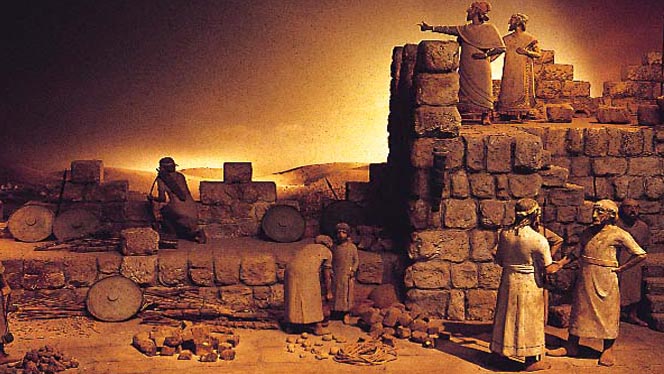
The Paradox of Walls
January 21, 2007
Nehemiah, the 5th century governor of Judea, has an important spiritual lesson for us today. Nehemiah led the project of re-building the walls of Jerusalem after the return from exile. Walls, which set a community apart, are essential for identity and clarity of purpose. If the church is to be a world-transforming agent, it must, first, know clearly who she is and what makes her distinctive.
3rd Sunday of Year C

The rebuilding of Jerusalem's walls serves as a metaphor for restoring identity and purpose within the Church, emphasizing the importance of both defining boundaries and engaging with the world to fulfill its mission.
- 00:00 Rebuilding Jerusalem's walls symbolizes the need for integrity and protection against external threats after the Babylonian exile.
- The books of Ezra and Nehemiah recount the poignant return of the Israelites to a devastated Jerusalem after the Babylonian exile, highlighting the emotional impact of witnessing the ruins of their once-great city.
- The speaker emphasizes the importance of rebuilding city walls to maintain integrity and protect against outside influences.
- 02:25 Rebuilding Jerusalem's walls symbolizes restoring Israel's identity and purpose, intertwining political and religious significance.
- 03:38 Spiritual walls, like the Torah, help define identity and community, especially for those rediscovering their roots after long periods of alienation.
- 05:38 The post-Vatican II emphasis on dialogue has weakened Catholic identity and purpose, undermining foundational stories and rituals.
- The emphasis on dialogue with external culture post-Vatican II led to a weakening of Catholic identity and the erosion of internal boundaries.
- A focus on relevance has led to a loss of identity and purpose in the church, as foundational stories and rituals are no longer effectively communicated.
- 07:50 Carl Bart challenged the notion that the Church's purpose at Vatican II was merely to modernize, emphasizing that true renewal goes beyond simply updating to align with contemporary culture.
- 09:12 Emphasizing the importance of sharing the church's identity and mission with the world, rather than retreating behind its walls.
- 10:14 Knowing our identity as the Church allows us to share the light of Christ with the world, fulfilling our mission to be a beacon for all nations.
- 11:54 Walls and bridges are both essential for a balanced approach to faith, as they define identity while enabling transformation of the world.
Historical Context
Q: What significant event do the books of Ezra and Nehemiah recount?
A: They recount the story of Israelites rebuilding Jerusalem's walls after the Babylonian exile, a moment of great historical and salvation significance.
Q: How did Nehemiah respond to Jerusalem's ruins?
A: Nehemiah lamented the ruins, wept, and resolved to rebuild the city's walls, particularly for the integrity of the city and its people.
Identity and Purpose
Q: How does the Torah relate to the Israelites' identity?
A: The Torah (first five books of the Bible) defines the Israelites' identity, similar to Jerusalem's physical walls, and was read to the people to help them rediscover their identity after years of exile.
Q: What was the aim of the Council of Vatican II?
A: It aimed to "christify the world" by bringing the Church's treasures (rituals, practices, stories) out into the world with a missionary spirit, not to modernize the Church.
Church's Mission
Q: What defines the Church's identity and mission?
A: The Church's identity, mission, and purpose are defined by its law, stories, rituals, liturgy, and sacraments, which distinguish it from surrounding culture and enable it to bring its treasure to the nations.
Q: What is the ultimate purpose of the Church?
A: The Church's purpose is to go out and transform the world, not to hunker down defensively, as the new Israel with the same mission as ancient Israel: to be a magnet for the world.
Introduction to the Texts:
Discuss the background of the books of Ezra and Nehemiah. How do they fit into the timeline of Israelite history, particularly after the Babylonian exile? Reflect on the metaphor used in the sermon: compare the rebuilding of Jerusalem to rebuilding a beloved modern city after a devastating war. How does this imagery help us understand the emotional context of these books?
Nehemiah's Mission:
What significance do city walls hold in ancient times, according to the sermon? Discuss your thoughts on why Nehemiah focused on rebuilding the walls of Jerusalem. Relate Nehemiah's actions to modern times. Why might it be important for a community or nation to have distinct boundaries or identities?
Ezra and the Spiritual Reawakening:
Explore Ezra's role as described in the sermon. How does reading the Torah to the people serve as a "spiritual wall"? Discuss the reaction of the people to Ezra's reading. What significance does the communal affirmation and emotional response hold for the Israelites rediscovering their identity?
Relevance to the Church Today:
Examine the sermon's discussion on Vatican II and its implications for the Church's identity. Discuss the balance between engaging with the modern world and maintaining religious traditions. Reflect on the speaker's concerns about the Church possibly losing its identity by focusing too much on outside dialogue. What are your thoughts on this balance? What role does knowledge of scripture, tradition, and law play in maintaining the Church's mission and identity today?
Walls and Bridges Metaphor:
Delve into the final metaphor of "walls and bridges." How do these concepts relate to the Church's mission in the world? Discuss the importance of maintaining identity (walls) while being open to transformation and engagement with the world (bridges). How can individuals or communities apply this balance in their own lives or faith practices?
Final Thoughts and Personal Reflection:
Consider the sermon's closing remarks regarding the Church's role as the "light of the nations." What does it mean to you to carry this mission forward? Reflect on Hans Urs von Balthasar's idea of "tearing down the bastions" as it relates to the Church and personal faith. How can you both maintain your identity and engage with the world in transformative ways? Engage in a personal reflection or group discussion on how this message can influence your perspective on your community or faith journey.
3rd Sunday of Year C

Both physical and spiritual walls are vital for maintaining identity and community in the Christian life, as they provide safety, cultural revival, and a foundation for faith amidst the challenges of the world.
- 00:00 Both walls and bridges are essential in the Christian life, as they serve different purposes depending on one's context within the church.
- 01:02 The return of Babylonian captives to a devastated Jerusalem evokes deep anguish, reminiscent of witnessing the ruins of a beloved city after a long absence.
- 02:35 Nehemiah highlights that rebuilding Jerusalem's walls is crucial for both physical safety and the revival of the people's cultural identity.
- Nehemiah emphasizes the importance of rebuilding Jerusalem's walls not only for physical protection but also to restore the culture and spirit of the people.
- Exiled Israelites risk losing their cultural identity and heritage as subsequent generations become disconnected from their ancestral stories and traditions.
- 04:33 Rebuilding faith and community is as crucial as restoring physical structures, as seen in Prague's lost Catholic heritage and the efforts of Ezra to revive the spiritual lives of the people.
- 06:04 People were deeply moved and brought to tears as they rediscovered their identity and soul while listening to the reading of the Torah.
- 07:31 Building and maintaining both physical and spiritual walls is essential for identity and survival, as their breach leads to chaos and death.
- 08:51 Emphasizing the importance of maintaining a clear Catholic identity, Bishop Barron warns against losing foundational beliefs and practices in the pursuit of cultural relevance.
- 09:56 Jesus emphasizes the importance of identity in proclaiming God's message, urging Israel to connect with the world while maintaining boundaries.
- Jesus reads from Isaiah in the synagogue, proclaiming his mission to bring good news and freedom.
- Israel's identity, defined by the Word made flesh, calls it to proclaim God's message to the world rather than retreat behind walls.
- Understanding and defining one's identity is essential to effectively communicate and balance the need for both boundaries and connections in life.
Controversial Religious Views
Q: Is cultural relevance harmful to religious identity?
A: The post-Vatican II emphasis on cultural relevance has led to a loss of distinct Catholic identity, suggesting that excessive adaptation to modern culture can compromise the integrity of religious traditions.
Q: Should religious institutions prioritize maintaining boundaries over inclusivity?
A: The metaphor of "walls of the soul" implies that religious communities should prioritize protecting their core beliefs and practices from external influences, potentially at the expense of broader inclusivity.
Identity and Cultural Preservation
Q: Is maintaining cultural purity more important than cultural exchange?
A: The comparison of cultural identity to cell walls suggests that preserving distinct cultural boundaries is essential for a community's survival, potentially discouraging intercultural dialogue and exchange.
Q: Should cities limit cultural influences to preserve their identity?
A: The analogy of ancient city walls defining identity and culture implies that modern cities should restrict external cultural influences to maintain their unique character, potentially promoting isolationism.
Religious Text Interpretation
Q: Is literal interpretation of religious texts necessary for spiritual renewal?
A: The emphasis on Ezra's reading of the law and Jesus' reading of Isaiah suggests that strict adherence to religious texts is crucial for rebuilding spiritual identity, potentially discouraging more flexible interpretations.
Balancing Tradition and Progress
Q: Is maintaining tradition more important than adapting to modern needs?
A: The sermon's focus on rebuilding walls and preserving identity implies that upholding traditional practices should take precedence over adapting to contemporary societal changes, potentially hindering progress and inclusivity.
Introduction:
- Begin by reflecting on the metaphor of "walls and bridges." What comes to mind when you hear these terms in the context of faith and community?
Understanding the Context:
- Discuss the reference to John Lennon's "Walls and Bridges." What does this bring to your understanding of the sermon?
- Explore the historical background of Nehemiah and the return of the Israelites from Babylonian exile. How did the state of Jerusalem reflect their spiritual and cultural identity?
Themes of Walls and Bridges:
- Discuss Nehemiah's focus on rebuilding the walls of Jerusalem. What do walls symbolize in this context? Why were they essential for the Israelites?
- Consider the dual focus of Nehemiah and Ezra on physical and spiritual restoration. How do walls relate to cultural, psychological, and religious identity?
Modern Parallels:
- Reflect on the contrast Bishop Barron draws between ancient Jerusalem and modern societies, such as Prague. How does loss of cultural or religious foundation manifest in contemporary settings?
- Discuss Bishop Barron's personal observations from the post-Vatican II Church. How does this period relate to the idea of losing identity through the removal of walls?
Scriptural Insights:
- Examine the role of Ezra reading the Torah to the people. How did this act serve to rebuild the spiritual ‘walls’ of the community?
- Relate this to Jesus reading from Isaiah in the synagogue as described in the Gospel of Luke. How does this redefinition contribute to the building of identity?
Balance of Walls and Bridges:
- Explore the idea that both walls (identity) and bridges (outreach) are necessary. How can the Church maintain its identity while also being relevant to the world?
- Discuss the potential pitfalls of focusing too much on walls or bridges. How can we find a balance?
Practical Application:
- Reflect on your personal and community life. Where do you need to reinforce walls in terms of faith, values, or identity?
- Where might you need to build bridges to engage more effectively with the broader world and communicate your faith?
Conclusion:
- Summarize the importance of both walls and bridges. How can understanding these concepts enhance our faith journey and community engagement?
- End with a prayer or reflection about seeking guidance in building both strong identities and meaningful connections.
FATHER
KEVIN
RUTTIG
3rd Sunday of Year C


- 00:00 Jesus, aware of the intense gaze of the crowd, recognized their struggles and needs for hope, freedom, and comfort.
- 01:03 Jesus recognized the deep longing for truth in the eyes of the blind and oppressed, inspiring him to share a message of hope and liberation.
- 01:54 Visiting Cambodia reveals the haunting history of the 12 slang building, a former school turned site of tragedy during the Khmer Rouge regime.
- 02:27 This former school, now a genocide museum, bears haunting witness to the torture and execution of 20,000 prisoners, with only 12 survivors, as their photographs line the walls, capturing their suffering.
- 03:30 Gazing into the haunting eyes of countless mug shots reveals the diverse stories and emotions of individuals, especially the young, forever etched in memory.
- 04:37 Those eyes reflected a mix of confusion, despair, and silent pleas for help, revealing the deep emotional turmoil of those facing a tragic fate.
- 05:43 We are called to recognize the suffering and needs of our brothers and sisters, urging us to offer help and seek truth together.
- 06:52 See the divine in every face and respond to the silent invitations for compassion and action.
Understanding Jesus' Message
Q: What did Jesus see in the eyes of those in the temple?
A: Jesus saw poor, captive, oppressed, and blind people in the eyes of those looking at him, prompting him to read Isaiah's words about bringing good news and liberation.
Confronting Historical Atrocities
Q: What experience did the speaker have at the Khmer Rouge prison in Cambodia?
A: The speaker looked into the eyes of 20,000 prisoners photographed at a notorious Khmer Rouge prison, feeling a profound sense of responsibility and guilt for not helping them.
Q: What different expressions did the speaker observe in the prisoners' eyes?
A: The speaker saw pleading looks in some prisoners' eyes, while others had accusing expressions, both seemingly questioning how they could have been left to suffer so brutally.
Personal Impact and Responsibility
Q: How did viewing the prisoners' photographs affect the speaker?
A: The speaker felt compelled to look into every prisoner's eyes, believing they owed it to those who suffered and died there, with the faces continuing to haunt them to this day.
Reflection on Human Suffering
Q: What broader message does the speaker's experience convey about human responsibility?
A: The experience highlights the importance of acknowledging and addressing human suffering, emphasizing our collective responsibility to recognize and respond to the pain in others' eyes.

Introduction
- Reflect on Jesus' experience reading in the temple while all eyes were upon him.
- Consider how difficult it can be to stand in front of an audience, drawing parallels to experiences in church, school, or public speaking.
Discussion Questions
1. Seeing Through Jesus' Eyes
- How did Jesus perceive those who were looking at him? What needs did he identify in the eyes of the people?
- Why do you think Jesus chose to read from Isaiah about bringing good news to the poor, proclaiming liberty, giving sight, and freeing the oppressed?
2. Personal Reflection
- When you look into the eyes of those around you, what do you see? How does this compare to what Jesus saw?
- Reflect on a time when you felt all eyes were on you. How did you handle it? What did you learn from that experience?
3. Lessons from History: Cambodia and the Khmer Rouge
- Discuss the impact of visiting historical sites such as the 12 Slang Building and how it can affect one's perception of humanity.
- How can acknowledging historical atrocities like the genocide in Cambodia change our perspective on current global issues?
4. The Importance of Remembering and Seeing
- The sermon mentions the haunting memories of faces and eyes from the mugshots in the Cambodian museum. How does this memory compel us to act or think differently?
- Consider how looking at photographs or stories from the past can deepen our empathy and understanding of human suffering.
5. Eyes Upon Us: Our Responsibility
- What does it mean for "the eyes of the world" to be upon us? How can we actively engage with this idea in our daily lives?
- Explore how we can help those in need, enlighten those who cannot see, and lend a helping hand to the oppressed as mentioned in the sermon.
6. Finding God in Others
- Reflect on Walt Whitman’s quote about seeing God in the faces of men and women. How can this perspective alter our interactions with others?
- How can we identify and respond to "letters from God" in our daily interactions and experiences?
3rd Sunday of Year C
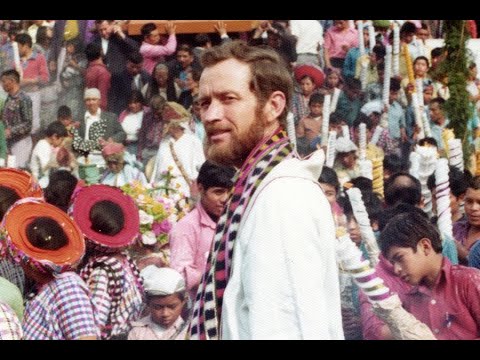
The legacy of Father Stanley’s sacrifice and the ongoing struggle for justice and healing among the indigenous Maya in Guatemala exemplify the church’s mission to support the marginalized in the face of oppression.

- 00:00 Jesus proclaimed liberation and healing, fulfilling ancient prophecies and inspiring others in the church to continue his mission.
- 01:27 A young priest from Oklahoma dedicated his life to helping the indigenous Maya in Guatemala by establishing a school, health clinic, and improving agricultural practices.
- 02:17 Father Stanley served his community for 13 years, providing spiritual support during a time of brutal persecution and genocide against the Maya people.
- 03:19 Father Stanley chose to remain with his endangered flock despite the risks, ultimately sacrificing his life when military agents killed him in 1981.
- 04:00 The priest's martyrdom and the subsequent outcry against oppression in the park of remembrance highlight the enduring struggle and sacrifice of the community in the face of violence.
- 05:14 Despite historical oppression within the church, there remain courageous leaders fighting for the marginalized, echoing the struggles faced in Guatemala's dark past.
- 06:04 The brutal extermination of indigenous Maya people in Guatemala left deep wounds on the body of Christ, culminating in the murder of Bishop Herard shortly after he sought to reveal their stories.
- 07:05 The body of Christ embodies a profound connection among its members, where shared suffering and glory reflect both human frailty and divine strength.
Controversial US Involvement
Q: Did the US government support military regimes responsible for genocide in Guatemala?
A: Yes, the video states that Father Stanley Rother was martyred in Guatemala in 1981 for staying with his parishioners during systematic genocide by military governments supported by the US government.
Scale of Atrocities
Q: How does Guatemala's death toll compare to other Latin American conflicts?
A: According to a 1998 report, over 200,000 people disappeared and were executed in Guatemala during 36 years of military oppression, more than all victims in El Salvador, Nicaragua, Argentina, and Chile combined.
Religious Martyrdom
Q: Were religious leaders specifically targeted for opposing oppression?
A: Yes, the video mentions that Bishop Oscar Romero in El Salvador and Bishop Juan Kardi in Guatemala were both martyred for standing up against the oppression of the poor and indigenous Maya people.
Ongoing Trauma
Q: Was the impact of the genocide still felt years after it ended?
A: The video indicates that Bishop Juan Kardi knew the brutal extermination of indigenous Maya people was still a "bleeding wound on the body of Christ" in 1998, 17 years after Father Rother's martyrdom.
Silencing of Truth-Tellers
Q: What happened to Bishop Juan Kardi after he announced the publication of genocide testimonies?
A: Bishop Juan Kardi was murdered just two days after announcing the publication of "The Way of the Cross of Guatemala," a book containing horror stories about the brutal extermination of indigenous Maya people.
Biblical Interpretation
Q: How did the video connect the actions of martyred religious leaders to scripture?
A: The video suggests that the martyred religious leaders fulfilled a scripture passage about bringing "liberty to captives" and "recovery of sight to the blind" through their actions against oppression.

Introduction
- What does the opening verse about bringing "Glad Tidings to the poor" and setting captives free mean to you in a contemporary context?
- How do you perceive the reaction of people in the synagogue when Jesus declared the fulfillment of the scripture?
Father Stanley Francis Rother’s Mission
- Discuss the significance of Father Stanley Francis Rother's work in Guatemala. How did he embody the message of the opening scripture?
- Consider how his background and experiences shaped his mission. Why might his connection to the poor farm family have been important?
Living in Times of Persecution
- Reflect on the circumstances surrounding Father Stanley's martyrdom. How does his story evoke the idea of the church as the crucified body of Christ?
- Father Stanley chose to stay with his people despite the dangers. Talk about the significance of his decision and its impact on his community and the wider Church.
Community and Collective Suffering
- How does the story of the people in the Park of Remembrance illustrate the collective suffering and strength of a community faced with oppression?
- In what ways do you think the body of Christ suffers collectively when one of its members is persecuted or oppressed?
Internal Challenges within the Church
- The sermon mentions moments when individuals or groups within the church have sided with oppressors. Why is it important to acknowledge these failings?
- How can the church reconcile its imperfections with its mission to serve as the body of Christ?
Modern Implications and Reflections
- Discuss how the church today can continue to fulfill its mission, drawing on the strength of individuals like Father Stanley and Bishop Gerardi.
- Reflect on your personal connection to the concept of being part of the body of Christ, especially in light of perceived weaknesses or failures within the church institution.
Call to Action
- How can we stand in solidarity with oppressed communities while acknowledging our own limitations and failures?
- What actions can individuals take today to honor the legacy of modern martyrs and the ongoing mission of the Church?
Conclusion
- Reflect on the dual nature of the Church as both "weak yet daring, sinful yet holy." How does this paradox inspire you in your faith journey?
- Summarize your takeaways from the sermon and identify one action step you can commit to as part of the body of Christ.
ONE
MINUTE
HOMILY

TIME-STAMPED VIDEOS
The Jesuit-Post
3rd Sunday of Year C
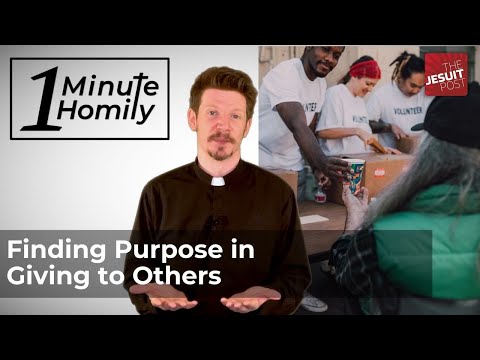
Finding true purpose in life is achieved through serving and uplifting others, rather than through material pursuits.
Purpose and Giving
Q: How does Jesus' ministry prioritize giving?
A: Jesus emphasizes offering glad tidings to the poor, liberty to captives, sight to the blind, and freedom to the oppressed, showing that giving brings joy, healing, and liberation.
Q: What is our role in God's gift-giving?
A: As individual parts of Christ's body, we are called to participate in God's gift of giving to others, reflecting His attributes of joy, healing, and liberation.
Practical Application
Q: How can we find purpose through giving?
A: Jesus suggests giving gladness to the poor and freedom to the oppressed through conversation, friendship, and material support, allowing God to transform us into gifts that bring enduring purpose.
Q: How does giving contrast with worldly pursuits?
A: A life of giving provides fulfillment, unlike seeking purpose in accumulation of money, possessions, and shallow experiences that offer counterfeit fulfillment and leave us wanting more.
Introduction: Begin with a brief overview of the key themes in Matthew Zurcher’s reflection on finding purpose through the teachings and actions of Jesus.
1. Jesus' Vision of Purpose:
- Discuss the priorities of Jesus as described by Matthew Zurcher: offering glad tidings to the poor, liberty to captives, sight to the blind, and freedom to the oppressed.
- Reflect on why these particular actions were prioritized by Jesus in his ministry.
- Explore personal understanding of purpose in life. How do these priorities align or differ from your own?
2. Contrast with Modern Pursuits:
- Examine how modern society often seeks purpose through accumulation of money, possessions, and experiences.
- Why might these pursuits lead to counterfeit fulfillment? Share personal experiences or observations.
- How does the idea of receiving through giving challenge contemporary views on success and fulfillment?
3. The Nature of Divine Giving:
- Reflect on the concept of God as one who gives joy, healing, and liberation.
- How does understanding God in this way influence personal perceptions of giving and purpose?
- Discuss the metaphor of receiving a "crown of beauty for our ashes." What might this mean in the context of personal struggles or communal suffering?
4. Engagement with the World:
- Consider practical ways to offer gladness to the poor and freedom to the oppressed in everyday life.
- Discuss the roles of conversation, friendship, and material support in embodying Jesus' mission.
- Share ideas on how to actively participate in transforming oneself into a gift for others.
5. Enduring Purpose:
- Reflect on the concept of finding enduring purpose through participating in the divine act of giving.
- What are the challenges and rewards of seeking enduring purpose in this way?
- Encourage sharing of personal commitments or action steps inspired by the reflection.
3rd Sunday of Year C

COMING SOON
COMING SOON
COMING SOON
TWO
MINUTE
HOMILY
3rd Sunday of Year C

The mission of Jesus inspires individuals to embody God's love and liberation through compassionate service and active engagement in their communities, particularly in support of the wounded and marginalized.
- 00:00 The Word of God can be embodied in our lives, as illustrated by Jesus' powerful proclamation in his hometown of Nazareth.
- 27:51 The mission of Jesus to bring good news, freedom, and healing inspires a personal commitment to live out these values.
- 39:54 Jesus focused on inspiring compassionate service and empowering people to make the world better, rather than building a church or promoting personal piety.
- 53:52 Jesus' mission inspires a group of military veterans to provide practical care to 120,000 veterans in their community.
- 01:01:47 Our mission is to share God's love and liberation with the wounded and marginalized, inspiring all to be active missionary disciples.
Jesus' Mission and Message
Q: What was Jesus' core mission according to the speaker?
A: Jesus' fundamental manifesto and mission was to bring good news to the poor, liberty to captives, new sight to the blind, set the downtrodden free, and proclaim the Lord's favor, as outlined in Isaiah 61.
Q: How did Jesus prioritize his ministry?
A: Jesus focused on mission to the marginalized and those in need, promoting compassionate service rather than personal piety or building a church, aiming to empower people and set them free through his spirit.
Modern Application of Jesus' Mission
Q: How has the speaker applied Jesus' mission in his own work?
A: The speaker's Veterans Care program reaches out to 120,000 veterans in the Archdiocesan area through practical acts of care, offering a message of good news, liberation, and new purpose.
Call to Discipleship
Q: What is the call to action for all believers according to the speaker?
A: All are called to be missionary disciples, not just to worship Jesus but to follow him in his mission, as emphasized by Franciscan Fr Richard Rohr and Pope Francis.
Introduction:
- Reflect on how the Word of God can become flesh in our own lives, inspired by the example of Jesus in Nazareth.
- Discuss the significance of Jesus' challenging proclamation in his hometown and its impact on personal faith journeys.
Historical Context and Experience:
- Share the experience of visiting a replica first-century village in Nazareth and witnessing a reenactment of Jesus reading from Isaiah 61.
- Consider how this experience of biblical reenactment can deepen understanding and connection with the Gospel narrative.
Key Scripture: Isaiah 61:1-3
- "The spirit of the Lord has been given to me, for he has anointed me…"
- Discuss the significance of these verses as both the manifesto and mission of Jesus.
- Reflect on how this scripture speaks to personal and communal missions today.
Mission Over Institution:
- Discuss the idea that Jesus focused on inspiring mission and service rather than building institutions or emphasizing personal piety.
- Consider how this perspective influences modern Christian practice and personal faith.
- Quote from Fr. Richard Rohr: "He did not ask us to worship him, but did ask us to follow him."
Practical Application: Veterans Care
- Explore the mission of Veterans Care, inspired by today's Gospel text, to support and serve military veterans.
- Discuss the importance of practical acts of care in living out the message of Jesus.
- How can your community or group apply a similar mission-focused approach?
Call to Mission:
- Reflect on the idea that the call to mission is for all Christians, not just specialists or select groups.
- Pope Francis' emphasis on being "missionary disciples" and how this principle can be incorporated into daily life.
- Discuss ways in which each participant can engage with or support missions to the marginalized and those in need.
3rd Sunday of Year C

Jesus' mission of love and salvation inspires followers to take action through service and compassion, emphasizing that the Christian life is about living out one's beliefs.
- 00:00 Jesus' mission to bring hope and freedom to the afflicted serves as a powerful call to action for all who choose to follow Him.
- 01:24 Jesus came to bring a message of love and salvation, not a political or economic agenda.
- 01:33 Jesus emphasized loving God through loving others, demonstrating this through acts of service and compassion rather than traditional religious practices.
- 02:03 This weekend, we celebrate those who, like Jesus, inspire us to take action and spread good news, reminding us that the Christian life is about living our beliefs.
Jesus' Mission and Message
Q: What is Jesus' fundamental purpose as proclaimed in Luke 4:18-19?
A: Jesus' mission is to bring good news to the afflicted, proclaim liberty to captives, give new sight to the blind, set the downtrodden free, and announce God's favor.
Q: How did Jesus demonstrate His mission practically?
A: Jesus demonstrated His mission through practical acts of service, care, and assistance to those in need, meeting their requirements for healing, acceptance, and love.
Practical Application of Jesus' Teachings
Q: What is the core of Jesus' message regarding loving God?
A: Jesus teaches to love God by loving one's neighbor, demonstrated through acts of service, care, and assistance to those in need.
Q: What does Jesus' message not focus on?
A: Jesus' message does not focus on leading church services, having a political or economic agenda, or promoting religiosity.
The Nature of Jesus' Message
Q: How does Jesus' message combine belief and action?
A: Jesus' message involves both beliefs and action, emphasizing practical acts of service and care rather than just theoretical faith.
Q: What is Jesus' call to action for people?
A: Jesus implores people to love God by loving their neighbor through practical acts of service, care, and assistance to those in need, rather than through religiosity or adversarial behavior.
Introduction and Setting the Scene
a. Discuss the significance of the Order of Australia awards and how they relate to the theme of making the world a better place.
b. Reflect on the experience described by Deacon Gary Stone at the Nazareth village educational center and its impact on his understanding of Jesus’ mission.
2. Understanding Jesus' Mission
a. Review Luke 4 and Isaiah 61. What is the importance of these scriptures in understanding Jesus' mission?
b. Discuss the concept of Jesus’ mission as a manifesto of loving service. Why does Deacon Gary Stone describe it this way?
3. Jesus' Approach Compared to Conventional Practices
a. Reflect on the contrast between Jesus’ mission and political, economic, or religious agendas.
b. Discuss the statement “He came to implore people to love God, by loving their neighbour.” How does this form the core of Jesus' teaching?
4. Practical Application of Jesus’ Teachings
a. Identify ways Jesus demonstrated love through acts of service. How do these actions translate to modern society?
b. Share personal experiences or stories of individuals who embody the teachings of Jesus by serving their communities.
5. Contemporary Relevance and Action
a. Discuss the relevance of Jesus’ mission today in the context of the Australia Day awards.
b. How can individuals today be “anointed to bring good news to the afflicted”? What are practical steps to take in daily life?
FATHER
PETER
HAHN
3rd Sunday of Year C

In a post-truth society, embracing and proclaiming the unchanging truth of Jesus fosters community, freedom, and a commitment to faith, as exemplified by the teachings and values upheld in Catholic schools.
- 00:00 The concept of truth, essential for our lives and interactions, is increasingly threatened in today's post-truth society.
- 00:44 The national media's distortion of truth highlights the struggle against political correctness, while today's Gospel exemplifies the power and freedom found in speaking the truth.
- 01:48 Jesus reads Isaiah 61 in the synagogue, declaring that the prophecy of the Messiah's arrival is fulfilled in him.
- 02:41 The proclamation in the gospel is clear and direct, provoking strong reactions and fury from the people.
- 03:09 Many resist acknowledging harsh truths about faith and morality, mistaking them for restrictions rather than the true path to freedom and happiness.
- 04:18 The reading of the Ten Commandments inspires awe and respect, promising joy and strength to those who embrace and follow God's teachings.
- 05:25 Embracing truth through Jesus unites us in faith and love, fostering a strong community as we celebrate Catholic Schools Week.
- 06:07 Catholic schools prioritize truth and Christ-centered education, ensuring no child is denied access due to financial need, while encouraging a bold commitment to proclaiming God's unchanging truth.
Truth and Media
Q: How is the concept of truth being endangered in today's society?
A: The post-truth environment is threatening truth through distorted media coverage, as seen in the Covington Catholic High School incident at the March for Life, where there was a concerted effort to distort and conceal the truth about what actually happened.
Q: Why do people often react negatively to the proclamation of truth?
A: People are often shocked and offended by direct proclamations of truth, like Jesus' statement that "Scripture is fulfilled in your hearing," due to fear or insecurity when confronted with truths about faith and morality.
Scripture and Divine Law
Q: How did people respond to the Ten Commandments in biblical times?
A: The Israelites responded to the Ten Commandments with awe and respect, bowing down and prostrating themselves before the Lord, listening to the promised blessings and rejoicing in the Lord.
Q: What is the significance of the Ten Commandments according to the video?
A: The Ten Commandments are described as unequivocal and demanding clear pronouncements from God on how to live, given to Moses in the book of the law.
Freedom and Truth
Q: How does the pursuit of truth relate to freedom and happiness?
A: The pursuit of truth is a necessary path to true freedom and happiness, exemplified by Ezra the priest reading the Ten Commandments and the people's respectful response.
Q: How does the responsorial Psalm describe God's law?
A: The responsorial Psalm characterizes God's law as perfect, trustworthy, right, rejoicing the heart, enlightening the eye, and refreshing the soul, revealing God's unchanging law.
Introduction
- Reflect on the phrase: "The truth will set you free." How has this concept been foundational in your life or in society at large?
Discussion Questions
1. Understanding 'Truth'
- The sermon references a "post-truth environment." What does this mean, and how have you seen it manifest in recent events or in media coverage?
- Discuss the challenges of adhering to truth in a world influenced by political correctness and social pressures.
2. Scriptural Insights
- In the Gospel passage, Jesus proclaims fulfillment of a messianic prophecy. How does His directness in proclaiming truth serve as an example for us?
- Why do you think Jesus' declaration shocked and offended the people of His time? How do these reactions mirror contemporary responses to truth?
3. Moral and Spiritual Truth
- The sermon mentions the "temptation" to view moral truths as restrictive. Have you experienced this tension in your life? How do you resolve it?
- Discuss how the truth about God and humanity can lead to true freedom and happiness.
4. Response to Truth
- The people in the first reading respond to the truth with reverence. How can we cultivate a similar attitude of respect and awe in our lives?
- What emotions or actions might prevent us from fully embracing the truth? How can we overcome these barriers?
5. Community and Unity in Truth
- The sermon mentions St. Paul’s concept of being "one body." How does truth contribute to building a united faith community?
- Discuss how truth can guide relationships within diverse groups, including within a parish or a larger society.
Practical Application
- Reflect on the role of Catholic education as highlighted in the sermon. How can educational institutions serve as bastions of truth in society?
- Identify areas in your personal or community life where you feel challenged to speak or adhere to the truth. What steps can you take to address these challenges constructively?
3rd Sunday of Year C

The Sunday of the Word of God emphasizes the importance of God's Word in sustaining life and truth, encouraging unity and joy in the face of challenges, particularly in affirming the sanctity of life.
- 00:00 Today is designated as Sunday of the Word of God, inviting reflection on the significance of the Word made flesh and its ongoing presence in the life of the Church.
- 01:14 God's Word, revealed through creation and scripture, sustains all reality and offers eternal life to believers.
- 02:26 Satan undermines God's plan by promoting a culture of subjective truth, leading to confusion and a denial of the divine.
- 03:24 Jesus proclaims the fulfillment of Isaiah's prophecy in the synagogue, revealing his identity as the Messiah who will restore humanity.
- 04:09 Accepting God's truth, even when shocking, leads to joy and peace, while rejection breeds fury.
- 05:06 The priest encourages the people to rejoice and celebrate with joy rather than sadness while reflecting on the teachings of the law.
- 05:35 Strength is found in unity, as demonstrated by the tens of thousands who gathered for the March for Life despite challenges.
- 06:04 A massive crowd united to affirm the sanctity of life from conception to natural death, emphasizing that unity in Christ is vital for cultural and societal well-being.
- A crowd of about a hundred thousand gathered to affirm the belief that all human life is precious from conception to natural death, opposing cultural views that equate pro-life and pro-choice positions.
- Unity in Christ and adherence to His truth are essential for the health of culture, society, and the church, leading to true joy and happiness.
Divine Revelation
Q: How does St. Irenaeus explain the revelation of God?
A: According to St. Irenaeus, the Son reveals the Father, offering eternal life to believers and revealing the Creator through creation.
Q: What did St. Athanasius write about the Holy Word of the Father?
A: St. Athanasius stated that the Holy Word pervades all reality, sustaining everything visible and invisible with its power.
Scripture Fulfillment
Q: How did Jesus fulfill prophecy in the Nazareth synagogue?
A: Jesus read from Isaiah 61 in the synagogue, declaring its fulfillment in their hearing, causing shock and amazement.
Joy in God's Word
Q: What message did the priest convey in Nehemiah 8?
A: The priest encouraged joy, not condemnation, urging people to eat rich foods, drink sweet drinks, and rejoice in the Lord as the source of strength.
Unity in Christ
Q: How does St. Paul describe unity among believers?
A: St. Paul teaches that we are all part of the body of Christ, remaining united only through connection to Christ and His truth.
Power of God's Word
Q: What do the readings reveal about the power of God's word?
A: The readings demonstrate that God's word has the power to fulfill prophecy and evoke strong reactions like shock and amazement in hearers.
Introduction
- Reflect on the significance of the "Sunday of the Word of God" as designated by Pope Francis.
- Consider the central theme of the Word as the complete utterance of the Father, embodied in Jesus Christ.
1. Understanding the Word
- Discuss the nature and role of the Word as co-eternal with the Father and as the second person of the Blessed Trinity.
- Explore how the Word became flesh and continues to dwell among us through the life of the Church, sacraments, and teachings.
2. Insights from Church Fathers
- Saint Irenaeus:
- Examine the idea that no one can know the Father apart from the Word.
- Consider how the Word reveals God and offers eternal life.
- Saint Athanasius:
- Discuss the pervasive power of the Word in sustaining all things.
- Reflect on how the Word reveals God’s order, beauty, and truth.
3. Challenges to the Truth
- Analyze how Satan attempts to assault God's plan and truth, leading to a culture of relativism.
- Discuss the impact of subjective truth claims on faith and society.
- Consider the consequences of denying a universal and binding truth.
4. Jesus’ Proclamation in the Synagogue
- Reflect on Jesus reading from Isaiah and declaring the fulfillment of scripture.
- Discuss the reactions of shock and amazement and compare them to our modern reactions to uncomfortable truths.
5. Embracing the Truth
- Discuss how we can strive to be in the group that accepts God's truth and experiences His peace and joy.
- Reflect on the message from Nehemiah, emphasizing joy in God’s commands and presence.
6. The March for Life Reflection
- Reflect on the significance of the March for Life in Washington, D.C., and its implications for understanding and witnessing the truth about the sanctity of life.
- Discuss the societal and cultural challenges posed by differing views on life and how these reflect broader issues of truth and moral order.
7. Unity in the Body of Christ
- Explore the concept from Saint Paul that we are all part of the Body of Christ and that unity is grounded in adherence to Christ's truth.
- Discuss ways to strengthen communion with the Word of God in our daily lives.
3rd Sunday of Year C

COMING SOON
COMING SOON
COMING SOON
FATHER
JUDE
LANGEH
3rd Sunday of Year C

The Inaugural Speech
We hear so often of inaugural speeches: at the start of the academic year, during the installation of a president, etc. During this speech, the orator gives a line-up of all the possible achievements do be realised during his/her term of office.
At the beginning of his ministry, Luke presents Jesus during his home coming, endowed with the power of the Spirit. Jesus gives his inaugural speech by insisting on the fact that his mission is given by the spirit. This inaugural lesson came shortly after Christ spent forty days and forty nights in the desert preparing for His public ministry. His anointing is given by the Spirit of the Lord to bring good news to the POOR, The Captives, the Blind and the Downtrodden. He has one message for them : It is the Lord’s year of favour.
There are many lessons to draw from this inaugural speech:
First of all, we can see the place of the Holy Spirit in the life and ministry of Jesus. The later always acts through the prompting of the Holy Spirit. We too like Jesus, through our baptism and confession have the spirit of the Lord upon us. He has endowed us with the seven gifts. This implies that Jesus has given his mission to each one of us. We are to continue this mission until the end of the world, when He will come to judge the living and the dead. We must be involved in the life and mission of our modern world. In a world where there is a lot of consumerism, with very few rich people and very many poor people, we are called upon to preach the Good news to the most dejected in the society. We are to reflect the merciful face of God to the suffering.
Secondly, we can identify the importance of the Bible in the life of every Christian. This inaugural speech is from the SCROLL or the Holy scriptures at that time. This shows that Jesus read and understood the Scriptures. Today we have a priceless gift of God in the inspired books of the Bible. Let us show true appreciation for that gift by using it to build up a better knowledge of the Christian faith which it teaches us. There should be a Bible in every Christian home. It should not be an ornament on a shelf, but a fountain and source from which we can draw strength and refreshment in the daily practice of our Christian Faith.
The Bible contains the Good News. The Good news is that we are loved we are noticed we are valued no matter our social status. We must make ourselves Good news so that others may come closer to God.


When I look to hear homilies I,m locked out how to I sign in so I can overcome this problem.
I am sorry you are having this problem. Here are some factors that might be preventing you from accessing YouTube videos: