
HOMILIES
NEW!
Youth Versions
Group Discussion
Guides
Deacon Peter
Dominican BlackFriars
Fr. Charles E. Irvin
Fr. Joe Jagodensky, SDS
Fr. George Smiga
Msgr. Charles Pope
Fr. Vincent Hawkswell
Fr. John Kavanaugh, SJ
Fr. Bob Warren, SA

SOURCE: The Jesuit Post

2021 HOMILY – Don’t compare and despair! Fr. Eric Sundrup, SJ, reflects on the story of the poor widow and what it can teach us about our own offerings.
Christ’s Presence
Q: Where can we find Christ’s presence in our daily lives?
A: Christ is present here and now in our families, children, spouses, strangers, and all of us, inviting us to engage in a narrative of time with him.
Vigilance and Attention
Q: Why is vigilance important in our spiritual lives?
A: We must be vigilant and pay attention to Christ’s presence in our lives, as the time of the Lord’s coming is here and now, not in a distant future or place.
Christ’s Nature
Q: How does the video challenge traditional views of Christ?
A: Christ is not a ghost residing only in heaven, but is present in all of us, challenging us to meet him in our everyday experiences and interactions.
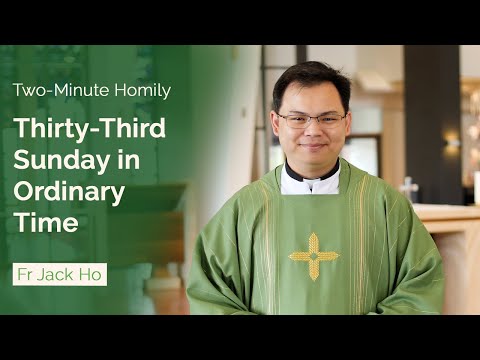
SOURCE: Archdiocese of Brisbane Homilies
2021 HOMILY – God’s gentle and loving entry into human history, as illustrated in Christina Rossetti’s Christmas Carol, conveys a message of hope and assurance through Jesus’ sacrifice and forgiveness, guiding us from sin and death to the warmth of divine love.
- 00:00 God, powerful and glorious, enters our human history gently and lovingly, as beautifully expressed in Christina Rossetti’s Christmas Carol.
- 00:53 The scripture readings, despite their unsettling themes about the end of time, ultimately convey a message of hope and assurance in Christ’s enduring sacrifice and forgiveness.
- 01:36 Jesus offers hope, guiding us from the winters of sin and death to the warmth of forgiveness and the promise of a loving God.

SOURCE: Fr. Peter Hahn Archive of Homilies
2018 HOMILY – Preparing for our spiritual life is crucial for achieving eternal union with God, emphasizing the importance of hope, moral values, and service to others in the face of life’s challenges and the reality of judgment.
- 00:00 Preparing for our spiritual life is essential, as it shapes our ultimate goal of eternal union with God.
- 01:42 Jesus reassures his disciples that despite the impending scandal of the cross, he will return in glory to gather his faithful followers.
- 02:04 The uncertainty of the end times reminds us to prepare for our own mortality, as highlighted in Daniel’s vision of a time of great distress and eternal consequences.
- 02:41 Eternal destinies are starkly divided between the joy of heaven and the punishment of hell, highlighting the need for a renewed emphasis on this teaching.
- 03:17 Embrace hope and perseverance in the face of life’s challenges.
- 03:19 The belief in universal salvation contradicts Christ’s teachings and contributes to the decline of moral values in society.
- 03:43 Always remember the impending judgment before God and the importance of serving the poor, as highlighted in Matthew 25.
- 04:33 Prepare for eternal life by embracing God’s mercy and love, as failing to do so leads to spiritual failure.
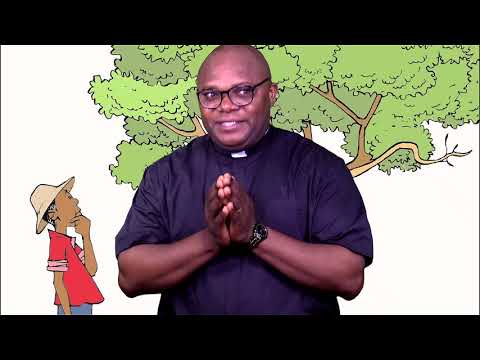
SOURCE: Fr. Jude Thaddeus Langeh Basenbang
2018 Homily – Preparing for the end times should be rooted in love and trust in God, rather than fear, as this fosters a faithful and hopeful life amidst uncertainty.
- 01:00 People often follow rules out of love and commitment or out of fear of punishment, as seen with traffic regulations.
- 01:42 Love for God and appreciation for His goodness should inspire us to live faithfully, rather than fear of punishment or hell.
- 02:26 As the liturgical year concludes, the readings highlight the transient nature of our existence and the significance of the end times.
- 02:42 Trusting in God dispels fear and encourages us to live boldly in faith despite life’s challenges.
- 03:41 Embrace trust in God amidst life’s uncertainties and the inevitability of death, focusing on hope rather than fear.
- 04:29 God will gather His chosen ones from all corners of the world, emphasizing that holiness is universal and not confined to a specific place.
- 04:55 Focus on living by God’s Word and preparing for eternity with love, rather than fearing the end times.

SOURCE: Fr. Kevin’s Homilies
2021 HOMILY – The pursuit of knowledge about the future, particularly regarding death and significant events, can lead to irrational behavior and anxiety, highlighting the importance of recognizing our limitations and trusting in a higher power.
- 00:00 Hitler’s obsession with knowing his future led him to a fortune teller, who ominously revealed that he would die on a Jewish holiday, implying that any day of his death would be a day of significance for the very people he sought to destroy.
- 01:07 The obsession with knowing the end of things, like death or the world’s demise, often leads to panic and irrational behavior, despite the continuity of life.
- 02:12 Knowledge of the end times is beyond human concern, as only the Father knows the truth.
- 03:05 Curiosity drives human learning and exploration, but it can also lead to unsettling knowledge, as illustrated by a fortune teller predicting a woman’s imminent death.
- 03:51 A clever fortune teller evades death by predicting he will die just before the king, leaving the ruler too fearful to act against him.
- 05:08 Knowledge is both a gift and a curse in the digital age, as the overwhelming access to personal information poses significant risks to our privacy and security.
- 06:07 The insatiable desire for knowledge about others often tramples on the fundamental right to privacy, creating a disturbing societal norm.
- 06:40 True wisdom lies in recognizing our ignorance and trusting in a higher power.
Bishop Robert Barron

SOURCE: Word on Fire
2024 SERMON – Friends, we’re coming toward the end of the liturgical year, and as is typical, the Church gives us readings of an apocalyptic nature dealing with the end times. “Apocalypse” means “unveiling,” and what’s being unveiled in our readings is the emergence of a new world—not so much in the literal, cosmic sense as in the sense of how we navigate and understand the world. Something has fallen apart; the old world has given way.

SOURCE: Word on Fire
2021 SERMON – Friends, there is something dark, threatening, and a little bit dire about the Gospel reading today, but through it, we see that death is not the final word. We’ve listened to the noise of the world for long enough, and now we need a new spiritual guide to lead us out of our complacency: Jesus.
- Jesus' apocalyptic teachings, often misinterpreted as predictions of the literal end of the world, actually reveal deeper truths about spiritual upheaval and the need for a transformative understanding of faith in both His time and ours.
- 00:00 Jesus shocks his disciples by predicting the destruction of the magnificent temple in Jerusalem, a symbol of their national and religious identity.
- 01:40 Jesus shocks his disciples by predicting the destruction of the temple and the cosmos, transforming their spiritual moment into a foreboding prophecy.
- 03:18 The enduring fascination with apocalyptic language reflects humanity's intrigue with the end times, but interpreting it literally can lead to misunderstandings.
- 04:26 Jesus' apocalyptic language, often misunderstood as a literal end of the world, actually calls for a deeper interpretation relevant to both His time and ours.
- 05:58 The term "apocalypse" signifies the unveiling of hidden truths rather than the end of the world, as illustrated in the biblical context of revelation.
- 07:10 The loss of familiar navigational tools symbolizes a coming disorientation in life, challenging our sense of direction and order.
- 08:46 The apocalypse signifies a profound upheaval of the spiritual and societal systems that shape our understanding of the world.
- 09:54 Jesus' resurrection transforms him from a victim to a source of hope, challenging societal powers and urging a shift towards living governed by the Holy Spirit.
- Jesus' death and resurrection revealed the failure of societal powers and assumptions, transforming him from a victim of the system to a source of hope for that generation.
- Jesus' resurrection challenges the finality of death and exposes the inadequacy of institutions built on the fear of death, urging a transformative shift in how we live.
- Being governed by the Holy Spirit means moving beyond cultural assumptions to embrace a new spiritual guidance rooted in the resurrection's revelation.
Understanding Apocalyptic Language
Q: How does Jesus use apocalyptic language in the Gospel?
A: Jesus uses apocalyptic imagery of the temple's destruction, darkened sun and moon, falling stars, and shaken heavenly hosts to reveal his death and resurrection and challenge the powers and principalities of the world.
Q: What does the imagery of falling celestial bodies symbolize?
A: The falling sun, moon, and stars symbolize a time of disorientation and loss of direction, comparable to a modern GPS system being torn apart, disrupting traditional methods of navigation.
Spiritual Transformation
Q: How does Jesus' resurrection provide a new spiritual guidance system?
A: Jesus' resurrection offers Christians a new spiritual GPS, governed by the Holy Spirit, replacing old assumptions and institutions based on the fear of death.
Q: What is the purpose of Jesus' apocalyptic language?
A: Jesus uses apocalyptic language to wake people up from complacency and encourage them to surrender their lives to the higher power of the Holy Spirit.
Historical and Contemporary Relevance
Q: How has apocalyptic language fascinated people throughout Christian history?
A: Apocalyptic language has captivated people from Jesus' time to the present, inspiring works like the Left Behind series and interpretations of the Book of Revelation.
Q: Why is apocalyptic language still relevant today?
A: Apocalyptic language remains extremely interesting, with millions of online references, continuing to fascinate people as it reveals the unveiling of God's truth.
Controversial Interpretations
Q: Is Jesus' apocalyptic language meant to be taken literally?
A: No, Bishop Barron argues that Jesus' apocalyptic language is not meant to be taken literally as a description of cosmological events, but rather has a particular relevance to Jesus' time and ours.
Q: What does the "falling of the sun, moon, and stars" really represent?
A: According to Bishop Barron, it symbolizes the upending of one's sense of direction and order, revealing that death is not the final word and that God's love is more powerful than death and institutions based on fear.
Challenging Traditional Views
Q: How does Jesus' death and resurrection challenge our understanding of death?
A: Bishop Barron states that Jesus' death and resurrection revealed the deepest truths of things, showing that death is questioned and all institutions based on the fear of death have been shaken.
Q: What is the true meaning of "apocalypse" according to Bishop Barron?
A: The apocalypse is described as the pulling back of the veil to reveal the deepest truths of things, rather than a literal end-of-the-world scenario.
Spiritual Implications
Q: How should Christians respond to this apocalyptic message?
A: Bishop Barron suggests that Christians who have received the message of the resurrection need to govern their lives by the new power of the Holy Spirit.
Q: What is the ultimate purpose of Jesus' apocalyptic language?
A: According to Bishop Barron, it's meant to wake people up out of their complacency and encourage them to give their lives over to the higher power of the Holy Spirit.
Deacon Peter McCulloch
Last Will and Testament
The following adaptation of Deacon McCulloch's homily, generated by our Catholic Assistant AI bot, is provided to help preachers share key insights from the homily with children and teens.

Today, we're talking about a big topic, but I'll try to make it simple and real for you. You know how when people get older, they want to make sure everything is sorted out? They start thinking about what they’re leaving behind for their family and friends. It's like when you plan what to do with your stuff if you move away.
Shakespeare, the famous writer, did this too. He left most of his things to his daughters and gave his wife a rather unusual gift—a bed, of all things!
In the Bible, some important people did the same. There’s Jacob who gave each of his sons a special blessing, and Moses who talked to the Israelites one last time. He made sure they knew Joshua would take over. And then there's Jesus, who knew he didn’t have much time left and had something super important to say.
Jesus talked about a time when everything would get pretty crazy, with wars and earthquakes. But he also gave us hope, promising to come back and bring everyone who has believed in him together in peace. This is like a fresh start—a new heaven and a new earth.
So, who will be part of this new world? It's anyone who follows Jesus and tries to make the world a nicer place with love and fairness.
Do we know when all this will happen? Nope, even Jesus doesn’t know, so there's no point fretting over it. Instead, let's be ready. How? By being aware of what’s important—things that really matter to God—and not just what’s popular or trendy.
Jesus used a story about a fig tree to make this point. When it starts to grow leaves, you know summer’s coming. Just like that, we should try to grow in love and goodness because we want to be ready when God comes.
So, instead of worrying about the end of the world, let’s focus on living the best way we can right now. God knows us better than we know ourselves, so let’s be real with Him and live like today might be the last. Our trust shouldn’t be in things that won’t last, but in the things that really matter.
Just before my mom passed away, she left me a special note with a beautiful prayer she always kept with her. Here it is, offering some peaceful words to live by:
Let nothing disturb you,
Let nothing frighten you.
All things are passing,
God never changes.
Patience gets you what you work for.
When you have God, you have everything you need.
God alone is enough.
Let’s take these words to heart and make sure our lives reflect what truly matters.
DISCLAIMER: Adaptations (like translations), may not fully capture the nuances or precise meanings of the original text. It's essential to read the original homily which can be accessed by clicking on the title above.
This discussion guide has been generated by the WORD THIS WEEK'S Catholic AI Assistant based on Deacon McCulloch's homily. NEED HELP? Copy and paste a question into the chat bot in the lower right corner of the screen and have our Catholic Assistant help you.
Introduction
Reflect on the idea of preparing for the end of life. What thoughts and feelings arise when considering the need to get our affairs in order?
Scriptural Context
- Daniel 12:1-3: What does Daniel say about the end times? How does this align with Jesus’ message in Mark's Gospel?
- Hebrews 10:11-14: Explore the concept of Christ's ultimate sacrifice for sins and how it relates to preparing for the end times.
- Mark 13:24-32: Consider Jesus' warnings and promises about the end of the world. What aspects stand out to you?
Key Themes and Reflection Questions
1. Preparation and Legacy
- Discuss the reasons why people ensure their affairs are in order towards the end of their life. What legacy do you hope to leave behind?
- How did figures like Jacob and Moses prepare their followers in their final days?
2. Apocalyptic Warnings and Hope
- Jesus describes distressing events before the end times. How do these warnings resonate with you today?
- What promise of hope does Jesus provide amidst these warnings? Reflect on the meaning of Christ's second coming.
3. The Elect and Readiness
- Who are considered the elect in Jesus' teachings? What characteristics define them?
- Discuss ways to prepare yourself spiritually and emotionally for the return of Jesus. How do you differentiate between worldly and Godly pursuits?
4. The Parable of the Fig Tree
- Reflect on the lessons from the parable of the barren fig tree. What does it mean to be fruitful in your life?
5. Patience and Trust in God
- Examine St. Teresa of Avila's Bookmark prayer. How can these words guide you in living a life of faith amidst uncertainty?
- Discuss the role of patience and trust in preparing for both the end times and daily life.
Application
- Identify practical steps you can take to live as though these days are your last. How can you nurture peace, justice, and beauty in your community?
Conclusion
Reflect on the idea of Jesus' last testament not as a legal document but as a call to live faithfully. How does this perspective influence your approach to life and legacy?
Click banners to access AI generated content.
Homily Excerpt
Dan.12:1-3; Heb.10:11-14,18; Mk.13:24-32

When they realise that their days are numbered, most people like to ensure that their affairs are in order. This usually includes preparing a last will and testament. It makes life so much easier for those they leave behind.
William Shakespeare did this. He left most of his property to his daughters, and to his wife he surprisingly left his second-best bed.
In the Scriptures, too, several important figures gather their family or followers together in their last days, to give them their final testaments.
- Jacob, for example, calls his twelve sons together to give each a blessing, and then he announces that Judah will next be ruling the family (Gen.49:1-28).
- In Deuteronomy 31-32, Moses knows he’s dying. He gathers the Israelites together, he sings God’s praises and encourages them all to stand firm in the faith, and he announces that Joshua will succeed him.
- And in Mark’s Gospel today, Jesus knows his days are numbered. So, he calls his disciples together to give them one last teaching on what is to come.
On the Prepper’s Handbook
The following adaptation of Deacon McCulloch's homily, generated by our Catholic Assistant AI bot, is provided to help preachers share key insights from the homily with children and teens.
Today we're talking about something that might sound a bit intense: the end of the world. But don't worry, it's not about scaring anyone; it's about understanding what really matters.
Have you heard of "preppers" or "survivalists"? These are people who prepare for all sorts of disasters, like asteroids hitting the Earth, wars, or climate chaos. They build underground bunkers and store lots of food and supplies, hoping to survive whatever comes.
This isn't something new. People have been trying to predict the end of the world for a long time. For example, the artist Botticelli, way back in 1501, thought the world was ending and included secret messages about it in his artwork. In 1524, a mathematician thought there'd be a massive flood, and someone even built a big ark. In 1910, people worried that Halley’s Comet would bring doom.
But guess what? None of those predictions came true.
As Christians, we believe that our time here is temporary and that the world will eventually end. Jesus mentioned it in the Bible, but he also said that no one knows when it will happen, not even him! Only God knows. So, instead of stressing out about when that day will come, Jesus wants us to focus on what really counts.
In today’s Gospel, Jesus talks about a new beginning. It might sound like the end of the world with the sun and moon losing their light, but he’s describing the start of something amazing – a new heaven and earth. He wants us to be ready for that, not by hoarding food or building bunkers, but by strengthening our faith and being the best people we can be.
That means caring for others and not just thinking about ourselves. In the Bible, Jesus talks about helping people in need. He says he’ll separate the "sheep" – those who are kind and helpful – from the "goats," who weren’t. We should aim to be the "sheep."
So, what's our takeaway from all this? We should prepare for eternal life, not by focusing on fear or storing supplies, but by following Jesus’ teachings. The Gospel is our guide; it’s full of cool stories and practical advice on how to live a life that makes God happy.
To do this, we need to actively live our faith, get to know Jesus, and do our best to follow his example. Fear shouldn’t drive us; love should. And love comes from Jesus, because God is love.
When that last day arrives, we'll be ready if we've been living with love and kindness, just as Jesus taught us.
DISCLAIMER: Adaptations (like translations), may not fully capture the nuances or precise meanings of the original text. It's essential to read the original homily which can be accessed by clicking on the title above.
This discussion guide has been generated by the WORD THIS WEEK'S Catholic AI Assistant based on Deacon McCulloch's homily. NEED HELP? Copy and paste a question into the chat bot in the lower right corner of the screen and have our Catholic Assistant help you.
1. Understanding 'Preppers':
- What are the motivations behind the actions of preppers or survivalists?
- How do their preparations for worldly disasters compare with spiritual preparations?
2. Historical Examples:
- Discuss historical examples of predictions about the end of the world (Botticelli, Johannes Stöffler, Halley’s Comet). What lessons can we learn from these?
- How have these predictions influenced people's behavior over centuries?
3. Biblical Perspective:
- Analyze Mark’s Gospel message regarding the unknown day and hour of the world's end. What does this teach about patience and faith?
- Reflect on Jesus' warning in Luke 21:8 and St. Paul’s message in 1 Thessalonians 5:2. How can these passages guide our approach to preparing for the future?
4. Seeing Beyond the End Times:
- What new beginning is Jesus referring to when talking about the darkened sun and moon?
- How do fig leaves symbolize hope and new creation in this context?
5. Preparing Spiritually:
- Discuss the concept of preparing for eternal life through faith rather than physical survival tactics.
- What does it mean to strengthen faith and gather grace according to the sermon?
6. The Role of Community and Service:
- How does Matthew 25:31-46 challenge individuals to think beyond themselves and focus on community service?
- What actions can you commit to being counted among the 'sheep' rather than the 'goats'?
7. Active Faith:
- Reflect on the statement, "The time for passive Christianity is over." What does active faith look like in your life?
- How can we develop a personal relationship with Jesus Christ and actively follow Him?
8. Overcoming Fear with Love:
- How does St. Augustine’s view of fear as the enemy of love apply to the context of this sermon?
- Discuss the notion of love being found in Jesus Christ and how this understanding can transform our approach to life and preparation.
Activities
1. Bible Study: Break into pairs or small groups to read and discuss Luke 21:8 and Matthew 25:31-46. Share insights and relate them to the theme of spiritual readiness.
2. Reflection Exercise: Encourage participants to write a short personal reflection on how they can spiritually prepare for the future, focusing on actions that foster love and community service.
3. Service Plan: Challenge each member to plan and commit to a service project or act of kindness that reflects the teachings of the Gospel.
Conclusion
Close the session by summarizing key insights and encouraging each participant to consider how they might incorporate these lessons into their daily lives, focusing on love, service, and active faith as the true preparation for what lies ahead.
Click banners to access AI generated content.
Homily Excerpt
Dan.12:1-3; Heb.10:11-14,18; Mk.13:24-32
Today they’re known as preppers, or survivalists, and they’re preparing for the end of the world.
Whether it’s an asteroid strike, nuclear war, climate chaos or some other disaster, they’re all convinced that global catastrophe is coming, and they’re determined to survive. They’re readying themselves by installing underground bunkers and stockpiling food, ammunition and other supplies, and their plan is to ‘ride out the storm’ until life returns to normal.
None of this is new, of course. Ever since Jesus first warned that the world will end one day, countless people have been trying to anticipate the event.
Fr. Andrew Ricci
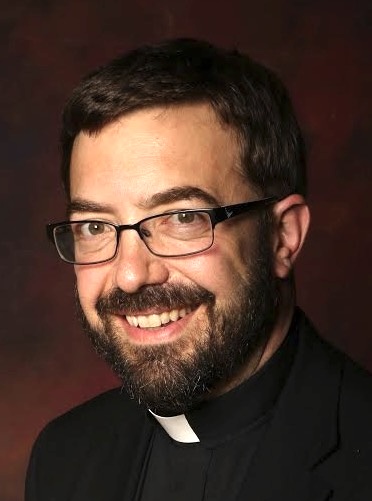
Jesus reminds us in the Gospel of Mark that there will be consequences for the choices we make in life, and he also makes it clear that we will not know the day nor the hour of judgment. Our response? To be vigilant at all times as we follow the Lord!
Fr. Austin Fleming

Deliver Us from All Evil…
CONTEXT: This homily was preached on the Sunday following November 13, 2015, when a series of coordinated Islamist terrorist attacks took place in Paris, France, and the city’s northern suburb, Saint-Denis.
Homily Excerpt
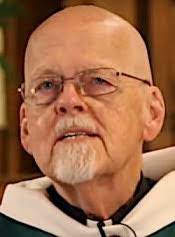
There is no doubt that evil stalked the city of Paris, finally striking with deadly precision. And evil’s target was much larger than Paris. On Friday night, we were all in evil’s cross hairs: our hearts were terror’s target.
The battle between good and evil in society is an ancient one, as ancient as Cain and Abel, as ancient as humanity. Today’s first scripture speaks apocalyptically of that final battle when all that is good will triumph and take unto itself all whose names are found written in the book of life. But when that day will come, what its hour will be – no one knows: only God.
Dominican Blackfriars

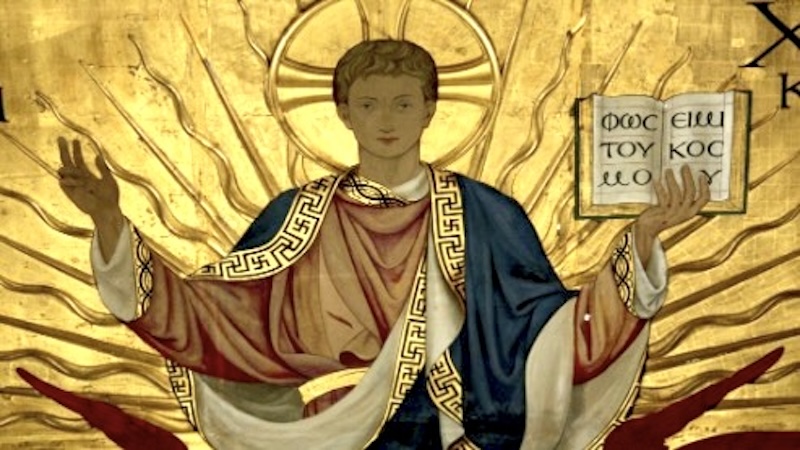
He is the Sign
Fr Benedict Jonak preaches on the signs of the end times.
The following adaptation of Fr. Benedict Jonak's homily, generated by our Catholic Assistant AI bot, is provided to help preachers share key insights from the homily with children and teens.
Today, we're diving into some big ideas about time and how things change. We've all noticed how seasons come and go, or how we grow from being kids to adults. This isn't just about physical changes, but also about how everything eventually has an ending. It's like watching your favorite TV series; it wraps up at some point, but it leaves you with something new.
So, in today's message, we're exploring a concept that's all about the "end times" and what that means for us right now. This might sound a bit heavy, but stick with me. Imagine it like this: when you're waiting for a big release—a movie, game, or album—it feels like forever. And yet, when it finally drops, it changes everything. That's kind of what's happening in the messages we're hearing today.
Jesus' story is like that epic release that changed everything. We’re not just waiting for more signs because the biggest one has already happened—Jesus being born and rising back from the dead. Just like the most epic plot twist in a series, it's a game-changer forever.
Right now, this is our chance to step up and be part of something bigger. Think of it as a huge adventure we get to be part of. Jesus' life connects heaven and earth, bringing God closer to us, and us closer to God. It’s as if we’ve been invited into the most exclusive club, not because we're perfect, but because we have a place with God.
So, how do we take part in this big story? By renewing our faith—not just thinking "Oh yeah, God exists," but actively living like God is the center of our lives. It means aiming our life toward God, no matter what life throws at us, even if things might seem tough out there.
Let's remind ourselves that God's got our back. His love outlasts everything, even death, and He's steady, even if we sometimes flake on our promises. Together, let's channel the vibes from the psalmist, who finds joy and safety in God's promise of life:
"My heart leaps with happiness, my soul is filled with peace; even my body rests securely. God won't abandon me, and I’ll always have a place with Him, where true happiness never ends."
Keep this in mind as we go forward. We're part of something epic, and it's happening right now.
DISCLAIMER: Adaptations (like translations), may not fully capture the nuances or precise meanings of the original text. It's essential to read the original homily which can be accessed by clicking on the title above.
This discussion guide has been generated by the WORD THIS WEEK'S Catholic AI Assistant based on the homily. NEED HELP? Copy and paste a question into the chat bot in the lower right corner of the screen and have our Catholic Assistant help you.
Introduction
- Introduce the theme of the sermon, which reflects on time and eternity as interpreted through Christian teachings.
Key Themes
1. The Nature of Time
- Discuss the idea that time is a measure of change, and reflect on the transient nature of life.
- Encourage members to share personal experiences of how they perceive the passing of time in their own lives.
2. Signs of the End Times
- Explore interpretations of Biblical texts on the end times.
- Discuss the significance of Jesus' birth and sacrifice as markers of a new era.
- Ask participants to consider how their perception of the "end times" influences their daily lives and faith.
3. The Eternal Nature of Christ’s Acts
- Reflect on the eternal impact of Jesus’ birth, death, resurrection, and ascension.
- Discuss how these events have changed the relationship between the divine and human nature.
4. Witnessing the Kingdom of God
- Examine the concept of being witnesses and heralds of God’s kingdom in the present.
- Discuss practical ways group members can embody these roles in their lives.
Faith and Trust in God
- Discuss what it means to truly believe in God beyond acknowledging His existence.
- How do we maintain faith amidst personal and global trials?
- Explore the notion of God as the ultimate goal and destination of life.
Reflection on God’s Promises
- Reflect on the psalm passage shared at the end of the sermon.
- Discuss the promise of safety, joy, and fulfillment in God’s presence.
- Encourage the group to share personal testimonies of experiencing God’s love and faithfulness.
Prayer and Commitment
- Close with a group prayer asking for strength to embrace the call to be witnesses of God.
- Consider making a weekly or monthly commitment to a new act of faith or service as a response to the sermon’s message.
Conclusion
- Summarize key takeaways from the discussion.
- Encourage ongoing reflection on how time and eternity shape the group’s spiritual journey.
Click banners to access AI generated content.
Homily Excerpt

We are all familiar with the places in the book of Ecclesiastes where the Preacher talks about the relentless passing of time: the changing of seasons; the joys of youth leading to the sorrows of old age; life ending in death, and every generation passing away preparing the place for the next.
If time is the measure of change, then, it is interesting to consider this Sunday’s readings through the lenses of this saying. This is because the texts speak of the end of things, the end of time, if you like: the final coming of the Son of Man, and indeed the first coming of the One who brings peace, forgiveness of sins and joy in the Holy Spirit, for those who long for him and believe in him. Those two events bring time to stop, as it were, bringing about realities that are never changing and eternal.

The Great Crisis
Fr Oliver Keenan invites us to place all crises, great and small, within the context of the eternal Word.
The following adaptation of Fr. Oliver Keenan's homily, generated by our Catholic Assistant AI bot, is provided to help preachers share key insights from the homily with children and teens.
Today, let’s talk about something super important: the idea of crises and how they fit into the bigger picture of our lives with God.
You might hear the word "crisis" tossed around a lot these days. People talk about crises in universities, faith, identity, politics, and even the environment. It seems like every corner of life is facing some big challenge. It can feel overwhelming, like the whole world is going a bit crazy.
But here's something interesting. Even though these crises are real and affect us, they’re not the end of the story. In the Bible, Jesus speaks about big problems too, like when important things in society break down. But then he tells us about an even bigger moment—the time when everything will change because of his return. Think of it like the ultimate reset button where God fixes what's broken on a cosmic level.
Here’s the cool part: this isn’t something to fear; it's awesome news! Imagine the best version of life you can think of—that’s what's coming. Jesus is the key to this plan, showing us that what seems like destruction is really leading us to something new and amazing.
It’s a bit like growing pains. You know when you’re getting taller, how your legs might hurt? It’s uncomfortable, but it means something good is happening—you’re growing! Similarly, even the hardest struggles in life are pointing us toward a future filled with God’s goodness.
Now, here's the tricky part—don’t think this means we ignore our problems today. No way! Just because we know good stuff is coming doesn’t mean we should sit back and do nothing. These challenges call us to action and to care because they're part of our journey with God.
Think about a fig tree. When it starts to show new leaves, it’s a sign that summer is coming—a time of warmth and fun. Those little signs of life are telling us something bigger is happening. In the same way, when we face problems or see signs of change, they’re whispering that something great is on the horizon.
It's normal to feel anxious or sad when things get tough. But remember, while the big crises you hear about are important, the personal ones in our hearts are just as significant. It takes courage and faith to trust that God’s story is still unfolding, even through our fears and sorrows.
And here’s the amazing promise: with God, nothing is impossible. The future he is bringing is something we can’t even imagine, but it’s going to be incredible. So, even as we face tough times, hold onto hope, knowing that God’s got something beautiful planned for each of us.
DISCLAIMER: Adaptations (like translations), may not fully capture the nuances or precise meanings of the original text. It's essential to read the original homily which can be accessed by clicking on the title above.
This discussion guide has been generated by the WORD THIS WEEK'S Catholic AI Assistant based on the homily. NEED HELP? Copy and paste a question into the chat bot in the lower right corner of the screen and have our Catholic Assistant help you.
Introduction
- Reflect on the concept of 'crisis' as presented in the sermon. What are the various crises identified, and how do they relate to both contemporary society and historical events?
Understanding Crises in a Theological Context
- Discuss how theology responds to the numerous crises mentioned: university, faith, identity, politics, moral authority within the Church, and climate catastrophe.
- Analyze how the sermon portrays the unique challenges of our times compared to previous generations.
The Greater Crisis: Biblical Perspective
- Explore Jesus's teachings on crises in the gospel passage referenced: what does it symbolize when the 'fixed points of a social world' break down?
- Examine how the sermon transitions from historical crises to a 'greater crisis' that signals the end of history. Why is this considered Good News?
The Consummation of Christ’s Mission
- Discuss the notion that the great crisis is not one of devastation but of re-creation and the fulfillment of Christ’s mission.
- How does this perspective change the understanding of crises—viewing them as steps toward something new and glorious rather than as finality?
Perception and Reality of Crises
- Discuss the risk of missing the theological significance by focusing solely on the destructive element of crises.
- How does situating these crises within the divine-human history enrich their meaning without diminishing our moral obligations?
The Parable of the Fig Tree
- Reflect on the parable's metaphor relating biological rhythms to divine history. How does this aid in understanding the signs of a new life?
- Consider the cultural implications of 'Summer' as a promise of thriving and flourishing.
The Personal Nature of Crisis
- Discuss how the deepest crises might not be political or cultural but personal, residing within the 'crises of our own hearts.'
- How can faith and hope help us view personal crises in light of the greater divine-human history?
Conclusion and Reflection
- Consider the statement "nothing is impossible for God." How does this provide a foundation for hope and courage amidst crises?
- Encourage participants to reflect on their personal experiences of crisis and how they can relate these to the theological insights discussed.
Actionable Steps for the Group
- Identify concrete ways to engage with and address the crises highlighted, both at community and personal levels.
- Encourage continuous reflection on personal crises through prayer, contemplation, or journaling, connecting personal experiences with the divine narrative discussed.
Click banners to access AI generated content.
Homily Excerpt
Contemporary theologians and philosophers often situate their work relative to an identified crisis. There is a crisis in the university, a crisis of faith, a crisis of identity, innumerable political crises, a crisis of moral authority within the Church, and a crisis of climate catastrophe that threatens the planet itself. Although every age senses the unique precarity of its times, our generation senses that the times are seriously out of joint, perhaps even in an unprecedented way.
All these crises of our times demand theological attention. Certainly, nothing ought to minimise the present threat to human flourishing. In fact, just before the passage we read in today’s gospel, Jesus himself addresses precisely these sorts of crisis in which the fixed points of a social world have broken down: the collapse of the temple, the breakdown of family ties and biological bonds, and the failure of political systems. Now, however, Jesus turns to address a greater crisis, one of a quite different order. He moves from speaking of devastating crises that occur within history to a crisis that signals the end of history…
Fr. Charles E. Irvin
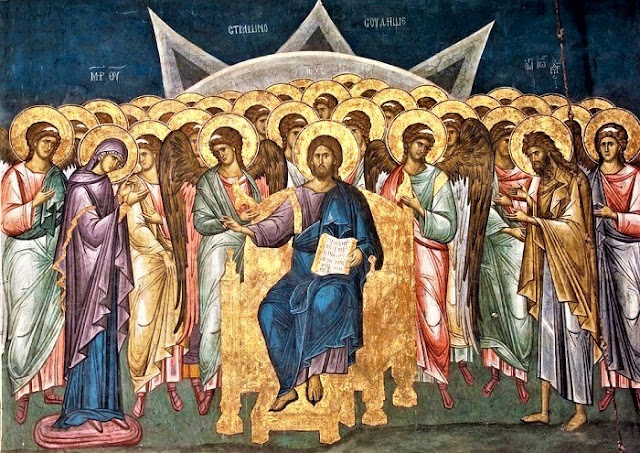
When the World Comes Crashing Down
The following adaptation of Fr. Irvin's homily, generated by our Catholic Assistant AI bot, is provided to help preachers share key insights from the homily with children and teens.
At times do you feel your life is falling apart, that it is crashing down all around you?
Okay, so we've all had that moment, right? Whether it's a huge global event or just something super personal, like a friendship ending or failing a test, it can feel like everything is crashing down. And let's be real, we all have those moments when it's like, "What even is the point anymore?"
Every year, the Church invites us to think about these big, intense endings. These aren't just stories about the world ending in some epic movie style—it's about the tough times and changes we all face. People have always wondered about the end of the world, like worrying if an asteroid is going to hit or when all our tech is going to fail.
Back in the day when Jesus was around, people were just as anxious, hoping for a hero. Were they worried about who the next big leader was? You bet. Some even thought maybe John the Baptist was the one. But then Jesus showed up and started talking about big changes, and His friends probably thought, "Is everything about to fall apart for real?"
Jesus knew things were going to get tough. He was getting ready to face some really hard days in Jerusalem, and He wanted His friends to be ready too. He talked to them about "end times," using words that maybe seemed intense but were really about hope.
So, what's all this got to do with us? When we feel like we're stuck and everything is going wrong, what should we do? Well, first off, remember that life keeps moving. You got dumped? Yeah, it hurts but you’ll get through it. Got a bad grade? Use it as a learning moment and keep going. Because seriously, life has a funny way of keeping on, no matter what.
For Christians, there's something amazing in knowing we've got hope on our side. It’s not just about today, but about seeing the bigger picture. Stuff happens, but Jesus shows us that it’s all part of something greater. Good can come out of the worst days, order out of chaos. It's like having a superpower called 'hope'.
There's a book in the Bible, the Book of Revelation, that’s sometimes seen as super scary. But really, it's about hope and the ultimate victory of good over evil. The Bible starts with creation and ends with a new creation. That's like us—every ending is just a new beginning waiting to happen.
Look, when things go wrong, remember: hidden inside every setback is a chance to start anew. Lots of cool stuff comes out of tough times—after all, some of the greatest artists and thinkers created their best works when they were going through a bad patch.
Here's another thought: Are we here on purpose? If we believe there's a reason for everything, then that means we’re all here for something important. Science and faith aren’t always at odds; they can actually work together to show us this.
So, as we wrap up the Church year, think about this: what’s my purpose? What am I here to do? Each day is a fresh start. Maybe we don't know what's going to happen tomorrow, and that’s okay. It might just be the best gift ever, giving us the freedom to focus on today and make it count.
Every ending is just a new beginning, so let's use today to live with purpose and hope.
DISCLAIMER: Adaptations (like translations), may not fully capture the nuances or precise meanings of the original text. It's essential to read the original homily which can be accessed by clicking on the title above.
This discussion guide has been generated by the WORD THIS WEEK'S Catholic AI Assistant based on Fr. Irvin's homily. NEED HELP? Copy and paste a question into the chat bot in the lower right corner of the screen and have our Catholic Assistant help you.
Introduction to Apocalyptic Concerns
1. How have you or people around you experienced moments when it felt like "the world has come crashing down"?
2. Discuss the concept of apocalyptic events, both personal and collective. How do these events influence our fears or anxieties about the future?
- In historical and biblical contexts, how have people coped with concerns about the end of the world?
Understanding God’s Timelessness vs. Human Time
3. Reflect on the distinction between God's timelessness and our perception of time. How does understanding this difference help when facing difficult periods?
4. Discuss the notion presented in the sermon that within endings lie new beginnings as part of God’s plan. Where have you seen this principle at work in your life or history?
Christian Responses to Personal and Societal Endings
Life Goes On
5. What personal or societal events have you witnessed where the sentiment "life goes on" was relevant?
6. How does the message of hope as presented in Christianity offer comfort during times of crisis?
Vision Beyond the Immediate
7. How can having a vision of transcending present circumstances change our approach to problems?
8. Discuss examples from history or personal experiences that illustrate God's work in turning chaos into order or death into life.
Opportunity in Crisis
9. Reflect on a time when you found opportunity in the midst of a crisis. How did this experience shape your outlook or faith?
10. How have artists, leaders, or historical figures found inspiration during their darkest times?
Purpose and Intelligent Design
11. Discuss the concept of being "purpose made." What questions arise when contemplating our life's purpose and the universe’s design?
12. What are your views on the debate between chaos and intelligent design from a scientific or theological perspective?
Endings, Beginnings, and the Present Moment
13. How can recognizing today as both an ending and a beginning reshape your approach to daily life?
14. What does it mean for you to live differently starting today? How can this mindset contribute to a sense of purpose?
Conclusion and Reflection
15. Why might it be a blessing that we don’t know our future? How does this uncertainty allow us to shape our lives with God's guidance here and now?
16. End the discussion by sharing personal reflections or insights gained from exploring the sermon and considering the role of faith, hope, and divine purpose in times of uncertainty.
Click banners to access AI generated content.
Homily Excerpt

“My world has come crashing down.” You’ve heard those words spoken by others around you who have faced calamities, real or imagined. Many of you have, I am sure, in the midst of your own tears uttered those words.
Every year at this time the Church has us deal with the apocalyptic, those terrible endings we face in our own personal lives, as well as cataclysmic endings of our collective civilizations and our human epochs and eras. History is replete with them. Questions and concerns about the end of the world abound in our day as they have throughout past. Is there an asteroid headed directly at us? Will the sun burn out? Will we all be destroyed in a nuclear holocaust?
Fr. Leon Ngandu, SVD
Fr. Leon Ngandu, SVD
BIBLE TEACHER AT
SAINT AUGUSTINE CATHOLIC HIGH SCHOOL IN THE ARCHDIOCESE OF NEW ORLEANS
Stay Vigilant at all Times
Homily Excerpt
What about us today? We are not an occupied country and are not under persecution like the Jews at the time of Daniel in the first reading. There is no Church persecution in our cities as it was in Mark’s time in the Gospel (however, many of our fellow Christians are still being persecuted in some countries where Christianity is not accepted; we pray for them in this Mass), neither do we expect Christ to return during our own lifetime. Then, what does our Holy Mother Church try to teach us today through these Bible readings? Indeed, our sufferings today are not to be compared to those of the time of Daniel and Mark. However, many of us are going through a lot, such as illnesses, lack of jobs, injustices, and many other trials. Amid all our sufferings, today’s Scripture readings bring us a message of consolation and hope. God will save us, if not in this life, then in the hereafter, where we will be like the stars forever in heaven, shining brightly like the splendor of the firmament. At the same time, the wicked will experience everlasting punishment, “disgrace,” in hell, as Daniel describes in our first reading.
Fr. Joe Jagodensky, SDS
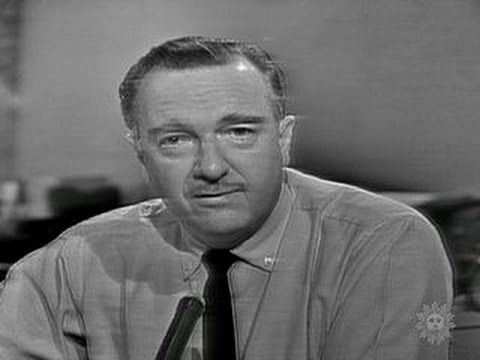
“President Kennedy died today at 1:00 p.m., Central Standard Time”
The following adaptation of Fr. Joe's homily, generated by our Catholic Assistant AI bot, is provided to help preachers share key insights from the homily with children and teens.
Let's talk about significant moments that change everything and how they impact us. Imagine being totally into your favorite show when suddenly, the channel switches, and you hear a huge announcement. That's what happened in 1963 with the news of President Kennedy's death. It's a moment that's frozen in time for those who experienced it.
For older generations, it marked a period they always remember when discussing past world events. For some of us, 9/11 might be that kind of day—one we will always recall and that influenced how we view the world. Even if you didn't know anyone directly affected, these events leave a lasting impression.
In school, I remember when we heard the news about Kennedy. We were just sixth graders, and while we didn't fully get it, seeing how the adults reacted helped us realize it was a big deal. We were led to pray, trying to make some sense of it all.
In today's world, we're exposed to unimaginable events in places we might not even be familiar with, from Paris to remote parts of Africa. While we often still feel safe at home, it's normal to wonder how such events will shape our sense of hope and humanity.
The real challenge lies in how we respond to these moments. We're not all leaders on the global stage, but we have our roles in our daily lives and communities. Our simple actions and values are what we wish to pass on to the next generation. They're the things that endure, helping us to face any challenges thrown our way. It's those quiet moments of prayer, hope, and determination to improve that guide us through life's storms. Let's hang on to them and continue to aim for a better world.
DISCLAIMER: Adaptations (like translations), may not fully capture the nuances or precise meanings of the original text. It's essential to read the original homily which can be accessed by clicking on the title above.
This discussion guide has been generated by the WORD THIS WEEK'S Catholic AI Assistant based on Fr. Joe's homily. NEED HELP? Copy and paste a question into the chat bot in the lower right corner of the screen and have our Catholic Assistant assist you.
Personal Tragic Marks
- How do personal and national tragedies create a 'mark' or reference point in our lives?
- Can you share an event in your life that has become a significant marker or turning point? How has it shaped your perspective?
Collective Memory and Impact
- The homily discusses how events like JFK’s assassination and 9/11 become collective memories. How do such events shape the identity of a generation?
- In your opinion, how do these shared experiences influence personal beliefs and values?
The Role of Emotion and Memory
- Fr. Joe highlights the difficulty of forgetting while not wanting to forget. Why do you think it is important to remember tragic events?
- How can acknowledging these events bring healing or create challenges in moving forward?
Perceptions of Religion and Conflict
- Discuss the role of religion as presented in the sermon, particularly regarding assumptions and misunderstandings.
- How can open dialogue about different beliefs and cultures help diminish stereotypes and increase understanding?
Ordinary Life Amidst Global Conflict
- The homily points to simple lives and simple values amidst global chaos. How do these play a role in maintaining personal and community stability?
- What values do you hold that help you navigate through uncertain or challenging times?
Resilience and Hope
- How can individuals and communities build resilience in the face of tragedy?
- Discuss the importance of hope and continuous prayer as mentioned in the homily. How do these practices help in coping with difficult situations?
Activities
Reflective Exercise: Spend a few minutes individually writing down a memory of a significant event—personal or historical—that has influenced your life. Share with the group if comfortable.
Group Sharing: Pair up and discuss a value you learned through a challenging time and how it continues to guide you.
Wrap-Up and Closing Thoughts
Encourage each participant to share a takeaway from the discussion. Reflect on how different perspectives contribute to a deeper understanding of the sermon’s message on tragedy, hope, and values. End the session with a moment of silent reflection or a collective prayer focused on resilience and unity.
Click banners to access AI generated content.
Homily Excerpt
As irony would have it the soap opera, “As The World Turns” was interrupted with Walter Cronkite’s famous announcement on television in 1963. As the world does turn, it truly stood still for quite some time with Kennedy’s death 52 years ago tomorrow.
My older sister and I often mused that no one has an opinion if not around that day. As aging people, we set our tragic mark using that time as a background for future conversations about world events. I guess those around on 9/11 have their tragic mark and I also guess that tragic events can mark most of us. So, let the opinions roll.
Fr. George Smiga
The End of the Story
The following adaptation of Fr. Smiga's homily, generated by our Catholic Assistant AI bot, is provided to help preachers share key insights from the homily with children and teens.
When I was a kid, I had this best friend who was super into reading novels, like, she could finish one each week. But she had this quirky way of reading them—she'd always check out the last five pages first! Imagine the frustration! I asked her, “Why do you spoil the ending for yourself?” She explained, “I don’t read to be surprised. I dive into the story. Knowing the end helps me see things I’d miss otherwise.”
As Christians, we believe that the world’s history is like a huge story, and our lives are unfolding with purpose. This idea comes from the Jews who, unlike many ancient cultures that saw history as a never-ending circle (you know, spring to summer to fall to winter and back again), believed history has a direction. For them, and for us, it began with creation and will end on a day when God fixes everything wrong and brings the world in line with His love.
This is what today’s reading from the Gospel is all about. It gives us a peek at how the world’s story will end. (Spoiler alert: it ends with Jesus coming on clouds and defeating evil!) This is our faith: one day, Jesus will bring things to a wrap and start God's kingdom.
So, here’s the big question: Do you think history has a storyline? Do you believe it has a direction leading to God winning over evil? This isn’t just some fancy religious discussion. It influences how we see stuff and how we live our lives. If we just see history like going in circles, then whatever good things happen or choices we make are just temporary. But if we believe there’s a story heading towards a happy ending, then the good in our lives and the decisions we make are not just for now—they help push history toward that amazing day when everything will be good.
Even the tough and painful stuff we go through isn’t the end. In the story of history, it’s a plot twist. But rest assured, God will eventually make things right.
Just like my friend said, knowing the ending helps you get deeper into the story. Today’s Gospel does that for us by showing that everything ends well with God winning. This belief can help us cope with tough times—illness, breakups, rejection, or pain. These are real struggles, but they don’t define our journey or our final stop. We believe God will lead us out of these challenges and turn everything right.
Today’s Gospel lets us in on the ultimate ending of history’s story. Let's use this ending to inspire us, give us hope, and push us to do what’s right to build God’s awesome kingdom. Come, Lord Jesus!
DISCLAIMER: Adaptations (like translations), may not fully capture the nuances or precise meanings of the original text. It's essential to read the original homily which can be accessed by clicking on the title above.
This discussion guide has been generated by the WORD THIS WEEK'S Catholic AI Assistant based on Fr. Smiga's homily. NEED HELP? Copy and paste a question into the chat bot in the lower right corner of the screen and have our Catholic Assistant assist you.
1. Personal Experience with Stories
- Reflect on the story of the speaker's friend who reads novels by starting with the ending. How does this approach affect the way you perceive a storyline?
- Share any similar experiences or practices you have with reading books or consuming stories (e.g., movies, TV shows) and how knowing the ending influences your understanding or enjoyment of them.
2. Understanding Time and History
- Discuss the contrast between ancient cultures' cyclical view of time and the Judeo-Christian linear perspective of history.
- How does believing in history as a story with a beginning, middle, and end change our understanding of world events and personal experiences?
3. The Christian View of History's End
- Consider the message that today's Gospel provides about the end of history with Jesus’ return and victory over evil.
- What feelings or thoughts does this interpretation of history's conclusion evoke in you? Do you find comfort or assurance in knowing where history is headed?
4. Implications for Daily Life
- Explore the practical implications of believing that history is a story with a directional purpose. How does this belief alter the significance of blessings and challenges in your life?
- Discuss the impact of perceiving life's struggles as temporary twists in the grand narrative rather than permanent states.
5. Coping with Challenges
- How does the belief in God's ultimate victory shape your approach to addressing pain, tragedy, or adversity in life?
- Discuss how this perspective can influence your reactions to sickness, personal setbacks, or challenging circumstances.
6. Building Hope and Encouragement
- Reflect on how knowing the "ending" of the story of history, as presented in the Gospel, encourages you to live with hope and to make positive choices.
- How can this vision of the future guide you in contributing to the realization of God's kingdom today?
7. Personal Reflection and Prayer
- Spend some moments in personal reflection or group sharing on how the sermon and discussion points have impacted you.
- Conclude with a prayer or reflection, asking for strength and hope as you live in anticipation of God’s promised future.
Encouraged Actions
- Engage in reading or studying biblical passages related to the end times and God’s promises.
- Consider journaling your thoughts and feelings about God’s ultimate victory over evil and how it impacts your present life.
- Identify a practical step you can take this week to embody the hope and direction revealed in this sermon.
Click banners to access AI generated content.
Homily Excerpt

When I was growing up I had a close friend who loved to read novels. She would read about one a week. But she always did it in a particular way. She would first turn to the end and read the last five pages, and then she would turn to page one and begin. This drove me crazy. I said to her, “Why do you ruin the surprise of the novel by reading the ending?” But she said, “I don’t read novels to be surprised, I read novels to enter into the story. I find that when I know the ending, I follow the story more deeply. I notice more things when I know where the novel is heading.”
Christians believe that history is a story and that our lives unfold in a particular direction. We receive this perspective from the Jews. In the ancient world most cultures saw time and history as a cycle, an endless repetition. Time was seen to move from spring to summer to fall to winter to spring again. Time did not have a direction, it kept repeating endlessly in the same pattern. The Jews saw things differently. They saw history as a story controlled by God. The story began with creation and kept unfolding until the last day when God would destroy every evil and bring all things into conformity into God’s will. Christians adopted this Jewish perspective. With the resurrection of Jesus, we came to see that this end of history would happen through Christ. That on the last day Jesus would come and conform all things to the love and will of God.
This of course brings us to today’s Gospel. Because the Gospel today presents the end of history and {SPOILER ALERT!} history will end with Jesus coming on the clouds of heaven and destroying all evil. This is our faith. It is what we believe. Jesus will bring history to and end and establish the kingdom of God.
Preparing for the End
The following adaptation of Fr. Smiga's homily, generated by our Catholic Assistant AI bot, is provided to help preachers share key insights from the homily with children and teens.
There was this famous comedian, Henny Youngman, known for his funny doctor jokes. One of his jokes goes like this: A doctor tells a guy he has six months to live, but the guy can't pay his bill, so the doctor gives him another six months! It's silly, right? But it does make us think about time and how much we have.
Honestly, none of us really know how long we've got. There's no chance for extensions when our time's up. That's why, especially during the Advent season, the church wants us to think about the end times. Yeah, the images can feel a bit scary - like stuff about the sun going dark or stars falling. But these aren't meant to freak us out. They're more like a wake-up call, a reminder that everything comes to an end eventually, including our lives. We need to think about this, not because we want to know how to die, but because we need to focus on how to really live.
Think about it: we often stress over things that, in the grand scheme of things, don't matter much. Like, people camped out for the latest game console last week. Is that what will make them proud on their last day? And what about holding grudges? Will all that energy spent on being angry seem worth it? We get so wrapped up in making money, buying stuff, and polishing our resumes. But when it's time to go, is that what we'll cherish?
Today's message is simple: figure out what truly matters, now and in the end. Ask yourself, "Did I let love in? Did I share love with others? And, did I choose love even when it was tough?"
Letting love in means appreciating the world and the people around us. Did we notice the beauty, feel the love, and cherish it? Did we celebrate those joyful moments?
Giving love away is about sharing our time and talents with the people around us. Did we make someone's life a bit better? Did we bring more goodness into the world?
Choosing love when it's hard asks, did we forgive when hurt? Were we honest when it was tough? Did we stick to our promises, and stand up for what's right, even when it was risky?
These questions are essential. They guide us in living a meaningful life. And answering them positively can give us peace and satisfaction as we face eternity. Why wait to think about them until the end? Let's start living with these questions in mind today. Remember, it all boils down to love.
DISCLAIMER: Adaptations (like translations), may not fully capture the nuances or precise meanings of the original text. It's essential to read the original homily which can be accessed by clicking on the title above.
This discussion guide has been generated by the WORD THIS WEEK'S Catholic AI Assistant based on Fr. Smiga's homily. NEED HELP? Copy and paste a question into the chat bot in the lower right corner of the screen and have our Catholic Assistant help you.
Introduction
Begin by sharing Henny Youngman’s doctor joke to lighten the mood and create an approachable atmosphere for a serious topic. Discuss the concept of the unpredictability of life and the certainty of its end. Mention how Advent's emphasis on contemplating the end can shape our understanding of life and lead us to focus on what truly matters.
Embracing Mortality
1. Reflect on the joke shared in the sermon. In what ways does humor help us engage with difficult topics like mortality?
2. How do you feel about the idea that life could end at any time? Does it motivate you to change anything in your life?
Perspective on Life’s Priorities
3. Share examples from your own life or familiar scenarios where time and energy might be spent on unimportant matters. How does the prospect of life’s end challenge those priorities?
4. Discussion prompt: Imagine looking back on your life from your deathbed. What aspects of your life do you think will matter most to you?
Three Essential Questions on Love
5. Examine the three key questions about love: Did I let love in? Did I give love away? Did I choose love even when it was difficult? Why do you think these particular questions are highlighted as being of eternal significance?
6. How can you incorporate these questions into daily life to ensure you live meaningfully?
Letting Love In
7. Can you recall moments when you’ve truly appreciated the beauty of the world and the goodness of people? How do such experiences influence your perception of love and life?
8. In what ways can you open yourself more to love from the people around you?
Giving Love Away
9. Think of people you have positively impacted. How does recognizing these contributions change your understanding of your life's value?
10. What are simple yet effective ways you might use your talents to spread love to others?
Choosing Love Against Odds
11. Share any personal experiences where choosing love was particularly challenging. What were the outcomes, and how did it impact your growth as a person?
12. Discuss practical steps you can take to choose love over animosity or indifference, especially with difficult people or situations.
Action Steps
Encourage individuals or the group to choose one area of the three essential questions to focus on in the upcoming week. Considering how to ‘let love in’, ‘give love away’, or ‘choose love in difficulty’ can become part of daily decision-making.
Conclusion
Close the session by reminding everyone that life’s true value is measured not by the trivial pursuits we often engage in but by the love we receive, share, and choose. Encourage continual reflection on these essential questions as a path to living a fulfilled and meaningful life.
Click banners to access AI generated content.
Homily Excerpt
Millions of people in the world spend energy and time licking their wounds, nurturing their grudges against people who hurt them or ignored them last month or even twenty years ago. When they stand before the King on the last day, will they look at that amount of time and the energy they spent with it with pride? Will they say, “I’m so glad I invested so much of my time in that resentment and anger.” All of us get wrapped up in our agendas, in our schedules, in the things that we want to accomplish: making money, shopping at the mall, shaping our resumes. When we take our last breath, will those things be significant? Will we say, “I’m so grateful that I spent all that time in the office.” Or, “I’m so happy that I was able to buy that coat at Macy’s.” Or, “I’m so lucky that I made more money than other people did.” Or, “What a wise decision it was for me to spend most of my free time in front of a television or computer screen.” Are those the things that are going to give us satisfaction and peace when we take our last breath? I’ don’t think so.
This is what today’s gospel is about. It calls us to consider what questions are the important questions? Not what questions seem important today, but what questions will be important on the last day? I believe that there are only three questions that will matter as we face eternity. All three questions are about love: Did I let love in? Did I give love away? Did I choose love even when it was difficult?
Msgr. Joseph Pellegrino

What We Really Need To Fear
Homily Excerpt

Two and a half weeks ago we had that fun day of Halloween where the children got to dress up and go trick or treating, or, perhaps, trunk or treating. I’m sure that some adults also dressed up and attended Halloween parties. That was also part of the fun. Another fun aspect of Halloween is the scary stuff. Every Halloween there are scare houses and plenty of scarring movies. I myself am not into scaring other people, or being scared, but on Halloween it is all fun, I guess.
Today’s readings are scary, but they are not fun. The first reading from Daniel speaks about a time of unsurpassed in distress. Jesus in the Gospel reading speaks in apocalyptic terms of a time of great tribulation, a time when the sun will be darkened and the moon will not give its light and the stars will fall out of the skies. He speaks about a time so terrible that people will say to the mountains, “Fall on us,” and to the hills, “Cover us over.” This is not make believe. This is not just figurative language. Jesus is speaking about a time when we should be frightened. He tells us that the world will come to an end, and that we need to be ready.
Msgr. Charles Pope
The Word of the Lord Remains Forever!
The following adaptation of Msgr. Pope's homily, generated by our Catholic Assistant AI bot, is provided to help preachers share key insights from the homily with children and teens.
As the seasons change and we near the end of the year, it's a good time to think about how everything around us changes and fades away. In today's story from the Bible, Jesus shares something pretty intense with His friends, the apostles, and it might catch us off guard, too. Let's dive into His message and see what we can learn.
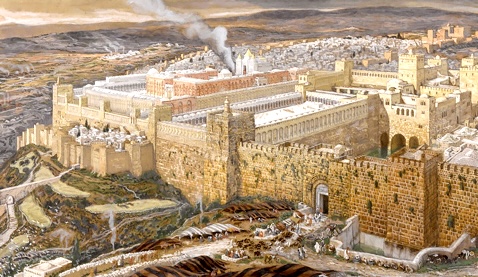
Picture this: Jesus is hanging out with His apostles on the Mount of Olives, checking out the awesome view of Jerusalem and this amazing building called the Temple. The apostles are blown away by how stunning it is. Imagine white and gold stones shining in the sunlight—totally Instagram-worthy, right?
But then Jesus flips the script. He tells them that soon, this jaw-dropping Temple will be completely destroyed. Not a single stone will be left. You can imagine their shock. They wanted to know when this would happen and how they'd know it was coming.
Jesus explains that everything they're amazed by is temporary. The Temple, with all its rituals and traditions, was just a hint of what Jesus was all about. He’s the real deal—the new Temple and the ultimate sacrifice. And guess what? Forty years later, the Roman army did come in, and just like Jesus said, the city and Temple were demolished.
Now, what does this story from 2,000 years ago mean for us today? Let's break it down into three key ideas:
1. Things Aren’t Lasting Forever – Jesus reminds us that everything we see around us will eventually disappear. The cool, popular stuff? Yeah, that'll fade. Even the things we worry about, like wealth and status—they don’t stick around forever. The Bible backs this up, saying the current world is passing away, so let’s not stress too much about it.
2. What Really Lasts – While worldly things come and go, what sticks around is God's Word and truth. We often put all our energy into stuff that won’t last, but if we focus on God and His teachings, we'll find something permanent. Just look at the Church—it’s stayed strong through all kinds of challenges throughout history!
3. Choosing Our Focus – If the world and its stuff won’t last, what should be our focus? The things that matter in the long run are the ones related to faith and God’s promises. You wouldn’t buy a ticket for a sinking ship, right? In the same way, let's not get caught up in things that will fade.
Think about your priorities. Are we investing all our time on things that fade, like chasing trends or worrying only about appearances? Or are we finding time for what truly counts, like prayer, reading the Bible, or being part of a faith community?
In today’s story, Jesus stood in front of a majestic building, but wasn’t impressed with its temporary grandeur. He calls us to focus on what really matters and will last—His everlasting Word and our future with Him.
So, are we finding time for prayer and fellowship, or are we too busy with temporary stuff? Let’s be honest about what really matters to us.
DISCLAIMER: Adaptations (like translations), may not fully capture the nuances or precise meanings of the original text. It's essential to read the original homily which can be accessed by clicking on the title above.
This discussion guide has been generated by the WORD THIS WEEK'S Catholic AI Assistant based on Msgr. Pope's homily. NEED HELP? Copy and paste a question into the chat bot in the lower right corner of the screen and have our Catholic Assistant help you.
Introduction
1. Icebreaker Question: Share a moment in your life when something you deeply admired or valued changed or faded away. How did that experience affect your perspective on life?
2. Opening Reflection: As we approach the end of the liturgical year and the beginning of winter, consider the theme of passing time. How does the change of seasons mirror the transient nature of worldly glories?
Discussion Points
The Passing of Worldly Glories
1. Read Mark 13:1-2: Discuss the apostles' reaction to Jesus' prophecy about the destruction of the Temple. Why do you think Jesus' words shocked them?
2. Historical Context: Reflect on the destruction of the Temple in A.D. 70. How does knowing this historical event reinforce Jesus' prophecy about the passing nature of worldly glories?
3. Personal Reflection: What are some "temples" in your life—things you admire or value—that might be temporary? How does recognizing their impermanence affect you?
The Permanence of God's Word
1. Key Verse Reflection: "Heaven and earth will pass away, but my words will not pass away." (Mark 13:31) Discuss the significance of this promise. How does it provide comfort and guidance?
2. Church's Longevity: Consider the resilience of the Church throughout history. How does its survival through various cultural and political changes demonstrate the enduring nature of God's Word?
3. Application: In what ways can you root your life in the permanence of God's Word instead of temporary worldly things? Share practical steps you can take.
Setting Priorities
1. Read Matthew 24:32-33: Discuss the importance of recognizing the signs of the times. How can we better prioritize our spiritual life in a world that often focuses on the fleeting?
2. Reflect on Priorities: Take a moment to list your current priorities. Which ones align with eternal truths, and which ones are temporary distractions?
3. Practical Exercise: Plan how you can incorporate more time for prayer, scripture reading, and fellowship into your daily routine. Share your plan with the group for accountability.
Closing Thoughts and Prayer
1. Self-Examination: Reflect honestly on your current priorities. Are there changes you need to make to align with God's eternal perspective? Share any insights or commitments you're willing to make.
2. Group Prayer: Pray for clarity and guidance to prioritize what truly matters. Ask for support in letting go of temporary attachments and embracing the eternal truth of God's Word.
Click banners to access AI generated content.
Homily Excerpt
2021 EXCERPT: As winter approaches and the end of the liturgical year draws near, we ponder the passing quality of this world and the fading of its glories. Jesus’ words in today’s Gospel reading must surely have shocked, even horrified, His apostles. Let’s look at His stunning words and seek to apply them in our own life.
I. The Perspective of Passing
II. The Permanence Proclaimed
III. The Priority Prescribed
Bishop John Louis
Prepare for the Opening Ceremony
Homily Excerpt

Grand events are normally preceded by spectacular opening ceremonies. Just recall the spectacular opening ceremonies of Olympic Games. The second coming of Jesus, unlike his first humble coming, will be the most grandeur event ever to be witnessed by mankind. And we will not need TV networks to transmit that greatest event to our view, for, according to Scriptures, all alive will see it happening LIVE across the globe (at the same time)! To usher this greatest event, then, we should expect the greatest spectacular opening ceremony! It will be breath-taking for many and even frightening for others, for as the gospel reading informs us: ‘the sun will be darkened, and the moon will not give its light, and the stars will be falling from heaven, and the powers in the heavens will be shaken’ (Mark 13:24-25)!
Fr. Michael Chua
And Now the End is Near
Homily Excerpt

There are too many things happening simultaneously and coincidentally which may lead us to believe that we are living in the end times. We seem to be beset by one earth-shattering, history-setting crisis after another – a worldwide pandemic that brought the entire world to its knees, an economic crisis on an accelerated downward spiral, regional conflicts threatening to become another world war, hurricanes and natural calamities on an unprecedented scale and a polarised Church which seems to have as many enemies on the inside as she has on the outside. For some, the re-election of Donald Trump was the final straw – we are on the threshold of Armageddon.
Whenever some big catastrophe happens, you can be sure that someone will start talking about the “end times.” Both Catholics and Protestants do this. The difference mainly seems to be that Protestants start trying to chart out the apocalypse according to the Books of Daniel and Revelation, whereas Catholics try to chart it out based on various private revelations of the more dramatic and eschatological kind.
Death Will Be Replaced
with Life
Homily Excerpt
Apocalyptic texts, such as what we’ve just heard in the gospel and the first reading, can be fodder for much fanciful speculation regarding the end times. Even though apocalyptic writings often end in an assuring promise of hope, the triumph of God and the vindication of the righteous who remain faithful in spite of tribulations, it is more common to find people focusing on the frightening cataclysmic images associated with the end times, whilst ignoring the second part.
And then there is the issue of interpretation of these mysteriously cryptic texts. Our Lord seems to contradict Himself in the second half of the gospel passage. On the one hand, He seems to argue that the end times would be discernible from the cataclysmic signs and He likens this to how one can discern the seasons by looking at the life cycle of a fig tree. On the other hand, He is telling His disciples that any speculation on when the end times is going to take place would be futile: “But as for that day or hour, nobody knows it, neither the angels of heaven, nor the Son; no one but the Father.” How do we reconcile both these sayings? Well, it depends on what the Lord meant by end times.
Lord Jesus Come in Glory
Homily Excerpt
The cataclysmic signs that accompany the end should never be a reason for fear but always one of hope. The signs indicate an undoing of creation in anticipation of a re-creation. What these forces destroy is not goodness or life, but rather the power of evil and sin. Destruction has to come before perfection. When things look really bad, a glorious recovery is imminent. As the historian Christopher Dawson put it, “When the Church possesses all the marks of external power and success, then is its hour of danger; and when it seems that no human power can save it, the time of its deliverance is at hand.” History moves toward this steady goal – Jesus Christ. He is the central figure of all history. And so we as Christians should not cower in fear but joyfully welcome the day when Christ returns. This is exactly what we pray for at every Mass. ‘Dying you destroyed our death, rising you restored our life, Lord Jesus come in glory!’ or ‘When we eat this bread and drink this cup, we proclaim your death Lord Jesus, until you come in glory.’ At every Mass we are always praying that Christ will come again.
Fr. Vincent Hawkswell

Victory over Satan is certain
The following adaptation of Fr. Hawkswell's homily, generated by our Catholic Assistant AI bot, is provided to help preachers share key insights from the homily with children and teens.
Let’s dive into some pretty cool stuff about what the end of the world might look like, according to faith. Now, don't worry, this is actually super inspiring and hopeful!
First off, at the end of times, there’s this awesome dude named Michael. He’s an archangel, which is like one of God’s top defenders. Think of him as a heavenly superhero. After a tough time, those who have chosen to follow God will be saved, like those whose names are in a very important book.
You know the prayer some people say to St. Michael after church? It asks him to keep us safe from the bad stuff in the world. This prayer comes from a legendary story. Back in the day, there was a huge battle in heaven between Michael and the bad guys, led by the ultimate villain, Satan. Spoiler alert: Michael and his team won, big time.
This whole theme of good versus evil is echoed in another part of the Bible too. It warns us to be on our guard because, just like in a suspense movie, the bad guy, or devil, is always sneaking around looking for trouble.
But check this out: Jesus will return one day, and when he does, it will be a game-changer for everyone. The thing is, no one knows exactly when this will happen. Life will feel normal until, bam, it’s time. So we’re encouraged to stay alert and be ready, not like those who sleep through their alarms.
Even though the world might change, we won’t just disappear. The belief is that our bodies will be brought back to life. Crazy, right? When Jesus rose from the dead, he showed off his new, upgraded body. It still had the scars from his previous life, but he could do things like appear out of nowhere. In a way, we’ll get our own cool upgrades too!
This transformation is something that’s hard to wrap our heads around, kind of like trying to imagine a superhero movie you’ve never seen before. It’s a mystery, but faith gives us some clues.
Until then, we’re supposed to take good care of our bodies and the bodies of others. After we pass, burials are preferred because they respect these bodies of ours. If cremation happens, the ashes should still be treated with respect by being placed in a special, holy place.
When it’s all said and done, there’s this big moment where our lives are given a final review. Imagine a highlight reel showing all the good (or not so good) stuff we’ve done. It’s a chance to see that God’s justice and love outshine everything, even the toughest times.
Finally, everything around us will be refreshed and rejuvenated, kind of like hitting the reset button, and God will live amongst us. Isn’t that an epic vision for our future?
DISCLAIMER: Adaptations (like translations), may not fully capture the nuances or precise meanings of the original text. It's essential to read the original homily which can be accessed by clicking on the title above.
This discussion guide has been generated by the WORD THIS WEEK'S Catholic AI Assistant based on Fr. Hawskwell's homily. NEED HELP? Copy and paste a question into the chat bot in the lower right corner of the screen and have our Catholic Assistant help you.
Introduction
1. What themes stand out to you in this sermon? Identify key points that resonate with the overall message.
Michael, the Great Prince
2. Who is Michael in the context of this sermon, and what role does he play in the world’s end?
3. Reflect on the significance of the prayer to St. Michael after Mass. How does this prayer connect with the fight against evil?
Biblical Basis and Scriptural References
4. How is the “war in Heaven” described in Revelation connected to this sermon?
5. Discuss the connection between St. Peter’s warning about the devil and Michael’s victory over Satan. What does it mean for us today?
Christ’s Authority and Second Coming
6. How do the concepts of Christ waiting at the right hand of the Father and his eventual return underscore the messages of vigilance and readiness?
7. Why is it important not to be overly eager to predict Christ’s arrival, as mentioned by George Macdonald?
Belief in Resurrection
8. Explore the assurance of resurrection referenced in the sermon. How do the encounters Jesus had after his resurrection help affirm this belief?
9. How does the Catechism of the Catholic Church describe the transformation our bodies will undergo?
Transubstantiation and Respect for Human Bodies
10. What links are drawn between the transformation of bread into Christ’s body and our future resurrected bodies?
11. Discuss the Church’s teachings on handling human remains. Why does she recommend burial and emphasize the respect of ashes?
The Last Judgement
12. What insights does the sermon provide about the Last Judgement? How will this event expose each person’s relationship with God?
13. Reflect on the sermon’s depiction of God’s justice and love. How do they triumph over evil and death?
Universe Renewal
14. What message of hope is conveyed with the statement that the universe will be renewed and God will live among us?
Conclusion
15. What personal actions or reflections might you take away from this sermon to apply in your daily life?
Click banners to access AI generated content.
Homily Excerpt
At the world’s end, “Michael, the great prince,” shall arise, and, after “a time of anguish,” God’s people “shall be delivered, everyone who is found written in the book.”
Michael is the archangel to whom many parishes now pray after Mass: “Defend us in battle; be our safeguard against the wickedness and snares of the devil. May God rebuke him, we humbly pray, and do thou, O prince of the heavenly host, by the power of God, cast into Hell Satan and all the evil spirits who prowl through the world seeking the ruin of souls.”
Fr. Denis J. Hanly

Father Denis J. Hanly (1932-2014) was a Maryknoll Missionary for over 55 years.

Fr. Tommy Lane
The heavens and earth will pass but not Jesus’ words and sacrifice
Homily Excerpt
We make progress during life. Our technology is constantly evolving and improving and that is good. One person who read about previous pandemics said to me this pandemic is like heaven compared to previous pandemics. We have the benefit of much easier communication during this pandemic with the internet and mobile phones and so many other benefits so I can understand why someone would say this pandemic is like heaven compared to previous pandemics. It is good to make progress but despite all the improvements which are good and for our benefit, when we come before God, what we need is Jesus’ sacrifice of himself to plead on our behalf. That is why the part of the Psalm that we heard today began by saying God is our portion and cup (Ps 16:5). It is referring to the tribe of Levi who received no part of the land of Israel when it was divided among the tribes. Instead, the tribe of Levi was to depend on God and what it would receive from running the temple. People talk from time to time about winning the lottery and what they would do if they won. The psalm today really says we have all won the lottery: God is our portion and cup and our prize.
Fr. John Kavanaugh, S.J.
The End Times
The following adaptation of Fr. Kavanaugh's homily, generated by our Catholic Assistant AI bot, is provided to help preachers share key insights from the homily with children and teens.
As we wrap up the church year, we're reminded of the life of Father Vince O'Flaherty, a Jesuit priest who lived his faith in a down-to-earth, relatable way. Picture this: he spent his last morning with students at Regis High School in Denver, talking about a story in the Bible about a “rich young man.” Even though his voice was a bit rough, he had this amazing way of connecting with people, showing a gentle side that made everyone feel welcome.
Father Vince wasn't just about sermons; his real heart was in a community called Romero House. This was a place in the Denver barrio where college students came together—not just to study, but to live simply, pray, and work toward making the world a better place. It was like this cool, inspiring mix of faith and action. That's where Vince passed away, after a day filled with friends, conversation, and laughter. He left this world quietly, surprising everyone, even himself.
He loved music too; if there was a piano around, he'd start playing show tunes at the slightest hint that someone wanted him to. And though he had been a soldier in the past, he never left friendships behind. He kept those bonds strong by reconnecting with old friends often.
Father Vince had so many roles in the Jesuit community—teacher, guide, friend. No matter what life threw at him, he seemed to find joy and purpose, from tough times to dreaming about writing a “great American novel.”
So, how does all this relate to God’s message, especially as we approach the end of the church year?
Father Vince's life showed us what it means to truly live out the teachings of Jesus. We often read about the end of the world in the Bible, but maybe it's not just about some future event. Maybe it's a reminder that life is happening right now. It's about making the most of today—doing what matters, showing love, and embracing each moment.
In our busy lives, with school, work, and endless scrolling on our phones, it's easy to lose sight of this. But what if we let our lives be about love and joy, even in the small things? What if we took each day as an opportunity to grow in faith and kindness, just like Father Vince did?
We don't know when our time will come, so let's make this moment count. Let's live with intention, love deeply, and embrace every part of our lives—the laughter, the tears, the everything. Father Vince showed us that it’s this kind of living that makes our lives shine. As the Bible says, the wise are like stars that shine brightly forever. So let's shine, just like that.
DISCLAIMER: Adaptations (like translations), may not fully capture the nuances or precise meanings of the original text. It's essential to read the original homily which can be accessed by clicking on the title above.
This discussion guide has been generated by the WORD THIS WEEK'S Catholic AI Assistant based on Fr. Kavanaugh's homily. NEED HELP? Copy and paste a question into the chat bot in the lower right corner of the screen and have our Catholic Assistant help you.
Introduction
This discussion guide is designed to help small groups engage deeply with the life and lessons from Father Vince O’Flaherty’s story, as recounted in the sermon. The guide focuses on themes of presence, purpose, and living authentically in the light of biblical truths.
Background on Father Vince O’Flaherty: Briefly discuss Father Vince’s life, including his roles as a Jesuit priest, his dedication to community, and his love for music and friendships. Consider his embodiment of the Gospel message in his everyday actions.
Discussion Questions:
1. Father Vince and Community:
- How did Father Vince demonstrate his commitment to community life, both within and beyond the Jesuit brothers at Regis?
- What can we learn from his efforts with Romero House about building and nurturing communal connections?
2. Living in the Present:
- Analyze the sermon’s assertion that Father Vince was always present, cherishing the past and envisioning the future. How do you interpret this in the context of your own life?
- Discuss practical ways we can practice presence in our daily activities, similar to Father Vince’s approach.
3. Interpretation of End Times:
- Reflect on the sermon’s interpretation of the end times. How does this perspective align with your understanding of scriptural teachings about the end of the world?
- Why might it be valuable to view these teachings as commentary on living fully rather than only warnings about the future?
4. Seizing the Day:
- How does the sermon encourage us to seize each moment as an opportunity? Can you share examples from your life where you’ve embraced this ethos?
- In what ways does recognizing the unpredictability of life influence your priorities and actions?
5. Love and Redemption:
- Discuss the sermon’s emphasis on loving and evoking love, receiving Christ’s redemptive gift, and expressing joy. How does this understanding of our life’s purpose shape your interactions and goals?
- How do you find joy in both sorrow and triumph, as Father Vince seemed to do? Share personal experiences.
Click banners to access AI generated content.
Homily Excerpt

EXCERPT: As our projects and pretenses mount, as our labors and tasks surround us, as our entertainment and doodling while away the time, we may forget the upshot of our lives. It is to love and evoke love, no matter where we may be, from nursing home to classroom. It is to receive with full heart the gift of Christ’s once-and-for-all redemptive act. It is to sing, with the psalmist: “For you are my God, you alone are my joy. Defend me, O Lord.” It is to welcome the opportunity of each moment, each breath.
Bishop Frank Schuster
Apocalyptic Language and the Big Picture
Homily Excerpt
The Christian apokalypsis is this: by being baptized into Christ Jesus I have been baptized into his death so that just as Christ rose from the dead I too can have resurrection and new life. I therefore steer the ship of my life by a different star than popular culture, public leaders or by world events that disappoint us or can tempt us into fear. The apocalypse, the unveiling, this new way of thinking, this new way of steering my life has been revealed to me. I have a new light to guide my life’s journey. The old order has passed away and a new order has been ushered in. His name is Jesus.
This is what Paul meant when he said it is no longer I who live. It is Christ who lives in me. I no longer need the light of the temple in Jerusalem or the light of the sun, moon or stars. I now steer my life by the light of Christ. And therefore, my friends, apocalyptic language is not bad news at all. This is not depressing news. This is good news!

Occurrence at Owl Creek Bridge
The following adaptation of Fr. Warren's homily, generated by our Catholic Assistant AI bot, is provided to help preachers share key insights from the homily with children and teens.
November is kind of a weird month, isn’t it? The trees look all bare, and we haven’t hit full-on winter mode yet. There's also Thanksgiving and the whole holiday season starting to brew. But let’s not forget, it’s also a time to remember those who aren’t with us anymore. It’s a bit of a tradition to think about life's big questions right now, like the end of the world and all that deep stuff.
So, here's a story for you: At this film festival called Sundance, there was a movie called “Occurrence at Owl Creek Bridge.” It’s about a guy who is just about to be hanged. It's intense, right? Soldiers take him to a bridge with a board set up, half on the bridge, half hanging over it. Then they make him stand on the edge. As expected, there’s an order given, and the poor guy drops with a rope around his neck.
But here’s the twist: the rope snaps! He crashes into the river below. Can you imagine that? He realizes he's still alive and decides to swim away because he knows the soldiers will come looking for him. While he’s swimming, he hides under trees, notices how amazing everything looks, like the sun shining through the leaves or a spider web sparkling with water drops. Suddenly, he sees the world as this beautiful and extraordinary place.
The guy finally gets to the shore, tired but safe. He walks through the woods, and unbelievably, he's at his own house! His wife is there, running out to greet him. At that awesome moment, the camera cuts back to the original scene. You find out he never escaped; he’s just hanging there. All that adventure was just in his mind as he fell. It's a shocker!
So, how does that story make you feel? It’s kind of sad and surprising, right? The point is, that guy represents all of us. He didn’t get his real second chance, but we do. We’ve got a chance every day to appreciate life differently and make the most of it.
We all have a time when we’ll meet Jesus. Who knows when? But the question is, will you be satisfied with your life when that moment comes? Unlike the guy in the story, we have a real shot every day. So, what are you going to do with your second chance?
Let’s talk about something else: remember when Jesus raised Lazarus? Lazarus was his buddy. When he got sick, his sisters asked Jesus for help. But Jesus arrived a bit late, and Martha, one of the sisters, told Jesus that if He’d been there, Lazarus wouldn’t have died. Jesus had a cool response for her: "Whoever lives and believes in me will never actually die." It’s about staying connected to God. Jesus checked if Martha believed that, and she did.
Those aren’t just comforting words for funerals or tough times. Jesus himself said, "I am the resurrection and the life." Pretty powerful, huh? So, now I ask you: do you believe this?
DISCLAIMER: Adaptations (like translations), may not fully capture the nuances or precise meanings of the original text. It's essential to read the original homily which can be accessed by clicking on the title above.
This discussion guide has been generated by the WORD THIS WEEK'S Catholic AI Assistant based on Fr. Warren's homily. NEED HELP? Copy and paste a question into the chat bot in the lower right corner of the screen and have our Catholic Assistant help you.
Discussion Questions
The Story of "Occurrence at Owl Creek Bridge"
1. How did you feel at the end of the story? Were you surprised by the twist?
2. Why do you think the author of the story chose to describe the man's imagined second chance in such vivid detail?
3. In what ways did the man's perspective change during his imagined escape? What did he come to appreciate?
Applying the Story to Our Lives
4. Do you agree with the idea that the condemned man represents all of us? Why or why not?
5. What do you think the sermon suggests we should do with our "second chances" in life?
6. How might this story change the way you perceive and live your daily life?
Reflection on Mortality and Second Chances
7. Why does the sermon focus on November as a month for reflection on mortality?
8. How does thinking about death and second chances during this time of year impact your mindset or actions?
9. In what ways can you take practical steps to live your life as if it's a second chance?
Understanding the Gospel Connection
10. What does today's Gospel passage say about meeting Jesus at the end of our lives?
11. How does the story of Lazarus relate to the themes of the sermon?
12. What do you think it means to be "separated from God," as mentioned in the sermon?
Belief in Resurrection and Eternal Life
13. How do you interpret Jesus' words: "I am the resurrection and the life"?
14. Do you find comfort in the promise of eternal life? How does it affect your perspective on death?
15. Reflect on the concluding question posed by the sermon: do you believe in the promise of life beyond death? Why or why not?
Conclusion
Consider how the sermon invites us to reflect not just on the end of our lives, but on the current life choices with the time we have. It encourages a lived faith that is vibrant, appreciative, and anticipates the promise of eternal life.
Click banners to access AI generated content.
Homily Excerpt

November is a strange time of year. Trees have finally lost their leaves, but winter’s snow has not come full force. The holiday bustle is just beginning, and it is a month where we traditionally think about our dead. It is a good time to think about the last things, the end of the world, and our readings are full of images and ideas about the end times.
So let me tell you a story. At the Sun Dance Film Festival there was a screening of a film called, “Occurrence at Owl Creek Bridge.” It is a story of a man about to be hanged. Soldiers march him out to a bridge that crosses Owl Creek. They take a board, and place it so that half of it rests on the bridge, and the other half extends over the edge. Then one of the soldiers stands on the half that rests on the bridge, and the condemned man is made to walk out and stand on the half that extends over the water. The commanding officer barks out the order, the soldier steps off the board, and the condemned man plunges downward with the rope around his neck.
