MAR 23, 2025


Homilies
Homilies
- Bishop Barron
- MORE
- 1-MINUTE HOMILY
- 2-Minute Homily
- MSGr. Peter Hahn
- Fr. Jude Langeh
- FR. RUTTIG
- FR. MCCARTHY, OSA
BISHOP
BARRON
3rd Sunday of Lent C


3rd Sunday of Lent C


ONE MINUTE
HOMILY

3rd Sunday of Lent C


TWO MINUTE
HOMILY
3rd Sunday of Lent C


MSGR. PETER
HAHN
3rd Sunday of Lent C


FR. JUDE
LANGEH, CMF


FR. KEVIN
RUTTIG
3rd Sunday of Lent C


FR. TOM
McCARTHY, OSA

3rd Sunday of Lent C


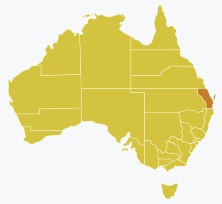
Deacon Peter McCulloch

Deacon of the
Diocese of Broken Bay, Australia
Now Featuring Google Notebook LM Podcasts
With each edition THE WORD THIS WEEK will provide conversations between two AI hosts for selected homilies, simulating a podcast-style discussion.
Each NotebookLM discussion is based on the provided homilies. The AI hosts will summarize the material, make connections between topics, and banter back and forth.
It’s important to remember that these generated discussions are not a comprehensive or objective view of a topic, but simply a reflection of the homilies that have been uploaded.
3rd Sunday of Lent C
PODCAST: Deep Dive into Deacon Peter’s Homilies (11:47)

On Eternity
Click below to show/hide questions.
This discussion guide has been generated by the WORD THIS WEEK'S Catholic AI Assistant based on Deacon McCulloch's homily.

Introduction: The Impact of a Word
- Discuss the significance of the word "Eternity" that appeared on the Sydney Harbour Bridge in 1999. Why might this word have been chosen for such a public display?
2. Arthur Stace’s Journey
- Share the background of Arthur Stace, focusing on his early hardships and how his life circumstances influenced his behavior and future choices.
- Consider Arthur’s struggle with alcohol and crime. How did these experiences shape his understanding of "power"?

3. The Turning Point
- Analyze the significance of Arthur's visit to St Barnabas’ Church and his subsequent decision to change his life. What role did faith play in his transformation?
- Discuss the impact of the sermon on eternal life that Arthur heard. How did it inspire his mission to write "Eternity"?
4. The Writing of "Eternity"
- Explore how Arthur, despite being illiterate, was able to write the word "Eternity" over half a million times. What does this suggest about his motivation and belief?
- Reflect on Arthur’s mission and why he felt compelled to share the concept of eternity with others.
5. Linking to Scripture
- Examine the connection between Arthur’s story and the sermon passages: Exodus 3:1-8, 13-15; 1 Corinthians 10:1-6, 10-12; Luke 13:1-9.
- How do these scriptures emphasize the themes of transformation, redemption, and eternal life?
6. The Parable of the Figs (Luke 13:6-9)
- Summarize the parable of the fig tree and its relevance to personal spiritual growth.
- Discuss the symbolism of the fruits and the gardener's patience. How does this relate to the idea of preparing for eternal life?
7. Personal Reflection and Application
- Encourage participants to reflect on their own lives. In what ways can they begin "fertilizing" their spiritual lives to become more fruitful?
- What changes can individuals make in their thoughts, actions, and relationships to prepare for eternity?
8. God’s Love and Human Response
- Discuss the concept of reciprocating God's love. How does Arthur’s life illustrate the transformative power of responding to divine love?
- Reflect on the statement: “God's love will never be complete unless we love him in return.” What does this mean for each of us?
9. Conclusion: Contemplating Eternity
- Reflect on the enduring legacy of Arthur Stace and the word "Eternity" visible in Sydney Square.
- How can Arthur’s story inspire us to think more deeply about our own eternity and the urgency of beginning our spiritual journey today?
Homily Excerpt

Every year at midnight on New Year’s Eve, dazzling fireworks explode over Sydney Harbour, and as bright colours light up the sky a giant image appears on the Harbour Bridge. In 1999, that image was one word: ‘Eternity’, written in classical handwriting.
There’s a story behind that word. It begins with a man named Arthur Stace, born in 1884 in a slum called Balmain. His family was poor; they were alcoholics and often in gaol, so young Arthur had to look after himself. To hide from his father he slept under the house. To eat he had to steal food or raid rubbish bins. He rarely went to school and he couldn’t read or write.
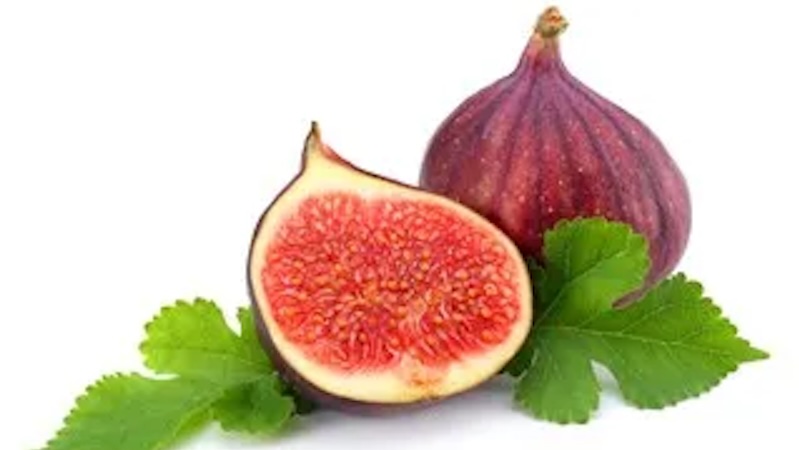
The Fig Tree
Click below to show/hide questions.
This discussion guide has been generated by the WORD THIS WEEK'S Catholic AI Assistant based on Deacon McCulloch's homily.
Opening Questions:
1. What comes to mind when you think about trees in the context of the Bible? How do they symbolize or reflect aspects of faith?
2. In your life, how have you experienced nature—particularly trees—offering shelter, nourishment, or learning opportunities?
Biblical References to Trees:
- Genesis 1:11-12, Revelation 2:22: Discuss the significance of the Tree of Knowledge and the Tree of Life. What do these trees symbolize in the broader narrative of the Bible?
- Examples of Trees in Scripture: Consider the role of different trees mentioned in the sermon and the specific passages (e.g. Psalm 1:3, Matthew 2:11, Ezekiel 31:8, etc.). How do these contribute to our understanding of nature in relation to faith?
Parable of the Fig Tree Reflection (Luke 13:1-9):
1. How does the fig tree in this parable relate to the idea of second chances?
2. Reflect on the roles of the vineyard owner and the gardener. What do they represent in this story, and what message is being conveyed about divine patience and human responsibility?
Interpretation and Symbolism:
- Cultural Context: Discuss John Pilch's interpretation connecting the vineyard to Israel and the fig tree to its leaders. How does this historical context deepen our understanding of the parable?
- Application to Personal Lives: Consider how the fig tree's need for growth reflects our individual growth needs. What areas of your life might need "fertilization" and care to be more fruitful?
Living a Fruitful Life:
1. Fruits of the Spirit (Galatians 5:22-23): Identify which fruits of the spirit you embody and which you find challenging. How can you cultivate these more intentionally?
2. Fruit of Good Works (Colossians 1:10): Examine your actions and contributions to others. What new good works could you implement?
3. Fruits of Praise (Hebrews 13:15; Matthew 22:34-40): Discuss your relationship with God and ways you express your love and gratitude.
Reflecting on Lent:
- Discuss the significance of Lent as a period for growth and transformation. How can you actively engage in nourishing your spiritual 'tree' during this season?
- What practical steps can you take this Lent to ensure you are producing 'fruits' in your life?
Concluding Reflection:
- Reflect on the metaphor of being branches of Jesus' tree (John 15:4-6; Romans 11:17–18). How does this inspire you to live more intentionally?
- In what ways can you encourage the community around you to be more fruitful, both spiritually and practically?
Closing Prayer:
- Invite the group to share a prayer, asking for guidance in bearing fruits that align with God's vision for their lives.
Homily Excerpt

Every major figure in Scripture is connected in some way with trees. Noah receives an olive branch (Gen.8:11), Abraham sits under the Oaks of Mamre (Gen.18:1), Moses finds a burning bush (Ex.3:2-5), Joseph is a carpenter (Mt.13:55) and Jesus even dies on a tree.
Why are there so many?
Well, trees are a natural part of life, and the Bible reflects real life. But trees also mirror Jesus. Like Jesus, they’re a strong, natural and beautiful part of life. They offer us shelter, nourishment and protection. They clear the air, reduce our stress and anxiety, and have healing powers.

Disaster
Click below to show/hide questions.
This discussion guide has been generated by the WORD THIS WEEK'S Catholic AI Assistant based on Deacon McCulloch's homily.
Introduction:
Begin your study session with a brief introduction to the sermon topic. Discuss the prevalence of disasters in the world and people's common reactions, such as questioning God's role in these events.
1. Initial Reactions to Disasters
- Discuss the immediate questions people ask when disasters occur:
- "Why did God let this happen?"
- "Why did God make this happen?"
- Reflect on the misconception that God uses disasters as punishment. Why do you think people associate disasters with divine punishment?
2. The Nature of God's Love
- Read 1 John 4:8 together, which states that "God is love."
- Discuss examples from the sermon that illustrate the separation between disasters and God's will:
- The Papua New Guinea landslide.
- Fires in Los Angeles.
- Consider what these examples teach us about natural causes versus divine intervention.
3. Jesus on Disasters in Today's Gospel (Luke 13:1-9)
- Review the incidents Jesus discussed:
- The deaths of Galileans in the Temple.
- The collapse of the tower in Jerusalem.
- Discuss Jesus’ message that no direct connection exists between sin and tragedies.
- Reflect: What does this teach us about God's nature?
4. The Parable of the Fig-Tree
- Summarize the parable and its message about God's patience and compassion.
- Discuss how this parable reflects God's desire for repentance and growth rather than punishment.
- Reflect: How can this perspective apply to our lives today?
5. Comparison to the Parable of the Prodigal Son (Luke 15:11-24)
- Share the story of the Prodigal Son briefly.
- Discuss the father's response to his returning son and how it mirrors God's attitude towards humanity.
- Reflect: How does this parable further illustrate the concept of God's unconditional love?
6. Understanding God's Character
- Discuss the qualities assigned to God: mercy, compassion, light, and peace.
- Read John 10:30 and John 14:7 to discuss the unity between Jesus and God.
- Reflect: How does Jesus' life and teachings reinforce our understanding of God's love?
7. Learning from Disasters
- Explore why God allows disasters to happen, emphasizing the call to learn and grow from them.
- Discuss the lessons we are meant to learn, such as letting go of worldly attachments and deepening faith in God.
- Reflect: How can we embody patience, mercy, and love in response to life's challenges?
Conclusion:
End the session by summarizing key points and encouraging group members to apply these lessons to their personal lives. Reflect on ways to cultivate stronger faith and a deeper understanding of God's perpetual love amidst adversity.
Closing Prayer:
Invite a group member or the facilitator to offer a prayer, seeking God's guidance and strength to embody his love and patience in facing life's challenges.
Homily Excerpt

Every year, accidents, natural disasters and war bring death, destruction and despair to countless people around the world.
When such tragic events occur, people understandably seek answers, and sometimes they ask, ‘Why did God let this happen?’ Or even ‘why did God make this happen?’
They think that God uses disasters to punish people.
Today, I want to remind you that God is love (1Jn.4:8), and that he does not use disasters to punish us. There are always other reasons for the bad things that happen. The terrible landslide that occurred in Papua New Guinea last year wasn’t God’s doing. It was caused by heavy rainfall.
The fires that devastated Los Angeles recently were caused by sparking power lines, heavy winds and unusually dry conditions.
Fr. Austin Fleming
3rd Sunday of Lent C

LOYOLA PRESS (2:42) – The icon above by Alexey Pismenny depicts all three scenes in today’s gospel passage: click above to learn more about this icon.
2013 HOMILY – It’s so easy and primitive to think that the hand of divinity plays the weather for us or against us. But I’m snapped back to scientific reality every time someone asks me, in the face of a snow storm, “Hey, Father – can’t you do something about this?”
A similar reverting to the primitive can happen when difficulties and distress weigh heavy upon us. The more critical the situation, the more easily we’re tempted to ask, “Why is God doing this to me? What did I do to deserve this? Is this happening because of the time when I… (fill in the blank…)”
Does God punish us for our sins by sending us disease and disaster?
trials and tribulations? disappointment and distress?
Jesus answers those questions in today’s gospel and his answer is, “No.”
This discussion guide has been generated by the WORD THIS WEEK’S Catholic AI Assistant based on Father Austin’s homily. NEED HELP? Copy and paste a question into the chat bot in the lower right corner of the screen and have our Catholic Assistant help you.
Opening Question
– How often do you find yourself attributing events or circumstances in your life to divine intervention? Can you share an instance when you or someone you know has viewed a natural event as a sign from God?
2. Understanding the Primitive Perspective
– Discuss why people, even in contemporary times, might revert to thinking that natural events, like weather disturbances, are directly controlled by divine beings.
– Why might this viewpoint be comforting or problematic?
3. Personal Reflections and Church Community Impact
– Reflect on how recurring events or “bad luck” can influence your perception of divine favor or disfavor. How does this perception affect your faith practices or community roles, such as church attendance or involvement?
– The speaker mentions concerns about Mass attendance and church operations during bad weather. How does the practicality of church life intersect with spiritual beliefs?
4. Jesus’ Teachings: Suffering and Sin
– According to the sermon, Jesus provides reassurance that suffering is not a direct punishment from God. Discuss the theological implications of this teaching.
– How does Jesus’ message in the referenced gospel challenge or confirm your understanding of why humans experience suffering?
5. Human Accountability and Divine Patience
– Explore the balance between God’s patience and human accountability as depicted in the parable of the fig tree.
– What does it mean to bear fruit in your life, and what steps can be taken to ensure you are producing good fruit?
6. Repentance and Change of Heart
– Define repentance as presented in the sermon. How is it an active process rather than a passive acknowledgment?
– Discuss practical ways in which individuals can “turn around” in their own lives.
7. Role of the Church and Collective Responsibility
– Why is it important for all levels of church leadership and members to engage in ongoing repentance and transformation?
– How can the community support one another in the processes of pruning, cultivating, and bearing fruits?
8. Lenten Reflection and Personal Application
– Lent is highlighted as a time for spiritual renewal. Discuss the specific actions you might take during Lent to align more closely with the sermon’s call to repentance.
– How does the celebration of the Eucharist serve as a means of grace and help in this transformational journey?
9. Concluding Prayers and Commitment
– What personal prayers or commitments would you like to make during this Lenten season in response to this sermon?
– As a group, brainstorm ways to support each other’s spiritual growth and commitment to repentance.
10. Action Steps and Sharing
– End the discussion by each member identifying one actionable step they will take this week to reflect on and implement the sermon’s teachings.
– Encourage sharing personal reflections and insights gained with the rest of the group or community to foster a supportive environment for spiritual growth.
Dominican Blackfriars

3rd Sunday of Lent C
PODCAST: Deep Dive into the following Dominican homilies (14:29)

The image above is the detail of a sixth century mosaic from San Vitale.
Click below to show/hide questions.
This discussion guide has been generated by the WORD THIS WEEK'S Catholic AI Assistant based on the Dominican Blackfriars' homily for this week. NEED HELP? Copy and paste a question into the chat bot in the lower right corner of the screen and have our Catholic Assistant help you.
Introduction
- Begin with the scene setting of Moses as an exile and the unexpected encounter with the burning bush.
- Discuss the significance of interruptions in daily life and explore how they might lead to transformative experiences.
Who Was Moses?
- Explore Moses’ background: his survival as a Hebrew male in Egypt and subsequent adoption into Egyptian royalty.
- Analyze how Moses' upbringing may have been influenced by Egyptian theology and how that shaped his identity.
- Discuss the pivotal moment of defending the Hebrews and how it led to his exile. Reflect on how Moses’ journey relates to modern experiences of feeling out of place or in transition.
The Encounter with God
- Reflect on the nature of God's call to Moses from the burning bush. What emotions or thoughts might Moses have experienced?
- Discuss the identity of God as revealed to Moses: the God of Abraham, Isaac, and Jacob. What does this say about God's relationship with Israel?
- Examine Moses' objections to God’s call and God’s reassuring response, "I will be with you." Discuss how this promise applies in contemporary contexts of doubt or fear.
The Name of God
- Delve into the meaning behind God's name, "I am who I am," and the theological implications.
- Explore different interpretations of this statement, including the presence and action of God in the past, present, and future.
- Discuss how understanding God as one who "effects" or is "effective" can influence personal faith journeys and mission.
God’s Initiative and Presence
- Consider how God initiates calls to individuals and the challenge of letting go of idols and false securities.
- Discuss the metaphor of the tree bearing fruit and its relevance to personal spiritual growth.
- Reflect on the role of the "gardener" and how this imagery can inspire hope and perseverance in faith.
Conclusion
- Encourage group members to identify their own “burning bush” moments where they felt a clear call or presence of God in their lives.
- Discuss practical steps for fostering a sense of God’s presence and action in daily life.
- End with a reflection or prayer inviting openness to God's call and guidance in personal missions.
Homily Excerpt
Third Sunday of Lent. fr Gregory Murphy reflects on Moses’ encounter with God in the burning bush.

‘I am who I am’. Much ink and effort has been (and doubtless will still be) spent by exegetes and theologians trying to elucidate this statement. One of the more persistent misreadings goes back as far as the Greek translation of the Old Testament which introduced a shift from the first to third person ‘I am who is’, which, while creative in its way somewhat misses the point. It might be a more faithful reading to see that the triple answer insists on the profound actuality of God (I am really there) and associates that reality with Moses’ mission in the context of God’s relationship with his people. Another suggested reading is that the verb here means not so much ‘to be’ as ‘to effect’ or ‘to be effective’; that is, the name is a promise that God will be with Israel in an effective way. Moses is to know that what he meets is the God of Israel’s past (of Abraham, Isaac and Jacob), of its present (who sees its suffering) and of its future (the God who will lead them from slavery to freedom). It is a God of presence and action who addresses Moses – not remote, uninvolved, but a God who has acted, acts and will act.

Click below to show/hide questions.
This discussion guide has been generated by the WORD THIS WEEK'S Catholic AI Assistant based on the Dominican Blackfriars' homily for this week. NEED HELP? Copy and paste a question into the chat bot in the lower right corner of the screen and have our Catholic Assistant help you.
Introduction
- Begin the discussion by talking about the concept of how quickly bad news spreads and its impact on society.
- Reflect on the historical events mentioned: the Tower of Siloam and Pilate's actions in the temple. How do these relate to modern incidents?
Exploring the Message
1. Disasters and Their Interpretations
- Discuss how disasters, both in biblical times and today, often lead people to question the morality or deserving nature of the victims.
- What are the parallels between how people interpret disasters in the past and in current events like the mentioned terrorist attack in New Zealand?
2. The Problem of Suffering
- Why do bad things happen to good people? Share personal experiences where this question might have arisen.
- Consider societal tendencies to accept or cope with bad things happening to "bad" people. How do our perspectives affect our understanding of justice?
3. The Call to Repentance
- Reflect on Jesus’ response that encourages repentance rather than judgment. How does this shift our focus from others' faults to our own spiritual growth?
- Discuss how repentance is relevant in the Lenten season and in everyday life.
Parable of the Fig Tree
1. Understanding the Parable
- Explain the cultural context of fig trees and vineyards during biblical times.
- Discuss the symbolism of the barren fig tree. What might it represent within the congregation or community?
2. The Role of the Gardener
- Consider the gardener’s role and intercession for the tree. How does this relate to God’s patience and grace?
- What lessons can we learn about nurturing and being patient with ourselves and others?
God's Nature and Name
1. Revelation to Moses
- Discuss the significance of God revealing His name to Moses as "I am who I am".
- How does this understanding of God challenge our preconceived notions of divine justice and mercy?
2. Jesus' Sacrifice and Our Response
- Reflect on Jesus’ journey to Jerusalem and His crucifixion as an act of love and salvation.
- Consider how we, as part of the vineyard, can respond to this love through our actions and fruitfulness.
Fruitfulness in Adversity
1. Personal and Public Disasters
- Discuss how personal or public disasters might serve as opportunities for spiritual growth and transformation.
- Reflect on ways these challenges could act as "manure" fostering deeper faith and fruitfulness.
2. Being Children of God
- Share thoughts on being children of God, perfected and made fruitful through adversities.
- How can the church or community support each other in becoming fruitful vines or fig trees bearing good fruit?
Conclusion
- Summarize the key takeaways from the discussion.
- Encourage the group to continue reflecting on how they might live out the sermon’s messages in their daily lives, focusing on repentance, fruitfulness, and embracing God's grace.
Homily Excerpt
Third Sunday of Lent (C) | Fr Peter Harries ponders the fruitfulness that might come from disaster and personal tragedy.
Bad news travels fast. The tower at Siloam in Jerusalem fell killing people. Shoddy building work? Perhaps? Some disturbance in the temple? Pilate’s solution as colonial ruler was to kill a few people – keep the locals in order by fear. Disasters happen and people, good and bad alike, get killed. We should plan to minimise known risks, although building regulations may be costly to enforce, and adequate policing expensive. The news of the terrorist attack in New Zealand last week horrified us all. Could it have been avoided is a question to be debated. Stricter gun laws? More web vigilance? Better profiling of extremists? The debate will continue.
In today’s gospel people arrive breathless with the latest bad news – they are specific incidents, not generalities. Did these Galileans deserve to die? Was their worship in the temple faulty? Were the Jerusalemites killed by the collapsed tower especially notorious sinners? Did these particular individuals rather than other individuals deserve to die – that seems to be the presumption. It is a frequently asked kind of question. Families in the hospital sometimes say to me about a patient that they are good people, that they have never done anybody any harm, that they don’t deserve to die young or with cancer. Why do bad things happen to good people?

Image: detail from ‘Crucifixion of Christ with Saints’ by Pietro Perugino (1448–1523)
Click below to show/hide questions.
This discussion guide has been generated by the WORD THIS WEEK'S Catholic AI Assistant based on the Dominican Blackfriars' homily for this week. NEED HELP? Copy and paste a question into the chat bot in the lower right corner of the screen and have our Catholic Assistant help you.
Introduction and Context:
Begin by introducing the geographic and historical context of the homily. Discuss the situation in Ukraine and the contemporary relevance of the Gospel passage. Highlight the real-world connection between the suffering in Ukraine and the Biblical narrative of innocent suffering.
Understanding Innocent Suffering:
1. How does the homily define "innocent victims" in the context of the Gospel?
2. What can we learn about innocent suffering from the examples of the Galileans and the people at the Tower of Siloam?
3. Why does the occurrence of such tragedies challenge our understanding of an all-powerful, benevolent God?
Jesus' Response and Sacrificial Love:
4. How do Jesus's actions serve as a response to the suffering of innocent victims?
5. Discuss the significance of Jesus willingly going to Jerusalem, knowing the dangers he faced. What does this say about his mission and message?
6. How does the resurrection serve as a revelation of God's power and love being greater than sin and death?
The Call for Repentance and Personal Reflection:
7. Explore why Jesus emphasizes the need for repentance even when discussing innocent suffering. What does this suggest about human culpability and personal introspection?
8. How do negative actions affect not only others but the perpetrators themselves?
The Challenge of Words and the Power of Action:
9. Reflect on the perceived inadequacy of words in the face of unjust suffering. Why do actions speak louder in these circumstances?
10. How does Christ’s life and sacrifice provide a more profound message than any spoken words could?
Applications and Reflections:
11. What personal experiences have you had that relate to the theme of unjust suffering?
12. After discussing the sermon, what steps can individuals or groups take to act upon these messages in their communities or personal lives?
Closing Reflection:
Encourage group members to reflect on the hope present within the message of the resurrection and the power of prayer. Discuss how faith can act as a source of strength when facing the realities of innocent suffering in the world. Invite participants to pray for peace and justice globally, using the readings and main points from the sermon as guides for their prayers.
Homily Excerpt
Third Sunday of Lent. Fr John O’Connor ponders an age-old problem.
This revelation is at the core of Jesus’s response to why bad things happen to good people. Notice that the response is not communicated primarily by words uttered. Words can all too easily be cheap. Christ, however, gives his response in a way that was anything but cheap: he gave up his life for love of us on the cross, both in solidarity with all those who suffer unjustly and to show forth the depth of ultimate victory over death and sin.
In this context Jesus’s warning about the need for repentance, the need for change of heart, might seem puzzling. After all, having emphasised that there are innocent victims, why is Jesus now focusing on those who suffer because of their own wrongdoings, those who suffer but who are not innocent victims?
There are several possible answers. But part of what Jesus is doing is surely to acknowledge the range of different sorts of cases present in the world and to point out that bad actions do not only damage others: they also damage those who carry them out. We need to be open to a change of heart, not only for the sake of others, but for our sake too.

Click below to show/hide questions.
This discussion guide has been generated by the WORD THIS WEEK'S Catholic AI Assistant based on the Dominican Blackfriars' homily for this week. NEED HELP? Copy and paste a question into the chat bot in the lower right corner of the screen and have our Catholic Assistant help you.
Introduction and Context
- Begin your session by watching the introductory scene of "For a Few Dollars More" to explore how war, poverty, and crime influence perceptions of life's value.
- Consider how this cinematic portrayal parallels Jesus’s parable of the fig tree.
Reflection Questions
1. What are the implications of the statement: "Where life had no value, death sometimes had its price"?
2. How does the notion of utility and monetary value affect our perception of human life?

Key Themes for Discussion
- Value and Utility:
- How does society often measure the value of a person? Is it by their utility or contribution to the common good? Discuss.
- Is a person’s worth dependent on their membership in a particular community or group?
- Judgment and Power:
- Explore who typically gets the authority to judge the worth of human life.
- How do military, political, and socioeconomic strengths affect this power dynamic?
- Discuss the role of health and independence as forms of power impacting judgment on life’s value.
Biblical Insights
- Reflect on John 9:1-3 discussing the man born blind and Luke 13:1-5 regarding Pilate’s actions.
- How does Jesus reject societal norms of judgment based on supposed divine punishment?
- Discuss the significance of the vinedresser and the empowerment to the fig tree. What does it symbolize in terms of divine judgment?
Challenges to Societal Judgment
- Identify problems with using morality as a divine standard for evaluating life:
1. Who is truly qualified to make these moral judgments?
2. Why do these judgments lean towards devaluation?
- Discuss Oscar Wilde’s quotation on morality.
Jesus' Perspective
- Explore Jesus’s rejection of public disapproval of the Galileans and his call to repentance.
- Why is repentance crucial in preserving the value of human life?
Divine Judgment
- Discuss who, according to Jesus, should judge human life and why.
- Reflect on God’s choice to live a human life and the implications of this divine validation.
Concluding Reflections
- During Lent, what does self-evaluation mean, and how should it be balanced with God’s perspective?
- Discuss the message of redemption in the Passion narrative from Luke 23:42-43 covering salvation and divine mercy.
Application and Personal Reflection
- Consider how these discussions might influence personal viewpoints on judging others and one’s approach to relationships.
- Encourage each member to identify areas in their lives where they might need repentance and spiritual growth.
This guide aims to prompt thoughtful discussion, deepen understanding of the sermon's themes, and foster personal reflection.
Homily Excerpt
Third Sunday of Lent. Fr Bruno Clifton warns us against presuming to judge the worth of any human person.
Among the greatest westerns, For a Few Dollars More from 1965 begins with a scene-setting title card. ‘Where life had no value, death sometimes had its price.’ Such irony makes this film about bounty hunters so interesting. War, poverty and crime has devalued human existence and yet at the same time imbued a utility, and a monetary value, to the taking of that life.
Jesus’s parable today also addresses the idea of value. The fig tree seems to make no contribution; therefore, it has no value. Yet the vinedresser does not give up on his tree. He provides the tree with the means of producing fruit and gives it the time to cooperate and profit from such a grace.
In treating the value of life, the western—and maybe Jesus’s parable—provoke wider questions. How does one weigh human life and who gets to make such a judgement?
Fr. Charles E. Irvin
3rd Sunday of Lent C
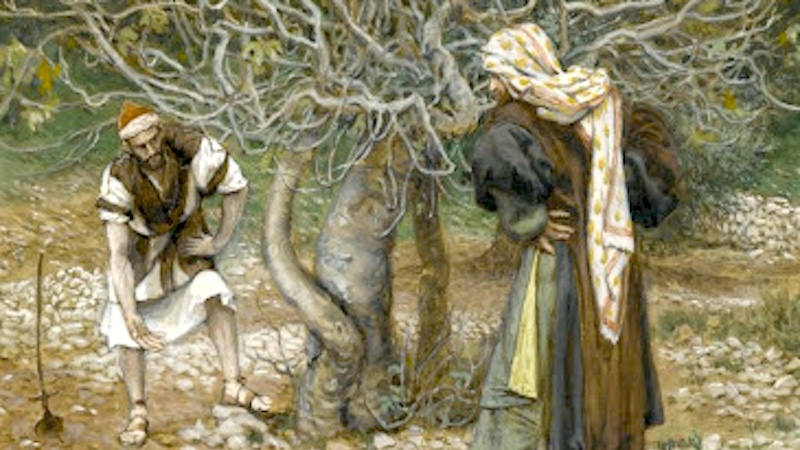
The Vinedresser and the Fig Tree by James Tissot (cropped)

In our newspapers we read of disasters and watch catastrophes on television. And we deal with painful tragedies in the lives of our friends and loved ones, and ask: “Where is God?”, “How can God allow these things to go on?” It is implicitly the question put to Jesus in this Gospel account dealing with the fact that the Roman Governor of Judea, Pontius Pilate, the same one who condemned Jesus to be crucified, murdered a number of Jews in Jerusalem while they worshipped! He mingled their blood with the blood of their temple sacrifices. It was a terribly shocking thing to do, to say the very least.
Some people explain away tragedies by telling us that it is sinners who suffer tragedies. Tragedies, they claim, are God’s way of punishing us for our sins, justified punishments from God inflicted upon us for our sins. That, of course, may or may not be true. Why? Because bad things happen to good people –people who are totally innocent suffer terrible tragedies. Jesus makes it crystal clear that personal suffering and personal sin are not always connected. To be sure, most sins bring their own punishment with them. You can think of a whole lot of diseases, pains and illnesses, both physical and mental, that result from behavior that is, shall we say, unhealthy, unnatural, and even bizarre. Still, personal suffering does hit the innocent.
This discussion guide has been generated by the WORD THIS WEEK’S Catholic AI Assistant based on Fr. Irvin’s homily. NEED HELP? Copy and paste a question into the chat bot in the lower right corner of the screen and have our Catholic Assistant help you.
Introduction:
Reflecting on the relationship between suffering, sin, and our responsibilities, this sermon challenges us to consider our role in the world. From confronting pain and chaos to responding to God’s call, we are asked to evaluate our contributions to God’s plans.
1. Understanding Suffering:
– Why do you think people connect personal suffering with personal sin? How can this view be misleading?
– Discuss examples of suffering that seem undeserved. How does this align with the sermon’s assertion that personal suffering and sin are not always connected?
– How should we approach the concept of random chaos as a source of suffering?
2. Role of Human Actions in Suffering:
– Reflect on how the “sins” of others contribute to the world’s pain and suffering. Can you share any personal experiences or observations?
– What responsibilities do we have in mitigating the chaos and harm caused by others’ indifference or harmful actions?
3. Divine Presence and Human Responsibility:
– Discuss the sermon’s perspective on God’s presence. How does the idea that God has not abandoned the world comfort or challenge you?
– Explore the implications of God waiting for us to respond to His offers. What does this suggest about our role in addressing the world’s chaos?
4. The Parable of the Fig Tree:
– Consider the concept of “uselessness” as sin, as mentioned in the parable of the fig tree. What does it mean to be a “fruitful” or “unfruitful” person in your context?
– What lessons can we learn from the gardener’s extra attention to the fruitless fig tree? How can this apply to second chances in our lives?
5. Personal Reflection and Application:
– Reflect on how you have responded to God’s love and grace. Can you identify any “fruit” you have produced in your life?
– What steps can you take to fulfill your purpose and contribute positively to the world around you?
– How can you ensure that your life story is one of productivity and usefulness, as encouraged by the sermon?
Conclusion:
Reflect on the overarching questions posed by the homily: “Where have we been?” and “How will we respond?” Consider making a commitment to actively partner with God in creating a world marked by love, justice, and order. Engage in prayer or meditation to seek guidance on how to be fruitful in your endeavors.
Fr. George Smiga
- Evil is Not God's Will - March 14, 2004
- A Job for Somebody - March 11, 2007
- Patience, Patience - March 7, 2010
- Not Enough Time- February 24, 2013
- Common Sense or Hope - February 21, 2016
- There is Still Time - March 10, 2019
3rd Sunday of Lent C

2022 HOMILY – We still have time. But the time we have is limited. This seems to be the gist of the parable that Jesus offers to us in today’s gospel. A man has a fig tree that did not bear fruit for three years. So he tells his gardener to cut it down. But the gardener argues to let it stand for one more year. If it does not produce figs then, he will get rid of it. The tree still has time to bear figs, but its time is limited. Of course, the parable is not about fig trees. It is about us. We, like the fig tree, have good things that we were made to produce. But we do not have all the time we want to make them a reality.
If you are a parent of young children, you have probably thought that you should spend more quality time with them. Perhaps you might take some time off work or plan a day-trip just to be together. Do it now. You still have time, but by the time they become teenagers your children will have less desire to spend time with the family…
Each week, THE WORD THIS WEEK presents an excerpt from Fr. Smiga’s homily archive. To access all of the homilies for this Sunday, click on the title above.
This discussion guide has been generated by the WORD THIS WEEK’S Catholic AI Assistant based on Fr. Smiga’s homily.
Introduction to the Biblical Context
– Discuss the parable of the fig tree: What is its immediate context in the Gospel? How does it relate to the listeners of Jesus’s time?
Understanding the Parable
– What does the fig tree represent in this parable?
– The fig tree had a specific period to bear fruit. Reflect on the significance of time and urgency in the parable.
– Who does the gardener represent, and what role does he play in the story? How does this relate to our lives?
Reflections on Time and Productivity
– Share personal experiences where you have felt the effects of limited time in achieving certain goals.
– Discuss the potential fruits (good deeds, relationships, achievements) each of you were born to produce.
– Why do you think people often postpone important actions or decisions?
Application to Personal Lives
– Identify a meaningful action you have been postponing. What has been holding you back?
– Reflect on family relationships. Are there specific ways you can spend more quality time with loved ones?
– Acknowledge someone who has played a significant role in your life. Plan when and how to express your gratitude to them.
– Consider a relationship that requires healing. What steps can you take to initiate reconciliation?
The Role of Jesus in Our Actions
– Discuss the role of Jesus as the gardener in our lives. How does this metaphor resonate with your personal experiences?
– How can we seek Jesus’s guidance and support when deciding to act on the important things in our lives?
Group Reflection and Prayer
– Reflect on the confidence and assurance the gospel offers us as we take action.
– Share a prayer that each group member feels inspired to take after today’s discussion.
Commitment to Action
– Encourage each group member to make a commitment to act on at least one identified area of their life during the upcoming week.
Concluding Thoughts
– Consider revisiting this discussion guide after a few weeks to share progress, challenges, and new insights.
Pro-Life Homily Resources
3rd Sunday of Lent C

“I have Heard the Cry…“
“I have heard the cry of my people who are being oppressed…Therefore I have come down to rescue them.” So God speaks to Moses in today’s first reading. We enter now into a more intense period of Lent, preparing those who are to be baptized, and preparing to renew the vows of our own baptism. We reflect on the central mysteries of our Faith, to better celebrate the passion, death, and resurrection of the Lord. The Exodus of the Israelites from Egypt, as well as the Paschal Mystery – that is, the central events of the Old and New Testaments — are both about God rescuing his people who are being oppressed. Our forefathers were oppressed as slaves in Egypt and rescued through the waters of the Red Sea. We are oppressed by sin and death, and are rescued through the waters of baptism.
Msgr. Joseph Pellegrino
3rd Sunday of Lent C

Life Is Short; or Is It?

We are saturated with negative after negative. There are wars through the world. There are natural disasters. There are fears of a new pandemic. We come to Church this weekend hoping to get away from all the negatives of life. And what do we find this Sunday? More negatives. Jesus speaks about a tower that had fallen. People have died in a construction accident. He speaks about how Pilate attacked Galilean zealots in the Temple itself. Many have died. The Lord asks “Do you think they were more guilty than others?” All our lives will end sooner than we expected. But for us, followers of Jesus, only our physical lives will end. And this is the Lord’s point: those who accept and live the Gospel, the Good News that there is more to life than death and destruction, will only see their physical lives come to an end. St. Irenaeus, the great father of Lyon, France, who lived at the end of the second century wrote, “The Glory of God is man
fully alive.” We are fully alive when we live the spiritual life given to us at our baptisms. Man, fully alive celebrates within him or her God’s Glory, God’s life. To be fully alive means that we have to make the best use of the time we have to bear fruit for the Lord.
This discussion guide has been generated by the WORD THIS WEEK’S Catholic AI Assistant based on Fr. Pellegrino’s homily.
Introduction:
Msgr. Pellegrino’s homily focuses on the abundance of negative events in the world and the call for Christians to bear fruit in their spiritual lives. Through reflections on biblical stories, historical figures, and modern examples, the sermon challenges listeners to live fully for God.
1. Addressing Negativity
– Discuss how the prevalence of negative news affects our spiritual and emotional well-being.
– Reflect on the moments when you felt overwhelmed by negativity and how you found solace or hope.
2. Biblical Insights
– Examine the stories Jesus shared about the fallen tower and the attacks by Pilate. Why do you think he shared these with his followers?
– Reflect on the question Jesus posed, “Do you think they were more guilty than others?” and explore its implications for our understanding of suffering and guilt.
3. Living Fully Alive
– Reflect on St. Irenaeus’s statement: “The Glory of God is man fully alive.” What does it mean to be “fully alive” in a spiritual sense?
– Discuss ways to live a spiritual life that reflects God’s glory through our actions and decisions.
4. The Parable of the Fig Tree
– Analyze the parable of the fig tree from the sermon. What does it say about patience, opportunity, and urgency in our lives?
– Share ways you believe you are bearing fruit in your life. Are there areas where you feel called to be more fruitful?
5. Lessons from History
– Reflect on Augustine of Hippo’s journey from procrastination to fervent Christianity. What can we learn from his story about time and priorities?
– Discuss the example of Oskar Schindler. How does his story challenge us to act in the face of injustice?
6. Bearing Fruit in the Present
– Share practical ways to serve others and bear fruit in your current stage of life, whether you’re a student, working adult, or retiree.
– Consider obstacles that might prevent you from acting and explore ways to overcome them.
7. Reflect on Personal Actions
– Evaluate how often you put off kind actions or regret not taking opportunities to serve others. Discuss strategies to be more proactive.
– Discuss the role of prayer in bearing fruit and how it impacts others.
8. Embracing Life’s Shortness
– Consider how the understanding that physical life is short influences your daily actions and decisions.
– Discuss the metaphor of the fig tree in the context of personal growth and spiritual accountability.
Application:
– As you go through the coming week, identify one specific action you can take to bear fruit for the Lord. Share your plan with the group.
– Commit to praying for each other’s intentions and challenges in bearing fruit, and discuss ways to support one another in this journey.
Conclusion:
Discuss the main takeaways from Msgr. Pellegrino’s homily and how they can be applied in daily life. Consider how understanding God’s patience and our responsibility helps shape your spiritual journey and commitment to bearing fruit.
Msgr. Charles Pope
3rd Sunday of Lent C
Sooner or Later Judgment Must Come
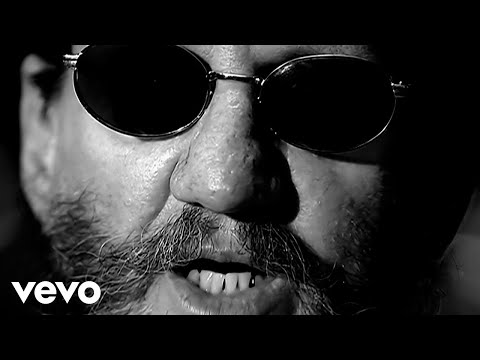
There’s an old Johnny Cash song (“God’s Gonna Cut You Down”) that is rooted in today’s Gospel:
You can run on for a long time … Sooner or later God’ll cut you down … Go tell that long tongue liar, Go and tell that midnight rider, Tell the rambler, the gambler, the backbiter, Tell ’em that God’s gonna cut ’em down.
These verses go directly to the end point (judgment), but there is more to the story. First, there is mercy offered, then patience, and finally judgment. Many today either dismiss judgment entirely or believe that judgment will result in instant entrance to glory.
Today’s Gospel contains a necessary balance. It speaks of God’s patience and care now but also of the day of reckoning, of judgment. On that day, He will adjudicate our “case”; the decision will be final; there will be no turning back.
Let’s look at this Gospel in two main parts:
I. The Proclamation of the Problem
II. The Portrayal of the Process
A. Assessment
B. Assistance
C. Acceptance
Fr. Jude Siciliano, OP

3rd Sunday of Lent C
“Here I am”
EXCERPT: In today’s Exodus reading, one of my favorite biblical phrases appears: “Here I am.” This is Moses’ response to God’s call. “Here I am” is also the response given by other biblical figures when God calls their names. Jacob responds this way to the angel in his dream (Gen 31:11). Samuel answers repeatedly in this manner, initially thinking that Eli is calling him (1 Sam 3:4-6, 8). Other examples include Abraham (Gen 22:1-2) and Isaiah (Isa 6:8).
Today, it is Moses who responds at the burning bush when God calls his name: “Here I am.” This phrase expresses an openness to God’s call, even when the person does not yet know what will be asked of them. Each of these call stories marks a significant turning point in the lives of those who hear and respond, shaping salvation history. A key feature of these stories is their pattern: it is always God who calls first, and then the person responds.
Bishop John Kobina Louis
3rd Sunday of Lent C
Sunday Homilies

Bishop John Kobina Louis, PhD, is an auxiliary bishop of the Archdiocese of Accra, Ghana. He was ordained as an auxiliary bishop on 19th April 2023.
Fr. Michael Chua
3rd Sunday of Lent C

Homily Excerpt

“Thank God, I wasn’t there!” That was my first reaction when I saw the video of a speeding car on the Penang Bridge overtaking others in a haphazard manner and finally spinning out of control before hitting another car that plunged into the sea. It was all too surreal! “Thank God, I wasn’t there!” “Thank God, it’s not one of my loved ones or someone that I know! Thank God!” I arrested myself at that very moment for having uttered such a selfish and insensitive remark and using the name of God in vain. But I guess, we’ve all been there, whenever we hear of some tragedy or another, many of us have echoed that familiar refrain, “Thank God, it wasn’t me!”
The people, introduced at the beginning of today’s gospel, who were speaking to Christ of the recent atrocity were obviously troubled by the slaughter of their fellow countrymen while they were either in the Temple or on the way to the Temple to offer sacrifices. They too may have sighed with relief, “Thank God, it wasn’t me!” Their pain was not just confined to the killings but also extended to their sense of horror over the most horrendous sin imaginable – the desecration of the Holy Temple, God’s dwelling on earth.

Homily Excerpt
The words of our Lord serve as a “memento mori.” Roughly translated, the Latin phrase means “remember death.” The Church and our ancestors were most familiar with the wisdom of this advice since death was an everyday reality that marked every aspect of life and no one was spared, young or old, rich or poor, healthy or sick. The call to remember death was surely easier for past generations to embrace than for us. They had visible reminders of death’s grip all around them, whereas many of us can avoid the subject for most of our lives if we choose to.
Yes, we live in a very different world today where life expectancy has risen and infant mortality has dropped, where deaths today occur in medical facilities cordoned off from where we live, and our undertakers have perfected the art of embalming to make the dead look so alive. And where the reality of death fades to the background of our consciousness, other joy-stealing problems are quick to rise up and fill the void. When death is pushed out of our thinking, it isn’t replaced by warmth and peace and happiness. It’s replaced by death’s many other faces. We fixate instead on the comparatively trivial symptoms of our deeper problem. We’re still anxious, still defensive, still insecure, still angry, still despairing. We may detach ourselves from death so we can spend our time and energy chasing happiness. But that detachment won’t change the fact of our mortality, and it won’t ultimately make us happier.

Homily Excerpt
Tragedies and unexpected events serve as “memento mori” – they remind us of our mortality and the brevity of life. Tempus Fugit, Memento Mori – time flies, remember death!
Rather than shaking the foundation of our faith in God, such events should lead us to trust more in God rather than in ourselves and our devices. Only God alone can stave off an impending disaster or provide us with the strength and grace to push through and come out stronger.
Finally, such tragedies serve as a call to repent. In today’s gospel, our Lord refutes all speculations that the people who suffered tragedy deserved it by redirecting the attention of His audience to themselves: “unless you repent you will all perish as they did.” If we were to examine the concept of repentance in their original biblical languages, we would realise that repentance is more than just turning away from our sin but actually a turning to God, a radical reorientation of our lives to God. This is what happened to Moses in the first reading.
Fr. Vincent Hawkswell
3rd Sunday of Lent C

Homily Excerpt
2025 HOMILY – “I have observed the misery of my people,” God says in this Sunday’s First Reading. “I know their sufferings, and I have come down to deliver them.”
The other readings are less comforting. “Unless you repent, you will all perish,” Jesus says. “If you think you are standing, watch out that you do not fall,” St. Paul cautions.
In the Apostles’ Creed, we say that Christ “descended into hell”—not the place of eternal damnation, but the abode of the dead, Pope St. John Paul II explained.
Fr. Denis J. Hanly
3rd Sunday of Lent C

Homily Excerpt

The First Reading is one of my favourites and the present Gospel of Jesus is not one of my favourites. If I talk to you about Moses you’ll be here all afternoon and if I talk about the present Gospel it’ll only take me about five minutes.
I’m not going to give you a choice, so I’ll try to talk about both of them, because this is a wonderful Gospel and it only comes up in Year C, and that’s every three years, in the time of Lent.
And Lent is a very special time. It’s the beginning of spring time, as you know. The days are lengthening now and it is the sign that spring is here.
Fr. Tommy Lane
3rd Sunday of Lent C
Fr. John Kavanaugh, S.J.
3rd Sunday of Lent C

Aquinas saw in the burning bush a revelation of the deepest mystery of a God who could never adequately and accurately be named or conceptualized. There is no other way to talk about who and what God is other than to say that God is existence itself. Am-ness. God is the holy ground of being. At the bottom of the universe is not some mindless grinding machinery or evolutionary process. What moves everything, from stars to human hearts, is personal existence.
If you just think about it, the fact that there is anything at all is the most wondrous thing. Existence is the giver and gift of all gifts. Nothing could be known, if there were nothing to know. Nothing could be loved if there were nothing to love. There could be no fulfillment, no desire, no truth, if there were no “is.”
Thus, in Aquinas’s own great exodus—his theological and philosophical journey called the Summa Theologica—after offering his five ways to God, he centers on existence itself as the word that can most adequately be applied to God.
This discussion guide has been generated by the WORD THIS WEEK’S Catholic AI Assistant based on Fr. Kavanaugh’s homily. NEED HELP? Copy and paste a question into the chat bot in the lower right corner of the screen and have our Catholic Assistant help you.
Introduction:
Begin the discussion by reflecting on the reading from Exodus and its significance. Discuss the context of Moses and the burning bush and explore why this moment is pivotal in establishing the foundation for understanding the nature of God.
1. The Encounter with God:
– Discuss Moses’s initial encounter with God at the burning bush. What does Moses’s response, “Here I am,” signify in this context?
– Explore the meaning of “holy ground” as related to the presence of God. How does this alter Moses’s understanding of his mission?
– Consider the implications of God introducing Himself as “I am who am.” How does this name impact the Israelites’ understanding of God?
2. Philosophical Reflections on God’s Name:
– Dive into the different formulations of God’s name, such as “The Most High” and “The Eternal One.” Why does Aquinas find “I am” a significant revelation?
– Discuss the concept of God as the essence of existence and the “holy ground of being.” How does this view influence our understanding of the divine?
3. The Gift of Existence:
– Reflect on the statement: “Existence is the giver and gift of all gifts.” How does this shape your perspective on creation and existence?
– Discuss the idea that all existence is inherently good and that this goodness is a reflection of God’s will and love.
4. Hierarchy of Goodness:
– Examine the idea that each species contributes its own kind of goodness to the world. How does the loss of a species affect the intrinsic goodness of creation?
– Reflect on Aquinas’s idea that personal reality, which images God’s “I am-ness,” introduces new splendor into the world. How does this view distinguish the human role in the world?
5. Human Capacity for Goodness and Moral Evil:
– Discuss the notion that while all existence is good, humans hold a special kind of goodness due to intelligence, freedom, and the capacity for love.
– Explore Aquinas’s idea that evil is a parasite of good. How does this perspective help us understand moral and physical evils in the world?
6. Lent and Redemption:
– Reflect on how these philosophical reflections might illuminate the themes of Lent and the concept of redemption.
– Discuss the paradox of evil leading to a “happy fault,” and consider how this might relate to the notion of grace and the divine promise of “I am with you.”
Bishop Frank Schuster
3rd Sunday of Lent C
Homily Excerpt
The readings this Sunday remind me of Friedrich Schleiermacher for some reason. Do you remember him? Just kidding! He was a Lutheran theologian living about two hundred years ago in Germany, who argued that religion is less about what you think and more about what you feel. He was reacting partly to the Catholic Church and our love for objective doctrine. However, I think he was mostly reacting to another Lutheran, Immanuel Kant, and his popular book, “Religion within the Limits of Reason Alone”. Schleiermacher argued very persuasively his position that religion is first and foremost not about “reason” but about “God consciousness”, a sense and taste for the infinite. For example, in our circle of friends, there are some people who have a greater ear for music than others and some have a greater taste to distinguish the subtleties of fine wine better than others, and there are also those of us who have a greater God consciousness than others. This could explain why some people are instinctually more religious than others. In this way evangelization for Schleiermacher consisted of encouraging the growth of God consciousness in others, enhancing a sense and taste for the infinite. Schleiermacher’s system was very well thought out and included an elaborate description of what the consciousness of the holy looked like and what the consciousness of sin looked like.

3rd Sunday of Lent C

Freeloaders
Most of us have heard of the term “freeloader.” It refers to a person who takes and takes, but makes little or no effort to put back. If you go to lunch with a freeloader, more often than not they will forget to bring their money. In today’s Gospel Jesus told a story about this pattern of life, but the freeloader in this instance is not a person, but a fig tree. The tree drains strength and sustenance from the soil and it never gives anything back, it never produces any figs. We know Jesus was not concerned about fruitless fig trees. His concern was people who take without giving. It troubled Him to see people do bad things, but it troubled Him just as much to see people do nothing, just stand by.
Fr. Jagodensky, SDS
3rd Sunday of Lent C
Homily Excerpt
A burning bush that does not burn out. Its flame continues because it did not originate or end with us. I have a friend who needs a gas valve to ignite his family’s fireplace on a cold or damp night. It sounds trite, but God’s given us this marvelous gift of life to be breathed and shared with others. I remember an Alexian Village resident who told me that he’s lost more friends than he has now. His fire is slowly extinguishes. There is no fruit growing on his tree. I’d love to hear a confession, not about that braunschweiger sandwich but admitting that someone’s lost their path in life. The awe of God escapes them, for whatever reason. Isn’t that the expression, “Burned out?” A priest friend told me about that expression, “He may want to light the candle first in order for it to go out.” Awe surrounds us each day which can only connect us to the awe of God. The cowboy who shyly says to his girlfriend with his legs twitching each other, “Aw, shucks Mame.” That’s the awe of God. That’s a burning bush burning brightly that nothing in this life ever can water down.
Please note that the provided video clips serve as additional resources to complement the homily. They may not have a direct correlation with the contributor’s original content. They aim to inspire preachers to enrich their own homilies, drawing ideas and insights from both the written material and the visual content explored.