MAR 16, 2025

SOURCE: Hearers of the Word by Fr. Keiran O'Mahony


Homilies
Homilies
- Bishop Barron
- MORE
- 1-MINUTE HOMILY
- 2-Minute Homily
- MSGr. Peter Hahn
- Fr. Jude Langeh
- FR. RUTTIG
- FR. MCCARTHY, OSA
BISHOP
BARRON
2nd Sunday of Lent C


2nd Sunday of Lent C


ONE MINUTE
HOMILY

2nd Sunday of Lent C

TWO MINUTE
HOMILY

2nd Sunday of Lent C


MSGR. PETER
HAHN
2nd Sunday of Lent C


FR. JUDE
LANGEH, CMF


FR. KEVIN
RUTTIG

2nd Sunday of Lent C


FR. TOM
McCARTHY, OSA

2nd Sunday of Lent C


Deacon Peter McCulloch

Deacon of the
Diocese of Broken Bay, Australia
Unlock Inspiration with Google Gemini AI Links
Enhance your homily preparation with our newest addition: Google Gemini AI Links are now integrated within THE WORD THIS WEEK’s homily excerpts. By harnessing the potential of the Google AI Gemini ecosystem, the pop-up links✨ will revolutionize your research experience, connecting you to valuable resources, insights, and inspiration from across the web.
2nd Sunday of Lent C

On Our Transformation
Click below to show/hide questions.
This discussion guide has been generated by the WORD THIS WEEK'S Catholic AI Assistant based on Deacon McCulloch's homily.

1. Opening Discussion:
- Begin with a brief recap of the key biblical passages: Genesis 15:5-12, 17-18; Philippians 3:17-4:1; Luke 9:28-36.
- Reflect on the central theme of transformation as presented in the sermon.
2. Contextual Exploration:
- Discuss the significance of Jesus going into the Sinai desert for 40 days. How does this reflect our own journey during Lent?
- What does the desert symbolize in biblical terms? How can this symbolism be applied to our modern lives?

3. The Mountaintop Experience:
- Why is Mount Tabor significant in this narrative?
- Discuss the symbolism of mountains in biblical stories. How do they serve as places of divine revelation?
4. The Transfiguration of Jesus:
- Describe the scene of Jesus' transfiguration. What was the disciples' reaction, and why is it important?
- How does Jesus' transformation during prayer serve as a model for our own spiritual growth?
5. The Role of Prayer:
- How does prayer lead to transformation, both inwardly and outwardly?
- Compare Jesus’ transfiguration with Moses' experience in Exodus 34:29-35.
6. Fulfillment of Old Testament Promises:
- Discuss the significance of Moses and Elijah speaking with Jesus. What does this reveal about the connection between the Old and New Testaments?
7. Symbolism of the Cloud:
- Explore the symbolism of clouds in the Bible. What message is conveyed when the disciples are enveloped in a cloud on the mountain?
- Discuss the significance of God's voice and the command to "Listen to him."
8. The Art of Listening:
- Why might listening be challenging for the disciples and for us today?
- Reflect on St. John of the Cross's idea that many people confuse listening to God with listening to themselves.
9. Application to Daily Life:
- How can we find our "private mountaintop" and what strategies can we use to better listen to God's voice?
- Discuss practical ways to incorporate prayer, reflection, and listening into daily routines to achieve personal transformation.
10. Closing Reflection:
- Encourage group members to share personal insights or commitments they wish to make following this discussion.
- Close in prayer, asking for guidance and transformation during the remainder of Lent.
This guide aims to create a thoughtful dialogue around the themes of transformation, prayer, and listening, encouraging participants to apply these lessons in their daily spiritual lives.
Homily Excerpt
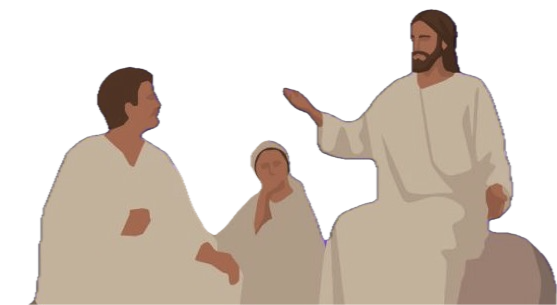
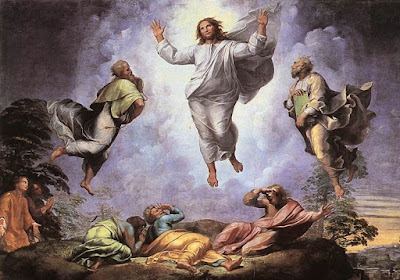
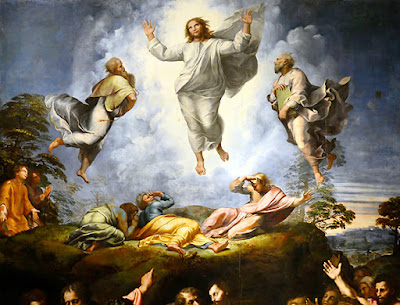
It’s significant that Jesus’ transfiguration occurs while he’s praying. We should remember this. While he’s praying, Jesus is transformed both inside and out. His face changes and his clothes dazzle white, and he becomes a mesmerising figure, radiating the glory of God…
Now, while they’re on the mountain, the disciples are covered by a big cloud and they become frightened. There’s rich symbolism in the image of the cloud. The Bible often refers to clouds; they typically represent the invisible God. In Exodus, when Moses and the Israelites cross the desert, God’s presence is always accompanied by a cloud.
The message for us here is that if there are any clouds casting shadows on our lives, God is in them. Indeed, God is always in them. He’s our silver lining.
And when the cloud appears in Luke’s Gospel, the disciples hear God’s voice say, ‘This is my Son, the Chosen One. Listen to him’.
Now these words are significant. Listen to him. The disciples weren’t good at listening to Jesus. They really didn’t understand what he was trying to tell them. Many of us aren’t so good at listening, either. Listening sounds like an easy thing to do, but it’s not.

The Face of Christ
Click below to show/hide questions.
This discussion guide has been generated by the WORD THIS WEEK'S Catholic AI Assistant based on Deacon McCulloch's homily.
Introduction
This discussion guide aims to help small groups and study sessions delve into the sermon "The Face of Christ." The sermon explores the significance of seeing and understanding Jesus' image and its impact on our identity and spirituality.
Seeing Jesus in History and Art
1. What do the Gospels tell us about Jesus' appearance, and how have different figures historically described Him?
- Reflect on Matthew 26:48, noting how Jesus blended with the crowd.
- Discuss how views changed from Justin Martyr to Augustine and Jerome.
2. How has the image of Jesus evolved over time, and what are its influences (e.g., the Shroud of Turin)?
- Consider the role of art in shaping public perceptions of Jesus.
- Reflect on how the image of Jesus is considered one of the most important in Western Art since 312AD.
Jesus’ Face as a Reflection of God
3. Why is contemplating the face of Jesus significant in understanding God?
- Discuss the contrast between God as spirit (John 4:24) and Jesus as the image of the invisible God (Colossians 1:15).
- Use the transfiguration event (Luke 9:28-36) to explore the human and divine nature of Jesus.
4. How did St. Therese of Lisieux's devotion to the Holy Face impact her spiritual journey?
- Explore her practices and writings, like the "Canticle to the Holy Face.”
- Discuss how her practice of resembling Jesus can influence our lives today.
Identity and Transformation
5. How does focusing on the face of Christ help us discover our identity and destiny?
- Reflect on the connection between Genesis 1:27 and the idea of being made in God’s likeness.
- Discuss Thomas Merton's and C.S. Lewis's views on identity in Christ.
6. Contrast the effects of focusing on Jesus versus focusing on oneself.
- Discuss Shakespeare's quote from "Hamlet" and its implications for personal identity.
- Reflect on C.S. Lewis's observations about sameness in tyrants and diversity among saints.
Personal Reflection
7. In what ways can you seek the face of Christ in your daily life?
- Share personal practices or new intentions inspired by the discussion.
8. How do the stories and interpretations shared today change your perception of Jesus and yourself?
Conclusion
The exploration of Jesus' face is more than an artistic or historical inquiry; it is a journey to understanding our essence and purpose. Encouragement is given to continually seek the face of Christ as a path to finding and becoming our true selves.
Activities
Consider creating personal cards similar to St. Therese's with an inspirational image or scripture reference to carry daily.
Organize a group visit to an art museum with a focus on religious art to see various depictions of Jesus’ face firsthand.
Homily Excerpt
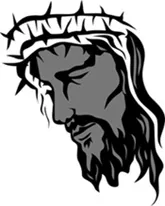
In today’s Gospel, Peter, James and John witness Jesus’ transfiguration atop Mt Tabor. For just a moment, Jesus’ clothes become dazzlingly white; his face shines like the sun, and they can see who he really is – both human and divine.
Since then, many people have sought to know Jesus by contemplating his face. When St Therese of Lisieux became a Carmelite nun in 1889, she adopted the name ‘Therese of the Child Jesus and the Holy Face’.
… Today, most people really aren’t much interested in Jesus’ Holy Face. The only face they really care about is their own; and some people don’t even like the one they’ve been given. They’d rather spend a fortune changing it.
As Shakespeare said in Hamlet, ‘God has given you one face, and you make yourself another’.
Indeed, Thomas Merton once wrote that our lives are shaped by what we live for. We become what we desire. And what did Merton desire? He answers that question in his book, The Sign of Jonas. He said: ‘I have one desire, the desire for solitude, to be lost in the secret of God’s face.’
The Gentle Art of Pole-Sitting
Click below to show/hide questions.

This discussion guide has been generated by the WORD THIS WEEK'S Catholic AI Assistant based on Deacon McCulloch's homily.
Introduction
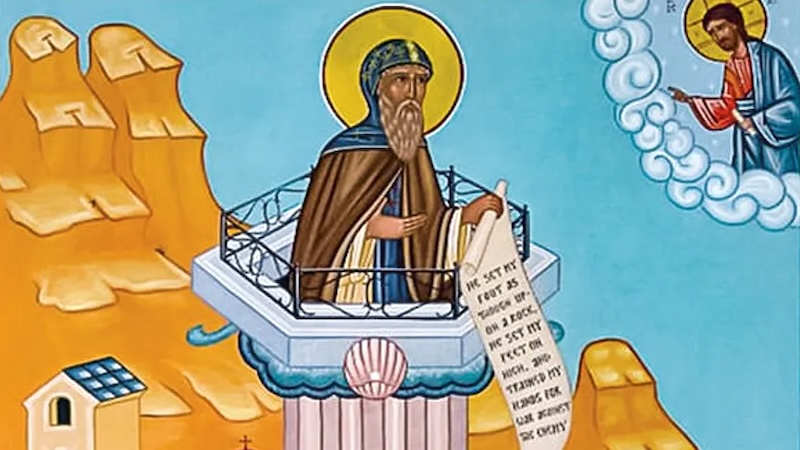
- Introduce the historical context of pole-sitting, referencing figures like Alvin 'Shipwreck' Kelly and early church hermits such as St. Simeon Stylites the Elder and the Younger.
- Highlight the significance of the Gospel story of Jesus' Transfiguration as an inspiration for these pillar-dwellers.
Discussion Questions
1. Historical Context and Inspirations
- Who were Alvin ‘Shipwreck’ Kelly and the Saints Simeon?
- What might have motivated people like St. Simeon to sit atop pillars for extended periods?
- Discuss the role and significance of pillars in the spiritual lives of these hermits.

2. The Story of the Transfiguration
- Summarize the Gospel story of Jesus’ Transfiguration. What event does it depict and why is it significant?
- What was the reaction of the disciples, and what can be learned from their experience?
- How did the Transfiguration encourage these saints, and how might it encourage us today?
3. Symbolism and Lessons from Pole-Sitting
- Discuss the symbolic meanings of living atop a pillar. How might this elevate someone's spiritual life?
- In what ways does this act serve as a form of penance and reflection on eternal life?
- Explore how this practice showed the emptiness of worldly concerns from a physical and spiritual perspective.
4. Lenten Practices and Reflection
- How can we incorporate the lessons from the Stylites into our lives, particularly during Lent?
- Why is it important to find a quiet place for prayer and reflection?
- Discuss how practices such as prayer, fasting, and almsgiving can prepare us for heaven.
5. Modern Application
- How can the principles of pole-sitting be applied in today's world without literal pole-sitting?
- Where might one find a 'pillar' or 'desert' in modern life to retreat for spiritual renewal?
Activities
1. Personal Reflection
- Invite members to reflect on their spiritual life and share thoughts on finding their personal 'pillar.'
2. Group Prayer and Meditation
- Organize a time for group prayer and guided meditation reflecting on the Transfiguration and the saints' dedication.
3. Action Plan for Lent
- Encourage each participant to create a Lenten action plan involving increased prayer, fasting, and almsgiving.
Conclusion
- Reaffirm the importance of spiritual elevation and reflection inspired by the Transfiguration and the Stylites.
- Encourage continuous contemplation and practical application of the sermon’s teachings in daily life.
Feel free to adapt this guide based on the specific needs and focus of your group or study session.
Homily Excerpt
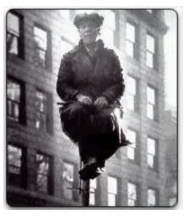
In 1924, in a publicity stunt for a new movie, a man named Alvin ‘Shipwreck’ Kelly was hired to sit on a pole outside a Hollywood theatre for as long as he could. He lasted for 13 hours, 13 minutes.
Kelly made a career out of this, but he was an amateur compared to the hermits of the early church. St Simeon Stylites the Elder, for example, climbed a pillar near Aleppo in Syria in the year 423, and there he stayed for 37 years. (His pillar was reportedly destroyed by a Russian missile in 2016.)
It was said that St Simeon knew he could not escape from the world horizontally, he decided to do so vertically…
They were called ‘Stylites’ because that’s the Greek word for ‘pillar-dweller’. But what inspired them to live this way? It was the story of Jesus’ Transfiguration in today’s Gospel.
As Luke tells us, Peter, James and John go with Jesus to the top of Mt Tabor to pray and reflect, and for a brief moment they see Jesus’ clothes turn dazzlingly white, and his face shines like the sun.
Fr. Austin Fleming
2nd Sunday of Lent C

2013 HOMILY – Do you remember that scene near the end of the Wizard of Oz where Dorothy and the Scare Crow and the Tin Man and the Lion finally encounter the Wizard, whose booming voice they hear in flames and thunder and clouds of smoke? And then, Dorothy’s dog, Toto, pulls back a green curtain exposing the man and the machinery behind the Wizard’s voice. And now, revealed for who he is, the Wizard shouts, “Pay no attention to that man behind the curtain!”
The story of the Transfiguration of Jesus is something like that – except it’s the exact opposite!…
When Jesus is transfigured before Peter, John and James, the curtain of his humanity is pulled aside. But unlike the unveiling of the Wizard of Oz, what’s revealed here is the truth, not the sham. When the curtain of Christ’s humanity is pulled back his divinity is revealed. The Wizard told Dorothy and her friends: “pay no attention to the man behind the curtain” but Jesus invites us to do exactly just the opposite…
This discussion guide has been generated by the WORD THIS WEEK’S Catholic AI Assistant based on Father Austin’s homily. NEED HELP? Copy and paste a question into the chat bot in the lower right corner of the screen and have our Catholic Assistant help you.
Introduction: Setting the Scene
Reflect on the scene from “The Wizard of Oz”:
– Describe the moment when Dorothy and her friends discover the truth behind the Wizard. How does this revelation alter their understanding?
– Consider how this scene contrasts with the story of the Transfiguration of Jesus. What are the key differences?
Understanding the Transfiguration
1. Drawing Nearer to Reality
– Discuss the significance of the Transfiguration event in the gospel. How does it bring us closer to the divine reality within and around us?
– Explore the statement: “The reality I can so easily ignore isn’t resting on a mountain top: it lives and breathes in my soul, in my mind, and my heart.” How is this presence of God experienced in daily life?
2. The Revealing of Christ’s Divinity
– In the Transfiguration, how is Jesus’ divinity revealed as opposed to the Wizard’s facade? Why is this important for understanding the true nature of Jesus?
– What does it mean to truly “pay attention to the man” Jesus is? How should this influence our lives?
Finding and Meeting the Lord
1. Climbing Our Personal Mountains
– Share personal experiences or practices where you feel you climb a “mountain” to encounter God. How do community, scripture, and sacraments play a role in this journey?
– Discuss how Jesus’ journey with His disciples up and down the mountain parallels our spiritual walks. How does Jesus accompany us in our daily lives?
2. God’s Constant Presence
– Reflect on how God remains with us in all our experiences—joys, sorrows, failures, and successes. How does this comfort or challenge you?
– Evaluate times when you may have ignored God’s presence. What practical steps can we take to become more aware of Him?
Living Out the Transfiguration in Lent
1. Engaging with the Divine
– Lent is a time for removing the curtains that obscure our view of God. How can prayer, fasting, and reaching out to the poor, help in this revelation?
– Discuss practical ways to enhance your prayer life during Lent to hear God’s voice and understand His love and counsel.
2. Experiencing the Eucharist
– As the Transfiguration was a revelation of divine glory, how does the Eucharist reveal Christ’s presence to us?
– Share how participating in the Eucharist can deepen your understanding and relationship with Jesus.
Conclusion: Attention to the Divine
– Pray and discuss how, during this Lenten season, each member can be more attentive to Jesus, acknowledging Him as the Son of God and embracing His revelations in everyday life.
– Encourage each other to find moments of quiet contemplation to “pull the curtain aside” and be open to the divine love and guidance present every day.
Dominican Blackfriars

2nd Sunday of Lent C

Photograph of a medieval stained glass window from Chartres Cathedral, France.
Click below to show/hide questions.
This discussion guide has been generated by the WORD THIS WEEK'S Catholic AI Assistant based on the Dominican Blackfriars' homily for this week. NEED HELP? Copy and paste a question into the chat bot in the lower right corner of the screen and have our Catholic Assistant help you.
1. Reflecting on Personal Memories and Experiences
- Share a personal memory that you associate with holiness or spiritual beauty. How did this experience influence your understanding of faith?
- Discuss a time when you felt that someone you knew was "radiant" with the love of God. What qualities made them stand out?
2. Understanding Transfiguration and Sanctity
- What does the image of the stained-glass window representing the saints signify for you? How do you interpret the concept of saints being "filled with light"?
- Discuss the priest’s insight that saints are "living windows into the mystery of the marriage between divinity and humanity." How does this challenge or affirm your views on sanctity?
3. Call to Transfiguration
- Explore the idea that every person is called to transfiguration, not just a select few. How does this reshape your understanding of personal spirituality?
- Reflect on the Gospel reading’s message about Jesus' transfiguration. What implications does this have for your own spiritual journey?
4. The Goal of the Christian Life
- Discuss St. Seraphim’s view that the aim of the Christian life is "the acquisition of the Holy Spirit of God." How does this perspective align or differ from your previous understanding of Christian life goals?
- What role do good deeds, prayer, fasting, and almsgiving play in achieving the goal of transparency to the Spirit according to St. Seraphim?
5. Experiencing the Spirit
- Share your thoughts on the encounter between Motovilov and St. Seraphim. How can you relate to Motovilov’s initial confusion and subsequent revelation?
- Discuss what it means to "live in the Spirit." What are the signs that someone is living in the Spirit, based on the experience of Motovilov?
6. Transformation and Testimony
- Reflect on the importance of sharing experiences of the Holy Spirit with others. How can sharing your spiritual experiences serve as a testimony to others?
- How does the story of Motovilov encourage you to strive for transformation and transfiguration in your own life?
7. Personal Application
- What steps can you take to be more open to the recreating power of the Holy Spirit in your daily life?
- How can you become "fuel for the burning fire of the Spirit," as suggested by Abbot Eric?
Homily Excerpt
Second Sunday of Lent (C) | Fr Nicholas Crowe says that the true goal of the Christian life is to acquire the Holy Spirit of God.

When Jesus climbed the mountain with his closest companions and shone with divine light as he allowed his human nature to become utterly transparent to his divine nature he showed us our own destiny: we are, each one of us, called to be transfigured. Our human flesh, imprinted with our sins, worn down by age, anxiety, sickness, neglect and misuse is destined to be transformed through our union with Jesus and the action of the Holy Spirit. As St. Paul put it in our second reading: ‘the Lord Jesus Christ…..will transfigure these wretched bodies of ours into copies of his glorious body’.
We see, then, what God offers each one of us in the Transfiguration of Jesus and the radiance of our brothers and sisters who through their union with Jesus have burned brightly in the same love. We are called to Transfiguration: beginning in this life and coming to completion in the next. This mystery is powerfully explored by Abbot Erik Varden of Mt. St. Bernard’s Abbey in his recent publication ‘The Shattering of Loneliness’. In this book, Abbot Eric recounts the story of an encounter between a man named Motovilov and the great Russian hermit and mystic St. Seraphim of Sarov. Motovilov came to Seraphim with a question: what is the aim of the Christian life? What is the goal? Motovilov was already trying to live a good life. He tried to pray and he went to church. Yet he remained unsatisfied: he was thirsty for something more.
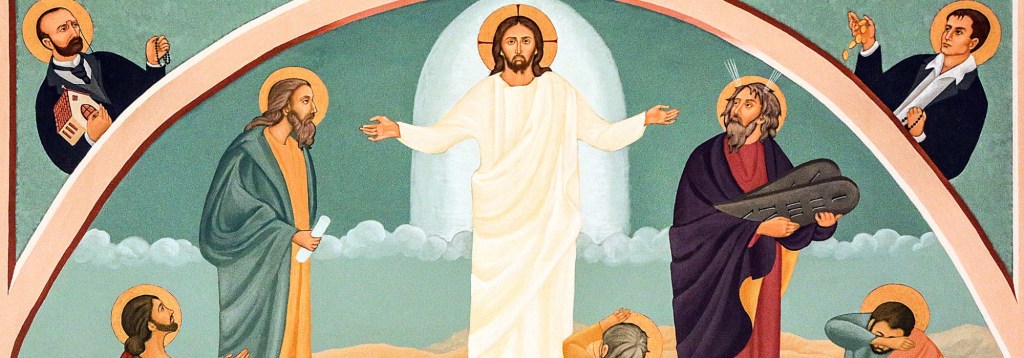
Image: detail from the painted ceiling in the Dominican church of Our Lady of the Holy Rosary in Portland, Oregon, photographed by Lawrence Lew OP.
Click below to show/hide questions.
This discussion guide has been generated by the WORD THIS WEEK'S Catholic AI Assistant based on the Dominican Blackfriars' homily for this week. NEED HELP? Copy and paste a question into the chat bot in the lower right corner of the screen and have our Catholic Assistant help you.
Opening Reflection:
Reflect on a time when you experienced resistance to something that was ultimately good for you. What were the reasons for your resistance, and how did you overcome it?
1. Personal Resistance and Distraction
- Consider the anecdote shared by Fr. Timothy Radcliffe about the man who yawned during sermons. Have you ever found yourself distracted during times when you should be attentive?
- In what ways might we resist truly listening to the Word of God in our everyday lives?
- Discuss whether distractions are merely superficial or if deeper fears and resistance might be at play.
2. The Transfiguration and Listening
- Reflect on the Transfiguration of Jesus and the imperative from God to "Listen to him." Why do you think this dramatic event was necessary for the disciples?
- How do we act like the disciples, avoiding hard truths that we might not want to hear?
- Share your thoughts on how truly listening can "turn your life upside down."
3. God's Promises and the Cost of Change
- The promise to Abraham is immense, yet it demands change and covenant. How do you think God's promises may lead to significant changes in our lives?
- Discuss Abraham's darkness as a metaphor for the fear of losing control. How does this apply to our modern context?
4. Freedom and Its Challenges
- Analyze Fyodor Dostoevsky's assertion that humanity finds freedom insufferable. Do you agree with this statement? Why or why not?
- How do you interpret St. Augustine’s famous sentiment, "Make me chaste…but not yet"? How does this reflect our struggles with change?
5. The Risk of Hearing the Gospel
- Annie Dillard describes listening to the gospel as the most risky thing. Does the analogy of wearing crash helmets resonate with you?
- What life changes does truly listening to the gospel challenge us to make? Discuss in your group.
6. Silence and Solitude in Discernment
- After encountering God’s voice, the disciples remained silent. Reflect on the importance of silence and solitude in understanding and digesting spiritual messages.
- How can we create spaces for both communal and personal reflection on God’s Word?
7. Journeying to Freedom Together
- While the spiritual journey can feel solitary, how can community support our path to freedom?
- Discuss current global or local contexts where the struggle for freedom reflects the costliness of embracing true liberty.
8. Applying the Message
- Reflect on your personal life: where do you feel called to embrace vulnerability or risk to follow the gospel?
- Develop a small action plan or personal intention for this season of Lent based on the insights and challenges shared in the discussion.
Homily Excerpt
Second Sunday of Lent. Fr Timothy Radcliffe reflects on our resistance to the good news.
The final words of this gospel are almost chilling: ‘When the voice had spoken, Jesus was found alone. And they kept silent and in those days told no one any of the things they had seen.’ Jesus, who had been seen conversing with Moses and Elijah and whose Father cried out from heaven, is again found alone. We listen to the words as a community, in shared attention (or distraction). But we also hear them alone, as words addressed to each of us alone, invited on a journey into personal freedom that no one else can take for us. Listening to the Word, each of us is ‘alone with the alone.’ Like the disciples, we need silence to digest their import.
Yet they do not travel to Jerusalem alone. They walk with the Lord and each other. Our journey is also towards the shared freedom and joy of the Kingdom, for which we struggle now. Embracing freedom is costly, as the people of Ukraine are showing us, refusing to submit to tyranny. Their freedom is ultimately inseparable from our own. If we support the cause of freedom, even though it is but a tiny foretaste of what is promised, it will be costly for us too. Let us weigh the cost and set out.

Click below to show/hide questions.
This discussion guide has been generated by the WORD THIS WEEK'S Catholic AI Assistant based on the Dominican Blackfriars' homily for this week. NEED HELP? Copy and paste a question into the chat bot in the lower right corner of the screen and have our Catholic Assistant help you.
Introduction
1. Begin by discussing what the Transfiguration of Jesus signifies in the context of Lent and in Christian theology.
2. Reflect on the contrast between Jesus' journey towards suffering in Jerusalem and the foreshadowing of his glory revealed on the holy mountain.
Understanding Jesus’ Destination
1. Explore the dual nature of Christ’s journey: Embrace of suffering and passage to heavenly glory.
- How does the Transfiguration provide a glimpse into this dual journey?
- Discuss the significance of Jesus' resurrection and ascension as relayed in Luke’s Gospel and the Acts of the Apostles.
Divine Glory and Humanity
1. Consider the meaning behind Jesus’ altered appearance during the Transfiguration.
- What does the transformation of Jesus’ humanity and clothing symbolize about the presence of divine glory?
- Why is it important to understand that Jesus is both truly God and truly human?
The Purpose of the Transfiguration
1. Reflect on how the Transfiguration prepares Jesus for his sacrificial act of love on the cross.
- Discuss why Jesus does not keep this glory for himself but shares it for our redemption.
Sharing in Christ’s Glory
1. Analyze St. Paul’s message to the Philippians regarding the transformation of our lowly bodies.
- What does it mean to be fellow heirs with Christ of God's Kingdom?
- How are we called to share in Christ's glory and what implications does this have for our own journey?
Hope and Our Journey
1. Discuss the concept of placing our hope in Christ’s future glory.
- How does the revelation of the Transfiguration guide our life decisions and sense of purpose?
- Why is it important to understand that our earthly journey isn’t the end, but rather we are called towards divine glory?
Respect and Charity on Our Earthly Journey
1. Reflect on how the dignity of the human body, as created in God’s image, underpins our interactions and calls for charity.
- How do Christ's preparation and example on the holy mountain inform the Christian call to faith, hope, and love?
Application and Reflection
1. In what ways can we glimpse the glory of God in our daily lives and how should it affect our behavior and decisions?
2. Discuss how the understanding of our shared destiny with Christ changes our perspective toward challenges and suffering in life.
3. Share personal experiences or insights where the idea of being transformed or being a partaker of divine glory provided comfort or guidance.
Encourage participants to conclude with a prayer or reflection, asking for the divine grace to remain hopeful and faithful in the journey towards sharing in Christ's glory.
Homily Excerpt
Second Sunday of Lent. Fr Simon Francis Gaine preaches on the meaning of the Lord’s Transfiguration.
We certainly have a hint of Jesus’ divinity here – he is the God of glory – but that is hardly all. Jesus is both truly God and truly human. Jesus is the God of glory, but the divine glory floods and transforms his humanity…
But in our second reading, we learn from St Paul that this glory is not only for Jesus. It is not some possession he will keep to himself in his humanity, nothing more than a personal reward for redeeming the world. It is in fact for us too, who are fellow heirs with him of the Kingdom of God. It is something he will share with us out of the power of his love. Paul tells the Philippians, ‘We await a Saviour from heaven, the Lord Jesus Christ, who will transform our lowly body to be like his glorious body, by the power that enables him to subject all things to himself.’ This is what it means to be subject to Christ: to share in his glory. We are freed from sin to journey into glory.
Fr. Charles E. Irvin
2nd Sunday of Lent C


We hear a lot about the high cost of living. Today I’d like to turn the phrase a bit and share some thoughts with you about the high cost of transformation. Becoming someone greater than we are now does not come freely or easily… it comes at a great price, a price that takes us out of our comfort zones…
You and I live in a time in which excellence and perfection are much sought after when it comes to material things, but are ignored when it comes to spiritual things. It is a great American goal to have a perfect body. To be physically attractive is something that’s constantly put in front of us in all of the media images we receive. But how many of those physically gorgeous people do you see every day? Hardly a one!
The pursuit is perfection is likewise true with regard to our intellectual faculties… And what of moral perfection… moral excellence? Where do we find any premiums put on that? If we are to transform our world and make it a safer place in which to live we must examine that question. If our humanity is to be transfigured, and Christ’s transfiguration is an icon of that goal, then what do we need to do?…
This discussion guide has been generated by the WORD THIS WEEK’S Catholic AI Assistant based on Fr. Irvin’s homily. NEED HELP? Copy and paste a question into the chat bot in the lower right corner of the screen and have our Catholic Assistant help you.
1. Understanding Transformation
– What does transformation mean in the context of the sermon, and why is it considered costly?
– Discuss the idea that transformation requires stepping out of our comfort zones. Can you share personal experiences where this has been true for you?
2. Excellence in Material vs. Spiritual Pursuits
– How does society’s pursuit of physical and intellectual perfection compare to the pursuit of spiritual excellence?
– Why do you think spiritual growth is often overlooked in favor of material achievements?
3. Moral Perfection and Societal Values
– What challenges exist today in promoting moral excellence in a society where religious teachings are often sidelined?
– Discuss the impact media images and societal values have on the younger generation. How can we shift the focus to more positive and meaningful values?
4. The Essence of Religious Practice
– Reflect on the sermon’s critique of a “bargain basement” faith. How can we cultivate a faith that demands more from us and leads to genuine growth?
– Consider the question: Do we prioritize convenience in our religious practices over authenticity and depth?
Biblical Figures and Lessons
1. Moses and the Israelites
– How does the struggle of Moses with the Israelites illustrate the tension between comfort and true freedom?
– What lessons can we draw from the Israelites’ preference for comfort over the challenges of moral responsibility?
2. Elijah’s Stand Against Corruption
– Discuss Elijah’s challenges with the corrupt king and the influence of Jezebel. What can we learn about the costs of standing up for moral values?
3. Peter’s Hesitation
– Reflect on Peter’s desire to stay in the comfort of the transfiguration moment. What does this reveal about human nature and the reluctance to embrace costly paths?
Personal Growth and Suffering
1. The Role of Self-Sacrifice
– How is self-sacrifice related to creativity, personal growth, and transformation? Share examples from personal experiences or well-known figures.
2. The Necessity of Suffering in Christianity
– What does the sermon suggest about the relationship between suffering, transformation, and the Christian faith?
– Why is the willingness to enter into suffering seen as a unique and essential aspect of Jesus’ mission?
Practical Reflections for Lent
1. Courageous Decisions
– As Lent progresses, what “hard decisions” are you being called to make in your spiritual journey?
– How can comfort be a hindrance to discipleship, and what practical steps can be taken to move beyond it?
2. Embracing Transformation
– How does the idea of transcendence through suffering challenge or inspire you personally?
– Consider what you truly desire in your faith journey and the price you are willing to pay for it. Discuss strategies to embrace this path wholeheartedly.
Conclusion: Living the Message of the Transfiguration
– Reflect on how the Transfiguration story can inspire us to pursue genuine transformation despite the costs. What steps will you take this week to move toward a deeper, more costly discipleship?
Fr. George Smiga
- A Step Towards Truth - March 7, 2004
- The Ordinary and the Transcendent- February 24, 2013
- The Gate of Heaven - February 21, 2016
- Looking Closer, Looking Beyond - March 10, 2019
- Deliver Us from Evil - March 13, 2022
2nd Sunday of Lent C
Each week, THE WORD THIS WEEK presents an excerpt from Fr. Smiga’s homily archive. To access all of the homilies for this Sunday, click on the title above. Then scroll down the page to find the text of this homily.

2007 HOMILY – Over three hundred years ago the French philosopher, Blaise Paschal, wrote: In faith there is enough light for those who wish to believe and enough shadow to blind those who do not. More recently, the comedian, Ellen DeGeneris put it this way: At the beginning of all things, there was nothing, absolutely nothing, and then God said, “Let there be light,” and there was light. There was still nothing, but you could see it a lot better.
Light is one thing, faith is another. The question that stands before us this morning is what will we do with the light which God gives? What shall we see? The gospel points to what we should be looking for: the presence of God in our lives and in our world. At the heart of the gospel is the conviction that our God is not absent, is not idle, but active. Through the resurrection of Jesus, God is working to establish a kingdom, a kingdom of justice, of peace and of love. We believe that that kingdom is being established through God’s power and through our cooperation. Believers are always on the look-out to see signs of that kingdom, signs of God’s presence in our world. Because Christians are looking for those signs, their lives are characterized by joy and hope.

DW NEWS (26:03) – March 5, 2022
Deliver Us from Evil
2022 HOMILY – On the mountain, it is all goodness and light. In our everyday lives we often struggle with evil. And at times evil has the upper hand. There are circumstances where we stand helpless before it.
I believe that many of us here today feel such helplessness as we watch Russia’s invasion of Ukraine. We stand in disbelief as international boundaries which have been in place since the Second World War are set aside by unjust aggression, as the infrastructure of an independent country is devastated by bombardment, as thousands of innocent people are displaced and killed. If you think the way that I do, you support our government’s efforts with other governments to curtail the aggression and to punish the aggressor. But as an individual, it is hard not to feel helpless, to stand in shock at the ongoing violence that is destroying so many lives and the tranquility of our world.
This discussion guide has been generated by the WORD THIS WEEK’S Catholic AI Assistant based on Fr. Smiga’s homily.
1. Opening Reflection
– Begin by reflecting on the concept of “light” as presented in the sermon. How is this light described, and what is its significance in the gospel story of Jesus’ transfiguration?
– Consider your personal experiences where you felt an overwhelming presence or a pivotal moment of clarity. Did it lead to a deeper understanding or belief?
2. Analyzing the Apostles’ Reaction
– Discuss why the apostles, despite witnessing the glorious light of Jesus’ transfiguration, were filled with terror rather than faith. What does this say about how individuals can perceive the same event differently?
– How does Peter’s suggestion to set up tents signify a lack of understanding? Why do you think the disciples chose not to speak about the experience afterward?
3. Exploring the Nature of Faith
– Review Blaise Paschal’s idea that faith contains enough light for believers and shadow for skeptics. How does this idea resonate with the sermon’s message on faith being a personal gift?
– Share perspectives on Ellen DeGeneris’ humorous take on light. How does humor help us engage with spiritual questions about creation and belief?
4. The Call to Action: Seeing God’s Presence
– Discuss the sermon’s call for believers to recognize the presence of God in everyday life. How can this perspective lead to a life characterized by joy and hope?
– Identify examples from the sermon where signs of God’s kingdom are seen in positive world events, such as medical advancements or peace treaties. How can recognizing these signs influence a believer’s outlook on life?
5. Responding to Evil and Suffering with Hope
– Examine how Christians are encouraged to respond to challenges and suffering, such as illness, war, or personal betrayal, with hope rather than despair. What actions can one take to maintain hope?
– Share personal stories or historical events where hope and faith overcame adversity. How can these stories inspire others in their faith journey?
6. Personal Application and Reflection
– Reflect on areas in your life where you might struggle to see God’s presence or where faith feels shadowed. How can you open yourself to the light of faith?
– Discuss practical ways to stay connected to joy and hope amidst the trials of life. What practices or spiritual disciplines might support this?
Pro-Life Homily Resources
2nd Sunday of Lent C
Covenant of Life
Abram (First reading) was enveloped by a deep sleep and terrifying darkness. On the mountain of the Transfiguration (Gospel), the theme of the discussion was the deep sleep and terrifying darkness that would envelop the Lord on Calvary. In both cases, God makes a covenant amidst the darkness, which gives way to new light and promise. The name “Abram” means “exalted father;” it will soon be changed to “Abraham,” meaning “father of many.” The stars in the sky don’t measure up to the number of descendants he will have. God tells him when he is 99 years old that he will bear a son and be the father of many nations! And it came to pass. His descendants include us, because he is our father in faith, as St. Paul teaches us.
Msgr. Joseph Pellegrino
2nd Sunday of Lent C

Belonging to the Spiritual

We belong to the spiritual. We belong to God. We are made in the image and likeness of God. But the image of God, our capacity to be spiritual, is hidden deep within us. The Lord will reveal it, though, if we let Him…
There is an old expression, “God is not through with me yet.” It is true. He is still chipping away at each of us. Sometimes we are impatient with ourselves. We want to be better, but we don’t see it happening. We are fighting our anger, but still lose our temper. We are fighting against a sinful manner of living, but still feel the intensity of the temptation to fall back into the destructive patterns of life we had embraced. We have to be patient with ourselves. We need to realize that God is working on us, each of us. On the negative side, if we fall, He picks us up, and we learn the location of the stumbling stone. And we can avoid falling there again.
This discussion guide has been generated by the WORD THIS WEEK’S Catholic AI Assistant based on Fr. Pellegrino’s homily.
Introduction:
– Begin with a reflection on the central theme: focusing on the spiritual and mystical aspects of our lives as a pathway to transformation.
– Encourage participants to share their initial thoughts on how they perceive the spiritual journey.
1. The Covenant with Abraham:
– Discuss the significance of God’s covenant with Abraham. How does this historical event illustrate the intersection of divine mystery and human history?
– Reflect on the transformation of Abram to Abraham. How does this name change symbolize a spiritual transformation?
2. St. Paul’s Message to the Philippians:
– Explore St. Paul’s warning against adhering merely to physical laws like dietary rules and circumcision. What does “Their God is their belly” mean?
– How does the concept of “Our citizenship is in heaven” shift the focus to the spiritual realm?
– Share personal experiences where spiritual understanding has transformed one’s worldview.
3. The Transfiguration of Jesus:
– Analyze the significance of Jesus’ transfiguration during prayer. How does it reveal the glory of God?
– Discuss the roles of Moses and Elijah in this event, representing the Law and the Prophets. What is their conversation with Jesus about the spiritual conquest?
– Reflect on the disciples’ misunderstanding of a physical kingdom. How is the spiritual revealed through the voice from the cloud?
– Encourage participants to consider ways they can “listen to Him” in their daily lives.
4. The Divine Sculptor Analogy:
– Discuss the story of Rodin and how it serves as a metaphor for God’s work on us as the Divine Sculptor.
– Identify personal “blocks of marble” that God is chipping away at. How can we be more open to this transformative process?
5. The Work of Lent:
– Reflect on the concept of becoming an “eternal offering” to God. How can participants embrace this transformative work during Lent or similar spiritual journeys?
– Encourage sharing of personal experiences of struggle and triumph in the spiritual journey. How do setbacks serve as learning opportunities for further transformation?
6. The Ongoing Process of Transformation:
– Examine the phrase “God is not through with me yet.” How does this perspective encourage patience and perseverance in the spiritual journey?
– Discuss real-life scenarios where God may be working through difficulties or positive opportunities to reveal His image within us.
– Share examples of how acts of love and understanding help chip away the “hard stone” to reveal God’s presence.
Conclusion:
– Summarize the key themes: the importance of embracing the spiritual, listening to God, and allowing Him to transform us.
– Encourage participants to reflect on how they can continue to participate in this transformative journey and support one another in their spiritual growth.
Invite closing thoughts or reflections from the group, emphasizing the journey towards becoming the masterpiece God intends us to be.
Msgr. Charles Pope
2nd Sunday of Lent C

The Cross Is a Fruit-Bearing Tree
The Second Sunday of Lent always features the Transfiguration. The first reason for this is that the trek up Mt. Tabor was one of the stops Jesus made with Peter, James, and John on His final journey to Jerusalem. It is commonly held that He did this to prepare His apostles for the difficult days ahead. There’s a line from an old spiritual that says, “Sometimes I’m up, sometimes I’m down, sometimes I’m almost to the ground … but see what the end shall be.” That is what the Lord is doing here: He is showing us what the end shall be. There is a cross to get through, but there is glory on the other side….
I. The Purpose of Trials
II. The Productiveness of Trials
III. The Pattern of Trials
Fr. Jude Siciliano, OP

2nd Sunday of Lent C
Listen to Him
EXCERPT: It is hard to stay focused on Christ when life is chaotic. Crises and distractions throw us off balance, and we forget to “listen to him.” We forget his presence in both the struggles and the joys of our lives.
Luke’s Gospel emphasizes Jesus’ prayer life more than any other. He prays before making important decisions and frequently retreats to be alone with God. Today, Luke tells us that Jesus was transfigured “while he was praying.” His openness to God and his mission was nurtured in prayer. The disciples, on the other hand, were asleep—both in Gethsemane and on the mountain. Luke reminds us that we must remain awake to discern God’s presence and purpose in our lives. Jesus understood who God was and trusted in God’s plan because he met God in prayer. And so must we.
The Transfiguration is a Lenten reminder that we are called to prayer—not just to ask for things or make small talk with God, but to open ourselves to transformation. In prayer, we hear Christ anew and discover what he is saying to us in our lives today. The voice from the mountain was not speaking only to those disciples long ago—it speaks to us now. We are called to be constant listeners as we journey with Jesus toward Jerusalem.
Mountain climbing is supposed to be an exhilarating sport—not that I would know, as I’m afraid of heights! But I do know that mountains can be dangerous places. People have died on them. In the Bible, mountains are places where people encounter God, but such encounters can be life-threatening.
Meeting Christ is a kind of mountain experience. In him, we encounter God, and that encounter can be dangerous—it can change our lives. Truly listening to Christ may mean letting go of false securities and accepting his way. It requires daily choices that run counter to what the world tells us leads to success and happiness. He calls us to take up our crosses and follow him.
Bishop John Kobina Louis
2nd Sunday of Lent C
Sunday Homilies

Bishop John Kobina Louis, PhD, is an auxiliary bishop of the Archdiocese of Accra, Ghana. He was ordained as an auxiliary bishop on 19th April 2023.
Fr. Michael Chua
2nd Sunday of Lent C
Homily Excerpt

Ultimately, when we choose the temptation of pragmatism over that of God’s way, we end up with a lie. We want victory with limited commitment. We want heaven without sacrifice. We want a crown without the cross. As we begin this penitential season of grace, let us not just merely rely on our meagre strength and resources. In our eagerness to perform Lenten practices of self-denial, let us not forget that the end of all these acts is to expand the space in our hearts for God. They are not performed as if they are goals or achievements in themselves. Conversion is impossible without the grace of God. As we contend with our usual list of habitual sins, we often fail to recognise that one of our greatest temptations is to begin to rely on ourselves rather than on the power of God. To be a Christian is to be dependent upon God for everything, in battling temptations and growing in virtue. So does the end justify the means? Not if that end does not end in God and the means lead us nowhere closer to Him, for as St Thomas Aquinas reminds us, “the ultimate end of each thing (including man) is God.”

Homily Excerpt
God and the Devil, Heaven and Hell: these used to be the common themes found in almost everything ranging from cartoons to fiction novels, artistic masterpieces to the Sunday pulpit, as if these two themes are ingrained in the fabric of society. Nearly every human being holds some sort of belief system regarding heaven, hell, or both – you either believe in it, are ambivalent to it or scoff at it. A scathing judgment came from Stephen Hawking who argued that a belief that heaven or an afterlife awaits us, is a “fairy story” for people afraid of death. Perhaps you can recall these words from John Lennon’s song “Imagine”: “Imagine there’s no heaven; it’s easy if you try. No hell below us–above us only sky.” The song argues that if you can imagine away these unpleasant realities, we could create utopia on earth.
Homily Excerpt
The word “hope” is thrown around a lot. “I hope I win the lottery!” “I hope that I do well in my exams!” “I hope that I get a raise.” “I hope Father’s homily will be short!” As you know from experience, most of the time you don’t get what you “hope” for. So, keep hoping!
For most people, optimism and hope are interchangeable, but are they really? The objects of both concepts are worlds apart. Optimism focuses on making this life and this world a better place. Nothing wrong with that, unfortunately the future and the outcomes of our actions are never truly within our control. We want things to be better. We want our problems to be resolved. We want crises to end. We want the best possible future for ourselves and our loved ones. But the best we can accomplish is to have strong aspirations. We can never guarantee their final outcome. The truth is that life is not a genie released from a bottle who can guarantee the fulfilment of all or any of our wishes.
Fr. Vincent Hawkswell
2nd Sunday of Lent C

Homily Excerpt
2022 HOMILY – Many people “live as enemies of the cross of Christ,” St. Paul says. “Their minds are set on earthly things.”
However, along with their materialism, they often have a deep-seated suspicion that life is more than what we can see. Accordingly, they try in various ways to “get behind the scenes.”
“Consulting horoscopes, astrology, palm reading, interpretation of omens and lots, the phenomena of clairvoyance, and recourse to mediums all conceal a desire for power over time, history, and, in the last analysis, other human beings, as well as a wish to conciliate hidden powers,” says the Catechism of the Catholic Church.
Fr. Denis J. Hanly
2nd Sunday of Lent C

Homily Excerpt

It’s a great story. And what Luke wants us to understand, and what is passed down all through the centuries, is that the journey with Jesus is a journey that we all go together.
It is a journey that, when we embrace Jesus in faith, we walk with him to our own Jerusalem. We walk with him through life, leading us safely home to his Father in heaven.
But, along the way, there is very, very many difficulties, many troubles, many things that must be overcome.
And we must remember the brilliance of Jesus, who is almost speaking from another world, telling us:
“Do not be afraid, for I have passed through all these things, and I tell you there is nothing but light, there is nothing but joy, there is nothing but a transcendence, a transfigured world, and you will make it possible if only your faith will hold.”
Fr. Tommy Lane
2nd Sunday of Lent C
- Jesus’ transfiguration: a lesson in prayer 2016
- Lent is a time to see Jesus with new eyes 2010
- Related Homilies: Jesus always ready to forgive 2023
- Prayer: entering the love of Jesus 2023
- Listen to Jesus even as he predicts his passion and death! 2006
- Jesus’ transfiguration reminds us who we are and not to be negative
- First Reading: stars of the sky
- stories about light of Jesus and light in Guadalupe
Fr. John Kavanaugh, S.J.
2nd Sunday of Lent C

Although we rarely pay attention to it, a great paradox haunts our practices of Lent. We go through these six weeks every year fairly easily; yet if we stopped to reflect seriously on what’s going on, it would be a shock. To our liberated American souls, it might even seem like an earthquake.
Just look at the imagery and themes of the period. Lent starts with ashes and a warning: “Remember that you are dust and to dust you shall return.” It prods to repentance: there is something wrong with us and the world. I am not O.K.; neither are you. We are insufficient. This life is not enough. Each of the six weeks brings a profound admission of our inadequacy.
This is not easy stuff for a world given to excuses and plea-bargaining. The most we admit to is making a mistake or perhaps behavioral problems. But to admit that we are in profound trouble? Why? We all know there is nothing so terribly wrong with us.
This discussion guide has been generated by the WORD THIS WEEK’S Catholic AI Assistant based on Fr. Kavanaugh’s homily. NEED HELP? Copy and paste a question into the chat bot in the lower right corner of the screen and have our Catholic Assistant help you.
1. Opening Reflection
– Discuss the paradox of Lent: How can something as sobering as Lent be so routinely observed?
– Consider how Lent challenges our comfortable routines and beliefs.
2. Key Themes of Lent
– Identify the main images and messages of Lent, focusing on ashes, repentance, and our insufficiency.
– Explore how these themes might contrast with modern world’s values.
Discussion Topics
1. The Uneasy Message of Lent
– Why might the themes of Lent be unsettling to “liberated souls”?
– Discuss the discomfort in admitting personal and communal inadequacy.
– Consider how modern society’s view of self-improvement and flaw minimization clashes with the spirit of Lent.
2. The Hypocrisy of Self-Perception
– Reflect on how hymns and popular beliefs minimize the gravity of our imperfections.
– Explore personal reactions to the traditional message of “Amazing Grace” and its implications on self-awareness.
3. The End of Lent: A Paradoxical Celebration
– Examine the shift from the grim themes to the celebration of resurrection.
– Discuss how common sense is challenged by the idea of resurrection, focusing on the notion of “glorious wounds.”
Deep Dive Questions
1. Need for Salvation
– Why might many people today struggle to understand or accept the concept of needing someone to die for their sins?
– Discuss how the idea of needing salvation challenges modern sensibilities of self-sufficiency.
2. The Cross and Comfort
– Explore what it means to be an “enemy of the cross,” focusing on materialism and earthly attachments.
– Discuss personal experiences of being too comfortable or materially focused and how this affected spiritual life.
3. Transcending Earthly Prejudices
– Reflect on the need for psychological disengagement from earthly prejudices during Lent.
– Discuss how belief in something beyond the tangible can transform understanding of self and purpose.
Practical Applications
1. Lenten Practices
– Share personal experiences of Lenten practices that have challenged personal comfort zones.
– Discuss the impact of these practices on spiritual growth and personal insights.
2. Living with a Heavenly Perspective
– Explore practical ways to cultivate a mindset that prioritizes spiritual over earthly matters.
– Share steps to focus on the eternal promises and implications of a heavenly citizenship.
Conclusion
1. Sustaining the Lenten Spirit
– How can the lessons learned during Lent be applied throughout the year?
– Discuss the significance of Paul’s encouragement to “stand firm”, focusing on living beyond earthly constraints.
2. Group Reflection
– Invite members to share insights or questions that have arisen from the discussion.
– Conclude with a prayer or meditation focusing on the challenges and promises of Lent.
Bishop Frank Schuster
2nd Sunday of Lent C
Homily Excerpt
The second Sunday of Lent is calling us all to embrace this season as a time for radical transformation. Our Lenten observances of fasting, prayer, and almsgiving are meant to help us with this as we make our pilgrimage to Holy Week. We can ask ourselves this
week, what areas in my life that are in need of radical transformation? In what ways can I allow this season of Lent to transfigure my heart to be more like Jesus? These are good questions to ask as we continue our pilgrimage into the desert with our Lord. During this season of Lent, as we all know intuitively, the level of transformation God will bless us with will depends largely on our response.

2nd Sunday of Lent C
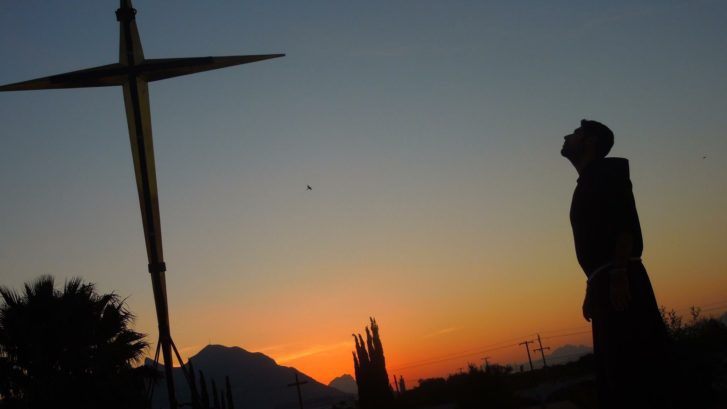
The Transfiguration: A Glimpse of Divinity
There are two sides to us. We contain both the human and the divine. There are times in life when we experience moments of ecstasy, times when everything is going well, when life is good. When we hug our friends and forgive our enemies. Sickness and death take a vacation.
On the other hand, like Jesus on the Mount of Olives, we also experience moments of agony, when life is miserable. We find fault with our friends and curse our enemies. And we lose faith. And we doubt God.
At these times, remember that Jesus experienced the same highs and lows in His life. But in good times and in bad, we always find Jesus praying. He always had faith in His heavenly Father. Prayer and faith were His strength, His rock.
Fr. Jagodensky, SDS
2nd Sunday of Lent C
Homily Excerpt
If only the purely human part of Jesus knew what was to be shown to him at the top of that mountain, he’d surely run downhill. However, with the divine part of Jesus presented and unveiled to him standing when between the greatest prophet and the greatest traveler, capped off with even more drama by a talking cloud – then I kinda think Jesus got the hint. There’s identity, recognition, and the more of his life…
I’ve mentioned before the most asked question of Jesus is not whether you’re going to heaven or not. Or, how many times you missed weekend Mass. The most asked question of Jesus is, “Who are you?” Who are you to me? Who am I to you? Who am I with you? Just think of all the identities we can place upon the Son of God.
But, what if? What if? Jesus as an adult. Finds a steady job as a carpenter, his father teaches him well. Joins a union with decent pay. Finds a good wife, couple of kids, Jesus, Jr., and MaryAnn; retire at fifty-five with a substantial pension and solid investments. Kids are now on their own, and Jesus and the misses become Arizona snowbirds between November through March. They return for Easter. Oh, wait. There is no Easter. Ahhh. Where’s Frank Sinatra singing, “Oh, the good life..”
Please note that the provided video clips serve as additional resources to complement the homily. They may not have a direct correlation with the contributor’s original content. They aim to inspire preachers to enrich their own homilies, drawing ideas and insights from both the written material and the visual content explored.