MAR 16, 2025


ROME REPORTS IN ENGLISH (1:40) - The POPE'S MESSAGE for Lent is dated February 6 meaning it was made before his admission to the hospital in it. He asked the faithful to make an examination of conscience and overcome what he calls the temptation to self-referentiality or to think that God does not truly forgive one's sins. He also proposes as an exercise to get to know more closely the reality of a migrant. He says that it can be useful to discover what God asked of us to be better travelers on our way to the father's house.


Papal Homilies

TIP: You can rewind the livestream up to twelve hours, allowing you to catch up on any events or addresses you may have missed.

SOURCE: Vatican News – English
This livestream allows viewers to witness the Pope’s addresses during Papal Audiences, as well as other Vatican events and news. The livestream is part of the Vatican Media Center’s efforts to share the latest updates on Pope Francis, the Holy See, and the Church worldwide with a global audience.

Fr. Gaetano Piccolo (SI)
The Dicastery for the Clergy deals with everything that concerns the priests and deacons of the diocesan clergy with regard to their persons, their pastoral ministry and what is necessary for its fruitful exercise. In these matters it offers the Bishops appropriate assistance.

Fullness
2nd Sunday of Lent C
I suggest the concept of fullness as the common thread running across all of the readings. In the Gospel, Jesus Christ reveals the fullness of the Law and of Prophecy when he appears to the disciples between Moses and Elijah; he also reveals his more-than-human fullness which shines forth in his shining and transfigured being. In Jesus Christ the extraordinary promise made to Abram reaches its fullness (first reading). In the second reading, Saint Paul teaches us that the fullness of Christ is communicated to the Christians, the citizens of heaven, who “will transfigure the wretched body of ours into the form of his glorious body.”
P. Antonio Izqeuirdo, L.C., © Dicastery for the Clergy A | B | C
Doctrinal Messages
2nd Sunday of Lent C
VATICAN
DAILY
BULLETIN
The Vatican Daily Bulletin is the official news source for the Pope’s activities and statements, providing accurate and up-to-date information. Published daily, it keeps the public informed about the Church’s activities and decisions.
Pastoral Suggestions
2nd Sunday of Lent C
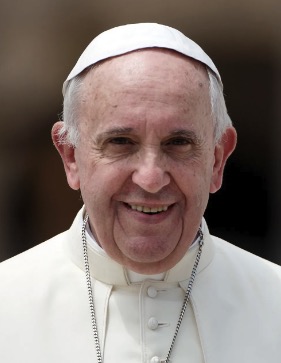
Pope Francis
2nd Sunday of Lent C

Transfiguration of Jesus
13 March 2022 | Saint Peter’s Square
- TEXT
- DISCUSSION GUIDE
The Gospel of the Liturgy of this second Sunday of Lent narrates the Transfiguration of Jesus (cf. Lk 9: 28-36). While praying on a high mountain, he changes in appearance, his robe becomes bright and radiant, and in the light of his glory, Moses and Elijah appear, who speak with him about the Passover that awaits him in Jerusalem, namely, his Passion, Death and Resurrection.
The witnesses to this extraordinary event are the apostles Peter, John and James, who went up the mountain with Jesus. We can imagine them with their eyes wide open before that unique sight. And, certainly, it must have been so. But the evangelist Luke notes that “Peter and those who were with him were heavy with sleep”, and that “when they wakened” they saw the glory of Jesus (cf. v. 32). The drowsiness of the three disciples appears to be a discordant note. The same apostles then fall asleep in Gethsemane too, during the anguished prayer of Jesus, who had asked them to keep watch (cf. Mk 14:37-41). This sleepiness in such important moments is surprising.
However, if we read carefully, we see that Peter, John and James fall asleep precisely before the Transfiguration begins, that is, while Jesus is in prayer. The same would happen in Gethsemane. This is evidently a prayer that continued for some time, in silence and reflection. We may think that, at the beginning, they too were praying, until tiredness prevailed, until sleep prevailed.
Brothers, sisters, does this ill-timed slumber perhaps resemble many of our own that come in moments we know to be important? Perhaps in the evening, when we would like to pray, to spend some time with Jesus after a day of rushing around and being busy. Or when it is time to exchange a few words with the family and we no longer have the strength. We would like to be more awake, attentive, participatory, not to miss precious opportunities, but we are unable to, or we manage it somehow, but poorly.
The powerful time of Lent is an opportunity in this regard. It is a period in which God wants to awaken us from our inner lethargy, from this sleepiness that does not let the Spirit express itself. Because — let us bear this in mind — keeping the heart awake does not depend on us alone: it is a grace and must be requested. The three disciples of the Gospel show us this: they were good, they had followed Jesus onto the mountain, but by their own strength they could not stay awake. This happens to us too. However, they awoke precisely during the Transfiguration. We might think that it was the light of Jesus that reawakened them. Like them, we too are in need of God’s light, that makes us see things in a different way: it attracts us, it reawakens us, it reignites our desire and strength to pray, to look within ourselves, and to dedicate time to others. We can overcome the tiredness of the body with the strength of the Spirit of God. And when we are unable to overcome this, we must say to the Holy Spirit: “Help us, come, come, Holy Spirit. Help me: I want to encounter Jesus, I want to be attentive, awake”. Asking the Holy Spirit to bring us out of this slumber that prevents us from praying.
In this Lenten time, after the labours of each day, it will do us good not to switch off the light in the room without placing ourselves in the light of God. To pray a little before sleeping. Let’s give the Lord the chance to surprise us and to reawaken our hearts. We can do this, for instance, by opening the Gospel and letting ourselves be amazed by the Word of God, because the Scripture enlightens our steps and inflames the heart. Or we can look at the crucified Jesus and wonder at the boundless love of God, who never tires of us and has the power to transfigure our days, to give them a new meaning, a new, unexpected light.
Introduction
The story of Jesus’ Transfiguration offers a vivid depiction of a pivotal moment in the lives of Jesus and his disciples. As we delve into this narrative, we explore not only the supernatural glory of Jesus but also the human shortcomings that make the story relatable and profound.
Scriptural Context
1. The Setting: Read Luke 9:28-36. Describe the scene portrayed in these verses. What do the mountain and the act of praying represent in biblical narratives?
2. Key Figures: Who are the witnesses to the Transfiguration, and why do you think these particular disciples—Peter, James, and John—were chosen to experience this event?
Exploration of Sleep and Awakening
1. The Drowsiness of the Disciples: Reflect on Luke 9:32. What significance might the disciples’ sleep have during this important moment? How does this compare to the disciples falling asleep at Gethsemane in Mark 14:37-41?
2. Personal Reflection: In what ways do we experience ‘spiritual drowsiness’ in our lives today? Consider the examples provided in the sermon, such as praying when tired or losing focus in family interactions.
Spirit and Prayer
1. The Role of Grace: Discuss the notion that remaining spiritually awake is not solely dependent on individual effort but is a grace that must be requested from God. How do prayer and the Holy Spirit factor into this awakening?
2. The Light of Jesus: How did the light of Jesus’ Transfiguration serve to wake the disciples, both physically and spiritually? Discuss how this light can symbolize moments of clarity and awakening in our own lives.
Applications for Lent
1. Embracing Lent: Analyze how Lent can serve as a time for spiritual awakening. What practices can individuals adopt to counteract spiritual lethargy?
2. Daily Practices: Consider the suggestion to spend time with God through prayer or scripture before sleep. How can these practices provide new meaning and light to our daily routines?
Concluding Thoughts
1. God’s Surprises: How can allowing God to work in our lives during Lenten preparations lead to unexpected awakenings and insights?
2. Invitation to Transformation: End with a reflection on the transformational power of encountering Jesus. How can this perspective reshape the way we perceive our own challenges and opportunities for growth?
Benedict XVI
2nd Sunday of Lent C
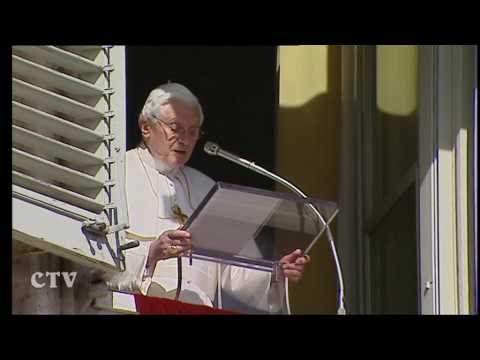
The Face of Jesus
28 February 2010 | Saint Peter’s Square
- TEXT
- DISCUSSION GUIDE
The Spiritual Exercises customarily held here at the Apostolic Palace in the Vatican at the beginning of Lent ended yesterday. Together with my collaborators of the Roman Curia I spent days in recollection and intense prayer, reflecting on the priestly vocation in harmony with the Year that the Church is celebrating. I thank all who have been close to us in spirit.
On this Second Sunday of Lent the Liturgy is dominated by the episode of the Transfiguration which in Luke’s Gospel immediately follows the Teacher’s invitation: “If any man would come after me, let him deny himself and take up his cross daily and follow me” (Lk 9: 23). This extraordinary event is an encouragement in the following of Christ.
Luke does not speak of the Transfiguration but describes what happens through two elements: the Face of Jesus which changes and his clothes that become a dazzling white in the presence of Moses and Elijah, a symbol of the Law and of the Prophets. The three disciples who witness the scene are heavy with sleep: this is the attitude of those who, although they have seen divine miracles, fail to understand. It is only the struggle against drowsiness that enables Peter, James and John to “see” Jesus in his glory. Then the rhythm quickens: while Moses and Elijah take their leave of the Master, Peter speaks and as he speaks a cloud envelops him and the other disciples in its shadow. This cloud, while it covers them, reveals the glory of God, just as happened for the pilgrim people in the desert. Their eyes can no longer see but their ears can hear the voice that comes out of the cloud: “This is my Son, my Chosen; listen to him!” (v. 35).
The disciples no longer have before them a transfigured face or dazzling garments or a cloud that reveals the divine presence. They have before them “Jesus… alone” (v. 36). Jesus is alone with his Father while he prays but at the same time, “Jesus… alone” is all that the disciples and the Church of every epoch have been granted; and this must suffice on the journey. The only voice to listen to, the only voice to follow is his, the voice of the One going up to Jerusalem who was one day to give his life to “change our lowly body to be like his glorious body” (Phil 3: 21).
“Master, it is well that we are here” (Lk 9: 33) are Peter’s ecstatic words, that often resemble our own desire before the Lord’s consolations. However the Transfiguration reminds us that the joys sown by God in life are not finishing lines; rather they are lights he gives us during our earthly pilgrimage in order that “Jesus alone” may be our Law and his word the criterion that directs our existence.
Introduction and Context
– Background: Discuss the significance of the Spiritual Exercises at the Vatican during Lent. Why are these exercises essential for introspection and prayer?
– Reflection: How do the themes of priestly vocation and spiritual recollection tie into the Church’s liturgical year, particularly during Lent?
2. The Transfiguration – A Deeper Look
– Scriptural Reference: Read Luke 9:28-36. What does the passage say about the nature of Jesus and his mission?
– Symbolism: Examine the symbolism of Moses and Elijah representing the Law and the Prophets. Why are these figures significant in the context of the Transfiguration?
3. The Disciples’ Attitude and Experience
– State of the Disciples: Discuss the disciples’ initial sleepiness and inability to fully grasp the divine miracle before them. What does this say about human understanding and spiritual awareness?
– Role of Struggle: How does their struggle against sleep lead them to witness Jesus’ glory?
4. The Divine Voice and Revelation
– The Cloud’s Symbolism: What does the cloud represent in biblical terms, and how does it reveal God’s glory?
– God’s Command: Reflect on the command “This is my Son, my Chosen; listen to him!” How does this directive apply to personal faith and discipleship today?
5. “Jesus Alone” – Central Message
– Focus on “Jesus Alone”: Discuss the significance of the statement “Jesus… alone” for the disciples and for the Church throughout history. Why is focusing on Jesus crucial for believers?
– Journey to Jerusalem: How does Jesus’ journey to Jerusalem, culminating in his sacrifice, transform our spiritual journey?
6. Personal Application and Reflection
– Living with Purpose: How can we emulate Peter’s desire to remain in moments of spiritual consolation in our everyday lives?
– Lights on the Pilgrimage: Consider how the joys and consolations God provides are not endpoints but guiding lights. How can these moments sustain you on your spiritual journey?
7. Discussion Questions
– What are some ways we can ensure that “Jesus alone” is the guiding force in our lives?
– How can the story of the Transfiguration inspire us to stay awake and alert in our spiritual journey?
– In what ways can we listen more attentively to Jesus’ voice in our daily lives?
8. Closing Reflection and Prayer
– Prayer Focus: Encourage participants to pray for attentiveness to God’s voice and the courage to follow Jesus’ path. Invite sharing any personal insights or experiences related to the themes discussed.