JAN 26, 2025


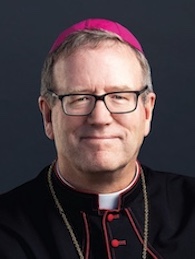
Bishop Barron
VIDEO
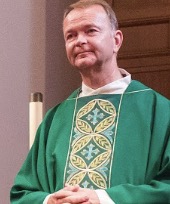
Fr. Kevin Ruttig
VIDEO

1-Minute Homily
VIDEO

Two Minute Homily
VIDEO
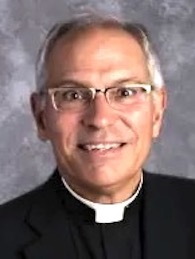
Fr. Peter Hahn
VIDEO

Fr. Langeh, CMF
VIDEO
⬇️ Deacon Peter McCulloch

2019 | 2022 | 2025
3rd Sunday of Year C

Neh.8:2-6, 8-10
1Cor.12:12-30
Lk.1:1-4; 4:14-21
In our second reading today, St Paul tells us that as Christian disciples, we are all members of the Body of Christ. This idea of the Body of Christ isn’t just a nice metaphor; it’s how God works in the world today.
It’s through us, as the members of the Body of Christ, that God answers prayers today, offering hope, healing and liberation to all who need it (Jn.14:12).
But he can’t do it without our help. As St Teresa of Avila reminds us, ‘Christ has no body now but yours, no hands but yours, no eyes but yours …’
What is the Holy Spirit asking of you today?
This discussion guide has been generated by the WORD THIS WEEK'S Catholic AI Assistant based on Deacon McCulloch's homily.
Introduction
- Identify the focus of today's Gospel: Luke addressing Theophilus, meaning ‘one who loves God’. How does the meaning of this name broaden the audience to include us?
- Discuss the significance of Luke's assurance in the accuracy of his Gospel.
Jesus’ Mission in Nazareth
- Reflect on Jesus reading Isaiah's prophecy about the Messiah. What are the key elements of the mission he outlines?
- Explore how each aspect of Jesus’ mission—bringing good news to the poor, freedom to the captives, sight to the blind, and liberation to the oppressed—applies personally and collectively in our lives today.
Role of Ordinary Life and Actions
- Discuss how God often works through ordinary people, rather than through grand miracles. How does this shape our expectations of divine intervention?
- Share experiences in which unexpected actions or encounters in everyday life have felt guided by the Holy Spirit.
Stories of Divine Guidance
- Analyze the story of the hospital chaplain. What insights does it provide about being instruments of God’s work, even unwittingly?
- Discuss Jim Caviezel’s encounter with Mrs. Malick. How does this illustrate the mysterious ways in which God answers prayers through human actions?
The Body of Christ in the World Today
- Reflect on the concept of being members of the Body of Christ. What responsibilities does this entail in the context of offering hope, healing, and liberation?
- Consider St. Teresa of Avila’s words: ‘Christ has no body now but yours, no hands but yours, no eyes but yours’. How can these words inspire our daily actions and decisions?
Practical Application
- Identify what the Holy Spirit might be asking of each person today. Discuss actions or changes in perception that align with being part of the Body of Christ.
- Consider practical ways to be instruments of hope and healing within your community or personal circles.
This 300 word adaptation of Deacon McCulloch's homily was generated by our Catholic Assistant AI bot, to help preachers share key insights from the homily with children and teens.

In today's story from the Gospel, Luke chats with Theophilus. The coolest thing? Theophilus means "one who loves God" in Greek, so Luke is also talking to us—everybody who loves God! Luke made sure everything about Jesus is true, so we can trust his story.
Picture this: Jesus goes back to his hometown of Nazareth, full of the Holy Spirit. It's the Sabbath, and he's in the synagogue. Someone gives him a scroll from the prophet Isaiah. Jesus reads a part about the Messiah and makes it clear—he's talking about himself! His mission? To share good news with the poor, help the blind see, and free the oppressed. Jesus brings a lot of hope and positivity!
This isn't just about others; it's about us, too. We all have tough times and need hope and healing. Don't expect instant miracles from God. Instead, God works through everyday people like us. When we let God in, his Holy Spirit guides us to help others.
Here's a story: A chaplain accidentally entered the wrong hospital room, where an elderly lady was glaring at him. Embarrassed, he left. Later, a note called him back, and after chatting, she wished to be baptized. He did so, and not long after, she passed away. It was a special God moment!
Another story: Jim Caviezel, famous for playing Jesus, was nervous about acting. Before meeting a director, he prayed with his Rosary beads. At the door, he gave his beads to a lady, who was moved because she'd prayed for a Rosary! This special encounter led to a big role for Jim.
These stories show we're all part of God's plan. St. Paul says we're members of the Body of Christ, meaning God works through us to bring hope and healing. St. Teresa of Avila said, "Christ has no body now but yours." So, what’s the Holy Spirit asking you to do today?
DISCLAIMER: Adaptations (like translations), may not fully capture the nuances or precise meanings of the original text. It's essential to read the original homily which can be accessed by clicking on the title above
2019 | 2022 | 2025
3rd Sunday of Year C
Neh. 8:2-6, 8-10
1Cor. 12:12-30
Lk. 1:1-4; 4:14-21
In our second reading today, St Paul tells us that as Christian disciples, we are all members of the Body of Christ. This idea of the Body of Christ isn’t just a nice metaphor; it’s how God works in the world today.
It’s through us, as the members of the Body of Christ, that God answers prayers today, offering hope, healing and liberation to all who need it (Jn.14:12).
But he can’t do it without our help. As St Teresa of Avila reminds us, ‘Christ has no body now but yours, no hands but yours, no eyes but yours …’
What is the Holy Spirit asking of you today?
This discussion guide has been generated by the WORD THIS WEEK'S Catholic AI Assistant based on Deacon McCulloch's homily.
Accuracy and Assurance in the Gospel
- Discuss Luke's emphasis on the thoroughness and accuracy of his Gospel. Why is this significant for us as readers?
- How do you ensure the reliability of the information you believe about your faith?
Jesus’ Mission and His Identity
- How does Jesus' selection of the passage from Isaiah reveal His mission and identity?
- In what ways do you see Jesus' mission of bringing good news to the poor, liberating captives, helping the blind to see, and freeing the oppressed as relevant today?
- How do you relate to the aspects of being "poor, enslaved, blind, or oppressed" in your own life?
God’s Work Through Ordinary People
- What do you think about the idea that God works through ordinary people rather than performing miracles through dramatic divine interventions?
- Share personal experiences or stories where you felt God worked through you or someone else in unexpected ways.
The Story of the Chaplain
- Reflect on the story of the hospital chaplain. What does this teach us about the role of the Holy Spirit in guiding our actions?
- How might this story encourage you to be more open to the Holy Spirit’s guidance?
The Story of Jim Caviezel
- Discuss the story of Jim Caviezel and the Rosary beads. What role does divine providence play in our daily interactions?
- Have you ever experienced a moment where you felt guided to do something inexplicable that turned out to be significant?
The Body of Christ
- Delve into St. Paul’s concept of the Body of Christ. How does this metaphor shape our understanding of our role as Christians?
- How can we actively participate as members of the Body of Christ to fulfill God’s work in the world?
St. Teresa of Avila’s Reflection
- Reflect on St. Teresa of Avila's quote: "Christ has no body now but yours, no hands but yours, no eyes but yours…" What does this mean for you in your daily life?
- How can you respond to the Holy Spirit's calling in practical ways in your community?
This 300 word adaptation of Deacon McCulloch's homily was generated by our Catholic Assistant AI bot, to help preachers share key insights from the homily with children and teens.
Hey everyone! Today, let's chat about the Gospel of Luke. Luke starts by writing to a person named Theophilus, which means 'one who loves God.' If you love God, this message is for you!
Luke did his research to make sure his stories about Jesus were accurate. Jesus made his first big public appearance after being baptized, in his hometown, Nazareth. He went to the synagogue filled with the Holy Spirit, read from the prophet Isaiah, and announced his mission: to bring good news, free the captives, help the blind see, and lift the oppressed. It's awesome news for anyone going through tough times.
Sometimes we wish God would magically fix everything, but that's not usually how it works. God uses us—everyday people—to make a difference. When we're open to Him, the Holy Spirit works within us, guiding us to help others.
Here's a cool story: a hospital chaplain accidentally went into the wrong room and found a lady unable to talk. By talking to her, he realized she wanted to be baptized. He baptized her, and she passed away soon after. The Holy Spirit had led him to fulfill her wish.
Another story is about Jim Caviezel, who played Jesus in "The Passion of the Christ." He prayed with his Rosary before meeting a famous director. He then noticed the maid wearing a miraculous medal and gave her his Rosary. She was amazed—it was what she'd prayed for after losing hers. She turned out to be the director's wife! The Holy Spirit was at work, and Jim got his first big role.
St. Paul says we are all part of the Body of Christ—it’s how God shares hope and healing. As St. Teresa of Avila said, 'Christ has no body now but yours, no hands but yours.' So, what might the Holy Spirit be asking you to do today? Be open and ready to be a blessing to someone!
DISCLAIMER: Adaptations (like translations), may not fully capture the nuances or precise meanings of the original text. It's essential to read the original homily which can be accessed by clicking on the title above
2019 | 2022 | 2025
3rd Sunday of Year C


Neh. 8:2-6, 8-10
1Cor. 12:12-30
Lk. 1:1-4; 4:14-21
In his book, The Joy of Knowing Christ, Pope Benedict XVI writes that there are two ways of ‘seeing’ and ‘knowing’ Jesus. The first is that of the crowd, which is superficial. And the second is that of the disciples, which is more penetrating and genuine.
The crowd, Benedict says, tends to see Jesus as a prophet. This isn’t wrong, but it is inadequate. Today, many people, including scholars, only approach Jesus from the outside. They might recognise his spiritual and moral stature and his influence on human history, and they might compare Jesus to Buddha, Confucius, Socrates and other wise and important historical figures.
But they don’t recognise Jesus as being unique. They don’t recognise him as the Son of God. As Jesus says to Philip at the Last Supper, ‘Have I been with you so long, and yet you do not know me?’ (Jn.14:9). [i]
So, how might we get to know Jesus better?
This discussion guide has been generated by the WORD THIS WEEK'S Catholic AI Assistant based on Deacon McCulloch's homily.
1. Jesus' Humanity and Divinity:
- Discuss the events of Jesus' baptism and the miracle at Cana. What do these events reveal about his character?
- How does Jesus' reading from the Book of Isaiah define his earthly mission? What implications does this have for our understanding of his purpose?
2. Understanding Jesus’ Mission:
- Reflect on the "good news" shared by Jesus in the synagogue. How does this connect to concepts of hope, healing, and liberation in our lives today?
- In what ways do people today remain "poor, enslaved, blind, or held captive"? How can Jesus’ mission be seen as relevant for contemporary issues?
3. Knowing Jesus: The Crowd vs. the Disciples:
- Pope Benedict XVI describes two ways of knowing Jesus. What distinguishes the understanding of the crowd from that of the disciples?
- Why is recognizing Jesus as the Son of God crucial for a deeper relationship with him, beyond viewing him as a prophet or historical figure?
4. Ways to Deepen Our Relationship with Jesus:
- Discuss practical activities that help enhance our knowledge of Jesus, such as prayer, receiving the Eucharist, or studying the Bible. How can these practices bring us closer to Jesus?
- How can learning from the saints or recognizing the Holy Spirit’s work in your life support your spiritual journey?
5. The Four Gospel Perspectives:
- Explore how each Gospel provides a unique portrayal of Jesus: Mark's compassionate yet suffering Jesus, Matthew's masterful teacher, Luke's prayerful savior, and John's divine Son of God.
- Which Gospel depiction of Jesus resonates most with you personally? Why do you think this is the case?
6. Personal Reflection:
- Consider the statement, "Jesus only wants our love in return." How do you express your love for Jesus in your daily life?
- Are there any barriers that prevent you from knowing Jesus more intimately? What steps can you take to overcome them?
7. Final Thoughts:
- Revisit the question: "How well do you know Jesus? Are you as close to him as you should be?" Encourage personal reflection on spiritual growth and relationship with Jesus over time.
This 300 word adaptation of Deacon McCulloch's homily was generated by our Catholic Assistant AI bot, to help preachers share key insights from the homily with children and teens.
Let's talk about someone super important—Jesus! We've been exploring who Jesus is and what he's all about. Remember when he was baptized? A voice from heaven called him God’s Son. Wow, that's a big deal! And when he turned water into wine at a wedding, it showed he cares about people and loves spreading joy.
This time, Jesus reads from the Book of Isaiah in a synagogue, declaring his mission to bring good news to those who have nothing, heal the sick, help the hurting, and free those who feel trapped. Jesus is all about giving hope and healing. We all feel down or stuck sometimes, and Jesus is here to offer support and love.
Pope Benedict XVI said you can know Jesus like someone in a crowd or like a close friend. Many see Jesus as a wise teacher, but remember, he’s God's Son too.
Want to know Jesus better? Try these:
- Spend time in quiet prayer.
- Join in Holy Eucharist.
- Love others and follow his teachings.
- Learn from saints and good role models.
- Listen to what God might say to you.
- Dive into the Bible.
Each Gospel shows a different side of Jesus:
- Mark: A busy and caring Jesus.
- Matthew: A wise teacher like Moses.
- Luke: A compassionate storyteller.
- John: Jesus’ divine side, as the light of the world.
These pictures help us see Jesus' awesome sides—both human and divine. Connect with whichever side you need most.
Whether you need a caring friend, sensible advice, or a reminder of God's power and love, Jesus is there for you. He just wants one thing in return—your love. How well do you think you know Jesus?
DISCLAIMER: Adaptations (like translations), may not fully capture the nuances or precise meanings of the original text. It's essential to read the original homily which can be accessed by clicking on the title above
⬇️ Fr. Austin Fleming
3rd Sunday of Year C
2013 EXCERPT: Recently on a Sunday morning, as I was saying goodbye at the door after Mass, one man shook my hand and said, “Father, I’ve been a way from church for a long time and this was exactly the day I was supposed to come back! The readings, the music, the homily – it was like it was all meant just for me!” Those are sweet words for a pastor’s ears and I hear them quite often. And each time I do, I become aware again of how God’s Spirit moves in the scriptures, in our prayer together, in the music, in a homily – how God’s Spirit moves and touches the hearts of individual people.
This discussion guide has been generated by the WORD THIS WEEK’S Catholic AI Assistant based on Father Austin’s homily. NEED HELP? Copy and paste a question into the chat bot in the lower right corner of the screen and have our Catholic Assistant help you.
Reflection Questions
1. Personal Experience with Worship:
a. Have you ever felt that a service or sermon was meant specifically for you?
b. How did that experience impact your faith or understanding of God’s presence in your life?
2. The Role of the Spirit:
a. The sermon highlights the notion that God’s Spirit moves in scripture, music, and prayer. How do you perceive the Spirit’s presence in these elements of worship?
b. Can you share a moment when you felt touched by the Spirit through one of these mediums?
3. Surprise and Expectation:
a. The pastor mentions planning for those expected in the congregation. How do you feel about the unexpected ways God can touch our lives through these pre-planned elements?
b. Discuss how anticipation or expectation influences your experience during a service.
4. Jesus in Nazareth:
a. Reflect on the moment when Jesus recognized the words of Isaiah as pertaining to him. How does this story resonate with your understanding of having a purpose or calling?
b. What can we learn from Jesus’ experience of realizing and accepting his role?
5. Skepticism vs. Hope:
a. Are there times when you approach prayer or worship with doubt or skepticism?
b. How can we foster a sense of hope and expectation that God will have a message or blessing for us?
6. Ezra’s Message:
a. Ezra calls people to rejoice despite their sadness. How can we apply this encouragement to our lives when we feel isolated from God’s word or way?
b. How might today’s “holy day” message inspire community and support within your group?
7. Words Meant for Us:
a. Reflect on the idea that every aspect of worship service has the potential to be a personal message from God. How does this change your perception of participating in a service?
b. Discuss ways you can be more open and receptive to recognizing these personal messages.
This 300 word adaptation of Fr. Austin’s homily was generated by our Catholic Assistant AI bot, to help preachers share key insights from the homily with children and teens.
Hey everyone! I’ve got a story that might sound familiar. One Sunday, after church, a guy came up to me and said, “Father, I haven’t been to church in ages, but today felt like it was meant just for me!” Isn’t that amazing? This happens a lot because God has a way of connecting with us through Bible readings, prayers, music, and sermons.
Here’s something interesting: the scriptures follow a set pattern over three years. We don’t choose which readings come when. And the music? We plan it months in advance. When I write my sermons, I often have a clue about who might come—but sometimes unexpected visitors feel the message is meant just for them. That’s God at work, crafting moments that resonate perfectly with us.
Have you ever felt like that? Maybe a song or a reading felt just right for you. Those moments show us that God truly cares about our lives. Even Jesus had a similar experience. Once, he went to a synagogue, read from Isaiah’s scroll, and realized the words were about him. That was his “this is meant for me” moment.
In today’s first reading, Ezra told people, “Today is special to God! It’s your day!” Imagine hearing that when you need it most. Some doubted or were too sad to believe it was special for them.
So, what about us? Are we the ones who doubt? Or do we believe God has something special for us? It might feel like a lot, but in every reading, song, talk, and Communion, moments await where God speaks to us. The people leading the service can’t know how God wants to touch your life, but each time we gather, there’s something meant for us—a special moment where God reaches out just for you. I hope today you feel God doing something special for you.
DISCLAIMER: Adaptations (like translations), may not fully capture the nuances or precise meanings of the original text. It’s essential to read the original homily which can be accessed by clicking on the title above

3rd Sunday of Year C
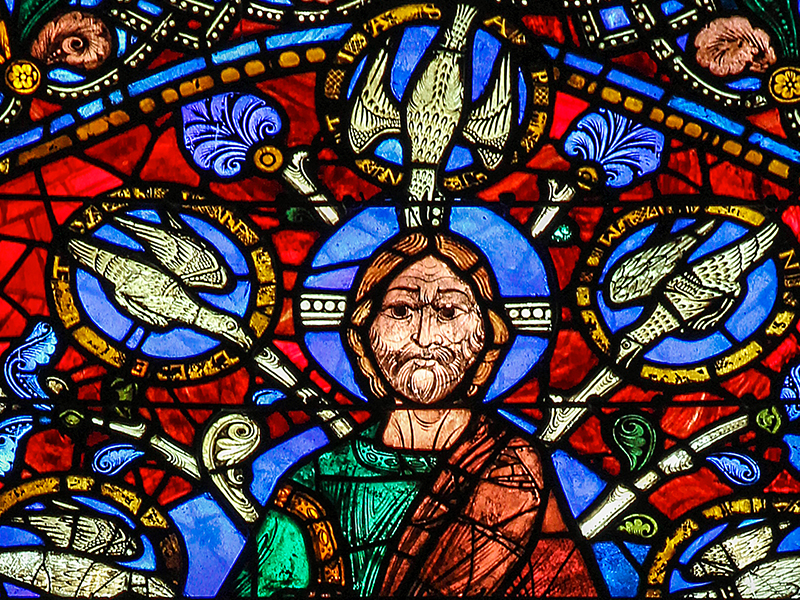
Photograph by Fr Lawrence Lew OP of a stained glass window, c.1145 in Chartres Cathedral.
The following adaptation of the Dominican Blackfiars' homily for this week, generated by our Catholic Assistant AI bot, is provided to help preachers share key insights from the homily with children and teens.
Hey everyone, let’s explore a cool story from ancient times that’s still important today! It starts with Nehemiah, who talks about an epic moment when a scribe named Ezra reads the Book of the Law to a big crowd. He makes sure to translate and explain it so everyone understands. The people are told to be happy, not sad, because “The joy of the Lord is your stronghold.” This means "God's got your back, so feel the joy!"
This idea shows up again in the Bible with Jesus. In the Gospel of Luke, Jesus is in a synagogue in Nazareth, reading from Isaiah. He says he’s here to bring good news, free people, help the blind see, and lift those who feel crushed. He tells everyone, "This is happening now!"
Paul, a follower of Jesus, talks to people in Corinth about being one big body, with everyone as important parts. This means we’re all connected, like puzzle pieces, even when we don’t always agree. We should be kind and support each other, especially when things get tough.
Remember what Jesus said about bringing good news and freedom to those in need. Instead of being loud and judgmental, let’s be open-hearted and caring. When discussing serious topics like "Brexit" or remembering past conflicts, focus on peace and Micah’s words: “Act justly, love tenderly, and walk humbly with our God.”
As we step into a new year, let’s stay united, hopeful, and ready to make the world a better place together!
DISCLAIMER: Adaptations (like translations), may not fully capture the nuances or precise meanings of the original text. It's essential to read the original homily which can be accessed by clicking on the title above.
This discussion guide has been generated by the WORD THIS WEEK'S Catholic AI Assistant based on the Dominican Blackfiars' homily for this week. NEED HELP? Copy and paste a question into the chat bot in the lower right corner of the screen and have our Catholic Assistant help you.
Discussion Guide
1. Understanding the Law as Life-Giving
- Discussion Prompt: Reflect on the reading from Nehemiah and the responsorial psalm. How is the Law of the Lord portrayed as something that revives and gives joy?
- Key Point: The Law of God is not a static set of rules but is alive and brings joy and revitalization to the soul.
- Personal Reflection: How can we incorporate the joy and vitality from God's Law into our daily routines and spiritual practices?
2. Jesus’ Ministry and the Fulfillment of the Law
- Discussion Prompt: In Luke's gospel, Jesus reads from Isaiah about bringing good news and liberty. What does this fulfillment mean for us today?
- Application Question: In what ways can we actively participate in bringing the good news and liberation in our communities?
- Reflection: Consider how Jesus’ proclamation was a pivotal moment in his ministry. How can we continue to carry forward this mission in our own lives?
3. Unity and Diversity in the Body of Christ
- Discussion Prompt: Paul's letter to the Corinthians emphasizes unity in diversity within the body of Christ. How can this concept be practically applied in our faith communities?
- Key Point: Unity is life-giving and celebrates differences, as each person is a unique part of the body of Christ.
- Challenge: Identify any barriers to unity that might exist in your community and discuss strategies to address them.
4. The Role of Preachers and Followers in Proclaiming the Word
- Discussion Prompt: How can members of the Order of Preachers and other followers of Christ be effective ministers of the word today?
- Application Question: Think about how modern challenges, such as those faced on social media, can be addressed with love and unity. How can you be a more effective communicator of the Word?
- Reflection: What actions can you take to promote hope and encouragement within your faith community?
5. Conversion to Compassion and Discernment
- Discussion Prompt: Consider the sermon’s call for conversion from shrillness to compassion. What are practical ways we can cultivate compassionate spirits in our interactions, both personally and publicly?
- Key Point: Discernment and compassion are crucial for addressing contemporary challenges within the Church and society.
- Personal Challenge: Reflect on your own communication style. What changes can you make to foster a more compassionate and understanding dialogue with others?
6. Acting Justly, Loving Tenderly, and Walking Humbly
- Discussion Prompt: Reflect on the reference to the prophet Micah: "Act justly, love tenderly, and walk humbly with our God." How can these principles guide our actions in the current social and political climate?
- Application Question: In a world often divided by opinions, how can we maintain our focus on peace and justice?
- Personal Reflection: Consider ways to integrate justice, love, and humility into your daily decision-making processes and interactions with others.
Homily Excerpt
Third Sunday of Ordinary Time (C) | Fr Aelred Connelly calls us to give witness to the Lord’s favour and peace in a world riven by division.

The first reading from the prophet Nehemiah gives us a lively account of the public proclamation of the Book of the Law in the assembly by Ezra, the scribe: Ezra read from the Lord God, translating and giving the sense, so that the people understood what was read.
The people were told not to weep or be mournful, but to rejoice: The joy of the Lord is your stronghold. This is reinforced in the responsorial psalm: The law of the Lord revives the soul… The precepts of the Lord… gladden the heart… The command of the Lord… gives light to the eyes.
This understanding of the Law of God is that of a life-giving word, not a dead letter, but something alive and active.
We see this coming to its fulfilment in the beginning of the public ministry of Jesus in today’s gospel reading from Luke, where he gets up in the synagogue in his home town of Nazareth and reads from the prophet Isaiah: The Spirit of the Lord has been given to me, for he has anointed me. He has sent me to bring the good news to the poor, to proclaim liberty to captives, and to the blind give new sight, to set the downtrodden free, and to proclaim the Lord’s year of favour. He then says: This text is being fulfilled today even as you listen.
3rd Sunday of Year C
The following adaptation of the Dominican Blackfiars' homily for this week, generated by our Catholic Assistant AI bot, is provided to help preachers share key insights from the homily with children and teens.
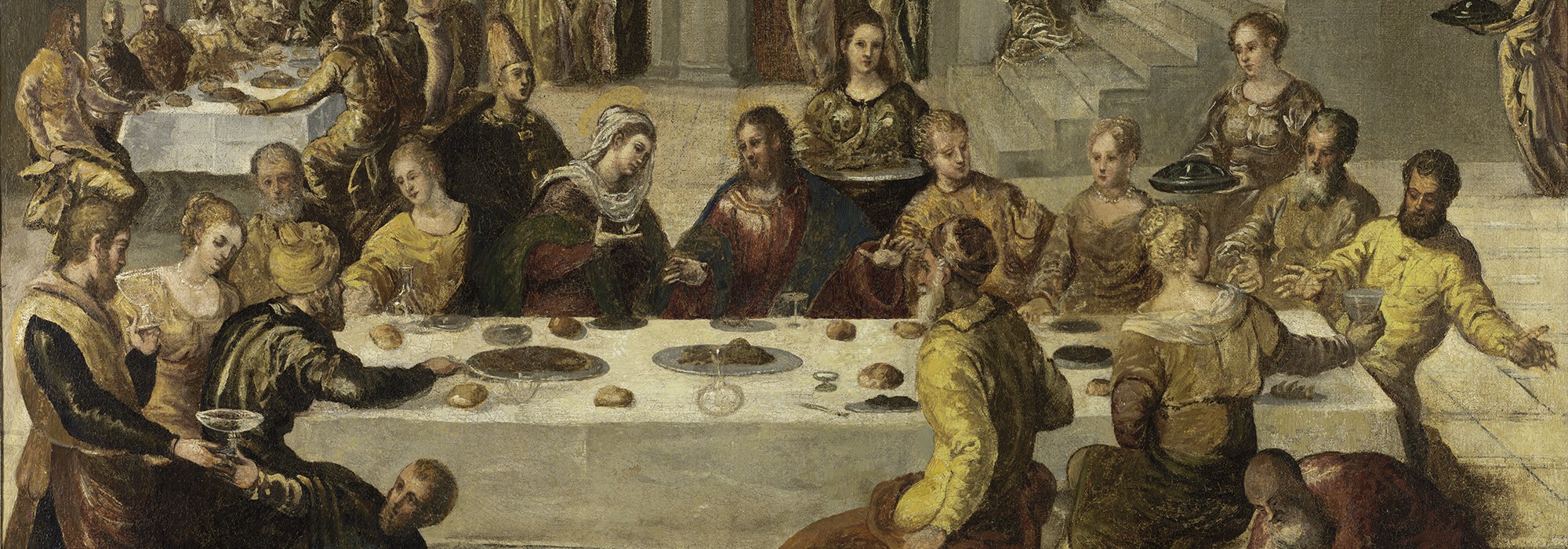
Hey everyone, let's dive into a fun Bible story about a wedding party! Have you ever been to a wedding where everything’s going great, and suddenly you run out of soda or snacks? This happened in a story from the Bible in a place called Cana.
Jesus was at this wedding with his mom and friends, just hanging out. Suddenly, they ran out of wine, which was a big deal back then. Jesus’ mom told him about it. Even though he seemed a bit reluctant at first, he ended up saving the day by turning water into wine. This showed he wanted everyone to enjoy the party.
Some might think this is about drinking, but it’s really about making sure people can celebrate and enjoy life. Jesus ensured the wedding was fun and went smoothly. This story is relatable because we all know how it feels when something goes wrong, and someone steps up to fix it. Jesus was the hero of the day, making sure everyone kept having fun.
This isn't just about having a good time. It’s a reminder that Jesus was a real, ordinary guy who liked enjoying life like we do. It shows that God wants us to live happily, not boring lives. He wants us to have the best life, which can be found through Jesus.
When you think about this story, remember it’s not just about a miracle. It’s about living fully and being true to ourselves, just like Jesus did. Even when things got tough, he stayed honest and showed everyone that being good to each other is what matters. Next time you’re at a celebration or in a situation that needs a little help, think about being like Jesus—helpful, caring, and enjoying life to the fullest. That’s the real ‘good wine’ of life!
DISCLAIMER: Adaptations (like translations), may not fully capture the nuances or precise meanings of the original text. It's essential to read the original homily which can be accessed by clicking on the title above.
This discussion guide has been generated by the WORD THIS WEEK'S Catholic AI Assistant based on the Dominican Blackfiars' homily for this week. NEED HELP? Copy and paste a question into the chat bot in the lower right corner of the screen and have our Catholic Assistant help you.
Setting the Scene of the Wedding at Cana
a. Discuss why the story of the Wedding at Cana is often recognized even by those less familiar with the Bible.
b. Explore the parallels between the biblical story and modern wedding receptions. How does this familiarity help in understanding the narrative?
2. Theological Implications of Jesus' Miracle
a. Consider the story’s relationship to the Christian temperance movement. What arguments can be made for and against the consumption of alcohol using this passage?
b. What does the miracle of turning water into wine say about Jesus' stance on celebrating and enjoying life?
3. Understanding Contextual Challenges
a. Reflect on the difficulties people face when attempting to engage with the Bible without understanding its historical and cultural context.
b. Why is it significant that the Wedding at Cana is a relatable scene for modern audiences?
4. Jesus' Relationship with His Mother and Others
a. Discuss the interaction between Jesus and Mary in this passage. How is this dynamic relatable to modern family interactions?
b. Consider how viewing Jesus as a young man enjoying a wedding with friends changes or reinforces your perception of him.
5. Human and Divine Nature of Jesus
a. Analyze how the sermon describes Jesus' dual nature as both fully human and fully divine. What examples from this passage support this duality?
b. Explore the idea that Jesus lived a fulfilling human life and how this can be an example for us.
6. Signs and Misunderstandings
a. Discuss the significance of the wedding feast at Cana being the first of Jesus' signs.
b. Why do you think people asked for a sign from Jesus despite witnessing many? What does this suggest about human nature and expectations?
7. The Good Wine as a Metaphor
a. What does the concept of Jesus as the "good wine" symbolize in terms of living a fulfilled life?
b. How can compromising with falsehood and hypocrisy be seen as rejecting this "good wine"?
8. Application to Modern Life
a. In what ways can this story guide us in our personal lives when we encounter a lack of humanity or falsehood?
b. How can we strive to appreciate and live out the "good wine" in our day-to-day interactions and decisions?
Encourage group members to share personal reflections and examples related to each discussion point. If appropriate, summarize key insights or revelations discovered during the discussion.
Homily Excerpt
Fr Dominic Ryan considers the difference between Christ and John the Baptist as the key to understanding Advent joy.
John the Baptist represented the culmination of prophecy in Israel. He called Israel to repentance and as we can see in the gospel he exhorted Israel to moral behaviour, insisting that people should be just, honest, and generous.
But as important as all that John did was, moral goodness alone – which effectively was what John preached – would not change the world. There is no shortage of morally good people who can testify to this. Moral goodness alone, for all its value and importance, won’t free human beings from sin and it certainly won’t make eternal life with God possible.
For that something more is needed and that’s what Our Lord offered through his life, death, and resurrection. The grace unleashed by Our Lord’s sacrifice perfected our moral life, it elevated our nature, and it made possible eternal life with God.
3rd Sunday of Year C
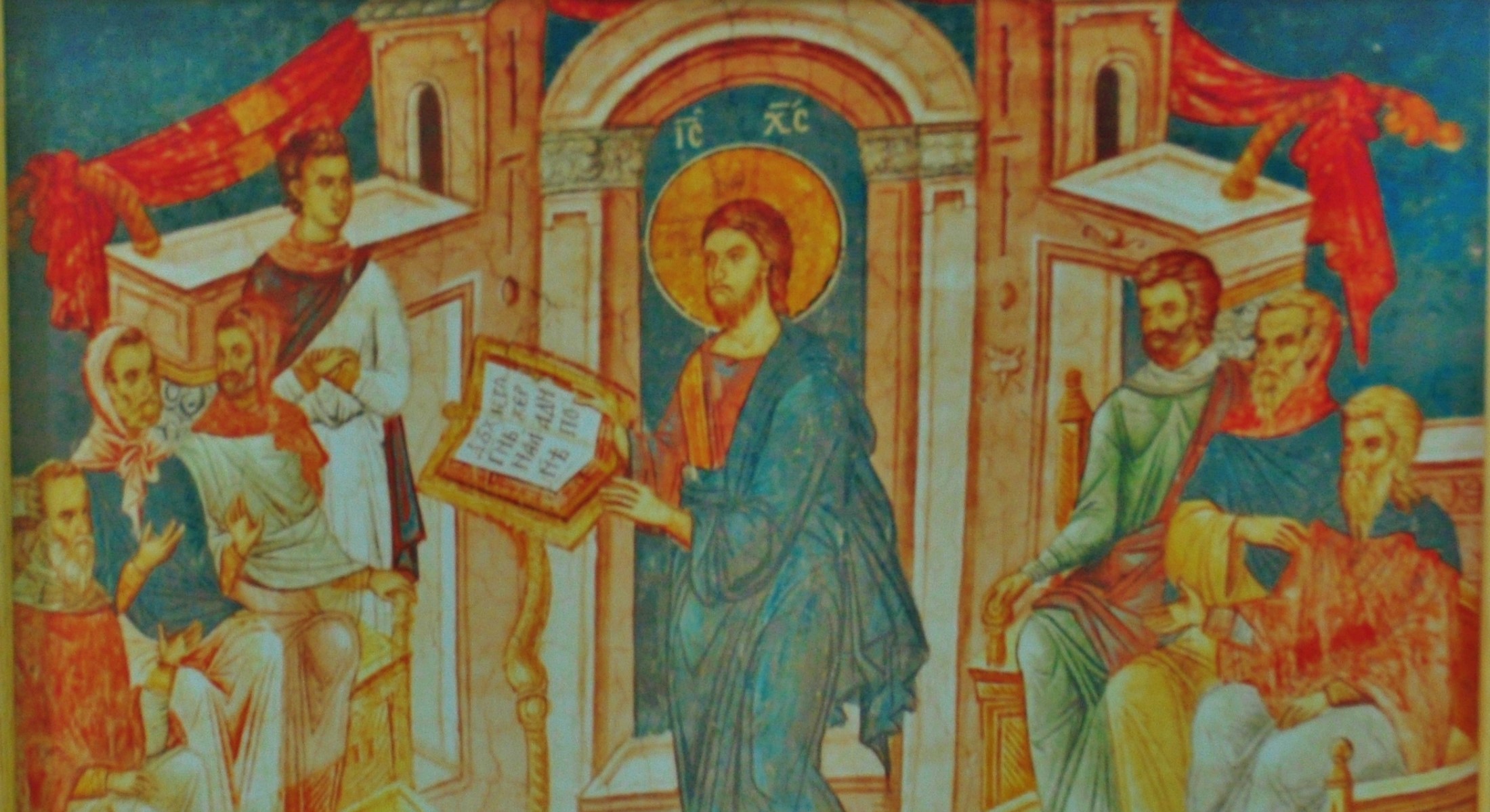
The following adaptation of the Dominican Blackfiars' homily for this week, generated by our Catholic Assistant AI bot, is provided to help preachers share key insights from the homily with children and teens.
Imagine sitting in a park, enjoying the sunshine, and overhearing groups chatting. If someone spots you and invites you over, you're suddenly part of their conversation, sharing and talking together.
Now, think about a story where Jesus is in a synagogue in Nazareth, reading scriptures. Everyone is listening closely, not just overhearing. Jesus tells them that the scripture is coming true right before their eyes. As people who follow Jesus, we're called to really understand and share His word, bringing others into this special life with Christ.
Everything we do should be based on the scriptures. Just like how parents talk with their kids, God talks to us through the Bible. When Jesus taught, He showed how closely connected He was to God’s Spirit. Once, He read from Isaiah, saying, "The spirit of the Lord has been given to me." When we approach the Bible, we should do so with respect and attention. In church, during Mass, everyone reads together, but we all have our own way of understanding.
There's a story about St. John Henry Newman, who read the gospel with such respect that you could hear it in his voice, especially when he read Jesus' words. The room would quiet down just for that moment. St. Dominic also showed special respect when reading the Bible, sometimes bowing or kissing the book during parts where Jesus spoke.
I learned about respecting the Bible from a Muslim friend, who kindly reminded me when I accidentally put the Bible on the floor. Since then, I’ve been careful to treat it with care, never stacking things on it. So, next time you read the Bible, whether alone or in a group, make sure you're truly listening, giving it the respect it deserves, and let it guide you.
DISCLAIMER: Adaptations (like translations), may not fully capture the nuances or precise meanings of the original text. It's essential to read the original homily which can be accessed by clicking on the title above.
This discussion guide has been generated by the WORD THIS WEEK'S Catholic AI Assistant based on the Dominican Blackfiars' homily for this week. NEED HELP? Copy and paste a question into the chat bot in the lower right corner of the screen and have our Catholic Assistant help you.
1. Icebreaker: Reflecting on Everyday Moments
- Imagine you are in a park and overhear a conversation. Have you ever been in a situation where being invited into a conversation changed your perspective or understanding? Share this experience with the group.
2. Understanding the Concept of Hearing vs. Overhearing
- Discuss the difference between "hearing" and "overhearing" as it relates to your own experiences. How does being a part of a conversation change your level of engagement and understanding?
- How does this concept apply to how we engage with scripture and our faith?
3. Connecting with the Gospel Reading
- What significance does being "hearers" rather than "overhearers" hold for those present in the synagogue with Jesus? How can this be applied to our own engagement with worship and prayer?
- Reflect on the statement from Vatican II: "In the sacred books the Father who is in heaven comes lovingly to meet his children and talks with them." How does this perspective shape your relationship with scripture?
4. The Role of the Holy Spirit and Scripture Fulfillment
- Discuss how the Spirit of the Lord empowered Jesus and how this same spirit works in us as we read and live out the scriptures.
- How does the idea of the scriptures being "fulfilled" through Jesus resonate with your personal faith journey?
5. Practicing Reverence and Attentiveness
- Share ways you personally show reverence and attentiveness to the word of God during readings in Mass and private study.
- Discuss the practices of reverence exemplified by figures like St. John Henry Newman and St. Dominic. How can these practices inspire your own approach to reading scripture?
6. Respect and Reverence for Holy Texts
- Reflect on the anecdote about the Muslim friend and the bible. How do cultural practices and teachings of reverence for holy texts influence the way we treat our own scriptures?
- What steps can we take to ensure that our physical handling of the Bible reflects the reverence we hold for its contents?
7. Application to Daily Life
- What practical actions can your group take to transition from "overhearers" to "hearers" in your daily lives, particularly concerning scripture?
- How can this discussion guide your interactions during worship services and your personal devotional time in the coming week?
Homily Excerpt
Third Sunday of the Year. Fr Robert Ombres considers the difference between overhearing and truly listening.
Imagine going to a park to sit on the grass during a lovely summer afternoon, and scattered around you are various small groups of people chatting. You hear the conversation of some people sitting behind you. Well, do you in fact hear them? It would be more accurate to say you overhear them, because you can only hear a conversation when you are part of it. Otherwise, you overhear. But if someone in the group behind you recognises you and calls you over to join them, then you will hear the conversation because you will be part of it as you are part of the group. You will respond, contribute, share. You are now involved and committed.
Today’s gospel is about talking and hearing. A group, including Jesus, is gathered in the Nazareth synagogue on the sabbath for worship, prayer and readings from the scriptures. Those present belong and are involved; all eyes are fixed on Jesus. They are hearers not overhearers. The gospel concludes with Jesus remarking on how the text he has just read from Isaiah was being fulfilled that day even as they listened.
⬇️ Fr. Charles E. Irvin

3rd Sunday of Year C

All of us are quite familiar with inaugural addresses, especially when presidents of our country take office and begin their elected terms. Some of these addresses are, of course, more memorable than others. Unfortunately, much of the content of these inaugural addresses bear little relationship to the actions of these presidents subsequent to their addresses. John F. Kennedy’s memorable inaugural address might be an exception. I have a framed copy of it because it’s such a classic.
Jesus Christ gave an inaugural address shortly after He returned from spending forty days and forty nights in the desert preparing for His public ministry. He returned to His own hometown of Nazareth to begin His public ministry. His inaugural address is what you just heard reported in today’s Gospel account.
This discussion guide has been generated by the WORD THIS WEEK’S Catholic AI Assistant based on Fr. Irvin’s homily. NEED HELP? Copy and paste a question into the chat bot in the lower right corner of the screen and have our Catholic Assistant help you.
Introduction
Begin by discussing the concept of inaugural addresses. What significance do they typically hold, and how do they relate to the actions of leaders who deliver them?
Biblical Context
1. Review Jesus’ Inaugural Address
– Read the Gospel account of Jesus’ public mission in Nazareth. What key message is Jesus proclaiming?
– Discuss the symbolism of Jesus reading from the scroll of Isaiah. Why is this moment significant?
2. Reflection Questions
– How does Jesus’ address compare to modern inaugural speeches you’ve heard?
– What does Jesus’ fulfillment of Scripture mean for us today?
Vision and Action
1. Making Christ’s Vision a Reality
– Discuss the speaker’s claim that we can work to make Jesus’ vision come true.
– How might our actions reflect the fulfillment of Jesus’ address?
2. Modern Challenges
– Identify specific societal issues mentioned in the sermon, such as the separation of religion from society and the moral crises.
– How do these challenges inhibit the realization of Christ’s vision according to the sermon?
Moral and Civic Responsibility
1. The Role of Morals in Society
– Analyze the sermon’s argument regarding the separation of morals from public life.
– Discuss the potential consequences of neglecting religion and morals in governance.
2. Reflective Questions
– How can individuals uphold moral values in a secular society?
– What role should religion play in public life according to the sermon’s perspective?
Personal and Community Actions
1. Applying Christian Values
– How can we actively live out the values Jesus preached, such as supporting the poor and liberating the oppressed?
– Reflect on the importance of aligning personal actions with Christian teachings.
2. Broadening the Vision
– Discuss the idea of common values between Christianity and other world religions.
– How can these shared values foster unity and societal improvement?
Empowerment and Mission
1. Living the Anointing
– Reflect on the sermon’s call to live boldly with the gifts of the Spirit. What does this look like in everyday life?
– Discuss ways to take action “in the public square” to promote Christian values.
2. Final Reflection Questions
– What steps can we take to live out the commission we have received?
– In what ways can our community support each other in this mission?
This 300-400 word adaptation of Fr. Irvin’s homily was generated by our Catholic Assistant AI bot to help preachers share key insights from the homily for young people.
Hey everyone! Let’s talk about inaugural addresses, like those memorable speeches presidents give when starting their term. For example, John F. Kennedy’s address is so classic, it’s even framed on walls.
Now, did you know Jesus gave a pretty epic inaugural address too? After spending time in the desert, He returned to Nazareth and spoke at the synagogue. He read from Isaiah: “The Spirit of the Lord is upon me…” and talked about bringing good news to the poor and setting people free. Jesus was like, “This is what I’m all about, and it starts now.”
How can we bring Jesus’s vision to life? We can, and we have to! It’s like teaming up with friends to make the world a better place. By accepting each other and living like one big family, we can make that vision real. Our actions and how we treat others should show everyone that these words are true today.
In our country, we have things to work on. You’ve probably heard about the separation of Church and State, which some folks misunderstand. It leads to changing “Christmas” to “Winter Holidays” and mixing up what freedom means. It’s about doing the right thing, not just getting what we want.
Some people think faith doesn’t belong in public life or politics, but the founders believed freedom is rooted in morality. If everyone just did what they felt like without thinking about right and wrong, it could lead to big problems, like abuse of power.
Think of Jesus. He was all about bringing freedom and truth and standing up for what’s right. If we ignore morals, we drift away from the world we want. Let’s take the Bible as a challenge to make the world better and help those in need. Together, with shared values like respect and justice, we can make a positive difference!
DISCLAIMER: Adaptations (like translations), may not fully capture the nuances or precise meanings of the original text. It’s essential to read the original homily which can be accessed by clicking on the title above
⬇️ Fr. George Smiga
- Justice Up the River (2004)
- The Faith Too Seldom Tried (2007)
- The Two Steps to Compassion (2010)
- We are the Body of Christ (2013)
- One Body (2019)
- The Heart of Jesus' Mission (2022)
3rd Sunday of Year C
Each week, THE WORD THIS WEEK presents an excerpt from Fr. Smiga’s homily archive. To access all of the homilies for this Sunday, click on the title above. Then scroll down the page to find the text of this homily.

2004 HOMILY – There is a significant difference between charity and justice. Both are part of the teaching of Jesus. Both are a part of our Catholic faith. But we, like most Christians, are much better at charity than at justice, and we may not even be aware of the difference.
STORY: One day as the people in that village were busy doing their various tasks, a body floated down the river. When they saw it, they retrieved it and gave it a reverent burial, because they were good Christian people. The next day another body floated down the river, and they did the same. As the days passed, more and more bodies kept floating down the river. So they bought a boat and put guards at the river so that no body would escape their notice and each body could be reverently buried. As the days passed on, some wounded people began floating down the river clinging on debris. So again, being a Christian community, they retrieved these people and brought them to the hospital. They expanded their hospitals and in time provided retraining for those who had been wounded, so that they could earn a good living.
After a number of years, almost the entire village was engaged in caring for the dead and the wounded. The mayor decided to call a meeting to see if there was anything more that they could do. A few suggestions were brought up, but almost everyone believed that they were doing all that they could for those who were in need. Then, just before they were ready to dismiss the meeting, a young man raised his hand and said, “I know we are doing a very good job caring for the dead and the wounded. But don’t you think we should send some people to go and find out what’s happening up the river?”
This discussion guide has been generated by the WORD THIS WEEK’S Catholic AI Assistant based on Fr. Smiga’s homily.
Introduction
– Reflect on the central theme of the homily: the difference between charity and justice, both emphasized in Christian teachings. Discuss why it might be easier for people and religious communities to engage in acts of charity rather than pursue justice.
Story of the Christian Village
1. Summarize the story of the small Christian village.
2. Discuss the initial actions of the village in retrieving and burying the bodies and caring for the wounded. How do these actions reflect acts of charity?
3. What was significant about the suggestion to investigate the source of the bodies floating down the river? How does this relate to justice?
4. How do the activities of the village compare to the activities of many contemporary communities and parishes?
Discussion Points
– Consider Harry Fagan’s analogy between a typical Catholic parish and the village in the story.
– Charity is described as addressing immediate needs, such as feeding the hungry or visiting the sick. Discuss examples from your own experiences.
– Justice involves addressing systemic issues and causes. Discuss why this approach might be more challenging.
Questions to Ponder
1. Can you identify any current situations—locally or globally—where charity is provided but justice remains elusive?
2. Consider what it means to “go up the river” in today’s context and identify any societal structures that require change.
3. Why might people be more comfortable with charity than justice? What roles do effort, complexity, and risk play in this difference?
The Mission of Jesus
– Reflect on the passage from Luke where Jesus defines his mission with a focus on justice—proclaiming good news to the poor and setting the oppressed free.
– Discuss how Jesus’ mission challenges us to look beyond immediate help to systemic change.
Discussion Questions
1. How do you interpret Jesus’ mission statement in the context of justice?
2. What are some examples of “structures that oppress” in contemporary society?
3. How does this perspective on Jesus’ mission impact your understanding of what it means to follow him?
Challenges and Steps for Doing Justice
– Recognize that pursuing justice is complex and involves engagement in multiple spheres, such as politics and economics.
Steps to Engage
1. Learn: Identify and understand issues of injustice.
2. Pray: Seek guidance on how to act.
3. Act: Take concrete steps, whether small or large, to contribute to societal transformation.
Reflection and Action
– Discuss how you or your community can implement these steps effectively.
– What are practical actions you can take today to start addressing these challenges?
This 300 word adaptation of Fr. Smiga’s homily was generated by our Catholic Assistant AI bot, to help preachers share key insights from the homily with children and teens.
Let’s talk about something that hits close to home for everyone: what it means to help others and make the world a fairer place. In our church and faith, we’re taught about two important things: charity and justice. Sometimes, we might be really good at one but not so great at the other, and we might not even know there’s a difference.
Think of charity as helping with what’s right in front of you. It’s like seeing a friend struggling with homework and stepping in to help them out. But justice is all about asking, “Why did they need help in the first place, and how can we make it so they don’t struggle next time?” It’s about fixing things at the root.
Here’s a story to help understand this. Imagine a village by a river. One day, a body floats down the river, and the village cares for it respectfully. This keeps happening, and they do what they can for each new person in need. But then, a young person from the village speaks up and says, “Shouldn’t we find out why these bodies are coming down the river in the first place?” That’s justice—asking why and trying to solve the bigger problem.
In our own lives, it’s like helping an elderly neighbor with chores (charity) but also wondering how we can make sure all elderly people have the support they need so they’re not struggling (justice).
Following Jesus isn’t just about being nice or doing good things when we see trouble. It’s also about going deeper—like Jesus did when he talked about bringing good news to the poor and setting people free. He looked at what was causing people pain and tried to change those things.
This isn’t easy work. It often means getting involved in complicated issues, like politics or talking about unfairness. But we can make a difference. Here’s a simple way to start: learn, pray, act.
First, learn about the problems. What’s causing them? Then, pray—ask for guidance on what to do. And finally, act. It could be as simple as writing a letter or joining a group that works for change.
Remember, trying to make things right isn’t optional if we follow Jesus. We’re called not just to love others but to work towards justice, to make the world better for everyone. Together, we can make a big difference by asking, “What’s happening upstream, and how can we fix it?”
DISCLAIMER: Adaptations (like translations), may not fully capture the nuances or precise meanings of the original text. It’s essential to read the original homily which can be accessed by clicking on the title above
3rd Sunday of Year C
Life-Issue Homilies for Sunday
Lifeissues.net is mainly concerned with publishing articles directly related to issues raised in Evangelium Vitae, but also offers weekly pro-life homilies.
RELATED PAGE:
Frank Pavone Video/Notes on Abortion
3rd Sunday of Year C

Not a Number, but an Integral Part

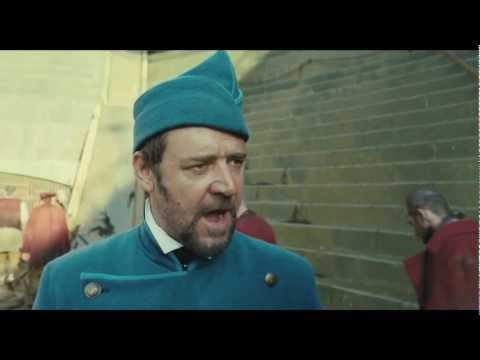
2-4-6-0-1. You hear this number numerous times in the musical adaption of Victor Hugo’s great novel, Les Miserables. 2-4-6-0-1 is the prison number of the protagonist in the play and movie, Jean Val Jean. The antagonist, Inspector Javert, refuses to call Jean Val Jean by his name. To him he is a number, depersonalized, just one of many prisoners who by law has to be released, but who in the eyes of Javert, is not fit to have a name, just a number.
There is much in our society that also depersonalizes us. For example, we are often identified by our Social Security number. This is how all the branches of the government recognize us, as well as banks, investments firms, colleges, etc. All this can easily lead us to see ourselves as just a number, one of many, depersonalized before all except our closest relatives and companions.
This is not how God views us. He doesn’t see someone as human being #18,352,786,674,504. To God we are each a unique person, a unique reflection of his image and likeness, an integral part of the Body of Christ. He created each of us to have a particular role in the living, spiritual entity that is the Body of Christ on earth.
St. Paul teaches this in today’s second reading. Each of us has a necessary function in the Body. No two of us are alike, no two functions in the Body are alike. We are each necessary for the victory of that Body.
Please note that the provided video clip serves as an additional resource to complement the homily. It might not have a direct correlation with the contributor’s original content. These videos aim to inspire preachers to enrich their own homilies, drawing ideas and insights from both the written material and the visual content they’ve explored.
This discussion guide has been generated by the WORD THIS WEEK’S Catholic AI Assistant based on Fr. Pellegrino’s homily.
Discussion Questions
1. Reflect on Identification:
– In the musical, Jean Val Jean is reduced to a number by Inspector Javert. How does this example illustrate depersonalization in society?
– How does the use of Social Security numbers or other identifiers in our society contribute to a sense of depersonalization?
2. God’s View of Individuality:
– Contrast how society commonly views individuals as numbers with how God views us, according to the sermon.
– How does recognizing each individual’s unique role in the Body of Christ change our perspective on community and personal identity?
3. Discovering Personal Roles:
– St. Paul speaks about various roles within the Body of Christ. What are some specific roles mentioned in the sermon?
– How can you identify your unique function within the Body of Christ? What steps can you take to discover and embrace your role?
4. Significance of Everyday Roles:
– How does the sermon emphasize the importance of everyday roles, like parenting, retirement, or student life, in God’s plan?
– Share an example of how a seemingly mundane task can have significant spiritual or communal impact.
5. Overcoming Depersonalization:
– What are some ways we can combat the depersonalization in society and celebrate individuality as God intended?
– How does sin lead to a loss of our unique identity before God? Discuss some examples or personal experiences.
Personal Reflection and Action:
– Reflect on a talent or gift you have. How can you develop and use it to support the Body of Christ?
– In what ways can you, as a part of a community, help others see their unique roles and contributions as vital and valued?
This 300 word adaptation of Fr. Pellegrino’s homily was generated by our Catholic Assistant AI bot, to help preachers share key insights from the homily with children and teens.
Imagine this: you’re sitting in front of your screen, maybe scrolling through Netflix or Spotify, and you come across the musical “Les Misérables.” There’s this number, 2-4-6-0-1, that comes up a lot. It’s not just any number; it’s the prison number of the main character, Jean Valjean. The bad guy, Inspector Javert, won’t even call him by his real name. To him, Valjean is just a number, nothing more than another convict.
This brings up something that happens a lot in our world too. Sometimes, it feels like we’re just numbers, right? Like when you’re trying to remember your Social Security number for a college application or setting up a bank account. It’s easy to feel like you’re just one of the many, just another face in the crowd.
But here’s something important: that’s not how God sees you. God’s eyes are different. You’re not just human being #18,352,786,674,504 to Him. Nope! To God, you’re a one-of-a-kind person with your own special place in the world. Think of it like each of us being a part of this awesome, living thing called the Body of Christ.
St. Paul talks about this in a reading today. He says that we all have our own role in this Body. Imagine if each of us was like a piece of a giant puzzle. Each piece is needed to complete the picture. You’re unique, and there’s no other piece quite like yours.
So, what role do you play? Well, there are all sorts of roles. You might be studying to become a doctor, an artist, or maybe a teacher. Maybe you’re the type who always helps a friend in need or stands up for others. You could be in healthcare, designing awesome buildings, or rocking it in college. All these roles are super important. Together, we’re part of God’s plan, making it happen here on Earth.
Think about the little things you do every day. Maybe you’re doing your homework, and it feels like a drag. But your effort in school might seem small, but it’s making you who you need to be! Or you might wonder what checking over your kid’s homework adds up to—but it’s a part of helping them become the person they’re meant to be. Every act of kindness and love you show makes a difference.
And let’s talk about uniqueness. You and I, we’ve got talents that only we can bring to the table. Maybe you’re good at singing, and even though someone else can sing too, no one has your exact voice. The world needs your sound, your passion, your ideas.
Sometimes, we might feel like we’re just blending in, losing who we are. Especially when we mess up or make mistakes. But here’s the good news: you are not just another person out there. All those mistakes? They don’t define you. God made you to be the real you.
Remember, God doesn’t care about numbers; He cares about you. When we live as the unique individuals God made us to be, sharing our talents and caring for others, we bring God’s love to life in the world. So keep being you because you’re exactly what the world needs!
DISCLAIMER: Adaptations (like translations), may not fully capture the nuances or precise meanings of the original text. It’s essential to read the original homily which can be accessed by clicking on the title above
3rd Sunday of Year C

The gospel for this Sunday is continued next week, so I will postpone the analysis of it until then. Instead, I will focus on the first reading, from Nehemiah 8. It is a wonderful meditation on the glory and wonder of the Word of God and it deserves our attention.
The background of the text is that in 587 BC, Israel had been conquered by the Babylonians and the survivors of the war were led into exile in Babylon. After 80 years the Persians conquered the Babylonians. Cyrus, King of Persia, permitted the Jews to return to the Promised Land. Sadly, only a small number chose to return and rebuild the ruined land and city. Among them was Nehemiah, a Jew and a royal official, who led the small band back and oversaw the rebuilding of Jerusalem.
I. HUNGER for the Word of God
II. HEARING of the Word of God
III. HONOR for the Word of God
IV. HELP unto the Word of God
V. HEARTFELT reaction to the Word of God
This discussion guide has been generated by the WORD THIS WEEK’S Catholic AI Assistant based on Msgr. Pope’s homily. NEED HELP? Copy and paste a question into the chat bot in the lower right corner of the screen and have our Catholic Assistant help you.
Discussion Guide for Nehemiah 8 and the Word of God
Background Context
– Reflect on the historical context of Nehemiah 8.
– In 587 BC, Israel was conquered by the Babylonians, with survivors exiled.
– The Persians later conquered Babylon, allowing Jews to return under King Cyrus.
– Nehemiah was a key leader in rebuilding Jerusalem and guiding spiritual renewal through rediscovery of sacred texts. Discuss the importance of rediscovering lost teachings and traditions.
Discussion Points and Questions
I. Hunger for the Word of God
– Nehemiah 8: Analyze the people’s eagerness for the Word as they gather to hear the Book of the Law of Moses.
– Questions for Reflection:
– Why do you think the people were so hungry for the Word of God after their exile?
– Examine your own life: Do you feel a similar hunger for God’s Word? Why or why not?
– How do Scriptures like Psalm 19:19 and Deuteronomy 8:3 depict the importance of desiring the Word?
II. Hearing the Word of God
– Discuss the communal nature of listening to God’s Word and the dedication of time (from morning to midday) for hearing it proclaimed.
– Questions for Reflection:
– How does communal worship enhance the experience of God’s Word?
– Compare the value and impact of communal versus private Scripture reading.
– What does this passage suggest about our modern attention spans in relation to spiritual matters?
III. Honor for the Word of God
– Observe how the people actively and reverently responded to the reading.
– Questions for Reflection:
– In what ways do we honor God’s Word today? How might we improve?
– What cultural expressions of reverence and attentiveness to Scripture do you observe in your community?
– How can respectful listening influence the impact of the Word on our lives?
IV. Help unto the Word of God
– Emphasize the role of the Levites in helping the people understand the law, underscoring the need for guidance in interpretation.
– Questions for Reflection:
– How important is it to have guidance and interpretation from the Church when studying the Word?
– Have you experienced Scripture becoming clearer or more meaningful with help from others?
V. Heartfelt Reaction to the Word of God
– Discuss the emotional response of the people upon understanding their past failures.
– Questions for Reflection:
– Share a time when the Word of God deeply moved you or changed your perspective.
– How should the Word of God challenge, motivate, or transform us?
VI. Heeding the Word of God
– Explore how the rediscovery of the Feast of Tabernacles symbolized genuine application of the Word.
– Questions for Reflection:
– What does it mean to truly heed God’s Word and apply it in our lives?
– How can we ensure our actions align with the teachings of Scripture beyond mere “lip service”?
This 300 word adaptation of Msgr. Pope’s homily was generated by our Catholic Assistant AI bot to help preachers share key insights from the homily for young people.
Hey everyone! Let’s dive into a Bible story about Nehemiah, who helped the Israelites rediscover the importance of God’s Word after they returned home from exile. This story is super relevant for us young folks today. Here’s why:
HUNGER for the Word: The Israelites were super eager to hear God’s Word, gathering together with excitement. Imagine being that excited about something! What if we felt that way about God’s message?
HEARING the Word: They listened as a community, not alone. Sharing God’s Word with friends makes it more powerful, like a shared experience at a concert or movie night.
HONOR for the Word: When Ezra read the Book, everyone showed respect and excitement. We can let God’s message move us too, whether through quiet reflection or an enthusiastic “Amen!”
HELP with the Word: They got help to understand it, like needing a guide in a video game. We have mentors and resources to help us grasp God’s Word better.
HEARTFELT Reaction: The message moved them deeply, just like a touching movie or song. It’s okay to feel something big from God’s Word, whether it makes you sad, grateful, or ready to change.
HEEDING the Word: They didn’t just listen; they acted on it. Think of it like accepting a cool challenge. God’s Word is meant to lead to action, influencing how we live and love.
So, what’s the takeaway? God’s Word is alive and can guide us today. Let’s get hungry for it, hear it together, honor it, understand it, feel it, and live it. What small step can we take this week to make that happen in our lives?
DISCLAIMER: Adaptations (like translations), may not fully capture the nuances or precise meanings of the original text. It’s essential to read the original homily which can be accessed by clicking on the title above

3rd Sunday of Year C
Justice Homilies for Sunday
Fr. Jude Siciliano, O.P. was ordained in 1969. For fourteen years he taught homiletics at the Graduate Theological Union in Berkeley, CA, and is a past president of the Catholic Association of Teachers of Homiletics. He was a volunteer chaplain at San Quentin Prison and was actively involved with “People of Faith Against the Death Penalty,” in North Carolina. He preaches parish retreats and also travels throughout the country giving preaching workshops.
⬇️ Bishop John Louis
3rd Sunday of Year C
The Word of God
Homily Excerpt

Today is the Sunday of the Word of God. In this homily, we will look at the meaning, “celebration, study and dissemination of the Word of God” (Pope Francis, Apostolic letter Aperuit illis, 30 September 2019, no. 3).
Firstly, therefore, let us honour the Word of God by making it the centre of our lives. Secondly, let us make time to read, study and pray with the Word of God. Finally, as we gain confidence in our knowledge of the Word of God, may the Holy Spirit empower us to become ardent ambassadors of the good news of salvation…
⬇️ Fr. Michael Chua
3rd Sunday of Year C

Homily Excerpt

Christ’s powerful words spoken to us at Mass are meant to change things, to change us, to change the hearts and the lives of all who hear them. Every mass requires more than just our attention, it demands a total investment of ourselves, it demands obedience. Unless you are deaf or hard of hearing, you should put aside your missals (and smart phones). These are useful tools to prepare for holy mass, but when the mass begins, we should put these aside. This is because reading along and listening attentively are very different activities and have very different results. In a certain way, when we read the Word during the mass, we continue to assert mastery over the word by subjecting it to all forms of analyses. But we are a people called to ‘listen.’ Now, this is much harder than reading. Listening makes us uncomfortable because we strain to listen not just with our ears but also with our hearts. Listening treats the word in a personal way, rather than just a subject to be studied. Listening is relational. Thus, we listen to God, we do not read or study Him. In listening, we make no demands of the Word – we merely listen, embrace the Word and obey. We seek not to substitute the Word with our words. But rather we allow the Word to form, challenge, comfort and finally consume us.
3rd Sunday of Year C
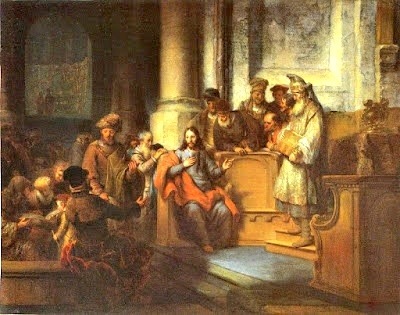
Homily Excerpt
The first and most important thing that we must remember about handing on the faith is this: everything begins and ends with Jesus Christ. He is the source, the fulfilment and the ultimate climax of revelation, and by extension, of all catecheses. For us Catholics, the Word of God is not just a book to be kept on the shelf nor a text to be merely studied. The Word of God is first and foremost a person – Jesus Christ, the Word made flesh. Pope Francis said, “Christian doctrine is . . . living, is able to unsettle, is able to enliven. It has a face that is supple, a body that moves and develops, flesh that is tender: Christian doctrine is called Jesus Christ.”
For this reason, we cannot and we should not claim to be People of the Book but People of the Living Word of God. We do not worship a book. We worship the One who is the source of divine revelation, the record of which is found in a book we call the Bible but also preserved in the oral tradition of the Church. No one can really claim that they understand the nature of catechesis without realising that its form, its content, and its ultimate goal is Jesus Christ.
3rd Sunday of Year C

Homily Excerpt
The story of the baptism of the Lord is found in all four gospels with tiny but significant differences. In the Fourth Gospel, the account is reported speech or a hear say account by St John the Baptist, whereas Matthew, Mark and Luke record this event directly as if they had witnessed it or received the testimony of other witnesses. But in all three Synoptic gospels, we see both similarities and differences in the basic order. Matthew, Mark, and Luke all follow the same basic order of events: the appearance of St John the Baptist and an introduction to his ministry followed by the Baptism of the Lord.
Although both Matthew and Mark record that the Lord is baptised by John, Luke remains silent on this. We can only assume as the reader and from comparing this text with the other parallel texts, that our Lord was baptised by John. But this omission may in fact be deliberate. In fact, Luke may have wanted to emphasise that Jesus baptised Himself since no one was worthy to do so: “Jesus after his own baptism.” Unlike us who are adopted children of God through baptism, that is being baptised by another person, Jesus who is already the Son of God by nature had no need of such elevation or coronation. In Matthew and Mark, immediately after hearing the voice of the Father, Jesus is led by the Spirit into the wilderness to be tempted.
3rd Sunday of Year C

Homily Excerpt
“The law of the Lord is perfect, reviving the soul; the decrees of the Lord are sure, making wise the simple,” says this Sunday’s Psalm. “The precepts of the Lord are right, rejoicing the heart; the commandment of the Lord is clear, enlightening the eyes.”
We recite this Psalm in response to the First Reading, in which we hear how Ezra read to the people “the book of the Law of Moses, which the Lord had given to Israel” from early morning until midday, making sure they understood it.
In the Gospel Reading, Jesus proclaims that he has been anointed by the Holy Spirit “to bring good news to the poor.”
Each Reading involves a message from God to humans. Each message informs and instructs us about God and his ways, which are as high above ours as the heavens are above the earth. Each makes known to us things we would not otherwise know.
3rd Sunday of Year C

Homily Excerpt
Sacred Tradition comprises what was “handed on” (in Latin, traditum) by the apostles through preaching, example, and the institutions they established, even before anything was written down (although semantic evidence suggests that the writing began very soon after Jesus’ death). Indeed, the Church decided which writings to include in the Bible by how well they agreed with Sacred Tradition.
(The canon, or catalogue, of the inspired books was not formalized until AD 382, at the Council of Rome.)
Clearly, Jesus wanted to make himself and his teaching known to the whole world for all time. However, he could not rely on a written document – as history shows.
Take the United States as an example. The late Supreme Court Justice Antonin Scalia claimed that the Court is continually reinterpreting the country’s constitution, and that many of the “rights” the Court has found there for the last 40 to 50 years “clearly did not exist” when it was written.
Instead, Jesus entrusted the interpretation of God’s word, both written and oral, to his apostles and their successors in his Church. He founded his Church on Peter as on a rock and promised that what it bound or loosed on earth would be bound or loosed in heaven. (We call the Church’s Christ-given authority her magisterium, from the Latin magister, meaning “teacher.”)
3rd Sunday of Year C
Homily Excerpt
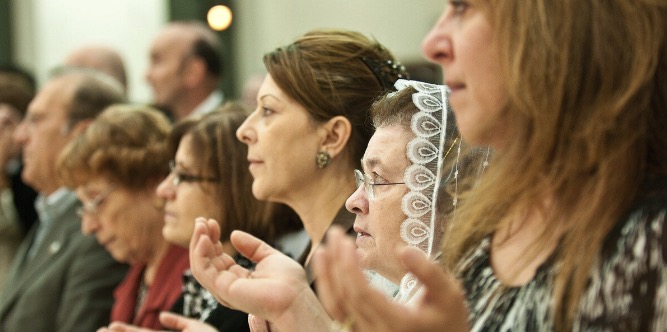
“Individualistic attitudes”—like extending one’s hands in unexpected or flamboyant gestures, speaking at a different pace from everyone else, or kneeling when one should be standing and vice versa—draw attention to oneself and distract others (including the priest!) from the authentic celebration. They divide us instead of uniting us.
Pope Francis notes that “among the ritual acts that belong to the whole assembly, silence occupies a place of absolute importance.” It is expressly prescribed during the Penitential Rite, after “Let us pray,” before and between the readings, after the homily, in the Eucharistic Prayer, and after Holy Communion.
⬇️ Fr. Denis J. Hanly
3rd Sunday of Year C
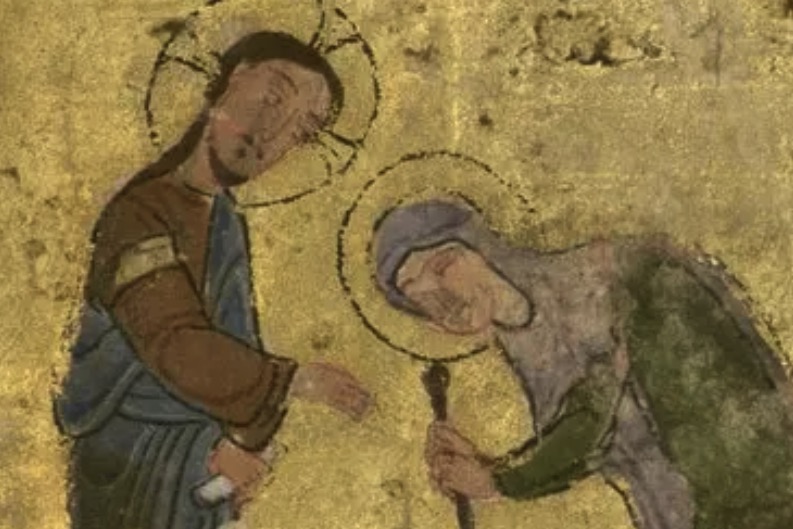
Homily Excerpt

A couple of days ago, someone hearing this said, “What does it mean, ‘glad tidings to the poor’?”
“Glad tidings” is gospel, good news.
And “to the poor,” and why is it “glad tidings to the poor”?
Because the poor are the people of God, the anawim, the faithful ones, and they are to receive the glad tidings, the good news.
And what is this?
It means that God Himself will come and He will show them that it is in your poverty that you will understand.
Because the meaning of “poor” to the people of Israel at that time was “for those who know their need for God.”
It wasn’t a matter of who had money or who didn’t have money. It wasn’t a matter of who was rich and who was poor.
⬇️ Fr. Tommy Lane
3rd Sunday of Year C
Become What You Read
Homily Excerpt
The Bible is not something to be gathering dust on a shelf but should really be in a prominent place in the home reminding us of its importance and reminding us to read a little from it often, every day if possible. For someone starting to read the Bible, picking one of the four Gospels might be the easiest. Mark is the shortest Gospel. Luke has some beautiful and favorite passages such as the prodigal son and the good Samaritan. John also has beautiful passages such as the raising of Lazarus and Jesus meeting the woman at the well. It would be good to find your favorite passages that you can come back to meditate on often for new insights. As we read and read Scripture, it will not just be words on a page, but become part of us. St. Augustine said concerning the Eucharist, “become what you receive,” and we could say the same about Sacred Scripture, “become what you read.”
- Become what you read 2022
- Your Word is a Lamp for my Steps and a Light for my Path
- Related Homilies: They have the Scriptures, let them listen to them!
- Second Reading: Paul in Corinth
- Homilies on Sacred Scripture
3rd Sunday of Year C

A question much ignored these days is whether our faith has anything to do with justice, economics, capitalism, poverty, or other sociopolitical issues. We have pried open a seemingly closed gap between the world of faith and the world of “real” issues. As a result, we never have to worry about changing our behavior or confronting our culture.
Groups often linked to evangelical values provide an odd confirmation of this. Think about it for a moment. What issues are associated with the powerful new Christian Coalition: Forgiveness? The poor? Liberty for captives? Setting the downtrodden free? Caring for the wounded? No, usually these groups are trumpeting their own enlightened self-interest or some other value more rooted in market imperatives than gospel ones. Even books about “the virtues” and pundits harping about moral decay seem wholly unaware of the spell that capitalism has cast upon us.
This discussion guide has been generated by the WORD THIS WEEK’S Catholic AI Assistant based on Fr. Kavanaugh’s homily. NEED HELP? Copy and paste a question into the chat bot in the lower right corner of the screen and have our Catholic Assistant help you.
Introduction
– Begin by reflecting on the statement that Christians often fail to take their Gospels seriously and entirely.
– Consider how this tendency manifests in personal biases and how scripture is used to support pre-existing beliefs.
Faith and Sociopolitical Issues
– Discuss how faith intersects with justice, economics, and other sociopolitical concerns.
– Reflect on the gap between spiritual beliefs and “real” world issues. Why might this gap exist?
The Real World Application of Faith
– Explore what it means to make faith and biblical teachings real in everyday life.
– Consider how specific Christian groups may or may not align with gospel teachings in their sociopolitical agendas.
Power and Gospel Teachings
– Analyze the use of Christian teachings by powerful groups, focusing on whether they prioritize gospel values over market-driven motives.
– Discuss the implications of tying religious beliefs to political ideologies.
Jesus’ Ministry and Isaiah’s Prophecy
– Reflect on the significance of Jesus beginning his ministry by invoking Isaiah 61:1.
– Discuss how this passage might inform modern Christian approaches to governance and social policy.
Reflection on Political Systems
– Consider how Christian convictions align or conflict with the political actions and ideologies of major political parties.
– Debate whether faith should influence political systems and, if so, how.
Faith-Driven Politics
– Discuss what a faith-driven political engagement might look like.
– Consider how faith could transform conventional politics and address societal issues.
Faith and Social Justice
– Reflect on the rationale behind Christian opposition to issues like the death penalty and economic inequality.
– Discuss how these stances are rooted in faith rather than solely in humanistic reasoning.
This 300 word adaptation of Fr. Kavanaugh’s homily was generated by our Catholic Assistant AI bot to help preachers share key insights from the homily for young people.
Hey everyone. Let’s chat about something we all struggle with sometimes: living out what we believe. As Christians, we have these great words in our Gospels, but often, we like to ignore the tough parts—especially the stuff that challenges our views. We focus on what makes us comfortable and forget the rest. Sound familiar?
Lately, people aren’t asking enough if our faith links to big topics like justice or how we treat those less fortunate. There’s this gap between church stuff and real-world issues. That gap means we don’t change how we act or engage with the world around us.
We only make Jesus’s words come alive if we let them into every part of our lives. Let’s be real—sometimes groups like the Christian Coalition focus more on their interests than what Jesus talked about, like caring for the poor or freeing the downtrodden. Even discussions about moral values can get sidetracked by what’s good for the market instead.
Jesus kicked off his mission with Isaiah’s awesome words about bringing good news to the poor, freeing captives, and taking care of those who struggle (Isaiah 61:1). Imagine a government or society truly built on those principles—no one would be left struggling, and everyone would get the support they need.
This isn’t about picking sides in politics. Both parties often care more about money and power than what Jesus taught. Even when it comes to helping the most vulnerable, like the unborn, financial priorities can take over.
But when we live our faith, we can change the game. Mixing faith with politics can transform everything. We have to let our beliefs shape our actions in the real world because otherwise, we’re just following the crowd.
There are a lot of good reasons to be against things like the death penalty or to advocate for fair economics. But for us, it’s about more than just logic—it’s about faith. It’s about taking Jesus seriously and acting on what he taught us. So, let’s think about how we can bring our faith into every part of our lives and make a real difference.
DISCLAIMER: Adaptations (like translations), may not fully capture the nuances or precise meanings of the original text. It’s essential to read the original homily which can be accessed by clicking on the title above
3rd Sunday of Year C
Homily Excerpt
2022 HOMILY: I invite us to take some time this week to simply reflect on where we were spiritually before the pandemic and to compare that to where we are now.
What’s different now? What’s the same? Every one of us will arrive at our own unique answers because we are many parts and yet one body.
- In what ways were we spiritually impoverished along the way, desperate for glad tidings?
- When were the times we felt oppressed or captive, desperate for liberty?
- In what ways have we been blind to our spiritual needs and the needs of others?
Can we bring our answers to these questions to Jesus this week in our prayer? Just as Jesus was the answer to the prayers of Nehemiah and Ezra, Jesus is also the answer to every one of our prayers for the simple reason that we cannot save ourselves. Only Jesus can save us. And so, as we reflect on the past and move forward into the future, there is one more question for us to consider. As Christians, we might ask ourselves, what would it look like for me to proclaim a year acceptable to the Lord?
3rd Sunday of Year C


In our second reading today you heard a letter from Paul to the Corinthians, and I would not be surprised if you knew absolutely nothing about the city of Corinth. Corinth was a cosmopolitan city. People flocked there from all regions of the Roman Empire. It was a center of government, of trade, of sports, and was also known as sin city.
To live like a Corinthian came to mean “wallow in immorality.” At a recent excavation of the city, they uncovered in one small area 33 taverns. What happened in Corinth, stayed in Corinth.
This was the city to which Paul brought Christianity, and five years later, he writes them the letter we have just heard. And we hear that this Corinthian church is divided, torn into four factions following different leaders all going their own way. Paul writes to them to try to heal the divisions. He likens the Church to the human body with its many parts where no single part is insignificant, without worth or value, and he tells them that is what the church should be like: all different parts working together with Christ as the head and every part of the body linked to Christ and to each other.
This discussion guide has been generated by the WORD THIS WEEK’S Catholic AI Assistant based on Fr. Warren’s homily. NEED HELP? Copy and paste a question into the chat bot in the lower right corner of the screen and have our Catholic Assistant help you.
1. Historical Context of Corinth
– Discuss the city of Corinth in the Roman Empire: its role, reputation, and significance.
– Reflect on the phrase “to live like a Corinthian” and its implications. How do modern cities compare with ancient Corinth in terms of reputation and moral challenges?
2. The Challenges of the Corinthian Church
– Explore the divisions within the Corinthian church as described by Paul.
– Discuss the metaphor of the Church as the human body with Christ as the head. How can this metaphor apply to our own faith communities?
3. Reflections on Modern Church Conflicts
– How do the conflicts within the Corinthian church mirror those in the modern Roman Catholic Church and other denominations today?
– What lessons can we learn from Paul’s approach to healing divisions that can be applied to contemporary conflicts within the Church or your faith community?
4. The Role of Sacraments
– Discuss the significance of baptism and the Eucharist in linking believers to Christ and each other.
– Reflect on the idea of becoming the Body of Christ through Holy Communion. What does this mean for individual and community identity?
5. Love as a Central Tenet of Christianity
– Explore the significance of love as expressed in St. Paul’s letters, placing emphasis on “faith, hope, and love” with the greatest being love.
– How can this message of love be a transformative force in personal and community life?
6. The Story of Love in Action
– Reflect on the prison chaplain’s experience with the HIV/AIDS patients, the communal efforts to decorate the altar, and their impact.
– Discuss the meaning and implications of the banner, “Love is all we have for now. What we don’t have is time.”
7. Living a Life of Love
– Examine the contrast between worldly achievements (“Women, horses, cars, clothes”) and a life dedicated to love and service as described by the sermon.
– Explore practical ways group members can embody love in their daily interactions and community involvement.
8. Urgency of Time and Living Purposefully
– Reflect on the idea that “what we do not have is time” and its urgency in the context of a Christian life.
– Discuss the analogy of living each day as if it were your first, last, and only day. How does this perspective alter the approach to daily life and relationships?
This 300 word adaptation of Fr. Warren’s homily was generated by our Catholic Assistant AI bot to help preachers share key insights from the homily for young people.
Hey everyone! In our talk today, we mentioned a letter from Paul to some folks in Corinth. Corinth was a lively city in Roman times, known for its party vibe. Paul introduced Christianity there and wrote to them five years later because the church was facing drama with cliques and different leaders causing division.
Paul used the idea of a human body to explain how everyone is different but connected, with Jesus as the head. This helps us understand that as a Church, we are like one big family, united by our baptism and faith in Jesus. When we take Communion, we’re becoming part of Jesus’ body, reminding us that God changes us to be united by love.
I once worked in a hospital with patients dealing with HIV/AIDS who felt lonely. They brightened things up with a banner saying, “Love is all we have for now. What we don’t have is time.” This highlights life’s challenges but reminds us that being Christian is about love. Paul told the Corinthians that faith, hope, and love matter most, and love is the greatest.
While education and healthcare are important, love truly transforms us. Without love, we’d just be like wild Corinth. At church or anywhere, if what we do lacks love, it’s not real. Ask yourself, did you really love today? We can’t guarantee time, so live each day like it’s the only one you’ve got, being more like Jesus.
A musician once said he tried everything and called it “living.” But isn’t it better to say you cared for everyone, especially those in need? Even if you can’t do everything, helping where you can is “loving.” Love is all we have for now, and time isn’t guaranteed forever.
DISCLAIMER: Adaptations (like translations), may not fully capture the nuances or precise meanings of the original text. It’s essential to read the original homily which can be accessed by clicking on the title above
⬇️ Fr. Joe Jagodensky, SDS
3rd Sunday of Year C
Homily Excerpt
A scroll. A youngster would ask her mom, “What’s a scroll!” Her young mom would say, “Heck if I know.” Yet the unrolled scrolls of Ezra and Jesus Christ today proclaim to us all that the good news of the joy, love, and the glory of God actively lives and resides in our midst.
Not a bad day to attend Mass, don’t you think? Happy and inviting Scripture readings. When I think of a scroll, I picture the town’s Cryer standing in the courtyard with some admonishingly bad news declared by the kingdom’s king. “Hear yea, hear yea,” yelling as loud as he can.
These days we don’t roll out a scroll with announcements about ourselves. These days we hear an often, quiet whisper inviting us more fully into the Body of Christ. “I think you’d be good at this,” says the whisperer. These whispers don’t enter our ears but arrive and arise from our hearts and souls. St. Paul vividly describes that any one gift cannot survive nor serve the whole without the combined gifts of others.
The following adaptation of Fr. Joe's homily, generated by our Catholic Assistant AI bot, is provided to help preachers share key insights from the homily with children and teens.
A girl might ask her mom, "What’s a scroll?" and her mom might say, "I’m not sure!" In ancient times, a scroll was like a book you rolled up. Both Ezra and Jesus used them to share the joy, love, and presence of God in our lives. Being at church today is special because the Scripture readings are uplifting.
When thinking about scrolls, imagine a town crier in a courtyard yelling, “Hear yea, hear yea!” Today, instead of scrolls, we often hear a small whisper in our hearts inviting us to be part of something bigger—the Body of Christ. This whisper tells us, “You’d be good at this,” and it comes from our hearts and souls. St. Paul reminds us that every gift is important, but we can’t do it alone. Our gifts become special when shared with others.
Ezra said, "Today is holy. Don’t be sad." Jesus said, "The Spirit is in me, helping lift people up, freeing us from what holds us back, and giving us God-like insight. Let’s make this year blessed for everyone."
Another voice might whisper, "Your feet can do amazing things." Each of us is part of the Body of Christ, and together we can do incredible things. God nudged me to realize power tools aren’t my strength, but I’m good at writing messages. What’s your gift? Let’s use our talents together and shine.
Our awesome trio—God, the Son, and the Spirit—remind us: "You have a special gift to share. Bring joy and keep our Church alive." Look out for “poverty” (cold hearts), “captivity” (trapped habits), “blindness” (not seeing others' views), and “oppression” (keeping others down). The Trinity encourages us to recognize and change these things. And finally, "That’s all for now."
DISCLAIMER: Adaptations (like translations), may not fully capture the nuances or precise meanings of the original text. It's essential to read the original homily which can be accessed by clicking on the title above.
This discussion guide has been generated by the WORD THIS WEEK'S Catholic AI Assistant based on Fr. Joe's homily. NEED HELP? Copy and paste a question into the chat bot in the lower right corner of the screen and have our Catholic Assistant assist you.
Introduction to Scrolls and Modern Implications
- In the sermon, a scroll is used as a symbol of delivering important messages. How do you think the metaphor of a scroll can apply to our modern ways of communication regarding faith?
- The preacher contrasts the loud proclamations of a town crier with the quiet whispers of today. How do these contrasts help us understand how God might communicate with us now?
The Concept of Gifts within the Body of Christ
- St. Paul emphasizes different gifts working together within the Body of Christ. What gifts do you think you bring to your community or church?
- Discuss how recognizing and celebrating these diverse gifts can strengthen the Church and fulfill its mission.
A Moment of Reflection: Civic Leadership and Imitation
- The sermon briefly touches on division in civic leadership. How does the behavior of leaders affect our actions and choices in personal and communal life?
- Reflect on the quote "Imitation is the highest form of…?" Discuss how this concept applies both positively and negatively in our faith journey.
Ezra, Jesus, and the Holy Message
- Reflect on Ezra’s declaration, “Today is holy to the Lord our God. Do not be sad, and do not weep.” How can this message of hope influence our daily lives?
- Jesus discusses bringing liberty and a new vision. How can we apply the idea of "God-like sight" in how we perceive ourselves and others?
Understanding Our Individual and Collective Roles
- What does the phrase "Body of Christ" mean to you in terms of community and individual roles?
- The sermon mentions the limitations and strengths of individuals—how does acknowledging weakness help in understanding your role in faith?
The Trinity's Message and Our Responsibilities
- The favorite trio, God, Son, and Spirit, encourage sharing our gifts with others. What steps can we take to 'unroll' our gifts in practical terms?
- Reflect on the challenges presented: poverty, captivity, blindness, and oppression. How can acknowledging these issues help us work towards solutions within our communities?
Personal Reflections and Application
- Consider the areas in your life where you might experience whispers from God. How can you be more attentive to these subtle nudges?
- How can you contribute to the collective strength of your community or church by using your gifts?
Click banners to access AI generated content.
Please note that some video clips on this page serveas an additional resource to complement the homilies. THey might not have a direct correlation with the contributor’s original content. These videos aim to inspire preachers to enrich their own homilies, drawing ideas and insights from both the written material and the visual content they’ve explored.