FEB 2, 2025


⬇️ Deacon Peter McCulloch

2020 | 2025
Presentation of the Lord


Mal.3:1-4;
Heb.2:14-18;
Lk.2:22-40
YEARS ABC—Today, February 2nd, is the Feast of the Presentation of Our Lord in the Temple. Many years ago, it was known as Candlemas and it was the Church’s day for the blessing of candles.
In the United States and Canada, today is also called Groundhog Day. This is a folkloric tradition that grew out of Candlemas, which itself marks the mid-point between the northern winter and spring. On Groundhog Day, a groundhog’s shadow is used to predict the weather, but I’ll come back to that shortly...
The movie Groundhog Day is a parable about life. It’s full of lessons about the state of our hearts and whether we choose to live in the light or in the shadows.
The elderly Simeon and Anna in Luke’s Gospel also lived predictable and monotonous lives. For years they went to the Temple every day, waiting for Jesus to arrive. But what made them quite different to Phil was their deep faith. The Holy Spirit had filled their hearts with hope, and when Jesus arrives they’re overwhelmed with joy.
This discussion guide has been generated by the WORD THIS WEEK'S Catholic AI Assistant based on Deacon McCulloch's homily.
Introduction
Engage participants by discussing the significance of the date and its traditions. Explain how February 2nd is celebrated as the Feast of the Presentation of Our Lord in the Temple, also known as Candlemas, and its link to Groundhog Day in the U.S. and Canada.
Scriptural Context and Character Analysis
1. Exploring Luke's Gospel Account
- Discuss the ritual of consecration and purification observed by Mary and Joseph as per Jewish Law (Exodus 13:1-2; Leviticus 12).
- Reflect on the roles of Simeon and Anna, highlighting their patience, devout faith, and joy upon seeing Jesus. How do these virtues resonate with participants' lives today?
2. Character Qualities
- Explore the characteristics of Simeon, Anna, and the Holy Family. Discuss how their spirit-filled, humble, obedient, and patient nature impacted their experiences.
- Encourage comparisons with personal life experiences.
Movie Parable and Self-Reflection
1. Groundhog Day (1993) Character Study
- Examine Phil Connors' journey from a narcissistic TV weatherman to a transformed individual. How does his transformation mirror the need for personal growth in individuals today?
2. The Significance of the Shadow
- Discuss the metaphor of the groundhog's shadow and Phil Connors' internal shadow. How does this symbolism relate to participants’ struggles or areas of personal growth?
3. Transformation Through Love and Awareness
- Discuss how Phil’s attraction to Rita and engagement in positive actions helped break his cycle of emptiness. Reflect on how genuine love and concern for others can lead to transformation in our own lives.
Faith Journey and Personal Application
1. Simeon and Anna's Steadfast Faith
- Compare Simeon and Anna's faith journey with Phil's path. What can we learn from their commitment and hope?
2. Baptism and the Light of Faith
- Reflect on the symbolism of Baptism as a personal presentation and consecration to God. Discuss the importance of keeping the flame of faith alive.
3. Personal Reflection Questions
- Is the flame of faith and love burning brightly within you, or are you caught in a cycle of monotony? What actions can you take to reignite or sustain your spiritual passion?
This 300 word adaptation of Deacon McCulloch's homily was generated by our Catholic Assistant AI bot, to help preachers share key insights from the homily with children and teens.

Today, February 2nd, is both Groundhog Day and the Feast of the Presentation of Our Lord, also known as Candlemas. Candlemas is about blessing candles and celebrating halfway through winter. In the Bible, Mary and Joseph take baby Jesus to the Temple, where they meet Simeon and Anna. Simeon, promised by the Holy Spirit he wouldn’t die before seeing the Messiah, is full of joy when he meets Jesus. Simeon and Anna teach us patience, faith, and joy, even when life is tough.
In the movie Groundhog Day, Bill Murray plays Phil, a weather man who relives the same day. At first, he’s grumpy and selfish, focused only on himself. But he eventually learns that being kind and caring for others makes life exciting and meaningful. When Phil becomes friendly and helpful, time moves forward, and he escapes his never-ending day.
Both Simeon, Anna, and Phil show us the importance of having an open heart. While Simeon and Anna patiently waited for Jesus with hope, Phil discovered joy by helping others. Like them, we should keep our hearts full of love and light.
During our Baptism, we were given a candle to remind us to live as children of light. So, think about your inner light. Is it strong and bright, or are you feeling stuck? Make sure your flame of faith shines brightly, and enjoy a life full of purpose and joy!
DISCLAIMER: Adaptations (like translations), may not fully capture the nuances or precise meanings of the original text. It's essential to read the original homily which can be accessed by clicking on the title above

2020 | 2025
Presentation of the Lord

Mal.3:1-4;
Heb.2:14-18;
Lk.2:22-40
YEARS ABC—Today, February 2nd, is the Feast of the Presentation of Our Lord in the Temple. Many years ago, it was known as Candlemas and it was the Church’s day for the blessing of candles.
In the United States and Canada, today is also called Groundhog Day. This is a folkloric tradition that grew out of Candlemas, which itself marks the mid-point between the northern winter and spring. On Groundhog Day, a groundhog’s shadow is used to predict the weather, but I’ll come back to that shortly...
The movie Groundhog Day is a parable about life. It’s full of lessons about the state of our hearts and whether we choose to live in the light or in the shadows.
The elderly Simeon and Anna in Luke’s Gospel also lived predictable and monotonous lives. For years they went to the Temple every day, waiting for Jesus to arrive. But what made them quite different to Phil was their deep faith. The Holy Spirit had filled their hearts with hope, and when Jesus arrives they’re overwhelmed with joy.
This discussion guide has been generated by the WORD THIS WEEK'S Catholic AI Assistant based on Deacon McCulloch's homily.
Introduction
Engage participants by discussing the significance of the date and its traditions. Explain how February 2nd is celebrated as the Feast of the Presentation of Our Lord in the Temple, also known as Candlemas, and its link to Groundhog Day in the U.S. and Canada.
Scriptural Context and Character Analysis
1. Exploring Luke's Gospel Account
- Discuss the ritual of consecration and purification observed by Mary and Joseph as per Jewish Law (Exodus 13:1-2; Leviticus 12).
- Reflect on the roles of Simeon and Anna, highlighting their patience, devout faith, and joy upon seeing Jesus. How do these virtues resonate with participants' lives today?
2. Character Qualities
- Explore the characteristics of Simeon, Anna, and the Holy Family. Discuss how their spirit-filled, humble, obedient, and patient nature impacted their experiences.
- Encourage comparisons with personal life experiences.
Movie Parable and Self-Reflection
1. Groundhog Day (1993) Character Study
- Examine Phil Connors' journey from a narcissistic TV weatherman to a transformed individual. How does his transformation mirror the need for personal growth in individuals today?
2. The Significance of the Shadow
- Discuss the metaphor of the groundhog's shadow and Phil Connors' internal shadow. How does this symbolism relate to participants’ struggles or areas of personal growth?
3. Transformation Through Love and Awareness
- Discuss how Phil’s attraction to Rita and engagement in positive actions helped break his cycle of emptiness. Reflect on how genuine love and concern for others can lead to transformation in our own lives.
Faith Journey and Personal Application
1. Simeon and Anna's Steadfast Faith
- Compare Simeon and Anna's faith journey with Phil's path. What can we learn from their commitment and hope?
2. Baptism and the Light of Faith
- Reflect on the symbolism of Baptism as a personal presentation and consecration to God. Discuss the importance of keeping the flame of faith alive.
3. Personal Reflection Questions
- Is the flame of faith and love burning brightly within you, or are you caught in a cycle of monotony? What actions can you take to reignite or sustain your spiritual passion?
This 300 word adaptation of Deacon McCulloch's homily was generated by our Catholic Assistant AI bot, to help preachers share key insights from the homily with children and teens.
Today, February 2nd, is both Groundhog Day and the Feast of the Presentation of Our Lord, also known as Candlemas. Candlemas is about blessing candles and celebrating halfway through winter. In the Bible, Mary and Joseph take baby Jesus to the Temple, where they meet Simeon and Anna. Simeon, promised by the Holy Spirit he wouldn’t die before seeing the Messiah, is full of joy when he meets Jesus. Simeon and Anna teach us patience, faith, and joy, even when life is tough.
In the movie Groundhog Day, Bill Murray plays Phil, a weather man who relives the same day. At first, he’s grumpy and selfish, focused only on himself. But he eventually learns that being kind and caring for others makes life exciting and meaningful. When Phil becomes friendly and helpful, time moves forward, and he escapes his never-ending day.
Both Simeon, Anna, and Phil show us the importance of having an open heart. While Simeon and Anna patiently waited for Jesus with hope, Phil discovered joy by helping others. Like them, we should keep our hearts full of love and light.
During our Baptism, we were given a candle to remind us to live as children of light. So, think about your inner light. Is it strong and bright, or are you feeling stuck? Make sure your flame of faith shines brightly, and enjoy a life full of purpose and joy!
DISCLAIMER: Adaptations (like translations), may not fully capture the nuances or precise meanings of the original text. It's essential to read the original homily which can be accessed by clicking on the title above
⬇️ Fr. Austin Fleming
Presentation of the Lord

The song is a musical setting for Simeon’s words in the gospel of the Feast of the Presentation. His words are prayed every evening at Compline, the official night prayer of church. As you’ll hear in the music, those words from Compline find an echo here in the four lines with which our Night Prayer always concludes…
On this Feast of the Presentation, pay attention to ordinary folks like Simeon and Anna – and us. And pay attention to Jesus – who pays attention to you – Jesus who came for you, who came to be the light of the world, the light in your darkness and mine, Jesus, the light no darkness can extinguish.
This discussion guide has been generated by the WORD THIS WEEK’S Catholic AI Assistant based on Father Austin’s homily. NEED HELP? Copy and paste a question into the chat bot in the lower right corner of the screen and have our Catholic Assistant help you.
1. Introduction to Jesus as the Light of the World
– Discuss the metaphor of Jesus as the “light” and what it signifies in a spiritual or personal sense.
– Reflect on the importance of paying attention to whom Jesus pays attention.
2. Jesus’ Focus and Mission
– Identify the people Jesus came for, according to the sermon. Discuss why these groups were significant during Jesus’ time.
– Explore how these groups might be represented in today’s society.
3. Simeon and Anna: Models of Faith
– Who were Simeon and Anna in the gospel story? Analyze their role in welcoming Jesus.
– Discuss the implications of being “church people” in the context of the sermon. Reflect on your own experiences.
4. The Presentation of Jesus in the Temple
– Describe the scene of Mary and Joseph bringing Jesus to the temple. Why is there an emphasis on the absence of grandeur?
– What can we learn from the presence of just Simeon and Anna at this significant event?
5. Jesus’ Accessibility to All
– Explore the sermon’s description of who Jesus came for, including those of all faiths and varying levels of belief.
– Discuss what it means for Jesus to come for everyday, ordinary people and how that applies today.
6. Jesus’ Compassion and Understanding
– Examine the sermon’s emphasis on Jesus’ approach to sinners. How does this perspective affect your understanding of forgiveness and reconciliation?
– Reflect on the significance of Jesus meeting us where we are and his invitation to change and follow him.
7. Personal Reflection on Darkness and Light
– Discuss what personal “darkness” might mean and how Jesus as a light might impact that.
– How can the metaphor of being a light in others’ darkness influence our daily actions and interactions?
8. A Call to Action: Sharing the Light
– What does it mean to share the light of your own heart, according to the sermon?
– Consider how you might carry this message forward, perhaps even taking a symbolic action like keeping a candle.
9. The Ultimate Act of Love
– Reflect on the symbolism of Jesus’ sacrifice and the invitation to share in the Eucharist.
– Discuss how this act of love is a foundational element of faith and community.
This 300 word adaptation of Fr. Austin’s homily was generated by our Catholic Assistant AI bot, to help preachers share key insights from the homily with children and teens.
Hey everyone! Let’s talk about something awesome: Jesus as the light of the world. He’s here for each of us, no matter who we are. Jesus didn’t just come for those who seemed perfect. He focused on those who often get overlooked. Whether you’re feeling lost, don’t fit in, or are going through tough times, Jesus is here for you. He cares about everyone, including those with different beliefs or none at all.
Let’s look at Simeon and Anna—just regular people at the temple when baby Jesus arrived. They noticed him when many didn’t. This reminds us to pay attention to what really matters. Jesus’ first visitors were shepherds, not fancy folks. In the temple, ordinary people like us greeted him.
No matter where you are in life, Jesus is watching over you. Whether you pray a lot, a little, or not at all, he’s reaching out with love and kindness, not judgment. It’s not about being perfect. Jesus came to help us navigate our lives, guiding us to grow and be our best selves. He meets us where we are, encouraging us on our journey.
He’s the light in any darkness you might face, wanting to fill our lives with love and encouraging us to spread that light to others. Remember Jesus’ love through his ultimate sacrifice, and that everyone is welcome at his table. Think about people like Simeon and Anna—the regular folks who made a big difference just by being present. Jesus notices you and wants to light up your world. Keep your light shining and share it with others who might need it.
DISCLAIMER: Adaptations (like translations), may not fully capture the nuances or precise meanings of the original text. It’s essential to read the original homily which can be accessed by clicking on the title above

Presentation of the Lord
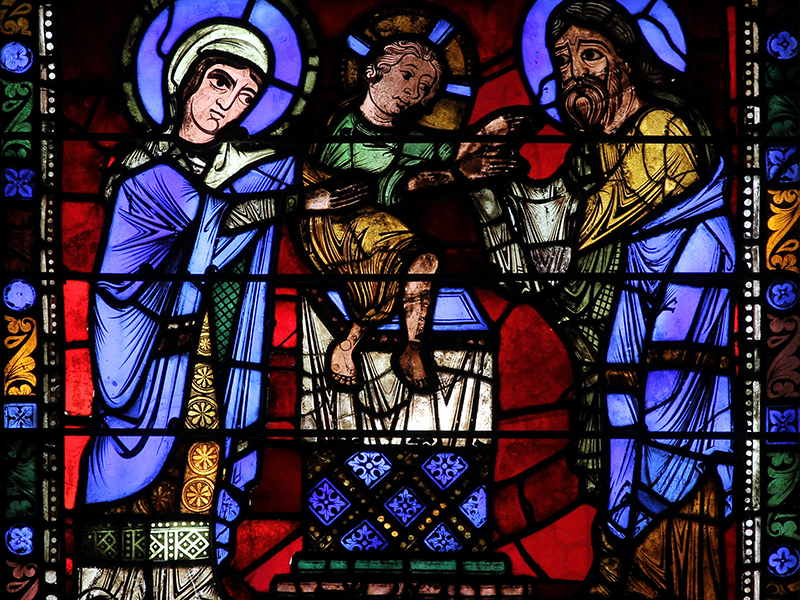
Photograph by Fr Lawrence Lew OP of a stained glass window, c.1145 in Chartres Cathedral.
The following adaptation of the Dominican Blackfiars' homily for this week, generated by our Catholic Assistant AI bot, is provided to help preachers share key insights from the homily with children and teens.
Hey everyone, today I want to talk about a story of a truly amazing person – Mary, the mom of Jesus. We're focusing on a special moment in her life. Mary took Jesus to the temple, kind of like going to church. It was part of their tradition to present new-borns, showing dedication and respect.
A wise man named Simeon told Mary that Jesus was going to be super important but would face many challenges. He said this would be tough for Mary, like a sword piercing her heart. Even though it was hard, Mary stayed committed and said "Yes" to God's plan.
Mary's story teaches us about loyalty. Starting something brave is one thing, but sticking with it is another. She thought a lot about Simeon's words, preparing for the tough times ahead. Mary kept hope alive, even when things were hard. Watching Jesus go through tough times must have been difficult, but she trusted there was a greater plan. She's called blessed because she never lost hope.
Mary had a pure heart. She understood the big picture and trusted God’s plan, even when it was painful. Her sorrow was real, but she found joy knowing her son was following his purpose.
As we move from winter to spring, let's bring light into the darkness, just like people do with candles on Candlemas. We might not fix everything at once, but each little light helps. When life gets tricky and our hearts hurt, let's find the courage to seek hope and have faith that light will shine through dark times, just like Mary did.
DISCLAIMER: Adaptations (like translations), may not fully capture the nuances or precise meanings of the original text. It's essential to read the original homily which can be accessed by clicking on the title above.
This discussion guide has been generated by the WORD THIS WEEK'S Catholic AI Assistant based on the Dominican Blackfiars' homily for this week. NEED HELP? Copy and paste a question into the chat bot in the lower right corner of the screen and have our Catholic Assistant help you.
Discussion Questions
1. Understanding Mary's Journey
- How does the prophecy of Simeon set the stage for Mary's journey of faith and pain?
- In what ways can Mary's initial 'Yes' to God be seen as both an act of trust and a precursor to suffering?
2. The Feast Day Context
- Discuss the dual nature of the Presentation of the Lord and the Purification of Mary. How do these historical and religious contexts enrich our understanding of this event?
- How can modern perceptions influence our understanding of purification in the religious context? What might we learn from revisiting its original significance?
3. Obedience and Sacrifice
- How does Mary’s obedience to the Law of Moses highlight her role in the divine plan?
- What is the connection between Mary’s act of presenting her Son and the sacrifice he will ultimately make? How does this enhance our understanding of sacrifice?
4. Fidelity and Endurance
- Reflect on the notion of fidelity in the face of suffering. How does Mary exemplify this, and what can we learn from her steadfastness?
- Consider Mary's role in witnessing and participating in Jesus’s Passion. How does her journey challenge us to remain faithful in our own lives?
5. Purity and Hope
- How does Mary’s purity and clarity of contemplation provide her with strength during her sorrows?
- In what ways does this purity align with the concept of hope, particularly in the context of Candlemas and the transition from darkness to light?
6. Personal Reflection and Application
- How can Mary's journey inspire us to face our own struggles and "sorrows"?
- What practical steps can we take to nurture obedience, fidelity, and purity in our own spiritual lives?
- How does the idea of being a person of hope and light influence your view of overcoming darkness in today’s world?
Homily Excerpt
Presentation of the Lord | Fr David Rocks contemplates the virtues of Our Lady and the light of hope that unites her to her Son.

The Tradition tells us of the seven sorrows of Our Blessed Lady, and on this feast day we mark the first of those: the prophesy of Simeon. What a journey it has been for Mary! Having responded to the God Who Speaks with her fiat, her Yes, she has given birth to her Son, she has named him as requested. Now she learns that the Son who she has accepted will be rejected by many. He will be a source of division. And his pain will be the source of her own painfulness. The sword will pierce her heart also.
The feast we celebrate today is the Presentation of the Lord, but it has also been called, in the Tradition, the Purification of Our Blessed Lady. This is a factual nod to the practicalities of the Law, which required both a presentation of the new-born and the purification of the mother. There isn’t space now to enter into the details of this, but it was to fulfil the requirements of the Law of Moses. For our modern ears, perhaps hints of an out-styled prudishness regarding the physicality of our sexuality might make us sensitive to the concept of purification, but maybe we need a rethink. Our reflection on the Lord’s Passion necessitates our recollection on the fulness of his humanity. Of all the feast days connected to Our Blessed Lady, this particular one invites us to contemplate the true extent her humanity, and the cost to her of the obedience, fidelity, passion, and purity that are part of the reality of her mission, and therefore her inspiration to us as disciples.
Presentation of the Lord
The following adaptation of the Dominican Blackfiars' homily for this week, generated by our Catholic Assistant AI bot, is provided to help preachers share key insights from the homily with children and teens.
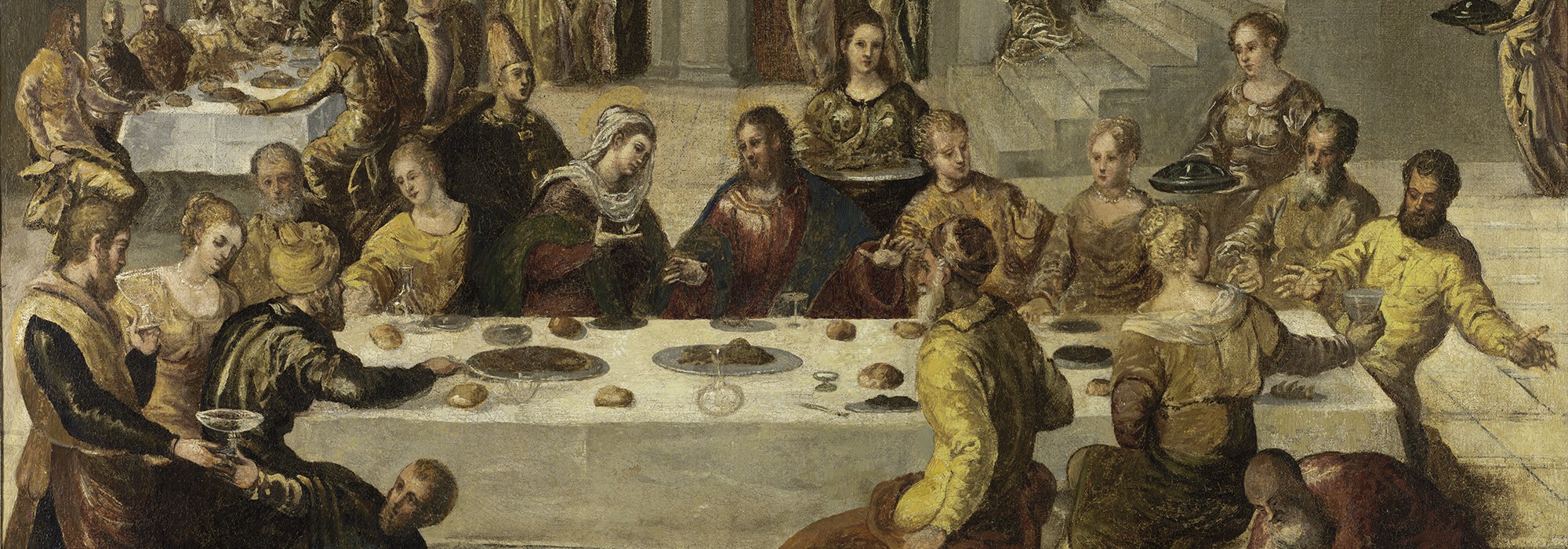
Hey everyone, let's dive into a fun Bible story about a wedding party! Have you ever been to a wedding where everything’s going great, and suddenly you run out of soda or snacks? This happened in a story from the Bible in a place called Cana.
Jesus was at this wedding with his mom and friends, just hanging out. Suddenly, they ran out of wine, which was a big deal back then. Jesus’ mom told him about it. Even though he seemed a bit reluctant at first, he ended up saving the day by turning water into wine. This showed he wanted everyone to enjoy the party.
Some might think this is about drinking, but it’s really about making sure people can celebrate and enjoy life. Jesus ensured the wedding was fun and went smoothly. This story is relatable because we all know how it feels when something goes wrong, and someone steps up to fix it. Jesus was the hero of the day, making sure everyone kept having fun.
This isn't just about having a good time. It’s a reminder that Jesus was a real, ordinary guy who liked enjoying life like we do. It shows that God wants us to live happily, not boring lives. He wants us to have the best life, which can be found through Jesus.
When you think about this story, remember it’s not just about a miracle. It’s about living fully and being true to ourselves, just like Jesus did. Even when things got tough, he stayed honest and showed everyone that being good to each other is what matters. Next time you’re at a celebration or in a situation that needs a little help, think about being like Jesus—helpful, caring, and enjoying life to the fullest. That’s the real ‘good wine’ of life!
DISCLAIMER: Adaptations (like translations), may not fully capture the nuances or precise meanings of the original text. It's essential to read the original homily which can be accessed by clicking on the title above.
This discussion guide has been generated by the WORD THIS WEEK'S Catholic AI Assistant based on the Dominican Blackfiars' homily for this week. NEED HELP? Copy and paste a question into the chat bot in the lower right corner of the screen and have our Catholic Assistant help you.
Setting the Scene of the Wedding at Cana
a. Discuss why the story of the Wedding at Cana is often recognized even by those less familiar with the Bible.
b. Explore the parallels between the biblical story and modern wedding receptions. How does this familiarity help in understanding the narrative?
2. Theological Implications of Jesus' Miracle
a. Consider the story’s relationship to the Christian temperance movement. What arguments can be made for and against the consumption of alcohol using this passage?
b. What does the miracle of turning water into wine say about Jesus' stance on celebrating and enjoying life?
3. Understanding Contextual Challenges
a. Reflect on the difficulties people face when attempting to engage with the Bible without understanding its historical and cultural context.
b. Why is it significant that the Wedding at Cana is a relatable scene for modern audiences?
4. Jesus' Relationship with His Mother and Others
a. Discuss the interaction between Jesus and Mary in this passage. How is this dynamic relatable to modern family interactions?
b. Consider how viewing Jesus as a young man enjoying a wedding with friends changes or reinforces your perception of him.
5. Human and Divine Nature of Jesus
a. Analyze how the sermon describes Jesus' dual nature as both fully human and fully divine. What examples from this passage support this duality?
b. Explore the idea that Jesus lived a fulfilling human life and how this can be an example for us.
6. Signs and Misunderstandings
a. Discuss the significance of the wedding feast at Cana being the first of Jesus' signs.
b. Why do you think people asked for a sign from Jesus despite witnessing many? What does this suggest about human nature and expectations?
7. The Good Wine as a Metaphor
a. What does the concept of Jesus as the "good wine" symbolize in terms of living a fulfilled life?
b. How can compromising with falsehood and hypocrisy be seen as rejecting this "good wine"?
8. Application to Modern Life
a. In what ways can this story guide us in our personal lives when we encounter a lack of humanity or falsehood?
b. How can we strive to appreciate and live out the "good wine" in our day-to-day interactions and decisions?
Encourage group members to share personal reflections and examples related to each discussion point. If appropriate, summarize key insights or revelations discovered during the discussion.
Homily Excerpt
Fr Dominic Ryan considers the difference between Christ and John the Baptist as the key to understanding Advent joy.
John the Baptist represented the culmination of prophecy in Israel. He called Israel to repentance and as we can see in the gospel he exhorted Israel to moral behaviour, insisting that people should be just, honest, and generous.
But as important as all that John did was, moral goodness alone – which effectively was what John preached – would not change the world. There is no shortage of morally good people who can testify to this. Moral goodness alone, for all its value and importance, won’t free human beings from sin and it certainly won’t make eternal life with God possible.
For that something more is needed and that’s what Our Lord offered through his life, death, and resurrection. The grace unleashed by Our Lord’s sacrifice perfected our moral life, it elevated our nature, and it made possible eternal life with God.
Presentation of the Lord
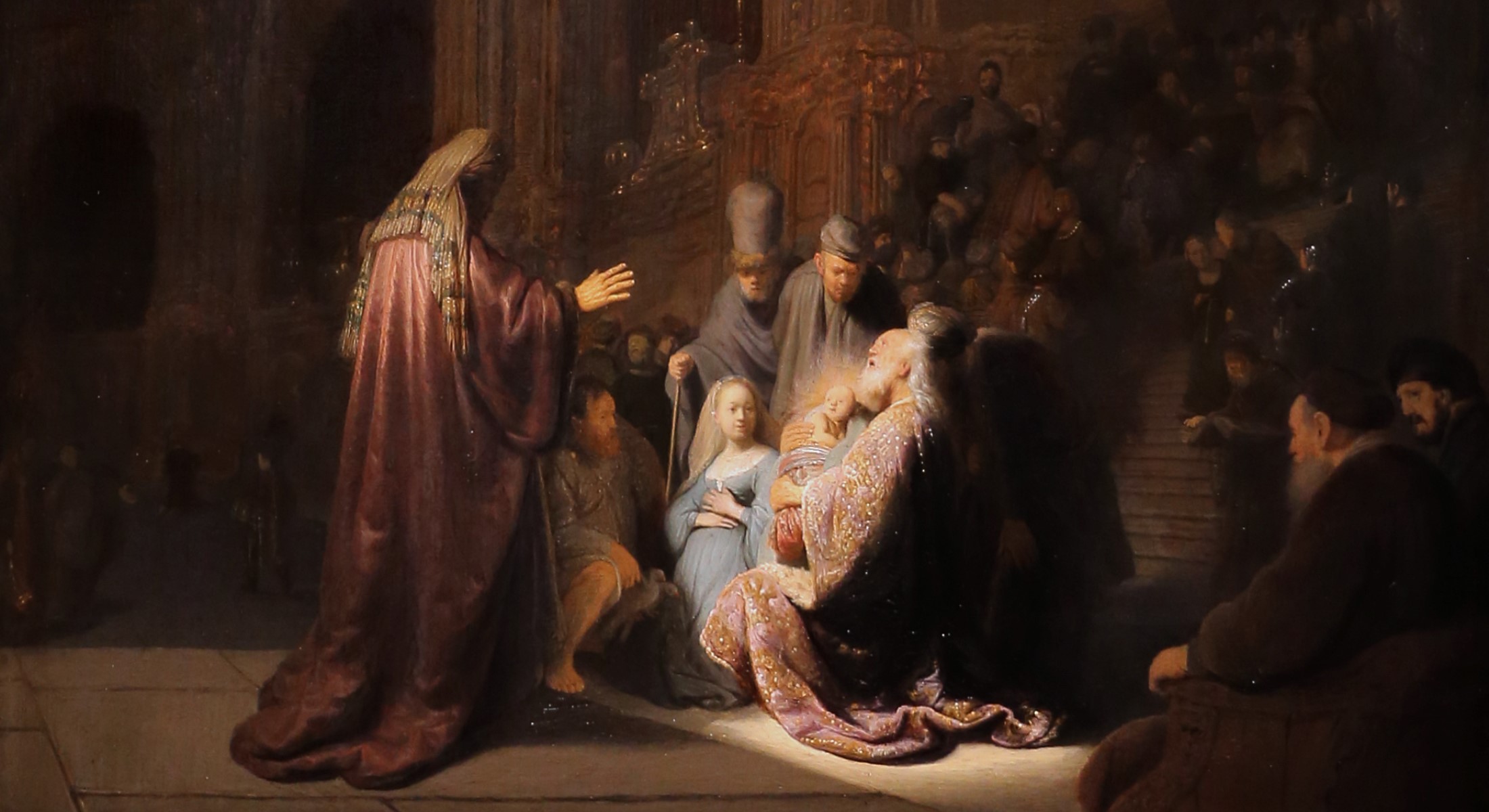
The following adaptation of the Dominican Blackfiars' homily for this week, generated by our Catholic Assistant AI bot, is provided to help preachers share key insights from the homily with children and teens.
Hey everyone! Let's dive into a pretty cool topic today. It might sound a bit unusual, but sometimes God can seem a bit scary, right? In today's Bible stories, we notice this a lot. Isaiah, a guy from the Old Testament, sees a vision of God and feels totally overwhelmed. He’s like, "Whoa, I’m not ready for this!" And then in the New Testament, there's Simon (who you might know as Peter). When Jesus performs this amazing miracle and fills their boats with fish, Simon is all freaked out, thinking about how imperfect he is compared to Jesus.
We might even find ourselves feeling a bit scared of God too, thinking about His holiness and how different He is from us. It makes us want to keep our distance sometimes. But let's be real, we all have pieces of our life that we’d rather keep hidden, right? Still, God’s goodness is like a bright light that shines on these parts, and while that might feel unsettling, it's actually a good thing!
But here’s the awesome part: the story doesn't end with fear. These Bible stories show us that God’s words and actions can totally transform people. In Isaiah’s story, an angel touches his lips with a burning coal as a sign of cleansing and new life. It’s like God saying, "Hey, I’m burning away the bad stuff, and filling you with My energy!" Isaiah feels empowered to step up and say, "Send me!" when God asks for someone to go on a mission. Meanwhile, on the Sea of Galilee, Jesus tells Simon not to be scared and that he will now "catch people" instead of fish. This totally changes Simon and his crew into dedicated followers, showing how forgiveness and purpose are tied together.
When we talk about faith, maybe we picture something that happens in one go, like a light switch. But in reality, it’s often a process—like a journey. At the start of the Gospel story, those fishermen are worn out from working all night and catching zip, yet Simon chooses to listen to Jesus and trust him. And what happens? They haul in a massive catch. This goes to show that Jesus’ words are powerful and reliable. And God doesn’t just give us the bare minimum; He’s ready to offer abundance. There's a famous quote that asks, "What’s more amazing than staking everything on God’s word?" This journey of faith means embracing those moments we're uncomfortable or afraid, recognizing that through them, we discover God's forgiveness and learn to appreciate all that's given to us.
Now, about Jesus telling Peter and his mates they’ll be "catching people"—it’s not just about changing what they're fishing for. In Luke’s version, it’s about making people truly alive through new life with Jesus. Sure, in the world, people might follow others because of force, money, or lies—we see it in the news all the time! But what Jesus is talking about is way more special: the power of holiness. It's about capturing hearts with love, not fear, and inspiring people to take on a bold faith in God. That’s the kind of "fishing" we’re all invited to do.
DISCLAIMER: Adaptations (like translations), may not fully capture the nuances or precise meanings of the original text. It's essential to read the original homily which can be accessed by clicking on the title above.
This discussion guide has been generated by the WORD THIS WEEK'S Catholic AI Assistant based on the Dominican Blackfiars' homily for this week. NEED HELP? Copy and paste a question into the chat bot in the lower right corner of the screen and have our Catholic Assistant help you.
1. Opening Reflection
- Discuss the connection between seasonal changes and the timing of significant religious feasts.
- Reflect on the symbolism of light, hope, and new beginnings within the context of faith.
Section 1: The Significance of Candlemas
2. Seasonal Context
- How is the feast of Candlemas positioned within the solar calendar?
- Discuss the symbolic importance of this timing in terms of transitioning seasons and its spiritual implications.
3. Historical Perspectives
- Explore historical celebrations associated with this time of year, such as Scandinavian and American traditions. How do these reflect similar themes of awakening and renewal?
Section 2: The Presentation of the Lord
4. The Subtle Arrival of Jesus
- Reflect on why the presentation of Jesus is regarded as a sign of hope and renewal for Israel.
- Discuss the significance of the ordinary arrival of Jesus and what it means for recognizing the extraordinary in the ordinary.
5. The Role of Hope and Vigilance
- How did Simeon and Anna recognize the significance of Jesus when others did not?
- Discuss Carl Jung's perspective on living with hope for the future. How does this apply to the faith journey?
Section 3: The Gifts of the Presentation
6. The Nature of Giving
- Analyze the fourfold gift exchange during the presentation of Jesus. What does this teach us about mutual giving and receiving?
- Discuss examples of surprising gifts from God in our own lives and the importance of being open to them.
Section 4: Renewal in the Church
7. Current Challenges and Hopes
- Reflect on the metaphorical "winter" the Church is experiencing today. What challenges are we facing?
- Discuss how maintaining an open perspective like Simeon and Anna can help us identify budding signs of renewal and new life in the Church.
8. Renewal through Holiness and New Leaders
- How does the notion of God raising up holy individuals in every age provide hope?
- Speculate on the possible presence of new leaders who may bring renewal, akin to historical figures like St. Benedict or Mother Teresa.
Conclusion
9. Final Reflection
- Reflect on the hope of spring and renewal within both the natural world and our spiritual lives.
- How can we, like Simeon, prepare to "depart in peace," having witnessed the hope and grace of God in our time?
10. Prayer and Action
- Close with a prayer for openness to God's surprises and the courage to embrace our role in bringing about renewal.
- Encourage participants to identify one small action they can take to remain hopeful and vigilant in their faith journey.
Homily Excerpt
The Presentation of the Lord. Cardinal Timothy Radcliffe encourages us to look forward with hope.
The great feasts of our faith are often linked to the annual drama of the rise and fall of sunlight. Epiphany, for example, falls on the first day that the sun begins to rise earlier. The days had been getting longer for a while, but only about the feast of the three wise men coming from the east, do we see an earlier dawn.
Today’s feast, Candlemas, is half way between the shortest day of the year and the spring equinox. The winter is beginning to let go of its grip, but there is not yet much sign of the spring. The balance of the year is discreetly tipping over towards light and warmth and new growth.
In the Middle Ages, on this day Scandinavians celebrated that bears were waking up after a good hibernation, stretching their paws and thinking of breakfast. In America it is groundhog day. Snowdrops are unfurling themselves. They are also called Candlemas bells. They are the tiny, easily missed signs that spring is coming, even though it does not feel like it.
⬇️ Fr. Charles E. Irvin
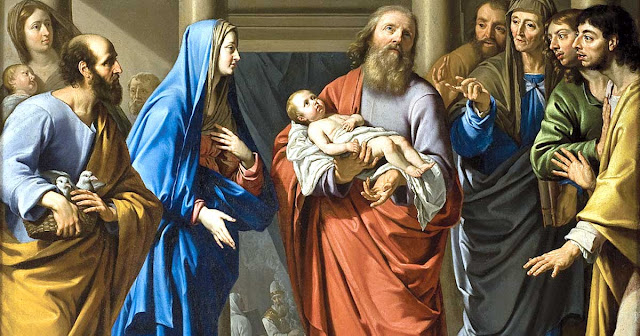
Presentation of the Lord
Fr. Manfredonia’s Homily on the Feast of the Presentation
There is no homily this week from Fr. Irvin.

Today’s Feast of the Presentation reminds me of something that Padre Pio said. He said, “For those souls who are faithful, this life in this world is like a purgatory.” The souls in purgatory experience great joy knowing that they are saved and that they will see God face to face. At the same time, they experience great pains because they aren’t yet given the beatific vision that they long for with incredible desire.
Today’s feast interestingly, is the fourth joyful mystery of the rosary because it is a great joy for our Lady to present her Son, the Redeemer of the world, in the Temple. But at the same time, it is the first sorrow of our Lady of the Seven Sorrows. So our Lady is experiencing great joy and also great sorrow. Saint Simeon who had received the promise from God that he would not die before seeing the expected Messiah, takes the Divine Child from the hands of Mary, and enlightened by the Holy Spirit, announces to her how much sorrow, this sacrifice must cause her.
This discussion guide has been generated by the WORD THIS WEEK’S Catholic AI Assistant based on Fr. Irvin’s homily. NEED HELP? Copy and paste a question into the chat bot in the lower right corner of the screen and have our Catholic Assistant help you.
Reflect on Padre Pio’s statement: “For those souls who are faithful, this life in this world is like a purgatory.”
How do you relate to the idea of this life being a mixture of joy and suffering? How can we find peace knowing that joy and suffering often coexist?
The feast is both a joyful mystery of the rosary and a source of sorrow for Mary.
What does this duality tell us about the nature of faith and devotion? How can we reconcile feelings of joy and sorrow in our spiritual journey?
Explore Saint Simeon’s role in the Presentation.
How does his prophecy about Jesus and Mary add depth to our understanding of sacrifice in faith? Reflect on how anticipation of future hardships can shape one’s faith journey.
The sermon speaks about Mary’s awareness and consent to the sacrifice of Jesus.
What does this reveal about the nature of true consent in matters of faith? Discuss how having sufficient knowledge is crucial in making spiritual commitments.
Mary is portrayed as having a unique “maternal priesthood.”
How does this concept change or enhance your understanding of Mary’s role in the salvation story? In what ways can laypeople emulate Mary’s spirit of offering in their own faith practices?
Examine the theological reflections by Saint Thomas Aquinas and Saint Epiphanius within the sermon.
What insights do these reflections offer about the nature of Mary’s sacrifice and her involvement in Jesus’s mission?
The sermon ends with gratitude towards Mary for her sacrifices.
How can expressing gratitude for the sacrifices of biblical figures, or others in your life, deepen your faith or your sense of community? Share ways you express gratitude in your spiritual or daily life.
This 300-400 word adaptation of Fr. Irvin’s homily was generated by our Catholic Assistant AI bot to help preachers share key insights from the homily for young people.
Hey everyone! Today, let’s chat about something cool: the Feast of the Presentation. It’s about love, sacrifice, and saying “Yes” to God, even when it’s hard. A wise man named Padre Pio once said that life is like a practice session for those who keep their faith. It’s tough sometimes, but there’s hope and joy ahead!
Today’s celebration is about a special story with Mary, the mother of Jesus, and a man named Simeon. Mary brought baby Jesus to the Temple, and Simeon was there. God had told Simeon he’d see the Savior before he died. When he saw Jesus, he was so happy! But he also told Mary that her journey would have sorrow and joy. He said a “sword” would pierce her soul, meaning she’d feel pain too. Mary knew Jesus had a big mission to save everyone, and she said “Yes” because love means sacrifices.
This “Yes” was a brave choice, just like how people know what they’re promising when they get married. Mary knew Jesus’s mission would be hard, but she agreed with all her heart. Her decision was so brave it amazed even the angels!
What’s cool is Mary’s “Yes” is like what priests do. She offered Jesus out of love for everyone, showing how much she cared. She’s like a spiritual leader, teaching us how to love selflessly.
Remember, love and faith can mean making sacrifices. Let’s appreciate Mary today and how she inspires us to be strong and loving!
DISCLAIMER: Adaptations (like translations), may not fully capture the nuances or precise meanings of the original text. It’s essential to read the original homily which can be accessed by clicking on the title above
⬇️ Fr. George Smiga
- The Light of Christ—the Light in Us (2002)
- Faith Is More than Looking (2014)
- In the Time That Is Left (2020)
Presentation of the Lord
Each week, THE WORD THIS WEEK presents an excerpt from Fr. Smiga’s homily archive. To access all of the homilies for this Sunday, click on the title above. Then scroll down the page to find the text of this homily.

2002 HOMILY – As people of the 21st century, it is easy for us to take for granted the importance of light. Since Thomas Edison invented the electric light bulb, we have had control over light. When night falls, or the days of winter grow shorter, we do not alter our plans, we simply flick a switch and our work, our recreation, our lives go on as usual.
This control of light is something new in human history. Before the discovery of fire, our earliest ancestors were totally dependent upon the sun and moon for light. When the sun set, life stopped. They slept and waited, often in fear, until a new day began. Even after the discovery of fire and the use of it in torches and lanterns and candles, the quality of light was still limited. Normal life could not continue until the sun rose again.
Our ancestors who knew the pressing reality of darkness could not but appreciated light. They understood that light brought with it two great gifts: the gift of knowledge and the gift of assurance. Without light we cannot see, but with light, we can recognize the world around us. We can know what our environment is. We can identify the people that we love, the realities which populate our world. Light brings us this knowledge, and with it comes assurance—assurance that we can see what is before us, that we can recognize the possibilities in our circumstances, that our action can make a difference.
This discussion guide has been generated by the WORD THIS WEEK’S Catholic AI Assistant based on Fr. Smiga’s homily.
Introduction to Light and Its Historical Context
– Discuss the significance of light in the 21st century. How has the invention of the electric light bulb changed our perception and usage of light?
– Reflect on how early humans perceived light before the discovery of fire. Why was the cycle of day and night crucial to them?
– Consider ways in which controlled light affects modern life compared to ancient times.
Gifts of Light: Knowledge and Assurance
– Analyze the two gifts that light provides: knowledge and assurance. Why were these gifts important to our ancestors?
– Discuss how the presence of light allows for recognition and understanding of our surroundings and relationships.
– Invite participants to share personal experiences of how light, metaphorical or literal, has provided them with clarity and comfort.
Biblical Interpretation of Light
– Explore Simeon’s proclamation of Jesus as the light to the nations. What deeper meaning might this have held for ancient believers?
– Discuss the importance of Jesus as a source of knowledge about God’s presence and character.
Contemporary Relevance of Light
– Identify examples of ‘darkness’ present in today’s world, such as tragedies, fear of war, loss, or illness. How does recognizing Christ as the light impact our response to these challenges?
– Encourage group members to discuss how light, both practical and spiritual, can provide comfort during times of darkness.
Reflecting Christ’s Light
– Review the assertion that believers are also called to be the light of the world. What responsibilities accompany this role?
– Discuss practical ways in which the knowledge and assurance we have received can be shared with others in need.
Celebration of Candlemas
– Explain the significance of Candlemas and its traditions. Why is it important that candles are blessed and honored on this day?
– Discuss how candles serve as symbols of Christ’s light and the spiritual insights they offer.
Application: Lighting One Candle
– Reflect on the line from the Christopher prayer, “It is better to light one candle than to curse the darkness.” What actions can individuals take to embody this advice?
– Encourage participants to identify one area in their lives or community where they can be a light, implementing both knowledge and assurance.
This 300 word adaptation of Fr. Smiga’s homily was generated by our Catholic Assistant AI bot, to help preachers share key insights from the homily with children and teens.
Hey everyone! Today, let’s talk about something super important: light. Imagine if we lived way back when there was no electricity. People depended on the sun and moon for light. Once the sun set, the day would basically stop. Lanterns, torches, and candles helped, but it wasn’t the same as flipping a switch like today.
Light was appreciated because it brought knowledge and a sense of safety. Fast forward to now, and we kind of take it for granted. But here’s why it’s special: In today’s gospel, an old man named Simeon calls Jesus the “light to the nations.” This means Jesus helps us understand life and God’s love.
Our world has its dark moments, like when we lose someone or feel scared about things happening around us. Believing Christ is our light reminds us we’re never alone. Here’s something cool: We’re not just meant to soak up this light; we’re supposed to share it. Jesus says we’re also the light of the world, meaning we should shine His light through our words and actions.
Today, we celebrate the Presentation of the Lord, also known as Candlemas Day. Churches bless candles to symbolize Christ’s light. Let these candles remind us of the light Jesus brings and inspire us to share it. Remember the saying, “It is better to light one candle than to curse the darkness”? Let’s be that light and make the world a little brighter by spreading God’s love. Shine bright, everyone!
DISCLAIMER: Adaptations (like translations), may not fully capture the nuances or precise meanings of the original text. It’s essential to read the original homily which can be accessed by clicking on the title above
Presentation of the Lord
Life-Issue Homilies for Sunday
Lifeissues.net is mainly concerned with publishing articles directly related to issues raised in Evangelium Vitae, but also offers weekly pro-life homilies.
RELATED PAGE:
Frank Pavone Video/Notes on Abortion
Presentation of the Lord

He Shared Fully in our Humanity

Today we celebrate the Feast of the Presentation of the Lord. This feast returns us to the Christmas season focusing in on the person of the Lord. Jesus is
seen as a child, presented to the priests according to the law of Moses. You may remember that the final plague upon the Egyptians to force them to let the children of Israel go was the killing of the first born. The Angel of Death came into Egypt, but passed over the children of Israel. Since the first born of the children of Israel were spared the plague, they were seen as belonging to the Lord. The Book of Exodus refined this in chapter 13 vs 2 to the first born male. By Jesus’ day, parents whose first child was a boy would go to the Temple with the appropriate offering to present their child to the Lord. That is what Mary and Joseph were doing in Temple. This would be an occasion for celebration. Every child is loved and celebrated, but the first child transforms the couple, husband and wife, into a family.
Please note that the provided video clip serves as an additional resource to complement the homily. It might not have a direct correlation with the contributor’s original content. These videos aim to inspire preachers to enrich their own homilies, drawing ideas and insights from both the written material and the visual content they’ve explored.
This discussion guide has been generated by the WORD THIS WEEK’S Catholic AI Assistant based on Fr. Pellegrino’s homily.
1. Understanding the Presentation:
– How does the Presentation of Jesus in the Temple fulfill the requirements of the Law of Moses?
– Why was the presentation of the firstborn son significant in Jewish tradition?
– How does this tradition connect to the earlier experiences of the Israelites in Egypt?
2. Jesus as Joy for All:
– Discuss the significance of Jesus being the joy of the world, beyond just the joy of Mary and Joseph.
– How do Simeon and Anna serve as precursors to Jesus in the Gospel narrative?
– What does it mean for them to see Jesus as God’s redemption?
3. Jesus’ Humanity and Divinity:
– Reflect on the importance of Jesus sharing fully in human experience, according to Hebrews.
– How do the descriptions of Jesus’ experiences in life (weeping, laughing, fearing, etc.) impact your understanding of him?
– Why is it important that Jesus did not experience sin, according to the sermon?
4. Jesus as Our Intercessor:
– Explore the concept of Jesus as the First Paraclete and the ideal intercessor.
– How does this role of Jesus reassure you about God’s involvement in your life?
– Discuss the notion that “there is nothing that He cannot do to heal our problems.” How does that influence your faith?
5. Countering Deism:
– What are some ways we might unintentionally adopt a deist outlook in our relationship with God?
– How can the Feast of the Presentation remind us of God’s intimate concern for us?
– What parallels are drawn between a parent’s concern for their children and God’s love for us?
6. Personal Reflection:
– How does today’s feast encourage you to view your relationship with God?
– In what ways can you find strength in the belief that God is involved in your life?
This 300 word adaptation of Fr. Pellegrino’s homily was generated by our Catholic Assistant AI bot, to help preachers share key insights from the homily with children and teens.
Hey everyone! Today, we’re diving into the story of when Jesus was brought to the temple for the first time, known as the Feast of the Presentation of the Lord. This was a Jewish tradition where parents brought their firstborn sons to the temple because they were considered special to God. Mary and Joseph brought Baby Jesus to the temple for this reason.
At the temple, two wise elders, Simeon and Anna, recognized Jesus as someone super special who would bring joy and change to the world. They were thrilled because they understood how important He was.
Now, let’s talk about Jesus being just like us. He was both divine and human, having real emotions. He laughed, felt sad, experienced fear, got angry, and suffered but never sinned. He understands everything we go through. Imagine having a friend who knows exactly how you feel!
Jesus is like our MVP, ready to help with our struggles. He’s both God and one of us, so He’s the best listener and helper. Sometimes, we might feel God is too busy to care about our problems, but that’s not true. Just like you’d care about a sibling’s worries, God cares about us even more.
So, when you think about your troubles or joys, remember that Jesus gets it. He’s here for us, loves us, and is cheering us on every day.
Let’s say a quick prayer: “Hey Jesus, you’re one of us and also infinite God. Help us with our tough times and bring us peace. Let us feel your love and strength every day. We know you’re not just any kid from the temple but the Son of God who’s with us always. Thanks for being our friend and Savior. Amen.”
DISCLAIMER: Adaptations (like translations), may not fully capture the nuances or precise meanings of the original text. It’s essential to read the original homily which can be accessed by clicking on the title above
Presentation of the Lord

The liturgical focus of the Feast of the Presentation, which we celebrate today, is light. Christ is our light, and the people who walked in darkness have seen a great light! In the Gospel, Simeon holds the infant Jesus and calls Him “a light for revelation to the Gentiles.” Thus, this feast has long featured the carrying of candles by the faithful in procession and the blessing of candles. For this reason, the feast was often called Candlemas.
I. Cleansing
II. Consoling
III. Compelling
IV. Communing

This discussion guide has been generated by the WORD THIS WEEK’S Catholic AI Assistant based on Msgr. Pope’s homily. NEED HELP? Copy and paste a question into the chat bot in the lower right corner of the screen and have our Catholic Assistant help you.
1. Cleansing:
– Key Scripture: The Gospel describes Mary and Joseph presenting Jesus in the Temple for ceremonial purification.
– Discussion Points:
– Discuss the ancient Jewish practice of purification and its symbolic importance.
– How does this concept relate to our spiritual need for purification and cleansing?
– Reflect on the idea that although sinless, Mary participated in the ritual. What does this teach us about humility and obedience?
– Personal Reflection:
– Consider how Jesus purifies us today. How do you experience purification in your own spiritual journey?
2. Consoling:
– Key Figures: Simeon and Anna, who longed for the Messiah, symbolize hope and patient endurance.
– Discussion Points:
– What does it mean to find true consolation and peace in Christ?
– Discuss Simeon’s joy upon seeing Jesus and relate it to moments of consolation in your own life.
– Anna’s dedication to prayer and fasting is highlighted. How can her example influence our spiritual practices?
– Personal Reflection:
– In what ways do you seek and find consolation in your relationship with Jesus?
3. Compelling:
– Themes: Jesus requires a response; He is a figure that compels decision.
– Discussion Points:
– Explore the significance of Simeon’s prophecy that Jesus is a sign that will be contradicted, causing many to rise or fall.
– How does Jesus’ presence compel decisions in our lives and communities today?
– Reflect on the choices we must make concerning our faith. Why is neutrality not an option according to the sermon?
– Personal Reflection:
– What personal experiences have compelled you to make significant choices regarding your faith in Jesus?
4. Communing:
– Key Insight: Jesus dwelt among us and seeks communion with us.
– Discussion Points:
– Reflect on the significance of God becoming flesh and His continued presence through the Eucharist.
– What does it mean for us today that Jesus desires to dwell in our hearts?
– Discuss the practice of receiving Jesus in communion and its impact on our spiritual life.
– Personal Reflection:
– How do you experience communion with Jesus in your daily life? What steps can you take to deepen this relationship?
This 300 word adaptation of Msgr. Pope’s homily was generated by our Catholic Assistant AI bot to help preachers share key insights from the homily for young people.
Hey everyone! Let’s chat about a special day: the Feast of the Presentation, or Candlemas. It’s a celebration all about light, and guess what? Jesus is that special light! In the story, a man named Simeon holds baby Jesus and calls Him a “light for revelation.” Jesus is like a big lantern guiding everyone, especially those who feel a little lost.
Back then, after a woman had a baby, she went through a “purification” process, not because she did anything wrong, but to celebrate new beginnings. It’s like washing up after playing outside—ready to join in something special again. Similarly, we all need a bit of cleansing from sin. Jesus is our superhero who cleanses us so we can be close to God.
Simeon and a woman named Anna were super excited to meet Jesus. They knew He would bring peace. Simeon felt true peace when he said, “Wow, I can go in peace now because I have seen the salvation of God.” Holding baby Jesus was like opening the best Christmas present—full of peace and joy!
Here’s something important: Jesus gives us choices. He isn’t just any person from history. We have a big decision to make: are we with Him or not? Like choosing a guide in a dark forest, Jesus wants us to make smart choices that bring us closer to Him.
Lastly, Jesus wants to be close to us—not just in heaven, but right here. He lived among family and friends, and He wants to be close in your heart too. You can meet Him in church or when you pray quietly.
On this special day, think about how Jesus is reaching out to you. He brings light, peace, and closeness. Will you choose to walk in His light? Reach out to Him like Simeon did, and let Him into your heart. He’s here, and He’s calling!
DISCLAIMER: Adaptations (like translations), may not fully capture the nuances or precise meanings of the original text. It’s essential to read the original homily which can be accessed by clicking on the title above

Presentation of the Lord
Justice Homilies for Sunday
Fr. Jude Siciliano, O.P. was ordained in 1969. For fourteen years he taught homiletics at the Graduate Theological Union in Berkeley, CA, and is a past president of the Catholic Association of Teachers of Homiletics. He was a volunteer chaplain at San Quentin Prison and was actively involved with “People of Faith Against the Death Penalty,” in North Carolina. He preaches parish retreats and also travels throughout the country giving preaching workshops.
⬇️ Bishop John Louis
Presentation of the Lord
Renewal of Personal Dedication
Homily Excerpt

Our daily re-dedication to God should not be a mere repetition of our baptismal promises. Rather, it should involve: prayers, scriptural reading, worship (reception of the sacraments), and good lifestyle. As our conversations on phone with dear ones could be very lively even though we do not see them while speaking, so our daily (private) prayers should be moments when we lively and consciously re-connect with God, acknowledging that we belong to Him on account of the precious blood of His only begotten Son.
⬇️ Fr. Michael Chua
Presentation of the Lord

Homily Excerpt

This week, we take a break from our usual ordinary Sunday liturgy as we return to the splendour and brilliance of Christmas. It has been said that this Feast of the Presentation of the Lord is a little Christmas, because of its association with light. Yes, Christ, the “light to enlighten the Gentiles and the glory of Israel,” has come to fulfil the promise of His Father. The narrative of Christmas comes to a close as we ourselves see, the purpose of the Incarnation – the Divine Word coming into our midst from the glories of heaven – is to bring salvation to man. That this takes place in the temple is in itself a further sign: God continues to reveal Himself to man in divine worship. Worship is not just the act of man, but it is primarily the work of God! In our liturgy, God continues to sanctify us, He continues to save us.
Today’s Feast is known by several traditional titles: Candlemas, Presentation of the Lord, Purification of the Blessed Virgin of Mary. But I would personally like to offer another title: Feast of Ironies!
Presentation of the Lord
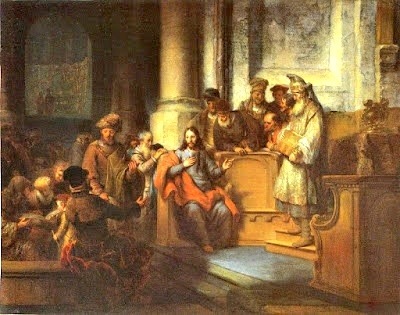
Homily Excerpt
The first and most important thing that we must remember about handing on the faith is this: everything begins and ends with Jesus Christ. He is the source, the fulfilment and the ultimate climax of revelation, and by extension, of all catecheses. For us Catholics, the Word of God is not just a book to be kept on the shelf nor a text to be merely studied. The Word of God is first and foremost a person – Jesus Christ, the Word made flesh. Pope Francis said, “Christian doctrine is . . . living, is able to unsettle, is able to enliven. It has a face that is supple, a body that moves and develops, flesh that is tender: Christian doctrine is called Jesus Christ.”
For this reason, we cannot and we should not claim to be People of the Book but People of the Living Word of God. We do not worship a book. We worship the One who is the source of divine revelation, the record of which is found in a book we call the Bible but also preserved in the oral tradition of the Church. No one can really claim that they understand the nature of catechesis without realising that its form, its content, and its ultimate goal is Jesus Christ.
Presentation of the Lord
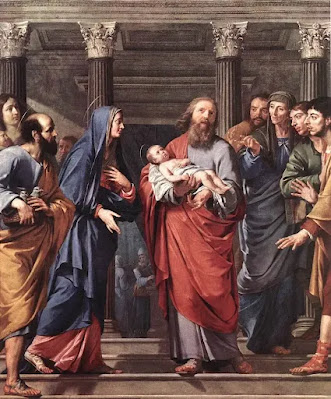
Homily Excerpt
Although today’s feast is clearly not part of the Christmas season, it does complete the Christmas cycle. I like to call it “the icing on the cake.” It is considered a Christmas feast because we are still contemplating the Lord Jesus as an infant rather than as an adolescent or an adult. Today’s feast usurps the Sunday liturgy, which is a rare thing in the first place but prescribed by the rubrics. Usually, other feasts have to give way to the Sunday liturgy which ranks much higher, but not today. In other years, where this feast is celebrated ideally early in the morning or in the evening for obvious aesthetic reasons, the Mass begins with the blessing of candles followed by a candlelight procession into the Church. Apart from the evening anticipated Mass, we have been deprived of the benefit of witnessing the most apparent feature of this liturgy, which you can deduce from the old name for today’s feast – Candlemas – or the Mass of the candles. Today is the Church’s Festival of Lights.
Presentation of the Lord

Homily Excerpt

In 1997, Pope John Paul II made the Feast of the Presentation of the Lord the annual “World Day of Consecrated Life.” That day is appropriate, he said, because consecrated people dedicate their lives as Jesus did, and their parents give them to the Church as Mary and Joseph gave Jesus.
Christ proposes poverty, chastity, and obedience to every disciple, says the Catechism of the Catholic Church. However, consecrated people make a “public profession,” via promise or vow, of their intention to live by these counsels.
First, poverty. In the beginning, God entrusted the earth to the stewardship of all humans. In our fallen world, private property is legitimate, but “the universal destination of goods remains primordial,” says the Catechism. In religious orders, consecrated people live poverty by holding their goods in common, owning nothing individually. Diocesan priests live it by keeping their personal property within appropriate limits.
[/su_tab] [/su_tabs]
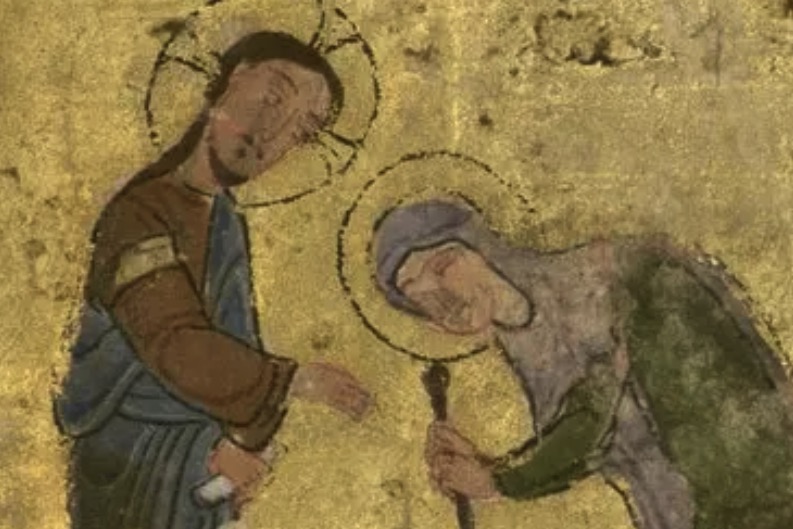
⬇️ Fr. Tommy Lane
Presentation of the Lord
Jesus the Fulfillment of Simeon’s and Israel’s Hopes
Homily Excerpt
Simeon took Jesus in his arms, close to his heart. Jesus was the fulfillment of all Simeon’s expectations. Jesus is the fulfillment of all our longings and hopes also. We can take Jesus not only in our arms close to our heart, but into our hearts as we contemplate his words to us and receive him around the table of the Eucharist in the pure sacrifice offered from the rising of the sun to its setting.
Presentation of the Lord

The factionalist, whether of Paul’s time or our own, “belongs” to someone other than Jesus. Some think that Paul has the truth. Others cling to Apollos. Others pledge their allegiance to Peter. Yet Paul will have no truck with this line of thought.
“Has Christ, then, been divided into parts? Was it Paul who was crucified for you?” Our baptism, through the gifts of tradition and law, ritual and order, is the sign of our salvation; but the salvation is found in Christ, no one, no thing else. Other voices that offer us another savior speak the worldly language of power and privilege, not the way of the cross, which to them seems inadequate and foolish.
This discussion guide has been generated by the WORD THIS WEEK’S Catholic AI Assistant based on Fr. Kavanaugh’s homily. NEED HELP? Copy and paste a question into the chat bot in the lower right corner of the screen and have our Catholic Assistant help you.
Introduction
– Begin with a reading of Isaiah’s prophecy about light and joy: “The people who walked in darkness have seen a great light; upon those who dwelt in the land of gloom a light has shone. You have brought them abundant joy and great rejoicing.”
– Discuss how this prophecy is interpreted within Christianity as foretelling both Christ’s coming and His influence on His people.
Division within the Church
– Explore the theme of division in the Church. How is Christ often divided into pieces, leading to dissonance among His followers?
– Encourage participants to share their experiences or observations of division within their own communities or Christian groups.
Identifying Modern Tribes
– Discuss specific examples of factions within the broader Christian community, including those based on theologians (e.g., Ratzinger vs. Rahner) or ideas (e.g., protest vs. tradition).
– Ask participants how these divisions might distract from the central message of Christ.
True Unity
– Refer to Paul’s letter to the Corinthians urging unity: “Rather be united in mind and judgment.”
– What does it mean to be united in Christ? How can believers reconcile differences to promote unity?
Reflection Questions
1. Consider personal allegiances or preferences that may compete with one’s relationship with Jesus. Are there figures, movements, or ideas that risk becoming a primary focus instead of Christ?
2. How do worldly concepts of power and privilege challenge the message of the cross?
3. In what ways can the message of baptism as a sign of salvation (through tradition, law, ritual, and order) promote unity in the Church?
Reformation and Humility
– Discuss Jesus’ call for reform and its relevance both in the Apostles’ time and today.
– Reflect on the notion that every believer, regardless of status, stands humbly before God as a sinner in need of salvation.
Lessons from the Apostles
– Analyze the diversity among Jesus’s chosen Apostles, noting how flawed individuals were graced to do God’s work.
– What lessons can be drawn from how the Apostles overcame differences and united for the Kingdom?
Building a Unified Community
1. Seek practical steps that small groups and communities can take to focus on their shared mission in Christ rather than divisive issues.
2. Discuss how understanding our collective identity in Christ can amplify the Church’s mission and draw others to faith.
This 300 word adaptation of Fr. Kavanaugh’s homily was generated by our Catholic Assistant AI bot to help preachers share key insights from the homily for young people.
Hey everyone! Let’s talk about staying united as a community. Remember Isaiah mentioning a great light for those in darkness? He was talking about Jesus, who brings joy and hope not just to us personally, but to all of us together.
Sometimes, we get caught up in disagreements and forget we’re on the same team. Have you noticed how different groups within the church or among Christians argue about who is right? People might say, “I’m with this person,” or “I’m all about that tradition.” But did any of these people die for us? Were we baptized in their names? Nope, it’s all about Jesus.
Paul told the Corinthians to stop with the divisions and get on the same page. Everyone was focused on following different leaders, like Paul, Apollos, or Peter, instead of focusing on Jesus. Paul reminded them that it’s not about who has the best argument or the most followers—it’s all about Christ.
Jesus came to show us the way and remind us that the Kingdom of God is about changing for the better. Even the first followers of Jesus, like Simon, Andrew, Matthew, and John, had their issues. They weren’t perfect, but they had a common purpose: sharing Jesus’ message. They learned to overcome their differences because it wasn’t about their personal glory; it was about representing Jesus.
So, what can we learn? First, everyone—from leaders to you—needs to remember we’re all in this together for Jesus. None of us are perfect, and we’re all working to be better. Second, everyone called to spread Jesus’ message had flaws but were given grace. Their mission was more successful when they remembered whose name they represented.
Let’s focus on Jesus and keep our community united. By doing this, we’ll share the light and love that Jesus represents. Let’s be that light together!
DISCLAIMER: Adaptations (like translations), may not fully capture the nuances or precise meanings of the original text. It’s essential to read the original homily which can be accessed by clicking on the title above
Presentation of the Lord
Homily Excerpt
Ah the Presentation of the Lord! I love this feast day and I am always pleased when this day falls on a Sunday. This feast day is also called Candlemas because it was the custom in Medieval times to bring candles to the church to be blessed. And, some people still do this today. During these times before electricity, if you were standing on a hillside overlooking a town, you
might even see candles being lit throughout the city and carried reverently through the streets to the church. Today the liturgy gives the option of a procession of candles into the church.
Presentation of the Lord
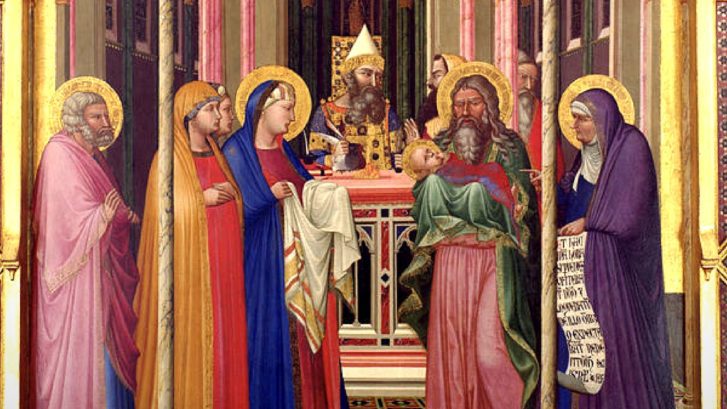

Our gospel introduces us to a man who somehow has overcome this tendency, his name is Simeon. He was in the temple when Mary and Joseph brought Jesus to present Him to God. The scene that struck his eye that day was an ordinary couple with an ordinary looking baby. And what they were doing was an ordinary event in that culture. For hundreds of years, Jewish parents had been practicing this ritual.
But Simeon looked at this ordinary scene with the ordinary couple and their ordinary baby, and saw the Divine, saw the Messiah. He knew that, in this child, heaven touched earth, and life would never be the same again.
The problem we have today is that if we see God only in the unusual, we rarely see Him. But if we train our eyes to see Him in the common things, we will meet Him every day.
This discussion guide has been generated by the WORD THIS WEEK’S Catholic AI Assistant based on Fr. Warren’s homily. NEED HELP? Copy and paste a question into the chat bot in the lower right corner of the screen and have our Catholic Assistant help you.
Introduction
The homily discusses how people tend to see God’s hand in unusual events but often miss His presence in the ordinary moments of life. Through the story of Simeon and Jesus, it highlights the importance of perceiving the divine in everyday life.
Opening Questions
- Have you ever experienced a moment that you felt was a miracle? Why did it seem miraculous to you?
- Can you recall a time when something ordinary felt significant or divine? What made it feel that way?
The Role of Unusual Events
- Why do you think people are more likely to attribute unusual events to divine intervention?
- Consider the two men’s stories who had different experiences with cancer. Why is one deemed a miracle and the other a human achievement?
Seeing God in the Ordinary
- Reflect on Simeon’s story. What made him see the divine in what appeared to be an ordinary scene?
- How can we learn to observe God’s presence in our everyday lives?
Applications
Finding God in Daily Life
- What are some everyday activities during which you can consciously seek to see God’s presence?
- How might understanding this perspective change the way you view ordinary moments?
Spiritual Practices
- What spiritual practices might help you become more aware of God’s presence in your daily routine?
- Discuss how gratitude can play a role in recognizing the divine in your life.
Concluding Thoughts
The homily invites us to see beyond the extraordinary and recognize God’s continuous presence in the routine moments of life, much like Jesus did. Encouraging this perspective might lead to a deeper, more consistent spiritual awareness.
Reflection Questions
In what ways might acknowledging God in the ordinary affect our relationships and outlook on life?
How can we make a habit of thanking God for ordinary experiences and people in our lives?
This 300 word adaptation of Fr. Warren’s homily was generated by our Catholic Assistant AI bot to help preachers share key insights from the homily for young people.
Hey everyone! Let’s chat about something amazing today. Ever notice when something unusual happens, we think, “Wow, that must be God”? For instance, one guy finds cancer early and gets better with treatment. Another guy, with worse cancer and given six months to live, beats the odds. Everyone calls it a miracle! We often think God shows up only in unexplainable moments.
In the Bible, Simeon saw something incredible in what looked like a normal family—Mary, Joseph, and baby Jesus. While others saw an ordinary scene, Simeon saw God at work. If we only look for God in extraordinary events, we might miss Him. But if we train ourselves to see God in everyday life, we’ll notice Him more often!
Think about your daily routine—waking up, eating breakfast, going to school or work. We might not connect these with God because we’re just trying to get through the day. But what if you thank God for your lunch or the people you eat with? Jesus was great at seeing God in everyday life—wildflowers, birds, a shepherd finding his sheep, or a dad welcoming his son. For Jesus, ordinary things were like windows to where God was working. We can learn from that!
Just because we don’t see God all the time doesn’t mean He’s not there. We might just be expecting Him to appear only in strange events. But God’s in the ordinary, in our daily people and happenings. How do I know God loves to work through everyday things? Look at communion: He chose bread and wine to show His love for us. If He finds meaning in these simple things, we can certainly find Him in our everyday lives too!
DISCLAIMER: Adaptations (like translations), may not fully capture the nuances or precise meanings of the original text. It’s essential to read the original homily which can be accessed by clicking on the title above
⬇️ Fr. Joe Jagodensky, SDS
Presentation of the Lord
Homily Excerpt

(No, don’t cue Bill Murray although the movie is great. Today, you are permitted to take down and remove your Christmas tree. Please have a vacuum handy while doing this.)
The house is still heated, I can’t rely on that little flame to flame forth a comfortable, warm winter home. Heck, if I quickly stood up right now I think it’d go out. Oh, wait. Forget that. I just tried it, and it didn’t go out; this little, small flame on my kitchen table with a supposed spruce scent that “fills the room” as the box falsely claimed. I didn’t buy the candle for the scent although a nice scent would be nice.
It flickers, ever so slowly as it tries to keep itself alive. The heating wax surrounding it allows the tiny flame to stay lit. Is it enough to turn off the kitchen light? I’m not even trying because it’s a silly question. If it can’t heat, it certainly can’t illuminate.
I like the teeny flame because it seems to show everything when it barely shows anything. If folks walked into my kitchen now, they would not say, “Oh, what a beautiful flame you have going here.” It wouldn’t be noticed. It would remain an unsaid piece in the room. None would smell the scent as the box promised, and our conversation would move to topics that interest them.
The following adaptation of Fr. Joe's homily, generated by our Catholic Assistant AI bot, is provided to help preachers share key insights from the homily with children and teens.
Hey everyone! I've got this little candle that was a bit tricky to light because the wick was so low, but I managed to get it going. It's not warming up my house; it's more about creating a cool vibe. If I move too fast, the flame could go out, but so far, it's stayed lit, even when I moved around.
Although the box promised a nice scent, it doesn't fill the room, but that's okay. The tiny flame flickers slowly, just doing its best to stay alive. The melted wax helps it keep burning, but it's not enough to light up the whole room. Even if someone came over, they might not even notice it. Right now, it's just me and my little flame; it feels personal, like a mini memorial flame.
I can imagine little stories with this tiny light guiding me. I thought about getting a bigger candle but realized this one feels just right. As the flame burns, I have to watch the wax. Too much melted wax can put the flame out. It’s funny how something helpful can also cause a problem.
It's just me and my flame—no scent, even though the box promised it. There's no one else here to judge or comment. I just keep an eye on the wax to ensure my little light stays alive. It's a chill night with my flame, which I enjoy every evening, even without the promised scent. It's my flame, and I like it just the way it is.
DISCLAIMER: Adaptations (like translations), may not fully capture the nuances or precise meanings of the original text. It's essential to read the original homily which can be accessed by clicking on the title above.
This discussion guide has been generated by the WORD THIS WEEK'S Catholic AI Assistant based on Fr. Joe's homily. NEED HELP? Copy and paste a question into the chat bot in the lower right corner of the screen and have our Catholic Assistant assist you.
Introduction
The sermon metaphorically explores themes of introspection, the value of simplicity, and the importance of mindfulness. This discussion guide aims to facilitate group conversations around these concepts, encouraging participants to share personal reflections and insights.
Discussion Questions
1. Finding Meaning in Simplicity
- The speaker mentions a "tiny flame" that doesn't fulfill its supposed purpose of scenting the room. How can this symbolize finding value in things that don't meet initial expectations?
- How do you find meaning in simple or seemingly insignificant aspects of your life?
2. Reflection and Introspection
- The sermon speaks of "random, varied thoughts" and a "personal play" of the mind. How can we benefit from reflecting on our thoughts, even when they seem inconsequential?
- How do personal reflections contribute to your growth or understanding of the world?
3. The Dual Nature of Support
- Consider the idea that the wax both supports the flame and has the potential to extinguish it. What real-life situations can you think of where support systems have both helped and hindered progress?
- How can we ensure positive support from our surroundings without letting it overwhelm or become detrimental?
4. Mindfulness and Presence
- The speaker notes the importance of observing the flame to keep it alive. How does this relate to being present and mindful in our everyday lives?
- What practices do you currently use to stay present and mindful, and what new strategies could you consider?
5. Personal Space and Autonomy
- Discuss the concept of having a personal space, like the kitchen with the lone candle. How does this personal space contribute to your identity and sense of autonomy?
- How can maintaining individuality in shared environments foster better personal relationships?
Activities
1. Reflective Writing
Direct participants to write a short reflection on a "tiny flame" in their life — something seemingly small that holds personal significance. Share these reflections with the group if comfortable.
2. Candle Meditation
Provide a session for meditation using a candle, focusing on the flame as a point of mindfulness. Follow with a discussion on how this exercise impacted their sense of presence.
Concluding Thoughts
Encourage group members to ponder how small, underestimated elements in life — like the tiny flame — can hold profound meaning. Reflect on the balance between finding value in simplicity and setting realistic expectations for the things and people around us.
Click banners to access AI generated content.
Please note that some video clips on this page serveas an additional resource to complement the homilies. THey might not have a direct correlation with the contributor’s original content. These videos aim to inspire preachers to enrich their own homilies, drawing ideas and insights from both the written material and the visual content they’ve explored.