JAN 5, 2025


Epiphany - YEAR C
TIME-STAMPED VIDEOS
Bishop Robert Barron
2022 | 2025

2021 — KEY INSIGHTS w/TIMESTAMPS
Is Science Opposed to Faith? — Bishop Barron’s Sunday Sermon
The Catholic faith embraces science and reason, and the story of the Magi shows that there is no conflict between science and faith.
- 00:00 Religion and science are not inherently opposed, as many great figures in the natural sciences were devoutly religious, despite the common assumption.
- Many young people disaffiliate from religion because they believe it conflicts with science, and in that conflict, science wins.
- Religion and science are not inherently opposed, despite the common assumption, as many of the great figures in the natural sciences were devoutly religious.
- 01:31 The story of the Magi's journey sheds light on the relationship between faith and science.
- 02:34 The Magi saw no conflict between science and faith, as their scientific investigation led them toward God and the things of God.
- 04:21 God is the primal patterning intelligence behind all things, and the world was spoken into being through intelligent speech.
- 06:27 Science seeks patterned intelligibility in the world, leading to the search for the Word made flesh in the form of a baby.
- Scientists seek patterned intelligibility in the world, which is the foundation for all science.
- The existence of the Logos, as seen by the Magi in the patterned intelligibilities of the stars, led them to search for the Word made flesh in the form of a baby.
- 09:19 Science and faith are not opposed; Catholic education embraces reason, science, and philosophy.
- 10:21 The Church believes that faith and reason should coexist, as the questing mind of Athens and the revelation given to the Jews belong together.
- 11:58 Faith and science need each other to avoid becoming superstitious or self-contained, as shown by the shepherds and the Magi in the Christmas story.
SCROLL TO VIEW MORE
Upon clicking a TIMESTAMP, a video window will appear centrally on the screen,
providing a focused and convenient viewing experience.
2022 | 2025

2024 — KEY INSIGHTS w/TIMESTAMPS
Science Points to God - Bishop Barron's Sunday Sermon
The journey of the Magi illustrates how science and faith can coexist, suggesting that understanding the universe's intelligibility can lead young people to a deeper belief in God.
- 00:00 The feast of the Epiphany invites deep reflection on the spiritual significance of the wise men's journey to the Christ child.
- 00:35 Many young people are leaving religion due to the belief that it conflicts with science.
- The increasing disaffiliation from religion, particularly among young people, is largely attributed to the perception that religion and science are in conflict.
- Many young people are disaffiliating from religion due to the perception that it conflicts with modern science, as promoted by new atheists.
- 02:56 Understanding the Magi's stargazing highlights the necessity of believing in a rational and intelligible universe to make sense of celestial patterns.
- 04:20 Science's foundation of intelligibility suggests the existence of a great intelligence that has shaped the universe.
- 06:19 Wigner marvels at the miraculous effectiveness of complex mathematics in explaining the physical world, despite his secular perspective.
- Eugene Wigner's article highlights the surprising and profound role of complex mathematics in understanding the physical sciences.
- Eugene Wigner questioned why complex mathematics effectively explains the physical world, describing this correspondence as miraculous despite his secular background.
- 08:22 The complexity and order of the universe indicate a divine mathematician behind creation, revealing God's existence.
- The complexity of the physical world suggests that its creator, who is a mathematician, thought it into existence through divine intelligence.
- The harmony and order in the universe reflect a mathematical mind behind creation, suggesting that the heavens and visible world reveal the existence of God.
- 10:49 Science can deepen faith, as shown by the magi, by affirming the intelligibility of the cosmos and the doctrine of creation.
- Deep exploration of science can lead to a stronger faith, as exemplified by the magi seeking the divine through their understanding of the cosmos.
- Believing the world is intelligible and recognizing it is not divine enables the confidence necessary for scientific exploration, rooted in the doctrine of creation.
- 13:06 Young people can find faith through science, just as the Magi did when they came to Christ.
SCROLL TO VIEW MORE
Upon clicking a TIMESTAMP, a video window will appear centrally on the screen,
providing a focused and convenient viewing experience.
Epiphany - YEAR C
TIME-STAMPED VIDEOS
The Jesuit-Post
2021 — KEY INSIGHTS
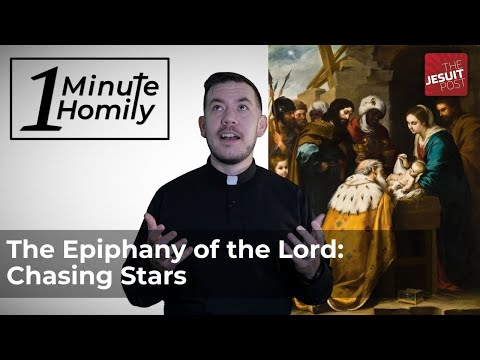
The Epiphany of the Lord: Chasing Stars | One-Minute Homily
God encourages us to boldly pursue Him in our lives, mirroring the example of the magi, and to reciprocate with our love and commitment.
- 00:00 God invites us to courageously seek Him in the world, just as the magi did, and to offer our love, life, and self in return.
SCROLL TO VIEW MORE
Upon clicking a TIMESTAMP, a video window will appear centrally on the screen,
providing a focused and convenient viewing experience.
Epiphany - YEAR C
TIME-STAMPED VIDEOS
Archdiocese of Brisbane

2018 — KEY INSIGHTS w/TIMESTAMPS
Feast of the Epiphany of the Lord – Two-Minute Homily: Fr James O’Donoghue
The journey to seek Christ involves navigating through challenges and uncertainties, ultimately leading to personal transformation and the inspiration to share our gifts with others.
- 00:00 The Magis embarked on a courageous and challenging journey from the east, facing skepticism and danger in their quest.
- 00:25 Seeking Christ often requires navigating through darkness and uncertainty, much like the journey of the Magi to Bethlehem.
- 01:04 In times of doubt and darkness, seek guidance like the Magi, trusting that clarity and faith will return.
- 01:48 Finding Christ inspires us to share our inner treasures and gifts with others, especially those in need.
- 02:19 Encountering Christ transforms our lives, guiding us to new paths, priorities, and resolutions as we embrace the light of His presence.
SCROLL TO VIEW MORE
Upon clicking a TIMESTAMP, a video window will appear centrally on the screen,
providing a focused and convenient viewing experience.
Epiphany - YEAR C
TIME-STAMPED VIDEOS
Fr. Peter Hahn

2016 — KEY INSIGHTS w/TIMESTAMPS
The Epiphany of the Lord (Year C) – Fr. Hahn
The celebration of Christmas and the feast of Epiphany invite us to embrace the transformative gift of salvation through Christ, encouraging a deeper communion with God and a commitment to live our faith more fully.
- 00:00 Embrace the gift of Christmas by continually reflecting on the profound communion with the Living God it offers, just as we learn to use new technology.
- 01:48 Salvation through Christ is a universal gift, extending to all people, not just the chosen ones.
- 02:24 This feast of Epiphany invites us to engage more deeply with the gift of life offered through the Holy Eucharist.
- 02:45 God’s infinite generosity and love inspire us to reflect, be transformed, and leave changed.
- 03:07 The Magi symbolize our journey to encounter God, offering gifts that reflect His kingship, divinity, and future sacrifice, and they remind us to return transformed after meeting Him.
- 04:06 Offering our joys, sufferings, and lives in the Holy Eucharist transforms us to live our faith and love God and one another more deeply.
- 04:45 The journey of understanding deepens as insights unfold.
- 04:48 God transforms our lives by rearranging our priorities, offering us deeper happiness and joy through His grace and love.
SCROLL TO VIEW MORE
Upon clicking a TIMESTAMP, a video window will appear centrally on the screen,
providing a focused and convenient viewing experience.
Epiphany - YEAR C
TIME-STAMPED VIDEOS
Fr. Jude Langeh

2018—KEY INSIGHTS w/TIMESTAMPS
Epiphany Year A
The Feast of the Epiphany celebrates the revelation of Christ’s divinity and mission through the visit of the Magi, symbolizing hope, kingship, and the universal call to recognize Jesus as the Messiah.
- 00:00 The Feast of the Epiphany celebrates Christ’s revelation through the visit of the Magi, His baptism, and the miracle at Cana, highlighting His mission and divinity.
- 01:23 The visit of the three wise men to Jesus reflects a connection to the Old Testament story of King Balak and the prophet Balaam.
- 01:51 The Moabite king sought to curse the Israelites through Balaam, a non-Israelite seer, but instead, Balaam ended up blessing them.
- 02:35 A bright star heralds the arrival of Christ the King, signaling hope for the nation of Israel.
- 03:06 The gifts of gold, frankincense, and myrrh symbolize Jesus’ kingship, divinity, and sacrificial death, reflecting the deep reverence of the wise men.
- 03:52 The contrast between Herod’s attempts to destroy Jesus and the wise men’s adoration highlights the universal call to recognize Jesus as the Messiah and embrace salvation.
- 04:25 Your unique talents and potential will shine brightly, leading you out of obscurity and into the light of purpose and fulfillment.
SCROLL TO VIEW MORE
Upon clicking a TIMESTAMP, a video window will appear centrally on the screen,
providing a focused and convenient viewing experience.
Epiphany - YEAR C
TIME-STAMPED VIDEOS
Father Kevin Rettig

2018—KEY INSIGHTS w/TIMESTAMPS
Why Were You Looking for Me?
The search for lost connections, innocence, and meaning in life reflects a universal human experience that drives us to seek understanding, healing, and rediscovery of love and divinity within ourselves.
- 00:00 Jack Benny’s pride in his hometown school parallels the profound questions posed by the twelve-year-old Jesus, particularly the poignant inquiry to his parents, “Why were you looking for me?”
- 01:35 An elderly woman spent decades searching for her missing daughter, clinging to hope as she asked everyone she met if they had seen her.
- 02:42 A mother’s relentless search for her lost child mirrors the profound anguish felt by parents like Mary and Joseph during their desperate three-day search for Jesus.
- 03:32 Each of us searches for lost innocence and meaning in a world that often feels cynical and complex.
- 04:31 People often seek to reclaim lost beauty and faith, reflecting a deep yearning for what has been lost in themselves and the world around them.
- 05:32 Seeking lost connections and cherished memories prompts a personal journey of rediscovery for everyone.
- 06:36 Seeking answers to life’s profound questions and healing from its wounds drives the search for understanding.
- 07:29 Searching for deeper meaning reveals that love and divinity reside within us all, urging us to look inward rather than outward.
SCROLL TO VIEW MORE
Upon clicking a TIMESTAMP, a video window will appear centrally on the screen,
providing a focused and convenient viewing experience.
⬇️ Deacon Peter McCulloch

2019 | 2025
Epiphany - YEAR C
Star of Wonder
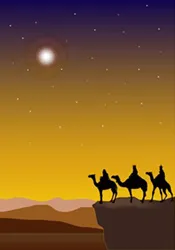
The stars at night have always been fascinating. In every age and every culture, astronomers have studied the stars closely, trying to reveal their secrets.
One thing these stargazers learnt is that the North Star is always in the same place, day and night. It’s not the brightest star, but its location never changes, so it became an important guidepost for sailors, pilgrims and other travellers.
Even runaway slaves in America followed the North Star in their flight to freedom in the 1800s. They called their escape route the Underground Railroad, and they memorised what they had to do in a song, Follow the Drinking Gourd.
Please note that the provided video clip serves as an additional resource to complement the homily. It might not have a direct correlation with the contributor's original content. These videos aim to inspire preachers to enrich their own homilies, drawing ideas and insights from both the written material and the visual content they've explored.
This discussion guide has been generated by the WORD THIS WEEK'S Catholic AI Assistant based on Deacon McCulloch's homily.

Opening Reflection
- What do the stars mean to you personally? Do you find them inspiring or symbolic in any
Key Themes and Discussion Points
1. Symbolism of the Stars
- Discuss the significance of stars in guiding and providing hope, both historically and in the context of the Nativity story. How does the Star of Bethlehem represent hope, inspiration, and new life?
2. The Journey of the Magi
- Reflect on the Magi's decision to follow the star. What lessons can we draw from their journey about seeking and responding to God's call in our lives?
- Discuss challenges encountered during spiritual journeys. What might be some modern-day "discomforts" that deter people from following their spiritual path?
3. Facing Opposition
- How does Herod's reaction to the news of Jesus' birth highlight the challenges we may face when walking the path set by God?
- Speak about personal experiences where following your faith led to unexpected challenges or opposition.
4. Offering Our Gifts to Christ
- Consider the significance of the gifts given by the Magi. What are the "gifts" we can offer in our personal faith journeys?
- Discuss what it means to give "the best of ourselves" to Christ in daily life.
5. Transformation in Christ
- The Magi return by a different route, symbolizing transformation. Reflect on how an encounter with Christ changes one’s path. Can you share an experience where your faith journey altered your life direction?
6. Focus and Faith
- Discuss the parallel between Charles Blondin’s focus on the star and our spiritual focus on Christ. How do we maintain a firm focus on Christ amid life’s distractions?
Personal Application
- How can we ensure that Jesus remains the guiding "star" in our everyday lives?
- What practical steps can you take this week to stay spiritually alert and in tune with God's presence around you?
This 300 word adaptation of Deacon McCulloch's homily was generated by our Catholic Assistant AI bot, to help preachers share key insights from the homily with children and teens.

The stars have fascinated people across cultures and times, guiding travelers like the North Star did. Runaway slaves in America used it to find freedom on the Underground Railroad, memorizing their path with a song, "Follow the Drinking Gourd."
The Bible mentions another star in the book of Matthew: the Star of Bethlehem. It brought hope and guided the Magi, Wise Men from Persia, to baby Jesus. These astrologers followed the star, bringing gifts of gold, frankincense, and myrrh to Jesus, the "bright morning star." This journey teaches us valuable lessons.
The Magi were always looking for meaning. In our lives, we should stay alert to what God is doing. The journey wasn't easy, but they took action, reminding us to move past fear or laziness. Challenges arise, but we can find strength in God's path. When they met Jesus, the Magi gave their best gifts. Similarly, we should offer our best to God—love, trust, and worship.
The Magi returned home changed. Meeting Jesus brings true joy and wisdom. While modern technology like GPS aids travel, nothing compares to a spiritual journey. Like the Wise Men, we should follow the guiding light of Jesus Christ.
Charles Blondin, a famous acrobat, crossed Niagara Falls on a tightrope by focusing on a silver star at the end. This teaches us to keep our eyes fixed on Jesus, our guiding star. He will safely lead us through life's twists and turns, always there to guide us even when distractions pull us away.
DISCLAIMER: Adaptations (like translations), may not fully capture the nuances or precise meanings of the original text. It's essential to read the original homily which can be accessed by clicking on the title above
2019 | 2025
Epiphany - YEAR C

Our Guiding Star

Today we celebrate the Feast of the Epiphany, and the end of the 12 days of Christmas.
In Greek, ‘epiphaneia’ means ‘appearance’ or ‘revelation’, so on the Epiphany we remember the moment when the Wise Men of the East discovered the infant Jesus in Bethlehem.
Christmas and the Epiphany are like bookends at either end of the 12 days of Christmas. Christmas is Jesus’ birthday, when he’s revealed to Israel as a little boy. And at the Epiphany, he’s revealed to all the world as a divine king. So, together, Christmas and the Epiphany reveal to us the fullness of Jesus’ humanity and divinity.
Now, some people wonder why the Wise Men chose to follow a star. Today it seems like a strange thing to do, but in ancient times people were fascinated by the sky. Indeed, the Magi are believed to have been priestly scholars and astronomers who interpreted the dreams of kings and nobles and who studied the movement of the stars.
In those days, changes in the celestial sky were thought to be a sign of major events, such as the birth or death of a king, and the appearance of a bright new star would have been exciting.
This discussion guide has been generated by the WORD THIS WEEK'S Catholic AI Assistant based on Deacon McCulloch's homily.
Introduction to the Feast of Epiphany
- The Feast of Epiphany marks the end of the 12 days of Christmas.
- The term ‘epiphaneia’ in Greek means ‘appearance’ or ‘revelation.’
- Discuss how the Epiphany reflects the revelation of Jesus to the Wise Men and the world.
Relating Christmas and Epiphany
- Contrast Christmas and the Epiphany as events revealing Jesus' humanity and divinity.
- Explore how these events act as ‘bookends’ for the Christmas season.
The Wise Men’s Journey
- Examine why the Wise Men chose to follow a star and the significance of celestial navigation in ancient times.
- Discuss how different cultures historically navigated using nature (e.g., Vikings, Eskimos, Polynesians).
Personal Reflection: Guidance and Direction
- Consider the question: “Do we know where we are and where we’re going?”
- Reflect on the sources of guidance in modern life compared to ancient times.
Following the Right Stars
- Identify which "stars" people follow today, such as fame, fortune, and fun.
- Discuss the emptiness of following fleeting desires and the long-term satisfaction of pursuing meaningful goals.
The Light of the World
- Discuss how Jesus is revealed as the Light of the World during the Epiphany.
- Reflect on today's readings (Isaiah, Ephesians, and the Gospel of Matthew) that align with this theme.
The Universality of Jesus’ Message
- Consider the roles of the Magi and shepherds in illustrating Jesus’ universal appeal and belonging.
- Discuss St. Paul’s message of inclusivity for all people.
Epiphany as a Journey
- Reflect on Pope Francis’ view of life as a journey illuminated by Christ’s light.
- Discuss Joseph Conrad’s idea of epiphany as moments of awakening and clarity.
Resolution for the Year
- Encourage discussions on personal resolutions inspired by the themes of the Epiphany.
- Discuss practical ways to deepen your relationship with Jesus and let His light shine in your life.
This 300 word adaptation of Deacon McCulloch's homily was generated by our Catholic Assistant AI bot, to help preachers share key insights from the homily with children and teens.
Hey everyone! Today, let's talk about the Feast of the Epiphany. This special day celebrates when the Magi, or wise men, found baby Jesus in Bethlehem. It marks the end of the 12 days of Christmas.
The word 'Epiphany' means 'appearance' or 'revelation.' On Christmas, Jesus is introduced as a baby, and during the Epiphany, he's shown to the world as a divine king. It’s like a big reveal for Jesus, showing his human and divine sides.
Now, why did the Wise Men follow a star? Back then, people were fascinated by the sky. The Magi were like early astronomers who believed stars signaled important events. They followed a special star to find Jesus, the ultimate 'bright morning star.' These guys took a leap of faith on their journey.
Think about your own journey. Which direction are you headed? We often chase after fame or cool experiences, but they might not truly satisfy us. Why not try following something more meaningful this year?
Pope Benedict XVI called Epiphany a 'feast of light,’ showing Jesus as the Light of the World. This light brings peace, love, and hope for everyone. Isaiah talks about God's light shining over Jerusalem, bringing hope. St. Paul reminds us that God’s love is for all people. Even though the Magi weren’t from Israel, they found Jesus. Everyone can follow him.
Pope Francis says the Magi’s journey is like our life journey—searching for truth and love. An epiphany is like a light in the dark, making things clear.
This year, let's try to follow Jesus and see where his light can take us. What do you think? Are you ready for this adventure?
DISCLAIMER: Adaptations (like translations), may not fully capture the nuances or precise meanings of the original text. It's essential to read the original homily which can be accessed by clicking on the title above
Epiphany - YEAR C

The feast of Epiphany offers us an insight into understanding the pilgrimage of our lives. Guided by the light of Christ we travel on our pilgrim path through this world to our destination in Heaven, learning life’s lessons along the way.


⬇️ Fr. Austin Fleming
Epiphany - YEAR C

2013 – It’s a curious tale in the gospel here: visitors from some unnamed place in the east seeking the Christ Child by a star’s guidance.
I wish St. Matthew had given us a more detailed report – that would have been interesting and helpful but we are told some things about the magi’s journey that might be valuable for us to consider on our own path.
First, in following the star, the magi had to look up: look up and out of their own experience, outside the ordinary routine of their day-to-day. They had to pay attention to someone outside, above and beyond them to follow a star leading them to an unknown destination.
And to follow that star, the magi had to leave behind what they knew best: all the comfort of home and of life as they has known it – to set out on a journey beyond the familiar…
Please note that the provided video clip serves as an additional resource to complement the homily. It might not have a direct correlation with the contributor’s original content. These videos aim to inspire preachers to enrich their own homilies, drawing ideas and insights from both the written material and the visual content they’ve explored.
This discussion guide has been generated by the WORD THIS WEEK’S Catholic AI Assistant based on Father Austin’s homily. NEED HELP? Copy and paste a question into the chat bot in the lower right corner of the screen and have our Catholic Assistant help you.
Discussion Questions:
1. Looking Up and Out: In what ways can we ‘look up’ out of our daily routines to seek something greater? What does it mean for you to follow a guidance or calling outside of your routine?
2. Leaving Comfort Behind: Discuss a time when you had to leave your comfort zone. What helped you make that decision? What were the challenges and rewards?
3. Letting Go of Self-determination: What are some things you are holding onto that might hinder spiritual growth? How can letting go allow space for God’s guidance in your life?
4. Sacrifices for Greater Value: What sacrifices, big or small, have you made for the sake of something you value more? How did that decision impact your faith or personal journey?
5. The Magi’s Questions: Imagine yourself in the place of the magi after meeting the Christ Child. What questions or doubts might you have? Discuss how faith can persist even amidst uncertainty.
6. The Impact of the Journey: Reflect on a journey or experience in your life that was transformative. How did it change your perspective or strengthen your faith?
Activity: Encourage group members to spend a few minutes in silent reflection or journaling, imagining their own “star” that guides them. What is calling them to step outside their routine or comfort zone?
This 300 word adaptation of Fr. Smiga’s homily was generated by our Catholic Assistant AI bot, to help preachers share key insights from the homily with children and teens.
Hey everyone! I’ve got a cool story to share about some travelers called magi. They journeyed from the East to find a special baby, the Christ Child, by following a star. Even though we don’t know all the details, there are lessons we can learn.
First, the magi had to look up from their daily lives and pay attention to something bigger than themselves. This meant leaving the comfort of their homes and routines to step into the unknown. It sounds scary, but also exciting!
By following the star, they gave up some control, letting God guide them to an incredible place. What’s important isn’t just that they found the child, but all they were willing to give up along the way. They let go of comfort and control, finding something priceless in return.
This story invites us to step out of our own routines and follow where God might take us. It might feel uncomfortable and require us to let go of things we think we need. But God promises something better if we trust and step out.
Imagine the magi returning home, talking about the treasures they gave away. While it might not make sense to everyone else, they felt changed. Their journey shows that sometimes the best gifts aren’t what we bring but what we discover on the way.
As we gather today, let’s remember the magi’s journey. Maybe we’ll find Jesus too—in each other, in stories we share, and in unforgettable moments. Follow the star, even when the path seems uncertain. You never know—it might lead to something amazing!
DISCLAIMER: Adaptations (like translations), may not fully capture the nuances or precise meanings of the original text. It’s essential to read the original homily which can be accessed by clicking on the title above

Epiphany - YEAR C

The following adaptation of the Dominican Blackfiars' homily for this week, generated by our Catholic Assistant AI bot, is provided to help preachers share key insights from the homily with children and teens.
As Christmas approaches, we often face the challenge of finding the right gifts for loved ones. This dilemma asks, "What do you get someone who has everything?" It reflects how we're encouraged to buy more, influenced by ads and sales, leading to financial and environmental issues. The poet Wordsworth warned of losing our potential by focusing too much on buying. But there's a better question: "What do you get someone who doesn't seem to need anything?" Some people value experiences and presence over material gifts, prioritizing love over objects.
The "challenge of gifting" isn't new. Consider the Magi visiting Jesus. What do you give to the King of the Universe? They brought symbolic gifts: gold for a king, frankincense for worship, and myrrh hinting at future sacrifice. These gifts showed who Jesus is and His mission. On Epiphany, it's not just about the Magi or their gifts; it's about Jesus. His name means "God saves," emphasizing His role for all people. Poet Christina Rosetti captured this sentiment, suggesting that what we can truly offer is our hearts.
DISCLAIMER: Adaptations (like translations), may not fully capture the nuances or precise meanings of the original text. It's essential to read the original homily which can be accessed by clicking on the title above.
This discussion guide has been generated by the WORD THIS WEEK'S Catholic AI Assistant based on the Dominican Blackfiars' homily for this week. NEED HELP? Copy and paste a question into the chat bot in the lower right corner of the screen and have our Catholic Assistant help you.
Discussion Questions
1. The Role of Materialism
- Fr. Burke highlights the challenge of buying gifts for those who seem to have everything, framing it as a ‘first-world problem’. How do you perceive materialism in today's society?
- Wordsworth’s quote about “getting and spending” suggests a critique of consumerism. Do you agree with this perspective? How do you think it applies to current times?
- What are some ways you personally or within your community could shift focus from material gifts to more meaningful exchanges?
2. The Meaning of Gifts
- Reflect on the question: “What do you buy someone who seems to need nothing?” How does this relate to the sermon’s discussion on superficial desires versus spiritual fulfillment?
- Think about a time when you received a gift that had more symbolic significance than practical utility. How did it affect you?
3. The Story of the Magi
- Discuss the dilemma faced by the Magi in choosing gifts for Jesus, the King of the Universe. How do the gifts of gold, frankincense, and myrrh reflect Jesus’ identity and destiny?
- Despite not knowing the exact names of the wise men, what significance do their actions and gifts hold within the Gospel narrative?
- Explore the traditions associated with Epiphany, such as the meaning behind ‘C+M+B’ and how these traditions contribute to understanding the festival's significance.
4. The Epiphany and Its Implications
- Discuss the idea proposed in the sermon that Epiphany is not about the wise men or their gifts, but about Jesus and His mission to save everyone. How does this viewpoint impact your understanding of the festival?
- Explore the statement: “Jesus saves kings as well as shepherds, the wise and the simple, both righteous and sinners.” How does this inclusivity reflect in your own faith journey?
5. Personal Reflection
- Christina Rosetti’s poem suggests giving one's heart to Jesus as the ultimate gift. What does giving your heart mean to you in a practical or metaphorical sense?
- Conclude by considering how the themes of the sermon influence your approach to giving and receiving, particularly during the holiday season.
Activities
- Symbolic Gift Exercise: Have each group member share a small object or token that holds significant meaning to them, similar to the Magi’s gifts, and explain the symbolism behind it.
- Poetry Reflection: Encourage group members to write a short poem or reflection about what they can ‘give’ to Jesus, inspired by Christina Rosetti’s work.
Homily Excerpt
The Solemnity of the Epiphany. Fr Samuel Burke reminds us that Christ saves kings and shepherds alike.

In the run up to Christmas, you may have faced the challenge of what gifts to buy for family and friends. One often hears the lament: ‘What do you buy someone who seems to have everything?’ This ‘first-world problem’ is innocent enough on one level but on deeper reflection is rather troubling. Encouragement to buy things for ourselves and others comes on many levels. Advertising seeks to persuade us to want more and more, then discounts make such desires seem urgent, and any economist will tell you that consumer spending is vital to the health of the economy. But what have we to show for all this materialism? Judging from the newspapers: financial ruin, climatic catastrophe and endless hordes of ‘junk’. Wordsworth observed in the early nineteenth century ‘Getting and spending, we lay waste our powers’, but could he have foreseen the depths into which we would fall?
Epiphany - YEAR C
The following adaptation of the Dominican Blackfiars' homily for this week, generated by our Catholic Assistant AI bot, is provided to help preachers share key insights from the homily with children and teens.
Have you ever missed something happening right in front of you? Once, at a church in Newcastle, I saw a young guy acting a bit strange. He looked around a lot and propped open the doors. During communion, a lady noticed her purse was missing, and I realized the guy might've been setting up a distraction for the theft. I felt bad for not noticing sooner.
There's a special moment called "Epiphany" after Christmas, like when you suddenly understand something big. In the Bible, wise people follow a bright star to find Jesus. They're excited and willing to explore, ready for an adventure. King Herod, on the other hand, is scared of losing his power. He sees Jesus as a threat.
The wise visitors wanted to find joy. They gave gifts and worshiped Jesus, which made them free because they weren’t clinging to power or things. Herod wanted to get rid of Jesus, showing how fear keeps you stuck.
This Christmas, remember to celebrate Jesus, who let go of his amazing status to make us rich in love. Let's be open to new things, just like the wise travelers, and remember that true joy comes from sharing and love.
DISCLAIMER: Adaptations (like translations), may not fully capture the nuances or precise meanings of the original text. It's essential to read the original homily which can be accessed by clicking on the title above.
This discussion guide has been generated by the WORD THIS WEEK'S Catholic AI Assistant based on the Dominican Blackfiars' homily for this week. NEED HELP? Copy and paste a question into the chat bot in the lower right corner of the screen and have our Catholic Assistant help you.
Opening Reflection: Begin with a moment of silence. Reflect on the imagery of ‘dawning’ as described in the sermon and how it applies to your personal faith journey. Consider when you have experienced moments of clarity or realization.
Discussion Questions:
- In the sermon, the speaker shares a personal story about not initially realizing a theft was taking place. Share a time when you experienced or witnessed something that wasn’t immediately clear to you. What did that teach you?
- Discuss the meaning of Epiphany as mentioned in the sermon. How does the concept of something ‘dawning’ on us relate to the idea of revelation or understanding in your spiritual life?
- Examine the contrasts drawn in the sermon between the wise men and Herod. What do these contrasts reveal about the nature of faith and fear? How do you see these dynamics at play in today’s world, or in your personal life?
- The sermon speaks of being ‘attracted by the light’ versus being ‘troubled by something new.’ How do you generally respond to new ideas or changes in your life? What might God be inviting you to see or understand in moments of change?
- Reflect on the concept of power as described in the sermon. How do you understand the relationship between insecurity and the desire to hold onto power? How can faith help reshape our perspective on power and security?
- Consider the symbolism of the wise men’s worship and giving of gifts. What does it mean to you to worship and give freely? How does this reflect in how you live out your faith daily?
- The sermon ends with a reminder about Jesus’ choice to ‘empty himself and become poor.’ How does this choice challenge or inspire you in your own life and your aspirations?
Personal Reflection and Action:
- Identify one area in your life where you might be ‘clinging’ to something—a belief, a possession, or a personal position. Reflect on what it would mean to let go or be more open-handed in this area.
- As a group, consider initiating a group service project that embodies the spirit of generosity and giving, reflecting the example of Christ’s humility and giving.
Closing Prayer:
Invite a member of the group to lead in a prayer, asking God for openness to His light, courage in the face of change, an understanding of true power, and a spirit of generosity inspired by the example of the wise men and Jesus himself.
Homily Excerpt
Fr Colin Carr encourages us to see what’s in front of us.
We don’t always see what’s going on in front of us. Some time ago on a weekday morning I was saying Mass in St Dominic’s Church in Newcastle; a young man who had been coming once or twice recently was wandering up and down, apparently looking at the stations of the cross; later he went into the inner porch and propped open the door between the porches and one of the doors into the church. Then towards the end of communion I saw a lady rushing out into the porch: she’d had her purse stolen out of her bag during communion, and I realised that the strange behaviour of the young man had been a preparation for a snatch and a getaway, and I kicked myself for not realising it sooner. It hadn’t, as we say, dawned on me.
‘The nations come to your light, and kings to your dawning brightness’, as the prophecy of Isaiah says in promising a new life for Jerusalem.
Epiphany is about God allowing it to dawn on us that something great is happening. But just because God allows it to dawn on us doesn’t mean that it does dawn on us. The contrast in Matthew’s Gospel is between those who are attracted by the light and those who are troubled; between those who are delighted by the star and those who are threatened; and between those who worship the Christ child and those who wish to destroy him.
⬇️ Fr. Charles E. Irvin
Epiphany - YEAR C

The word “question” has the word “quest” tucked inside it, an idea that’s presented to us in today’s gospel account given to us by St. Matthew. Epiphany invites us to join in the quest of the Wise Men as well as the quest of all Christian believers seeking to enter into the mystery of God, particularly the mystery of God become incarnate in our humanness.
We live in a world of problems to be solved. A mystery, however, is not a problem to be solved, it is a quest to be lived. A well-known sports figure was asked what his chief ambition in life was. He replied, “My chief ambition is to go to heaven.” The sportswriter who was interviewing him thought it was a joke. The ball player responded: “My friend, I don’t think that’s funny. I know you don’t mean to be a smart aleck, but there’s something wrong with a person’s attitude when he’s flippant about the great mysteries of the universe.” And the man who spoke these words was a professional baseball player.
This discussion guide has been generated by the WORD THIS WEEK’S Catholic AI Assistant based on Fr. Irvin’s homily. NEED HELP? Copy and paste a question into the chat bot in the lower right corner of the screen and have our Catholic Assistant help you.
Introduction: Understanding the Movement
– Reflect on the shift from God seeking humanity to humanity seeking God. How is this depicted from Advent through Epiphany?
2. The Role of the Magi
– Consider the significance of the Magi not being Jews. What does their inclusion say about the universality of seeking Christ?
– Discuss the symbolic nature of the Magi’s quest. How can their journey be seen as a metaphor for our spiritual journeys?
3. Quest vs. Problem-Solving
– Explore the difference between approaching faith as a “quest” versus a “problem to be solved.” How can adopting a quest mentality enrich our spiritual lives?
– Share examples of how viewing life as a mystery rather than a problem has impacted personal faith.
4. The Gifts of the Magi
– Examine the symbolism of the gifts presented to Jesus – gold, frankincense, and myrrh. How do these gifts reflect our own journey and understanding of Jesus?
– What do these gifts reveal about the roles and identities of Jesus as King, Priest, and Sacrifice?
5. Embracing Mystery
– Discuss the sermon’s view on mystery and revelation. How can embracing mystery lead to spiritual growth and deeper understanding?
– Explore ways modern culture might hinder an appreciation of mystery. How can we cultivate a sense of awe and wonder in our daily lives?
6. The Importance of Time and Reflection
– Reflect on the importance of setting aside quiet, contemplative time to connect with God. How can this practice alter our perspective on daily challenges?
– Share personal practices or routines that help foster reflection and spiritual growth.
7. Key Takeaways from the Epiphany
– What insights or wisdom do the Wise Men offer us for our current spiritual journeys?
– Discuss the significance of “going home by another route.” How does this apply to our encounters with Christ today?
8. Conclusion: Seeking and Discovery
– Summarize how the Epiphany guides us in seeking and discovering God in our lives. How can we remain open to His revelations?
– Reflect on the idea that “the wise still seek Him.” What practical steps can we take in our pursuit of understanding and relationship with God?
This 300-400 word adaptation of Fr. Irvin’s homily was generated by our Catholic Assistant AI bot to help preachers share key insights from the homily for young people.
Hey everyone! Let’s talk about something fascinating today. During Advent, we focus on God stepping into our world. Now, it’s our turn to seek God, especially through Jesus, who was promised to be a hero long ago. Once upon a time, some wise people called the Magi embarked on a quest. They were outsiders, not part of the Jewish community, searching for something deeper than what we typically see.
Imagine going on a quest, much like the Magi, searching for the mystery of God. Have you ever thought about your main goal in life? There’s an inspiring story about an athlete who said his goal was to “go to heaven.” He realized life’s big picture.
We often get lost solving the wrong puzzles, like how the Wise Men saw the star. Instead, focus on the gifts they brought: Gold, showing Jesus as a king; Frankincense, linking us to the mysterious; and Myrrh, hinting at life and destiny.
Mysteries reveal big truths. When things don’t make sense, you’re close to something powerful. Knowledge is cool, but wisdom—knowing how to live—is deeper. In a tech-heavy world, don’t lose your wonder. Kids are great at seeing awe, and we can learn from them.
The Wise Men’s story invites us on a quest—a journey of discovery. God has a message just for you. Are you ready for the adventure? Epiphany is a way of seeing life. Spend quiet time reflecting, and listen to your inner voice. It might lead to true happiness.
If Christmas was about God coming to us, now it’s our turn to seek God. When the Wise Men found Jesus, they took a different path home. Let’s do the same and see where our journey leads.
DISCLAIMER: Adaptations (like translations), may not fully capture the nuances or precise meanings of the original text. It’s essential to read the original homily which can be accessed by clicking on the title above
⬇️ Fr. George Smiga
Epiphany - YEAR C
Each week, THE WORD THIS WEEK presents an excerpt from Fr. Smiga’s homily archive. To access all of the homilies for this Sunday, click on the title above. Then scroll down the page to find the text of this homily.

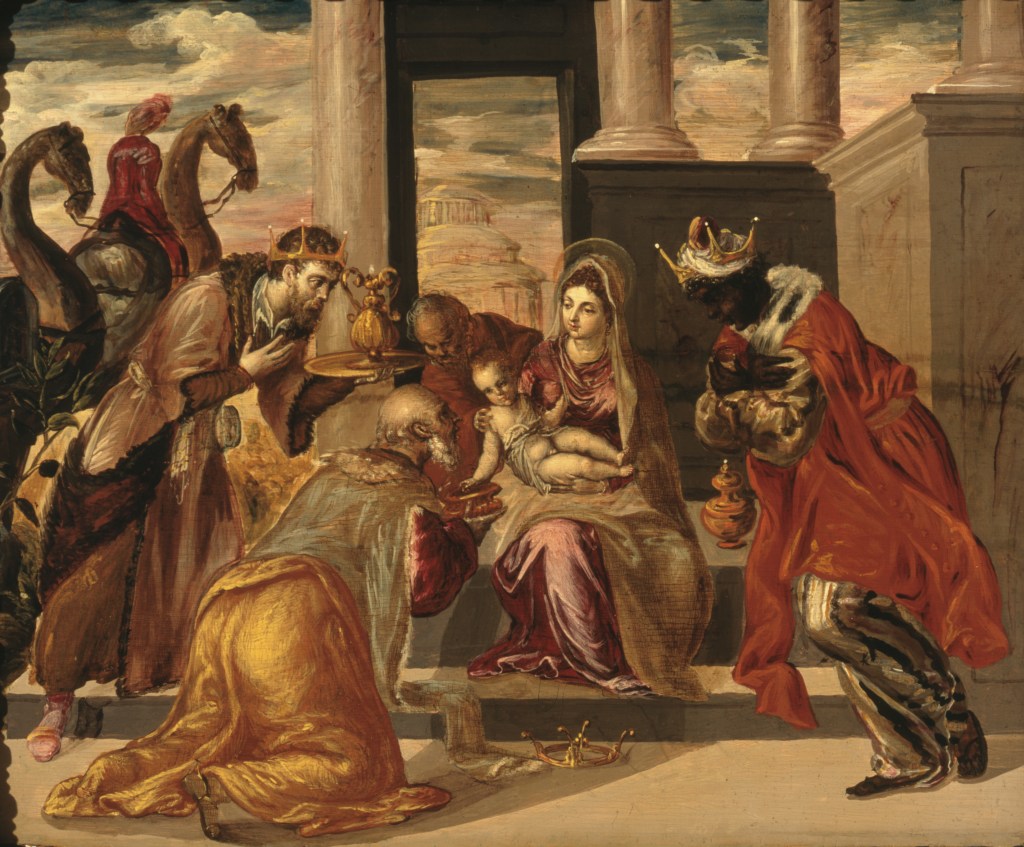
2007 HOMILY – The most foundational truth of the Christian life can be located in today’s gospel of the Epiphany. But it is a lesson that we often miss. We miss it because we are not looking in the right place. In today’s gospel, it is difficult to keep your eyes off of the wise men. They are foreign and mysterious. They come from the East in their exotic robes, riding their peculiar camels, following the star. But when we focus on the wise men, the theme of the gospel is about searching, finding, and the giving of gifts. These themes, however, are not the deepest truth of today’s feast. To find that truth we must not look at what the wise men do, but at what Jesus does. And what does Jesus do? He receives the gifts that the wise men offer. This action is arguably the first action of Jesus ever recorded in the gospels: to accept the gifts that are given. It is an action of profound significance, because it is an illustration of what is most fundamental about the Christian life: that being a Christian is not about what we do, but what we accept; it is not about giving but about receiving.
- The Missing Magi (2004)
- Mud or Stars (2010)
- Fleeing as a Virtue (2016)
- Politics and Religion (2019)
This discussion guide has been generated by the WORD THIS WEEK’S Catholic AI Assistant based on Fr. Smiga’s homily.
The Christian life explores profound truths through the celebration of the Epiphany, particularly focusing on the actions and gifts associated with Jesus. This discussion guide will help small groups engage with the sermon by breaking down its key themes and exploring their significance in Christian faith.
1. Understanding the Core Message
– Discuss the main action of Jesus in the gospel and its significance. Why is receiving the gifts considered the first recorded action of Jesus, and what does it represent?
– Contrast the themes of the wise men’s journey (searching, finding, giving) with the underlying message of receiving. How does the sermon shift our focus?
2. Reflecting on Receiving as a Christian Practice
– Explore the idea that being a Christian is more about receiving than doing. What misconceptions about faith does this challenge?
– How does this perspective influence the way we understand our relationship with God and our daily life choices?
3. The Importance of the Three Gifts
– Gold: Value and Worth
– Reflect on the symbolism of gold as a gift. How does it emphasize our intrinsic value and dignity?
– How can we maintain a sense of worth and dignity even in times of doubt or failure?
– Frankincense: Mystery
– Consider the role of frankincense in pointing to God’s mysterious plans. Share experiences where you’ve felt God’s guiding presence.
– How can one embrace and cooperate with God’s mysterious work in everyday life?
– Myrrh: Pain and Suffering
– Discuss the symbolism of myrrh. How do we navigate the pain and inevitable struggles in life while maintaining faith?
– In what ways does faith help us to perceive pain without letting it destroy us?
4. Integrating the Gifts into Daily Life
– Consider practical ways to be more receptive to God’s gifts. How can we open ourselves more to these gifts in our lives?
– How does recognizing these gifts impact personal faith and the broader Christian community?
5. Personal Reflection and Commitment
– Share personal reflections on the sermon. Which of the three gifts resonated most with you, and why?
– Discuss how you plan to integrate the sermon’s lessons into your faith journey.
6. Conclusion and Prayer
– Conclude with a prayer or reflection, asking for openness to receiving these gifts and the strength to live out this understanding in life.
This 300 word adaptation of Fr. Smiga’s homily was generated by our Catholic Assistant AI bot, to help preachers share key insights from the homily with children and teens.
Hey there! Let’s explore a cool story from the Bible about the wise men and Jesus. You might know them as travelers with funky clothes and camels, following a star. But this story is more than just about searching for treasures and gift-giving.
The real surprise is what Jesus does in this tale: He accepts the gifts from the wise men. This is pretty significant! It tells us something important about being a Christian. It’s not just about what we do, but what we’re open to receiving from God. God is always working around us—creating, saving, and guiding us. Being a Christian is about being ready to accept what God offers.
Now, what gifts do we need to be open to? Let’s check out the wise men’s gifts.
First, there’s gold. Gold is valuable and reminds us that we are valuable too. We have worth and dignity given by God, not earned. Remember this, especially when things get tough.
Next is frankincense, a fancy perfume. It symbolizes God’s mysterious actions in our lives. God has a plan and guides us, even if we don’t understand it. Our lives are more than just our choices; God’s love guides us.
Last is myrrh, connected to pain and challenges. We all face hard times. But this pain doesn’t define our worth, nor can it stop God’s plan. Trusting this helps us see what following God truly means.
In short, being a Christian is about being open to these gifts: your value, God’s mysterious plan, and understanding that pain can’t stop God’s great plan for you. Jesus accepted these gifts, and so should we, to grow as followers of Christ.
DISCLAIMER: Adaptations (like translations), may not fully capture the nuances or precise meanings of the original text. It’s essential to read the original homily which can be accessed by clicking on the title above
Epiphany - YEAR C
Life-Issue Homilies for Sunday
Lifeissues.net is mainly concerned with publishing articles directly related to issues raised in Evangelium Vitae, but also offers weekly pro-life homilies.
RELATED PAGE:
Frank Pavone Video/Notes on Abortion
Epiphany - YEAR C

Homily Excerpt

One tradition calls the magi kings. Another refers to them as wise men. When we join them on the journey of life, we are both. We are wise because we see the reality of Life with Jesus, and we are kings because we reign with Him in the Kingdom of God. And His Life becomes our lives. And His purpose becomes our purpose. He came for no less than the transformation of the world. We live for no reason other than to join Him in the Quest. We live for Jesus Christ. We live for the Kingdom.
They call this feast the Epiphany, the showing of the Lord. And it is true. When we walk away from the darkness, when we walk to the light and embrace Jesus Christ, the Lord is shown to us in every aspect of life. And we show His Presence to others.
Are the temptations too great? Is the night too dark? No. No power is greater than His. No darkness can smother His Light. We can be epiphanies, manifestations of His presence to others.
Epiphany - YEAR C
In this meditation, I would like to follow these Magi in their journey of faith to become “Wise Men.” As magi, they followed the faint stars, distant points of light; as wise men, they follow Jesus, who is the ever-glorious Light from Light, true God from true God.
We can observe how they journey in stages from the light of a star to the bright and glorious Light of Jesus Christ. And, of course, to authentically encounter the Lord is to experience conversion. All the elements of this story ultimately serve to cause them to “return to their country by another route.” Let’s look at the stages of their journey from being mere magi to becoming, by God’s grace, wise men.
I. Stage 1: The CALL that COMPLETES
II. Stage 2: The CONSTANCY that CONQUERS
III. Stage 3: The CONDESCENSION that CONFESSES
IV. Stage 4: The COST that COMES
V. Stage 5: The CONVERSION that is CLEAR
This discussion guide has been generated by the WORD THIS WEEK’S Catholic AI Assistant based on Msgr. Pope’s homily. NEED HELP? Copy and paste a question into the chat bot in the lower right corner of the screen and have our Catholic Assistant help you.
Discussion Guide
Introduction
This discussion guide is designed to facilitate a meaningful conversation within your small group about the journey of the Magi from being mere magi to becoming wise men. The sermon outlines five stages in their journey, which illustrate our own spiritual journeys as we seek to deepen our relationship with Christ.
Discussion Questions
Stage 1: The Call that Completes
– Who or what has been the “star” in your life that initially led you to seek out Christ?
– How has God used natural elements or people in your surroundings to guide you on your spiritual journey?
– Reflect on the significance of Gentiles being called in the Christmas story. How does this inclusion make you feel about your place in the Church?
Stage 2: The Constancy that Conquers
– Have you ever faced discouragement or confusion in your spiritual journey, similar to what the Magi experienced in Jerusalem? How did you overcome these obstacles?
– How can we maintain perseverance in our faith, even when those around us seem indifferent or unaware?
– Share any personal stories of faith despite adversity and discuss what role constancy played in those experiences.
Stage 3: The Condescension that Confesses
– Consider the significance of the Magi’s act of prostration. How do you express worship and adoration in your life?
– Discuss the difference between a genuine faith and a mere observance. How can we cultivate a transformative relationship with Jesus Christ?
– In what ways can you show reverence and “fear of the Lord” in your daily life?
Stage 4: The Cost that Comes
– What do the symbolic gifts of gold, frankincense, and myrrh represent in your life? Discuss the personal sacrifices you’ve made in your journey of faith.
– How do you view your possessions in relation to your faith? Are they yours or God’s?
– What aspects of your life require more surrender in order to fully embrace God’s will?
Stage 5: The Conversion that is Clear
– How has your life direction changed since you began your journey of faith? Are there clear signs of conversion you can identify?
– Reflect on the concept of walking a different path, as the Magi did after meeting Christ. What does this mean for you in practical terms?
– Discuss the quote, “Wise men still seek Him; even wiser ones listen to and obey Him.” How can we embody this wisdom in our lives?
Conclusion
Epiphany means “manifestation.” How is your faith made manifest in your actions and ongoing conversion? Share ways in which you plan to walk the King’s highway as you move forward in your spiritual journey. Consider closing in prayer, asking for strength and wisdom to continue seeking, listening, and obeying God’s call.
This 300 word adaptation of Msgr. Pope’s homily was generated by our Catholic Assistant AI bot to help preachers share key insights from the homily for young people.
Hey everyone! Let’s chat about a cool journey some wise men took long ago. They started as magi, like ancient scientists, and ended up discovering something special: Jesus, the true Light.
First, when Jesus was born, these men saw a star from the east. It was a big deal because they weren’t Jewish like others who came to see Jesus. This shows how they felt called to find something amazing, just as we have signs in our lives leading us, like friends or inspirations. God speaks in different ways, and we must pay attention.
Second, the magi kept going, even when things got tricky. They thought King Herod would know about Jesus but found that wasn’t the case. It reminds us to hang in there, even when things are confusing. Keep searching for truth.
Third, the magi found Jesus and were so excited that they bowed down and worshiped Him. This act wasn’t just about respect; it was about a belief that changed them. It’s important to let our beliefs truly change us.
Fourth, they brought gifts of gold, frankincense, and myrrh, symbolizing their commitment. Following something important might mean giving up other things, but this leads to awesome changes.
Finally, after finding Jesus, the magi returned home a different way. This journey changed them for the better, reflecting how real discovery works. Following Jesus should change us too, guiding better choices and directions.
In the end, the magi became wise by listening, staying strong, and letting their discovery change them. Think about your journey. Are you ready to live fully and let it change you? Let’s keep seeking, listening, and changing for the better, reflecting the light we find.
DISCLAIMER: Adaptations (like translations), may not fully capture the nuances or precise meanings of the original text. It’s essential to read the original homily which can be accessed by clicking on the title above

Epiphany - YEAR C
Justice Homilies for Sunday
Fr. Jude Siciliano, O.P. was ordained in 1969. For fourteen years he taught homiletics at the Graduate Theological Union in Berkeley, CA, and is a past president of the Catholic Association of Teachers of Homiletics. He was a volunteer chaplain at San Quentin Prison and was actively involved with “People of Faith Against the Death Penalty,” in North Carolina. He preaches parish retreats and also travels throughout the country giving preaching workshops.
⬇️ Bishop John Louis
Epiphany - YEAR C
Homily Excerpt

“What shall I render the Lord for His goodness to me?” Reflecting on this question in the light of the story of the wise men, we have learnt that we should express ceaseless gratitude to our Lord by:
- Persevering in our journey of faith with Him
- Assiduously searching for Him through the Scriptures
- Rendering Him the homage of worship
- Offering Him our gifts, especially spiritual ones
May the Lord to whom we thus render our appreciation bless us eternally! Amen!
⬇️ Fr. Michael Chua
Epiphany - YEAR C
Homily Excerpt

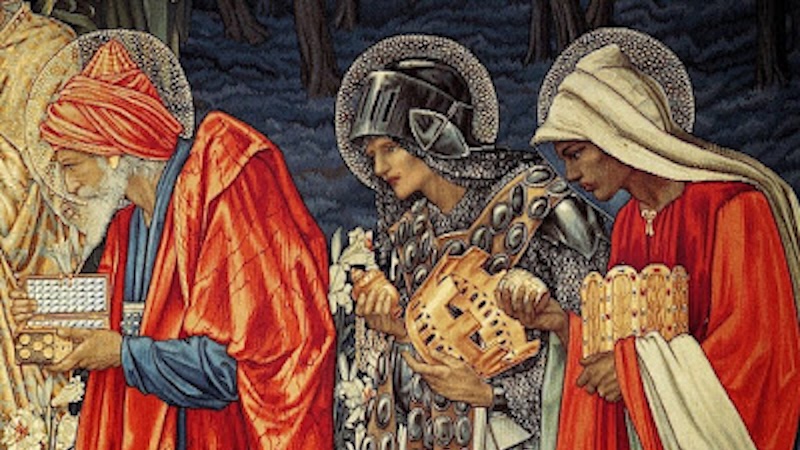
Epiphany is the celebration of the universality of the Church, the universality of our faith, the universality of salvation and the universality of Christ as Saviour, who came to save not just an elite group of individuals belonging to a particular nation, caste, or race but He came to save all humanity. This universality is manifested in the visit of the magi, these non-Jewish wise men, most likely astrologers, as they came to pay homage to the Infant King in Bethlehem. The visit of the Magi, Pope Francis teaches, shows that Jesus Christ is ‘the light of the world that guides the path of all peoples.’ The Son of God did not only come for the people of Israel, represented by the shepherds, but also for the whole of humanity, represented by the Magi.
The Magi remind us of the catholicity or universality of the Church. Catholic means universal! We perhaps take for granted the catholicity of the Catholic Church. It is an important “mark of the Church.” We see this universality right here in our own parish. We are blessed with a diversity of races and cultures. We believe that God calls all people to salvation and that the Gospel is meant to be spread to the nations of the whole world. The Second Vatican Council taught that this gift of universality which adorns the People of God is a gift from the Lord Himself whereby the Catholic Church ceaselessly and efficaciously seeks for the return of all humanity and all its good under Christ the Head in the unity of His Spirit (Lumen gentium 13).
Epiphany - YEAR C
Homily Excerpt
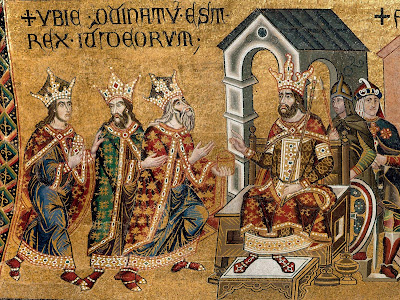
The contrast between the three kings and Herod, could not have been any more pronounced. This is the contrast between the search for God and that of power, between knowledge and ignorance, between worship and hostility, between faith and unbelief, between truth and hypocrisy. The wise men are in tune with what God is doing; Herod is clueless. The wise men are excited about these events and want to worship this newborn king. Herod can only see a threat to his authority. The wise men are empowered by their belief; Herod is blinded by his ambition and fear. And what makes this all the more fascinating is that the three kings are foreigners; non-Jews from a distant land. Herod is a Jew – raised in the faith that had talked for centuries about a promised messiah.
Epiphany - YEAR C
Homily Excerpt
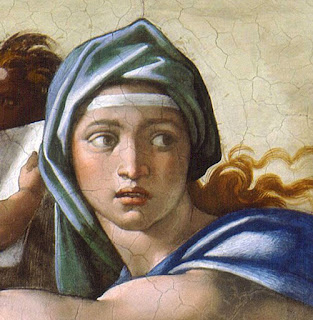
God has shown us that pagans can be mysteriously drawn to him and used by him, at times even through their own imperfect traditions of wisdom. Michelangelo depicts this beautifully in the mural paintings of the Sistine Chapel. Lining the top of one wall of the chapel are famous paintings of Old Testament prophets. Opposite them are not New Testament apostles as one may expect. But rather, a row of the Sybils, the pagan prophetesses of the ancient world, in whose oracles there were discovered shadowy allusions to a future Saviour. Illustrating the insightful humour of Michelangelo, one of the Sibyls has her mouth agape with astonishment, her eyes fixed on the fresco of the risen Christ at the altar wall of the chapel. Indeed, the deepest desires of all peoples, the elements of truth found in all their religions and philosophies, are fulfilled in Christ. From the very beginning of the Christian story, then, Jesus is clearly not just the Jewish messiah who has come to deliver the people of Israel from foreign oppression. No, He is the universal king, the ruler of all, who has come to tear down the hostile wall dividing Jew from Gentile, nation from nation. This is the magnificent message of the Epiphany.
Epiphany - YEAR C
Homily Excerpt

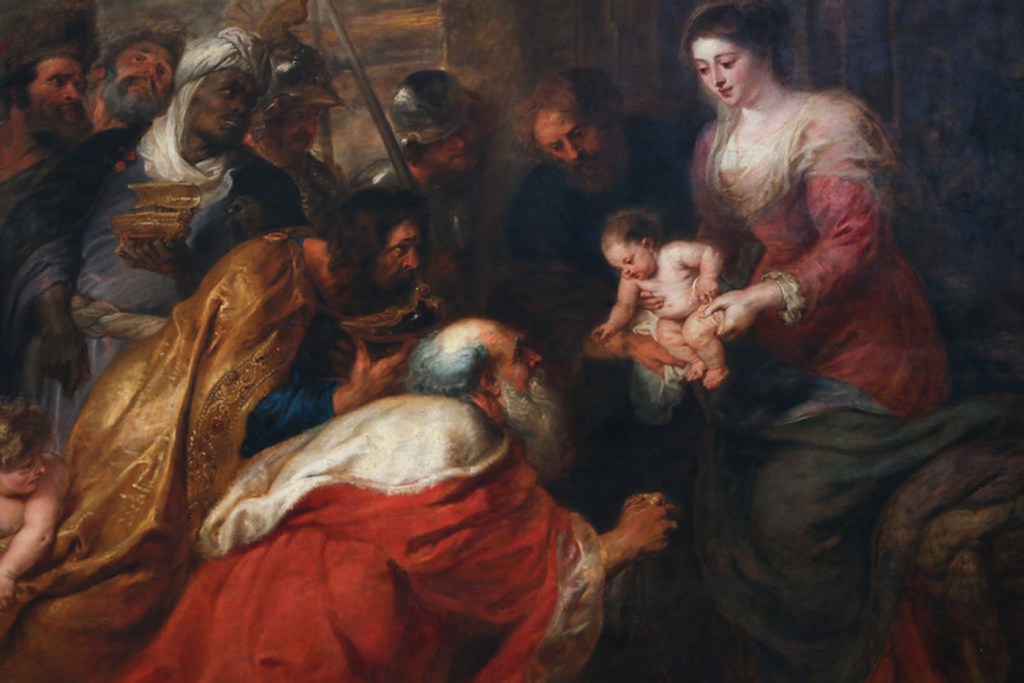
2021 HOMILY—Recently, chatting to a Jewish repairman, I referred to “the chosen people.”
“Why would God choose one particular people?” he replied.
From “all the nations,” God “chooses Israel,” Pope Emeritus Benedict XVI says—but “with a view to healing the whole human race.”
That seems to be God’s way: choosing and thus excluding, but with the design of including everything.
The following adaptation of Fr. Hawkswell's homily, generated by our Catholic Assistant AI bot, is provided to help preachers share key insights from the homily with children and teens.
Hey everyone, let's dive into a really cool topic today. I recently had a chat with a Jewish repairman and mentioned "the chosen people." He asked, "Why would God choose just one group of people?" That's a great question!
So, here's what Pope Emeritus Benedict XVI says: God chose Israel to help heal and bring together everyone in the world. It might seem like God is picking and excluding some, but He actually wants to include everyone eventually.
At the core of creation, there's this amazing idea that God wanted to make space for people to be part of the love shared within the Trinity. God started with things like rocks and planets—they were on a journey toward becoming something amazing.
Now, even though the magi, or wise men, weren't Jewish, they traveled a long way to honor Jesus, the King of the Jews, who would also be the King for everyone. These magi had faith, and faith is a big deal!
For billions of years, God made a lot of choices. He chose Earth as the perfect home for us. Then, from all the creatures, He picked humans to be special because we can know Him and love Him. But He didn't stop there.
When the first humans made mistakes, God didn't give up. He decided to start again. Throughout history, God kept choosing people, like Abraham and King David, to help make things right.
Then, we get to Mary, who said "yes" to God and became Jesus' mom. In Jesus, God made everything new and perfect. Jesus is like a new Adam—a new beginning for all humans.
Here's something important: Jesus wasn't only for one group of people. When a Canaanite woman asked Jesus to help her daughter, He saw her faith and gave her what she needed. Again, with the magi, their faith made Jesus show Himself to them.
Pope Benedict tells us that God didn't choose Israel because they were better than others. He chose them to be part of His big plan: saving everyone. So, God chose to start with one group but ultimately wanted His love to reach everyone.
Remember, God has always wanted everyone to be part of His family. That's why Jesus told His followers to go out and share His love with the whole world. Let's keep that in mind as we go about our own lives, spreading kindness and love wherever we can!
DISCLAIMER: Adaptations (like translations), may not fully capture the nuances or precise meanings of the original text. It's essential to read the original homily which can be accessed by clicking on the title above.
This discussion guide has been generated by the WORD THIS WEEK'S Catholic AI Assistant based on Fr. Hawskwell's homily. NEED HELP? Copy and paste a question into the chat bot in the lower right corner of the screen and have our Catholic Assistant help you.
Introduction
This discussion guide is designed to facilitate a deeper understanding and reflection on the themes and insights presented in the sermon. It explores the concept of divine choice, exclusivity, and inclusivity in God's plan, as revealed through scripture and theology.
Discussion Questions
1. Divine Choice and Purpose
- What does the term "chosen people" mean in the context of the sermon?
- How does God’s way of choosing relate to the overall purpose of healing and including the entire human race?
- Reflect on the idea that creation was made "in a state of journeying" toward its perfection. How does this perspective affect your understanding of creation and humanity's role in it?
2. Humanity’s Role in Creation
- Discuss the concept of man as God’s "fellow-worker." How does this idea shape our responsibilities towards creation?
- How do the choices God made throughout history reflect His intentions for creation and humanity's ultimate purpose?
3. God's Re-creation and the Role of Faith
- How does the narrative of Abraham, Isaac, Jacob, and the nation of Israel illustrate God's selective purposes?
- In what ways does the story of Jesus exemplify the ultimate goal of God's creation and re-creation process?
- Discuss the significance of faith as demonstrated by the Canaanite woman and the magi. How does faith challenge and surpass exclusivity?
4. Inclusivity and Salvation
- Examine the tension between exclusivity and inclusivity in Jesus' ministry. How does Jesus' mission to the "lost sheep of the House of Israel" transition to a command to "teach all nations"?
- Consider the role of Israel according to Pope Benedict’s insights. What does it mean for a nation to be chosen "not for superiority," but to "endure something" and "accomplish something for others"?
Reflective Exercises
1. Personal Reflection
- Reflect on a time when you felt chosen for a specific purpose or task. How did it feel, and what was the outcome?
- How do you see your role in God’s ongoing creation and re-creation? What actions can you take to align yourself more closely with this role?
2. Group Activity
- As a group, list and discuss ways in which faith can manifest in actions and choices within a community.
- Create a plan for a group initiative that embodies the inclusive nature of God's love and purpose, focusing on reaching out to those who may feel excluded or marginalized.
Conclusion
The sermon invites us to explore the complexities of divine choice, the human role in creation, and the overarching narrative of inclusivity in God's plan for salvation. By examining these themes together, we can gain a richer understanding of our place in this divine journey and how faith can guide us in fulfilling our shared purpose.
Click banners to access AI generated content.
⬇️ Fr. Denis J. Hanly

Father Denis J. Hanly (1932-2014) was a Maryknoll Missionary for over 55 years.
Epiphany - YEAR C
Homily Excerpt
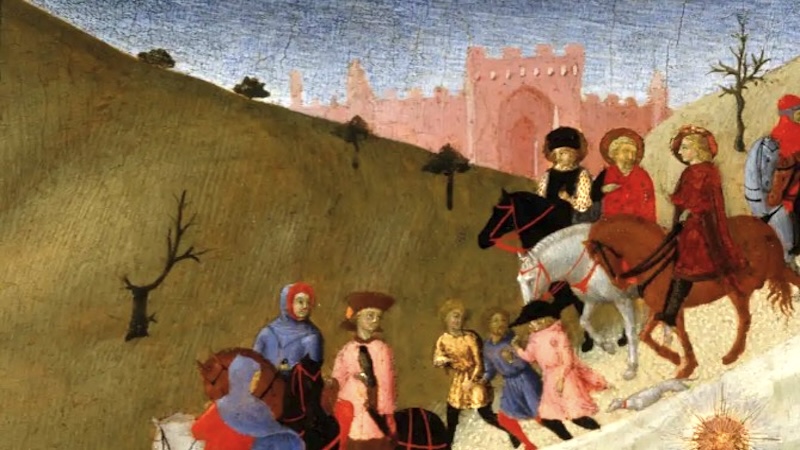
The tribe of Israel will be those who, through the many centuries and through much pain and difficulty, kept alive the promise of the Messiah, the Redeemer, the Christos.
And yet when the three kings come, the whole non-Christian world rejoices, because then we realise that this little Jewish boy is really the Son of God and the Son of God is for everyone.
So the first thing we should think of on this day, this very special day of the Epiphany, is the epiphany, the revelation, the revealing, that the child of Bethlehem is the Son of God and the Saviour of the whole world.
⬇️ Fr. Tommy Lane
Epiphany - YEAR C
Homily Excerpt

It is estimated that about thirty baby boys were slaughtered when Herod gave orders after the departure of the wise men to kill all boys under two years of age, based on the population of Bethlehem at that time (Matt 2:16). Herod had a troubled mentality. He wanted to hold onto power and even a small baby was a threat to him in his own mind. He even flew in the face of God because his advisors quoted the prophet Micah (5:1), as we heard in today’s Gospel (Matt 2:1-12), who had said that the Messiah would be born in Bethlehem. Nevertheless, even though prophesied in Holy Scripture, Herod still wanted to snuff out God’s Messiah and snuff out God’s plan. It caused enormous pain and suffering to about thirty families and surely it did not bring peace to Herod, his soldiers, or his palace.
Epiphany - YEAR C

God’s secret plan, Paul wrote, is that we are all co-heirs of God’s glory in Jesus. Every mother’s child bears his face. All members of his body share in his promise.
The astrologers, having seen his star, searched for the newborn king. Herod was frightened of the baby. The defenseless child was a menace to something cold and hard in him. He wanted to kill, not to see the glory.
In Pennsylvania or Louisiana, St. Louis or Manhattan, in our great parade of parish life, let us go to the child. Like sages, let us delight at seeing the star, at entering the house, at seeing the mother. Let us do homage. Let us open the gifts of our hearts.
This discussion guide has been generated by the WORD THIS WEEK’S Catholic AI Assistant based on Fr. Kavanaugh’s homily. NEED HELP? Copy and paste a question into the chat bot in the lower right corner of the screen and have our Catholic Assistant help you.
Discussion Guide
1. Observing Diversity and Unity
– Discussion Point: The speaker emphasizes the diversity and unity experienced through attending different parish liturgies. How does this reflect your personal experiences with diversity and unity within your own faith community?
– Personal Reflection: Share a moment when you felt connected to a larger faith community during your travels or experiences in different settings.
2. Significant Experiences in Worship
– Discussion Point: The visit to Our Lady of Grace in Greensburg was particularly meaningful for the speaker. What elements of a worship service make it significant or memorable for you?
– Personal Reflection: Recall a worship service that had a profound impact on your faith journey. What made it special?
3. Children’s Redemptive Presence
– Discussion Point: Father Larry Kiniry’s homily highlighted how children can be redemptive in our lives. How do children influence your faith journey?
– Personal Reflection: Reflect on a child who has taught you a meaningful lesson or brought a new perspective to your understanding of faith.
4. Lessons from Children
– Discussion Point: The sermon mentions several qualities of children such as trust, vulnerability, and the ability to forgive. Which of these qualities do you see as most transformative in your spiritual life?
– Personal Reflection: Share an experience where a child’s perspective or behavior influenced a personal decision or insight.
5. Celebrating Achievements of the Young
– Discussion Point: Celebrations such as baptisms, first Communions, and graduations bring people together. How do these events influence community bonding and personal faith?
– Personal Reflection: Discuss a communal event involving children that left a lasting impression on you and why.
6. Recognizing Hidden Glory
– Discussion Point: The sermon portrays a vision of hidden glory in children, despite darkness around. How can we cultivate the ability to see this hidden glory in our daily lives?
– Personal Reflection: Think of a moment when a child’s presence or action revealed an unexpected joy or wisdom to you.
7. The Role of Children in God’s Plan
– Discussion Point: Discuss the idea that all are co-heirs of God’s glory in Jesus, and children play a significant role in this plan. What does this mean for you?
– Personal Reflection: How does perceiving every child as bearing God’s face impact your interactions and relationships with children?
8. Overcoming Fear and Embracing Glory
– Discussion Point: Contrast Herod’s fear of the defenseless child with the wise men’s adoration. How can fear be transformed into reverence and delight?
– Personal Reflection: Consider a personal fear or reservation you had that shifted to appreciation or joy through understanding or perspective change.
9. Encouragement for Homage and Gift-Giving
– Discussion Point: The sermon encourages paying homage and opening the gifts of our hearts. How can we practice this in our spiritual and community lives?
– Personal Reflection: Share examples of how you or your community have offered gifts— tangible or intangible—to honor and support others in your faith journey.
These discussion points and reflections aim to deepen engagement and understanding of the themes presented in the sermon, fostering both personal growth and communal enrichment.
This 300 word adaptation of Fr. Kavanaugh’s homily was generated by our Catholic Assistant AI bot to help preachers share key insights from the homily for young people.
One of the joys of speaking across the country is witnessing the vibrant diversity and unity of our faith community. In 1997, I visited Our Lady of Grace in Greensburg, Pennsylvania, and found a place full of warmth and love. A young girl boldly read the Word of God, families and educators played essential roles, and people of all ages joined in Communion. Despite life’s challenges, a hidden light shines through these connections.
Father Larry Kiniry’s homily was a revelation. He spoke about the redemption children bring into our lives. Jesus embraces kids and the child within us, and we should too. With their openness and vulnerability, children teach us trust, forgiveness, and the essence of love. They remind us of the joy of play, laughter, and hugs. We celebrate their milestones like baptisms, first Communions, and graduations. We cheer them on, support them through challenges, and celebrate their victories, no matter how small. As Isaiah envisioned for Israel, there’s hope and promise in every child.
In every community, whether in Pennsylvania, Louisiana, or anywhere else, we should cherish the presence of children. They are the treasures of our hearts, reflecting God’s greatness. Let’s follow the example of wise travelers, embracing and respecting the light they bring. Children remind us of God’s glory and invite us to share in it. Let’s open our hearts and find joy in the simple, profound beauty they offer to our lives.
DISCLAIMER: Adaptations (like translations), may not fully capture the nuances or precise meanings of the original text. It’s essential to read the original homily which can be accessed by clicking on the title above
Epiphany - YEAR C
Homily Excerpt
It is this reality that underscores how the Magi also gave the baby Jesus a fourth gift, more precious than gold, frankincense and myrrh. It is a gift that was already given the day they decided to follow the star. The Magi offer to Jesus the gift of faith. Indeed, it is in the mystery of Epiphany that we see clearly how the crib we celebrate at Christmas points directly to our faith in the cross at Good Friday which points directly to our faith in the empty tomb on Easter Morning. Jesus’ empty tomb points directly to our empty tombs at the end of time, expanding the opportunity of membership into the Chosen People to include the entire human race. You see, the celebrations of Christmas and Epiphany lose much of their meaning without the Pascal Mystery. In fact, they lose all their meaning. The Magi’s pilgrimage makes little sense without faith and hope in the resurrection and the opportunity of salvation for the whole world.
Epiphany - YEAR C
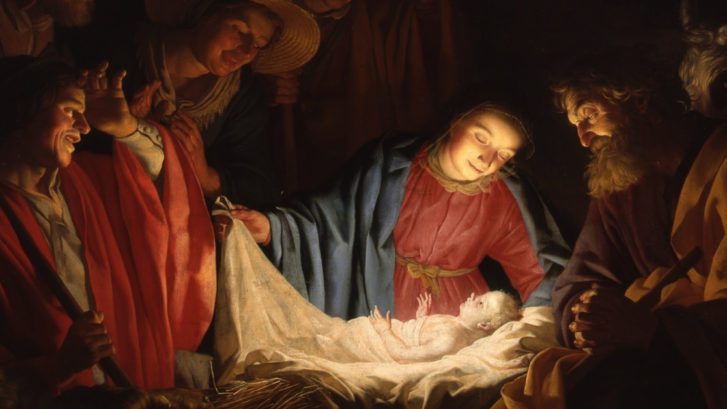

Some years ago I saw a play called “Down Will Come Baby.” As the play opens, the husband is taking down the Christmas tree. Among the things that have been hanging on the tree, there is a model of the Christ child in the manger. Apparently, they had been given out at church, and almost everyone in the parish had one on their tree.
The husband says, “I’ll be sorry to see this go” holding up the model crib. “Can’t we keep Him?” says the wife. “No,” says the husband, “I’ll put Him out when I throw out the tree, the garbage man will collect Him.”
On the day after Christmas, you see models of the crib laying all over the place, inside, outside. The wife is shocked, but the husband says it has to be done, the baby is where He belongs, thrown out with the Christmas cards and carols. The wife becomes increasingly disturbed as the husband continues, “Everybody loves a baby, with its big eyes and all the cute things it does. But when He grows up, it is different: His eyes look through us and watch our thinking. His hands stretch out to make us care. His lips tell us what we are. Then we would have to live like real people: that is more than we can bear.”
This discussion guide has been generated by the WORD THIS WEEK’S Catholic AI Assistant based on Fr. Warren’s homily. NEED HELP? Copy and paste a question into the chat bot in the lower right corner of the screen and have our Catholic Assistant help you.
Introduction
This discussion guide is designed to facilitate conversation and reflection on the themes and key messages from the sermon “Down Will Come Baby.” The guide focuses on the transformation from the celebration of Christmas to living a life dedicated to Christ.
Initial Reflections
1. What are your initial feelings or reactions after hearing the sermon?
2. Were there any particular images or phrases that stood out to you? Why?
Understanding the Sermon’s Themes
Theme 1: The Christ Child and Discarding the Image
1. Discuss the symbolism of the Christmas tree and the model of the Christ child in the play “Down Will Come Baby.”
2. How do the characters’ actions in the play reflect common attitudes toward Jesus after Christmas?
3. Share examples of how you or those around you may ‘put away’ Christ after the holiday season.
Theme 2: Keeping the Childlike Perception vs. Accepting Christ as Lord
1. What are the challenges of transitioning from seeing Jesus only as a child to acknowledging Him as a Savior and Lord?
2. Reflect on the statement: “When He grows up, it is different: His eyes look through us and watch our thinking.” How does this apply to your personal experience?
Theme 3: The Intent of the Wise Men
1. Discuss the journey and intentions of the wise men. What parallels can be drawn to our personal faith journey?
2. What is the significance of the wise men offering gifts to Jesus?
Theme 4: Jesus’ Impact Beyond Christmas
1. How does the sermon challenge us to incorporate Christ into our daily lives beyond the Christmas season?
2. Consider the statement: “Christ did not come into this world as a helpless child just to preach, teach, and work miracles. He came to make other Christs.” What does this mean to you in practical terms?
Personal Application and Reflection
1. Reflect on the question posed in the sermon: “What are you looking for this New Year?”
2. How can you ensure that Jesus becomes as real to you as He was to the wise men?
3. In what ways can you open your treasures and offer gifts to Jesus in your own life?
4. How will you respond to the question Jesus asked Peter: “Do you love Me?”
Group Sharing and Prayer
1. Invite group members to share their responses to the sermon, focusing on one key takeaway.
2. Conclude with a group prayer, asking for guidance and strength to keep Christ at the center of life throughout the year.
This guide aims to deepen understanding and provide practical steps for living a life dedicated to Jesus beyond the Christmas season.
This 300 word adaptation of Fr. Warren’s homily was generated by our Catholic Assistant AI bot to help preachers share key insights from the homily for young people.
Hey everyone! Let me share a story from a play called “Down Will Come Baby.” A couple is taking down Christmas decorations. The husband wants to pack away everything, even a model of baby Jesus, but the wife wants to keep Him out.
People often like the idea of Jesus as a cute baby. But when He grows up, He challenges us to be better, and that’s tougher to handle. Some, like King Herod, didn’t want that. Herod saw Jesus as a threat, even as a baby.
Remember the wise men? They followed a star to find the new king, Jesus. When they found Him, they didn’t talk; they just knelt in awe and gave gifts. Even after Christmas, Jesus shouldn’t be put away with the lights and tree. He should grow in our hearts and lead us.
When Jesus grows up, He might shake things up. That’s good! Sometimes, we need to break out of our comfort zones. The wise men were searching for someone real, and so should we. Jesus isn’t just a story; He should be like your closest friend, making a real impact on your life.
Jesus came to show us that we’re loved beyond words. He was born in a stable, lived, and died for us. So, what are you searching for this year? Is it Jesus? Jesus once asked a disciple, “Do you love me?” It’s a question for all of us. What’s really important in your life?
The phrase “The Word became flesh” means God is with us, not just a Christmas idea. So, let’s be like the wise men, offering our lives as gifts. Loving Jesus isn’t just about saying it; it’s about living it every day. Let’s keep Jesus as a big part of our lives all year long.
DISCLAIMER: Adaptations (like translations), may not fully capture the nuances or precise meanings of the original text. It’s essential to read the original homily which can be accessed by clicking on the title above
⬇️ Fr. Joe Jagodensky, SDS
Epiphany - YEAR C
Homily Excerpt

When said, “I had an epiphany,” that’s just an idea. That’s from you. An Epiphany is something beyond yourselves but arrives within yourselves. The first is from the “pagans,” and the second is Divine.
During the darkness of indecision; light. Felt in the darkness of doubt; light, during haunting questions about life here or the life after here? You guessed it. Spell it out! Christians seek light in the darkness when light is most needed. How about the dark places of our lives that we refuse to admit and see? Or those dark places within us that we haven’t even uncovered yet?
Flashlight? Nay … needs batteries. Relying on our own nearsighted eyes looking inside ourselves? Nope. That’s called one-sided.
We seek the light that this holy day provides. A heavenly star that brought nations together, even if for a short time, to show that this light is universal and eternal. Those two “S’s” that happen to us are the same two two that happened to Jesus Christ. Those surprises and that setback.
I hate it when a friend tells me, “You gotta see that Netflix film. It’s great. The hero is killed in the end.” Am I surprised? No! Because now I know the ending. Why waste two hours when I already know the ending?
The following adaptation of Fr. Joe's homily, generated by our Catholic Assistant AI bot, is provided to help preachers share key insights from the homily with children and teens.
Hey everyone,
Let me sum up what life often throws at us: surprises and setbacks. Sounds about right, doesn’t it?
For those who might not have a spiritual outlook, life seems like a cycle of winter giving way to spring with all those new things popping up, leading to summer's fun times. Sounds simple, right? But that’s not the full picture.
For us Christians (yep, that means us looking for a bit more light), where do we find it? Surprisingly, it’s in the darkest times. That's what Epiphany is about—finding a light we didn’t know we needed.
We often hear someone say, "I had an epiphany," meaning they had a great idea. But true Epiphany is bigger—it’s when something amazing beyond us shines within us. It’s not just our own thoughts; it’s something divine, something from God.
So, when life’s uncertainties, doubts, and big questions hit us hard, that’s when we look for that Divine light the most. It's not about what we see right away; it's about seeing something deeper that God reveals in our darkest moments.
Trying to find peace or answers on our own can feel one-sided and incomplete. Instead, we're looking for the light that God provides, just like the star that guided those wise men long ago—a light that's for the whole world and lasts forever.
Sometimes, we might want to tell God how things should be when we pray. But remember, true prayer is about trust, not telling God what to do. Real prayer opens us up to the awesome surprises God has in store, and how those surprises can work through both our happy moments and setbacks.
The Epiphany story is kinda epic: wise people from afar, a mean ruler, and a bunch of folks who don't have names but played a big role. Through them all shone one star bright enough to light up every challenge and joy they faced. That’s the kind of light we're invited to follow too—a light promising joy amid everything life throws at us.
So, imagine that baby Jesus, full of surprises and setbacks, asking us to see life fresh every day. The Divine light shines on and shares this message: God, Jesus, and the Holy Spirit are there lighting the way for us, always with love. Sounds like a pretty awesome support system to have, right?
Take it in and let that light guide you through the week!
DISCLAIMER: Adaptations (like translations), may not fully capture the nuances or precise meanings of the original text. It's essential to read the original homily which can be accessed by clicking on the title above.
This discussion guide has been generated by the WORD THIS WEEK'S Catholic AI Assistant based on Fr. Joe's homily. NEED HELP? Copy and paste a question into the chat bot in the lower right corner of the screen and have our Catholic Assistant assist you.
Introduction
- Begin the discussion by asking participants to reflect on the two “S” words highlighted in the sermon: surprises and setbacks.
- Encourage them to share personal experiences that align with these themes.
Understanding the Metaphor of Light and Darkness
- Discuss the idea of finding light in darkness as mentioned in the sermon.
- How do participants interpret this in their own lives?
- Explore the significance of Epiphany in understanding light beyond oneself.
The Concept of Epiphany
- Differentiate between a personal "epiphany" (an idea) and the Divine Epiphany.
- How do these concepts influence our perception of challenges?
- Discuss ways that divine light can be recognized in the darker moments of life.
Exploring the Role of Prayer
- Analyze the sermon's view on prayer and the potential pitfalls of imposing our solutions on divine will.
- What is the difference between praying genuinely and making a wish?
- Discuss the role of the seven gifts of the Holy Spirit in enriching prayer and understanding unexpected events.
The Importance of the Christmas Story
- Debate the significance of the characters from the Christmas story as described in the sermon.
- What does each character represent in terms of surprises and setbacks?
- How does the story of Jesus as a newborn symbolize continuous renewal and resilience?
Life's Unexpected Surprises and Setbacks
- Reflect upon personal stories where participants found light in life's surprises and setbacks.
- How did these experiences shape their understanding or faith?
Concluding Reflections
- Wrap up by reinforcing the idea of being "newborns" each day, as mentioned in the sermon.
- What practical steps can participants take to embody this concept of renewal?
- Encourage participants to seek the universal and eternal light in everyday life.
Additional Reflection Questions
- How do you handle surprises and setbacks in your own life?
- In what ways can the concept of light in darkness guide your decisions and actions?
This guide should foster a meaningful and in-depth discussion on the sermon's themes, helping participants to engage and reflect on their spiritual journey.
Click banners to access AI generated content.
Please note that some video clips on this page serveas an additional resource to complement the homilies. THey might not have a direct correlation with the contributor’s original content. These videos aim to inspire preachers to enrich their own homilies, drawing ideas and insights from both the written material and the visual content they’ve explored.