

32nd Sunday of Year B
November 10, 2024
Holy See
NEW FEATURE: The AI Assistant at the bottom right corner
has been specifically trained for this website.
HOLY SEE
Scroll down the page to read papal homilies from Pope Francis and Benedict XVI.

SOURCE: Vatican News – English

Generosity
An attitude of available and trusting generosity is the common denominator of this Sunday’s texts. Generosity reflects the attitude of the widow in Zarephath, who does not hesitate to give Elijah her last jar of meal although it is all she has left (first reading).
It also reflects the attitude of the widow watched only by Jesus, who deposits everything she has in the treasury of the Temple, though it is the equivalent of a mere penny (Gospel).
It especially reflects Jesus’ attitude who gives himself until his death, once and for all, as the victim of ransom and salvation (second reading).
P. Antonio Izqeuirdo, L.C., Copyright © Dicastery for the Clergy
✨MEDITATION
STARTERS
How do the stories of the widows in Zarephath and in the Temple illustrate an attitude of trusting generosity?
What are the similarities and differences between the two widows’ acts of generosity?
In what ways does Jesus’ sacrifice on the cross exemplify the ultimate act of generosity?
What can we learn about the nature of generosity from the contrast between the widows’ small offerings and Jesus’ ultimate sacrifice?
Dicastery for
the Clergy
Preachers can use the meditation starters for personal reflection and homily preparation, while small groups can employ them as discussion catalysts.
Doctrinal Messages
32nd Sunday of Year B
Dicastery for
the Clergy
Preachers can use the meditation starters for personal reflection and homily preparation, while small groups can employ them as discussion catalysts.
Pastoral Suggestions
32nd Sunday of Year B
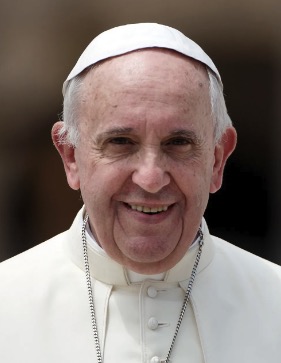
Pope Francis
HOME PAGE
Pope Francis
Homilies
QUOTES
Pope Francis: “The Gospel warns us against the temptation of seeking honor and prestige, reminding us that true greatness lies in humility, service, and compassion.” (November 10, 2013)
The Pope addresses the first passage’s critique of the scribes’ pursuit of status, emphasizing the Christian call to humility and selfless service.
Pope Francis: “The poor widow’s offering reveals the beauty of a generous heart, inviting us to give of ourselves without counting the cost, even in the midst of our own limitations and struggles.” (November 9, 2014)
This quote highlights the second passage’s message about the value of selfless giving, even when it may seem insignificant in the eyes of the world.
Pope Francis: “Jesus praises the poor widow’s contribution because it expresses the authenticity and depth of her faith, which trusts in God’s providence even in her poverty.” (November 8, 2015)
The Pope connects the second passage’s story of the widow’s offering to the importance of faith and trust in God’s care, particularly in times of need.
Pope Francis: “The Gospel calls us to examine our hearts and to resist the allure of wealth and power, embracing instead the way of humility, generosity, and love.” (November 13, 2016)
This quote addresses the first passage’s critique of the scribes’ preoccupation with wealth and status, guiding Christians toward a more authentic and generous way of life.
Pope Francis: “The poor widow’s offering serves as a reminder that our worth in God’s eyes is not measured by material wealth or success, but by the sincerity and depth of our love for God and neighbor.” (November 12, 2017)
Pope Francis relates the second passage’s lesson about the value of the widow’s offering to the Christian understanding of worth and value in God’s eyes.
Pope Francis: “The Gospel challenges us to confront the temptation of hypocrisy and self-righteousness, embracing instead the humility and authenticity of the poor widow’s example.” (November 11, 2018)
The Pope highlights the first passage’s warning against hypocrisy, inviting Christians to follow the widow’s example of sincerity and genuine faith.
Pope Francis
32nd Sunday of Year B

Two Contrasting Figures:
The Scribe and the Widow
11 November 2018 | Saint Peter’s Square
- HOMILY
- OUTLINE
- QUESTIONS & ANSWERS
Today’s Gospel episode (cf. Mk 12:38-44) concludes the series of Jesus’ teachings given in the Temple of Jerusalem and highlights two contrasting figures: the scribe and the widow. But why are they counterposed? The scribe represents important, wealthy, influential people; the other person — the widow — represents the least, the poor, the weak. In reality, Jesus’ resolute judgment of the scribes is not about the whole profession, but refers to those of them who flaunt their own social position, embellish themselves with the title of ‘rabbi’, that is, teacher, who love to be revered and take the best seats (cf. vv. 38-39).
What is worse is that their ostentation is, above all, of a religious nature, because they pray — Jesus says — and “for a pretense make long prayers” (v. 40), and use God in order to gain respect for themselves as the defenders of his law. This attitude of superiority and vanity causes them to have contempt for those who count for little or who find themselves in an unfavourable economic position, such as widows.
Jesus exposes this perverse mechanism: he denounces the oppression of the weak carried out misleadingly on the basis of religious motivations, declaring clearly that God is on the side of the least. And to really impress this lesson on the minds of the disciples he offers them a living example: a poor widow, whose social position was irrelevant because she had no husband who could defend her rights, and therefore she became easy prey to unscrupulous creditors, because these creditors hounded the weak so they would pay them. This woman, who goes to the temple treasury to put in just two coins — all that she had left — and makes her offering by seeking to pass by unobserved, almost as if ashamed. But, in this very humility, she performs an act laden with great religious and spiritual significance. That gesture full of sacrifice does not escape the gaze of Jesus, who instead sees shining in it the total self-giving to which he wishes to educate his disciples.
The lesson that Jesus offers us today helps us to recover what is essential in our life and fosters a practical and daily relationship with God. Brothers and sisters, the Lord’s scales are different from ours. He weighs people and their actions differently: God does not measure quantity but quality; he examines the heart; he looks at the purity of intentions. This means that our “giving” to God in prayer and to others in charity should always steer clear of ritualism and formalism, as well as of the logic of calculation, and must be an expression of gratuity, as Jesus did with us: he saved us freely. And we must do things as an expression of gratuity. This is why Jesus points to that poor and generous widow as a model of Christian life to be imitated. We do not know her name; however, we know her heart — we will find her in Heaven and go to greet her, certainly; and that is what counts before God. When we are tempted by the desire to stand out and give an accounting of our altruistic gestures, when we are too interested in the gaze of others and — might I say — when we act like ‘peacocks’, let us think of this woman. It will do us good: it will help us to divest ourselves of the superfluous in order to go to what truly counts, and to remain humble.
I. The Contrasting Figures: Scribe and Widow
- The scribe represents influential and wealthy people
- The widow symbolizes the poor and weak
II. Jesus’ Judgment of the Scribes
- Refers to those who flaunt their social position and seek reverence
- They use long prayers and religious motivations for personal gain
- This leads to contempt for the less fortunate, such as widows
III. God’s Support for the Least
- Jesus denounces oppression of the weak under the guise of religion
- He declares that God sides with the least and the marginalized
IV. The Poor Widow’s Offering
- A widow gives her last two coins as an offering in the temple treasury
- Her humility and self-giving are noticed by Jesus
- This act of sacrifice is a model of total self-giving and genuine devotion
V. Lessons from the Gospel
- God weighs actions based on quality and intentions, not quantity
- Giving to God and others should be free of ritualism, formalism, and calculation
- The poor widow serves as a model of humility and genuine devotion to be imitated
- The story helps refocus on what is essential in life and a daily relationship with God
Question 1: What two contrasting figures are highlighted in today’s Gospel episode?
Answer: The two contrasting figures highlighted in today’s Gospel episode are the scribe and the widow.
Question 2: What is the issue with the scribes that Jesus is criticizing?
Answer: Jesus criticizes those scribes who flaunt their social position, use religion for personal gain, and look down upon the weak and poor.
Question 3: Why is the widow considered easy prey by unscrupulous creditors?
Answer: The widow is seen as easy prey because she has no husband to defend her rights and is in a vulnerable economic position.
Question 4: What is the significance of the widow’s offering at the temple treasury?
Answer: The widow’s offering symbolizes her total self-giving and humility, which Jesus presents as an example for his disciples.
Question 5: What lesson does Jesus offer in this Gospel episode?
Answer: Jesus teaches that God values the quality of actions and purity of intentions rather than quantity and social status.
Question 6: How should Christians approach their actions of giving to God and to others?
Answer: Christians should give to God in prayer and to others in charity freely, without ritualism or calculation, inspired by the example of the poor and generous widow.
Question 7: What does it mean that God weighs actions and people differently?
Answer: It means that God looks at the heart and purity of intentions behind actions, rather than focusing on external factors such as social status or the size of offerings.
HOME PAGE
Pope Francis
Homilies
Pope Benedict XVI: “The apocalyptic language of cosmic upheaval underscores the transformative power of Christ’s return, calling us to prepare our hearts and minds for the final consummation of God’s kingdom.” (November 13, 2005)
The Pope highlights the scriptural passage’s use of cosmic imagery to emphasize the need for spiritual readiness in anticipation of Christ’s return.
Pope Benedict XVI: “The gathering of the elect symbolizes the ultimate unity of all peoples in the love and mercy of God, inviting us to work for the reconciliation and healing of our world.” (November 12, 2006)
The quote explores the scriptural passage’s theme of unity in Christ and its implications for Christian living and mission.
Pope Benedict XVI: “The parable of the fig tree offers a lesson in discernment, reminding us to remain watchful for the signs of God’s presence and action in our lives and in the world.” (November 18, 2007)
Here, Pope Benedict XVI addresses the parable’s call to attentiveness and discernment, guiding Christians to recognize and respond to God’s activity in the world.
Pope Benedict XVI: “The enduring truth of Christ’s words serves as a source of strength and guidance for believers, even amidst the uncertainties and challenges of the present age.” (November 16, 2008)
The quote examines the scriptural passage’s emphasis on the enduring power of Christ’s teachings and their relevance for contemporary life.
Pope Benedict XVI: “The triumph of the Son of Man represents the ultimate realization of God’s justice, love, and mercy, inspiring us to work for the transformation of our world according to the values of the Gospel.” (November 15, 2009)
Pope Benedict XVI links the scriptural passage’s vision of Christ’s victory to the mission of the Church and the call to live out the Gospel in the world.
Pope Benedict XVI
32nd Sunday of Year B

A Valuable Lesson About Faith
11 November 2012 | Saint Peter’s Square
- HOMILY
- OUTLINE
- QUESTIONS & ANSWERS
The Liturgy of the Word this Sunday gives us two widows as models of faith. They are presented in parallel: one in the First Book of Kings (17:10-16) and the other in the Gospel of Mark (12:41-44). Both these women are very poor and it is precisely this condition that speaks of their great faith in God. The first appears in the series of narratives about the Prophet Elijah. In a time of famine, he receives an order from the Lord to go to pagan territory near Sidon, outside Israel. There he meets a widow and asks her for water to drink and a little bread. The woman replies that there is only a handful of flour and a drop of oil, but, since the Prophet insists and promises her that, if she listens to him, flour and oil will not be wanting; she listens and is rewarded.
The second widow in the Gospel is noticed by Jesus at the Temple in Jerusalem, to be precise at the treasury, where men and women are giving alms. Jesus sees this woman throwing two coins into the treasury; he then calls his disciples and explains that her contribution is greater than that of the rich, because, while they gave of their plenty, the widow put in “everything she had, her whole living” (Mk 12:44).
From these two biblical passages, wisely juxtaposed, one can learn a valuable lesson about the faith. It appears as an interior attitude of he who bases his life on God, on the Word, and trusts totally in him. Being a widow in antiquity was in itself a condition of grave need. This is why in the Bible widows and orphans were people whom God cared for in a special way: they have lost their earthly support but God remains their Spouse, their Parent.
Yet, Scripture says that the objective state of need, in this case being a widow, does not suffice: God always asks for our free adherence to faith, that it is expressed in love for him and for our neighbour. No one is so poor that he cannot give something. And, in fact, both of these widows from today demonstrate their faith by carrying out an act of charity: one for the Prophet and the other by almsgiving. Thus they attest to the inseparable unity between faith and love, as between love of God and love of one’s neighbour — as the Gospel of last Sunday reminded us. Pope St Leo the Great, whose memory we celebrated yesterday, affirmed this: “On the scales of divine justice the quantity of gifts is not weighed, but the weight of hearts. The widow deposited in the Temple treasury two small coins and by doing so surpassed the gifts of all the rich. No gesture of goodness is meaningless before God, no mercy is left barren” (Sermo de jejunio dec. mens., 90, 3).
I. Two Widows as Models of Faith
- Both women are presented as very poor and faithful to God
- One appears in the First Book of Kings, the other in the Gospel of Mark
II. The Widow in the First Book of Kings
- In a time of famine, the Prophet Elijah asks a widow for water and bread
- Despite having only a handful of flour and a drop of oil, she listens to the Prophet and is rewarded
III. The Widow in the Gospel of Mark
- Jesus notices a widow giving two coins at the Temple in Jerusalem
- He explains that her contribution is greater than the rich because she gave everything she had
IV. Lessons on Faith and Charity
- Faith is an interior attitude based on God and expressed in love for Him and others
- Both widows demonstrate the unity between faith and love through acts of charity
- Being poor does not exempt one from giving; no act of goodness is meaningless before God
V. God’s Special Care for Widows and Orphans
- In the Bible, widows and orphans are people whom God cares for in a special way
- They have lost their earthly support, but God remains their Spouse and Parent
Question 1: Who are the two models of faith presented in the Liturgy of the Word?
Answer: The two models of faith presented in the Liturgy of the Word are the two widows: one from the First Book of Kings and the other from the Gospel of Mark.
Question 2: What is the common characteristic shared by the two widows?
Answer: Both women are very poor, and their poverty reflects their great faith in God.
Question 3: In the First Book of Kings, what does the Prophet Elijah ask the widow for?
Answer: Elijah asks the widow for water to drink and a little bread.
Question 4: What is the outcome of the first widow’s interaction with the Prophet Elijah?
Answer: She listens to the Prophet’s promise, and as a result, flour and oil do not run out, and she is rewarded.
Question 5: Where does Jesus encounter the second widow?
Answer: Jesus encounters the second widow at the Temple in Jerusalem, where people are giving alms.
Question 6: Why does Jesus consider the second widow’s contribution greater than the rich people’s contributions?
Answer: The second widow put in everything she had, her whole living, whereas the rich gave only from their abundance.
Question 7: What lesson about faith can we learn from the two widows?
Answer: Faith is an interior attitude of a person who bases their life on God and trusts in Him, and it is expressed in love for Him and for others.
Question 8: How does the Bible portray widows and orphans?
Answer: In the Bible, widows and orphans are people whom God cares for in a special way since they have lost their earthly support, but God remains their Spouse and Parent.
Question 9: How do both widows demonstrate their faith?
Answer: Both widows demonstrate their faith by performing acts of charity: one helps the Prophet, and the other gives alms.
Question 10: What does Pope St. Leo the Great say about the widow’s contribution?
Answer: Pope St. Leo the Great emphasizes that the quantity of gifts is not as important as the weight of hearts, and no act of goodness or mercy is meaningless before God.
I found this reflection very inspiring.