Bible Study Discussion Questions
Bible Study Discussion Questions
Bible Study Discussion Questions
March 8, 2026
March 8, 2026
3rd Sunday of Lent (A)



Matt Zemanek | Fr. Geoffrey Plant | Hector Molina
Edrianne Ezzell | Vince Contreras
Fr. Kieran J. O’Mahony | Fr. Tim Peters
Matt Zemanek
WEEKLY BIBLE STUDY (St. Timothy Catholic Church, Laguna Niguel, CA)

Matt Zemanek | Fr. Geoffrey Plant | Hector Molina
Edrianne Ezzell | Vince Contreras
Fr. Kieran J. O'Mahony | Fr. Tim Peters
Fr. Geoffrey Plant
HOMILY PRESENTATIONS (PDF Transcripts)

Presentations for Upcoming Sunday are Posted on Monday
Matt Zemanek | Fr. Geoffrey Plant | Hector Molina
Edrianne Ezzell | Vince Contreras
Fr. Kieran J. O'Mahony | Fr. Tim Peters
Hector Molina
A WALK IN THE WORD

Matt Zemanek | Fr. Geoffrey Plant | Hector Molina
Edrianne Ezzell | Vince Contreras
Fr. Kieran J. O'Mahony | Fr. Tim Peters
Discussion Study Guides
Edrianne Ezell

Matt Zemanek | Fr. Geoffrey Plant | Hector Molina
Edrianne Ezzell | Vince Contreras
Fr. Kieran J. O’Mahony | Fr. Tim Peters
Vince Contreras
Matt Zemanek | Fr. Geoffrey Plant | Hector Molina
Edrianne Ezzell | Vince Contreras
Fr. Kieran J. O’Mahony | Fr. Tim Peters

The 1st Reading
From where does the water come from? Who does St. Paul identify this in some way with (1 Cor 10:4)? What does Jesus promise he will give those who believe in him (John 7:38)? In the Gospel, what does he promise the woman at the well (verse 14)?
In the 1st Reading (Exodus 17:6), the physical water comes from the rock at Horeb that Moses struck with his staff at God's command. St. Paul identifies this rock typologically with Christ (1 Cor 10:4). Jesus promises those who believe in him that "rivers of living water will flow from within him" (John 7:38, NAB). In the Gospel, he promises the woman at the well that "whoever drinks the water I shall give will never thirst; the water I shall give will become in him a spring of water welling up to eternal life" (John 4:14, NAB). The Catechism notes that the water flowing from the pierced side of Christ is the source of this living water, which signifies the Holy Spirit's action in Baptism.
The 2nd Reading
No Questions

The Gospel
What is significant about the Gospel story taking place in Samaria?
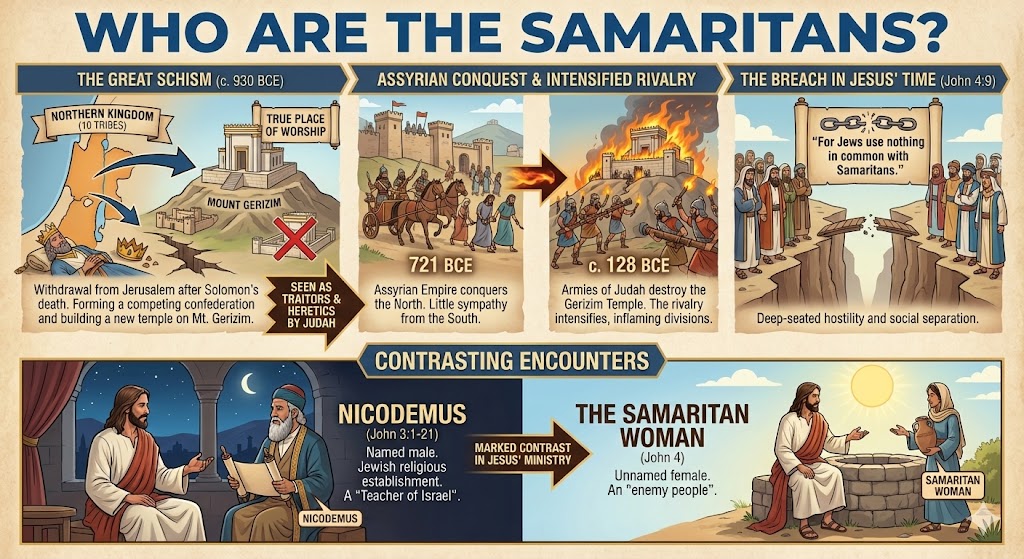
The significance lies in the deep-seated historical hostility and religious separation between Jews and Samaritans. The Gospel explicitly notes, "For Jews use nothing in common with Samaritans" (John 4:9, NAB). By choosing to pass through Samaria and engaging with a Samaritan, Jesus demonstrates that his saving mission transcends ethnic boundaries and reaches out to those considered schismatics or unclean by established Judaism.

Since “nice girls” did not come to draw water at noontime, why do you think Jesus risked his reputation to ask a favor of this woman?
Jesus risked his social reputation by speaking alone to a Samaritan woman with a troubled past to offer her salvation. The Catechism explains that Jesus' material thirst for water was for the sake of the greater thirst he has for our faith; he thirsted for her to ask him for the living water of the Holy Spirit. He broke social taboos to reach someone on the margins of society to reveal himself as the Messiah.
How would you describe the woman’s response? How does Jesus turn the tables on her in verse 10? In the woman’s reply, what is she really saying?
The woman’s initial response (John 4:9) is guarded and surprised, focusing on the social and ethnic barriers separating a Jewish man from a Samaritan woman. Jesus turns the tables in verse 10 by shifting the focus from his physical thirst to her spiritual need, stating that if she knew who he was, she would be asking him for "living water," moving from the petitioner to the provider of a divine gift. In her reply (John 4:11-12), she takes Jesus literally, pointing out his lack of a bucket and the depth of the well, essentially challenging his ability to provide better water than their ancestor Jacob provided.
Why are the disciples surprised to find Jesus with this woman?
The disciples were surprised because it was highly unusual and socially unacceptable for a Jewish rabbi to be speaking alone with a woman in public, especially a Samaritan woman, given the strict social codes of the time (John 4:27, NAB).
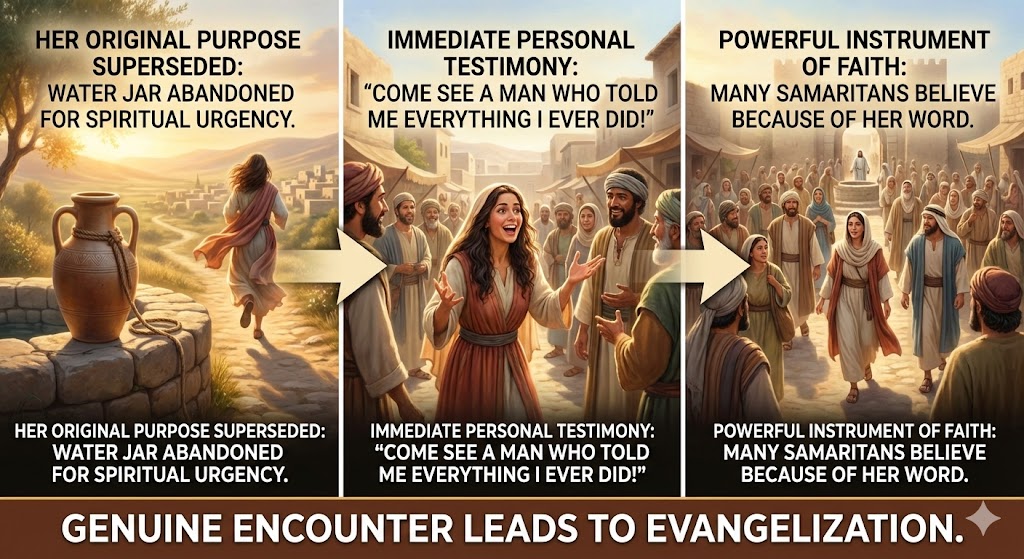
What does leaving her water jar reveal about Jesus’ impact on the woman? How did she affect others? What can we learn from her telling others about Jesus?
Leaving her water jar reveals that her encounter with Jesus and the revelation of his identity superseded her original purpose of fetching physical water; she was filled with a new, spiritual urgency. She affected others by immediately running back to the town to testify, leading many Samaritans to believe in Jesus because of her word (John 4:39, NAB). We learn that a genuine encounter with Christ naturally leads to evangelization, and that personal testimony, even from an unlikely source, is a powerful instrument to bring others to faith.
Considering your interest in “spiritual things,” are you more like the disciples or the woman? Why? Is doing God’s will as essential for you as eating food?
(A Catholic response to this personal reflection): A believer must examine if they get distracted by mundane concerns like the disciples who were focused on physical food, or if they, like the woman, allow an encounter with Christ to change their priorities immediately. Jesus stated, "My food is to do the will of the one who sent me and to finish his work" (John 4:34, NAB). The Catechism teaches that this filial obedience to do the Father's will is the very heart of Jesus' life and mission, a model for our own lives where doing God’s will should be primal sustenance.
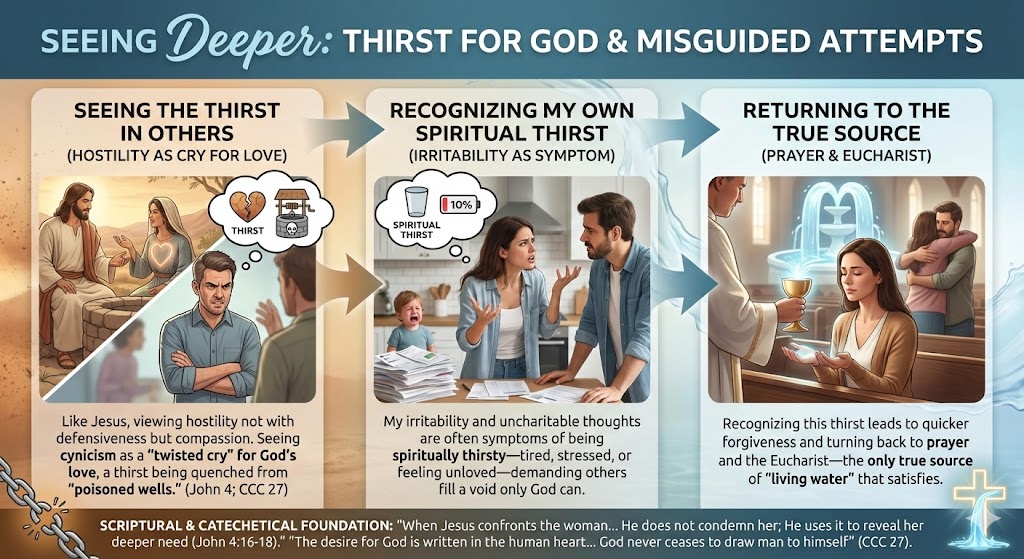
What are you constantly “thirsting” for? How has Jesus satisfied you?
(A Catholic response to this personal reflection): Humans constantly thirst for truth, happiness, love, and meaning. The Catechism states that "God thirsts that we may thirst for him". Jesus satisfies this spiritual thirst by giving the Holy Spirit, the "living water" that wells up to eternal life, communicated particularly through prayer, which is the encounter of God's thirst with ours, and the sacraments.
Feel free to use TWTW‘s AI generated visual summaries of Vince Contreras’ commentary. They are not intended to replace it. Please use them in conjunction with his guide. You can cut, copy and paste any portion of an infographic to use as clip art for your bulletin, or use each as is. When using them please give credit to TWTW and Sunday Scripture Study for Catholics.

Fr. Kieran O’Mahony
Gospel

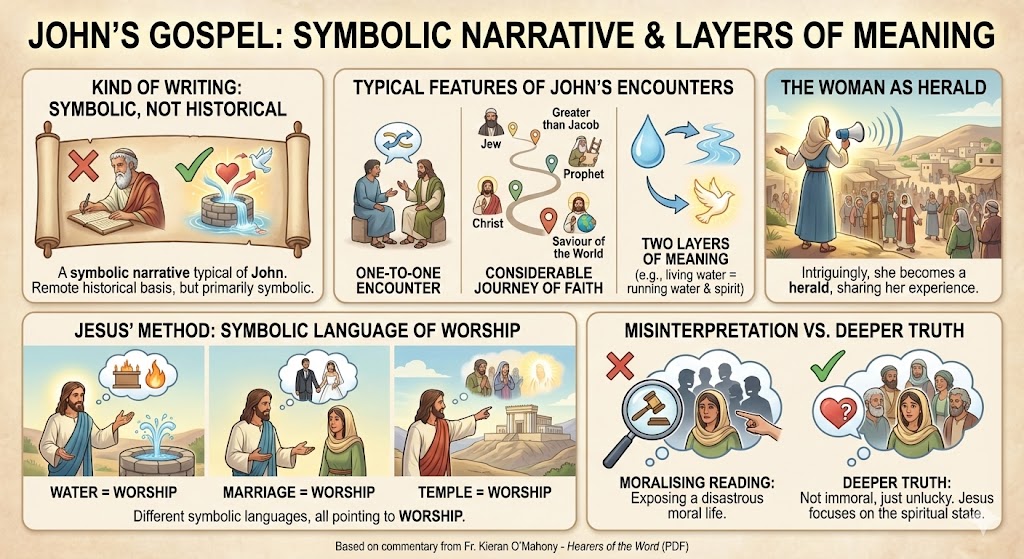

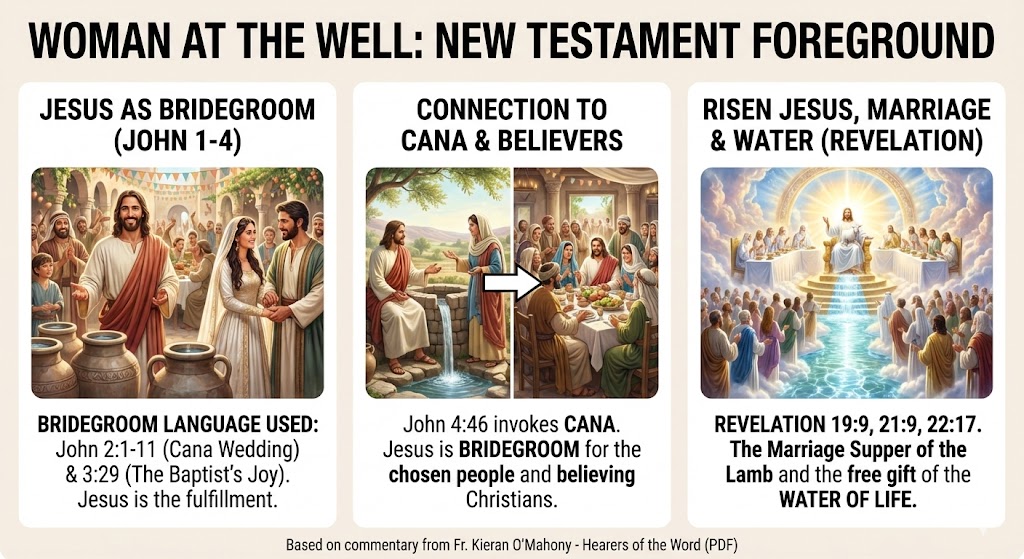

TWTW infographics on this page present Fr. Kieran’s “GOSPEL COMMENTARY” and “POINTER FOR PRAYER” which are presented after each reading’s commentary. Please cross-reference the slides with the PDF if you notice any errors. Non-profits are welcome to utilize the provided graphics in their materials and presentations. Please acknowledge Fr. Kieran O’Mahony, OSA, and his website, taurus.ie. The graphics were designed by TheWordThisWeek.net using Gemini Pro 3 and Nano Banana. Proper attribution is appreciated.
Fr. Clement Thibodeau
Discussion Pointers / Answers
Echoing God’s Word – Portland Diocese

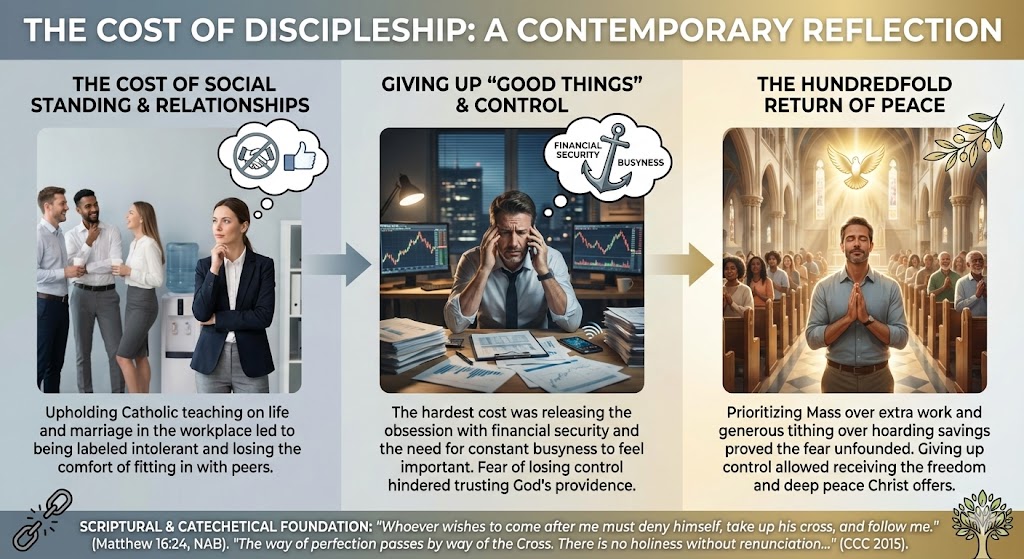
Catholic Doctrine
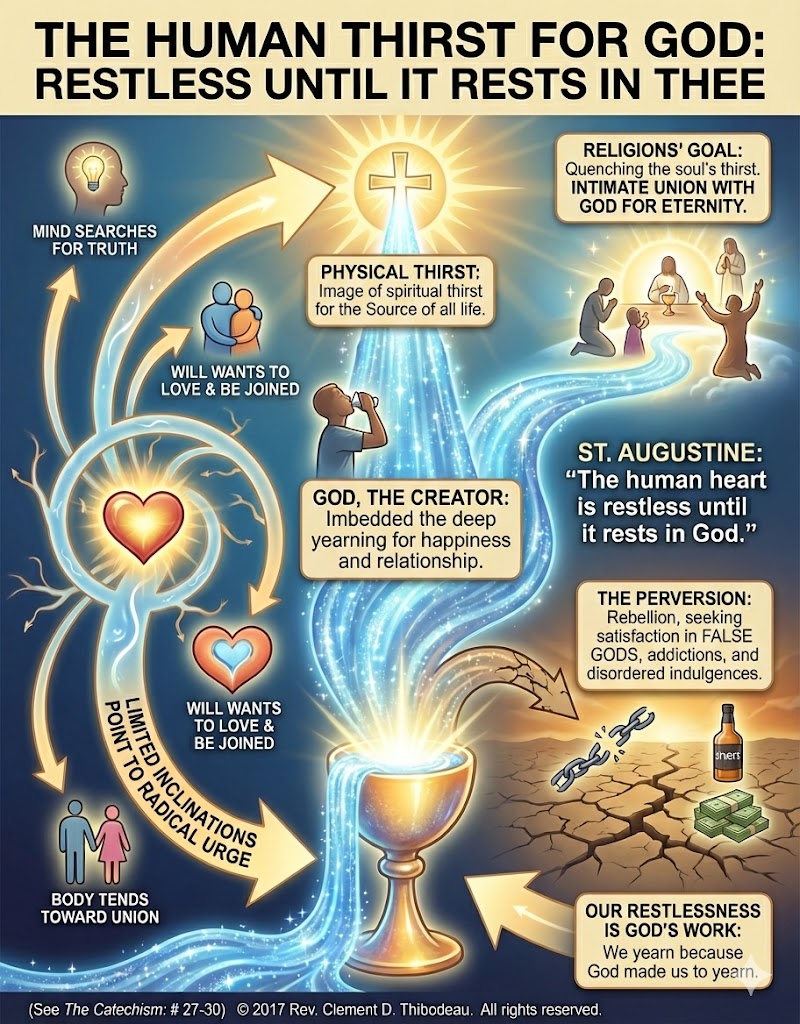
The above bulletin insert was created using Nano Banana Pro with Gemini 3.0. The infographics draw inspiration from the content found in Fr. Clement Thibodeau’s Echoing The Word weekly column which was published nearly a decade ago. It may be used by any non-profit ministry.
Father Corrigan, OFM
The Woman at the Well: Some Context


Who are the Samaritans?
Jesus’ Arrival at the Well
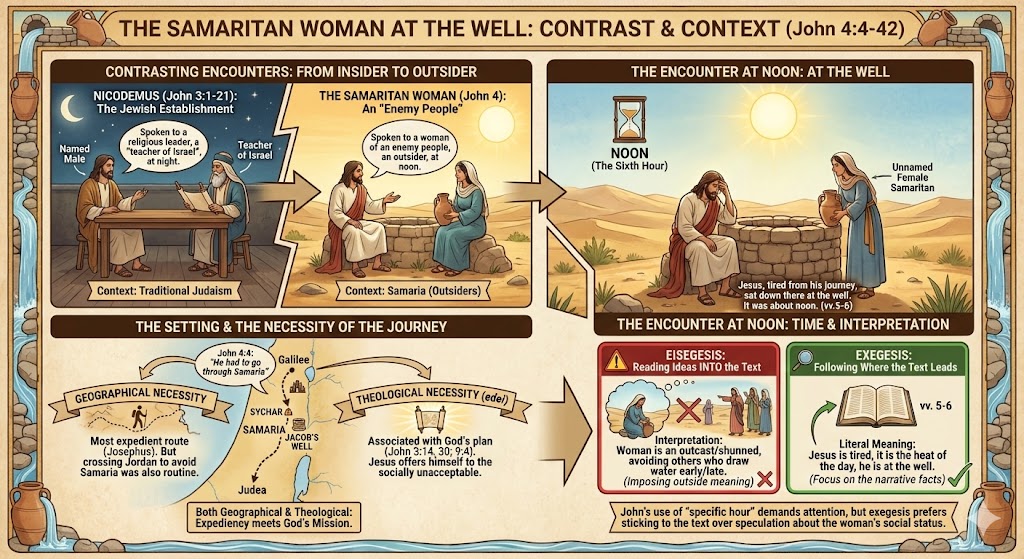
Conversation: Part 1
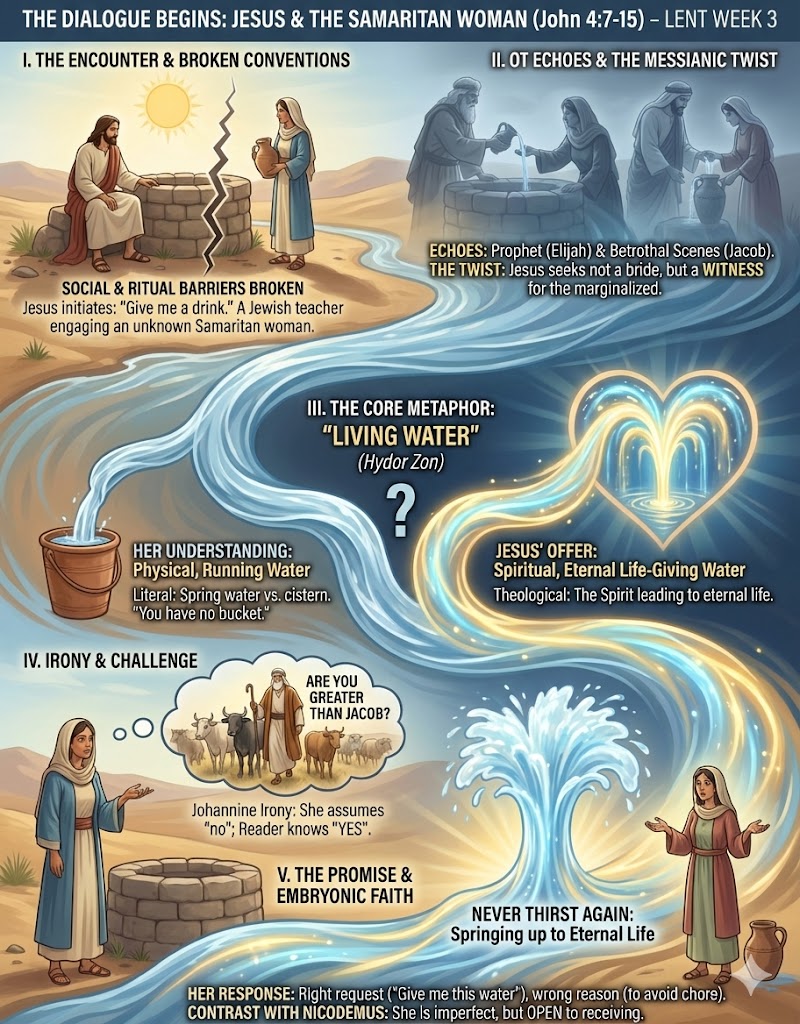
Conversation: Part 2

The Return of the Disciples

Father Tim Peters
CATHOLIC BIBLICAL STUDIES


Fr. Tim Peters, S.T.D. is Assistant Professor of Biblical Studies at St. John’s Seminary in Camarillo, California (Archdiocese of Los Angeles). He teaches biblical courses on the Pentateuch, Historical Books, Prophets, Psalms, Wisdom Literature, Introduction to the New Testament and the Synoptic Gospels.
Slide Presentations
RECOMMENDED VIEWING: The following slides are intended to be viewed concurrently with Fr. Peters’ video lecture. They serve as a visual supplement to the presentation and should not be considered a standalone resource.
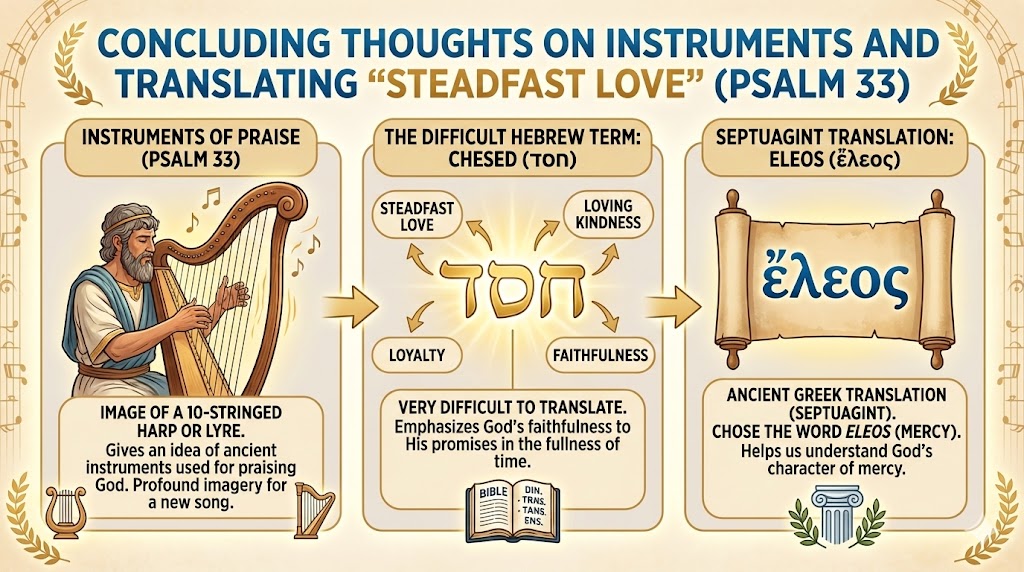
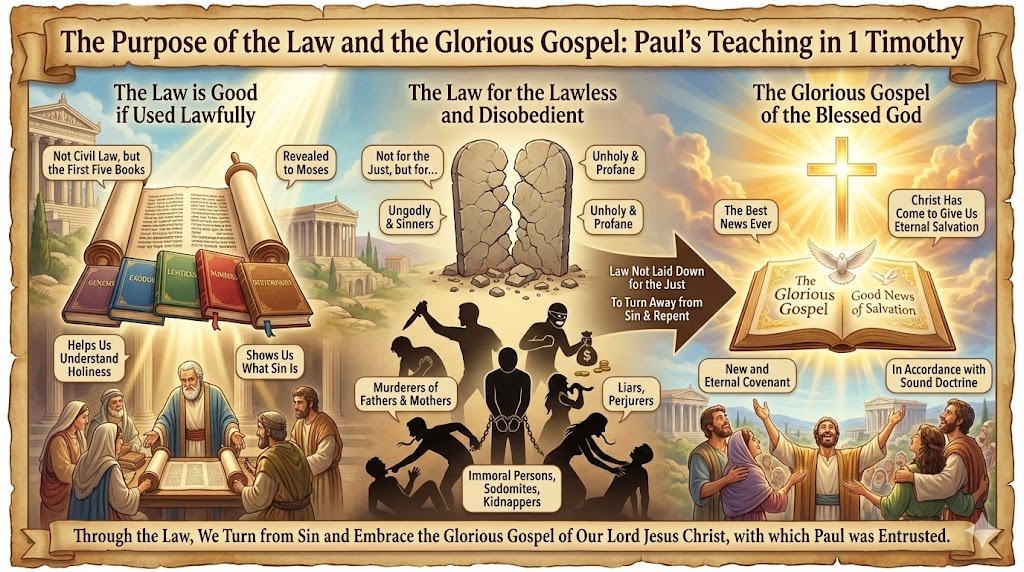
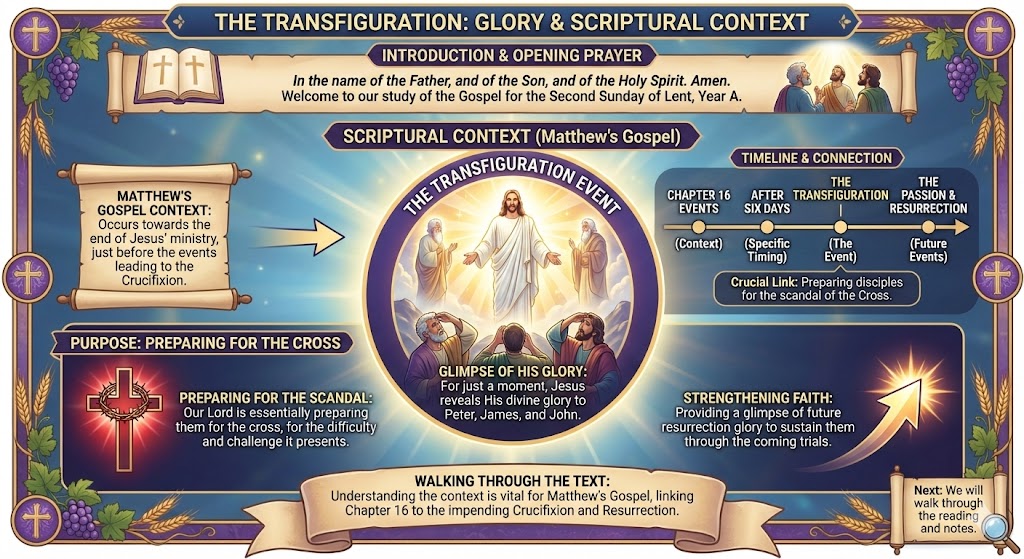
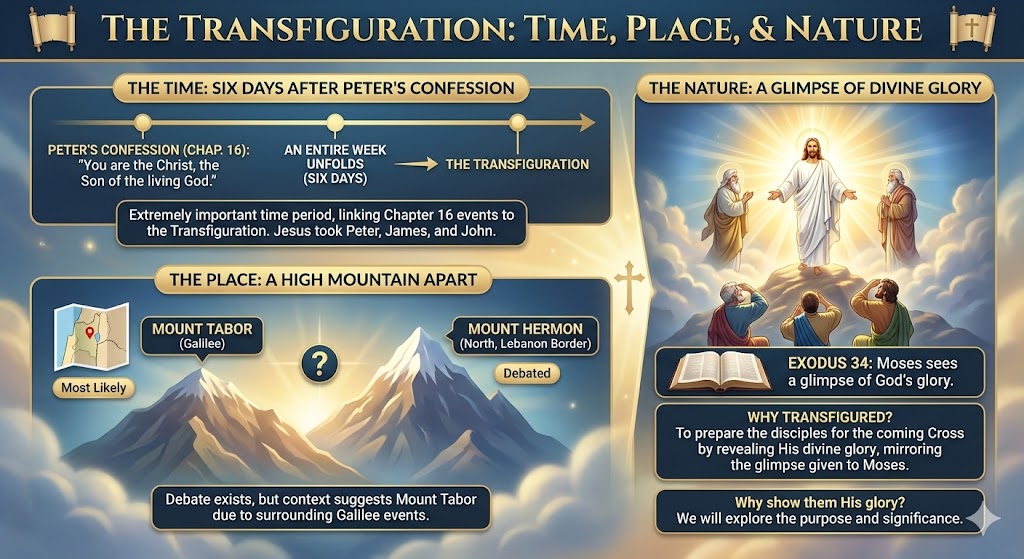
DISCLAIMER: The following slides were generated by THE WORD THIS WEEK using AI tools (Google Gemini Pro 3 and Nano Banana) based on transcripts from the YouTube videos above. Please be aware that misspellings may occur due to the automated process. Neither Fr. Tim Peters nor St. John’s Seminary had any affiliation with the production of these slides.
First Reading
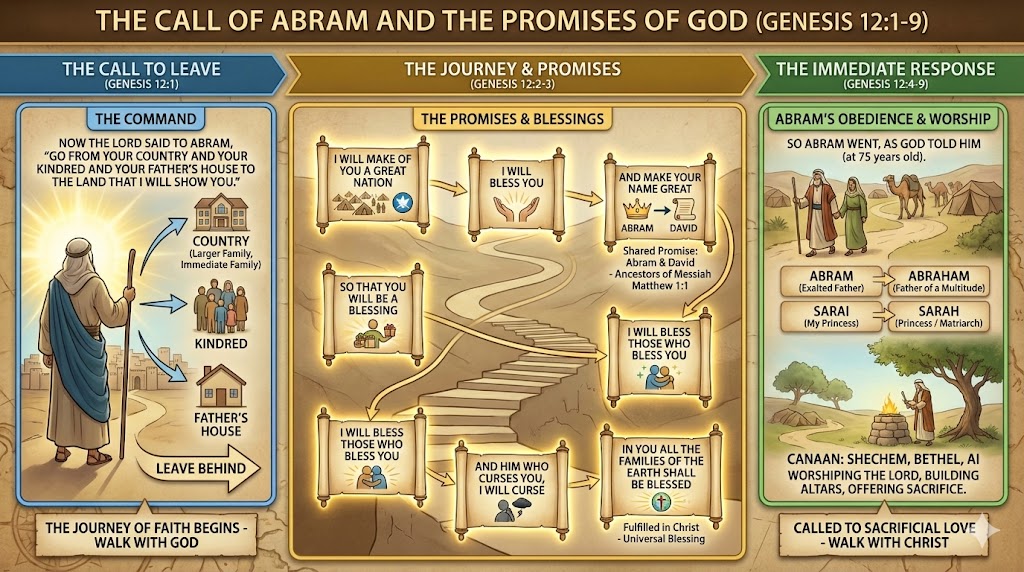


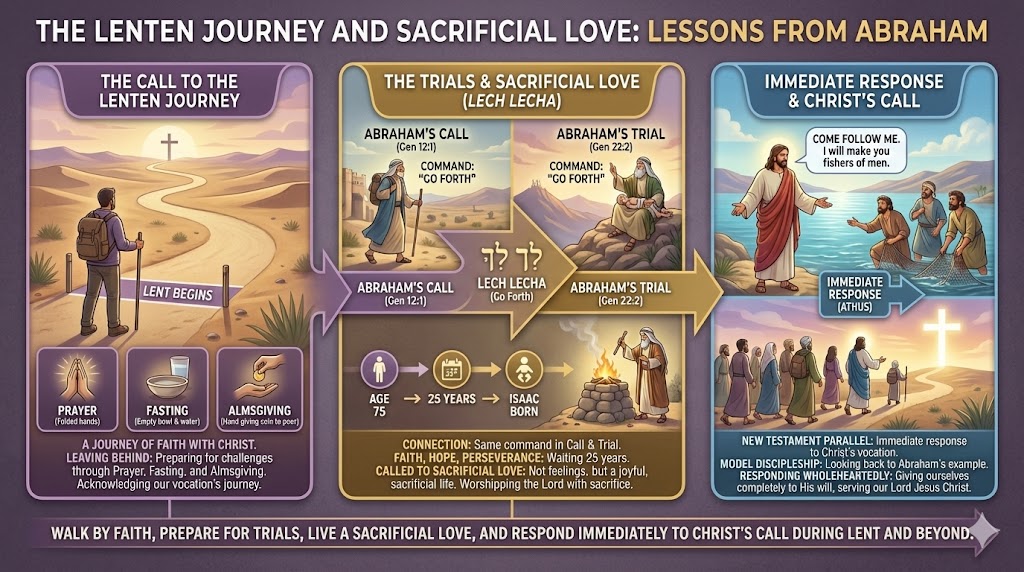
Toggle slides with the chevron banner. Click slides to zoom.
Responsorial Psalm

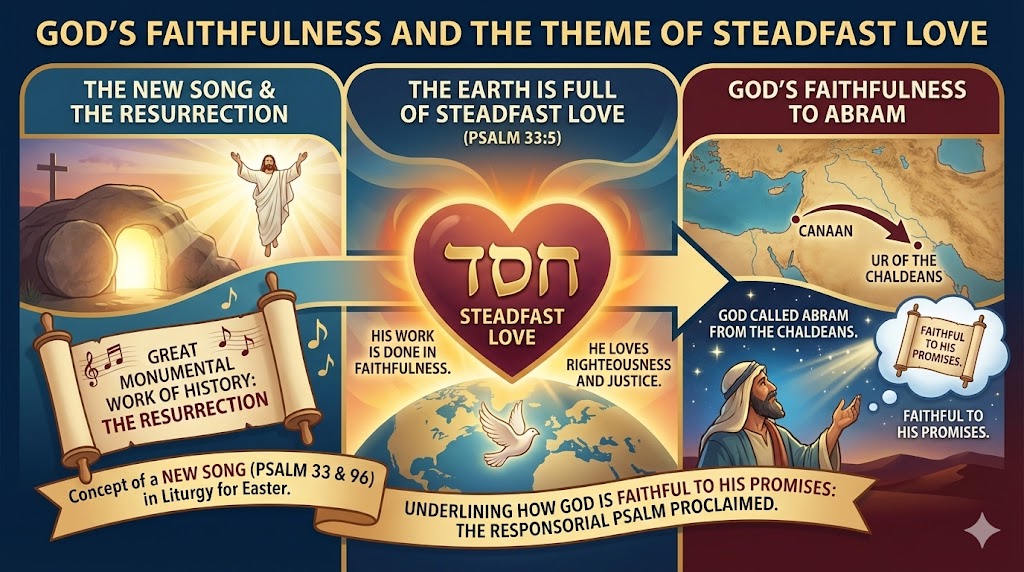
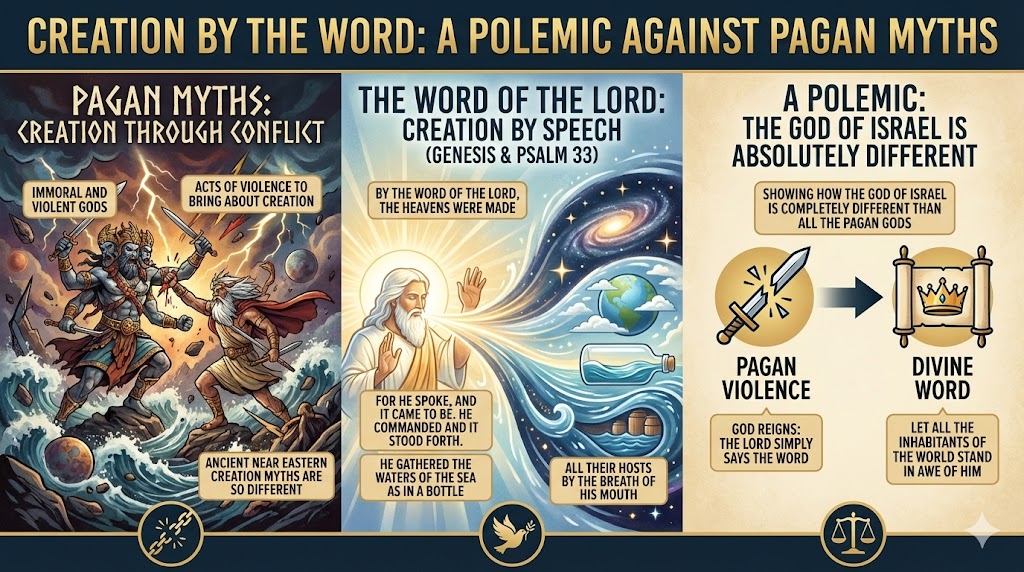
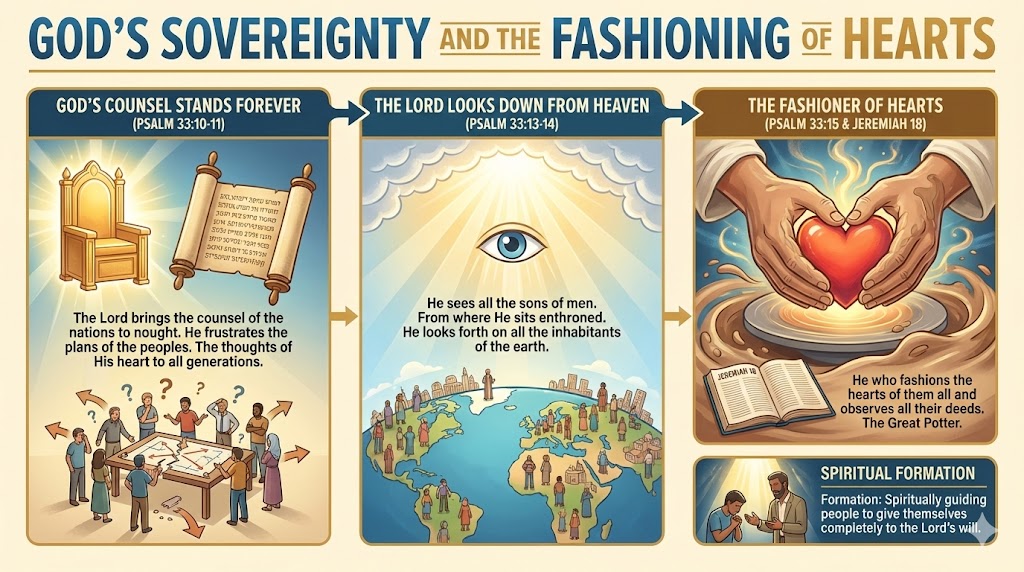
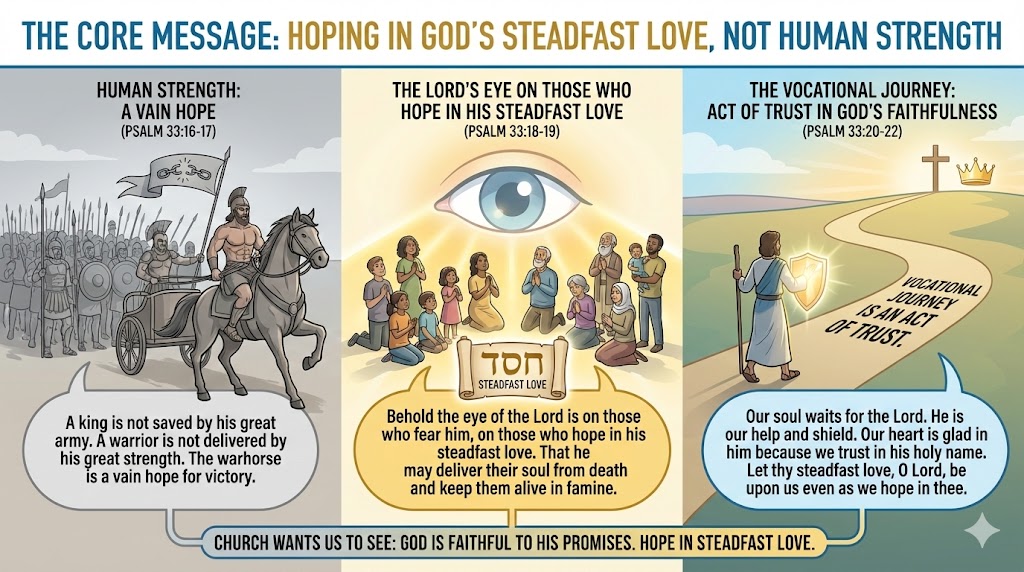
Toggle slides with the chevron banner. Click slides to zoom.
Second Reading



Toggle slides with the chevron banner. Click slides to zoom.
Gospel Reading
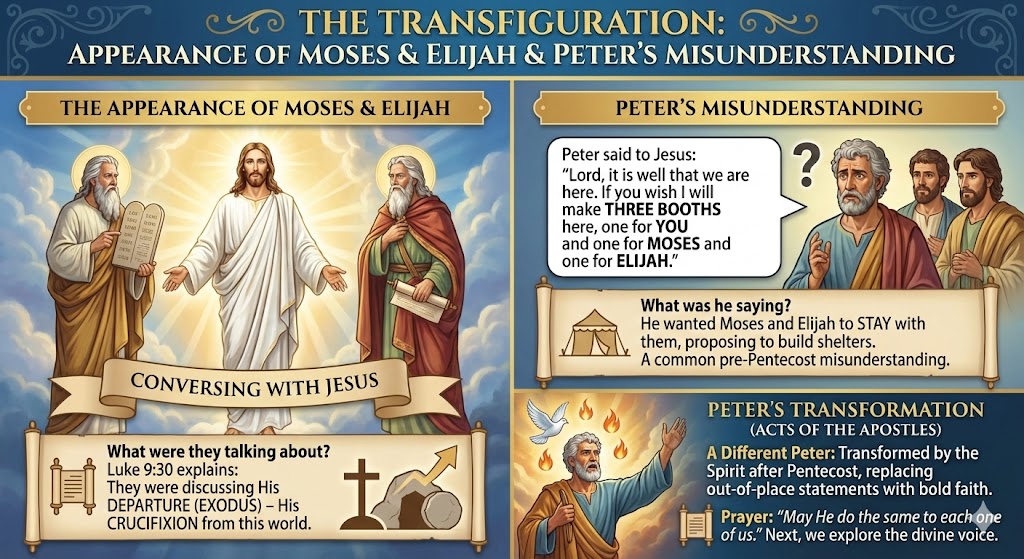
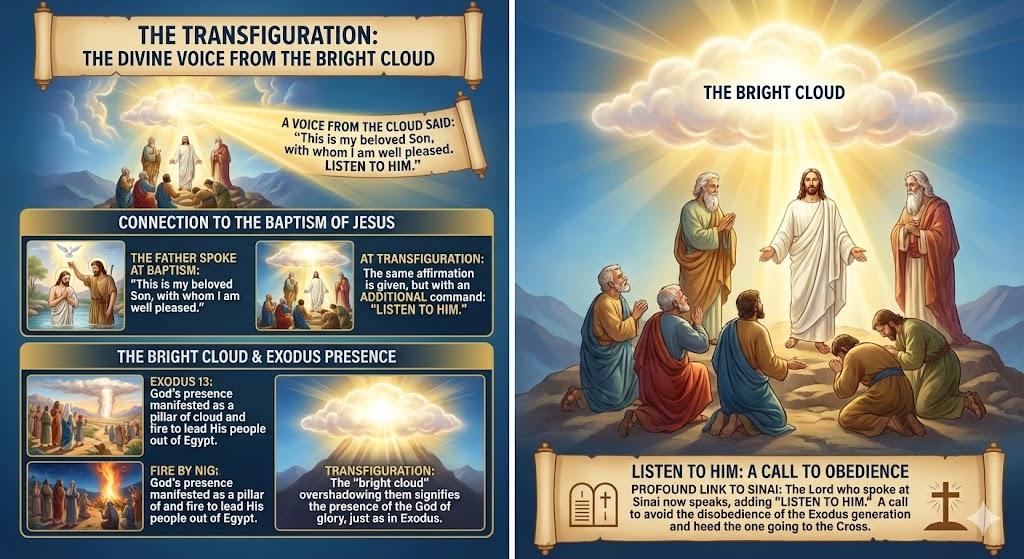


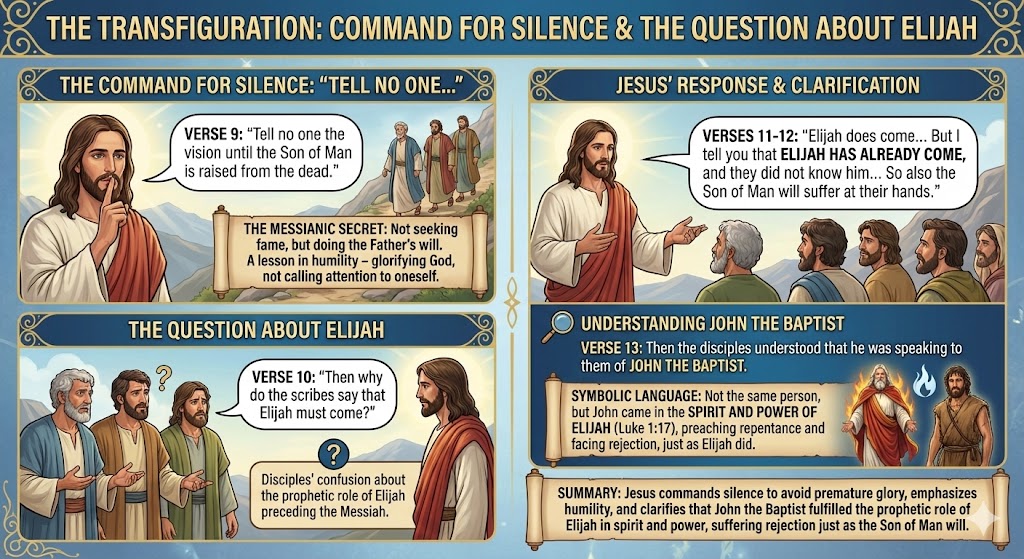


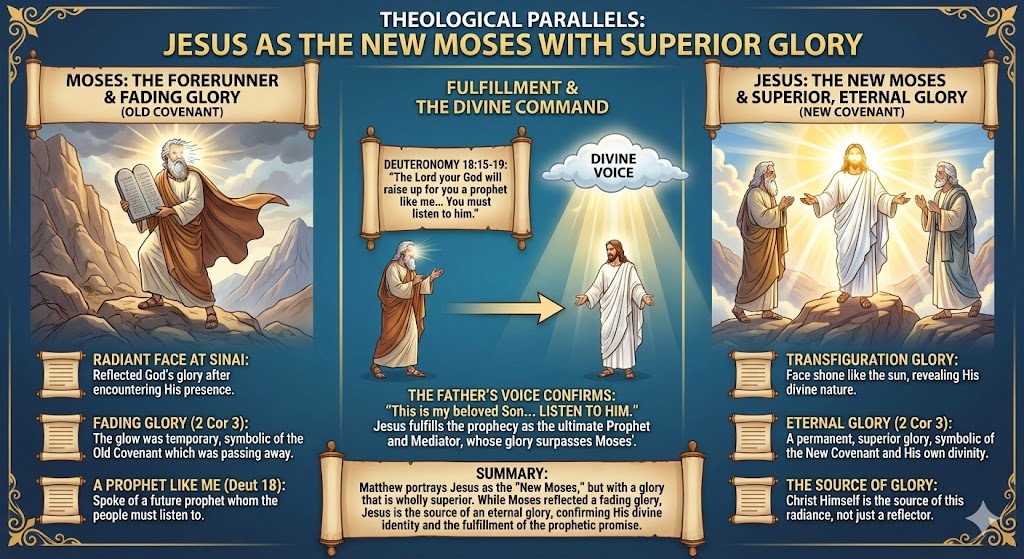

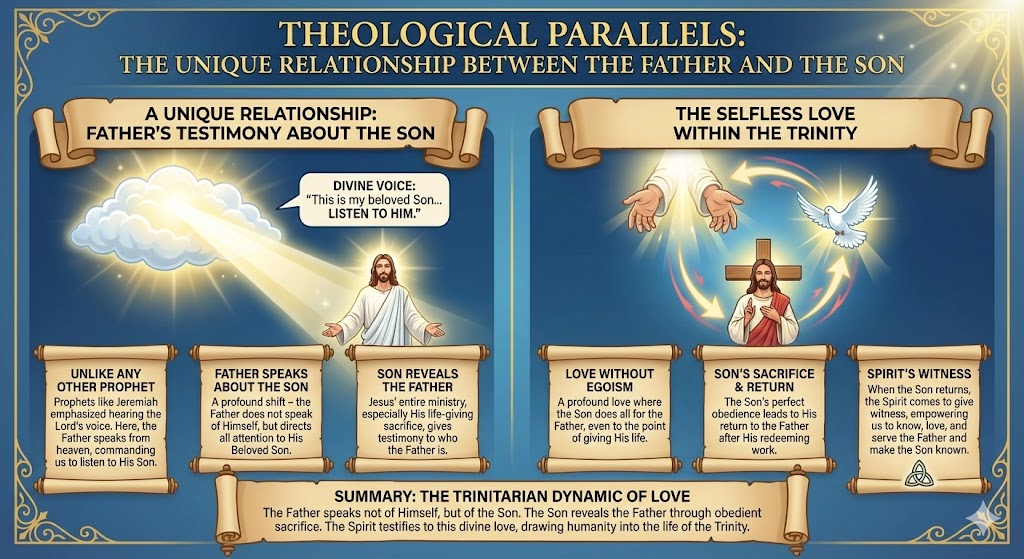
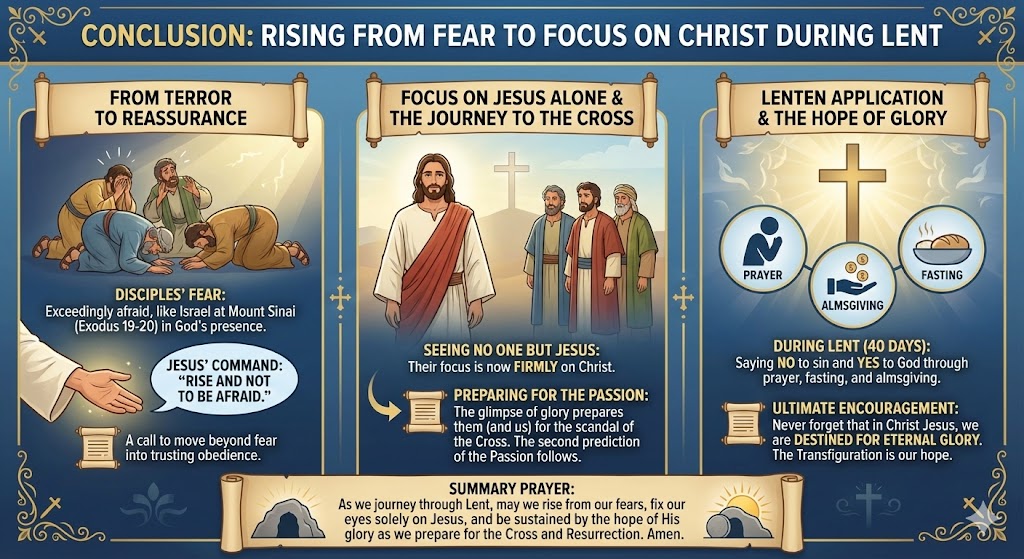
Toggle slides with the chevron banner. Click slides to zoom.
THE WORD THIS WEEK infographics are based off Father Peters’ presentation. They were created using using GOOGLE’S AI Gemini 3 Pro. You are free to use the them in any non-profit ministry. Proper attribution, however, must be given to Father Tim Peters, S.Th.D and THE WORD THIS WEEK.
Michal E. Hunt
Preview Only: Links and text selection are disabled. Visit the website for full access.