PDF Small Group Discussion guides for bible study on the Mass readings for 2nd Sunday of Lent A Genesis 12:1-4a 2 Timothy 1:8b-10 Matthew 17:1-9

Bible Study Discussion Questions

Bible Study Discussion Questions

Bible Study Discussion Questions

March 1, 2026

March 1, 2026

2nd Sunday of Lent (A)

INTRODUCTION / STUDY GUIDESHEARERS OF THE WORDECHOING GOD'S WORDFRIAR MUSINGSCATHOLIC BIBLICAL STUDIESAGAPE BIBLE STUDY

create a modern three panel infographic looking at Key Terms for Genesis 2:7-9; 3:1-7 Romans 5:12-19 Matthew 4:1-11. The title should be large arial bold “FIRST SUNDAY OF LENT (YEAR A)” Use large images and make sure font is not too small. I want it to be easily readable. No need to label each panel as Panel 1, Panel 2…. Instead simply give the chapter and verse followed a title that reflects that reading.

too much text, please summarize into key points and make the infographic less boxy, images should be embedded into background

Graphic for the Second Sunday of Lent (Year A) featuring three sections: Genesis 12:1-4a discussing the Call of Abram, with key terms emphasized; 2 Timothy 1:8b-10 highlighting the Gospel of Grace, also with key terms; and Matthew 17:1-9 focusing on the Transfiguration of Jesus, all with relevant imagery.

Matt Zemanek | Fr. Geoffrey Plant | Hector Molina
Edrianne Ezzell | Vince Contreras
Fr. Kieran J. O’Mahony | Fr. Tim Peters

PARISH BIBLE STUDY
YouTube player

Matt Zemanek | Fr. Geoffrey Plant | Hector Molina
Edrianne Ezzell | Vince Contreras
Fr. Kieran J. O'Mahony | Fr. Tim Peters

PRESENTATION SLIDESHOW

Discussion Study Guides

#pagemode=none&toolbar=0

Edrianne Ezell

Matt Zemanek | Fr. Geoffrey Plant | Hector Molina
Edrianne Ezzell | Vince Contreras
Fr. Kieran J. O’Mahony | Fr. Tim Peters

Vince Contreras

Matt Zemanek | Fr. Geoffrey Plant | Hector Molina
Edrianne Ezzell | Vince Contreras
Fr. Kieran J. O’Mahony | Fr. Tim Peters

ANSWER KEY & DISCUSSION PROMPTS


The 1st Reading

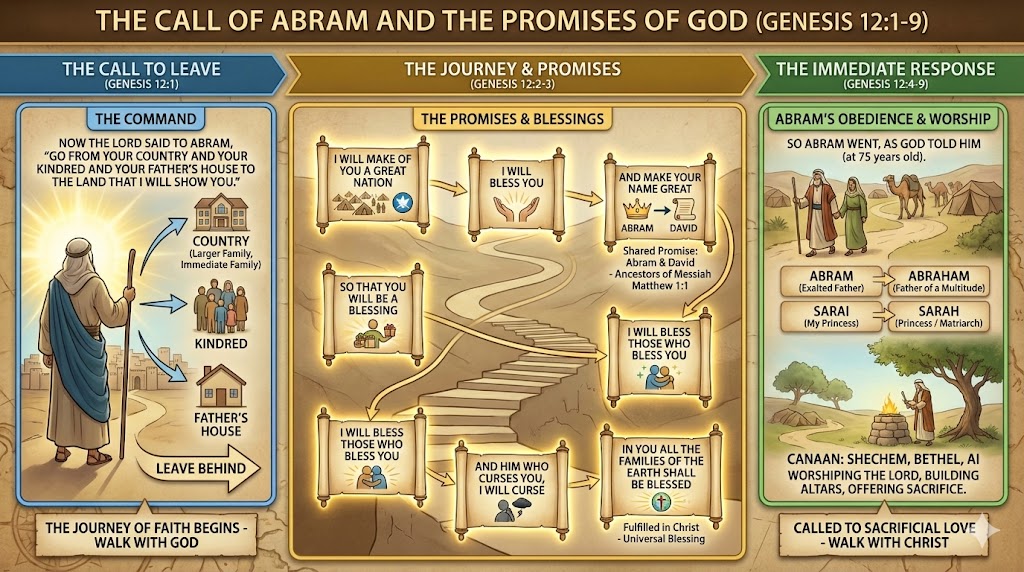
Abram (later renamed by God “Abraham”) receives a call from a God unknown to him to leave everything to travel to a land he’s never seen. What great virtue of Abraham’s enabled him to do this? How am I called to exercise that same virtue?

The great virtue Abraham exercised was faith. The Letter to the Hebrews explicitly states, "By faith Abraham obeyed when he was called to go out to a place that he was to receive as an inheritance; he went out, not knowing where he was to go" (Heb 11:8). He trusted in the promise of God more than the security of his present life, his homeland, and his kin.

I am called to exercise this same virtue by trusting in God’s providence even when the future is uncertain. This might mean stepping out in obedience to a difficult moral teaching of the Church, discerning a vocation that requires sacrifice, or simply trusting God during a time of suffering or confusion, believing that His promises are true even when I cannot yet see the outcome.


The 2nd Reading

How many gifts bestowed upon you by God can you pick out? What is the accomplished or desired result or product of each gift?

Based on 2 Timothy 1:8b-10, several gifts and their results can be identified:

  1. The Gift of Salvation: St. Paul writes that God "saved us."
    • Result: Rescue from the power of sin and eternal death.
  2. The Gift of a Holy Calling: We are "called... with a holy calling."
    • Result: A life set apart for God; a specific vocation to live out holiness in our particular state of life.
  3. The Gift of Grace: This was "bestowed on us in Christ Jesus before time began."
    • Result: This unmerited divine favor empowers us to live the Christian life and respond to God's call, not based on our own works but on His design.
  4. The Gift of Revelation (Light): Christ "brought life and immortality to light through the gospel."
    • Result: The destruction of death’s definitive power and the hopeful assurance of eternal life.

The Gospel

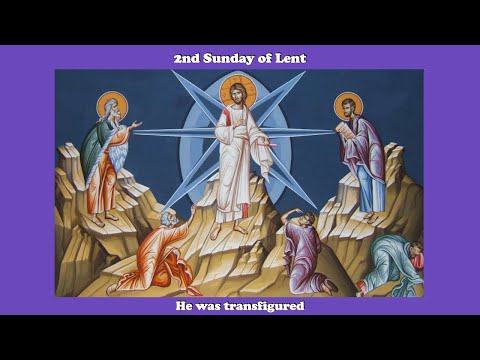
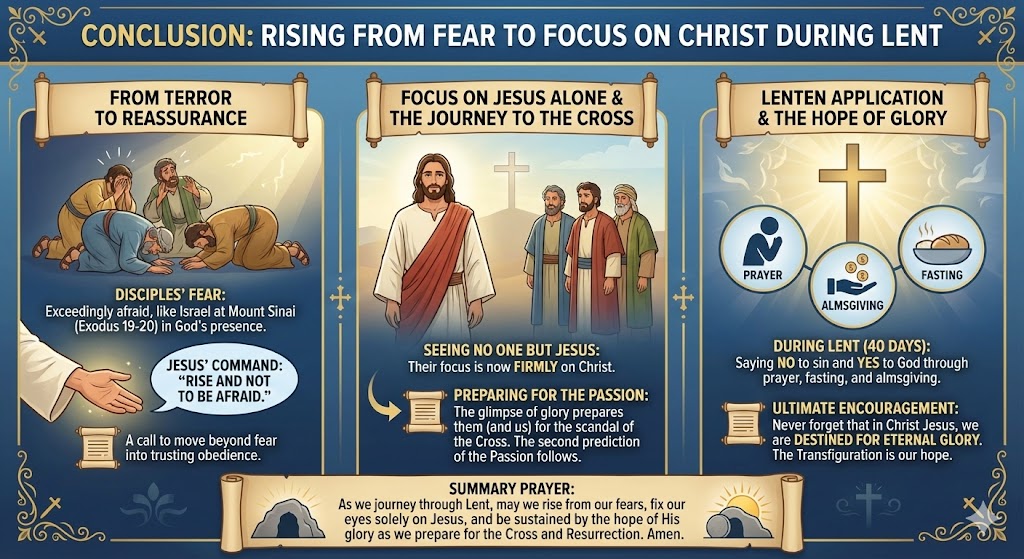
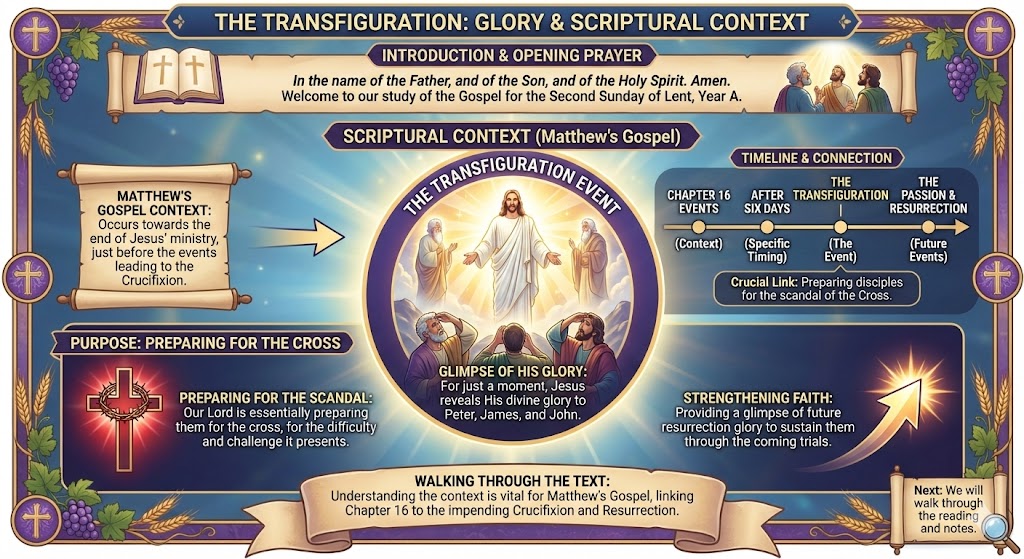
It’s been six days since Peter confessed Jesus as the Christ and Jesus predicted his own death. Why is that information important for what happens next? Who does Jesus invite as witnesses? Why only three (Deuteronomy 19:5)? Why these three (Mark 5:37, 14:33; Galatians 2:9)? What was inappropriate about Peter’s response to this event?

This context is crucial because the prediction of the Passion had distressed the disciples. The Catechism explains that the Transfiguration takes place "on a high mountain apart" to prepare the disciples for Jesus' upcoming death. The glory shown on Tabor was meant to strengthen their faith so they could endure the scandal of the Cross, showing them that the Passion is the path to the Resurrection (CCC 554).

Jesus invites Peter, James, and John as witnesses.

He takes only three because, according to Jewish Law (Deuteronomy 19:15), every charge must be established by the evidence of two or three witnesses. Jesus is providing the necessary legal and theological witnesses to verify this revelation of His glory.

He chose these three because they formed the inner circle of His apostles. They were present at other pivotal moments, such as the raising of Jairus’ daughter (Mk 5:37) and they would later be the nearest witnesses to His agony in the Garden of Gethsemane (Mk 14:33). St. Paul later refers to Peter and John as "pillars" of the Church (Gal 2:9).

Peter’s response—offering to build three tents—was inappropriate because, as St. Luke notes, he "did not know what he was saying" (Lk 9:33). The Catechism notes that Peter desired to stay in that moment of glory, perhaps hoping to avoid the suffering Jesus had predicted just six days earlier. Peter misunderstood that this glory was not a permanent state to settle into now, but a foretaste of what would come after the difficult exodus to Jerusalem (CCC 555).


Why did Moses and Elijah appear? Whom do they represent (Matthew 5:17, 7:12)?

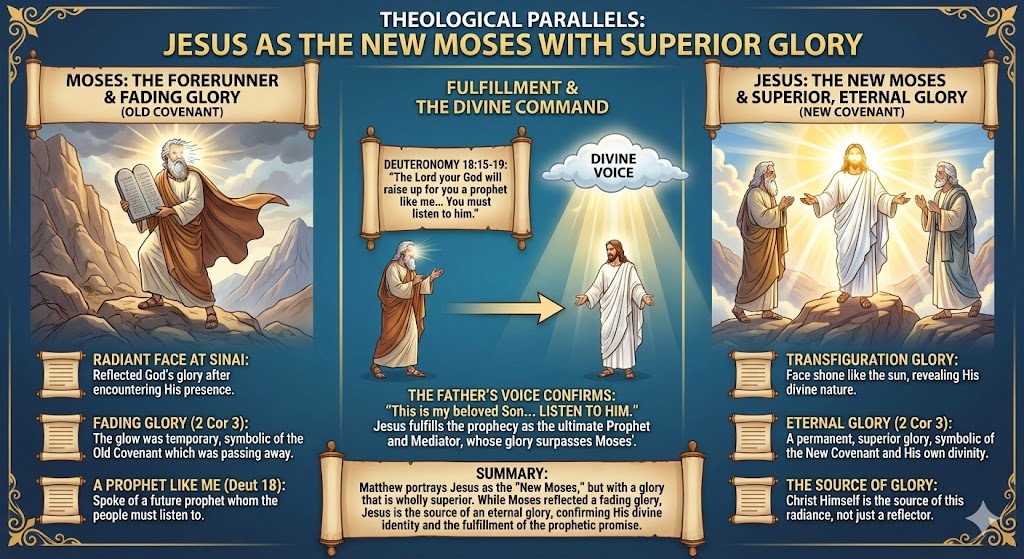
Moses and Elijah appeared to testify that Jesus is the fulfillment of the entire Old Testament revelation.

  • Moses represents the Law (Torah), having received the Commandments on Mount Sinai.
  • Elijah represents the Prophets, being the great prophet who was taken up to heaven.

In Matthew 5:17, Jesus declares he came not to abolish "the law or the prophets" but to fulfill them. Their presence on the mountain confirms this. Furthermore, the Catechism notes that by appearing, they "had announced the sufferings of the Messiah," confirming that the cross was part of God's plan revealed in Scripture (CCC 555).


What is significant in what the voice from the cloud says about Jesus (see Exodus 24:15)? Why does Jesus silence the disciples afterwards (verse 9)?

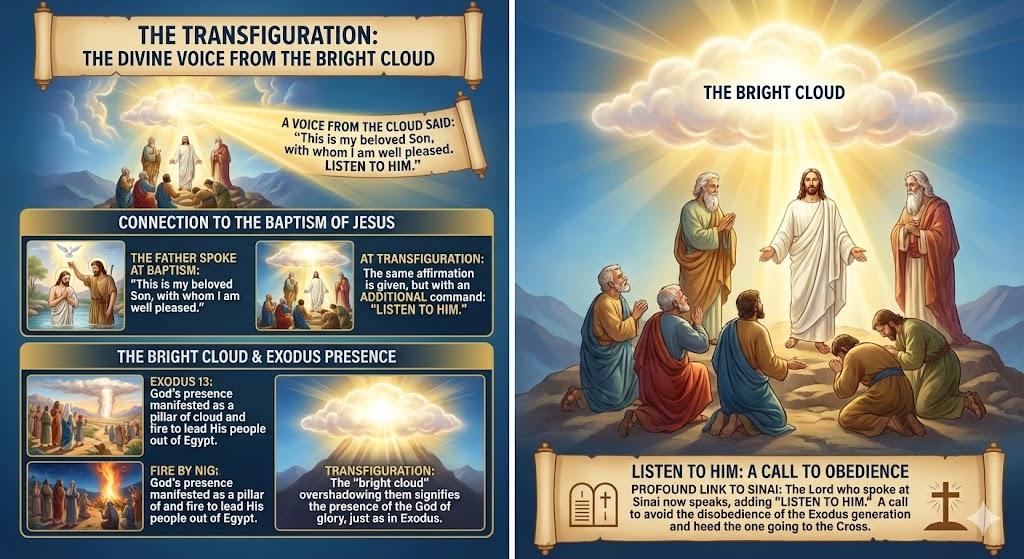
In the Old Testament, particularly in Exodus 24 on Mt. Sinai, the cloud signifies the Shekinah, the visible presence of God’s glory.

The significance of the voice from the cloud is twofold:

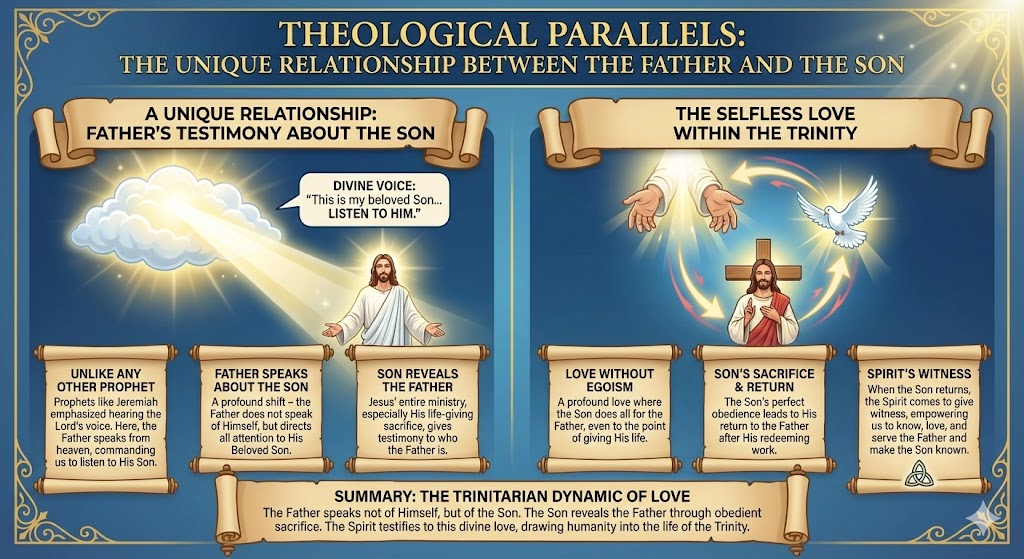
  1. Identity Confirmation: The Father confirms Jesus' identity: "This is my beloved Son, with whom I am well pleased." The Catechism notes that while the Baptism of Jesus was a wider manifestation of his Sonship, the Transfiguration is a definitive confirmation of this divine identity by the Father (CCC 444).
  2. Divine Authority: The command "listen to him" elevates Jesus above Moses and Elijah. While the Law and Prophets were authoritative in the past, Jesus is the definitive Word of God to whom total obedience is now due.

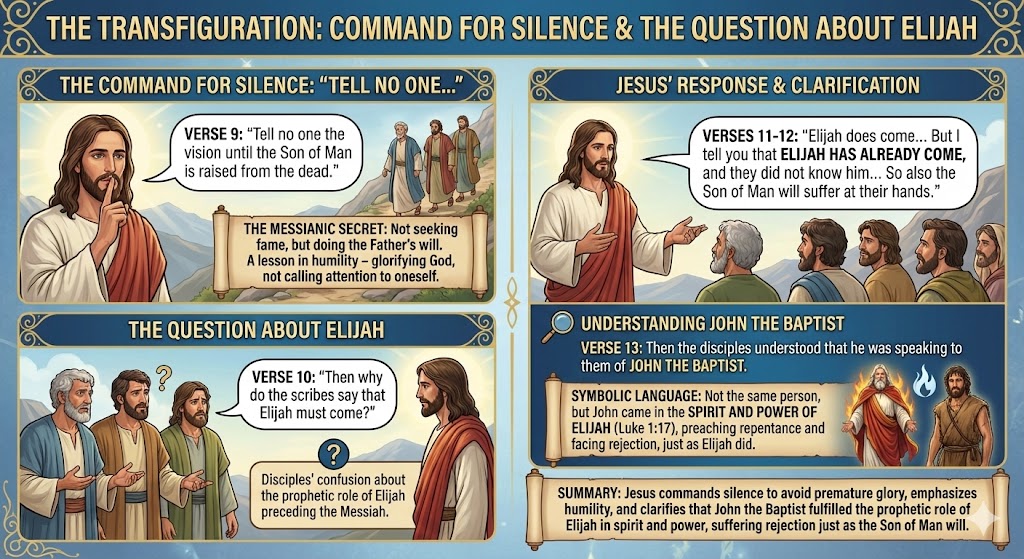
Jesus silences the disciples, telling them not to speak of the vision "until the Son of Man has been raised from the dead." This is often called the "Messianic Secret." Jesus needed to prevent a misunderstanding of His mission. If they preached His glory before His crucifixion, people would seek a political, triumphant Messiah without the Cross. The glory of Tabor can only be truly understood in the light of the Resurrection that follows the Passion (CCC 556).


How did you come to know that Jesus was the One above all others that you should listen to? What do you do to obey the command of the Father to listen to his Son? How has God said to you, “This is my beloved son [or daughter], with whom I am well pleased”?

(These are personal reflection questions. A Catholic might answer along these lines:)

I came to know Jesus was the One to listen to through the witness of the Church, the reading of the Holy Scriptures where His words struck with unique authority and love, and through the grace received in the Sacraments, which deepened my personal encounter with Him.

To obey the command to "listen to Him," I strive to set aside time daily for prayer and Scripture reading (Lectio Divina), paying attention to the Gospels. I also listen to Him by adhering to the teachings of His Church, through which He continues to guide us, and by seeking to recognize His voice in the needs of the poor and marginalized.

God says to me, "This is my beloved child," primarily through the Sacrament of Baptism, where I was adopted into God's family. I am reminded of this identity whenever I receive the Eucharist, realizing God desires union with me, and during moments of prayer when I experience the consolation of His unconditional love despite my flaws..

GROUP PRESENTATION SLIDES

Click to Enlarge

Free Clip Art

Gospel

Create an infographic with backround #f6efe6 using large images and large bold arial fonts with the title TRANSFIGURATION OF JESUS: INITIAL OBSERVATIONS, footer should read in small font Based on commentary from Fr.Kieran o’Mahony – Hearers of the Word (PDF)

Illustration depicting Old Testament background for the Transfiguration, featuring key biblical events and figures.
Infographic illustrating New Testament themes related to the Transfiguration, including Gospel connections, Jesus' identity, and St. Paul's vision. Features depictions of biblical figures and quotes from scripture.
Illustration depicting four pointers for prayer: 1. Clarify relationship with God, featuring a person reflecting in nature with a dove; 2. Deepen connections, showing two men sitting on a bench with a Jesus figure; 3. Learn from confusion and joy, representing contrasting emotions; 4. Draw strength from memories, displaying a person contemplating a scenic mountain path.

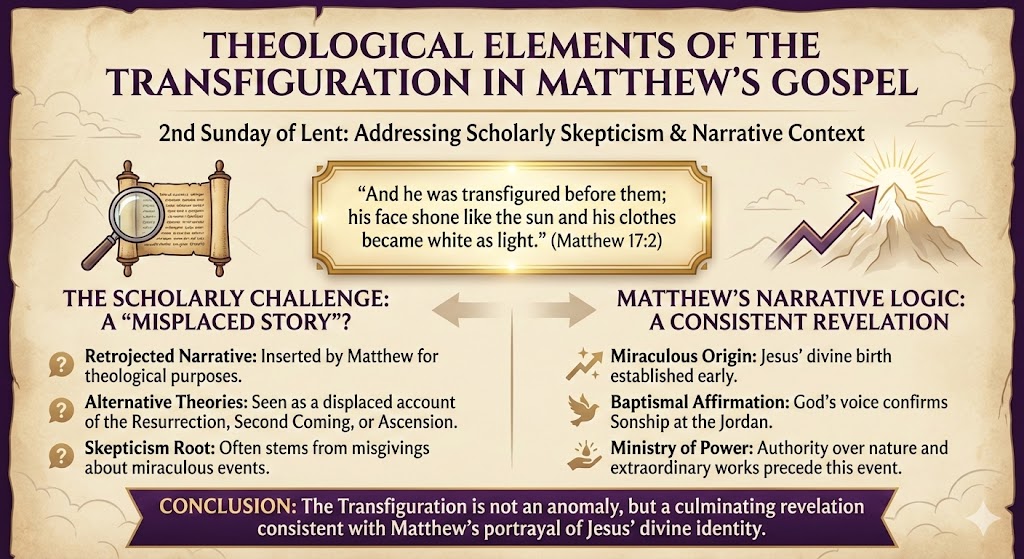
TWTW infographics on this page present Fr. Kieran’s “GOSPEL COMMENTARY” and “POINTER FOR PRAYER” which are presented after each reading’s commentary. Please cross-reference the slides with the PDF if you notice any errors. Non-profits are welcome to utilize the provided graphics in their materials and presentations. Please acknowledge Fr. Kieran O’Mahony, OSA, and his website, taurus.ie. The graphics were designed by TheWordThisWeek.net using Gemini Pro 3 and Nano Banana. Proper attribution is appreciated.

Free Clip Art

Discussion Pointers / Answers

THE POSITIVE IMPACT OF VIRTUES & SPIRITUAL GIFTS

The Tabor Vision as Encouragement for Christian Initiation

What comfort is there in the Transfiguration for people among us who are preparing for the Easter sacraments in the initiation process? What do the catechumens have to gain in becoming members of the Church of Jesus Christ through baptism, confirmation, and Eucharist? Do you see them as beneficiaries of the promise set before the world in this revelation of who Jesus is? What about those who are already baptized but who will be received into full communion at the Easter Vigil? What’s in it for them?

Answer: The Transfiguration offers immense comfort to those in the Order of Christian Initiation of Adults (OCIA, formerly RCIA) because it provides a glimpse of the goal of the Christian life just before they enter the intensive period of purification and enlightenment during Lent. The Christian path involves the "cross"—dying to sin and old ways of life—which can be daunting for catechumens. The Transfiguration assures them that the cross is not the end, but the pathway to glory. As the Catechism states, the Transfiguration "gives a foretaste of Christ's glorious coming, when he 'will change our lowly body to be like his glorious body'" (CCC 556). It validates that the difficult journey of conversion they have undertaken is worth it because they are following not just a wise teacher, but the beloved Son of God.

For the Catechumens (the unbaptized): By becoming members of the Church through the Sacraments of Initiation, they gain entry into the very life of the Trinity revealed on the mountain.

  • Baptism: They are no longer onlookers but become adopted sons and daughters of God. The Father's voice on Tabor saying, "This is my beloved Son," becomes true of them by extension as they are incorporated into Christ (CCC 1213, 1265).
  • Confirmation: They receive the seal of the Holy Spirit—the same Spirit manifested as the bright cloud on the mountain—giving them the strength to witness to Christ's glory in the "valley" of the world (CCC 1285).
  • Eucharist: They gain participation in the heavenly banquet. The Transfiguration is a foretaste of Heaven; the Eucharist is the sacramental realization of that foretaste here on earth, where they consume the glorified Body and Blood of the Lord (CCC 1323, 1402).

They are absolutely beneficiaries of this promise. The revelation on Tabor was not just for Peter, James, and John; it was a revelation of what redeemed humanity is meant to look like. The catechumens are stepping into that destiny.

For Candidates for Full Communion (already baptized): "What’s in it for them" is the completion of their identity in Christ and the fullness of community. While they are already adopted children of God through Baptism, they have not yet fully participated at the table of the Lord or received the full outpouring of the Holy Spirit in Confirmation within the Catholic Church. The Transfiguration shows Jesus in communion with Moses (the Law) and Elijah (the Prophets). Similarly, candidates are entering into full communion with the living tradition of the Church. The Easter Vigil is for them a restoration of strength and a completion of their initiation, allowing the glory they received at baptism to shine with its full intended brightness through the nourishment of the Eucharist and the gifts of the Spirit.

NEGATIVE IMPACT OF VICE & CORRUPTION

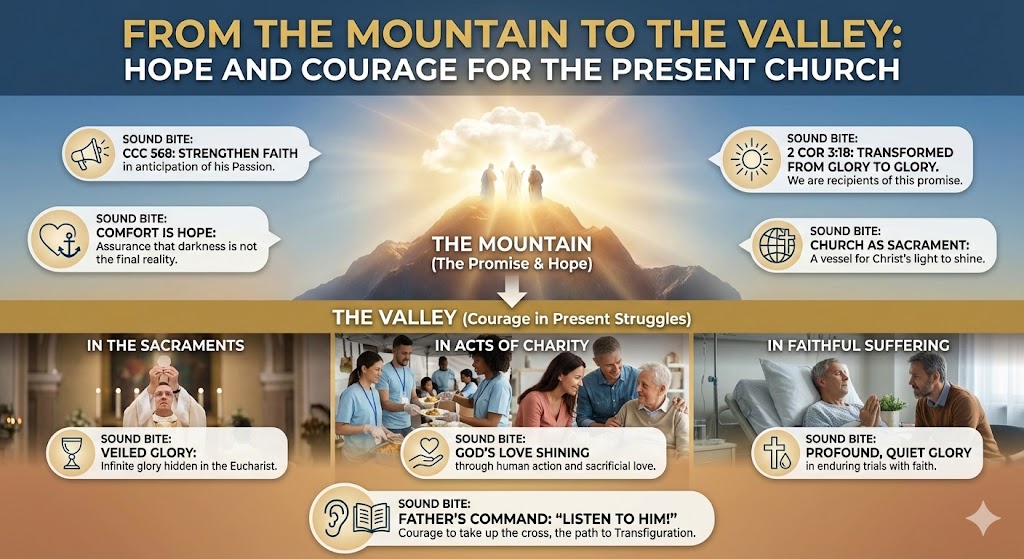
From the Mountain to the Valley: Hope and Courage for the Present Church

What comfort is there for the Church, for your parish, for your family, or for your faith-sharing group in the revelation of the Transfiguration? Do we see ourselves as recipients of the promise that the glory of God would shine through us all? In what ways is that glory already present in the Church, in your life? Will we be able to live with more courage in the midst of our difficulties now that we have seen the promise?

Answer: Theologically, the Transfiguration is pivotal because it is meant to prepare the Apostles (and by extension, the Church) to endure the scandal of the Cross. The Catechism teaches that Jesus transfigured himself "to strengthen the apostles' faith in anticipation of his Passion" (CCC 568).

The comfort for the Church, a parish, or a family today—often beset by scandals, infighting, mundane struggles, or personal suffering—is the assurance that the present darkness, mediocrity, or suffering is not the final reality. We live mostly in the "valley," dealing with brokenness, but we possess the memory of the "mountain." The comfort is hope: the theological virtue that assures us that God’s victory is already won in Christ and will eventually be fully manifest in us.

We must see ourselves as recipients of this promise. St. Paul writes that we "are being transformed into the same image from one degree of glory to another" (2 Cor 3:18). The Church does not exist for itself; it exists to be the "sacrament of salvation" for the world, a vessel through which Christ's light shines.

This glory is already present, though often veiled, just as Christ's divinity was veiled before Tabor. It is present:

  • In the Sacraments: Especially the Eucharist, where the infinite glory of God is hidden under the appearance of bread and wine.
  • In Acts of Charity: When a parish rallies to feed the hungry, or a family cares for a sick relative with sacrificial love, the glory of God’s love is shining through human action.
  • In Faithful Suffering: When believers endure trials without losing faith, offering their suffering in union with Christ, a profound, quiet glory is present.

Seeing the promise should absolutely lead to living with more courage. If we know the end of the story—resurrection and glory—we can endure the difficult chapters with fortitude. The Father’s command on the mountain was, "Listen to him!" Listening to Jesus, especially his hard teachings on taking up the cross, requires courage. The vision of glory gives us the strength to obey that command, knowing that the path of the Cross is the only path to the Transfiguration.

STRATEGIES FOR GUARDING THE MISSION

Blessed to Be a Blessing: The Diffusive Nature of Divine Grace in Action

List some of the ways in which the Church has been blessed by God so that it may be a source of blessing to the world. Have you seen the blessings that your parish has brought to the community in which it is located? Have you been part of that blessing? How has your family been a source of blessing for you? Do you consider yourself blessed by God so that you can be a blessing to others?

Answer: The Catholic theological principle here is that grace is meant to be diffusive; it is given not just for the recipient, but for the sake of others (CCC 2003). The Church is "blessed to be a blessing," mirroring the call of Abraham.

Ways the Church is Blessed to act as a Blessing:

  • The Deposit of Faith and Scripture: We possess the fullness of God's revelation, which is a light to guide the world in truth.
  • The Sacraments: We have the means of divine grace to heal, nourish, and forgive, which we offer to a broken world.
  • The Holy Spirit: The Church is guided by the Spirit, empowering it for mission and evangelization.
  • The Social Doctrine of the Church: We have a rich tradition of wisdom regarding human dignity, the common good, and justice that serves as a blessing to wider society.

Faith Application Reflection:

Parish Blessings: One can see a parish acting as a blessing when its doors are open not just for Sunday Mass, but for service. Examples include St. Vincent de Paul societies helping with rent and utilities for non-parishioners, food pantries combating local hunger, Catholic schools providing formation for neighborhood children, or bereavement ministries supporting those grieving in the wider community. To be part of that blessing is to move from being a "consumer" of religious goods to a "co-worker" in the vineyard, participating in these ministries through time, talent, or treasure.

Family (Domestic Church) Blessings: The family is the primary place where we experience God’s blessing through human love. It is a source of blessing when parents pass the faith to children, when siblings learn forgiveness, and when the family unit serves as a school of self-sacrifice. A family blesses its members by providing a safe harbor where one is loved for who they are, not what they do, mirroring God's unconditional love.

Personal Reflection: Every baptized Christian must consider themselves "blessed to be a blessing." If I have received forgiveness in Confession, I am obligated to extend forgiveness to others. If I have been nourished by the Eucharist, I must become bread for a hungry world. As the Catechism states, "The whole Church is missionary by nature" (CCC 851). We are not containers of God's grace to be sealed shut, but channels through which His grace is meant to flow into the world.

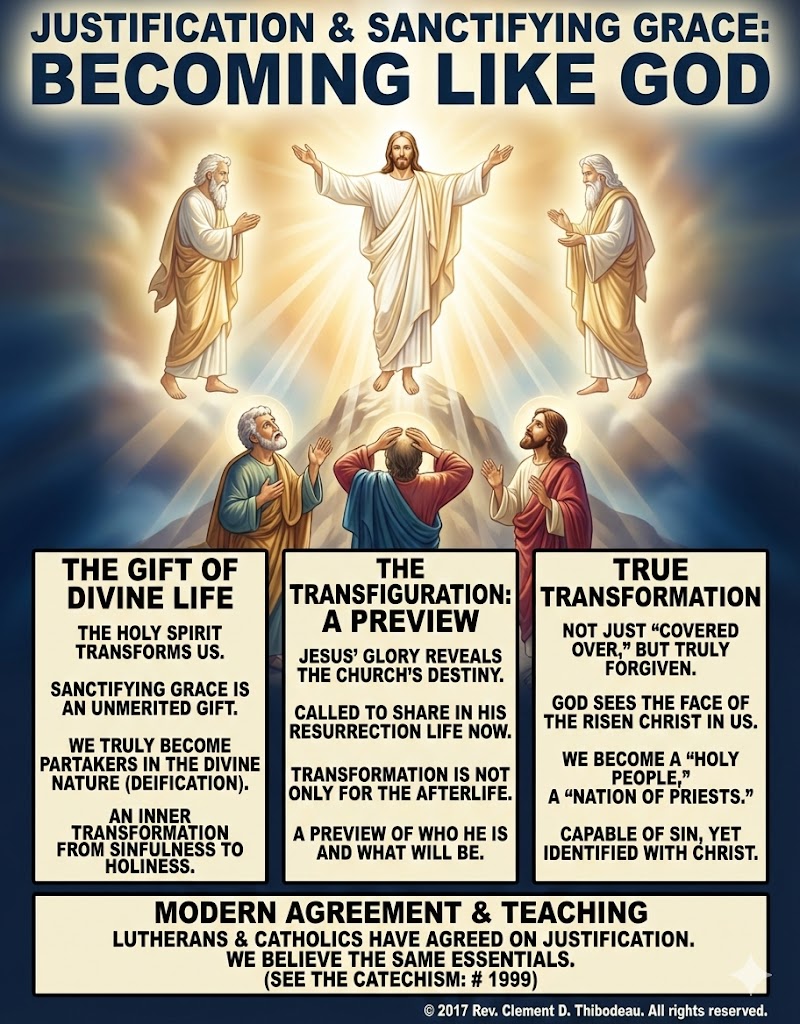
create an 8.5×11 inch infographic with images based on an essay of Fr. Clement D. Thibodeau.

create an 8.5×11 inch infographic with images on a white background based on an essay of Fr. Clement D. Thibodeau.

Catholic Doctrine

An illustrated depiction of Jesus with a radiant light, surrounded by three figures representing apostles, conveying themes of justification, sanctification, and transformation in Christian theology. The image includes informative text about divine life and modern agreement between Lutherans and Catholics.

The above bulletin insert was created using Nano Banana Pro with Gemini 3.0. The infographics draw inspiration from the content found in Fr. Clement Thibodeau’s Echoing The Word weekly column which was published nearly a decade ago. It may be used by any non-profit ministry.

Free Clip Art

Father Tim Peters

CATHOLIC BIBLICAL STUDIES


Slide Presentations

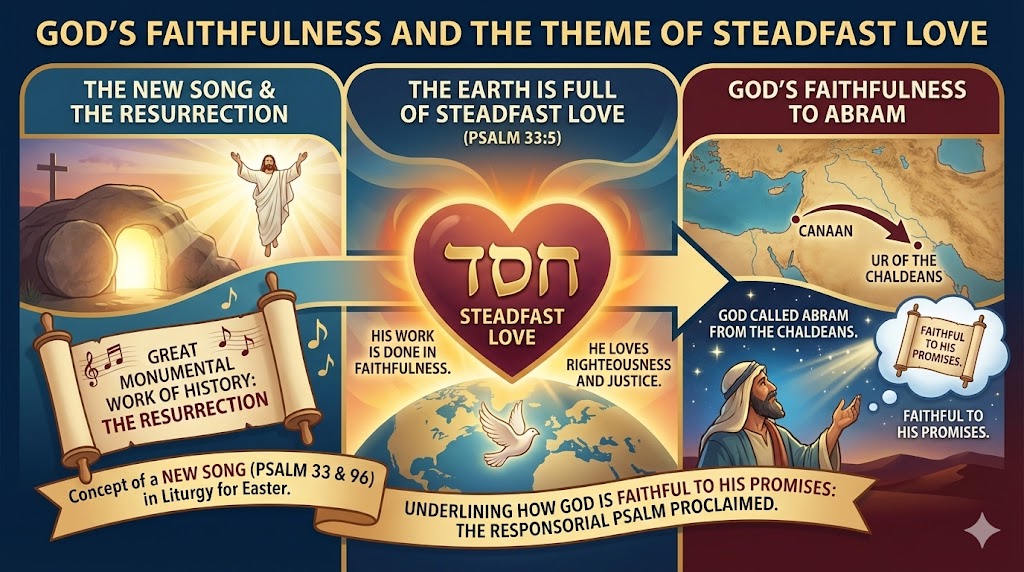
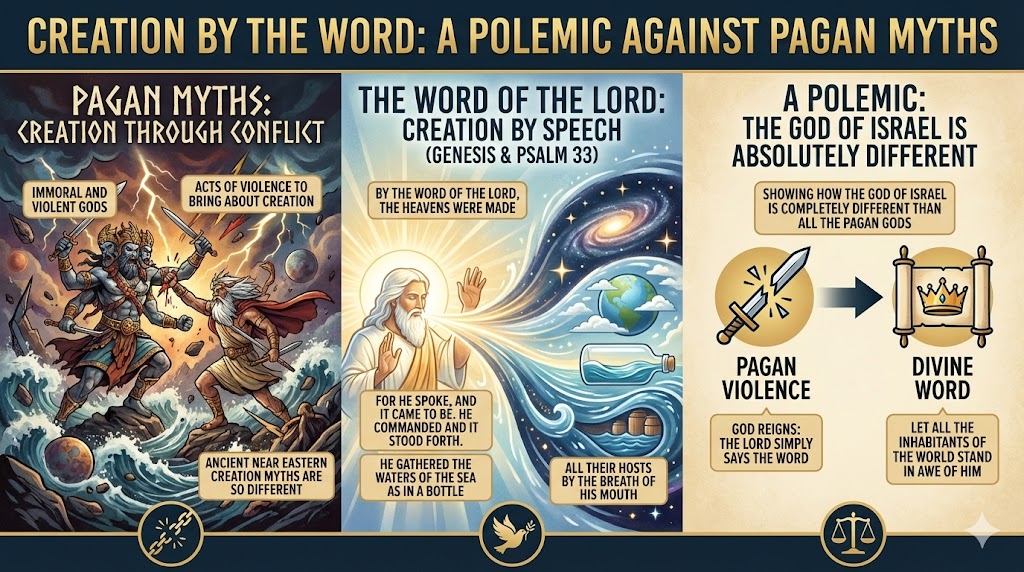
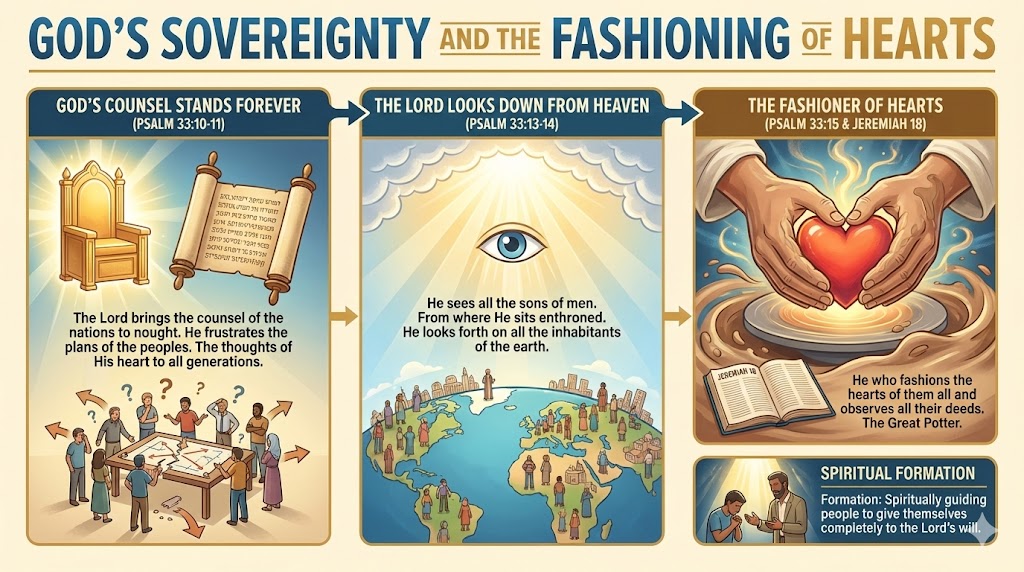
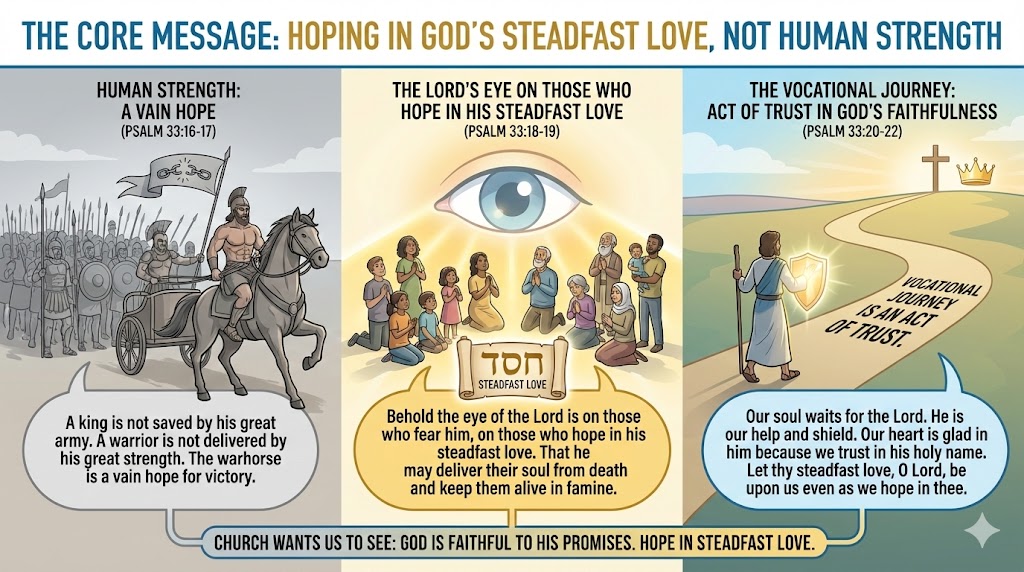
RECOMMENDED VIEWING: The following slides are intended to be viewed concurrently with Fr. Peters’ video lecture. They serve as a visual supplement to the presentation and should not be considered a standalone resource.

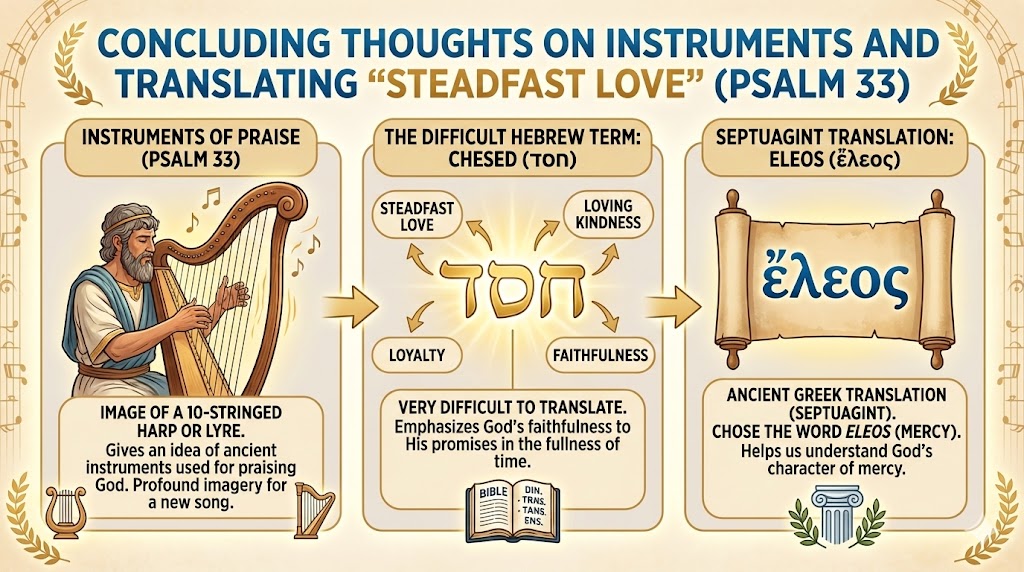
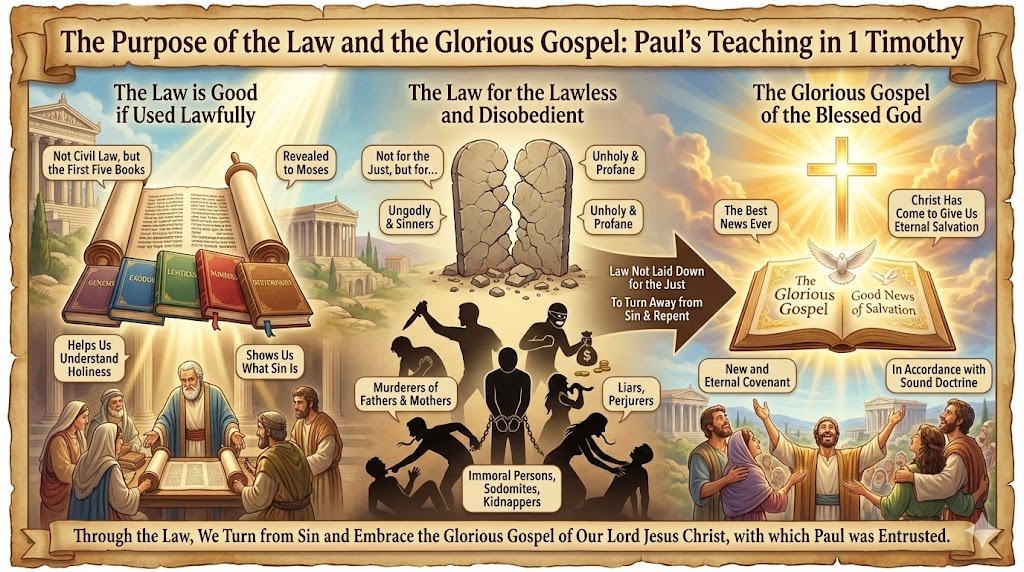
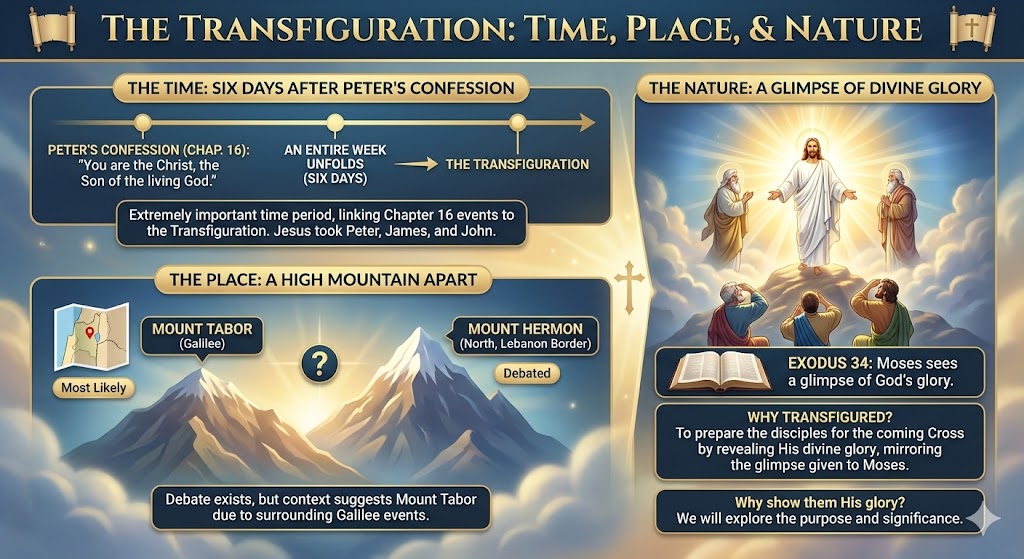
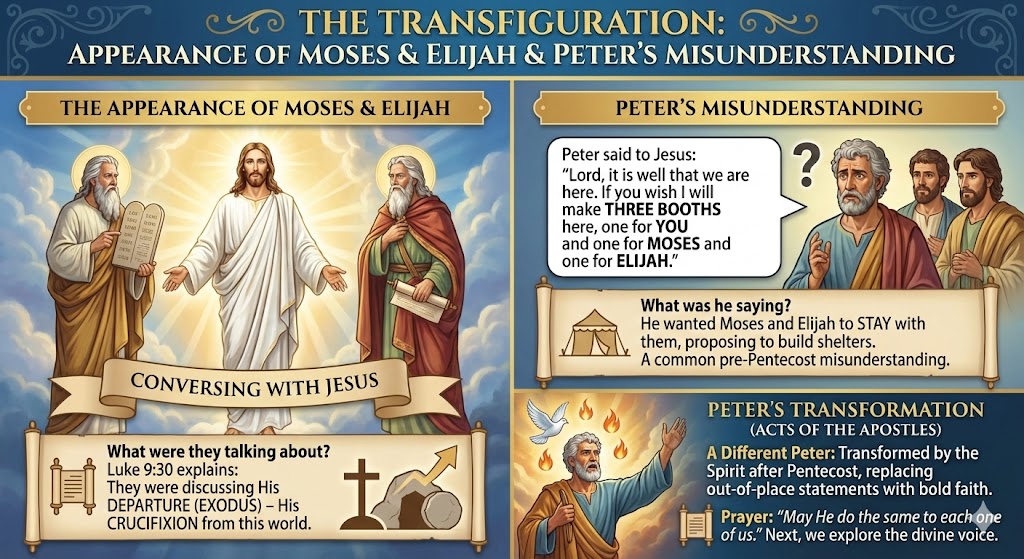
DISCLAIMER: The following slides were generated by THE WORD THIS WEEK using AI tools (Google Gemini Pro 3 and Nano Banana) based on transcripts from the YouTube videos above. Please be aware that misspellings may occur due to the automated process. Neither Fr. Tim Peters nor St. John’s Seminary had any affiliation with the production of these slides.

First Reading
CONTINUE SLIDESHOW

Toggle slides with the chevron banner. Click slides to zoom.


Responsorial Psalm

CONTINUE SLIDESHOW

Toggle slides with the chevron banner. Click slides to zoom.


Second Reading

CONTINUE SLIDESHOW

Toggle slides with the chevron banner. Click slides to zoom.


Gospel Reading
CONTINUE SLIDESHOW

Toggle slides with the chevron banner. Click slides to zoom.

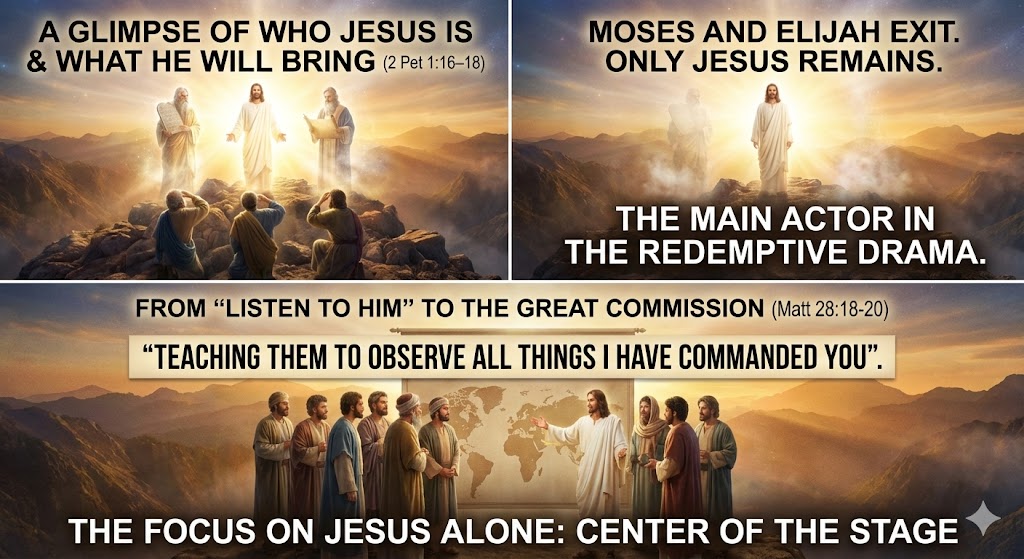
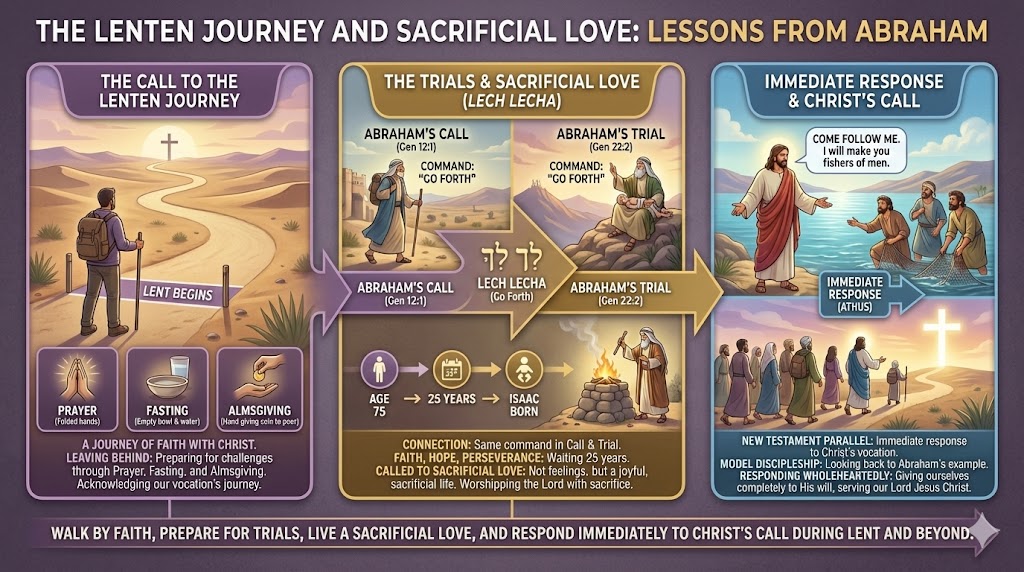
THE WORD THIS WEEK infographics are based off Father Peters’ presentation. They were created using using GOOGLE’S AI Gemini 3 Pro. You are free to use the them in any non-profit ministry. Proper attribution, however, must be given to Father Tim Peters, S.Th.D and THE WORD THIS WEEK.

Free Clip Art

Free Clip Art