Children, Catholic Home School, Children’s Liturgy of the Word, Catholic Home School
Children, Catholic Home School, Children’s Liturgy of the Word, Catholic Home School
June 28, 2026
⭐⭐⭐ All Are Welcome










13th Sunday of Year A
↩️ ↪️ 1-Minute Homily

↩️ ↪️ Priests for Life
MARK 10 MISSION: Little Liturgies (2026)

BIG AL & FR. JOE: Fireworks! (2026)

UGANDA CATHOLIC TELEVISION: Children’s Liturgy (2026)
LECTIONARY
GRAPHIC

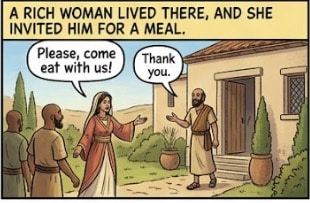
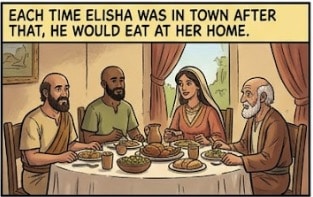

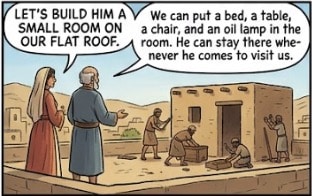
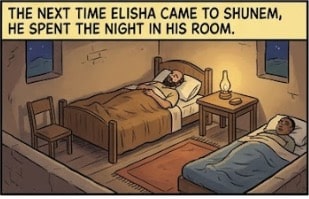


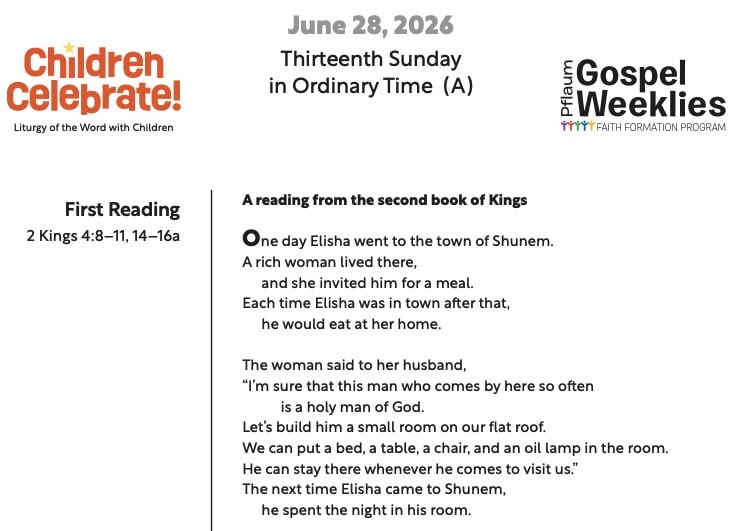
Liturgy of the Word
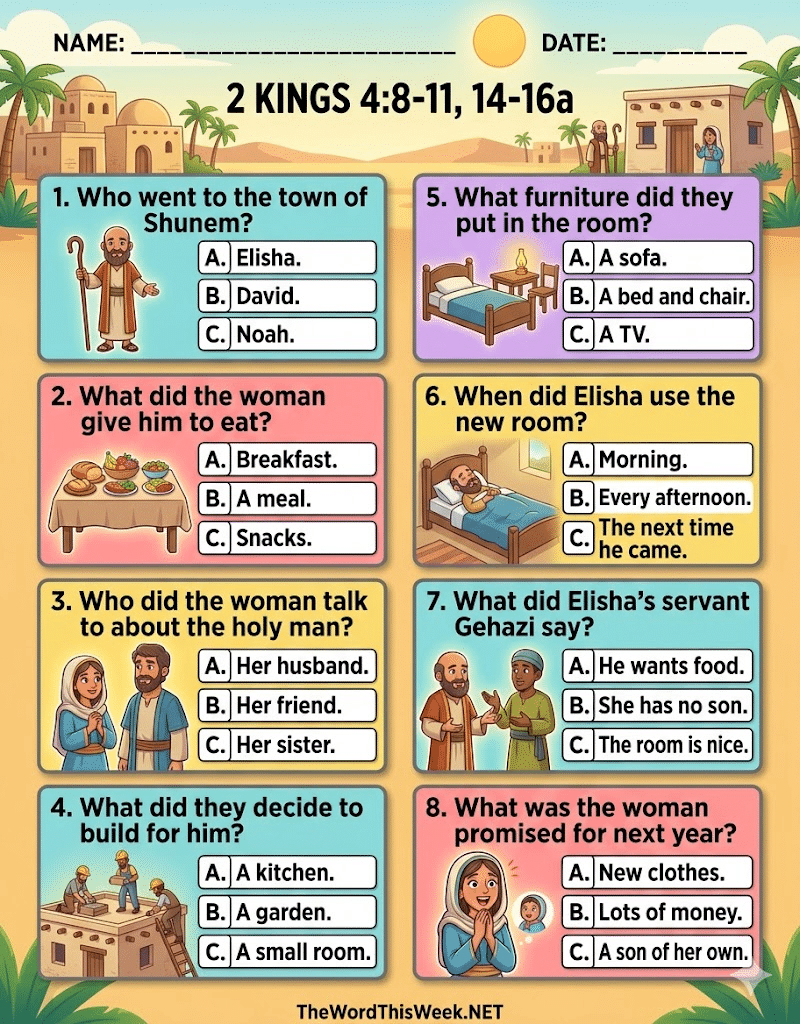
Gospel Quiz
DOWNLOAD PDF (High Resolution)
Quiz generated by AI for TWTW website.
Non-profits have permission to use them in their publications.

QUESTIONS
Biblical Foundation
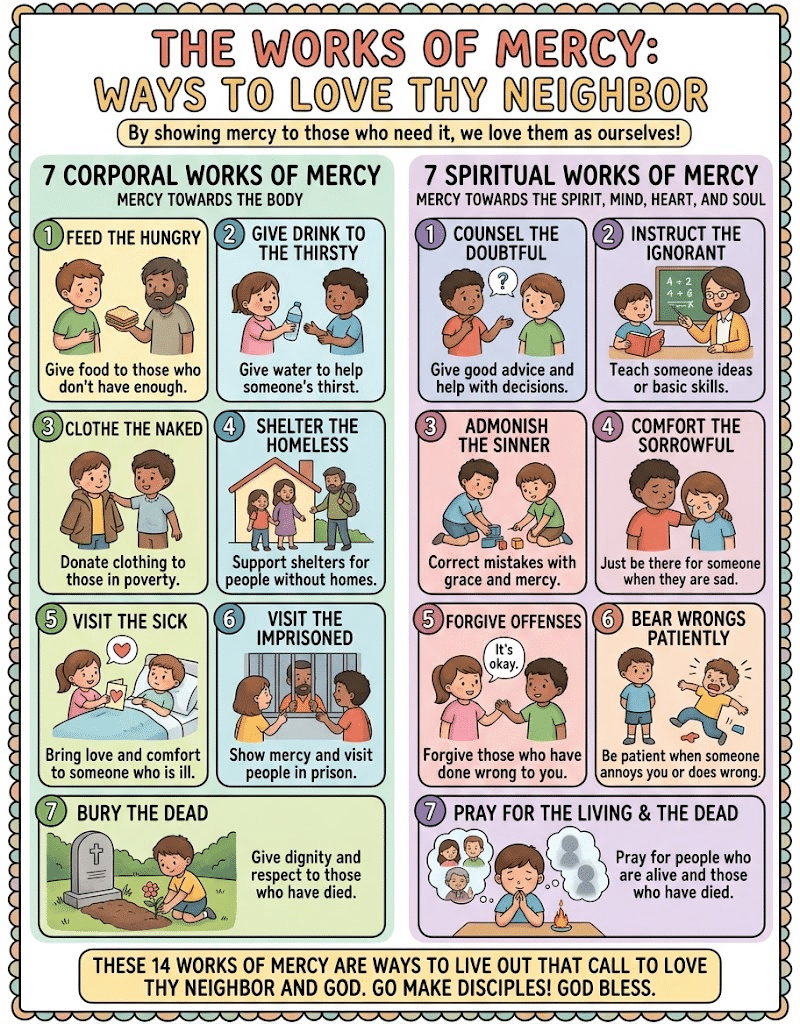
Q: What biblical passage establishes the corporal works of mercy?
A: Matthew 25:31-46 describes the Last Judgment where Jesus identifies himself directly with seven categories of suffering people: the hungry, thirsty, stranger, naked, ill, imprisoned, and dead, making service to them equivalent to serving Christ himself.
Corporal Works Structure
Q: What are the seven corporal works of mercy and what do they address?
A: The seven corporal works address physical needs of the body: feed the hungry, give drink to the thirsty, clothe the naked, shelter the homeless, visit the sick, visit the imprisoned, and bury the dead.
Spiritual Works Structure
Q: What are the seven spiritual works of mercy and what needs do they fulfill?
A: The seven spiritual works address needs of the mind, heart, and soul: counsel the doubtful, instruct the ignorant, admonish sinners, comfort the sorrowful, forgive offenses, bear wrongs patiently, and pray for the living and the dead.
Theological Purpose
Q: How do the works of mercy relate to Jesus’ core commandment?
A: The works of mercy are practical applications of Jesus’ command to love God and neighbor, demonstrating love through concrete actions addressing both physical and spiritual needs.
Judgment Criteria
Q: What role do corporal works play in the Last Judgment according to Matthew 25?
A: In Matthew 25, Jesus uses the corporal works of mercy as the criteria to separate the righteous from the wicked, with the righteous inheriting the kingdom prepared from the foundation of the world.
Dual Nature of Mercy
Q: What is the fundamental distinction between corporal and spiritual works of mercy?
A: Corporal works appeal to physical needs of the body, while spiritual works express needs of the mind, heart, and soul, creating a comprehensive framework for serving others.
13th Sunday of Year A
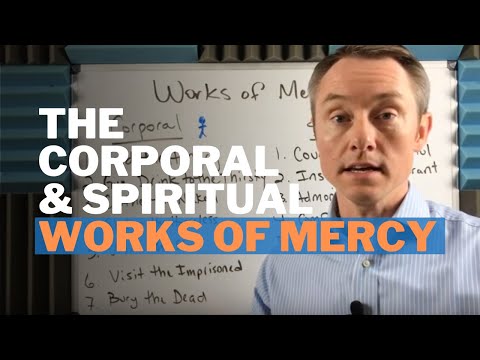
Infographic generated by AI for TWTW website.
Non-profits have permission to use it in their ministry.
Our Sunday Visitor
SUNDAY READINGS | QUESTIONS | SAINT | ACTIVITIES

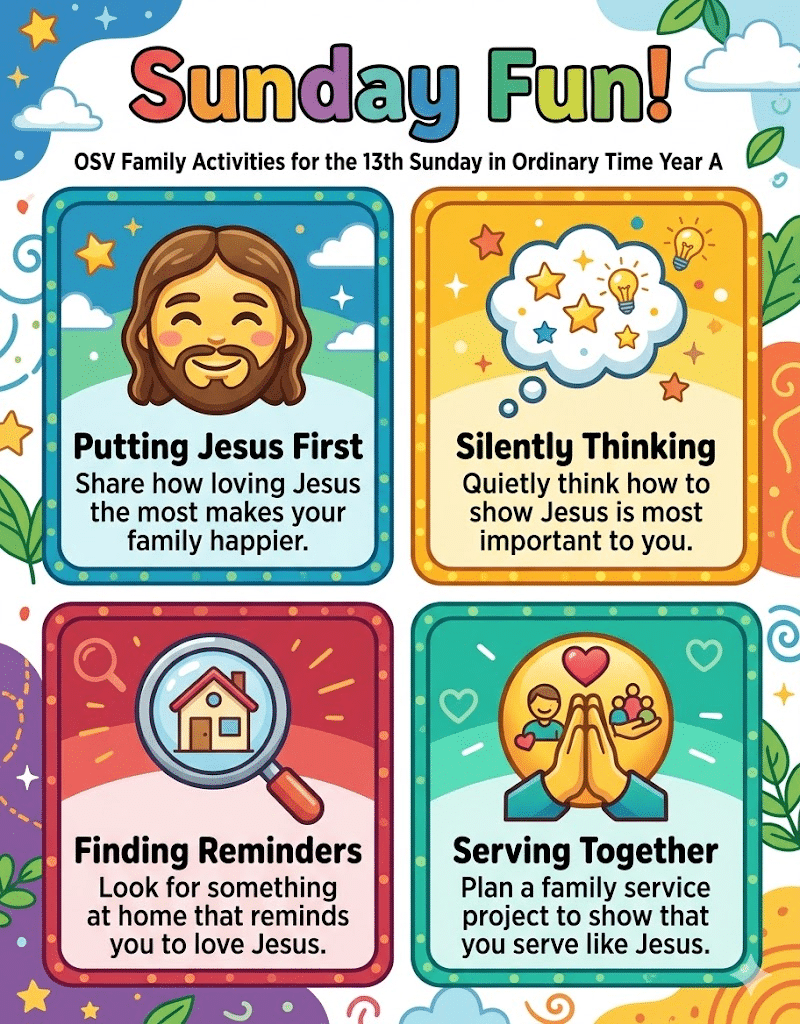
THE WORD THIS WEEK infographics are created using using GOOGLE’S AI Gemini 3 Pro. You are free to use the above infographic in any non profit ministry. Please give credit to TheWordThisWeek.NET and Our Sunday Visitor.
QUESTIONS
Biblical Foundation
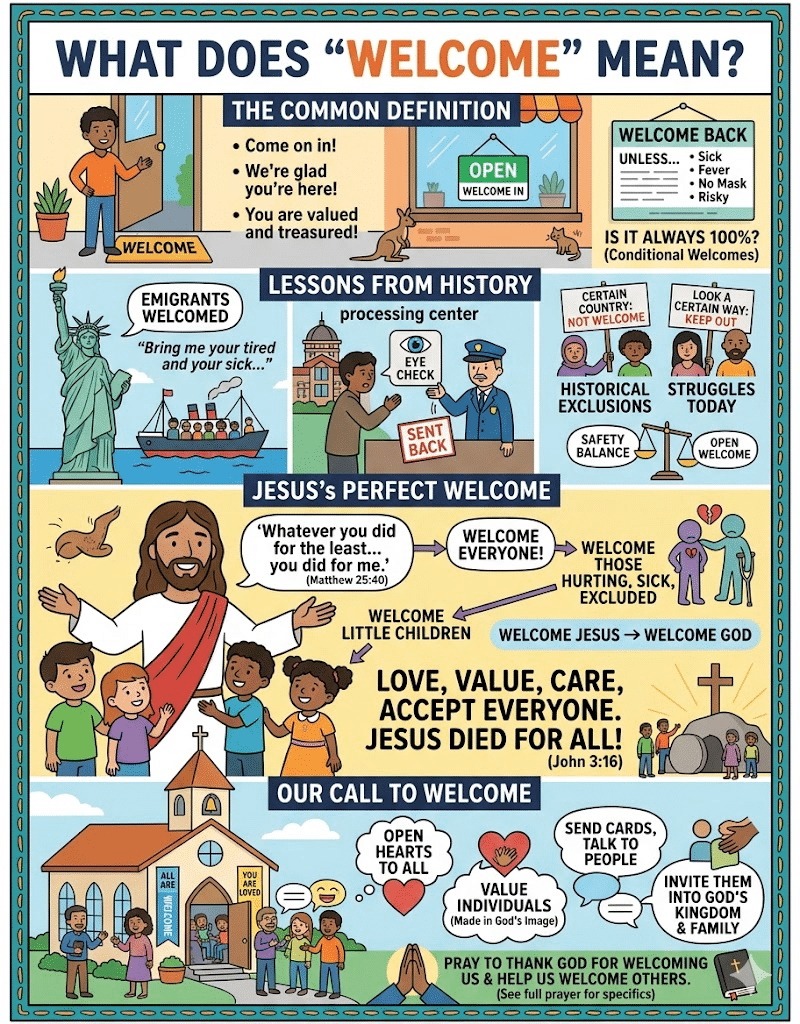
Q: What did Jesus teach about welcoming others?
A: Jesus taught that welcoming others equals welcoming Him and God, specifically emphasizing the importance of welcoming children whom society undervalued, and extending this principle to outcasts and the unlovable for whom he died.
Historical Context
Q: How did the Statue of Liberty and Ellis Island demonstrate conditional welcome?
A: While the Statue of Liberty and Ellis Island symbolized welcome for immigrants seeking freedom, many were turned away based on sickness, eye problems, lack of job/family/destination, or exclusions based on country, appearance, or beliefs.
Church’s Mission
Q: Who should churches prioritize welcoming according to the message?
A: Churches should be welcoming to the lost, lonely, and hurting, recognizing everyone’s worth as made in God’s image through communication and recognition of their value, even with no-touch restrictions in place.
Theological Meaning
Q: Why should believers welcome others according to the teaching?
A: Welcoming others is a response to God’s gift of Jesus and eternal life, recognizing the value God sees in everyone and demonstrating love as Jesus loved all people regardless of their background or circumstances.
13th Sunday of Year A

All are Welcome
Jesus encourages us to welcome and love one another in His name. In this message, consider how we can extend open arms to all ages and types of individuals. This children’s sermon is from Matthew 10:40-42 where Jesus teaches about hospitality and welcoming others in His Name. Download the message script and then watch our teaching example below as you prepare to share this Bible object lesson in your church.


QUESTIONS
Younger Kids
- Where do pineapples grow? (Answer: In tropical climates)
- What did sailors do with a pineapple when they came back from the sea? (Answer: They fastened it to their gate post)
- What are two places or objects where people carve pineapples today? (Answer: Entries of homes, door knockers, tables, or beds)
- According to the text, why couldn’t most people get pineapples long ago? (Answer: There were no airplanes yet to transport them)
Older Kids
- The text mentions that a welcome can be a wave, a smile, a hug, or a bouquet of flowers. What is your favorite way to welcome someone?
- Why do you think an exotic fruit like a pineapple became a sign of royalty and welcome instead of something common, like an apple?
- The passage quotes Jesus saying, “He who receives you receives me.” What do you think it means to “receive” someone in a Christian way?
- How does making someone feel comfortable and accepted show them the love of Jesus?
Welcome
OBJECT SUGGESTED: A fresh pineapple. (Cut and share with the children if appropriate.)

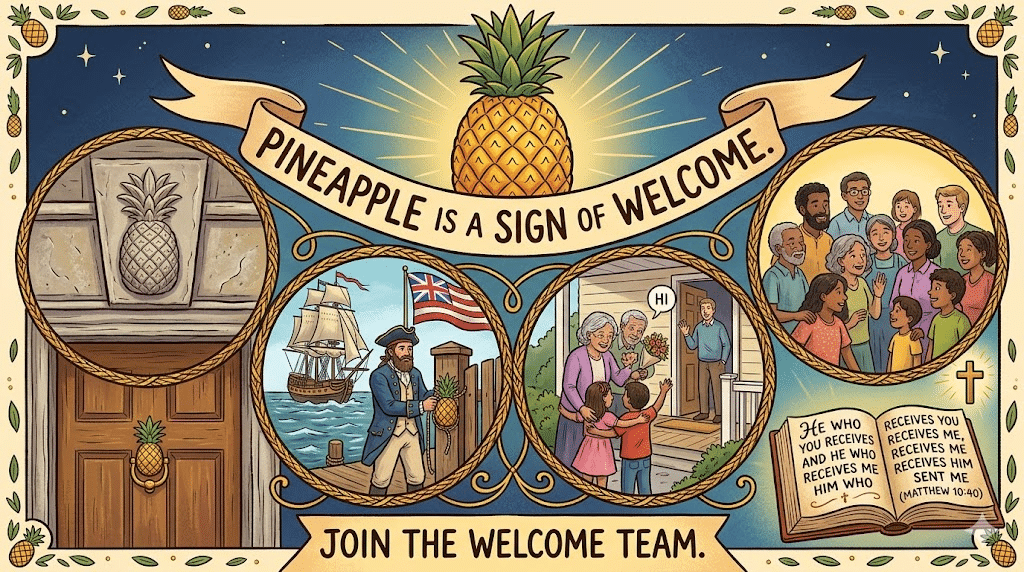
In many parts of the world a pineapple is a sign of welcome. Some people have a pineapple carved into the entry of their home; others have brass door knockers in the shape of a pineapple attached to their doors. Pineapples are sometimes carved into the design of tables and beds.
Long ago, before there were airplanes, pineapple, which grew in tropical climates, was not available to most people in the world. Explorers returning from a voyage sometimes brought a pineapple to their king and sailors fastened a pineapple to their gate post when they returned from sea. As a result of these customs the pineapple became a sign of welcome.
SOURCE: Sermon Writer – © 1997 – 2026 Richard Niell Donovan

Jimmy Wants to Help
- Feeling Empathy: When Jimmy saw the refugees on TV living in a war-torn country, he wanted to give them a big hug. How do you feel when you see or hear about people who are going through a really tough time?
- The Problem: At first, Jimmy’s dad thought they couldn’t help because the families lived thousands of miles away. Have you ever felt too small or too far away to fix a big problem?
- The Solution: How did Jimmy and his dad eventually find a way to help the refugees prepare for winter?
- God’s Hands and Feet: The story says that “God works through us.” How did God work through Jimmy and his dad in this story?
- Sacrifice: To help others, sometimes we have to give up something of our own (like donating allowance money or giving away toys). What is something you would be willing to share to make someone else’s life better?
- Prayer Action: If you could say a prayer for the children and families around the world who don’t have a safe home right now, what would you ask God to do for them?
13th Sunday of Year A

THE WORD THIS WEEK infographics are created using using GOOGLE’S AI Gemini 3 Pro Nano Banana and images from Unsplash. You are free to use the above infographic in any non-profit ministry. Please give credit to TheWordThisWeek.net and the Word-Sunday.
Entrance Song



13th Sunday of Year A

Response & Acclaim
ST. JOSEPH’S CORNER (5:26)

CATHOLIC CONUNDRUM (2:15)

Response & Acclaim
ZION PENTECOSTAL CHURCH (3:49)
Response & Acclaim
Communion
Videos for Children
Animated Bible Stories (Saddleback Kids)
Bible Crafts (Ministry to Children)
Object Lesson Sermons (Ministry to Children)
13th Sunday of Year A

Response & Acclaim
CHARACTER SERIES: SHUNAMMITE WOMAN (5:31)

PRESCHOOL LESSON (9:49) – Elisha’s Room 2 Kings 4:8-17
