November 2, 2025
November 2, 2025


Homilies
Homilies
Bishop Robert Barron

All Souls Day
All Souls Day
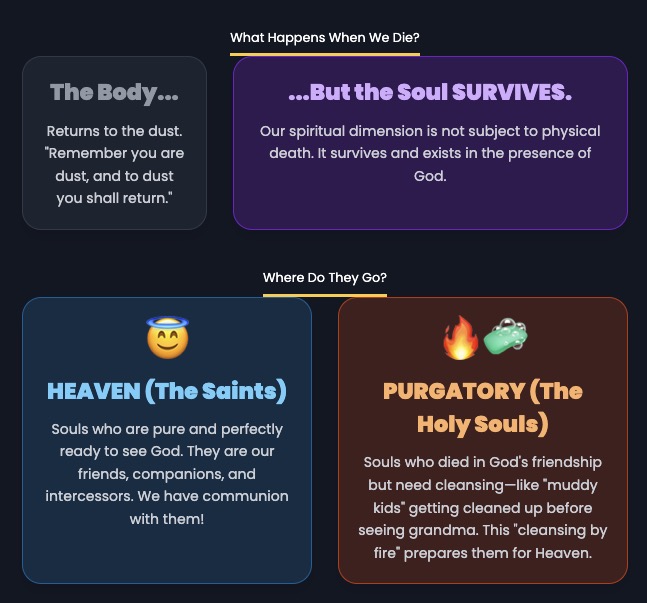
Why do we speak of the “soul?” We do so because there is something in us that links us to the eternal. Though the body fades away, the core of the person does not. And therefore, we remain connected to those who have gone before us marked with the sign of faith. We should pray for them in the hopes that one day we might live in communion with them.

Finish the Race
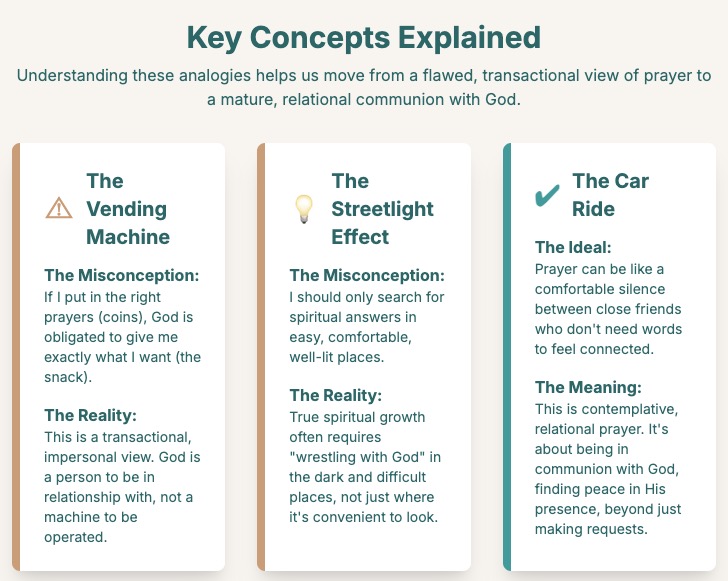
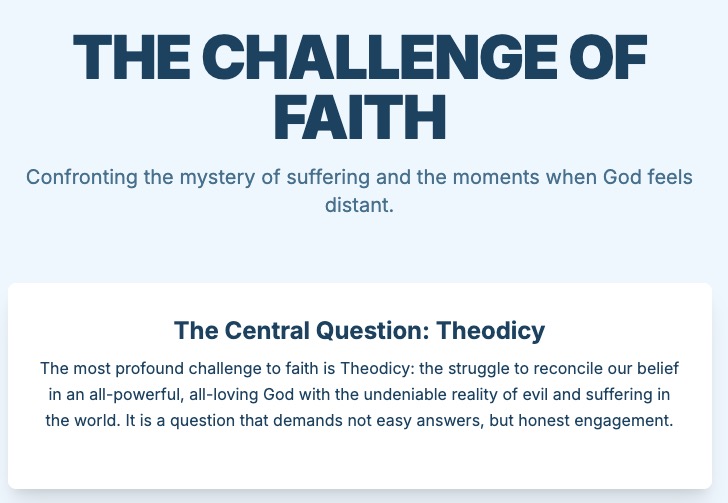
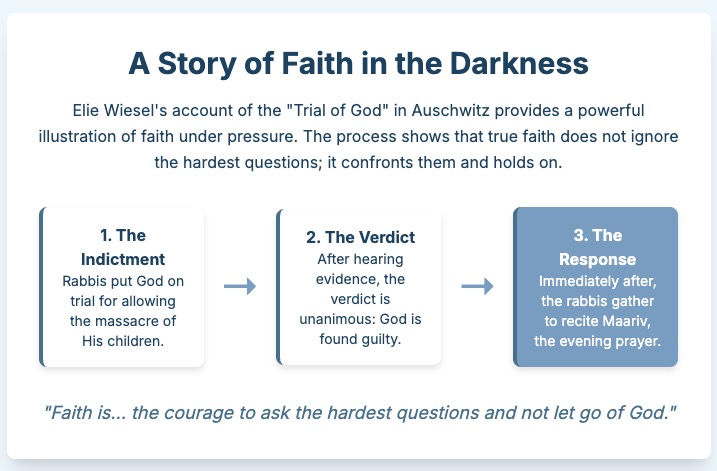
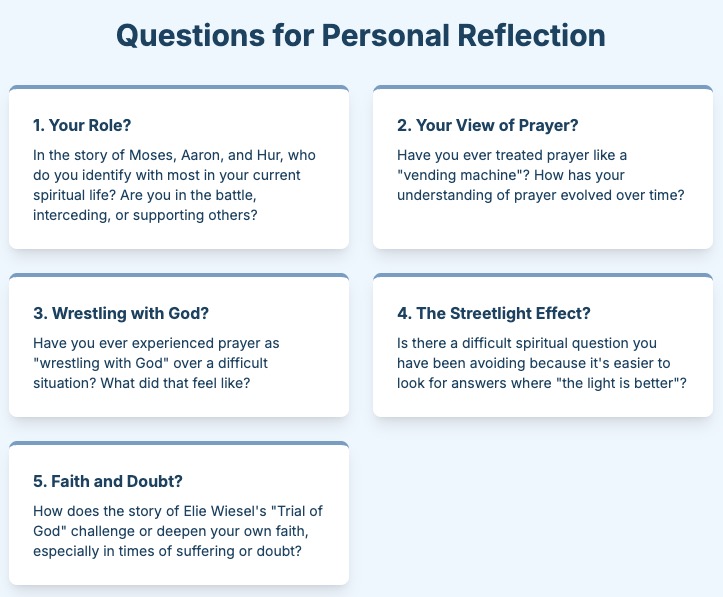
With the wisdom that comes from a life dedicated to spreading the Gospel, Paul imparts a powerful message which likens the spiritual journey to a race, encompassing various phases, from the initial zeal and determination to moments of exhaustion and doubt.

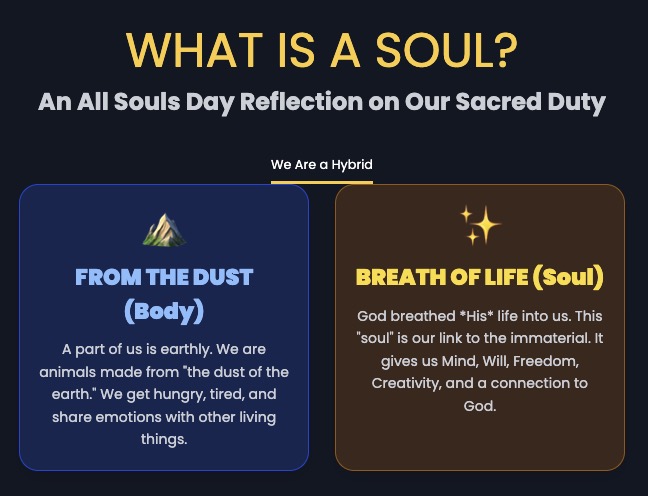
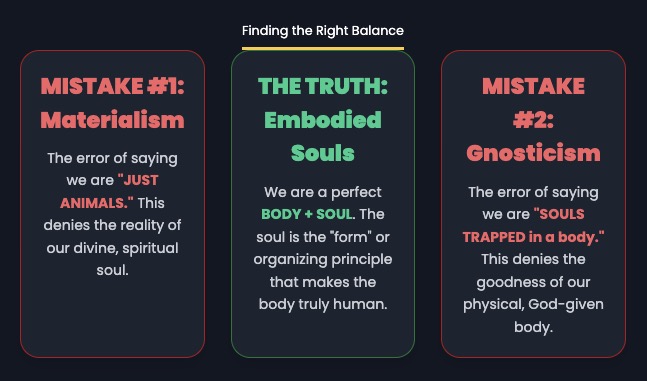
Click on infographics to enlarge them
Why We Pray for All Souls
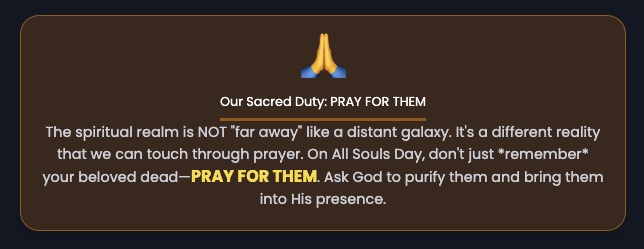
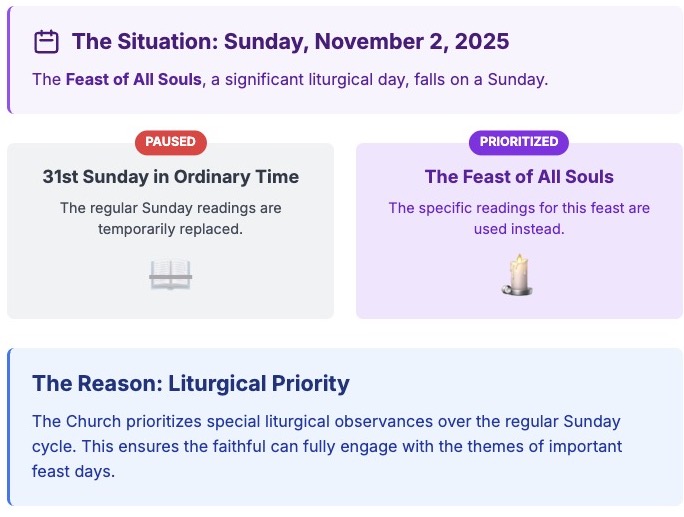
All Souls Day, November 2, falls on a Sunday this year, so we can really spend some time reflecting on this wonderful feast, which means so much to Catholic people. Why do we pray for the souls in purgatory? I wonder if I could begin by reflecting on why we speak of the “soul”—this higher principle breathed into us by God that survives the death of the body.
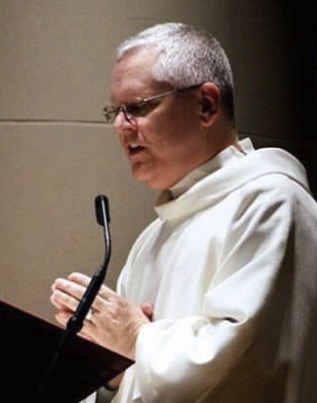
Deacon Greg’s blog has garnered some 20 million readers from around the world since its inception in 2007.
All Souls Day


Click on infographics to enlarge them

────── ⋆⋅☆⋅⋆ ──────
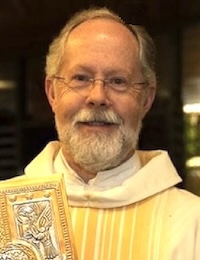
Deacon Peter McCulloch
All Souls Day
No Homily Available




WEAVING DESTINIES (3:54) – One of the most powerful stories in the Gospels: the raising of the widow’s son at Nain. In the midst of sorrow and grief, Jesus draws near, filled with compassion, and performs an extraordinary miracle.
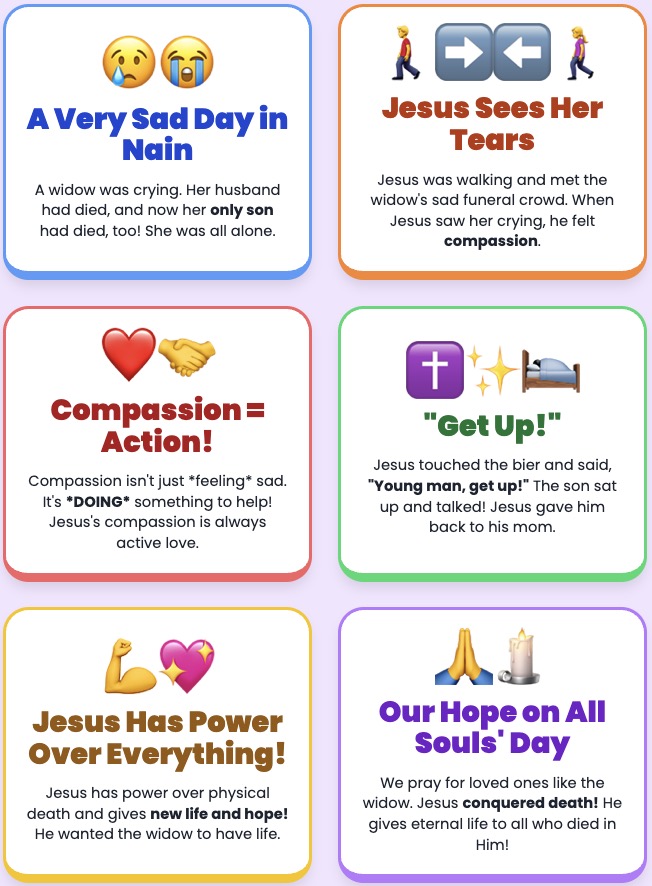
Click on infographic to enlarge it
Infographics on this page have been created using AI generative tools (i.e. GOOGLE'S AI Gemini 2.5 Flash LLM, Chart.js and Tailwind CSS). They are free to use for any non-profit ministry. THE WORD THIS WEEK kindly requests that you show your appreciation by sharing a link to the website.
The Widow of Nain
(Is.25:6-9; Rom.5:5-11; Lk.7:11-17)
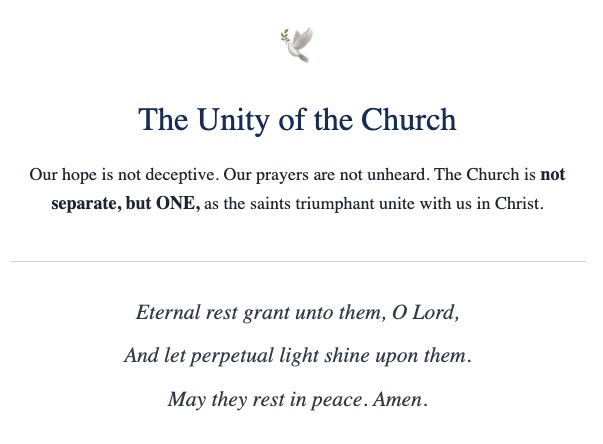
Today is All Souls’ Day, when the whole Church stands with the Widow of Nain at the threshold of mystery, as we accompany our loved ones to the grave. We know the pain of separation, just as she did. But we also recognise that our prayers for the dead are not empty rituals, for they are joined with Christ’s own compassion. We know that Jesus cares deeply for every departed soul and for every grieving heart.
────── ⋆⋅☆⋅⋆ ──────

All Souls Day
Click to enlarge

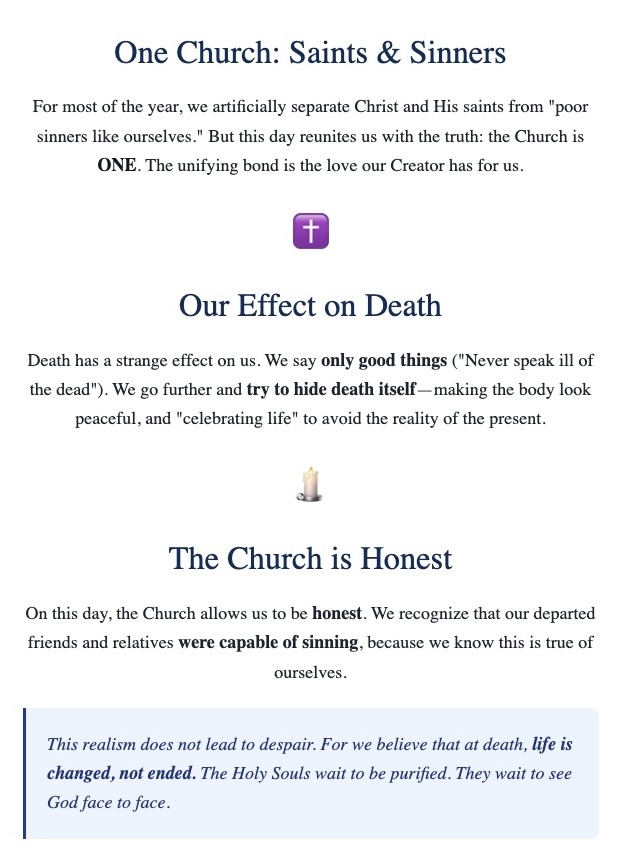
Commemoration of all the Faithful Departed. Fr Brendan Slevin preaches on the strange effect death has on people.
For most of the year we tend to try and separate the triumph of the cross from the frail stumblings of our own ordinary lives. On one side we place Christ and his saints and on the other poor sinners like ourselves. But this artificial separation distorts our understand of the faith we profess. This day, when we pray for the Holy Souls, reunites us with a broader understanding of the Church. A Church that is one; not two separate churches, one of saints and the other sinners.
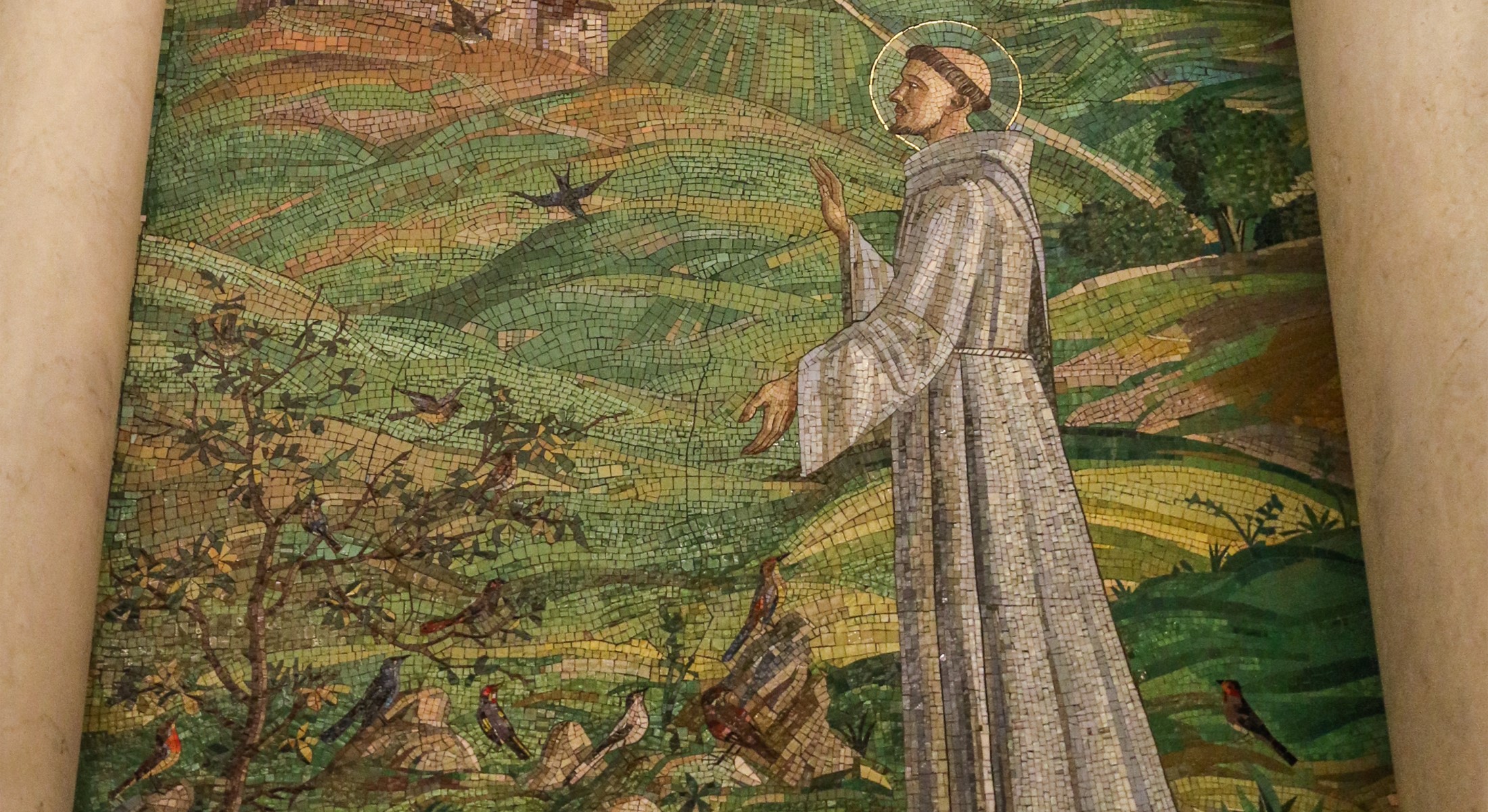
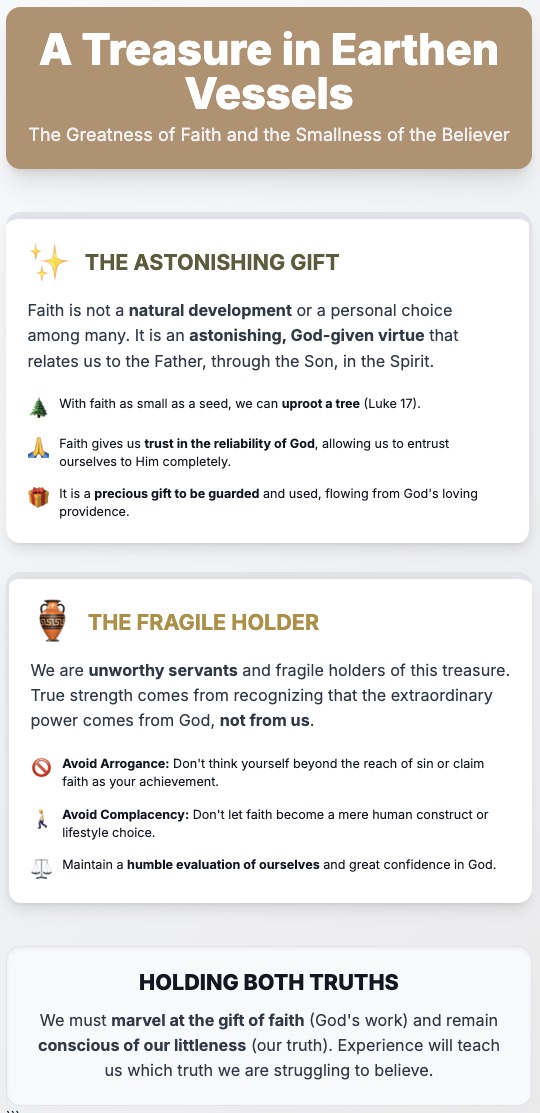
Twenty-seventh Sunday of the Year. Fr Robert Ombres preaches on the extraordinary gift of faith.
Two truths are given to us today, one about God and one about us, and we need to hold on to both of them because they are interconnected. We should marvel at the extraordinary gift of faith we have received from God, yet be conscious that we are only the fragile holders of something precious. Experience teaches us which of these two truths is proving hard to believe and accept.
────── ⋆⋅☆⋅⋆ ──────
Papal Homilies
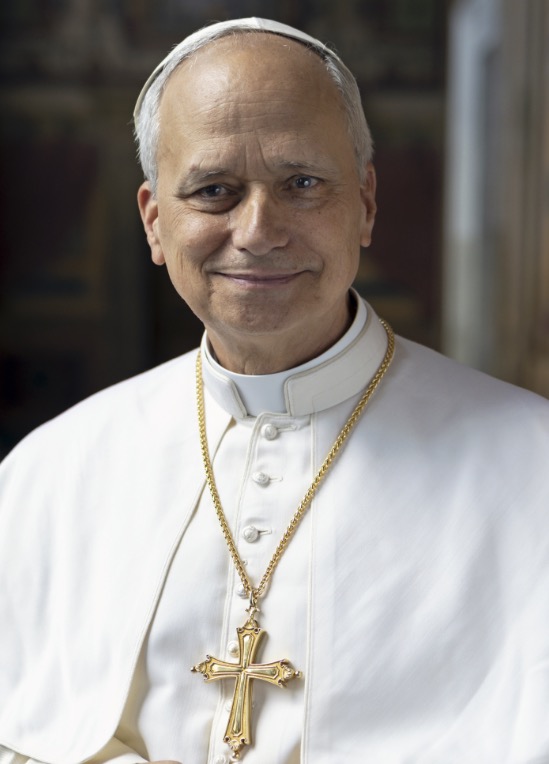
Pope Leo XIV
All Souls Day
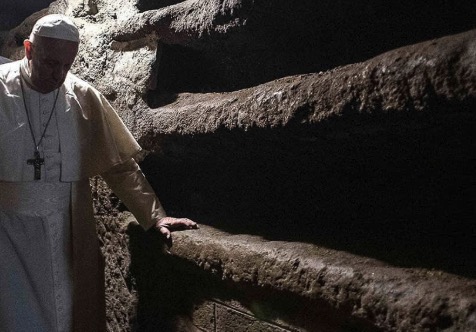
Pope Francis’ Homily
2 November 2019- Catacombs of Priscilla, on the Via Salaria
Wisdom 3:1-9 and the Beatitudes
The celebration of the feast of all the departed in a catacomb — it is the first time in my life that I enter a catacomb, it is a surprise — tells us many things. We can think about the lives of those people who had to hide, who had that custom of burying the dead and celebrating the Eucharist in here. It was a bad period in history, but one which has not been overcome. It continues still today. There are many of them. Many catacombs in other countries where people even have to pretend to be having a party or a birthday in order to celebrate the Eucharist as it is forbidden in that place. Today too there are many persecuted Christians, even more than in the first centuries; more. This — the catacombs, the persecution, the Christians — and these Readings make me think of three words; identity, place and hope.
────── ⋆⋅☆⋅⋆ ──────
Fr. Austin Fleming
All Souls Day
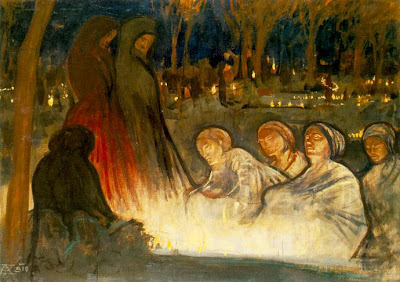
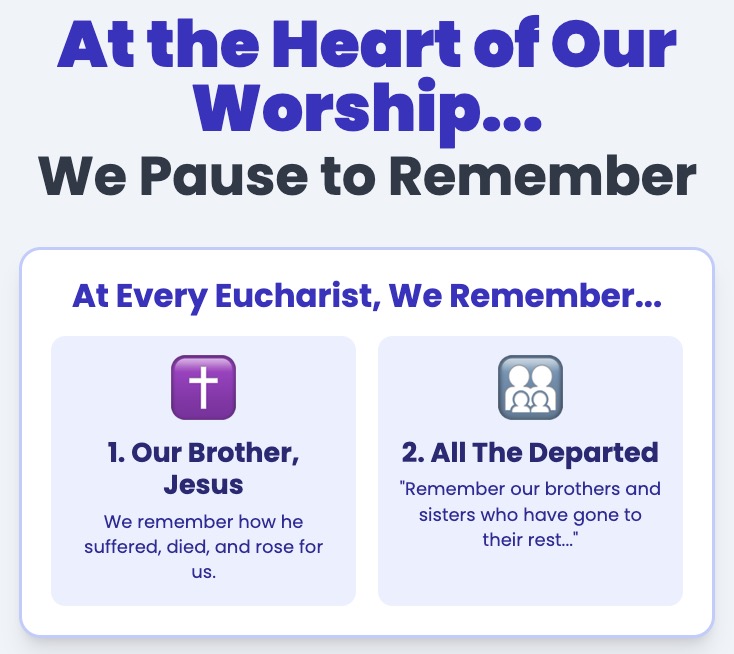
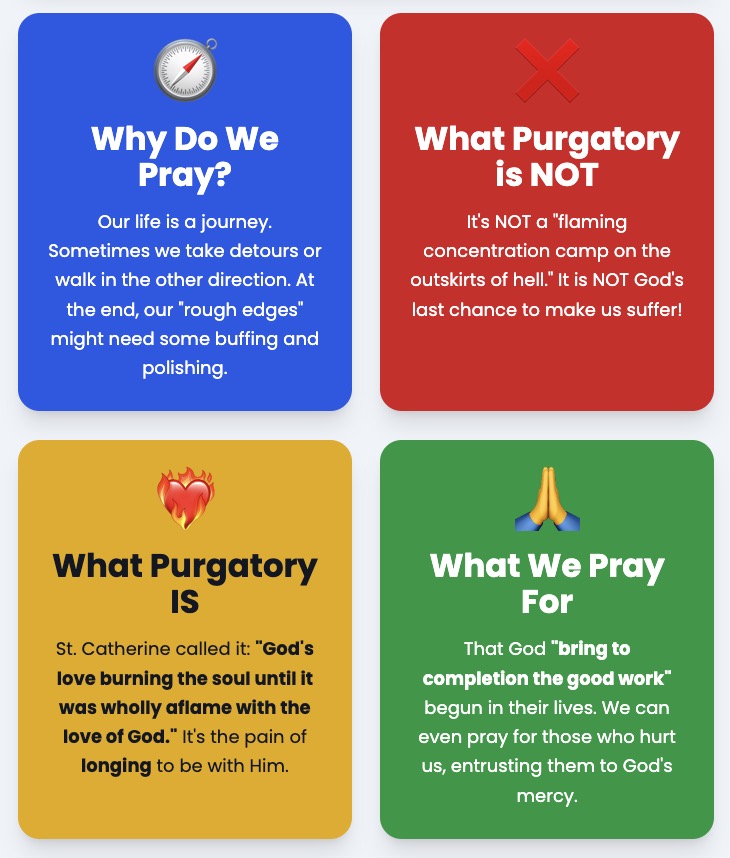

All Souls Day: For Whom Do We Pray – and Why?
2022 — At the heart of all our worship as Catholic Christians,
we pause to remember…
We remember Christ, and all he did for us;
we remember how he suffered, died and rose for us;
and in word and sacrament,
we remember what he did at table with his friends
on the night before he died.
Every time we celebrate the Eucharist, then,
we remember someone who has died: our brother, Jesus.
And every time we celebrate the Eucharist
we remember others who have died, too.
You know the words as well as I do:
Remember our brothers and sisters
who have gone to their rest in the hope of rising again;
bring them and all the departed into the light of your presence…
We remember all our brothers and sisters in Christ
and not only them but all the departed
– everyone who has died –
and we pray that through the mercy and love of God
every one of them will enjoy the light and peace of God, forever.
────── ⋆⋅☆⋅⋆ ──────
Fr. Jude Siciliano, O.P.

All Souls Day

Click to enlarge
Our Hope is in God
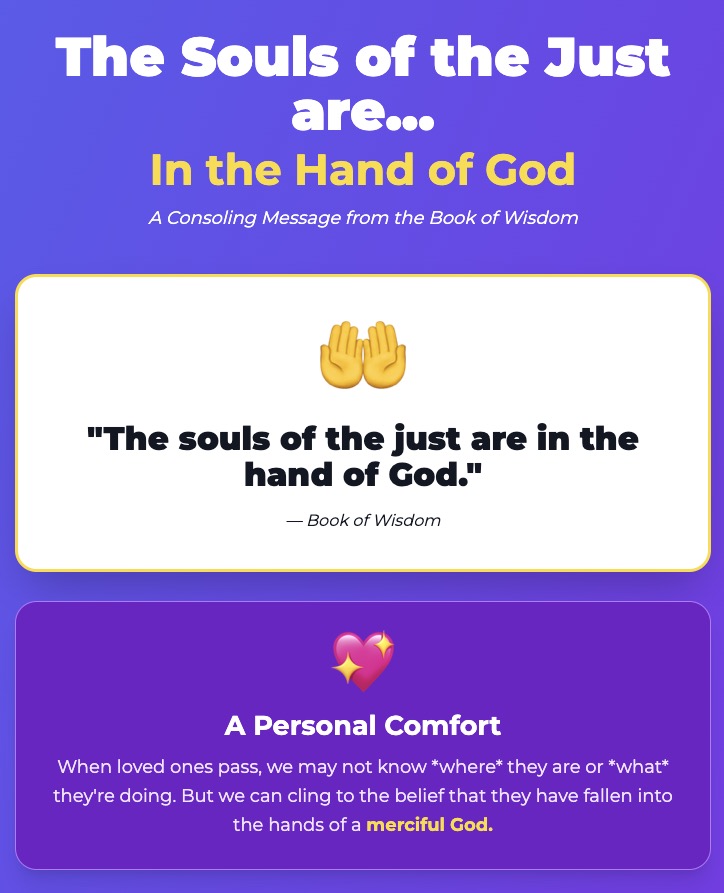
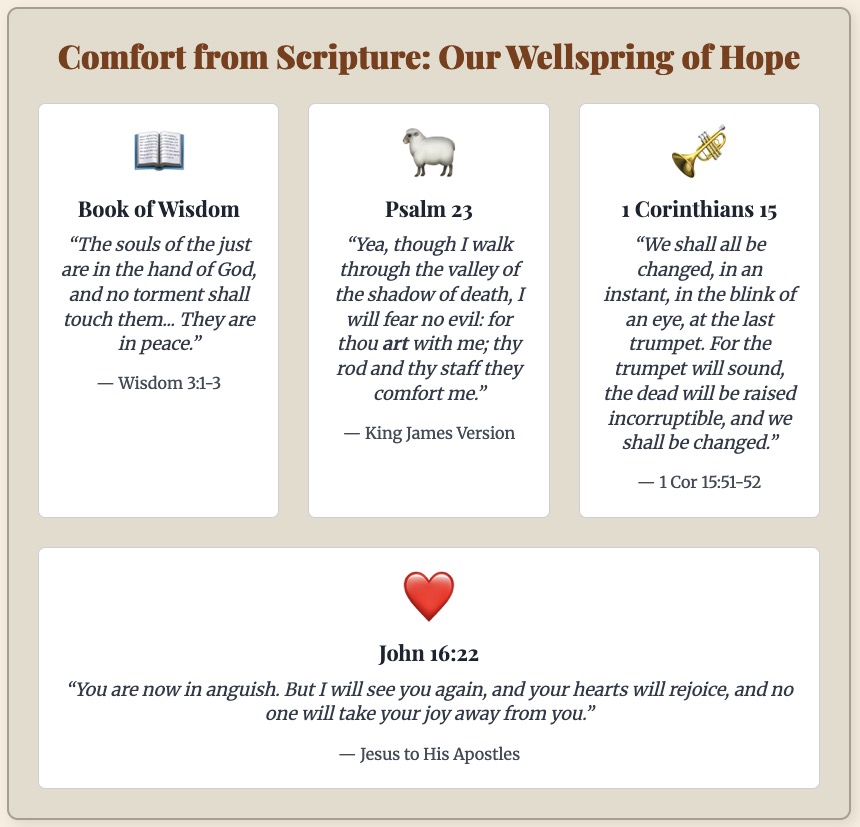
The Book of Wisdom doesn’t go out of its way to describe where the souls of the dead are right now. But it does offer consoling words we are invited to place our hope in: “The souls of the just are in the hand of God.” Which is similar to what I held on to when my parents died. I’ve told people that I don’t know where they are, or what they are doing right now; I just believe that they have fallen into the hands of a merciful God. Family and friends pictured mom in heaven cooking up her Sunday pasta with her sisters and dad playing pinochle with his brothers-in-law. What wonderful images they are, and I am sure they offered comfort to my family at the gravesides. But all I hung on to were those merciful hands of God who created my parents, sustained them in a simple and trusting faith through hard times and final illnesses and now, is showering mercy and love on them. As Wisdom puts it, “The souls of the just are in the hand of God.”

────── ⋆⋅☆⋅⋆ ──────
Fr. Charles E. Irvin
All Souls Day
Click to enlarge
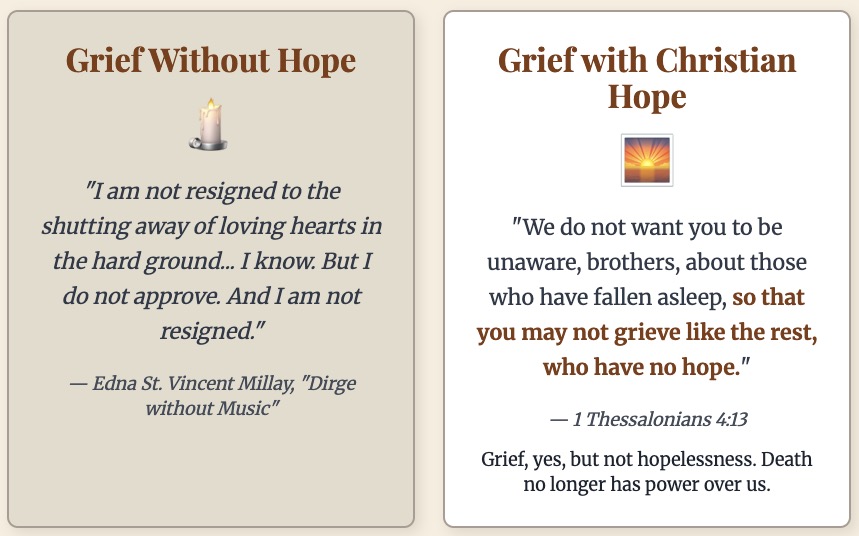
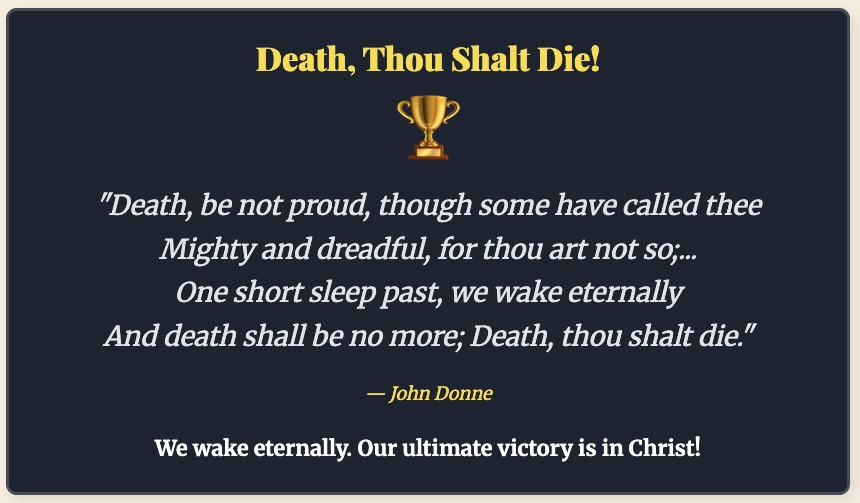
From Grief to Hope
This week’s homily is by Fr. René J. Butler, M.S. La Salette Missionaries of North America, Hartford, Connecticut

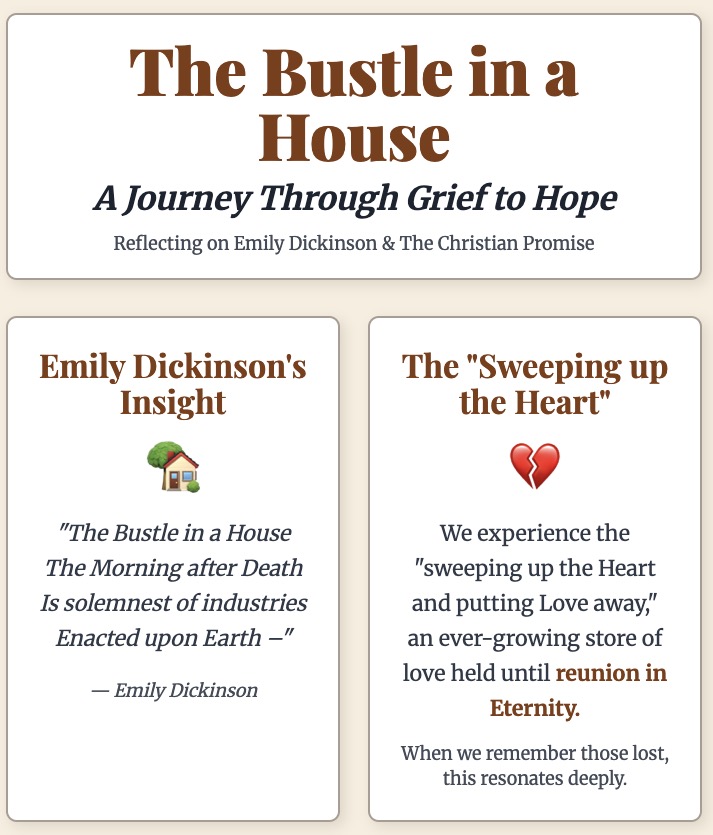
The Morning after Death / Is solemnest of industries / Enacted upon Earth –/ The Sweeping up the Heart/ And putting Love away / We shall not want to use again / Until Eternity –
I often quote this poem of Emily Dickinson as the best description of what we go through in a time of mourning. We have all had this experience.
Fr. George Smiga
All Souls Day
Click to enlarge
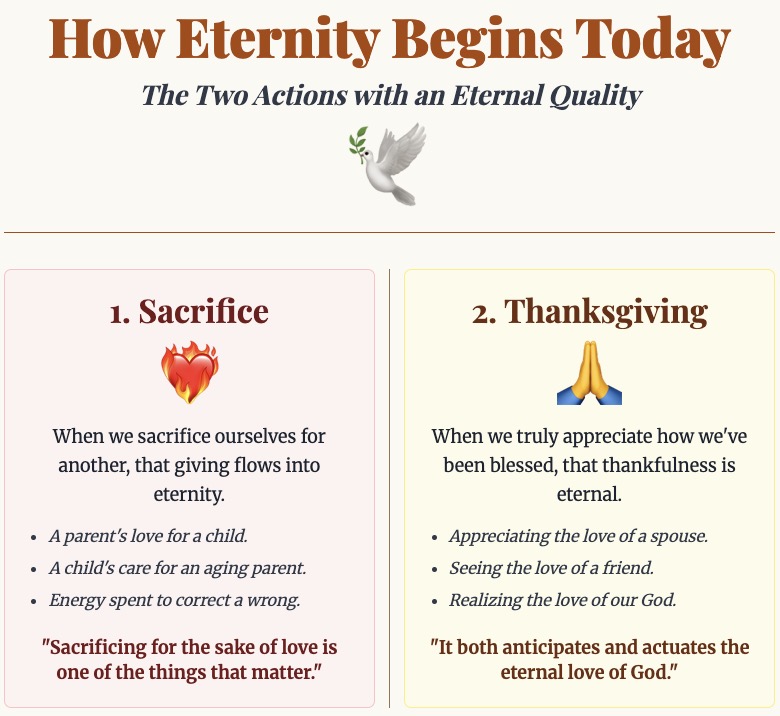
Finding the Eternal

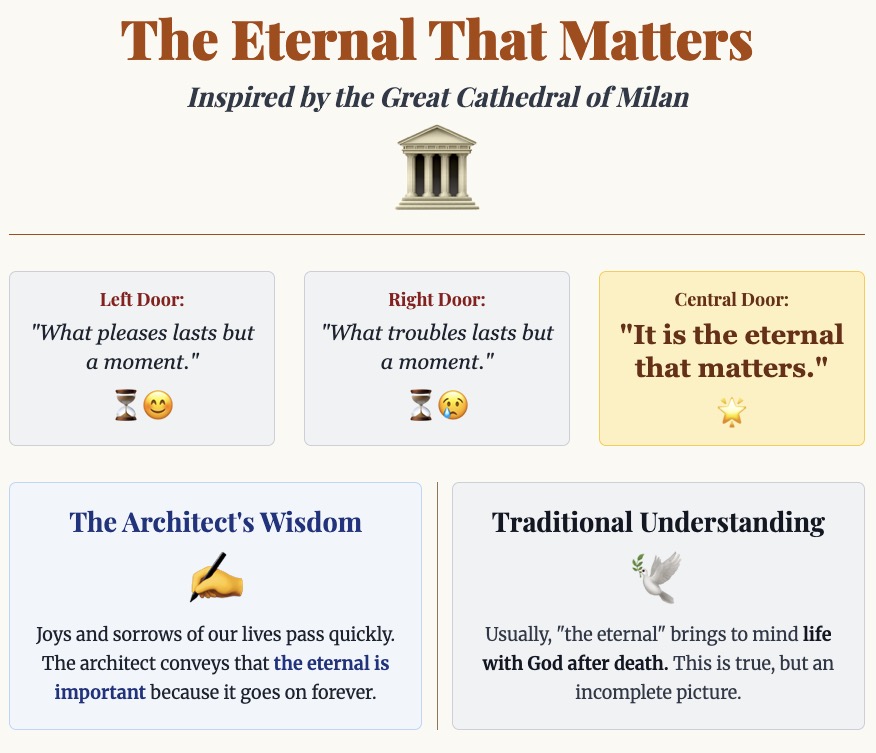
2014 HOMILY – The great cathedral in Milan, Italy, sits on a wide plaza. You can enter the church through three massive doors. Above each door there is an inscription. The inscription on the door to the left reads, “What pleases lasts but a moment.” The inscription on the door to the right reads, “What troubles lasts but a moment.” The inscription on the great central door reads, “It is the eternal that matters.” The architect of this church was trying to convey that most of the joys and sorrows of our lives pass rather quickly. It is the eternal that is important, for the eternal goes on forever.
Now usually when we think of the eternal we imagine what happens after death, eternal life with God. Although this is certainly true, today’s gospel makes clear that such an understanding is incomplete.
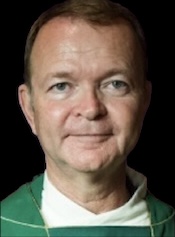
Father Kevin Rettig
All Souls Day

The Dance of Death
Death is often regarded as an enemy. But it is truly the gift of God, the gateway to something higher, the only friend that can lead us to eternal life.
TWTW Visual Summary and Discussion Questions
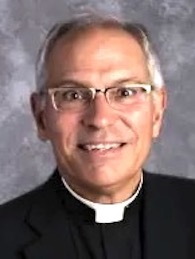
Monsignor Peter Hahn
All Souls Day

Only God Understands the Heart
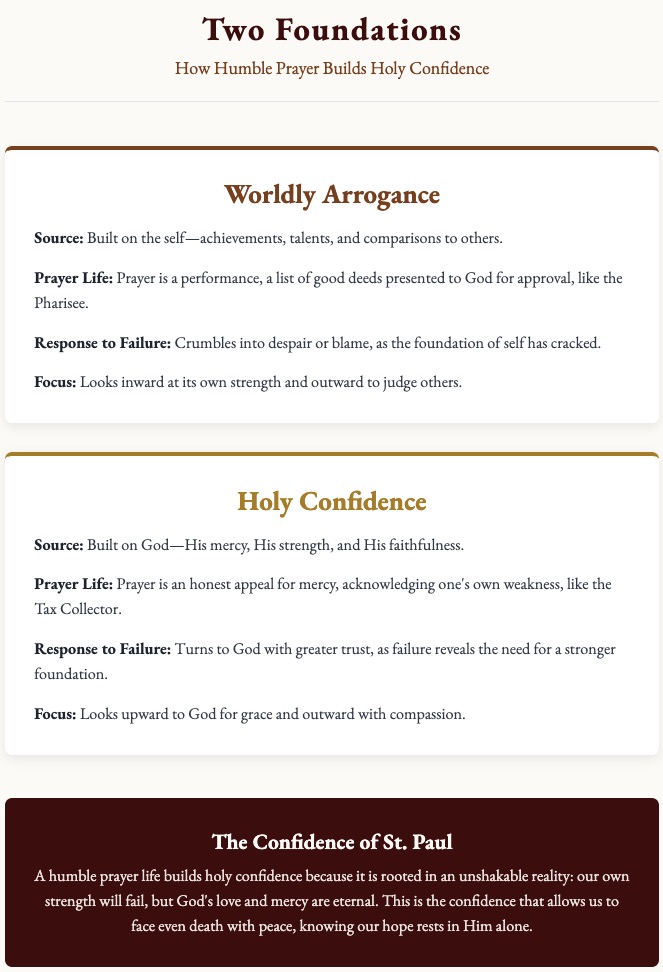
Humility and honesty in prayer are essential for deepening our relationship with God and preparing for our final moments, as true prayer comes from a contrite heart rather than self-righteousness. We must discern actions as sinful without condemning the individual, as only God understands their heart.
TWTW Visual Summary and Discussion Questions
Click to enlarge
Part 1: The Danger of Judging the Soul
The sermon begins by drawing a critical distinction: we can and must judge behavior against objective truth, but we must never condemn the soul of another person, as only God knows the heart. The Pharisee wastes his prayer by focusing on judging others and praising himself, misusing the gift of discernment that God has given him.
Key Quote: “We must be careful never to condemn or judge the actor himself because only God knows the interior dispositions of the heart.”
Discussion Questions:
- Msgr. Hahn makes a distinction between judging a person's actions and judging their soul. In your daily life, how easy or difficult is it to maintain that distinction? Where do you see the line blur most often (e.g., on social media, in the news, in personal disagreements)?
- The Pharisee "wastes the opportunity" to pray by turning his attention to judging others and his own perceived goodness. In what ways do you sometimes "waste" your own opportunities for prayer? (e.g., through distraction, self-pity, or focusing on the faults of others).
- When are you most tempted to adopt the Pharisee's attitude of smug self-righteousness? What situations tend to bring out a judgmental spirit in you?
Click to enlarge
Part 2: The Power of Brutally Honest Prayer
This section contrasts the Pharisee's posturing with the tax collector's profound honesty. The sermon highlights that true prayer, like the words of the dying, is marked by a sincere awareness of who we are and who God is. This honesty is what allows God's grace and healing to enter our hearts.
Key Quote: “It's amazing how brutally honest words can be at that time [of dying] and this is how our prayer is always meant to be.”
Discussion Questions:
- The tax collector's prayer is simple: "O God, be merciful to me a sinner." What makes this short, humble prayer so powerful and effective?
- The sermon suggests that the sick and dying often achieve a "brutal honesty" in their prayers. Why do you think it is often so difficult for us to be that honest with God in our daily lives? What fears or habits hold us back from being completely sincere?
- How can cultivating a daily habit of honest prayer—admitting our faults and our need for mercy—better prepare us not only for our final moments but also for the challenges of today?
Click to enlarge
Part 3: Keeping the Faith & Finishing the Race
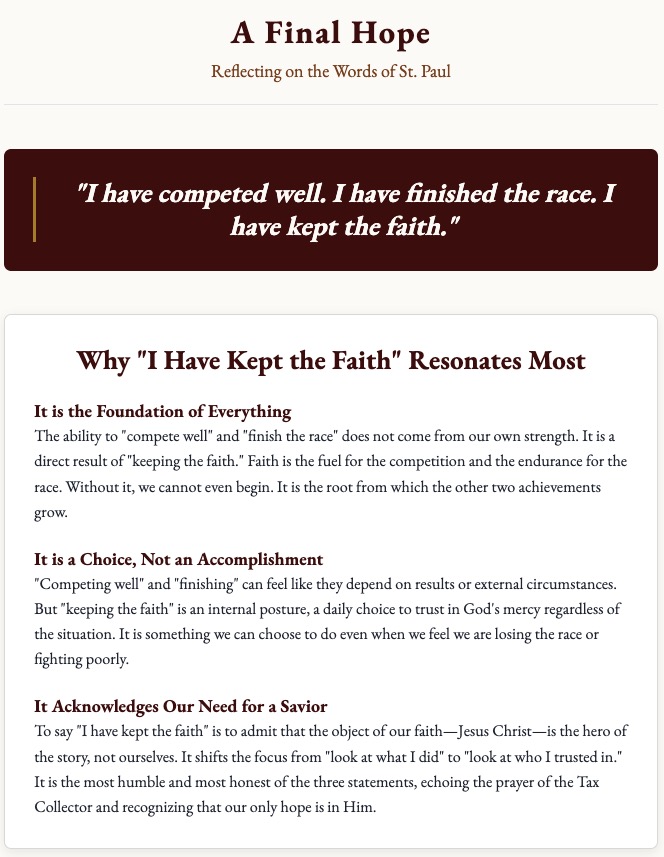
The final section connects a humble, prayerful heart to the confidence St. Paul expresses at the end of his life. The reading from Sirach reminds us that God shows special favor to the lowly—the opposite of the self-sufficient Pharisee. By avoiding judgment and embracing humility, we can hope to finish our race with the same trust as St. Paul.
Key Quote: “...so when our time comes we will be able to say with him that we have competed well. We have finished the race so we have kept the faith.”
Discussion Questions:
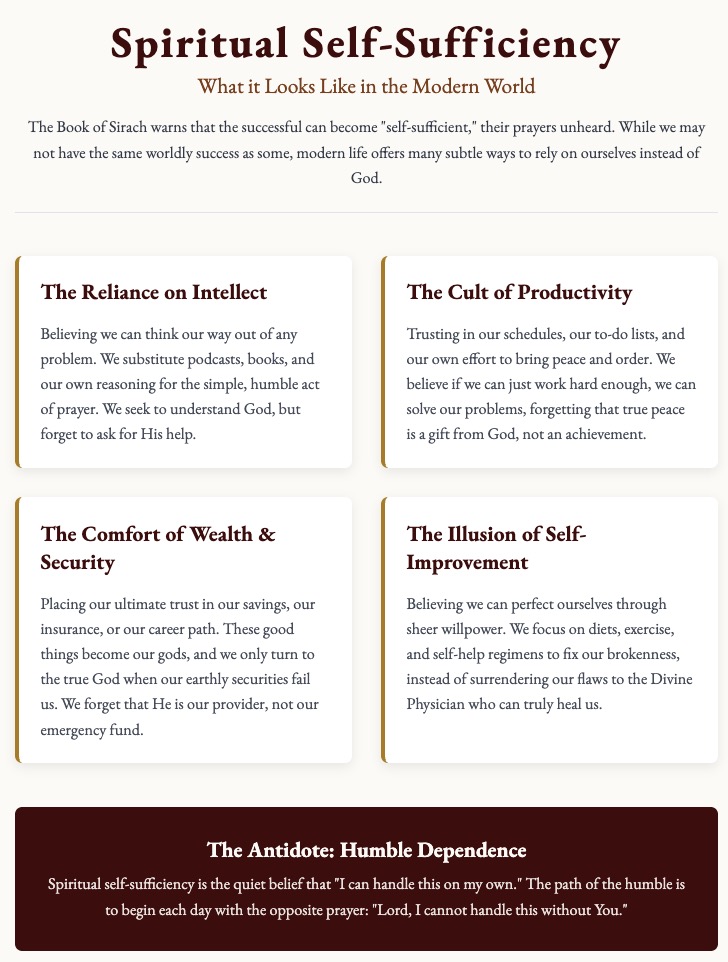
- The book of Sirach says God responds to the prayers of the "oppressed, the orphan, the widow, and the lowly," often because the successful can become "self-sufficient." What does spiritual "self-sufficiency" look like in our modern world?
- St. Paul expresses a profound confidence at the end of his life. The sermon argues that this confidence comes directly from his life of prayer and relationship with Christ. How does a humble prayer life build holy confidence rather than a worldly, arrogant one?
- Reflect on St. Paul's three statements: "I have competed well," "I have finished the race," and "I have kept the faith." Which of these three do you most hope to be able to say at the end of your own life? Why does that particular one resonate with you the most?

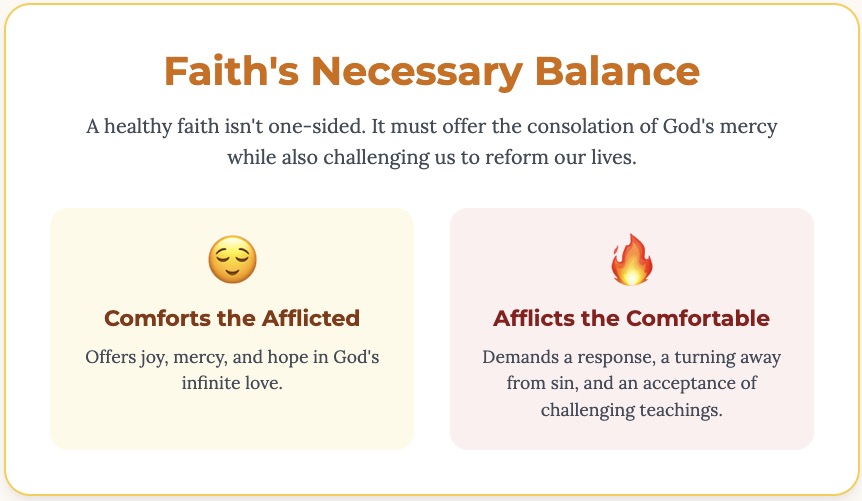
Our Faith is Meant to Afflict the Comfortable
Faith challenges complacency and calls for personal reform and stewardship of God’s gifts, emphasizing the importance of caring for others and adhering to the Church’s teachings to avoid societal and spiritual downfall.
TWTW Visual Summary and Discussion Questions
Click to enlarge
Part 1: The Warning Against Worldly Comfort
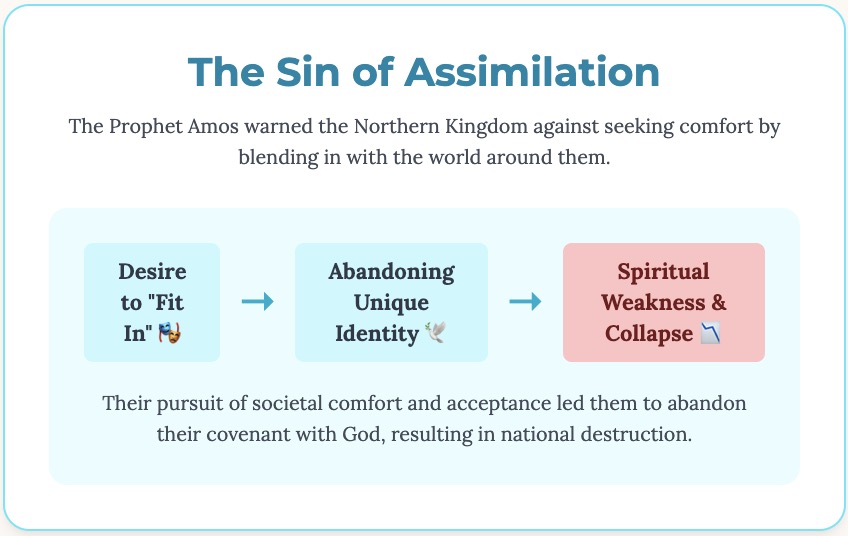
Focus: This section explores the homily's opening theme: that faith must both comfort and challenge us. It examines the historical example of the Prophet Amos warning Israel against the spiritual danger of seeking comfort through cultural assimilation.
Discussion Questions:
- Msgr. Hahn begins with the saying that faith is meant to "comfort the afflicted, but sometimes to afflict the comfortable." Can you recall a time when your faith was a great comfort? Can you recall a time when a teaching or scripture reading made you feel "afflicted" or challenged in your comfort? Why is this balance important?
- The people of the Northern Kingdom wanted to be "assimilated" and not seem different from the cultures around them. In what specific ways do we, as modern Catholics, feel pressure to "blend in" with secular society?
- Amos warned that this desire for comfort would lead to weakness and collapse. Where do you see this principle at work today? How does abandoning our unique Catholic identity in favor of societal acceptance make our faith weaker?

Click to enlarge
Part 2: The Individual Face of Complacency
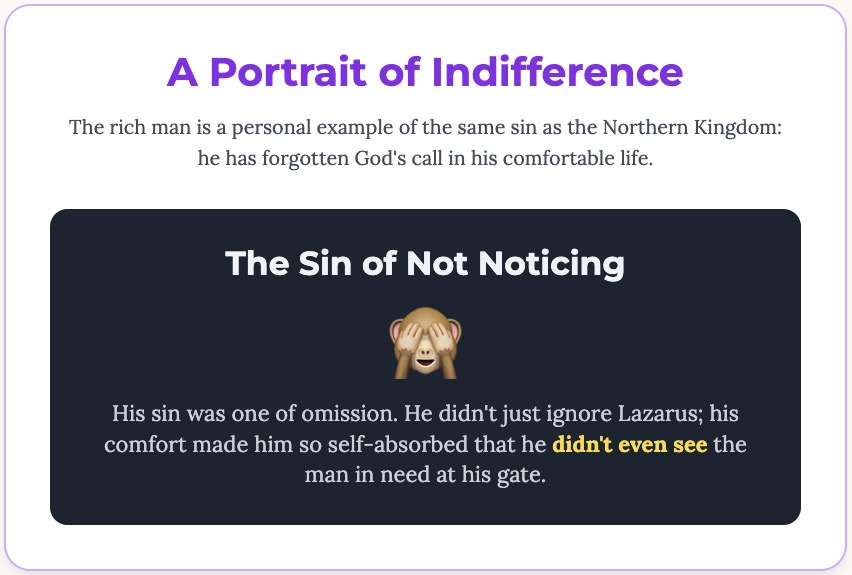
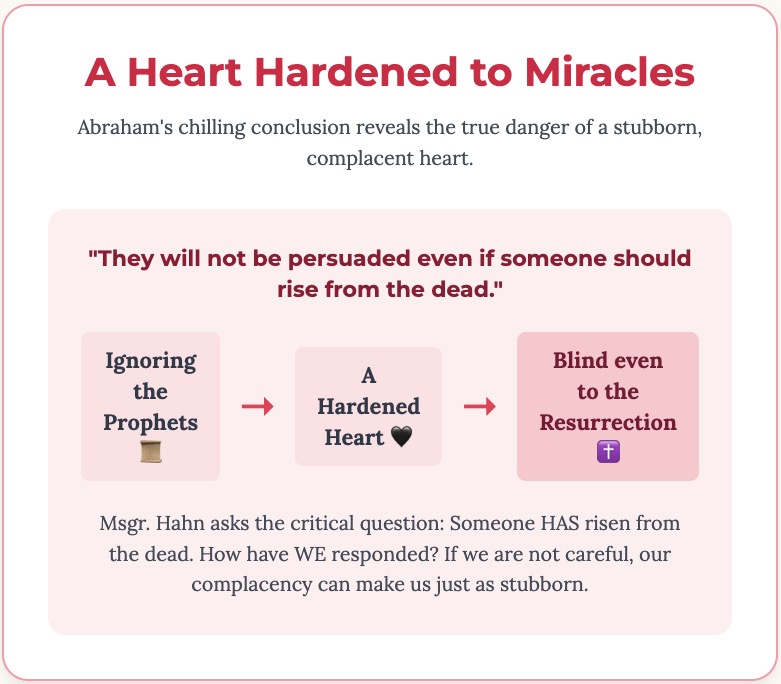
Focus: This section analyzes the Gospel parable of the rich man and Lazarus as a powerful, individual example of the destructive nature of self-centered indifference and the hardness of a complacent heart.
Discussion Questions:
- The homily emphasizes that the rich man's sin was a failure to notice. Why is this type of indifference, born from being overly comfortable, so spiritually dangerous? Who is the "Lazarus" at the gate of our society (or our own lives) that we might fail to notice?
- Abraham says the brothers have "the benefits of all the law and the prophets." What are the "prophetic voices" God gives us today to warn us against complacency (e.g., Scripture, Church teaching, the words of the Pope, our conscience)?
- Msgr. Hahn connects Abraham’s final words directly to us: "Someone has risen from the dead... and yet how do we respond?" If the Resurrection is the ultimate sign, why do we still fall into the trap of complacency? What does this say about the stubbornness of the human heart?

Click to enlarge
Part 3: The Urgent Call to Stewardship and Holiness
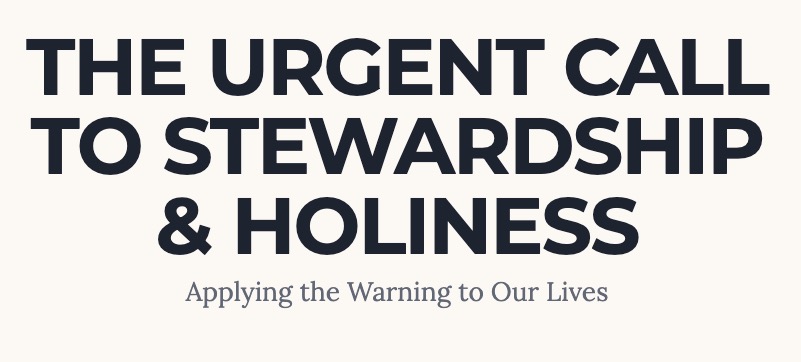
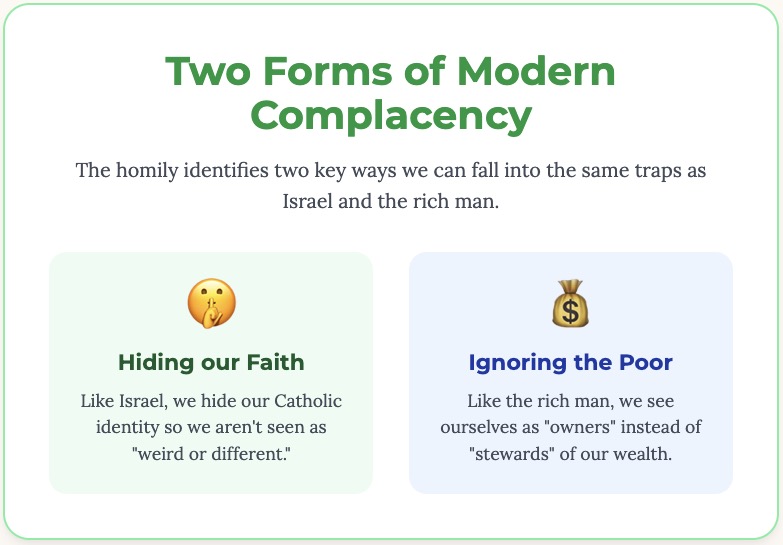
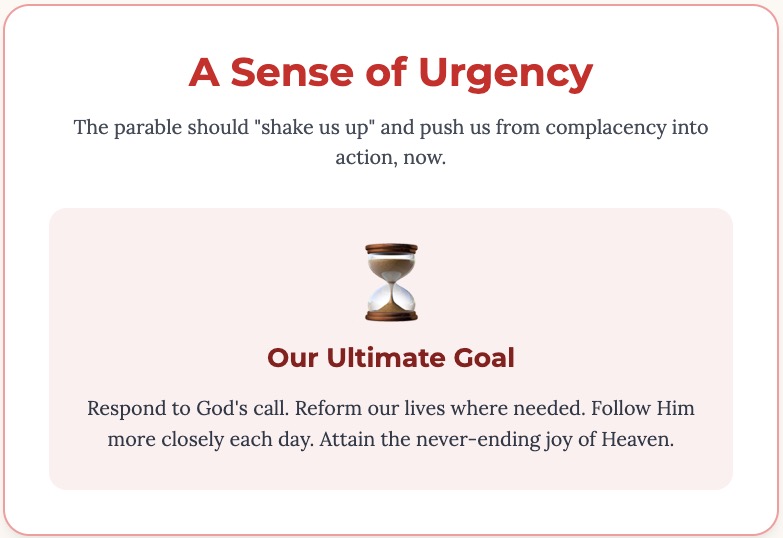
Focus: This final section applies the warnings to our modern lives, identifying contemporary forms of complacency and issuing an urgent call to reform our lives by embracing our role as stewards and actively pursuing holiness.
Discussion Questions:
- The homily presents two modern forms of complacency: hiding our faith to fit in, and failing to share our resources. Which of these two temptations do you find more challenging in your own life? Why?
- Discuss the concept of being "stewards" rather than "owners" of God's gifts. How does this shift in perspective change your view of your time, talents, and money?
- The readings are meant to give us a "sense of urgency." What is one practical area of your life (e.g., prayer, a specific sin, a relationship, an act of charity) where you feel God is calling you to move from complacency to urgent action?
- The homily concludes by calling us to "follow him more closely each day." What is one concrete step you can take this week to respond to that call and break out of a comfortable spiritual routine?
No Homilies Available
────── ⋆⋅☆⋅⋆ ──────
Msgr. Joseph Pellegrino
All Souls Day

Click to enlarge

I Will Reject No One who Comes to Me. (John 6:37)

We are all united in the Community of the Church. We are united to the saints in their triumph. We are united with the souls in purgatory in their preparation for
triumph. And the saints and souls in purgatory are united with us is our efforts to make
Christ a reality in our world. “I will reject no one who comes to me.” (John 6:37). We trust in the God who
loves us to care for us and our loved ones in life and in death. And so we pray, “Maythe souls of the faithful departed through the mercy of God rest in peace.”

────── ⋆⋅☆⋅⋆ ──────

All Souls Day
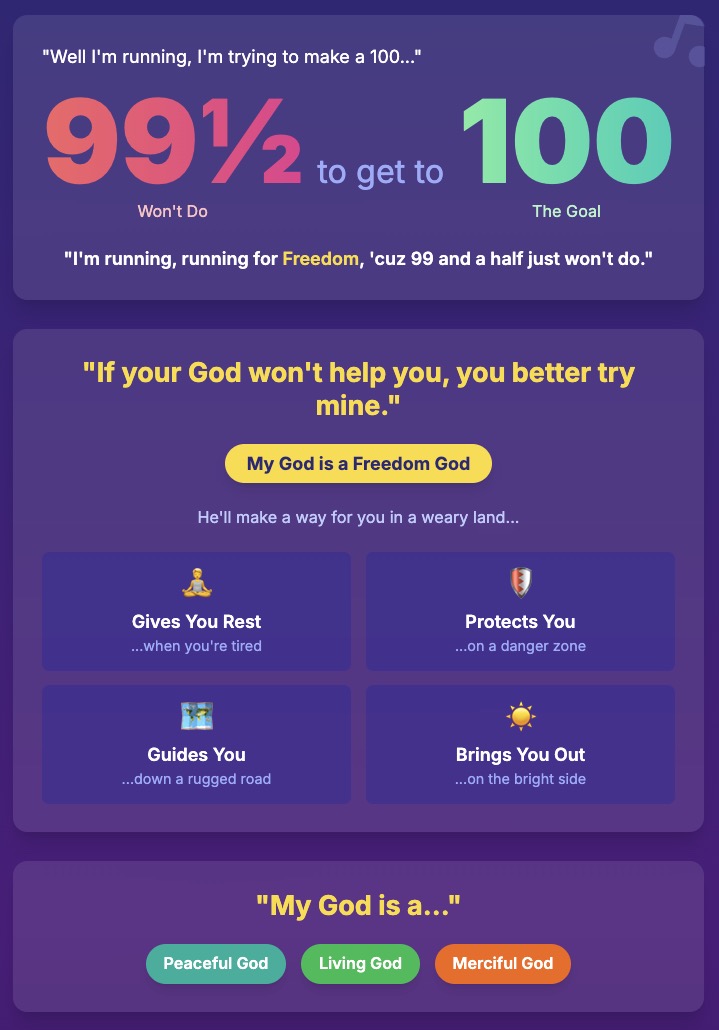
99 and a Half Won’t Do
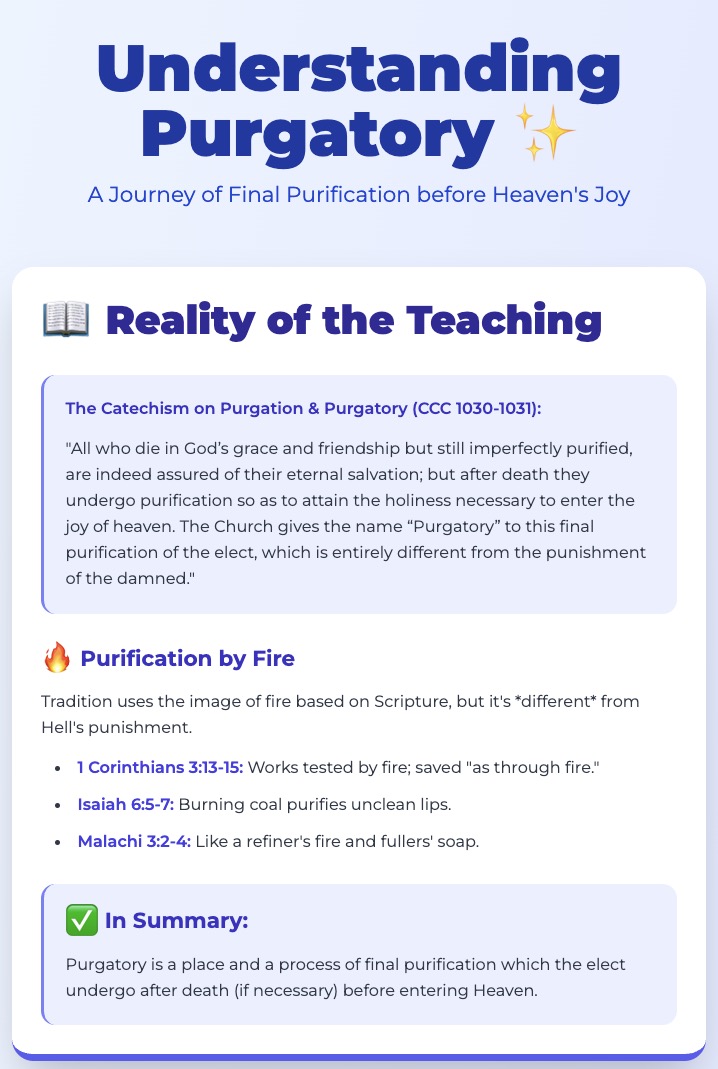
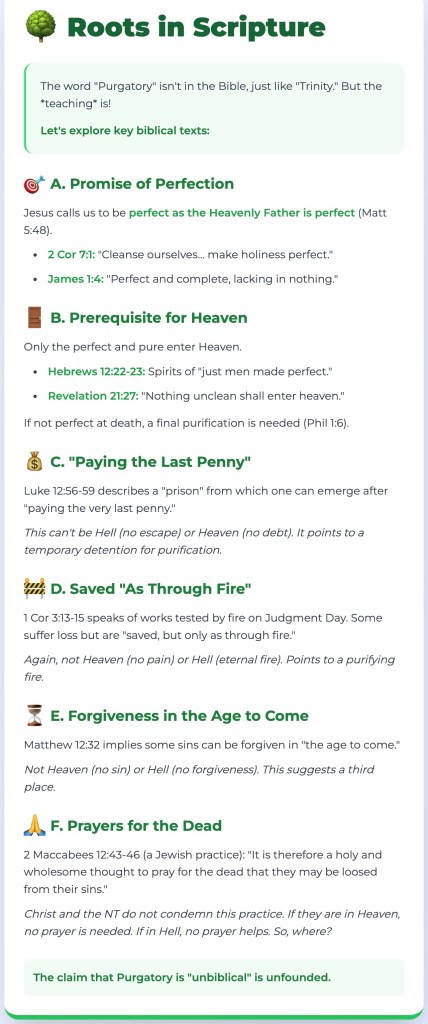
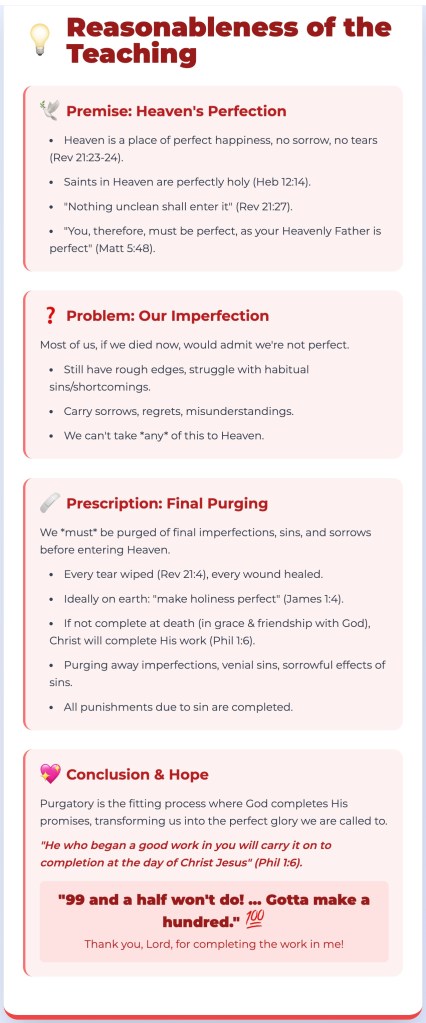
The Catholic teaching on Purgatory is one of the teachings of the Church that many struggle to understand today. Non-Catholics have generally rejected this teaching, calling it unbiblical. Actually, it is quite biblical and the biblical roots of the teaching will be shown in this reflection. Many Catholics, too, influenced and embarrassed by the protests of non-Catholics, have been led to downplay, question, or even reject this teaching. The task of this reflection is to set forth the Catholic teaching on Purgatory as both biblical and reasonable.
I. Reality of the Teaching
II. Roots of the Teaching in Scripture
III. The Reasonableness of the Teaching
────── ⋆⋅☆⋅⋆ ──────
Fr. Michael Chua
All Souls Day
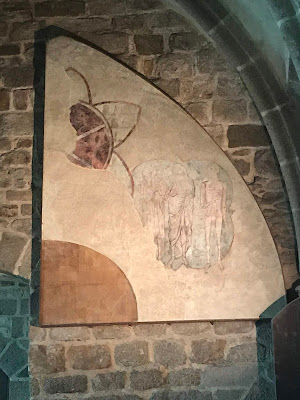
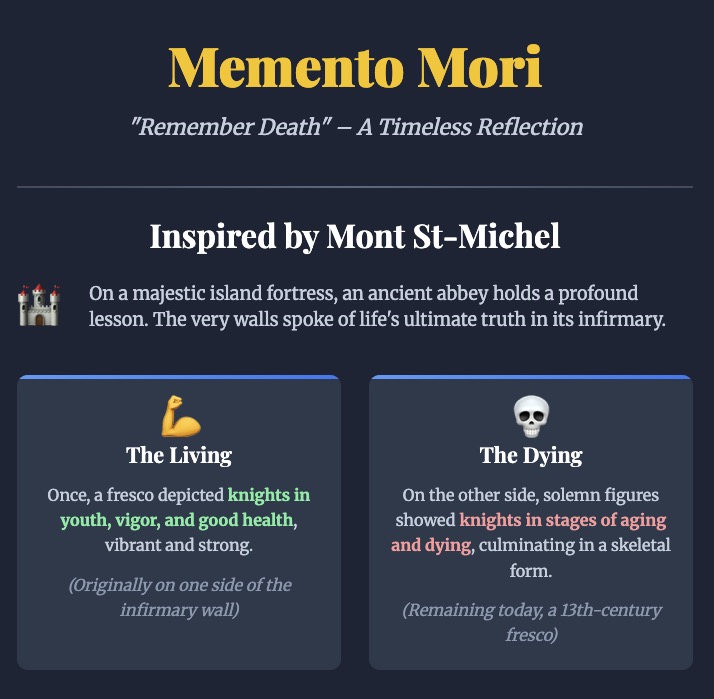

Today as the Church commemorates the death of all the faithful departed, today as we remember our loved ones who have passed, it is time to remember – “memento Mori.” It is a reminder that life is always a joust with Death, a spar with our mortality. It is an unfair match. Death is so much more powerful than the most powerful on this earth, even those who command armies and empires will finally have to bend their knee and acknowledge defeat at the end of their battle. But if one has died in Christ, if one has chosen to continue dying to himself in order that he may be configured more to Christ, then the tide can be turned, the outcome can be rewritten, the victory can be secured. With Christ by our side, we have no more fear of death, for we know that we will come out not as losers or the defeated, but as victors! Oblivion or perdition need not be the destiny of every mortal. The Church Triumphant, the company of all saints which we celebrated yesterday, awaits us.


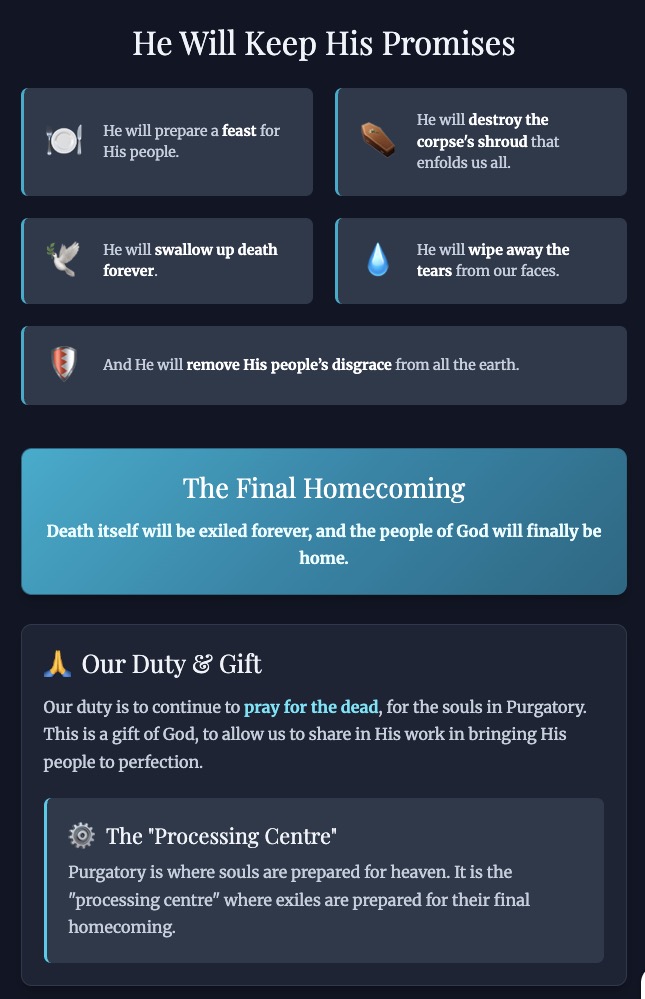
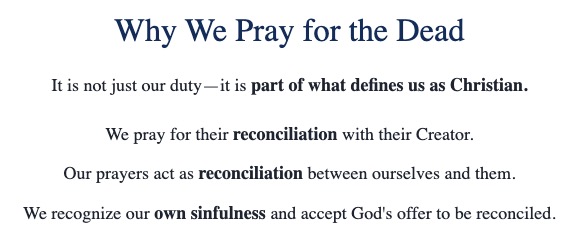
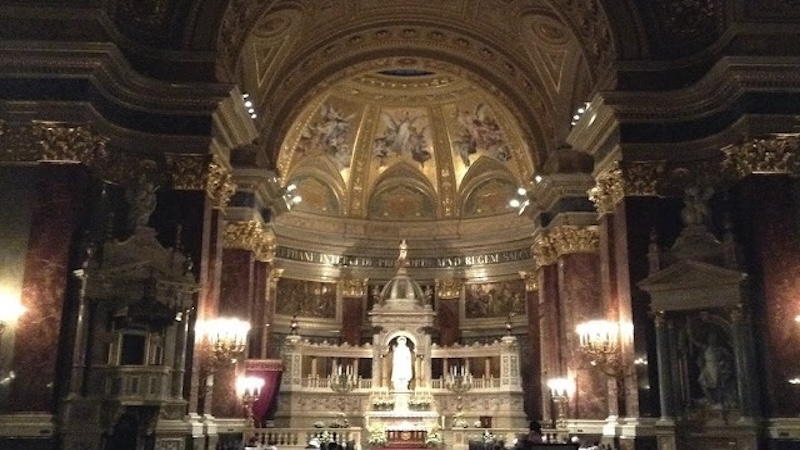
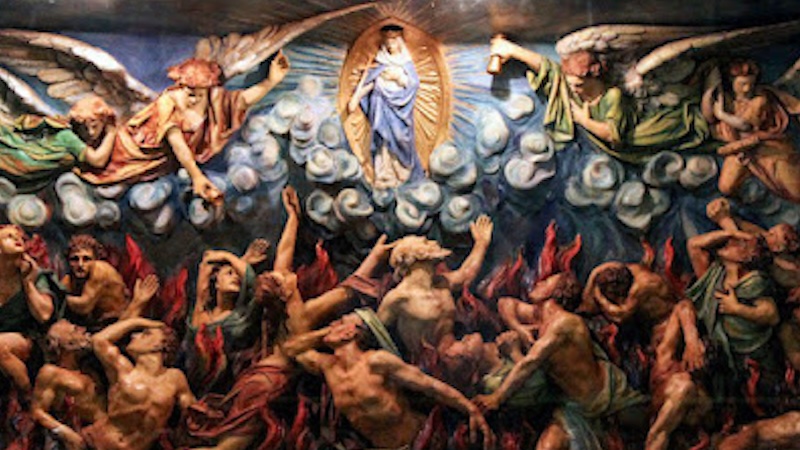
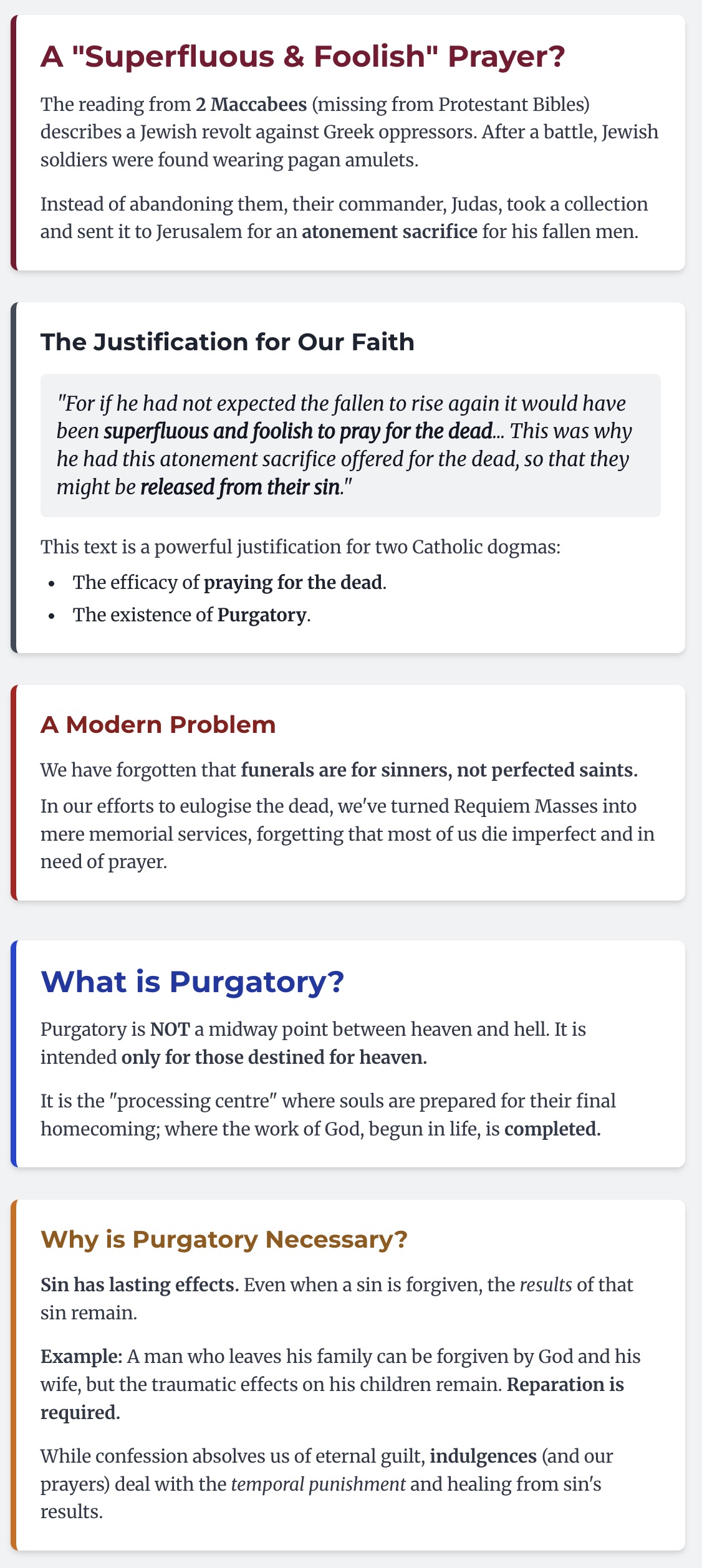
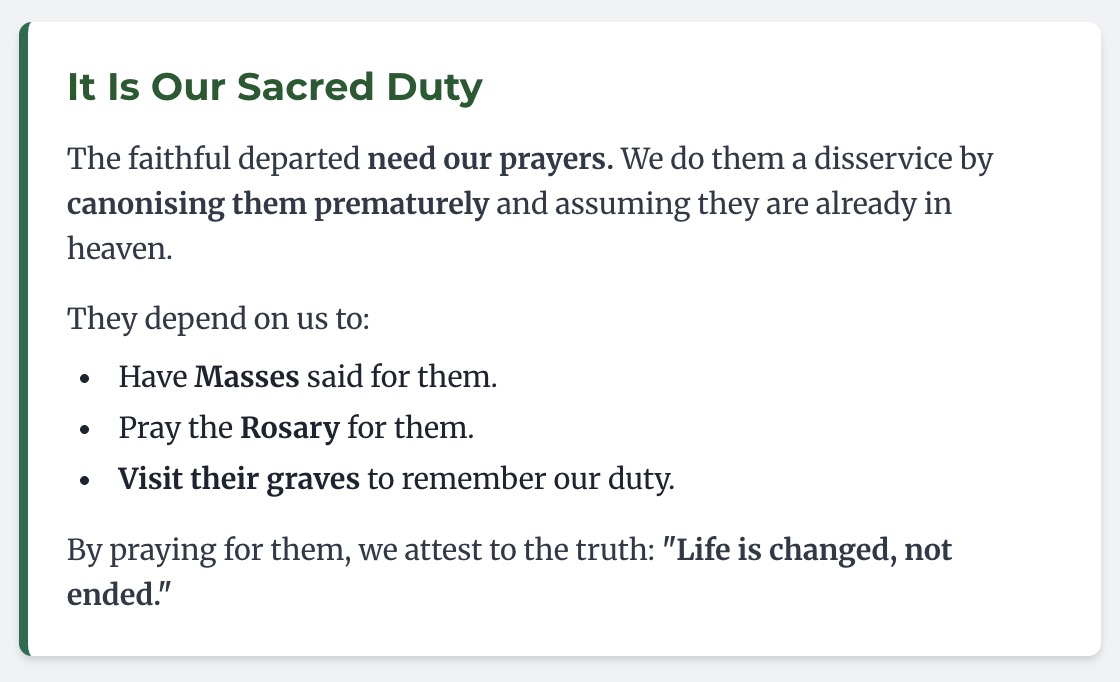
Our duty is to continue to pray for the dead, for the souls in Purgatory, and we do this, not because they need our prayers but because this is what the Holy Spirit has taught us to do. It is a gift of God, to allow us to share in His work in bringing His people to perfection. Purgatory is where souls are prepared for heaven, it is where the work of God which begun in their lives would be completed. It is the “processing centre” where exiles are prepared for their final homecoming to heaven. God wills that we should share in this work through our prayers. And by praying for them, we are attesting to the truth, “life is changed, not ended” at death.
Click to enlarge
Our Duty to Pray
for the Dead
The Books of Maccabees tell us that it is a good thing to pray for the dead. But it is more than just a recommended “good thing,” it is our duty! Our duty is to continue to pray for the dead, for the souls in Purgatory, and we do this, because this is what the Holy Spirit has taught us to do. It is a gift of God, to allow us to share in His work in bringing His people to perfection. God wills that we should share in this work through our prayers. And by praying for them, we are attesting to the truth, “life is changed, not ended” at death.
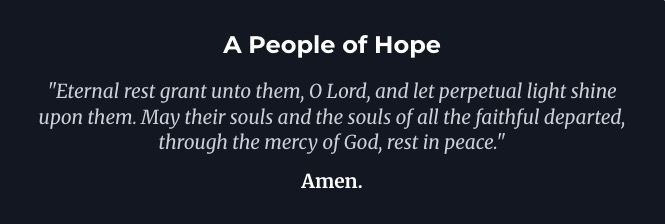
And so we pray this ancient prayer which our ancestors prayed, and we hope that our descendants would continue to do so for us:
────── ⋆⋅☆⋅⋆ ──────
Fr. Jude Langeh, CMF

All Souls Day
No Homily Available

Father Geoffrey Plant
All Souls Day


The Resurrection of the Body
This Sunday we gather together to commend all the faithful departed to the love and compassion of God our Father. But today’s commemoration also offers us the opportunity to reflect upon death, and what lies beyond the grave.
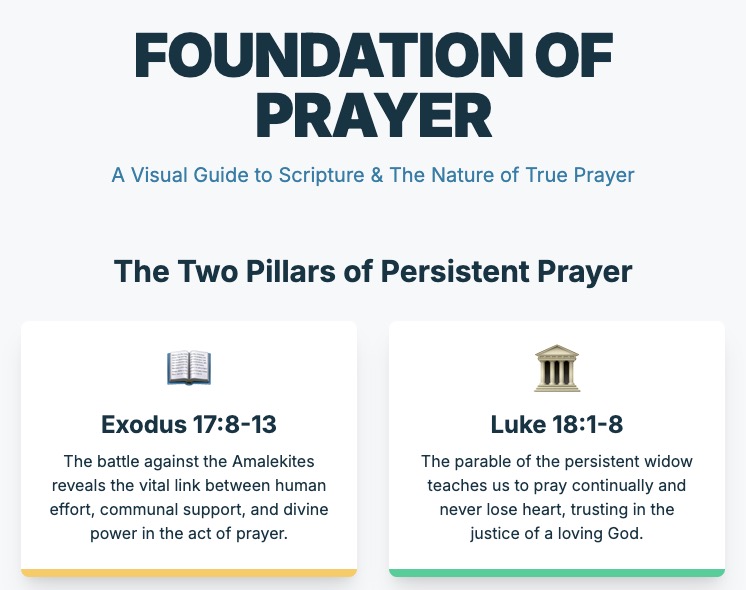
TWTW Visual Summary and Discussion Questions

More Resources for Preachers

Doctrinal Homily Outlines

The reflection questions and infographics featured in this section have been created with the help of Google Gemini 2.5 AI tools, using Chart.js and Tailwind CSS. THE WORD THIS WEEK is happy to offer these resources to any non-profit ministry for use, and kindly request that you provide credit to the website and the respective contributors whose content is illustrated.