November 9, 2025
November 9, 2025


Homily Videos Bishop Barron
Homily Videos Bishop Barron
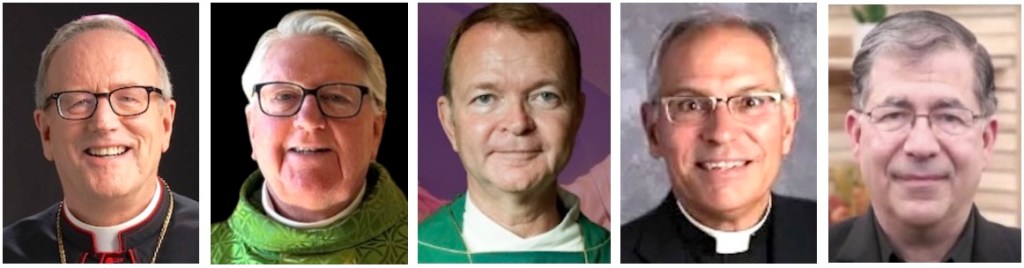
Bishop Robert Barron

Dedication of the Lateran Basilica

Finish the Race
With the wisdom that comes from a life dedicated to spreading the Gospel, Paul imparts a powerful message which likens the spiritual journey to a race, encompassing various phases, from the initial zeal and determination to moments of exhaustion and doubt.
TWTW Visual Summary and Discussion Questions

Click to enlarge
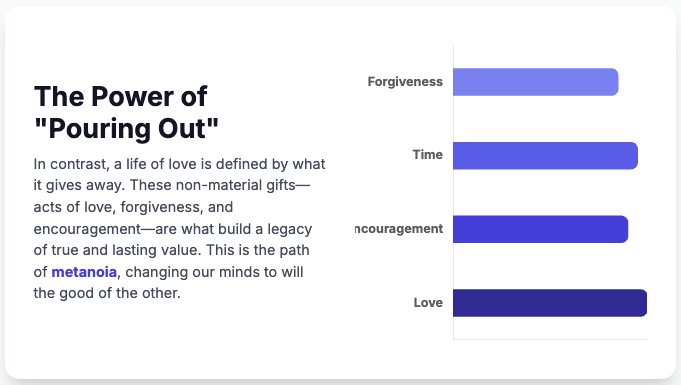
Part 1: Poured Out Like a Libation (A Life of Self-Emptying)
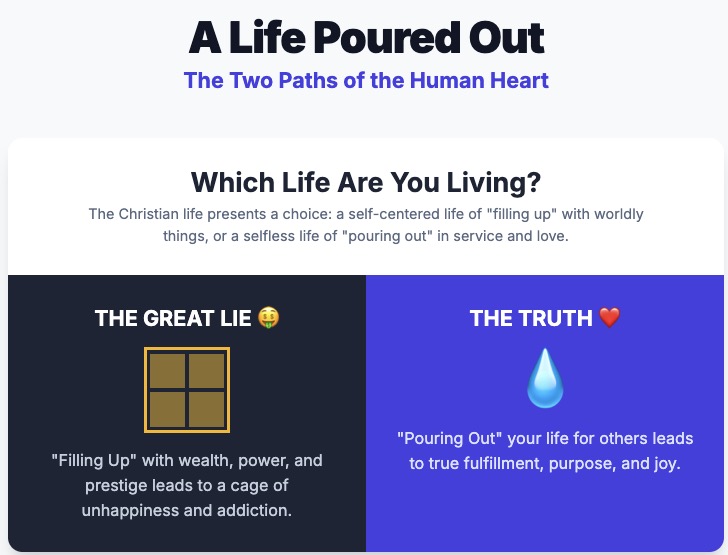
The speaker begins by exploring Paul's statement, "I am already being poured out like a libation." This section focuses on the contrast between a life of "filling up" with worldly things and a Christian life of "emptying out" in service to others.
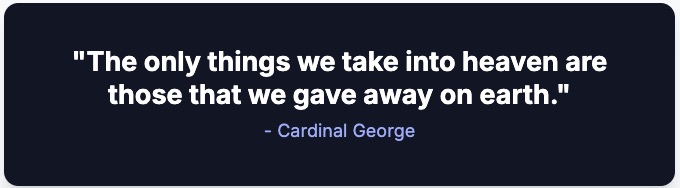
Key Quote: “The only things we take into heaven are those that we gave away on earth.” - Cardinal George
- Before hearing the explanation, what did you think "poured out like a libation" might mean? How did the historical context of a Roman or Jewish drink offering deepen your understanding of Paul's words?
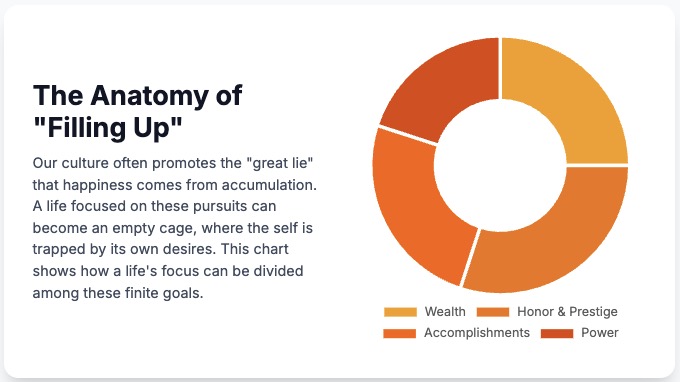
- The speaker describes the "great lie" of our culture as the need to constantly "fill our cage" with things like wealth, honor, and accomplishments to be happy. Where do you see this message most strongly in the world around you today?
- Be honest with yourself: In what areas of your own life do you find yourself focused on "filling up" rather than "pouring out"?
- To love is to "will the good of the other." How does this definition of love challenge a self-focused worldview? Can you share a time when someone "poured themselves out" for you, and the impact it had?
- Reflect on the Cardinal's quote. What are some non-material things we can "give away" on earth that we might take with us to heaven? (e.g., forgiveness, time, encouragement, love).
Click to enlarge
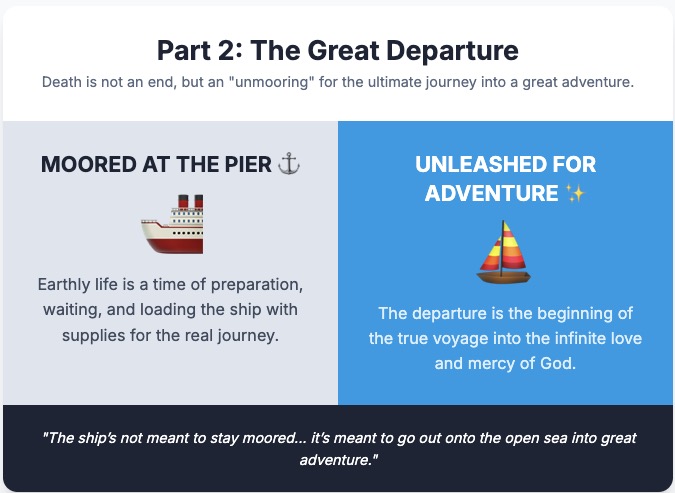
Part 2: The Time of Departure (Unmooring for the Great Journey)
This section reflects on Paul's beautiful image of death not as an end, but as a departure. The speaker uses the Greek word analuseos—the unmooring of a ship—to frame our earthly life as a preparation for the ultimate journey.
Key Quote: "The ship’s not meant to stay moored by the pier with all of its accoutrement in place. No, it’s meant to be unloosed, unleashed. It’s meant to go out onto the open sea into great adventure."
- How does the image of a ship being unmoored for a great voyage change your emotional response to Paul's statement, "The time of my departure is at hand"? Does it make the idea of death feel different?
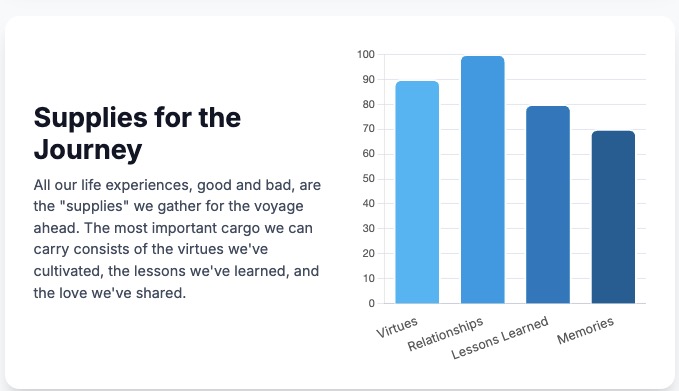
- The speaker suggests that all our life experiences—good and bad—are like "loading supplies onto the ship" for the real journey. What are some of the most important "supplies" (lessons, virtues, relationships, memories) that you feel you have gathered so far?
- Paul sees the end of his life as the beginning of his real adventure. How can we live our lives now with that same sense of purpose and direction, knowing we are preparing for a greater journey?
- For those who are younger, how can this perspective shape your life choices? For those who are older, how does this metaphor resonate with your current stage of life?
Click to enlarge
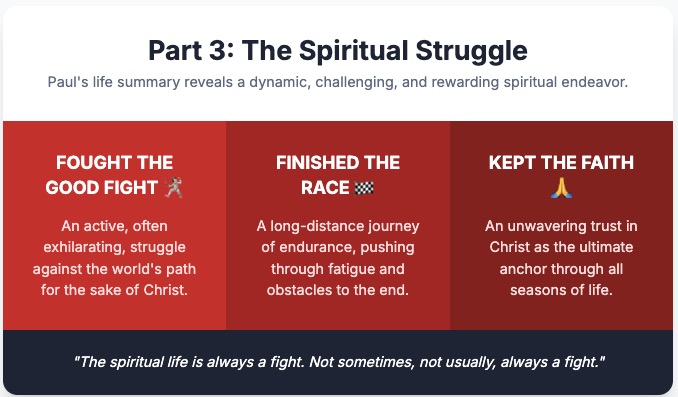
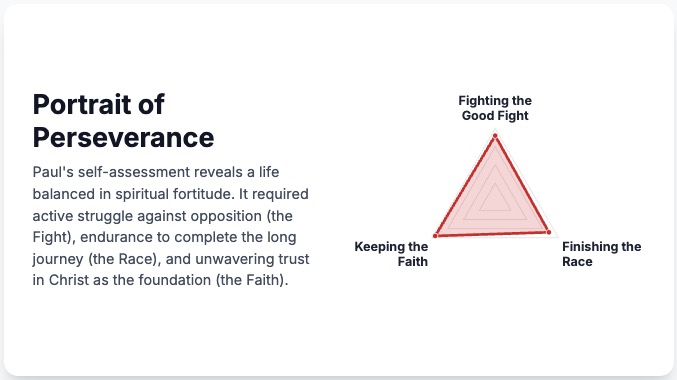
Part 3: The Spiritual Struggle (Fight, Race, & Faith)
The final section examines Paul's summary of his life: "I have fought the good fight, I have finished the race, I have kept the faith." It frames the spiritual life as an active, challenging, and ultimately rewarding endeavor.
Key Quote: "The spiritual life is always a fight. Not sometimes, not usually, always a fight."
- The Good Fight: Do you agree that the spiritual life is always a fight? What are the primary "battles" you face in your spiritual life (e.g., doubt, temptation, apathy, external opposition)? What distinguishes a "good fight" for Christ from simply being contentious?
- The Race: The speaker describes the different stages of a race: the exciting start, the long slog, the second wind, and "hitting the wall."
- Which stage of the race best describes your spiritual journey right now?
- If you've ever "hit the wall" spiritually, what helped you to keep going?
- What is the significance of Paul saying he "finished" the race, not that he "won" it? How does that encourage you?
- The Faith: Paul valued faith above all else. What are the biggest competitors for the central place of faith in our lives today? What does it practically mean to "keep the faith" when life is difficult or confusing?
- Which of these three statements—"I have fought the good fight," "I have finished the race," or "I have kept the faith"—do you most hope to be able to say at the end of your life? Why?

The Gospel is Jesus Christ
Friends, in our second reading this Sunday, Paul writes to Timothy, “Remember Jesus Christ, raised from the dead, a descendant of David: such is my gospel.” The Gospel is not the ethical teachings of Jesus or the doctrinal teachings of Saint Paul; the Gospel is Jesus himself. And Christianity is not a noble spiritual path or a set of ideas; it’s a relationship to Jesus. All those other things are great and follow from him—but it’s about him!
TWTW Visual Summary and Discussion Questions
St. John Lateran
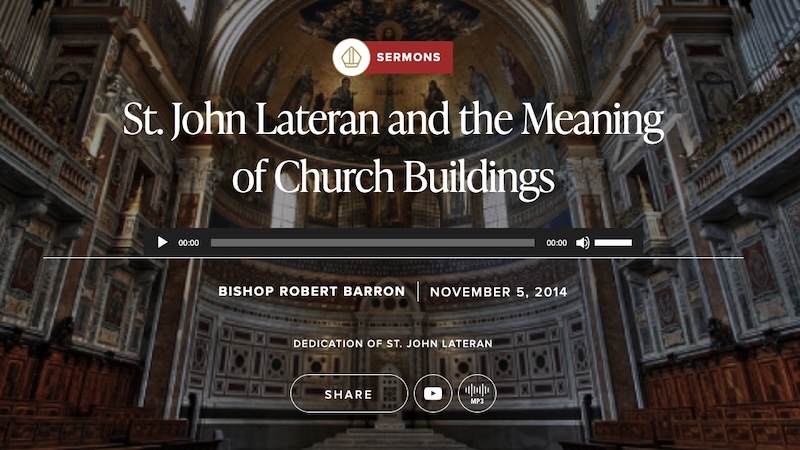
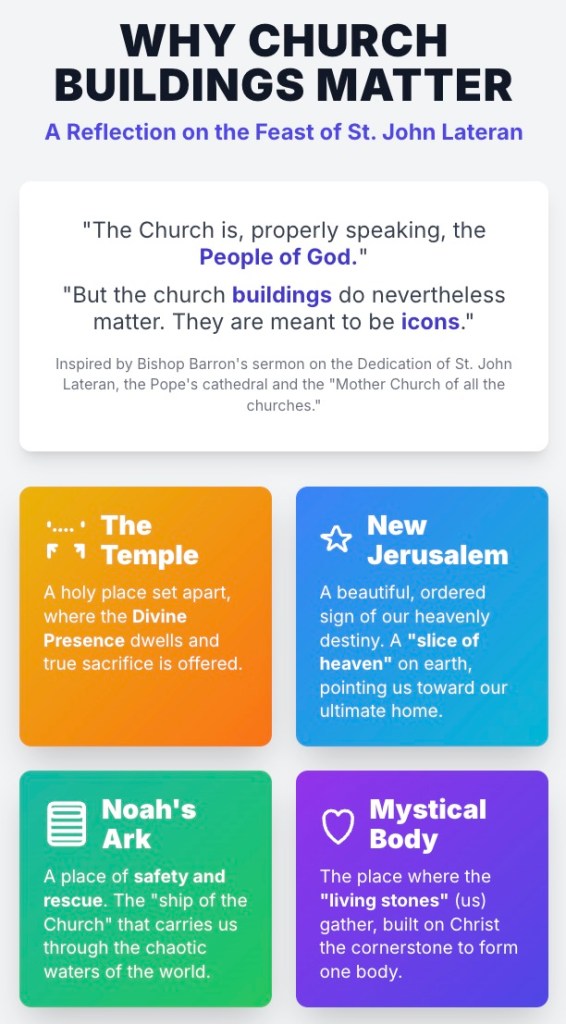
Today we celebrate the great Feast of the Dedication of St. John Lateran Basilica, which is the Pope’s cathedral church. It’s a time to remember that while the Church is, properly speaking, the people of God, church buildings do nevertheless matter. They are meant to recapitulate the Temple, the New Jerusalem, Noah’s Ark, and the Mystical Body of Jesus.

Father Geoffrey Plant
Dedication of the Lateran Basilica


Coming Soon!
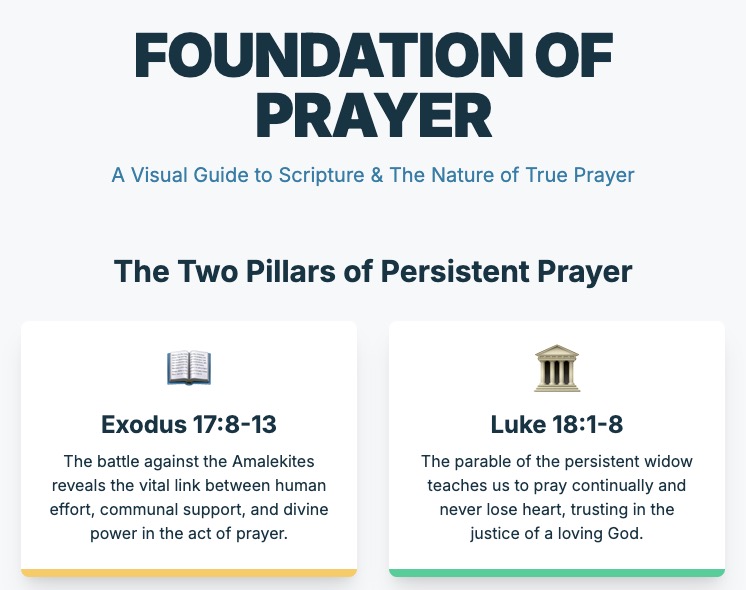
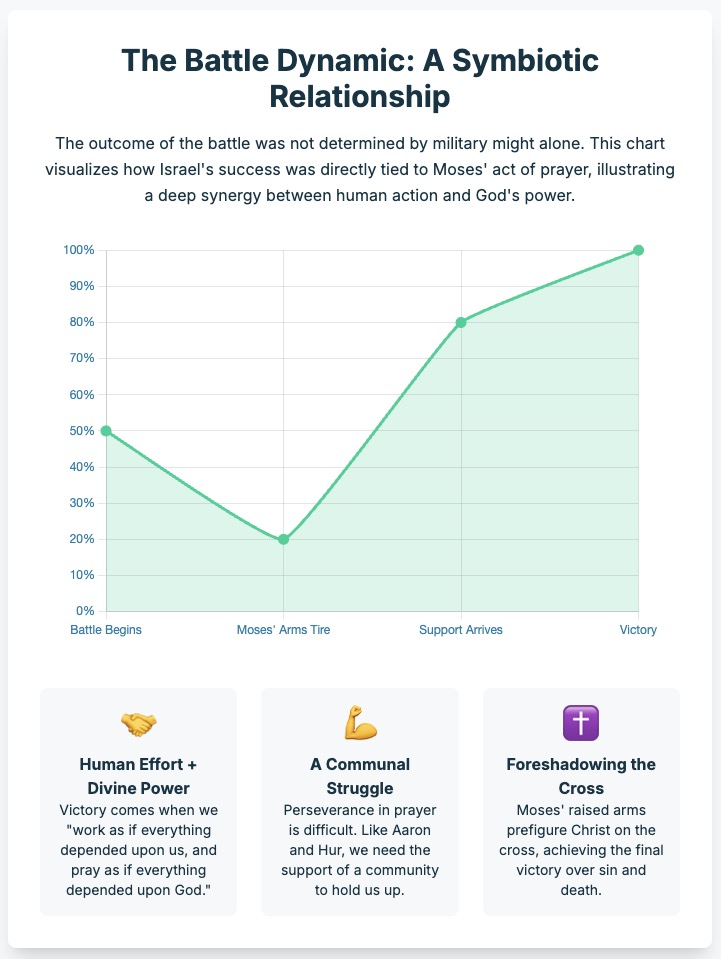
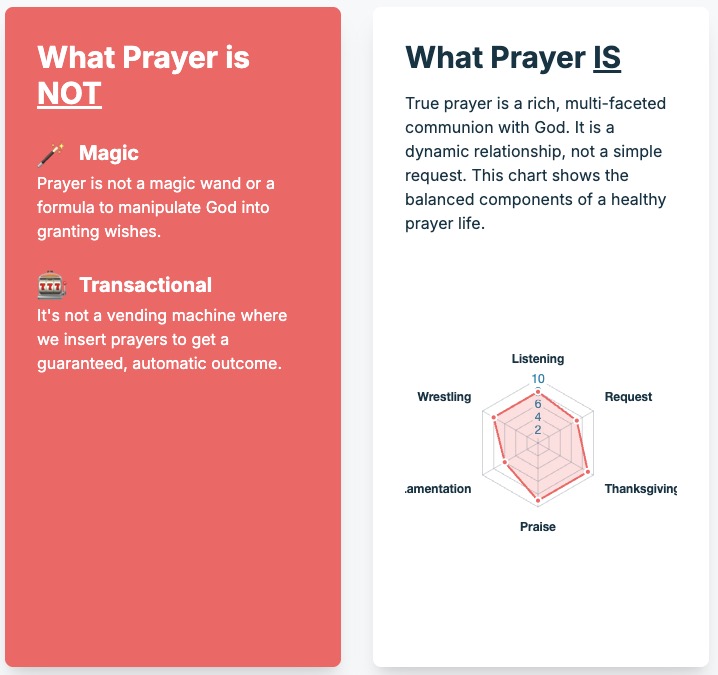
Fr. Plant, a Catholic priest of the Archdiocese of Sydney, Australia, offers a YouTube version of his homily as well as the text (as a PDF file) each week. The videos are considerably longer than the one that he preaches to a Sunday congregation. The intention behind this longer format is to provide a more comprehensive background to the Biblical texts. This is especially useful for small group or classroom presentations.
TWTW Visual Summary and Discussion Questions

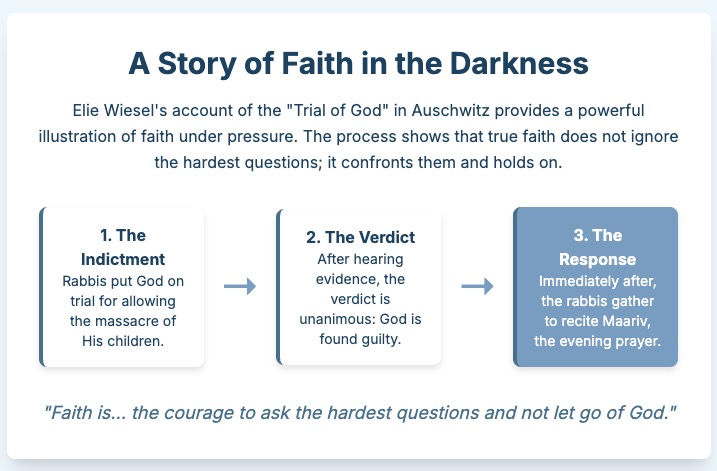
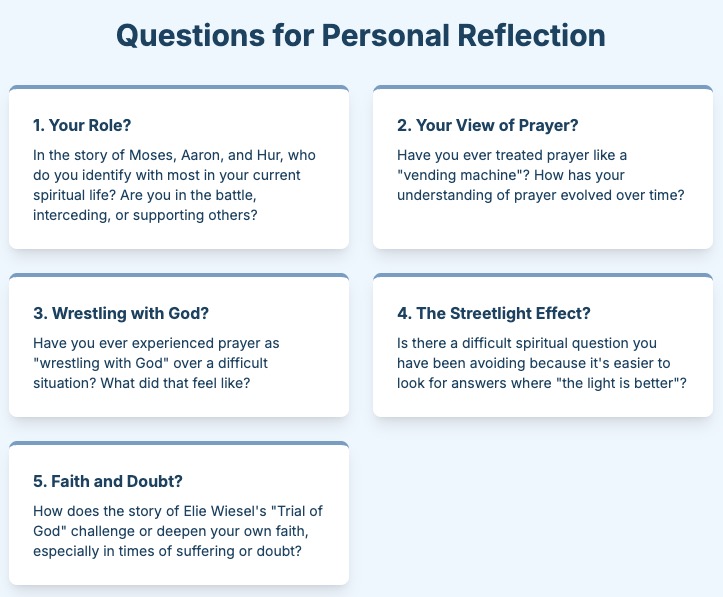
Father Kevin Rettig
Dedication of the Lateran Basilica

Superman’s Arrogance
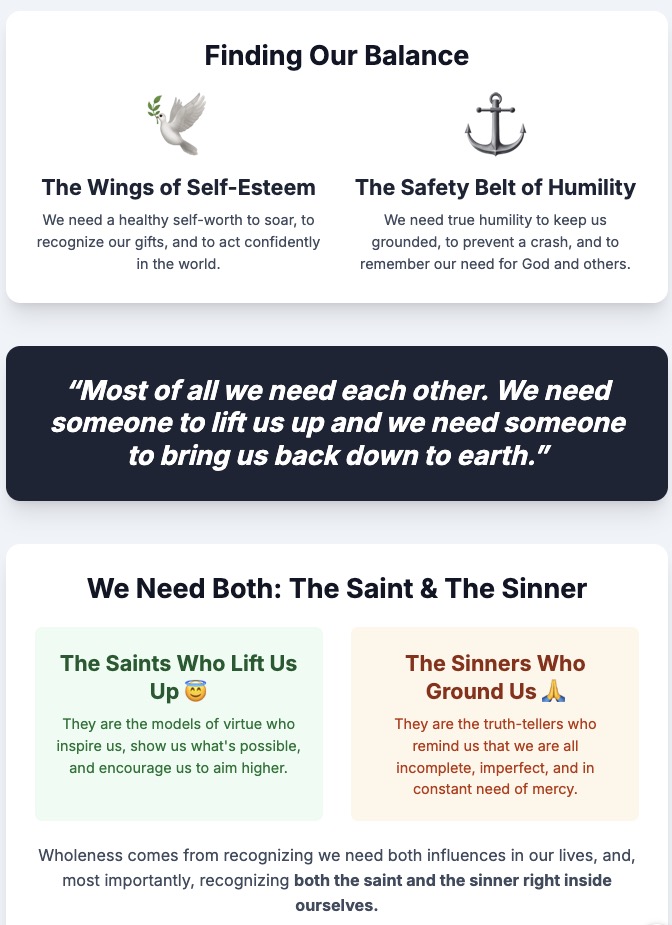
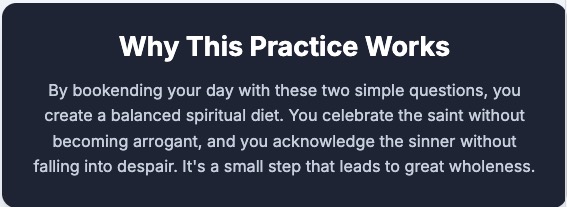
Humility is a vital quality that allows individuals to recognize their own limitations and weaknesses, and that it can help people form meaningful connections with others and avoid the pitfalls of arrogance and pride. We need a balance of self-esteem and humility, as well as the support of others, to recognize our own strengths and weaknesses and avoid extremes of pride and failure.
TWTW Visual Summary and Discussion Questions
EXPANDED VERSION: w/ ANSWERS

Click to enlarge
Discussion Questions:
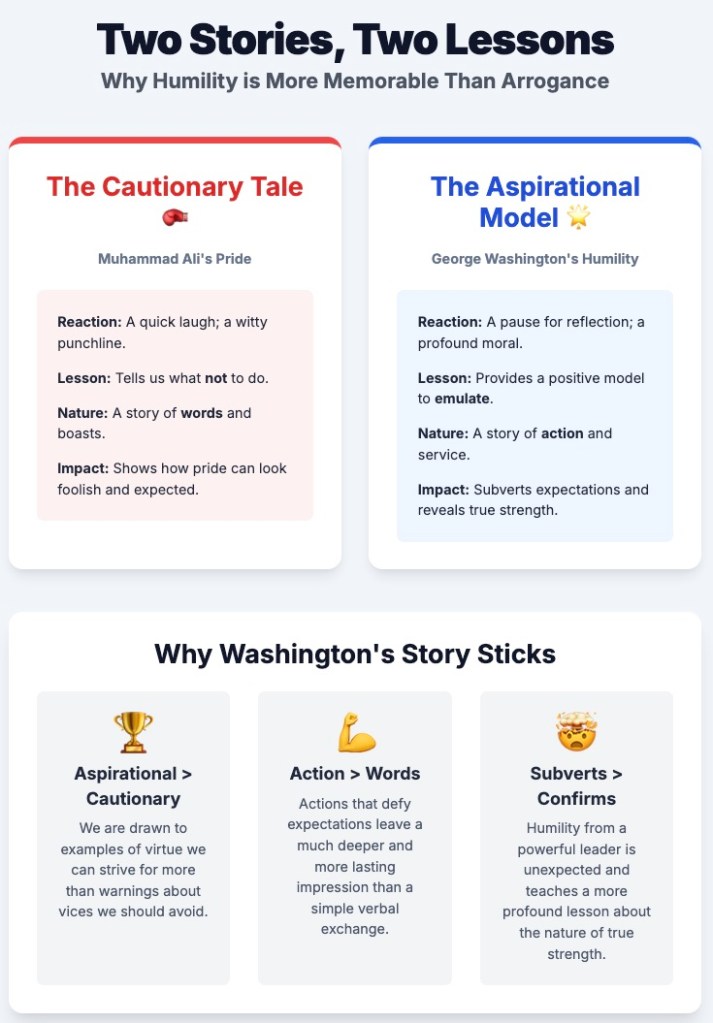
1 What was your immediate reaction to the stories of Muhammad Ali and George Washington? Why do you think the story of Washington's humility is more memorable and impactful than the story of Ali's arrogance?
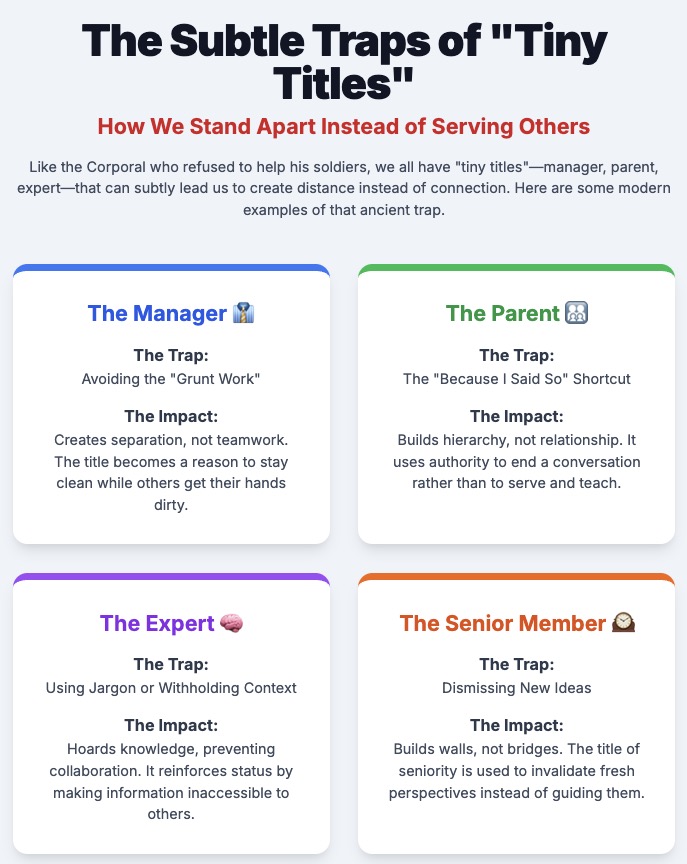
2 The Corporal says, "I am the Corporal I give the orders." In what subtle ways do we sometimes use our own "tiny titles" (as a parent, a manager, an expert, etc.) to stand apart from others rather than serve them?
3 The stewardess's clever reply to Muhammad Ali ("Superman don't need no airplane either") quickly brought him back to reality. Who or what serves as a "reality check" in your own life to keep your pride in check?

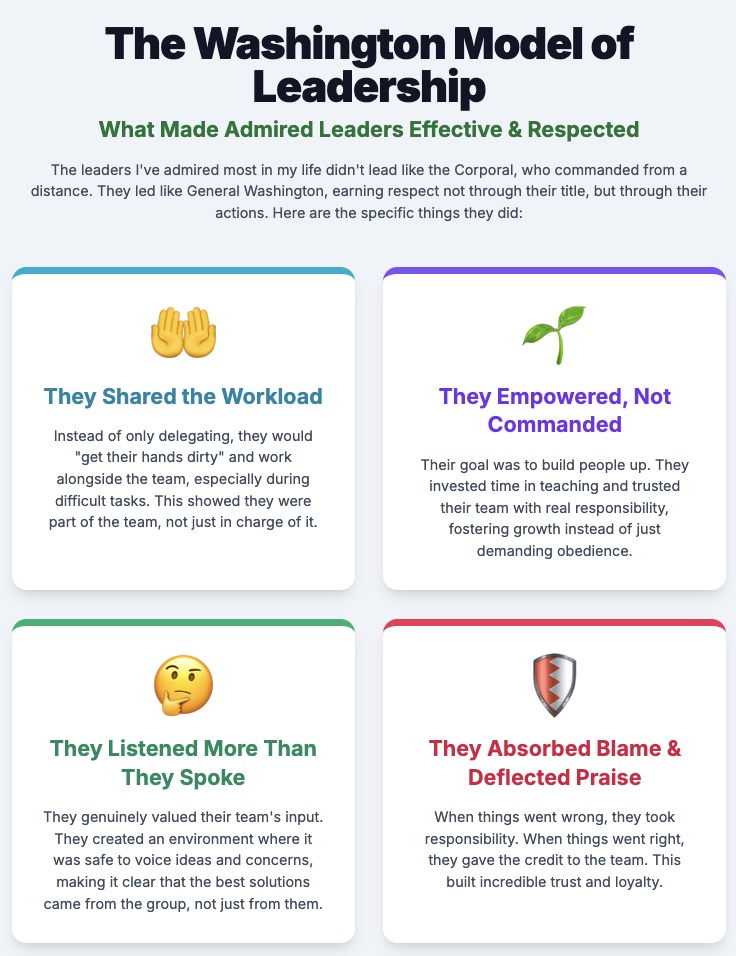
4 Think about leaders you have admired in your own life. Did they tend to lead more like the Corporal or more like General Washington? What specific actions made them effective and respected?
Click to enlarge
Discussion Questions:
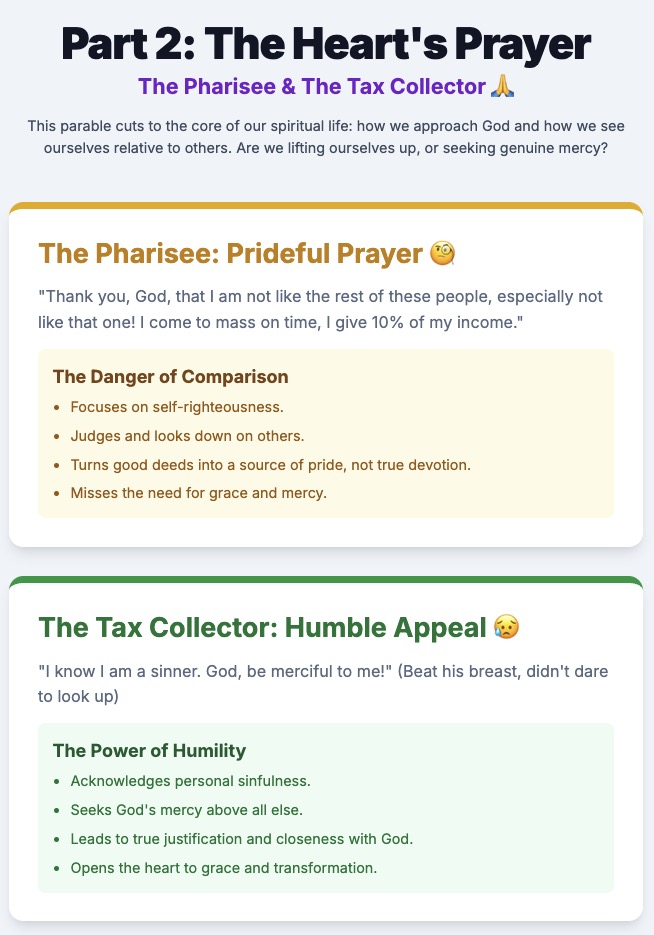
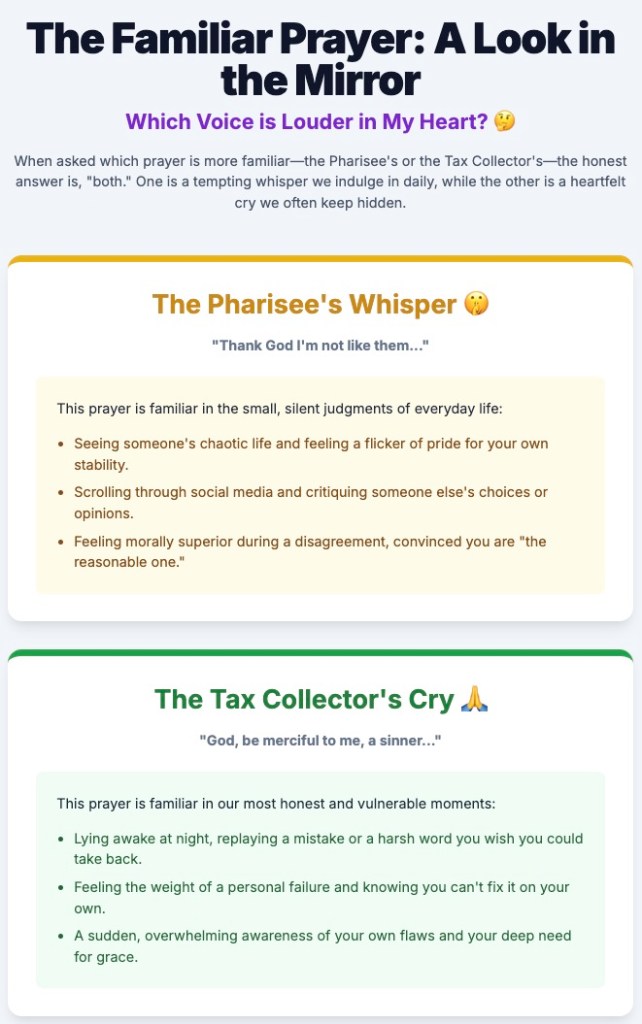
1 Be honest with yourself: Which character's prayer feels more familiar to you? Are there times you find yourself silently thanking God you are "not like" other people?
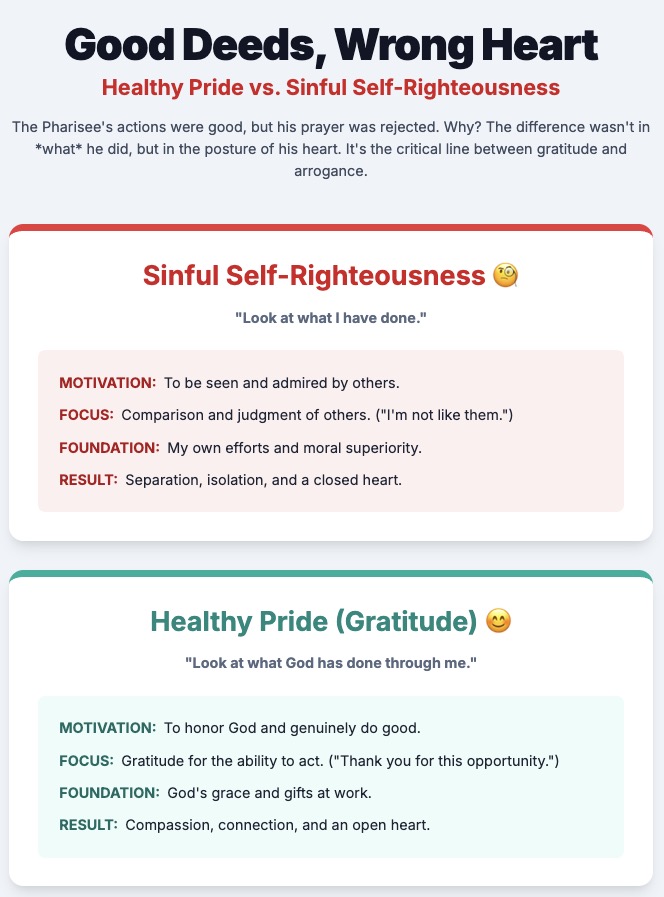
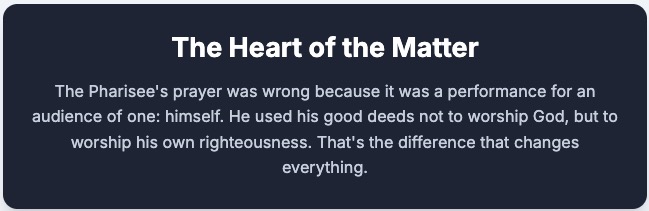
2 The Pharisee wasn't lying; he listed his good deeds accurately (tithing, attending service). Why, then, was his prayer so wrong in the eyes of God? What is the difference between healthy pride in one's actions and sinful self-righteousness?
3 The tax collector "did not dare to look up." His shame and awareness of his sin were profound. Why is this posture of humility—beating his breast and asking for mercy—so powerful and effective?
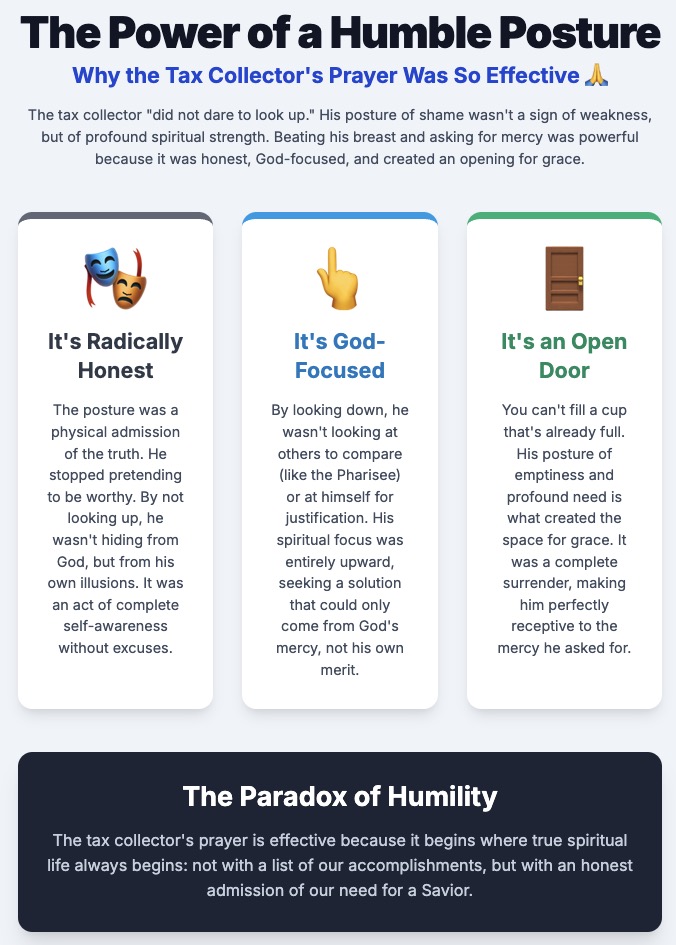
4 The homily suggests we might find a piece of ourselves in both men. What "Pharisee" tendencies (judgment, pride) and "tax collector" tendencies (awareness of sin, need for mercy) do you recognize in your own heart?



Click to enlarge
Discussion Questions:
1 The homily poignantly states that the Pharisee and the tax collector "could have changed each other's life." What could they have offered one another if one hadn't been looking down and the other hadn't been afraid to look up?
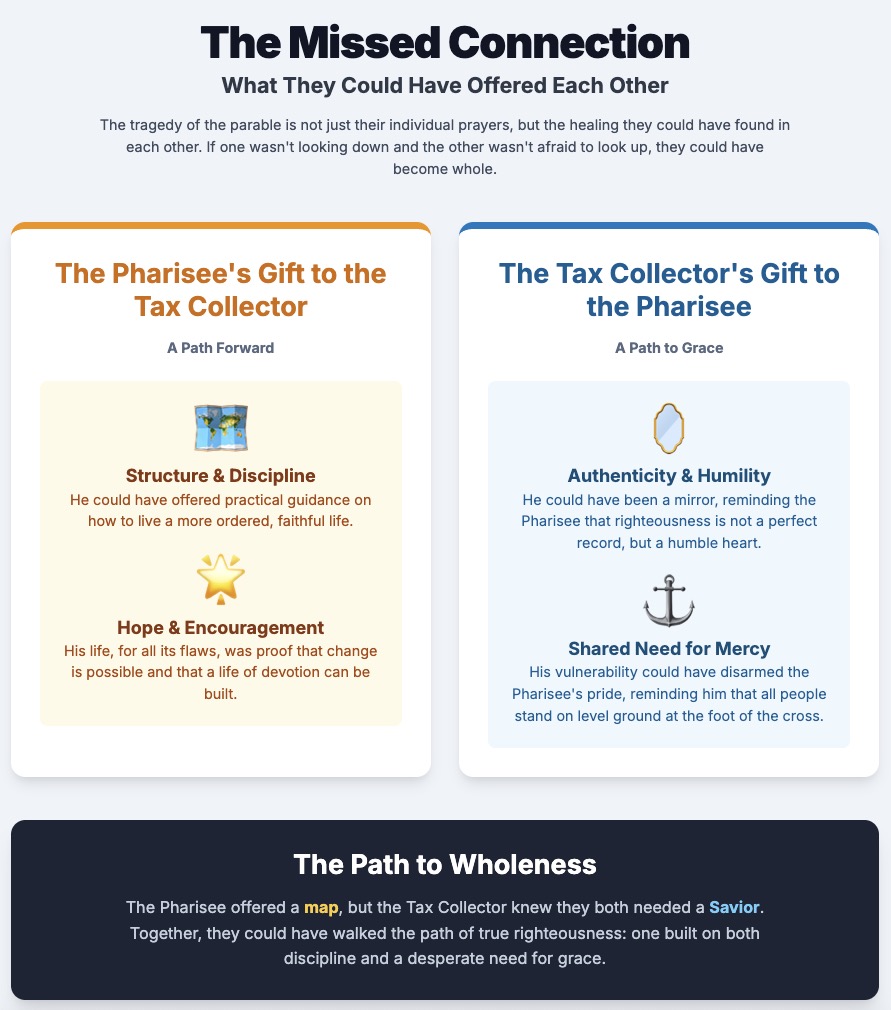
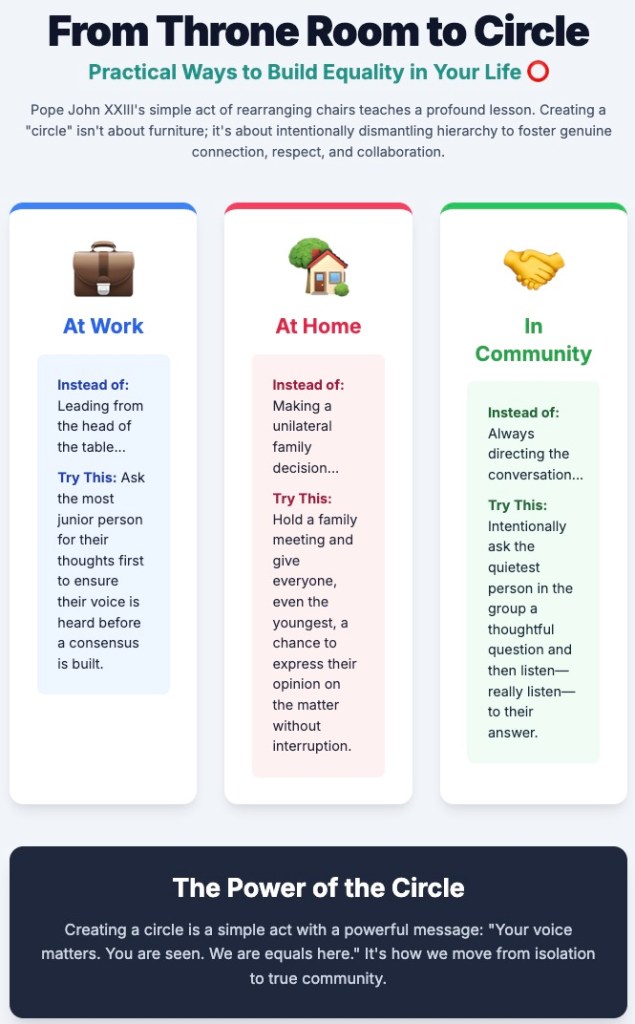
2 Pope John XXIII created a circle of chairs, making himself equal to his guests. What is a practical way you could create a "circle" instead of a "throne room" in one of your relationships or communities?
3 The conclusion uses the metaphor of needing both "the wings of a healthy self-esteem to be able to soar and... the safety belt of true humility so that we don't crash." How do you find a healthy balance between these two needs in your life? Do you tend to lean more one way than the other?

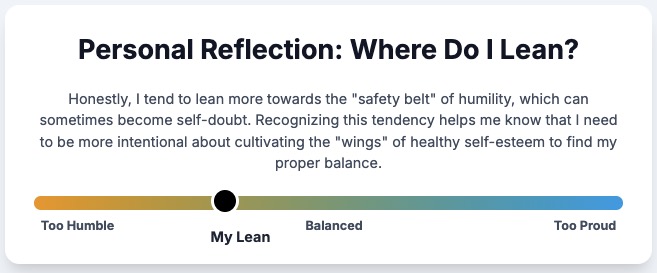
4 Who are the "saints" in your life who lift you up and inspire you? Who are the people who act as "sinners" (or perhaps just humble truth-tellers) that bring you back down to earth? Why is it essential to have both?

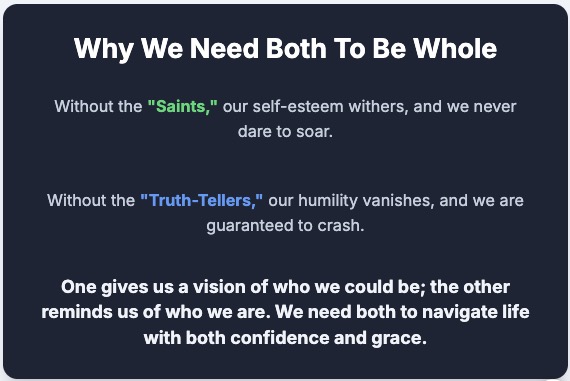
5 What is one concrete step you can take this week to better recognize and embrace both the "saint" and the "sinner" within yourself?


The Sin of Not Noticing
Fr. Ruttig’s homily explores sacrificial love through the Cross. It confronts our tendency to feel that God is distant in our pain and reveals the Cross as God’s definitive, empathetic answer: a powerful, flesh-and-blood “Me too.”
TWTW Visual Summary and Discussion Questions
Click to enlarge
The Practice of Noticing
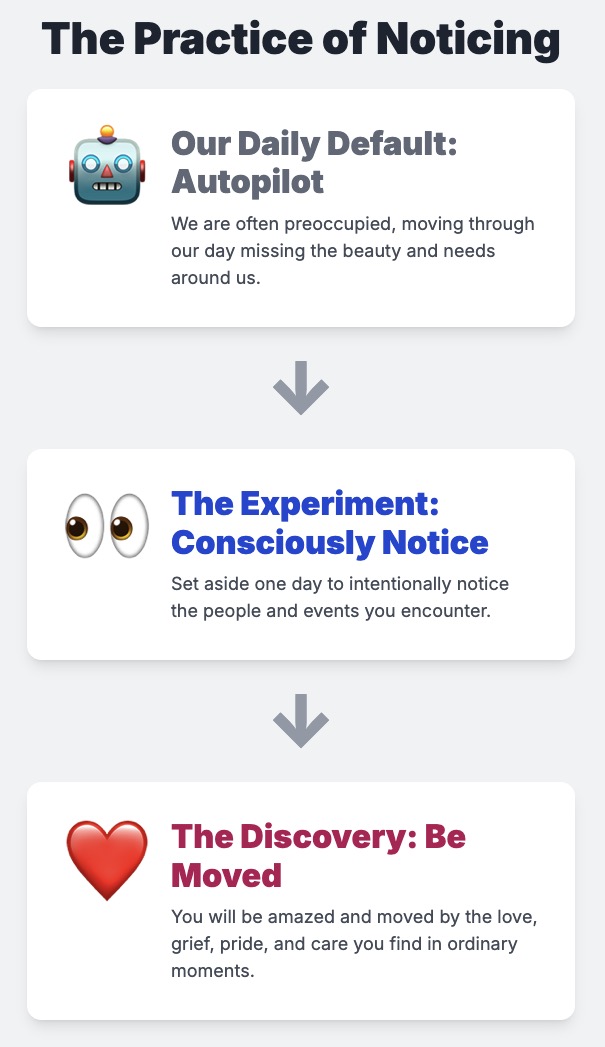
Fr. Rettig's personal experiment reveals that noticing is a spiritual practice. These questions explore what it means to cultivate this virtue in our own lives.
Discussion Questions:
Fr. Rettig begins with a story about a tombstone that read, "I told you I was sick," highlighting the deep human need to be noticed. Think of a time you felt truly "seen" and understood by someone. What did that feel like? Conversely, have you ever felt overlooked or invisible? How did that impact you?
Fr. Rettig undertook a personal project to "consciously notice things all day." He was amazed at how moved he was by the ordinary people and events he encountered (parents at school, nurses in a hospital, a young woman's pride in her first home).
- What do we often miss when we are preoccupied or moving through our day on autopilot?
- If you were to set aside one day to "consciously notice," what are someof the things or people you would focus on? What do you think you might discover?
Click to enlarge
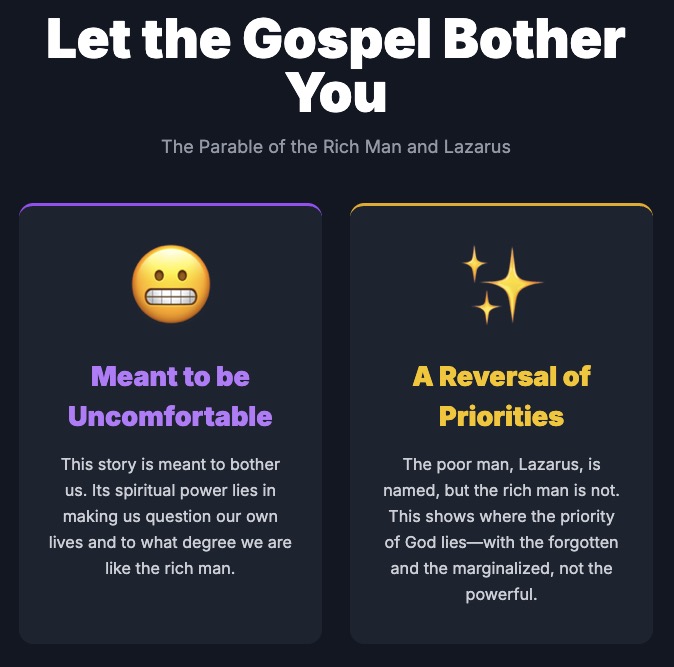
The Sin of the Rich Man
Fr. Rettig offers a challenging reinterpretation of the parable of Lazarus and the Rich Man. The following questions delve into this new perspective on sin and morality.
Discussion Questions:
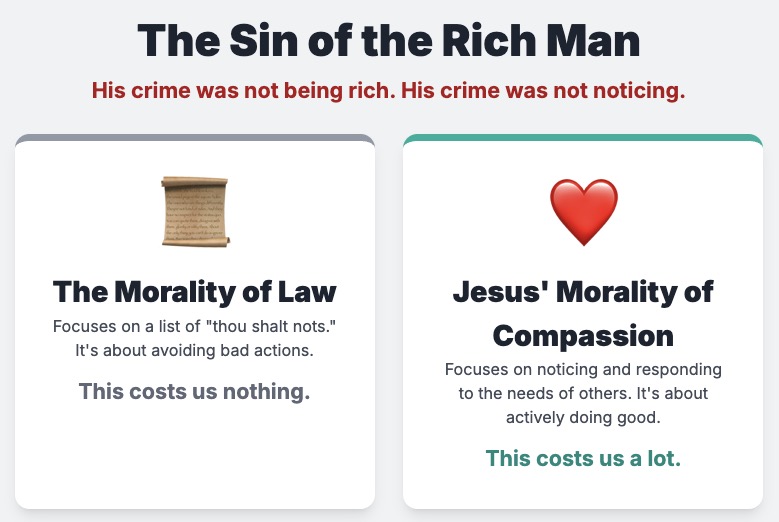
The homily defines the Rich Man's sin not as being wealthy or mean, but as the "crime of not noticing."
- Do you agree with this interpretation? Why is simply "not noticing" a serious sin?
- Fr. Rettig contrasts Jesus' morality of compassion with a morality of law (obeying a list of "thou shalt nots"). He says the morality of law "costs us nothing," while the morality of compassion "costs us a lot." What does he mean by this? What is the "cost" of compassion?

Click to enlarge
The Blinders of Our Age
Fr. Rettig identifies modern technology as a significant obstacle to being present. These questions ask us to consider the specific challenges of our time.
Discussion Questions:
Fr. Rettig identifies the "two screens" (television and computer) as the primary tools that put blinders on us, monopolizing our attention and fostering a culture of not noticing.
- In what specific ways do our screens (phones, computers, TVs) prevent us from noticing the people and world around us?
- The homily suggests the person we fail to notice might even be "in your own house." How can we be more present and attentive to our own family members and loved ones?
Click to enlarge
Living the Message
Ultimately, reflection must lead to action. This final set of questions is designed to help translate the homily's message into concrete steps and a deeper understanding of our relationship with God.
Discussion Questions:
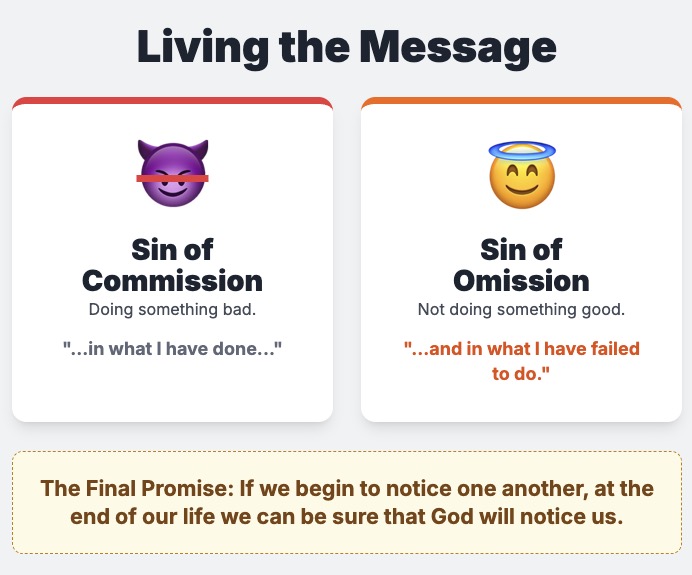
The homily states, "Sin is not necessarily doing something bad. Sin is far more often not doing something good." This refers to sins of omission, which are included in the Mass when we pray, "...in what I have done, and in what I have failed to do."
- Why do you think it's often easier to avoid doing wrong than it is to actively do good?
- What is one practical, concrete step you can take this week to "look up from your screen" and notice someone who might need "an understanding word, a smile, or an ear to listen"?
The homily concludes with a powerful promise: "If we begin to notice one another, at the end of our life we can be sure that God will notice us."
- What does this final thought mean to you? How does our compassion for others relate to how we are received by God?
No Homilies Available
Monsignor Peter Hahn
Dedication of the Lateran Basilica

Only God Understands the Heart
Humility and honesty in prayer are essential for deepening our relationship with God and preparing for our final moments, as true prayer comes from a contrite heart rather than self-righteousness. We must discern actions as sinful without condemning the individual, as only God understands their heart.
TWTW Visual Summary and Discussion Questions
Click to enlarge
Part 1: The Danger of Judging the Soul
The sermon begins by drawing a critical distinction: we can and must judge behavior against objective truth, but we must never condemn the soul of another person, as only God knows the heart. The Pharisee wastes his prayer by focusing on judging others and praising himself, misusing the gift of discernment that God has given him.
Key Quote: “We must be careful never to condemn or judge the actor himself because only God knows the interior dispositions of the heart.”
Discussion Questions:
- Msgr. Hahn makes a distinction between judging a person's actions and judging their soul. In your daily life, how easy or difficult is it to maintain that distinction? Where do you see the line blur most often (e.g., on social media, in the news, in personal disagreements)?
- The Pharisee "wastes the opportunity" to pray by turning his attention to judging others and his own perceived goodness. In what ways do you sometimes "waste" your own opportunities for prayer? (e.g., through distraction, self-pity, or focusing on the faults of others).
- When are you most tempted to adopt the Pharisee's attitude of smug self-righteousness? What situations tend to bring out a judgmental spirit in you?
Click to enlarge
Part 2: The Power of Brutally Honest Prayer
This section contrasts the Pharisee's posturing with the tax collector's profound honesty. The sermon highlights that true prayer, like the words of the dying, is marked by a sincere awareness of who we are and who God is. This honesty is what allows God's grace and healing to enter our hearts.
Key Quote: “It's amazing how brutally honest words can be at that time [of dying] and this is how our prayer is always meant to be.”
Discussion Questions:
- The tax collector's prayer is simple: "O God, be merciful to me a sinner." What makes this short, humble prayer so powerful and effective?
- The sermon suggests that the sick and dying often achieve a "brutal honesty" in their prayers. Why do you think it is often so difficult for us to be that honest with God in our daily lives? What fears or habits hold us back from being completely sincere?
- How can cultivating a daily habit of honest prayer—admitting our faults and our need for mercy—better prepare us not only for our final moments but also for the challenges of today?
Click to enlarge
Part 3: Keeping the Faith & Finishing the Race
The final section connects a humble, prayerful heart to the confidence St. Paul expresses at the end of his life. The reading from Sirach reminds us that God shows special favor to the lowly—the opposite of the self-sufficient Pharisee. By avoiding judgment and embracing humility, we can hope to finish our race with the same trust as St. Paul.
Key Quote: “...so when our time comes we will be able to say with him that we have competed well. We have finished the race so we have kept the faith.”
Discussion Questions:
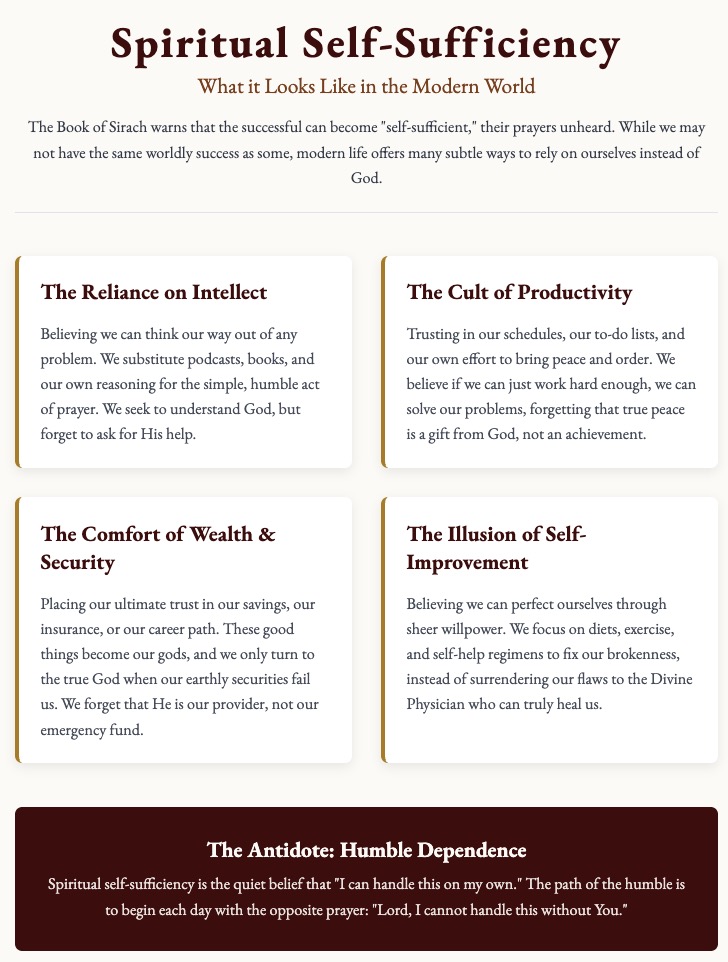
- The book of Sirach says God responds to the prayers of the "oppressed, the orphan, the widow, and the lowly," often because the successful can become "self-sufficient." What does spiritual "self-sufficiency" look like in our modern world?
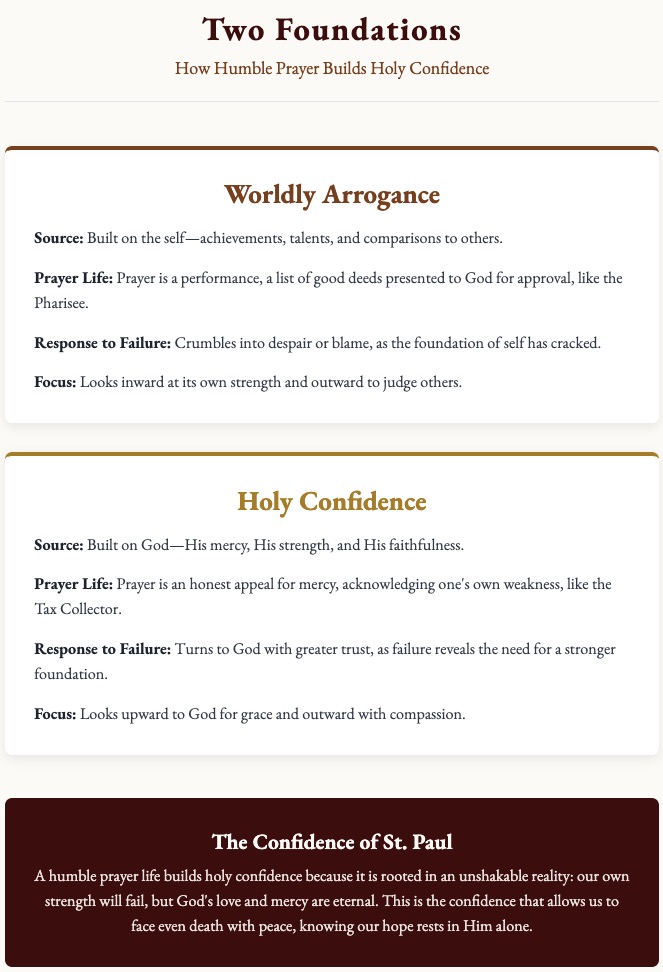
- St. Paul expresses a profound confidence at the end of his life. The sermon argues that this confidence comes directly from his life of prayer and relationship with Christ. How does a humble prayer life build holy confidence rather than a worldly, arrogant one?
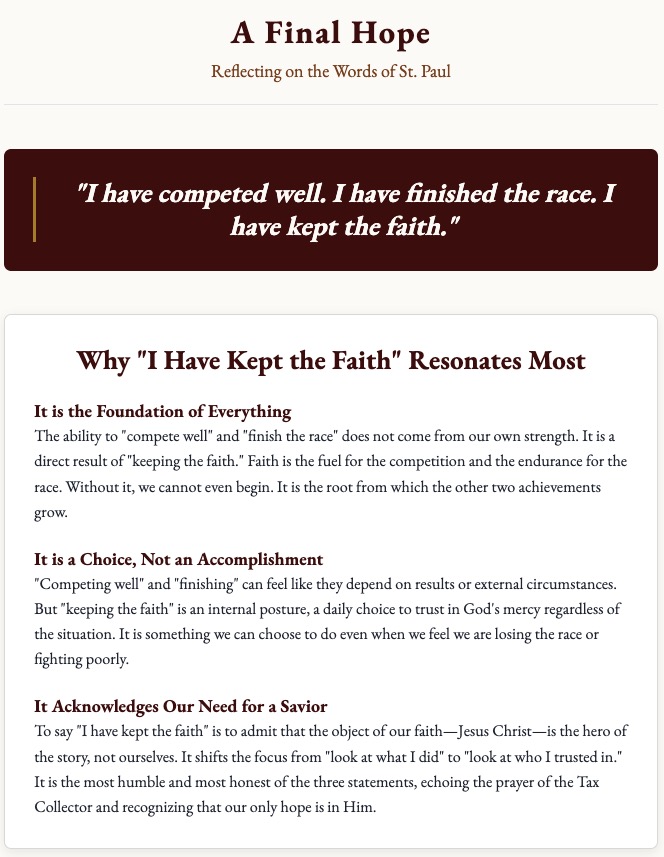
- Reflect on St. Paul's three statements: "I have competed well," "I have finished the race," and "I have kept the faith." Which of these three do you most hope to be able to say at the end of your own life? Why does that particular one resonate with you the most?

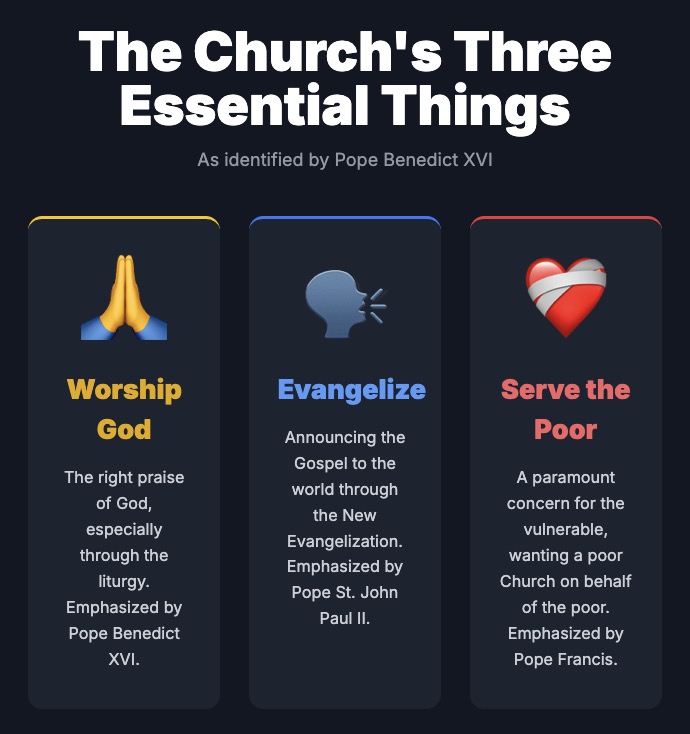
Our Faith is Meant to Afflict the Comfortable
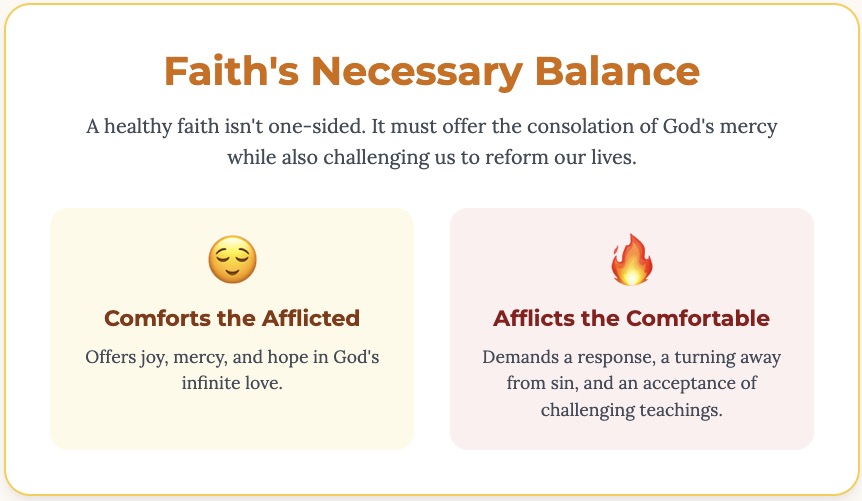
Faith challenges complacency and calls for personal reform and stewardship of God’s gifts, emphasizing the importance of caring for others and adhering to the Church’s teachings to avoid societal and spiritual downfall.
TWTW Visual Summary and Discussion Questions
Click to enlarge
Part 1: The Warning Against Worldly Comfort
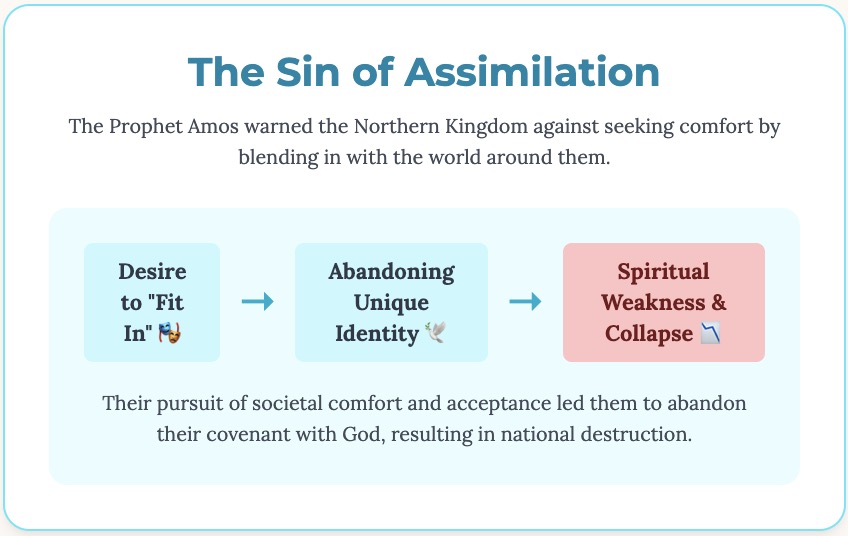
Focus: This section explores the homily's opening theme: that faith must both comfort and challenge us. It examines the historical example of the Prophet Amos warning Israel against the spiritual danger of seeking comfort through cultural assimilation.
Discussion Questions:
- Msgr. Hahn begins with the saying that faith is meant to "comfort the afflicted, but sometimes to afflict the comfortable." Can you recall a time when your faith was a great comfort? Can you recall a time when a teaching or scripture reading made you feel "afflicted" or challenged in your comfort? Why is this balance important?
- The people of the Northern Kingdom wanted to be "assimilated" and not seem different from the cultures around them. In what specific ways do we, as modern Catholics, feel pressure to "blend in" with secular society?
- Amos warned that this desire for comfort would lead to weakness and collapse. Where do you see this principle at work today? How does abandoning our unique Catholic identity in favor of societal acceptance make our faith weaker?

Click to enlarge
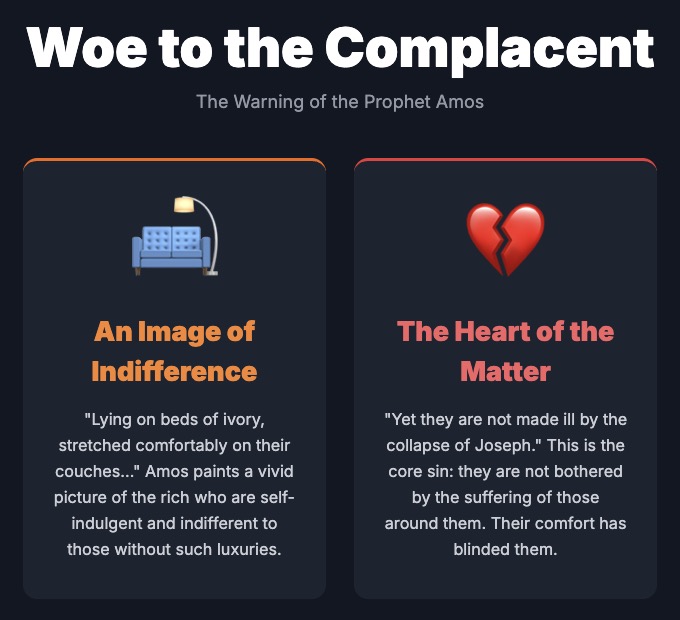
Part 2: The Individual Face of Complacency
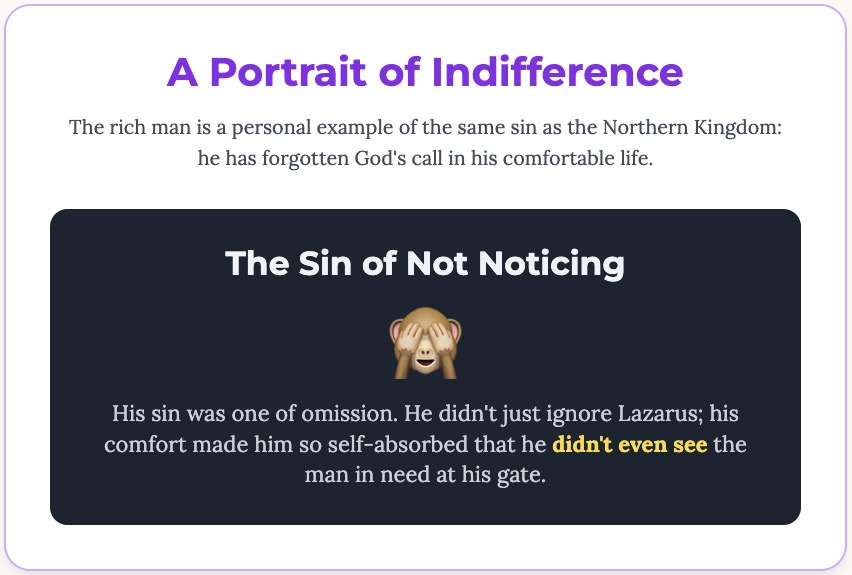
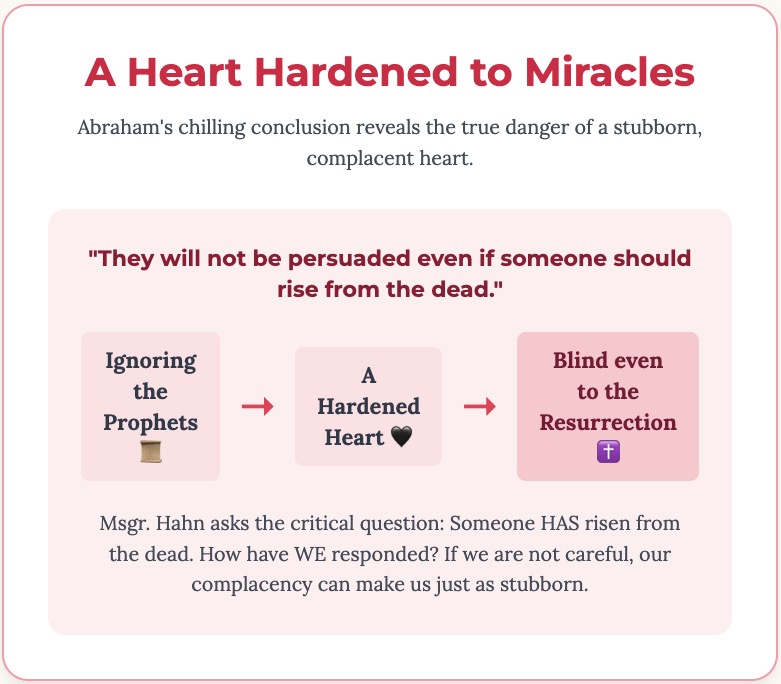
Focus: This section analyzes the Gospel parable of the rich man and Lazarus as a powerful, individual example of the destructive nature of self-centered indifference and the hardness of a complacent heart.
Discussion Questions:
- The homily emphasizes that the rich man's sin was a failure to notice. Why is this type of indifference, born from being overly comfortable, so spiritually dangerous? Who is the "Lazarus" at the gate of our society (or our own lives) that we might fail to notice?
- Abraham says the brothers have "the benefits of all the law and the prophets." What are the "prophetic voices" God gives us today to warn us against complacency (e.g., Scripture, Church teaching, the words of the Pope, our conscience)?
- Msgr. Hahn connects Abraham’s final words directly to us: "Someone has risen from the dead... and yet how do we respond?" If the Resurrection is the ultimate sign, why do we still fall into the trap of complacency? What does this say about the stubbornness of the human heart?

Click to enlarge
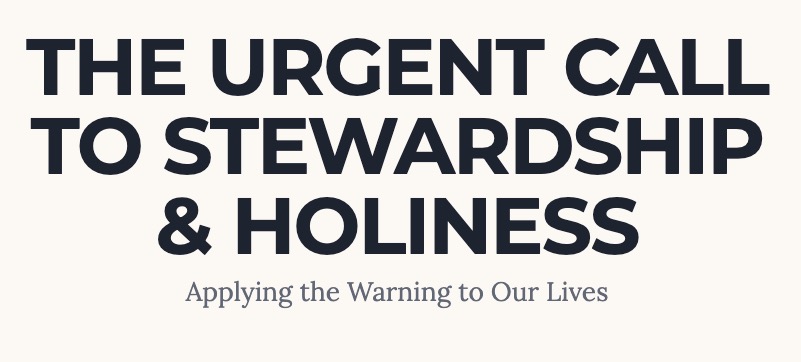
Part 3: The Urgent Call to Stewardship and Holiness
Focus: This final section applies the warnings to our modern lives, identifying contemporary forms of complacency and issuing an urgent call to reform our lives by embracing our role as stewards and actively pursuing holiness.
Discussion Questions:
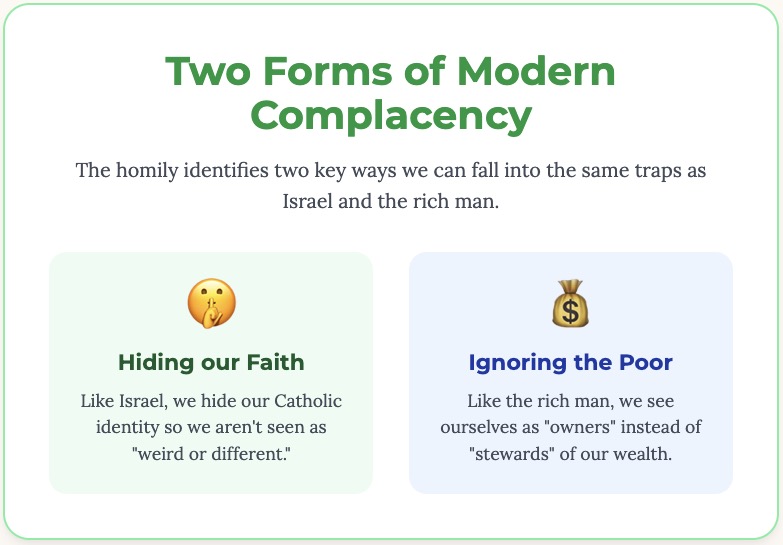
- The homily presents two modern forms of complacency: hiding our faith to fit in, and failing to share our resources. Which of these two temptations do you find more challenging in your own life? Why?
- Discuss the concept of being "stewards" rather than "owners" of God's gifts. How does this shift in perspective change your view of your time, talents, and money?
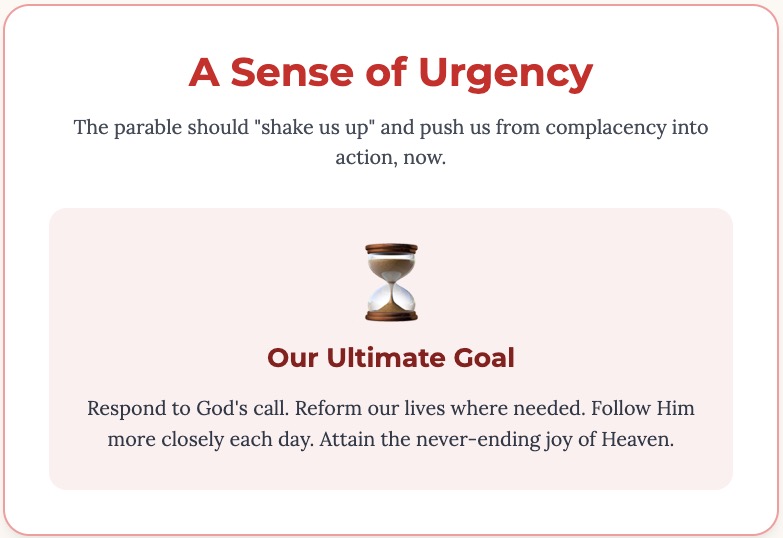
- The readings are meant to give us a "sense of urgency." What is one practical area of your life (e.g., prayer, a specific sin, a relationship, an act of charity) where you feel God is calling you to move from complacency to urgent action?
- The homily concludes by calling us to "follow him more closely each day." What is one concrete step you can take this week to respond to that call and break out of a comfortable spiritual routine?
No Homilies Available
Frank Pavone
Dedication of the Lateran Basilica

Dedication of Lateran Basilica
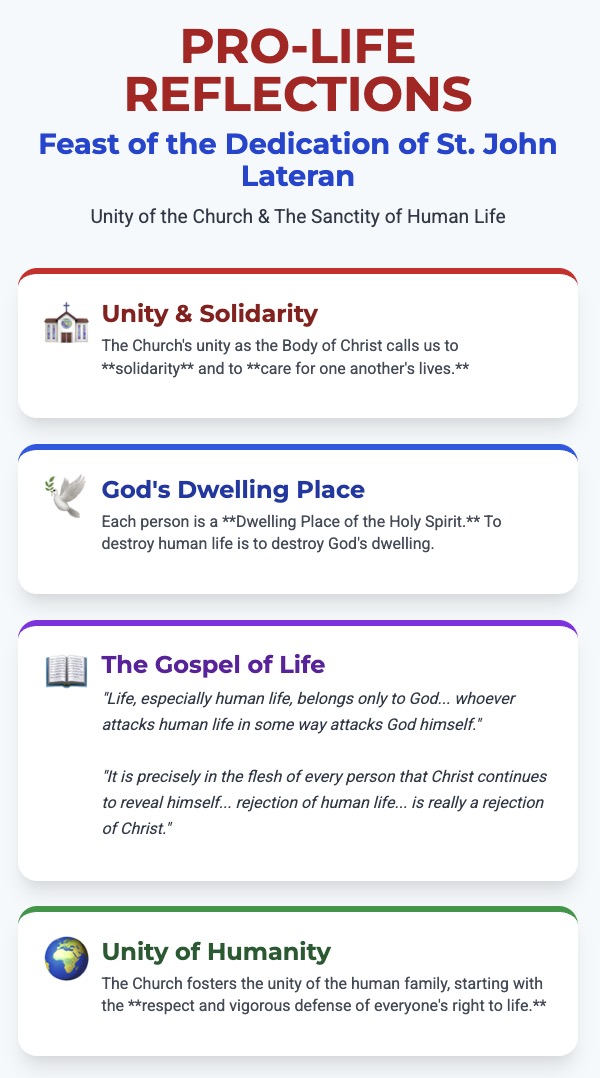
On this feast, the liturgy’s focus on the unity of the Church throughout the world as the living Body of Christ and Temple of the Holy Spirit can lead us to reflect on how that unity implies solidarity, and the obligation to care for one another’s lives. God has entrusted us to the care of each other.
Non-profit ministries have permission to copy/paste any infographics on this website into bulletins, presentations, or class/home school worksheets. A link and/or shoutout to THE WORD THIS WEEK and respective contributors would be greatly appreciated.