Catholic Digest, Homily Themes
Catholic Digest, Homily Themes
June 14, 2026
⭐⭐⭐ Sunday Examen



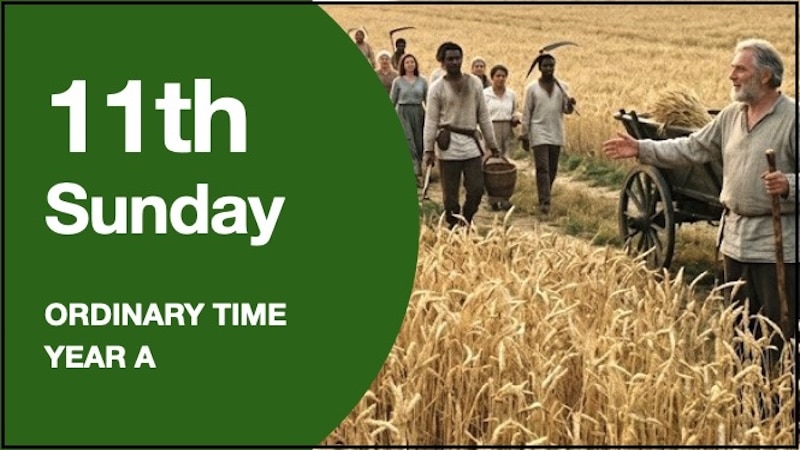







11th Sunday of Year A
Welcome to Catholic Digest, a comprehensive online space dedicated to deepening your engagement with the Sunday liturgy throughout the week.
Rather than leaving the message of the Mass in the pews, this collection serves as a dynamic bridge between the Sunday readings and your daily life. Through a diverse array of perspectives—ranging from art and film to mental health and ordained ministry—this digest offers profound ways to reflect on scripture. Whether you are looking for theological insights, visual meditation, or practical spiritual care, the sections below are curated to help you carry the Word of God into your lived experience.
Recent Blog Posts (Updated Daily)
Our Blogs section features recent, daily-updated posts from a variety of contributors reflecting on the Sunday readings. These voices bring fresh, personal, and theological insights to the scriptures, helping you uncover new layers of meaning in familiar texts. It serves as a continuous conversation throughout the week, ensuring the Word remains an active part of your daily meditation.
Sunday Examen
The Examen offers a guided examination of conscience tailored directly to the themes of the Sunday readings. Rooted in the Catholic tradition of prayerful reflection, this tool helps you review your week through the specific moral and spiritual lens provided by the liturgy. It is designed to invite repentance, gratitude, and a clearer awareness of God’s presence in your everyday choices.
Diaconate Reflection
In the Diaconate section, you will find a weekly reflection exploring the unique ministry of the permanent diaconate, using the Sunday scriptures as a foundation. This provides valuable insight into how deacons are called to serve the Church in charity, word, and liturgy. It is an excellent resource for those seeking to understand this vital vocation or for anyone looking to connect the scriptures to a life of active service.
Word and Art – Bishop John P. Dolan
Word and Art features an engaging weekly video series presented by Bishop John P. Dolan of the Diocese of Phoenix. Drawing upon his academic background in church art and architecture, Bishop Dolan explores the Sunday readings through the rich visual tradition of the Church. This visual meditation helps bring the biblical narrative to life, revealing the deep connections between sacred scripture and sacred beauty.
Faith & Film
Faith and Film bridges the gap between secular culture and the sacred by showcasing both mainstream and religious media that resonate with the themes of the Sunday readings. By analyzing the narratives, characters, and moral dilemmas depicted on screen, this section demonstrates how the enduring truths of scripture echo throughout modern storytelling.
Holy Ads
The Holy Ads section takes a unique approach to evangelization by highlighting television commercials that surprisingly align with the messages of the Sunday readings. This creative exploration challenges readers to find glimpses of grace and moral reflection in the most unexpected places, proving that the search for meaning and truth permeates all aspects of media and commerce.
Faith Talk – Cardinal Timothy Dolan
Featuring a concise, one-minute reflection by Cardinal Timothy Dolan, Faith Talk delivers a sharp and spiritually nourishing insight perfectly suited for busy schedules. With his trademark warmth and pastoral clarity, Cardinal Dolan unpacks a core truth from the liturgy, giving you a focused spiritual takeaway to carry through your day.
Vocations to the Priesthood
The Vocations to the Priesthood essay draws a direct line between the Sunday readings and the call to priestly ministry. By exploring the scriptural models of sacrifice, leadership, and pastoral care, this section encourages prayer for vocations while offering profound reflections on the nature of the priesthood for both those discerning and those supporting them.
Soul Care
Recognizing the deep connection between spiritual and mental wellbeing, Soul Care provides a weekly essay that links the Sunday readings to emotional and psychological health. This section offers practical, faith-based wisdom for navigating anxiety, grief, relationships, and personal growth, ensuring that the healing message of the Gospel reaches the whole person.
Pro-Life Reflection
The Pro-Life Reflection section examines the Sunday readings through the lens of the Church’s commitment to the dignity of human life. It offers thoughtful commentary on how the scriptures challenge us to protect and cherish life from conception to natural death, providing spiritual grounding for advocacy and compassionate action.
Formed – On Demand Videos
For those looking to go deeper through digital media, the Formed section highlights upcoming on-demand videos and Catholic content curated for the current week. This acts as a viewing guide to high-quality Catholic teaching, documentaries, and entertainment that align with the liturgical calendar and ongoing spiritual formation.
Catholic Press
Finally, the Catholic Press section keeps you informed with the latest Catholic news headlines. To make it easy to follow both local and national Catholic journalism, this section features a comprehensive index of links to all major Catholic diocesan newspapers and magazines. By staying connected to the universal Church—from the happenings in your own diocese to international reporting—readers can see how the timeless truths proclaimed on Sunday are being lived out, challenged, and defended in today’s world.
Theology, Apologetics & Evangelization
These channels focus on explaining and defending the Catholic faith, often engaging with modern culture and other viewpoints.
- Bishop Robert Barron (Word on Fire): One of the most influential voices in the Church, offering cultural commentary, movie reviews, and deep theological deep-dives.
- Ascension Presents: A powerhouse channel featuring popular figures like Fr. Mike Schmitz (known for the “Bible in a Year” and “Catechism in a Year” podcasts) and Fr. Josh Johnson, offering accessible videos on faith and life.
- Catholic Answers: The premier channel for Catholic apologetics, featuring live Q&A shows where apologists answer tough questions from callers.
- Pints with Aquinas (Matt Fradd): Long-form interviews and discussions on theology, philosophy, and culture, often over a drink.
- The Counsel of Trent (Trent Horn): Trent Horn, a Catholic Answers apologist, provides rebuttals to atheist and Protestant arguments, as well as commentary on current events.
- Jimmy Akin: A senior apologist at Catholic Answers known for his fairness and deep knowledge, covering everything from bizarre questions to deep theology.
- Breaking In The Habit (Fr. Casey Cole, OFM): A young Franciscan friar who offers fresh, accessible reflections on faith, vocations, and everyday life.
- Thomistic Institute: Excellent, high-quality animated videos and lectures explaining the philosophy and theology of St. Thomas Aquinas.
11th Sunday of Year A
PRACTICAL
ACTIONS
FIRST READING
Living as a Chosen People
- Set Aside a “Sinai Moment” Daily: The Israelites encamped at the base of the mountain to listen to God. Dedicate 10 to 15 minutes of uninterrupted silence each morning away from digital distractions to pray and listen for God’s voice before the day’s labor begins.
- Audit Your Influences: Being a “holy nation” means being intentionally set apart. Review your regular media consumption, habits, or environments this week, and identify one specific area where cultural trends are compromising your Christian values, replacing it with something that elevates your faith.
- Offer Everyday “Priestly” Intercession: Act as a bridge between God and others by actively interceding for your workplace, neighborhood, or family. Write down three specific people who do not practice a faith or who are struggling deeply, and commit to praying for their intentions by name every day this week.
SECOND READING
Responding to Radical Grace
- Practice Unconditional Reconciliation: Christ died for us while we were still “enemies.” Identify one relationship in your life strained by a lingering grudge or past offense. Take the first step toward peace this week by sending a text, making a phone call, or praying specifically for that person’s well-being without demanding an apology first.
- Catch and Correct Spiritual Pride: Pay close attention to your internal dialogue today. Whenever you catch yourself making a harsh, superior judgment about someone else’s moral failings, political views, or lifestyle choices, immediately pause and pray: “Lord, Jesus, you died for me while I was just as helpless as them.”
- Make a Daily Act of Total Trust: If Christ saved you while you were a sinner, He will not abandon you now. When anxiety or shame about your past mistakes creeps in, consciously repeat a simple breath prayer: “Jesus, I trust in Your unmerited mercy, and I refuse to live in self-condemnation.”
GOSPEL
Commissioned with Compassion
- Shift from Annoyance to Compassion: When you encounter difficult, disruptive, or broken people in public or online, consciously force yourself to look at them through Christ’s eyes. Instead of responding with irritation, whisper a quick, private prayer for them: “Lord, they are like sheep without a shepherd; show them Your care.”
- Commit to One Free Act of Service (“Without Cost”): You have received God’s grace entirely for free. Mirror this by performing a concrete act of service this week where you expect absolutely nothing in return—such as mowing a neighbor’s lawn, buying groceries for someone in need, or volunteering an hour of your professional skillset for free.
- Step Up as a Laborer: Don’t wait for “someone else” to fix a spiritual or emotional void in your community. If you notice a gap—such as a lonely relative who needs a phone call, a grieving friend who needs a meal, or a parish ministry that is short-handed—actively step into that harvest field and fill the need yourself.
11th Sunday of Year A

Parishes have permission to copy/paste this graphic in bulletin.
“You shall be my treasured possession among all peoples… you shall be to me a kingdom of priests and a holy nation.”
This reading reminds us of our identity. God chooses us, binds Himself to us, and asks for our fidelity. An examination here centers on covenant relationship and belonging.
- Gratitude for Election: Do I live with the awareness that I am treasured by God, or do I seek my ultimate worth and validation in worldly success, wealth, or the approval of others?
- Fidelity to the Covenant: God asks His people to obey His voice and keep His covenant. Have I allowed my personal desires, cultural pressures, or convenience to dilute my commitment to God’s commandments?
- A Kingdom of Priests: A priest bridges the gap between God and humanity. Do I live in a way that draws others closer to God, or does my daily behavior give others a reason to doubt or criticize the faith?
- Separation for Holiness: Being a “holy nation” means being set apart for God’s purposes. Have I compromised my values to “fit in” with secular environments, or do I have the courage to stand out when the Gospel demands it?

Parishes have permission to copy/paste this graphic in bulletin.
“But God proves his love for us in that while we were still sinners Christ died for us.”
Paul highlights the absolute unmerited nature of God’s love. We were helpless, ungodly, and enemies when Christ died for us. An examination here focuses on humility, grace, and how we treat our own “enemies.”
- Acknowledging Dependence: Do I recognize my own spiritual poverty and need for a Savior, or do I suffer from spiritual pride, believing I can save myself through my own good works or moral superiority?
- Trusting in God’s Mercy: Since Christ died for me while I was a sinner, do I truly trust in His forgiveness, or do I harbor despair, shame, and self-condemnation that denies the power of His cross?
- Reconciliation with Others: We have been reconciled to God through Jesus. Am I actively seeking reconciliation with those who have offended me, or am I nursing grudges, resentment, and a desire for retaliation?
- Loving the “Ungodly”: If Christ loved me when I was His enemy, how do I treat those I consider difficult, annoying, or politically/socially opposed to me? Do I show them the same radical charity Christ showed me?
Parishes have permission to copy/paste this graphic in bulletin.
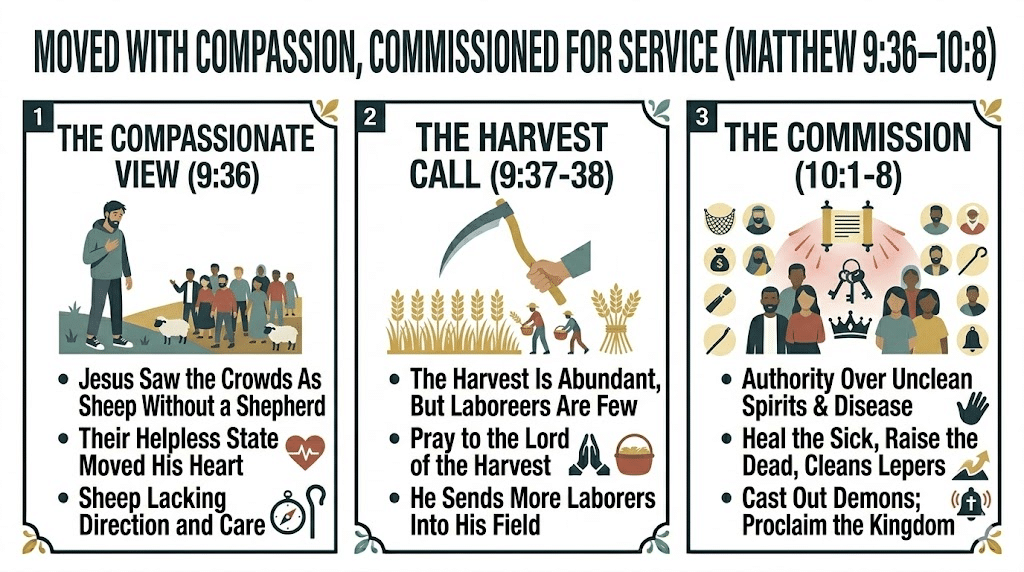
“At the sight of the crowds, his heart was moved with compassion for them because they were troubled and abandoned, like sheep without a shepherd.”
Jesus sees human suffering, feels deep compassion, and sends out His disciples with authority to heal, raise, and give without cost. An examination here targets our mission and generosity.
- The Eyes of Compassion: When I look at the marginalized, the broken, the lonely, or the homeless, is my heart moved with genuine compassion like Christ’s, or do I respond with indifference, judgment, or annoyance?
- Stepping Into the Harvest: Jesus notes that the harvest is abundant but the laborers are few. Am I actively laboring for the Kingdom in my family, workplace, and community, or am I a passive bystander expecting others to do the work of ministry?
- Exercising Spiritual Authority: The disciples were given authority to cast out unclean spirits and cure diseases. Do I use the spiritual authority given to me in baptism to fight against negativity, division, and evil in my sphere of influence, or do I contribute to it through gossip and cynicism?
- Proclaiming the Kingdom: Am I bold in sharing the hope of the Gospel through my words and actions, or am I silent out of fear of rejection or awkwardness?
- Gratuitous Giving: “Without cost you have received; without cost you are to give.” Have I been generous with my time, talent, and resources, or do I hoard what I have, demanding recognition, payback, or transactional returns for my kindness?
Non-profits have permission to copy and paste infographics into their publications.
11th Sunday of Year A
The Ministry of the Free Gift
Gospel: Matthew 9:36–10:8
Theme: Freely you have received; freely give
McCulloch
(Diocese of Broken Bay)
The Gospel today begins with the why of all ministry: compassion. Jesus sees the crowds, and “his heart was moved with pity for them… like sheep without a shepherd.” This pity immediately becomes a mission. He gathers the Twelve and sends them, giving them authority to continue His own work: curing the sick, raising the dead, cleansing lepers, casting out demons…
But then He gives them the one, non-negotiable rule for their ministry, its very heartbeat: Without cost you have received; without cost you are to give.
This is the very essence of the diaconate. The deacon’s vocation is not a possession he has earned, but a grace he has received. His entire life of service – at the altar, in his home, and at the margins – is meant to be the joyful, grateful overflow of that free gift.
THE GIFT AT MASS
The Ministry of Grace
The deacon’s liturgical role is a living witness that the gifts of God are free.
• The Freely Given Word: When the deacon proclaims the Gospel, he is not sharing his own wisdom; he is heralding a gift he himself has received. He is the humble messenger, the servant of a Word he does not own but is privileged to announce.
• Minister of the Ultimate Gift: The deacon’s most ancient role is his care for the Chalice. He is the ordinary minister of the Blood of Christ. When he elevates the Cup, he is the steward of the costliest and yet most free gift in the universe – the tenderness of Christ poured out for all.
• The Commission to Give: The deacon’s dismissal, “Go in peace, glorifying the Lord by your life,” is the commissioning of the Gospel. He is sending the assembly, who have just freely received the Word and the Eucharist, out into the world with the command to freely give that same grace to others.
THE GIFT IN THE PARISH
The Ministry of Gratitude
St. Polycarp, a friend of deacons, urged them to “stand fast in faith and show yourselves men of service.” This service is not an obligation, but the response of a grateful faith.
Animator of Gifts: The deacon is the animator of charity. His role is to awaken the parish to the gifts they have received and to challenge them, in turn, to freely give. He supports the ministries that allow the entire parish to become labourers for the harvest.”
Service from Gratitude, Not Obligation: The deacon, by his dual vocation, lives this free gift daily. He gives of his own time – time from his family, his job, his rest – not as a salaried employee, but as a man moved by compassion and gratitude. His service is a “yes” to the graces he has received.
THE GIFT AT THE MARGINS
The Ministry without Cost
Jesus’s command is specific: “Cure the sick, raise the dead, cleanse lepers.” He sends the disciples, and the deacons, to the places where there is no ability to pay.
• The Non-Transactional Ministry: The deacon’s diakonia is defined by this “without cost” principle. He is sent to the hospital, the prison, the nursing home, the shelter. He serves those who have nothing to offer him in return. His service is pure, non-transactional grace.
• The Tenderness of Christ: His ministry is not just the delivery of goods; it is the delivery of grace. He brings the tenderness of Christ to the bedside, the prison cell, or the grieving family’s home.
The Joy of Pouring Out: The deacon’s joy is not in possession or in being thanked, but in self-pouring. His life is a witness that ministry is not something he has, but something he gives. Like the Master he serves, his heart is moved with compassion and his greatest fulfillment is to give what he has received, without counting the cost.
11th Sunday of Year A

Ordaining of the Twelve Apostles
by Bishop John P. Dolan
Diocese of Phoenix
The Mission of the Apostles by James Tissot
We’re looking at The Mission of the Apostles by James Tissot, painted between 1886 and 1894, and now held at the Brooklyn Museum. At first glance, it’s a quiet scene, but look again and you’ll notice something powerful. Everything is in motion. Jesus stands at the center, but the apostles are already beginning to move outward. This is not a moment of rest. It’s a moment of sending.
In today’s gospel from Matthew, Jesus looks upon the crowd with compassion, harassed and helpless like sheep without a shepherd. And what does he do? He doesn’t simply comfort them himself. He sends others. He calls the twelve, gives them authority, and sends them out. That word apostle means exactly that: one who is sent.
The Old Covenant: A People Formed to Be Sent
But if we only stop at the twelve, we miss the full picture. Because the first reading from the book of Exodus reminds us that God first turns to a people gathered at Mount Sinai and says, “You shall be my treasured possession, a kingdom of priests, a holy nation.” In other words, from the very beginning, God forms a people not just to belong, but to be sent. From Sinai to the twelve apostles, and now through baptism to each and every one of us.
The Tilma Vision: Moving in Faith
That’s what this painting captures so beautifully. The apostles are not seated. They’re not settled. They are already moving, because once you encounter Christ, you are never meant to stay in place. And this is at the very heart of our Tilma pastoral vision as we journey toward the 500th anniversary of Our Lady of Guadalupe. Think of Juan Diego. He encounters Our Lady, and what happens? He is sent—again and again, he is sent.
And now, so are we. We are not simply members of the church; we are not just participants. Through baptism, each of us becomes an apostle within the apostolic church to be sent into the world to bring the presence of Christ to others.
A Culture of Evangelization
And I have to say this, I am deeply proud. I am proud of our priests who continue to shepherd with compassion, just like the heart of Christ in this gospel. And I’m proud of our parish communities, where so many of our faithful are stepping forward, taking personal ownership of this mission, not waiting for someone else, but saying, “Send me.” This is how a culture of evangelization begins. Not programs alone, but people. Not ideas alone, but hearts on fire.
So today, as we reflect on this gospel, and as we look at this image, we might ask ourselves: where is Christ sending me? Because the harvest is abundant, and now, as then, he sends us.
11th Sunday of Year A
Jesus Chooses 12 Apostles
The Chosen (Season 3, Episodes 2)

In The Chosen, the transition from the deep compassion of Matthew 9:36 to the commissioning of Matthew 10:1-8 is primarily depicted across Season 3, Episodes 1 and 2. It frames Jesus sending out his disciples in pairs, contrasting their human flaws with the divine authority they receive.
Breaking Down the Scene and Scriptural Connection
- The Heart of Compassion (Matthew 9:36): Before sending out the twelve, the show portrays Jesus looking out at the massive crowds gathered for the Sermon on the Mount. He is overwhelmed with deep empathy for their weariness, seeing them as helpless like "sheep without a shepherd". [1, 2, 3]
- The Call to Prayer (Matthew 9:37-38): Moved by this spiritual harvest, Jesus gathers his followers to emphasize that the mission is vast but the laborers are few, encouraging them to pray for workers. [1]
- Bestowing Authority (Matthew 10:1): Jesus formally calls his twelve hand-picked disciples. In a powerful cinematic moment, he formally grants them his own divine authority to cast out impure spirits and heal every disease and affliction. [1, 2, 3]
- The Commissioning (Matthew 10:2-8): Jesus sends the disciples out in pairs to the lost sheep of Israel. He instructs them to cure the sick, cleanse those with leprosy, raise the dead, and drive out demons. A hallmark of the show's depiction is emphasizing Jesus' command to "freely give" because they "freely received". [1, 2, 3]
Key Details in the Show's Portrayal
Pre-empting the Master: The show illustrates that the disciples are sent to the exact towns and villages Jesus plans to visit next, effectively acting as "advance messengers" to prepare the hearts of the people. [1]
Adapting the Rules: The series' writers include nuances from multiple gospels, slightly altering the list of what the disciples are allowed to take. For instance, while Matthew's gospel bans the use of staffs, the show blends it with Mark's gospel to allow staffs and sandals. [1, 2]
The Commission of Matthew: For the character of Matthew (portrayed as being on the spectrum), this sequence is incredibly profound. Having recently experienced being disowned by his biological family, his commission emphasizes that Jesus calls the unqualified and uses the outcasts to preach. [1, 2, 3, 4, 5]
Pay it Forward (2000)

Pay It Forward (2000) is a heartfelt drama about Trevor McKinney, a 12-year-old boy who accepts a social studies assignment to change the world. He creates a chain reaction of kindness where one person does a massive favor for three people, who must then “pay it forward” to three others, transforming lives across the country.

The Launch of the Exponential Circle: A young boy named Trevor McKinney takes his social studies assignment seriously and creates a goodwill network. Instead of a “pay it back” system where a favor is returned, he creates “pay it forward”—when someone does you a life-changing favor, you must do three major favors for three other people completely out of the blue. The scene where Trevor brings a homeless man named Jerry into his house, providing him a place to wash up and eat without asking for a single dime, sets a massive, unpredictable chain reaction of unmerited kindness into motion across the city.
Theological Connection: The film’s entire premise is a modern secular echo of the horizontal flow of the Gospel. In kingdom theology, grace cannot be paid backward to God, because God needs nothing; it must be paid forward to our neighbors. Trevor’s system relies on the exact logic of Matthew 10:8: when you are hit by a wave of unconditional generosity that you did nothing to deserve, the only mathematically and spiritually correct response is to pass that unearned grace along to someone else who is helpless.
Gran Torino (2008)

Clint Eastwood directs and stars in Gran Torino as Walt Kowalski, a bitter, prejudiced Korean War veteran living in a changing Detroit neighborhood. When his teenage neighbor, Thao, is forced by a Hmong gang to try to steal Walt’s prized 1972 Gran Torino, an unlikely mentorship begins. Walt becomes a protector to Thao and his sister, Sue, ultimately finding personal redemption by making the ultimate sacrifice to break the cycle of local gang violence.

The Reading of the Unexpected Will: Following the sacrificial death of Walt Kowalski, his greedy, estranged biological children gather at the attorney’s office, fully expecting to inherit his pristine, prized possession: a 1972 Gran Torino. To their absolute horror and shock, the lawyer reads Walt’s will, which leaves the car entirely to Thao, the young Hmong teenager next door who had originally tried to steal it as a gang initiation but whom Walt had grown to mentor and love. Walt’s will explicitly states the car is given on the condition that Thao doesn’t alter it, passing it to him as a pure inheritance.
Theological Connection: This scene highlights the scandalous nature of grace. Thao could never afford the car, and his relationship with Walt began in hostility and sin (attempted theft). Yet, through relationship and mentorship, Thao receives the ultimate gift from his benefactor. Walt’s biological family believes in a system of legal right and merit, but Walt bypasses them to give a priceless treasure to an outsider “without cost”—mirroring how divine inheritance is given not to those who claim a legal right, but to those who receive it in humility.
11th Sunday of Year A
Brotherhood
Budweiser (2013)
Exodus 19:2-6a
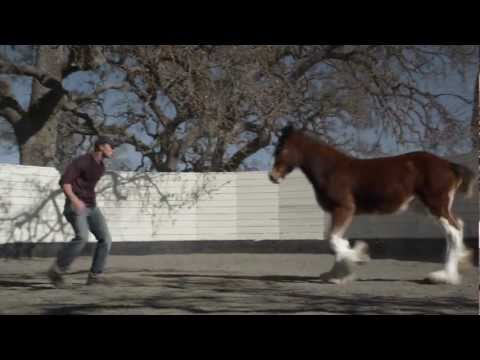
Set to the song “Landslide,” a horse trainer raises a young Clydesdale foal from birth. They form an incredibly deep, unbreakable bond, with the foal resting its head on the trainer’s shoulder. Eventually, the horse is sold to become a part of the iconic Budweiser carriage team, leaving the trainer behind.
Three years pass. The trainer travels to the city to watch a parade where the majestic Clydesdale is performing. After the parade passes, the trainer stands by his car, assuming the horse has forgotten him. Suddenly, the horse catches his scent, breaks away from its handlers, gallops down the empty city street, and nuzzles its head into the trainer’s chest in a powerful reunion.
Unsung Hero
Thai Life Insurance (2014)
Matthew 9:36—10:8
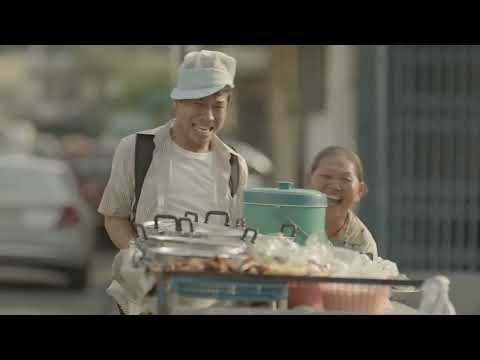
A ordinary young man goes through his daily routine, constantly stopping to perform small, unnoticed acts of service. He repositions a leaky gutter to water a dying street plant, helps a street vendor push her heavy cart over a high curb, feeds a stray dog his lunch, and drops money into a cup for a poor woman and her young daughter who are begging for school tuition.
He receives no applause, and bystanders shake their heads at his “foolishness.” But over time, the commercial shows the invisible transformation of his community: the plant blooms, the dog becomes his loyal companion, and one day, the young begging girl appears in a clean school uniform, running up to hug him.
Giving Is the Best Communication
Heart Touching Films (2023)

A poor, young boy is caught stealing medicine from a pharmacy to help his sick mother. The furious shopkeeper berates him publicly, but a neighboring veggie-soup vendor steps in, pays for the medicine out of his own pocket, and hands the boy a bag of soup.
The ad flashes forward thirty years. The soup vendor suddenly collapses from a brain illness, leaving his adult daughter with an astronomical medical bill she cannot afford. Desperate, she receives a finalized medical statement showing a balance of zero. Attached is a note from her father’s doctor—the young boy from thirty years ago—stating that all costs were paid three decades prior with “three packs of painkillers and a bag of veggie soup.”
11th Sunday of Year A

VIEWING GUIDE
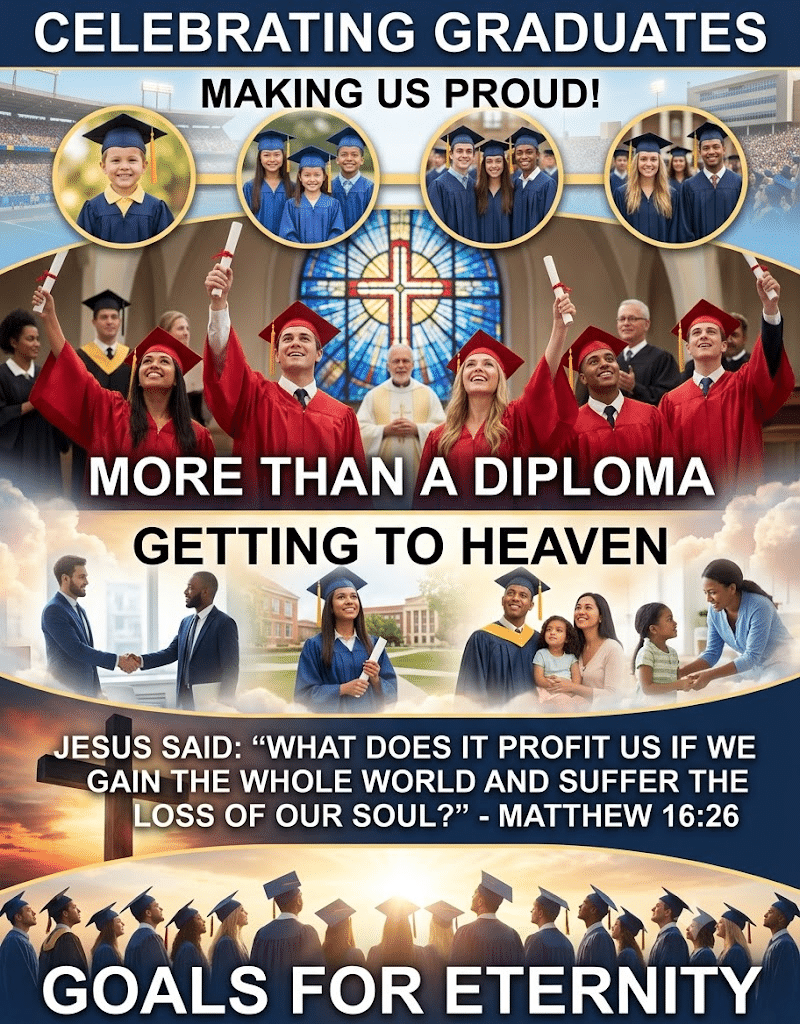
Beyond the Diploma: The Eternal Purpose of Catholic Education
AT A GLANCE
In this moving reflection, Cardinal Timothy Dolan reminds us that while academic milestones are worth celebrating, the ultimate goal of a Catholic education transcends worldly success. Graduation season highlights achievements from kindergarten to college, yet the core theological truth remains unchanged: our schools do not exist merely to secure diplomas, college acceptances, or prestigious careers. Their highest purpose is to prepare souls for heaven. Grounded in Christ’s vital challenge in Matthew 16:26—“What does it profit us if we gain the whole world and suffer the loss of our soul?”—this message calls us to reorient our daily achievements toward our final, eternal destination.
QUESTIONS FOR REFLECTION
- Prioritizing the Soul: When evaluating your own success or the success of the young people in your life, do you place more emphasis on worldly accolades (grades, career status, wealth) or on spiritual growth and closeness to God?
- Resisting the World: In what areas of your daily life do you find yourself tempted to “gain the whole world” at the risk of losing focus on your soul? How can you actively guard against that temptation?
- The Ultimate Goal: How does keeping the reality of eternity and heaven at the forefront of your mind change the way you handle daily stresses, transitions, and milestones?
ACTIONABLE TAKEAWAY
- Audit Your Intentions: The next time you set a professional, academic, or personal goal, explicitly ask yourself how it serves your eternal destiny. If it doesn’t, intentionally find a way to re-center Christ in that ambition.
- Incorporate Scripture into Milestones: When writing graduation, birthday, or anniversary cards for family members, include Matthew 16:26 or a similar verse. Use these moments to gently remind loved ones of their ultimate calling.
- Practice Daily Examen: Spend five minutes every evening reviewing your day. Ask yourself: Did my actions today help build a treasure in heaven, or did I get too caught up in the demands of the world? Use this practice to pivot toward grace for the day ahead.
TWTW used AI to assist him in writing this essay.
11th Sunday of Year A
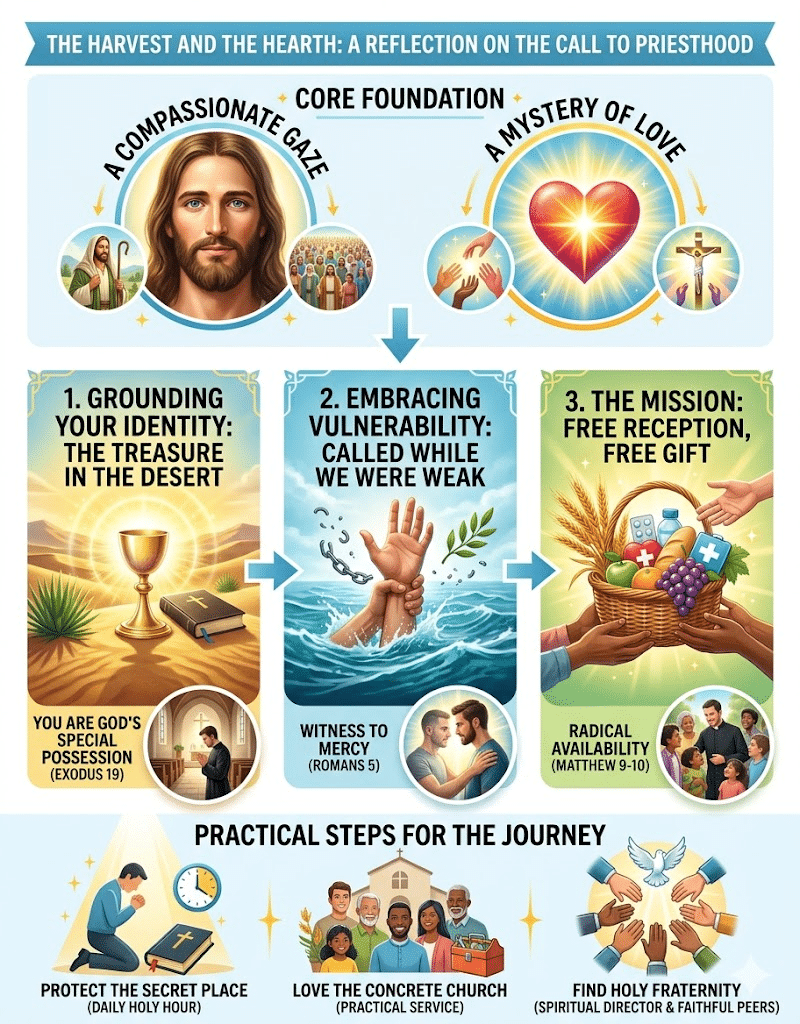
Download PDF (High Resolution)
Non-profits have permission to use in their ministry.
The Harvest and the Hearth
There is a precise moment in the Gospel of Matthew that captures the entire weight, beauty, and ache of a priestly vocation. Jesus looks out at the crowds and is moved with compassion because they are “mangled and abandoned, like sheep without a shepherd.” If you are reading this, whether you are just beginning to whisper the question “Lord, is it me?” or you are already walking the corridors of a seminary, that same compassionate gaze of Christ has fixed itself upon you.
Vocation discernment is not a career path to be calculated; it is a mystery of love to be entered. To understand what is being asked of you today, we have to look at the deep spiritual anatomy of a call, woven beautifully through the scriptures of Exodus, Romans, and Matthew.
Grounding Your Identity
The first temptation you will face in contemporary culture—and even within ministry—is the pressure of functionalism. Our world measures worth by utility, efficiency, and visible success. If you enter priesthood thinking your primary job is to be a highly effective CEO, a political influencer, or a flawless social programmer, you will burn out before you begin.
Exodus reminds us of a radical truth: before God gives the Israelites a single commandment or a specific mission, He pulls them into the desert and says, “You shall be my special possession, dearer to me than all other people.”
Your primary vocation, before you ever put on a collar or step into a pulpit, is to be God’s cherished possession. Discernment is not about proving you are strong enough or holy enough to do big things for God. It is about letting God love you in the quiet desert of prayer. If you do not know who you are to Him in secret, you will never know how to serve His people in public.
Embracing Vulnerability
It is completely normal to look at the priesthood and feel utterly inadequate. In fact, a healthy sense of inadequacy is a prerequisite for holy orders. The moment a man thinks he is perfectly qualified to handle the mysteries of the Eucharist and Confession on his own merit is the moment he becomes dangerous to the Church.
Saint Paul shatters our perfectionism in his letter to the Romans: “Christ died for the ungodly… God proves his love for us in that while we were still sinners Christ died for us.”
Look closely at the twelve men Jesus calls in the Gospel: Matthew lists them right after Christ laments the shepherdless crowds. It is a motley crew of tax collectors, political zealots, and uneducated fishermen. Jesus didn’t wait for them to become flawless theologians; He called them in their weakness.
In a modern culture obsessed with curated images and the illusion of perfection, the priest is called to be a witness to mercy. You can only bring Christ’s healing to the “mangled” world if you have first allowed Him to heal your own brokenness. Your weaknesses, surrendered to God, become the very conduits of His grace.
The Mission
The world you are called to serve is profoundly fractured. Secularism has left a hyper-connected society deeply lonely, anxious, and starved for transcendent truth. People are wandering, looking for shepherds in all the wrong places.
Jesus sends His disciples out with a clear mandate: “Cure the sick, raise the dead, cleanse lepers, drive out demons.” In contemporary life, these leprosies and demons look like despair, addiction, ideological hatred, and spiritual apathy. The remedy you are given to offer is not your own cleverness, but the gospel.
Jesus closes His instruction with a phrase that must become the baseline of your life: “Without cost you have received; without cost you are to give.” A priestly life is one of radical availability and absolute poverty of spirit. You are called to give yourself away for the good of souls, holding nothing back.
Practical Steps for the Journey
To ground these theological truths in your daily discernment, focus on three practical disciplines:
- Protect the Secret Place: Commit to a daily holy hour. Let the noise of social media, academic anxiety, and ecclesiastical politics fade. Let Jesus look at you, and let Him speak to your heart.
- Love the Concrete Church, Not the Ideal One: It is easy to love an abstract, perfect Church. It is much harder to love the real, messy parish down the road filled with flawed human beings. Serve practically—visit the sick, help the poor, and listen to the people God puts in front of you right now.
- Find Holy Fraternity: You cannot walk this path alone. Seek out a wise spiritual director and solid, faithful peers who will challenge you to holiness rather than letting you settle for mediocrity.
Brother, the harvest is still abundant, and the laborers are still few. If Christ is calling you to stand in His person at the altar, do not be afraid. He who called you is faithful, and He will bring His work in you to completion.
TWTW used AI to help write/edit this essay.
11th Sunday of Year A
Right Relationships
At the core of the human experience lies a profound paradox: we are hardwired for deep, meaningful connection, yet we are remarkably adept at fracturing the very relationships we require to thrive. In contemporary life, this fracture often manifests as a chronic state of emotional unrest. We navigate an era marked by curated perfections on social media, transactional networking, and a “cancel culture” that discards people the moment they fail to meet expectations. This environment breeds isolation, anxiety, and a deep-seated fear of vulnerability.
True emotional wellbeing cannot be manufactured through isolated self-care routines or radical independence. Instead, it is an interior harmony achieved through the hard work of building “right relationships”—connections built on authentic love, mutual respect, and restorative grace. To understand the blueprint for these relationships, we can look to a profound psychological and spiritual truth embedded in Saint Paul’s letter to the Romans (Romans 5:6-11). Paul introduces a radical model of relational healing that shatters our contemporary instincts: reconciliation modeled not on human merit, but on divine vulnerability.
The Vulnerability of “While We Were Weak”
Paul begins with an astonishing observation about the timing of Christ’s intervention: “For Christ, while we were still helpless, yet died at the proper time for the ungodly.” He goes on to note that while someone might rarely dare to die for a remarkably good person, “God proves his love for us in that while we were still sinners Christ died for us.”
In modern relationship dynamics, we often operate on a strict system of transactional worth. We extend our trust, affection, and presence only after the other person has proven themselves entirely safe, flawless, or beneficial to our personal brand. We hold our hearts back, waiting for the other party to make the first move, apologize first, or achieve a certain standard of emotional maturity.
Right relationships require us to break this gridlock. Emotional wellbeing begins when we cultivate the courage to love others in their concrete reality, rather than waiting for an idealized version of them to appear. Consider a modern marriage or a long-term friendship navigating a period of dry disconnect. The natural human instinct is to withdraw, to protect oneself, and to say, “When they start showing up for me, I will start showing up for them.”
Borrowing Paul’s framework, true relational health requires a willingness to extend a bridge “while the other is still weak.” This does not mean tolerating abuse or abandoning healthy personal boundaries; rather, it means choosing to lead with vulnerability instead of defensive pride. It is the willingness to initiate a difficult conversation, to say “I value us more than my need to be right,” and to offer a safe harbor for the other person’s imperfections.
Moving from Transaction to Reconciliation
The climax of Paul’s reflection centers on a profound shift in status: “Indeed, if, while we were enemies, we were reconciled to God through the death of his Son, how much more, once reconciled, will we be saved by his life.”
The word “reconciliation” is central to emotional wellbeing. In contemporary psychology, we often confuse reconciliation with mere coexistence or, conversely, total enmeshment. True reconciliation is the restoration of right relationship after a rupture. It recognizes that hurt is inevitable when two distinct human beings share a life, but it refuses to let that hurt become the defining feature of the bond.
Take, for example, the modern corporate workplace or a fractured family dynamic. When a conflict occurs, our contemporary default is often to treat the other person as an “enemy”—gossiping, forming alliances, or freezing them out via passive-aggressive texts and silent treatments. This relational friction acts as an emotional drain, spiked with cortisol and resentment, which actively degrades our mental peace.
Making right relationships means adopting a mindset of active reconciliation. It requires shifting our perspective from “Me versus You” to “Us versus the Problem.” When we stop keeping a meticulous scoreboard of past offenses, the emotional relief is immediate. We let go of the exhausting burden of maintenance that resentment requires. By absorbing minor slights and addressing major wounds with a desire to restore rather than punish, we create an environment where emotional safety can actually flourish.
The Fruit of Right Relationships: Boasting in Peace
Paul concludes this passage by shifting the focus toward a triumphant interior state: “Not only that, but we also boast in God through our Lord Jesus Christ, through whom we have now received reconciliation.” The ultimate fruit of being aligned in right relationship is a deep, unshakeable joy—a sense of wholeness that Paul describes as “boasting,” not out of arrogance, but out of immense gratitude for a restored reality.
When our relationships are ordered correctly—when we love selflessly, forgive rapidly, and communicate transparently—our emotional wellbeing skyrockets. We no longer look to others to fill an infinite void of validation within us, because we understand that healthy relationships are about mutual sharing, not mutual consumption.
In contemporary terms, a person who has achieved this level of relational health moves through the world with an infectious peace. They are not easily unhinged by a critical comment from a coworker, a forgotten anniversary by a spouse, or a political disagreement with a sibling. Because their identity is anchored in a foundational experience of being loved in their own weakness, they possess an abundance of grace to offer the weak world around them.
Ultimately, emotional wellbeing is not the absence of conflict or the achievement of a stress-free life. It is the quiet confidence that comes from knowing you are capable of giving and receiving a love that mimics the divine: a love that looks at a broken world, refuses to walk away, and says, “Let us begin the work of healing.”
TWTW used AI to assist him in writing this essay.
11th Sunday of Year A

The Pity of the Multitudes
To approach the modern pro-life discourse through a deeply spiritual lens is to step onto the crowded plains of Galilee described in the Gospel of Matthew. The evangelist records that when Jesus looked upon the vast crowds, his heart was moved with a visceral, gut-wrenching pity—a divine compassion ($splagchnizomai$) because the people were “troubled and abandoned, like sheep without a shepherd” ($Matthew\ 9:36$). In our contemporary landscape, this image of the shepherdless flock speaks directly to the hidden vulnerability at the heart of the pro-life ethos: a culture where human life, particularly at its most fragile margins, is frequently treated as a solitary burden rather than a communal treasure.
The pro-life vision is often misunderstood as a narrow, transactional debate centered solely on legalities. However, when grounded in the theology of Matthew’s Gospel, it reveals itself as a radical defense of human dignity that demands a shepherd’s heart. The modern “troubled and abandoned” are found wherever human life is treated as disposable or conditional. They are the young, terrified college student staring at a positive pregnancy test in a lonely dorm room, feeling that her entire future is incompatible with the life growing within her. They are the expectant parents receiving a devastating prenatal diagnosis, facing intense pressure from a utilitarian medical system to quietly terminate a life deemed “imperfect.” They are also the elderly and terminally ill, sitting in sterile care facilities, wondering if their declining utility means they have become a burden to a society obsessed with productivity.
The Vulnerability of the Field
Faced with this expansive human vulnerability, Jesus does not issue a philosophical treatise; instead, he points to a concrete reality: “The harvest is abundant but the laborers are few; so ask the master of the harvest to send out laborers for his harvest” ($Matthew\ 9:37-38$). In a consistent ethic of life, the “abundant harvest” represents the vast network of human relationships that must be cultivated, protected, and brought to fruition. It is a harvest of souls that requires active, hands-on cultivation.
The laborers called to this harvest cannot be mere theorists; they must be the hands and feet of a supportive community. In contemporary life, these laborers are found in the staff and volunteers of local pregnancy resource centers, who do not merely advocate for birth but provide free ultrasounds, prenatal care, parenting classes, and years of material support like diapers, housing, and clothing. They are the foster parents opening their homes to children who have been abandoned or neglected, and the adoptive families who step into the gap with fierce, unconditional love.
By summoning a fractured, imperfect group of twelve disciples—including tax collectors and political zealots—Jesus demonstrates that building a culture of life does not require flawless instruments. It requires people willing to step out of their comfort zones to confront systemic isolation. The labor of a true pro-life movement is found in the hard, unglamorous work of building “right relationships,” ensuring that no woman ever feels so abandoned that abortion feels like her only viable option.
The Unconditional Economy of Grace
The specific mandate Jesus gives to his newly commissioned laborers outlines the core methodology of the pro-life movement: “As you go, make this proclamation: ‘The kingdom of heaven is at hand.’ Cure the sick, raise the dead, cleanse lepers, drive out demons” ($Matthew\ 10:7-8$). In our modern context, “cleansing lepers” and “driving out demons” translates to shattering the social stigmas and systemic anxieties that drive people away from welcoming new life. It means driving out the cultural demon of radical independence that tells an expectant mother she must survive entirely on her own.
The foundational engine of this movement is found in the final instruction of the passage: “Without cost you have received; without cost you are to give” ($Matthew\ 10:8$). This radical economy of grace completely subverts a commercialized culture that calculates human worth based on financial merit, physical perfection, or genetic viability. A society that views life as a commodity will always find a reason to discard the weak, the unproductive, or the inconvenient.
“True emotional and social wellbeing cannot be manufactured through isolated self-care or radical independence. It is an interior and communal harmony achieved through the hard work of building right relationships—connections built on authentic love and restorative grace.”
When a community offers unconditional material, emotional, and spiritual support to a vulnerable family “without cost,” it reflects the divine vulnerability modeled by Christ. It proclaims that a human life is valuable simply because it exists, not because of what it can produce or achieve. By moving past political rhetoric and entering into the vulnerable valleys of human experience as active laborers, the pro-life community fulfills the pastoral vision of Matthew’s Gospel, transforming an abandoned, troubled world into a sanctuary of radical, protective love.
TWTW used AI to assist him in writing this essay.
FORMED is a premier on-demand digital streaming platform dedicated to Catholic media. It is frequently described as a “Catholic Netflix.” Created by the Augustine Institute—in collaboration with Ignatius Press and over 100 other Catholic content providers—FORMED provides a vast library of faith-based media designed to help individuals, families, and parishes learn and grow in their faith.
RECENTLY ADDED


Many Catholic parishes purchase an annual subscription to FORMED for their congregation. If your local church has a subscription, you can usually sign up for a free account by entering your parish’s name or zip code on the site.

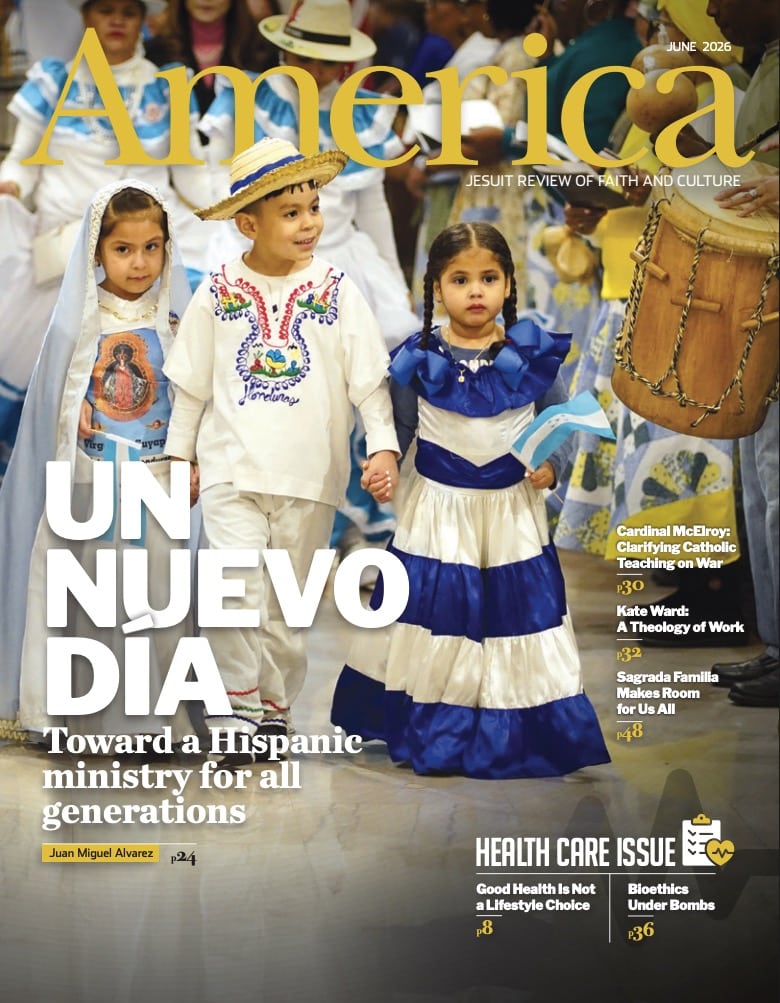
JUNE 2026
PDF (68 pages)
America Magazine: Published by the Jesuits, this leading national review is highly regarded for its thoughtful, nuanced commentary on religion, politics, and contemporary culture.
Commonweal: An independent, lay-edited journal of opinion that provides rigorous intellectual perspectives on faith, society, the arts, and public policy.
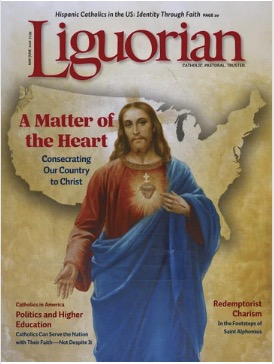
MAY-JUNE 2026
PDF (48 pages)
Liguorian is an award-winning Catholic magazine published since 1913 by the Redemptorists to provide spiritual guidance, pastoral messages, and inspiring stories, helping readers navigate modern life through faith. It acts as a trusted resource for Catholic spirituality, offering insights on faith, social justice, and daily Christian living.

U.S. Catholic: This publication focuses on everyday faith, social justice, and practical insights for living out Catholic teachings in modern, daily life.
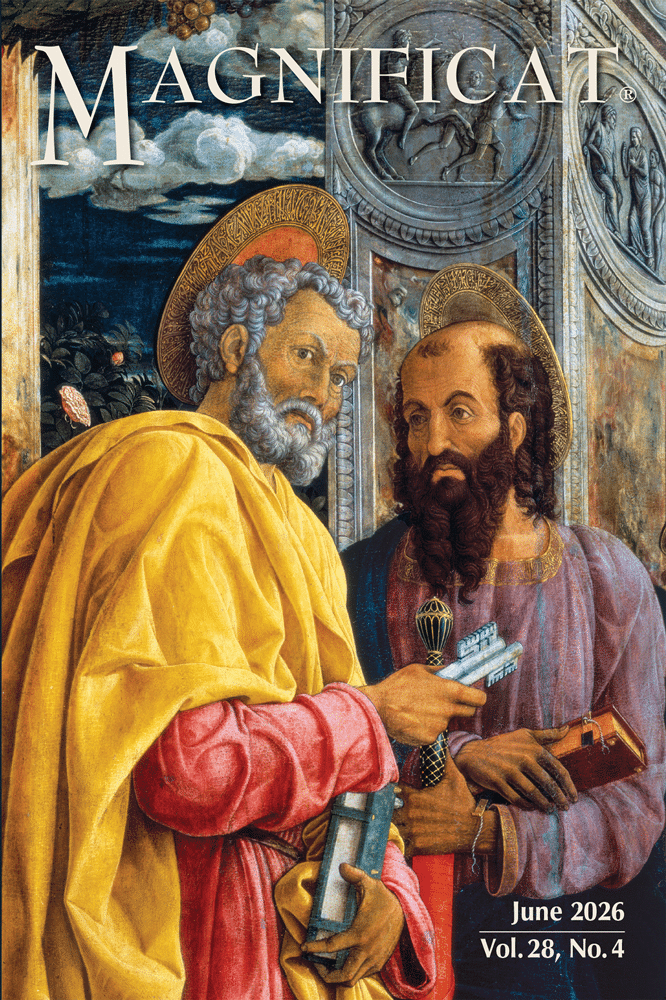
Magnificat: A beautifully designed monthly publication intended for daily use. It includes the texts of the daily Mass, morning and evening prayers, and spiritual reflections. Exploring its Spanish edition, Magnificat en Español, can also be an excellent way to weave language practice into a daily spiritual routine.
Catholic.com
11th Sunday of Year A
Scroll to view all 50 states
Alabama
- One Voice (Diocese of Birmingham)
- The Catholic Week (Archdiocese of Mobile)
Alaska
- The North Star Catholic (Archdiocese of Anchorage-Juneau)
- The Alaskan Shepherd (Diocese of Fairbanks)
- Missionary Disciples (Diocese of Fairbanks)
Arizona
- Voice of the Southwest (Diocese of Gallup)
- The Catholic Sun (Diocese of Phoenix)
- New Outlook (Diocese of Tucson)
Arkansas
- Arkansas Catholic (Diocese of Little Rock)
California
- Angelus Magazine | DIGITAL (Archdiocese of Los Angeles)
- The Catholic Voice | DIGITAL (Diocese of Oakland)
- The Catholic Herald | DIGITAL (Diocese of Sacramento)
- Orange County Catholic (Diocese of Orange)
- Catholic Herald (Diocese of Sacramento)
- Inland Catholic Byte (Diocese of San Bernardino)
- The Southern Cross | DIGITAL (Diocese of San Diego)
- Catholic San Francisco (Archdiocese of San Francisco)
- San Francisco Católico (Archdiocese of San Francisco)
- The Valley Catholic | DIGITAL (Diocese of San Jose)
Colorado
- The Colorado Catholic Herald (Diocese of Colorado Springs)
- Denver Catholic (Archdiocese of Denver)
Connecticut
- Fairfield County Catholic (Diocese of Bridgeport)
- The Catholic Transcript | DIGITAL (Archdiocese of Hartford)
- Four County Catholic | DIGITAL (Diocese of Norwich)
Delaware
- The Dialog (Diocese of Wilmington)
Florida
- Florida Catholic | E-EDITIONS (Archdiocese of Miami; Dioceses of Orlando, Palm Beach, Pensacola–Tallahassee, St. Augustine, Saint Petersburg, Venice)
Georgia
- The Georgia Bulletin (Archdiocese of Atlanta)
- Southern Cross (Diocese of Savannah)
Hawaii
- Hawaii Catholic Herald (Diocese of Honolulu)
Idaho
- Idaho Catholic Register (Diocese of Boise)
Illinois
- The Messenger (Diocese of Belleville)
- Chicago Catholic (Archdiocese of Chicago)
- Catolico (Archdiocese of Chicago)
- Christ is Our Hope (Diocese of Joliet)
- The Catholic Post (Diocese of Peoria)
- The Observer (Diocese of Rockford)
- Catholic Times (Diocese of Springfield)
Indiana
- The Message (Diocese of Evansville)
- Today’s Catholic News (Diocese of Fort Wayne–South Bend)
- Northwest Indiana Catholic (Diocese of Gary)
- The Criterion (Archdiocese of Indianapolis)
- The Catholic Moment | DIGITAL (Diocese of Lafayette)
Iowa
- The Catholic Messenger (Diocese of Davenport)
- The Catholic Mirror | DIGITAL (Diocese of Des Moines)
- The Witness (Archdiocese of Dubuque)
- The Lumen (Diocese of Sioux City)
Kansas
- Southwest Kansas Register (Diocese of Dodge City)
- The Leaven (Archdiocese of Kansas City)
- The Register | DIGITAL (Diocese of Salina)
- Catholic Advance (Diocese of Wichita)
- Avance Católico (Diocese of Wichita)
Kentucky
- Messenger (Diocese of Covington)
- Cross Roads | DIGITAL (Diocese of Lexington)
- The Record | DIGITAL (Archdiocese of Louisville)
- Western Kentucky Catholic (Diocese of Owensboro)
Louisiana
- Church Today (Diocese of Alexandria)
- The Catholic Commentator (Diocese of Baton Rouge)
- Bayou Catholic (Diocese of Houma–Thibodaux)
- Clarion Herald (Archdiocese of New Orleans)
- The Catholic Connection | DIGITAL (Diocese of Shreveport)
Maryland / Washington, DC
- The Catholic Review (Archdiocese of Baltimore)
- Catholic Standard (Archdiocese of Washington)
- El Pregonero (Archdiocese of Washington)
Massachusetts
- The Pilot (Archdiocese of Boston)
- The Anchor (Diocese of Fall River)
- SOPHIA | DIGITAL (Diocese of Springfield)
- The Catholic Free Press | DIGITAL (Diocese of Worcester)
Michigan
- Detroit Catholic (Archdiocese of Detroit)
- FAITH along Michigan’s 45th Parallel | DIGITAL (Diocese of Gaylord)
- Faith Grand Rapids (Diocese of Grand Rapids)
- The Good News (Diocese of Kalamazoo)
- FAITH (Diocese of Lansing)
- The U.P. Catholic (Diocese of Marquette)
- Great Lakes Bay | DIGITAL (Diocese of Saginaw)
Minnesota
- Our Northland Diocese (Diocese of Crookston)
- The Northern Cross (Diocese of Duluth)
- The Prairie Catholic (Diocese of New Ulm)
- Central Minnesota Catholic | DIGITAL (Diocese of Saint Cloud)
- The Catholic Spirit (Archdiocese of Saint Paul and Minneapolis)
- The Courier | DIGITAL (Diocese of Winona-Rochester)
Mississippi
- Gulf Pine Catholic | DIGITAL (Diocese of Biloxi)
- Mississippi Catholic | DIGITAL (Diocese of Jackson)
Missouri
- Catholic Missourian | DIGITAL (Diocese of Jefferson City)
- The Catholic Key | DIGITAL (Diocese of Kansas City–Saint Joseph)
- The Mirror (Diocese of Springfield–Cape Girardeau)
- St. Louis Review (Archdiocese of St. Louis)
- Catholic St. Louis | DIGITAL (Archdiocese of St. Louis)
Montana
- The Harvest (Diocese of Great Falls–Billings)
Nebraska
- West Nebraska Catholic | DIGITAL (Diocese of Grand Island)
- Southern Nebraska Register (Diocese of Lincoln)
- The Catholic Voice (Archdiocese of Omaha)
Nevada
- Desert Clarion (Diocese of Las Vegas)
- High Desert Catholic | DIGITAL (Diocese of Reno)
New Hampshire
New Jersey
- Catholic Star Herald (Diocese of Camden)
- The Catholic Spirit | DIGITAL (Diocese of Metuchen)
- The Catholic Advocate (Archdiocese of Newark)
- The Beacon | DIGITAL (Diocese of Paterson)
- The Monitor (Diocese of Trenton)
New Mexico
- Voice of the Southwest (Diocese of Gallup)
- Agua Viva (Diocese of Las Cruces)
- People of God (Archdiocese of Santa Fe)
New York
- The Evangelist (Diocese of Albany)
- The Tablet (Diocese of Brooklyn)
- The Catholic Union / The Catholic Union and Times (Diocese of Buffalo)
- Western New York Catholic (Diocese of Buffalo)
- The Good Newsroom (Archdiocese of New York)
- North Country Catholic (Diocese of Ogdensburg)
- Catholic Courier (Diocese of Rochester)
- El Mensajero Católico (Diocese of Rochester)
- The Long Island Catholic (Diocese of Rockville Centre)
- The Catholic Sun (Diocese of Syracuse)
North Carolina
- Catholic News Herald (Diocese of Charlotte)
- NC Catholics | DIGITAL (Diocese of Raleigh)
North Dakota
- Dakota Catholic Action | DIGITAL (Diocese of Bismarck)
- New Earth Magazine | DIGITAL (Diocese of Fargo)
Ohio
- The Catholic Telegraph (Archdiocese of Cincinnati)
- Northeast Ohio Catholic (Diocese of Cleveland)
- Catholic Times | DIGITAL (Diocese of Columbus)
- Steubenville Register (Diocese of Steubenville)
- The Catholic Echo (Diocese of Youngstown)
Oklahoma
- Sooner Catholic | DIGITAL (Archdiocese of Oklahoma City)
- Eastern Oklahoma Catholic | DIGITAL (Diocese of Tulsa)
Oregon
- Catholic Sentinel / El Centinela (Diocese of Baker / Archdiocese of Portland)
- The Diocesan Chronicle (Diocese of Baker / Archdiocese of Portland)
- Harvest | DIGITAL (Diocese of Baker / Archdiocese of Portland)
Pennsylvania
- The A.D. Times | DIGITAL (Diocese of Allentown)
- Proclaim TV! | DIGITAL (Diocese of Altoona–Johnstown)
- The Catholic Accent | DIGITAL (Diocese of Greensburg)
- The Catholic Witness | DIGITAL (Diocese of Harrisburg)
- Catholic Philly (Archdiocese of Philadelphia)
- Pittsburgh Catholic | DIGITAL (Diocese of Pittsburgh)
- The Catholic Light (Diocese of Scranton)
Rhode Island
- Rhode Island Catholic (Diocese of Providence)
- El Católico de Rhode Island (Diocese of Providence)
South Carolina
- The Catholic Miscellany | DIGITAL (Diocese of Charleston)
South Dakota
- West River Catholic | DIGITAL (Diocese of Rapid City)
- The Bishop’s Bulletin | DIGITAL (Diocese of Sioux Falls)
Tennessee
- East Tennessee Catholic (Diocese of Knoxville)
- The West Tennessee Catholic (Diocese of Memphis)
- Faith West Tennessee (Diocese of Memphis)
- Catholic Awakenings | DIGITAL (Diocese of Nashville)
Texas
- The West Texas Catholic | DIGITAL (Diocese of Amarillo)
- Catholic Spirit (Diocese of Austin)
- East Texas Catholic | DIGITAL (Diocese of Beaumont)
- South Texas Catholic | DIGITAL (Diocese of Corpus Christi)
- The Texas Catholic (Diocese of Dallas)
- Revista Católica (Diocese of Dallas)
- The Rio Grande Catholic | DIGITAL (Diocese of El Paso)
- North Texas Catholic | DIGITAL (Diocese of Fort Worth)
- Texas Catholic Herald | DIGITAL (Archdiocese of Galveston–Houston)
- West Texas Angelus | DIGITAL (Diocese of San Angelo)
- Today’s Catholic Newspaper | DIGITAL (Archdiocese of San Antonio)
- Catholic East Texas | DIGITAL (Diocese of Tyler)
- The Catholic Lighthouse | DIGITAL (Diocese of Victoria)
Utah
- Intermountain Catholic (Diocese of Salt Lake City)
Vermont
- Vermont Catholic (Diocese of Burlington)
Virginia
- Arlington Catholic Herald (Diocese of Arlington)
- The Catholic Virginian (Diocese of Richmond)
Washington
- Northwest Catholic | DIGITAL (Archdiocese of Seattle)
- Inland Catholic | DIGITAL (Diocese of Spokane)
West Virginia
- The Catholic Spirit (Diocese of Wheeling–Charleston)
Wisconsin
- The Compass | DIGITAL (Diocese of Green Bay)
- Catholic Life | DIGITAL (Diocese of La Crosse)
- Madison Catholic Herald (Diocese of Madison)
- The Catholic Herald (Archdiocese of Milwaukee)
- The Superior Catholic Herald (Diocese of Superior)
Wyoming
- Wyoming Catholic Register (Diocese of Cheyenne)