October 26, 2025


Liturgy Notes Sunday Prep
Liturgy Notes Sunday Prep
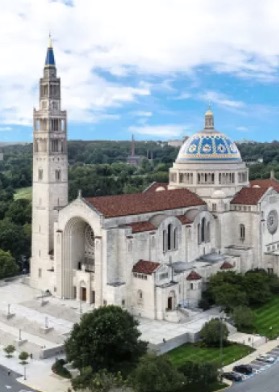
30th Sunday of Year C
The Sunday TV Mass
National Shrine (Archdiocese of Washington)

National Shrine (Washington D.C.) (2019 | 2022 | 2025)
Archived Date: October 27, 2019
Celebrant & Homilist: Rev. Msgr. Charles E. Pope
Guest Choir: St. Charles Borromeo Catholic Church Choir, Arlington, VA
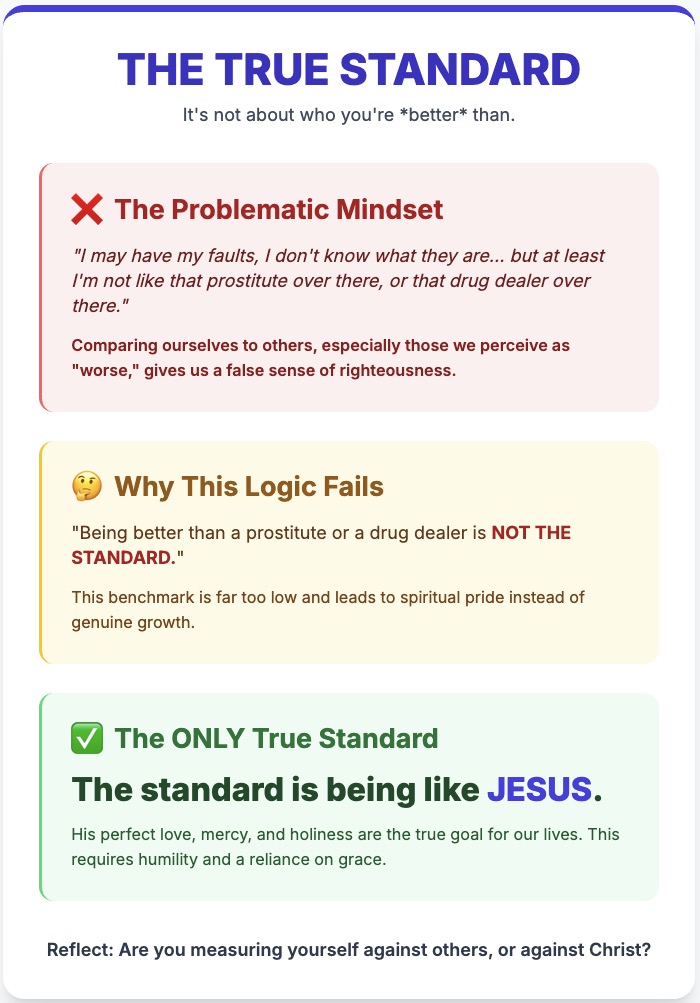
THE WORD THIS WEEK infographics are created using using GOOGLE’S AI Gemini 2.5 Pro. You are free to use the above infographic in any non-profit ministry. Please give credit to TheWordThisWeek.net and The National Shrine video series "Sunday Mass."
Contemporary Liturgy
Baltimore Archdiocese
Salt + Light TV
Mary Queen of the World (Archdiocese of Montreal)

Jesuit Institute of South Africa

Jesuit Institute of South Africa Archive
Lismore Diocese, Australia



CALENDAR
OCTOBER
NOVEMBER
- Black Catholic History Month; Native American Heritage Month
- November 1: Solemnity of All Saints.
SUNDAYS
- November 2: Commemoration of all the Faithful Departed (“All Souls”).
- November 9: Feast of the Dedication of St. John Lateran (replaces the 32nd Sunday in Ordinary Time)
- November 16: World Day of the Poor (33rd Sunday in Ordinary Time)
- November 23: Solemnity of Our Lord Jesus Christ, King of the Universe
- November 30: First Sunday of Advent (Year A)
SOURCE: Diocese of Davenport

Liturgy Links
- Art & Architecture
- Canon Law
- Centers of Study
- Gateways / Collections
- Liturgical Ministries (including Music)
- Liturgy of the Hours
- Mulitucultural / Intercultural Ministry
- Persons with Disabilities
- Professional Groups
- Publishers (Music, Resources, Ritual Texts)
- Recursos liturgicos en Español
- Sacraments (including RCIA)
- U.S. Church
- Websites of Individual Liturgists
- Youth in Liturgy
Preaching Links
Key Themes of Readings


THE WORD THIS WEEK infographics are created using using GOOGLE’S AI Gemini 2.5 Pro. You are free to use the above infographic in any non-profit ministry. Please give credit to TheWordThisWeek.net and Diocese of Colorado Springs video series "Bishop Golka's Reflections"


THE WORD THIS WEEK infographics are created using using GOOGLE’S AI Gemini 2.5 Pro. You are free to use the above infographic in any non-profit ministry. Please give credit to TheWordThisWeek.net and Society of Our Lady video series "Liturgy Prep."


THE WORD THIS WEEK infographics are created using using GOOGLE’S AI Gemini 2.5 Pro. You are free to use the above infographic in any non-profit ministry. Please give credit to TheWordThisWeek.net and EWTN video series "The Word on the Word."


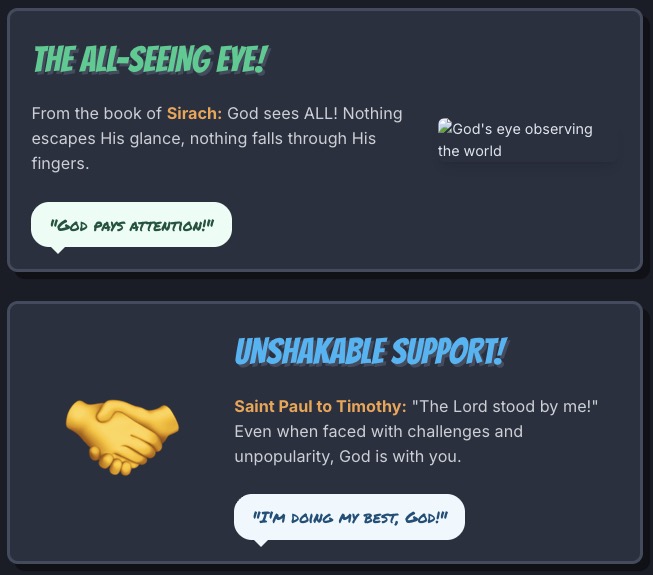

THE WORD THIS WEEK infographics are created using using GOOGLE’S AI Gemini 2.5 Pro. You are free to use the above infographic in any non-profit ministry. Please give credit to TheWordThisWeek.net and LIFE TEEN video series "Summit."


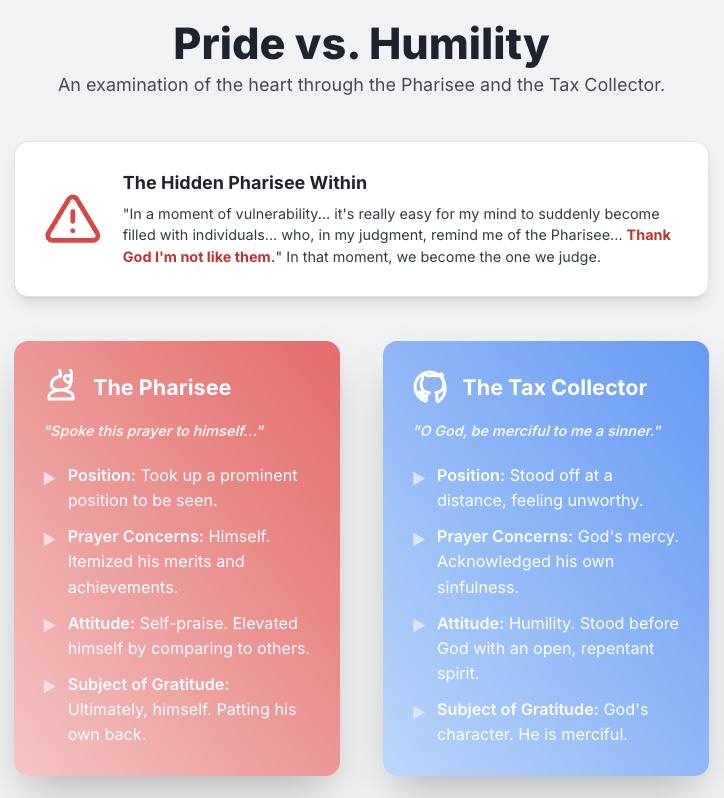

THE WORD THIS WEEK infographics are created using using GOOGLE’S AI Gemini 2.5 Pro. You are free to use the above infographic in any non-profit ministry. Please give credit to TheWordThisWeek.net and Catholic Women Preach video series.


THE WORD THIS WEEK infographics are created using using GOOGLE’S AI Gemini 2.5 Pro. You are free to use the above infographic in any non-profit ministry. Please give credit to TheWordThisWeek.net and Sundays with Ascension video series "Encountering the Word."
Fr. Andrew Ricci
Diocese of Superior

Penitential Rite
30th Sunday of Year C
- Lord Jesus, you spoke to those who were self-righteous, like the Pharisee: Lord, have mercy.
- Christ Jesus, you taught that God hears the prayers of the humble: Christ, have mercy.
- Lord Jesus, you call us to pray with hearts full of humility: Lord, have mercy.
SOURCE: CELEBRATION / FULL SERIES
Fr. Lawrence Mick
30th Sunday of Year C


1923-2017
The readings today offer strong reminders of the values that should shape our voting and public advocacy. The first reading reminds us that our God is a God of justice, who hears the cry of the oppressed, the orphan, the widow and the lowly.
Preachers and those who compose intercessions for this weekend might link those categories of people with contemporary issues crying out for justice: elderly people with no one to help them, children without stable homes, the poor and the mentally ill, and a variety of groups oppressed by our distorted economy and social attitudes.
The psalm today continues that theme, with a repeated reminder that “The Lord hears the cry of the poor.” The second reading offers another perspective. Paul speaks of having to face his difficulties alone: “No one appeared on my behalf, but everyone deserted me.” One of the ways that we can assist the poor and the oppressed is simply to stand with them, to be on their side, to accompany them in their difficulties. We may not always be able to resolve their problems but we can be with them as they deal with their troubles. That helps them realize, as Paul did, that the Lord stands by them, too.
The Gospel challenges us in a different direction, pushing us to consider where we need to acknowledge our own sinfulness, which often contributes to the plight of the poor. Often our sins are sins of omission. We think we are living a good life, like the Pharisee in this parable, while we overlook the needs of others around us. Only when we recognize our omissions can we amend our behavior.
Let the preaching and prayers today invite the assembly to recognize the demands of justice that require us to reach out to the needy with concrete signs of God’s love for them.
LOOKING AHEAD ON THE CALENDAR
NOV 2: ALL SOULS DAY

RYAN M REEVES (01:49) – This video explores the deep, tangled roots of October 31st by diving into the Catholic liturgical calendar. We journey back to the medieval world, where the three days of Hallowtide—All Hallows’ Eve (October 31st), All Saints’ Day (November 1st), and All Souls’ Day (November 2nd)—were the solemn climax of the year. Learn About: 1) The Medieval Feast of Hallowtide, 2) The “Spiritual Economy” of Prayer: The medieval belief that the living could aid the dead with prayers, alms, and Masses, 3) The Theology of Purgatory, 4) The Reformation’s Abolition of the Day: The feast was “swept away” by the Protestant Reformation based on the doctrines of Sola Fide (faith alone) and Sola Scriptura (Scripture alone)
