August 3, 2025
August 3, 2025


Doctrinal Messages and Pastoral Suggestions
Papal Homilies
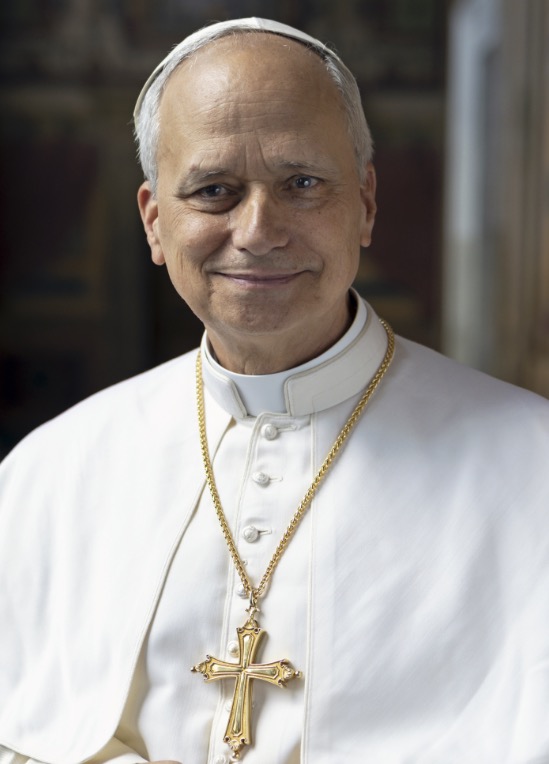

CATHOLIC NEWS SERVICE (0:41) – Pope Leo XIV surprised young people with a special greeting at the end of the welcome Mass of the jubilee of youth July 29.

This livestream allows viewers to witness the Pope’s addresses during Papal Audiences, as well as other Vatican events and news. The livestream is part of the Vatican Media Center’s efforts to share the latest updates on Pope Leo XIV, the Holy See, and the Church worldwide with a global audience.


Two Ways to Live
YEAR C – 2000 ARCHIVE
UNDERSTANDING
The Core Themes
The Dicastery’s notes clearly articulate the central tension:
- The “Old Man” vs. The “New Man”: This is the overarching framework. The “old man” is trapped by futility, mortality, and self-interest, while the “new man” is liberated by Christ, lives for God, and sees purpose beyond earthly life.
- Earthly vs. Heavenly Treasures: The readings, especially the Gospel parable of the rich fool, directly confront the illusion that material wealth guarantees security or happiness.
- Futility vs. Providence: The Book of Ecclesiastes starkly presents the vanity of human endeavors when viewed solely from an earthly perspective. This contrasts with the Christian understanding that all things have meaning and purpose within God’s plan.
- The “Ego” as the Center: When the ego is paramount, life becomes impoverished, focused on fleeting possessions and appearances. This self-centeredness ultimately leads to an inability to face death with hope.
- Living “for God” and “in God’s Presence”: This is the antidote to the “old man.” It means understanding that true fulfillment, meaning, and transcendence come from aligning one’s life with God’s will. This doesn’t mean detaching from the world but engaging with it with a pure, unselfish heart, recognizing the universal destiny of goods.
18th Sunday of Year C
The texts of the liturgy this Sunday propose two ways of living and being in the world. There is the way of living of the old man, and that of the new man (second reading), there is the man who seeks earthly things and the man who seeks heavenly things (second reading), the one for whom all things are futile and the one for whom everything is God’s providence. The Gospel, in turn, contrasts the life of the man who hoards possessions and stores up treasures for himself with that of the man who bases his existence on the Lord, and becomes rich in the sight of God.
VIEW PDF (4 pages)
Doctrinal Messages
Pastoral Suggestions
AI Recommendations
Homily Preparation: 18th Sunday in Ordinary Time, Year C
Google AI Generative Podcast based on
this Sunday’s Dicastery Clergy Notes (above)
THE HOLY FATHER
The Roman Pontiff, as the successor of Peter, is the perpetual and visible principle and foundation of unity of both the bishops and of the faithful.
LUMEN GENTIUM, 23
Leo XIV
Francis
Benedict XVI
John Paul II
John Paul I
Paul VI
John XXIII
Pius XII
Pius XI
Benedict XV
Pius X
Leo XIII
Featured Homilies
Pope Francis
Pope Francis
18th Sunday of Year C

The Rich Man
4 August 2019 – Saint Peter’s Square
Homily Excerpt
The rich man puts three considerations before his soul, that is, himself: the accumulated goods, the many years that these goods appear to ensure him, and thirdly tranquility and unrestrained enjoyment (cf v. 19). But the word that God addresses to him nullifies his plans. Instead of “many years”, God points to the immediacy of “this night; tonight you will die”. Instead of the “enjoyment of life”, He presents him with “surrendering his life; you will render your life to God” with the ensuing judgment. Regarding the reality of the ample goods accumulated on which the rich man had based everything, it becomes shrouded in sarcasm by the question: “and the things you have prepared, whose will they be?” (v. 20). Let us think about quarrels over inheritance, many family quarrels. And how many people; we all know some stories about many people, who turn up at the time of death: nephews, grandchildren come around to see: “what is my share?”, and they cart everything away. It is within this contrast that the term “fool” — because he thinks about things that he believes to be concrete but that are fantasy — with which God addresses this man, is justified. He is foolish because in practice he has denied God, he has not taken Him into account.
Benedict XVI
Pope Benedict XVI
18th Sunday of Year C

The Rich Fool
1 August 2010 | Castel Gandolfo
Homily Excerpt
In this Sunday’s Gospel, Jesus’ teaching concerns, precisely, true wisdom and is introduced by one of the crowd: “Teacher, bid my brother divide the inheritance with me” (Lk 12: 13). In answering, Jesus puts him on guard against those who are influenced by the desire for earthly goods with the Parable of the Rich Fool who having put away for himself an abundant harvest stops working, uses up all he possesses, enjoying himself and even deceives himself into thinking he can keep death at an arm’s length. However God says to him “Fool! This night your soul is required of you; and the things you have prepared, whose will they be?” (Lk 12: 20). The fool in the Bible, the one who does not want to learn from the experience of visible things, that nothing lasts for ever but that all things pass away, youth and physical strength, amenities and important roles. Making one’s life depend on such an ephemeral reality is therefore foolishness. The person who trusts in the Lord, on the other hand, does not fear the adversities of life, nor the inevitable reality of death: he is the person who has acquired a wise heart, like the Saints.
Saint John Paul II
Saint Pope John Paul II
18th Sunday of Year C
Featured Videos