JAN 5, 2025
JAN 5, 2025


POPE’s WORLDWIDE PRAYER NETWORK (01:56)
January 10
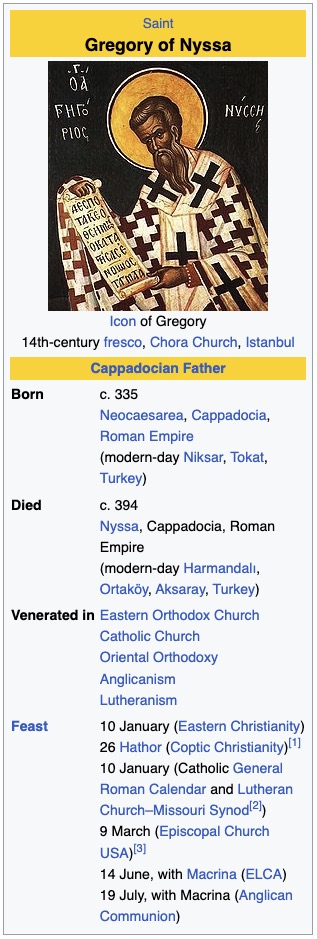
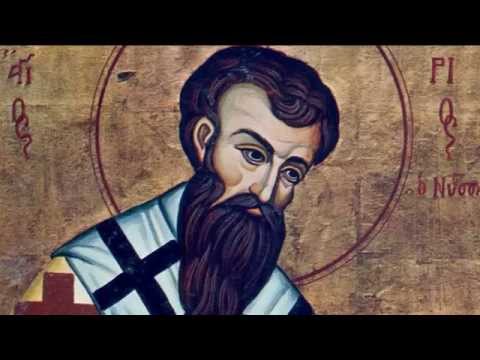
Gregory of Nyssa was an early Christian bishop and theologian who lived in the 4th century. He is considered one of the most important figures in the development of Christian thought and doctrine, particularly in the areas of the Trinity, Christology, and soteriology. His writings continue to be studied and appreciated today, and his insights into the nature of God and the human person have relevance for contemporary theological and philosophical discussions.
In terms of application for us today, Gregory’s emphasis on the infinite goodness and love of God, and his understanding of the human person as created in the image of God, can inspire us to live lives of compassion, kindness, and justice. His teachings on the importance of spiritual growth and transformation can also help us to strive for greater union with God and to seek deeper meaning and purpose in our lives.


KNIGHTS OF COLUMBUS (2:47)
The Oratory of St. Joseph

RANDOM CLICKERS ENGLISH (26:51)

CANADA TRAVEL GUIDE (7:51)
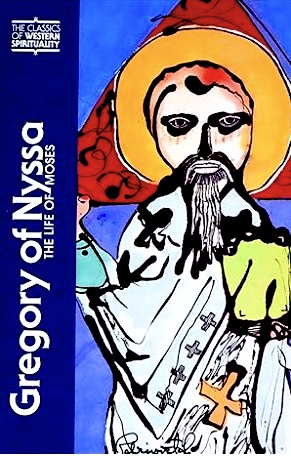
“The Life of Moses” By Gregory of Nyssa
Gregory of Nyssa’s “The Life of Moses” portrays Moses as a symbol of the soul’s spiritual ascent towards perfection and union with God, emphasizing the importance of purification, contemplation, and the transition from sensory understanding to a deeper, intuitive knowledge of the Divine.
Gregory of Nyssa’s “The Life of Moses” presents Moses as a symbol of spiritual ascent, using allegory to illustrate the soul’s journey towards perfection and union with God.
Moses’ encounter with the Divine in the darkness of Mount Sinai illustrates God’s incomprehensibility and the necessity for a mystical ascent beyond sensory experiences to achieve true knowledge of the Divine.
Purification through life’s trials, as exemplified by Moses, is crucial for spiritual ascension.
Moses evolves from perceiving God through physical symbols to experiencing a deeper, more intuitive vision of the Divine, reflecting the soul’s growth.
Moses exemplifies the power of contemplation in the spiritual journey, urging withdrawal from worldly distractions to achieve divine communion and illumination.
Moses’ life, as depicted by Gregory of Nyssa, symbolizes a continuous spiritual journey of transformation and growth towards divine union.

MYTHOS & LOGOS (19:10)