Questions and answers asked to AI about the Sunday Readings
Artificial Intelligence homilies sermons
CATENA AUREA
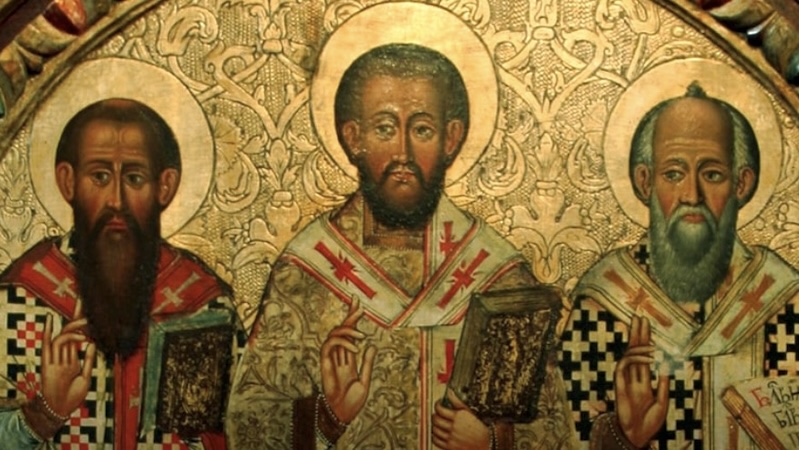
The Catena Aurea, which means “Golden Chain” in Latin, is a comprehensive biblical commentary comb is a 13th-century biblical commentary compiled by St. Thomas Aquinas. This anthology features insights from over eighty Church Fathers on the four Gospels.
Preaching on the Prodigal Son using key insights from the Church Fathers
Drawing upon the profound insights of the Church Fathers found in the excerpts from St. Thomas Aquinas’ Catena Aurea, here are some suggestions for priests and deacons preaching on the Parable of the Prodigal Son (Luke 15:11-32), presented in contemporary language with modern examples:
I. The Overwhelming Love and Welcome of God
God’s love isn’t earned; it’s freely given.
Just as the father in the parable sees his son “when he was yet a great way off”1 and is immediately filled with compassion , so too does God actively look out for us even when we feel far from Him.
Think of a parent constantly checking in on a child who has moved away and made mistakes – their love doesn’t diminish with the distance or the errors. This unwavering affection transcends the physical space that separates them, reflecting a bond that remains strong despite the challenges faced. Every phone call or message exchanged becomes a lifeline, a reminder that no matter how far apart they are, the connection is unbreakable. The parent worries, hopes, and offers guidance, sharing wisdom drawn from their own experiences, always ready to remind the child that mistakes are part of growth. In their heart, the parent knows that love is not contingent upon perfection; instead, it thrives on understanding, patience, and encouragement, allowing the child to navigate their journey with the confidence that they are never truly alone.
As Chrysostom and Gregory emphasize, the father doesn’t wait for the son’s full confession but is moved by pity …, showing God’s preemptive grace. Ambrose beautifully notes that the father runs to meet the son “lest anyone should stop Him”, highlighting God’s intense desire for reconciliation.
God’s forgiveness is immediate and doesn’t hold grudges.
Ambrose points out the father’s merciful reaction, “He, though offended, disdains not to hear the name of Father” . This reminds us that even when we’ve messed up significantly, God is always ready to listen and forgive.
Consider someone who has betrayed a friend but sincerely apologizes – a truly loving friend will be willing to hear them out and offer forgiveness, not dwelling on the past hurt. Instead of harboring resentment, they recognize that everyone makes mistakes and that genuine remorse can pave the way for healing. Their willingness to listen extends beyond mere words; it involves understanding the reasons behind the betrayal and showing compassion for the friend’s struggles. This act of forgiveness not only strengthens their bond but also fosters personal growth for both individuals involved. Ultimately, it demonstrates that love can endure even the deepest wounds when accompanied by honesty and a commitment to move forward together.
The father’s joy serves as a powerful symbol of God’s overwhelming love, forgiveness, and desire for reconciliation. It reminds us that we are not merely pardoned or begrudgingly received back into God’s presence but are embraced with a love that transcends our mistakes and shortcomings. In essence, Gregory’s emphasis on the father’s joy illustrates a profound and transformative understanding of God’s relationship with His children. It reveals a God who does not hold our failures against us but celebrates our decision to come home to Him, offering us unconditional love and acceptance.
II. The Crucial Turning Point: Recognizing Our Need for God
Hitting rock bottom can be a wake-up call.
Gregory of Nyssa notes the son returned “chastened” after experiencing hardship . This “coming to himself” described by Augustine as turning inward from distractions9 is essential.
Think of someone lost in addiction or a destructive lifestyle who finally realizes the emptiness of their choices and recognizes their need for help. This pivotal moment often emerges from a deep sense of despair, where the burden of their habits weighs heavily on their shoulders, casting a long shadow over their relationships and aspirations. They begin to see the stark contrast between the fleeting gratification of their vices and the profound emptiness that follows, stirring a desire for change. This awareness acts as a catalyst, igniting a flicker of hope amidst the chaos, as they contemplate the possibility of rebuilding their life and reconnecting with their true self. The journey ahead may seem daunting, fraught with challenges and uncertainty, yet it marks the first step toward healing and reclaiming the joy and purpose that had long been overshadowed by their struggles.
This moment of clarity, however painful, is the first step back to God.
True repentance involves both acknowledging our mistakes and changing our ways.
Gregory’s teaching that repentance means mourning past sins and not continuing them is crucial. The son’s confession, “Father, I have sinned against heaven, and before thee, and am no more worthy to be called thy son” , shows genuine remorse and humility.
Imagine someone who has spread rumors apologizing not just for what they said, but also committing to stop such behavior in the future. In their heartfelt message, they reflect on the pain their words have caused others and acknowledge the impact of their actions on relationships and trust. They express genuine remorse, realizing that gossip can deeply hurt those involved and create unnecessary conflict. With a sincere commitment, they vow to foster a more positive environment moving forward, focusing on kindness and understanding instead of malice. This realization marks a turning point for them, as they strive to rebuild trust and demonstrate their growth through more thoughtful and compassionate communication.
This demonstrates a true change of heart.
III. The Symbolic Gifts: God’s Restorative Grace
THE BEST ROBE
The “best robe” signifies our restored dignity and being clothed in Christ’s righteousness, a transformation that reflects our newfound identity as children of God.
Augustine sees it as the lost dignity of Adam, which was compromised by sin, serving as a poignant reminder of the original grace bestowed upon humanity.
Theophylact emphasizes that this robe represents Christ Himself, intimately woven into our spiritual rebirth through the sacraments of baptism and continued teachings, guiding us deeper into faith.
Ambrose brings an enlightening perspective by viewing it as the “cloak of wisdom,” a divine garment that not only protects us but also adorns us with insights and understanding, ultimately inviting us to embrace a life of virtue and piety as we walk in the footsteps of our Savior.
Think of someone starting a new job after a period of unemployment, receiving not just a paycheck but also a sense of purpose and value. This moment marks a significant turning point in their life, as they step into a role that resonates with their skills and aspirations. As they settle into their new environment, they begin to forge connections with colleagues, share ideas, and contribute to a larger mission. Each task completed not only brings financial stability but also rekindles their self-confidence, reminding them of their potential and the meaningful impact they can have in the workplace. The sense of belonging and achievement they gain from this experience becomes a vital part of their identity, fueling their passion and drive for the future.
Similarly, through God’s grace, we are given back our inherent worth.
THE RING
The “ring” represents our renewed commitment and the seal of the Holy Spirit.
Augustine sees it as a pledge of the Holy Spirit , Ambrose as the “seal of our unfeigned faith”, and Chrysostom as the “badge of betrothment” to Christ .
Consider a couple who has weathered a difficult period and reaffirms their commitment to each other with a meaningful gesture. After months of challenges and misunderstandings, they find themselves sitting together in their favorite park, reminiscing about the moments that brought them closer. The warm sun casts a golden hue as they share their feelings, thoughts, and hopes for the future. To symbolize their renewed bond, one partner presents the other with a handcrafted token, representing their journey and the promise to face life’s uncertainties together. This small yet profound gesture not only signifies their love but also serves as a reminder that, despite hardships, they are stronger together, ready to build a future filled with trust and understanding.
Augustine’s perspective: Viewing the ring as a pledge of the Holy Spirit signifies the central role of the Spirit in the reconciliation process. This interpretation points to the Spirit’s presence in our lives, enabling us to grow in faith and guiding us on the path of righteousness. The Spirit becomes the seal that guarantees our restored relationship with God and helps us maintain our newfound commitment to Him.
Ambrose’s perspective: Considering the ring as the “seal of our unfeigned faith” speaks to the authenticity of our renewed commitment to God. This interpretation emphasizes the role of genuine faith in the reconciliation process. It implies that our return to God is not merely a superficial act but a reflection of a heartfelt desire to rekindle our relationship with Him, marked by trust and devotion.
Chrysostom’s perspective: Interpreting the ring as the “badge of betrothal” to Christ likens our restored relationship with God to a deep, personal commitment akin to marriage. This understanding underscores the intimate nature of our connection with Christ, highlighting the depth of His love for us and the profound transformation that occurs when we embrace His love and forgiveness. It emphasizes that our renewed relationship with God is not merely a legal or contractual arrangement, but a loving union with Christ Himself.
SHOES ON HIS FEET
The “shoes on his feet” symbolize being equipped for our journey of faith and detachment from worldly attachments, serving as a reminder that our spiritual path requires readiness and resilience.
Augustine interprets them as “preparation for preaching the Gospel, in order not to touch earthly things,” emphasizing that these spiritual shoes enable us to traverse life’s challenges without becoming entangled in material distractions.
Meanwhile, Chrysostom suggests they help us walk firmly in the world, providing the strength and support needed to navigate everyday trials while remaining steadfast in our beliefs. This dual interpretation highlights the inherent balance between our spiritual commitments and the practical realities of living in a complex world, encouraging us to find harmony between faith and action.
Think of someone finally finding their purpose and feeling empowered to walk a new path with confidence and stability. This newfound clarity allows them to embrace opportunities with open arms, igniting a passion that propels them forward. Each step they take is filled with determination, as they navigate challenges with resilience. The journey is not merely about reaching a destination, but about enjoying the growth and self-discovery along the way, fostering a sense of fulfillment that radiates in every aspect of their life.
God equips us with what we need to live a life directed towards Him.
THE FATTED CALF
The “fatted calf” represents the ultimate sacrifice of Christ and the joyful feast of God’s presence, embodying not only the deep love of God for humanity but also the profound grace that accompanies His forgiveness.
Many Fathers, like Augustine and Chrysostom, see it as Christ’s body sacrificed for our salvation, emphasizing the importance of this act as a central tenet of Christian faith. This sacrifice invites believers to partake in a deeper relationship with God and reflects the unity of the Church in celebrating the Eucharist.
Ambrose calls it the “priestly victim offered for sin,” highlighting its significance in the context of the sacrificial system of the Old Testament and illustrating how Christ fulfills and transcends those ancient rituals through His one supreme act of love. In this way, the fatted calf symbolizes not just the sacrifice itself but the celebration of redemption available to all who believe.
Consider a grand celebratory meal after a long separation or a significant achievement, where friends and family gather around a beautifully set table, filled with an array of delicious dishes that reflect the diverse culinary traditions of all the participants. The air is filled with laughter and joy as shared stories recount memorable moments, creating a warm and inviting atmosphere that fosters connection. In this moment, every bite taken becomes a celebration of not just the food, but of the bonds that have been strengthened through time and perseverance, making the meal a perfect culmination of love and accomplishment.
The fatted calf signifies the abundance of God’s grace and the joyous communion we share with Him, especially through the Eucharist.
IV. Reflecting on the Elder Brother: The Dangers of Self-Righteousness and Envy
The elder brother’s resentment highlights the trap of self-righteousness.
Augustine sees him as the people of Israel who, clinging to the Law, resented the inclusion of the Gentiles. His complaint, “Lo, these many years do I serve thee, neither transgressed I at any time thy commandment: and yet thou never gavest me a kid, that I might make merry with my friends”, reveals a sense of entitlement and a lack of compassion.
Think of someone who has always followed the rules but criticizes others for their mistakes, forgetting that they too are in need of grace and have likely fallen short in other ways.
Gregory reminds us that true justice feels compassion, while false justice scorns.
Envy blinds us to the joy of others and God’s mercy.
The elder brother’s anger and refusal to join the celebration demonstrate the destructive nature of envy.
Consider someone who is so focused on their own perceived lack that they cannot celebrate the successes or good fortune of others.
The parable challenges us to examine whether we ever resent the mercy shown to those we deem less deserving. Theophylact suggests the elder son represents those offended by the salvation of the perfect.
V. Core Message for Today
No matter how far we stray, God’s loving arms are always open.
The parable is a powerful reminder of God’s boundless mercy and relentless pursuit of every lost soul. As Chrysostom notes, this parable was written so that “sinners should not despair of returning, knowing that they shall obtain great things”.
Conversion is a continuous journey, and celebration is part of the process.
The joy of the father and the feast signify the importance of acknowledging and celebrating moments of return and reconciliation, both in our personal lives and within the Church community.
By using these insights and relatable modern examples, priests and deacons can help their congregations connect deeply with the timeless message of the Prodigal Son and experience anew the transformative power of God’s love and forgiveness.