Fr. Tony’s Homily starters, anecdotes and life messages with infographics for use in parish bulletins, presentations, bible studies, and teaching @ Fr. Tony’s Homilies. 19th Sunday in Ordinary Time (A) 1 Kings 19:9a, 11-13a Romans 9:1-5 Matthew 14:22-33

Fr. Tony’s Homily, Life Messages, Homily Starters, Anecdotes

Fr. Tony’s Homily, Homily Starters

Fr. Tony’s Homily, Homily Starters

August 9, 2026

RELATED
PAGES
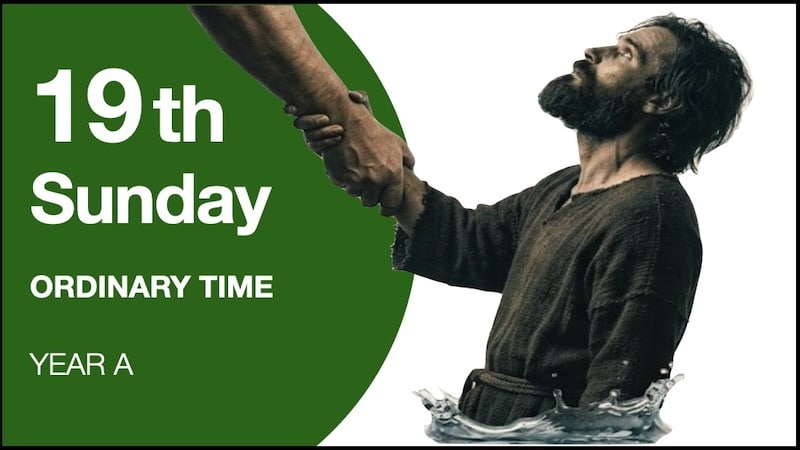
LITURGY PLANNER – 19th Sunday in Ordinary Time (A)
SUNDAY INTRO
COMMENTARY – 19th Sunday in Ordinary Time (A)
COMMENTARY
PAPAL HOMILIES – 19th Sunday in Ordinary Time (A)
PAPAL HOMILIES
HOMILIES – 19th Sunday in Ordinary Time (A)
HOMILIES
VOCATIONS – 19th Sunday in Ordinary Time (A)
VOCATIONS
BULLETIN INSERTS – 19th Sunday in Ordinary Time (A)
BULLETIN INSERTS
CHILDREN – 19th Sunday in Ordinary Time (A)
CHILDREN
PRAYERS OF THE FAITHFUL – 19th Sunday in Ordinary Time (A)
PETITIONS
ANECDOTESEXEGESISLIFE MESSAGES

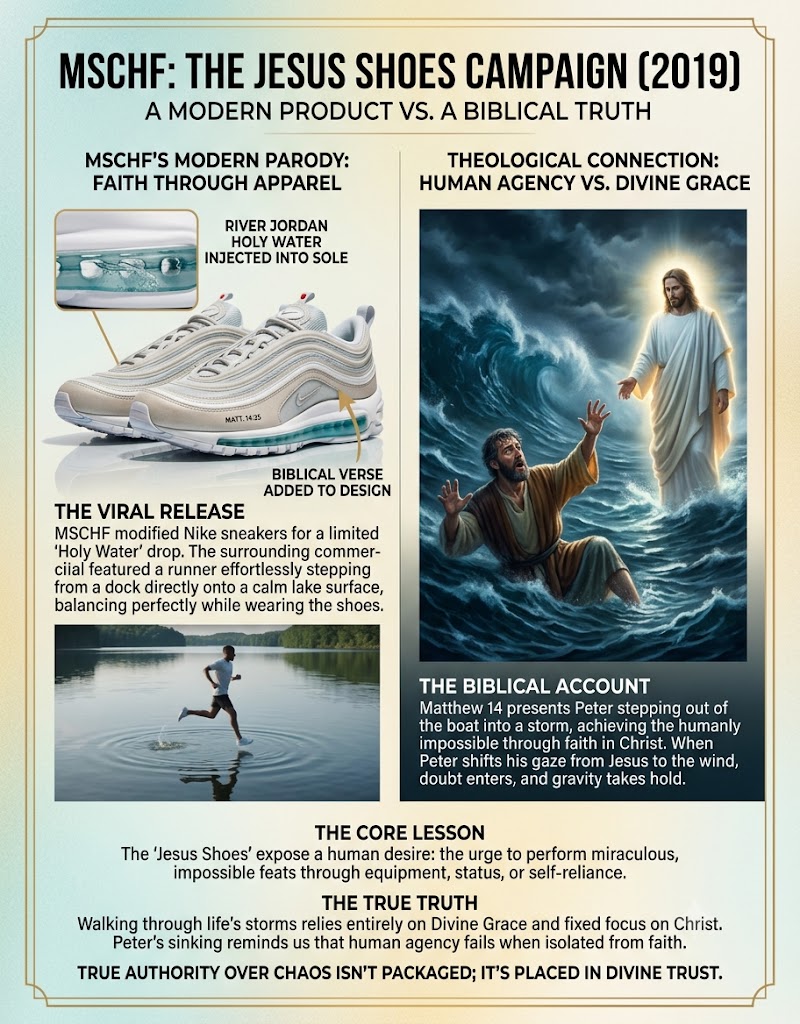
Nike’s “Jesus Shoes” (2019)

19th Sunday of Year A

Give me three tv commercials that are related to themes found in either xxxxxxxxxxxxxxxxxx Tell me which scripture applies, give summary of commercial, and then in 150 words give me the theological connection.

YouTube player
THREE INFOGRAPHICS FOR PARISH BULLETINS

Looking for a powerful way to begin your homily? Use the anecdotes below, and feature one of the infographics above in your parish bulletin. It’s an excellent visual reminder to help your congregation carry the message of The Word This Week home with them.

WALK ON WATER: To promote a viral release, art collective MSCHF* modified a pair of Nike Air Max 97 sneakers by injecting River Jordan holy water into the sole’s air pockets, directly printing “Matt 14:25” on the shoe box and frame. The surrounding commercial video featured a runner stepping off a dock directly onto the surface of a lake, balancing effortlessly across the open water while wearing the sneakers—translating the miraculous miracle of walking on water into a sleek, modern, gravity-defying athletic triumph.

*MSCHF (pronounced “mischief”) is a Brooklyn-based American conceptual art collective and design studio founded in 2016 by Gabriel Whaley.

THEOLOGICAL CONNECTION: Matthew 14 presents Peter stepping out of the boat into a storm, achieving the humanly impossible through faith in Christ. However, the moment Peter shifts his gaze from Jesus to the wind, doubt enters, and gravity takes hold.

The “Jesus Shoes” campaign playfulness exposes a core human desire: the urge to perform miraculous, impossible feats through our own equipment, status, or self-reliance. While the commercial presents stepping onto the water as an act of personal performance elevated by a product, the biblical account teaches that walking through life’s storms relies entirely on divine grace and fixed focus on Christ. Peter’s sinking reminds us that human agency fails when isolated from faith; true authority over chaos isn’t packaged in what we wear on our feet, but in where we place our trust when surrounded by deep waters.


Give me three movies that have a scene related to themes found in either xxxxxxxxxxxxxxxxxx Tell me which scripture applies, give summary of commercial, and then in 150 words give me the theological connection.

Contact (1997)

19th Sunday of Year A

YouTube player
THREE INFOGRAPHICS FOR PARISH BULLETINS

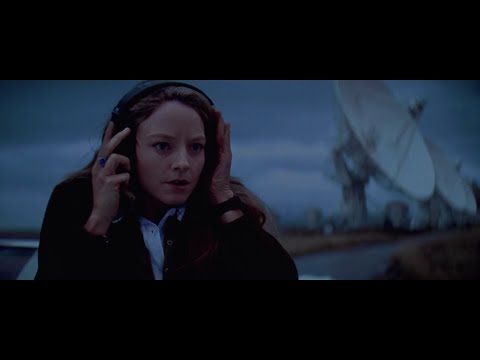
DR. ELLIE ARROWAY HEARS THE SIGNAL: Dr. Ellie Arroway (Jodie Foster) sits alone in the desert at night, surrounded by massive, towering satellite dishes of the Very Large Array. While others look for loud, grand evidence, Ellie listens carefully through giant headphones to the rushing static of space. Suddenly, amidst the overwhelming hum of cosmic white noise, a faint, clear, repetitive rhythmic pulsing breaks through. She instantly freezes, quiets her own movement, and redirects the dishes to capture the subtle signal before it fades.

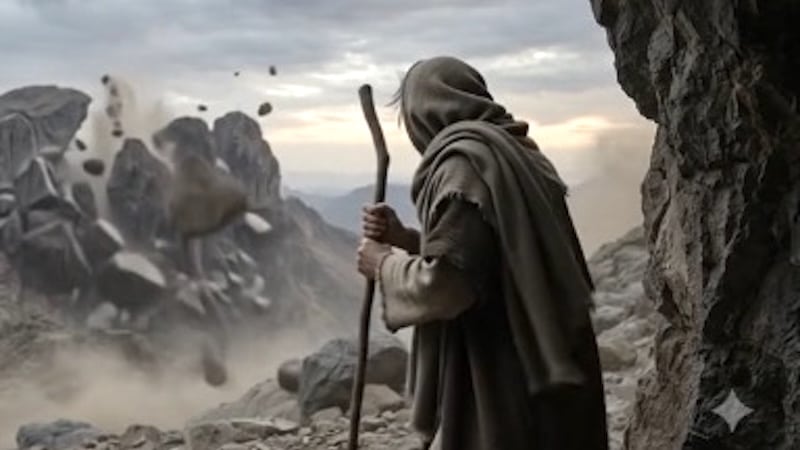
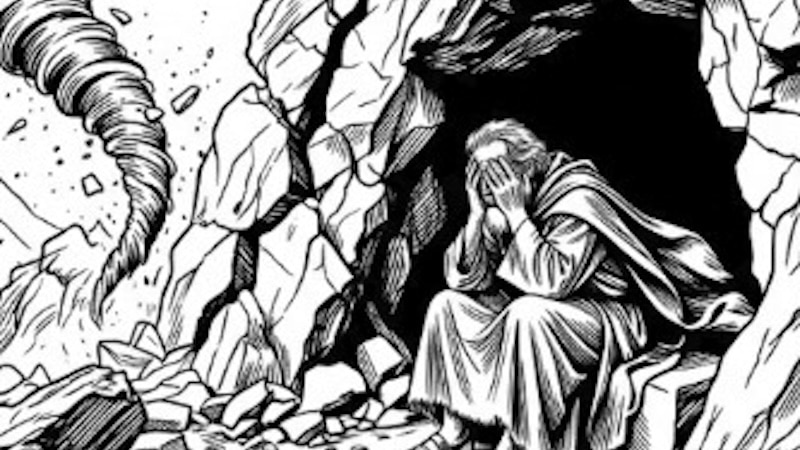
THEOLOGICAL CONNECTION: In 1 Kings 19, Elijah retreats to a cave in deep exhaustion and doubt. God sends spectacular, earth-shattering forces—wind, earthquake, and fire—yet the text explicitly notes God was absent from the spectacular noise. Instead, God reveals His presence in a “gentle whisper.”

Ellie Arroway’s scene in Contact captures this exact posture of spiritual attentiveness. In a world full of deafening culture, bombastic demands, and ambient white noise, humanity often expects God to show up in loud, forceful ways. However, Elijah’s experience teaches that divine communication frequently demands quiet receptivity over grand spectacle. God bypasses the overwhelming chaos to speak directly into quiet, expectant spaces. The theological lesson urges believers to step away from the world’s loud distractions and cultivate inner stillness, creating space to hear the quiet, subtle voice of God directing, comforting, and revealing truth.


Footprints in the Sand

19th Sunday of Year A

YouTube player
THREE INFOGRAPHICS FOR PARISH BULLETINS

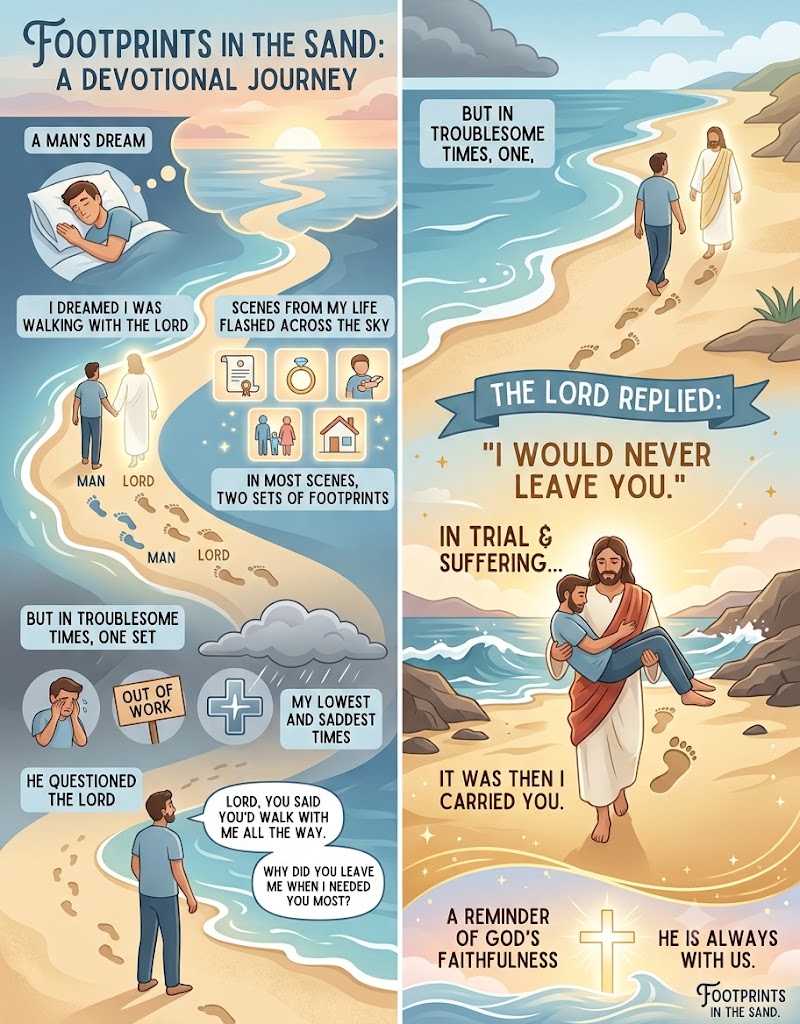
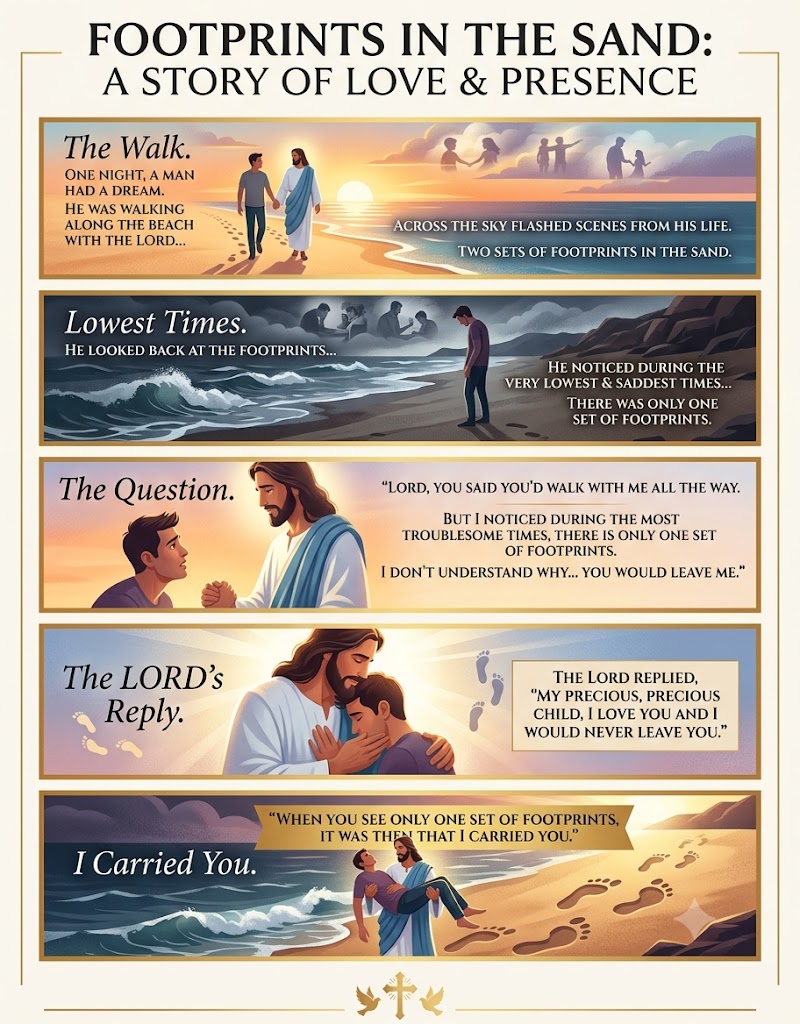
SUMMARY OF POEM: One night a man had a dream. He dreamed he was walking along the beach with the LORD. Across the sky flashed scenes from his life. For each scene, he noticed two sets of footprints in the sand; one belonging to him, and the other to the LORD. When the last scene of his life flashed before him, he looked back at the footprints in the sand. He noticed that many times along the path of life there was only one set of footprints. He also noticed that it happened at the very lowest and saddest times in his life. This really bothered him and he questioned the LORD about it. “LORD, you said that once I decided to follow You, You’d walk with me all the way. But I noticed that during the most troublesome times in my life, there is only one set of footprints. I don’t understand why, when I needed You most, You would leave me.” The LORD replied, “My precious, precious child, I love you and I would never leave you. During your times of trial and suffering, when you see only one set of footprints, it was then that I carried you.”

FEELING OF ABANDONMENT: The man in the poem experiences confusion and a sense of abandonment when he sees only one set of footprints during his “lowest and saddest times,” questioning why the LORD “would leave” him when he needed Him most. The disciples are alone in the midst of a violent storm, separated from Jesus by distance and darkness. When Jesus does appear, their fear—and Peter’s subsequent sinking when focused on the waves—reflects a similar human struggle to feel the presence of God when surrounded by chaos and trouble.

DIVINE RESCUE WHEN HUMAN STRENGTH FAILS: The climax reveals that when the man felt most alone, God was actually holding him up: “it was then that I carried you.” The single set of footprints belongs to God, not the man. When Peter fails and begins to sink, he is incapable of saving himself. It is Jesus who immediately reaches out and “caught him.” This act of catching is parallel to the idea of being “carried.” Jesus’ active intervention rescues Peter when his own faith and ability are insufficient.

FROM DOUBT TO REVELATION: The man’s distress is caused by his limited perception. He interprets the single set of footprints through his own doubt and pain. Only the LORD’s explanation provides the correct perspective, transforming his understanding from abandonment to ultimate dependency and care. Peter’s failure is caused by a shift in perspective—from trusting Jesus’ command to focusing on the terrifying “wind.” Both Peter’s sinking and the poem’s “single set of footprints” symbolize moments when human understanding fails to see God’s active work, requiring a correction that affirms His constant presence and sovereignty.


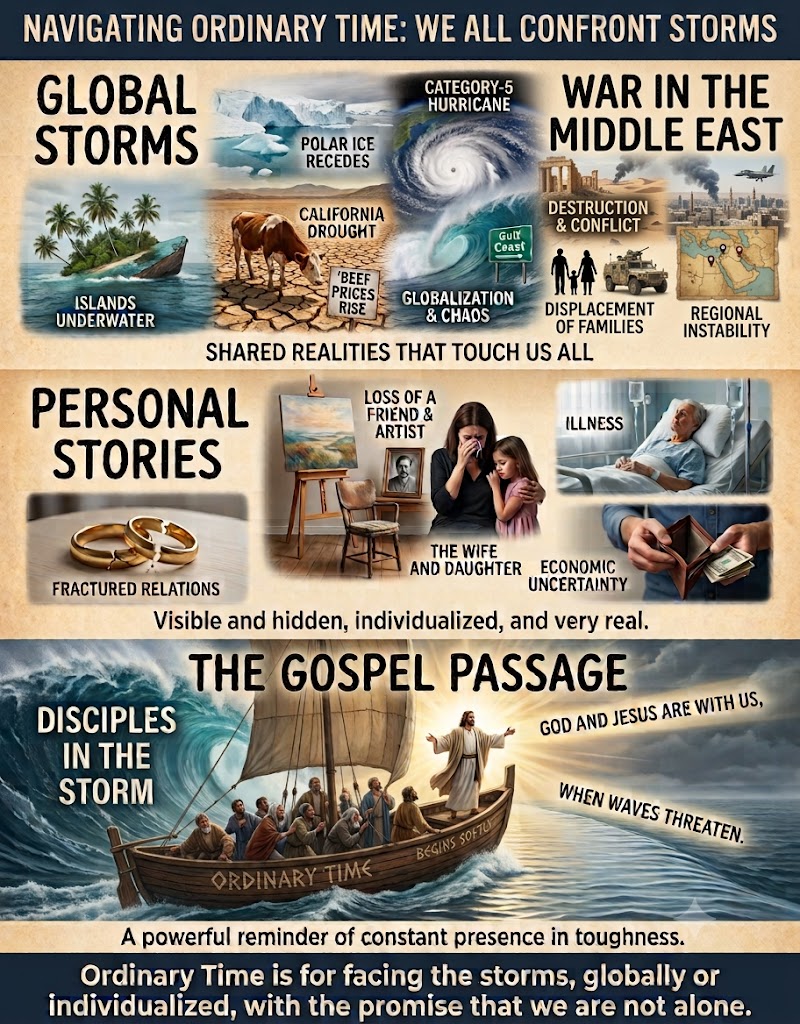
We All Confront Storms

19th Sunday of Year A

The Chosen (2023)

19th Sunday of Year A

YouTube player

While the biblical account in Matthew 14:22–33 offers a concise, miraculous narrative focused on faith and divine identity, The Chosen (Season 3, Episode 8) dramatically expands the scene into an emotional, character-driven climax.

Here are the primary ways the television adaptation differs from the Gospel text:

1. Deeply Personal Dialogue & Emotional Backstory

  • The Biblical Text: Peter’s dialogue is brief and direct. He asks, “Lord, if it’s you, tell me to come to you…”, steps out, focuses on the wind, and cries, “Lord, save me!”
  • The Series: Simon Peter’s walk on the water becomes the boiling point of his season-long emotional struggle. While standing on the waves, Simon confronts Jesus about why He heals total strangers (including Gentiles in the Decapolis) while allowing Simon’s household to suffer through his wife Eden’s miscarriage. Instead of a simple lapse in physical focus, Simon’s sinking is tied to deep-seated grief, anger, and feelings of abandonment.

2. Intercut Parallel Storytelling

  • The Biblical Text: The scene in Matthew focuses entirely on the Sea of Galilee, the boat, the disciples, and Jesus.
  • The Series: The show intercuts Simon’s struggle in the stormy sea with scenes back in Capernaum, where his wife Eden is stepping into a mikveh (a Jewish ritual bath). As Simon sinks into the sea and is lifted out by Jesus, Eden immerses herself in the water for ritual purification and emotional restoration, visually linking their shared healing.

3. Blending Multiple Passages & Scriptural Allusions

  • The Biblical Text: Jesus reassures them with “Take courage! It is I. Don’t be afraid,” and later asks Peter, “You of little faith, why did you doubt?”
  • The Series: The show weaves in several additional scriptures:
    • Jesus repeats His invitation from Matthew 11:28 (“Come to me, all who labor and are heavy laden…”) when calling Simon across the water.
    • Jesus references the testing of faith from 1 Peter 1:6–7, anticipating Peter’s future writings.
    • Rather than waiting until He climbs into the boat, Jesus commands the storm directly from the water with “Peace! Be still!”—incorporating the command from the separate storm-calming account in Mark 4:39.

4. Shift in Climax: Intimate Reconciliation vs. Corporate Worship

The Series: The episode omits the group’s formal declaration of divinity to keep the focal point on the raw, intimate relationship between Jesus and Simon. Simon clings to Jesus in the water, begging, “Don’t let me go,” while Jesus embraces him, promising His constant presence even in times of suffering.

The Biblical Text: Matthew ends with a collective declaration: as Jesus enters the vessel and the wind ceases, the disciples worship Him, saying, “Truly you are the Son of God” (Matt 14:33).

MORE ANECDOTES

In All Things, Trust: Recognizing God in Silence and the Storm

by Fr. Tony Kadavil

The readings for this week speak of God’s saving presence for His people and the need for trusting faith in a loving and providing God Who always keeps us company.  

1 Kgs 19:9a, 11-13a

The first reading tells us of how Elijah the prophet who had defeated the 450 false priests of Baal with the help of just such a trusting Faith in the power of Yahweh (then had to flee for his life), encountered the Lord God on Horeb.

In the Responsorial Psalm (Ps 85), the Psalmist assures us, “Near indeed is His Salvation to those who fear Him, glory dwelling in our land.”  

READ MORE
1. Historical Background: The Division of Israel

After Solomon’s death (922 BC), the northern tribes broke away from Judah, from its priests, and from the Temple in Jerusalem. They formed an independent country they called Israel, centered in the city of Samaria. As years rolled by, many of these Jews lost their Faith in Yahweh. Their seventh king, Ahab (869-850 BC), married Jezebel, the daughter of the pagan king of Tyre. He allowed her to build a temple for her god Baal, then encouraged, and himself took part in, idol-worship and immorality.

2. Elijah’s Mission and Flight to Horeb

The prophet Elijah was sent by Yahweh to Israel to bring His people back to true worship. Elijah’s trusting Faith in the power and presence of Yahweh enabled him to defeat and execute the 450 pagan priests of Baal on Mount Carmel (1 Kgs. 18:16-40). Consequently, Queen Jezebel sent murderous henchmen after the prophet. Elijah, sustained by food provided by God through an angel, fled for forty days and nights. He finally reached Horeb, the mountain where God had earlier established His covenant with Israel under Moses.

3. The Encounter: Finding God in the Silence

Elijah might have expected a spectacular miracle from God to protect and vindicate him, or an appearance of God with great power in thunder and lightning to bolster his Faith, like the one Moses had been granted on that very spot (Exodus 19:16-19). However, the presence of God was not in the spectacles of thunder, earthquake, or fire, but in “a tiny whispering sound.”

Elijah acknowledged God’s presence by covering his face and coming out of the cave where he had taken shelter. He was content with God’s quiet sign of His presence, and was consoled, trusting that his God was helping and protecting him.

4. Spiritual Application: Recognizing God in Daily Life

Like Elijah, we can miss God’s presence by limiting our experience of Him to certain places and persons and forgetting that He is everywhere. The first reading reminds us that we have to experience God’s presence in our lives and listen carefully to everything going on around us, because we encounter God in insignificant as well as spectacular events. Failure, as well as success, offers us the opportunity for growth in trusting Faith in a loving and providing God.


Romans 9:1-5

In the second reading, Paul laments and mourns over the Jews who, having lost their Faith in Yahweh and His prophets, had rejected their promised Messiah, Jesus.

READ MORE
1. Context: The Blessings of Christ

In the first eight chapters of his letter to the Romans, Paul describes the blessings which Christ the Messiah, as the fulfillment of “the Law and the prophets,” brought to mankind.

2. Paul’s Grief Over Israel’s Rejection

Deeply moved, Paul (in today’s second reading) cries out in passionate grief for his countrymen, the Jews, because as a nation they have refused to see Christ as the Messiah promised to them by God through their patriarchs and prophets. Thus, though still His Chosen People, they have not been the ones to bring the Messiah to the world and the world to the Messiah in the present form of the Kingdom of God on Earth.

3. God’s Divine Plan and the Gentile Mission

Paul tells us later (11: 7-24) that God’s plan allowed for the Jews’ rejection of Jesus; He supplied a few of the Chosen People who became believers in Jesus Christ, the Messiah (like Saul of Tarsus, a Pharisee who became Paul, the Apostle to the Gentiles), to carry the Good News outside Judaism and to evangelize the Gentiles. The result would be the salvation of the whole world and the reconciliation of the Jews and the Gentiles—blessings even greater than the election of Israel still in suspension. Thus, the ancient promise of God to Abraham would not go unfulfilled.

4. Practical Application: Gratitude and Intercession
  • Gratitude: Our first reaction should be a fervent “Thank You, God!” for the true Faith we have received and embraced.
  • Intercession: Our second thought should be to ask the good God, with trusting Faith, to send the light of Faith to the descendants of Abraham, and to re-light it among those Gentiles who have extinguished it.
  • Christian Responsibility: It is not enough for a true Christian that he should live his own life according to the laws of Christ. True charity demands that he be seriously interested in the spiritual welfare of his neighbors.
5. The Mystery of Redemptive Suffering

Paul knew that Jesus suffered and died for all humanity—past, present, and future. Christ’s suffering was redemptive. So, when we offer our own sufferings to Christ, then they, too, somehow become redemptive for others. Herein lies the power of all our intercessory prayer. Through the Church (the Body of Christ), all who suffer—whether Christian or not—are embraced by Christ who makes their suffering his own. As Pope John Paul II taught, in that unity of suffering with Christ, even the suffering of non-Christians is somehow contributing to the world’s redemption (Salvifici Doloris, 24).


Matthew 14:22-33

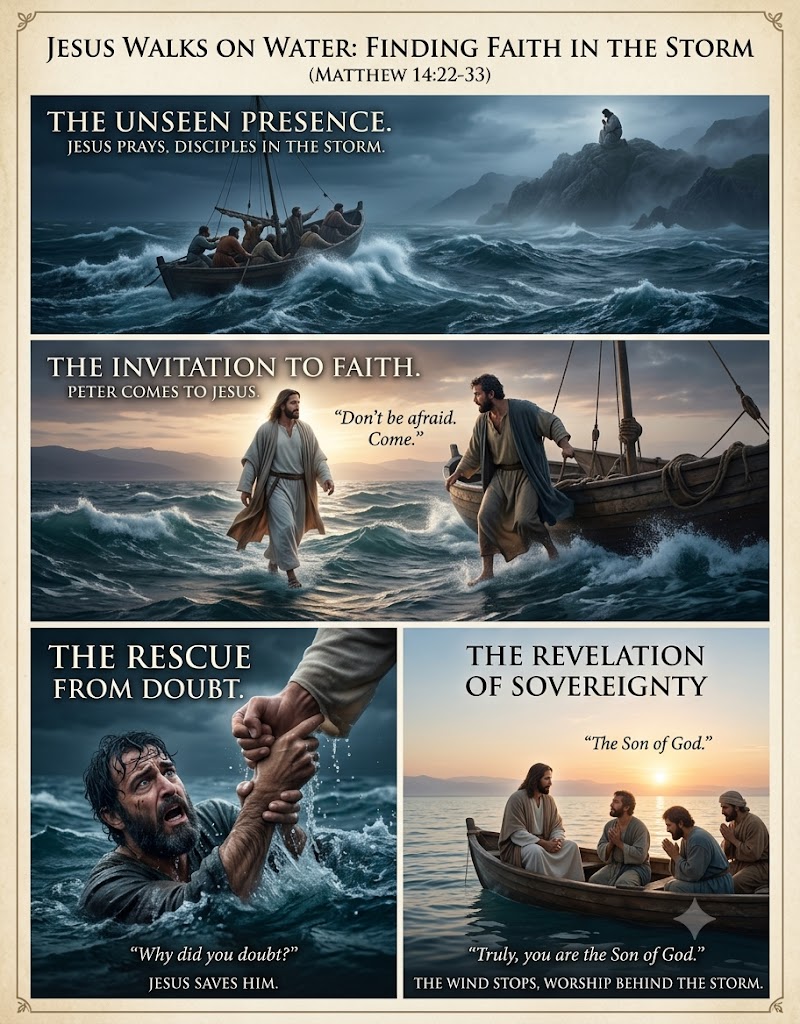
The Gospel episode explains how Peter lost his trusting Faith in Jesus for a few seconds, failed his attempt to walk on water, but was rescued when he called on Jesus for help.
READ MORE
1. Context: Narrative Bridge and Divine Presence

Today’s lesson, the account of Jesus’ walking on the Sea of Galilee, is one of the best-known passages in the New Testament. It forms a narrative bridge between the Jewish and Gentile portions of Jesus’ ministry, as well as giving us a theologically rich story about Jesus in its own right.

In Matthew’s Gospel, the story follows the rejection of Jesus in his hometown of Nazareth (13:54-58), the death of John the Baptist (14:1-12), and the feeding of the five thousand (14:13-21). It precedes the account of his healing of the sick at Gennesaret (14:34-36) and his confrontation with the Jewish authorities over the nature of tradition (15:1-9). In addition to being a collection of miracle stories (feeding, walking, healing), the stories also form a complex of narratives which, when taken together, speak about both those who recognized in Jesus the One promised by Israel’s religious tradition and those whose doubts or vested interests had blinded them to the miraculous power in their midst.

“In Matthew’s inspired theology, the Divine Presence in human history unfolds in three stages:

  1. God forms the people of Israel and remains with them in good times and bad;
  2. In fulfillment of the Divine promise transmitted by the prophets, Jesus, the Messiah and Incarnate Son of God, is present among his people as their savior;
  3. In these last days, the Risen Lord, through his disciples, is present to extend his saving mission beyond his particular historical time and land to all nations.”

Campion P. Gavaler, O.S.B.

The one constant in the drama of the Divine Presence in history is the necessity of human response to the saving presence with total trust.

2. The Challenge of Trusting Faith

Jesus’ walking on the water follows the miraculous feeding in Matthew, Mark, and John. However, the account of Peter’s walking on the water is found only in Matthew. Thus, Matthew’s retelling of this event also says something about Peter and his Faith.

While we might emphasize Peter’s fear, his sinking, and his “little” Faith, we need to look also at his leap of Faith. Peter represents all who dare to believe that Jesus is Savior, take their first steps in confidence that Jesus is able to sustain them, and then forget to keep their gaze fixed on him when they face storms of temptations. From the depth of crisis, however, they remember to call on the Savior, and they experience the total sufficiency of his grace to meet their needs.

It is this type of “little Faith” of Peter which Jesus later identifies as the rock on which he will build his Church. The only Faith Jesus expects of his followers is a Faith which concentrates solely on Him. In other words, when we simply heed Our Lord, we can do great things. So, with His grace, we have to raise our awareness of God’s presence in our lives. As we become more aware, we will step out and proclaim that presence, even in surprising places.

3. Assertion of Christ’s Divinity

Since there are a number of passages in the Hebrew Scriptures that speak of God walking on the sea (e.g., Job 9:8; Hb 3:15; Ps 77:19), it has been argued that this is a theophany: Jesus revealing Himself to his disciples as God by proving his mastery over the sea, considered by the ancients to be an unruly chaos inhabited by evil spirits.

In Jewish folklore, only God could walk on the water, but human beings cannot see God and live. Therefore, if a person thinks he sees someone walking on the water, it must be a ghost! Besides, there was also a superstition that there were monsters at the bottom of the Sea of Galilee, and likely that played into their alarm as well. The way to get rid of ghosts is to shout and scream, which is exactly what the disciples did until Jesus told them, “Take courage; it is I.” Then those in the boat worshipped Jesus and proclaimed him to be truly the Son of God.

There are aspects of this story that suggest a post-Easter event described in John 21:1-14, where the risen Jesus is at first unrecognized. Then, when the disciples know who he is, Peter jumps out of the boat and swims to Jesus. When the disciples get to shore, Jesus takes bread and fish—the same elements that appear in the feeding story before our text (Mt 14:13-21)—and gives them a meal. The only other occurrence of the disciples’ worshiping Jesus takes place on the mountain after the resurrection (Mt 28:17).

4. Assurance of Hope in the Midst of Persecutions

“Take heart, it is I; do not be afraid.”

Matthew recorded his Gospel after Peter was crucified, when the Christians were being persecuted. The two storm stories address issues of danger, fear, and Faith. In both stories, the boat seems to represent the Church, buffeted by temptations, trials, and persecutions. In both, Jesus appears as the Church’s champion, strong to save those who call on him in Faith.

The recounting of this episode probably brought great comfort to the early Christians, especially those of Matthew’s Faith community. For it offered them the assurance that Christ would save them even if they had to die for their Faith in him, and that, even in the midst of persecution, they need not fear because Jesus was present with them.

The episode offers the same reassurance to us in times of illness, death, persecution, or other troubles:

  • Adversity & Health: It teaches us that adversity is not a sign of God’s displeasure, nor prosperity a sign of His pleasure; illness is not a sign of inadequate Faith, nor health a sign of great Faith.
  • Blessing in Storms: Paradoxically, the storms of life can be a means of blessing. When things are going badly, our hearts are more receptive to Jesus. A broken heart is often a door through which Christ can find entry. He still comes to us in the midst of our troubles, saying, “Take heart, it is I; do not be afraid.”
  • Focusing on the Source: If we permit the chaos and evil around us to distract and influence us, then we will sink into the very chaos that we fear! On the other hand, if we keep our focus on the Source of our safety, our salvation, the One to whom we call out to save us, then the winds die down, and we are once again content in the Presence of the Lord.

This is the way we increase or sustain our Faith: by never doubting that the Presence of the Lord is with us every single moment of our lives! Our Catechism reminds us that when we cry out “Lord!” we express our recognition of the Divine Mystery of Jesus, and also show our respect and trust in the One we approach for help and healing (CCC #448).

by Fr. Tony Kadavil

Let us approach Jesus with strong Faith in his ability and willing  availability to calm the storms in the life of the Church and in our lives. Church history shows us how Jesus saved his Church from the storms of persecution in the first three centuries, from the storms of heresies in the 5th and 6th  centuries, from the storms of moral degradation and the Protestant reformation movement in the sixteenth and seventeenth centuries, and from the storms of sex abuse scandals of the clergy in the twentieth and twenty-first centuries. It is the presence of Jesus which gives us peace even in the wildest storms of life: the storms of anxiety and worries about the future we are suffering now in the ongoing Corona Virus Pandemic  (Corvid-19), storms of sorrow, storms of doubt, tension and uncertainty, storms of anxiety and worries, storms of anger and despair, storms of temptations. Storms reveal to us our inability to save ourselves and point us to the Infinite ability and eagerness of God to save us. When Jesus shows up in our life’s storms, we find that we gain strength to do the seemingly impossible. For example, when Jesus shows up, he makes marriages out of mistakes, he invigorates, restores, and empowers us to reach the unreachable, to cross the un-crossable. Storms let us know that without him we can do nothing, without him we are doomed to fail. Yet, when Jesus shows up, we gain the strength to join Paul, saying, “In Christ I can do all things.” But this demands a personal relationship with God, with Jesus, enhanced through prayer, meditative study of Scripture and an active Sacramental life. Experiencing Jesus’ presence in our lives, let us confess our Faith in him and call out for his help and protection always.


We need to imitate the
short prayer of sinking Peter

by Fr. Tony Kadavil

We are expected to pray to God every day with trusting Faith for the strengthening of our personal relationship with Him and for the courage and humility to acknowledge our complete dependence on Him for everything.  But when we have no time or mental energy for formal prayers, let us use the short prayers in the Gospels, like Peter’s prayer: “Lord, save me!” or the prayer of the mother of the possessed girl: “Lord, help me!” or the blind man’s prayer: “Son of David, have mercy on me!” or the sinner’s prayer: “Lord, have mercy on me a sinner!” We get plenty of time during our travels to say the short prayers like the “Our Father”, “Hail Mary” and “Glory be….” We may begin every day offering all our day’s activities to God and asking for His grace to do His will and we may conclude every day before we go to sleep, by asking God’s pardon and forgiveness for our sins. Keeping a Bible on our table will encourage us to read at least a few words of the Bible and thus listen to what God is saying to us.